This article contains AI generated content.
· UpdatedAcromegaly Genes and Biomarkers — 5 Genes And 6 Biomarkers To Track
Introduction
Acromegaly is one of the most underdiagnosed hormonal conditions in medicine. The average time from first symptom to confirmed diagnosis is seven to ten years. During that window, the body is quietly absorbing damage: joints wear down, the heart enlarges, glucose metabolism deteriorates, and soft tissue changes accumulate in ways that do not fully reverse even after successful treatment. By the time most people sit across from an endocrinologist with a confirmed diagnosis, the disease has already been shaping their physiology for years.
What makes acromegaly genuinely complicated is that managing it well cannot stop at treating the pituitary tumor. Excess growth hormone affects almost every organ system, and the comorbidities — insulin resistance, sleep apnea, arthropathy, cardiovascular remodeling — each have their own trajectory and require their own monitoring. Generic advice about "managing chronic illness with a healthy lifestyle" does not account for any of this. It does not explain which metabolic markers matter most, which genetic findings change treatment decisions, or which lifestyle levers actually move the numbers that matter in this specific condition.
This article takes a more precise approach. The first layer is a set of six biomarkers that are clinically meaningful for anyone with acromegaly or suspected acromegaly — what each marker reveals, how to measure it affordably, and what to do when the numbers fall outside the optimal range. The second layer covers the five most established genes in acromegaly: the somatic mutations that drive most sporadic cases, the hereditary mutations that require family screening, and what understanding your genetic picture means for treatment and surveillance decisions.
Better information does not promise a cure, but it does change what you notice, what questions you ask at appointments, and how quickly you recognize when something is moving in the wrong direction. That gap between passively waiting for results and actively tracking a meaningful dashboard is where outcomes diverge.
6 Biomarkers That Define the Disease — And Its Control
Tracking biomarkers in acromegaly is not a one-time exercise. Disease activity fluctuates with treatment, and the comorbidities that GH excess creates — metabolic, cardiovascular, musculoskeletal — each have measurable signals that evolve independently of the tumor itself. The six markers below form a practical core panel: from the primary hormonal axis to the metabolic consequences that define long-term outcomes.
1. IGF-1 (Insulin-like Growth Factor 1)
Why it matters
IGF-1 is the central biomarker of acromegaly. Growth hormone itself circulates in pulses, making a single GH measurement unreliable as a standalone indicator. IGF-1 — produced primarily in the liver in response to GH signaling — circulates at stable concentrations throughout the day and provides an integrated picture of GH activity over the preceding hours. Normalizing IGF-1 to within the age- and sex-adjusted reference range is the primary treatment goal recognized by all major endocrinology guidelines.
Chronically elevated IGF-1 is not merely diagnostic — it is biologically active at every elevated concentration. It promotes cell proliferation across multiple tissues, which explains the increased cancer risk (colorectal, breast, and prostate cancers are all associated with high IGF-1) that accompanies uncontrolled acromegaly. Peter Attia, in his work on longevity biomarkers, has argued that chronically elevated IGF-1 is one of the clearest pro-oncogenic signals measurable in routine blood work. In acromegaly, IGF-1 is often two to four times the upper limit of normal — not a marginal elevation.
How to measure it
A standard blood draw, with no fasting required. Results must be interpreted using age- and sex-specific reference ranges — a result of 280 ng/mL means something very different at age 25 versus age 65. Most clinical laboratories provide age-adjusted reference ranges; if yours does not, ask your endocrinologist to interpret the absolute number in context.
Cost range: $40–$90 for a standalone test in the United States; often included in pituitary function panels ordered by endocrinologists. Several direct-to-consumer lab services offer it for $50–$70 without a physician order.
If the score is bad, the plan without supplements
Elevated IGF-1 in confirmed acromegaly requires medical management of the underlying tumor — this is non-negotiable. No lifestyle intervention alone can normalize IGF-1 in active disease driven by a GH-secreting adenoma. Within that reality, the following practices meaningfully reduce IGF-1-stimulating signals alongside medical treatment:
- Reduce total dietary protein to 1.0–1.4 g/kg body weight (not the higher bodybuilding-level intakes sometimes recommended for muscle); very high protein acutely raises IGF-1 production - Eliminate or significantly reduce dairy consumption — dairy products contain bioavailable IGF-1 and robustly stimulate endogenous IGF-1 - Practice a 12–14 hour overnight fast; fasting reduces insulin and modulates GH pulse dynamics, and lower insulin reduces hepatic IGF-1 output - Avoid high-intensity resistance training until GH is controlled; heavy loading acutely raises GH, and the downstream IGF-1 signal compounds existing excess - Prioritize slow-wave sleep quality: the majority of GH secretion in healthy individuals occurs during deep sleep, and poor sleep dysregulates the pituitary axis further - Apply these practices daily and continuously — they are not cycled interventions
If the score is bad, the plan with supplements or equipment
No supplement has been shown to meaningfully lower IGF-1 in active acromegaly. What supplements can address are the downstream consequences — bone health, insulin sensitivity, inflammation — that elevated IGF-1 worsens:
- Vitamin D3 (2,000–5,000 IU/day): Vitamin D interacts with GH/IGF-1 signaling pathways, and deficiency is common in acromegaly. Critical for bone architecture — acromegaly causes bone remodeling changes that increase fracture risk. Test serum 25(OH)D every six months; maintain 40–60 ng/mL. No cycling needed. - Omega-3 fatty acids (2–4 g EPA+DHA per day): Cardiovascular and anti-inflammatory support. Acromegaly significantly elevates cardiovascular risk; omega-3s address part of this burden. Take with meals. No cycling needed. - Magnesium glycinate (300–400 mg before bed): Supports sleep quality, insulin sensitivity, and muscle function — all impaired in active acromegaly. Reduce dose if loose stools occur. - Discuss all supplements with your endocrinologist; some agents can interfere with hormone assay accuracy or interact with somatostatin analogues.
2. GH Nadir After Oral Glucose Tolerance Test (OGTT)
Why it matters
This test is the gold standard for both diagnosing acromegaly and confirming remission after treatment. In healthy individuals, ingesting 75 g of oral glucose suppresses GH to below 1 ng/mL — and below 0.4 ng/mL with modern ultrasensitive assays. In acromegaly, GH fails to suppress, and in some patients paradoxically rises during glucose loading. A GH nadir above 1 ng/mL during OGTT is diagnostic in the appropriate clinical context. After surgery or medical treatment, an OGTT that demonstrates adequate GH suppression is the most reliable confirmation of true remission — more reliable than a single IGF-1 measurement alone.
How to measure it
This is a structured test conducted in a clinical setting. The patient fasts overnight, then drinks a 75 g glucose solution. Blood is drawn at 0, 30, 60, 90, and 120 minutes for both glucose and GH measurement. It requires a referral and cannot be done at home.
Cost range: $150–$400 depending on facility, assay type, and insurance coverage. Typically covered by insurance when ordered by an endocrinologist for confirmed or suspected acromegaly.
If the score is bad, the plan without supplements
Failure to suppress GH during OGTT signals active disease or inadequate treatment control. The treatment options — transsphenoidal pituitary surgery, somatostatin receptor ligands (octreotide LAR, lanreotide), dopamine agonists (cabergoline), or GH receptor antagonist (pegvisomant) — should be reviewed urgently with your endocrinologist. From a lifestyle standpoint, the same dietary and sleep practices described under IGF-1 apply. Metabolic optimization (low-glycemic eating, postprandial walking) improves glucose handling during the OGTT itself.
If the score is bad, the plan with supplements or equipment
No supplement improves GH suppression during OGTT. However, a continuous glucose monitor (CGM) — such as the Abbott FreeStyle Libre 3 or the Dexcom G7 — worn for two-week periods provides detailed insight into your glucose metabolism between formal tests. CGM reveals which foods cause the largest glucose spikes and validates the impact of postprandial walking. This is not a treatment for elevated GH but a precision tool for managing the metabolic damage that elevated GH causes. Cost: $30–$60 per two-week sensor.
3. Fasting Growth Hormone
Why it matters
A single fasting GH level has real limitations: GH is released in pulses, and a measurement taken between pulses may be deceptively low even in active disease. Nevertheless, fasting GH is useful for monitoring treatment response over time. In healthy adults, GH between pulses is very low — below 0.4 ng/mL with sensitive assays. In active acromegaly, fasting GH is typically elevated above 2.5 ng/mL even between pulses. After successful treatment, achieving a fasting GH below 1 ng/mL (ideally below 0.4 ng/mL) alongside normalized IGF-1 defines biochemical remission by most consensus criteria.
How to measure it
Standard blood draw after an overnight fast of at least eight hours. Requires an ultrasensitive GH assay for meaningful measurement at low levels — confirm with your laboratory that their GH assay has sensitivity below 0.1 ng/mL. Always interpret alongside IGF-1.
Cost range: $40–$100; typically included in specialist pituitary panels.
If the score is bad, the plan without supplements
Elevated fasting GH signals active disease or treatment inadequacy. The same management framework applies as for OGTT. Time the blood draw carefully: avoid strenuous exercise in the 24 hours prior, ensure adequate sleep the night before, and test in the morning before eating or physical activity.
If the score is bad, the plan with supplements or equipment
If sleep apnea is identified — which affects approximately 80% of acromegaly patients — CPAP therapy is critical. Untreated sleep apnea disrupts the hypothalamic regulation of GH secretion, worsens insulin resistance, and elevates cardiovascular risk independently. CPAP machines: $500–$1,500; usually covered by insurance with a polysomnography-confirmed diagnosis. Magnesium glycinate and melatonin (0.5–1 mg taken 30–60 minutes before sleep) support sleep architecture without significantly stimulating GH. Avoid higher-dose melatonin (5–10 mg), which is often unnecessary and may interfere with hormonal assays.
4. HbA1c and Fasting Glucose
Why it matters
Acromegaly causes insulin resistance through a direct mechanism: excess GH counter-regulates insulin action at the receptor and post-receptor level. Approximately 25–35% of acromegaly patients develop frank type 2 diabetes, and a substantially larger proportion show impaired glucose tolerance. Diabetes in acromegaly dramatically worsens cardiovascular outcomes — the disease's most common cause of premature death. Tracking HbA1c and fasting glucose is therefore not a generic wellness exercise; it is active monitoring of one of acromegaly's most consequential complications.
Peter Attia treats HbA1c as a cornerstone longevity biomarker, emphasizing that even modest elevations above 5.4–5.6% signal metabolic stress with long-term cardiovascular and cognitive consequences. In acromegaly, the threshold for concern is the same — but the driving mechanism (GH-mediated insulin resistance) adds urgency that does not exist in ordinary metabolic aging.
Targets: fasting glucose below 95 mg/dL, HbA1c below 5.7% (below 5.4% following a longevity-focused framework).
How to measure it
Standard blood tests; fasting for 8–12 hours before the draw. Both can be ordered together as part of a basic or comprehensive metabolic panel.
Cost range: $20–$50 for both combined; included in most routine blood work ordered by endocrinologists.
If the score is bad, the plan without supplements
- Adopt a low-glycemic or low-carbohydrate dietary pattern; this directly reduces insulin demand and improves glucose control in mild-to-moderate insulin resistance without requiring medication - Walk for 10–15 minutes after each meal: postprandial walking is one of the most evidence-backed, cost-free interventions for blunting post-meal glucose spikes — multiple controlled studies show it reduces glucose AUC by 20–30% - Prioritize resistance training 2–3 times per week once GH is under control; skeletal muscle is the primary site of glucose disposal, and muscle mass is the most durable long-term defense against insulin resistance - Address sleep apnea aggressively: untreated obstructive sleep apnea independently worsens insulin resistance through intermittent hypoxia and sympathetic activation - Discuss metformin with your endocrinologist if HbA1c rises above 5.7%; it is commonly used for acromegaly-related glucose dysregulation and carries additional benefits beyond glucose control - Apply these habits daily — no cycling
If the score is bad, the plan with supplements or equipment
- Berberine (500 mg, 2–3 times daily with meals): Evidence in non-acromegaly populations demonstrates modest glucose-lowering effects with a mechanism similar to low-dose metformin (AMPK activation). Not a replacement for metformin if indicated. Check for drug interactions. Cycle 8 weeks on, 4 weeks off to avoid potential microbiome disruption. - Myo-inositol (2 g twice daily): Supports insulin receptor signaling. Evidence in insulin resistance and PCOS populations is moderate; biological plausibility for GH-mediated insulin resistance is reasonable but not directly proven. No significant side effects. Take continuously. - Magnesium glycinate (300–400 mg/day): Magnesium deficiency is strongly associated with insulin resistance, and suboptimal magnesium is common in people with elevated glucose levels. Supports glucose metabolism and muscle function. - CGM for dietary optimization (as described above): Using a CGM to directly observe how specific meals, walks, and stress events affect your glucose curve is more informative than a quarterly HbA1c alone.
5. Prolactin
Why it matters
Prolactin is elevated in approximately 30–40% of acromegaly cases. This happens through two distinct mechanisms: the pituitary adenoma may co-secrete both GH and prolactin (a mammosomatotroph adenoma), or the tumor's mass effect may compress the pituitary stalk, impairing dopamine delivery and thereby disinhibiting prolactin secretion (the "stalk effect"). The distinction matters clinically. Co-secreting adenomas may respond to cabergoline, which lowers both prolactin and — to a meaningful extent — GH. Stalk-effect hyperprolactinemia is treated by addressing the tumor itself, not by targeting prolactin directly.
At the tissue level, elevated prolactin causes reproductive dysfunction (irregular cycles, loss of libido, infertility), bone density reduction (by suppressing sex hormone production), and galactorrhea. Left unmonitored, it silently accelerates bone loss on top of acromegaly's existing bone architecture disruption.
How to measure it
Standard morning blood draw. Prolactin is mildly stress-sensitive — a difficult blood draw, significant anxiety, or even sexual activity can transiently elevate it. If an initial result is unexpectedly elevated but modest, confirm with a repeat fasting measurement. Request macroprolactin exclusion if borderline elevation is found without symptoms.
Cost range: $30–$80 for a standalone prolactin test.
If the score is bad, the plan without supplements
- Bring the result to your endocrinologist with notes on any medications you take: many antipsychotics, some antiemetics (metoclopramide), opioids, and some antidepressants (especially SSRIs at higher doses) raise prolactin and should be reviewed - Minimize chronic psychological stress: the HPA axis and hypothalamic dopaminergic control are interlinked, and chronic stress can contribute to mildly elevated prolactin independent of medication - Reduce high-intensity exercise that creates significant physical stress load in the context of poorly controlled disease - Prioritize bone density assessment (DEXA scan) if prolactin has been elevated for more than 6–12 months, as bone loss may be already underway
If the score is bad, the plan with supplements or equipment
- Vitamin B6 (pyridoxine, 50–100 mg/day): Has modest evidence for mildly lowering prolactin levels by supporting dopaminergic signaling; used clinically for mild hyperprolactinemia in some European centers. Do not exceed 100 mg/day chronically — peripheral neuropathy is a well-documented risk at higher doses. Take for 8–12 weeks then reassess. - Zinc (15–30 mg/day with food): Involved in dopamine metabolism and pituitary hormone regulation. Some evidence for supporting dopaminergic tone. Do not take with high-dose calcium supplements (competitive absorption). No cycling needed at this dose. - Ashwagandha KSM-66 (300 mg twice daily): Reduces cortisol and stress-axis activation, which may indirectly support prolactin normalization in cases where stress contributes to elevation. Evidence in healthy adults is moderate. Cycle 8–12 weeks on, 4 weeks off. Avoid in thyroid conditions without medical guidance. - Important: prolactin above 100 ng/mL requires medical evaluation and treatment — no supplement reliably addresses significant hyperprolactinemia.
6. Serum Inorganic Phosphorus
Why it matters
Serum phosphorus is one of the most overlooked markers in acromegaly management, and one of the cheapest. Growth hormone directly increases renal phosphate reabsorption, raising serum phosphorus above the normal range (typically above 4.5 mg/dL or 1.45 mmol/L). This elevation correlates directly with GH activity and normalizes with successful treatment. When IGF-1 is borderline or when assay variability between laboratories creates interpretive uncertainty, serum phosphorus provides an independent, low-cost signal of whether GH excess is present or resolving. Some experienced endocrinologists routinely check it at every visit for exactly this reason.
How to measure it
Included in any basic metabolic panel (BMP) or comprehensive metabolic panel (CMP). Fasting is recommended, as postprandial phosphate can fluctuate modestly. One of the least expensive tests in this panel.
Cost range: $15–$40 when included in a standard metabolic panel.
If the score is bad, the plan without supplements
Elevated phosphorus in the context of acromegaly signals active GH excess — the primary action is reviewing medical management with your endocrinologist. Dietary phosphorus restriction (limiting processed foods, cola beverages, and processed meats which contain high-absorption phosphate additives) makes a modest secondary contribution. Stay well hydrated; adequate hydration supports normal renal phosphate handling. Track phosphorus at each lab draw as part of your panel — watching it trend down with treatment is a useful motivating signal.
If the score is bad, the plan with supplements or equipment
Phosphate binders should only be used under explicit medical supervision — phosphate balance is nuanced and inappropriate binding can cause hypophosphatemia with its own consequences. From a supportive standpoint, adequate magnesium status supports normal phosphate metabolism (the two are interrelated). As phosphorus normalizes with disease control, it can function as a low-cost confirmatory marker that reinforces the IGF-1 trend. No specific supplement is indicated here beyond optimizing overall medical management.
With the six core biomarkers mapped, the next layer worth understanding is the genetic architecture underneath them — particularly for younger patients, those with family history, or anyone whose tumor behaves unusually.
The Genetic Landscape of Acromegaly — 5 Genes Worth Knowing
Most acromegaly arises from somatic mutations — changes that occur in a single pituitary somatotroph cell, not inherited from parents. But a clinically significant minority of cases — particularly early-onset cases, large or aggressive tumors, and cases with family history of pituitary or endocrine disease — involve germline genetic mutations that fundamentally change the monitoring strategy, treatment decisions, and responsibilities toward family members. Understanding which genetic category applies matters.
GNAS — The Somatic Driver in 35-40% of Sporadic Cases
What this gene does
GNAS encodes the alpha subunit of the stimulatory G protein (Gsα), which normally activates adenylate cyclase transiently in response to GHRH stimulation, then inactivates itself through intrinsic GTPase activity. Somatic gain-of-function mutations in GNAS — called gsp mutations — disable this GTPase activity, locking Gsα in a permanently active state. The result is constitutive cAMP signaling, driving continuous somatotroph proliferation and GH secretion independent of normal hypothalamic regulation. These mutations are identified in approximately 35–40% of sporadic GH-secreting adenomas.
GNAS mutations are somatic (tumor-only) and are detected by sequencing tumor tissue post-surgery — not by blood genetic testing. Because they are not inherited, family members do not need genetic screening for this specific mutation.
If the gene is mutated, the plan without supplements
GNAS-mutant tumors tend to be smaller, more differentiated, and more responsive to somatostatin receptor ligands (SRLs) such as octreotide LAR and lanreotide than tumors without this mutation. If post-surgical tumor pathology is available, ask whether GNAS mutational testing was performed — this information directly informs the likelihood of SRL response. Track IGF-1 and GH every 3–6 months post-treatment. Because these tumors are SRL-sensitive, primary medical therapy with SRLs (without prior surgery) may be considered in appropriate cases.
If the gene is mutated, the plan with supplements or equipment
No supplement directly modifies GNAS tumor biology. The genetic finding here is a prognostic and treatment-selection tool, not a target for nutritional intervention. Supportive metabolic care remains identical to that described in the biomarker section: vitamin D3, omega-3 fatty acids, magnesium, and glucose metabolism support. Pituitary MRI surveillance (typically every 6–12 months post-treatment for the first several years) is the central monitoring tool.
AIP — The Gene Behind Young-Onset Acromegaly
What this gene does
AIP (Aryl Hydrocarbon Receptor-Interacting Protein) is a tumor suppressor located on chromosome 11q13. It acts as a chaperone and negative regulator of pituitary somatotroph proliferation. Germline loss-of-function mutations in AIP cause Familial Isolated Pituitary Adenoma (FIPA) and account for approximately 15–20% of familial acromegaly kindreds and 2–5% of apparently sporadic cases — with substantially higher prevalence among patients diagnosed before age 30 or those with very large, invasive tumors.
The clinical hallmark of AIP-mutant acromegaly is critical: these tumors are typically larger, more aggressive, diagnosed at a younger age, and significantly less responsive to somatostatin receptor ligands than GNAS-mutant or other sporadic tumors. This changes the treatment hierarchy considerably — pegvisomant (a GH receptor antagonist, which bypasses SRL resistance) or combination medical therapy is more often required.
If the gene is bad, the plan without supplements
- Arrange cascade genetic testing for first-degree relatives (parents, siblings, children): AIP mutations are autosomal dominant, and identifying carriers before tumor development enables early intervention - Mutation-positive relatives without a known tumor should undergo pituitary MRI surveillance (every 2–3 years from young adulthood, or per specialist guidance) - Discuss with your endocrinologist whether pegvisomant should be part of your treatment regimen given the high likelihood of SRL resistance - Annual pituitary function testing (IGF-1, GH, prolactin, full pituitary panel) is the biochemical monitoring backbone - Given tumor aggressiveness, postoperative MRI should be conducted at three months post-surgery, not at the standard 12-month mark
If the gene is bad, the plan with supplements or equipment
No supplements compensate for AIP haploinsufficiency at the molecular level. Current research into protein homeostasis pathways (including heat shock protein modulation) is in early animal and in vitro stages with no clinical application. Supportive care follows the same framework as described for biomarkers: vitamin D for bone and immune function, omega-3s for cardiovascular support, glucose management. The genetic finding here is primarily a surveillance and treatment-selection signal, not a target for nutritional intervention.
MEN1 (Menin) — When Acromegaly Is Part of a Larger Syndrome
What this gene does
MEN1 encodes menin, a nuclear scaffold protein involved in transcriptional regulation, chromatin remodeling, and cell cycle control. Germline loss-of-function mutations cause Multiple Endocrine Neoplasia type 1 (MEN1), a hereditary syndrome with three cardinal manifestations: parathyroid tumors (hyperparathyroidism, occurring in more than 95% of carriers), pancreatic neuroendocrine tumors (insulinomas, gastrinomas, and others), and pituitary adenomas. Acromegaly develops in approximately 10–15% of MEN1 patients, and pituitary disease in MEN1 tends to be identified earlier due to the active surveillance applied to known carriers.
MEN1 follows a classic two-hit tumor suppressor model: one mutation is inherited, and somatic loss of the remaining allele triggers tumor development in susceptible tissues.
If the gene is bad, the plan without supplements
MEN1 management is multidisciplinary by necessity:
- Annual biochemical screening: serum calcium, intact PTH, fasting gut hormone panel (gastrin, insulin, glucagon, chromogranin A) — hyperparathyroidism is often the first and most common manifestation - Pituitary MRI every 3–5 years (or every 1–2 years if a pituitary adenoma is present or growing) - Upper endoscopy and/or CT/MRI pancreas at an interval determined by your MEN1 specialist, based on pancreatic tumor history - Genetic testing and counseling for all first-degree relatives; autosomal dominant inheritance means 50% of children and siblings will carry the mutation - Engage an experienced MEN center or pituitary tumor center — MEN1 management requires coordinated specialty care
If the gene is bad, the plan with supplements or equipment
- Vitamin D3 (as above): critical in MEN1 given hyperparathyroidism-driven calcium dysregulation affecting bone. Maintain serum 25(OH)D at 40–60 ng/mL but avoid calcium supplementation without physician direction — calcium status requires careful monitoring in this syndrome - Proton pump inhibitor (PPI) therapy: if gastrinoma is present, gastric acid suppression is medically indicated — this is a physician-prescribed medication, not a supplement. Ensure your gastroenterologist is involved - DEXA bone density scan every 1–2 years: hyperparathyroidism accelerates bone mineral density loss; weight-bearing exercise (3x/week resistance training when GH is controlled) is the most durable non-pharmacological countermeasure
CDKN1B (p27/KIP1) — MEN4, The Rarer Variant
What this gene does
CDKN1B encodes p27/KIP1, a cyclin-dependent kinase inhibitor that functions as a brake on cell cycle progression. Germline loss-of-function mutations cause MEN4 — a syndrome identified relatively recently that presents with a clinical picture highly similar to MEN1 (pituitary adenomas, parathyroid tumors, pancreatic NETs) but arises from a different gene. MEN4 is considerably rarer than MEN1 and is an important consideration when a MEN1-like clinical phenotype is present but MEN1 genetic testing returns negative.
Acromegaly has been confirmed in documented MEN4 kindreds, and the experience from MEN1 surveillance protocols has been adapted for MEN4 management by the limited published literature available.
If the gene is bad, the plan without supplements
Given rarity, management closely mirrors MEN1 protocols: involve a specialist genetics or MEN center, pursue first-degree relative genetic testing, implement annual biochemical surveillance (calcium, PTH, gut hormones), and conduct pituitary MRI at specialist-recommended intervals. The key decision point — whether to screen and how often — should come from a clinician with experience in hereditary endocrine neoplasia syndromes.
If the gene is bad, the plan with supplements or equipment
No supplements directly target p27/KIP1 biology. The supportive care framework mirrors that for MEN1: vitamin D optimization, bone protection through weight-bearing exercise, and metabolic health support through dietary and sleep practices. DEXA scanning for bone density assessment is equally relevant. The genetic finding here is primarily a surveillance signal.
PRKAR1A — Carney Complex and Diffuse Somatotroph Hyperplasia
What this gene does
PRKAR1A encodes regulatory subunit type 1A of protein kinase A (PKA), a central mediator of cAMP signaling. Germline loss-of-function mutations cause Carney Complex, a rare multisystem syndrome distinguished by: cardiac myxomas (potentially life-threatening embolic tumors), cutaneous lentigines (characteristic skin spots), primary pigmented nodular adrenocortical disease (PPNAD, causing Cushing syndrome), and pituitary disease. The pituitary involvement in Carney Complex differs importantly from typical acromegaly: rather than a discrete adenoma, patients often show diffuse somatotroph hyperplasia — meaning conventional transsphenoidal surgery for a single tumor is often not applicable, and the imaging picture may be subtle.
If the gene is bad, the plan without supplements
- Annual echocardiography is essential: cardiac myxomas can occur at any age and can embolize to the brain, kidneys, or limbs. This is the most immediately life-threatening manifestation of Carney Complex and must not be missed - Annual adrenal function testing for PPNAD (overnight dexamethasone suppression test, 24-hour urinary cortisol) - Pituitary MRI and annual IGF-1/GH testing; pituitary disease in Carney Complex may be managed medically (SRLs, pegvisomant) rather than surgically if hyperplasia is diffuse - Refer to a Carney Complex specialist center for surveillance protocol; this syndrome is rare enough that most general endocrinologists have limited experience with it
If the gene is bad, the plan with supplements or equipment
No supplements address PRKAR1A dysfunction. Given the cardiac myxoma risk, cardiovascular health support is a meaningful priority: omega-3 fatty acids for cardiovascular and anti-inflammatory support, avoidance of pro-inflammatory lifestyle patterns (smoking, highly processed diet, chronic sleep deprivation), and consistent cardiovascular exercise (Zone 2 aerobic training) once disease is under control. Annual echocardiography cannot be replaced by any supplement or lifestyle intervention.
At-a-Glance Reference
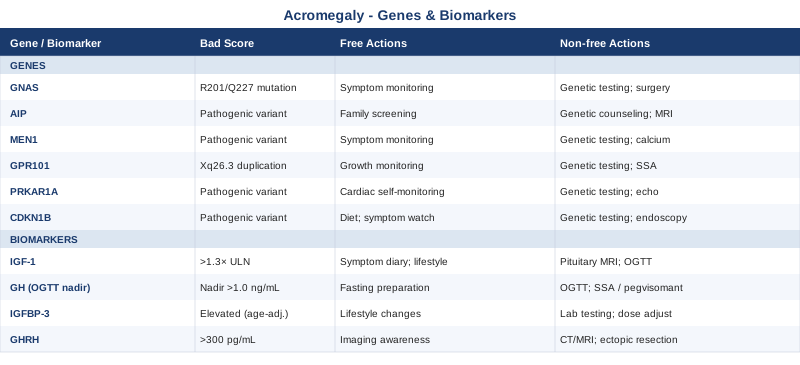
The table below summarizes the five genes and six biomarkers covered in this article — with threshold signals, free actions, and non-free actions in one view.
What Peter Attia's "Outlive" Reveals About the GH-IGF-1 Axis — 10 Things Worth Knowing
Peter Attia's Outlive: The Science and Art of Longevity (2023) is not a book about acromegaly — but it contains some of the most practically useful thinking on the GH-IGF-1 axis published for a general audience. Attia draws extensively on epidemiological data, mechanistic research, and clinical experience to argue that chronically elevated IGF-1 is one of the clearest signals of accelerated biological aging and elevated cancer risk. For acromegaly patients, this framing offers a different and complementary perspective on what the condition actually does to long-term physiology — and why the biomarkers described above matter beyond the question of biochemical remission.
1. IGF-1 Is a Master Cellular Growth Signal, Not Just a Hormone
Attia frames IGF-1 not as a growth hormone byproduct but as a fundamental cellular growth and survival signal that instructs cells to divide, build, and maintain. In the context of acromegaly, this means every tissue in the body receives a continuous, pathologically amplified version of this signal — which explains why acromegaly's effects are so widespread, from bones to collagen to visceral organs to the cardiovascular system.
2. The Cancer Risk Is Dose-Dependent and Non-Linear
The book reviews evidence from prospective cohort studies showing that being in the highest IGF-1 quartile (among people with otherwise normal levels) is associated with meaningfully elevated risks of colorectal, breast, and prostate cancer. In acromegaly, IGF-1 is not in the high quartile — it is often twice to four times the upper reference limit. Controlling IGF-1 to within normal range is therefore not cosmetic; it directly reduces cancer risk.
3. Insulin and IGF-1 Act as Synergistic Growth Promoters
Attia explains how elevated insulin and elevated IGF-1 interact: both activate shared intracellular growth-promoting pathways (PI3K/Akt/mTOR). Acromegaly creates both simultaneously — GH directly antagonizes insulin, and elevated IGF-1 itself activates insulin receptors. This co-elevation is particularly pro-oncogenic and underscores why glucose metabolism management is a non-optional part of acromegaly care.
4. Cardiovascular Disease Is the Priority, Not an Afterthought
Outlive positions cardiovascular disease as the leading cause of premature death, and its framework for addressing it — exercise, lipid management (especially ApoB), blood pressure control, glucose optimization — maps directly onto what acromegaly patients need beyond tumor control. Acromegaly causes cardiomegaly, hypertension, arrhythmias, and dyslipidemia. Attia's approach of tracking ApoB (apolipoprotein B, a superior cardiovascular risk marker compared to standard LDL) is especially relevant for acromegaly patients, as GH excess disrupts lipid metabolism in ways that standard cholesterol panels may not fully capture.
5. Sleep Quality Is Physiologically Non-Negotiable
Attia dedicates extensive discussion to sleep as the foundational pillar of hormonal health and metabolic repair. In acromegaly, sleep apnea affects approximately 80% of patients, severely disrupting deep slow-wave sleep. Untreated sleep apnea worsens insulin resistance, cardiovascular function, and hormonal regulation. Attia's position — that no supplement, drug, or intervention compensates for consistently poor sleep — applies with even greater force to acromegaly patients, for whom sleep apnea is a direct disease consequence, not a lifestyle variable.
6. Zone 2 Cardio Is the Best Metabolic Medicine Available
Attia argues that low-intensity aerobic exercise (Zone 2, approximately 60–70% of maximum heart rate, where conversation is possible but somewhat labored) is the single most impactful exercise modality for metabolic health: it increases mitochondrial density, improves insulin sensitivity, and builds cardiovascular reserve. For acromegaly patients who may have joint involvement and for whom high-intensity training acutely spikes GH, Zone 2 training is particularly appropriate — effective enough to drive metabolic benefit, gentle enough to be sustained without causing GH-stimulating stress.
7. Tracking Biomarkers Over Time Changes Behavior and Outcomes
One of Outlive's recurring themes is that measurement drives engagement. Attia observes that patients who track their own biomarkers — even imperfectly — make meaningfully different decisions about diet, sleep, and exercise than those who wait for annual check-ups. For acromegaly patients, maintaining a personal dashboard of IGF-1, HbA1c, fasting glucose, and blood pressure over time creates a feedback loop that a single specialist visit every 3–6 months cannot replicate.
8. ApoB Is the Lipid Marker That Matters Most
Attia, alongside Thomas Dayspring and Allan Sniderman, has extensively championed ApoB over LDL cholesterol as the superior cardiovascular risk marker. ApoB counts all atherogenic lipoprotein particles directly. In acromegaly, GH excess tends to lower LDL-C paradoxically while elevating triglycerides, meaning standard lipid panels may underestimate cardiovascular risk. ApoB provides a more complete picture. Ask your physician to add ApoB to your standard lipid panel.
9. Muscle Mass Is the Most Undervalued Longevity Asset
Attia calls skeletal muscle the most important metabolic organ in the body: it is the primary site of glucose disposal, the producer of anti-inflammatory myokines, and the functional reserve that allows people to remain physically capable at older ages. Acromegaly paradoxically causes myopathy despite tissue enlargement — prolonged GH excess disrupts normal muscle fiber quality. After disease control is achieved, building muscle mass through progressive resistance training is one of the highest-return investments an acromegaly patient can make.
10. Think in Decades, Not Appointments
The core reframe of Outlive is a shift from reactive disease management to proactive physiological reserve building. For acromegaly patients, this means not simply waiting for the next IGF-1 result but continuously working on metabolic resilience: glucose control, sleep, cardiovascular fitness, muscle, and bone. Medical management of the tumor is necessary — but it is not sufficient to protect the next 30 years of health.
The biomarkers and genetic findings covered above are the starting point. What you do with them between appointments is what determines outcomes over the long run. That brings us to several additional approaches that have meaningful evidence for specific acromegaly comorbidities.
Complementary Approaches With Relevant Evidence
Mindfulness-Based Stress Reduction (MBSR) for Psychological Burden and Metabolic Stress
Acromegaly carries a substantial psychological burden that is often underaddressed. Even after biochemical remission, studies consistently document elevated rates of anxiety, depression, fatigue, and impaired quality of life in acromegaly patients — a phenomenon sometimes called "the persisting patient." Chronic psychological stress activates the hypothalamic-pituitary-adrenal axis, elevates cortisol, and worsens insulin resistance through several overlapping pathways. Given that insulin resistance is already a primary concern in acromegaly, addressing psychological stress is not peripheral to metabolic management — it is part of it. MBSR is an 8-week structured program with the strongest evidence base among mindfulness interventions for chronic disease.
A meta-analysis published in JAMA Internal Medicine (Goyal et al., 2014) reviewed 47 randomized clinical trials of mindfulness meditation programs and found moderate evidence for improvement in anxiety, depression, and pain in adults with chronic conditions, with effects sustained at follow-up. A further review in Psychoneuroendocrinology documented that MBSR reduces cortisol levels and inflammatory markers in chronic illness populations — mechanisms directly relevant to the metabolic comorbidities of acromegaly. No trials exist specifically in acromegaly populations, but the mechanistic case is well-grounded.
The Palouse Mindfulness program (a free, online, self-paced MBSR course developed by a former instructor of the University of Washington's MBSR program) offers the full 8-week protocol at no cost. Begin with 10-minute daily sessions for two weeks before committing to the full format. The main barrier is consistency, not cost. Combine with journaling about how stress patterns affect sleep quality and next-day glucose levels — this connects the practice to concrete biomarker feedback.
Breathing-Based Therapies for Sleep Apnea and Autonomic Regulation
Sleep apnea affects approximately 80% of people with acromegaly through a direct anatomical mechanism: GH-driven soft tissue growth narrows the upper airway and reduces pharyngeal patency. This is one of the most consequential but most under-treated comorbidities in the condition. CPAP therapy remains the medical standard for moderate-to-severe sleep apnea, but myofunctional therapy — structured exercises targeting the pharyngeal, tongue, and soft palate muscles — has emerged as a meaningful adjunct with increasingly robust trial evidence.
A meta-analysis by Camacho et al. published in Sleep (2015) found that myofunctional therapy reduced the apnea-hypopnea index (AHI) by approximately 50% in adults and by 62% in children with obstructive sleep apnea. A separate randomized controlled trial published in BMJ by Puhan et al. demonstrated that regular didgeridoo practice (which trains upper airway and pharyngeal muscles through sustained breath resistance) significantly improved daytime sleepiness and sleep quality scores in patients with moderate sleep apnea compared to a waiting-list control group.
In practical terms: pursue polysomnography if sleep apnea has not been formally assessed — acromegaly alone is sufficient indication for referral. If CPAP is prescribed, use it consistently every night; even one night of non-compliance significantly disrupts glucose metabolism and autonomic recovery. As an adjunct, practice oropharyngeal exercises (tongue push-ups, soft palate elevation, lateral tongue pressure) for 15–20 minutes daily — free video protocols are widely available online. Diaphragmatic breathing practice for 10 minutes before sleep supports parasympathetic tone and reduces sympathetic overdrive. These practices complement but do not replace CPAP for significant disease.
Yoga for Joint Health and Musculoskeletal Resilience
Acromegaly arthropathy — joint disease driven by GH-excess-induced cartilage and bone changes — affects 70–80% of patients and often persists or progresses even after biochemical remission. The hip, knee, lumbar spine, and shoulder joints are most commonly involved. Conventional high-impact exercise exacerbates joint pain and is poorly tolerated by many acromegaly patients. Gentle yoga, particularly yin yoga or restorative yoga, offers a structured approach to maintaining joint range of motion, reducing pain perception, and managing the psychological burden of living with a chronic pain condition — all without the high-impact loading that aggravates acromegalic joints.
A systematic review published in the European Journal of Pain found that yoga interventions produced statistically significant reductions in pain intensity and disability in adults with chronic musculoskeletal conditions across multiple trials. A randomized controlled trial in Rheumatology demonstrated meaningful improvements in joint pain, stiffness, and quality of life in patients with inflammatory arthropathy following a 12-week yoga program. Evidence specific to acromegaly arthropathy does not yet exist; the extrapolation from chronic musculoskeletal disease and inflammatory arthropathy is mechanistically reasonable given the overlapping pathology.
Begin with yin or gentle Hatha yoga, two to three times per week for 30–45 minutes per session. Focus on hip openers, spinal decompression poses, and shoulder mobility work. Avoid poses that place end-range axial loading on the lumbar spine or full weight-bearing on arthritic knees without props. The Yoga with Adriene YouTube channel provides free, beginner-accessible sessions, including specific programs for joint care. Communicate with your orthopedic specialist or physiotherapist before beginning if you have significant joint involvement, and progress conservatively.
Biofeedback for Headache Management
Headache is reported by approximately 60% of acromegaly patients and often persists post-treatment. The causes are mixed: direct mass effect of the pituitary tumor, trigeminal nerve involvement, and the fluctuating autonomic tone associated with GH dysregulation. Standard analgesics often provide incomplete relief. Biofeedback — a technique that trains individuals to consciously regulate involuntary physiological processes such as peripheral skin temperature, heart rate variability, and muscle tension through real-time sensor feedback — has a well-established evidence base specifically for chronic headache.
The American Migraine Foundation recognizes biofeedback as a Level A evidence intervention for chronic headache prevention. A meta-analysis published in Applied Psychophysiology and Biofeedback (Nestoriuc and Martin, 2007) analyzed 55 controlled studies and found that biofeedback was significantly superior to control conditions for headache frequency, duration, and intensity, with effect sizes comparable to pharmacological prophylaxis in some comparisons. Thermal biofeedback (learning to raise peripheral finger temperature, reflecting vasodilation and reduced sympathetic tone) and heart rate variability biofeedback are the most studied modalities.
An accessible entry point is the HeartMath Inner Balance sensor ($150–$200), a validated HRV biofeedback device for use with a smartphone that guides coherent breathing patterns known to shift autonomic balance toward parasympathetic dominance. Muse 2 ($200–$250) offers EEG-based relaxation feedback. Begin with daily 15–20 minute sessions for six to eight weeks before expecting consistent headache relief — biofeedback requires practice and skill acquisition. Working with a certified biofeedback practitioner for the first four to six sessions ($80–$150 each) significantly accelerates learning before transitioning to home self-practice.
Conclusion
Acromegaly is a condition where the distance between average care and informed care is unusually large. The standard approach — tumor management and periodic IGF-1 checks — addresses the core disease but leaves much of the metabolic, cardiovascular, and musculoskeletal damage to accumulate without active monitoring or intervention. The biomarkers and genetic insights covered here are designed to close that gap.
The most actionable next step is also the simplest: request your most recent IGF-1, HbA1c, fasting glucose, prolactin, and serum phosphorus results, review them against age-adjusted reference ranges, and bring specific questions to your next endocrinology appointment. If you have not had a formal sleep study, advocate for one. If you have a family history of pituitary or endocrine disease or were diagnosed before age 30, ask about genetic testing. None of this replaces specialist care — but all of it makes specialist care more effective when you show up with precise information rather than waiting to be told what matters.
Cancer & Oncology Endocrine & Metabolic
Musculoskeletal: Bone Conditions Joint Conditions
Neurological: Headache & Migraine
Cardiovascular: Heart Conditions
Respiratory: Sleep & Breathing Disorders
Endocrine & Metabolic: Diabetes & Blood Sugar
Women's Health: Hormonal Conditions