This article contains AI generated content.
· UpdatedAdamantinoma - 6 Genes And 6 Biomarkers To Track
Introduction
When you or someone close to you is navigating an adamantinoma diagnosis — or monitoring after treatment — the available information tends to land in two unhelpful categories: highly technical surgical literature aimed at orthopedic oncologists, or generic bone health guidance that was never designed with this tumor in mind. Neither feels like it was written for the person actually living with the condition.
Adamantinoma is a rare, low-grade malignant bone tumor that predominantly affects the cortex of the tibial shaft, typically emerging in young adults between the ages of 20 and 40. It accounts for less than 1% of all primary bone tumors. Its rarity means most general practitioners have never seen a case, research funding is limited, and the wellness literature has essentially nothing to say about it. That absence of tailored guidance is not a small inconvenience — it leaves patients without a meaningful framework for understanding what is happening in their body between imaging appointments.
That gap matters because even a slow-growing tumor exists within a biological environment — an inflammatory state, a metabolic context, a hormonal and immune milieu — and that environment either enables or challenges the tumor's behavior. Understanding the molecular drivers of adamantinoma, and what your body's internal signals are actually reporting, is not about replacing surgery, imaging, or oncology care. It is about entering those conversations better informed, and identifying what you can genuinely influence through well-chosen, evidence-aware decisions.
This article takes two parallel approaches to that question. The first examines six biomarkers that can be tracked through standard and specialized blood tests — each one revealing a different dimension of bone metabolism, tumor activity, and systemic inflammation. The second explores the genetic and chromosomal architecture of adamantinoma, identifying which biological pathways are dysregulated and what lifestyle, nutritional, and supplement-based strategies may reinforce the systems working to contain the tumor. Neither approach promises a cure. Both offer something more durable: a sharper, more precise picture of the terrain.
Summary
This article covers 6 key genetic and chromosomal alterations identified in adamantinoma — including recurrent chromosomal gains on chromosomes 7, 8, 12, and 19 that amplify growth signaling, the silenced cell-cycle brake gene CDKN2A, the tumor suppressor TP53, the oncogene KRAS, the Wnt/β-catenin pathway gene CTNNB1, and FGFR1 — alongside 6 practical biomarkers worth tracking right now: bone-specific alkaline phosphatase, LDH, high-sensitivity CRP, vitamin D, and the bone turnover pair PINP and CTX. For each biomarker, you will find exactly how to measure it, what the optimal ranges look like, and what to do with a bad result — with and without supplements, including specific dosing, cycling recommendations, and side effects. A genetics section explains what each disrupted gene does and which targeted interventions may support the relevant pathways. Following that, ten of the most impactful insights from Peter Attia's cancer monitoring framework are distilled in a way designed for slow-growing bone tumors. Finally, three complementary modalities with meaningful clinical evidence — mindfulness-based stress reduction, photobiomodulation, and microbiome-directed therapy — are applied specifically to this condition. The goal is not to overwhelm but to give you a precise, actionable starting point.
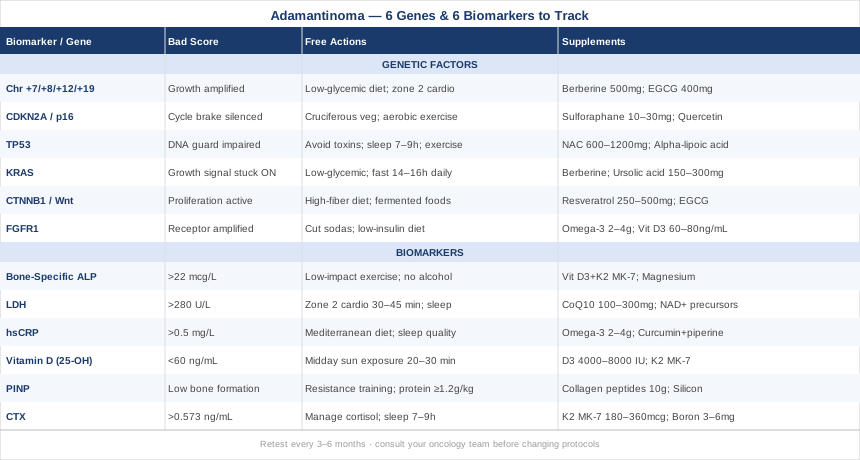
6 Biomarkers To Track in Adamantinoma
Biomarkers are measurable biological signals that reveal what is happening inside the body without requiring imaging or a repeat biopsy. For adamantinoma — a condition that sits at the intersection of bone metabolism, tumor biology, and systemic inflammation — the right panel of markers can provide ongoing visibility between clinical appointments, help detect changes early, and inform exactly the kinds of lifestyle decisions that shape the biological environment around the tumor.
The six markers below represent a practical, layered approach: from inexpensive tests included in any standard blood panel, to more specialized assays that orthopedic oncologists and metabolic medicine physicians are increasingly incorporating into long-term surveillance protocols.
Biomarker 1: Alkaline Phosphatase and Bone-Specific ALP
Why it matters
Alkaline phosphatase is an enzyme released primarily by the liver and by osteoblasts — the cells responsible for synthesizing new bone matrix. In primary bone tumors, including adamantinoma, ALP levels frequently rise as normal bone architecture is disrupted and remodeling becomes dysregulated. Bone-specific ALP (BSAP) is a more precise isoform that removes the liver's contribution from the picture, providing a cleaner read of osteoblast activity. It is one of the most clinically relied-upon markers in orthopedic oncology, and its elevation can precede visible changes on plain radiograph or MRI.
Elevated ALP in the context of a known bone lesion is not necessarily alarming — osteoblastic response is part of normal bone repair — but it is a trend that warrants close tracking. A sudden upward shift in a previously stable reading is the signal that matters most.
How to measure it
Total ALP is included in a standard comprehensive metabolic panel (CMP) or liver function test, costing $20–$60. BSAP requires a specific, separately ordered blood test with costs typically ranging from $50 to $150 depending on the lab. The optimal BSAP target for most adults is below 22 mcg/L, though reference ranges shift with age and sex. For active monitoring, testing every 3 to 6 months is standard; always use the same laboratory for longitudinal comparison.
If the score is bad, the plan without supplements
Focus on activities that support regulated bone remodeling without overloading the affected limb. Low-impact weight-bearing exercise — walking, elliptical, swimming — stimulates osteoblast activity in a controlled, beneficial way while avoiding mechanical stress that the tibial lesion site cannot safely absorb. Reducing alcohol consumption is important: alcohol suppresses osteoblast function and elevates non-bony ALP simultaneously, confounding the picture. Improving sleep to 7–9 hours nightly supports the natural hormonal regulation of bone metabolism through growth hormone secretion and appropriate cortisol cycling. Eliminating carbonated soft drinks high in phosphoric acid reduces the calcium-phosphate imbalance that dysregulates bone remodeling enzymes.
If the score is bad, the plan with supplements or equipment
Vitamin D3 combined with K2 (MK-7 form, 180–360 mcg/day) is the single most evidence-supported nutritional pairing for bone metabolic regulation — D3 promotes calcium absorption and osteoblast function, while K2 directs calcium into bone rather than arterial tissue. Always test 25-OH vitamin D levels before dosing D3 above 2,000 IU/day; 4,000–8,000 IU/day is commonly needed to achieve optimal levels. Magnesium glycinate (300–400 mg/day at night) is an essential cofactor in bone mineral formation and is commonly deficient. Zinc (15–30 mg/day with food) supports osteoblast differentiation; cycle off every 8 weeks and consider 1–2 mg copper to prevent depletion. Side effects: vitamin D at doses above 10,000 IU/day without blood monitoring carries hypercalcemia risk — test at 8–12 weeks after any significant dose change.
Biomarker 2: Lactate Dehydrogenase (LDH)
Why it matters
LDH is an intracellular enzyme released into the bloodstream when cells are damaged or dying at elevated rates. In oncology, it functions as a non-specific but clinically meaningful indicator of tumor metabolic burden. Several studies on primary bone malignancies have identified elevated LDH as an independent prognostic variable — not because it locates the tumor, but because it reflects the systemic energetic cost of abnormal cellular proliferation.
In adamantinoma, where the disease is inherently slow-growing, LDH is most useful as a longitudinal signal. Stable readings are reassuring. Sudden or sustained increases warrant prompt clinical review and repeat imaging, as they may indicate a transition toward more active behavior.
How to measure it
LDH is available as a standalone blood test or within comprehensive oncology panels, costing $15–$50. The standard reference range sits approximately between 140 and 280 U/L, though this varies by laboratory. Trend tracking — same lab, same time of day — is more informative than any single reading. Retest every 3 to 6 months, or immediately if a new symptom emerges.
If the score is bad, the plan without supplements
Consistent aerobic exercise at zone 2 intensity (a pace at which you can maintain a conversation, sustained for 30–45 minutes, 4 times per week) is the most evidence-based non-pharmacological intervention for normalizing LDH. It improves mitochondrial oxidative efficiency, reducing the anaerobic fermentation that drives LDH release at the cellular level. Chronic sleep deprivation and unmanaged psychological stress both independently elevate LDH via cortisol-driven tissue catabolism — optimizing sleep architecture and incorporating structured stress reduction have measurable downstream effects.
If the score is bad, the plan with supplements or equipment
CoQ10 (100–300 mg/day taken with a fat-containing meal for absorption) is a core component of the mitochondrial electron transport chain; its depletion is associated with elevated LDH and mitochondrial inefficiency. Riboflavin (Vitamin B2) at 100–200 mg/day serves as a structural cofactor in mitochondrial complex I and II. NAD+ precursors — NMN or NR at 250–500 mg/day — support the intracellular energy metabolism that keeps LDH normalized; cycle every 12 weeks and reassess. Side effects: high-dose riboflavin produces harmless bright yellow urine; NAD+ precursors at the upper range may cause mild transient flushing. CoQ10 is generally very well tolerated.
Biomarker 3: High-Sensitivity C-Reactive Protein (hsCRP)
Why it matters
CRP is produced by the liver in response to inflammatory cytokine signals. The high-sensitivity assay (hsCRP) detects lower-grade systemic inflammation that standard CRP testing misses entirely. For bone tumor patients, this distinction matters: chronic low-grade inflammation creates a biological environment that promotes tumor cell survival, suppresses immune surveillance, and accelerates bone matrix degradation. Research across multiple cancer types has established elevated CRP as a meaningful prognostic indicator — not because CRP itself causes harm, but because it reflects the inflammatory milieu that enables disease progression.
The clinical target is below 0.5 mg/L. Readings above 3 mg/L represent significant systemic inflammation and warrant active intervention, not watchful waiting.
How to measure it
hsCRP requires no fasting and is available in most standard labs for $20–$60. It is transiently elevated by acute infections, so always test during a period of baseline health. For ongoing monitoring, measure every 3 months when elevated and every 6 months once in the optimal range.
If the score is bad, the plan without supplements
The Mediterranean dietary pattern has the most robust and consistent evidence for reducing hsCRP. Practically: prioritize oily fish at least 3 times per week, generous servings of vegetables and legumes, olive oil as the primary fat, and eliminate refined carbohydrates, industrial seed oils, and ultra-processed foods. Improving sleep quality produces some of the fastest reductions in inflammatory markers — fragmented sleep and short sleep duration both independently elevate hsCRP through IL-6 and TNF-alpha pathways. Reducing visceral adiposity through consistent movement and moderate caloric intake has direct effects on inflammatory adipokine secretion.
If the score is bad, the plan with supplements or equipment
Omega-3 fatty acids (2–4 g combined EPA + DHA daily from triglyceride-form fish oil or algal oil) are among the most extensively studied anti-inflammatory interventions, with dose-dependent effects on hsCRP confirmed across multiple meta-analyses. Curcumin with piperine (500–1,000 mg/day of a bioavailable form such as Meriva or BCM-95) inhibits NF-kB, a master inflammatory transcription factor that drives hsCRP production. Resveratrol (250–500 mg/day taken with a fat-containing meal for absorption) activates SIRT1, reducing inflammatory gene expression through epigenetic deacetylation. Cycling: omega-3 can be taken continuously; curcumin is typically cycled 12 weeks on, 2 weeks off. Side effects: omega-3 at doses above 3 g/day may modestly increase bleeding time — discuss with your oncology team if you are on anticoagulants.
Biomarker 4: 25-Hydroxyvitamin D (25-OH Vitamin D)
Why it matters
Vitamin D is not simply a bone mineral regulator. Its active form — calcitriol — functions as a nuclear hormone that modulates the expression of more than 2,000 genes, including those governing immune surveillance, cell cycle arrest, and apoptosis. Vitamin D receptors are expressed on osteoblasts, osteoclasts, and many primary bone tumor cell lines, making this a biologically direct connection for adamantinoma. Deficiency is highly prevalent in the general population and is associated with dysregulated bone remodeling and impaired adaptive immune function — both directly relevant to the tumor microenvironment.
The conventional "sufficient" threshold of 30 ng/mL is a minimum. Physicians working in metabolic oncology, including Peter Attia and others in the field, typically recommend a target of 60–80 ng/mL for individuals with a bone tumor history, based on the combination of immune support and bone metabolic optimization at that range.
How to measure it
25-OH Vitamin D is one of the most commonly ordered laboratory tests, available at any major lab for $30–$80. Many direct-to-consumer lab services offer it without a physician order for comparable cost. Retest 8–12 weeks after any dose adjustment to allow levels to stabilize. For cost-effective monitoring, order alongside ALP and hsCRP every 6 months.
If the score is bad, the plan without supplements
Midday sun exposure on large skin surfaces — arms, legs, and back uncovered — for 20 to 30 minutes generates the equivalent of 10,000–20,000 IU of vitamin D3 in lighter skin tones, significantly less in individuals with darker skin or at latitudes above 35°N, particularly from October through March. Dietary sources (fatty fish, egg yolks, fortified dairy) are insufficient to correct significant deficiency on their own; supplementation is almost always required to reach optimal levels.
If the score is bad, the plan with supplements or equipment
Always choose Vitamin D3 (cholecalciferol) over D2 (ergocalciferol) — D3 is more effective at raising and sustaining blood levels. Dose to target: most deficient adults require 4,000–8,000 IU/day to reach the 60–80 ng/mL range, but individualized dosing requires monitoring. Pair with Vitamin K2 MK-7 (180–360 mcg/day) to direct calcium into bone and prevent soft-tissue calcification — these two nutrients work synergistically. Magnesium (300–400 mg/day) is a required cofactor for vitamin D hydroxylation in the liver and kidneys; without adequate magnesium, supplemented vitamin D cannot be fully activated. Side effects: hypercalcemia is a real risk above 10,000 IU/day without monitoring — retest at 8 weeks, and any symptoms of excess (fatigue, nausea, increased thirst) warrant immediate dosage review.
Biomarker 5: PINP (Procollagen Type I N-Terminal Propeptide)
Why it matters
PINP is released directly from osteoblasts as they synthesize new bone collagen — making it the most sensitive and specific available marker of active bone formation. For adamantinoma patients, particularly those who have undergone segmental resection or bone reconstruction surgery, tracking bone formation is clinically meaningful on two levels: it assesses how effectively the body is rebuilding after intervention, and it detects unusual osteoblastic activity that may reflect altered remodeling dynamics around the lesion site.
The International Osteoporosis Foundation and the European Calcified Tissue Society formally recommend PINP as one of two reference standard bone turnover markers. Normal ranges are approximately 19–83 µg/L for premenopausal women and 20–76 µg/L for men, with significant age-related variation.
How to measure it
PINP is available through major reference labs as a standalone test costing $80–$200. No fasting is required, but testing at the same time of day (morning preferred) improves longitudinal consistency. Always pair PINP monitoring with CTX (below) — the ratio between the two markers is more informative than either alone. Retest every 3–6 months during active surveillance.
If the score is bad, the plan without supplements
Resistance training is the single most powerful non-pharmacological stimulus for osteoblast activation and PINP elevation. Multi-joint loading exercises at moderate to high intensity are the evidence-based protocol. For tibial adamantinoma patients, this requires physician clearance and must be adapted to protect the affected limb — upper body loading, unilateral lower body work on the contralateral leg, and hip/pelvic exercises all drive systemic bone formation signals without direct tibial stress. Dietary protein adequacy is equally important: bone matrix is largely type I collagen, which depends on amino acid availability. Target at least 1.2–1.6 g/kg body weight per day from high-quality sources.
If the score is bad, the plan with supplements or equipment
Collagen peptides (10 g/day taken with 50 mg of vitamin C approximately 30 minutes before exercise) meaningfully increase bone formation markers in clinical trials and support the collagen synthesis pipeline osteoblasts depend on. Orthosilicic acid (silicon) in its bioavailable form (10–25 mg/day) is a trace element recognized for its role in collagen cross-linking and direct osteoblast stimulation — it is one of the underappreciated bone formation micronutrients. Whole food calcium sources (dairy, leafy greens, fortified plant milks targeting 1,000–1,200 mg/day total) are preferred over calcium supplements, which carry uncertain cardiovascular safety at high supplemental doses. Side effects: collagen peptides are exceptionally well tolerated; silicon at nutritional doses has no established toxicity.
Biomarker 6: CTX (C-Terminal Telopeptide of Type I Collagen)
Why it matters
While PINP tracks bone construction, CTX tracks bone demolition — specifically, the collagen degradation fragments released into the blood when osteoclasts break down old or damaged bone matrix. In healthy bone metabolism, resorption and formation are coupled and balanced. In adamantinoma and related conditions, osteoclast activity is frequently uncoupled and excessive, contributing to progressive bone loss and structural compromise around the tumor site.
The clinical power of CTX lies in pairing it with PINP. When CTX is rising faster than PINP, net bone loss is occurring — a finding that warrants both pharmacological discussion with your care team and aggressive lifestyle intervention.
How to measure it
CTX exhibits pronounced diurnal variation — levels are highest in the early morning and fall significantly throughout the day, and they are artificially suppressed even by a light meal. For reproducible readings, always test fasting before 10:00 AM. Cost ranges from $80–$200 at reference labs. Standard upper limits are approximately 0.573 ng/mL for premenopausal women and 0.704 ng/mL for men. Retest on the same morning fasting schedule as PINP for a meaningful formation-to-resorption ratio.
If the score is bad, the plan without supplements
Cortisol management is the most direct lever. Chronically elevated cortisol — from poor sleep, sustained psychological stress, or aerobic overtraining — is one of the most potent drivers of osteoclast activation available. This is not a minor point: a person sleeping 5–6 hours per night with unmanaged chronic stress may be losing bone at a rate that supplements cannot compensate for. Prioritize 7–9 hours of quality sleep and a sustainable stress management practice. Adequate dietary calcium reduces the parathyroid hormone secretion that provides the primary hormonal signal for osteoclast recruitment; consistently reaching 1,000–1,200 mg/day from food is one of the most straightforward ways to keep PTH appropriately suppressed.
If the score is bad, the plan with supplements or equipment
Vitamin K2 (MK-7, 180–360 mcg/day) inhibits osteoclast precursor maturation through its effects on osteocalcin and MGP carboxylation — this is among the best-supported interventions for reducing excessive bone resorption, with human clinical trial data. Boron (3–6 mg/day from boron citrate or glycinate) is a trace mineral that reduces urinary calcium excretion and has been shown in human studies to suppress bone resorption markers measurably. Strontium citrate (supplement form) has anti-resorptive properties, though its use in the context of an active bone tumor requires physician guidance — discuss before initiating. Side effects: K2 at nutritional doses is exceptionally well tolerated; boron at standard doses has no established adverse effects; strontium should not be used as a self-directed intervention in active bone tumor cases.
With a clear biomarker baseline established, it becomes possible to look at the molecular architecture of the tumor itself — not to reverse what has already occurred in the tumor cells, but to understand which biological pathways are under stress and where supportive interventions may make a genuine difference at the system level.
What Recent Genetics Research Suggests About Adamantinoma
Adamantinoma has a distinctive molecular profile that sets it apart from most other bone malignancies. Unlike osteosarcoma or Ewing sarcoma — which are typically aggressive and involve highly complex genomic rearrangements — adamantinoma's genetic landscape is characterized by recurrent, specific chromosomal gains and focal pathway disruptions within a tumor that grows slowly but retains the capacity for local recurrence and, rarely, metastasis.
Understanding these alterations does not mean reprogramming tumor cells. It means identifying which biological systems are under pressure — and using that map to select lifestyle, dietary, and supplemental strategies that reinforce the body's natural capacity to maintain cellular control. Researchers including Ali Torkamani have emphasized how understanding functional genomics in a tumor context can inform systemic supportive strategies beyond standard oncology protocols.
Chromosomal Gains: +7, +8, +12, +19
The most consistently reported finding in cytogenetic analyses of adamantinoma is extra copies of chromosomes 7, 8, 12, and 19. These are somatic gains that have occurred in the tumor cells themselves — not inherited germline changes. The consequence is increased dosage of multiple growth-promoting genes located on these chromosomes: EGFR sits on chromosome 7 (amplifying cell surface growth signaling), MYC on chromosome 8 (a transcription factor that accelerates cell cycle entry), and CDK4 on chromosome 12 (a kinase that drives G1 to S phase progression).
If the gene is bad, the plan without supplements: The most impactful systemic intervention is a low-glycemic, low-insulin dietary pattern. Chronic hyperinsulinemia and elevated IGF-1 directly co-activate EGFR and related receptors — reducing refined carbohydrate intake, maintaining a healthy body weight, and practicing daily time-restricted eating (12–16 hour fasting windows) all reduce the external growth signaling environment that feeds these amplified pathways. Zone 2 aerobic exercise (30–45 minutes, 4–5 days/week) significantly improves insulin sensitivity, producing a meaningful downstream reduction.
If the score is bad, the plan with supplements or equipment: Berberine (500 mg, 2–3 times daily with meals) activates AMPK and inhibits mTOR and CDK4/6 activity — directly relevant to the gene dosage increases on chromosomes 8 and 12. Cycle 8 weeks on, 2–4 weeks off, and do not combine with prescription metformin without physician guidance. EGCG from green tea extract (400–800 mg/day standardized to ≥50% EGCG) has demonstrated anti-proliferative effects in multiple tumor models involving EGFR-driven signaling. Side effects: berberine can cause GI discomfort at initiation — start at one dose daily and titrate up over 2 weeks. Not recommended during pregnancy.
CDKN2A / p16: The Silenced Cell Cycle Brake
CDKN2A encodes p16, a protein that inhibits CDK4 and CDK6 — the kinases that permit cells to pass from the G1 phase into active DNA replication. When CDKN2A is deleted or epigenetically silenced, the brake on cell division is removed. This alteration is observed in a subset of adamantinomas, and when present, it correlates with more active tumor behavior.
Work in functional genomics — including research cited by Gary Brecka on how epigenetic silencing of tumor suppressor genes is modifiable through lifestyle factors — highlights that CDKN2A silencing is often driven by inappropriate DNA methylation and HDAC-mediated chromatin compaction, not necessarily irreversible genetic deletion. This distinction opens a window for intervention.
If the gene is bad, the plan without supplements: Diets rich in cruciferous vegetables provide glucosinolates that convert to sulforaphane in the gut — sulforaphane is a well-characterized HDAC inhibitor that has been shown in human cancer cell line studies to restore expression of epigenetically silenced tumor suppressor genes. At least half a cup of fresh broccoli sprouts daily (the richest source) or 5 servings per week of cruciferous vegetables is the practical target. Regular aerobic exercise independently reduces inappropriate DNA methylation patterns through DNMT regulatory effects.
If the score is bad, the plan with supplements or equipment: Standardized sulforaphane extract (10–30 mg/day from a glucoraphanin + active myrosinase product) provides a more concentrated dose than diet alone. Quercetin (500–1,000 mg/day with a fat-containing meal for absorption) independently inhibits CDK4/6 and has epigenetic supportive effects on CDKN2A expression in cell line studies. Cycling: sulforaphane 8–12 weeks on, 2–4 weeks off. Side effects: quercetin at high doses may interact with thyroid medications; sulforaphane can cause transient GI sensitivity in some individuals.
TP53: The Guardian Under Pressure
TP53 encodes p53, the most important tumor suppressor protein in human biology. It monitors DNA integrity, initiates repair when damage is detected, and activates apoptosis when damage is beyond repair. TP53 alterations — deletions or loss-of-function mutations — have been reported in a fraction of adamantinomas, and their presence is typically associated with histologically more aggressive behavior.
Even when TP53 is not directly mutated in the tumor, the body's broader antioxidant capacity and systemic oxidative stress load influence how effectively p53-dependent DNA surveillance functions in surrounding tissues.
If the gene is bad, the plan without supplements: Minimize DNA-damaging exposures: reduce ionizing radiation exposure where avoidable, eliminate tobacco, avoid aflatoxin-containing foods (improperly stored grains, peanuts), and limit processed meat. Regular aerobic exercise upregulates antioxidant enzyme systems — catalase, superoxide dismutase, and glutathione peroxidase — that protect genomic integrity across all tissue types. Sleep is equally non-negotiable: deep sleep stages are when cellular DNA repair processes are most active.
If the score is bad, the plan with supplements or equipment: N-Acetylcysteine (NAC) (600–1,200 mg/day) is the rate-limiting precursor to glutathione, the primary intracellular antioxidant. Alpha-lipoic acid (300–600 mg/day) is a universal antioxidant that directly recycles glutathione and vitamin C. Important caveat: the use of antioxidant supplements during active cancer treatment — particularly radiation or certain chemotherapy regimens — requires explicit physician consultation, as some evidence suggests antioxidants may protect tumor cells from treatment-related oxidative damage. Outside of active treatment phases, the case for antioxidant support is well-founded. Cycling: 8–12 weeks on, 2–4 weeks off. Side effects: NAC may cause GI upset at higher doses; start at 600 mg and titrate.
KRAS: The Permanently Active Growth Signal
KRAS is among the most commonly mutated oncogenes across human cancers. In adamantinoma, KRAS mutations have been identified in a subset of cases, constitutively activating the RAS/MAPK/ERK signaling cascade — a proliferative pathway that operates independently of external growth factor binding when KRAS is mutated. Unlike many therapeutic targets, mutant KRAS has historically been considered difficult to drug directly — hence the importance of targeting the pathways that amplify its effects from the outside.
If the gene is bad, the plan without supplements: Insulin, IGF-1, and EGF all converge on signaling nodes upstream and downstream of KRAS. A low-glycemic, high-plant-fiber dietary pattern reduces fasting insulin and IGF-1 — reducing the overall amplification environment. Intermittent fasting (14–18 hour daily windows) has shown consistent preclinical evidence for reduced MAPK pathway signaling. Keeping body fat percentage in the healthy range reduces adipose-derived growth factors that co-activate these pathways.
If the score is bad, the plan with supplements or equipment: Berberine (shared from the chromosomal gains recommendation) inhibits MEK in the MAPK cascade. Ursolic acid (found in apple peel and rosemary; supplement form 150–300 mg/day) has demonstrated inhibition of KRAS-associated signaling in preclinical studies. Curcumin (as recommended for hsCRP above) inhibits NF-kB downstream of KRAS activation. The evidence base for these specific interventions in KRAS-mutant adamantinoma is currently preclinical — human clinical data specific to this tumor are not yet available. Cycling: 8 weeks on, 2–4 weeks off. Side effects: ursolic acid has limited long-term human safety data at therapeutic doses; the primary concern at standard doses is GI tolerance.
Wnt/β-Catenin (CTNNB1): Bone Development Gone Wrong
The Wnt signaling pathway is one of the master regulators of bone biology — it controls osteoblast differentiation, governs bone mass, and is essential for normal skeletal repair. When Wnt signaling is dysregulated, particularly through nuclear accumulation of β-catenin (encoded by CTNNB1), cells are pushed into a proliferative, undifferentiated state that resists the maturation signals that would normally cause them to stop dividing. This pattern has been documented in adamantinoma and contributes to the tumor's characteristic epithelial histological appearance.
If the gene is bad, the plan without supplements: High dietary fiber intake and regular fermented food consumption produce short-chain fatty acids — particularly butyrate — in the colon that inhibit Wnt pathway activity through HDAC inhibition. This is a gut-to-bone signaling axis that is increasingly recognized in cancer biology. Reducing excess adiposity is also relevant: adipose tissue secretes Wnt ligands (particularly Wnt5a from inflammatory macrophages) that sustain pathway activation.
If the score is bad, the plan with supplements or equipment: Resveratrol (250–500 mg/day with a fat-containing meal) inhibits β-catenin nuclear translocation in cancer cell models through SIRT1 and other mechanisms. EGCG from green tea extract (400–800 mg/day) targets Wnt pathway components at multiple levels and is well tolerated for long-term use. Fisetin (100–200 mg/day with fat) is a plant flavonoid with emerging evidence as a Wnt modulator and senolytic agent. Cycling: fisetin can be pulsed rather than continuous — 2–3 consecutive days per month at 500–1,000 mg/day for senolytic protocols, or daily at lower doses for pathway modulation. Side effects: resveratrol and EGCG are generally well tolerated; EGCG at very high doses may affect iron absorption in iron-deficient individuals.
FGFR1: The Growth Factor Receptor Amplifier
Fibroblast growth factor receptors regulate osteoblast and osteoclast activity, control bone matrix production, and guide skeletal development. FGFR1 amplification or dysregulation has been reported in adamantinoma and related lesions, contributing to the maintenance of an undifferentiated, proliferative cellular state. This is particularly relevant because FGF signaling operates at the precise interface of tumor behavior and normal bone biology — making it both a driver of the pathology and a target for supportive modulation.
If the gene is bad, the plan without supplements: Chronic hyperinsulinemia cross-activates FGFR signaling through shared downstream intermediaries. The same low-glycemic, insulin-sensitizing approach recommended for chromosomal gains applies here. Additionally, phosphate dysregulation matters specifically for FGF signaling: excessive phosphoric acid intake (carbonated beverages, ultra-processed foods) disrupts FGF23 — a bone-derived hormone in the FGF family — and amplifies downstream receptor signaling.
If the score is bad, the plan with supplements or equipment: Omega-3 fatty acids (EPA + DHA at 2–4 g/day) have been shown to modulate FGF receptor expression and reduce the downstream inflammatory signaling driven by FGF pathway activation. Vitamin D3 maintained at 60–80 ng/mL directly regulates FGF23 metabolism — this is a well-documented and clinically meaningful interaction in bone endocrinology. Both interventions are well-tolerated long-term with the monitoring protocols described above.
The genetic picture makes clear that adamantinoma is not driven by a single disrupted pathway but by the convergence of dysregulated growth factor signaling, a compromised cell cycle brake, and impaired genomic surveillance. That convergence also means that systemic interventions — metabolic, nutritional, anti-inflammatory — can engage multiple targets simultaneously, which is the genuine practical advantage of this kind of evidence-informed integrative approach.
Ten Things Peter Attia's Cancer Monitoring Framework Gets Right
In Outlive: The Science and Art of Longevity (2023) and on The Drive podcast, Peter Attia has built what is arguably the most useful synthesis of the current evidence on cancer biology, surveillance, and the metabolic environment of tumors available to a general audience. While he does not address adamantinoma specifically, his framework translates directly — particularly for a slow-growing bone tumor where the goal is not emergency intervention but sustained, intelligent monitoring and environmental optimization.
1. Cancer Requires a Permissive Metabolic Environment
Attia begins with the Warburg effect — the observation that many cancer cells rely disproportionately on glucose fermentation for energy, even when oxygen is available. Creating a low-glucose, low-insulin metabolic environment through diet and exercise is not a treatment, but it does reduce the energetic inputs available to this metabolic strategy. Track fasting insulin (target: below 6 µIU/mL) as a more sensitive early indicator than fasting glucose alone.
2. Surveillance Rhythm Matters More Than Any Single Action
For slow-growing lesions, Attia argues that the frequency and consistency of monitoring outweighs any individual intervention. Knowing your baseline values — and detecting when they shift — is a more powerful safety net than any supplement or dietary change. The biomarker framework in this article is designed exactly for that purpose.
3. Muscle Mass Is a Metabolic Reservoir
Attia consistently identifies lean muscle mass and grip strength as among the strongest independent predictors of cancer survival outcomes across multiple malignancy types. Muscle acts as a glucose sink, reducing circulatory fuel availability for tumor fermentation, and produces myokines — including IL-6 and irisin — with documented anti-proliferative effects. For bone tumor patients, this translates to a medically supervised resistance training program adapted to the involved limb.
4. VO2 Max Predicts Long-Term Outcomes
Higher aerobic fitness is associated with substantially better survival across cancer types in large epidemiological datasets. Attia recommends zone 2 cardio (a pace at which you can sustain a conversation) for 4–5 hours per week as the foundational training approach, supplemented by high-intensity intervals to push the aerobic ceiling. For adamantinoma patients, physician clearance for intensity levels is essential.
5. Track HOMA-IR, Not Just Blood Glucose
HOMA-IR — calculated from fasting insulin and fasting glucose — is a far more sensitive indicator of insulin resistance than fasting glucose alone. Attia recommends a target HOMA-IR below 1.0. Elevated HOMA-IR means elevated insulin signaling throughout the body, which co-activates EGFR, IGF-1R, and the mTOR pathway — directly relevant to the chromosomal and KRAS-related alterations in adamantinoma.
6. Inflammation Is Not a Background Noise Problem
Attia frames elevated hsCRP with the same clinical urgency as elevated LDL — a modifiable risk marker that warrants active intervention, not reassurance. The same logic applies here: hsCRP above 3 mg/L in an adamantinoma patient is a biological environment problem, not a benign incidental finding.
7. Liquid Biopsy Technology Is Emerging
Attia has discussed circulating tumor DNA (ctDNA) on The Drive as a promising tool for non-invasive cancer surveillance. While not yet standard of care for adamantinoma, ctDNA testing is increasingly available through specialized genomic labs and may eventually offer a blood-based monitoring option between imaging intervals. Worth discussing with your oncology team as the evidence matures.
8. Sleep Is Not Optional for Cancer Patients
Attia frames 7–8 hours of quality sleep as non-negotiable for anyone with a cancer history — not merely beneficial. Poor sleep elevates cortisol (driving bone resorption and raising CTX), disrupts immune function, increases insulin resistance, and systematically elevates inflammatory markers. Sleep tracking devices (Oura Ring, WHOOP) can help identify fragmented sleep that feels restful but is not.
9. Psychological State Is Physiologically Active
Epidemiological data consistently link social isolation, low sense of purpose, and chronic psychological stress to accelerated disease progression across multiple cancer types. These variables act through cortisol and sympathetic nervous system pathways that have direct effects on immune function and the inflammatory markers tracked in this article. This is not soft advice — it is biology.
10. The Goal Is to Extend the Healthy Period, Not Find a Cure
Attia's framework is built around a practical alternative to the cure-or-nothing binary. For slow-growing conditions like adamantinoma, the most useful goal is extending the interval between active interventions, reducing recurrence risk, and maintaining quality of life through every available, evidence-supported lever. That framing converts paralyzing uncertainty into an ongoing practical project.
Complementary Approaches With Meaningful Evidence
The following three modalities have human clinical evidence relevant to the most pressing supportive goals for adamantinoma patients: managing the inflammatory environment, supporting post-surgical bone healing, and maintaining psychological and immune resilience during long-term monitoring.
Mindfulness-Based Stress Reduction (MBSR)
MBSR is an 8-week structured program developed by Jon Kabat-Zinn that combines body scan meditation, seated mindfulness practice, and gentle movement. Its relevance for bone tumor patients extends well beyond stress reduction: chronic psychological stress directly dysregulates the HPA axis, elevating cortisol, which in turn increases osteoclast activity (raising CTX), suppresses natural killer cell function, and drives the inflammatory cascade that elevates hsCRP. MBSR intervenes at the root of this physiological chain, not just at the symptomatic level.
A widely cited 2004 meta-analysis by Grossman et al. in the Journal of Psychosomatic Research (PMID 15256293) found significant effects of MBSR on pain perception, quality of life, and multiple psychological outcomes across diverse patient populations. Subsequent trials in cancer populations specifically have demonstrated measurable reductions in cortisol levels, improvements in NK cell cytotoxicity, and decreases in inflammatory markers over 8-week program periods.
Practically: the standard MBSR program is delivered in person or online — UMass Medical School's Center for Mindfulness offers the original program format. A daily practice of 20–45 minutes is the minimum effective dose for physiological change. For bone tumor patients, the body scan component offers a particularly useful skill: developing a calm, attentive, non-fearful relationship with physical sensation is directly applicable to a condition that requires ongoing bodily monitoring. Begin with a guided 8-week course before attempting daily self-directed practice.
Low-Level Laser Therapy and Photobiomodulation
Photobiomodulation (PBM) uses red and near-infrared wavelengths of light (typically 630–850 nm) to stimulate mitochondrial activity through cytochrome c oxidase, reduce local inflammation, and accelerate tissue healing at the cellular level. For adamantinoma patients who have undergone surgical resection, segmental reconstruction, or bone grafting, PBM has specific clinical relevance: it has been shown in human trials to enhance osteoblast activity and accelerate bone matrix regeneration in surgically treated skeletal defects.
Multiple systematic reviews confirm that PBM applied to surgical bone defect sites produces measurable improvements in bone regeneration rate, reduction in post-surgical inflammation, and reduction in pain scores compared to sham controls. The mechanism — direct mitochondrial stimulation of osteoblasts and anti-inflammatory cytokine modulation — is particularly well matched to the post-surgical bone repair context in adamantinoma. Evidence specific to adamantinoma is unavailable given its rarity; the evidence base applies to bone repair broadly.
Practical application: a PBM device combining 630–660 nm (superficial tissue penetration) with 810–850 nm wavelengths (deeper bone penetration) is required; household red light bulbs are insufficient. Recommended parameters are 100–200 mW/cm² for 10–20 minutes per session, 3–5 times per week, applied to the post-surgical site or adjacent tibial region. Reputable commercial panels (from manufacturers with published irradiance specifications) are available for $500–$1,500. Critical restriction: do not apply PBM to any site with suspected active tumor presence without physician clearance — because PBM accelerates cellular mitochondrial activity broadly, its use must be confined to established post-surgical sites confirmed clear of recurrence on recent imaging.
Microbiome-Directed Therapies
The gut microbiome has moved from a digestive curiosity to a recognized modulator of systemic inflammation, immune surveillance, and tumor microenvironment composition. Research published over the last decade has established that specific bacterial communities — including Akkermansia muciniphila, Faecalibacterium prausnitzii, and Bifidobacterium species — are consistently associated with lower inflammatory markers, stronger adaptive immune responses, and better outcomes in oncological contexts.
A landmark 2018 paper by Routy et al. published in Science (PMID 29097494) demonstrated that gut microbiome composition significantly predicted immunotherapy response in cancer patients — those with Akkermansia muciniphila-enriched microbiomes responded substantially better to PD-1 checkpoint blockade. While adamantinoma is not routinely treated with immunotherapy, the underlying principle is directly applicable: a microbiome supporting robust immune function is a relevant component of the biological environment that contains and monitors the tumor.
Practically, dietary diversity is the single most evidence-supported and cost-effective microbiome intervention available — targeting 30 or more different plant species per week has been shown in multiple trials to directly increase microbiome diversity and reduce circulating inflammatory markers. Incorporate fermented foods daily: yogurt, kefir, kimchi, sauerkraut, and tempeh all introduce live cultures and have demonstrated direct effects on inflammatory marker profiles in clinical trials. For individuals using antibiotics during any part of their care — which can profoundly disrupt the microbiome — consider a post-antibiotic protocol with Lactobacillus rhamnosus GG and Bifidobacterium longum to accelerate recovery. Discuss timing and strain selection with a registered dietitian or functional medicine physician rather than self-directing on the basis of general probiotic marketing claims.
Conclusion
Adamantinoma is rare enough that most patients navigate it with limited condition-specific guidance. The evidence reviewed here suggests that a more informed, active role in monitoring and supporting the biological environment is both possible and worth pursuing.
Six biomarkers — bone-specific ALP, LDH, hsCRP, vitamin D, PINP, and CTX — offer a practical surveillance system that no amount of imaging alone can replicate. Six genetic and chromosomal features — the recurrent chromosomal gains, CDKN2A, TP53, KRAS, Wnt/CTNNB1, and FGFR1 — identify the specific biological pathways under stress, and where lifestyle and nutritional strategies have the most mechanistically grounded rationale for supportive effect. Peter Attia's surveillance framework and three complementary modalities add further practical tools for managing the metabolic, inflammatory, and psychological dimensions of long-term monitoring.
None of this replaces surgical management, imaging surveillance, or the judgment of your orthopedic oncologist. What it changes is your position — from passive recipient of scan results to active, informed participant in your own biological monitoring. The next smart step is to work with your care team to establish a baseline biomarker panel, build a testing rhythm, and identify the two or three lifestyle levers most relevant to your current situation. Better information, tracked consistently over time, leads to better decisions — and for a slow-growing condition like this, that compounds into something meaningful.
Cancer & Oncology Endocrine & Metabolic
Musculoskeletal: Bone Conditions
Autoimmune: Inflammatory Conditions
Cancer & Oncology: Bone Cancer