This article contains AI generated content.
· UpdatedAddison's Disease — 5 Genes and 7 Biomarkers to Track
Introduction
Living with Addison's disease is not a matter of simply taking a pill and feeling fine. Most people who have been diagnosed spend years adjusting — fine-tuning hormone doses, managing unpredictable fatigue, and recognizing the early signals of an adrenal crisis before it escalates. The conventional medical framework provides a solid foundation, but it often lacks the granularity needed to genuinely optimize how someone feels day to day. Generic replacement protocols work as a baseline, but biology is individual.
The deeper challenge is that adrenal insufficiency interacts with nearly every system in the body. Cortisol affects blood sugar, immune response, inflammation, mood, and cardiovascular tone. Aldosterone governs fluid balance and blood pressure. DHEA influences energy, libido, and immune function. When any of these drifts out of range — even subtly — the downstream effects are felt across multiple dimensions of health. Standard checkups often catch the obvious extremes but miss the quieter, ongoing imbalances.
What makes a real difference is having a clear view of the specific numbers that actually matter: the biomarkers that reflect adrenal axis function, immune activity, and electrolyte balance in real time. Alongside that, understanding the genetic variants associated with autoimmune adrenal disease can clarify why certain people are more susceptible and which biological pathways deserve extra attention. These two lenses — biomarkers and genetics — do not replace medical treatment, but they sharpen the questions you ask and the decisions you make.
This article covers the seven biomarkers most relevant to monitoring Addison's disease, along with the five genetic variants with the strongest evidence base in autoimmune adrenal insufficiency. It also draws on the science of HPA axis regulation from one of the most rigorous science podcasts available, and closes with four complementary approaches backed by human clinical evidence. The goal is a more complete map — not to replace your physician, but to help you walk into every appointment with sharper information.
Summary
Here is what this article covers, and why it matters:
7 biomarkers to monitor regularly: Morning serum cortisol, ACTH, aldosterone, plasma renin activity, DHEA-S, sodium and potassium electrolytes, and anti-21-hydroxylase antibodies. For each, you will find what the numbers mean, how to measure it with cost estimates, and what to do when a value is off — including specific plans with and without supplementation, cycling protocols, and known side effects.
5 genetic variants with meaningful evidence: HLA-DR3/DR4, CTLA4, PTPN22, CYP21A2, and NLRP1 — what each one means for immune susceptibility and adrenal function, and how to respond practically when a variant is present.
A science-grounded deep-dive: Ten of the most impactful takeaways from Huberman Lab's research-backed content on cortisol physiology and HPA axis regulation, directly relevant to Addison's management.
Four complementary approaches: The Autoimmune Protocol, mindfulness-based stress reduction, breathing practices, and microbiome-directed therapy — each with human clinical evidence and condition-specific context.
If you have been managing Addison's for years and still feel something is not dialed in, the biomarker and genetic frameworks in this article are exactly where to look next. Better information changes the quality of every conversation you have with your care team.
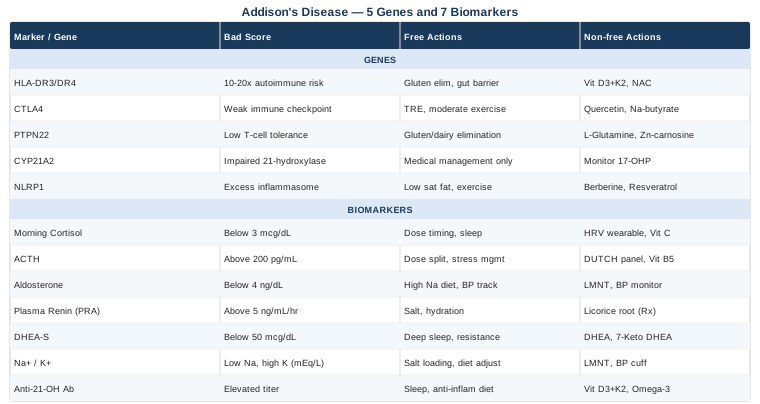
7 Biomarkers to Track in Addison's Disease
Biomarker tracking in Addison's disease serves two distinct purposes: confirming the diagnosis in its early stages, and optimizing ongoing hormone replacement once treatment has begun. Both are important, and neither is as simple as a single number. The markers below represent the most clinically meaningful signals across the adrenal axis, immune status, and electrolyte balance. Used together, they provide a far more complete picture than cortisol alone.
Biomarker 1: Morning Serum Cortisol
Cortisol follows a strong circadian rhythm, peaking within 30–45 minutes of waking — a phenomenon called the cortisol awakening response. This makes the 8 AM serum cortisol the most informative single-point measurement. In untreated Addison's disease, this value is typically below 3 mcg/dL, and often undetectable. For reference, a healthy morning cortisol usually falls between 10 and 20 mcg/dL.
For people already on hydrocortisone replacement, morning cortisol monitoring becomes a tool for assessing dosing adequacy. The goal is to mimic the natural cortisol curve — not normalize a static number, but ensure the peak, trough, and overall daily exposure match physiological need. Over-replacement carries its own risks: insulin resistance, bone loss, immune suppression. Under-replacement leads to fatigue, hypoglycemia, and increased vulnerability to adrenal crisis. StatPearls: Addison Disease overview
How to Measure It
Test: Morning serum cortisol drawn before 9 AM, ideally before taking hydrocortisone. Cost: $30–$80 at standard labs. Some clinicians pair this with a 24-hour urinary free cortisol to assess total daily exposure. Salivary cortisol panels (four-point testing across the day, $150–$250) reveal the cortisol curve more accurately than a single blood draw and are increasingly available through functional medicine labs.
Target range on monitored replacement: morning cortisol 1–2 hours after the morning dose should reach the lower-middle of the normal range (8–14 mcg/dL for most people).
If the Score Is Bad: The Plan Without Supplements
If monitoring reveals suboptimal cortisol exposure, the first step is timing optimization, not dose escalation. Taking the morning hydrocortisone dose immediately upon waking — before getting out of bed — significantly improves the pharmacokinetic profile of the medication. Dividing the daily dose into 2–3 smaller portions spread across the day (larger dose on waking, smaller at noon, smallest in mid-afternoon if needed) better approximates the natural cortisol curve than once-daily dosing.
Avoiding late-day cortisol doses (after 4–5 PM) is equally important: they disrupt sleep architecture and suppress the melatonin onset window. Improving deep sleep — even by 20–30 minutes per night — has a measurable effect on HPA axis stability and daytime dose consistency. Sleep is the cheapest intervention available for anyone managing adrenal insufficiency.
If the Score Is Bad: The Plan With Supplements or Equipment
Wearable HRV monitoring (Oura Ring, WHOOP, Garmin): Low heart rate variability consistently precedes stress events and can guide the decision to take a stress dose before symptoms escalate. Frequency: continuous daily use.
Vitamin C (ascorbic acid, 500–1000 mg/day with food): The adrenal cortex contains one of the highest concentrations of vitamin C in the body, where it serves as an antioxidant protecting steroidogenic cells. While in true Addison's the glands no longer produce cortisol, adequate vitamin C status supports oxidative balance and immune function. No cycling needed at standard doses. Side effects: GI discomfort above 2 g/day.
Phosphatidylserine (400 mg/day): Controlled trials have shown that phosphatidylserine blunts exaggerated cortisol stress responses, useful when replacement dosing creates over-reactive peaks. Cycling: 8 weeks on, 2 weeks off. Side effects: mild nausea in some individuals; avoid with blood thinners.
Biomarker 2: ACTH (Adrenocorticotropic Hormone)
Adrenocorticotropic hormone is secreted by the pituitary to signal the adrenal glands to produce cortisol. In primary adrenal insufficiency (Addison's disease), the adrenal glands cannot respond, so ACTH climbs dramatically — often above 200–300 pg/mL, sometimes exceeding 1000 pg/mL. The normal range is roughly 10–60 pg/mL.
This marker is critical for distinguishing primary adrenal insufficiency (the adrenal glands themselves fail, as in Addison's disease) from secondary adrenal insufficiency (the pituitary or hypothalamus fails to produce ACTH). That distinction has major management implications: secondary insufficiency does not typically require mineralocorticoid replacement, and the management approach differs substantially.
How to Measure It
Test: Plasma ACTH (morning draw at 8 AM; must be collected in chilled EDTA tubes and processed quickly). Cost: $50–$120. The ACTH stimulation test (Synacthen/cosyntropin test) is the gold standard for diagnosis: ACTH analog is injected and cortisol response is measured at 30 and 60 minutes. A peak cortisol below 18–20 mcg/dL confirms adrenal insufficiency.
If the Score Is Bad: The Plan Without Supplements
ACTH values that remain persistently elevated despite replacement often reflect under-dosing or poor timing. Non-pharmacological adjustments — dose splitting, first-morning dosing before rising, consistent sleep schedules — reduce physiological cortisol demand and allow ACTH to normalize at lower replacement doses. Chronic overtraining and prolonged psychological stress both maintain elevated ACTH drive; moderate exercise and structured recovery reduce this load.
If the Score Is Bad: The Plan With Supplements or Equipment
DUTCH hormone panel (Dried Urine Test for Comprehensive Hormones, $250–$400): Measures cortisol metabolites throughout the day, providing a more complete view of total cortisol exposure and metabolic clearance rate than blood draws alone. This data guides dose-splitting decisions in ways that standard serum cortisol cannot.
Vitamin B5 (pantothenic acid, 500 mg/day): A cofactor in coenzyme A synthesis, which is essential in the steroidogenesis pathway. Supports adrenal mitochondrial health in residual tissue and broader energy metabolism. No standard cycling; side effects minimal at this dose.
Biomarker 3: Aldosterone
Aldosterone is the primary mineralocorticoid of the adrenal cortex. It regulates sodium retention, potassium excretion, and blood pressure. In Addison's disease, aldosterone deficiency leads to salt wasting, low blood pressure, and dangerous electrolyte shifts. Most people with primary adrenal insufficiency require fludrocortisone (Florinef) for mineralocorticoid replacement, and monitoring aldosterone helps calibrate that dose accurately.
Plasma aldosterone below 4 ng/dL alongside elevated plasma renin activity is a strong marker of mineralocorticoid deficiency. Unlike cortisol, aldosterone replacement tends to stabilize once the right dose is found, but it still warrants periodic review — particularly after changes in weight, activity level, or season.
How to Measure It
Test: Serum or plasma aldosterone, morning draw after 15 minutes seated. Cost: $40–$90. Usually measured alongside plasma renin activity as a ratio (aldosterone-to-renin ratio, ARR). Normal morning aldosterone: 4–31 ng/dL. In untreated Addison's, values are typically at the lower limit or undetectable.
If the Score Is Bad: The Plan Without Supplements
For mineralocorticoid deficiency, the cornerstone non-pharmacological intervention is adequate dietary sodium intake. Most guidelines recommend 3,000–5,000 mg of sodium per day for people with Addison's — significantly higher than general population targets. Adequate salt intake reduces the physiological demand on the renin-angiotensin system. Hot weather, exercise, and illness dramatically increase sodium and fluid losses; proactive salt loading before these events prevents the cascade toward crisis. Daily blood pressure monitoring (systolic target: 110–130 mmHg seated) is the most practical proxy for mineralocorticoid adequacy at home.
If the Score Is Bad: The Plan With Supplements or Equipment
Sodium-forward electrolyte supplements (LMNT: 1000 mg sodium, 200 mg potassium, 60 mg magnesium per serving; Precision Hydration 1500: 1500 mg sodium): well-suited to Addison's-specific mineral loss patterns. Frequency: 1–2 servings daily during stable periods; 2–4 during heat, illness, or exercise. Side effects: GI discomfort at high concentrations without sufficient water.
Home blood pressure monitor (Omron or equivalent, $30–$60): Daily orthostatic measurement (lying vs. standing) is a high-value, low-cost tool for tracking mineralocorticoid adequacy between lab visits.
Biomarker 4: Plasma Renin Activity (PRA)
Renin is produced by the kidneys when blood volume or sodium is low, initiating the cascade that normally leads to aldosterone release. In Addison's disease with mineralocorticoid deficiency, the kidneys are persistently signaling for more aldosterone that never comes — resulting in elevated plasma renin activity. PRA is one of the most sensitive and dynamic markers for monitoring fludrocortisone adequacy.
When fludrocortisone is correctly dosed, PRA should normalize. Persistently elevated PRA signals under-replacement; suppressed PRA suggests over-replacement, which raises blood pressure and accelerates potassium loss. Some endocrinologists now use direct renin concentration (DRC) rather than PRA — a more reproducible assay now replacing PRA in many centers.
How to Measure It
Test: Plasma renin activity or direct renin concentration, drawn after the patient has been upright for at least 2 hours. Cost: $50–$120. Normal PRA (upright): 0.5–3.3 ng/mL/hr. In inadequately replaced Addison's, values typically exceed 5–10 ng/mL/hr.
If the Score Is Bad: The Plan Without Supplements
Elevated PRA indicating mineralocorticoid under-replacement requires clinical dose adjustment. The non-pharmacological support structure mirrors aldosterone management: generous daily salt intake, orthostatic blood pressure tracking, and proactive hydration during heat or illness. Compression stockings reduce orthostatic hypotension symptoms during dose adjustment periods without pharmacological risk.
If the Score Is Bad: The Plan With Supplements or Equipment
Standard licorice root (not DGL): Glycyrrhizinic acid inhibits 11-beta-hydroxysteroid dehydrogenase type 2, effectively increasing local mineralocorticoid activity. This has been used in research settings to reduce fludrocortisone requirements. Important: this should only be used under physician supervision — blood pressure effects are significant and variable. Not for self-administration. Cycling: short-term adjunct only, not chronic use.
Biomarker 5: DHEA-S (Dehydroepiandrosterone Sulfate)
DHEA-S is the sulfated storage form of DHEA, a precursor hormone produced primarily by the adrenal cortex's zona reticularis. In Addison's disease, DHEA production is severely impaired — often leaving values below 50 mcg/dL in adults, compared to an optimal range of 150–350 mcg/dL for adults in their 30s and 40s. Unlike cortisol and aldosterone, DHEA replacement is not universally offered in conventional endocrinology, yet the evidence for its quality-of-life benefits — particularly in women — is well-documented.
This is a biomarker Peter Attia has consistently highlighted in his longevity framework as undertested in standard care. Low DHEA-S is associated with fatigue, cognitive fog, low libido, immune dysregulation, and reduced stress resilience — all complaints that many Addison's patients report despite "adequate" cortisol and aldosterone replacement. Testing it is inexpensive; the information is actionable.
How to Measure It
Test: Serum DHEA-S (morning draw; stable — no special timing required). Cost: $35–$70. Reference range: highly age-dependent. A practical benchmark for adults 30–50 is 150–350 mcg/dL; values below 100 mcg/dL in the context of Addison's warrant clinical attention. Recheck every 3–6 months when repleting.
If the Score Is Bad: The Plan Without Supplements
Deep (slow-wave) sleep is the primary natural DHEA-S modulator. Optimizing sleep — consistent timing, dark and cool room, limited alcohol, aiming for 7–9 hours — produces modest but measurable improvements in DHEA-S over 4–8 weeks. Resistance exercise (3 sessions per week at moderate to heavy loads) has been shown to raise DHEA-S in adults with adrenal insufficiency. Excessive endurance cardio, conversely, tends to deplete it further. The sleep-exercise combination is the non-pharmaceutical floor.
If the Score Is Bad: The Plan With Supplements or Equipment
DHEA supplementation (5–25 mg/day for women; 25–50 mg/day for men): The most direct intervention. Randomized trials in Addison's patients have demonstrated that DHEA replacement at 25–50 mg/day improves fatigue, psychological wellbeing, libido, and bone density without major adverse effects at standard doses. Frequency: daily in the morning, aligned with the natural DHEA rhythm. Side effects: acne, mild hair thinning, and androgenic effects (more pronounced in women) at higher doses. Cycling: some clinicians use 3 months on, 1 month off to prevent downregulation. Monitoring: recheck DHEA-S and free testosterone at 3 months.
7-Keto DHEA (25–100 mg/day): A non-androgenic DHEA metabolite that does not convert to sex hormones — useful for those concerned about androgenic side effects. Evidence in Addison's-specific populations is more limited than standard DHEA. Side effects: generally mild; occasional headache.
Biomarker 6: Sodium and Potassium (Electrolytes)
Electrolyte disturbance is one of the most clinically dangerous features of Addison's disease. Hyponatremia (sodium below 135 mEq/L) and hyperkalemia (potassium above 5.5 mEq/L), together with low blood pressure, form the classic biochemical triad of mineralocorticoid deficiency. In a crisis, severe hyponatremia can cause seizures, altered consciousness, and cardiovascular collapse.
Even outside of crisis, chronic mild electrolyte imbalance — sodium sitting at 133–135 mEq/L, potassium at 5.0–5.3 mEq/L — creates subtle but persistent symptoms: fatigue, muscle cramps, weakness, and impaired cognition. Routine electrolyte monitoring is both diagnostically and functionally relevant for people managing this condition.
How to Measure It
Test: Basic metabolic panel (BMP) or comprehensive metabolic panel (CMP), which includes sodium, potassium, chloride, bicarbonate, glucose, and kidney function markers. Cost: $25–$60 — one of the most affordable panels in clinical practice. Target: sodium 136–145 mEq/L; potassium 3.5–5.0 mEq/L.
If the Score Is Bad: The Plan Without Supplements
For low sodium: Increase dietary salt consistently — sodium-rich foods (sea salt, pickles, olives, bone broth) consumed throughout the day. Pre-emptive salt loading before exercise or heat exposure (an extra 1,000–2,000 mg sodium before prolonged activity) prevents the depletion cascade. Avoid drinking large volumes of plain water without concurrent sodium replacement during illness or heat stress — this dilutes serum sodium further and accelerates hyponatremia.
For elevated potassium: Temporarily reduce high-potassium foods (bananas, avocados, potatoes, oranges) during periods of mineralocorticoid under-replacement, while ensuring fludrocortisone is at therapeutic levels.
If the Score Is Bad: The Plan With Supplements or Equipment
LMNT or Precision Hydration electrolyte sachets: Sodium-forward formulas specifically designed for high-loss conditions. Frequency: 1–2 servings daily at baseline; 2–4 during heat, illness, or extended physical activity. Side effects: GI discomfort at high concentration without adequate fluid; monitor blood pressure with chronic use.
Home blood pressure cuff with memory logging: Orthostatic measurements (supine vs. standing) taken at the same time daily provide a practical and immediate proxy for electrolyte and volume status. A systolic drop of more than 20 mmHg on standing is a reliable signal of volume depletion.
Biomarker 7: Anti-21-Hydroxylase Antibodies
21-hydroxylase (CYP21A2) is the enzyme responsible for producing both cortisol and aldosterone in the adrenal cortex. In autoimmune Addison's disease — accounting for approximately 80–90% of cases in high-income countries — the immune system generates antibodies against this enzyme, progressively destroying adrenal tissue over months to years before diagnosis. Measuring anti-21-hydroxylase antibodies is both a diagnostic marker (positive in approximately 90% of autoimmune cases) and an ongoing indicator of immune activity.
Monitoring this antibody over time reveals the trajectory of autoimmune disease: persistently high or rising titers suggest ongoing immune attack; falling titers may reflect stabilization. While there is currently no medical treatment that halts the autoimmune process in Addison's disease, this information can meaningfully guide lifestyle and adjunctive anti-inflammatory strategies.
How to Measure It
Test: Serum anti-21-hydroxylase antibody (also called anti-CYP21A2 antibodies or adrenal cortex antibodies). Cost: $100–$200 — a specialized assay not universally available through standard labs; typically ordered through academic medical centers or specialty labs. Positive: any detectable titer above the lab's reference range (typically greater than 1.0 U/mL). A negative result does not rule out autoimmune Addison's — approximately 10% of autoimmune cases are antibody-negative.
If the Score Is Bad: The Plan Without Supplements
For elevated or rising 21-OH antibody titers, the priorities are reducing systemic immune activation through lifestyle. Sleep optimization (7–9 hours, consistent schedule) reduces circulating inflammatory cytokines including IL-6 and TNF-alpha. Anti-inflammatory dietary patterns — minimizing ultra-processed foods, refined sugars, and industrial seed oils while emphasizing omega-3-rich foods, colorful vegetables, and fermented foods — have demonstrated effects on autoimmune activity markers across multiple conditions. Reducing psychological stress through regular relaxation practices carries human trial evidence for lowering inflammatory markers relevant to autoimmune activity.
If the Score Is Bad: The Plan With Supplements or Equipment
Vitamin D3 + K2 (D3: 2,000–5,000 IU/day; K2 as MK-7: 100–200 mcg/day): Maintaining 25-OH vitamin D levels between 50–80 ng/mL is associated with reduced autoimmune activity in multiple conditions. Vitamin D directly modulates T-regulatory cell function — the same immune arm disrupted in autoimmune Addison's. Frequency: daily year-round in most climates. Recheck 25-OH vitamin D every 3–6 months. Side effects: hypercalcemia at doses exceeding 10,000 IU without monitoring.
Omega-3 fatty acids (EPA + DHA, 2–4 g/day combined): Reduces production of pro-inflammatory prostaglandins and cytokines, with direct relevance to autoimmune inflammatory load. Frequency: daily with food. No cycling needed. Side effects: mild blood thinning at high doses; relevant if taking anticoagulants.
Low-dose naltrexone (LDN, 1.5–4.5 mg/day, off-label): A growing evidence base supports LDN as a modulator of immune function in autoimmune conditions, through transient opioid receptor blockade and microglial regulation. Requires prescription and physician oversight. Frequency: nightly at bedtime. Side effects: vivid dreams in the first 2–4 weeks, occasional nausea. Cycling: typically continuous with periodic reassessment.
Understanding what each biomarker reveals is the practical foundation of better Addison's management. The next layer — understanding the genetic variants that shaped the susceptibility to adrenal autoimmunity — adds upstream context that explains why some people need more aggressive monitoring and where specific interventions are best directed.
The Genetics Behind Autoimmune Addison's Disease
The genetics of autoimmune Addison's primarily revolve around immune regulation genes, not the adrenal gland itself. In most cases, the adrenal glands are structurally capable; it is the immune system's sustained attack on them that produces the disease. Consumer genetic testing (23andMe, AncestryDNA, Nebula Genomics) now makes several of these variants accessible, and understanding their implications is increasingly relevant for anyone with this diagnosis or first-degree relatives at elevated risk.
The five variants below have the most consistent evidence in peer-reviewed literature for autoimmune adrenal insufficiency. Where evidence remains early-stage, that limitation is stated explicitly.
Gene 1: HLA-DR3 and HLA-DR4 (Human Leukocyte Antigen Region)
What it affects: The HLA (human leukocyte antigen) region on chromosome 6p21 encodes proteins that present antigens to the immune system. HLA-DR3 (DRB1*03:01) and HLA-DR4 (DRB1*04) are the most consistently replicated HLA alleles associated with autoimmune Addison's disease across European studies. The compound heterozygote combination HLA-DR3/DR4 confers the highest risk — potentially 10–20 times above population baseline. This same HLA architecture is shared with type 1 diabetes and autoimmune thyroid disease, which explains why these conditions cluster together in autoimmune polyglandular syndromes.
What it may reveal: Carrying these alleles does not cause Addison's directly — many people carry them without developing adrenal disease. What they signal is an immune architecture prone to misdirecting T-cell responses against self-antigens, including the adrenal 21-hydroxylase enzyme. They also confer elevated celiac disease risk (HLA-DQ2 often co-segregates with HLA-DR3), which has direct dietary management implications.
If the Gene Is Bad: The Plan Without Supplements
HLA variants cannot be modified. The strategy is mitigation of the environmental triggers that convert genetic susceptibility into active autoimmunity. Gut barrier integrity is the primary lever: reducing intestinal hyperpermeability limits the antigen exposure that drives molecular mimicry-based autoimmune activation. For HLA-DR3/DR4 carriers specifically, a gluten elimination trial (minimum 12 weeks, full elimination) is warranted given the co-inherited celiac risk — this directly reduces autoimmune trigger load. Avoiding unnecessary antibiotics, managing chronic infections, and supporting mucosal immune health through probiotic-rich foods are supporting actions.
If the Score Is Bad: The Plan With Supplements or Equipment
Vitamin D3 + K2 (as described in the biomarker section): The evidence is strongest here. HLA-DR-mediated immune dysregulation appears modifiable by vitamin D status, particularly when VDR (vitamin D receptor) gene variants co-occur with HLA risk alleles — a common combination. Target 25-OH vitamin D at 60–80 ng/mL.
NAC (N-acetylcysteine, 600–1,200 mg/day): Supports glutathione synthesis, reducing oxidative stress that amplifies autoimmune signaling in HLA-susceptible individuals. Frequency: daily with food. Side effects: GI discomfort at doses above 1,200 mg. Cycling: 3 months on, 1 month off.
Gene 2: CTLA4 (Cytotoxic T-Lymphocyte Antigen 4)
What it affects: CTLA4 encodes a protein on T-regulatory cells that functions as an immune checkpoint — a brake on excessive immune activation. The rs3087243 polymorphism (G→A) results in reduced CTLA4 expression, weakening this brake. Without adequate CTLA4 signaling, autoreactive T cells that would normally be suppressed escape into circulation and attack self-tissues. This variant is associated with a broad spectrum of autoimmune diseases including Graves' disease, Hashimoto's thyroiditis, type 1 diabetes, and rheumatoid arthritis — and directly explains the high co-prevalence of these conditions in Addison's patients.
If the Gene Is Bad: The Plan Without Supplements
CTLA4 function is modifiable through behaviors that enhance T-regulatory cell activity. Time-restricted eating (16–18 hour fasting windows) has been shown in human studies to upregulate regulatory T cells and reduce pro-inflammatory cytokines. Moderate aerobic exercise (150 minutes per week, not exceeding vigorous intensity) shifts immune balance toward regulatory states. Brief cold exposure has emerging evidence for similar effects, but must be approached cautiously in Addison's — the normal cortisol response to cold stress is absent, and a stress dose should be accessible.
If the Score Is Bad: The Plan With Supplements or Equipment
Quercetin (500–1,000 mg/day): A flavonoid that modulates T-cell activation and reduces pro-inflammatory cytokine production. Evidence is primarily in vitro and in early human studies across autoimmune conditions. Cycling: 8 weeks on, 2 weeks off. Side effects: generally mild; potential drug interactions with some medications.
Sodium butyrate (600 mg/day with meals): A short-chain fatty acid that directly supports T-regulatory cell induction via histone deacetylase inhibition — an epigenetic mechanism with well-documented evidence in gut and autoimmune research. Frequency: daily. Side effects: transient GI changes in the first 1–2 weeks.
Gene 3: PTPN22 (Protein Tyrosine Phosphatase Non-Receptor Type 22)
What it affects: The PTPN22 rs2476601 variant (C→T, also called W620) is one of the most replicated genetic associations across autoimmune diseases. It encodes a lymphoid phosphatase that, in its variant form, lowers the activation threshold for T-cell receptor signaling — making immune cells more reactive to antigens and more prone to losing tolerance to self-proteins. Studies in European populations have confirmed PTPN22 rs2476601 as a risk allele for autoimmune Addison's disease, with odds ratios in the range of 1.6–2.5. Evidence is consistently replicated across independent cohorts, though the clinical use of genetic testing for this variant specifically remains an area of active research.
If the Gene Is Bad: The Plan Without Supplements
Reducing autoimmune trigger load through gut barrier optimization is the primary evidence-based lever. Intestinal hyperpermeability allows antigens to cross the gut lining, providing material for mistaken immune attacks — a mechanism particularly relevant in PTPN22-susceptible individuals. Dietary approaches: elimination of gluten and dairy as an initial 4–6 week trial, increasing resistant starch and fermented foods, and avoiding chronic NSAID use (a documented gut lining disruptor).
If the Score Is Bad: The Plan With Supplements or Equipment
L-Glutamine (5–10 g/day): The primary fuel for intestinal enterocytes, supporting gut barrier repair. Frequency: daily in divided doses. No standard cycling. Side effects: rare at standard doses.
Zinc carnosine (75 mg/day): Well-studied for gut epithelial integrity in human clinical trials. Frequency: daily with food. Cycling: 3 months on, 1 month off. Side effects: nausea if taken on an empty stomach.
Gene 4: CYP21A2
What it affects: CYP21A2 directly encodes the 21-hydroxylase enzyme — the same enzyme that autoimmune Addison's attacks as its primary target. While mutations in this gene cause congenital adrenal hyperplasia (CAH) rather than autoimmune Addison's, the gene is relevant in the autoimmune context because the enzyme's structure is central to the autoimmune reaction. Heterozygous CYP21A2 carriers who also carry autoimmune risk alleles may have a modified disease phenotype.
Anyone with confirmed Addison's should have CYP21A2 mutation analysis if there is any family history of ambiguous genitalia, early puberty, or salt-wasting crises in childhood, as this changes the diagnosis from autoimmune Addison's to CAH — altering management meaningfully.
If the Gene Is Bad: The Plan Without Supplements and With Supplements
CYP21A2 mutations directly impair enzyme function; no supplement can restore enzymatic activity. Management is entirely medical (hydrocortisone and fludrocortisone replacement, identical in structure to autoimmune Addison's). The CYP21A2-specific biomarker to monitor is 17-hydroxyprogesterone (17-OHP): elevated values indicate inadequate 21-hydroxylation, signaling under-replacement and the need for dose adjustment. This distinguishes CYP21A2-driven CAH from autoimmune Addison's at the lab level and guides medical management in ways that cortisol alone cannot.
Gene 5: NLRP1 (NLR Family Pyrin Domain Containing 1)
What it affects: NLRP1 encodes a component of the inflammasome — an intracellular immune signaling platform that drives IL-1β production and inflammatory cell death (pyroptosis). Variants in NLRP1 (particularly rs2670660 and rs12150220) have been associated with autoimmune Addison's disease, as well as vitiligo and other autoimmune conditions, in genome-wide association studies. Evidence is primarily GWAS-derived; functional mechanisms are still being defined. Replicated across independent cohorts, though early-stage in terms of clinical translation.
If the Gene Is Bad: The Plan Without Supplements
Inflammasome activation is driven by specific dietary and lifestyle inputs. Minimizing chronic saturated fat excess, reducing fructose and alcohol, achieving a healthy body weight, and maintaining consistent aerobic exercise (150+ minutes per week at moderate intensity) all reduce IL-1β-driven inflammation in human trials. These are not marginal interventions — they directly modulate the signaling pathway this gene variant dysregulates.
If the Score Is Bad: The Plan With Supplements or Equipment
Berberine (500 mg, twice daily with meals): Demonstrable NLRP3 inflammasome-suppressing activity across cellular studies, with early human data in metabolic and inflammatory conditions. Cycling: 8–12 weeks on, 4 weeks off. Side effects: GI discomfort; drug interactions similar to metformin. Monitor blood glucose, especially alongside hydrocortisone (which raises blood sugar).
Resveratrol (200–500 mg/day): SIRT1 activator with inflammasome-modulating effects. Evidence is primarily preclinical; some human trials in inflammatory conditions. Cycling: 3 months on, 1 month off. Side effects: mild; avoid with blood thinners.
The biomarker and genetic frameworks above are oriented toward what is happening and why. The section below addresses a different question: how does the physiology of the HPA axis actually work, and what does the best current science say about influencing it through daily behavior?
What Huberman Lab Research Reveals About Cortisol and the Adrenal Axis
The Huberman Lab podcast, hosted by Andrew Huberman, Professor of Neurobiology at Stanford University, has produced multiple episodes addressing cortisol physiology, HPA axis regulation, and the biology of stress — drawing extensively on peer-reviewed research. While the episodes are not specific to Addison's disease, the underlying science of how cortisol functions as a biological signal — and how lifestyle shapes that signal — is directly applicable to anyone managing adrenal insufficiency. Below are the ten most impactful insights, framed for this specific context.
1. The Morning Cortisol Peak Is a Deliberate Biological Program
The cortisol awakening response is not a stress reaction — it is a precisely timed biological event that sets circadian tone, mobilizes energy reserves, and primes immune function for the day. Huberman emphasizes anchoring this peak with morning light exposure within 30–60 minutes of waking (outdoor light, 5–10 minutes, even on cloudy days). For Addison's patients, this means the first hydrocortisone dose should be taken before rising — ideally the moment of waking, with water on the bedside table — to physiologically align with this window.
2. Controlled Cold Exposure Calibrates the Stress Response
Brief cold exposure (cold showers, 30–90 seconds) produces an acute adrenaline and cortisol spike followed by a sustained return to a lower-than-baseline stress state — a form of stress inoculation. Huberman references studies showing that repeated brief cold exposure lowers basal cortisol over time and improves autonomic stress regulation. For Addison's patients, approach cautiously: the endogenous cortisol response to cold is absent, and a stress dose should be accessible if fatigue or lightheadedness follows. Start at room temperature water and decrease gradually.
3. Exercise Timing Shapes the Daily Cortisol Architecture
Exercise raises cortisol; the question is when. Morning exercise amplifies the natural cortisol peak, which in healthy physiology sets a high-performance tone for the day. For Addison's patients on replacement, morning exercise is well-supported by the regular morning dose. Late afternoon or evening exercise disrupts the cortisol decline toward nighttime — a pattern Huberman cites as consistently impairing sleep onset quality. This directly supports the common clinical recommendation to avoid late-day intense exercise in adrenal insufficiency.
4. Chronic Low-Grade Stress Is More Damaging Than Acute Stress
Huberman cites research showing that sustained, low-level HPA activation — chronic worry, poor sleep, persistent relationship stress — is more damaging to immune and cardiovascular function than brief, intense stressors. The distinction matters biologically: acute cortisol spikes are self-limiting and pro-adaptive; chronic low-level cortisol elevation erodes immune regulation, memory consolidation, and metabolic stability. For Addison's patients, this means that unaddressed chronic stressors — even when cortisol replacement appears adequate — may undermine treatment effectiveness.
5. Sleep Is the Master Reset for the Adrenal Axis
Slow-wave (deep) sleep is the window when cortisol drops to its lowest point and restorative processes peak. Huberman's discussion of how poor sleep architecture — fragmented sleep, alcohol before bed, inconsistent timing — corrupts this reset maps directly onto Addison's: reduced deep sleep leaves morning cortisol blunted, daytime stress responses less stable, and the dose requirement harder to calibrate. Improving sleep quality is not a soft lifestyle recommendation for this population; it is a core management variable.
6. The Physiological Sigh Is the Fastest Stress Reset
Huberman dedicates substantial content to the physiological sigh — a double nasal inhale followed by a slow extended exhale — as the fastest known method to activate the parasympathetic nervous system and reduce cortisol within seconds. Two to three repetitions can blunt an acute stress response before it escalates. This is directly relevant to Addison's patients who experience sub-crisis stress moments where a full pharmacological stress dose is not warranted but autonomic support would help.
7. Social Connection Is a Physiological Cortisol Modulator
Citing Sheldon Cohen's research on social bonding and stress, Huberman notes that positive social interaction lowers circulating cortisol through oxytocin-mediated mechanisms. Social isolation — a common consequence of chronic illness fatigue — sustains elevated inflammatory tone and HPA activation. For Addison's patients, this makes maintaining social connection a physiologically meaningful variable, not merely a quality-of-life nicety.
8. Caffeine Timing Affects the Cortisol Awakening Window
Huberman recommends delaying caffeine intake by 90–120 minutes after waking, allowing the natural cortisol awakening response to complete before layering adenosine blockade and adrenal stimulation on top of it. For Addison's patients, caffeine should not precede or compete with the morning hydrocortisone dose. Taking caffeine before or simultaneously with the first dose may obscure the medication's effect and contribute to afternoon energy crashes that are misread as under-replacement.
9. Evening Light Disrupts the Cortisol-to-Melatonin Transition
Blue light exposure after sunset delays the cortisol decline and shortens the adrenal recovery window. Studies cited by Huberman show that even moderate evening screen exposure shifts the cortisol rhythm in ways that accumulate over weeks. Practical tools: blue-light-blocking glasses after sunset, amber lighting in the evening, and a screen curfew one hour before bed. For Addison's patients, protecting this nighttime cortisol nadir directly supports the physiological rationale behind not taking late-afternoon doses.
10. Cortisol and Inflammation Are Locked in a Bidirectional Loop
Cortisol's primary function includes suppressing systemic inflammation. In Addison's, under-replacement means this anti-inflammatory role is chronically impaired, allowing low-grade inflammatory states — elevated IL-6, TNF-alpha, histamine reactivity — to persist and amplify. Huberman's discussions of this feedback loop explain why people with suboptimal Addison's management often present with diffuse inflammatory symptoms: joint aches, skin reactivity, digestive sensitivity, and immune overactivation. Getting cortisol replacement right is not just about energy management — it is about systemic immune calibration.
These behavioral levers are evidence-grounded and actionable alongside — not instead of — medical treatment. The four complementary approaches below add further modalities with meaningful human clinical evidence specifically relevant to autoimmune disease and adrenal function.
Evidence-Based Complementary Approaches
The four modalities below have human clinical evidence relevant to autoimmune disease, HPA axis regulation, and gut-immune function. None replaces medical treatment for Addison's disease, and all should be discussed with your physician before implementation, particularly given the complexities of managing adrenal insufficiency.
The Autoimmune Protocol (AIP) — Sarah Ballantyne
The Autoimmune Protocol (AIP), developed by Dr. Sarah Ballantyne (PhD, author of The Paleo Approach), is a structured dietary and lifestyle intervention designed to reduce immune activation through gut healing, nutrient density optimization, and elimination of foods with documented immunogenic potential. Beyond standard anti-inflammatory diets, AIP removes eggs, nightshades, seeds, and nuts during an elimination phase, while emphasizing organ meats, colorful vegetables, fermented foods, and bone broth. The lifestyle arm — sleep prioritization, stress management, gentle movement — is weighted as equally important as the dietary component.
For autoimmune Addison's disease, the AIP is particularly relevant because the condition is immune-mediated and shares the intestinal permeability and HLA risk factors that this protocol specifically targets. A pilot study published in Inflammatory Bowel Diseases (2017) demonstrated significant reductions in inflammatory markers and clinical symptom improvements after 6 weeks of AIP in autoimmune gastrointestinal conditions. While studies specific to adrenal autoimmunity are not yet available, the mechanistic overlap is substantial and the low harm profile supports its application.
In practice: the elimination phase lasts 4–8 weeks and removes grains, legumes, dairy, eggs, nightshades, nuts, seeds, alcohol, NSAIDs, and all processed foods. Reintroduction is systematic — one food category at a time, every 5–7 days, monitoring for symptom changes. This is a structured program requiring preparation and ideally practitioner support, not a casual diet modification. The clinical improvement data supports committing to the full elimination phase before drawing conclusions about individual food tolerances.
Mindfulness-Based Stress Reduction (MBSR)
Mindfulness-Based Stress Reduction (MBSR), the 8-week structured program developed by Jon Kabat-Zinn combining body scanning, seated meditation, and mindful movement, is evidence-supported for reducing the physiological stress response and inflammatory cytokine production. For people with Addison's disease, chronic psychological stress directly increases cortisol demand beyond basal replacement levels, increases autoimmune cytokine activity, and degrades sleep quality — making a validated, scalable stress-reduction intervention clinically meaningful.
A meta-analysis examining MBSR and inflammatory biomarkers across multiple chronic disease populations found significant reductions in circulating IL-6 and CRP following MBSR intervention. A parallel body of evidence has documented that MBSR reduces diurnal cortisol range — blunting excessive cortisol reactivity without suppressing the healthy morning awakening peak. Evidence specific to Addison's is indirect; existing studies address HPA dysregulation and autoimmune conditions more broadly, but the mechanisms are directly applicable.
The standard MBSR course involves 2–2.5 hours per week of group practice and 45 minutes of daily home practice over 8 weeks. App-based alternatives (Insight Timer, Calm) offer accessible entry points, though they are less rigorously studied than the clinical program. For Addison's patients specifically, the most practical application is a 5–10 minute body scan and diaphragmatic breathing routine at the first signs of stress escalation — a tool for reducing autonomic activation before it reaches the threshold that would warrant a stress dose.
Breathing-Based Therapies
Breathing practices — including diaphragmatic breathing, slow-paced breathing at 5–6 breaths per minute (resonance frequency breathing), and cyclic sighing — directly modulate the autonomic nervous system and HPA axis. Extended exhalation activates vagal tone, which inhibits sympathetic cortisol drive. This is mechanistically relevant for Addison's patients: while they cannot produce endogenous cortisol, reducing unnecessary sympathetic activation reduces situational demand for stress dosing and lowers the cumulative inflammatory burden associated with chronic HPA arousal.
A randomized controlled trial by Balban et al. published in Cell Reports Medicine (2023) compared cyclic sighing (double nasal inhale followed by full extended exhale) against other breathing techniques and found it produced the strongest and fastest reductions in self-reported stress and the most sustained positive affect improvement. This study is directly relevant because it used a rigorous within-subject comparison design rather than observational data.
For Addison's patients: five minutes of cyclic sighing twice daily — once in the morning after the cortisol dose has begun to activate, and once in the evening before sleep — can reduce stress-driven adrenal demand, support sleep onset, and provide a practical tool for early-stage stress events. No equipment, no cost, no known adverse effects, and no cycling required.
Microbiome-Directed Therapies
The gut microbiome plays a central regulatory role in immune tolerance — the biological set-point at which the immune system distinguishes self from non-self. Dysbiosis (reduced microbial diversity, overgrowth of pro-inflammatory species) is consistently associated with increased autoimmune activity in conditions sharing the same HLA and PTPN22 risk architecture as Addison's disease. Research into microbiome-immune interactions is one of the most active areas of immunology, and the mechanistic case for gut-directed interventions in autoimmune conditions is now well-established in human studies.
Reviews in leading immunology journals have documented how gut microbiota regulate T-regulatory cell induction and autoimmune suppression through short-chain fatty acid production (butyrate, propionate) and direct antigen education of mucosal immune cells. Certain bacterial strains — particularly Clostridia species and Lactobacillus rhamnosus — have specific evidence for inducing intestinal T-regulatory cells that modulate systemic autoimmune activity. Randomized trial data specific to autoimmune Addison's does not yet exist; evidence is strongest in type 1 diabetes and inflammatory bowel conditions sharing overlapping immune pathways.
Practical protocol: fermented food intake daily (kefir, kimchi, sauerkraut, plain yogurt with live cultures), prebiotic fiber (inulin, resistant starch from green bananas and cooled cooked potatoes), and targeted probiotic supplementation with strains that have immune-regulatory evidence (Lactobacillus rhamnosus GG, Bifidobacterium longum). Introduce fermented foods and probiotics gradually over the first 2–4 weeks to minimize GI changes. Consistency over 12+ weeks is required for meaningful microbiome shifts. This is a slow, foundational intervention — not a short-term experiment.
Conclusion
Managing Addison's disease well — beyond simply filling prescriptions and attending annual appointments — requires tracking the right numbers and understanding the upstream biology that explains them. The seven biomarkers covered here (morning serum cortisol, ACTH, aldosterone, plasma renin activity, DHEA-S, electrolytes, and anti-21-hydroxylase antibodies) form a practical monitoring framework that can reveal whether hormone replacement is truly optimized, whether autoimmune activity is ongoing, and where specific vulnerabilities exist. The five genetic variants add a layer of context that explains susceptibility and guides where lifestyle interventions are most important.
None of the strategies in this article replace the essential role of a physician or endocrinologist. The most useful next step is to review this biomarker list with your care team and schedule a targeted panel if you have not had these values checked recently. Tracking even three or four of these markers — morning cortisol, DHEA-S, electrolytes, and renin — provides a dramatically more useful picture than symptom reporting alone. The tests are accessible, the costs are reasonable, and the decisions you can make with better data are genuinely meaningful for daily quality of life.
Endocrine & Metabolic Autoimmune
Endocrine & Metabolic: Adrenal Conditions
Autoimmune: Inflammatory Conditions
Women's Health: Hormonal Conditions