This article contains AI generated content.
· UpdatedAdenovirus Arthritis, Genes and Biomarkers — 6 Genes and 7 Biomarkers to Track
Introduction
Joint pain that starts a few weeks after a respiratory or gastrointestinal infection is genuinely confusing. Most people — and many general practitioners — don't immediately connect an adenovirus episode to the swollen knees, stiff fingers, or aching lower back that follow it. Reactive arthritis triggered by adenovirus sits in a gap between infectious disease and rheumatology that often goes unaddressed until inflammation has already taken hold.
The frustrating part isn't just the pain. It's the advice that usually follows: rest, take ibuprofen, wait it out. For many people, that's enough. For others — particularly those with specific genetic variants — the immune response doesn't self-limit the way it should, and what starts as post-viral joint irritation becomes a prolonged, sometimes disabling condition. Generic protocols don't account for that difference.
This article takes a more targeted approach. It looks at the biological markers your body is already producing that can tell you how severe your inflammation is, how active your immune response remains, and how close to resolution you actually are. It also examines the genetic variants that appear to shape individual susceptibility and severity when adenovirus triggers joint involvement.
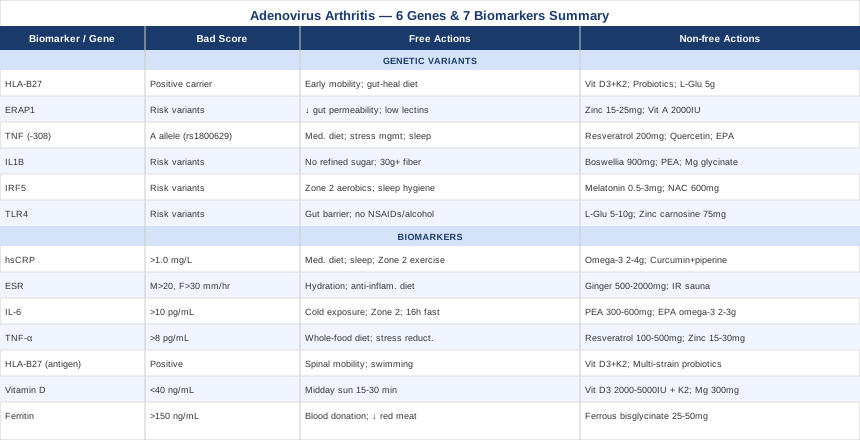
None of this is a shortcut or a cure. But understanding your individual picture — what your markers are doing and what your genes may predispose you to — puts you in a genuinely better position to work with a clinician, adjust your habits, and make decisions about supplementation or further testing. This article covers two main frameworks: a biomarker tracking approach covering the seven most actionable lab values, and a genetics overview focusing on the six variants with the clearest relevance to viral arthritis. After those, you'll find a strategy summary drawn from Peter Attia's evidence framework, plus four complementary modalities with solid human clinical data for this type of joint condition.
Summary
This article identifies the 7 most actionable biomarkers to track after adenovirus-triggered arthritis — including hsCRP, IL-6, TNF-alpha, HLA-B27, ferritin, ESR, and vitamin D — with specific target ranges, cost estimates, and detailed plans (with and without supplements) for each one. It then covers 6 genetic variants that shape individual susceptibility and severity: HLA-B27, ERAP1, TNF, IL1B, IRF5, and TLR4, with practical plans for each risk variant. Beyond the lab data, you'll find a condensed version of Peter Attia's inflammation framework from Outlive — including his reasoning that standard lab ranges are not optimal ranges — plus four complementary approaches with genuine clinical evidence for post-viral joint conditions, including the autoimmune protocol from Sarah Ballantyne. If you've been told to just wait it out, the following pages give you a smarter starting point.
7 Biomarkers to Monitor After Adenovirus-Triggered Joint Inflammation
Tracking inflammation after a viral arthritis episode is not about collecting data for its own sake. It's about understanding whether your immune response is resolving, stalling, or escalating — and adjusting accordingly. The seven markers below offer complementary views into different arms of the inflammatory process, from acute-phase proteins to immune system activation markers and nutritional status.
1. hsCRP — High-Sensitivity C-Reactive Protein
hsCRP is the single most practical marker for tracking systemic inflammation over time. Produced by the liver in response to cytokine signals — particularly IL-6 — it rises within hours of an inflammatory trigger and falls relatively quickly when inflammation resolves. In active reactive arthritis post-adenovirus, values can reach 30–100 mg/L during peak activity. The goal after a viral arthritis episode is to watch this number trend downward and eventually stabilize well below 1.0 mg/L.
According to NIH/StatPearls, CRP levels above 3 mg/L consistently correlate with increased inflammatory burden across rheumatic conditions. Conventional labs often flag values only above 10 mg/L, which means low-grade persistent inflammation can go undetected for months.
How to Measure It
Standard blood draw, ordered as high-sensitivity CRP (not standard CRP, which misses values below 3 mg/L). Cost: $15–40 at most labs. Many direct-to-consumer services include it in inflammation panels. Optimal target: below 1.0 mg/L. Values between 1.0 and 3.0 mg/L indicate ongoing low-grade inflammation that warrants attention.
If the Score Is Bad, the Plan Without Supplements
Shift to a predominantly Mediterranean dietary pattern: extra-virgin olive oil as primary fat, increased oily fish (3–4 servings per week), reduced refined carbohydrates and seed oils, abundant vegetables. Prioritize sleep quality aggressively — even a single night of poor sleep elevates CRP within 24 hours. Introduce daily movement that is moderate in intensity: brisk walking, swimming, cycling. Avoid prolonged sedentary time. Manage stress with structured breathing or MBSR practice (see Strategy 4). Timeline for dietary change to affect hsCRP: visible reduction typically within 4–8 weeks.
If the Score Is Bad, the Plan With Supplements or Equipment
Omega-3 fatty acids (EPA+DHA): 2–4g daily, taken with a meal. Daily, no cycling needed, long-term safe. Side effects: fishy aftertaste (use enteric-coated form), mild blood thinning at doses above 4g — relevant if on anticoagulants. Curcumin with piperine: 500–1000mg daily. Piperine increases bioavailability by up to 2000%. Cycle 6 weeks on, 1 week off if GI discomfort occurs. Side effects: GI upset in sensitive individuals, mild antiplatelet effect. Boswellia serrata: 600–1200mg daily in divided doses with food. Evidence for inflammatory joint conditions is reasonably solid in human trials. Cycle 4–8 weeks of continuous use, then reassess. Side effects: occasional GI discomfort.
2. ESR — Erythrocyte Sedimentation Rate
ESR measures how fast red blood cells settle in a tube — a proxy for the presence of inflammatory proteins in the blood. It is slower to rise and slower to fall than CRP, which makes it a useful complement for assessing whether inflammation is truly resolving or simply showing a temporary dip. In active reactive arthritis, ESR is often elevated to 40–100 mm/hr. Sustained elevation beyond 8–12 weeks after an adenovirus episode is a signal that the immune response has not wound down appropriately.
ESR is particularly useful for tracking chronic low-grade persistence of post-viral joint inflammation that hsCRP might normalize while symptoms continue. The two markers can diverge, and that divergence itself is informative.
How to Measure It
Standard blood test, often ordered alongside a CBC. Cost: $10–30. Normal values: men under 20 mm/hr, women under 30 mm/hr (age-adjusted ranges exist). Unlike CRP, ESR varies with anemia, pregnancy, and protein levels — always interpret in context.
If the Score Is Bad, the Plan Without Supplements
Adequate hydration (chronic mild dehydration elevates ESR), anti-inflammatory dietary pattern, pacing of physical activity to avoid post-exertional flares, and sufficient sleep. Cold and heat therapy applied directly to affected joints can reduce local inflammation without systemic interventions. Identify and address any ongoing infection — if adenovirus was the trigger, confirm it has fully cleared.
If the Score Is Bad, the Plan With Supplements or Equipment
Ginger extract: 500–2000mg daily, split into two doses with meals. Inhibits prostaglandin synthesis and has been studied in inflammatory arthritis with measurable ESR reductions. Daily use, safe for extended periods. Side effects: heartburn at higher doses. Omega-3 (same protocol as hsCRP). For equipment: a far-infrared sauna used 3–4 times per week (20–30 minutes at 45–60°C) has human evidence for reducing ESR in inflammatory joint conditions. Side effects: dehydration risk — ensure adequate fluid replacement.
3. IL-6 — Interleukin-6
IL-6 is the central cytokine that drives the liver to produce CRP. It is the primary molecular bridge between viral infection and joint inflammation, and it plays a direct role in activating immune cells that infiltrate joint tissue. During adenovirus infection, IL-6 surges as part of the antiviral response; in susceptible individuals, this surge can persist or trigger ongoing joint involvement. Tocilizumab, one of the most widely used biologics for inflammatory arthritis, specifically targets the IL-6 receptor — which underscores how central this cytokine is to the disease pathway.
How to Measure It
Requires a specific cytokine panel — not included in standard inflammatory panels. Cost: $50–150, often through specialty labs. Request serum IL-6. Normal range: typically below 7 pg/mL. Levels above 10 pg/mL in a post-viral context indicate ongoing cytokine-driven inflammation. Not always covered by insurance without documented inflammatory disease.
If the Score Is Bad, the Plan Without Supplements
Cold exposure: regular cold showers (2–3 minutes at end of shower) or cold water immersion (up to 11 minutes per week total, as per recent research on cold protocols) has documented effects on reducing circulating IL-6 when performed consistently. Moderate aerobic exercise — Zone 2 intensity (able to hold a conversation) — paradoxically lowers chronic IL-6 over time by improving metabolic efficiency. Time-restricted eating (14–16 hour fasting window) reduces IL-6 via metabolic pathways. Minimize alcohol completely during elevated IL-6 phases.
If the Score Is Bad, the Plan With Supplements or Equipment
Palmitoylethanolamide (PEA): 300–600mg twice daily. PEA is an endocannabinoid-like compound with well-documented anti-inflammatory properties specifically via mast cell regulation and IL-6 modulation. Cycle: 2–3 months continuous, then reassess. Side effects: minimal; occasional mild GI effects. EPA-rich omega-3 (emphasize EPA over DHA): 2–3g EPA specifically. EPA has stronger IL-6 suppression data than DHA for joint conditions. Quercetin: 500–1000mg daily — inhibits cytokine release from immune cells. Daily, no cycling necessary. Side effects: rare headache at higher doses.
4. TNF-Alpha — Tumor Necrosis Factor Alpha
TNF-alpha is one of the master regulators of joint inflammation. It is directly responsible for synovial membrane activation, cartilage degradation signaling, and bone erosion in severe cases. In adenovirus-triggered reactive arthritis, TNF-alpha is typically elevated during acute phases. The fact that anti-TNF biologics (etanercept, adalimumab) are frontline treatments for severe spondyloarthropathy — a related condition that shares genetic overlap with reactive arthritis — confirms the clinical centrality of this marker.
Measuring TNF-alpha is less common in general practice but becomes highly informative when hsCRP and ESR remain elevated despite reasonable lifestyle interventions, or when there is a concern about progression to a chronic spondyloarthropathy pattern.
How to Measure It
Specialty cytokine panel. Cost: $80–200. Not a routine test; usually ordered by a rheumatologist or through functional medicine labs. Normal serum value: generally below 8 pg/mL. Interpretation matters more than absolute value — trend over time after interventions is more useful than a single reading.
If the Score Is Bad, the Plan Without Supplements
A strict Mediterranean or whole-food dietary pattern without ultra-processed foods has direct evidence for TNF-alpha reduction. Stress reduction is non-negotiable: psychological stress is one of the most consistent non-infectious drivers of sustained TNF-alpha elevation. Mind-body practices covered in Strategy 4 address this directly. Complete elimination of alcohol and tobacco (both independently elevate TNF-alpha). Adequate, consistent sleep — TNF-alpha follows a circadian rhythm and spikes with disrupted sleep architecture.
If the Score Is Bad, the Plan With Supplements or Equipment
Resveratrol: 100–500mg daily (as trans-resveratrol with a fat-containing meal for absorption). Has documented TNF-alpha inhibitory effects in human trials. Cycle: 8 weeks on, 2 weeks off. Side effects: may thin blood; caution with anticoagulants. Quercetin: 500mg twice daily (synergistic with resveratrol). Zinc: 15–30mg daily as zinc picolinate or bisglycinate. Zinc deficiency independently elevates TNF-alpha; correction to adequate levels has measurable anti-inflammatory effects. Take in the evening, away from iron. Cycle: 4–6 weeks, then switch to a maintenance dose of 10–15mg.
5. HLA-B27 Antigen Status
HLA-B27 occupies a dual role: it is both a genetic variant and a measurable diagnostic marker. Testing for HLA-B27 antigen presence in the blood is the most clinically established way to stratify risk in anyone experiencing joint inflammation after an infection. Approximately 80–90% of reactive arthritis cases occur in HLA-B27-positive individuals, compared to roughly 6–8% prevalence of HLA-B27 in the general population — a strikingly strong association.
A positive HLA-B27 test does not diagnose reactive arthritis by itself, but in the context of recent adenovirus infection plus joint symptoms, it significantly increases diagnostic confidence and should shift management toward earlier physiotherapy, closer monitoring, and more aggressive lifestyle intervention.
How to Measure It
Blood test via flow cytometry or PCR. Cost: $50–150. Usually ordered by a rheumatologist but available through most labs. Result is binary (positive/negative), though the specific subtype of HLA-B27 carries some prognostic weight. Positive HLA-B27 with reactive arthritis symptoms warrants referral to rheumatology regardless of CRP level.
If the Score Is Bad, the Plan Without Supplements
HLA-B27-positive individuals with reactive arthritis should prioritize spinal and sacroiliac joint mobility from day one — not waiting for symptoms to fully resolve. Specific physiotherapy protocols targeting axial range of motion, deep water exercise, and postural correction reduce the risk of progression to ankylosing spondylitis in this genetic subgroup. Avoid prolonged sitting (greater than 45 minutes uninterrupted). Sleep on a firm surface. Identify and address gut permeability — the gut-joint axis in HLA-B27-positive arthritis is well-documented, with intestinal inflammation present in a significant minority even without GI symptoms.
If the Score Is Bad, the Plan With Supplements or Equipment
Vitamin D3 + K2: 2000–5000 IU D3 with 100–200mcg MK-7 K2 daily. Vitamin D modulates the immune response in HLA-B27-positive individuals and is commonly deficient in this population. Test 25-OH vitamin D first to establish baseline. Probiotics (multi-strain with Lactobacillus and Bifidobacterium): daily, with first meal. The gut-joint connection in HLA-B27 arthritis makes microbiome support particularly relevant. Cycle: 4–8 weeks, then rotate strains. Side effects: initial bloating in the first 1–2 weeks is common and typically resolves.
6. Vitamin D — 25-Hydroxyvitamin D
Vitamin D is both a nutrient and a hormone that plays a direct role in immune regulation. Low vitamin D status is consistently associated with heightened inflammatory responses, reduced T-regulatory cell activity, and worse outcomes in post-infectious arthritis. Peter Attia's practice uses an optimal target of 40–60 ng/mL — significantly higher than the standard "deficiency" threshold of 20 ng/mL, which he argues reflects insufficiency rather than optimization.
In the context of adenovirus arthritis, low vitamin D compounds the problem: it allows immune dysregulation to persist and impairs the resolution phase of inflammation. This is one of the most affordable, actionable, and frequently overlooked markers in post-viral joint conditions.
How to Measure It
Blood test: 25-hydroxyvitamin D (25-OH D). Cost: $15–40. Widely available through primary care or direct-to-consumer testing. Test every 3–6 months when supplementing. Optimal target: 40–60 ng/mL. Below 30 ng/mL in the context of joint inflammation warrants immediate correction.
If the Score Is Bad, the Plan Without Supplements
Skin exposure to UVB radiation (not through glass): 15–30 minutes of midday sun on large skin areas (arms, legs, back) in summer months for fair to medium skin. Darker skin tones require longer exposure. Dietary sources alone are insufficient to meaningfully raise levels. Oily fish (salmon, mackerel, sardines), egg yolks, and liver are the highest food sources but provide only a fraction of what is needed.
If the Score Is Bad, the Plan With Supplements or Equipment
Vitamin D3: 2000–5000 IU daily with the largest meal of the day (fat-soluble absorption). Always co-administer with vitamin K2 (MK-7, 100–200mcg) to direct calcium away from arteries. Magnesium: 300–400mg daily (glycinate or malate form) — essential for vitamin D metabolism; deficiency blocks conversion to active form. No cycling needed for standard doses; retest in 90 days to confirm levels are moving toward target. Side effects: risk of hypercalcemia only at doses above 10,000 IU/day long-term — at 2000–5000 IU, this risk is negligible if K2 and magnesium are co-administered.
7. Ferritin
Ferritin is typically thought of as a measure of iron stores, but ferritin is also an acute-phase reactant — it rises during inflammation independently of iron status. In post-viral arthritis, an elevated ferritin can reflect ongoing immune activation, not necessarily iron excess. Conversely, a normal ferritin in the context of active inflammation can actually mask true iron deficiency (since inflammation falsely elevates it). Thomas Dayspring's work on iron dysregulation has highlighted that ferritin interpretation requires context: always pair it with transferrin saturation and serum iron.
Hyperferritinemia syndrome — an extremely elevated ferritin above 500 ng/mL — has been associated with macrophage activation, which can occur in severe post-viral states.
How to Measure It
Blood test, often included in iron panels. Cost: $15–40. Request ferritin + transferrin saturation + serum iron together for proper interpretation. Optimal ferritin: approximately 50–150 ng/mL for both men and women in a non-inflammatory context. Values above 300 ng/mL that persist beyond the acute phase warrant investigation.
If the Score Is Bad, the Plan Without Supplements
For high ferritin driven by inflammation: the primary intervention is treating the underlying inflammation (the approaches above apply). If ferritin remains elevated after inflammation markers normalize, consider hereditary hemochromatosis screening. Blood donation every 8–12 weeks is the most effective way to lower ferritin if it is genuinely elevated and not artifact of inflammation. Avoid excess dietary heme iron (red meat) if ferritin is persistently high. For low ferritin in the context of chronic illness: increase dietary iron from non-processed sources (red meat, lentils with vitamin C) and address the inflammatory state that masks true iron levels.
If the Score Is Bad, the Plan With Supplements or Equipment
For confirmed iron deficiency (low ferritin + low transferrin saturation): ferrous bisglycinate 25–50mg every other day (every-other-day dosing has better absorption and fewer side effects than daily dosing per recent hematology research). Take with vitamin C, away from calcium. Do not supplement iron if ferritin is elevated even if symptoms suggest deficiency — always confirm with transferrin saturation first. Side effects: constipation with non-chelated forms; bisglycinate is significantly better-tolerated.
The Genetic Architecture Behind Adenovirus Arthritis: 6 Key Variants
Genetics does not determine your outcome in post-viral arthritis — but it does significantly shape your risk level, your likely inflammatory trajectory, and which interventions are most likely to matter. The six genes below have the most direct evidence connecting them to viral arthritis susceptibility and severity. You can access most of these through genetic testing services (23andMe, AncestryDNA export into a tool like Genetic Genie or SelfDecode, or clinical pharmacogenomics panels).
HLA-B27
HLA-B27 is the most thoroughly documented genetic risk factor for reactive arthritis of any cause, including adenovirus. It encodes a surface protein on immune cells that presents peptide fragments — including viral peptides — to T cells. The theory is that adenovirus peptides can structurally mimic joint tissue antigens, causing cross-reactive immune attacks on synovial tissue in HLA-B27 carriers. This molecular mimicry hypothesis has supporting experimental evidence and explains why HLA-B27-positive individuals are so disproportionately represented in reactive arthritis cases.
Being HLA-B27 positive does not mean you will develop chronic arthritis. Only a minority of carriers develop persistent disease. But it changes the calculus around how aggressively to manage the post-viral recovery phase.
If the Gene Is Bad, the Plan Without Supplements
Aggressive early mobilization of the spine and large joints with the guidance of a physiotherapist experienced in spondyloarthropathy. Swimming and water-based exercise are the gold standard for this genetic subgroup. Avoid high-impact or torsional loading during active inflammation phases. Eliminate gut permeability triggers: this subgroup has elevated rates of subclinical gut inflammation that feeds the joint-inflammation loop. Remove processed foods, excess alcohol, and NSAIDs (ironic but true: long-term NSAID use increases gut permeability in HLA-B27 carriers). Consider low-starch dietary approaches which have some evidence specifically for HLA-B27-related arthritis.
If the Score Is Bad, the Plan With Supplements or Equipment
Vitamin D3 + K2 (as above). Multi-strain probiotics including Lactobacillus acidophilus and Bifidobacterium longum: 4–8 weeks on, then cycle or rotate. L-glutamine: 5–10g daily to support gut barrier integrity — particularly relevant given the gut-joint connection in this genetic group. Morning, on empty stomach. No cycling required. Side effects: generally well-tolerated; rare GI effects at very high doses.
ERAP1 — Endoplasmic Reticulum Aminopeptidase 1
ERAP1 trims peptides inside immune cells before they are loaded onto HLA molecules for presentation. Several common ERAP1 variants alter the efficiency and specificity of this trimming process, meaning that with certain variants, unusual or more immunogenic peptide fragments get presented on HLA-B27 — potentially increasing the risk of aberrant immune responses to viral antigens. The epistatic interaction between ERAP1 variants and HLA-B27 is one of the strongest gene-gene interactions documented in any autoimmune condition.
ERAP1 variants are identifiable through standard genome-wide association data (available from 23andMe or similar). The most studied variants are rs30187 and rs27044. Research published in Nature Genetics has confirmed ERAP1 as a major modifier of HLA-B27-related arthritis risk. If you are HLA-B27 negative, ERAP1 variants carry much less weight.
If the Gene Is Bad, the Plan Without Supplements
Since ERAP1 affects antigen processing for the immune system's surveillance function, the most actionable non-supplement interventions focus on reducing the overall antigenic load the immune system has to process. This means: reducing intestinal permeability (leaky gut increases antigen exposure), minimizing dietary lectins and known gut irritants during active phases, and addressing any residual viral burden (ensure adenovirus has fully cleared via follow-up testing if symptoms persist).
If the Score Is Bad, the Plan With Supplements or Equipment
Zinc: 15–25mg daily — ERAP1 is a zinc metalloprotease, meaning zinc is a direct cofactor for its function. Zinc deficiency impairs ERAP1 activity; adequate zinc supports normal antigen processing. Take evening with food, not with iron-containing foods. Vitamin A (as retinol, not beta-carotene): 2000–4000 IU daily from food sources (liver, cod liver oil) or supplements — supports immune cell differentiation that depends on proper antigen presentation. Note: vitamin A from retinol is fat-soluble and can accumulate; do not exceed 10,000 IU/day long-term.
TNF (-308G/A Polymorphism)
The TNF gene has a well-characterized promoter polymorphism (rs1800629) — the A allele at position -308 is associated with significantly higher TNF-alpha production in response to immune stimulation. People carrying one or two copies of the A allele tend to mount stronger inflammatory responses that can overshoot appropriate levels. Carriers of this variant who contract adenovirus may produce TNF-alpha at levels that are difficult for the immune system to self-regulate, particularly in the joint microenvironment.
This variant is relevant to both disease severity and to how well individuals respond to dietary and supplemental TNF-alpha modulation strategies.
If the Gene Is Bad, the Plan Without Supplements
The dietary interventions for TNF-alpha elevation are especially important for this genetic subgroup. A strict Mediterranean or whole-foods dietary pattern (reducing all ultra-processed food) has documented TNF-modulating effects. Stress management is not optional here — psychological stress triggers TNF-alpha production through the same promoter region affected by this variant. Consistent sleep schedule (same bedtime/wake time seven days per week) helps regulate the circadian TNF-alpha rhythm.
If the Score Is Bad, the Plan With Supplements or Equipment
Resveratrol 200–500mg daily (trans-resveratrol form) — documented to downregulate the TNF promoter activity. Cycle 8 weeks on, 2 weeks off. Quercetin 500mg twice daily — synergistic. EPA-rich omega-3 2–4g daily — EPA specifically inhibits arachidonic acid conversion that fuels TNF-alpha synthesis. All three can be taken together; their mechanisms are complementary and side effect profiles are distinct.
IL1B — Interleukin-1 Beta
IL-1 beta is a potent pro-inflammatory cytokine that works in concert with TNF-alpha to drive joint inflammation. Variants in the IL1B gene and its natural inhibitor IL1RN (interleukin-1 receptor antagonist) affect the balance between inflammatory drive and restraint. When IL1B variants increase production and IL1RN variants reduce the natural brake, joint tissue is exposed to prolonged IL-1 beta signaling — which contributes to cartilage breakdown and pain sensitization in reactive arthritis.
This gene cluster is particularly relevant to the duration and persistence of joint symptoms after the acute viral phase has passed.
If the Gene Is Bad, the Plan Without Supplements
Eliminating refined sugars and ultra-processed carbohydrates has direct evidence for reducing IL-1 beta production — sugar drives NLRP3 inflammasome activation, which is the molecular switch that activates IL-1 beta. Increasing dietary fiber (30g+ daily from diverse plant sources) supports the short-chain fatty acid production that inhibits IL-1 beta at the gut level. Time-restricted eating (16:8 pattern) has documented NLRP3 inflammasome suppression effects.
If the Score Is Bad, the Plan With Supplements or Equipment
Boswellia serrata 900–1800mg daily in divided doses — has specific evidence for IL-1 pathway modulation in inflammatory arthritis. Use for 4–8 week cycles with 1–2 week breaks. PEA (palmitoylethanolamide) 300–600mg twice daily — modulates mast cell activation that drives IL-1 beta release. Continuous use for 2–3 months with reassessment. Magnesium glycinate 400mg daily — magnesium deficiency amplifies NLRP3 inflammasome activation; correction reduces it.
IRF5 — Interferon Regulatory Factor 5
IRF5 is a transcription factor that governs the magnitude of interferon and cytokine responses to viral infections. Variants in IRF5 (particularly rs2004640 and rs10954213) have been associated with dysregulated interferon production — which matters for adenovirus directly, as the body's antiviral interferons are coordinated in part by IRF5. Exaggerated IRF5 activity can lead to collateral immune activation affecting joint tissues. IRF5 variants are common risk factors across multiple autoimmune conditions including lupus, rheumatoid arthritis, and inflammatory bowel disease.
For adenovirus arthritis specifically, IRF5 variants may explain why some individuals develop a disproportionate immune cascade from a virus that others clear without incident.
If the Gene Is Bad, the Plan Without Supplements
Regular, consistent moderate aerobic exercise (zone 2 intensity, 3–5 sessions per week) downregulates pathological interferon signaling over time. Minimize sleep disruption — IRF5 expression follows a circadian pattern and is amplified by sleep debt. Avoid triggers that activate interferon pathways unnecessarily: multiple concurrent infections (get vaccinated), excessive endurance exercise without recovery, and chronic psychological stress. Supporting gut health reduces secondary immune stimulation from bacterial translocation.
If the Score Is Bad, the Plan With Supplements or Equipment
Melatonin 0.5–3mg taken 30–60 minutes before sleep — melatonin has documented immunomodulatory effects on interferon pathways and is not merely a sleep aid at these doses. Start at 0.5mg. Daily, no cycling needed at low doses. Side effects: vivid dreams, morning grogginess (reduce dose if this occurs). NAC (N-acetyl cysteine) 600–1200mg daily — precursor to glutathione, which buffers oxidative stress from interferon activation. Take on an empty stomach in the morning. Cycle 4 weeks on, 1 week off for optimal glutathione pathway response.
TLR4 — Toll-Like Receptor 4
TLR4 is a pattern recognition receptor on immune cells that detects bacterial and viral molecules. TLR4 variants (particularly rs4986790 and rs4986791) affect the receptor's sensitivity — both hypersensitive and hyposensitive variants exist. In adenovirus arthritis, a hypersensitive TLR4 variant means the innate immune system may overrespond to viral products or to secondary bacterial signals from a compromised gut, amplifying joint inflammation. A hyposensitive variant, paradoxically, can impair viral clearance — potentially allowing a smoldering infection to persist.
The gut-joint axis is especially relevant for TLR4 variants: LPS (lipopolysaccharide) from gut bacteria crosses a leaky gut barrier and directly activates TLR4 on synovial cells, contributing to joint inflammation independently of the original viral trigger.
If the Gene Is Bad, the Plan Without Supplements
Protecting gut barrier integrity is the highest priority intervention for TLR4 variants. This means: removing NSAIDs if possible (they directly increase gut permeability), eliminating alcohol, maintaining a fiber-rich diet with fermented foods, and avoiding gut-disrupting medications unless truly necessary. Identifying and removing personal food triggers (a 4-week elimination diet testing gluten and dairy is a reasonable starting point) can reduce the antigen load that crosses the gut barrier and activates TLR4.
If the Score Is Bad, the Plan With Supplements or Equipment
L-glutamine 5–10g daily (split dose: morning on empty stomach + pre-sleep). Essential amino acid for intestinal epithelial cell integrity. Daily, no cycling needed. Zinc carnosine 75mg twice daily — specifically studied for gut barrier repair; distinct from standard zinc supplements. Vitamin D3 (as above) — TLR4 signaling is regulated in part by vitamin D receptor activity; optimal vitamin D status dampens TLR4 overactivation. These three together form a logical gut-barrier protocol for TLR4 variant carriers.
What Peter Attia's Framework From Outlive Changes About How You Think About Inflammation
Outlive: The Science and Art of Longevity (2023) by Peter Attia, MD is not an arthritis book. But it contains one of the most practically useful frameworks for understanding chronic inflammation and why conventional medicine's approach to "normal" lab ranges fails patients — directly relevant to anyone managing post-viral joint disease. Here are the ten most impactful ideas from his framework as applied to this context.
1. Normal Is Not Optimal
Attia's core argument about biomarkers: laboratory reference ranges are derived from population averages, not from what protects against disease. A CRP of 2.9 mg/L is "normal" by most lab standards. By Attia's and most longevity medicine frameworks, it indicates meaningful ongoing inflammation requiring intervention. This single insight changes how you should read your own lab results from a post-viral arthritis episode.
2. Inflammation Is Upstream of Nearly Everything
In Attia's model, chronic low-grade inflammation is not one disease among many — it is a root mechanism for metabolic disease, cardiovascular disease, cognitive decline, and autoimmune conditions. Post-viral arthritis is an acute entry point into what can become a chronic inflammatory state if not actively managed. Treating the symptoms without addressing the underlying inflammatory trajectory is not sufficient.
3. IL-6 Is Context-Dependent
Attia explains that IL-6 is acutely beneficial — it signals muscle repair after exercise and drives appropriate immune responses — but chronically elevated IL-6 causes progressive tissue damage. The goal is not zero IL-6; it is IL-6 that rises appropriately and then resolves. Monitoring IL-6 over time after a viral arthritis episode gives you a direct view into whether the acute phase is truly ending.
4. Zone 2 Exercise Is the Most Anti-Inflammatory Tool Available
Not HIIT, not aggressive strength training during the acute phase. Attia specifically advocates for Zone 2 cardio — sustained moderate intensity where you can hold a conversation — as the primary exercise modality for reducing chronic inflammatory markers. This is directly applicable to reactive arthritis management: light, consistent aerobic activity reduces CRP, IL-6, and TNF-alpha over weeks to months.
5. Sleep Is Not Optional Infrastructure
Attia devotes substantial attention to sleep as the primary repair and inflammation-modulating tool. He discusses how even a single night below 6 hours elevates inflammatory cytokines measurably the next day. For someone in the recovery phase of viral arthritis, sleep optimization — consistent schedule, dark and cool room, no screens before bed, addressing sleep apnea if present — is not supplementary; it is the foundational intervention.
6. Vitamin D Optimal Range Is Not 20 ng/mL
Attia uses a clinical target of 40–60 ng/mL in his practice. He documents that the majority of his patients arrive deficient by this standard despite being "normal" on standard labs. For post-viral arthritis, this matters because vitamin D receptor activation is directly involved in T-regulatory cell function — the cells responsible for resolving immune responses after an infection.
7. Ferritin Is an Inflammation Marker, Not Just an Iron Marker
Attia explicitly warns against interpreting ferritin in isolation. He pairs it with transferrin saturation for every patient. This prevents the common error of treating elevated ferritin as simply high iron stores when it actually reflects ongoing immune activation — a distinction that directly affects the interpretation of post-viral arthritis lab work.
8. Dietary Pattern, Not Individual Foods, Drives Inflammatory Markers
Rather than focusing on single superfoods or individual nutrients, Attia's framework emphasizes the overall dietary pattern. His clinical approach for inflammation reduction converges on: adequate protein (minimum 1.6g per kg of body weight), minimally processed foods, minimizing refined carbohydrates and seed oils, and consistent meal timing. No single food will fix persistent post-viral inflammation, but a coherent pattern will.
9. Tracking Matters More Than Any Single Intervention
Attia's repeated emphasis is on measuring response: you cannot know if an intervention is working without retesting. For post-viral arthritis, this means testing hsCRP, ESR, and vitamin D at baseline and then 8–12 weeks after beginning an intervention protocol. A marker that does not improve despite 8 weeks of consistent lifestyle change warrants escalation to a specialist.
10. The Window After an Acute Event Is Unusually High-Leverage
The weeks after an acute inflammatory event — an infection, a surgery, an injury — represent a period when the immune system is already mobilized and the person is motivated to make changes. Attia argues this is exactly when lifestyle and nutritional interventions have the highest return on investment. Most people wait for the inflammation to pass on its own. The evidence suggests actively intervening in this window reduces chronic disease risk significantly.
Complementary Approaches With Genuine Evidence for Post-Viral Joint Conditions
The following four modalities have meaningful human clinical evidence relevant to adenovirus-triggered or reactive arthritis. They are not alternatives to medical management — they are additions to it.
Tai Chi
Tai Chi is a slow, flowing movement practice originating in Chinese martial arts, now extensively studied as a therapeutic intervention for musculoskeletal conditions. For post-viral arthritis, it is particularly relevant because it combines joint mobilization, postural alignment, balance training, and gentle aerobic activity — all in a format that can be adapted to current pain and mobility levels. It does not require equipment, it is low-impact, and it can be practiced indoors.
A meta-analysis published in Seminars in Arthritis and Rheumatism found that Tai Chi significantly reduced pain and stiffness in arthritis patients across multiple controlled trials, with effects on both inflammatory markers and self-reported function. Several trials in rheumatoid and psoriatic arthritis (conditions sharing immune mechanisms with reactive arthritis) have shown consistent improvements in joint range of motion and quality of life after 8–12 weeks of practice.
For adenovirus arthritis specifically, the application is practical: begin with 15–20 minute sessions three times per week during the subacute phase (after the peak inflammatory flare has subsided), progressing to 30–45 minutes daily as tolerated. An instructor-led beginner class or a quality online program is appropriate for independent learning. Expect meaningful functional improvement after 6–8 weeks of consistent practice.
Mindfulness Meditation / MBSR
Mindfulness-Based Stress Reduction (MBSR) is an 8-week structured program developed by Jon Kabat-Zinn involving body scan meditation, sitting meditation, and mindful movement. Its relevance to post-viral arthritis extends beyond pain management into direct immunological effects: psychological stress drives TNF-alpha and IL-6 production via the HPA axis and sympathetic nervous system, and MBSR has documented effects on both of these pathways in clinical populations.
A randomized controlled trial published in Brain, Behavior, and Immunity demonstrated that MBSR reduced inflammatory gene expression and lowered IL-6 in stressed individuals, with effects that persisted beyond the 8-week program. Studies in rheumatoid arthritis have shown MBSR reduces perceived pain, improves quality of life, and in some trials, reduces inflammatory marker levels.
A realistic application for adenovirus arthritis: the full 8-week MBSR program (available online through the University of Massachusetts Center for Mindfulness) is the gold standard, but even 10 minutes of daily body-scan meditation has measurable effects on stress hormone levels within 4–6 weeks. This is particularly useful for individuals with HLA-B27 positivity or TNF gene variants where stress-driven cytokine amplification is part of the pathology.
Microbiome-Directed Therapies
The gut-joint axis in reactive arthritis is not a fringe hypothesis — it is a recognized mechanism. The intestinal microbiome directly regulates immune tolerance, affects gut barrier permeability, and influences the circulating cytokine environment that shapes joint inflammation. In reactive arthritis, the gut is frequently involved even when no gastrointestinal symptoms are present: subclinical intestinal inflammation has been documented in a significant proportion of HLA-B27-positive reactive arthritis patients.
Microbiome-directed therapies in this context include: high-fiber dietary patterns (targeting 30+ diverse plant foods per week), fermented foods (kefir, kimchi, sauerkraut, yogurt), targeted probiotic supplementation, and avoidance of gut-disrupting agents. Research published in Arthritis and Rheumatology has documented gut microbiome alterations specifically in reactive arthritis patients, with reduced diversity in Lachnospiraceae and Ruminococcaceae — families associated with anti-inflammatory short-chain fatty acid production.
Practically: begin microbiome-directed interventions in the subacute phase. Add 1–2 servings of fermented foods daily (no added sugars), increase dietary fiber diversity significantly, and consider a multi-strain probiotic containing Lactobacillus and Bifidobacterium species for 4–8 weeks. Monitor whether GI symptoms improve alongside joint symptoms — the correlation is informative. Avoid proton pump inhibitors and NSAIDs if possible, as both significantly disrupt gut ecology.
The Autoimmune Protocol — Sarah Ballantyne's AIP
The Autoimmune Protocol (AIP) developed by Sarah Ballantyne, PhD, is a phased dietary and lifestyle protocol designed to reduce the antigenic triggers and nutritional deficiencies that drive immune dysregulation in autoimmune and post-infectious conditions. While reactive arthritis is technically a reactive (post-infectious) rather than classic autoimmune condition, the shared mechanisms — molecular mimicry, gut permeability, T-cell dysregulation — make AIP directly relevant, particularly for HLA-B27-positive individuals or those with chronically elevated inflammatory markers.
AIP involves a strict elimination phase (removing grains, legumes, dairy, eggs, nightshades, nuts, seeds, alcohol, and refined foods) followed by systematic reintroduction to identify individual triggers. It simultaneously emphasizes nutrient-dense foods, sleep, stress management, and gentle movement. A pilot study published in Inflammatory Bowel Diseases demonstrated clinically meaningful reductions in inflammation scores in IBD patients following the AIP protocol — a condition with significant immune mechanism overlap with HLA-B27-related arthritis.
The AIP is not a permanent diet but a diagnostic and therapeutic tool. The elimination phase typically runs 4–8 weeks; reintroduction is systematic and informative. For adenovirus arthritis, the most impactful aspect is the simultaneous focus on gut healing, sleep, and stress — the three pillars that appear most consistently in the research on post-viral immune resolution. Ballantyne's book The Paleo Approach provides the full scientific framework and practical protocols. Engage a registered dietitian experienced in AIP if possible, particularly for the reintroduction phase.
Conclusion
Adenovirus-triggered arthritis sits at a complicated intersection of virology, immunology, and genetics. The experience is real and can be prolonged — but it is not a fixed trajectory. The evidence reviewed here consistently points in one direction: individuals who actively monitor their inflammatory markers, understand their genetic predispositions, and apply evidence-based lifestyle interventions consistently fare better than those who wait passively for symptoms to resolve.
The practical next step is not overhauling everything simultaneously. It is choosing one starting point: either ordering the most actionable biomarkers (hsCRP, vitamin D, and ferritin are the most affordable and informative trio to begin with), or pursuing HLA-B27 testing if you have recurrent or persistent post-infectious joint symptoms. From there, build incrementally — one dietary shift, one movement practice, one targeted supplement — and measure whether the markers respond.
Work with a rheumatologist or functional medicine physician who is willing to interpret your genetics and biomarkers together. The information in this article does not replace a clinical relationship, but it gives you a far more informed foundation for that conversation. Better data leads to better questions, and better questions lead to better care.
Musculoskeletal: Joint Conditions Spine Conditions
Autoimmune: Inflammatory Conditions
Infectious: Viral Infections