This article contains AI generated content.
· UpdatedAmplified Musculoskeletal Pain Syndrome — 5 Genes And 6 Biomarkers To Track
Introduction
Living with amplified musculoskeletal pain syndrome means experiencing a level of pain that is real, often severe, and yet largely invisible on standard tests. The bloodwork comes back normal. The MRI shows nothing. And somewhere in that gap between what you feel and what the system can measure, patients and families are left cycling through referrals, collecting explanations that don't quite fit, and receiving advice designed for conditions that are simpler and better understood. That specific exhaustion — of being believed, sort of, but not quite seen — is where most AMPS journeys begin.
What makes AMPS genuinely challenging isn't a shortage of relevant science. The mechanisms of central sensitization, autonomic dysregulation, neuroinflammation, and neuroendocrine disruption are well-documented in peer-reviewed literature. The difficulty is that these mechanisms require tools beyond a standard metabolic panel to detect, and that kind of testing rarely fits into a routine clinical visit. So the biology goes unmeasured, and care defaults to broad protocols designed for average presentations — which is precisely what AMPS is not.
This article focuses on two levels of precision that most conversations about AMPS skip. The first is biomarkers: six specific, measurable signals that reflect the biological processes driving pain amplification, along with practical guidance on how to test them, interpret the results, and act on them. The second is genetics: five gene variants with meaningful research connecting them to heightened pain sensitivity, including what each variant means and what can realistically be done about it. Beyond the biology, you'll also find a summary of the most paradigm-shifting book on chronic pain available today, grounded in a published clinical trial — and four complementary approaches with genuine evidence for this type of condition.
None of this replaces medical care or a qualified diagnosis. But understanding which of your biological systems is most out of range, and what has real potential to shift it, changes the quality of conversation you can have with any clinician. Better data leads to better questions. That is the aim here — not a protocol to follow blindly, but a more precise map of what may be happening in your biology and where the levers actually are.
Summary
This article starts with six biomarkers — hs-CRP, vitamin D, cortisol rhythm, HRV, IL-6, and substance P — each directly linked to the biology of pain amplification. For every one, you'll find what to test, what the numbers mean, and a specific plan with or without supplements. Then comes a breakdown of five genes with strong research ties to pain sensitization: COMT, SCN9A, TRPV1, GCH1, and OPRM1 — including practical compensatory strategies for each variant. The article then summarizes The Way Out by Alan Gordon, a book grounded in a landmark randomized trial that achieved 66% near-pain-free outcomes — and covers four evidence-backed complementary approaches including mindfulness, biofeedback, breathing therapy, and yoga. Whether you are newly investigating AMPS or have been living with it for years, this is a more precise map than most people have seen.
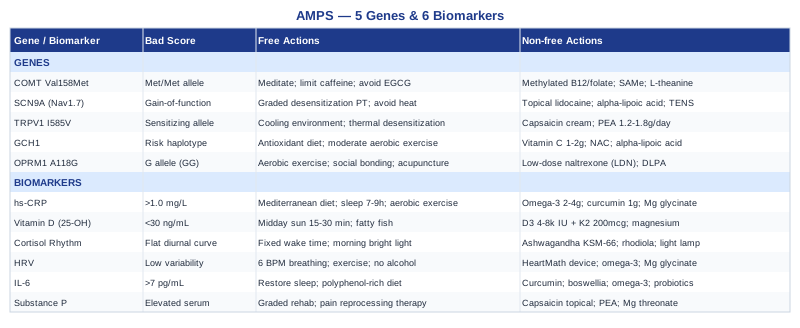
6 Biomarkers That Can Reveal What Is Actually Happening in AMPS
AMPS is not primarily a classical inflammatory disease — but the biological systems involved leave measurable footprints. Central sensitization, autonomic imbalance, disrupted neuroendocrine function, and neuroinflammation all have signatures that can be detected in blood, saliva, and the rhythm of your heartbeat. Tracking these markers over time gives you something more valuable than a label: a real-time window into whether interventions are actually moving your biology in the right direction.
1. High-Sensitivity C-Reactive Protein (hs-CRP)
Why it matters
CRP is produced by the liver in response to inflammatory signals from immune cells and fat tissue. In AMPS, the inflammatory picture is not the dramatic, acute-phase spike of infection — it is the subtler, sustained low-grade inflammation that drives microglial activation in the brain and spinal cord. Microglia are the resident immune cells of the central nervous system, and when chronically activated by circulating inflammatory signals, they amplify pain transmission, lower pain thresholds, and contribute to the allodynia and hyperalgesia that define central sensitization. Research in fibromyalgia — the central sensitization syndrome with the best-documented neurobiology — has found elevated hs-CRP in a meaningful subset of patients, and the pathophysiology overlaps significantly with AMPS.
How to measure it
Request high-sensitivity CRP specifically — standard CRP misses the low-grade signals most relevant to AMPS. Any major lab can run it; cost ranges from $15 to $40. Avoid testing within two to three weeks of an acute illness, which transiently spikes CRP independently of chronic inflammatory load. Optimal values are below 0.5 mg/L. Values above 1.0 mg/L indicate low-grade systemic inflammation; above 3.0 mg/L suggests higher inflammatory burden that warrants attention.
If the score is bad: the plan without supplements
Diet is the strongest evidence-based lever for reducing hs-CRP. A Mediterranean-style pattern — abundant vegetables, extra-virgin olive oil, fatty fish, legumes, and minimal ultra-processed foods — has been shown in multiple randomized trials to reduce hs-CRP by 20–50% over 8–16 weeks. Eliminating refined sugars and industrial seed oils accelerates this further. Sleep is equally critical: even partial sleep restriction measurably raises inflammatory markers within days. A consistent 7–9 hour sleep window with a fixed wake time, seven days per week, significantly reduces inflammatory burden over weeks. Low-to-moderate intensity aerobic movement — 20–30 minutes of walking or cycling, five days per week — reduces CRP chronically; in AMPS specifically, starting gradually and increasing slowly over weeks is essential to avoid triggering post-exertional flares.
If the score is bad: the plan with supplements or equipment
Omega-3 fatty acids (EPA+DHA, 2–4g daily with a fat-containing meal) have the most robust evidence for reducing hs-CRP among available supplements, confirmed across multiple meta-analyses. Take consistently for at least 8 weeks before reassessing; cycle off for 4–6 weeks every 6 months. Curcumin (1,000–1,500 mg/day with piperine to improve absorption, taken with food) inhibits NF-κB, a central inflammatory signaling pathway, with CRP-reducing effects documented in clinical trials. Cycle with a 4-week break every 3 months. Magnesium glycinate (300–400 mg at night) addresses both inflammation and the sleep disruption that sustains it. If you take blood thinners, discuss omega-3 dosing with your physician before starting.
2. 25-OH Vitamin D
Why it matters
Vitamin D receptors are distributed throughout the brain, spinal cord, dorsal root ganglia, immune cells, and muscle tissue — making this hormone a system-wide regulator of pain processing. In the nervous system, vitamin D modulates the expression of anti-inflammatory cytokines, neurotrophins, and enzymes involved in serotonin and dopamine synthesis. Deficiency is associated with heightened pain sensitivity, muscle weakness, impaired immune regulation, and dysregulated serotonin production — all mechanistically relevant to AMPS. A study published in Mayo Clinic Proceedings found that 93% of patients with nonspecific musculoskeletal pain syndromes were vitamin D deficient, and correcting the deficiency significantly reduced pain intensity in many participants.
How to measure it
The test is 25-hydroxyvitamin D (25-OH D), available at any major lab for $30–$60. Functional medicine clinicians and researchers like Dr. Peter Attia recommend targeting 40–60 ng/mL, substantially above the conventional lower limit of 20 ng/mL that most labs flag as normal. Request the 25-OH form specifically — not 1,25-dihydroxyvitamin D, which reflects kidney activation rather than stored body levels. Retest every 90 days when actively correcting a deficiency.
If the score is bad: the plan without supplements
Midday sun exposure (within two hours of solar noon) on a large body surface — arms, legs, and torso — for 15–30 minutes at least four to five days per week can meaningfully raise vitamin D in lighter-skinned individuals. Darker skin tones require substantially more exposure, often 45–90 minutes. Exposure must be direct, not through glass. Fatty fish (salmon, mackerel, sardines), cod liver oil, egg yolks, and fortified foods provide modest dietary contribution but rarely correct significant deficiency on their own. When geography or season limits sun access, supplementation becomes necessary.
If the score is bad: the plan with supplements or equipment
For levels below 30 ng/mL, 4,000–8,000 IU of vitamin D3 daily taken with a fat-containing meal is standard in functional medicine practice. Always pair with vitamin K2 in the MK-7 form (100–200 mcg daily) to ensure calcium is directed to bone rather than arteries. Magnesium is required for vitamin D conversion — low magnesium status can significantly blunt the response to supplementation, so address both together. Retest at 90 days and adjust dose accordingly. Once levels are optimized, 2,000–4,000 IU daily typically maintains them. Vitamin D toxicity is possible at very high doses over extended periods; testing annually or biannually at higher doses is important.
3. Morning Cortisol and the Diurnal Cortisol Rhythm
Why it matters
The hypothalamic-pituitary-adrenal (HPA) axis coordinates the body's response to stress, and in AMPS, the nervous system's chronic perception of threat keeps this axis in a state of sustained dysregulation. Critically, the problem is not always elevated cortisol — it is often a flattened diurnal curve: the cortisol awakening response (the morning spike that energizes waking) is blunted, and cortisol may be insufficient at the start of the day while failing to decline appropriately in the evening. This pattern correlates with fatigue, immune dysregulation, heightened pain sensitivity, and poor sleep recovery — a clinical picture that maps closely onto AMPS.
How to measure it
A single morning blood cortisol drawn before 9 AM costs $30–$60 and provides a useful baseline. Far more informative is a 4-point salivary cortisol test — samples collected immediately upon waking, at noon, mid-afternoon, and before bed — which reveals the shape of the curve rather than a single snapshot. The DUTCH test, ZRT Lab salivary panel, and Genova Diagnostics adrenocortex profile all offer this format. Cost: $150–$350. The curve shape is what matters clinically in AMPS, not just a single value.
If the score is bad: the plan without supplements
The single highest-leverage intervention for restoring a healthy cortisol awakening response is a fixed wake time, seven days per week, with no weekend offset. Morning bright light exposure within 30 minutes of waking — ideally outdoors, or a 10,000-lux therapy lamp for 20–30 minutes — reinforces the hypothalamic circadian clock that drives the cortisol curve. Ending a shower with 30–60 seconds of cold water acutely activates the cortisol awakening response and supports morning alertness. Limiting caffeine after noon removes a key disruptor of evening cortisol clearance. For high evening cortisol patterns, a structured wind-down routine beginning 90 minutes before bed — dim lights, no screens, quiet activity — directly reduces evening cortisol and improves sleep architecture.
If the score is bad: the plan with supplements or equipment
Ashwagandha (KSM-66 extract, 300–600 mg daily, taken in the morning) has demonstrated HPA-normalizing effects in multiple human trials — both reducing elevated cortisol and supporting energy in low-cortisol patterns. Cycle 8 weeks on, 2 weeks off. Rhodiola rosea (200–400 mg, standardized to 3% rosavins, taken in the morning) has evidence for improving fatigue and stress resilience through HPA modulation — avoid taking after noon, as it can be mildly activating. Phosphatidylserine (400–800 mg with dinner) has specific evidence for blunting excessive evening cortisol responses. A 10,000-lux light therapy lamp ($30–$80) is one of the most cost-effective tools for circadian correction. Note: ashwagandha may affect thyroid hormone levels — discuss with your physician if you have a thyroid condition.
4. Heart Rate Variability (HRV)
Why it matters
Heart rate variability measures the beat-to-beat variation in cardiac timing, and in a counterintuitive way, greater variability is the healthy finding. High HRV reflects a nervous system that flexibly shifts between states. Low HRV reflects a system stuck in sympathetic overdrive — the chronic fight-or-flight activation that is a core feature of AMPS. Studies have documented reduced HRV in chronic musculoskeletal pain patients, with lower HRV correlating with higher pain intensity and greater functional disability. HRV is also uniquely practical as a biomarker: it is trackable daily without lab visits, providing a real-time feedback loop on how interventions are actually affecting your autonomic system.
How to measure it
Consumer wearables with reliable HRV measurement include the Oura Ring (~$299 device, no subscription required), WHOOP (~$30/month), Apple Watch via third-party apps like HRV4Training, and the Polar H10 chest strap (~$90, with research-grade accuracy). Most measure overnight HRV and generate a morning readiness score. Clinical-grade 5-minute resting ECG-based HRV assessment is available at some specialist and sports medicine clinics. Your individual baseline and trend over weeks are more meaningful than comparison to population norms — look for directional change, not absolute numbers.
If the score is bad: the plan without supplements
Resonance frequency breathing — slow breathing at approximately 6 breaths per minute (5-second inhale, 5-second exhale through the nose, no holds) — directly stimulates the vagus nerve and significantly increases parasympathetic tone. Practiced 10–20 minutes daily, HRV improvements typically emerge within 4–8 weeks. This is one of the most robustly evidenced autonomic interventions available without prescription. Regular low-to-moderate aerobic exercise (30 minutes, four to five days per week) consistently raises resting HRV over months. Reducing or eliminating alcohol is one of the fastest-acting changes: overnight HRV reliably drops after even one to two drinks, and the trend reverses within one to two weeks of cessation. Improving sleep duration and consistency has direct, measurable effects on resting HRV.
If the score is bad: the plan with supplements or equipment
The HeartMath Inner Balance or EmWave2 device (~$249) provides real-time HRV biofeedback with audio and visual cues, making resonance frequency breathing more effective and accessible to learn. It is among the best-studied biofeedback tools for autonomic regulation in pain conditions. The Apollo Neuro wearable uses gentle vibrotactile stimulation to actively shift the nervous system toward parasympathetic dominance, with emerging clinical data showing improvements in HRV and stress metrics. Fish oil (EPA+DHA, 2–4g daily) has demonstrated HRV-raising effects across meta-analyses. Magnesium glycinate (300–400 mg nightly) supports parasympathetic tone and sleep quality, both of which raise HRV. Magnesium can be used continuously without cycling.
5. Interleukin-6 (IL-6)
Why it matters
IL-6 is a cytokine with a dual identity: acutely, during exercise or recovery from injury, it coordinates healing. But chronically elevated, IL-6 drives neuroinflammation, promotes microglial sensitization, and maintains the state of central nervous system hyperexcitability that defines AMPS. Research in fibromyalgia and complex regional pain syndrome has found elevated IL-6 in cerebrospinal fluid and serum, correlating with pain severity and fatigue intensity. In AMPS, chronically elevated IL-6 may represent one of the biological bridges between psychological stress — which drives IL-6 release via sympathetic activation — and the amplified pain response that follows.
How to measure it
IL-6 is not included in standard care panels but is available through major labs (LabCorp, Quest Diagnostics) and functional medicine practitioners. Cost ranges from $50 to $120. Requesting it as part of an inflammatory cytokine panel — alongside TNF-alpha and IL-1beta — provides more useful context. Target values are generally below 3 pg/mL; values above 7 pg/mL suggest meaningful neuroinflammatory load. Because IL-6 fluctuates with acute illness, intense exercise, or acute psychological stress, test during a representative stable period.
If the score is bad: the plan without supplements
Sleep deprivation is one of the most potent elevators of IL-6 — even partial sleep restriction significantly raises circulating IL-6 within days. Restoring sleep quantity and quality is therefore the highest-leverage initial step. An anti-inflammatory dietary pattern with abundant polyphenols (berries, dark leafy greens, green tea, extra-virgin olive oil), omega-3-rich foods, and minimal processed carbohydrates reduces IL-6 significantly over 12–16 weeks. Gut health is directly relevant here: IL-6 production is partly driven by gut-derived immune signals, and increasing dietary fiber and fermented foods (yogurt, kefir, kimchi, sauerkraut) feeds microbiome communities that downregulate inflammatory cytokines.
If the score is bad: the plan with supplements or equipment
Curcumin (1,000 mg with piperine, with meals) directly inhibits the JAK/STAT and NF-κB pathways that drive IL-6 production. Cycle 8 weeks with a 4-week break before reassessing. Boswellia serrata extract (300–400 mg three times daily with meals) has human trial evidence for reducing inflammatory cytokines in musculoskeletal conditions. Omega-3s (EPA+DHA, 3–4g daily) reduce IL-6 production through multiple inflammatory pathways. Probiotic combinations including Lactobacillus acidophilus and Bifidobacterium longum have emerging evidence for downregulating gut-driven IL-6 through the gut-brain-immune axis. Low-dose naltrexone (LDN, 1.5–4.5 mg at night) — a prescription medication — has shown anti-inflammatory effects through glial modulation in central sensitization conditions and is worth discussing with a physician familiar with its off-label applications.
6. Substance P and Central Sensitization Neuropeptides
Why it matters
Substance P is among the most important neuropeptides in the pain amplification cascade. Released by primary afferent pain-sensing neurons, it binds to NK1 receptors in the dorsal horn of the spinal cord, activating NMDA receptors and directly increasing the gain of pain signal transmission. In AMPS and related central sensitization conditions, the substance P system is chronically overactive — contributing to allodynia (pain from non-painful touch), hyperalgesia (exaggerated pain from mild stimuli), and spreading pain beyond the original site. Classic research from fibromyalgia found cerebrospinal fluid substance P elevated roughly three-fold compared to healthy controls, with levels correlating with pain severity.
How to measure it
Serum substance P is available through specialty labs but is not part of standard panels. Cost is typically $150–$300. The gold-standard measurement — CSF substance P from a lumbar puncture — is performed in research settings, not clinical practice. Serum values serve as a useful proxy for tracking central sensitization burden over time. This is a later-stage test best used alongside the other markers in this article, once your inflammatory and autonomic baseline is established.
If the score is bad: the plan without supplements
Graded physical rehabilitation — specifically programs that progressively challenge and desensitize the nervous system without overwhelming it — is the most validated non-pharmacological approach for downregulating substance P signaling. Programs using graded motor imagery and tactile desensitization (the standard of care at major AMPS treatment centers) produce measurable neurobiological changes over 3–6 weeks. Psychological approaches that directly reduce threat perception — pain reprocessing therapy, acceptance and commitment therapy, and somatic-based CBT — reduce substance P release by decreasing sympathetic activation and altering how the brain appraises incoming signals. Restorative sleep and sustained stress reduction are foundational: the nervous system recalibrates its gain settings during deep sleep.
If the score is bad: the plan with supplements or equipment
Topical capsaicin works through a paradoxical mechanism: initial application depletes substance P stores in peripheral nerve endings, and after the initial burning sensation passes, local pain signaling is reduced. Over-the-counter concentrations (0.025%–0.075%) require daily application for 2–4 weeks to achieve meaningful depletion — wear gloves when applying and avoid sensitive skin areas or mucous membranes. Palmitoylethanolamide (PEA) at 1,200–1,800 mg/day has significant emerging evidence in central sensitization conditions, modulating glial cells that drive neuroinflammation and reducing NMDA-related pain amplification. A minimum 8-week trial is recommended; PEA can be used continuously. Magnesium threonate (2,000 mg/day, containing 144 mg elemental magnesium) reduces NMDA receptor hypersensitivity — the receptor system that substance P directly activates — and has particular evidence for CNS effects due to its ability to cross the blood-brain barrier. Magnesium can be used continuously without cycling.
5 Genes That May Explain Why Your Pain Is Amplified
Genetics does not determine the outcome in AMPS, but it does help explain why two people in similar circumstances can have dramatically different pain experiences. The five genes below have meaningful human research connecting them to pain processing, central sensitization, and vulnerability to chronic pain states. Knowing your variants doesn't create new limitations — it creates a more precise map of where to focus compensatory strategies.
Genetic testing is accessible through services like 23andMe or AncestryDNA, which can then be analyzed through platforms like Genetic Lifehacks, SelfDecode, or FoundMyFitness by Rhonda Patrick. Clinical genetic panels for pain-related variants are also available through integrative medicine and functional medicine practitioners.
1. COMT Val158Met (rs4680) — The Catecholamine Clearance Gene
What this gene does
Catechol-O-methyltransferase (COMT) breaks down dopamine, epinephrine, and norepinephrine in the prefrontal cortex and limbic system. The Val158Met polymorphism (rs4680) is one of the most studied genetic variants in pain research. The Met allele reduces COMT enzyme activity by three to fourfold, meaning catecholamines linger longer in synapses. This affects the endogenous opioid system: in a landmark study by Diatchenko and colleagues (2005), COMT haplotypes predicted pain sensitivity and risk of developing temporomandibular disorder — a prototypic central sensitization condition with strong overlap with AMPS. Met/Met individuals show higher pain sensitivity, reduced stress resilience, and lower baseline endogenous opioid tone, all of which contribute directly to pain amplification vulnerability.
If the gene is bad: the plan without supplements
For Met/Met individuals, stress reduction is not a lifestyle preference — it is a biological priority. Catecholamine accumulation under stress is more pronounced and slower to clear, keeping the nervous system in a sensitized state. Daily practices that reduce sympathetic activation — structured meditation, aerobic exercise, time in nature — serve a dual purpose: they lower catecholamine release volume and support the dopaminergic tone that Met/Met individuals tend to run lower on. Goal-setting and goal-achievement behaviors, even small daily ones, reliably activate dopamine reward circuits and help counteract the dopamine insufficiency associated with this genotype. Avoid excessive caffeine, particularly after noon, as it amplifies catecholamine signaling in an already slow-clearing system. Brief cold water exposure (ending showers with 30–60 seconds cold) boosts norepinephrine acutely but in a physiologically controlled and restorative way.
If the gene is bad: the plan with supplements or equipment
Methylated B vitamins — methylfolate (L-5-MTHF, 400–800 mcg daily) and methylcobalamin (B12, 500–1,000 mcg daily) — support the methyl donor pathways that COMT depends on for catecholamine breakdown. SAMe (S-adenosylmethionine, 400 mg/day in the morning on an empty stomach) is the primary methyl donor for COMT and has evidence for both antidepressant and pain-reducing effects. Start at 200 mg to assess tolerance; cycle 8 weeks on, 4 weeks off. L-theanine (200 mg with morning caffeine) modulates dopaminergic excitability and reduces anxiety-amplifying effects of catecholamine accumulation. Magnesium glycinate (300–400 mg nightly) supports methylation cofactors. Critically: avoid large-dose EGCG (green tea extract) supplementation — EGCG inhibits COMT activity and would worsen catecholamine accumulation in Met/Met individuals, the opposite of the intended effect.
2. SCN9A (Nav1.7) — The Pain Signal Gateway
What this gene does
SCN9A encodes Nav1.7, a voltage-gated sodium channel expressed almost exclusively in peripheral pain-sensing neurons (nociceptors). It functions as a critical gateway: when Nav1.7 opens in response to a stimulus, it generates the electrical impulse that initiates the pain signal and sends it toward the spinal cord. Gain-of-function variants in SCN9A lower the threshold for this channel to open, making peripheral pain fibers hyperexcitable — smaller stimuli generate disproportionately large electrical signals. Studies of rare Nav1.7 disorders (inherited erythromelalgia, paroxysmal extreme pain disorder) established this gene's central role in human pain, and population-level studies have found common variants associated with higher pain sensitivity. In AMPS, peripheral hyperexcitability from SCN9A variants would feed directly into the central sensitization process.
If the gene is bad: the plan without supplements
Physical therapy approaches rooted in graded desensitization of peripheral nerve endings are especially relevant for SCN9A gain-of-function variants — they directly challenge and gradually recalibrate peripheral excitability at the level where this gene acts. Temperature desensitization protocols (alternating warm and mildly cool application during rehabilitation) are used clinically in CRPS and AMPS programs for this purpose. Identifying and reducing triggers that acutely lower Nav1.7 threshold — extreme heat exposure, which directly activates the channel, and sustained mechanical pressure on hypersensitive areas — reduces flare frequency during active rehabilitation. Gradual aerobic exercise is known to modulate sodium channel expression over time through mechanisms involving neurotrophic factors.
If the gene is bad: the plan with supplements or equipment
Topical lidocaine (4% gel or patches, available over the counter in some countries or by prescription) directly blocks sodium channels at the application site and can reduce peripheral pain signal initiation in Nav1.7-sensitized nerve endings. For localized areas of allodynia or hyperalgesia, this is a practical, low-risk approach to peripheral load reduction during rehabilitation. Alpha-lipoic acid (600 mg twice daily with meals) has evidence for reducing peripheral nerve excitability in neuropathic pain conditions through antioxidant mechanisms that affect sodium channel function. Omega-3 fatty acids (EPA+DHA, 2–4g daily) modulate the biophysical properties of neuronal membranes, influencing sodium channel gating. TENS units (transcutaneous electrical nerve stimulation, $30–$150) stimulate non-painful large-fiber afferents that competitively inhibit pain signal transmission at the spinal cord level — a practical, non-drug peripheral modulation tool with decades of clinical use.
3. TRPV1 (I585V, rs8065080) — The Heat and Pain Receptor
What this gene does
TRPV1 (transient receptor potential vanilloid 1) is the receptor that detects capsaicin, tissue heat above 43°C, and acidosis — all signals of potential damage. The I585V variant (rs8065080) affects TRPV1 channel sensitivity, with different alleles associated with varying degrees of heat-induced pain and neurogenic inflammation. TRPV1 is expressed on pain-sensing neurons and is directly involved in the neurogenic inflammation that initiates and sustains central sensitization. Critically, TRPV1 activation releases substance P — creating a direct mechanistic link between TRPV1 activity and the neuropeptide-driven amplification loop described in the substance P biomarker section above.
If the gene is bad: the plan without supplements
Temperature sensitivity management is a practical starting point. Understanding that your nervous system may have a lower threshold for heat-initiated pain signals allows for environmental adjustments that reduce the background noise feeding central sensitization — wearing cooling garments, moderating ambient temperature, and avoiding prolonged heat exposure during flares. Gradual thermal desensitization — starting with lukewarm water during bathing and very slowly increasing toward normal warm temperatures over weeks — is used clinically in AMPS rehabilitation programs to reset thermal pain thresholds by repeated, non-threatening exposure.
If the gene is bad: the plan with supplements or equipment
The paradoxical capsaicin desensitization approach is particularly relevant for TRPV1-driven pain. Repeated low-concentration capsaicin application depletes TRPV1's substance P stores and progressively downregulates TRPV1 expression. Start with 0.025% OTC cream, applied daily to hypersensitive areas wearing gloves, for 3–4 weeks. Expect initial burning to decrease over 5–10 days of consistent application. PEA (palmitoylethanolamide, 1,200–1,800 mg/day) directly modulates TRPV1 sensitivity through the endocannabinoid system and has emerging evidence for reducing TRPV1-mediated neurogenic inflammation. Can be used continuously. Cooling devices — gel-based cooling pads, cooling vests, cool packs applied to distal extremities during flares — acutely reduce TRPV1 activation by keeping tissue temperature below the channel's heat threshold.
4. GCH1 — The Protective Haplotype You Want
What this gene does
GTP cyclohydrolase 1 (GCH1) is the rate-limiting enzyme in the synthesis of tetrahydrobiopterin (BH4), a cofactor required by nitric oxide synthase and other enzymes involved in pain sensitization. Higher BH4 levels in pain-sensing neurons lower the threshold for pain amplification — BH4 functions as a cellular pain sensitizer. GCH1 contains a specific cluster of variants known as the "pain-protective haplotype," studied extensively by the Mogil group at McGill University, that reduces GCH1 expression and therefore BH4 production, resulting in measurably lower pain sensitivity. Individuals without this protective haplotype produce more BH4, amplify pain signals more readily, and show greater risk of chronic pain developing after injury. This haplotype has been validated across multiple pain phenotypes in human studies.
If the gene is bad: the plan without supplements
Because the GCH1 risk profile acts through BH4 overproduction, interventions that reduce oxidative stress — which drives BH4 into its oxidized, inactive form and paradoxically increases demand for more BH4 — are directly relevant. A diet rich in antioxidants (polyphenols, vitamin C, cruciferous vegetables, colorful produce) reduces systemic oxidative burden. Regular moderate aerobic exercise upregulates endogenous antioxidant enzyme systems (superoxide dismutase, catalase, glutathione peroxidase), which help maintain BH4 in a more balanced ratio. This is a situation where consistent, moderate movement has a particularly clear mechanistic benefit beyond general conditioning.
If the gene is bad: the plan with supplements or equipment
Vitamin C (1–2g daily in divided doses) regenerates oxidized BH4 back to its active form, effectively improving BH4 cycling and reducing net pain-amplifying activity. N-acetylcysteine (NAC, 600–1,200 mg/day with meals) supports glutathione synthesis — the primary intracellular antioxidant — reducing the oxidative stress that demands more BH4 upregulation in pain neurons. Cycle NAC with 4-week breaks every 12 weeks. Alpha-lipoic acid (600 mg twice daily with meals) provides additional antioxidant support through both water-soluble and fat-soluble pathways relevant to neural tissue. Cycle with similar breaks. Vitamin C can be used continuously. None of these compounds directly lower GCH1 activity, but they reduce the oxidative environment that amplifies BH4's pain-sensitizing effects — the most practical compensatory approach available outside of prescription intervention.
5. OPRM1 A118G (rs1799971) — The Opioid Receptor Variant
What this gene does
OPRM1 encodes the mu-opioid receptor — the primary receptor for both endogenous pain-relieving molecules (beta-endorphin, enkephalins, endomorphins) and opioid medications. The A118G variant (rs1799971) replaces an asparagine with an aspartate at position 40 of the receptor protein, reducing receptor expression by approximately 30–40%. People carrying the G allele, especially GG homozygotes, have lower mu-opioid receptor density — meaning less natural pain relief generated by the body's own system. Studies have found G allele carriers to have higher pain sensitivity, lower placebo response (since placebo analgesia is partly opioid-mediated), and in some research, greater vulnerability to developing persistent pain after surgery or injury. In AMPS, reduced endogenous opioid tone removes one of the key biological brakes on central sensitization.
If the gene is bad: the plan without supplements
Behaviors that stimulate endogenous opioid release are directly and specifically relevant for OPRM1 G allele carriers. Aerobic exercise is the most potent non-pharmacological stimulator of beta-endorphin release — 20–40 minutes of moderate-intensity cardio reliably activates endogenous opioid circuits through both central and spinal mechanisms. Social bonding and genuine laughter trigger endorphin release through limbic pathways — these are not soft suggestions but neurobiologically significant for this genotype. Acupuncture has evidence for stimulating spinal endogenous opioid release and is worth considering specifically in the context of this variant. Cultivating mindful awareness of neutral or pleasant physical sensations — not bypassing pain but actively training the brain to register non-threatening input — gradually shifts sensory processing through top-down opioid pathway engagement.
If the gene is bad: the plan with supplements or equipment
Low-dose naltrexone (LDN, 1.5–4.5 mg taken at night, prescription required) works through a paradoxical mechanism: by transiently blocking opioid receptors overnight, it triggers a rebound upregulation of receptor sensitivity and endogenous opioid production the following day. In central sensitization conditions including fibromyalgia and CRPS, LDN has emerging evidence for meaningful pain reduction — discuss with a physician familiar with its off-label applications. DL-phenylalanine (DLPA, 500–1,000 mg/day between meals) inhibits enkephalinase, the enzyme that breaks down naturally released enkephalins, effectively extending the activity of the body's endogenous opioid peptides. Cycle with 4-week breaks every 8 weeks; monitor mood and energy as response indicators. Avoid if taking MAO inhibitors or if you have phenylketonuria.
The Book That Reframes Everything: The Way Out by Alan Gordon
Alan Gordon is a psychotherapist at the Pain Psychology Center in Los Angeles who developed pain reprocessing therapy (PRT), a structured approach to chronic pain grounded in the neuroscience of central sensitization and fear-based pain amplification. His 2021 book, The Way Out: A Revolutionary, Scientifically Proven Approach to Healing Chronic Pain (co-authored with neuroscientist Alon Ziv), is grounded in the BOULDER randomized controlled trial, published in JAMA Psychiatry, in which 66% of PRT patients were pain-free or nearly pain-free at one-year follow-up, compared to 10% in usual care. For anyone with AMPS, this may be the most important thing to read — not because it dismisses the biology, but because it integrates the neuroscience of fear-based amplification in a way that makes recovery feel genuinely achievable.
1. Pain Is Produced by the Brain, Not Necessarily by Tissue Damage
Gordon's central argument, supported by substantial neuroimaging research, is that in conditions like AMPS, the pain is neurologically real but is produced by the brain's threat-detection system rather than by ongoing tissue injury. The brain has learned to generate a danger signal (pain) in response to stimuli that are not genuinely dangerous. This isn't about pain being "in your head" in a dismissive sense — it is a description of a real, documented neural process that is also reversible.
2. The Fear-Pain Cycle and How It Starts
AMPS pain often begins with a real injury, illness, or stressor, then persists and amplifies because the nervous system learns to associate specific movements, sensations, or situations with danger. The brain's threat-detection regions — particularly the anterior cingulate cortex and insula — begin generating pain preemptively. Understanding this learning mechanism is the foundation for understanding how to reverse it.
3. Somatic Tracking: Looking at Pain Without Fear
One of PRT's core techniques involves observing painful sensations with curiosity and openness rather than fear or resistance — not trying to distract from pain, but actually examining it with calm attention. Over time, this approach changes the brain's classification of the sensation from "danger signal" to "something my system is generating that doesn't require emergency response." Gordon describes this as essentially updating the brain's threat prediction.
4. Psychological Safety as a Biological Requirement
The book makes a nuanced argument: the nervous system's pain volume can only be consistently lowered when the brain genuinely appraises the situation as safe — not just intellectually, but at a visceral level. This requires addressing the feared beliefs and avoidance behaviors that keep the threat-detection system activated, not just managing symptoms through distraction or rest.
5. Avoidance Amplifies — Gradual Reengagement Retrains
Avoiding activities because of pain fear is one of the most reliable ways to maintain central sensitization. Each avoidance confirms the brain's threat signal. Gradual, confident re-engagement with previously avoided activities — not pushing through pain, but testing safety in small steps — is how the nervous system updates its assessment that the activity is dangerous.
6. What the BOULDER Trial Actually Found
In the randomized trial behind this book, 151 chronic back pain patients were assigned to PRT, a placebo injection, or usual care. At one year, 66% of PRT patients were pain-free or nearly so, compared to roughly 20% in placebo and 10% in usual care. Neuroimaging documented measurable reductions in activity in the anterior insula and anterior cingulate cortex — the brain's fear and pain-processing hubs — in PRT patients specifically. These are objective, reproducible biological changes, not self-report artifact.
7. Extinction Bursts: When Pain Gets Worse Before It Gets Better
One of the most clinically important insights in the book is the concept of extinction bursts — temporary pain escalations that often occur when a patient begins challenging the fear-pain cycle. The nervous system's learned pattern intensifies briefly before it extinguishes. Understanding this prevents patients from interpreting a temporary flare as evidence that treatment is failing or that they have caused themselves harm — two interpretations that reliably restart the fear cycle.
8. Self-Criticism as a Pain Driver
Gordon documents through case studies that chronic self-criticism, perfectionism, and suppressed emotional pain create persistent background threat signals that keep the pain amplification system activated. Addressing these inputs — through self-compassion practices, emotional acknowledgment, and reducing high-pressure internal narratives — is part of the physiological intervention for AMPS, not merely a supportive add-on.
9. Physical Therapy Alone Is Often Not Sufficient in Sensitized Systems
One of Gordon's more challenging arguments for clinicians is that in established central sensitization, physical rehabilitation alone rarely resolves the condition, because the problem is in the brain's neural programming rather than in structural tissue pathology. PRT works alongside physical therapy by changing the threat signal — which then allows the physical rehabilitation to actually take full effect.
10. The Prognosis Is Better Than Most Clinicians Communicate
For patients who can access genuine PRT or somatic-tracking-based therapy, the outcome data is substantially more optimistic than conventional chronic pain literature suggests. The 66% near-pain-free rate at one year is remarkable by any clinical benchmark. Gordon's central challenge to current pain medicine is that the framing of chronic pain as something to be managed indefinitely may itself become part of what perpetuates it — and that recovery, not just management, is often a realistic goal.
Four Complementary Approaches With Meaningful Evidence for AMPS
The following four modalities were selected based on meaningful clinical evidence for conditions that share AMPS's core mechanisms — central sensitization, autonomic dysregulation, and chronic musculoskeletal pain. None of these replace the primary strategies discussed above, but each offers specific, realistic value for patients building a comprehensive approach.
Mindfulness-Based Stress Reduction (MBSR)
MBSR is an 8-week structured program developed by Jon Kabat-Zinn that combines body scan meditation, mindful movement, and sitting practice. Its mechanism is directly relevant to AMPS: MBSR reduces activity in the amygdala and anterior cingulate cortex — the threat-detection regions that drive pain amplification — while strengthening prefrontal regulatory pathways. A systematic review and meta-analysis published in Annals of Behavioral Medicine (2016) found MBSR produced significant reductions in pain intensity, pain-related disability, and psychological distress across chronic pain populations, with effects maintained at follow-up.
The standard protocol involves weekly 2.5-hour group sessions over 8 weeks, a full-day silent retreat, and 45 minutes of daily home practice. An accessible at-home version using guided audio recordings — available through the Sounds True MBSR course, Insight Timer, or Kabat-Zinn's original recordings — can be effective when in-person programs are unavailable. The body scan is the most impactful single practice for pain: a 45-minute lying meditation that trains non-reactive attention to bodily sensation, directly countering the hypervigilant monitoring that amplifies AMPS pain.
For AMPS specifically, begin with 10–15 minute sessions if full 45-minute practices trigger flares through sustained attention to pain. Evidence suggests that even abbreviated mindfulness practice — 20 minutes daily — produces measurable changes in pain-related brain activation over 4–8 weeks. This works best as a daily integrated practice, not a crisis response tool.
Biofeedback
Biofeedback provides real-time physiological information — heart rate, muscle tension, skin conductance, temperature — that is normally below conscious awareness, allowing the nervous system to learn voluntary regulation of these processes. For AMPS, biofeedback is uniquely suited because it directly targets the autonomic dysregulation at the condition's core. HRV biofeedback trains cardiac coherence through resonance frequency breathing; EMG biofeedback addresses muscle tension patterns that feed sensitization. A systematic review in Applied Psychophysiology and Biofeedback found biofeedback superior to control conditions for both pain intensity and functional outcomes in chronic musculoskeletal pain populations.
The most accessible entry point is HRV biofeedback using the HeartMath Inner Balance or EmWave2 device (~$249), which guides resonance frequency breathing and provides real-time coherence feedback. Standard protocol: 20 minutes daily, five to seven days per week for 8 weeks, followed by three to four times per week for maintenance. For clinical neuromuscular biofeedback, a certified practitioner through the Association for Applied Psychophysiology and Biofeedback can provide targeted EMG training — typically 10–20 sessions.
In AMPS, biofeedback has a secondary value beyond the physiological effects: it makes the mind-body connection viscerally real for patients who find it conceptually abstract. Seeing HRV and muscle tension change in direct response to breath, posture, and mental state builds self-efficacy and reduces the helplessness that frequently accompanies AMPS.
Breathing-Based Therapies
Breathing is the only autonomic function simultaneously under voluntary and involuntary control — making it the most immediately accessible lever for changing nervous system state. For AMPS, with sympathetic overdrive as a central feature, deliberately slowing and deepening breathing through structured techniques provides a direct and cumulative path to parasympathetic activation. Physiologically, slow breathing at 4.5–6 breaths per minute maximizes vagal tone, reduces cortisol, lowers substance P release, and improves HRV — each mechanism directly relevant to AMPS biology. A 2018 review of slow breathing practices found robust evidence for autonomic and psychological benefits across pain, anxiety, and stress-related conditions.
The most effective protocols combine slow breathing with extended exhalation — exhale longer than inhale specifically activates parasympathetic outflow. Box breathing (4-4-4-4: inhale 4 seconds, hold 4, exhale 4, hold 4) and 4-7-8 breathing (inhale 4, hold 7, exhale 8) are accessible starting points. For sustained HRV improvement, the Coherent Breathing protocol — 5 seconds in, 5 seconds out through the nose, practiced 20 minutes daily — produces autonomic changes comparable to pharmaceutical interventions in some studies. Guided audio on the Insight Timer app makes consistent daily practice practical.
Begin gently with 5–10 minutes daily to avoid the paradoxical anxiety some patients experience when first focusing on breath. Within 1–2 weeks, extend to 15–20 minutes. Use these techniques both proactively at scheduled times (morning, before sleep) and reactively during pain flares to interrupt the sympathetic escalation that amplifies pain — the reactive application becomes more effective as the proactive practice builds skill.
Yoga
Yoga integrates physical posture, structured breathing, and meditative awareness — making it a simultaneous intervention for the musculoskeletal, autonomic, and psychological dimensions of AMPS. A 2016 Cochrane systematic review found yoga produced significant improvements in pain intensity, disability, and mental health in chronic low back pain, with evidence applicable to central sensitization-related musculoskeletal conditions. For AMPS specifically, yoga's mechanism includes reduction of cortisol and inflammatory markers, improvement of vagal tone and HRV, and training of interoceptive awareness — the ability to perceive internal bodily states without reactive alarm, which is demonstrably disrupted in central sensitization.
Restorative yoga and yin yoga are the most appropriate starting styles for AMPS — passive, long-held postures with props that facilitate nervous system downregulation without demanding physical output. These styles prioritize parasympathetic activation over strength or flexibility. A restorative yoga session of 45–60 minutes has been shown to significantly reduce cortisol and increase GABA (the primary inhibitory neurotransmitter) compared to passive rest alone.
Work with a teacher experienced in chronic pain or trauma-informed yoga when possible — someone familiar with pacing and nervous system regulation rather than performance goals. Starting with two to three sessions of 30–45 minutes per week is realistic for most patients. Avoid hot yoga and intensely physical vinyasa styles, which can trigger post-exertional flares in AMPS. The consistent pairing of gentle physical challenge with breath awareness and present-moment attention is what makes yoga more than exercise for this condition — it is a direct practice of the neural retraining that AMPS recovery requires.
Conclusion
AMPS is a condition where the standard tools often fall short — not because the relevant science doesn't exist, but because it hasn't fully reached routine clinical practice. The six biomarkers covered here give you a measurable window into the inflammation, autonomic function, neuroendocrine balance, and neuroinflammatory signaling that drive pain amplification. The five genes offer a genetic context for why your pain system may be wired toward sensitization and which compensatory strategies are most relevant to your specific biology. The pain reprocessing framework, the breathing practices, the biofeedback work, and the mindfulness approaches are not alternatives to understanding the biology — they are the applications of it.
The most important next step isn't trying all of this simultaneously. It's picking one or two measurements to begin with — hs-CRP and vitamin D are the most accessible and highest-yield starting points for most people — and using those results to guide a more targeted conversation with a physician or functional medicine practitioner. If you have access to genetic testing through 23andMe or a clinical panel, exploring COMT and OPRM1 variants can meaningfully personalize which interventions to prioritize. And if you haven't yet encountered The Way Out, consider it a practical next step alongside the lab work.
Pain this complex deserves an equally precise response. Better data leads to better questions, and better questions lead to better care.
Musculoskeletal Neurological Mental Health Endocrine & Metabolic
Neurological: Nerve Conditions
Autoimmune: Inflammatory Conditions