This article contains AI generated content.
· UpdatedAmyloidosis Genes and Biomarkers — 6 Genes And 7 Biomarkers To Track
Introduction
If you have been diagnosed with amyloidosis—or if it runs in your family—you have probably noticed that most information online oscillates between dense medical literature and vague reassurances. Neither helps much when you are trying to make concrete decisions about testing, monitoring, or adjusting your lifestyle. Amyloidosis is not one disease. It is a family of conditions unified by one mechanism: proteins that misfold and accumulate in organs. Which protein, which organ, and how fast it progresses depends heavily on your specific biology.
That specificity is exactly what generic advice misses. Telling someone with hereditary transthyretin amyloidosis to "reduce inflammation" is not wrong, but it skips the part that actually matters. The real leverage points are measurable—specific genes that shape your risk profile, and specific blood and urine markers that can signal disease activity years before symptoms become clinically obvious. The gap between early detection and late diagnosis in amyloidosis can mean the difference between effective treatment and irreversible organ damage.
This article takes a more targeted approach. It focuses on the biological signals worth tracking regularly, with practical guidance on how to measure each one, what it actually means when it is abnormal, and what steps—with and without supplements—can meaningfully shift the numbers. It also covers the genetic variants that matter most, since understanding your inherited risk changes what you should be watching and when.
Two parallel tracks unfold here. The first focuses on seven actionable biomarkers accessible through standard or specialty labs, each chosen for its direct relevance to detecting and monitoring amyloidosis-related organ stress. The second examines the six most important genetic variants linked to hereditary amyloidosis subtypes, including what can be done about each. Neither track promises a cure, but both provide the precision that better decisions require.
7 Biomarkers to Track for Amyloidosis Monitoring
Amyloidosis produces measurable biochemical stress on multiple organ systems long before symptoms become disabling. The seven markers below form a practical surveillance panel covering protein dysregulation, cardiac load, inflammatory drive, and organ function. Most are accessible through a physician or specialty lab. Several are routinely included in advanced cardiovascular and longevity panels recommended by clinicians like Peter Attia and Thomas Dayspring for early-warning monitoring.
1. Serum Free Light Chains — The AL Amyloidosis Signal
Why it matters: Free light chains (FLC) are protein fragments produced by plasma cells in the bone marrow. In AL amyloidosis—the most common systemic form—abnormal plasma cells overproduce either kappa or lambda light chains, which then misfold and deposit in organs including the heart, kidneys, and liver. An abnormal kappa-to-lambda ratio is often the earliest detectable signal of underlying clonal plasma cell disease, sometimes appearing years before symptoms emerge.
What an abnormal result may reveal: An elevated or inverted FLC ratio, particularly combined with urine protein electrophoresis findings, suggests active clonal plasma cell production of amyloid precursor proteins. The involved-to-uninvolved FLC ratio is a core component of the Mayo Clinic staging system for AL amyloidosis, directly stratifying prognosis and urgency of treatment. Even subtle ratio abnormalities in someone with unexplained fatigue, edema, or peripheral neuropathy warrant thorough investigation.
How to measure it: A serum immunofixation electrophoresis combined with the serum free light chain assay is the standard diagnostic approach. The Freelite assay (The Binding Site) remains the most validated platform. Cost typically ranges from $80 to $250 in the United States depending on the lab and insurance coverage. This can often be ordered by a general practitioner, internist, or hematologist.
If the score is bad — the plan without supplements: An abnormal FLC ratio is not a self-managed finding. Hematology referral is the immediate priority. Standard next steps include bone marrow biopsy, fat pad aspiration, and organ-specific imaging to confirm amyloid deposition and subtype. In parallel, supportive lifestyle changes reduce plasma cell inflammatory burden: eliminate alcohol completely, prioritize slow-wave sleep (7.5 to 9 hours nightly with consistent timing), shift to a whole-food anti-inflammatory diet eliminating ultra-processed foods, and maintain moderate aerobic exercise (30 to 45 minutes, three to five sessions per week) to reduce systemic inflammatory load. These steps are supportive rather than curative.
If the score is bad — the plan with supplements or equipment: Under medical supervision, N-acetylcysteine (NAC) at 600 mg twice daily has preliminary evidence for reducing oxidative stress associated with misfolded protein burden, though amyloid-specific human trials are limited. Curcumin and resveratrol have been investigated in vitro for disrupting amyloid fibril formation, but human evidence remains early-stage. These are adjunctive supports, never replacements for hematology care. If used, cycle eight weeks on and two weeks off, and monitor for tolerance. Discuss all supplements with your treating hematologist given potential interactions with AL amyloidosis therapies.
2. NT-proBNP — The Cardiac Stress Marker
Why it matters: The heart is the organ most critically affected by both AL and ATTR amyloidosis. NT-proBNP is a peptide released by heart muscle cells under mechanical stretch and pressure load. As amyloid deposits accumulate in the myocardium, the walls stiffen, diastolic filling is impaired, and NT-proBNP rises—often before any cardiac symptom appears. It is one of the two anchor biomarkers in the Mayo Clinic staging system for AL amyloidosis and central to ATTR cardiac monitoring in clinical practice and drug trials.
What an abnormal result may reveal: NT-proBNP above 332 pg/mL is the threshold used in Mayo AL staging. Elevated levels signal diastolic dysfunction, reduced cardiac reserve, and meaningfully higher 12-month mortality risk. In isolation, elevated NT-proBNP has many causes, but in the context of other amyloidosis signals it demands urgent cardiac evaluation. Tracking trends over time—not just single-point values—is more informative than any single reading.
How to measure it: Standard blood draw. Widely available through any clinical lab. Cost ranges from $30 to $120. Easily ordered by cardiologists, internists, or general practitioners. Peter Attia's longevity protocol incorporates NT-proBNP alongside troponin as part of annual baseline cardiac assessment for patients over forty.
If the score is bad — the plan without supplements: Reduce cardiac preload by limiting sodium intake below 2g per day and avoiding dehydration on the one hand and fluid overload on the other. Avoid high-intensity interval training, which can stress an infiltrated heart; favor low-impact aerobic work like walking and swimming. Cardiac imaging is the essential next step—echocardiogram with global longitudinal strain analysis and cardiac MRI best assess amyloid burden. Sleep apnea evaluation is critical, as untreated obstructive sleep apnea significantly worsens cardiac stress in amyloid patients. Zone 2 cardiovascular training (four sessions per week at moderate heart rate, approximately 60 to 70 percent of maximum) has strong evidence for reducing NT-proBNP over time in non-severely infiltrated hearts.
If the score is bad — the plan with supplements or equipment: Coenzyme Q10 at 200 to 400 mg daily has been studied in heart failure patients with significant results. The Q-SYMBIO trial (Mortensen et al., 2014) demonstrated NT-proBNP reduction in dilated cardiomyopathy patients. Evidence in amyloid cardiomyopathy specifically is limited, but the mitochondrial support mechanism is biologically relevant. Magnesium glycinate at 400 mg nightly supports cardiac rhythm stability and is well tolerated. CPAP therapy for OSA (if confirmed) has direct evidence for NT-proBNP reduction. Do not discontinue CoQ10 abruptly if cardiac symptoms are present. Discuss all cardiac supplement protocols with your cardiologist.
3. High-Sensitivity Troponin T — Detecting Subclinical Cardiac Damage
Why it matters: Troponin T is released into the bloodstream when heart muscle cells are injured or under stress. The high-sensitivity version detects minute elevations that standard hospital assays miss entirely, making it ideal for identifying early amyloid-related cardiac injury before structural changes become apparent on imaging. High-sensitivity troponin T is the second anchor of the Mayo AL amyloidosis staging system and is routinely tracked in ATTR amyloidosis clinical trials evaluating tafamidis and other disease-modifying agents.
What an abnormal result may reveal: In the context of amyloidosis, persistent low-level troponin elevation—even within the "normal" hospital reference range but elevated on a high-sensitivity assay—signals ongoing myocyte injury from amyloid infiltration. Combined with NT-proBNP, it stratifies amyloidosis patients into three risk tiers with dramatically different five-year survival rates. Single-point evaluation is less useful than tracking the trend over six to twelve months.
How to measure it: Specialty blood test, increasingly available through standard reference labs. Cost ranges from $40 to $150. High-sensitivity troponin is now included in many advanced cardiovascular panels. Peter Attia includes hs-TnT in routine cardiac surveillance for patients over forty as part of a proactive longevity protocol.
If the score is bad — the plan without supplements: Prioritize cardiology referral to confirm or exclude amyloid infiltration via echocardiography and cardiac MRI. Eliminate NSAIDs entirely—they carry significant cardiac risk in structurally compromised hearts. Remove alcohol. Achieve excellent blood pressure control, since even mild hypertension amplifies strain on an infiltrated myocardium. Zone 2 aerobic exercise, adjusted to cardiac function, reduces systemic oxidative stress and improves mitochondrial density in cardiac tissue over time. Target 7.5 to 9 hours of sleep with consistent timing—nocturnal cardiac repair processes are sleep-dependent.
If the score is bad — the plan with supplements or equipment: Pharmaceutical-grade omega-3 fatty acids (2 to 4g EPA plus DHA daily, such as prescription icosapentaenoic acid) have demonstrated reduction in cardiac stress markers across multiple cardiac trials. Taurine at 2g twice daily has early evidence for reducing myocardial oxidative damage in cardiomyopathy models. Cardiac monitoring wearables—such as the Apple Watch Series 9 or Kardia Mobile (approximately $90 to $150)—enable at-home rhythm tracking to detect arrhythmias early, which is clinically meaningful in amyloid-infiltrated hearts. All cardiac supplements should be discussed with and cleared by your cardiologist before starting.
4. Serum Amyloid A — The AA Amyloidosis Gateway Marker
Why it matters: Serum Amyloid A (SAA) is an acute-phase protein produced by the liver in response to systemic inflammation. In patients with chronic inflammatory conditions—including rheumatoid arthritis, inflammatory bowel disease, chronic infections, psoriasis, or familial Mediterranean fever—sustained SAA elevation directly drives the production and tissue deposition of AA amyloid protein. The kidneys, liver, spleen, and gastrointestinal tract are preferentially affected. Sustained SAA above 10 mg/L represents a meaningful and modifiable risk factor for AA amyloidosis development and progression.
What an abnormal result may reveal: Elevated SAA confirms active systemic inflammation. In someone with a known inflammatory disease, persistently high SAA is not just a downstream marker but a direct biological driver of amyloid formation. Monitoring SAA over time provides a precise window into whether anti-inflammatory therapy is adequately suppressing the amyloid precursor pathway. Normalizing SAA below 10 mg/L—ideally below 5 mg/L—is one of the clearest and most modifiable therapeutic targets in AA amyloidosis, with direct evidence that normalization halts and can partially reverse organ deposits.
How to measure it: Specialty blood test, not universally available in all labs and may require sending to a reference laboratory. Cost ranges from $50 to $150. Less commonly ordered by general practitioners; rheumatologists familiar with AA amyloidosis routinely request it. Note that CRP and SAA are correlated but not identical—request SAA specifically, as CRP alone can underestimate inflammatory drive in some contexts.
If the score is bad — the plan without supplements: Aggressive treatment of the underlying inflammatory condition is the single most effective intervention for AA amyloidosis—nothing else comes close. Biological therapies for rheumatoid arthritis (IL-6 inhibitors like tocilizumab, TNF inhibitors like adalimumab) have demonstrated SAA normalization and documented halting of AA amyloidosis progression in clinical studies. Comprehensive anti-inflammatory diet (Mediterranean pattern: olive oil, fatty fish, abundant vegetables, legumes, minimal refined carbohydrates) reduces systemic IL-6 and SAA. Resolution of chronic occult infections—periodontal disease, chronic sinusitis, osteomyelitis—is essential and frequently overlooked. Vigorous aerobic exercise (four to five sessions per week, 40 to 45 minutes) reduces SAA in chronically inflamed patients through multiple pathways.
If the score is bad — the plan with supplements or equipment: Curcumin with piperine (500 mg curcumin combined with 5 mg piperine, twice daily) has published human trial evidence demonstrating SAA reduction in chronic inflammatory disease populations. Fish oil at 3 to 4g EPA plus DHA daily reduces IL-6, a primary SAA inducer. Berberine (500 mg twice daily, cycled eight weeks on and four weeks off) has early human evidence for reducing systemic inflammatory markers through AMPK activation. Infrared sauna at 170°F for 20 minutes, three to four sessions per week, has accumulating evidence for reducing circulating inflammatory cytokines in chronic disease states. Colchicine—a prescription medication—is specifically indicated for familial Mediterranean fever-related AA amyloidosis and produces dramatic SAA suppression with a well-established safety profile.
5. Transthyretin Protein Level and Stability — Monitoring the ATTR Pathway
Why it matters: Transthyretin (TTR) is a transport protein synthesized primarily in the liver. In ATTR amyloidosis—both wild-type (age-related, affecting primarily men over 65) and hereditary—TTR protein destabilizes, dissociates from its normal four-unit structure, and deposits as amyloid in the heart, peripheral nerves, and other tissues. TTR protein stability testing identifies this tetrameric instability before clinical disease manifests, and it is one of the key endpoints evaluated in drug trials for TTR stabilizers including tafamidis and acoramidis.
What an abnormal result may reveal: Low TTR levels can reflect hepatic insufficiency, malnutrition, or active acute-phase response (TTR is a negative acute-phase protein). TTR tetramer stability testing—more specialized—identifies a tendency to misfold regardless of absolute protein level. In patients carrying TTR genetic variants, this marker combined with cardiac biomarkers shapes treatment timing decisions. Wild-type ATTR amyloidosis patients may have entirely normal absolute TTR levels but abnormal protein stability.
How to measure it: Standard TTR protein level: available from most general labs, $20 to $80. Tetramer stability testing is specialized and typically accessed through academic amyloidosis centers or specialty labs in conjunction with TTR genetic testing. A cardiologist or neurologist specializing in hereditary neuropathies can order appropriate panels. Annual monitoring from age 50 is reasonable for those with confirmed TTR variants.
If the score is bad — the plan without supplements: Referral to an amyloidosis center of excellence is the priority—tafamidis, the FDA-approved TTR stabilizer for ATTR cardiomyopathy, dramatically slows cardiac progression and must be evaluated with a specialist. Optimize liver health as it is the primary TTR production site: eliminate alcohol entirely, maintain adequate protein intake (1.2g to 1.6g per kilogram daily), and ensure adequate dietary vitamin A and retinol since TTR is a retinol transport protein and vitamin A status influences its structural stability. Avoid crash dieting and extreme caloric restriction, which reduce TTR levels and impair retinol transport. Maintain healthy body weight.
If the score is bad — the plan with supplements or equipment: Green tea catechins—specifically EGCG—have demonstrated TTR fibril inhibition in vitro and in small human studies at doses of 600 to 900 mg EGCG daily. While preliminary, the biological mechanism (disruption of fibril elongation) is well characterized. Some amyloidosis-focused physicians discuss EGCG as an investigational adjunct. Resveratrol at 250 to 500 mg daily has some TTR fibril inhibition data from in vitro models. These are strictly adjunctive considerations, not substitutes for tafamidis when indicated. If using EGCG, cycle eight weeks on and two weeks off; monitor liver enzymes quarterly. Avoid high-dose EGCG in the setting of pre-existing liver conditions.
6. Urine Albumin-to-Creatinine Ratio — Tracking Kidney Infiltration
Why it matters: The kidneys are frequently and significantly involved in amyloidosis, particularly AL and AA types. Amyloid deposits in the glomeruli disrupt the filtration membrane, allowing albumin to leak into the urine. The urine albumin-to-creatinine ratio (UACR) is the most sensitive early marker of kidney involvement available in routine clinical practice. Thomas Dayspring and Peter Attia both emphasize UACR as a foundational cardiovascular and metabolic health marker—and its importance in amyloidosis monitoring is at least equal, if not greater.
What an abnormal result may reveal: A UACR above 30 mg/g signals early glomerular membrane disruption. Above 300 mg/g indicates significant protein leakage consistent with meaningful amyloid kidney involvement. Nephrotic-range proteinuria (typically above 3,500 mg per day on 24-hour collection) is associated with advanced renal amyloidosis and carries significant prognostic weight. Tracking UACR quarterly allows early detection of kidney involvement and clear measurement of whether treatment is halting progression.
How to measure it: Urine dipstick provides screening for $5 to $15. A spot urine albumin-to-creatinine ratio from any clinical lab costs $20 to $60 and is more accurate. A 24-hour urine protein collection is the gold standard for quantifying total protein loss when clinical decisions depend on it. Can be ordered by any physician. Home urine dipstick strips (available over the counter, $10 to $30 for a pack) allow weekly self-monitoring to track directional trends between clinical appointments.
If the score is bad — the plan without supplements: Optimize blood pressure aggressively to below 125/75 mmHg—use RAAS-targeting medications (ACE inhibitors or ARBs are first-line and reduce proteinuria independently of blood pressure effects). Reduce dietary protein to 0.8g per kilogram daily to decrease glomerular filtration pressure. Eliminate NSAIDs entirely, as they directly impair renal hemodynamics. Maintain excellent blood glucose control. Increase hydration. A nephrology referral and kidney biopsy may be necessary to confirm and subtype amyloid deposits and guide treatment decisions.
If the score is bad — the plan with supplements or equipment: SGLT2 inhibitors (prescription-only, such as empagliflozin or dapagliflozin) have demonstrated consistent and significant UACR reduction in proteinuric kidney disease across multiple conditions; discuss with your nephrologist whether they are appropriate for your situation. Astragalus root extract (500 mg twice daily) has a small but notable clinical evidence base for reducing albuminuria in early kidney disease. Avoid high-dose supplemental vitamin C (above 1g daily), as it can increase urinary oxalate and add to kidney stress. Home urinalysis dipstick strips enable meaningful self-monitoring of proteinuria directional trends between clinical visits.
7. Alkaline Phosphatase — Liver Infiltration and Organ Stress Signal
Why it matters: Alkaline phosphatase (ALP) is included in every standard comprehensive metabolic panel, yet it is frequently underappreciated as an amyloidosis signal. Amyloid deposits in the liver cause hepatic enlargement and intrahepatic cholestasis, raising ALP disproportionately compared to other liver enzymes—often while transaminases remain relatively normal. An isolated or disproportionate ALP elevation in the right clinical context is one of the most consistently described early patterns in hepatic amyloidosis and should not be dismissed as noise.
What an abnormal result may reveal: ALP elevation with mildly elevated or normal transaminases, combined with hepatomegaly on physical exam or imaging, is a classic early presentation of hepatic amyloidosis across multiple subtypes. ALP can also be elevated due to bone disease or primary hepatic conditions, so interpretation requires context. In a patient with known or suspected amyloidosis, a rising ALP over two to three measurements warrants liver imaging and consideration of liver biopsy for definitive assessment.
How to measure it: Included in the standard comprehensive metabolic panel (CMP), $10 to $40 at any clinical lab. Always interpret ALP in context with GGT (to distinguish hepatic versus bone origin) and total bilirubin. Bone-source ALP rises with vitamin D deficiency and bone turnover; hepatic-source ALP rises with bile duct obstruction and infiltrative liver disease. Checking ALP together with GGT clarifies the source.
If the score is bad — the plan without supplements: Liver imaging is the immediate priority—ultrasound first, then MRI with contrast if hepatomegaly is confirmed. Eliminate alcohol entirely. Discontinue hepatotoxic medications where clinically feasible (in coordination with prescribers). Optimize bile flow through adequate dietary fat intake and consistent physical movement. Assess underlying amyloidosis disease activity and confirm subtype. Ensure adequate vitamin D and K2 status to assist in distinguishing bone from hepatic ALP contribution.
If the score is bad — the plan with supplements or equipment: Milk thistle (silymarin, 140 mg three times daily) has well-documented hepatoprotective effects and modest clinical evidence for enzyme normalization in liver disease. TUDCA (tauroursodeoxycholic acid, 250 to 500 mg daily) supports bile acid metabolism and has emerging data in conditions involving protein misfolding and endoplasmic reticulum stress. Regular coffee consumption (two to four cups daily, caffeinated or decaffeinated) has robust epidemiological evidence for reducing liver enzymes and supporting overall liver health—it is low-cost and carries no meaningful risk. Avoid high-dose fat-soluble vitamins (A, D, E, K) without monitoring, as they concentrate in the liver and can worsen hepatic stress.
Understanding these seven markers gives a comprehensive picture of where amyloidosis is active, how rapidly it is progressing, and whether interventions are working. Genetics adds a second dimension—explaining why some people face higher baseline risk and helping predict which organs deserve the closest scrutiny.
The Genetics Behind Amyloidosis — 6 Key Genes to Know
Your genetic profile does not determine your fate, but it does shape the biological terrain you are working with. The six genes below cover the most clinically significant hereditary amyloidosis subtypes. Knowing which variants you carry changes when you should start monitoring, which biomarkers to prioritize, and which treatments to pursue most urgently.
TTR — The Most Clinically Significant Amyloidosis Gene
What it does: The TTR gene encodes transthyretin, a liver-produced protein that normally transports thyroid hormone and retinol. Over 130 pathogenic variants are documented. The most clinically common include Val30Met (prevalent in endemic populations in Portugal, Sweden, and Japan, presenting primarily as peripheral and autonomic neuropathy) and Val122Ile (present in approximately 3 to 4 percent of individuals of African ancestry, strongly associated with cardiac ATTR amyloidosis beginning in the fifth to seventh decade). Wild-type ATTR amyloidosis requires no mutation—it is an age-related phenomenon driven by the inherent instability of the normal TTR protein.
What a bad variant may affect: Depending on the specific mutation, hereditary ATTR manifests as peripheral and autonomic polyneuropathy, cardiomyopathy, or a mixed phenotype with both neurological and cardiac involvement. Onset ranges from the thirties (some Val30Met kindreds) to the late sixties (Val122Ile). Eye involvement—vitreous amyloid deposits—occurs in some pedigrees.
If the gene is bad — the plan without supplements: Structured surveillance beginning at age 40 or ten years before the earliest affected family member's symptom onset, whichever comes first. Annual assessments should include NT-proBNP, high-sensitivity troponin, echocardiogram with global longitudinal strain, neurological examination, and nerve conduction studies. Referral to a dedicated amyloidosis center is essential. FDA-approved disease-modifying therapies—tafamidis (cardiac ATTR), patisiran, inotersen, eplontersen, and vutrisiran (for hATTR polyneuropathy)—are highly effective when started in the early disease stage and require specialist management. Liver transplantation was historically used for Val30Met neuropathy to eliminate the source of mutant TTR.
If the gene is bad — the plan with supplements or equipment: EGCG at 600 to 900 mg daily and the doxycycline-plus-TUDCA combination (100 mg doxycycline twice daily with 250 mg TUDCA twice daily) have been studied in small human trials as TTR fibril disruptors, with preliminary evidence of slowing progression. These remain investigational adjuncts; they do not replace approved therapies when indicated. Cycle EGCG every eight weeks; monitor liver enzymes quarterly. A validated wearable cardiac monitor (Kardia Mobile, Apple Watch) enables ongoing rhythm surveillance for atrial fibrillation, which is common in ATTR cardiomyopathy.
Reference: GeneReviews: Hereditary Transthyretin Amyloidosis
SAA1 — The Inflammation-Driven Amyloidosis Gene
What it does: The SAA1 gene encodes the primary serum amyloid A protein. Polymorphisms within SAA1—particularly differences among the SAA1.1, SAA1.3, and SAA1.5 isoforms—influence both how much SAA is produced during inflammatory episodes and how readily that specific isoform forms amyloid fibrils. The SAA1.1 isoform has been associated with accelerated AA amyloidosis progression and higher amyloid burden in several population studies.
What a bad variant may affect: In the presence of an established chronic inflammatory condition, SAA1 variants can accelerate the timeline from inflammation to organ deposition and may influence whether kidneys, liver, or gut are primarily affected. SAA1 variants do not cause amyloidosis on their own—they amplify risk in the setting of the sustained inflammatory signal.
If the gene is bad — the plan without supplements: The dominant intervention is maximally effective control of the underlying inflammatory condition. Achieving and sustaining SAA below 10 mg/L requires both optimal pharmacological management of the inflammatory disease and targeted lifestyle modification. Anti-inflammatory dietary pattern (Mediterranean), consistent aerobic exercise four to five days per week, and elimination of occult infection sources are the foundational non-pharmacological pillars. Rheumatology and gastroenterology coordination is essential for patients with autoimmune inflammatory drivers.
If the gene is bad — the plan with supplements or equipment: Curcumin-phospholipid complex (Meriva formulation, 500 mg twice daily) has published human trial evidence for SAA reduction in chronic inflammatory disease. Fish oil at 3 to 4g EPA plus DHA daily reduces IL-6, the primary hepatic inducer of SAA synthesis. Infrared sauna (three to four sessions per week, 20 minutes at 170°F) has clinical evidence for reducing inflammatory cytokines in chronic disease and may support SAA reduction as an adjunct to primary disease therapy. Cycle curcumin eight weeks on and two weeks off; monitor for GI tolerance.
APOE — Cerebral Amyloid and Systemic Protein Clearance
What it does: The APOE ε4 allele is the most studied genetic risk factor for late-onset Alzheimer's disease, which is mechanistically defined by amyloid-beta plaque accumulation in the brain. APOE plays a direct role in amyloid-beta clearance via the glymphatic system during sleep and peripheral degradation pathways. While not directly linked to systemic amyloidosis subtypes, APOE represents the most extensively studied amyloid-biology gene in humans and its mechanistic lessons—about protein clearance, lipid metabolism, and neuroinflammation—are broadly applicable.
What a bad variant may affect: APOE ε4 carriers have impaired amyloid-beta clearance, elevated neuroinflammation, and higher susceptibility to cerebral amyloid angiopathy. Homozygous ε4/ε4 carriers carry a 10 to 15-fold increased risk of Alzheimer's. The variant also independently increases cardiovascular risk and affects HDL and LDL metabolism in ways that compound organ stress.
If the gene is bad — the plan without supplements: Slow-wave sleep is the highest-leverage single intervention for APOE ε4 carriers—the glymphatic amyloid clearance system is maximally active during deep sleep. Target 7.5 to 9 hours nightly with consistent timing. Aerobic exercise four to five days per week has the strongest longitudinal evidence for reducing amyloid-beta accumulation in APOE ε4 carriers specifically. Maintaining metabolic health—HbA1c below 5.4%, fasting insulin below 6 μIU/mL—is critical, as insulin resistance profoundly impairs amyloid clearance. Mediterranean dietary pattern and time-restricted eating have demonstrated particular benefit in APOE ε4 carriers across several human studies.
If the gene is bad — the plan with supplements or equipment: Omega-3 fatty acids at 3 to 4g EPA plus DHA daily reduce neuroinflammation. Lion's mane mushroom extract (500 to 1,000 mg daily, standardized to hericenones and erinacines) has emerging human evidence for supporting nerve growth factor and modulating amyloid-beta aggregation. Phosphatidylserine (300 mg daily) has modest clinical evidence for cognitive support in aging populations. EGCG at 400 to 600 mg daily has small human evidence for amyloid inhibition. Sleep quality tracking via Oura Ring or similar wearable helps confirm actual slow-wave sleep duration rather than estimated time in bed. Cycle supplements every eight to twelve weeks.
APOA1 — Hereditary Systemic Amyloidosis via HDL Protein
What it does: Mutations in the APOA1 gene cause a rare hereditary systemic amyloidosis in which the normally HDL-incorporated apolipoprotein A-I protein misfolds and deposits in the liver, kidneys, and heart. Several specific mutations have been identified in this condition, including Gly26Arg and Leu174Ser. Affected individuals often present with unexpectedly low HDL cholesterol despite no obvious metabolic reason, which can be an early diagnostic clue.
What a bad variant may affect: APOA1 amyloidosis typically presents in the fourth to sixth decade with progressive hepatic enlargement, proteinuric kidney disease, and—in some pedigrees—cardiac involvement. It is frequently misdiagnosed as idiopathic nephrotic syndrome or cryptogenic liver disease. HDL function is compromised, increasing cardiovascular risk independently.
If the gene is bad — the plan without supplements: Referral to an amyloidosis center for genetic confirmation, phenotyping, and surveillance planning. Annual monitoring of ALP, UACR, echocardiogram, and HDL-particle number (not just total HDL-C). Vigorous aerobic exercise is the strongest lifestyle intervention for raising functional HDL and supporting APOA1 activity. Eliminate smoking, which strongly depresses HDL. Liver transplantation has been explored in advanced APOA1 amyloidosis as a source-elimination strategy and has shown halting of progression in case series.
If the gene is bad — the plan with supplements or equipment: Extended-release niacin (500 to 1,000 mg under medical supervision) raises HDL and supports APOA1 function; discuss hepatic safety with your physician given liver involvement. Omega-3 fatty acids at 3 to 4g daily raise HDL and reduce cardiovascular risk through complementary mechanisms. PCSK9 inhibitors (prescription biologic injections) may be relevant if LDL or lipid abnormalities are present alongside APOA1 dysfunction. Regular HDL-P (particle count) monitoring—not just HDL-C total—provides more accurate tracking of functional HDL status.
FGA — Fibrinogen Amyloidosis and Kidney-Specific Risk
What it does: Mutations in the FGA gene—particularly the Glu526Val variant—cause fibrinogen amyloidosis, one of the more prevalent forms of hereditary renal amyloidosis, particularly in Northern European populations. Fibrinogen alpha chain amyloidosis deposits almost exclusively in the kidneys, making it a significant and frequently misdiagnosed cause of progressive kidney failure in middle-aged adults with no other obvious systemic disease.
What a bad variant may affect: Slowly progressive kidney failure beginning in the forties to sixties, proteinuria, and hypertension. Systemic manifestations outside the kidney are uncommon, which differentiates it clinically from AL and ATTR amyloidosis. The diagnosis is often delayed because kidney biopsy is required for confirmation and fibrinogen amyloidosis is not always on the differential diagnosis list.
If the gene is bad — the plan without supplements: Annual UACR and estimated GFR monitoring from age 35, or earlier if family history supports earlier onset. Blood pressure control below 125/75 mmHg using ACE inhibitors or ARBs is the most important modifiable intervention for slowing kidney deterioration. Liver transplantation removes the source of mutant fibrinogen and halts amyloid production; it is the only established disease-modifying intervention and should be discussed at an amyloidosis center before end-stage kidney failure develops.
If the gene is bad — the plan with supplements or equipment: Astragalus membranaceus extract (500 mg twice daily) and TUDCA (250 mg daily) are investigational renal-protective adjuncts with some clinical data in kidney disease contexts. Home blood pressure monitoring (validated oscillometric device, $40 to $80) enables twice-daily readings that provide far better data for blood pressure management than occasional clinic readings. Dietary protein restriction to 0.8g per kilogram daily reduces glomerular filtration pressure. Eliminate NSAIDs entirely.
LYZ — Lysozyme Hereditary Amyloidosis and Gut Involvement
What it does: Mutations in the LYZ gene—including Ile56Thr and Asp67His—cause hereditary lysozyme amyloidosis, a rare systemic condition with deposits predominantly in the liver, kidneys, and gastrointestinal tract. The normal lysozyme protein functions as an antibacterial enzyme in secretions and immune defense; mutant lysozyme instead forms amyloid fibrils that accumulate in multiple organs. The condition is most prevalent in individuals of Northern European ancestry and is associated with significant gastrointestinal morbidity that can precede other organ symptoms.
What a bad variant may affect: Hepatomegaly and liver dysfunction, kidney involvement with proteinuria, and gastrointestinal infiltration producing chronic diarrhea, malabsorption, spontaneous gastrointestinal bleeding, and—in severe cases—spontaneous gut perforation. The gut manifestations are often the presenting and most distressing clinical feature.
If the gene is bad — the plan without supplements: Annual surveillance of liver enzymes (particularly ALP), UACR, and eGFR. Gastroenterology involvement for monitoring and managing gut manifestations. Nutritional assessment is essential when malabsorption is present—engage a dietitian experienced with malabsorptive conditions. Anti-inflammatory diet rich in fermented foods and gut-supportive fibers. Referral to an amyloidosis center with hereditary amyloidosis expertise; liver transplantation has been reported in severe systemic cases.
If the gene is bad — the plan with supplements or equipment: Digestive enzyme supplementation with meals (lipase, protease, and amylase blend) supports nutrient absorption when gastrointestinal infiltration impairs digestion. L-glutamine at 5g twice daily supports gut mucosal repair and epithelial integrity. Sodium butyrate (600 mg twice daily) supports intestinal epithelial health and barrier function. Monitor ALP, UACR, and liver ultrasound annually; adjust surveillance frequency based on disease trajectory.
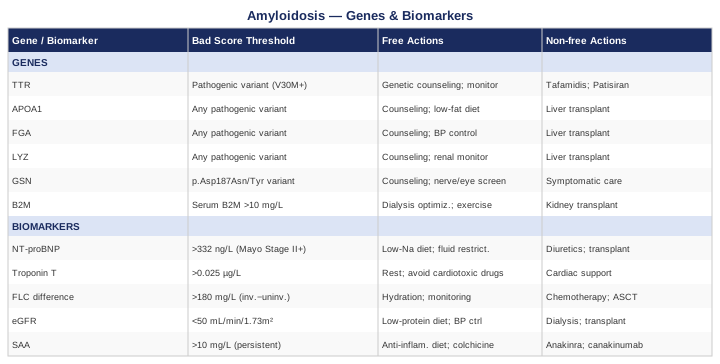
The genetic picture and biomarker panel together provide the most complete available view of personal amyloidosis risk and disease activity. The table below summarizes the full set for quick reference.
Longevity Science and the Protein Clearance Framework — Key Lessons from Outlive
Outlive: The Science and Art of Longevity by Peter Attia (2023) is not an amyloidosis book—but its framework for surveillance-first, biomarker-guided, early-action medicine maps directly onto what amyloidosis care requires when done well. Several of its core arguments challenge how most patients and even most clinicians currently approach protein aggregation diseases.
1. The Diagnosis Comes Too Late by Default
Conventional medicine flags diseases when they produce clinical symptoms. Attia's central argument is that biology goes off course a decade or more before a diagnosis is formally made. For amyloidosis, this means that by the time a biopsy confirms deposits, significant organ damage has already accumulated. Starting FLC ratio, NT-proBNP, and UACR surveillance in the fourth decade—especially for people with family history or known genetic variants—is not excessive; it is the minimum that makes early intervention possible.
2. "Normal" Lab Values Are Not Reassuring
Reference ranges are designed to detect established disease in large populations, not to optimize individual health. Attia draws a sharp distinction between "not yet sick" and "moving toward healthy." A FLC kappa/lambda ratio of 2.8 within the normal range does not mean nothing is happening—in the right clinical context, it is a signal worth tracking quarterly, not ignoring because it is technically normal.
3. Zone 2 Training Is the Most Broadly Protective Intervention
Attia identifies four to five hours per week of low-to-moderate intensity aerobic exercise—heart rate approximately 130 to 150 BPM, at which you can still hold a conversation—as the single intervention with the broadest documented benefit across organ systems. For amyloidosis patients, the relevant effects include improved cardiac efficiency and stroke volume, reduced hepatic fat accumulation, lower glomerular filtration pressure, and reduced systemic inflammatory drive. Zone 2 training is applicable across all amyloidosis subtypes.
4. Sleep Is Active Biological Maintenance, Not Passive Rest
During slow-wave sleep, the brain's glymphatic system clears misfolded proteins—including amyloid-beta—through channels that open specifically during this sleep stage. Poor sleep quality accelerates protein aggregation. This mechanism extends to peripheral protein quality control: chronic sleep deprivation impairs proteasomal function and autophagy, the cellular machinery responsible for identifying and degrading misfolded proteins before they form fibrils.
5. VO2 Max Predicts Survival More Than Nearly Any Other Single Metric
Attia cites data showing that individuals in the top quartile of VO2 max have approximately a five-fold lower all-cause mortality rate than those in the bottom quartile—a larger effect size than smoking cessation. In the context of amyloid cardiomyopathy, maintaining cardiac reserve capacity is the difference between functional independence and disability. VO2 max decline with aging can be substantially slowed with consistent aerobic training, even starting in the sixth decade.
6. Protein Quality and Proteostasis Matter More Than Protein Quantity
Amyloid fibrils represent a failure of the proteostasis network—the cellular machinery that folds, monitors, and degrades proteins. Attia discusses how metabolic dysfunction, caloric excess, and impaired protein turnover—rather than high protein intake per se—drive pathological protein aggregation. Maintaining lean muscle mass through resistance training two to three sessions per week supports proteasomal function and autophagy, both of which clear misfolded protein precursors.
7. Insulin Resistance Is a Silent Multi-Organ Damager
Insulin resistance drives amyloid deposition worsening through at least three relevant pathways: increased systemic oxidative stress, impaired autophagy, and elevated systemic inflammation (raising both CRP and SAA). Fasting insulin (with a target below 6 μIU/mL) and HOMA-IR belong in any amyloidosis surveillance panel—they are inexpensive tests with large therapeutic implications if abnormal.
8. Continuous Glucose Monitoring Reveals What Blood Tests Miss
CGM devices (Dexcom G7, Abbott FreeStyle Libre) reveal post-meal glucose spikes that accumulate organ damage months before HbA1c shifts measurably. For amyloidosis patients with renal and cardiac involvement, tight glycemic control is a high-leverage intervention—and a CGM worn for two to four weeks provides a far more accurate picture of glycemic stress than a quarterly HbA1c blood draw.
9. The Pre-Symptomatic Window Is When Interventions Have Maximum Impact
Attia's framework is consistently anchored in the pre-symptomatic decade. For hereditary amyloidosis, this is especially true: starting tafamidis for ATTR cardiomyopathy in Stage 1 versus Stage 3 produces dramatically different outcomes. The clinical trials demonstrating tafamidis efficacy were conducted primarily in patients with preserved or mildly reduced ejection fraction—those who started earliest benefited most.
10. Find a Physician Who Thinks in Trends, Not Snapshots
Attia's model clinician is one who tracks biomarker trajectories over years, not isolated single-point values. An NT-proBNP that rose from 180 to 280 over eighteen months in an asymptomatic person is more clinically meaningful than a one-time reading of 280. For amyloidosis, this means building a relationship with a specialist—at an academic amyloidosis center where possible—who maintains longitudinal records and interprets trends in context rather than simply checking boxes against reference ranges.
Complementary Approaches Worth Considering
The following modalities are selected for meaningful human clinical evidence in conditions directly relevant to amyloidosis—including chronic inflammation management, cardiac and autonomic support, and gut function. They are supportive tools within a broader treatment plan, not substitutes for primary disease management.
Mindfulness Meditation for Systemic Inflammation Reduction
Mindfulness-based stress reduction (MBSR) is an eight-week structured program combining formal meditation, body scan practice, and mindful movement to cultivate non-reactive awareness. Its relevance to amyloidosis is clearest in AA amyloidosis, where chronic psychological stress amplifies hypothalamic-pituitary-adrenal axis activation, elevates IL-6, and drives SAA production—the direct precursor to amyloid A protein deposition. Reducing the inflammatory stress response is therefore a plausible and evidence-grounded target.
A 2017 randomized controlled trial published in Brain, Behavior, and Immunity (Bower et al.) demonstrated that an eight-week MBSR program significantly reduced CRP and IL-6 in participants with elevated inflammatory markers, with effects sustained at follow-up. While not amyloidosis-specific, the biological mechanism—vagal nerve activation, reduced sympathetic tone, HPA axis downregulation—translates directly to conditions where SAA is chronically elevated due to stress-amplified inflammation.
For amyloidosis patients, the Palouse Mindfulness program offers a complete free eight-week MBSR course online; hospital-based programs typically cost $300 to $600. Daily practice of 20 to 45 minutes is required for measurable anti-inflammatory effects. Begin with 10 minutes and increase gradually. The evidence supports sustained ongoing practice rather than a single course; treat it as a lifelong habit rather than a prescription. No known side effects.
Breathing-Based Therapies for Cardiac and Autonomic Support
Slow paced breathing at approximately five to six breath cycles per minute—specifically resonance frequency breathing—activates the baroreceptor reflex and directly stimulates vagal tone, the parasympathetic branch of the autonomic nervous system. In cardiac amyloidosis and ATTR-related autonomic polyneuropathy, the autonomic nervous system is frequently compromised, producing postural hypotension, reduced heart rate variability, and impaired cardiac rhythm stability. Supporting vagal tone through breathing practice is a zero-cost, zero-risk adjunct to standard care.
A 2017 meta-analysis published in Applied Psychophysiology and Biofeedback confirmed that slow-paced breathing reliably and consistently increases heart rate variability (HRV) in both healthy participants and those with established cardiovascular disease. Improved HRV has been associated with better cardiac outcomes in multiple prospective cohort studies. Evidence in amyloidosis-specific populations is limited but the mechanism is direct and physiologically sound.
For practical implementation: inhale for five seconds, exhale for five seconds, practicing 15 to 20 minutes daily. Apps including Elite HRV and Lief HRV wearable (approximately $200) provide real-time feedback to optimize breathing rate to your personal resonance frequency. No equipment is required to begin—consistency matters more than technology. Coordinate with your cardiologist if severe autonomic dysfunction or significant cardiac arrhythmia is present before initiating formal biofeedback protocols.
Microbiome-Directed Therapies for Inflammation and Amyloid Biology
The gut microbiome has emerged as a relevant actor in amyloid biology through multiple pathways. Certain intestinal bacteria produce bacterial amyloid proteins (curli fibers) that may cross-prime systemic immune responses toward misfolded protein reactivity. Conversely, a diverse, fiber-rich microbiome produces butyrate and short-chain fatty acids that reduce systemic inflammatory load—the direct driver of AA amyloidosis—and maintain gut barrier integrity, which when compromised amplifies systemic inflammation.
A 2017 study in Cell Reports demonstrated that bacterial amyloids from gut microbes can influence protein aggregation cascades in the nervous system, suggesting broader gut-amyloid connections extending beyond Alzheimer's to systemic amyloid biology. For AA amyloidosis specifically, dysbiosis-driven systemic inflammatory burden directly elevates SAA, making microbiome optimization a mechanistically credible adjunct.
Practical implementation centers on dietary diversity: targeting 30 or more different plant species per week, including daily fermented foods (kefir, kimchi, sauerkraut, live-culture yogurt), and minimizing ultra-processed food intake. Evidence-backed probiotic strains—Lactobacillus rhamnosus GG and Bifidobacterium longum—are available in products like Culturelle or Align ($20 to $35 monthly). Comprehensive stool microbiome testing (GI-MAP from Diagnostic Solutions, $300 to $400) can identify specific dysbiosis patterns to target. Avoid prolonged antibiotic courses without concurrent probiotic co-administration.
Gentle Yoga for Fatigue, Neuropathy, and Inflammatory Load
Yoga combines physical postures, breathwork, and meditative attention in a format accessible across fitness and functional ability levels. For amyloidosis patients managing peripheral neuropathy, treatment-related fatigue, or post-hospitalization deconditioning, restorative and gentle yoga styles provide movement benefit without imposing cardiac stress. Its anti-inflammatory effects have been documented in multiple clinical trials across inflammatory conditions.
A 2015 randomized trial in the Journal of Clinical Oncology (Bower et al.) demonstrated that twelve weeks of Iyengar yoga significantly reduced IL-6, NF-κB gene expression, and fatigue biomarkers in cancer survivors with persistent inflammation-driven fatigue—a population whose symptom profile shares meaningful overlap with systemic amyloidosis patients managing organ involvement and treatment side effects. The anti-inflammatory effect was significant and maintained at three-month follow-up.
For amyloidosis patients, restorative or yin yoga styles are appropriate; hot yoga and vigorous vinyasa should be avoided, especially when cardiac involvement is present. Three sessions per week of 30 to 45 minutes each are a reasonable target, with breathwork integration throughout. Balance-focused poses improve proprioception in peripheral neuropathy. If autonomic or significant peripheral neuropathy is present, working individually with a yoga therapist rather than joining a general group class ensures appropriate positioning and pace.
HRV Biofeedback for Autonomic Neuropathy Management
Heart rate variability biofeedback is a technique in which real-time HRV measurements are displayed to the user during breathing exercises, enabling voluntary learning of autonomic self-regulation. It is the most evidence-supported biofeedback modality for autonomic nervous system dysfunction—which is a direct and clinically significant manifestation in ATTR amyloidosis with polyneuropathy and in advanced AL amyloidosis with cardiac autonomic involvement.
A systematic review in Applied Psychophysiology and Biofeedback (Wheat and Larkin, 2010) found that HRV biofeedback consistently improves autonomic balance, reduces resting heart rate, and decreases sympathetic overactivation across cardiovascular disease and autonomic dysfunction populations. For patients with amyloidosis-related autonomic neuropathy—manifesting as postural hypotension, gastroparesis, reduced baseline HRV—regular biofeedback training provides a structured pathway toward voluntary autonomic improvement that complements medical management.
Implementation options include entry-level validated setups: Polar H10 chest strap combined with the Elite HRV app costs approximately $80 total and provides reliable HRV measurement with breathing guidance. The Heartmath Inner Balance sensor (approximately $130) is designed specifically for coherence training. Practice five minutes daily as a minimum, increasing to fifteen minutes as the protocol becomes habitual. More intensive training with a certified clinical biofeedback practitioner (typically six to twelve sessions at $100 to $200 each) is appropriate for those with significant autonomic symptoms. Coordinate with your neurologist before initiating formal protocols if severe autonomic neuropathy is present.
Conclusion
Amyloidosis is demanding, but it is no longer biologically invisible. The seven biomarkers covered here—from serum free light chains through alkaline phosphatase—provide a structured, increasingly accessible way to detect organ stress early, track how the disease is behaving over time, and evaluate whether the interventions you are using are actually working. The six genetic variants provide the biological context that explains why identical environmental exposures produce such different outcomes in different individuals, and they shape which monitoring priorities and treatment conversations belong on your agenda.
None of this replaces the expertise of an amyloidosis specialist. What it does is give you better questions to ask, clearer numbers to track, and a more grounded sense of which lifestyle choices are genuinely high-leverage versus which are simply noise. The next practical step is specific: review your current lab history, identify which of these markers you have not yet assessed, and bring this framework—along with your family history and any known genetic variants—to your next clinical appointment. Better information, consistently applied over time, is the foundation of a meaningfully better outcome.
Neurological: Nerve Conditions Memory & Cognitive Conditions
Cardiovascular: Heart Conditions
Digestive: Liver & Gallbladder Conditions
Autoimmune: Inflammatory Conditions
Urological: Kidney Conditions