This article contains AI generated content.
· UpdatedAmyotrophic Lateral Sclerosis Genes Biomarkers - 6 Genes And 6 Biomarkers To Track
Introduction
Amyotrophic lateral sclerosis is one of the most challenging diagnoses in neurology. It moves fast, it speaks loudly, and it leaves patients, families, and clinicians searching for traction in an area where traction has historically been difficult to find. If you are reading this after a diagnosis, or because someone close to you has received one, that search is real — and it deserves a serious, grounded response rather than either false comfort or clinical detachment.
What typically follows a diagnosis is a combination of prognostic conversations, introductions to riluzole or edaravone, and referrals to multidisciplinary teams. All of that is appropriate and important. But it rarely includes a close look at the specific biological signals the body is producing — the measurable indicators of what is happening at the cellular level right now, and what might still be possible to influence.
Generic advice assumes an average patient. ALS is not an average disease. It presents differently depending on genetic background, site of onset, rate of progression, and a range of other variables that standard protocols cannot always capture. Two people carrying the same clinical diagnosis can be in very different biological situations — situations that call for different questions and different strategies.
This article takes a more granular view. It examines the key biomarkers now used to track ALS progression and treatment response, alongside the major genetic variants that shape how the disease unfolds. It also explores emerging research that may not yet be part of routine clinical conversations. None of this replaces neurology care. But better information leads to better questions — and better questions can sometimes lead to better decisions. What follows covers two complementary biological layers — measurable markers in the blood and nervous system, and the genetic architecture underneath — plus a window into the research reshaping how scientists now think about this disease.
Summary
This article examines 6 measurable biomarkers — including neurofilament light chain, GFAP, and inflammatory markers — and 6 key genetic variants — including C9orf72, SOD1, TARDBP, and NEK1 — that are being used or actively investigated in ALS research and clinical care. For each biomarker, you will find how to measure it, what an abnormal value actually signals in context, and what intervention strategies exist, with and without supplementation. For each gene variant, you will find what it disrupts biologically and what current or emerging protocols may be relevant. Beyond those two layers, the article covers 10 findings from cutting-edge ALS research that challenge conventional thinking, and five complementary approaches with actual clinical evidence. The goal is not false hope. It is actionable clarity about where the science stands and what you can reasonably do with it.
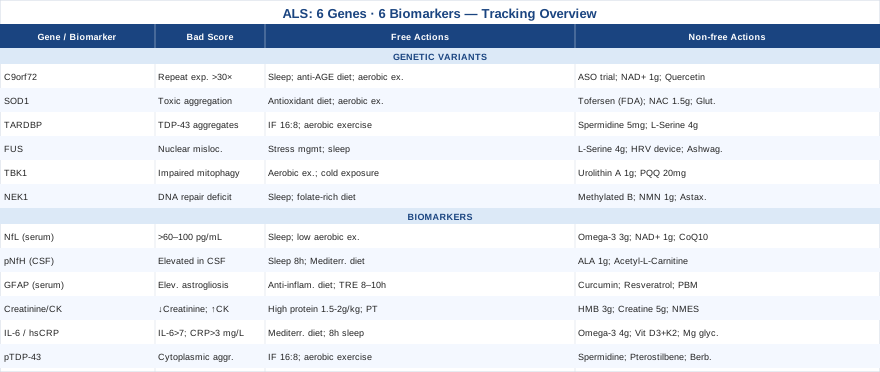
6 Biomarkers That Tell You More Than a Standard Workup
Biomarker science in ALS has moved quickly over the past decade. What was once limited to clinical observation and EMG findings can now be quantified through blood draws and cerebrospinal fluid analysis in ways that track disease progression, predict rate of decline, and increasingly measure treatment response. The six biomarkers below are not all equally accessible or affordable, but together they represent the most informative biological picture currently available for this disease.
1. Neurofilament Light Chain (NfL)
Why it matters
Neurofilament light chain is a structural protein found inside neurons. When motor neurons degenerate and die, NfL leaks out into the cerebrospinal fluid and eventually into the bloodstream. In ALS, serum NfL is one of the most robust biological signals yet identified. Elevated levels correlate strongly with faster disease progression, shorter survival, and — critically — with how much motor neuron damage is occurring right now, not just how long symptoms have been present.
Research published across major neurology journals has consistently shown that baseline serum NfL predicts survival in ALS with accuracy that rivals or exceeds traditional clinical scoring systems alone. It is now being used in clinical trials as a primary pharmacodynamic endpoint — meaning it tells researchers whether an experimental drug is actually reaching and protecting motor neurons, not just whether symptoms happen to improve. The FDA's accelerated approval of tofersen for SOD1-ALS was partly supported by NfL reduction as a meaningful endpoint.
How to measure it
NfL can be measured in serum (blood) or in cerebrospinal fluid. Serum is far more accessible — it requires a standard blood draw processed through a specialized laboratory using highly sensitive Simoa immunoassay technology. CSF measurement via lumbar puncture gives marginally more sensitive readings but is more invasive.
Cost range: Serum NfL through commercial or specialized neurological testing services runs approximately $150–$350 out of pocket. Some academic ALS centers offer it as part of research protocols at no cost to participants. Track values serially over time — a trend is more informative than a single number.
In the ALS context, values consistently above 60–100 pg/mL are associated with more aggressive progression, though reference ranges are still being standardized across age groups.
If the score is elevated, the plan without supplements
The most direct lifestyle approach to high NfL is reducing the rate of ongoing motor neuron damage. Prioritizing sleep quality matters here — motor neuron repair processes and glymphatic waste clearance are most active during deep slow-wave sleep. Avoiding systemic inflammation triggers, including ultra-processed foods, prolonged sedentary behavior, and extreme heat exposure (which can transiently worsen ALS symptoms and may increase neuroinflammation acutely), are practical, low-cost steps. Aerobic exercise at low-to-moderate intensity, adapted to current capacity, has been associated in small studies with slower functional decline — even brief daily walking or adaptive resistance training is meaningful.
If the score is elevated, the plan with supplements or equipment
No supplement has been shown in a definitive human trial to lower NfL in ALS. However, several have mechanistic rationale worth considering:
Omega-3 fatty acids (EPA/DHA): 2–4g daily from high-quality fish oil or algae-based sources; anti-neuroinflammatory effect across multiple human studies; take with meals; monitor for blood-thinning interaction with riluzole; evaluate inflammatory markers at 90 days.
NAD+ precursors (NMN or NR): 500mg–1g daily; support mitochondrial function in neurons via sirtuin and PARP pathways; no known serious side effects at standard doses; cycle 4 weeks on, 1 week off is a common protocol in longevity medicine contexts.
Ubiquinol (CoQ10): 600–1200mg daily; supports mitochondrial electron transport chain at complex I and II; fat-soluble — take with a fat-containing meal; well-tolerated; primary endpoint trials in ALS were negative but the compound remains mechanistically reasonable as adjunctive support.
For equipment: non-invasive ventilation (NIV/BiPAP) initiated before respiratory capacity falls below threshold has been shown in controlled studies to extend survival and may reduce systemic stress that drives secondary neuroinflammation.
Retest serum NfL every 3–6 months when following a new protocol.
2. Phosphorylated Neurofilament Heavy Chain (pNfH)
Why it matters
pNfH is the phosphorylated form of the heavy neurofilament subunit. Like NfL, it reflects axonal damage and neuronal death — but its slower clearance from CSF means it provides a more stable snapshot of cumulative damage over time rather than a highly sensitive real-time signal. In ALS research, pNfH measured in CSF has been used to confirm diagnosis when the clinical picture is ambiguous and as a secondary biomarker in drug trials alongside NfL.
Elevated pNfH is particularly associated with upper motor neuron involvement, which correlates with faster progression and more diffuse disease — information useful for both prognostication and for stratifying patients within clinical trials.
How to measure it
pNfH is primarily a CSF biomarker requiring lumbar puncture. It can be detected in serum at lower concentrations using Simoa platforms. Specialized neurological reference labs and academic ALS centers offer this analysis.
Cost range: CSF pNfH analysis, typically bundled with other CSF markers during a diagnostic workup, adds approximately $100–$250 to the procedure cost. Standalone serum pNfH runs $200–$400 through specialized reference labs.
If the score is elevated, the plan without supplements
Elevated pNfH reflects ongoing axonal degeneration. Non-supplemental priorities are sleep optimization (7.5–9 hours, consistent timing, dark and cool environment) to support glymphatic clearance of inflammatory debris; anti-inflammatory dietary patterns (Mediterranean diet has the strongest human evidence for reducing systemic neuroinflammatory markers); and regular engagement with physical therapy to maintain motor pathway utilization and preserve remaining function. Cognitive stimulation — music, language tasks, complex problem-solving — may support corticospinal tract plasticity in ways that are not fully characterized but have theoretical neuroprotective relevance in neurodegeneration broadly.
If the score is elevated, the plan with supplements or equipment
Alpha-lipoic acid: 600–1200mg/day; potent antioxidant and anti-inflammatory agent with mitochondrial relevance; fat-soluble — take with meals; cycle 8 weeks on, 2 weeks off due to limited long-term data; generally well-tolerated.
Acetyl-L-Carnitine: 1–2g/day in divided doses; supports mitochondrial fatty acid transport and neuronal energy metabolism; well-tolerated; some mild GI effects at higher doses; can be taken continuously.
Creatine monohydrate: 5g/day (no loading phase needed); improves phosphocreatine availability in both muscle and neurons; a large NIH-funded phase III trial did not demonstrate primary outcome benefit in ALS, but the compound remains low-risk and may offer secondary metabolic support — note that creatine supplementation raises serum creatinine as an artifact, so inform your care team to avoid misinterpretation of kidney function panels.
3. Glial Fibrillary Acidic Protein (GFAP)
Why it matters
GFAP is a structural protein specific to astrocytes — the support cells surrounding neurons. In ALS, astrocytes become reactive as motor neurons degenerate, a process called astrogliosis, and release GFAP into CSF and blood. Elevated serum GFAP is a marker of this glial activation and reflects the neuroinflammatory environment surrounding dying motor neurons.
GFAP complements NfL by capturing a different dimension of the pathological process — specifically the inflammatory and astrocytic response rather than pure neuronal loss. Some research suggests the GFAP-to-NfL ratio may carry additional prognostic information beyond either marker alone, and it is being studied in the context of ALS subtypes with predominant astrocyte pathology.
How to measure it
Serum GFAP is measurable through several commercial and specialized labs using Simoa immunoassay technology from a standard blood draw. Some neurology centers now offer combined NfL + GFAP panels as neurodegeneration assessment bundles.
Cost range: $100–$250 through specialized labs; bundled neurodegeneration panels including NfL and GFAP together run $200–$350.
If the score is elevated, the plan without supplements
GFAP elevation signals active neuroinflammation at the astrocytic level. The non-supplemental approach centers on reducing inflammatory triggers: eliminating ultra-processed foods, refined sugars, and trans fats; prioritizing polyphenol-rich foods (berries, extra virgin olive oil, leafy greens); optimizing sleep, which drives glymphatic clearance of inflammatory debris; and reducing chronic psychological stress, which activates the HPA axis and downstream microglial and astrocyte activation pathways.
Time-restricted eating within an 8–10 hour window has preliminary evidence for reducing systemic inflammatory markers in several contexts and may be a reasonable addition without significant risk.
If the score is elevated, the plan with supplements or equipment
Curcumin with piperine: 500–1000mg curcumin + piperine (black pepper extract for bioavailability) per day; has shown anti-astrocyte activation and anti-neuroinflammatory effects in preclinical models; take with a fat-containing meal; cycle 12 weeks on, 2–4 weeks off; minimal side effects at standard doses.
Resveratrol: 150–500mg/day; SIRT1 activation may modulate astrocytic inflammatory response; fat-soluble; cycle 8 weeks on, 2 weeks off; can interact with anticoagulant medications — check with your physician.
Low-Level Laser Therapy (Photobiomodulation, near-infrared): 810–830nm devices applied transcranially or over the cervical spine; 20-minute sessions 3x/week; a growing body of evidence suggests reduction in neuroinflammatory markers including GFAP in neurological applications; consumer devices range from $300 to $1,500, clinical-grade panels from $2,000 to $5,000; evidence in ALS specifically remains preliminary.
4. Creatinine and Creatine Kinase Ratio
Why it matters
Serum creatinine reflects muscle mass — the larger and more functional the muscle tissue, the more creatinine the body produces as a metabolic byproduct of creatine phosphate turnover. In ALS, as muscles denervate and atrophy, creatinine levels fall progressively. A declining creatinine, corrected for kidney function, is a sensitive and continuous marker of muscle loss that often tracks ALS progression more granularly than clinical functional rating scales.
Creatine kinase (CK) tells the complementary story: it rises when muscle is actively damaged or in a state of inflammatory denervation. The pattern of elevated CK combined with falling creatinine — active damage alongside progressive atrophy — is a meaningful signal worth tracking at least quarterly.
How to measure it
Both creatinine and CK appear on standard clinical panels widely available through any lab. Creatinine is part of the comprehensive metabolic panel (CMP). CK may require a separate add-on order.
Cost range: CMP runs $15–$50 through insurance or direct-pay labs. CK as a standalone add-on: $25–$75. Easily the most affordable biomarker pair in this list. Track trends — a trajectory over six months is far more informative than any single value.
If the score is declining or abnormal, the plan without supplements
Maintaining muscle mass is a genuine survival priority in ALS. High protein intake — targeting 1.5–2g of protein per kilogram of body weight per day — supports what remains of muscle protein synthesis. Resistance exercise adapted to current capacity and supervised by a physical therapist experienced with ALS can slow denervation atrophy in affected limbs. Neuromuscular electrical stimulation (NMES) is a device-based approach where electrical current stimulates muscle contraction without requiring volitional neural input — some ALS centers use it to maintain muscle bulk in limbs with declining motor neuron function.
Higher body weight and caloric intake have been consistently associated with longer survival in ALS cohort studies — the metabolic cost of fasciculations and denervated muscle is substantial, and maintaining caloric sufficiency is not a peripheral concern.
If the score is declining or abnormal, the plan with supplements or equipment
HMB (Beta-hydroxy beta-methylbutyrate): 3g/day in two divided doses of 1.5g; a leucine metabolite shown to reduce muscle catabolism in wasting conditions; few established side effects; not widely studied in ALS specifically but the anti-catabolic mechanism is well characterized in sarcopenia literature.
Creatine monohydrate: 5g/day; supports phosphocreatine stores in both muscle and neurons; note again that supplemental creatine raises serum creatinine as an artifact — inform your care team so it is not misread as renal impairment.
NMES devices: consumer units (Compex, Marc Pro) cost $150–$500; use under physical therapist supervision; not appropriate for all muscle groups in ALS; 20–30 minutes per session, 3–5x/week; can be used on limbs with declining but not absent voluntary movement.
5. Interleukin-6 and High-Sensitivity CRP
Why it matters
Systemic inflammation is both a consequence and a potential contributor to neurodegeneration in ALS. Interleukin-6 (IL-6) and high-sensitivity C-reactive protein (hsCRP) are accessible inflammatory markers that, while not ALS-specific, correlate with neuroinflammatory burden and have been associated with rate of progression in observational research. Chronically elevated hsCRP above 2–3 mg/L, or IL-6 above 7 pg/mL, suggests systemic inflammatory processes that — while not causing ALS — may be accelerating damage in already vulnerable neurons.
This is one of the most modifiable biomarker targets in the full ALS picture, which makes it worth monitoring and actively addressing.
How to measure it
hsCRP is a standard clinical test, inexpensive and widely available. IL-6 is more specialized but offered through major reference labs and direct-pay panels.
Cost range: hsCRP: $15–$40. IL-6: $60–$150 through specialized panels. Retest hsCRP every 60–90 days when actively intervening.
If the score is elevated, the plan without supplements
Mediterranean dietary pattern has the strongest human evidence for reducing hsCRP — high extra-virgin olive oil, fatty fish 2–3x/week, leafy greens, and elimination of ultra-processed foods. Measurable effects on CRP occur within 6–8 weeks of adherence. Sleep optimization is equally powerful — even partial sleep deprivation significantly raises IL-6. Achieving 7.5–9 hours with consistent timing reduces inflammatory markers without any supplementation. Eliminating sugar-sweetened beverages alone can reduce CRP by meaningful amounts within weeks in most people.
If the score is elevated, the plan with supplements or equipment
Omega-3 fatty acids (EPA + DHA): 3–4g/day; reduces IL-6 and CRP in multiple human trials; take with fat-containing meals; continuous use is supported by evidence; monitor for blood-thinning interactions.
Vitamin D3 + K2: target serum 25-OH vitamin D at 50–80 ng/mL; typical dosing 2,000–5,000 IU D3/day + 100mcg MK-7 form K2; reduces inflammatory signaling; retest 25-OH-D after 90 days of supplementation; well-tolerated below 10,000 IU/day.
Magnesium glycinate: 300–400mg at bedtime; reduces CRP in deficient individuals; excellent safety profile; improves sleep quality as a secondary benefit — relevant given the sleep-inflammation connection above.
6. TDP-43 Proteinopathy Markers (Emerging)
Why it matters
TDP-43 — the protein encoded by the TARDBP gene — is the pathological hallmark of ALS in approximately 97% of cases. In disease, TDP-43 mislocalizes from the nucleus into the cytoplasm, aggregates into toxic inclusions, and loses its essential RNA-processing functions. Detecting aberrant, phosphorylated TDP-43 (pTDP-43) in biological fluids is now one of the most active areas in ALS biomarker research.
While not yet widely available as a routine clinical test, pTDP-43 detection in extracellular vesicles (exosomes) derived from blood is showing real promise in research settings as both a diagnostic and potentially prognostic marker. Several biotech companies are working toward clinical-grade assays for this, making it a biomarker to actively follow over the next two to three years.
How to measure it
Currently available primarily in research contexts. University-based ALS centers conducting biobanking or therapeutic trials offer access through study participation. Commercial availability is limited but expanding.
Cost: Not yet routinely priced for clinical use. Participation in ALS research studies may provide access at no cost to participants.
If TDP-43 pathology is suspected or confirmed, the plan without supplements
Supporting the cell's own protein clearance machinery is the priority. The autophagy-proteasome system is the primary defense against TDP-43 aggregation, and two well-documented activators are accessible: intermittent fasting (16:8 minimum eating window) activates autophagy via AMPK and mTOR pathway modulation, and aerobic exercise independently upregulates autophagic flux. Both are low-risk, mechanistically plausible, and apply regardless of whether pTDP-43 testing is available.
If TDP-43 pathology is suspected, the plan with supplements or equipment
Spermidine: 5–10mg/day from supplement or dietary sources; polyamine that activates autophagy through mTOR-independent pathways; naturally high in aged cheese, wheat germ, and natto; growing evidence base in longevity contexts; well-tolerated.
Pterostilbene: 50–100mg/day; SIRT1 activator and autophagy-supporting compound, structurally related to resveratrol but more bioavailable; few side effects at standard doses; cycle 8 weeks on, 2 weeks off.
Berberine: 500mg 2–3x/day (1–1.5g total); potent AMPK activator with autophagy-inducing effects; check for drug-drug interactions with riluzole via CYP3A4 pathway; cycle 3 months on, 1 month off.
---
With those six biomarkers providing a measurable biological picture, it is worth looking underneath them at the genetic architecture that shapes why those values diverge from normal in the first place.
The Genetic Layer: 6 Key Variants and What They Mean
Understanding the genetic architecture of ALS has been one of the most productive areas of neuroscience over the past three decades. For a disease once considered mostly idiopathic, a remarkably detailed genetic map has emerged — and crucially, specific mutations now map to specific therapeutic strategies. What follows are the six most important gene variants in ALS, what each one disrupts, and what intervention options exist.
1. C9orf72 — The Most Common ALS Gene
The hexanucleotide repeat expansion in C9orf72 is the single most common known genetic cause of both ALS and frontotemporal dementia. It accounts for approximately 40% of familial ALS and 5–10% of apparently sporadic cases. Normal individuals carry 2–30 GGGGCC repeats in the first intron of C9orf72; affected individuals typically carry hundreds to thousands. The disease mechanism operates through three simultaneous pathways: loss of C9orf72 protein function, toxic RNA foci that sequester essential RNA-binding proteins, and the production of toxic dipeptide repeat proteins via repeat-associated non-ATG translation.
The original C9orf72 repeat expansion discovery by Renton et al. (2011) marked a turning point in understanding both familial and sporadic ALS.
If the gene is mutated, the plan without supplements
The lifestyle priorities for C9orf72 mutation carriers center on reducing the toxic protein burden and neuroinflammatory environment. Sleep is particularly critical here — the glymphatic system (the brain's waste clearance mechanism) is most active during deep sleep, and clearing toxic dipeptide repeat proteins depends on this system functioning well. A dietary pattern low in advanced glycation end products — avoiding grilled and processed meats, reducing sugar — may reduce protein aggregation pressure. Aerobic exercise and cognitive engagement may support motor network resilience.
If the gene is mutated, the plan with supplements or equipment
The most promising targeted intervention for C9orf72-ALS is antisense oligonucleotide (ASO) therapy. Multiple companies including Wave Life Sciences have active or completed phase I/II trials targeting C9orf72-driven pathology. If this mutation is confirmed, enrollment in a clinical trial should be a primary discussion with your neurologist. Access to current trials can be explored via clinicaltrials.gov.
Supplement-level support: NAD+ precursors (NMN or NR): 500–1000mg/day; support the PARP and sirtuin systems relevant to C9orf72-associated RNA stress and DNA repair; cycle 4 weeks on, 1 week off.
Quercetin: 500–1000mg/day; reduces neuroinflammatory signaling via NF-κB pathway inhibition; take with vitamin C or bromelain for bioavailability; cycle 6–8 weeks on, 2 weeks off.
2. SOD1 — The First Discovered ALS Gene
Mutations in SOD1 (superoxide dismutase 1) were the first identified genetic cause of familial ALS, reported by Rosen et al. in 1993. SOD1 normally functions as a critical antioxidant enzyme that neutralizes toxic superoxide radicals. In ALS, SOD1 mutations do not simply eliminate this protective function — they generate a toxic gain-of-function protein that accumulates in motor neurons and causes damage through mitochondrial dysfunction, endoplasmic reticulum stress, and toxic aggregation. Over 200 different SOD1 mutations have been identified, accounting for approximately 20% of familial ALS and 2–5% of all ALS cases.
If the gene is mutated, the plan without supplements
Reducing oxidative stress and mitochondrial burden is the lifestyle priority. Mediterranean anti-inflammatory diet; aerobic exercise (when tolerated) to upregulate endogenous antioxidant systems including mitochondrial biogenesis via PGC-1α; avoidance of pesticide and heavy metal exposures that increase the oxidative load; and sleep optimization for neuronal repair are the central pillars.
If the gene is mutated, the plan with supplements or equipment
Tofersen (Qalsody, Biogen) is an FDA-approved antisense oligonucleotide specifically for SOD1-ALS, approved in April 2023. It reduces SOD1 protein in CSF and has been shown to significantly lower serum NfL levels. This is the single most important intervention for confirmed SOD1-ALS and should lead every clinical conversation about treatment.
Supplement support alongside disease-modifying therapy: N-Acetylcysteine (NAC): 1,200–1,800mg/day in divided doses; precursor to glutathione, the primary cellular antioxidant; supports the oxidative imbalance driven by mutant SOD1; avoid doses above 3g/day due to theoretical redox complications.
Liposomal glutathione: 250–500mg/day; direct antioxidant replenishment; liposomal form preferred for bioavailability over standard oral glutathione; cycle 6 weeks on, 2 weeks off.
3. TARDBP (TDP-43) — The Protein That Goes Rogue
TARDBP encodes TDP-43, an RNA-binding protein essential for RNA splicing, transport, and metabolism. As noted in the biomarker section, TDP-43 pathology is the defining feature of ALS in nearly all cases — but mutations in TARDBP itself account for approximately 3–5% of familial ALS. When the gene is mutated, TDP-43 misregulates RNA splicing in motor neurons, accumulates abnormally in the cytoplasm, and disrupts the expression of hundreds of downstream gene targets. The disease mechanism involves both loss of normal nuclear function and toxic gain from cytoplasmic aggregates.
If the gene is mutated, the plan without supplements
Supporting autophagy is the top priority — the cell's own protein clearance system is the primary defense against TDP-43 aggregate accumulation. Intermittent fasting (16:8 pattern as a minimum) and aerobic exercise both activate autophagy through AMPK and mTOR signaling. A diet moderate rather than excessively high in leucine and BCAAs may also be relevant — high BCAA intake suppresses mTOR inhibition, which is the signal that permits autophagy to occur. This is counterintuitive given that protein intake matters for muscle maintenance in ALS, and the balance requires nuanced clinical judgment.
If the gene is mutated, the plan with supplements or equipment
Spermidine: 5–10mg/day; induces autophagy via mTOR-independent pathways; available from dietary sources (aged cheese, wheat germ, natto) or supplements; well-tolerated.
L-Serine: 2–4g twice daily (up to 15g/day in some ALS trials); has been studied in ALS related to misfolded protein burden and BMAA exposure; ongoing clinical trials suggest reasonable safety; take in divided doses with meals.
4. FUS — Earlier Onset, Similar Mechanism
FUS (fused in sarcoma) encodes another RNA-binding protein with nuclear-cytoplasmic localization dynamics closely paralleling TDP-43. Mutations in FUS account for approximately 4–5% of familial ALS and notably tend to cause earlier-onset disease — often presenting in people under 40. The biology is well-characterized: FUS mislocalizes from nucleus to cytoplasm under cellular stress, forms pathological aggregates in stress granules, and disrupts RNA metabolism in motor neurons.
The stress granule biology of FUS is particularly interesting because it connects the disease mechanism directly to the chronic stress response — meaning that chronically elevated cortisol and cellular stress signaling may actively promote FUS mislocalization in susceptible neurons.
If the gene is mutated, the plan without supplements
Chronic stress management is particularly relevant for FUS-ALS because psychological and cellular stress activate the stress granule formation pathway that promotes FUS mislocalization. Structured relaxation protocols — mindfulness practice, consistent sleep, HRV biofeedback training — address this mechanism at a systems level. Minimize chronic psychological stressors and prioritize recovery as seriously as activity.
If the gene is mutated, the plan with supplements or equipment
L-Serine: as above, 2–4g twice daily; being studied across RNA-binding protein ALS subtypes due to shared misfolded protein pathology.
HRV biofeedback devices (HeartMath Inner Balance, Garmin-based HRV monitoring): 20 minutes daily resonance frequency breathing at approximately 6 breaths per minute; activates the parasympathetic nervous system, reduces cortisol-driven cellular stress, and may support the conditions under which FUS remains appropriately nuclear; consumer devices cost $100–$300.
Ashwagandha (KSM-66 extract): 300–600mg/day; adaptogen shown in human trials to reduce cortisol and improve stress response; cycle 8 weeks on, 2 weeks off; check for interactions if taking thyroid medication.
5. TBK1 — At the Intersection of Immunity and Neurodegeneration
TBK1 (TANK-binding kinase 1) is a kinase involved in autophagy, mitophagy, and innate immune signaling — specifically the interferon regulatory pathway. Mutations that reduce TBK1 activity cause a clinically distinct ALS subtype at the intersection of neurodegeneration and immune dysregulation. TBK1 phosphorylates and activates optineurin (OPTN) and p62/SQSTM1, both of which are ALS-linked autophagy receptors. Reduced TBK1 function means reduced clearance of damaged proteins and damaged mitochondria — two processes central to motor neuron survival.
If the gene is mutated, the plan without supplements
Supporting mitophagy — the selective autophagy of damaged mitochondria — is the specific priority here. Aerobic exercise is one of the most potent documented activators of mitophagy in humans. Low-intensity cold exposure (2–3 minutes of cold water at the end of a shower) activates AMPK and downstream mitophagy pathways and is generally tolerated even in earlier-stage ALS; avoid extreme cold. A diet rich in polyphenols from diverse plant sources (targeting 30+ different plant foods per week) supports the gut microbiome bacteria that produce urolithin A, the metabolite that activates mitophagy in muscle.
If the gene is mutated, the plan with supplements or equipment
Urolithin A: 500–1000mg/day; the only compound shown in a human clinical trial (Timeline Longevity research) to activate mitophagy in human muscle tissue; generally well-tolerated; expensive ($3–$5 per day for quality formulations); take continuously.
PQQ (pyrroloquinoline quinone): 20mg/day; activates mitochondrial biogenesis via PGC-1α, supporting generation of new mitochondria to replace those cleared by impaired mitophagy; well-tolerated; no known serious side effects at standard doses.
6. NEK1 — A Common Sporadic ALS Risk Gene
NEK1 (NIMA-related kinase 1) gained prominence in 2016 through a large genome-wide association study that identified it as a risk factor for both familial and sporadic ALS — a finding significant precisely because it is relevant to the much larger population of patients with no family history of the disease. NEK1 is involved in DNA damage repair, cell cycle regulation, and axonal transport. Loss-of-function variants in NEK1 impair these processes in motor neurons, making them more vulnerable to the cumulative DNA damage that accumulates over decades.
If the gene is mutated, the plan without supplements
DNA damage repair is supported by minimizing exogenous sources of DNA damage — UV radiation without protection, smoking (a documented ALS risk modifier), chronic pesticide exposure, and oxidative stress more broadly. High-quality sleep actively supports endogenous DNA repair; nucleotide excision repair processes are most active during sleep. A diet high in folate (leafy greens, legumes) and cobalamin supports the one-carbon metabolism cycle that underlies DNA synthesis and repair.
If the gene is mutated, the plan with supplements or equipment
Methylated B-complex (methylfolate + methylcobalamin): 400–800mcg methylfolate + 1,000mcg methylcobalamin daily; supports the DNA repair cycle and homocysteine clearance; critically, use methylated forms for anyone with concurrent MTHFR variants; well-tolerated; take continuously with food.
NMN or NR: 500–1,000mg/day; NAD+ is a required cofactor for PARP enzymes that repair DNA double-strand breaks — a directly relevant mechanism for NEK1-ALS; cycle 4 weeks on, 1 week off.
Astaxanthin: 12–24mg/day; potent lipid-soluble antioxidant protecting mitochondrial membranes and DNA from oxidative damage; take with a fat-containing meal; no known serious side effects at standard doses.
---
With the biomarker and genetic picture established, the research landscape has been shifting in ways that are not yet fully reflected in standard clinical conversations — and those shifts are worth understanding directly.
10 Things the Cutting-Edge ALS Research Is Telling Us
Peter Attia's Outlive and multiple Huberman Lab episodes on neurodegeneration have popularized the principle that early identification of biological risk changes what is possible — and that the window between biological disruption and clinical presentation is where intervention has the most leverage. In ALS, that principle is now being applied more rigorously than ever before. What follows are ten findings from the current research frontier that are reshaping the field and that rarely make it into standard clinical conversations.
1. NfL as a Drug Development Accelerator
Serum NfL is now a pharmacodynamic biomarker in ALS trials — meaning it directly measures whether a drug is protecting motor neurons, not just whether symptoms improve. Tofersen's FDA approval was partly built on NfL reduction as a primary signal. This compresses drug development timelines enormously and is why the next five years may see more approved ALS therapies than the previous three decades combined.
2. Presymptomatic Intervention Trials Have Begun
The PREVENT-ALS trial is examining whether treating C9orf72 and SOD1 mutation carriers before symptoms appear can delay or prevent disease onset. NfL elevation in presymptomatic carriers — detectable up to two years before first symptoms — provides the biological window. This is a fundamental shift in how the field thinks about the disease.
3. ALS Is Not One Disease
The research community increasingly recognizes ALS as a clinical syndrome with multiple distinct biological subtypes rather than a single disease. Stratifying patients by molecular subtype — genetic, proteomic, metabolomic — rather than treating all ALS identically is the direction the field is moving, and it is already influencing which patients receive which drugs in clinical trials.
4. The Gut Microbiome Is Disrupted in ALS
Research from the Weizmann Institute of Science and multiple replication cohorts has shown that ALS patients carry significantly altered gut microbiome profiles — with depletions in Akkermansia muciniphila and butyrate-producing bacteria. In mouse models, specific microbiome-derived metabolites including nicotinamide extended survival. Human trials targeting this axis are in early stages but progressing.
5. Weight Matters More Than Conventionally Understood
Higher BMI and higher dietary fat intake have been consistently associated with longer survival in ALS across multiple independent cohort studies. The metabolic cost of fasciculations, denervation, and impaired muscle efficiency is enormous — maintaining caloric sufficiency and body weight is a genuine survival strategy, not a peripheral quality-of-life concern.
6. Environmental Triggers Interact With Genetic Risk
BMAA (beta-methylamino-L-alanine), a neurotoxin produced by cyanobacteria, has been associated with ALS clusters in specific geographic populations. The hypothesis that environmental toxin exposure can trigger ALS in genetically susceptible individuals — particularly those with NEK1 or TBK1 variants — is gaining scientific traction. L-Serine is being studied as a potential countermeasure to BMAA-driven protein misfolding.
7. Mitochondrial Dysfunction Appears Across All Subtypes
Regardless of genetic background — SOD1, C9orf72, TDP-43, sporadic — mitochondrial dysfunction appears consistently in degenerating motor neurons. Whether it is a cause or consequence remains debated, but it makes mitochondrial support a cross-subtype rationale for interventions including aerobic exercise, ubiquinol, urolithin A, and NAD+ precursors.
8. The ALS-FTD Spectrum Is Broader Than Recognized
Approximately 15% of ALS patients develop frontotemporal dementia, and many more show subtle executive function and behavioral changes that go unmonitored. The diseases share genetics (especially C9orf72) and pathology (TDP-43). Recognizing this overlap means cognitive monitoring should be an active part of ALS management, not an afterthought.
9. The HEALEY Platform Trial Model Is Changing Drug Development
The HEALEY ALS Platform Trial allows multiple experimental drugs to be tested simultaneously against a shared control arm in a single trial structure. This dramatically compresses timelines and has already generated new data on several compounds simultaneously. Patients who participate in platform trials contribute to findings that affect the entire ALS community.
10. RNA Splicing Is the Next Therapeutic Frontier
TDP-43 and FUS regulate hundreds of RNA splicing events in motor neurons. Understanding exactly which splicing events go wrong — and correcting them with precision RNA therapies — is the frontier of personalized ALS medicine. Several programs targeting specific downstream splicing targets of TDP-43 are in early development.
---
Complementary Approaches With Clinical Evidence in ALS
These modalities are not substitutes for the biological and genetic strategies above. They are additions — ones with at least meaningful human evidence relevant to ALS — that address dimensions of the disease experience the main strategies do not fully cover.
Breathing-Based Therapies
Respiratory function is the primary determinant of survival in ALS. The diaphragm and accessory breathing muscles are progressively affected, and respiratory failure is the most common cause of death. Inspiratory muscle training (IMT) — a technique using a threshold-load resistance device — may help maintain breathing efficiency and delay the need for mechanical ventilatory assistance.
A randomized controlled trial published in the European Journal of Neurology examined IMT in ALS patients and found improvements in maximum inspiratory pressure and respiratory quality-of-life scores. The protocol involved a Threshold IMT device used at 30–40% of maximum inspiratory pressure for 15–20 minutes twice daily, five days per week.
Practically: obtain a Threshold IMT device ($30–$60), work with a respiratory therapist to establish your current maximum inspiratory pressure baseline, and use the device twice daily at the prescribed resistance. Begin conservatively and progress gradually. Monitor forced vital capacity (FVC) quarterly with a pulmonologist, and discuss BiPAP initiation well before FVC drops below 65–70% of predicted — early initiation is associated with greater survival benefit than late adoption.
Mindfulness Meditation and MBSR
The psychological burden of ALS is profound, and psychological stress has bidirectional relationships with neuroinflammation via HPA axis activation and downstream microglial reactivity. Mindfulness-Based Stress Reduction (MBSR) — an 8-week structured program — has been specifically studied in ALS populations for quality of life and psychological outcomes.
A pilot study published in Amyotrophic Lateral Sclerosis and Frontotemporal Degeneration found that an MBSR-adapted intervention in ALS patients led to significant improvements in psychological well-being, illness acceptance, and depression symptoms — without worsening fatigue or disability measures. The psychological benefit alone is meaningful in a disease where mood and perceived agency have measurable quality-of-life effects.
For application: an 8-week MBSR course (available online through Palouse Mindfulness at no cost, or through hospital-affiliated programs) is a reasonable starting point. Daily sitting practice of 20–30 minutes can be maintained independently afterward. Yoga postures within MBSR should be adapted to current mobility and can be done entirely in a seated or lying position as needed.
Music Therapy
Music therapy has particular relevance in ALS because it directly addresses communication, emotional expression, and social connection — dimensions that are progressively threatened as the disease advances, particularly as speech becomes affected. Beyond quality-of-life benefits, rhythmic auditory stimulation (RAS) may support motor coordination by leveraging intact auditory-motor neural pathways that remain functional even as voluntary motor pathways decline.
A review of music therapy in neurodegenerative conditions published in Frontiers in Neuroscience identified evidence for RAS in supporting motor coordination and communication in this population. Pilot data from ALS specialty centers has documented meaningful improvements in communication and emotional outcomes. The breadth of the intervention — from voice and breath exercises to augmentative communication device integration — makes it adaptable across disease stages.
Work with a board-certified music therapist (MT-BC) experienced in neurodegenerative disease. Sessions of 30–45 minutes weekly, incorporating preferred music, voice and breath exercises for those with remaining speech function, and potential integration with augmentative and alternative communication (AAC) devices, represent a realistic protocol across disease stages.
Low-Level Laser Therapy and Photobiomodulation
Photobiomodulation (PBM) using near-infrared light at 810–850nm has preclinical evidence for neuroprotection in motor neuron disease models. The mechanism involves stimulating cytochrome c oxidase (complex IV of the mitochondrial electron transport chain), increasing ATP production, and reducing oxidative stress in neurons — a mechanism directly relevant given the mitochondrial pathology present across ALS subtypes.
A systematic review in Photobiomodulation, Photomedicine, and Laser Surgery identified preliminary evidence for PBM in neurological applications, though most ALS-specific data remains at the preclinical and pilot study level. An Italian pilot study applying transcranial PBM to ALS patients documented tolerability with some signal of benefit on secondary outcomes. Evidence remains early but the risk profile is low.
For realistic application: near-infrared devices (Vielight, Neuronic, or clinical-grade panels) are used at 810–830nm, 15–20 minutes per session, 3–5x/week. Devices targeting both transcranial and cervical-thoracic spinal cord sites may be most relevant given the distribution of upper motor neuron pathology in ALS. Consumer-grade devices begin around $400; clinical-grade units range from $2,000 to $5,000. Approach with realistic expectations — this is an adjunct, not a primary therapy.
Microbiome-Directed Therapies
The gut microbiome disruption in ALS is now one of the most replicated biological findings in the field. Research from the Weizmann Institute identified specific bacterial species depleted in ALS patients — including butyrate producers — and demonstrated that supplementing microbiome-derived metabolites including nicotinamide and short-chain fatty acids had neuroprotective effects in animal models. Human trials targeting the microbiome-ALS axis are in early but active stages.
Practical microbiome intervention starts with the diet: targeting 30 or more different plant food species per week has been identified in the American Gut Project as the strongest dietary predictor of microbiome diversity. Fermented foods daily (kefir, sauerkraut, kimchi, quality yogurt) add live bacterial diversity. A targeted probiotic containing Lactobacillus rhamnosus and Bifidobacterium longum strains — the most studied in neurological contexts — may complement dietary approaches.
For more targeted supplementation: sodium butyrate or tributyrin (600–1,000mg/day) provides short-chain fatty acid supplementation that supports intestinal barrier integrity and may reduce systemic neuroinflammation via the gut-brain axis. Human safety data at these doses is established; ALS-specific human efficacy data remains limited. This is a biologically motivated adjunct to, not a replacement for, the dietary and microbiome-diversity strategies.
Conclusion
ALS remains one of the hardest diagnoses in medicine. But the biological map of the disease is more detailed today than at any prior point in history, and that detail creates specific, measurable targets for intervention rather than just symptom management. The biomarkers covered here — particularly neurofilament light chain, GFAP, and inflammatory markers — give real-time windows into what is happening at the cellular level. The genetic variants — from C9orf72 to NEK1 — explain the architecture underneath and, increasingly, map to specific therapeutic strategies including FDA-approved treatments and active clinical trials.
The smart next step is not to do everything at once. Bring the most relevant biomarkers to your neurologist's attention. Ask specifically whether full ALS genetic panel testing has been completed and, if not, why not. Explore whether any presymptomatic or therapeutic trial enrollment is appropriate for your specific subtype. Add one anchor — consistent sleep, an anti-inflammatory diet, or targeted movement — and build from there with serial measurement.
More information does not guarantee better outcomes. But it does guarantee better questions — and better questions are where better care begins.