This article contains AI generated content.
· UpdatedAnaplasmosis - 7 Biomarkers and 5 Genes To Track
Introduction
If you or someone you know has been diagnosed with anaplasmosis, you may have noticed something puzzling: two people can get the same tick bite, the same pathogen, and have wildly different outcomes. One recovers in ten days on doxycycline. The other spends weeks dealing with fatigue, elevated liver enzymes, and a sense that something is still off. The standard explanation — "everyone is different" — is technically true but practically useless. It leaves you with no framework for understanding what happened inside your body, or what to watch next.
Anaplasmosis, caused by Anaplasma phagocytophilum, is not a condition medicine has fully mapped yet. It targets neutrophils — the very cells designed to fight bacterial infections — and uses them as a vehicle for immune evasion. Standard care catches it, treats it with doxycycline, and monitors the obvious markers. What it rarely does is examine the individual biological landscape: which blood markers reveal how severely the infection hit you, how your body is clearing the damage, and whether you are on track toward real recovery or slow, silent inflammation.
There is also a layer most clinicians don't address at all: your genetic makeup shapes how your immune system responds to intracellular pathogens like Anaplasma. Variants in genes governing innate immune recognition, neutrophil recruitment, and cytokine production don't determine whether you get infected, but they can influence how hard you fight it, how long recovery takes, and potentially how vulnerable you are to complications.
This article takes a structured, evidence-aware approach to both angles. The main section covers seven biomarkers worth tracking before, during, and after anaplasmosis — why each one matters, what an abnormal result reveals, and what you can do about it with and without supplementation. A second section surveys five genes with meaningful relevance to anaplasmosis susceptibility and immune response, along with practical compensatory strategies. Together, they offer not a cure, but a clearer map — and a clearer map leads to better decisions.
Summary
This article covers the seven most clinically useful biomarkers for tracking anaplasmosis — platelet count, absolute neutrophil count, AST/ALT, high-sensitivity CRP, ferritin, creatinine/eGFR, and LDH — including what an abnormal result means, how much the test costs, and what practical steps (with and without supplements) may help normalize each one. A genetics section follows, examining five key genes — TLR4, CXCR2, IFNG, TNF, and HLA-DRB1 — that influence how your immune system handles this specific pathogen, with compensatory plans for each. Beyond the biomarkers and genetics, the article also summarizes a major integrative medicine framework for tick-borne disease recovery, explores three complementary approaches with meaningful clinical evidence, and closes with a grounded action plan. If you've ever felt that your recovery from anaplasmosis was harder or slower than expected, the answers may be in this data.
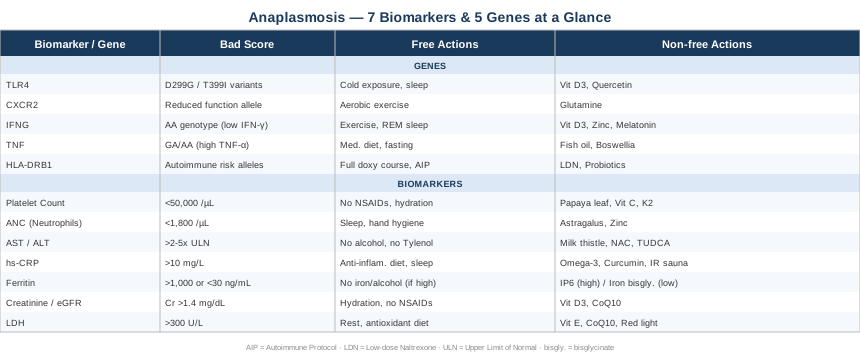
7 Biomarkers to Track With Anaplasmosis
Tracking the right blood markers during and after anaplasmosis turns abstract symptoms into data. The seven below are chosen for a specific reason: each one reflects a biological process directly disrupted by Anaplasma phagocytophilum — from the hallmark platelet crash to the subtler signals of liver strain, tissue damage, and immune dysregulation. They are also all measurable with standard lab work, and most are available at low cost.
Biomarker 1: Platelet Count
Why it matters
Thrombocytopenia — abnormally low platelets — is the single most consistent laboratory finding in anaplasmosis. It appears in roughly 70 to 90 percent of confirmed cases, often within the first few days of illness. Platelet counts typically fall to 50,000–100,000 per microliter (normal: 150,000–400,000). The exact mechanism involves both platelet destruction and suppressed platelet production, compounded by the systemic inflammatory environment the pathogen creates.
Low platelets matter clinically not only as a diagnostic flag but as a severity marker. Counts below 50,000/µL increase bleeding risk, and very low counts alongside other organ involvement can signal life-threatening disease. During recovery, a rising platelet count is one of the most reassuring signs that the infection is resolving and the bone marrow is returning to normal function.
How to measure it
Platelet count is a standard component of the Complete Blood Count (CBC), which costs $10–40 out of pocket at most commercial labs (Quest, LabCorp, or similar). With insurance or during a hospital stay, this is almost always covered without additional cost. For home monitoring during recovery, some concierge medicine services and telehealth platforms can order CBCs directly.
Frequency: During active infection, platelets may be checked every 24–48 hours. During recovery, a weekly CBC for two to four weeks is reasonable, shifting to monthly once counts normalize.
If the count is low — the plan without supplements
Prioritize rest and avoid all NSAIDs (aspirin, ibuprofen, naproxen), which impair platelet function even at low platelet counts. Stay well-hydrated. Eliminate alcohol entirely — it directly suppresses bone marrow platelet production. Eat a diet rich in leafy greens (Vitamin K supports platelet function), eggs, and quality animal protein to support marrow recovery. Avoid prolonged standing or physical strain that could provoke bleeding-related complications during the count nadir.
If the count is low — the plan with supplements or equipment
Papaya leaf extract has shown platelet-supporting effects in dengue thrombocytopenia in several human trials. While evidence is not yet anaplasmosis-specific, the mechanism — supporting thrombopoiesis via the Wnt/β-catenin pathway — is not disease-specific. Dose used in studies: 1,000 mg standardized extract twice daily for five to seven days. Cycling: use only during the low-platelet phase, then discontinue. Side effects are minimal but GI discomfort has been reported.
Vitamin C (500–1,000 mg twice daily) supports endothelial integrity and reduces vascular fragility during thrombocytopenia, reducing the clinical impact of low counts. Caution: above 2,000 mg/day can cause loose stools and may interfere with certain lab values.
Vitamin K2 (MK-7): 100–200 mcg daily supports platelet activation pathways. Contraindicated if on warfarin; discuss with prescribing physician.
Biomarker 2: Absolute Neutrophil Count and Morulae Detection
Why it matters
This is the biomarker that seems paradoxical in anaplasmosis: the pathogen preferentially infects neutrophils — the immune cells whose job is bacterial destruction — and yet it thrives inside them by suppressing the respiratory burst. Simultaneously, many patients develop leukopenia (low white cell count) or at least a relative neutropenia, with Absolute Neutrophil Count (ANC) falling to below 1,800 cells/µL.
What makes this marker uniquely valuable for diagnosis is morulae detection — the visualization of dark inclusion bodies inside neutrophils on a peripheral blood smear. These morulae are clusters of Anaplasma phagocytophilum replicating inside the very cells that should be killing them. Finding morulae confirms the diagnosis with high specificity and guides immediate treatment before serology results return.
How to measure it
A CBC with differential gives ANC. Morulae detection requires a peripheral blood smear with Romanowsky stain (Wright-Giemsa), interpreted by an experienced hematologist or laboratory technician. This combination costs $20–70 at most labs. The smear needs to be fresh — ideally within a few hours of blood draw — making this a test best done at an acute care setting rather than shipped to a reference lab.
If the score is low — the plan without supplements
Neutropenia during active anaplasmosis resolves as doxycycline clears the infection. The priority is ensuring antibiotic therapy starts promptly. Protect yourself from secondary infections during this window: avoid crowds, practice rigorous hand hygiene, and report any new fever or signs of bacterial superinfection immediately. Sleep becomes a critical intervention here — deep sleep is when neutrophil production peaks in the bone marrow. Aim for 8–9 hours in a dark, cool room.
If the score is low — the plan with supplements or equipment
Astragalus membranaceus (Astragalus root extract, standardized to 0.5% astragalosides, 500 mg twice daily) has human evidence for supporting neutrophil function during immune stress, particularly in oncology patients with chemotherapy-induced neutropenia. For anaplasmosis, it is most appropriate after the acute phase, not during active infection. Cycling: four to six weeks post-infection, then reassess. Do not use in acute infection without physician oversight.
Zinc bisglycinate (25–30 mg daily) is essential for neutrophil maturation and function. Deficiency is common and often subclinical. Short-term supplementation during recovery is well-tolerated. Cycle for eight weeks, then reassess serum zinc. Take with food to minimize GI side effects.
Biomarker 3: AST and ALT (Liver Enzymes)
Why it matters
Hepatic involvement in anaplasmosis is one of the most consistently reported features. Elevated AST (aspartate aminotransferase) and ALT (alanine aminotransferase) appear in 60 to 90 percent of documented cases, typically two to five times the upper limit of normal. The liver strain reflects both direct invasion of hepatocytes and the inflammatory cytokine cascade triggered by the infection. In severe or delayed-treatment cases, liver enzyme elevation can reach ten to twenty times normal and become a clinical emergency.
Even after antibiotic treatment clears the bacteria, liver enzymes may remain elevated for two to six weeks. Tracking them provides a clear window into how well the hepatic recovery is progressing — and whether additional liver support is warranted or whether an alternative explanation for persistent elevation needs investigation.
How to measure it
AST and ALT are included in both the Basic Metabolic Panel (BMP) and Comprehensive Metabolic Panel (CMP), which cost $15–55 at commercial labs. Many routine physician visits include a CMP as standard. During acute illness, liver enzymes may be checked every two to five days. Post-treatment, monthly testing until full normalization is appropriate. Home-based liver enzyme testing is not widely available, making lab visits the standard approach.
If the score is elevated — the plan without supplements
Strict alcohol elimination — even a glass of wine — significantly increases hepatocyte stress when enzymes are already elevated. Reduce dietary refined fructose (a primary liver burden) and processed foods. Increase dietary choline from eggs, liver, and salmon, as choline supports hepatic fat metabolism and cellular repair. Avoid Tylenol (acetaminophen) entirely until enzymes normalize — it competes for the same hepatic detoxification pathways. Prioritize adequate sleep (8+ hours), as hepatic cellular repair peaks during slow-wave sleep cycles.
If the score is elevated — the plan with supplements or equipment
Milk thistle (silymarin), 420–600 mg/day in three divided doses is among the best-documented hepatoprotective agents in human clinical trials. It reduces liver enzyme elevation and supports regeneration via anti-inflammatory and antioxidant mechanisms. A 2005 review in the American Journal of Gastroenterology documented its hepatoprotective effects across multiple hepatic conditions. Cycle for eight to twelve weeks during recovery, then reassess. Side effects are generally mild (loose stools at high doses).
NAC (N-acetylcysteine), 600 mg twice daily replenishes glutathione — the liver's primary antioxidant — and has been used clinically in drug-induced liver injury. It directly supports the phase II detoxification pathway overtaxed during infection-driven liver stress. Cycle six to eight weeks. Take on an empty stomach for best absorption; may cause nausea initially.
TUDCA (tauroursodeoxycholic acid), 500 mg/day supports bile flow and hepatocyte membrane integrity. Most relevant when enzyme elevation is persistent (more than four weeks post-treatment). Cycle eight to twelve weeks.
Biomarker 4: High-Sensitivity CRP (hs-CRP)
Why it matters
C-Reactive Protein (CRP) is produced by the liver in response to systemic inflammation, and high-sensitivity CRP (hs-CRP) detects even low-grade elevations that standard CRP assays miss. During active anaplasmosis, CRP typically rises sharply — often above 10 mg/L — in response to the cytokine storm the pathogen triggers. This matters not just as a diagnostic indicator but as a recovery tracker: when hs-CRP fails to normalize within three to six weeks of antibiotic treatment, it signals that an inflammatory process is still running — whether from residual immune activation, secondary coinfection, or post-infectious autoimmune activity.
Post-infectious low-grade inflammation is one of the least-discussed but most clinically significant aspects of tick-borne disease recovery. Fatigue, cognitive fog, and joint achiness that persist beyond bacterial clearance are often driven by an inflammatory cytokine environment that hasn't fully resolved. hs-CRP quantifies this.
How to measure it
hs-CRP is a standalone blood test ($20–80 at commercial labs). It requires no fasting. Peter Attia and other longevity-focused clinicians recommend hs-CRP below 0.5 mg/L as an optimal target for overall metabolic and cardiovascular health — a stricter threshold than the conventional "normal" of less than 3 mg/L. Measure weekly during acute illness, then monthly during recovery until values reach below 1.0 mg/L.
If the score is elevated — the plan without supplements
An anti-inflammatory dietary framework is the most evidence-based non-supplement intervention for CRP reduction. This means eliminating seed oils (corn, soybean, sunflower), refined carbohydrates, and ultra-processed foods, while increasing fatty fish (salmon, mackerel, sardines — at least three servings/week), extra-virgin olive oil, and colorful vegetables. Sleep quality is a major driver of CRP: every night below 6 hours adds measurably to inflammatory burden. Prioritize consistent sleep timing and adequate duration. Light aerobic activity (15–30-minute walks, once fever has resolved and energy allows) reduces CRP more effectively than rest alone during recovery.
If the score is elevated — the plan with supplements or equipment
High-dose omega-3 fatty acids (EPA+DHA, 2–4 g/day): Evidence for hs-CRP reduction is robust across multiple populations. Choose a pharmaceutical-grade product (IFOS-certified) to avoid oxidized oil. Cycling: continuous use is safe long-term; take with the largest meal of the day to improve absorption. Side effects: fishy burps (take with meals, refrigerate), mild blood thinning at high doses.
Curcumin (BCM-95 or Meriva form), 500–1,000 mg/day: Well-documented anti-inflammatory, with multiple RCTs showing reduction in CRP and IL-6. Standard curcumin is poorly absorbed — use a bioavailable form. Cycling: eight to twelve weeks, reassess. Do not combine with anticoagulants without physician oversight.
Infrared sauna (three to four sessions per week, 20–30 minutes at 140–160°F) is emerging as a practical tool for resolving post-infectious inflammation. Heat stress induces heat shock proteins and shifts immune tone from pro-inflammatory toward resolution. Start cautiously after acute illness resolves, with shorter sessions and adequate hydration. Contraindicated in active high fever or hemodynamic instability.
Biomarker 5: Ferritin
Why it matters
Ferritin is widely known as an iron storage marker, but its role in anaplasmosis goes much deeper. Markedly elevated ferritin — above 1,000 ng/mL and sometimes reaching 10,000–50,000 ng/mL — is a red flag for macrophage activation syndrome (MAS), a rare but potentially fatal complication of anaplasmosis where immune cells go into overdrive and begin destroying normal blood cells and tissue. This is a medical emergency requiring immediate specialist evaluation.
Even in less dramatic cases, ferritin elevation tracks the intensity of macrophage and immune cell activation. On the other end, pre-existing low ferritin (below 30 ng/mL) impairs immune function — reducing the capacity to mount an effective initial response to the infection and slowing recovery. Both extremes are clinically important and require different interventions.
How to measure it
Ferritin is a standalone blood test, costing $20–60. It requires no fasting. Optimal ranges according to functional medicine practitioners such as those following Attia's framework: 50–150 ng/mL for men, 30–100 ng/mL for women. Conventional labs flag only values above 300–400 ng/mL as elevated, potentially missing the clinically significant inflammatory signal in the 150–500 range during post-infection recovery.
If ferritin is very high — the plan without supplements
The first priority is identifying the cause. If ferritin is above 1,000 ng/mL, this is an emergency flag — report immediately to a physician. For moderately high ferritin (150–500 ng/mL) during recovery, the intervention is largely the same as reducing systemic inflammation: anti-inflammatory diet, eliminating alcohol (which prevents ferritin clearance), and addressing any concurrent infection or inflammatory condition. Avoid iron supplementation and iron-fortified foods. Reduce dietary red meat temporarily. Cook in stainless steel rather than cast iron pans.
If ferritin is very high — the plan with supplements or equipment
IP6 (inositol hexaphosphate), 2–4 g/day has evidence for iron chelation and ferritin reduction in hyperferritinemia, particularly in the context of iron overload conditions. Take on an empty stomach. Cycle eight weeks, retest. Do not combine with iron supplementation.
If ferritin is low (below 30 ng/mL), the recovery plan includes iron bisglycinate (25–50 mg every other day with Vitamin C for absorption), avoiding coffee and calcium supplements within two hours. Cycle eight weeks, retest with full iron panel.
Biomarker 6: Creatinine and eGFR
Why it matters
Renal involvement in anaplasmosis is less common than liver involvement but more serious when it occurs. Elevated creatinine and reduced estimated GFR (eGFR) signal that the kidneys are under strain — from direct inflammatory damage, hemodynamic effects of systemic infection, or, in severe cases, hemolysis-driven acute kidney injury. Creatinine also matters practically because doxycycline dosing does not require renal adjustment, but many drugs used concomitantly (like NSAIDs) are nephrotoxic and should be avoided when creatinine is rising.
Post-infection, creatinine normalization is a useful marker of complete physiological recovery. Even mild, transient elevation — creatinine above 1.2 mg/dL in women or 1.4 mg/dL in men — warrants monitoring and avoidance of renal stressors during recovery.
How to measure it
Creatinine and eGFR are included in both the BMP and CMP ($15–55). Cystatin C is a more sensitive alternative to creatinine for early kidney dysfunction ($40–90) and is preferred in people with significant muscle mass variation, which can skew creatinine artificially. During active illness, renal function should be checked every two to four days. Post-treatment monthly monitoring for six to eight weeks is appropriate if values were ever elevated.
If the score is abnormal — the plan without supplements
Aggressive hydration (2.5–3.5 liters of water daily) reduces the concentration of inflammatory mediators in the nephron. Eliminate all NSAIDs — ibuprofen and naproxen are directly nephrotoxic and worsen any pre-existing renal strain. Reduce dietary protein temporarily to 0.8 g/kg/day if eGFR is meaningfully reduced, then reassess. Avoid contrast dye for imaging if creatinine is elevated. Monitor blood pressure — hypertension accelerates renal damage.
If the score is abnormal — the plan with supplements or equipment
Vitamin D (2,000–4,000 IU/day): Low Vitamin D is associated with faster renal function decline. Supplementation supports renal tubular function and reduces inflammatory mediator production in the glomerulus. Retest 25-OH Vitamin D every 90 days to stay in the 50–80 ng/mL range.
CoQ10 (ubiquinol form), 200–300 mg/day: Supports mitochondrial function in renal tubular cells, which are exceptionally vulnerable to energetic stress during systemic infection. Evidence in chronic kidney disease is meaningful; anaplasmosis-specific evidence is limited but mechanistic rationale is strong. Cycle twelve weeks, reassess.
Biomarker 7: LDH (Lactate Dehydrogenase)
Why it matters
LDH is an enzyme present inside virtually every cell in the body. When cells are damaged or destroyed — whether from direct pathogen invasion, cytokine-mediated injury, or hemolysis — LDH leaks into the bloodstream. Elevated LDH in anaplasmosis reflects the cumulative tissue damage occurring across multiple organ systems during the infection. It correlates with severity and, critically, with the risk of hemolytic anemia — a complication that can develop when the inflammatory environment triggers immune-mediated destruction of red blood cells.
An LDH persistently above 300 U/L beyond two to three weeks of treatment warrants investigation for hemolysis, myositis, or an atypical complication. Normalized LDH alongside normalized platelet count and liver enzymes is a reliable composite signal that recovery is on track.
How to measure it
LDH is an inexpensive standalone test ($15–50) often included in comprehensive workups. No fasting required. False elevations occur with hemolysis during blood collection itself (turbulent draw or delayed processing), so a true elevation needs confirmation on a clean repeat sample.
If the score is elevated — the plan without supplements
Rest is the primary lever — physical exertion increases cellular LDH release from muscle tissue and adds to the baseline disease-related elevation, confusing interpretation and potentially worsening tissue damage. Avoid vigorous exercise until LDH normalizes. A whole-food diet emphasizing antioxidant-rich plant foods (berries, brassicas, colorful vegetables) reduces the oxidative burden driving cell membrane damage.
If the score is elevated — the plan with supplements or equipment
Vitamin E (mixed tocopherols, 400 IU/day): A potent lipid-phase antioxidant that protects cell membranes from peroxidative damage — the mechanism most directly linked to LDH leak during inflammatory injury. Natural form (d-alpha with mixed tocopherols) is preferred over synthetic dl-alpha. Cycle eight to twelve weeks; caution with anticoagulants.
CoQ10 (ubiquinol, 200 mg/day) reduces mitochondrial oxidative stress and is particularly protective of cardiac and skeletal muscle tissue, both of which contribute to LDH when stressed. Synergistic with Vitamin E.
Red light therapy / photobiomodulation (660–850 nm, 10–20 minutes per session, three to five days/week): Stimulates mitochondrial recovery in damaged cells by increasing cytochrome c oxidase activity. Devices range from $200–800 for home panels. Evidence in tissue recovery contexts is growing. This is not a primary intervention but a reasonable adjunct during the post-infection recovery phase.
Genetics and Anaplasmosis: 5 Genes That Shape Your Response
Understanding why some immune systems struggle with Anaplasma phagocytophilum while others clear it efficiently requires looking at the genetic architecture of innate and adaptive immunity. The five genes below are among the most relevant — either because they've been directly studied in tick-borne diseases, or because their function is central to the specific immune pathways Anaplasma exploits.
Genetic testing through direct-to-consumer services (23andMe, AncestryDNA) gives you raw SNP data that can be analyzed through tools like SelfDecode or Genetic Genie. Clinical genetic testing through a physician provides more reliable data for medically significant variants. None of these findings should replace physician guidance, but they can meaningfully inform your supplementation strategy, your monitoring priorities, and your risk awareness during tick season.
Gene 1: TLR4 (Toll-Like Receptor 4)
What it does: TLR4 is a sentinel receptor on the surface of innate immune cells — macrophages, monocytes, dendritic cells — that recognizes bacterial surface structures and triggers the initial alarm response to infection. For Anaplasma, which is a gram-negative intracellular bacterium, TLR4 signaling is part of the early immune recognition process that determines how quickly and robustly the body responds.
Two well-documented variants — rs4986790 (D299G) and rs4986791 (T399I) — reduce TLR4 responsiveness. Carriers of these variants show blunted innate immune activation to gram-negative pathogens, meaning the initial alarm is quieter, the cytokine response slower, and the window for pathogen replication wider before the body fully mobilizes.
If the gene is not functioning well — the plan without supplements
Cold exposure (cold shower or cold plunge at 50–59°F, 2–3 minutes daily) activates innate immune pathways via norepinephrine and alternative immune receptors that are TLR4-independent, partly compensating for reduced TLR4 tone. Consistent high-quality sleep (circadian-aligned, 8 hours minimum) preserves the function of remaining TLR4 signaling capacity. Reduce chronic psychological stress — cortisol directly downregulates TLR4 expression, compounding a genetic impairment.
If the gene is not functioning well — the plan with supplements or equipment
Vitamin D3 (2,000–5,000 IU/day based on 25-OH level): Vitamin D directly upregulates the expression of TLR4 and downstream signaling components. Maintain serum 25-OH-D in the 50–80 ng/mL range for optimal immune function. Test every 90 days.
Quercetin (500–1,000 mg/day with bromelain): Quercetin modulates TLR4 signaling and has been shown to reduce TLR4-mediated inflammatory overshoot while supporting appropriate early pathogen recognition. Cycle continuously at 500 mg/day, with 1,000 mg/day during any acute illness. Side effects are minimal.
Gene 2: CXCR2 (Chemokine Receptor 2)
What it does: CXCR2 is the primary receptor guiding neutrophil chemotaxis — the directed migration of neutrophils toward sites of infection. Since Anaplasma phagocytophilum specifically hijacks neutrophils, the efficiency of neutrophil recruitment to infection sites matters enormously in the early hours of pathogen exposure. Functional CXCR2 variants influence how quickly and in what numbers neutrophils arrive at the site where bacteria are replicating.
Individuals with reduced CXCR2 activity may experience delayed neutrophil recruitment, giving the pathogen more time to establish intracellular infection before adaptive immune mechanisms can engage. Evidence is largely from animal models and general infection studies rather than anaplasmosis-specific human trials.
If the gene is not functioning well — the plan without supplements
Regular moderate aerobic exercise (three to five days per week, 30–45 minutes at 60–75% max heart rate) is one of the most consistent ways to maintain healthy CXCR2-mediated neutrophil trafficking. Exercise increases circulating chemokines and maintains neutrophil responsiveness. This is a long-term lifestyle habit, not an acute intervention.
If the gene is not functioning well — the plan with supplements or equipment
Glutamine (5–10 g/day): Glutamine supports neutrophil chemotaxis directly and is the primary fuel source for rapidly dividing immune cells. During recovery from any significant infection, glutamine stores are depleted. Supplementing supports immune cell function broadly and may partially compensate for impaired chemokine receptor activity. Cycle six to eight weeks post-infection.
Gene 3: IFNG (Interferon-Gamma)
What it does: Interferon-gamma (IFN-γ) is arguably the single most critical cytokine for clearing intracellular pathogens. It activates macrophages to destroy intracellular bacteria — a direct counter to Anaplasma's survival strategy of hiding inside immune cells. The rs2430561 (IFNG +874A/T) variant significantly influences how much IFN-γ an individual produces in response to intracellular bacterial challenge. The AA genotype produces substantially less IFN-γ than TT carriers.
Low IFN-γ producers are at a genuine disadvantage against Anaplasma phagocytophilum specifically. Clinical studies in other intracellular pathogens (including Mycobacterium tuberculosis and Leishmania) consistently show that low-IFNG producers experience longer duration of infection and higher severity. Human studies on IFNG variants and anaplasmosis severity directly are limited, but the mechanistic overlap is direct and strong.
If the gene is not functioning well — the plan without supplements
Vigorous exercise produces a robust IFN-γ spike — a finding documented across multiple exercise immunology studies. Once acute illness has resolved, implementing regular moderate-to-vigorous exercise (three to four sessions per week, with some sessions at higher intensity) substantially and sustainably increases baseline IFN-γ production. Adequate sleep — particularly REM sleep — is when adaptive immune cytokine consolidation peaks. Chronic sleep restriction selectively impairs IFN-γ production.
If the gene is not functioning well — the plan with supplements or equipment
Vitamin D3 (4,000 IU/day, titrated to serum level): One of the most consistent findings in vitamin D immunology is its upregulation of IFN-γ production in T helper cells. This is particularly relevant for low-IFNG genotype carriers.
Zinc (25–30 mg/day as bisglycinate or picolinate): Zinc is an essential cofactor for IFN-γ signaling pathways. Deficiency — which is common and often unrecognized — selectively impairs IFN-γ production and can mimic a genetic impairment even when the gene itself is normal. Cycle eight weeks on, assess serum zinc, adjust.
Melatonin (0.5–1 mg at bedtime, not higher): Low-dose melatonin has immune-modulating properties including upregulation of IFN-γ in T cells. Its primary benefit here is also through optimizing sleep architecture, which is where much IFN-γ memory consolidation occurs.
Gene 4: TNF (Tumor Necrosis Factor Alpha)
What it does: TNF-α is a central pro-inflammatory cytokine released in the early response to infection. The rs1800629 (TNF-α -308G/A) variant is one of the most studied inflammatory polymorphisms in human genetics. The A allele (particularly in GA or AA genotype) is associated with higher TNF-α production — meaning a more intense inflammatory response to bacterial triggers.
For anaplasmosis, this cuts both ways. Higher TNF-α initially helps combat infection, but during the systemic inflammatory cascade of severe anaplasmosis — where runaway inflammation is as dangerous as the bacteria itself — high-TNF producers may experience more severe symptoms, more organ involvement, and longer recovery. This variant is associated with higher risk of sepsis severity in gram-negative bacterial infections broadly.
If the gene is not functioning well — the plan without supplements
Dietary modification is the highest-leverage non-supplement approach. The Mediterranean diet pattern — olive oil, fatty fish, vegetables, minimal processed foods — consistently reduces TNF-α levels in population studies. Fasting or time-restricted eating (16:8 pattern) reduces circulating TNF-α through multiple mechanisms. Chronic psychological stress dramatically amplifies TNF-α — structured stress reduction through any reliable method (nature walks, social connection, structured downtime) has measurable anti-TNF effects.
If the gene is not functioning well — the plan with supplements or equipment
Fish oil (EPA+DHA, 3–4 g/day): The most evidence-supported TNF-α reducing supplement. EPA specifically downregulates TNF-α production via NF-κB pathway inhibition. Use pharmaceutical-grade, test regularly.
Boswellia serrata (AKBA extract, 100–200 mg/day): Potent NF-κB inhibitor with specific 5-LOX pathway activity. Synergistic with curcumin. Cycle twelve weeks, assess inflammatory markers.
Gene 5: HLA-DRB1
What it does: HLA (Human Leukocyte Antigen) genes determine how your immune system presents antigens to T cells — the core mechanism of adaptive immunity. HLA-DRB1 alleles influence which bacterial peptides your immune system "sees" and mounts a T cell response against. Certain HLA-DRB1 alleles are associated with impaired responses to tick-borne pathogens and, importantly, with risk of post-infectious autoimmune sequelae.
After anaplasmosis, a small subset of patients develops persistent joint inflammation, fatigue, and cognitive symptoms. The pattern resembles post-Lyme syndrome and may share HLA-related autoimmune mechanisms, where the immune system continues reacting to bacterial antigens (or self-antigens that resemble them) after the infection is cleared.
If the gene is not functioning well — the plan without supplements
If you have HLA variants associated with post-infectious autoimmunity, the key prevention strategy is ensuring complete antibiotic treatment (full 10–14-day doxycycline course, confirmed with physician), followed by vigilant tracking of residual symptoms. The Sarah Ballantyne autoimmune protocol (covered in the complementary section below) is directly applicable for managing post-infectious immune dysregulation, regardless of genetic status.
If the gene is not functioning well — the plan with supplements or equipment
Low-dose naltrexone (LDN, 1.5–4.5 mg at bedtime): Increasing use in post-infectious and autoimmune conditions. It requires a physician's prescription but is gaining recognition for modulating microglial and immune cell activation in a direction that benefits HLA-related autoimmune patterns. Discuss with an integrative or functional medicine physician. Cycling: continuous use with quarterly reassessment.
Probiotics (multi-strain, 25–50 billion CFU): HLA-DRB1 variants interact with gut microbiome composition in ways that influence autoimmune risk. Supporting gut barrier integrity reduces the antigenic load reaching the immune system and may moderate dysregulated T cell activation patterns. Choose a clinically validated multi-strain product (Lactobacillus acidophilus, Bifidobacterium longum, L. plantarum). Use long-term continuously.
A Framework That May Change How You Think About Tick-Borne Recovery
Richard Horowitz, MD, a practicing physician who has treated thousands of tick-borne disease patients over 30 years, developed a diagnostic and treatment framework called MSIDS (Multiple Systemic Infectious Disease Syndrome), detailed in his books Why Can't I Get Better? Solving the Mystery of Lyme and Chronic Disease and How Can I Get Better? An Action Plan for Treating Resistant Lyme and Chronic Disease. While Lyme disease is the primary focus, his framework explicitly includes anaplasmosis as a co-infection and addresses the multi-system complexity that standard infectious disease care misses.
His work challenges the dominant medical consensus that antibiotic treatment of tick-borne disease ends the story. Here are the ten most impactful insights for someone navigating anaplasmosis:
1. Tick-Borne Diseases Rarely Travel Alone
Horowitz's central clinical observation is that co-infections are the rule, not the exception. A tick carrying Anaplasma phagocytophilum is statistically likely to also carry Borrelia, Babesia, or Bartonella. Co-infection changes disease character — severity, duration, and response to antibiotics — in ways that standard single-pathogen testing misses. If recovery is slower than expected, testing for co-infections is not optional; it is essential.
2. Inflammation Outlasts the Infection
Even after antibiotics clear the active bacterial load, an activated cytokine environment can persist for weeks to months. hs-CRP, ferritin, and IL-6 are the markers that reveal this. Horowitz's protocols explicitly include anti-inflammatory interventions (diet, specific supplements, and prescription anti-inflammatory agents when necessary) as part of tick-borne disease recovery — not as alternatives to antibiotics, but as complements.
3. The Immune System Can Get Stuck
Some patients develop a pattern Horowitz calls immune dysregulation — a state where the immune system remains activated even without a detectable active infection. This is particularly relevant for HLA-DRB1 variant carriers and for people who had severe initial illness. Targeted immune modulation, rather than further antibiotics, is the appropriate intervention in this phase.
4. Mitochondrial Dysfunction Is a Hidden Driver of Fatigue
Persistent post-infectious fatigue in tick-borne disease patients is frequently mitochondrial in origin — driven by oxidative stress-induced damage to the electron transport chain. Horowitz recommends CoQ10 (200–400 mg/day), D-ribose (5 g three times/day), magnesium malate, and B vitamins as first-line mitochondrial support. This directly addresses why biomarkers like LDH and CRP normalize while fatigue persists.
5. The Gut Microbiome Is Both a Casualty and a Lever
Doxycycline, while essential for treating anaplasmosis, is broadly bactericidal and disrupts gut microbiome diversity. Horowitz consistently identifies gut dysbiosis as a downstream driver of immune dysfunction, food sensitivities, and neurological symptoms in tick-borne disease patients. Probiotic restoration (during and after antibiotic treatment, with the probiotic taken 2 hours away from the antibiotic) and prebiotic fiber increase are foundational elements of his recovery protocols.
6. Detoxification Pathways Are Often Overloaded
The cytokine storm of acute anaplasmosis, combined with antibiotic metabolism, generates a significant hepatic detoxification burden. Horowitz emphasizes supporting phase I and phase II liver detoxification with NAC, milk thistle, and B vitamins — particularly methylcobalamin and methylfolate for people with MTHFR variants who may have impaired methylation-based detoxification.
7. Hormonal Disruption Is Common and Underreported
Severe or prolonged tick-borne illness can dysregulate the HPA (hypothalamic-pituitary-adrenal) axis, leading to sub-optimal cortisol rhythms. This presents as morning fatigue, poor stress tolerance, and delayed recovery even when infectious markers normalize. Salivary cortisol testing (a four-point diurnal profile) reveals this pattern and can guide adaptogens like ashwagandha or rhodiola as complementary support during recovery.
8. Neuropathies Are Not Always Neurological
Many patients recovering from tick-borne disease report numbness, tingling, or cognitive fog. Horowitz's work documents that these symptoms are frequently driven by combined inflammation, mitochondrial stress, and microbiome disruption — not necessarily by direct neural infection. This distinction matters because it points toward anti-inflammatory and metabolic rather than purely neurological treatment.
9. Standard Laboratory Ranges Are Too Broad
Horowitz advocates for interpreting functional ranges tighter than conventional lab normals. A ferritin of 25 ng/mL reads as "normal" on a standard report but represents functional iron deficiency that impairs immune function. A TSH of 3.5 mIU/L is "normal" but may reflect subclinical thyroid impairment contributing to fatigue. Reading markers functionally, not just against population-wide reference intervals, catches recovery issues that standard reporting misses.
10. Recovery Is a System, Not a Single Treatment
Perhaps Horowitz's most clinically important insight is that tick-borne disease recovery requires simultaneously addressing infection, immune dysregulation, inflammation, mitochondrial function, gut health, detoxification, hormonal balance, and sleep — not sequentially, but in parallel, with continuous adjustment based on response. This is why patients who receive doxycycline and "nothing else" often do not fully recover.
Complementary Approaches Worth Considering
Moving beyond lab markers and genetics, three complementary strategies have meaningful human evidence relevant to anaplasmosis recovery — particularly for managing the post-infectious inflammatory and immune dysregulation phases.
Microbiome-Directed Therapies
The gut microbiome is directly and substantially disrupted by the doxycycline used to treat anaplasmosis. Beyond antibiotic impact, systemic infection itself alters gut barrier integrity and microbiome composition through cytokine-mediated mechanisms. Since 70 percent of immune system tissue lines the gut, microbiome disruption has downstream consequences for immune resolution, which is the phase that matters most for long-term anaplasmosis recovery.
A 2016 review in Cell Host and Microbe documented the bidirectional relationship between gut microbiome composition and systemic immune response to bacterial pathogens, with specific implications for post-antibiotic immune reconstitution. Probiotic supplementation during and after antibiotic treatment accelerates the restoration of Bifidobacterium and Lactobacillus species critical for regulatory T cell function and inflammatory resolution.
In practice: begin a multi-strain probiotic (25–50 billion CFU, with Lactobacillus rhamnosus GG and Bifidobacterium longum as anchor strains) on day one of doxycycline treatment, taken at least two hours away from the antibiotic dose. Continue for eight to twelve weeks post-treatment. Add prebiotic fiber (10–20 g/day from chicory root, garlic, onion, or a prebiotic supplement) to feed the repopulating species. Introduce fermented foods (plain yogurt, kefir, kimchi) gradually after week two. Monitor for SIBO-like symptoms — if bloating worsens significantly, temporarily reduce prebiotic fiber.
Mindfulness-Based Stress Reduction (MBSR)
Chronic psychological stress during and after illness is not a secondary concern — it is a direct driver of inflammatory persistence through HPA axis activation, elevated cortisol, and downstream cytokine dysregulation. For anaplasmosis patients dealing with prolonged recovery, uncertain diagnosis timelines, or post-infectious fatigue, the inflammatory consequence of psychological stress is measurable in the same biomarkers tracked above.
MBSR (Mindfulness-Based Stress Reduction), the structured 8-week program developed by Jon Kabat-Zinn, has been validated in multiple RCTs for reducing inflammatory markers. A 2013 Psychoneuroendocrinology study found that MBSR reduced IL-6 and cortisol reactivity in healthy adults, with the most pronounced effects in those with the highest baseline inflammatory burden — precisely the profile of post-infectious anaplasmosis recovery.
For practical application during anaplasmosis recovery: start with body-scan and breath-awareness practices (10–15 minutes daily) in the first weeks after acute illness, progressing to the full MBSR protocol (available through online programs) once energy allows. Consistency matters more than duration — daily practice for 8 weeks outperforms occasional longer sessions. Do not expect dramatic changes in the first two weeks; the evidence-based benefits emerge from sustained practice. The evidence is limited for anaplasmosis specifically, but the inflammatory pathway relevance is direct.
Breathing-Based Therapies
Breathing practices influence the autonomic nervous system — specifically the ratio of sympathetic (stress-activating) to parasympathetic (recovery-promoting) tone. After systemic infection, the autonomic system is often skewed sympathetically, maintaining a low-grade state of physiological vigilance that perpetuates inflammatory signaling. Structured breathing practices are one of the fastest, most evidence-supported ways to restore parasympathetic dominance and accelerate the physiological shift toward recovery.
Slow paced breathing at approximately 0.1 Hz (roughly 5–6 breath cycles per minute) has been shown in multiple human studies to maximally activate the baroreflex and increase heart rate variability — a direct measure of parasympathetic recovery capacity. A 2005 study in Hypertension documented acute reductions in sympathetic nervous system activity and inflammatory cytokine expression with paced slow breathing practice.
For anaplasmosis recovery: practice 5-minute slow breathing sessions (inhale for 5 seconds, exhale for 5 seconds) three times daily — morning, afternoon, and before sleep. Use a biofeedback-capable HRV monitor (devices like the Inner Balance from HeartMath, $180–250) to track your coherence score in real time, which accelerates skill acquisition and gives objective data on recovery progress. Increase sessions to 10–15 minutes as tolerance improves. This requires no special equipment beyond a quiet place and, optionally, a monitor — making it accessible even during acute fatigue phases.
Conclusion
Anaplasmosis is not simply an infection you take antibiotics for and move on. For a significant number of people, the experience reveals underlying vulnerabilities — genetic, immune, and metabolic — that shape how severely the body responds and how completely it recovers. The seven biomarkers covered here — platelet count, absolute neutrophil count, AST/ALT, hs-CRP, ferritin, creatinine/eGFR, and LDH — give you a specific, trackable framework for understanding where your body is in the recovery arc and where targeted interventions are warranted.
The five genes — TLR4, CXCR2, IFNG, TNF, and HLA-DRB1 — do not determine your fate, but they do point toward individualized compensatory strategies that matter more for some people than others. The next smart step is straightforward: run a comprehensive blood panel at your next physician visit, specifically requesting the markers above if they are not already included. If you have access to genetic testing through raw DNA data from 23andMe or AncestryDNA, review the relevant SNPs through a verified third-party tool. And if recovery has felt slower than it should, consider discussing the MSIDS framework and a broader co-infection workup with a physician experienced in tick-borne disease. Better data leads to better decisions.
Digestive: Liver & Gallbladder Conditions
Autoimmune: Inflammatory Conditions
Infectious: Bacterial Infections
Urological: Kidney Conditions