This article contains AI generated content.
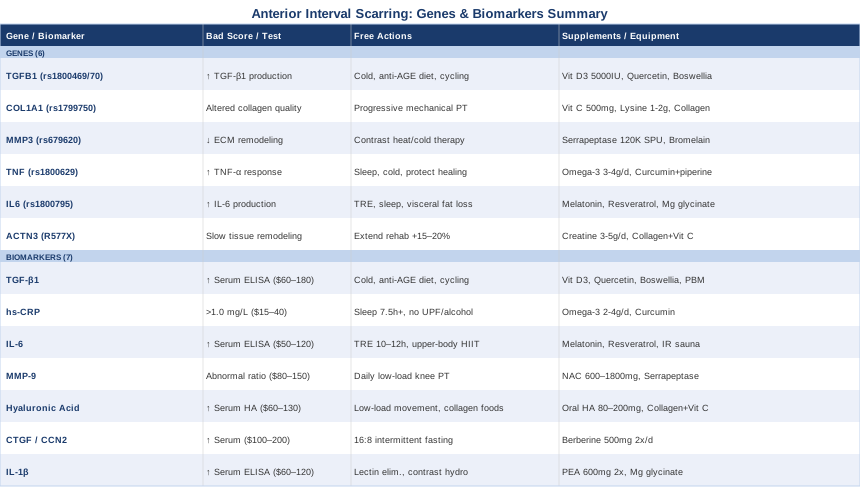
· UpdatedAnterior Interval Scarring: 6 Genes And 7 Biomarkers To Track
Introduction
If you have been dealing with anterior interval scarring — whether following ACL reconstruction, a tibial plateau fracture repair, or another knee procedure — you already know that the frustration is not just physical. You stretch, you do your physical therapy exercises, you follow the timeline your surgeon gave you, and yet the stiffness persists. The extension deficit stays. The knee refuses to behave the way it should, and the explanations you receive often feel frustratingly generic: "some patients scar more," "you just need more time," "give it another month."
What most standard advice misses is that anterior interval scarring is not purely a mechanical problem. It is a biological one. The fibroproliferative cascade that drives excessive collagen deposition in the anterior knee compartment — between the patellar tendon, the anterior tibia, and Hoffa's fat pad — is governed by molecular signals that vary significantly from one person to the next. Two patients can have identical surgeries performed by the same surgeon with the same rehabilitation protocol, and one will develop cyclops syndrome while the other heals cleanly. Genetics and inflammatory biology are a large part of why.
This article is not about miracle cures or promising that you can dissolve scar tissue with a supplement. That is not how this works. What it does offer is a more precise way of understanding what may be driving your body's overactive fibrotic response, and what measurable targets — both in your blood and in your DNA — are worth paying attention to. Better information rarely solves the problem overnight, but it consistently leads to smarter decisions: which interventions to prioritize, which inflammatory triggers to eliminate, and when to have a more specific conversation with a specialist who goes beyond standard protocol.
The article is organized around two main lenses. The first and most actionable is a set of seven biomarkers linked to fibrosis, inflammation, and connective tissue remodeling — markers that can be tracked, trended, and acted upon. The second is a set of six genes whose variants are associated with exaggerated scarring responses, giving you a genetic map of your personal susceptibility. You will also find a curated summary of one of the most relevant podcast deep-dives on inflammation biology, and a review of evidence-backed complementary approaches with real protocols, not vague suggestions.
7 Biomarkers That Reveal What Is Driving Your Anterior Interval Scarring
Fibrosis is not random. It is the end result of a cascade that begins with injury or surgical trauma, moves through an inflammatory phase, and in certain individuals, never fully resolves — leaving fibroblasts in a permanently activated state that deposits excess collagen. Each step in this cascade leaves measurable traces in blood, synovial fluid, or both. The seven biomarkers below represent the clearest biological windows into that process for anterior interval scarring specifically.
1. TGF-β1 (Transforming Growth Factor Beta-1)
Why it matters: TGF-β1 is the single most important molecular driver of fibrosis anywhere in the body, and the knee is no exception. It promotes the differentiation of fibroblasts into myofibroblasts — the contractile cells that actively deposit and tighten collagen matrices. Elevated TGF-β1 in synovial tissue and blood has been consistently found in patients with post-surgical arthrofibrosis. Research published via PubMed searches on TGF-beta1 and arthrofibrosis confirms this molecule as a central therapeutic target.
How to measure it: TGF-β1 is measured via ELISA-based serum assay. It is not included in standard panels, so you will need to request it specifically from a functional medicine physician or order it through a specialty lab. Cost ranges from $60 to $180 depending on the lab. Synovial fluid TGF-β1 is more specific but requires arthrocentesis (a joint aspiration), which is typically only performed in clinical settings.
If the score is high, the plan without supplements
High TGF-β1 responds strongly to cold exposure and structured anti-inflammatory movement. Low-load cyclical knee motion (gentle stationary cycling, aquatic therapy) promotes synovial fluid circulation and reduces local TGF-β1 accumulation. Cold immersion of the knee (10–15 minutes at 10–15°C, 4–5 times per week) has measurable anti-fibrotic effects. Reducing dietary advanced glycation end-products (AGEs) — found in fried foods, processed meats, charred foods — is also relevant since AGEs upregulate TGF-β1 signaling. Eliminate or drastically reduce these for 8–12 weeks as a clean baseline period.
If the score is high, the plan with supplements or equipment
Vitamin D3 (2000–5000 IU/day) suppresses TGF-β1 expression through nuclear receptor signaling — this is well-documented across fibrotic conditions. Quercetin (500–1000 mg/day) inhibits TGF-β1-induced fibroblast activation in vitro and in several human trials. Boswellia serrata extract (300–500 mg, 3x/day) inhibits 5-LOX and downstream TGF-β1 amplification. Cycle Boswellia with 8 weeks on, 4 weeks off to avoid adaptation. Photobiomodulation (red light/near-infrared, 660–850 nm, 10–20 minutes/day directly over the knee) has demonstrated TGF-β1 modulation in connective tissue. A device with at least 100 mW/cm² is needed for effective tissue penetration. Side effects are minimal; avoid direct eye exposure.
2. High-Sensitivity C-Reactive Protein (hs-CRP)
Why it matters: hs-CRP is a systemic marker of low-grade inflammation and one of the most reliable indicators that the body remains in a pro-inflammatory state — the necessary precondition for continued fibroblast activation. Peter Attia has emphasized repeatedly that hs-CRP above 1.0 mg/L reflects a meaningful inflammatory burden, and values above 3.0 mg/L represent a clinically significant state. In post-surgical knee patients, persistently elevated hs-CRP after the expected acute healing window (roughly 6–8 weeks post-op) suggests ongoing systemic inflammation that is feeding local fibrosis.
How to measure it: Included in many comprehensive metabolic panels or cardiovascular risk panels. Cost: $15–40 if ordered standalone. Target: below 0.5–1.0 mg/L for optimal recovery biology.
If the score is high, the plan without supplements
The most powerful lifestyle levers for hs-CRP are sleep quality (below 6 hours of sleep roughly doubles inflammatory marker production), visceral fat reduction, and elimination of ultra-processed foods. Even a 4-week strict elimination of refined seed oils, refined sugar, and alcohol has been shown to drop hs-CRP meaningfully. Track sleep with a wearable (Oura, Garmin) and target a minimum of 7.5 hours with consistent timing.
If the score is high, the plan with supplements or equipment
Omega-3 fatty acids (EPA+DHA, 2–4 g/day) consistently lower hs-CRP in randomized trials — this is one of the best-supported supplement interventions for systemic inflammation. Curcumin with piperine (500–1000 mg curcumin, 2x/day) reduces hs-CRP in multiple RCTs. Take with a fatty meal. No strong cycling requirement; can be used continuously with periodic bloodwork re-checks every 8–12 weeks.
3. Interleukin-6 (IL-6)
Why it matters: IL-6 is both a pro-inflammatory signal and a key driver of fibroblast proliferation in knee tissue. It is elevated in synovial fluid of patients with arthrofibrosis and acts as an upstream amplifier of both TGF-β1 and collagen deposition. Unlike hs-CRP, which is a downstream product, IL-6 is more dynamic and reflects active inflammatory signaling. Research published in arthritis and connective tissue journals has repeatedly linked elevated synovial IL-6 to worse fibrotic outcomes after knee surgery.
How to measure it: Serum IL-6 ELISA assay, available through specialty labs (LabCorp, Quest, or functional medicine panels). Cost: $50–120. Note that serum IL-6 is a rough proxy; synovial fluid IL-6 is more specific but requires clinical access.
If the score is high, the plan without supplements
Time-restricted eating (TRE) within a 10–12 hour window has documented IL-6-lowering effects through reduced endotoxin translocation and visceral adipokine reduction. High-intensity interval training (if knee mechanics permit) sharply reduces IL-6 over time, even though it transiently raises it acutely. If your knee prohibits high-impact work, upper-body HIIT or pool-based interval training achieves similar systemic effects.
If the score is high, the plan with supplements or equipment
Melatonin (0.5–3 mg, taken 30–60 minutes before sleep) has a well-documented IL-6 suppression effect through antioxidant and NF-κB inhibitory pathways. Resveratrol (250–500 mg/day with food) downregulates NF-κB-driven IL-6 production. Cycle on 8 weeks, off 4 weeks. Infrared sauna (20–30 minutes, 3–4x/week) drives anti-inflammatory adaptations through heat shock protein upregulation and improved vascular endothelial function, both of which reduce chronically elevated IL-6. Side effects: adequate hydration is essential; avoid if cardiovascular concerns exist.
4. MMP-9 (Matrix Metalloproteinase-9)
Why it matters: Matrix metalloproteinases are enzymes responsible for breaking down extracellular matrix components. MMP-9 specifically degrades type IV collagen and gelatin, and its dysregulation is a hallmark of pathological tissue remodeling. In post-surgical knee fibrosis, the balance between MMPs and their inhibitors (TIMPs — Tissue Inhibitors of Metalloproteinases) becomes disrupted, with excessive collagen accumulation when TIMP activity dominates. An elevated MMP-9 combined with elevated TGF-β1 suggests active, chaotic remodeling — not resolution.
How to measure it: Serum MMP-9 assay through specialty labs. Cost: $80–150. Best interpreted alongside MMP-3 and TIMP-1 for a complete remodeling picture.
If the score is abnormal, the plan without supplements
Controlled mechanical loading — the foundation of physical therapy for knee fibrosis — directly modulates MMP/TIMP balance by providing mechanotransduction signals to fibroblasts. Low-load, high-repetition knee extension work (within a pain-free range) promotes organized collagen remodeling over chaotic deposition. Consistency matters more than intensity here: daily or near-daily movement is superior to infrequent aggressive sessions.
If the score is abnormal, the plan with supplements or equipment
N-acetylcysteine (NAC, 600–1800 mg/day) supports glutathione production and modulates MMP expression through oxidative stress reduction. Serrapeptase (10–60 mg, taken on an empty stomach) is a proteolytic enzyme that may reduce scar tissue burden by cleaving non-viable protein structures, though human trial evidence is limited and mostly case-based. Use with caution if on anticoagulants. Cycle 4–6 weeks on, 2–4 weeks off.
5. Hyaluronic Acid / Hyaluronan
Why it matters: Hyaluronic acid (HA) is a major component of the synovial fluid and extracellular matrix of the knee. In healthy joint tissue, high-molecular-weight HA has anti-inflammatory and lubricating properties. In a fibrotic or inflamed joint, HA production shifts toward lower-molecular-weight fragments — which are actually pro-inflammatory and drive further cytokine production. Serum HA is an established marker of synovial activity and connective tissue turnover, used extensively in rheumatology to track fibrotic organ involvement in systemic diseases.
How to measure it: Serum hyaluronic acid (also called serum HA or HA level). Available through specialty and rheumatology labs. Cost: $60–130. Elevated serum HA reflects active synovial inflammation and matrix dysregulation.
If the score is high, the plan without supplements
Reducing mechanical overload on the inflamed knee (temporary activity modification), combined with consistent low-grade movement, promotes healthy synovial fluid production. Prolonged immobilization actually worsens HA quality; the goal is movement within tissue tolerance. Dietary collagen sources (bone broth, collagen-rich foods) support healthy extracellular matrix composition.
If the score is high, the plan with supplements or equipment
Oral hyaluronic acid supplementation (80–200 mg/day of high-molecular-weight HA) has shown modest but meaningful effects on joint inflammation markers in randomized trials. Collagen hydrolysate (10–15 g/day with vitamin C) supports cartilage and connective tissue matrix quality. The vitamin C co-administration is important — it is required for hydroxylation of collagen precursors. Take 30–60 minutes before exercise for best tissue uptake.
6. CTGF / CCN2 (Connective Tissue Growth Factor)
Why it matters: CTGF (now officially named CCN2) is a downstream mediator of TGF-β1 and one of the most specific molecular signatures of active fibrosis. Unlike general inflammatory markers, elevated CTGF/CCN2 signals that the fibroblast activation cascade has moved beyond inflammation into active, self-sustaining fibrosis. It is expressed in fibrotic tissue across multiple organ systems and is increasingly recognized as a key biomarker in musculoskeletal fibrosis, including arthrofibrosis.
How to measure it: Serum CTGF assay. This is more specialized and typically available only through research-oriented functional labs or academic medical centers. Cost: $100–200. It is a less commonly ordered test but increasingly available as interest in fibrosis biomarkers grows.
If the score is high, the plan without supplements
Intermittent fasting protocols (16:8 or longer fasting windows) activate autophagy pathways that help clear fibrotic cellular debris and reduce CTGF expression through mTOR suppression. This is a lifestyle tool with meaningful downstream effects on fibrosis biology, not just metabolic health.
If the score is high, the plan with supplements or equipment
Rapamycin analogs are being studied for anti-fibrotic effects through mTOR-CTGF pathway inhibition — this is prescription territory and not a self-directed intervention. At the supplement level, berberine (500 mg, 2x/day with meals) activates AMPK and suppresses mTOR/CTGF signaling in a similar mechanistic direction to fasting. Cycle 8 weeks on, 4 weeks off. Monitor blood glucose as berberine can lower fasting glucose meaningfully.
7. IL-1β (Interleukin-1 Beta)
Why it matters: IL-1β is one of the earliest inflammatory signals produced after surgical trauma, and its persistent elevation drives chronic synovial inflammation and sustained fibroblast activation. It acts synergistically with TGF-β1 and IL-6 to maintain the fibrotic microenvironment. Patients with anterior interval scarring who have chronically elevated IL-1β are essentially stuck in a low-grade inflammatory loop that prevents normal tissue remodeling resolution.
How to measure it: Serum IL-1β assay via high-sensitivity ELISA. Cost: $60–120. Often measured alongside IL-6 and TNF-α in comprehensive inflammatory cytokine panels offered by functional medicine labs.
If the score is high, the plan without supplements
Elimination of dietary lectins and processed grain products for a 4–6 week trial period reduces intestinal permeability and downstream endotoxin-driven IL-1β activation. Cold water immersion (contrast hydrotherapy: alternating 2 minutes cold / 2 minutes warm, 4–5 rounds) also reduces IL-1β through activation of cold shock protein responses. Evidence for this approach in post-surgical knee recovery is growing, particularly in elite sports medicine contexts.
If the score is high, the plan with supplements or equipment
Palmitoylethanolamide (PEA, 600 mg 2x/day) is an endogenous fatty acid amide that selectively downregulates mast cell and glial cell activation, reducing IL-1β production. Multiple randomized trials have validated PEA for joint-related inflammatory pain, with a strong safety profile. Magnesium glycinate (300–400 mg at night) reduces NF-κB-driven IL-1β production. These can be used continuously with periodic cytokine re-testing every 10–12 weeks.
The Genetic Side: 6 Genes That Influence Your Scarring Risk
Understanding your genetic predisposition to fibrosis does not change the surgery you already had, but it can explain why your response has been different from what was expected — and more importantly, it can guide which interventions are most likely to work for your biology specifically.
1. TGFB1 Gene (rs1800469 / rs1800470)
The TGFB1 gene encodes TGF-β1 itself. Several polymorphisms — particularly the -509C/T variant (rs1800469) and the +869T/C variant (rs1800470) — are associated with significantly higher baseline TGF-β1 production. Carriers of the high-producing variants are documented to have elevated fibrosis risk across multiple tissue types, including lung, liver, and musculoskeletal tissue. Research accessible through PubMed on TGFB1 polymorphism and fibrosis confirms this pattern consistently.
If the gene variant is unfavorable, the plan without supplements: Prioritize the lifestyle anti-fibrotic stack described in the TGF-β1 biomarker section above — cold exposure, anti-AGE dietary changes, daily low-load cyclical knee movement. These reduce TGF-β1 protein expression even when gene-level production is set higher.
If the gene variant is unfavorable, the plan with supplements: Vitamin D3 at the higher end of the safe range (4000–5000 IU/day, with K2-MK7 90–120 mcg to direct calcium appropriately), Quercetin 500 mg 2x/day, and Boswellia 400 mg 3x/day represent the most targeted supplement stack for this variant. Cycle Boswellia 8/4 weeks. Recheck TGF-β1 serum levels every 12 weeks to confirm impact.
2. COL1A1 Gene (rs1799750 — the Sp1 polymorphism)
COL1A1 encodes Type I collagen, the primary structural protein in dense connective tissue and scar. The Sp1 polymorphism (G/T substitution at the Sp1 binding site) alters collagen gene transcription. TT homozygotes produce collagen with altered structural properties, while GT heterozygotes may have intermediate responses. Importantly, altered COL1A1 does not simply mean more or less collagen — it affects the quality and organization of the collagen matrix, which influences how scar tissue forms and organizes after injury.
If the gene variant is unfavorable, the plan without supplements: Mechanically loaded progressive therapy with a trained physiotherapist is especially critical for COL1A1 variants. Organized mechanical loading promotes aligned collagen deposition over chaotic scarring. This is not optional for this genotype — it is the primary intervention.
If the gene variant is unfavorable, the plan with supplements: Vitamin C (500–1000 mg/day) and Lysine (1–2 g/day) support proper collagen hydroxylation and cross-linking. These are the building block interventions — not flashy, but mechanistically sound for COL1A1 variants. Collagen hydrolysate 10–15 g/day completes this stack.
3. MMP3 Gene (rs679620 / rs591058)
MMP-3 (stromelysin-1) is a matrix metalloproteinase that degrades multiple ECM components. Its gene contains functional polymorphisms that affect enzyme activity. Low-activity MMP3 variants are associated with reduced matrix remodeling capacity — meaning the body is less able to break down and reorganize scar tissue once it forms. This creates a biological trap: fibrosis accumulates and cannot be efficiently remodeled.
If the gene variant is unfavorable, the plan without supplements: Thermal contrast therapy (alternating heat and cold applications) stimulates MMP activity in connective tissue through thermomechanical signaling. Post-therapy joint mobilization exercises maximize the window of increased tissue plasticity immediately following contrast application.
If the gene variant is unfavorable, the plan with supplements: Serrapeptase (120,000 SPU/day, enteric-coated, on an empty stomach) as a proteolytic enzyme may compensate for reduced endogenous MMP activity. Evidence is limited to observational data and case series, but safety is well-established when taken away from meals. Bromelain (400–500 mg, 2–3x/day between meals) provides additional proteolytic support. Cycle both on 6 weeks, off 2 weeks.
4. TNF Gene (rs1800629 — TNF-α -308 G/A)
The -308 A allele of the TNF gene is one of the best-studied pro-inflammatory polymorphisms. Carriers produce significantly more TNF-α in response to inflammatory triggers, creating a more intense initial inflammatory response to surgical trauma — which feeds a longer and more severe fibrotic cascade. Prevalence of this allele varies by ethnicity but is present in roughly 20–30% of European populations.
If the gene variant is unfavorable, the plan without supplements: Minimizing post-surgical inflammatory triggers is especially important for this genotype: avoiding NSAIDs inappropriately (some inflammation is necessary for healing), using ice/cold therapy strategically during peak inflammatory windows, and ensuring sleep is fully protected in the post-surgical period (sleep deprivation dramatically amplifies TNF-α production).
If the gene variant is unfavorable, the plan with supplements: Omega-3 EPA+DHA (3–4 g/day) directly inhibits TNF-α transcription. Curcumin (500–1000 mg 2x/day, with piperine and fat) inhibits NF-κB, the upstream driver of TNF-α production. Both have strong RCT evidence for TNF-α reduction. Can be used continuously with periodic re-assessment.
5. IL6 Gene (rs1800795 — IL-6 -174 G/C)
The -174 C/C genotype of the IL-6 gene is associated with lower IL-6 production, which is generally protective against fibrosis, while the G/G genotype confers higher baseline IL-6 production. High IL-6 producers demonstrate amplified inflammatory responses, increased fibroblast recruitment, and slower inflammatory resolution. Knowing your IL-6 genotype adds context to your serum IL-6 biomarker readings — a consistently elevated biomarker in a high-producing genotype requires more aggressive anti-inflammatory intervention.
If the gene variant is unfavorable, the plan without supplements: Time-restricted eating (10–12 hour window), consistent sleep timing, and visceral fat reduction are the three lifestyle levers with the strongest evidence for IL-6 reduction. All three can be implemented without any supplementation.
If the gene variant is unfavorable, the plan with supplements: Melatonin (1–3 mg at night), resveratrol (250–500 mg/day), and magnesium glycinate (300–400 mg at night) address IL-6 through complementary pathways (NF-κB, mTOR, and NF-IL6 respectively). Infrared sauna 3x/week adds a thermal-metabolic dimension. Check IL-6 serum levels every 10–12 weeks to track progress.
6. ACTN3 Gene (R577X — rs1815739)
The ACTN3 R577X polymorphism is one of the most common functional gene variants in human biology. The X/X (homozygous null) genotype is associated with altered muscle fiber composition, reduced explosive power recovery, and importantly, differences in connective tissue repair velocity. While ACTN3's fibrosis role is more indirect than the others listed here, X/X individuals tend to have slower soft-tissue remodeling timelines and may benefit from extended rehabilitation windows rather than aggressive early mobilization protocols that suit R/R individuals.
If the gene variant is unfavorable, the plan without supplements: Extend your rehabilitation milestones by 15–20% compared to standard protocol timelines. This is not weakness — it is a biologically appropriate adjustment. Pushing aggressive mobilization in X/X individuals with anterior interval scarring can trigger secondary inflammatory flares that worsen scar formation.
If the gene variant is unfavorable, the plan with supplements: Creatine monohydrate (3–5 g/day) partially compensates for the reduced fast-twitch function and supports local tissue energy metabolism during rehabilitation. Collagen peptides + vitamin C pre-exercise timing (30–60 minutes before therapy sessions) maximizes collagen synthesis stimulus from each rehabilitation session. Both are well-tolerated with no meaningful cycling requirement.
Huberman Lab: What the Science of Tissue Repair and Inflammation Tells Us About Scar Recovery
Andrew Huberman has dedicated multiple podcast episodes to the biology of inflammation, tissue repair, and connective tissue recovery. While no single episode addresses anterior interval scarring specifically, the mechanisms he covers are directly applicable. Below are the ten most impactful insights from his body of work on this topic.
1. Inflammation Is a Tool, Not an Enemy
Huberman stresses consistently that the early inflammatory phase after injury or surgery is biologically necessary — suppressing it too aggressively with NSAIDs in the first 72 hours can impair the normal healing cascade. The goal is not to eliminate inflammation but to ensure it resolves on schedule.
2. Sleep Is the Most Powerful Anti-Inflammatory Intervention Available
Huberman cites extensive evidence that even one night of poor sleep (<6 hours) elevates inflammatory cytokines, including IL-6 and TNF-α, significantly. For anterior interval scarring patients, protecting sleep architecture — especially slow-wave sleep — is as important as any supplement.
3. The Importance of Cyclic Sighing for Autonomic and Inflammatory Regulation
A specific breathing technique — the physiological sigh (double nasal inhale, slow exhale) — rapidly activates the parasympathetic nervous system, which downregulates pro-inflammatory cytokine production. Huberman recommends this as a real-time intervention for acute stress and chronic inflammatory management.
4. Cold Exposure Has Dose-Dependent Anti-Fibrotic Effects
Huberman discusses cold water immersion and its effects on tissue repair, noting that deliberate cold exposure (cold shower or immersion, 2–4 minutes, 11°C or below, 3–4x/week) produces lasting reductions in inflammatory markers and upregulates brown fat thermogenesis — which has downstream anti-inflammatory effects through adipokine modulation.
5. Omega-3 Fatty Acids: One of the Few Supplements With Strong Human Evidence
Huberman is characteristically careful about supplements, but he consistently names high-dose EPA-rich omega-3 (2–4 g/day) as one of the most evidence-supported anti-inflammatory tools. He references the data on EPA specifically — not just generic fish oil — for inflammatory signaling reduction.
6. Light Exposure at the Right Times Modulates Cortisol and Inflammation
Morning sunlight exposure (10–30 minutes outside within an hour of waking) sets the cortisol rhythm in a way that promotes daytime immune competence and reduces evening cortisol spillover — which is associated with higher inflammatory marker production overnight. This is a free, daily intervention with measurable downstream effects on inflammatory biology.
7. Resistance Training Restructures the Inflammatory Profile Over Time
Even where the injured knee prevents full lower-body loading, Huberman notes that resistance training elsewhere creates a systemic anti-inflammatory shift through myokine production (particularly IL-10 and myonectin) that opposes the pro-fibrotic cytokine environment. Upper body and core training during knee rehabilitation is not a consolation — it is part of the anti-fibrotic strategy.
8. Gut Health Directly Influences Systemic Inflammatory Tone
Huberman cites growing evidence linking intestinal permeability and microbiome dysbiosis to elevated systemic inflammatory cytokines. Fermented foods (yogurt, kefir, kimchi, sauerkraut) have shown statistically significant reductions in inflammatory markers in randomized clinical trials at Stanford. This directly affects the fibrotic microenvironment in recovering knee tissue.
9. Deliberate Heat Exposure (Sauna) Produces Anti-Inflammatory Heat Shock Proteins
Huberman details the biology of heat shock proteins (HSPs), particularly HSP70 and HSP90, which are upregulated by sauna use (80–100°C, 20 minutes, 3–4x/week) and have direct anti-inflammatory and anti-fibrotic effects at the cellular level. This is one of the most accessible and evidence-backed thermal interventions.
10. Stress Is a Biological Amplifier of Fibrosis
Huberman explains that psychological stress elevates cortisol chronically, which initially appears anti-inflammatory but paradoxically leads to glucocorticoid resistance and amplified downstream cytokine production — including IL-6 and TNF-α. Managing chronic stress (through social connection, purpose, deliberate relaxation) is not optional for recovery — it is mechanistically necessary.
Complementary Approaches With Meaningful Evidence
Low-Level Laser Therapy (Photobiomodulation)
Photobiomodulation (PBM) uses specific wavelengths of red and near-infrared light (typically 630–850 nm) to stimulate mitochondrial function and modulate cellular signaling. For anterior interval scarring specifically, PBM is relevant because it downregulates TGF-β1 expression, reduces pro-inflammatory cytokine production, and promotes organized collagen remodeling over chaotic scar deposition. The biological targets overlap almost directly with the fibrotic cascade driving knee interval scarring.
A 2014 randomized trial (Brosseau et al.) and multiple systematic reviews confirm that PBM applied to joints reduces inflammatory markers and tissue stiffness. More specifically, a study published in PubMed on photobiomodulation and collagen remodeling documents reduced fibrous adhesion formation with consistent PBM application in connective tissue models.
For anterior interval scarring: Apply a clinically adequate PBM device (660 nm and 850 nm combined, minimum 60 mW/cm²) directly to the anterior knee for 10–20 minutes per session, 5 days per week. Position the device over the patellar tendon and Hoffa's fat pad region. Avoid direct eye exposure. Allow 8–12 weeks of consistent use before evaluating response. This is among the most directly applicable complementary modalities for this condition.
Massage Therapy (Scar Tissue Mobilization)
Manual therapy directed at scar tissue — specifically deep tissue massage, cross-friction techniques, and myofascial release applied to the anterior knee compartment — addresses a key mechanical component of anterior interval scarring that biomarkers and supplements cannot. Physically disrupting fibrotic adhesions requires mechanical input, and skilled manual therapy provides exactly that. Scar tissue cross-friction massage applied to the patellar tendon and fat pad has a practical basis in post-surgical knee rehabilitation.
A Cochrane review on manual therapy for musculoskeletal conditions and multiple RCTs on scar mobilization post-surgery confirm that regular manual therapy reduces adhesion formation, improves range of motion, and decreases pain scores compared to exercise alone. The evidence base for scar tissue massage specifically in post-ACL knee conditions has been growing steadily.
Realistically, this means working with a physiotherapist or specialized massage therapist familiar with post-surgical knee rehabilitation. Sessions of 30–45 minutes, 2–3 times per week, focused on anterior knee soft tissue, represent a practical protocol. Do not force aggressive mobilization through pain — the goal is progressive, tolerated pressure on the scar tissue, not provocation of a flare.
Mindfulness Meditation / MBSR
Mindfulness-Based Stress Reduction (MBSR) is relevant here not as a feel-good add-on but as a documented neuroimmunological intervention. Chronic pain from anterior interval scarring is often associated with central sensitization — the nervous system's tendency to amplify pain signals over time. MBSR directly addresses this through cortical reorganization, while simultaneously reducing the chronic cortisol production that, as noted above, amplifies inflammatory cytokines.
A landmark randomized trial by Kabat-Zinn and colleagues, published in PubMed on MBSR and inflammatory markers, demonstrated significant reductions in inflammatory markers and subjective pain following 8 weeks of structured MBSR practice. The standardized 8-week MBSR program is now supported by substantial evidence for chronic pain conditions.
Practically, the Jon Kabat-Zinn MBSR protocol (8 weeks, 45 minutes/day of guided practice) is freely accessible through apps (Insight Timer, Waking Up) and online courses. The minimum effective dose appears to be 15–20 minutes of daily practice. For anterior interval scarring patients dealing with protracted rehabilitation, this addresses both the psychological burden of slow recovery and the underlying neuroimmune dysregulation that perpetuates it.
Breathing-Based Therapies
Structured breathing protocols — particularly the slow breathing techniques that activate the vagal-parasympathetic axis — directly reduce systemic inflammatory signaling through a well-mapped neuroimmunomodulation pathway. The vagus nerve, when stimulated through slow (4–6 breaths per minute) controlled breathing, releases acetylcholine, which inhibits macrophage production of TNF-α and IL-6. This is the "inflammatory reflex" described by Kevin Tracey's research group and applicable directly to the cytokine drivers of anterior interval scarring.
A randomized controlled study on resonance frequency breathing (5–6 breaths/minute for 20 minutes/day) demonstrated significant reductions in CRP and IL-6 over 8 weeks. The Wim Hof method, while more complex, also has published RCT data showing cytokine modulation through deliberate breathing.
For anterior interval scarring: implement a daily box breathing or coherent breathing protocol — inhale for 4–5 seconds, exhale for 4–5 seconds, 10–15 minutes/day. This can be done with free apps (Othership, Stasis) or simply by counting. The physiological sigh (double nasal inhale, extended exhale) from Huberman's work can be layered in as a real-time stress reset. Consistency over 8–12 weeks is where the anti-inflammatory benefit compounds.
Microbiome-Directed Therapies
The gut-joint axis is increasingly recognized in connective tissue and inflammatory joint conditions. Gut microbiome dysbiosis increases intestinal permeability, raises circulating endotoxin (lipopolysaccharide), and triggers systemic IL-1β and IL-6 production — the same cytokines driving anterior knee fibrosis. Rebalancing the microbiome is not a direct scar tissue treatment but is a meaningful upstream modulator of the systemic inflammatory environment that sustains fibrosis.
A Stanford RCT on fermented foods and inflammatory markers (Wastyk et al., 2021, published in Cell) showed that a high-fermented food diet (kefir, kimchi, sauerkraut, kombucha, etc.) significantly reduced 19 inflammatory protein markers over 10 weeks, compared to a high-fiber diet. This is one of the strongest human diet trials for microbiome-driven inflammation reduction.
Practically: incorporate 1–3 servings/day of fermented foods (yogurt with live cultures, kefir, kimchi, sauerkraut, tempeh) as the foundational microbiome intervention. If gastrointestinal tolerance is poor, begin with small amounts and increase gradually over 2–4 weeks. Add a high-quality multi-strain probiotic (Lactobacillus and Bifidobacterium strains, 10–50 billion CFU/day) for 8–12 weeks, then cycle off and assess. Avoid antibiotic use unless medically necessary, and if antibiotics are required, begin aggressive probiotic and fermented food repletion immediately after the course ends.
Conclusion
Anterior interval scarring is a condition where the biology matters as much as the mechanics. Knowing your TGF-β1 levels, tracking your hs-CRP, understanding whether your TGFB1 or TNF gene variants incline you toward a stronger fibrotic response — these are not academic exercises. They are the difference between following a generic protocol and building one that actually matches your body's specific patterns.
The clearest path forward is to start with the most accessible biomarkers — hs-CRP and IL-6 through a standard lab panel — and layer in the more specialized markers (TGF-β1, MMP-9, CTGF) as you work with a functional medicine physician or sports medicine specialist who is willing to think beyond standard post-surgical timelines. If genetic testing is accessible to you through services like 23andMe or a clinical genomics provider, the variants discussed above (TGFB1, COL1A1, TNF, IL6) are worth reviewing.
No single intervention reverses anterior interval scarring on its own. But a well-mapped combination of targeted lifestyle changes, evidence-based supplements, strategic complementary therapies, and ongoing biomarker monitoring gives you a meaningful advantage over the alternative — waiting and hoping the scar tissue resolves by itself. Take the next smart step: run your biomarkers, track your baseline, and use that data to have a more specific conversation with a specialist who can help you act on what you find.
Musculoskeletal: Joint Conditions Tendon & Ligament Conditions Sports Injuries
Autoimmune: Inflammatory Conditions Connective Tissue Conditions