This article contains AI generated content.
· UpdatedArthritis Mutilans Genes & Biomarkers — 5 Genes and 6 Biomarkers to Track
Introduction
Arthritis mutilans is one of the rarest and most destructive subtypes of psoriatic arthritis. Affecting roughly five percent of people diagnosed with PsA, it is defined not just by inflammation but by active osteolysis — the progressive dissolution of bone in the small joints of the hands and feet, sometimes producing the distinctive "telescoping" or opera-glass deformity. For those living with it, the experience is often one of escalating damage despite treatment and a persistent sense that standard arthritis advice simply does not reach the real problem.
The frustration is valid, and it points to something biologically real. Arthritis mutilans sits at the intersection of aggressive immune dysregulation, disordered bone metabolism, cytokine-specific pathways, and genetic vulnerability in a way that general anti-inflammatory protocols do not address directly. A regimen designed for mild osteoarthritis — or even for broader psoriatic arthritis — may not be touching the specific mechanisms driving bone destruction in this subtype.
This article takes a more targeted approach. Rather than broad advice, the focus is on two categories of information with genuine clinical value: biomarkers you can actually track to understand what is happening in your body right now, and genetic variants that may explain why this specific, severe disease pattern developed in you. Neither category replaces rheumatology care or approved disease-modifying therapies. Both can clarify which lifestyle and supplemental interventions are likely to have the most traction — and which questions are worth raising with your specialist.
The sections ahead cover six clinically meaningful biomarkers — including bone resorption and cytokine markers that rarely appear in routine appointments — and five genetic variants with established roles in psoriatic joint disease. From there, the article moves into targeted gene-level interventions, what complementary modalities have actual evidence behind them, and realistic steps you can take today. Better information leads to better decisions. That is the premise here, and it is grounded in current science.
Summary
This article covers two distinct biological lenses on arthritis mutilans — and several layers beyond them. The biomarker section identifies six lab values that, together, reveal whether your disease is driven primarily by cytokine excess, bone destruction, or both — and what to do when results come back abnormal, with and without supplements. The genetics section explains five variants repeatedly linked to severe psoriatic joint disease and offers a practical plan for each, including how to compensate epigenetically even if you cannot change the sequence. Beyond those two frameworks, you will find a summary of the ten most actionable insights from Ben Lynch's research on inflammatory gene variants, followed by five evidence-grounded complementary approaches — including the Autoimmune Protocol, photobiomodulation, and microbiome-directed therapies — each evaluated for real clinical relevance to arthritis mutilans. If you have ever suspected your case is biologically more complex than what standard care currently captures, this article is built around that suspicion.
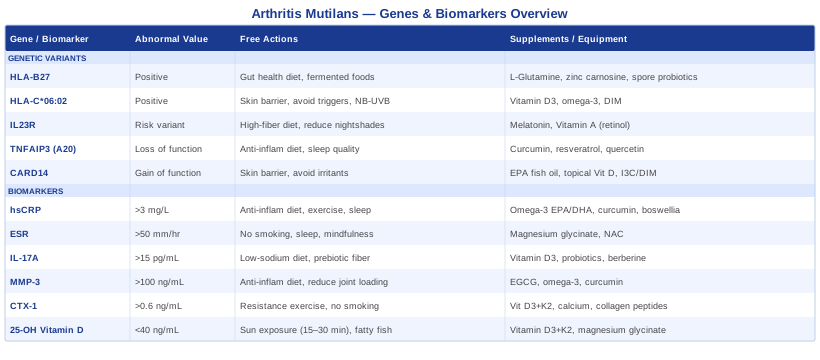
6 Biomarkers That Can Reveal What Is Driving Your Joint Destruction
Standard rheumatology appointments typically include a few routine inflammatory markers — usually CRP and sometimes ESR. For a condition as complex as arthritis mutilans, that is often insufficient. The biological signature of this disease spans general systemic inflammation, cytokine-specific immune pathways, and bone metabolism. Tracking the right biomarkers across all three domains gives you — and your physician — a far more useful map of where the disease is active and where interventions are likely to work.
The six biomarkers below were chosen because they reflect distinct and clinically meaningful aspects of arthritis mutilans biology. Some are routinely available and inexpensive. Others are more specialized and may require direct-to-consumer testing or a specific request to your specialist. The investment is usually worth making.
Biomarker 1: hsCRP (High-Sensitivity C-Reactive Protein)
Why hsCRP matters in arthritis mutilans
hsCRP is produced by the liver in response to cytokine signaling — particularly IL-6 — and rises rapidly with systemic inflammation. In psoriatic arthritis and arthritis mutilans, elevated hsCRP correlates with disease activity, joint damage progression, and increased cardiovascular risk, which is significantly elevated in all inflammatory arthritides. Unlike standard CRP, the high-sensitivity assay detects subtler elevations, making it more useful for monitoring subclinical inflammation between flares. Sustained levels above 2 mg/L are clinically significant. In active arthritis mutilans, values above 10 mg/L are not unusual.
How to measure it
hsCRP is available through standard blood testing ordered by any physician. Direct-to-consumer labs (Labcorp, Quest, Ulta Lab Tests in the US) offer it for roughly $20–50 without a prescription. Results are available within 24–48 hours. Optimal target: below 1 mg/L. Values between 1 and 3 mg/L indicate moderate inflammatory risk; above 3 mg/L reflects active disease.
If the score is high — the plan without supplements
The most powerful non-supplement levers for hsCRP reduction are diet and sleep. Removing refined carbohydrates, industrial seed oils (soybean, canola, corn), and ultra-processed foods reduces hsCRP measurably within 4–8 weeks in clinical populations. Replacing these with extra-virgin olive oil, fatty fish, leafy greens, and berries is the core dietary shift. Time-restricted eating (an 8–10 hour eating window) also reduces IL-6 and CRP independent of calorie intake. Aerobic exercise at moderate intensity — 30–45 minutes, five times per week — lowers hsCRP significantly over 6–12 weeks. Sleep is non-negotiable: sleeping fewer than six hours reliably elevates CRP. Addressing sleep quality before adding any supplement is the single highest-leverage non-pharmaceutical intervention available.
If the score is high — the plan with supplements or equipment
Omega-3 fatty acids (EPA/DHA): 2–4g combined EPA/DHA daily with a meal. No cycling needed. Well-documented reductions in CRP, IL-6, and IL-1β across multiple meta-analyses. Side effects: fishy breath (use enteric-coated capsules), mild blood thinning relevant if you are on anticoagulants.
Curcumin with piperine or phospholipid complex: 500–1000mg BCM-95 or Meriva formulation twice daily. Substantial evidence for CRP reduction in inflammatory conditions. Cycle 8–10 weeks on, 2 weeks off. Side effects: GI discomfort at high doses, mild blood thinning.
Boswellia serrata (AKBA standardized to 30%): 100–200mg AKBA daily. Acts via 5-LOX leukotriene inhibition, complementary to fish oil. Side effects: occasional GI discomfort; avoid in pregnancy.
Biomarker 2: ESR (Erythrocyte Sedimentation Rate)
Why ESR matters in arthritis mutilans
ESR measures how quickly red blood cells settle in a tube over one hour — a proxy for fibrinogen and other acute-phase proteins elevated during inflammation. While less specific than hsCRP, ESR responds to different inflammatory mediators and provides complementary information. In arthritis mutilans, ESR contributes to composite disease activity scores (DAPSA, DAS28) used to track disease trajectories over time and justify treatment changes. Tracking both hsCRP and ESR together is more informative than either alone.
How to measure it
ESR is a standard lab test included in most inflammatory arthritis panels. Cost: $10–30. Normal reference ranges: below 20 mm/hr for men and below 30 mm/hr for women under 50, increasing slightly with age. An ESR above 50 mm/hr combined with elevated hsCRP generally indicates significant active disease.
If the score is high — the plan without supplements
Interventions effective for hsCRP also reduce ESR, as both are driven by overlapping inflammatory mediators. Priority actions: eliminate smoking (one of the strongest ESR elevators independently), achieve optimal sleep, reduce dietary glycemic load, and incorporate regular physical movement. Stress reduction has a meaningful effect on ESR through the HPA axis — chronic cortisol elevation upregulates NF-κB, driving fibrinogen and CRP production simultaneously. Regular mindfulness practice (20 minutes daily) measurably reduces circulating cortisol and downstream inflammatory markers.
If the score is high — the plan with supplements or equipment
Omega-3s, curcumin, and boswellia (as described under hsCRP) apply equally here. Additionally:
Magnesium glycinate or malate: 300–400mg daily, preferably at night. Reduces IL-6 signaling and improves sleep quality — both affecting ESR. No cycling required; safe long-term. Side effects: loose stools at high doses.
NAC (N-acetyl cysteine): 600mg twice daily. Glutathione precursor that reduces oxidative-inflammatory signaling. Evidence in autoimmune conditions is growing. Cycle 3 months on, 1 month off. Side effects: GI discomfort, rarely headache.
Biomarker 3: IL-17A
Why IL-17A matters in arthritis mutilans
This is one of the most important biomarkers for understanding psoriatic disease biology specifically. IL-17A is a pro-inflammatory cytokine produced primarily by Th17 cells, and it is central to the pathogenesis of both psoriasis and psoriatic arthritis. In arthritis mutilans, IL-17A drives synovial inflammation and directly promotes bone destruction by activating osteoclasts and upregulating RANKL expression. The clinical relevance is well established: biologic drugs blocking IL-17A (secukinumab, ixekizumab) are among the most effective treatments for active PsA, including severe subtypes, as documented in multiple trials (search PubMed for IL-17 psoriatic arthritis trials).
Measuring circulating IL-17A is less common in routine care than CRP, but it can help distinguish patients with predominantly Th17-driven disease — who may respond better to IL-17 or IL-23 pathway inhibitors — from those with more TNF-dominant patterns. Research in Annals of the Rheumatic Diseases has linked elevated baseline IL-17A to more aggressive radiographic progression in PsA.
How to measure it
IL-17A is measured via serum ELISA. Not universally available in routine panels, but can be ordered through specialty labs or via a rheumatologist. Cost: $100–300 depending on provider. Interpretation requires comparison to local lab reference ranges; values above 10–15 pg/mL are often flagged as clinically elevated in published studies.
If the score is high — the plan without supplements
Reducing Th17 polarization without drugs involves several modifiable levers. High-sodium diets are an underappreciated driver of Th17 activation — reducing table salt and ultra-processed foods measurably affects Th17 activity in human studies. Gut dysbiosis is a major upstream driver: research has established that protective gut bacteria (Akkermansia, Clostridia species) counterbalance Th17 excess, while dysbiotic patterns documented in PsA patients correlate with higher IL-17 levels. A diet rich in prebiotic fiber — inulin, resistant starch, diverse vegetables — supports a Th17-suppressive gut environment. Moderate-intensity exercise increases regulatory T cells (Tregs), which directly counterbalance Th17. Moderate sun exposure also suppresses Th17 through UV-mediated skin immune mechanisms relevant to psoriatic disease.
If the score is high — the plan with supplements or equipment
Vitamin D3: 2000–5000 IU daily with vitamin K2 (MK-7, 100–200mcg). Vitamin D is a central regulator of Th17/Treg balance — insufficiency correlates with increased IL-17 and autoimmune activity. Testing 25-OH vitamin D before supplementing is recommended (see Biomarker 6). Optimal target: 60–80 ng/mL. Annual blood monitoring recommended.
Probiotics targeting Th17/Treg balance: Lactobacillus rhamnosus GG, Bifidobacterium longum, and multi-strain formulations. Take daily with food, long-term. Side effects: rare; occasional transient bloating.
Berberine: 500mg twice to three times daily with meals. Modulates gut flora, reduces NF-κB, and may suppress Th17 signaling. Cycle 8–12 weeks on, 4 weeks off. Side effects: GI discomfort; significant drug interaction with metformin — do not combine without physician supervision.
Biomarker 4: MMP-3 (Matrix Metalloproteinase-3)
Why MMP-3 matters in arthritis mutilans
Matrix metalloproteinase-3, also called stromelysin-1, is a zinc-dependent enzyme secreted by synoviocytes and chondrocytes in response to inflammatory cytokines. It degrades cartilage proteoglycans, multiple collagen types, and activates other destructive MMPs. In psoriatic arthritis and particularly in the mutilans subtype, serum MMP-3 correlates with the severity of synovial inflammation and predicts radiographic joint damage progression.
Research published in Rheumatology has shown that serum MMP-3 outperforms standard markers like ESR and CRP in predicting radiographic progression in early inflammatory arthritis — a finding directly relevant to monitoring arthritis mutilans. Reference range: approximately 8–50 ng/mL (varies by lab). Values above 100 ng/mL have been associated with active joint destruction in multiple published cohorts (see MMP-3 psoriatic arthritis research on PubMed).
How to measure it
MMP-3 is available as a serum test through specialty labs; it is not part of standard inflammatory arthritis panels in most countries. Request it specifically from your rheumatologist or use a direct-to-consumer service. Cost: $80–200. Testing every 6–12 months in active disease, alongside CRP and ESR, gives a more complete picture of destruction risk.
If the score is high — the plan without supplements
MMP-3 is driven upstream by IL-1β, TNF-α, and IL-17 — so interventions reducing those cytokines will reduce MMP-3 indirectly. The anti-inflammatory diet and lifestyle changes described for hsCRP apply fully here. Beyond that, reducing joint loading during active flares limits the mechanical stimulus for local MMP production. Hydrotherapy and pool-based exercise allow cardiovascular and muscular work while minimizing impact on affected joints.
If the score is high — the plan with supplements or equipment
EGCG (green tea extract): 400–800mg standardized EGCG daily. In vitro and animal data demonstrate that EGCG directly suppresses MMP-3 and MMP-1 gene expression. Human data in inflammatory arthritis is preliminary but biologically plausible. Take with food to reduce GI effects. Cycle 8 weeks on, 2 weeks off. Do not exceed 800mg/day and avoid if liver function is compromised — high-dose EGCG has been associated with hepatotoxicity in rare case reports.
Omega-3 fatty acids: as described under hsCRP. EPA and DHA downregulate TNF-α and IL-1β, the primary drivers of MMP-3 secretion. 2–4g daily, long-term.
Curcumin: as described. Curcumin directly inhibits NF-κB, the primary transcription factor driving MMP-3 gene expression in synoviocytes.
Biomarker 5: CTX-1 (C-Terminal Telopeptide of Type I Collagen)
Why CTX-1 matters in arthritis mutilans
This is the most condition-specific biomarker on this list. CTX-1 (also called β-CTX) is a degradation fragment of type I collagen released into circulation when osteoclasts break down bone. It is the most widely validated marker of bone resorption in clinical and research settings. In arthritis mutilans, elevated CTX-1 directly reflects the osteoclastic activity that defines this condition — the progressive dissolution of bone that no other inflammatory arthritis subtype produces in the same way.
Measuring CTX-1 provides something no general inflammatory marker can: a direct, real-time read on whether bone is being actively broken down. In patients where clinical and imaging assessments are infrequent, CTX-1 monitoring between appointments can detect periods of accelerated bone resorption well before structural changes appear on X-ray. Studies in psoriatic arthritis populations have linked elevated CTX-1 to radiographic erosion (research overview available at PubMed).
How to measure it
Serum β-CTX is measured by ELISA or electrochemiluminescence immunoassay. It is part of bone turnover marker panels available through most major labs. Cost: $50–120. Important: CTX-1 values are significantly affected by fasting status and time of day — collect specimens in the fasting state, preferably in the morning, to allow valid comparisons across tests. Optimal fasting serum values in premenopausal women and men under 50: below 0.3 ng/mL. Values above 0.6 ng/mL suggest significant active bone resorption.
If the score is high — the plan without supplements
Resistance exercise is the most powerful non-pharmaceutical stimulus for reducing osteoclast activity and increasing osteoblast signaling. Weight-bearing exercise — three to four sessions per week with progressive loading — measurably reduces CTX-1 and increases bone formation markers within 8–12 weeks. For arthritis mutilans, this must be adapted to joint tolerance; working with a physiotherapist experienced in inflammatory arthritis is strongly recommended rather than attempting unsupervised loading.
Eliminating smoking and excess alcohol significantly lowers CTX-1 — both are direct osteoclast activators. A calcium-rich diet combined with adequate protein (1.2–1.5g/kg body weight) provides the substrate for bone remodeling toward formation rather than net resorption.
If the score is high — the plan with supplements or equipment
Vitamin D3 + Vitamin K2: as detailed under Biomarker 6. Vitamin D regulates the RANKL/OPG ratio — the critical switch for osteoclast activity — while vitamin K2 (MK-7, 100–200mcg) activates osteocalcin to direct calcium into bone matrix. Together, these address bone resorption from complementary angles. Long-term use with annual blood monitoring.
Calcium: 500–1000mg supplemental calcium daily if dietary intake is insufficient (total target from all sources: ~1200mg/day). Calcium citrate is absorbed without food; calcium carbonate requires a meal. Do not exceed 1000mg/day from supplements — excess isolated calcium supplementation carries cardiovascular implications. Side effects: constipation, gas.
Hydrolyzed collagen peptides: 10g daily in water or a beverage. A 2018 RCT demonstrated significant CTX-1 reduction in postmenopausal women with osteopenia receiving hydrolyzed collagen versus placebo. Evidence in PsA-specific populations is limited, but the mechanism — stimulating osteoblasts and providing glycine/proline substrate for collagen repair — is applicable. No cycling required; side effects are essentially absent.
Biomarker 6: 25-OH Vitamin D (Serum Vitamin D Status)
Why vitamin D status matters in arthritis mutilans
Vitamin D is not technically a vitamin — it is a hormone that regulates hundreds of gene expression pathways, including most of the immune pathways directly relevant to psoriatic disease. In arthritis mutilans specifically, vitamin D insufficiency operates through several distinct and compounding mechanisms: it impairs regulatory T cell (Treg) function, allowing Th17 dominance and elevated IL-17A; it reduces osteoprotegerin (OPG) expression, shifting the RANKL/OPG balance toward osteoclast activation; and it may amplify the genetic susceptibility conferred by variants like IL23R.
Observational studies consistently show lower 25-OH vitamin D levels in PsA patients compared to healthy controls, with lower levels correlating with more severe disease. A study published in Arthritis Research & Therapy found that vitamin D deficiency was independently associated with worse DAPSA scores in PsA. While supplementation trials specific to arthritis mutilans are limited, the biological case for maintaining optimal levels is grounded in multiple converging mechanisms.
How to measure it
25-OH vitamin D is a standard blood test available everywhere. Cost: $30–80, often included in annual comprehensive panels. Target for optimal immune and bone function in inflammatory disease: 60–80 ng/mL (150–200 nmol/L). The conventional sufficiency threshold of 30 ng/mL may be inadequate for patients with autoimmune conditions. Test at baseline, then 3 months after any dose change, then annually once stable.
If the score is low — the plan without supplements
Consistent daily sun exposure — 15–30 minutes of midday sun on arms and legs during peak UV months — can raise 25-OH vitamin D in lighter-skinned individuals living at lower latitudes. This approach has significant practical limits in northern latitudes, winter months, and for individuals with darker skin tones (who require considerably more exposure for equivalent vitamin D synthesis). Dietary sources — fatty fish, egg yolks, UV-exposed mushrooms — contribute modestly. For most people with demonstrated insufficiency below 40 ng/mL, sun exposure alone will not achieve optimal levels.
If the score is low — the plan with supplements or equipment
Vitamin D3 (cholecalciferol): 2000–4000 IU/day for insufficiency (25-OH vitamin D below 40 ng/mL), or 4000–6000 IU/day for deficiency (below 20 ng/mL). Always combine with Vitamin K2 (MK-7, 100–200mcg) to direct calcium appropriately and prevent soft-tissue deposition. Retest serum levels after 3 months to adjust dose. Maintenance is typically 2000–3000 IU/day once optimal levels are achieved. Side effects: hypercalcemia at sustained doses above 10,000 IU/day — monitor levels annually.
Magnesium: Magnesium is required to convert vitamin D to its active hormonal form and to activate vitamin K. Magnesium insufficiency impairs the effectiveness of vitamin D supplementation. If not already supplementing, add 300–400mg magnesium glycinate or malate daily. Long-term use, no cycling required.
The Genetic Blueprint Behind Arthritis Mutilans — 5 Variants Worth Understanding
The genetics of arthritis mutilans do not function as simple on/off switches. Most genetic risk in psoriatic disease comes from variants that shift probabilities rather than determining outcomes. Understanding your genetic profile does not predict your fate — it helps you understand your biological terrain and which specific pathways may need more consistent support. Knowing whether your immune activation is amplified at the cytokine receptor level (IL23R), the NF-κB brake (TNFAIP3), or the antigen-presentation level (HLA-B27) changes which interventions are logically highest priority.
Testing for most of these variants is available through clinical rheumatology HLA panels or consumer genomics platforms (23andMe raw data interpreted through Genetic Genie, SelfDecode, or similar services). Genetic counseling is recommended before acting on results, particularly for HLA variants.
Gene 1: HLA-B27
What HLA-B27 does
HLA-B27 is an antigen-presenting molecule involved in cytotoxic T cell responses to intracellular peptides. It is strongly associated with spondyloarthritis spectrum conditions — ankylosing spondylitis, reactive arthritis, and axial psoriatic arthritis. In arthritis mutilans specifically, HLA-B27 positivity has been linked to axial joint involvement and potentially to a more aggressive destructive course. It is present in approximately 8% of the general Western population but in 20–25% of PsA patients with axial disease. Mechanistically, HLA-B27 affects how self-peptides are presented to immune cells, with some evidence that its unusual folding behavior activates innate immune stress responses even in the absence of external triggers.
Crucially, HLA-B27 transgenic animal studies have established that gut-derived microbial antigens are required for inflammatory arthritis to develop in susceptible animals — in germ-free environments, the arthritis does not occur. This is a powerful and actionable insight.
If the variant is present — the plan without supplements
Gut microbiome and gut barrier function become the highest-priority modifiable targets for HLA-B27 carriers. Investing in gut health through fermented foods, diverse prebiotic fiber, and minimal processed food intake is not peripheral — it is the central non-pharmaceutical intervention with the strongest biological rationale in this genotype. Beyond diet, prompt treatment of bacterial infections (particularly streptococcal and enteric infections) is important, as reactive post-infectious episodes are a recognized HLA-B27 trigger. Avoiding smoking and managing sleep should be treated as baseline non-negotiables.
If the variant is present — the plan with supplements or equipment
L-Glutamine: 5–10g daily, first thing in the morning on an empty stomach. Glutamine is a primary fuel for enterocytes and supports intestinal barrier integrity. Use during periods of gut stress or active disease flares. Cycle as needed. Side effects: rare; mild GI discomfort in some.
Zinc carnosine: 75mg twice daily. Supports mucosal integrity in the gut. Well-studied in gastric barrier function; evidence in the gut-joint axis is emerging. 8–12 week cycles. Side effects: occasional nausea without food.
Spore-based probiotics (Bacillus coagulans, B. subtilis): These survive stomach acid and have documented effects on gut barrier integrity and systemic inflammation reduction. Take daily, long-term, without cycling.
Gene 2: HLA-C*06:02 (Formerly HLA-Cw6)
What HLA-C*06:02 does
HLA-C*06:02 is the strongest genetic risk factor for psoriasis, with an odds ratio of approximately 3–4 for developing the skin condition. Since psoriatic arthritis almost universally has a psoriatic skin component, this variant is foundational to understanding the immune activation chain that eventually leads to joint involvement. It affects how NK cells and cytotoxic T cells respond to keratinocyte-derived antigens, and its presence is associated with earlier psoriasis onset and the guttate droplet pattern. For arthritis mutilans, HLA-C*06:02 represents the skin-immune origin of the cytokine cascade — the IL-17 and TNF production that begins in skin lesions and ultimately reaches joints.
If the variant is present — the plan without supplements
Controlling the skin disease is a direct joint-protective strategy for HLA-C*06:02 carriers: active plaques are a continuous source of IL-17A and TNF-α that enters systemic circulation and reaches synovial tissue. Consistent emollient use to maintain skin barrier function, avoiding known triggers (psychological stress, streptococcal infections, certain medications including lithium and beta-blockers), and — when appropriate — supervised narrow-band UVB phototherapy are evidence-based approaches to suppressing psoriatic skin immune activation in this genotype.
If the variant is present — the plan with supplements or equipment
Vitamin D3 and omega-3 interventions described in the biomarker section are especially relevant here, as both modulate keratinocyte function and Th17 activity directly.
Narrow-band UVB (NB-UVB) phototherapy panel: Home-use NB-UVB devices are available in some countries. Three sessions per week consistently reduces psoriatic skin burden and downstream systemic inflammation. Requires physician guidance on dosing protocols. This is a non-pharmaceutical equipment-based intervention with strong evidence for psoriasis.
DIM (Diindolylmethane): 200–400mg daily. Brassica-derived compound that modulates aryl hydrocarbon receptor (AhR) signaling in skin, with evidence for immunomodulatory effects on keratinocyte immune responses. Evidence is preliminary in psoriatic disease specifically. Cycle 8 weeks. Side effects: may affect estrogen metabolism — use with caution in hormonally sensitive individuals.
Gene 3: IL23R (Interleukin-23 Receptor)
What IL23R does
IL23R encodes the IL-23 receptor expressed on Th17 cells, innate lymphoid cells (ILCs), and NK cells. IL-23 signaling through this receptor drives the production of IL-17A and IL-22 — the core cytokines of psoriatic inflammation. Multiple IL23R variants have been identified as risk or protective alleles for PsA, Crohn's disease, and ankylosing spondylitis across genome-wide association studies, making it one of the most replicated immune-pathway genes in spondyloarthritis research.
Risk variants in IL23R functionally increase IL-17 output per unit of IL-23 stimulus, creating a biological amplification of the Th17 response. In practice, the same gut dysbiosis or skin trigger will generate proportionally more inflammatory cytokine output in IL23R risk-variant carriers. This directly connects the IL23R genetics section to the IL-17A biomarker discussed earlier — carriers are the patients most likely to show elevated circulating IL-17A and to benefit most from IL-23 or IL-17 targeted biologics.
If the variant is present — the plan without supplements
Every intervention that reduces upstream IL-23 production reduces the impact of this variant. IL-23 is produced primarily by dendritic cells and macrophages in gut mucosa in response to dysbiotic microbiome signals. A low-glycemic, high-fiber diet supporting healthy Akkermansia and Bifidobacterium populations measurably reduces intestinal IL-23 production. An elimination trial of nightshades (tomatoes, peppers, potatoes, eggplant) for 4–6 weeks is worth considering: solanine alkaloids may stimulate intestinal immune activation in genetically susceptible individuals, though evidence remains primarily observational.
If the variant is present — the plan with supplements or equipment
Melatonin: 0.5–2mg at bedtime. At these doses, the effect is primarily immunomodulatory rather than sedative. Published in vitro and animal studies demonstrate suppression of IL-23 signaling and reduction of Th17 differentiation. Safety profile is excellent. No cycling required. Side effects: drowsiness, vivid dreams in some individuals.
Vitamin A (as retinol): 5000–10,000 IU of retinol daily for 8 weeks, then reassess. Retinoic acid is a direct regulator of Th17/Treg balance — it shifts immune responses toward Treg-mediated tolerance. Do not exceed 10,000 IU long-term without monitoring due to liver accumulation risk. Alternatively, high-carotenoid foods (sweet potatoes, dark leafy greens, carrots) deliver beta-carotene which converts to retinoic acid as needed without toxicity concerns.
Gene 4: TNFAIP3 (A20 — Tumor Necrosis Factor Alpha-Induced Protein 3)
What TNFAIP3 does
TNFAIP3 encodes A20, a ubiquitin-editing enzyme that functions as the master brake on NF-κB signaling. NF-κB is the central transcription factor orchestrating TNF-α, IL-6, IL-1β, MMP-3, RANKL, and the entire downstream inflammatory cascade. A20 terminates NF-κB signaling after appropriate immune activation — its job is to shut off the inflammatory response once the threat is addressed.
Loss-of-function variants in TNFAIP3 have been associated with psoriatic arthritis, rheumatoid arthritis, systemic lupus erythematosus, and inflammatory bowel disease across genome-wide association studies. When A20 function is reduced, the NF-κB signal that should terminate after immune activation continues amplifying. This creates a biological environment highly conducive to chronic autoimmune inflammation — precisely the perpetual inflammatory cycle seen in arthritis mutilans. Notably, MMP-3 (Biomarker 4) and RANKL (driving CTX-1, Biomarker 5) are both NF-κB target genes — making TNFAIP3 the genetic upstream explanation for abnormally elevated values in both.
If the variant is present — the plan without supplements
Since TNFAIP3 variants impair the NF-κB off-switch, every lifestyle factor that limits unnecessary NF-κB activation becomes proportionally more important in carriers. Eliminating trans fats and industrial seed oils (potent NF-κB activators), avoiding excess alcohol, minimizing chronic psychological stress, and ensuring adequate sleep (sleep deprivation sharply activates NF-κB) are the foundational interventions. An anti-inflammatory dietary pattern — Mediterranean or AIP — is especially high-leverage for this genotype.
If the variant is present — the plan with supplements or equipment
Curcumin: as described — curcumin is among the most potent natural NF-κB inhibitors studied in humans. For TNFAIP3 variant carriers, this becomes a high-priority supplement, not just a general anti-inflammatory add-on. 500–1000mg BCM-95 or Meriva twice daily.
Resveratrol (trans-resveratrol form): 250–500mg daily. Activates SIRT1, which deacetylates and inactivates RelA (a key NF-κB subunit), compensating for reduced A20 function through a parallel inhibitory pathway. Take with a fat-containing meal for absorption. Cycle 3 months on, 1 month off. Side effects: mild blood thinning (caution with anticoagulants); interacts with CYP3A4 substrates.
Quercetin: 500–1000mg daily. Inhibits IκB kinase, an upstream NF-κB activator. Often combined with resveratrol or curcumin for additive NF-κB suppression. Side effects: rare — occasional headache or tingling at doses above 1g.
Gene 5: CARD14 (Caspase Recruitment Domain Family Member 14)
What CARD14 does
CARD14 is expressed primarily in keratinocytes and encodes an adaptor protein that activates NF-κB specifically in skin tissue. Gain-of-function mutations in CARD14 were originally identified as the cause of familial generalized pustular psoriasis, and subsequent research has associated CARD14 variants with chronic plaque psoriasis and psoriatic arthritis. In skin, overactive CARD14 drives keratinocyte-derived CCL20 production, which recruits Th17 cells into the dermis and amplifies local IL-17 and IL-23 production. This creates a skin-specific inflammatory loop that feeds systemic Th17 activation — directly elevating the IL-17A levels measured by Biomarker 3.
For arthritis mutilans patients with significant skin involvement, CARD14 variants are particularly important to identify because controlling skin-origin cytokine production in these individuals may be a direct strategy for reducing the inflammatory load reaching joints.
If the variant is present — the plan without supplements
Skin barrier protection is the primary modifiable target. This means: consistent emollient use to prevent mechanical stress-induced CARD14 activation, avoiding skin irritants and harsh cleansers, using lukewarm rather than hot water for bathing, and treating streptococcal throat infections promptly — a recognized trigger for CARD14-driven psoriatic flares.
If the variant is present — the plan with supplements or equipment
Topical vitamin D analogues (calcipotriol): Prescription only. Topical vitamin D directly suppresses CARD14-driven keratinocyte NF-κB activation in psoriatic skin. Discuss with a dermatologist.
EPA-enriched fish oil: 2–4g EPA/DHA as described — EPA specifically reduces keratinocyte NF-κB activation; particularly relevant in CARD14-related skin amplification of systemic inflammation.
Indole-3-Carbinol (I3C) or DIM: as described under HLA-C*06:02. These brassica-derived compounds modulate AhR signaling in skin and may interact with CARD14-IL-17 pathway dynamics. Evidence is preliminary.
What "Dirty Genes" Reveals About Your Inflammation Blueprint
The connection between the genetic variants above and the biomarker elevations that drive arthritis mutilans is not always obvious until you understand the biochemical pathways linking them. Ben Lynch's 2018 book Dirty Genes provides a framework that bridges these two domains — not by cataloguing diseases, but by explaining how specific enzyme variants create predictable metabolic bottlenecks in inflammation, detoxification, neurotransmission, and energy production. While the book does not address arthritis mutilans specifically, the pathways it covers are foundational to the biology of chronic autoimmune inflammation in general, and the actionable interventions Lynch describes are directly applicable to the condition. The ten insights below are drawn from that framework and translated to the specific context of arthritis mutilans.
1. MTHFR Variants Silently Elevate Homocysteine, Amplifying Joint Inflammation
MTHFR (methylenetetrahydrofolate reductase) variants — particularly C677T and A1298C — reduce the enzyme's efficiency in folate metabolism and the methylation cycle. The downstream consequence is elevated homocysteine, which independently activates NF-κB and drives endothelial and oxidative stress. In inflammatory arthritis populations, elevated homocysteine is associated with increased disease activity and cardiovascular risk. Lynch's correction: methylfolate (5-MTHF form, not folic acid, which can accumulate unmetabolized in MTHFR carriers) at 400–1000mcg daily, combined with methylcobalamin 1000mcg. These bypass the blocked enzyme and restore methyl group availability.
2. NOS3 Variants Impair Nitric Oxide Production, Driving Vascular Inflammation
NOS3 encodes endothelial nitric oxide synthase, which produces NO for vasodilation and endothelial anti-inflammatory signaling. Variants reducing NOS3 efficiency lower NO availability in blood vessels, increasing vasoconstriction and local inflammatory signaling — relevant in inflammatory arthritis where cardiovascular comorbidity is a recognized concern. Lynch's approach: L-arginine (3–6g daily, a NOS3 substrate) combined with riboflavin (B2, a NOS3 cofactor) and limiting excessive lysine supplementation, which competes with arginine for cellular uptake.
3. GST Variants Reduce Glutathione Capacity, Leaving Joints Vulnerable to Oxidative Damage
Glutathione S-transferase (GST) variants reduce the body's primary antioxidant defense capacity, leaving synovial and bone tissue more vulnerable to reactive oxygen species — a key mechanism in cartilage matrix degradation. Lynch's protocol: NAC (600mg twice daily), liposomal glutathione (250–500mg daily), and sulforaphane via broccoli sprout extract (30–50mg sulforaphane equivalent daily). Cycle 8–12 weeks on, 2 weeks off with blood work monitoring if available.
4. COMT Variants Alter Pain Processing and Stress Reactivity
COMT (catechol-O-methyltransferase) breaks down catecholamines and estrogens. The slow Val158Met homozygous variant correlates with higher synaptic catecholamine levels, increased stress reactivity, and heightened central pain sensitivity — all relevant in a condition where chronic pain and central sensitization often develop alongside joint damage. Managing COMT involves supporting its cofactors (B6, B2, methylfolate, methylcobalamin) and avoiding unnecessary catecholamine triggers (excessive caffeine, high-intensity exercise during active flares).
5. The "Dirty vs. Clean" Framework: Expression Matters More Than Sequence
Lynch's central conceptual contribution is the distinction between a "dirty gene" (a variant that codes for reduced function) and a "dirty expression" (an otherwise functional gene running poorly due to diet, sleep deprivation, stress, or toxic exposures). Most interventions discussed in this article act on gene expression rather than on the genetic sequence itself. This means the epigenetic modifications driving active disease are modifiable in ways the underlying DNA is not. Improving methylation status, reducing oxidative load, and optimizing gut health all "clean" gene expression — regardless of which specific variants are present.
6. SOD2 Variants Reduce Mitochondrial Antioxidant Protection
SOD2 (superoxide dismutase 2) is the primary mitochondrial antioxidant enzyme. The A16V variant reduces its activity, leaving mitochondria more vulnerable to superoxide accumulation. Mitochondrial dysfunction has been increasingly linked to immune cell dysregulation and perpetuation of autoimmune responses. Lynch's protocol for SOD2 variants: MnSOD-supporting nutrients including manganese (2–5mg/day), CoQ10 (100–200mg ubiquinol form), and alpha-lipoic acid (200–400mg daily).
7. PEMT Variants Compromise Cell Membrane Integrity
PEMT (phosphatidylethanolamine N-methyltransferase) is essential for phosphatidylcholine synthesis in the liver. Variants reducing PEMT activity mean cell membranes are structurally suboptimal — relevant because membrane integrity affects how immune cells respond to inflammatory stimuli and how effectively they resolve post-activation. Adequate dietary choline (eggs, liver, fish) and supplemental phosphatidylcholine (500mg–2g daily) address this variant's functional consequence.
8. DAO Variants Impair Histamine Breakdown, Worsening Immune Hypersensitivity
DAO (diamine oxidase) is the primary enzyme for degrading dietary histamine. Variants reducing DAO activity leave more circulating histamine after consuming high-histamine foods — fermented foods, aged cheeses, red wine, shellfish. Elevated histamine amplifies mast cell activation and can worsen immune hypersensitivity responses in autoimmune conditions. A low-histamine dietary trial of 4–6 weeks is the primary intervention; DAO enzyme supplements (taken before histamine-rich meals) can provide symptomatic relief.
9. Testing First Changes the Supplement Conversation
Lynch's framework requires genetic data to apply properly. Without knowing which specific variants are present, supplementing broadly is inefficient and occasionally counterproductive — aggressive methylfolate supplementation in someone without MTHFR variants, for example, can produce overmethylation symptoms. Consumer testing options include 23andMe raw data interpreted through Genetic Genie (free), SelfDecode, or Lynch's own Strategene tool. Test first, then target.
10. Building the Foundation Before Adding Supplements Prevents Unstable Responses
Lynch's most practically important recommendation is to address diet, sleep, hydration, and toxic load before adding targeted supplements. Initiating aggressive B-vitamin or methylation protocols in someone who is sleeping poorly and eating a highly processed diet often produces worsening initial symptoms. The clean-gene protocol begins with foundational behaviors and adds low-dose supplements titrated upward. This principle maps directly onto arthritis mutilans management: building the biological foundation before layering supplements produces more stable, sustainable results than starting with an aggressive stack.
Complementary Approaches With Real Evidence for Inflammatory Joint Disease
The following five modalities were selected because they have meaningful human clinical evidence for inflammatory arthritis conditions and are directly applicable to the biological patterns discussed throughout this article. Evidence quality and limitations are noted honestly for each.
The Autoimmune Protocol (Sarah Ballantyne)
The Autoimmune Protocol (AIP), developed by Dr. Sarah Ballantyne (PhD in medical biophysics), is a structured dietary and lifestyle elimination protocol designed specifically for autoimmune conditions. It removes grains, legumes, dairy, eggs, nightshades, nuts, seeds, alcohol, refined sugars, industrial seed oils, and NSAIDs, while emphasizing nutrient-dense animal proteins, seafood, organ meats, diverse vegetables excluding nightshades, fermented foods, and bone broth. The biological rationale maps directly onto arthritis mutilans: AIP targets intestinal permeability and gut dysbiosis — both documented in PsA — while removing dietary antigens hypothesized to sustain autoimmune reactivity.
A 2019 pilot study (Chandrasekaran and Sharma, Inflammatory Bowel Diseases) found significant improvements in clinical inflammatory indices in Crohn's disease patients following AIP, with endoscopic improvement in 27% of participants. Direct RCT evidence in PsA is not yet available, but the gut-joint axis in psoriatic disease is well-supported — multiple studies have documented intestinal microbiome abnormalities and increased gut permeability in PsA patients (see gut permeability in psoriatic arthritis on PubMed). Ballantyne's full protocol is detailed in The Paleo Approach.
For arthritis mutilans, practical AIP implementation runs 60–90 days of strict elimination followed by a structured reintroduction phase to identify personal trigger foods. Skin improvements tend to appear within 4–6 weeks; joint effects typically follow by several additional weeks. The protocol is nutritionally demanding — supplementing with vitamin D, vitamin K2, and iodine is recommended if seafood intake is low. Working with a dietitian experienced in elimination diets is strongly preferable to attempting AIP without guidance. This is a significant commitment, not a casual dietary adjustment.
Mindfulness-Based Stress Reduction (MBSR)
MBSR is an eight-week structured program developed by Jon Kabat-Zinn combining body scan meditation, sitting meditation, and mindful yoga. For inflammatory arthritis, the relevance operates on both psychological and biological levels: chronic psychological stress directly activates NF-κB and the HPA axis, elevating IL-6 and CRP. Mindfulness practice has documented effects on reducing cortisol variability, improving vagal tone, and reducing inflammatory gene expression — directly relevant to conditions sustained by chronic immune dysregulation like arthritis mutilans.
A landmark randomized controlled trial by Pradhan et al. published in Arthritis & Rheumatism demonstrated that MBSR significantly reduced psychological distress in rheumatoid arthritis patients compared to controls, with 6-month follow-up showing sustained improvements in depression and quality of life. The study did not demonstrate statistically significant reductions in clinical disease activity scores at 8 weeks, and this limitation should be acknowledged. For arthritis mutilans — a psychologically demanding and often socially isolating diagnosis — the well-documented mental health effects are clinically meaningful in their own right, alongside the indirect biological effects on the stress-inflammation axis.
Practically: the full MBSR course can be completed in person or online (Palouse Mindfulness offers a free, evidence-based version based on the Kabat-Zinn curriculum). Twenty minutes of daily formal meditation plus informal mindfulness integration is the maintenance standard. Pairing MBSR with progressive muscle relaxation provides additional benefit for reducing musculoskeletal tension around inflamed joints. Set realistic expectations — significant disease modification is unlikely from MBSR alone, but sustained quality-of-life benefit and indirect reductions in inflammatory signaling are consistent findings across multiple trials.
Tai Chi
Tai chi is a traditional Chinese mind-body practice combining slow, deliberate movement sequences with coordinated breathing and meditative focus. It is particularly relevant for inflammatory arthritis because it provides gentle joint mobilization and progressive muscle strengthening without the high-impact loading that can accelerate damage in active arthritis mutilans — while simultaneously delivering the autonomic regulatory and stress-reduction benefits of a contemplative physical practice.
A systematic review in the Cochrane Database of Systematic Reviews evaluating tai chi for rheumatoid arthritis across multiple randomized trials found significant improvements in pain, functional disability, and quality of life compared to usual care. Evidence specifically in PsA is more limited, but the biomechanical and neurological mechanisms are shared with RA. A 2018 systematic review in Evidence-Based Complementary and Alternative Medicine found that regular tai chi practice was associated with reduced serum IL-6 and CRP levels — directly linking this modality to the biomarkers discussed earlier in this article.
For arthritis mutilans affecting small joints of the hands and feet, Yang-style tai chi — the most widely available form — can be adapted through a qualified instructor who understands inflammatory joint limitations. Formal instruction is preferable to video-only self-teaching initially, as posture correction prevents compensatory movement patterns that can develop when practicing around painful joints. A 12-week commitment at three sessions of 45–60 minutes per week represents the evidence-based minimum for meaningful functional benefit.
Low-Level Laser Therapy (Photobiomodulation)
Low-level laser therapy (LLLT), also called photobiomodulation, uses specific wavelengths of red and near-infrared light — typically 630–1000nm — at low intensities to penetrate tissue and stimulate cellular energy production, reduce local inflammation, and modulate immune activity. The primary proposed mechanism involves cytochrome c oxidase activation in mitochondria, increasing ATP production and reducing reactive oxygen species. In the context of arthritis mutilans, this is particularly relevant given the growing evidence for mitochondrial dysfunction and oxidative stress as drivers of inflammatory joint damage.
A Cochrane systematic review (Brosseau et al.) assessing LLLT for rheumatoid arthritis across multiple randomized controlled trials found significant reductions in morning stiffness, pain, and functional disability compared to sham treatment. Effect sizes were modest but consistent. Evidence specifically in psoriatic arthritis is limited to smaller studies, but the overlapping biology with RA makes the application reasonable. A study published in Photobiomodulation, Photomedicine, and Laser Surgery documented reduced circulating IL-1β and TNF-α following LLLT in inflammatory joint disease patients.
For the small joints characteristic of arthritis mutilans, handheld class 3B laser devices or LED panels at 810–850nm are commercially available at approximately $200–600. Clinical protocols typically involve 10–15 sessions of 2–4 minutes per joint cluster, three to five times per week, over 4–8 weeks. Cautions: do not use over active skin infections, directly over malignant tissue, or in areas of significantly reduced sensation. The evidence supports LLLT as a useful adjunct to standard care, not as a replacement for disease-modifying treatment.
Microbiome-Directed Therapies
The gut microbiome in psoriatic arthritis is biologically abnormal in well-characterized ways. Research from José Scher's group at NYU — published in Arthritis & Rheumatology and available on PubMed — has found significantly lower diversity and reduced populations of Akkermansia muciniphila, Ruminococcus, and other protective species in PsA patients compared to both healthy controls and psoriasis-only patients. These dysbiotic microbiome patterns correlate with higher systemic IL-17A and more severe joint disease — directly linking gut ecology to the cytokine profiles and genetic vulnerabilities discussed throughout this article.
Microbiome-directed interventions in inflammatory arthritis include targeted probiotic supplementation, prebiotic dietary strategies, and — in research settings — fecal microbiota transplantation (FMT). A 2021 randomized trial published in Cell demonstrated that a high-fiber diet selectively increased Akkermansia populations and reduced inflammatory markers in healthy adults. FMT has shown preliminary signals of benefit in small psoriatic arthritis trials, but remains experimental and is not currently a standard-of-care option. Targeted probiotics with evidence in inflammatory contexts include Lactobacillus acidophilus NCFM and Bifidobacterium lactis Bi-07.
Practical application starts with diet: aim for 30 or more different plant species weekly — the diversity target established by the Human Gut Project data as the threshold associated with significantly greater microbiome richness. Fermented foods (kefir, kimchi, sauerkraut, kombucha) should be introduced gradually; individuals with elevated IL-17A or suspected DAO variants (see the genetics section) may initially experience symptom worsening from high-histamine fermented foods and should start with very small quantities. An integrative gastroenterologist or rheumatologist familiar with the gut-immune axis can help design an individualized microbiome protocol rather than a generic probiotic approach.
Conclusion
Arthritis mutilans is a condition where the gap between generic care and personalized care is genuinely consequential. The six biomarkers covered here — hsCRP, ESR, IL-17A, MMP-3, CTX-1, and 25-OH vitamin D — offer a more granular map of what is actually happening in your joints and immune system than standard inflammatory panels alone provide. Tracking them regularly, and particularly prioritizing CTX-1 as a direct bone resorption indicator and IL-17A as the cytokine most central to psoriatic disease, gives you and your rheumatologist a more accurate picture of disease activity and treatment response.
The five genetic variants — HLA-B27, HLA-C*06:02, IL23R, TNFAIP3, and CARD14 — help explain the biological terrain that produced your specific disease pattern, and each has practical implications for which interventions are highest priority. Genetic results do not determine outcomes, but they sharpen which levers are worth pulling first: gut barrier function for HLA-B27 carriers, NF-κB suppression for TNFAIP3 variants, IL-23 pathway management for IL23R risk alleles, and skin inflammation control for CARD14 and HLA-C*06:02 carriers.
The next smart step is usually not adding a supplement — it is getting an accurate baseline. Request hsCRP, ESR, 25-OH vitamin D, and β-CTX at your next appointment, or through a direct-to-consumer lab. If HLA-B27 testing has not been done, consider asking your rheumatologist. Then bring the results, specific questions about your genetic panel, and the frameworks from this article to a physician who understands both conventional disease-modifying treatment and evidence-based integrative approaches. You are better equipped than most to have that conversation.
Musculoskeletal: Bone Conditions Joint Conditions
Skin: Inflammatory Skin Conditions
Autoimmune: Inflammatory Conditions