This article contains AI generated content.
· UpdatedAspergillus Arthritis — 4 Genes and 6 Biomarkers To Track
Introduction
Aspergillus arthritis sits at an unusual crossroads in medicine: it is an infectious disease, an immune disease, and a joint disease all at once. For most people who develop it — typically those on immunosuppressive therapy after an organ transplant, those being treated for blood cancers, or those with rare primary immune deficiencies — the path to diagnosis is rarely smooth. Joint pain and swelling that don't respond to antibiotics, cultures that take weeks to grow, treatments that partially work but don't fully resolve the infection: these are familiar frustrations for patients and clinicians alike.
What rarely gets discussed in that clinical setting is that biological vulnerability to Aspergillus joint infection is not randomly distributed. Certain genetic variants make the innate immune system significantly less capable of recognizing and attacking Aspergillus spores. Certain measurable biomarkers — well beyond a simple culture result — can reveal whether an infection is still active, whether treatment is working, and whether the immune system is capable of mounting the right response. This layer of information often exists, but isn't always systematically used.
Generic immune advice won't help here. Telling someone with a CARD9 deficiency to "eat more vegetables and sleep better" misses the biological reality. This article focuses on what is specifically measurable and actionable for Aspergillus arthritis — six biomarkers you or your clinical team can track, and four genes whose variants meaningfully shape susceptibility and treatment response.
Better information leads to better conversations, and better conversations lead to better decisions. This article explores both the biomarker framework — what to measure, what it means, and what to do about a bad result — and the genetic framework — which variants matter, and how each might be compensated for through practical, evidence-informed strategies. Neither replaces a specialist, but both can make you a significantly more informed partner in care.
Summary
What you'll find in this article:
6 biomarkers — from galactomannan and β-D-glucan to neutrophil counts — that can detect, monitor, and guide the treatment of Aspergillus arthritis, with practical plans for when results are abnormal, both with and without supplements. 4 immune genes — CARD9, CLEC7A, STAT3, and IL17RA — that explain much of why some people develop this rare fungal joint infection, along with compensation strategies grounded in current immunological research. A framework for understanding antifungal immune resilience drawn from insights that challenge the standard "wait and treat" clinical approach. And five complementary modalities — from microbiome support to photobiomodulation and the Autoimmune Protocol — assessed honestly for their relevance to this specific condition. If you've been wondering why this infection happened to you or why it isn't resolving as expected, the pages below are built to help you ask better questions and make more informed choices.
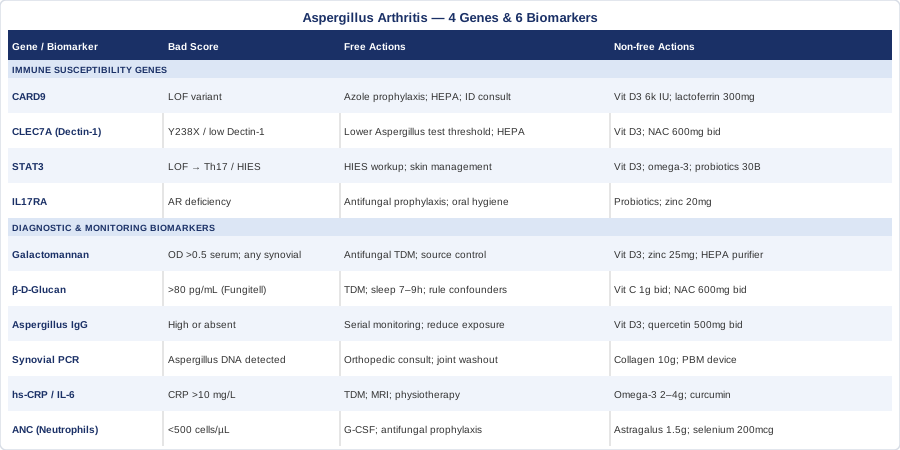
6 Biomarkers to Track for Aspergillus Arthritis
Tracking the right biomarkers transforms the management of Aspergillus arthritis from a guessing game into a measurable process. Antifungal treatment typically spans months, and having objective data points — beyond how your joint feels on a given day — helps both patient and clinician make more confident decisions. These six biomarkers represent the most clinically meaningful panel available for this condition.
1. Galactomannan (GM)
Why It Matters
Galactomannan is a polysaccharide released by Aspergillus species as they grow and invade tissue. Elevated galactomannan in the blood or in bodily fluids is one of the most specific markers available for active Aspergillus infection. For Aspergillus arthritis specifically, galactomannan can be measured both in serum — to detect disseminated disease — and directly in synovial fluid, the fluid surrounding the infected joint. The synovial fluid measurement is particularly valuable: a positive result in joint fluid provides strong localized evidence that the joint compartment itself is an active site of fungal growth, not simply a secondary inflammatory response.
A serum galactomannan optical density index above 0.5 is the widely used clinical threshold in the ELISA-based Platelia assay, though guidelines vary by context. In profoundly immunocompromised patients, this threshold provides high sensitivity. In synovial fluid, any positive result is clinically significant given the normally sterile joint environment. Serial galactomannan measurement — every one to two weeks during active treatment — is more informative than a single snapshot, because declining values correlate directly with successful fungal clearance.
How to Measure It
Galactomannan is measured by ELISA on a blood sample or on synovial fluid collected via joint aspiration. The test is available at most tertiary care centers and major reference laboratories. Synovial fluid testing may require a send-out to a specialized lab.
Cost range: $100–$280 per serum test in the US; often covered by insurance when clinically indicated for suspected invasive fungal infection. Synovial fluid testing typically runs $150–$400 depending on the lab. A rising or persistently elevated index despite adequate antifungal therapy is a red flag that warrants reassessment of drug levels, species susceptibility, or surgical source control.
If the Score Is Bad: Plan Without Supplements
An elevated galactomannan should trigger immediate clinical review, not passive waiting. The most important steps:
Therapeutic drug monitoring (TDM) for your antifungal: Inadequate voriconazole blood levels are one of the most common reasons for persistent galactomannan positivity despite treatment. Trough levels of 1–5.5 mcg/mL are the target range for voriconazole. Request TDM if not already performed — it is standard of care and frequently overlooked.
Source control: Joints with significant purulent debris, loculated fluid, or synovial proliferation may not respond to antifungal medication alone. Discuss with your orthopedic surgeon whether arthroscopic washout, synovectomy, or open drainage is appropriate. Antifungal penetration into an inflamed, vascularly compromised joint can be poor without mechanical debridement.
Reduce immunosuppression where clinically safe: Every increment of reduced corticosteroid or calcineurin inhibitor dose genuinely improves antifungal defense. Work with your prescribing physician to taper toward the minimum effective dose. Even a 25% steroid reduction has measurable immune effects.
Environmental controls: Avoid high-mold environments — construction sites, composting areas, damp basements, poorly ventilated spaces — during active infection and recovery. Use a HEPA air purifier rated MERV-13 or higher in your bedroom and main living area.
If the Score Is Bad: Plan With Supplements or Equipment
No supplement replaces antifungal medication for an active Aspergillus infection. However, several adjuncts have biological rationale and support for improving immune readiness during prolonged treatment:
Vitamin D3 + K2: Vitamin D deficiency is common in immunocompromised patients and directly impairs macrophage activation against fungal pathogens. Target serum 25-OH vitamin D at 50–80 ng/mL. Supplemental dose: 2000–5000 IU D3 daily, paired with 100–200 mcg K2 (MK-7 form). No cycling needed; maintain year-round. Recheck serum levels every 3 months. Side effects are rare at these doses; avoid in hypercalcemia.
Zinc: Zinc is essential for neutrophil function and antifungal oxidative killing. Deficiency is common during prolonged illness and corticosteroid use. Dose: 15–30 mg elemental zinc daily with food. Supplement for 3–6 months, then reassess. Do not exceed 40 mg/day long-term without monitoring copper levels — chronic high-dose zinc depletes copper.
HEPA air purifier (equipment): A high-quality unit (IQAir, Blueair, or equivalent) costing $150–$500 significantly reduces inhaled spore burden in indoor air. Non-negotiable during recovery from any invasive Aspergillus infection.
2. β-(1,3)-D-Glucan
Why It Matters
β-D-glucan is a structural component of the cell wall of most pathogenic fungi, including Aspergillus. The Fungitell assay — the most widely validated commercial test — measures circulating β-glucan in blood, serving as a broad-spectrum fungal biomarker. Unlike galactomannan, which is relatively Aspergillus-specific, β-glucan is elevated by most fungal infections including Candida, Pneumocystis, and Fusarium. This makes it less specific but highly sensitive — a valuable negative predictive tool when serum levels are repeatedly below threshold.
In Aspergillus arthritis, β-glucan elevation confirms the body is experiencing active fungal burden. Serial measurements track treatment response in a complementary way to galactomannan. A threshold of 80 pg/mL is commonly used for positivity, with 60–79 pg/mL as an intermediate zone requiring clinical interpretation. Always confirm which assay and reference range your laboratory uses; values are not interchangeable across platforms.
How to Measure It
β-glucan is measured from a serum sample using the Fungitell ELISA. Many hospital laboratories offer this test in-house; reference lab send-out is common in smaller centers.
Cost range: $100–$250 per test. Insurance coverage varies — typically covered for immunocompromised patients with suspected or confirmed invasive fungal infection. Monitor at baseline and every 2–4 weeks during active treatment.
If the Score Is Bad: Plan Without Supplements
Persistently elevated β-glucan during antifungal treatment signals ongoing fungal burden and should prompt:
Therapeutic drug monitoring review: Inadequate drug exposure is the most common modifiable cause of persistent fungal markers. Confirm your antifungal trough level is within the therapeutic range.
Identify dietary and infusion confounders: Intravenous immunoglobulin (IVIG), albumin infusions, and some surgical gauze materials can cause false-positive β-glucan elevations. Alert your laboratory if any of these apply.
Optimize sleep architecture: Slow-wave sleep is when macrophage reprogramming and antifungal memory T cell consolidation occur. Even one night of sleep under six hours measurably reduces natural killer cell activity. Seven to nine hours per night in a dark, cool environment is not optional during active fungal infection recovery.
If the Score Is Bad: Plan With Supplements or Equipment
Vitamin C: High-dose vitamin C (500–1000 mg twice daily) supports neutrophil oxidative burst, one of the primary mechanisms by which the immune system kills fungal hyphae. Use during active infection periods. Side effects: GI discomfort at higher doses; discontinue if you have a history of oxalate kidney stones.
N-Acetyl Cysteine (NAC): Supports glutathione replenishment and may reduce the oxidative tissue damage that accompanies intense immune responses in infected joints. Dose: 600 mg twice daily. Can be taken long-term at this dose. Mild nausea possible in some individuals; take with food.
3. Aspergillus-Specific IgG Antibodies
Why It Matters
Aspergillus IgG antibody testing measures the adaptive immune system's serological response to the fungus. Elevated Aspergillus IgG indicates prior or ongoing exposure to Aspergillus antigens sufficient to generate an antibody response. In chronic or subacute Aspergillus arthritis — which can develop more slowly in partially immunocompetent individuals — IgG serology is often more informative than galactomannan, which is primarily elevated during active invasive growth phases.
A high Aspergillus IgG in someone with unexplained joint disease significantly narrows the differential toward fungal etiology, even before culture confirmation. Conversely, a very low or absent IgG in an immunocompromised patient does not rule out disease — it may indicate the immune system is too suppressed to mount an antibody response at all, which is itself a diagnostically and prognostically important finding. Tracking IgG serially during treatment provides a slow-moving but meaningful indicator of immune control.
How to Measure It
Measured from a serum sample via ELISA or ImmunoCAP. Reference laboratories including Quest Diagnostics, LabCorp, and Mayo Clinic Laboratories run this test routinely. Most hospital labs can order it.
Cost range: $50–$150. Often covered when Aspergillus infection is the working clinical diagnosis. Recheck every 6–8 weeks during treatment; falling IgG over months suggests progressive immune control.
If the Score Is Bad: Plan Without Supplements
An elevated IgG in the right clinical context should prompt definitive antifungal therapy if not already initiated. Parallel steps:
Track serially over time — a persistently rising IgG despite treatment suggests inadequate fungal control. A falling IgG is the target. Review all potential sources of ongoing Aspergillus exposure: household mold, gardening activities, workplace dust, hospital air quality during neutropenic periods.
Low or absent IgG in a symptomatic immunocompromised patient carries a different and equally important message: the adaptive immune system cannot mount antibody defense, meaning treatment must rely entirely on antifungal medication and innate immune responses. This reinforces why therapeutic drug levels and ANC are critical in this subgroup.
If the Score Is Bad: Plan With Supplements or Equipment
Vitamin D3: Modulates B cell function and IgG class-switching responses. Maintaining optimal vitamin D levels also supports overall antibody quality. Same dosing protocol as Biomarker 1.
Quercetin: Has modest antifungal and immunomodulatory properties, including support for B cell regulatory function. Dose: 500 mg twice daily with food (the quercetin phytosome form improves absorption). Cycle: 2–3 months on, reassess. Side effects: generally well-tolerated; potential interactions with certain antibiotics and anticoagulants; disclose to your physician.
4. Synovial Fluid Aspergillus PCR
Why It Matters
Molecular PCR-based testing of synovial fluid is arguably the most diagnostically powerful tool available specifically for Aspergillus arthritis. While blood cultures and serum galactomannan assess systemic fungal burden, synovial fluid PCR directly interrogates the infected joint compartment. It can detect Aspergillus DNA even when cultures are negative — which occurs in a meaningful fraction of cases, because Aspergillus hyphae are fragile and can disintegrate during sample processing, or because prior antifungal exposure suppresses growth without eliminating infection.
A positive synovial fluid Aspergillus PCR confirms active fungal DNA at the site of joint disease. Beyond confirming the diagnosis, PCR can identify the specific Aspergillus species present. This matters clinically: Aspergillus terreus is inherently resistant to amphotericin B, and Aspergillus niger has different azole susceptibility patterns than A. fumigatus. Species-level identification narrows and optimizes the treatment selection.
How to Measure It
Requires joint aspiration performed by a rheumatologist or orthopedic surgeon under sterile conditions. The fluid is sent to a molecular reference laboratory capable of fungal PCR. In-house availability varies significantly; send-out to major reference labs (Mayo Clinic Laboratories, University of Washington Molecular Lab) is common.
Cost range: $200–$500 per sample depending on laboratory. Often covered when fungal arthritis is clinically suspected. Results typically take 24–72 hours at experienced labs.
If the Score Is Bad: Plan Without Supplements
A positive synovial PCR with persistent joint symptoms should trigger surgical consultation. In the majority of Aspergillus arthritis cases, antifungal therapy alone without mechanical debridement yields inferior outcomes. The fungal biofilm and necrotic tissue in the infected joint create a pharmacological sanctuary that antifungal medications struggle to penetrate adequately.
Specific steps: request orthopedic surgery or sports medicine consultation for arthroscopic washout, synovectomy (removal of infected synovial tissue), or open drainage depending on the extent of involvement. Simultaneously optimize antifungal drug levels via therapeutic monitoring. Minimize weight-bearing on the affected joint during active infection to reduce mechanical spread.
If the Score Is Bad: Plan With Supplements or Equipment
Collagen peptides: Joint cartilage is vulnerable to enzymatic destruction during fungal arthritis, and proteases from Aspergillus actively degrade collagen. Collagen peptides (10 g/day with vitamin C) may support cartilage matrix integrity during the recovery phase. Evidence is modest for healthy joints; clinical trials in infected joints are lacking, but the risk-to-benefit profile is favorable.
Photobiomodulation device: Near-infrared light devices designed for joint application (such as red-light panels or handheld devices in the 660–850 nm range) may reduce local synovial inflammation during the recovery phase. Apply after active infection burden has been significantly reduced by antifungal therapy. See the complementary approaches section for the specific protocol.
5. High-Sensitivity CRP and IL-6
Why It Matters
C-reactive protein (CRP) and interleukin-6 (IL-6) are acute-phase inflammatory markers that reflect the body's systemic response to tissue damage and infection. In Aspergillus arthritis, they provide a non-specific but practically useful window into the degree of inflammation in and around the infected joint. These are not fungal-specific markers, but they are sensitive indicators of treatment trajectory — when antifungal therapy is working and the infection is being controlled, CRP and IL-6 typically fall.
High-sensitivity CRP (hs-CRP) is particularly useful in chronic or subacute presentations where the inflammatory response may be smoldering rather than dramatic. IL-6 is upstream of CRP in the signaling cascade and tends to rise and fall faster, making it more responsive to acute changes in infection status or treatment adjustments. Together, these two markers provide both a fast-moving and slow-moving view of systemic inflammation.
How to Measure It
Both tests require a standard blood draw. hs-CRP is widely available at virtually every laboratory. IL-6 measurement requires careful sample handling — rapid separation after collection — and is often a reference lab send-out in smaller settings.
Cost range: hs-CRP: $20–$60. IL-6: $100–$250. Both are routinely covered for inflammatory workup. Recheck every 2–4 weeks during active treatment to track the trend over time.
If the Score Is Bad: Plan Without Supplements
Persistently elevated hs-CRP above 10 mg/L during antifungal treatment signals ongoing tissue-level inflammation, from either continued fungal activity or post-infectious synovial damage. Key steps:
Confirm antifungal therapy is optimized through therapeutic drug monitoring. Commission imaging — joint MRI or ultrasound — to rule out developing complications such as adjacent osteomyelitis or abscess formation that may not be clinically apparent.
Within pain tolerance: gentle active range-of-motion exercises for the affected joint maintain circulation and local immune cell surveillance. Physical therapy consultation during stable treatment phases is appropriate and should not be deferred.
If the Score Is Bad: Plan With Supplements or Equipment
Omega-3 fatty acids (EPA/DHA): Well-established anti-inflammatory mechanism through competitive inhibition of pro-inflammatory arachidonic acid pathways. Multiple meta-analyses support CRP-lowering effects. Dose: 2–4 g/day combined EPA+DHA from high-quality fish oil or algal oil. Can be taken indefinitely. Monitor for additive blood-thinning effects if on anticoagulants — disclose to your physician.
Curcumin with piperine or phospholipid complex: Standard curcumin has very poor bioavailability; the phospholipid complex (Meriva) or pairing with 5–10 mg piperine significantly improves absorption. Multiple meta-analyses show CRP-lowering effects in inflammatory conditions. Dose: 500–1000 mg curcumin complex daily. Cycle: 2–3 months on, reassess. Avoid with anticoagulants.
Infrared sauna (equipment): Regular far-infrared sauna use (20 minutes, 3–4 times per week) has shown CRP reduction in small human trials, mediated through heat shock protein upregulation and autonomic nervous system effects. Not appropriate during active infection with fever; reserve for the stable recovery phase. Equipment cost: $500–$3000 depending on type. Some gyms and wellness centers offer per-session access for $20–$50.
6. Absolute Neutrophil Count (ANC)
Why It Matters
Neutrophils are the primary cellular defense against Aspergillus. When neutrophil counts fall below a critical threshold — typically below 500 cells/μL (neutropenia) — the risk of invasive Aspergillus infection increases dramatically. This is precisely why the highest-risk populations for Aspergillus arthritis are those receiving chemotherapy, bone marrow transplant recipients, or those on high-dose corticosteroids — all of which suppress neutrophil production or function directly.
The absolute neutrophil count, derived from a standard complete blood count with differential, reveals whether the immune foundation is adequate to support antifungal therapy or whether additional support is needed. Persistent severe neutropenia below 100 cells/μL in the presence of active Aspergillus infection is a life-threatening combination. Tracking ANC weekly during active treatment allows timely intervention before the immune floor drops too low.
How to Measure It
CBC with differential — available everywhere, inexpensive, and routine. Results are available within hours in most hospital settings.
Cost range: $20–$60. Monitor weekly during active Aspergillus arthritis treatment, especially in chemotherapy or transplant patients.
If the Score Is Bad: Plan Without Supplements
Neutropenia management is a clinical priority that cannot be addressed by lifestyle alone:
Granulocyte colony-stimulating factor (G-CSF): If chemotherapy-induced neutropenia is present, G-CSF (filgrastim or pegfilgrastim) is frequently used to shorten neutropenic duration and depth. This is a prescription medical intervention requiring physician management.
Antifungal prophylaxis review: If ANC is chronically below 500, the indication for prophylactic antifungal therapy — posaconazole or voriconazole per IDSA guidelines — becomes stronger. Discuss with your infectious disease specialist whether your current prophylactic regimen is appropriate for your ANC level.
Dietary protein adequacy: Neutrophil production requires adequate protein and micronutrient substrate. Assess dietary protein intake (target 1.2–1.6 g/kg body weight/day) and overall caloric adequacy, particularly if appetite is suppressed during illness.
If the Score Is Bad: Plan With Supplements or Equipment
Astragalus membranaceus extract: Some human trials — primarily in oncology populations receiving chemotherapy — have shown modest benefits for neutrophil recovery duration with astragalus supplementation. Evidence quality is moderate and study sizes are small. Dose: 1000–1500 mg/day standardized extract during periods of neutropenia risk. Reassess monthly. Side effects: generally well-tolerated; avoid in autoimmune conditions.
Selenium: Supports neutrophil oxidative burst through selenoprotein-dependent antioxidant pathways. Deficiency is common in chronically ill patients. Target serum levels: 120–150 μg/L. Supplemental dose: 100–200 mcg/day as selenomethionine. Do not exceed 400 mcg/day; toxicity is possible at higher doses. Recheck serum levels every 3 months.
Sleep quality protocol: Emphasizing this because evidence directly ties sleep deprivation to reduced neutrophil count and impaired neutrophil phagocytosis. Seven to nine hours in a dark, cool room. Blue-light-blocking glasses 90 minutes before sleep. Consistent sleep and wake times — including weekends. This is not peripheral to your neutrophil recovery; it is physiologically central to it.
The six biomarkers above define the measurable landscape of Aspergillus arthritis. What follows examines the genetic terrain that determines why the landscape looks the way it does for a given individual.
4 Key Genes That Shape Aspergillus Susceptibility
Understanding your genetic predisposition to fungal infections is not about determinism — it is about calibration. The same Aspergillus spore exposure that causes no problem for most people leads to serious joint infection in others. Much of that difference lives in the innate immune genes responsible for fungal recognition and response. Researchers including Ali Torkamani at Scripps Research, who works on translating genomic data into actionable clinical decisions, have helped map which variants matter most. Functional genomics practitioners drawing from whole-exome sequencing and targeted immune gene panels are making this information increasingly available to clinicians and informed patients.
This section covers four genes with the strongest evidence base for Aspergillus susceptibility. For each, the plan covers both the non-supplement tier — often the most impactful — and targeted supplement or equipment options for those who want additional biological support.
Gene 1: CARD9 (Caspase Recruitment Domain-Containing Protein 9)
CARD9 encodes a scaffolding protein central to antifungal signaling downstream of pattern recognition receptors, particularly Dectin-1. When a macrophage or dendritic cell detects fungal β-glucan on the surface of an Aspergillus spore, the signal passes through CARD9 to activate NF-κB — triggering production of antifungal cytokines (IL-6, IL-17, TNF-α) and recruiting neutrophils to the infection site. Without functional CARD9, this entire cascade is compromised.
Loss-of-function variants in CARD9 are among the strongest known monogenic risk factors for invasive and chronic fungal infections in otherwise apparently healthy individuals. A foundational study in the New England Journal of Medicine (Glocker et al., PMID 19741224) first described this link — patients with CARD9 deficiency developed severe, difficult-to-treat fungal infections despite no other obvious immunodeficiency. Subsequent case series and cohort studies have specifically linked CARD9 variants to invasive aspergillosis and fungal arthritis. Homozygous or compound heterozygous CARD9 loss-of-function mutations represent a diagnosable primary immune deficiency — meaning this is not a subtle polymorphism but a clinically defined condition.
If the Gene Is Bad: Plan Without Supplements
Genetic testing and specialist referral: Whole-exome or targeted gene panel sequencing can identify CARD9 variants. If a pathogenic or likely pathogenic loss-of-function variant is found, referral to a clinical immunologist with expertise in primary immune deficiencies is essential. Many academic medical centers run dedicated programs for this.
Antifungal prophylaxis discussion: In patients with confirmed CARD9 deficiency and a history of invasive fungal infection, prolonged or indefinite antifungal prophylaxis with a mold-active azole (voriconazole or posaconazole) is the standard recommendation at expert centers. This is not optional; recurrence rates without prophylaxis are high.
Environmental fungal avoidance — stricter than standard: Avoid construction sites, composting, gardening in high-mold conditions, and waterlogged environments without N95 respiratory protection. Use HEPA filtration in all primary living spaces. Discard stored or potentially moldy food.
Inform all treating physicians of your CARD9 status: This changes the pre-test probability for Aspergillus in any unusual infection workup. Even skin infections, sinusitis, or joint symptoms should prompt earlier fungal testing in a CARD9-deficient individual.
If the Gene Is Bad: Plan With Supplements or Equipment
No supplement reverses a loss-of-function gene variant. However, several approaches can modulate the downstream consequences by activating alternative antifungal pathways:
Vitamin D3 (high priority): Upregulates TLR-dependent macrophage killing mechanisms, partially bypassing the CARD9 pathway. Vitamin D response elements on key antimicrobial peptide genes (cathelicidin, defensins) provide an alternative antifungal layer. Dose: 4000–6000 IU/day D3 with 100–200 mcg K2 MK-7. Monitor serum 25-OH vitamin D; target 60–80 ng/mL. Reassess every 3 months. No cycling needed; maintain indefinitely. Side effects: rare at these doses with adequate K2 supplementation.
Lactoferrin: Bovine lactoferrin has demonstrated direct antifungal activity against Aspergillus in vitro and has immunomodulatory properties independent of the CARD9 pathway. Dose: 200–400 mg/day. Cycle: during periods of elevated exposure risk or during active infection adjunctively. Human clinical trial data for this specific indication is limited; use as adjunct only, not as replacement for antifungal medication.
HEPA air purifier (equipment — non-negotiable): Aspergillus spores are ubiquitous in outdoor air at concentrations of 1–100 spores per cubic meter. Indoor HEPA filtration measurably reduces this burden. For CARD9-deficient individuals, this is not a lifestyle optimization — it is a primary prevention tool. Unit cost: $150–$500.
Gene 2: CLEC7A (Dectin-1)
CLEC7A encodes Dectin-1, the primary innate immune pattern recognition receptor that binds β-glucan on fungal cell walls. It is the first-alarm signal in antifungal detection — Dectin-1 identifies the fungus, and everything downstream (including the CARD9 cascade above) depends on it being triggered correctly. Without functional Dectin-1, the antifungal alarm either fails or fires with significant delay.
Several single nucleotide polymorphisms in CLEC7A have been associated with increased susceptibility to invasive aspergillosis. The most studied variant, Y238X — a premature stop codon leading to a truncated, non-functional Dectin-1 protein — has been linked to elevated fungal infection risk in hematopoietic stem cell transplant recipients. A study by Plantinga et al. identified this variant as a clinically meaningful susceptibility factor in this high-risk population. Heterozygous Y238X individuals show approximately 50% reduced surface Dectin-1 expression, which is sufficient to impair early fungal detection in the context of concurrent immunosuppression.
If the Gene Is Bad: Plan Without Supplements
Lower threshold for fungal diagnostics: Because the early recognition step is impaired, Aspergillus infections may develop more quietly in CLEC7A-variant individuals. A lower threshold for galactomannan and β-glucan testing when any unexplained fever, pulmonary infiltrate, or joint symptoms arise is warranted — especially during immunosuppressive therapy.
Antifungal prophylaxis during high-risk periods: In immunocompromised individuals with CLEC7A risk variants, the case for prophylactic antifungal therapy during high-risk periods — transplant conditioning, chemotherapy induction — is strengthened. Raise this with your transplant or oncology team.
Mucosal and skin barrier protection: Dectin-1 is highly expressed at mucosal surfaces — oral, respiratory, and gastrointestinal. Rigorous oral hygiene, avoidance of skin breaks, and prompt treatment of any mucosal candidiasis or skin infections reduce entry points for systemic Aspergillus dissemination.
Same HEPA and environmental controls as CARD9 strategy: Every reduction in inhaled spore burden matters proportionally more when the detection system is less sensitive.
If the Gene Is Bad: Plan With Supplements or Equipment
Vitamin D3: Dectin-1 expression on macrophage surfaces is upregulated by vitamin D receptor signaling. Maintaining optimal vitamin D levels may meaningfully increase the surface density of functional Dectin-1 receptors in heterozygous individuals. Dose and monitoring: same protocol as CARD9 section above.
Oral β-glucan supplements: A conceptually interesting but evidence-limited approach: oral β-glucan (from Saccharomyces cerevisiae or oat bran; 200–500 mg/day) may prime macrophages through dectin-independent pathways — specifically CR3 complement receptor-mediated responses — creating a partial functional bypass. This reasoning is mechanistically plausible but specific clinical trial evidence for this use is currently lacking. Use cautiously and with physician awareness. Side effects: generally well-tolerated.
NAC (N-Acetyl Cysteine): Supports glutathione-dependent macrophage killing, an alternative antifungal mechanism that does not require upstream Dectin-1 triggering. Dose: 600 mg twice daily. Well-tolerated long-term. Mild GI side effects possible; take with food.
Gene 3: STAT3 (Signal Transducer and Activator of Transcription 3)
STAT3 is a transcription factor that mediates signaling from a wide array of cytokines including IL-6, IL-10, IL-17, and IL-21. In the context of antifungal immunity, STAT3 is critical for Th17 cell differentiation — the T helper cell subset responsible for producing IL-17A and IL-22, cytokines that are essential for mucosal and invasive antifungal defense. Without STAT3 functioning correctly, the Th17 arm of antifungal immunity fails to develop properly.
Loss-of-function mutations in STAT3 cause Hyper-IgE Syndrome (HIES, also called Job's Syndrome) — characterized by dramatically elevated serum IgE levels, severe eczema, recurrent pulmonary infections, and markedly elevated susceptibility to Staphylococcus and fungal infections including Aspergillus. Aspergillus pneumonia and disseminated infection occur at high rates in untreated HIES. While complete HIES is a defined rare disease, milder heterozygous STAT3 variants may contribute to attenuated Th17 function and fungal susceptibility without the full syndrome — an area of active investigation in clinical immunology.
If the Gene Is Bad: Plan Without Supplements
Full clinical evaluation for HIES spectrum: If a STAT3 loss-of-function variant is identified, clinical evaluation should include serum IgE measurement (often dramatically elevated, >2000 IU/mL in classic HIES), eczema history, characteristic musculoskeletal features, and dental abnormalities. A clinical immunologist should guide the workup.
Aggressive skin and wound management: STAT3-deficient immune systems generate "cold abscesses" — collections of pus without the surrounding heat, redness, and pain that typically signal bacterial or fungal infection. These can seed Aspergillus systemically from what appears to be a minor skin lesion. Prompt dermatological management of any skin abnormality is essential.
Respiratory surveillance: Pulmonary aspergillomas can develop silently in HIES due to post-infectious lung cavities and impaired Th17-mediated respiratory surveillance. Periodic chest imaging during high-risk periods may be warranted — discuss with your pulmonologist or immunologist.
If the Gene Is Bad: Plan With Supplements or Equipment
Vitamin D3: Vitamin D response elements are present on genes regulating IL-17 and Th17 differentiation. Adequate vitamin D supports STAT3-independent components of Th17 polarization. Target 60–80 ng/mL serum 25-OH vitamin D. Dose: 4000–5000 IU D3 + 200 mcg K2 daily. Monitor quarterly.
Omega-3 fatty acids (EPA/DHA): Reduce excessive STAT3-mediated inflammatory signaling in gain-of-function contexts, and support the IL-6 trans-signaling pathway in a more nuanced way in loss-of-function contexts. Dose: 2–3 g combined EPA+DHA per day. Long-term use is safe; note anticoagulant interactions.
Probiotic therapy: Gut microbiome composition significantly influences Th17 cell development at the intestinal level. Specific strains — Lactobacillus rhamnosus GG and Bifidobacterium longum — have the strongest mechanistic support for supporting IL-17 pathway integrity. Dose: 20–50 billion CFU/day. Can be taken continuously; reassess every 3 months. No significant side effects at standard doses.
Gene 4: IL17RA (Interleukin-17 Receptor A)
IL17RA encodes the receptor for IL-17A and IL-17F — the primary antifungal cytokines produced by Th17 cells and innate lymphoid cells. Even if STAT3 is functioning correctly and Th17 cells are actively producing IL-17, a non-functional or low-expression IL-17 receptor means the signal is produced but never received by epithelial and stromal cells that depend on it for antifungal barrier defense. This represents a distinct and underappreciated bottleneck in antifungal protection.
Autosomal recessive IL17RA deficiency was first characterized by Puel et al. in Science (PMID 21350122), causing severe chronic mucocutaneous candidiasis (CMC) — recurrent, treatment-resistant fungal infections of the skin, nails, oral cavity, and esophagus. Aspergillus susceptibility is also elevated. While complete IL17RA deficiency is rare, partial or hypomorphic IL17RA variants — reducing receptor surface expression or signaling efficiency without abolishing it — may contribute to increased fungal susceptibility in a broader population. This remains an active research area, and whole-exome sequencing is increasingly revealing these intermediate states.
If the Gene Is Bad: Plan Without Supplements
Targeted antifungal prophylaxis — especially mucosal: In confirmed IL17RA deficiency, long-term antifungal prophylaxis is typically necessary, with particular attention to mucosal surfaces. Fluconazole or posaconazole prophylaxis is often used; your infectious disease specialist will guide species and drug selection based on your history.
Rigorous oral and mucosal hygiene: The oral cavity, esophagus, and genitourinary tract are particularly vulnerable in IL-17 pathway defects. Twice-daily brushing, interdental cleaning, antiseptic mouthwash, and prompt treatment of any oral or genital fungal overgrowth prevents the mucosal seeding that can lead to systemic dissemination and ultimately joint infection in susceptible individuals.
Minimize corticosteroid exposure where clinically possible: Corticosteroids further suppress Th17 and IL-17 responses — already compromised by the IL17RA variant — compounding the mucosal vulnerability. If alternatives to corticosteroid therapy exist for your other conditions (e.g., inhaled corticosteroids vs. systemic, or corticosteroid-sparing biologics), they should be prioritized.
If the Gene Is Bad: Plan With Supplements or Equipment
Probiotic therapy with mucosal emphasis: Lactobacillus rhamnosus and L. acidophilus strains colonize mucosal surfaces and produce lactic acid with direct antifungal activity, partially compensating for reduced IL-17-mediated epithelial defense. Dose: 20–50 billion CFU/day of a multi-strain probiotic including these species. Continuous use; reassess clinical response every 3 months.
Zinc: Supports mucosal barrier integrity — tight junction protein expression and epithelial renewal — and underpins T cell cytokine production efficiency. Dose: 15–25 mg elemental zinc daily with food. Monitor copper levels if using long-term (more than 6 months continuously).
Fermented foods (practical daily adjunct): Regular consumption of fermented foods — yogurt with live cultures, kefir, kimchi, sauerkraut — increases mucosal Lactobacillus colonization and mucosal IgA secretion. Not a replacement for antifungal therapy but a low-cost, daily-habit adjunct to a comprehensive mucosal protection strategy.
The genetics and biomarker data above identify the biological mechanisms at play. The following section draws on a broader immune function framework that applies to anyone trying to rebuild antifungal resilience — whether they have identified gene variants or not.
The Andrew Huberman Framework: 10 Immune Insights That Apply to Antifungal Recovery
The Huberman Lab podcast, hosted by Stanford neuroscientist Andrew Huberman, has produced multiple episodes examining immune function, sleep biology, stress physiology, and exercise — all directly relevant to the immunological context of Aspergillus arthritis. While no single episode targets fungal infections specifically, the mechanistic principles Huberman discusses (drawn from and referencing peer-reviewed research) apply concretely to anyone trying to maintain or rebuild antifungal immune function. Here are the ten most actionable insights from this framework, translated specifically to the Aspergillus context.
1. Morning Sunlight Anchors the Circadian Immune Clock
Getting 10–30 minutes of natural outdoor light in the eyes within the first hour of waking entrains the suprachiasmatic nucleus and downstream circadian rhythms, including 24-hour cycles of natural killer cell trafficking, neutrophil mobilization, and cortisol regulation. Disrupted circadian rhythms — common in hospitalized or chronically ill patients — measurably impair antifungal immune readiness. This is a zero-cost intervention with no adverse effects.
2. Sleep Is When Antifungal Immunological Memory Is Built
Slow-wave (deep) sleep is when antigen-specific T cell memory — including Aspergillus-specific T cell responses — is most actively consolidated. Growth hormone, secreted primarily during slow-wave sleep, drives neutrophil and macrophage production. Research reviewed on the Huberman Lab shows that even a single night of sleep under six hours reduces natural killer cell activity by roughly 70% in some studies. During active fungal infection treatment, sleep is a clinical priority, not a lifestyle preference.
3. Nasal Breathing Provides a First Line of Antifungal Defense
Aspergillus enters the body primarily through inhaled spores. Nasal breathing passes air through the nasal turbinates and sinuses, which filter particles, warm and humidify incoming air, and expose it to nitric oxide produced in the paranasal sinuses. Nitric oxide has demonstrated direct antifungal activity in laboratory studies. Habitual mouth breathing bypasses all of this. Establishing nasal breathing during sleep — including via medical tape over the mouth if necessary — is a specific, mechanistically grounded risk-reduction strategy.
4. Brief Cold Exposure Activates Innate Antifungal Pathways
Brief cold water immersion or cold showers (1–3 minutes at approximately 60°F/15°C) activate the sympathetic nervous system, transiently elevating norepinephrine — which enhances macrophage activation and NK cell mobilization. Huberman draws on research from Rhonda Patrick and others to frame this as a deliberate practice for innate immune priming. Appropriate during the stable recovery phase; not recommended during active infection with fever or active joint inflammation.
5. Chronic Psychological Stress Specifically Disables Th17 Antifungal Immunity
Cortisol, elevated chronically during psychological stress, directly suppresses Th17 cell differentiation — the T cell arm most critical for antifungal mucosal defense. This is not a vague statement about "stress being bad"; it is a specific immunological mechanism. Managing stress through MBSR (mindfulness-based stress reduction), which has RCT evidence for measurable cortisol reduction, is therefore directly relevant to antifungal recovery. This is covered further in the complementary approaches section.
6. Zone 2 Aerobic Exercise Mobilizes Immune Surveillance Cells
Moderate-intensity aerobic exercise — conversational pace, roughly 60–70% of maximum heart rate — for 150–180 minutes per week significantly improves NK cell mobilization, macrophage phagocytic activity, and systemic immune surveillance. For those recovering from Aspergillus arthritis, this applies to the unaffected joints and cardiovascular conditioning while the infected joint is managed by a physical therapist.
7. Social Connection Has Measurable Immune Consequences
Research discussed on the Huberman Lab — including work by Steve Cole at UCLA on social genomics — shows that perceived social isolation upregulates pro-inflammatory gene programs and downregulates antiviral and antifungal immune gene expression. During prolonged illness, maintaining social connection and a sense of purpose is not merely psychological support — it has measurable biological consequences for immune competence.
8. Time-Restricted Eating Supports the Microbiome-Immune Axis
Eating within a consistent 8–10 hour window (without necessarily restricting calories) promotes gut microbiome diversity and reduces low-grade intestinal inflammation — both of which influence the Th17/Treg balance relevant to antifungal defense. The gut microbiome is increasingly understood as a major systemic regulator of antifungal immunity, a topic explored further in the complementary approaches section.
9. Evening Light Exposure Suppresses the Immune Repair Window
Melatonin — produced in the absence of light after sunset — has direct immune-modulating properties including enhancement of NK cell activity and macrophage function. Blue-spectrum light from screens suppresses melatonin production for 60–90 minutes after exposure. Blue-light-blocking glasses or screen dimming after sunset protects the immune-repair opportunity that begins with the onset of melatonin secretion.
10. Deliberate Stress Inoculation Builds Autonomic Resilience That Protects Antifungal Immunity
Brief, controlled exposures to biological stressors — cold, high-intensity exercise intervals, intentional breath holds — train the autonomic nervous system to respond with a faster, shorter, and more controlled stress response. Over time, this reduces chronic cortisol exposure and protects the Th17 antifungal immune axis. The critical distinction is brevity and intentionality: brief stressor followed by full recovery, not sustained chronic stress.
Alongside this systemic framework, specific therapeutic modalities have clinical evidence relevant to the particular challenges of Aspergillus arthritis.
Complementary Approaches With Clinical Evidence
1. Microbiome-Directed Therapies
The gut microbiome is no longer peripheral to systemic fungal immunity — it is central to it. Research over the past decade has established clear links between gut bacterial diversity, Th17 cell development, and systemic antifungal defense. A gut microbiome depleted of commensal bacteria — from broad-spectrum antibiotic courses, processed diet, or prolonged illness — creates conditions for fungal overgrowth and impairs the systemic Th17 antifungal signals that originate in gut-associated lymphoid tissue.
A study examining gut microbiome composition in hematopoietic stem cell transplant recipients — one of the highest-risk populations for invasive Aspergillus — found that higher pre-transplant microbiome diversity was associated with significantly reduced invasive fungal infection risk post-transplant (Taur et al., Nature Medicine, 2020). This is not a peripheral epidemiological correlation; it implicates gut bacterial communities as direct modulators of antifungal immune readiness. The mechanism involves butyrate-producing bacteria supporting the intestinal epithelial barrier, and bacterial metabolite signals that shape Th17 cell populations in gut-draining lymph nodes.
In practical terms: prioritize dietary microbiome restoration — fermented foods (kefir, yogurt, kimchi, sauerkraut), prebiotic fiber variety (leeks, garlic, artichoke, green banana), and reduction of refined sugars that selectively feed Aspergillus and Candida at mucosal surfaces. Specific probiotic supplementation — 20–50 billion CFU/day including Lactobacillus rhamnosus GG and Bifidobacterium longum — has the best mechanistic support for immune modulation in the relevant populations. Discuss fecal microbiota transplantation (FMT) with your physician if you have had prolonged or repeated broad-spectrum antibiotic exposure, as this may represent the most direct route to microbiome restoration. Coordinate all microbiome interventions with your antifungal prescribing team.
2. Low-Level Laser Therapy (Photobiomodulation)
Photobiomodulation (PBM) uses red and near-infrared light at specific wavelengths — typically 630–850 nm — to stimulate mitochondrial ATP production in target tissues and reduce local inflammatory cytokine release (TNF-α, IL-6, IL-1β). Its relevance to Aspergillus arthritis lies primarily in the joint inflammation dimension: the fungal infection triggers significant synovial inflammation and cartilage destruction that often persists even after the infection is brought under microbiological control, leaving patients with ongoing pain and functional limitation.
A 2018 systematic review in Lasers in Medical Science examined photobiomodulation for inflammatory joint conditions and found consistent evidence of pain reduction, reduced inflammatory markers, and functional improvement across multiple well-designed studies. While no trials have examined PBM specifically in fungal arthritis, the anti-inflammatory mechanisms are directly relevant to the post-infectious synovial damage that commonly lingers after Aspergillus arthritis treatment. The evidence is strongest for the adjunctive, not standalone, use of PBM.
Application protocol: consult a physiotherapist or sports medicine physician trained in photobiomodulation for optimal parameter selection. Standard parameters for joint treatment: 660–850 nm wavelength, 4–8 J/cm² per session applied to the periarticular area of the affected joint. Frequency: 3 sessions per week for 4–6 weeks. Side effects are minimal; avoid applying over areas of known active deep tissue infection without clinical guidance. This approach is most appropriate during the recovery and rehabilitation phase, after antifungal therapy has substantially reduced the fungal burden.
3. Chinese Herbal Medicine
Several compounds used in traditional Chinese medicine have demonstrated antifungal and immunomodulatory properties in laboratory and some clinical studies relevant to Aspergillus. Berberine — an isoquinoline alkaloid found in Coptis chinensis (Huanglian) and Berberis species — has well-documented antifungal activity against Aspergillus and Candida in in vitro studies, appearing to disrupt fungal cell membrane integrity and inhibit hyphal growth. It also has established anti-inflammatory effects through NF-κB pathway inhibition. Human clinical trials specific to Aspergillus arthritis do not yet exist, but berberine's dual antimicrobial and anti-inflammatory profile makes it mechanistically relevant.
Astragalus membranaceus (Huang Qi) has shown immune-modulatory effects including support for neutrophil recovery duration in small human trials, primarily in oncology patients. A systematic review of astragalus in immunocompromised cancer patients found consistent trends toward improved immune parameters, though study quality was heterogeneous. Panax ginseng and Ganoderma lucidum (Reishi) also appear in antifungal immune support literature, with in vitro antifungal activity and macrophage activation properties.
Practically: if considering Chinese herbal medicine as an adjunct, work with a licensed practitioner aware of your full medication regimen. Berberine is widely available as a stand-alone supplement (500 mg three times daily with food). Its pharmacokinetic interactions with voriconazole are modest but theoretically possible — full disclosure to your prescribing physician is necessary. Do not use any herbal approach as a substitute for prescribed antifungal therapy. Benefits, when present, are adjunctive.
4. Breathing-Based Therapies
Slow, diaphragmatic breathing at a rate of 5–6 breaths per minute — resonance breathing — activates the vagus nerve and triggers the cholinergic anti-inflammatory pathway, which suppresses pro-inflammatory cytokine release (TNF-α, IL-6, IL-1β) via neural rather than pharmacological mechanisms. For someone managing Aspergillus arthritis — which often involves prolonged illness, treatment-related cortisol suppression, and pain-related autonomic dysregulation — breathing-based autonomic regulation is a meaningful zero-cost adjunct to the clinical treatment plan.
A randomized trial published in Psychosomatic Medicine (Lehrer et al.) demonstrated that heart rate variability (HRV) biofeedback — which uses resonance breathing as its core practice — significantly elevated resting HRV and reduced inflammatory markers including IL-6 in patients with inflammatory conditions. Higher HRV independently predicts stronger immune competence and resilience to infectious challenge. These are not merely correlational findings; the vagal-inflammatory connection has been experimentally validated in multiple animal and human intervention studies.
Practice protocol: 5 minutes of resonance breathing (inhale for 5 seconds, exhale for 5 seconds) twice daily — once in the morning and once in the hour before sleep. This requires no equipment; free apps including Breathwrk provide audio guidance. For those interested in more advanced breathwork: the Wim Hof Method's cyclic hyperventilation protocol is a more activating intervention and is not recommended during active infection with fever, but may be appropriate during the stable recovery and prevention phase under guidance. Begin conservatively.
5. The Autoimmune Protocol (AIP) by Sarah Ballantyne
Aspergillus arthritis exists in complex immunological territory: the infection triggers joint inflammation that can persist and cause structural damage even after the fungal pathogen is microbiologically controlled. Additionally, many of the immune deficiencies that predispose to Aspergillus infection involve immune dysregulation rather than simple suppression, and the treatments used — corticosteroids, calcineurin inhibitors — modify immune regulation in ways that dysregulate gut integrity and systemic immune surveillance in parallel.
The Autoimmune Protocol (AIP), developed and researched by Sarah Ballantyne, PhD, is a structured elimination and reintroduction dietary framework designed to reduce gut permeability, reduce systemic inflammation, and support immune regulatory balance. While originally developed for classic autoimmune conditions, its mechanisms — restoring mucosal integrity, removing pro-inflammatory dietary inputs, supporting microbiome diversity — apply directly to the immune dysregulation and persistent joint inflammation characteristic of post-infectious Aspergillus arthritis. A 2017 study published in Inflammatory Bowel Diseases (Konijeti et al.) demonstrated clinically meaningful improvements in inflammatory markers in IBD patients following an AIP dietary intervention, providing human clinical evidence for the anti-inflammatory efficacy of this framework.
The elimination phase removes: grains, legumes, nightshades, dairy, eggs, nuts, seeds, alcohol, and all refined sugars for a minimum of 30 days. The reintroduction phase systematically adds foods back to identify individual triggers. Particular relevance to Aspergillus arthritis: eliminating refined sugars and processed carbohydrates reduces the dietary substrate that preferentially fuels fungal overgrowth at mucosal surfaces, addressing one of the environmental factors that sustains Aspergillus colonization. Work with a registered dietitian familiar with AIP, especially if you are on multiple medications with food interactions.
Conclusion
Aspergillus arthritis has multiple biological levers that can be understood and, to a meaningful degree, acted upon. The six biomarkers — galactomannan, β-D-glucan, Aspergillus IgG, synovial PCR, inflammatory markers, and neutrophil count — provide an objective, trackable picture of where your immune system and infection status stand. The four genes — CARD9, CLEC7A, STAT3, and IL17RA — help explain why some individuals are more vulnerable, and what specific compensatory strategies have the most biological rationale.
No supplement or lifestyle intervention replaces antifungal medication, surgical drainage when indicated, or the guidance of a specialist in infectious disease or clinical immunology. But the choices made around sleep, nutrition, microbiome support, stress regulation, and targeted supplementation genuinely influence immune function — and in a condition where the immune system must do much of the heavy lifting alongside antifungal drugs over months, those choices matter in aggregate.
The next smart step is to bring this information to your clinical team: ask about galactomannan and β-glucan monitoring frequency, inquire whether a primary immune deficiency workup — including CARD9 and CLEC7A panel testing — is appropriate given your history, review your vitamin D and zinc status, and consider a functional medicine or integrative immunology consultation to address the nutritional and lifestyle dimensions that standard infectious disease clinics rarely have the time to explore. Better information, applied with clinical partnership, is where meaningful improvement begins.