This article contains AI generated content.
· UpdatedAtypical Mycobacterial Arthritis — 6 Genes and 7 Biomarkers to Track
Introduction
Atypical mycobacterial arthritis occupies an uncomfortable medical gray zone. Caused by nontuberculous mycobacteria (NTM) — species such as Mycobacterium marinum, M. avium complex, or M. kansasii — it is rarely the first diagnosis considered, and is often misidentified as rheumatoid arthritis, gout, or fungal infection for months or years. By the time it is correctly identified, significant joint damage may already have occurred and the immune system may be under sustained, unacknowledged stress.
What makes the condition especially difficult is that standard treatment guidance — culture-directed antibiotic therapy, joint drainage, general immune support — treats everyone the same. But two patients with identical NTM species in the same joint can have dramatically different outcomes. That variability is not random. It is encoded in biomarkers, in inflammatory signaling, and in genetic variants that shape how effectively the immune system mounts a response to intracellular bacteria.
That gap is precisely what this article is designed to address. Rather than repeating generic recommendations, the focus here is on the biological signals that are actually measurable and actionable: the biomarkers that reveal how your immune system is responding in real time, and the genetic variants that help explain why certain people are disproportionately vulnerable to NTM infections in the first place. The evidence is not yet perfect — much of the genetic research comes from small cohorts and specialized immunology centers — but it is real, growing, and far more useful than a one-size-fits-all approach.
This article maps out both dimensions, adds a practical distillation from one of the most evidence-dense resources on immune resilience available, and closes with four complementary approaches that have meaningful clinical support for this specific condition. Better information does not guarantee a straightforward path, but it reliably leads to sharper questions, more targeted testing, and a plan grounded in your actual biology rather than a statistical average.
Summary
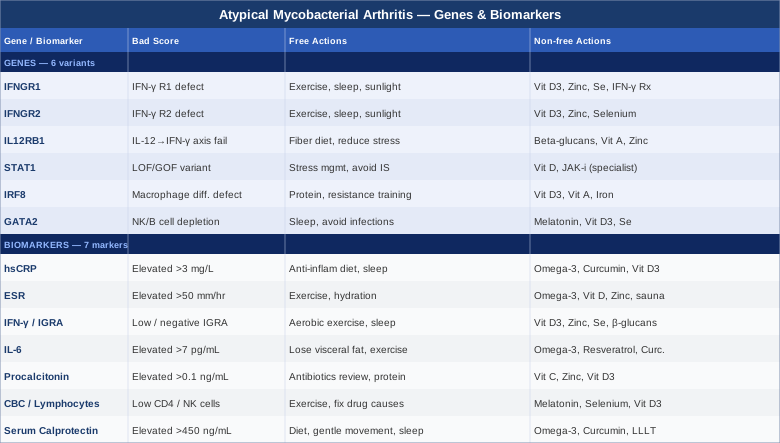
This article covers atypical mycobacterial arthritis from two angles that most general health resources overlook entirely. Seven key biomarkers — including IFN-γ, IL-6, procalcitonin, and serum calprotectin — are broken down by what they reveal, how to measure them affordably, and exactly how to improve a bad score, with and without supplements. Six genes — including IFNGR1, STAT1, IL12RB1, and GATA2 — are reviewed for their role in NTM susceptibility, with specific intervention plans that map to each gene's mechanism of failure.
Beyond labs and genetics, you will find a ten-point distillation of what cutting-edge immune resilience research is actually saying — insights drawn from Peter Attia's work that most general practitioners have not incorporated into their recommendations. The article closes with four complementary modalities, each selected for meaningful clinical evidence specifically relevant to infectious arthritis or immune function: photobiomodulation, MBSR, microbiome-directed therapy, and breathing-based protocols. Every recommendation comes with frequency, cycling guidance, and side effects clearly noted.
7 Biomarkers That Reveal What Is Happening in Your Joints and Immune System
Tracking biomarkers in atypical mycobacterial arthritis is not about collecting numbers for their own sake. It is about determining whether the infection is still active, whether the immune response is adequately mounted, and whether any intervention — medical or otherwise — is actually moving the needle. The seven markers below form a comprehensive functional panel spanning infection activity, systemic inflammation, immune cell architecture, and joint-specific pathology.
1. High-Sensitivity C-Reactive Protein (hsCRP)
Why it matters and what it reveals
CRP is produced by the liver in response to inflammatory cytokines, primarily IL-6. In NTM arthritis, it rises sharply during active infection and declines — often incompletely — during treatment. Because it responds to both infectious burden and tissue damage, hsCRP serves as a proxy for overall inflammatory load. Persistently elevated hsCRP after completing antibiotic therapy may signal residual infection, ongoing synovial damage, or concurrent immune dysregulation. It is also a meaningful prognostic indicator in disseminated NTM infections: studies on CRP as a monitoring tool in NTM disease consistently show that failure to normalize CRP during treatment correlates with relapse risk.
How to measure it
A standard serum hsCRP test is available at virtually every lab. Cost: $10 to $50 depending on provider. The high-sensitivity version is preferred over standard CRP for tracking low-grade chronic inflammation. Optimal: below 1.0 mg/L. Elevated concern: 1.0 to 3.0 mg/L. Active inflammation or infection: above 3.0 mg/L. During treated NTM arthritis, expect fluctuations; retest every four to eight weeks during active treatment phases.
If the score is bad, the plan without supplements
Begin with a strict anti-inflammatory diet eliminating ultra-processed foods, refined vegetable oils, and excess added sugar. Prioritize a Mediterranean-pattern diet rich in polyphenols, fiber, and oily fish. Ensure seven to nine hours of consistent sleep — sleep deprivation is one of the most reliable upstream drivers of CRP elevation. Engage in moderate aerobic exercise thirty minutes per day, four to five days per week; this acutely reduces IL-6 and reduces resting CRP over eight to twelve weeks. Eliminate smoking entirely if applicable. These changes are not cycled — they are maintained continuously. Side effects of adherence: essentially none.
If the score is bad, the plan with supplements or equipment
Omega-3 fatty acids (fish oil or algal oil): 2 to 4 grams EPA+DHA daily with meals. Cycling: continuous use with a two-week break every six months at higher doses. Curcumin with piperine: 500 to 1000 mg curcumin plus 10 to 20 mg piperine twice daily with food; can interact with blood thinners. Vitamin D3 with K2 (if deficient): 2000 to 4000 IU vitamin D3 with 100 to 200 mcg MK-7 daily. NAC (N-acetylcysteine): 600 mg twice daily, ideally on an empty stomach; supports glutathione and downstream anti-inflammatory signaling. Occasional mild GI discomfort is the main reported side effect.
2. ESR (Erythrocyte Sedimentation Rate)
Why it matters and what it reveals
ESR measures how quickly red blood cells settle in a tube — a rise indicates elevated fibrinogen, immunoglobulins, and other acute-phase proteins associated with immune activation. ESR is less specific than hsCRP but offers a complementary view: it responds more slowly, often remaining elevated after CRP normalizes. In NTM arthritis, persistently elevated ESR after antibiotic completion — even with normal CRP — warrants continued clinical attention. Research linking ESR to NTM arthritis monitoring supports its use as a complementary, not standalone, marker when interpreted alongside CRP and clinical findings.
How to measure it
Standard blood draw, frequently bundled with CBC or CRP panels. Cost: $10 to $40. Normal: under 20 mm/hr for men, under 30 mm/hr for women, adjusted for age. Values above 50 mm/hr in the context of NTM arthritis suggest significant active disease or immune dysregulation.
If the score is bad, the plan without supplements
ESR is a downstream marker, so the approach mirrors CRP: anti-inflammatory nutrition, adequate hydration (1.5 to 2.5 liters of water daily), regular aerobic exercise, and stress reduction. Reducing visceral fat is particularly impactful for long-term ESR normalization; target a waist circumference below 94 cm for men and 80 cm for women. The timeline for meaningful ESR reduction with lifestyle changes is typically eight to twelve weeks.
If the score is bad, the plan with supplements or equipment
Omega-3 supplementation as described for CRP directly reduces fibrinogen, a key driver of ESR elevation. Vitamin D optimization reduces ESR in multiple inflammatory conditions; target serum 25-OH-D between 40 and 60 ng/mL. Zinc: 15 to 30 mg elemental zinc daily with food, cycling three months on and two weeks off to prevent copper depletion. Infrared sauna: three to four sessions per week, twenty minutes each; emerging evidence suggests heat shock protein induction and improved lymphatic circulation reduce resting ESR over four to eight weeks.
3. Interferon-Gamma (IFN-γ) and IGRA Testing
Why it matters and what it reveals
IFN-γ is arguably the single most important cytokine in mycobacterial defense. It activates macrophages to kill intracellular mycobacteria, drives antimicrobial peptide production, and coordinates the Th1 immune response. When IFN-γ signaling is impaired — through genetic defects, functional exhaustion, or chronic immune suppression — mycobacteria persist even under antibiotic pressure. Published work on IFN-γ and NTM control consistently identifies it as the central bottleneck in susceptibility. IGRA tests (QuantiFERON-TB Gold Plus, T-SPOT.TB) measure IFN-γ release from sensitized T-cells — not a direct assay of pathway function, but a useful proxy for mycobacterial immune engagement.
How to measure it
IGRA tests are available at most hospitals and reference labs. Cost: $50 to $150. More specific IFN-γ quantification via ELISA, available at specialized immunology centers, costs $150 to $400. Genetic functional assays assessing IFNGR1 signaling capacity require referral to an immunodeficiency center and are reserved for recurrent or refractory NTM presentations.
If the score is bad, the plan without supplements
Sustained moderate aerobic exercise — not overtraining — is the most robust lifestyle strategy for supporting IFN-γ production. Three to four sessions per week at 60 to 70% of maximum heart rate. Consistent sleep of 7.5 to 9 hours directly supports Th1 and IFN-γ responses; chronic sleep restriction measurably suppresses Th1 immunity. Reduce chronic psychological stress, as cortisol persistently attenuates IFN-γ activity. Cold water immersion (10 to 15 minutes at 10 to 14°C, three to four times per week) has early evidence for upregulating innate cytokine production including IFN-γ.
If the score is bad, the plan with supplements or equipment
Vitamin D3 with K2: vitamin D directly upregulates the IFN-γ signaling pathway and antimicrobial peptide production (cathelicidin). Target 25-OH-D of 50 to 60 ng/mL; typical supplementation is 3000 to 5000 IU/day. Zinc: essential cofactor for T-cell differentiation and IFN-γ production; 20 to 30 mg elemental zinc daily, cycling three months on and two weeks off. Selenium as selenomethionine: 100 to 200 mcg/day, supporting selenoprotein-dependent immune function; do not exceed 400 mcg/day due to toxicity risk. Beta-glucans (from yeast or oats, 250 to 500 mg/day): may modulate innate immune pathways and Th1 polarization; generally safe for continuous use.
4. Interleukin-6 (IL-6)
Why it matters and what it reveals
IL-6 is both an alarm signal and, when chronically elevated, a driver of joint destruction. In NTM arthritis it contributes to synovial hyperplasia, fever, and tissue catabolism. It also stimulates hepatic CRP production, which is why CRP often fails to normalize between treatment courses in patients with chronically high IL-6. Measuring IL-6 directly provides an upstream view of the inflammatory cascade and can identify individuals whose inflammatory biology is disproportionate to their infectious burden — a subgroup that may benefit from adjunctive anti-inflammatory therapy alongside antibiotics.
How to measure it
Serum IL-6 ELISA, available at specialty labs and major hospital centers. Cost: $100 to $300. Normal: below 7 pg/mL. During active NTM arthritis, values may reach 20 to 100+ pg/mL. Retest every eight to twelve weeks during treatment or when adjusting interventions.
If the score is bad, the plan without supplements
Visceral adipose tissue is the dominant non-infectious source of chronic IL-6. A caloric deficit of 300 to 500 kcal/day combined with three weekly resistance training sessions reduces visceral fat and lowers resting IL-6 over eight to twelve weeks. Regular aerobic exercise also reduces chronic IL-6 despite transiently elevating it acutely — this transient elevation is beneficial and represents normal immune adaptation, not damage. Prioritize fermented foods to support microbiome diversity, which modulates IL-6 tone.
If the score is bad, the plan with supplements or equipment
Omega-3 fatty acids (3 to 4 g EPA+DHA daily) reduce IL-6 signaling at the cellular level. Resveratrol: 250 to 500 mg/day trans-resveratrol inhibits IL-6 production via the NF-κB pathway; cycle eight weeks on and two weeks off; may interact with anticoagulants. Curcumin with piperine as described for CRP. Magnesium glycinate: 300 to 400 mg/day at bedtime; low magnesium is independently associated with elevated IL-6; may cause loose stools at high doses.
5. Procalcitonin (PCT)
Why it matters and what it reveals
Procalcitonin is a pre-hormone released by multiple tissues in response to bacterial and mycobacterial infection. Unlike CRP, which rises in both infectious and non-infectious inflammation, PCT is more specific to active bacterial disease. PCT in mycobacterial infection contexts has been studied as a tool for distinguishing active versus resolving disease and for monitoring adequacy of treatment response. A PCT that fails to decline during antibiotic therapy is a meaningful signal of inadequate bacterial clearance, warranting reassessment of the treatment regimen.
How to measure it
Serum PCT is widely available. Cost: $50 to $150. Reference range: below 0.1 ng/mL is normal; 0.1 to 0.5 ng/mL indicates mild elevation; above 0.5 ng/mL indicates significant infectious burden. In NTM arthritis, PCT is typically modestly rather than dramatically elevated, making trend tracking more useful than any single-point measurement.
If the score is bad, the plan without supplements
Elevated PCT primarily signals that the infection itself requires better management: review antibiotic appropriateness with your infectious disease physician, consider surgical debridement if joint debridement has not been performed, and reduce immunosuppressive factors (chronic stress, poor sleep, excess alcohol). Increase dietary protein to 1.6 to 2.0 g/kg body weight daily to support immune cell production and tissue repair.
If the score is bad, the plan with supplements or equipment
Vitamin C: 500 to 1000 mg/day in buffered form; supports macrophage function and antimicrobial peptide synthesis. Zinc as above; essential for neutrophil and macrophage bactericidal function. Vitamin D3: activates the cathelicidin pathway directly relevant to mycobacterial killing. Elderberry extract: 150 to 300 mg standardized extract, used short-term four to six weeks as adjunctive immune support; use with caution in autoimmune conditions. These are adjuncts to — never replacements for — appropriate antibiotic therapy.
6. Complete Blood Count with Lymphocyte Subsets
Why it matters and what it reveals
NTM arthritis frequently occurs in individuals with identifiable immune deficiencies — genetic (GATA2 deficiency, IFNGR mutations), iatrogenic (TNF-α blockade, corticosteroids), or acquired (HIV, hematologic malignancy). A full lymphocyte subset panel — specifically CD4+ T-cells, CD8+ T-cells, and NK cells — reveals whether the immune architecture is intact. Lymphocyte profiling in NTM susceptibility can identify previously undiagnosed immune deficiency in patients with recurrent or unusually treatment-resistant infections. NK cells are particularly important as first responders to mycobacteria before the adaptive immune response engages.
How to measure it
CBC: $20 to $50 and widely available. Full lymphocyte subset panel (CD4, CD8, CD16/56 NK cells, CD19 B-cells): $150 to $400 at hospital reference labs. Targets: CD4+ above 500 cells/µL; NK cells above 100 cells/µL; CD4:CD8 ratio above 1.5. Patients on biologic immunosuppressants should recheck every six to twelve weeks.
If the score is bad, the plan without supplements
Identify and address reversible causes: review immunosuppressive medications with your prescribing physician, treat concurrent infections, and correct nutritional deficiencies — particularly protein, iron, and vitamin D. Regular moderate aerobic exercise (30 to 45 minutes, four to five days per week) is consistently associated with increased NK cell number and cytotoxicity. Chronic overtraining suppresses lymphocyte counts, so intensity management is essential.
If the score is bad, the plan with supplements or equipment
Melatonin: 0.5 to 3 mg at bedtime; studied for NK cell enhancement, particularly in immune-depleted populations; safe for continuous use at these doses. Selenium: 100 to 200 mcg/day; supports NK cell activity and T-cell differentiation. Vitamin D3: CD4+ T-cells express vitamin D receptors directly; deficiency is independently associated with lymphopenia. Multi-strain probiotics (including Lactobacillus rhamnosus GG and Bifidobacterium longum BB536): emerging evidence for supporting lymphocyte populations; take daily with food, minimal side effects.
7. Serum Calprotectin
Why it matters and what it reveals
Calprotectin is a calcium-binding protein released by neutrophils and monocytes during active inflammation. While most clinicians associate it with fecal calprotectin in IBD monitoring, serum calprotectin (the S100A8/A9 complex) is emerging as a meaningful biomarker for joint inflammation — more sensitive than CRP for detecting active synovial disease. Research on serum calprotectin in infectious arthritis supports its use as an adjunct to CRP in monitoring NTM joint disease, particularly for distinguishing active joint inflammation from systemic inflammatory activity. Synovial fluid calprotectin, measured during arthrocentesis, can also serve as a diagnostic separator between NTM arthritis and crystal arthropathy.
How to measure it
Serum calprotectin is available at specialty and hospital reference labs; it is not yet universally standard and may require a specific request. Cost: $100 to $250. Normal: below 450 ng/mL in most references. This marker is most useful as a trend tool — track it every eight to twelve weeks alongside CRP for a more complete picture of joint inflammatory activity.
If the score is bad, the plan without supplements
Anti-inflammatory diet as described above. Reduce mechanical stress on the affected joint during active flares — neutrophil trafficking to inflamed synovium is a primary driver of calprotectin release. Low-impact movement (gentle range-of-motion exercises, swimming) maintains circulation without amplifying inflammatory load. Address sleep quality aggressively, as calprotectin rises significantly with even partial sleep deprivation.
If the score is bad, the plan with supplements or equipment
Omega-3 fatty acids: directly reduce neutrophil calprotectin release at the cellular level; use at 3 to 4 g EPA+DHA daily. Curcumin: 1000 mg/day in bioavailable form (phytosome or liposomal); reduces S100A8/A9 expression. Magnesium glycinate: 300 to 400 mg/day at bedtime; low magnesium amplifies neutrophil activation independent of infection status. Photobiomodulation (LLLT) applied to the affected joint has emerging evidence for reducing synovial neutrophil activity and calprotectin levels — detailed protocol in the complementary approaches section below.
The seven biomarkers above form a layered functional immune profile. No single value tells the complete story, but together they reveal whether infection is being controlled, where the immune bottlenecks are, and whether interventions are working. The genetic layer adds depth to that picture — explaining why some people generate adequate IFN-γ while others structurally cannot, regardless of lifestyle.
The Genetic Layer: 6 Variants That Shape Mycobacterial Susceptibility
Genetic susceptibility to nontuberculous mycobacterial infections is not theoretical — it is well-documented in a growing body of research organized under the term Mendelian Susceptibility to Mycobacterial Disease (MSMD). The genes below represent the most clinically relevant variants for individuals with unexplained recurrent NTM infections, NTM arthritis that resists standard treatment, or NTM infections occurring in the absence of obvious immunosuppression. The MSMD genetics literature is well-established and increasingly accessible through clinical genetic testing panels.
Identifying a variant in these genes does not change the antibiotic regimen, but it redirects the clinical approach toward targeted immune support, more vigilant monitoring, and — in some cases — eligibility for adjunctive immunological therapies that would otherwise not be considered.
IFNGR1 (Interferon-Gamma Receptor 1)
What this gene affects
IFNGR1, located on chromosome 6q23, encodes the ligand-binding chain of the IFN-γ receptor. It is the molecular gateway through which macrophages receive IFN-γ signals and activate their mycobactericidal machinery. Complete IFNGR1 deficiency (autosomal recessive) produces severe, often fatal disseminated NTM infections in childhood. Partial deficiency — particularly the well-characterized 818del4 frameshift variant (autosomal dominant) — produces a milder but persistent susceptibility to NTM arthritis and pulmonary NTM in adults. Testing is available through immunodeficiency genetic panels (Invitae, GeneDx, Blueprint Genetics).
If the gene is bad, the plan without supplements
When IFNGR1 function is reduced but not absent, every parallel pathway of mycobacterial defense becomes more important. Regular moderate aerobic exercise upregulates macrophage activation through exercise-induced cytokines that partially compensate for reduced IFN-γ sensitivity. Rigorous sleep (7.5 to 9 hours) prioritizes the Th1 cytokine production window. Minimize corticosteroid and immunosuppressant use wherever clinically feasible — in consultation with the treating physician. Regular sunlight exposure (15 to 30 minutes daily) supports vitamin D synthesis and downstream cathelicidin production, an IFN-γ-independent antimycobacterial pathway.
If the gene is bad, the plan with supplements or equipment
Vitamin D3 (target serum 25-OH-D of 50 to 70 ng/mL): directly induces cathelicidin and beta-defensin 4, which kill mycobacteria independently of IFN-γ receptor signaling. May require 4000 to 6000 IU/day; monitor serum levels every six months. Zinc: 20 to 30 mg elemental zinc daily, cycling three months on and two weeks off; supports macrophage function through IFN-γ-independent mechanisms. Selenium: 150 to 200 mcg/day as selenomethionine. Recombinant IFN-γ (Actimmune): in confirmed partial IFNGR1 deficiency, clinically administered IFN-γ has been used as adjunctive antibiotic therapy at specialized centers — patients with confirmed variants should ask their immunologist about this option explicitly.
IFNGR2 (Interferon-Gamma Receptor 2)
What this gene affects
IFNGR2 encodes the signal-transducing chain of the IFN-γ receptor complex (chromosome 21q22). Mutations are less common than IFNGR1 but produce a clinically equivalent phenotype: impaired macrophage activation and elevated NTM susceptibility. Some IFNGR2 loss-of-function variants produce a delayed but ultimately inadequate IFN-γ response — sufficient to avoid severe early-onset MSMD but insufficient to clear NTM arthritis effectively over time. Research on IFNGR2 variants and NTM infection demonstrates a clear susceptibility phenotype overlapping with IFNGR1.
If the gene is bad, the plan without supplements
The approach mirrors IFNGR1 deficiency: maximize every parallel antimycobacterial pathway through exercise, sleep optimization, sunlight exposure, and avoidance of unnecessary immunosuppression. The key distinction is that IFNGR2 deficiency is often partial, so the lifestyle ceiling is slightly higher — consistent effort yields measurable benefit.
If the gene is bad, the plan with supplements or equipment
Identical to the IFNGR1 protocol: vitamin D3 optimization, zinc cycling, selenium, and — in consultation with a specialist — consideration of adjunctive recombinant IFN-γ in refractory cases. Monitor 25-OH-D and zinc levels every six months to ensure supplementation is reaching therapeutic targets rather than theoretical ones.
IL12RB1 (Interleukin-12 Receptor Beta 1)
What this gene affects
IL-12 is the cytokine that drives T-cells and NK cells to produce IFN-γ in the first place. IL12RB1 encodes the IL-12 receptor on those cells. When this receptor is deficient, the IL-12 → IFN-γ axis is broken upstream — the body cannot generate adequate IFN-γ even if the downstream IFN-γ receptor (IFNGR1/IFNGR2) is intact. IL12RB1 deficiency is among the most commonly identified genetic causes of MSMD globally. Studies on IL12RB1 and MSMD confirm its central role across multiple populations and NTM species.
If the gene is bad, the plan without supplements
Optimize gut health: intestinal immune cells (dendritic cells and macrophages) are major sources of IL-12 production in response to microbial pattern recognition. A high-fiber, diverse diet supports the microbiome's ability to stimulate endogenous IL-12 through Dectin-1 and TLR pathways. Reduce chronic psychological and oxidative stress, both of which suppress IL-12 output. Where possible, avoid prolonged courses of medications that suppress Th1 immunity (long-term corticosteroids, certain antiparasitic drugs).
If the gene is bad, the plan with supplements or equipment
Beta-glucans (1,3-D-glucan, 250 to 500 mg/day from yeast or oats): stimulate Dectin-1 pattern recognition receptors on dendritic cells, driving IL-12 production; cycle six to eight weeks on and two weeks off; generally well tolerated. Vitamin A (retinol, 2500 to 5000 IU/day): supports Th1 differentiation; do not exceed 10,000 IU/day long-term due to hepatotoxicity risk; not beta-carotene if individual conversion is impaired. Zinc and selenium as above. Note: no IL-12 supplementation is clinically available for self-directed use; the focus must remain on maximizing the downstream IFN-γ pathway.
STAT1 (Signal Transducer and Activator of Transcription 1)
What this gene affects
STAT1 is the intracellular signaling hub through which IFN-γ translates its signal into gene expression. What makes it uniquely complex is that both loss-of-function (LOF) and gain-of-function (GOF) STAT1 variants increase NTM susceptibility — through opposite mechanisms. LOF variants impair IFN-γ signaling directly. GOF variants paradoxically bias the immune response toward IFN-α/β signaling while suppressing the Th17 and Th1 balance needed for mycobacterial control. Research on STAT1 GOF and NTM infections has identified it as an underdiagnosed cause of recurrent NTM in adults — often missed because STAT1 GOF does not match the classic MSMD presentation.
If the gene is bad, the plan without supplements
The approach depends on variant type. For LOF: mirror the IFN-γ pathway support outlined for IFNGR1. For GOF: the primary goal is avoiding strong interferogenic triggers where possible, as these transiently worsen GOF-STAT1 disease. Reduce chronic psychological stress, which activates IFN-α/β pathways. Consult an immunologist — JAK inhibitor therapy (ruxolitinib) is an established medical option for severe GOF-STAT1 cases and should be in the treatment conversation.
If the gene is bad, the plan with supplements or equipment
Avoid high-dose vitamin C megadosing (above 3 g/day) in GOF-STAT1, as high-dose ascorbate may amplify interferon signaling in susceptible individuals. Vitamin D remains beneficial for both LOF and GOF variants via its regulation of antimicrobial peptides independent of the STAT1 pathway. For GOF specifically, the most impactful intervention is a specialist discussion about JAK inhibition — a medical decision, not a self-directed supplement choice.
IRF8 (Interferon Regulatory Factor 8)
What this gene affects
IRF8 governs the differentiation of monocytes into macrophages and plasmacytoid dendritic cells — the cells responsible for presenting mycobacterial antigens and coordinating the adaptive immune response. Without adequate IRF8 function, these cells fail to mature appropriately. Studies on IRF8 deficiency show that even heterozygous variants can produce a subtle but clinically meaningful reduction in monocyte and dendritic cell function, predisposing to NTM infections that standard immunodeficiency workups often miss.
If the gene is bad, the plan without supplements
Ensure dietary protein of at least 1.6 g/kg/day — macrophage differentiation and renewal are amino-acid-dependent processes that are easily undernourished during chronic illness. Optimize iron: target ferritin between 50 and 100 ng/mL, as both deficiency and excess impair macrophage maturation. Regular resistance training (three sessions per week) promotes monocyte mobilization and differentiation toward M1 antimicrobial phenotypes.
If the gene is bad, the plan with supplements or equipment
Vitamin D3 (as above): directly upregulates IRF8-associated transcriptional programs in monocytes, making it one of the most relevant supplements for this specific variant. Vitamin A (retinol, 2500 to 5000 IU/day): critical for monocyte-to-macrophage differentiation; monitor if used long-term. Iron bisglycinate (if ferritin is below 50 ng/mL): 25 to 36 mg/day with vitamin C; check ferritin before supplementing and every three months thereafter. Do not supplement iron if ferritin is above 100 ng/mL.
GATA2
What this gene affects
GATA2 is a transcription factor essential for hematopoietic stem cell survival and differentiation. GATA2 deficiency syndrome produces a distinctive clinical triad: lymphedema, myelodysplasia, and profound NK cell and B-cell depletion — alongside a powerful predisposition to NTM infections. The NK cell depletion is particularly relevant to NTM arthritis, as NK cells serve as early joint responders before the adaptive immune system engages. Research on GATA2 deficiency and NTM susceptibility identifies it as a significant but often missed susceptibility gene in adults presenting with recurrent NTM in the absence of HIV or obvious iatrogenic immunosuppression.
If the gene is bad, the plan without supplements
Severe GATA2 deficiency is a medical condition requiring hematologic specialist management and potential bone marrow transplantation in progressive cases. For partial deficiency or milder phenotypes: minimize exposure to secondary infections that could further deplete NK cell reserves, maintain rigorous sleep (NK cell counts peak during overnight sleep phases), avoid unnecessary immunosuppressants, and maintain excellent nutritional status including adequate protein, zinc, and selenium.
If the gene is bad, the plan with supplements or equipment
Melatonin (1 to 3 mg at bedtime): increases NK cell cytotoxicity; safe for continuous use at these doses. Vitamin D3 (4000 to 6000 IU/day): supports NK cell viability and function. Selenium (150 to 200 mcg/day): directly supports NK cell activity. Multi-strain probiotics: emerging evidence for immune support in NK cell-depleted states; take daily with food. In confirmed GATA2 deficiency, these are supportive adjuncts alongside specialist hematologic management — they do not replace it, and the specialist conversation should happen before any self-directed supplementation plan is finalized.
Understanding your genetic profile does not change the name of the infection or the antibiotic required. But it can dramatically change the trajectory of management, particularly when standard treatment is not producing the expected response. When the medicine is right and the response is still inadequate, the genetic layer is often where the real answer lives. The next section moves from the molecular to the practical — a distillation of immune resilience principles drawn from some of the most evidence-dense work currently available.
Ten Things the Research on Immune Resilience Is Actually Saying
Peter Attia's Outlive: The Science and Art of Longevity (2023) and his long-form podcast The Drive draw on hundreds of peer-reviewed studies to build a coherent framework for how the body maintains and loses its capacity to defend itself. While the primary focus is longevity rather than infectious arthritis specifically, the immune function principles that run through this body of work apply with remarkable directness to NTM susceptibility and recovery. Below are the ten most relevant and practically impactful concepts.
1. Zone 2 Cardio Is the Most Underutilized Immune Tool
Sustained aerobic exercise at 60 to 70% maximum heart rate — Zone 2 — produces mitochondrial adaptations that improve macrophage efficiency, T-cell longevity, and NK cell recycling. Attia recommends 180 minutes per week as a minimum. For NTM arthritis patients managing joint involvement: cycling, swimming, or walking allow this intensity without loading the affected joint.
2. VO2 Max Predicts Immune Reserve, Not Only Cardiovascular Fitness
High VO2 max correlates with elevated NK cell count and function, improved lymphocyte turnover, and lower baseline inflammation. Studies cited by Attia show VO2 max in the top quartile reduces all-cause mortality by over 50% compared to the bottom quartile — and the immune mechanisms driving that difference are as important as the cardiovascular ones.
3. Glucose Dysregulation Silently Suppresses Macrophage Killing
Chronic hyperglycemia impairs neutrophil chemotaxis, macrophage bactericidal activity, and NK cytotoxicity. Attia's continuous glucose monitoring (CGM) work reveals glycemic excursions — postprandial spikes to 160+ mg/dL — that standard HbA1c tests miss entirely. Those excursions chronically handicap the immune cells most relevant to mycobacterial control.
4. Sleep Architecture Determines T-Cell Clonal Expansion
During slow-wave sleep, the immune system consolidates adaptive memory and generates Th1-favorable cytokine profiles including IFN-γ. Attia cites Matthew Walker's research showing that a single night below six hours reduces NK cell activity by 70% — a statistic with direct relevance to mycobacterial defense. Chronic short sleeping is not a neutral choice.
5. Fasting Insulin Is More Relevant Than You Might Expect
Hyperinsulinemia shifts macrophage polarization toward M2 (anti-inflammatory, immunologically permissive) phenotypes rather than M1 (mycobactericidal) phenotypes. Targeting fasting insulin below 6 µIU/mL through dietary quality and timing creates a more macrophage-favorable immune environment without any supplements.
6. Protein Intake Is a Gating Factor for Immune Cell Production
Attia recommends 1.6 to 2.2 g/kg/day of protein, specifically because lymphocyte synthesis, antibody production, and NK cell generation all require amino acid substrates. Most patients with chronic infections are significantly under-protein'd — driven partly by illness-related anorexia and partly by widespread underestimation of protein requirements.
7. Muscle Mass Is an Immune Reservoir
Skeletal muscle is the largest reservoir of glutamine — the primary metabolic fuel for lymphocytes and macrophages. Sarcopenia predicts worse outcomes in virtually every studied infectious disease context. Resistance training three times per week preserves the muscle mass that keeps immune cell function fueled during extended antibiotic courses.
8. Sex Hormone Balance Modulates Th1 Immunity
Low testosterone in men and declining estrogen in perimenopausal women both reduce Th1 immune activity. Attia's hormone optimization framework highlights that unexplained recurrent infection in middle-aged adults — even those without apparent immunodeficiency — sometimes has a hormonal dimension worth formally investigating with a knowledgeable endocrinologist.
9. Chronic Stress Rewires Macrophage Epigenetics Durably
Glucocorticoids from chronic stress do not merely suppress acute inflammation — they produce lasting epigenetic marks on macrophage gene enhancers that reduce bactericidal capacity for weeks after the stressor resolves. Psychological stress management is therefore not a peripheral concern for individuals with genetic susceptibility to NTM; it is a core immune defense intervention.
10. Supplement Stacking Without Lab Monitoring Is Counterproductive
Attia is consistent on this point: taking high doses of zinc, selenium, vitamin D, or vitamin A without monitoring serum levels can produce toxicity that impairs the very immune functions being targeted. Track the biomarkers. Supplement to fill documented gaps, not hypothetical ones. The goal is sufficiency, not saturation.
These ten insights do not require a prescription, but they do require commitment. They represent a shift in how immune defense is understood — as something actively trained, monitored, and calibrated, not passively assumed. What follows addresses four additional approaches, each with meaningful clinical evidence, that may provide genuine support alongside medical management.
Complementary Approaches With Meaningful Evidence
The following four modalities are not cures and do not replace antibiotic therapy or specialist care. Each is selected based on the availability of human clinical evidence relevant either to infectious arthritis or to the immune vulnerability that underlies NTM susceptibility.
Photobiomodulation (Low-Level Laser Therapy)
Photobiomodulation uses near-infrared light — typically 810 to 904 nm — to penetrate joint tissue and stimulate mitochondrial activity in synoviocytes, reducing pro-inflammatory cytokine production including IL-6 and TNF-α. In the context of NTM arthritis, LLLT does not target the bacteria directly; it addresses the secondary synovial inflammation that often persists or worsens even after bacterial load has declined under antibiotic therapy. This is a meaningful therapeutic gap — many patients with successfully treated NTM arthritis continue to experience significant joint inflammation driven by ongoing tissue damage rather than active infection. LLLT randomized trials in arthritis consistently show reductions in pain, joint stiffness, and inflammatory biomarkers including CRP.
The standard protocol involves eight to twelve sessions of five to ten minutes per joint area, delivered three times per week for four weeks. Clinical-grade devices (class 3B or class 4 laser) are available through physiotherapy and sports medicine clinics. FDA-cleared home maintenance devices (Joovv, PlatinumLED Therapy Lights, and similar) allow ongoing treatment after the initial clinical course. Cost: $50 to $150 per clinical session; quality home devices range from $300 to $1200.
For NTM arthritis specifically, LLLT is most applicable during the post-antibiotic phase when synovial inflammation persists despite negative cultures. Apply the device to the affected joint following manufacturer protocols for joint-specific settings. Do not use over active open wounds, infected skin surfaces, or in patients with known photosensitivity conditions. Side effects are minimal — mild local warmth or transient surface redness at most.
Mindfulness-Based Stress Reduction (MBSR)
MBSR is an evidence-based eight-week program of meditation, body scan, and mindful movement developed by Jon Kabat-Zinn at the University of Massachusetts. Its relevance to NTM arthritis is not purely analgesic — randomized trials have shown that MBSR reduces cortisol (which suppresses Th1 immunity and IFN-γ production), lowers CRP and IL-6, and increases lymphocyte telomere length — a proxy for immune cell longevity. MBSR RCTs on inflammatory biomarkers show consistent reductions in IL-6 and CRP across multiple conditions including chronic pain and infectious illness recovery.
The standard MBSR protocol consists of eight weekly group sessions of 2.5 hours each, a day-long silent retreat, and 45 minutes of daily home practice. Validated digital adaptations (the Mindfulness-Based Cognitive Therapy app, Insight Timer MBSR course) have shown comparable benefits for those without local program access. Cost: group programs typically run $300 to $600 for the full eight-week course, with community programs frequently offering sliding-scale fees.
For NTM arthritis patients, MBSR provides two specific benefits that compound over the treatment timeline: pain modulation during extended antibiotic courses (often twelve to eighteen months), and stress reduction that preserves Th1/IFN-γ immune capacity. Begin the program during a period of relative clinical stability rather than acute flare. The evidence supports full eight-week participation — partial engagement produces partial results.
Microbiome-Directed Therapies
The gut microbiome has a well-documented role in shaping innate immune function, including macrophage activation states, IL-12 production, and Th1/Th2 balance. Dysbiosis — reduced microbial diversity — is associated with impaired IFN-γ responses and increased susceptibility to intracellular pathogens. Research on microbiome and Th1 immune function shows that specific microbial communities support the IL-12/IFN-γ axis through pattern recognition receptor stimulation. Prolonged NTM antibiotic regimens — rifamycin combinations, macrolides, and ethambutol — also cause significant microbiome disruption, creating a secondary immune vulnerability that is rarely addressed in standard management.
Restoration strategies include high-fiber prebiotic intake (20 to 35 grams per day from vegetables, legumes, and whole grains), daily fermented foods (150 to 300 mL kefir or yogurt, or 50 to 100 g kimchi or sauerkraut), and evidence-based probiotic supplementation. Specific strains with meaningful Th1-supporting data include Lactobacillus rhamnosus GG and Bifidobacterium longum BB536.
During extended NTM antibiotic courses, take probiotics at least two hours away from antibiotic doses to minimize direct antagonism. After completing antibiotic therapy, a structured six-month microbiome restoration program — combining dietary diversity, prebiotics, and multi-strain probiotics — can meaningfully support immune recovery. Cost: quality probiotic supplements run $30 to $80 per month; the dietary component has no additional cost beyond normal food spending.
Breathing-Based Therapies
Controlled breathing practices — diaphragmatic breathing, box breathing, and the Wim Hof method — modulate the autonomic nervous system in ways that directly affect immune cytokine profiles. Slow, deep breathing activates the parasympathetic nervous system, reducing resting cortisol and increasing vagal tone, which has downstream effects on IL-6 and TNF-α. A landmark study by Kox et al. (2014) published in PNAS (PMID 24799822) found that trained practitioners of the Wim Hof breathing method showed significantly attenuated inflammatory responses to endotoxin challenge — with measurably altered cytokine profiles including reduced IL-6 and TNF-α and elevated anti-inflammatory IL-10. This represents one of the few studies providing direct mechanistic evidence that a breathing protocol can modulate the same inflammatory markers most relevant to NTM arthritis.
The most accessible starting protocol is box breathing (inhale 4 seconds, hold 4, exhale 4, hold 4) practiced twice daily for five minutes. The Wim Hof method — 30 deep cycles followed by a breath hold — is available through the free Wim Hof Method app and involves no equipment and no cost. The evidence profile for the Wim Hof approach specifically is early but mechanistically compelling.
For NTM arthritis patients, breathing therapy is particularly useful during periods of high medical or psychological stress — around antibiotic infusion visits, medical procedures, or hospitalizations — when cortisol-driven immune suppression is most likely. Avoid prolonged voluntary breath holds in patients with cardiovascular conditions or during active, severe joint infection. Mild light-headedness is common initially with hyperventilation-component breathing methods and resolves within the first one to two weeks of practice.
Conclusion
Atypical mycobacterial arthritis is a condition where generic management often falls short — not because good treatment options do not exist, but because the biology underlying susceptibility and treatment response varies so dramatically between individuals. The seven biomarkers covered here — hsCRP, ESR, IFN-γ, IL-6, procalcitonin, lymphocyte subsets, and serum calprotectin — offer a real-time view of infection activity, immune capacity, and treatment effectiveness that most routine panels do not provide. The six genes — IFNGR1, IFNGR2, IL12RB1, STAT1, IRF8, and GATA2 — help explain why susceptibility differs so dramatically and point toward specific interventions matched to each mechanism of failure.
None of this replaces expert medical care: properly identified NTM species, culture-directed antibiotic therapy, and specialist input from infectious disease and immunology remain the essential foundation. But the precision offered by biomarker tracking and genetic awareness can make that medical foundation significantly more targeted and effective. The next smart step is to bring these specific markers — and the questions they raise — into your next conversation with a specialist. Better questions consistently lead to better answers.
Musculoskeletal: Joint Conditions
Autoimmune: Inflammatory Conditions
Infectious: Bacterial Infections