This article contains AI generated content.
· UpdatedBartonella Arthritis — 5 Genes And 7 Biomarkers To Track
Introduction
Joint pain that arrived after an infection — and never fully left — is one of the more disorienting health experiences a person can have. You may have tested negative on the usual panels, been told your labs look "mostly fine," or received a diagnosis that never quite fit the full picture. Bartonella-related arthritis occupies exactly this overlap: a bacterial cause that is routinely overlooked, a set of symptoms that can mimic autoimmune disease convincingly, and a population of patients who spend years in rheumatology offices looking for explanations that standard workups rarely surface.
The problem is not just the pathogen. Bartonella henselae, B. quintana, and related species are gram-negative bacteria with a sophisticated ability to establish intracellular infection. They can trigger joint inflammation through direct bacterial seeding of synovial tissue, through persistent immune activation, and — in genetically susceptible individuals — through a cascade that resembles reactive arthritis. Generic anti-inflammatory advice does not address any of these mechanisms specifically, and broad antibiotic protocols designed for other infections may miss Bartonella's particular biology entirely.
What actually changes outcomes is tracking the right signals. Specific biomarkers can tell you whether inflammation is still active, whether your immune system is dysregulated in ways consistent with ongoing Bartonella infection, and whether the joint involvement is primarily bacterial or primarily immune-driven. At the genetic level, a handful of variants significantly alter both your susceptibility to severe infection and your likelihood of developing chronic joint sequelae. Knowing which variants you carry shapes what you prioritize.
This article covers two practical frameworks. The primary one details seven biomarkers chosen for their diagnostic utility, clinical actionability, and affordability — the ones most likely to reveal what is actually happening and guide better decisions. A second framework examines five genetic variants most relevant to Bartonella arthritis susceptibility and severity. Beyond that, you will find a summary of one of the most detailed books written specifically on Bartonella management, and a selection of complementary approaches backed by human clinical evidence. Together, these frameworks give you something generic advice cannot: a personalized entry point into a condition that generic protocols consistently miss.
Summary
- 7 key biomarkers help diagnose Bartonella arthritis, monitor disease activity, and distinguish it from autoimmune disorders like rheumatoid arthritis — most are affordable and available through standard labs. - hs-CRP, ESR, and IL-6 form a practical inflammatory triad that tracks treatment response over time and reveals whether your immune system is still fighting something. - Ferritin is often overlooked but provides meaningful insight into immune activation and iron dysregulation — both hallmarks of Bartonella infection — and is available from any standard lab for under $50. - CBC with differential frequently reveals lymphopenia and monocytosis patterns that raise suspicion for Bartonella when the diagnosis is not obvious, for as little as $20. - Anti-CCP antibodies play a critical differentiating role: positive results push toward true RA; negative results keep the infection-driven hypothesis intact and guide toward antibiotic treatment rather than immunosuppression. - 5 genetic variants — HLA-B27, TNF-α -308G>A, IL-10 rs1800896, TLR4 Asp299Gly, and MTHFR C677T — help explain why some people develop chronic joint problems after Bartonella while others clear the infection without lasting effects. - Each biomarker and gene section includes a practical action plan: what to do without supplements, what targeted supplementation adds, and realistic protocols with frequency and cycling. - Complementary strategies including photobiomodulation, microbiome-directed therapy, tai chi, and mindfulness round out a holistic management approach grounded in human clinical evidence.
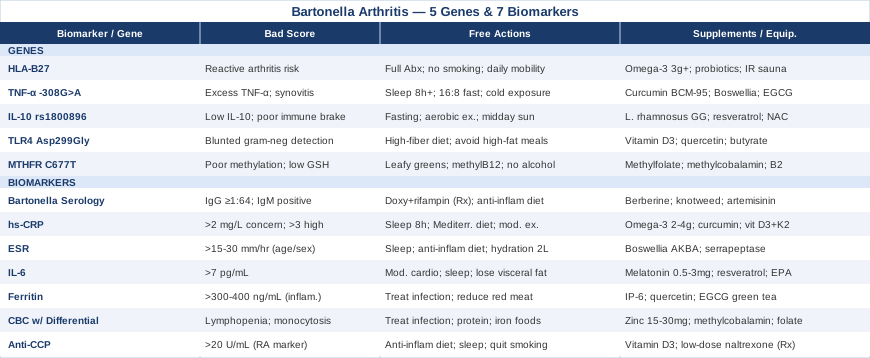
7 Biomarkers to Track for Bartonella Arthritis
Bartonella arthritis is diagnosed late far more often than it is diagnosed early. Part of the reason is that clinicians rarely include Bartonella serology in a standard arthritis workup, and another part is that the inflammatory signals are nonspecific — they could point to dozens of conditions. The following seven biomarkers address both problems: the first confirms or challenges the diagnosis directly, while the remaining six characterize the inflammatory environment in ways that guide treatment strategy and track progress over time.
Biomarker 1: Bartonella-Specific Serology (IgG / IgM / IgA)
Why It Matters
This is the starting point. Bartonella-specific antibody testing — typically IgG and IgM via indirect fluorescent antibody (IFA) or enzyme-linked immunosorbent assay (ELISA) — provides the most direct evidence of current or past Bartonella infection. In a patient with unexplained arthritis, a positive Bartonella IgG at a titer of 1:64 or higher is a significant finding that should redirect the entire diagnostic and treatment conversation.
The complication is that standard hospital labs often calibrate their reference ranges for acute cat scratch disease, not for chronic musculoskeletal presentations. Specialty laboratories such as Galaxy Diagnostics and IGeneX offer more sensitive platforms including Bartonella growth assay (BGA) and digital droplet PCR, which can detect infection even when conventional serology returns negative. Research published in PLOS ONE (Maggi et al., 2013) demonstrated that digital droplet PCR substantially outperformed conventional PCR for detecting Bartonella bacteremia in chronic cases — a finding that has materially changed how informed clinicians approach seronegative cases.
How to Measure It
Standard serology (IFA or ELISA) is available through most major labs and costs $80–150 USD. IgG at or above 1:64 is considered significant; IgM positivity suggests more recent infection. Specialty testing via BGA or ddPCR runs $200–450 and is the appropriate next step when standard serology is negative but clinical suspicion remains high. If initial serology is borderline, retesting at 4–6 weeks adds meaningful information — rising titers carry more diagnostic weight than any single snapshot.
If the Result Is Abnormal — Plan Without Supplements
A positive result in someone with unexplained arthritis warrants referral to an infectious disease specialist or a physician familiar with tick-borne illness. First-line antibiotic treatment for Bartonella arthritis typically involves doxycycline (100 mg twice daily) combined with rifampin (300 mg twice daily) for a minimum of 4–6 weeks, with some patients requiring longer courses. Anti-inflammatory dietary modifications — eliminating processed foods, sugar, and industrial seed oils — reduce the immunological burden during treatment. Adequate hydration, regular gentle movement, and 7–9 hours of sleep nightly are foundational and non-negotiable throughout antibiotic therapy.
If the Result Is Abnormal — Plan With Supplements or Equipment
Several plant-derived compounds have demonstrated direct activity against Bartonella in vitro or have been used systematically by tick-borne illness clinicians:
Berberine: 500 mg two to three times daily with meals. Demonstrates broad-spectrum antibacterial activity including against gram-negative intracellular pathogens. Cycle 5 days on, 2 days off to reduce risk of gut microbiome disruption. Avoid during pregnancy; may interact with cyclosporine.
Japanese knotweed extract (standardized stilbene): 100–400 mg standardized extract, twice daily. Used in tick-borne illness protocols for anti-inflammatory and reported antimicrobial properties. Cycle 6 weeks on, 2 weeks off. Evidence for direct antibacterial effect in humans is limited; most data is in vitro.
Artemisinin: 200 mg twice daily away from meals, in 3-week cycles followed by 1-week breaks. Animal models have shown some activity against intracellular bacteria. Side effects include nausea and transient fatigue; avoid continuous long-term use without medical oversight.
All supplements should complement, not replace, antibiotic treatment where indicated, and should always be used under physician guidance.
Biomarker 2: High-Sensitivity C-Reactive Protein (hs-CRP)
Why It Matters
High-sensitivity CRP is a liver-produced acute-phase protein that rises in response to infection, tissue damage, and inflammation. In Bartonella arthritis, hs-CRP serves as both a diagnostic signal (elevated in active infection) and a treatment-response monitor — falling levels suggest the infection is being controlled. Peter Attia identifies hs-CRP below 0.5–1.0 mg/L as an optimal target in clinical practice, with values above 3 mg/L representing a meaningful inflammatory risk signal worth addressing.
What makes hs-CRP particularly useful here is sensitivity: the high-sensitivity version of the test detects low-grade inflammation that standard CRP misses, which matters when smoldering Bartonella infection produces a modest rather than dramatic inflammatory signal. This is also the most responsive marker — it changes within hours to days — making it the best choice for tracking acute response to interventions.
How to Measure It
Standard blood test available at any lab; cost $20–60 USD. Measure fasting to reduce confounders. Optimal target: below 0.5 mg/L; concerning above 2 mg/L; high above 3 mg/L. Retest every 4–8 weeks during active treatment to track trends — a single value is far less informative than the direction of change across serial measurements.
If the Score Is Bad — Plan Without Supplements
Sleep quality: 7–9 hours of consistent sleep reduces CRP by approximately 8–15% in population studies. During active infection management, sleep is genuinely therapeutic — not optional.
Dietary pattern: A whole-food, anti-inflammatory dietary pattern — eliminating ultra-processed foods, refined carbohydrates, and seed oils — consistently reduces CRP in intervention studies. A Mediterranean-style diet reduces CRP by approximately 20% over 3 months in randomized trials.
Exercise calibration: Moderate aerobic exercise (30 minutes, 3–5 times weekly) reduces hs-CRP over time, but high-intensity exercise during active Bartonella infection can transiently spike it. During active disease, keep movement low-to-moderate: walking, swimming, gentle cycling.
Stress reduction: Chronic psychological stress elevates CRP via HPA axis activation. Even 15–20 minutes of daily mindfulness practice has demonstrated CRP-lowering effects in randomized trials.
If the Score Is Bad — Plan With Supplements or Equipment
Omega-3 fatty acids (EPA + DHA): 2–4 grams combined daily. Meta-analyses consistently show 10–15% CRP reductions. Take with a fatty meal for absorption. No cycling needed at standard doses. Side effects: fishy burp (use enteric-coated capsules); blood-thinning at high doses — consult physician if on anticoagulants.
Curcumin (with piperine or liposomal): 500–1000 mg twice daily. Multiple RCTs show significant CRP reduction; bioavailability is the main challenge — choose a formulation with absorption enhancers. Cycle: continuous is generally tolerated; take 2-week breaks every 2–3 months. Side effects: loose stools at high doses; potential interaction with blood thinners.
Vitamin D3 + K2: Target serum 25-OH vitamin D of 40–60 ng/mL. Vitamin D deficiency is associated with higher CRP, and supplementation in deficient individuals reduces inflammation. Typical dose: 2000–5000 IU D3 with 100–200 mcg K2 daily. Side effects: toxicity possible at very high doses (above 10,000 IU/day long-term); test serum levels before dosing.
Biomarker 3: Erythrocyte Sedimentation Rate (ESR)
Why It Matters
ESR measures how fast red blood cells settle in a tube — a proxy for circulating inflammatory protein concentration. In Bartonella arthritis, ESR is typically moderately elevated (30–70 mm/hr in active cases), and it provides a complementary signal to hs-CRP. Critically, the two markers have different time dynamics: CRP rises and falls within hours, while ESR changes over days to weeks. This makes ESR the better choice for tracking longer-term disease trends during antibiotic therapy, while hs-CRP better captures acute flares and rapid responses to treatment changes.
ESR is also elevated in rheumatoid arthritis and other inflammatory arthritides, so it cannot differentiate Bartonella arthritis on its own — but interpreted alongside the full biomarker panel, it adds a meaningful directional signal.
How to Measure It
Standard blood test; cost $10–30 USD. Normal ranges: men under 50, below 15 mm/hr; men over 50, below 20 mm/hr; women under 50, below 20 mm/hr; women over 50, below 30 mm/hr. Retest every 4–6 weeks during treatment. A falling ESR alongside improving symptoms confirms declining inflammatory burden.
If the Score Is Bad — Plan Without Supplements
The foundational interventions that lower hs-CRP also reduce ESR over time: sleep, dietary pattern, and moderate activity. Two additions particularly relevant for ESR in Bartonella contexts:
Far-infrared sauna: Regular use at 140–160°F for 15–20 minutes, 3–4 times per week, has demonstrated ESR reductions in inflammatory joint conditions including ankylosing spondylitis. Begin with 10-minute sessions and increase gradually. Contraindicated during active high fever.
Hydration: Adequate water intake (2–3 liters daily) reduces blood viscosity and directly improves ESR. Simple but measurably effective during active inflammatory states.
If the Score Is Bad — Plan With Supplements or Equipment
Boswellia (AKBA extract): 100–250 mg AKBA standardized extract, twice daily. Boswellic acids inhibit 5-lipoxygenase, reducing leukotriene-driven inflammation. RCTs in osteoarthritis and inflammatory bowel disease show ESR reductions. Cycle: 8 weeks on, 2 weeks off. Side effects: mild GI upset in some; generally well tolerated.
Systemic enzyme therapy (serrapeptase): 20,000–60,000 IU between meals. May reduce inflammatory protein aggregation affecting ESR. Evidence in Bartonella specifically is limited; stronger evidence exists for inflammatory joint conditions generally. Avoid with anticoagulants.
Biomarker 4: Interleukin-6 (IL-6)
Why It Matters
IL-6 is a pleiotropic cytokine that drives both the acute inflammatory response — including CRP production — and adaptive immune responses. In Bartonella infection, elevated IL-6 is a key driver of systemic symptoms: fatigue, fever, joint pain, and malaise that patients often describe as disproportionate to what their other labs suggest. Measuring IL-6 directly provides a window into the cytokine environment that neither CRP nor ESR can fully capture.
From a treatment perspective, persistently high IL-6 — even as bacterial load is falling — suggests ongoing immune dysregulation that requires attention beyond antimicrobials alone. This marker may help explain why some patients feel partially better on antibiotics but not fully well: the cytokine cascade has taken on its own momentum.
How to Measure It
Blood test; cost $50–150 USD depending on the lab. Not universally available — specialty labs or hospital cytokine panels are the best option. Reference range: typically below 3.1–7 pg/mL (varies by lab). IL-6 fluctuates more than CRP, so two confirmed elevations carry more weight than one. Retest every 6–8 weeks.
If the Score Is Bad — Plan Without Supplements
Regular moderate exercise: Consistent aerobic activity demonstrably reduces IL-6 over time through skeletal muscle-derived anti-inflammatory myokines. Aim for 30–40 minutes of moderate cardio, 4–5 days weekly as tolerance allows during active disease.
Caloric moderation: Excess visceral fat is a major source of circulating IL-6. Even 5–7% body weight reduction produces meaningful IL-6 decreases.
Sleep: A single night of poor sleep increases morning IL-6 by 40–60% in human studies. Sleep is one of the most powerful and accessible IL-6 modulators available.
Cold exposure (cautious application): Brief cold showers (30–60 seconds cold at end of shower) acutely suppress IL-6. Avoid during fever or active severe flare.
If the Score Is Bad — Plan With Supplements or Equipment
Melatonin: 0.5–3 mg at bedtime. Beyond sleep support, melatonin directly suppresses IL-6 production and has demonstrated immunomodulatory effects across multiple studies. Start at 0.5 mg; increase gradually. Side effects: morning grogginess at higher doses; generally safe long-term at low doses.
Resveratrol: 500 mg daily with a fatty meal. Reduces IL-6 and NF-kB signaling in in vitro and some human studies. Cycle: daily for 8 weeks, then 3-week break. Side effects: mild GI at high doses; potential interaction with blood thinners.
High-EPA omega-3: Prioritize a formulation with an EPA:DHA ratio of at least 2:1 if IL-6 is the primary target — EPA has a more direct effect on pro-inflammatory eicosanoids and IL-6 than DHA does.
Biomarker 5: Ferritin
Why It Matters
Ferritin serves two functions that make it particularly relevant to Bartonella: it is both an iron storage protein and an acute-phase reactant that rises sharply during infection and immune activation. Bartonella species infect erythrocytes and alter iron metabolism as part of their survival strategy — they exploit iron-rich intracellular environments. This means ferritin may be elevated in Bartonella patients for two distinct reasons: as a reflection of systemic inflammation and as part of a disrupted iron-handling response unique to this pathogen.
Peter Attia recommends ferritin as a standard component of metabolic health monitoring, with optimal ranges in non-inflammatory states cited as 50–150 ng/mL for men and 12–150 ng/mL for women. In someone with active Bartonella arthritis, values above 300–400 ng/mL — without alternative explanations such as hemochromatosis — represent a meaningful red flag for active immune activation.
How to Measure It
Standard blood test; cost $20–50 USD. Always interpret alongside transferrin saturation (TSAT) and serum iron. Isolated high ferritin with normal iron and low TSAT points to inflammation rather than iron overload — the distinction changes the response plan entirely. Retest every 6–8 weeks during active management.
If the Score Is Bad — Plan Without Supplements
Treat the underlying infection: Elevated inflammatory ferritin does not respond to iron-reduction strategies — it responds to resolving the infection that is driving the acute-phase response. Antibiotic treatment is the primary lever.
Reduce dietary iron load temporarily: If ferritin is genuinely high, reducing red meat and iron-fortified processed foods helps decrease the inflammatory substrate available to Bartonella.
Anti-inflammatory dietary pattern: Reducing the overall inflammatory burden consistently brings ferritin down alongside other acute-phase markers.
Regular blood donation (only for confirmed iron overload): If high TSAT and serum iron confirm true iron overload, therapeutic phlebotomy or regular blood donation is effective. Do not apply this to inflammation-driven ferritin elevation without confirming iron overload first.
If the Score Is Bad — Plan With Supplements or Equipment
IP-6 (Inositol hexaphosphate): 1–2 grams daily on an empty stomach. IP-6 chelates excess iron and may reduce ferritin in true iron overload. Evidence in inflammation-driven ferritin elevation is more limited. Cycle: 8 weeks on, 4 weeks off. Side effects: may reduce absorption of essential minerals with prolonged use; avoid concurrent mineral deficiencies.
Quercetin: 500–1000 mg daily with meals. Acts as a natural iron chelator and anti-inflammatory. May modestly reduce ferritin over time in the context of inflammation. Cycle: continuous with 2-week breaks every 2–3 months. Side effects: generally well tolerated; potential interaction with medications metabolized by CYP3A4.
Green tea extract (EGCG): 400–500 mg standardized extract daily. EGCG has iron-chelating and anti-inflammatory properties. Take away from meals to avoid reducing dietary iron absorption. Cycle: 6 weeks on, 2 weeks off. Side effects: liver toxicity risk at very high doses — stay within recommended ranges.
Biomarker 6: Complete Blood Count with Differential (CBC)
Why It Matters
The CBC with differential is inexpensive, universally available, and — in Bartonella cases — often tells a story that more expensive tests miss. Several characteristic patterns emerge:
Lymphopenia: Reduced lymphocyte count (below 1,000/µL in adults) appears frequently. Bartonella infects CD34+ progenitor cells and alters immune cell populations in ways that reduce circulating lymphocyte numbers.
Relative monocytosis: Elevated monocyte percentage reflects macrophage-mediated immune response — monocytes are the macrophage precursors that Bartonella preferentially colonizes.
Mild normocytic anemia: Anemia of chronic disease or direct erythrocyte infection can produce hemoglobin levels of 10–12 g/dL. Often dismissed as trivial, but it meaningfully contributes to fatigue and reduced tolerance for exertion.
Thrombocytopenia: Low platelets occur in more severe cases, particularly with Bartonella bacteremia.
None of these findings is specific to Bartonella alone — but together, in someone with arthritic symptoms following a plausible exposure, they form a recognizable pattern that should raise clinical suspicion.
How to Measure It
Cost $20–40 USD at any standard lab. Request "CBC with differential" — not just CBC — to obtain the full cell-type breakdown. Establish a baseline and track serially every 4–6 weeks during treatment.
If the Score Is Bad — Plan Without Supplements
For lymphopenia: treat the underlying infection, which is the primary driver. Ensure adequate caloric and protein intake — chronic infection with poor nutrition worsens lymphopenia and delays immune recovery.
For anemia: determine the type first (iron studies, B12, folate). Anemia of chronic infection responds to treating the infection; nutritional anemia requires targeted repletion. Increase consumption of iron-rich foods alongside vitamin C to enhance absorption.
For thrombocytopenia below 80,000/µL: prompt medical evaluation is required. Do not attempt self-management with supplements.
If the Score Is Bad — Plan With Supplements or Equipment
Zinc: 15–30 mg elemental zinc daily with food. Zinc deficiency associates with lymphopenia and impaired immune cell development. Cycle: daily; take breaks every 3 months and monitor copper (zinc depletes copper with prolonged use). Side effects: nausea on an empty stomach; copper deficiency with excessive dosing.
Methylcobalamin (vitamin B12): 1000 mcg sublingual daily if B12 deficiency is contributing to anemia — particularly relevant for patients on prolonged antibiotics. Side effects: essentially none at these doses.
Methylfolate: 400–800 mcg daily if megaloblastic changes are present. Prefer methylfolate over folic acid, especially in MTHFR variant carriers (covered in the genetics section below). Do not supplement folate alone without confirming B12 status simultaneously.
Biomarker 7: Anti-Cyclic Citrullinated Peptide Antibodies (Anti-CCP)
Why It Matters
Anti-CCP is not a Bartonella-specific marker — it is the most specific diagnostic test for rheumatoid arthritis, with approximately 95% specificity. Its value in the Bartonella arthritis workup is precisely this: it answers the question that determines the entire treatment direction. Bartonella arthritis, reactive arthritis triggered by Bartonella, and early RA can present nearly identically. Anti-CCP distinguishes them with meaningful confidence.
A negative anti-CCP in someone with suspected Bartonella arthritis strongly supports the infection-first hypothesis and justifies pursuing aggressive antibiotic treatment. A positive anti-CCP raises the possibility of co-occurring RA — or, importantly, of Bartonella triggering a genuine autoimmune cascade in genetically susceptible individuals. The treatment implications of these two scenarios are dramatically different: RA therapy involves immunosuppression, which can cause serious deterioration if active Bartonella infection is untreated.
How to Measure It
Blood test; cost $40–100 USD. Values above 20 U/mL are considered positive by most labs. This is primarily a one-time diagnostic test; it does not need frequent repetition. Useful companion test: rheumatoid factor (RF), which costs $15–30, is less specific but adds complementary diagnostic weight.
If the Score Is Bad — Plan Without Supplements
A positive anti-CCP alongside possible Bartonella exposure warrants pursuing both tracks simultaneously: complete the Bartonella diagnostic workup and consult a rheumatologist for RA evaluation. The critical error to avoid is beginning immunosuppressive RA therapy before ruling out active Bartonella infection. Priority lifestyle modifications applicable to both conditions: - Anti-inflammatory dietary pattern (reduces autoimmune trigger burden regardless of primary cause) - Sleep optimization (fundamental to immune regulation in both RA and infectious conditions) - Smoking cessation (strongly worsens outcomes in RA and many HLA-B27-related conditions)
If the Score Is Bad — Plan With Supplements or Equipment
Given the diagnostic uncertainty when anti-CCP is positive alongside suspected Bartonella, supplementation should be conservative and physician-supervised. The safest options that support both infection clearance and immune modulation:
Vitamin D3 (target serum 50–70 ng/mL): Vitamin D has immunomodulatory effects relevant to both RA and infectious arthritis, and some evidence suggests it may reduce anti-CCP titers over time in early RA. Dose determined by baseline serum level; typically 3000–5000 IU daily with 100–200 mcg K2.
Low-dose naltrexone (LDN): 1.5–4.5 mg nightly (requires prescription). LDN modulates immune function through transient opioid receptor blockade and has shown promise in inflammatory arthritis in early trials. Side effects: vivid dreams in the first 2–4 weeks; generally well tolerated at low doses. Requires an informed physician willing to prescribe off-label.
With the biomarker framework established, it is worth stepping back to examine the genetic layer — because the same infection can produce wildly different joint outcomes in different people, and genetics explains a substantial portion of that variation.
The Genetic Side: 5 Variants That Shape Your Response to Bartonella Infection
Understanding genetics in the context of Bartonella arthritis is not about determinism. Carrying one of these variants does not guarantee severe disease. What it does is explain the striking variation in outcomes: why one person clears a Bartonella infection unaware while another develops months of joint inflammation that baffles their doctors. These five variants cover the most clinically relevant dimensions — autoimmune susceptibility, inflammatory intensity, bacterial pattern recognition, immune regulation, and methylation capacity.
Genetic testing for these variants is available through direct-to-consumer platforms (23andMe raw data with interpretation tools such as Genetic Lifehacks or SelfDecode), specialty labs including Genomind and GenoPalate, or clinician-ordered panels. Most of these are SNPs (single nucleotide polymorphisms) reliably detected by standard genotyping platforms.
Gene 1: HLA-B27 — The Reactive Arthritis Gateway
What It Affects
HLA-B27 is a human leukocyte antigen — a cell surface protein that presents pathogen-derived peptides to T cells for immune recognition. Approximately 8% of the general European-descent population carries HLA-B27; among individuals who develop reactive arthritis following a bacterial infection, that carrier frequency rises to 50–70%. The association is among the strongest in rheumatology, though it is not absolute — reactive arthritis occurs in some HLA-B27-negative individuals and is avoided by many who carry the variant.
In Bartonella infection, which can persist intracellularly for extended periods, HLA-B27 may cause T cells to cross-react with joint tissue. Bacterial peptides presented by HLA-B27 may resemble self-proteins in synovial joints, creating an autoimmune attack that continues long after the acute infection appears resolved. This mechanism is the primary reason HLA-B27 positive individuals need more aggressive initial infection treatment and closer long-term monitoring.
If the Gene Is Bad — Plan Without Supplements
Complete the full antibiotic course: Completing treatment — not stopping when symptoms improve — is particularly important for HLA-B27 carriers, because even small residual bacterial antigen loads can continue driving joint inflammation. Work with a physician who understands this specific mechanism.
Smoking cessation: Smoking significantly worsens HLA-B27-associated inflammatory conditions including ankylosing spondylitis and reactive arthritis. This is a modifiable risk factor with disproportionately high impact on this genetic background.
Daily spinal mobility and hip extension exercises: HLA-B27 conditions preferentially affect axial joints (spine and sacroiliac joints). Regular targeted mobility work, practiced daily rather than intensively but infrequently, prevents stiffness accumulation that becomes progressively harder to reverse.
Low-starch dietary approach: Based on Ebringer's research on HLA-B27 cross-reactivity with Klebsiella antigens in ankylosing spondylitis, a low-starch diet theoretically reduces cross-reactive bacterial antigen burden. Evidence is moderate quality but mechanistically coherent.
If the Gene Is Bad — Plan With Supplements or Equipment
Omega-3 fatty acids (3–4 grams EPA+DHA daily): Randomized trials in HLA-B27-associated conditions including ankylosing spondylitis show reduced inflammatory markers and disease activity. Continuous use at standard doses; monitor for blood-thinning at high doses.
Probiotics (Lactobacillus salivarius and Bifidobacterium species): May reduce cross-reactive bacterial antigens in the gut that perpetuate HLA-B27-driven joint inflammation. 50–100 billion CFU daily, continuous use. Side effects: mild bloating in first 1–2 weeks.
Far-infrared sauna: 30–40 minutes at 120–140°F, 3–4 times weekly. Provides heat-based anti-inflammatory benefit without the exertion that may worsen inflamed joints. Contraindicated during fever.
Gene 2: TNF-α -308G>A (rs1800629) — The Inflammation Amplifier
What It Affects
The TNF-α gene encodes tumor necrosis factor alpha, one of the most potent inflammatory cytokines in human biology. The -308G>A variant has been extensively studied in infectious and autoimmune disease. Carriers of the A allele — approximately 30% of the general population — produce significantly higher TNF-alpha in response to inflammatory stimuli, including bacterial infection.
In Bartonella arthritis, this matters because TNF-alpha is a primary driver of synovial inflammation — the same pathway that biologic drugs like etanercept and adalimumab target in RA and ankylosing spondylitis. Carriers of the -308A allele are theoretically more susceptible to severe joint inflammation after Bartonella infection and may take longer to resolve joint symptoms even after the infection is controlled.
If the Gene Is Bad — Plan Without Supplements
Consistent sleep: TNF production rises sharply with sleep deprivation; consistent 7–9 hour sleep is a direct TNF-alpha modulator.
Time-restricted eating: Even a modest 16:8 eating window reduces TNF-alpha in clinical studies. For -308A carriers, adding time-restricted eating provides a low-cost, meaningful anti-inflammatory daily habit.
Brief cold exposure: Wim Hof-style brief cold exposure (30–90 seconds cold, 3–4 times weekly) has demonstrated TNF-alpha reduction in small human studies. The anti-inflammatory signal is real, even if the protocol remains somewhat provocative.
If the Gene Is Bad — Plan With Supplements or Equipment
Curcumin (high-bioavailability formulation): 500–1000 mg BCM-95 or liposomal curcumin, twice daily. Curcumin directly inhibits NF-kB and downstream TNF-alpha production — one of the most studied natural TNF inhibitors. Cycle: 8–12 weeks continuous, then 2–4 weeks off. Side effects: loose stools at high doses; interaction with blood thinners.
Boswellia serrata (AKBA extract): 100–200 mg AKBA twice daily. Inhibits both 5-LOX and TNF-alpha signaling. Cycle: 8 weeks on, 2 weeks off. Side effects: occasional GI upset; generally well tolerated.
EGCG (green tea extract): 400 mg standardized extract, twice daily with food. Inhibits NF-kB and has demonstrated TNF-alpha reduction in human studies. Cycle: 6 weeks on, 2 weeks off. Side effects: liver toxicity risk at doses above 800 mg/day long-term — stay within recommended ranges.
Gene 3: IL-10 rs1800896 — The Immune Brake
What It Affects
Interleukin-10 is the immune system's primary anti-inflammatory cytokine — the "off switch" that prevents excessive damage once a pathogen has been detected and engaged. The rs1800896 variant in the IL-10 promoter region determines how much IL-10 is produced. Low-producer variants result in reduced IL-10 output, meaning the inflammatory response is turned on effectively but turned off poorly.
In Bartonella arthritis, low IL-10 production creates a scenario where joint inflammation is more severe, more prolonged, and more likely to cause lasting tissue damage. Evidence from rheumatology literature has consistently linked IL-10 promoter variants with more severe outcomes in infectious and inflammatory arthritis, making this variant particularly worth knowing about in the context of chronic Bartonella joint disease.
If the Gene Is Bad — Plan Without Supplements
Short-term fasting: Both 24-hour fasting and chronic modest caloric restriction upregulate IL-10 production in human studies. This is one of the most accessible compensatory interventions for a low-producing IL-10 variant.
Moderate aerobic exercise: Post-exercise IL-6 spikes trigger a compensatory IL-10 rise that outlasts the exercise session. Moderate intensity is key — high intensity during active infection may blunt this benefit.
Sunlight and natural vitamin D synthesis: 10–20 minutes of midday sun exposure increases vitamin D, which directly upregulates IL-10. Free and physiologically relevant.
If the Gene Is Bad — Plan With Supplements or Equipment
Probiotics (IL-10-stimulating strains): Lactobacillus rhamnosus GG and Bifidobacterium longum have demonstrated IL-10 upregulation in human studies. 50–100 billion CFU daily, continuous. Side effects: bloating initially; generally well tolerated long-term.
Resveratrol: 500–1000 mg daily. Activates SIRT1, which upregulates IL-10 production. Human data is encouraging but more limited than animal models suggest. Cycle: 8 weeks on, 3 weeks off. Side effects: GI upset at high doses; drug interactions possible.
N-acetyl cysteine (NAC): 600–1200 mg twice daily. Glutathione precursor with IL-10-modulating properties in human studies. Cycle: continuous; 2-week breaks every 3 months at high doses. Side effects: nausea in some; rare paradoxical bronchoconstriction in asthma.
Gene 4: TLR4 Asp299Gly (rs4986790) — The Gram-Negative Detection Gate
What It Affects
Toll-like receptor 4 is the primary innate immune sensor for gram-negative bacteria — and Bartonella is gram-negative. TLR4 recognizes lipopolysaccharide (LPS) on bacterial cell walls and triggers the initial innate immune alarm. The Asp299Gly variant alters TLR4's extracellular domain, reducing its ability to bind LPS and signal effectively. Approximately 6–10% of European-descent populations carry this variant.
Carriers have a blunted early innate response to gram-negative bacteria: the infection may establish more easily because the alarm fires later, but the subsequent adaptive immune response may become dysregulated and disproportionately intense once activated. This pattern may explain why some TLR4 variant carriers develop chronic, difficult-to-resolve joint inflammation after Bartonella despite apparently successful antibiotic courses.
If the Gene Is Bad — Plan Without Supplements
Gut microbiome optimization: TLR4 signaling is heavily influenced by gut bacteria — particularly the balance between LPS-producing gram-negative bacteria and gram-positive species. A diverse, fiber-rich diet that favors Bifidobacterium and Lactobacillus species reduces inappropriate TLR4 activation. Prioritize whole vegetables, legumes (if tolerated), and fermented foods.
Avoid post-meal LPS spikes: High-fat, high-sugar meals acutely increase circulating LPS by raising gut permeability and allowing bacterial fragments to translocate into blood. For TLR4 variant carriers, this creates inappropriate immune activation on top of an already dysregulated receptor. A low-glycemic, moderate-fat diet significantly reduces this post-meal LPS burden.
Consistent sleep: TLR4 expression increases with sleep deprivation, creating hyperresponsiveness to bacterial signals. Consistent sleep normalizes TLR4 expression patterns.
If the Gene Is Bad — Plan With Supplements or Equipment
Vitamin D3 (target serum 50–70 ng/mL): Vitamin D directly modulates TLR4 expression and signaling — it reduces excessive TLR4-driven inflammation while preserving effective pathogen responses. For TLR4 variant carriers, reaching the upper-normal range of serum vitamin D is a priority. Monitor serum levels every 3 months initially.
Quercetin: 500 mg twice daily. Inhibits TLR4-mediated NF-kB activation and has demonstrated anti-inflammatory effects in human studies involving LPS-driven inflammation. Cycle: daily with 2-week breaks every 2–3 months. Side effects: generally well tolerated; potential CYP enzyme interactions.
Butyrate (sodium butyrate or dietary fiber-derived): 300–600 mg sodium butyrate twice daily, or dramatically increase resistant starch intake (green plantains, cooked-and-cooled potato or rice, oats). Butyrate reduces TLR4 expression in gut epithelium and dampens systemic inflammatory signaling downstream. Dietary butyrate production is preferable long-term; supplement for 8–12 weeks if dietary changes alone are insufficient. Side effects: mild bloating initially.
Gene 5: MTHFR C677T (rs1801133) — The Methylation and Immune Foundation
What It Affects
Methylenetetrahydrofolate reductase (MTHFR) converts dietary folate into 5-methyltetrahydrofolate — the active form used in the methylation cycle. Methylation is fundamental to DNA repair, neurotransmitter production, and immune cell function. The C677T variant reduces enzyme efficiency by approximately 30–70% depending on whether one or two copies are present.
In Bartonella arthritis, impaired methylation undermines multiple layers of immune response: T cell and B cell function, cytokine production, and epigenetic regulation of inflammatory gene expression. It also directly limits glutathione production — the body's primary antioxidant — which is depleted in chronic infection. The combination of reduced immune capacity and reduced antioxidant defense creates a favorable environment for persistent Bartonella. It is worth noting that MTHFR variants are extremely common (approximately 40–60% of the population carries at least one C677T allele) — their presence alone is not alarming, but in the context of chronic infection and joint inflammation, addressing MTHFR-related methylation impairment can make a meaningful difference to recovery trajectory.
If the Gene Is Bad — Plan Without Supplements
Methyl-rich dietary foods: Leafy greens (spinach, kale, arugula), eggs, liver, beets, and cruciferous vegetables provide natural folate and methyl donors. Building these into daily meals significantly supports methylation capacity even in the presence of MTHFR variants.
Avoid folic acid: Counterintuitive but important. Folic acid — the synthetic form in most supplements and fortified foods — competes with and can block 5-methylfolate from entering cells, particularly in MTHFR variant carriers. Read supplement labels carefully and choose naturally folate-rich foods over fortified products.
Animal-source B12: Methylcobalamin from animal foods (meat, shellfish, eggs) is the active form used directly in the methylation cycle. Vegans with MTHFR variants face particularly high risk for methylation impairment and should be especially diligent about B12 status.
Reduce alcohol: Alcohol directly depletes folate and impairs methylation. Even moderate drinking materially worsens methylation capacity in MTHFR variant carriers.
If the Gene Is Bad — Plan With Supplements or Equipment
Methylfolate (5-MTHF): 400–800 mcg daily for heterozygous carriers; up to 1000–2000 mcg for homozygous C677T under physician guidance. Use only methylfolate — not folic acid. Start low and increase gradually — high doses can cause irritability or anxiety in some individuals (a sign of overmethylation). Reduce dose if this occurs. No cycling needed; continuous use is appropriate.
Methylcobalamin (B12): 1000 mcg sublingual daily. Sublingual bypasses gut absorption limitations. Continuous use; essentially no side effects at standard doses.
Riboflavin (Vitamin B2): 100–200 mg daily. Riboflavin is MTHFR's required cofactor — providing adequate B2 significantly improves residual enzyme activity even in C677T carriers. This is the frequently overlooked intervention that can substantially improve methylation without requiring high-dose folate. Continuous use. Side effects: harmless yellow-orange urine discoloration at higher doses; otherwise well tolerated.
The genetics and biomarker layers together explain why your joints are reacting and how severely. What follows addresses the broader context of Bartonella management — from one of the most comprehensive clinical-herbal resources ever written on the subject.
"Healing Lyme Disease Coinfections" — 10 Things Stephen Harrod Buhner Knows About Bartonella That Most Doctors Don't
Stephen Harrod Buhner is a research herbalist who has spent decades systematically reviewing primary scientific literature on tick-borne and intracellular pathogens. His 2013 book Healing Lyme Disease Coinfections: Complementary and Holistic Treatments for Bartonella and Mycoplasma is one of the most detailed English-language resources on Bartonella's biology and management, written for both clinicians and informed patients. While Buhner's herbal protocols sit outside mainstream evidence hierarchies, the underlying biological analysis draws extensively on peer-reviewed literature and challenges several assumptions embedded in standard Bartonella care. The following ten ideas from the book are the most practically valuable for someone navigating Bartonella arthritis.
1. Bartonella Is Far More Common Than Current Diagnosis Rates Suggest
Buhner argues — and epidemiological data increasingly supports — that Bartonella is transmitted by a much wider range of vectors than cat scratches and body lice alone. Fleas, ticks, sand flies, and biting flies have been implicated in transmission. Bartonella DNA has been found in up to 33% of ticks in endemic regions in some studies, suggesting that exposure rates substantially exceed current diagnostic detection. The implication is that a meaningful fraction of "seronegative inflammatory arthritis" cases may have an unrecognized Bartonella component driving the joint disease.
2. Bartonella Evades Immune Detection Through Active Stealth Mechanisms
Rather than simply hiding passively, Bartonella actively suppresses natural killer cell activity, modifies the intracellular compartment it inhabits to prevent lysosomal destruction, and manipulates macrophage behavior to serve as a long-term shelter rather than an immune weapon. This explains the characteristic seronegative presentations seen in some chronic cases — the immune system has been actively prevented from mounting a full antibody response, which is why standard serology can be falsely negative even in the presence of ongoing infection.
3. Standard Antibiotics Often Reduce Rather Than Eradicate Intracellular Bartonella
The intracellular location of Bartonella protects it from many antibiotics that work well in extracellular environments. Doxycycline reaches intracellular compartments better than many alternatives, but even optimally dosed antibiotic regimens typically reduce bacterial load rather than completely eradicate it. This is why symptom recurrence after antibiotic discontinuation is common and why Buhner argues that combination approaches including herbs with intracellular penetration may offer additional benefit as adjuncts.
4. Japanese Knotweed Is the Cornerstone of His Bartonella Protocol
Polygonum cuspidatum (Japanese knotweed), standardized for resveratrol and stilbene content, is described by Buhner as having multiple relevant activities: antibacterial, anti-inflammatory, and immune-modulating. He cites stilbene research demonstrating the ability to penetrate cells and interfere with intracellular bacterial replication. The standard protocol calls for one-half teaspoon of powdered root three times daily, or equivalent standardized extract. Human-specific clinical trials for this application are limited — most data is in vitro or from animal models — and this should be understood as promising rather than proven.
5. Cryptolepis for Direct Intracellular Antimicrobial Activity
Cryptolepis sanguinolenta is a West African plant traditionally used for malaria and other infectious diseases. Buhner describes it as one of the most effective herbal antimicrobials for intracellular bacteria, with the active compound cryptolepine demonstrating gram-negative antibacterial activity in vitro. His protocol involves one-quarter to one-half teaspoon of tincture three times daily. Minimal side effects are reported at these doses, but the herb should not be used in pregnancy or alongside immunosuppressive drugs without medical supervision.
6. Supporting Macrophage Function Is as Important as Killing Bacteria
Buhner makes an underappreciated point: Bartonella's survival depends on hijacking macrophage function rather than evading it. Restoring healthy macrophage activity — rather than focusing exclusively on bacterial kill — is therefore a primary therapeutic target. He recommends Andrographis paniculata (andrographolide, 400 mg standardized extract twice daily) for this purpose. Andrographis has demonstrated immune-activating properties in human studies, primarily for respiratory infection, but the mechanism is biologically relevant to intracellular bacterial control more broadly.
7. The Neurological and Arthritic Symptoms Often Share the Same Root
Buhner's analysis reveals that many Bartonella arthritis patients also experience neurological symptoms — brain fog, anxiety, and peripheral neuropathy — because Bartonella has demonstrated tropism for vascular endothelium, including in the nervous system and brain. The joint inflammation and neurological symptoms frequently arise from the same source: systemic vascular inflammation. Herbs targeting vascular inflammation (notably Stephania root) are included in his neurological protocol and may benefit arthritic symptoms through the same mechanism, making them relevant for patients with both joint and neurological manifestations.
8. Cycling Herbal Antimicrobials Is Essential — Continuous Use Is a Mistake
One of Buhner's most practically important recommendations is that herbal antimicrobials must be cycled, never used continuously. He recommends 30 days on followed by 5–7 days off for most primary herbs, with rotation between different herbal antimicrobials every 2–3 months. The rationale parallels antibiotic stewardship: continuous exposure selects for adapted or resistant bacterial populations. This cycling principle fundamentally distinguishes his approach from the "take a supplement indefinitely" model common in wellness culture.
9. Liver and Gut Support Is Non-Negotiable Throughout Treatment
Both antibiotic and herbal protocols place significant demands on the liver and disrupt gut microbial community composition. Buhner recommends milk thistle (silymarin standardized extract, 300–600 mg daily) throughout the entire treatment period for hepatic support, alongside a rotating probiotic protocol to prevent treatment-associated gut dysbiosis. He specifically warns against using herbal antimicrobials long-term without concurrent gut support — dysbiosis perpetuates systemic inflammation even as bacterial load decreases, creating a situation where patients feel no better despite improving microbiology.
10. Long-Term Management Is Often Necessary — And That Reframe Matters
Perhaps Buhner's most important contribution is reframing time expectations. He argues that established Bartonella infection, particularly in long-standing cases, resembles a chronic condition requiring sustained management rather than an acute infection requiring a fixed treatment course. Improvement typically arrives in waves — good periods followed by herxheimer-like flares as bacteria die and release inflammatory byproducts. He counsels systematic tracking using objective measures (aligning well with the biomarker approach in this article) over expecting a definitive cure after a predetermined treatment window.
Evidence-Based Complementary Approaches for Bartonella Arthritis
The four approaches below have meaningful human clinical evidence applicable to Bartonella arthritis. None replaces antibiotic treatment or the biomarker-informed strategies above — but all have demonstrated genuine benefit as adjuncts for managing inflammation, supporting recovery, and rebuilding resilience during what can be a prolonged illness trajectory.
Mindfulness Meditation and MBSR
Mindfulness-based stress reduction (MBSR) is an 8-week structured program combining body scan meditation, sitting meditation, and gentle yoga, originally developed by Jon Kabat-Zinn at the University of Massachusetts. In Bartonella arthritis, MBSR is relevant on two levels simultaneously: it reduces perceived pain and psychological distress, and it has measurable effects on inflammatory biomarkers including CRP and IL-6 — both elevated in active Bartonella disease. The diagnostic odyssey common to Bartonella patients creates a significant psychological burden that amplifies physical symptoms; MBSR addresses both simultaneously.
A randomized controlled trial published in JAMA Internal Medicine (Cherkin et al., 2016) compared MBSR, cognitive-behavioral therapy, and usual care for chronic back pain and found MBSR produced significantly greater improvements in functional limitation at 26 and 52 weeks. The pain mechanisms involved — central sensitization, sympathetic activation, catastrophizing — are directly relevant to chronic arthritic pain of any cause. A meta-analysis in Psychoneuroendocrinology further demonstrated that mindfulness-based interventions significantly reduce CRP and IL-6 across multiple inflammatory conditions, confirming that the benefits extend beyond subjective pain relief.
For implementation: the 8-week formal MBSR course is the recommended entry point — available in person through hospital-affiliated programs or online through the free Palouse Mindfulness curriculum. Daily practice of 20–45 minutes is standard; for patients with significant pain making extended sitting uncomfortable, body scan meditation practiced lying down and brief walking meditation are effective alternatives. Start with 10–15 minutes daily and increase gradually. Contraindications are essentially absent in this population, making MBSR one of the lowest-risk interventions in this entire article.
Low-Level Laser Therapy (Photobiomodulation)
Low-level laser therapy (LLLT), also called photobiomodulation, uses specific wavelengths of red and near-infrared light (typically 630–850 nm) to stimulate mitochondrial function and reduce inflammation directly in tissues. At therapeutic doses, it increases cytochrome c oxidase activity in mitochondria, reduces oxidative stress, and upregulates anti-inflammatory pathways at the cellular level. For Bartonella arthritis, LLLT is relevant because it can target joint inflammation directly — reducing synovial prostaglandin production and promoting tissue repair — without systemic side effects or drug interactions.
A Cochrane systematic review of LLLT in inflammatory arthritis (Brosseau et al.) found significant reductions in pain and morning stiffness in rheumatoid arthritis patients, with the most consistent effects at wavelengths of 780–904 nm. While this evidence base is in RA rather than Bartonella arthritis specifically, the joint-level anti-inflammatory mechanism is directly applicable — synovial inflammation responds to photobiomodulation regardless of its precise etiology. The anti-inflammatory and mitochondrial-supportive effects are condition-agnostic at the tissue level.
For practical use: clinical-grade LLLT is available through physiotherapists and some rheumatology practices. Consumer-grade red light therapy panels combining 660 nm and 850 nm wavelengths are available for home use from reputable manufacturers at $200–600. Protocol: treat affected joints for 8–15 minutes, 5 days per week during active inflammation, reducing to 3 times weekly for maintenance. Position the device 2–6 inches from the skin. Eye protection is essential with laser-class devices. Improvements are typically observed after 3–6 weeks of consistent use. Contraindicated over areas of active malignancy.
Microbiome-Directed Therapies
The gut microbiome is central rather than peripheral to Bartonella arthritis management. Antibiotic treatment — typically doxycycline and rifampin for 4–8 weeks or longer — is profoundly disruptive to gut microbial community composition. The resulting dysbiosis increases gut permeability, elevates circulating LPS (which drives IL-6 and TNF-alpha production), and impairs immune regulation — precisely the processes that perpetuate joint inflammation even as bacterial load decreases. Microbiome-directed therapy encompasses targeted probiotic use, prebiotic dietary strategies, and fermented food integration, all aimed at restoring microbial diversity and immune-regulatory function during and after antibiotic treatment.
Research on post-antibiotic microbiome restoration, including work published in Cell (Suez et al., 2018), has shown that probiotic recolonization after antibiotics is not automatic — some individuals require specific strains and sustained exposure to achieve meaningful restoration. Studies on Lactobacillus rhamnosus GG and Saccharomyces boulardii supplementation during antibiotic treatment have demonstrated significant reductions in antibiotic-associated complications and faster microbiome recovery. In inflammatory arthritis more broadly, clinical trials have found that gut microbiome composition correlates with disease activity and that diversity-improving interventions reduce systemic inflammatory markers.
For implementation during Bartonella antibiotic treatment: take probiotics at least 2 hours apart from antibiotic doses to prevent direct inactivation. Use a multi-strain formulation including Lactobacillus rhamnosus GG, Saccharomyces boulardii, and Bifidobacterium longum at 50–100 billion CFU daily throughout treatment and for at least 4–8 weeks post-completion. Dietary support: 25–35 grams of prebiotic fiber daily from onions, garlic, leeks, cooked-and-cooled rice, and green bananas, plus 1–2 servings daily of fermented foods (plain yogurt, kefir, sauerkraut, kimchi). A validated gut microbiome test at baseline and 3 months post-treatment can confirm recovery and guide ongoing refinements.
Tai Chi
Tai chi is a traditional Chinese movement practice combining slow, flowing sequences with deliberate breathing and sustained mental focus. For Bartonella arthritis patients, it offers something that more intense exercise cannot during active disease: consistent, gentle joint mobilization that maintains range of motion, builds proprioception, and reduces synovial stiffness without triggering the inflammatory spike that high-impact activity causes. Beyond joint-specific benefits, regular tai chi practice has demonstrated measurable effects on cortisol regulation, inflammatory cytokines, and immune function.
A systematic review published in Rheumatology International (Lee et al., 2017) examining tai chi in inflammatory arthritis found significant improvements in pain scores, functional disability, and quality of life, with beneficial effects on CRP in several included trials. A separate meta-analysis in RA specifically reported that 12 weeks of tai chi produced improvements in joint tenderness and swelling scores comparable to conventional exercise therapy, with substantially lower dropout rates due to pain or injury. The condition-specific evidence for Bartonella arthritis is limited — the RA evidence is being extrapolated — but the joint-level and inflammatory mechanisms are not condition-specific.
For Bartonella arthritis patients: begin with the Yang-style short form (24 movements), which takes approximately 5–8 minutes to complete and is widely taught through community programs and free online resources. Three to five sessions per week is the evidence-supported frequency; daily practice of even 10 minutes is preferable to less frequent longer sessions. During active joint flares, reduce intensity and range of movement rather than stopping entirely — maintaining the habit of movement, even gently, prevents the deconditioning cycle that worsens chronic arthritis over time. If significant joint instability is present, consult a physical therapist before beginning independently.
Conclusion
Bartonella arthritis is an under-recognized diagnosis with a well-characterized underlying biology — and that is actually useful information. An unknown cause is untreatable; a known cause with identifiable markers is tractable. The seven biomarkers in this article give you a structured way to confirm the diagnosis, measure the inflammatory burden, and track whether your chosen interventions are moving the needle. The five genetic variants add a second layer: not determinism, but a practical map of where your immune vulnerabilities lie and how to compensate for them specifically.
The surrounding strategies — Buhner's herbal framework, complementary approaches, the lifestyle foundations — are not alternatives to medical treatment. They are the context that determines whether medical treatment works efficiently or leaves residual inflammation that prolongs recovery. Bartonella arthritis treated comprehensively and consistently has a reasonable prognosis; treated narrowly, it tends toward chronicity.
The most useful next step is to take the biomarker panel to a physician — whether a primary care doctor open to infectious disease considerations, a functional medicine clinician, or an infectious disease specialist — and use these markers to establish a monitoring baseline. Track the trends. Match your interventions to what the numbers reveal rather than to what feels intuitively right. Better information, used consistently, produces better decisions. And better decisions, compounded over months, produce meaningfully better outcomes.
Musculoskeletal: Joint Conditions
Autoimmune: Inflammatory Conditions
Infectious: Bacterial Infections