This article contains AI generated content.
· UpdatedBlastomycosis Arthritis Genes and Biomarkers: 5 Genes and 6 Biomarkers To Track
Introduction
Blastomycosis is not a condition most people have heard of until it upends their life. Caused by the environmental fungus Blastomyces dermatitidis, it begins as a lung infection — often mild enough to be dismissed as a stubborn pneumonia — and in a significant portion of cases disseminates to bone, skin, and joints. For people who develop osteoarticular blastomycosis, the joint pain, swelling, and destruction can persist for months even after antifungal treatment begins. Understanding why this happens, and what to track, changes the clinical picture considerably.
What makes this condition especially frustrating is how unevenly it strikes. Two people with the same outdoor exposure in an endemic region can have completely different outcomes — one clears the infection silently, the other develops destructive arthritis. That difference is rarely random. Immune genetics, inflammatory set points, and the quality of ongoing biomarker monitoring all shape where someone lands on that spectrum.
The standard conversation about blastomycosis typically starts and ends with antifungal drugs. That conversation is necessary but incomplete. It rarely addresses which markers reveal whether the infection is truly clearing from joint tissue, which genetic variants predispose someone to severe dissemination in the first place, or what actionable steps sit between clinical appointments to support immune function and reduce inflammatory damage.
This article takes a more useful approach. The biomarker section covers six key indicators that should be tracked across the full arc of diagnosis, treatment, and recovery — with specific guidance on what each reveals and what to do when numbers are off. The genetics section then maps five immune gene variants with direct relevance to Blastomyces susceptibility, along with practical strategies for each. Neither section promises a cure or bypasses medical care. What they offer is better-organized information, which in a condition this complex, is where meaningful progress tends to start.
6 Biomarkers to Track for Blastomycosis Arthritis
Tracking biomarkers in blastomycosis arthritis serves two separate purposes simultaneously. The first is confirmatory — ensuring the arthritis is fungal in origin rather than autoimmune or bacterial, a distinction that completely changes treatment. The second is longitudinal — watching whether the infection is responding to therapy and whether inflammatory damage to joints is diminishing over time. Most patients receive a single diagnostic panel; building a structured tracking approach around all six markers below provides a much more complete picture.
Biomarker 1: Blastomyces Antigen (Urine and Serum EIA)
Why it matters
The Blastomyces antigen test is the most specific and actionable biomarker available for this condition. It detects heat-stable polysaccharide antigens secreted by the yeast form of Blastomyces dermatitidis into urine and blood during active infection. In disseminated disease — the category that includes osteoarticular blastomycosis — urine antigen sensitivity reaches approximately 90–92%, making it the most direct marker that infection is active. Critically, antigen levels fall with successful treatment, which means serial testing is a practical way to confirm antifungal therapy is working before clinical symptoms fully resolve. Research on its diagnostic and monitoring utility is catalogued through PubMed.
How to measure it
The test is processed at specialized reference laboratories — MiraVista Diagnostics handles the majority of North American samples. Both urine and serum can be tested; most guidelines favor urine as the first-line specimen due to higher antigen concentration. Cost typically ranges from $80 to $200 depending on the lab and insurance. A practical monitoring schedule: baseline at diagnosis, repeat testing every 4–6 weeks during active treatment, then at 3 months and 6 months post-treatment to confirm sustained clearance.
If the score is bad, the plan without supplements
A persistently elevated antigen level — or one that plateaus rather than trending down — signals that antifungal therapy may be insufficient or that the infection has not cleared from joint tissue. The first action is a conversation with your infectious disease physician about treatment duration, drug selection, or whether an abscess or sequestered joint cavity is harboring organisms. Beyond medication, lifestyle factors most directly supported by evidence for immune optimization during fungal infection include: consistent 7–9 hours of sleep (T-cell and NK cell activity drop sharply with even moderate sleep restriction), reduction of immunosuppressant medications where clinically feasible, an anti-inflammatory diet centered on whole foods while limiting refined sugars that impair neutrophil phagocytic capacity, and physical rest of the affected joint balanced with gentle range-of-motion work to prevent stiffness.
If the score is bad, the plan with supplements or equipment
Vitamin D3 deficiency is directly linked to impaired macrophage antifungal activity — 25-OH-D should be measured first. If below 40 ng/mL, supplement with 4000–5000 IU of Vitamin D3/day alongside 100–200 mcg of Vitamin K2 (MK-7). Take daily with a fat-containing meal for absorption. Re-test 25-OH-D at 3 months to adjust. Long-term use at this dose is generally safe; toxicity risk appears above 10,000 IU/day without monitoring. Side effects are minimal at standard doses.
Zinc supports phagocytic and T-cell function. If serum zinc is below 70 mcg/dL, supplement with 15–30 mg elemental zinc/day with food to prevent nausea. Cycle 8–10 weeks on, 3–4 weeks off. Chronic high-dose zinc depletes copper — add 1–2 mg copper if cycling continues beyond 12 weeks. Side effects: nausea when taken on an empty stomach.
Biomarker 2: Serum 1,3-Beta-D-Glucan
Why it matters
1,3-beta-D-glucan is a structural polysaccharide found in most fungal cell walls, including Blastomyces. When fungi are actively replicating and being lysed by immune cells, glucan fragments release into circulation and can be detected by serum EIA assay. Unlike the Blastomyces antigen test, beta-D-glucan is not species-specific — it flags invasive fungal infection broadly. In a confirmed blastomycosis diagnosis, elevated beta-D-glucan adds a complementary dimension of fungal burden monitoring that tracks alongside the antigen test. Studies accessible through PubMed note variable sensitivity across fungal species, which is why it functions best as a parallel marker rather than a standalone test.
How to measure it
The Fungitell assay (Associates of Cape Cod) is the most widely used commercial platform in North America. It requires a serum sample, and a positive threshold is typically defined as ≥80 pg/mL, though laboratory thresholds vary. Cost ranges from $50 to $150. Important false-positive sources: intravenous immunoglobulin, albumin infusions, certain gauze types used in surgery, and hemodialysis membranes. Track every 4–6 weeks during treatment.
If the score is bad, the plan without supplements
Elevated beta-D-glucan in the context of known blastomycosis arthritis signals ongoing fungal activity. Rule out false-positive sources first, then review antifungal dosing adequacy with your physician. Lifestyle optimization mirrors the antigen protocol: consistent sleep, anti-inflammatory diet, and minimizing unnecessary immunosuppression. Monitoring trend rather than single-point values is essential — a declining trajectory on adequate treatment is the goal, even if values remain above threshold for weeks.
If the score is bad, the plan with supplements or equipment
Beyond Vitamin D3 and Zinc (as above), Aged Garlic Extract at 600–1200 mg/day has modest but real evidence for supporting innate immune function, including macrophage activity relevant to fungal clearance. Take daily with food. No specific cycling required; long-term use is generally safe. Side effects are primarily gastrointestinal — mild odor, occasional indigestion.
N-Acetyl Cysteine (NAC) at 600 mg twice daily supports glutathione synthesis, protecting immune cells from oxidative stress during active infection. Use for 2–3 months, then reassess. Frequency: twice daily. Side effects include occasional nausea and headache at standard doses. Important: NAC may interact with certain drug metabolism pathways — discuss with your prescribing physician before starting alongside antifungal therapy.
Biomarker 3: High-Sensitivity C-Reactive Protein (hsCRP)
Why it matters
CRP is produced by the liver in response to tissue injury and infection-driven cytokine release. In blastomycosis arthritis, hsCRP reflects the degree of ongoing joint inflammation and systemic immune activation. Unlike antigen or glucan tests, hsCRP does not confirm fungal origin — but it is one of the most practical markers for assessing how much inflammatory damage is ongoing and whether treatment is progressively reducing that burden. Peter Attia, across his clinical writing and podcast interviews, consistently emphasizes hsCRP as a tier-one inflammation marker that deserves longitudinal tracking rather than a single snapshot. In active fungal arthritis, CRP values may exceed 50 mg/L; the target during treatment is a sustained downward trend toward below 1 mg/L.
How to measure it
A standard blood draw at any clinical laboratory. Cost: $10–40. Always specify high-sensitivity CRP (hsCRP) rather than standard CRP for granularity below 3 mg/L. Draw fasted for consistency. Track at 4–8 week intervals during treatment, monthly for 3 months post-treatment, then quarterly for the following year.
If the score is bad, the plan without supplements
Lifestyle interventions with the strongest hsCRP-lowering evidence in arthritis populations: Mediterranean-pattern diet (associated with 20–30% hsCRP reduction in RCTs), consistent moderate aerobic exercise (30 minutes brisk walking 5x/week), adequate sleep, and reducing visceral adiposity where relevant. In the context of active blastomycosis arthritis, vigorous exercise is not appropriate — low-impact movement (swimming, stationary cycling) that avoids mechanical stress on infected joints is the right balance.
If the score is bad, the plan with supplements or equipment
Omega-3 fatty acids (EPA + DHA) at 2–4g/day have robust meta-analytic support for reducing hsCRP in inflammatory conditions. Take with a fat-containing meal for absorption. Long-term use is safe; above 4g/day, consult a physician due to blood-thinning effects. Side effects: fish burps (enteric-coated formulas reduce this); loose stools at high doses.
Curcumin with piperine at 500–1000 mg curcumin twice daily plus 5–20 mg piperine reduces NF-κB-mediated inflammatory signaling in several RCTs. Cycle 3 months on, 4–6 weeks off. Side effects: occasional GI discomfort. Critical note: piperine substantially increases bioavailability of many co-administered drugs, which may affect antifungal drug plasma levels — verify with your prescriber before combining.
Biomarker 4: Erythrocyte Sedimentation Rate (ESR)
Why it matters
ESR complements hsCRP by reflecting a slower, more chronic inflammatory state. While hsCRP rises and falls within 24–48 hours of acute changes, ESR integrates inflammation over days to weeks. In joint infection, ESR is often strikingly elevated — values above 100 mm/hr are not uncommon in septic arthritis — and normalizes more slowly, sometimes weeks after CRP has already improved. The two together provide a temporal double-check: if hsCRP has normalized but ESR remains very elevated, residual joint or bone inflammation may be persisting despite clinical improvement. For osteoarticular blastomycosis, following both markers during treatment is considered standard of care in experienced centers.
How to measure it
Standard blood draw. Cost: $10–25. Normal values are approximately below 15 mm/hr in men under 50 and below 20 mm/hr in women under 50, increasing modestly with age. Track alongside hsCRP at the same intervals.
If the score is bad, the plan without supplements
ESR improvement follows effective treatment rather than predicting it. The most actionable step when ESR remains elevated is confirming antifungal adequacy. Note that anemia can independently elevate ESR — check hemoglobin and ferritin if ESR remains dramatically elevated while other markers improve. All the anti-inflammatory lifestyle interventions listed under hsCRP apply equally here.
If the score is bad, the plan with supplements or equipment
No supplement specifically targets ESR directly. Omega-3 and curcumin protocols (detailed under hsCRP) reduce the underlying inflammatory state driving ESR elevation. Adding Vitamin C at 500–1000 mg/day provides low-cost adjunct immune support with consistent safety. Take daily with food. No specific cycling required. Excess is renally cleared; above 2000 mg/day may increase kidney stone risk in susceptible individuals — stay within 500–1000 mg for routine immune support.
Biomarker 5: Interleukin-6 (IL-6)
Why it matters
IL-6 is a pro-inflammatory cytokine released by macrophages, dendritic cells, and synovial fibroblasts in response to fungal recognition. It drives both the acute-phase response (CRP synthesis, fever, neutrophil mobilization) and, with prolonged elevation, contributes to synovial joint destruction. In blastomycosis arthritis specifically, IL-6 represents upstream signaling that precedes and drives the CRP elevation measured downstream. Thomas Dayspring and other clinical researchers have noted that IL-6 is a leading indicator — it rises before CRP during inflammatory flares and may reflect residual joint-level inflammation even when systemic CRP has normalized. Published research on IL-6 in invasive fungal disease correlates its levels with infection severity and treatment response.
How to measure it
Serum IL-6 is available at major reference laboratories (Quest Diagnostics, LabCorp). Cost: $50–150. Normal values are generally below 7 pg/mL, though lab reference ranges vary. This test is not routinely ordered — it requires explicit request. Baseline at diagnosis and repeat at 6–8 week intervals on treatment is a practical tracking schedule.
If the score is bad, the plan without supplements
Elevated IL-6 during active infection is partly protective and should not be pharmacologically suppressed while the fungal burden remains. The goal is tracking its trajectory. Lifestyle factors most strongly linked to lower chronic IL-6: regular moderate aerobic exercise, adequate and consistent sleep (IL-6 rises sharply with sleep deprivation and produces systemic effects within 48 hours), and maintaining healthy body composition — visceral adipose tissue is a major autonomous IL-6 source independent of infection.
If the score is bad, the plan with supplements or equipment
Omega-3 fatty acids (as above) inhibit IL-6 synthesis through PPAR-gamma pathway activation. Same 2–4g EPA+DHA/day protocol with meals.
Resveratrol at 250–500 mg/day has demonstrated IL-6 reduction in human trials including a 2018 RCT in rheumatoid arthritis. Take with a fat-containing meal for absorption. Cycle 3 months on, 4–6 weeks off. Side effects: generally mild at these doses; caution in individuals with hormone-sensitive conditions due to mild estrogenic activity at higher doses.
Biomarker 6: Synovial Fluid Analysis
Why it matters
In blastomycosis arthritis, synovial fluid analysis is the closest available test to a definitive answer. Arthrocentesis allows direct culture for Blastomyces, cytologic examination (which may reveal the characteristic broad-based budding yeast directly), and a white cell count that differentiates septic arthritis (typically >50,000 WBC/μL with neutrophil predominance) from inflammatory or crystal arthritis. The sensitivity of fungal culture from synovial fluid in documented cases is approximately 70–80%, and direct visualization with GMS or PAS staining can be diagnostic in experienced labs. This marker is procedural rather than a blood draw, but it is the most specific tool for confirming arthritis is fungal rather than autoimmune — a distinction that prevents months of inappropriate immunosuppressive therapy. Series on osteoarticular blastomycosis with synovial fluid findings are documented through PubMed.
How to measure it
Arthrocentesis is performed by a rheumatologist, orthopedic surgeon, or interventional radiology team depending on joint location and accessibility. Samples are sent for: cell count and differential, Gram stain, bacterial culture, fungal culture (must be explicitly requested — it is not included in standard culture panels), and direct fungal staining (GMS/PAS). Cost: $100–500 for the procedure plus laboratory analysis, highly variable by setting and insurance. Repeat aspiration may be needed if the joint is not responding to initial therapy.
If the score is bad, the plan without supplements
Abnormal synovial fluid — positive fungal culture, high neutrophil count, or direct visualization of yeast — requires ensuring antifungal coverage is adequate and coordinating between infectious disease and orthopedics. Physical therapy with joint-specific range-of-motion exercises can be introduced once antifungal therapy is established and the joint is no longer acutely inflamed. Avoid weight-bearing activity on infected joints until culture-negative results confirm clearance.
If the score is bad, the plan with supplements or equipment
Collagen peptides at 10–15 g/day have emerging evidence for supporting joint cartilage integrity during inflammatory joint disease. Dissolve in water or add to food. Daily use is safe long-term; no specific cycling is needed. Side effects: rare GI discomfort.
Glucosamine sulfate at 1500 mg/day has the most consistent RCT data for joint structure support, primarily in osteoarthritis contexts. Evidence specific to infectious arthritis is limited, but the rationale for supporting cartilage matrix during inflammation-driven damage is sound. Use for 3 months, then reassess. Generally well-tolerated; caution in shellfish allergy if crustacean-derived.
Compression bracing or intermittent pneumatic compression devices for affected joints can reduce edema and improve lymphatic drainage from inflamed tissue. No cycling needed; safe for daily use during recovery without interfering with antifungal treatment.
With the six biomarkers mapped out, the next layer of understanding involves genetics — specifically, which variants in immune-related genes may explain an individual's particular susceptibility to invasive fungal infection in the first place.
The Genetics Behind Blastomycosis Susceptibility
Susceptibility to disseminated fungal infections is not purely a question of exposure. Immunocompetent adults with no known immune deficiency can and do develop severe blastomycosis with bone and joint involvement, while others with the same exposure clear the infection silently. That heterogeneity has driven researchers to investigate germline genetic factors, particularly in innate immunity pathways responsible for recognizing fungal cell wall components and mounting antifungal responses. Understanding these variants does not change the antifungal treatment protocol, but it can explain an unusually severe or disseminated presentation, and it informs longer-term immune optimization. Relevant research on these innate immunity pathways is accessible through PubMed.
Gene 1: CARD9 (Caspase Recruitment Domain-Containing Protein 9)
What it does
CARD9 encodes a critical intracellular signaling adaptor expressed in myeloid cells — macrophages, dendritic cells, and neutrophils. It sits immediately downstream of Dectin-1 and other C-type lectin receptors that recognize fungal beta-glucan. When activated, CARD9 drives NF-κB-dependent production of TNF-alpha, IL-6, and IL-12, as well as reactive oxygen species needed for fungal killing. Loss-of-function CARD9 variants, documented extensively in studies accessible via PubMed, produce profound susceptibility to invasive fungal infections including those caused by dimorphic fungi. While Blastomyces-specific CARD9 variant studies are limited, the pathway's centrality to beta-glucan-mediated antifungal defense makes it directly relevant.
If the gene is bad, the plan without supplements
CARD9 hypomorphic variants are rare but clinically significant. If you or a family member has a history of recurrent or unusually severe invasive fungal infections without obvious immunodeficiency, discussing germline genetic testing — specifically whole exome sequencing with an immunologist — is worth raising. Lifestyle measures that partially compensate for CARD9 pathway weaknesses: eliminate smoking (which directly impairs myeloid cell phagocytic capacity), protect sleep quality rigorously, and avoid unnecessary broad-spectrum antibiotic courses that disrupt the gut microbiome needed to prime innate immune tone. In endemic blastomycosis regions (Great Lakes area, Mississippi/Ohio River valleys), individuals with known CARD9 variants should apply N95-grade respiratory protection during soil-disturbing activities such as forestry, construction, or excavation.
If the gene is bad, the plan with supplements or equipment
Vitamin D3 at 3000–5000 IU/day with K2 (100–200 mcg MK-7) directly upregulates cathelicidin production in macrophages and partially compensates for downstream signaling impairment in antifungal pathways. Daily, year-round; re-test 25-OH-D levels at 3 months. Side effects minimal at these doses.
Oral beta-glucan supplement (Wellmune or equivalent) at 250–500 mg/day primes innate immune pathways through gut-associated lymphoid tissue via mechanisms that partially bypass the CARD9 axis. Human evidence is preliminary but biologically plausible; animal data is stronger. Take daily; long-term use appears safe. GI side effects are rare.
Gene 2: CLEC7A (Dectin-1)
What it does
CLEC7A encodes Dectin-1, the primary pattern recognition receptor on macrophages and dendritic cells for fungal cell wall beta-glucan. Dectin-1 is the upstream sensor that initiates the CARD9 signaling cascade and directly triggers phagocytosis, respiratory burst, and cytokine production against fungi. The Y238X early stop codon polymorphism in CLEC7A produces a truncated, non-functional Dectin-1 protein — this variant is present in approximately 6–8% of European-ancestry individuals and is associated with significantly increased susceptibility to invasive fungal infections. Research on CLEC7A variants and fungal susceptibility is among the more robust in fungal immunogenetics, partly because Dectin-1's role is mechanistically central and well-defined.
If the gene is bad, the plan without supplements
The Y238X variant is not reported by consumer genetic panels like 23andMe or AncestryDNA — clinical exome or immunogenetics panels are required. Functional Dectin-1 impairment means macrophages are slower to recognize and internalize Blastomyces on initial contact. Environmental precaution in endemic regions therefore matters more, not less. Beyond general immune lifestyle optimization, this gene variant makes prophylactic antifungal discussion with an infectious disease physician reasonable for individuals planning occupational or recreational exposure in endemic areas.
If the gene is bad, the plan with supplements or equipment
Lactoferrin at 250–500 mg/day has direct antifungal properties and activates macrophage phagocytosis through Dectin-1-independent pathways — a meaningful compensation mechanism. Best absorbed on an empty stomach. Daily use is generally safe; cycling every 3 months is reasonable. Side effects: occasional loose stools.
Zinc at 15–25 mg/day supports macrophage phagocytic function and innate immune responses independently of the Dectin-1 pathway. Same cycling protocol as above — 8–10 weeks on, 3–4 weeks off; add 1 mg copper if extended cycling continues beyond 12 weeks.
Gene 3: TLR4 (Toll-Like Receptor 4)
What it does
TLR4 is best known for recognizing bacterial lipopolysaccharide, but it also responds to fungal glycolipids, heat shock proteins, and endogenous damage signals released during tissue injury. In Blastomyces infection, TLR4 contributes to the initial cytokine cascade that shapes early immune activation and, downstream, the balance between protective granuloma formation and pathological joint inflammation. The D299G and T399I polymorphisms in TLR4 are the most studied and both reduce receptor-level signaling capacity. In the arthritis context specifically, TLR4 is expressed on synovial fibroblasts and contributes directly to IL-6 and TNF-alpha production in the joint space — making it relevant to both susceptibility to infection and to the severity of joint inflammation once infection is established. Evidence on TLR4 variants and fungal susceptibility is available through PubMed.
If the gene is bad, the plan without supplements
For individuals with low-signaling TLR4 variants, the early immune detection step against inhaled Blastomyces may be blunted. For the arthritis component, however, TLR4 overactivation in synovial tissue drives inflammatory damage — so the concern is bidirectional depending on phase of illness. During infection, adequate antifungal treatment compensates for TLR4 signaling gaps. During recovery, reducing endogenous TLR4 stimulants — particularly advanced glycation end-products (AGEs) from ultra-processed and high-heat-cooked foods — lowers ongoing synovial NF-κB activity. Intermittent fasting protocols (16:8) have shown modest TLR4 pathway modulation in metabolic research, though fungal-specific studies are lacking.
If the gene is bad, the plan with supplements or equipment
Omega-3 fatty acids at 2–4g EPA+DHA/day downregulate TLR4-driven NF-κB signaling through competitive EPA/DHA incorporation into cell membranes. Same long-term daily protocol as described under hsCRP.
Quercetin at 500–1000 mg/day directly inhibits TLR4-mediated inflammatory signaling in macrophages and synovial fibroblasts across multiple human cell studies. Take with fat for absorption. Cycle 3 months on, 4–6 weeks off. Side effects: generally well-tolerated; potential thyroid signaling effects at very high doses (above 2000 mg/day) — stay within the 500–1000 mg range.
Gene 4: IL17A (Interleukin-17A)
What it does
The IL-17A gene encodes a cytokine produced by Th17 cells, gamma-delta T cells, and innate lymphoid cells. IL-17A is essential for antifungal immunity at mucosal surfaces and in the lung — its primary functions are driving neutrophil recruitment, inducing antimicrobial peptide production, and activating local fungicidal mechanisms at the point of pathogen entry. Variants in IL17A that reduce cytokine production or signaling efficiency impair the first-line pulmonary defense against inhaled Blastomyces spores and may contribute to the failure to contain infection before hematogenous dissemination. Documented IL-17 pathway deficiencies show dramatic susceptibility to chronic mucocutaneous candidiasis and are increasingly associated with disseminated fungal infections more broadly.
If the gene is bad, the plan without supplements
IL-17 production is strongly induced by Th17 cells, which are shaped by gut microbiota composition. Segmented filamentous bacteria and certain Lactobacillus species that drive Th17 differentiation are supported by prebiotic dietary fiber. A high-fiber diet (25–35g/day from diverse plant sources — at least 30 distinct plant varieties per week) is one of the most evidence-backed non-supplement strategies for supporting Th17-dependent antifungal immunity. Avoid unnecessary broad-spectrum antibiotic use, which substantially depletes the microbial communities that drive Th17 cell development in the gut-associated lymphoid tissue.
If the gene is bad, the plan with supplements or equipment
Multi-strain probiotic including Lactobacillus rhamnosus GG and L. reuteri at 20–50 billion CFU/day: specific Lactobacillus strains have demonstrated Th17-inducing capacity in animal models and preliminary human data. Take daily with or after food for best colonization. Cycle every 3 months with a 2–4 week break. Side effects: initial bloating that resolves within 1–2 weeks in most individuals.
Vitamin D3 (as above) supports Th17 cell balance — promoting IL-17 production at physiologically appropriate levels while preventing pathological overactivation that drives autoimmunity.
Gene 5: STAT3 (Signal Transducer and Activator of Transcription 3)
What it does
STAT3 is a transcription factor activated by multiple cytokines including IL-6, IL-10, IL-21, and IL-23. Its most critical role in antifungal immunity is governing Th17 cell differentiation — loss-of-function STAT3 mutations cause autosomal dominant Hyper-IgE syndrome, characterized by recurrent bacterial and fungal infections along with extreme IgE elevation. Even subclinical STAT3 polymorphisms that modestly reduce signaling efficiency can shift Th17 output and impair the IL-17-dependent antifungal defense described above. STAT3-related immunodeficiency research has established clear mechanistic links between STAT3 dysfunction and both Th17 failure and invasive fungal susceptibility.
If the gene is bad, the plan without supplements
STAT3 function is significantly impaired by chronic sleep deprivation and visceral obesity — both suppress cytokine signaling through receptor desensitization and pathway downregulation. Normalizing sleep architecture (consistent bedtime, 7–9 hours, dark and cool environment) is the most impactful non-supplement intervention. Moderate aerobic exercise at 150 minutes/week increases STAT3-activating cytokines in appropriate tissue contexts. Reducing visceral adiposity — even a 5–10% reduction — measurably improves cytokine signaling sensitivity across multiple immune pathways.
If the gene is bad, the plan with supplements or equipment
Berberine at 500 mg twice daily with meals activates AMPK, which partially restores STAT3 pathway sensitivity in metabolically dysregulated states. Cycle 8–10 weeks on, 3–4 weeks off. Side effects: GI discomfort (nausea, loose stools) in 10–15% of users; reduce to 250 mg if problematic. Important: berberine is a P-glycoprotein inhibitor and may elevate plasma levels of co-administered antifungal drugs — verify safety with your physician before combining with itraconazole or voriconazole.
Magnesium glycinate at 200–400 mg at night supports cytokine signaling pathway efficiency as a co-factor. Daily, long-term safe. Glycinate form is gentler on digestion than oxide or citrate formulations. Side effects: loose stools at higher doses — reduce if needed.
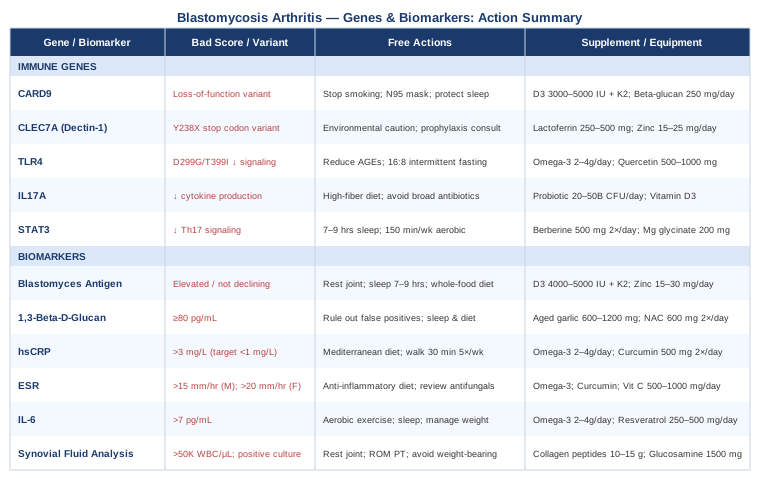
The table below consolidates the most relevant action points across all five genes and six biomarkers for quick reference.
What Peter Attia's Approach Gets Right About Tracking Infections Before They Escalate
Peter Attia's Outlive: The Science and Art of Longevity (2023) is primarily about cardiovascular disease, cancer, and metabolic dysfunction — but its underlying framework, which Attia calls Medicine 3.0, applies directly to the challenge of blastomycosis arthritis. The core argument is that waiting for symptoms to become undeniable is the wrong model; tracking upstream markers proactively gives the earliest possible window to intervene. Here are the ten most relevant insights for someone managing or recovering from blastomycosis arthritis.
1. Track inflammation as a longitudinal signal, not a single data point. A single CRP value at diagnosis tells you little about trajectory. Attia argues that hsCRP, IL-6, and other inflammatory markers should be measured repeatedly over time so you can see trends — improving, stable, or worsening — rather than reacting to isolated numbers in isolation.
2. Sleep is not a lifestyle preference — it is immune infrastructure. Drawing on Matthew Walker's research, Attia emphasizes that NK cell activity falls by approximately 70% after a single night of 4–5 hours of sleep. During active fungal infection and recovery, this is not a soft recommendation — it is a mechanistic statement about immune capacity.
3. Aerobic capacity predicts immune reserve and recovery speed. Higher VO2 max correlates with better immune activation kinetics and faster recovery in infectious conditions. Even during blastomycosis arthritis, maintaining low-impact aerobic activity (swimming, stationary cycling) preserves this reserve without stressing infected joints.
4. Standard panels miss too much. Attia consistently argues that a standard CBC and CMP are inadequate for understanding what is actually happening. For blastomycosis patients specifically, IL-6 and beta-D-glucan belong in every tracking protocol — not just antigen and CRP — to capture the full picture of fungal burden and inflammatory state.
5. Fasting insulin matters for immune function. Elevated fasting insulin impairs neutrophil and macrophage bactericidal and fungicidal capacity directly. Attia recommends tracking fasting insulin (target below 8 μIU/mL) alongside fasting glucose. Insulin resistance is an independent modifier of infection severity that most infectious disease workups do not assess.
6. Visceral fat is a chronic IL-6 source that confounds infection monitoring. DEXA-measured visceral fat is a better predictor of chronic inflammatory baseline than BMI. High visceral fat means persistently elevated IL-6 that masks and amplifies infection-driven cytokine signals, making treatment response harder to read accurately.
7. Zone 2 aerobic training is the safest anti-inflammatory exercise tier. Zone 2 (conversational pace, 60–70% maximum heart rate) reduces IL-6 and CRP over time without the cortisol spike associated with high-intensity training. For patients recovering from blastomycosis arthritis, 3–4 sessions of 30–45 minutes per week is a realistic target once infection is controlled and joint symptoms allow it.
8. Adequate protein protects immune cell synthesis during prolonged illness. Attia recommends 1.6–2.2g of protein per kg body weight daily to maintain lean mass and immune cell production. During months-long antifungal treatment, suboptimal protein intake forces the immune system to catabolize muscle protein for immune cell building blocks — a deficit that compounds recovery time.
9. The core supplement shortlist is short for a reason. Attia's categorical recommendations for most adults — Vitamin D3, Omega-3, Magnesium, and Creatine — align closely with the immune-support protocols described throughout this article. Supplementing broadly without this foundation first is inefficient; building the foundation first gives the clearest signal from any additions.
10. Comprehensive panels at 6-month intervals define the difference between reactive and proactive care. A Medicine 3.0 approach to blastomycosis arthritis means scheduling full tracking panels — antigen, beta-D-glucan, hsCRP, IL-6, ESR, metabolic panel — at 6-month intervals even after treatment completion. Subclinical relapse can smolder before producing detectable symptoms, and catching it early is the entire value of the biomarker framework described in this article.
Complementary Approaches for Managing Blastomycosis Arthritis
Antifungal medication is the non-negotiable foundation of blastomycosis arthritis treatment. But the inflammation, pain, fatigue, and immune depletion that accumulate during months of serious fungal infection create a space where complementary approaches can meaningfully improve quality of life and support recovery without conflicting with medical treatment. The three modalities below have meaningful human clinical evidence relevant to this condition — not just for fungal disease specifically, but for the inflammatory, immune, and pain dimensions that define the patient experience.
Mindfulness Meditation and MBSR
Mindfulness-Based Stress Reduction (MBSR) is an 8-week structured program developed by Jon Kabat-Zinn at the University of Massachusetts Medical Center combining formal meditation, body scan practice, and gentle yoga. Its relevance to blastomycosis arthritis is threefold: chronic pain modulation through cortical reappraisal, HPA axis regulation (which directly influences cortisol, immune tone, and sleep architecture), and the psychological burden of a prolonged, serious infection with uncertain resolution. Patients dealing with months of antifungal therapy, joint pain, and ambiguous prognosis frequently develop anxiety and sleep disruption — both of which measurably worsen immune function and amplify pain perception through central sensitization mechanisms.
A meta-analysis of mindfulness interventions for chronic pain accessible through PubMed found significant reductions in pain interference and psychological distress in arthritis populations. While blastomycosis-specific MBSR trials do not exist, the inflammatory arthritis literature — rheumatoid, psoriatic, reactive — is directly applicable to the joint pain and systemic inflammation dimension of blastomycosis arthritis.
Practically, MBSR is accessible through hospital-based programs, structured online courses, or apps such as Waking Up or Insight Timer. Begin with 10–15 minutes of body scan meditation daily, progressing to 30–45 minutes over 4–6 weeks. Consistency matters more than duration — daily 15-minute practice produces more reliable neurological adaptation than occasional long sessions. No adverse effects are expected in most individuals; a small proportion with significant trauma histories may experience increased distress and are best served by a trained instructor rather than self-guided practice.
Breathing-Based Therapies
Diaphragmatic and resonance frequency breathing — practiced at approximately 5–6 complete breath cycles per minute — reduces sympathetic nervous system activation and increases heart rate variability (HRV). Higher HRV is consistently associated with better immune regulatory capacity, lower CRP, and more adaptive cytokine responses. For a patient in the middle of a prolonged antifungal course — stressed, fatigued, and dealing with joint pain — the autonomic dysregulation from chronic illness itself becomes a secondary driver of inflammation that breathing-based practices can address without any drug interaction risk.
Research accessible through PubMed has demonstrated that 20 minutes of slow-paced breathing at 6 cycles/minute significantly increases HRV and reduces salivary inflammatory markers in human subjects. While data specific to infectious arthritis is limited, the plausibility is strong: lower sympathetic tone reduces mast cell activation and attenuates the adrenergic amplification of synovial inflammation.
Practice resonance frequency breathing for 10–20 minutes once daily — ideally in the morning or before sleep. Inhale for 5 seconds, exhale for 5 seconds (5–6 breaths per minute). The HeartMath Inner Balance sensor (approximately $130) provides real-time HRV biofeedback that confirms you are hitting the resonance target, which accelerates skill acquisition significantly compared to practicing without feedback. No cycling is needed; no adverse effects at standard breathing rates. The only contraindication is severe pulmonary disease that limits controlled breathing — not relevant to most blastomycosis patients post-acute phase.
Microbiome-Directed Therapies
The gut microbiome regulates systemic immune function in ways that are directly relevant to antifungal defense and to the inflammatory arthritis dimension of blastomycosis. A diverse, fiber-rich gut microbiota supports Th17 cell differentiation (the same pathway discussed under IL17A genetics), produces short-chain fatty acids (SCFAs) that reduce circulating IL-6 and CRP, and limits pathogenic fungal overgrowth through competitive exclusion. Patients on prolonged itraconazole or amphotericin B therapy face predictable gut microbiome disruption — research accessible through PubMed documents that antifungal drugs alter gut microbial communities in ways that can impair the same immune infrastructure needed for full recovery.
The most evidence-backed microbiome intervention for immune function is dietary: increasing resistant starch and prebiotic fiber from chicory, Jerusalem artichoke, garlic, green banana, and leeks feeds SCFA-producing bacterial communities. Alongside this, a fermented food protocol has strong supporting data — a 2021 Stanford RCT published in Cell found that 10 weeks of fermented food intake (kefir, kimchi, plain yogurt, sauerkraut) significantly increased microbiome diversity and reduced multiple inflammatory markers including IL-6, compared to a high-fiber diet alone.
Practically: target 30 or more distinct plant species per week (a metric supported by the British Gut Project large-scale analysis), include 1–2 servings of fermented foods daily, and if adding a probiotic supplement, choose a multi-strain formula with documented evidence — Lactobacillus acidophilus NCFM plus Bifidobacterium lactis Bi-07 at 20 billion CFU/day is among the better-studied combinations. Take after a meal, not on an empty stomach. Introduce fermented foods gradually to avoid bloating — 1 serving per day for the first week, increasing to 2 if well-tolerated. Dietary changes are safe indefinitely; no cycling is required for food-based approaches. Probiotic supplements can be cycled every 3 months to assess ongoing need.
Conclusion
Blastomycosis arthritis sits at the intersection of infectious disease, immunology, and rheumatology — three disciplines that do not always communicate clearly within a single clinical visit. The six biomarkers described in this article — Blastomyces antigen, beta-D-glucan, hsCRP, ESR, IL-6, and synovial fluid analysis — together provide a picture of infection status, inflammatory burden, and joint health that no single test can deliver alone. The five genetic variants — CARD9, CLEC7A, TLR4, IL17A, and STAT3 — add an explanatory layer for why presentations differ so dramatically between individuals exposed to the same organism.
None of this replaces antifungal therapy or the clinical judgment of an infectious disease specialist. What it does is fill the space between appointments with structured, actionable information. The most useful next step is straightforward: bring this tracking framework to your next clinical visit, request serial rather than single-point biomarker panels, and ask whether a formal immunology consultation is appropriate given your presentation. Better data does not guarantee better outcomes — but in a condition this complex, it is consistently the prerequisite for them.
Musculoskeletal: Bone Conditions Joint Conditions
Autoimmune: Inflammatory Conditions
Infectious: Fungal Infections