This article contains AI generated content.
· UpdatedBlau Syndrome — 4 Genes And 6 Biomarkers To Track
Introduction
Receiving a diagnosis of Blau syndrome — or watching a child receive one — is a moment that clarifies very little on its own. The name is rare enough that most people spend months before finding a specialist who has actually seen a case. And once confirmed by genetic testing, the standard clinical pathway tends to focus on managing the triad of arthritis, uveitis, and skin rash with immunosuppressants or biologics, without offering much explanation of what is actually driving the disease or what personal variables determine whether it stays mild or escalates.
The frustrating truth is that "autoinflammatory disease" is a broad category that generates broad advice. Blau syndrome, however, is molecularly specific. It originates from a defined mutation in a single gene, and the cascade of downstream consequences — which cytokines get overproduced, which tissues are most at risk, how fast the disease progresses — is measurable at every step. That means there is real information available, not just symptom checklists or trial-and-error pharmaceutical rotations.
This article does not promise a cure. Blau syndrome's genetic basis cannot be edited away with a supplement. What it offers instead is a more complete map of the biology involved: which genes determine severity, which modifier pathways can be influenced, which biomarkers provide ongoing objective feedback, and what complementary strategies have genuine clinical evidence rather than just theoretical appeal.
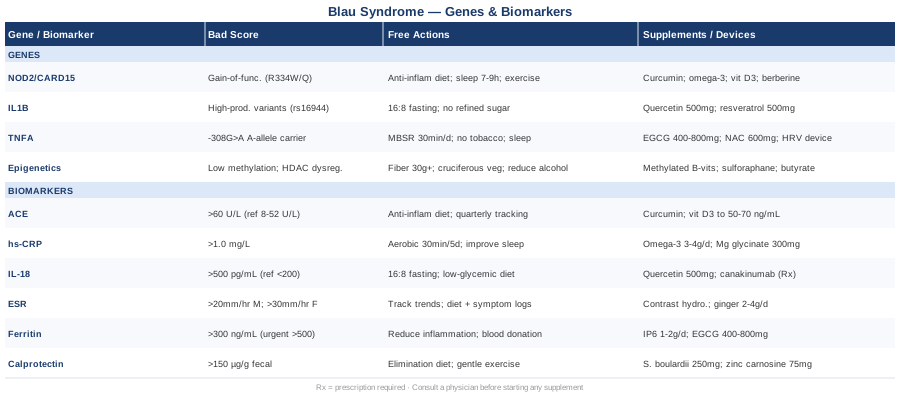
Better information leads to sharper decisions. The genetic section of this article breaks down four key factors — from the defining NOD2 mutation to the epigenetic layer above it — and gives concrete action plans for each, with and without supplements. The biomarker section follows with six trackable lab values that tell you what is happening right now in real time. And beyond those two pillars, additional approaches offer options for managing the disease from multiple angles simultaneously.
Summary
This article examines Blau syndrome through the lens of four genetic factors that determine severity — starting with the NOD2/CARD15 mutation that defines the disease, then the IL-1β effector gene, the TNF-alpha pathway, and the epigenetic regulation layer that sits above all of them. For each genetic factor, there are two practical plans: one based entirely on diet and lifestyle, and one incorporating specific supplements or devices with the strongest available evidence, including dosing, cycling schedules, and side effects. The biomarker section covers six specific lab values — ACE, hs-CRP, IL-18, ESR, ferritin, and calprotectin — with target ranges, test costs, and what to do when each comes back elevated. After that, the article covers the book that best maps the root-cause approach to autoinflammatory disease, four complementary therapies with genuine human clinical evidence (including the Autoimmune Protocol, microbiome-directed therapy, breathing-based anti-inflammatory practice, and photobiomodulation), and a conclusion with a clear, practical next step.
What the Genetics of Blau Syndrome Actually Reveal
Understanding the genetics behind Blau syndrome is not an academic exercise. Each gene in this disease pathway represents a potential intervention point — whether by reducing the environmental inputs that amplify a mutation's effects, supporting the anti-inflammatory counterbalances the body already has, or giving a rheumatologist a clearer rationale for why certain biologics work better in some patients than others. Here is what current research shows, and what can realistically be done with that information.
Gene 1: NOD2/CARD15 — The Mutation That Starts Everything
NOD2 (also known as CARD15) is the gene where Blau syndrome begins. Located on chromosome 16q12.1, it encodes a nucleotide-binding oligomerization domain protein — an intracellular pattern recognition receptor that normally detects muramyl dipeptide (MDP), a fragment of bacterial cell walls, and calibrates the immune response accordingly. In a functioning immune system, NOD2 activates NF-κB in a controlled, trigger-dependent way, helping the body distinguish between genuine threats and harmless stimuli.
In Blau syndrome, mutations in the NACHT domain of NOD2 make this switch constitutively active — it fires without needing the bacterial trigger. The result is chronic, unchecked NF-κB signaling, which drives the formation of non-caseating granulomas in the skin, joints, and eyes. The most frequently identified mutations are R334W and R334Q (the most common), followed by H496L, E383K, and W490L, all located within the NACHT domain.
What makes this especially striking — and clinically important — is that loss-of-function mutations in NOD2 cause susceptibility to Crohn's disease, while gain-of-function mutations cause Blau syndrome. Same gene, opposite effects, opposite diseases. This polarity makes clear why the therapeutic goal is not to silence NOD2 entirely but to dampen the excess NF-κB activation while preserving enough immune tone to remain protected from infection. Miceli-Richard et al. (Nature Genetics, 2001) were among the first researchers to establish the direct link between gain-of-function CARD15/NOD2 mutations and Blau syndrome, laying the molecular foundation for everything that followed.
If the NOD2 Gene Is Mutated: The Plan Without Supplements
The most effective non-pharmacological strategy for managing constitutively active NOD2 is to reduce the environmental and dietary inputs that amplify NF-κB activity independently of the mutation itself. This means:
Anti-inflammatory diet: Mediterranean-style eating or the Autoimmune Protocol (AIP) reduces NF-κB activity through a lower omega-6 to omega-3 ratio and reduced refined carbohydrate load. Consistency matters more than perfection — aim for daily adherence, not intermittent compliance with occasional exceptions.
Sleep architecture: Sleep fragmentation is one of the most potent non-pathological activators of systemic NF-κB. Seven to nine hours of uninterrupted sleep — supported by consistent schedules, a room temperature between 16–19°C, and blackout curtains — is measurably anti-inflammatory and reduces overnight cytokine surges.
Low-impact aerobic exercise: Thirty minutes of walking, swimming, or cycling five days per week activates AMPK, which downregulates NF-κB through a pathway independent of the NOD2 mutation. Exercise intensity should be calibrated to protect inflamed joints.
Infection prevention: Bacterial MDP fragments — the direct NOD2 triggers — spike with acute infections. Staying current on recommended vaccinations and practicing standard hygiene reduces the frequency of these amplifying signals.
Brief cold exposure: Short cold showers (1–3 minutes, 3–4 times per week) stimulate norepinephrine release, which has documented anti-inflammatory effects on NF-κB activation and can modestly reduce systemic inflammatory tone over weeks of consistent practice.
If the NOD2 Gene Is Mutated: The Plan With Supplements or Equipment
Curcumin with piperine (500–1000 mg curcuminoids twice daily with meals): The most studied natural NF-κB inhibitor available without a prescription. Piperine improves bioavailability up to 20-fold. Cycle 5 days on, 2 days off to prevent adaptation. Watch for interactions with anticoagulants. Side effects: GI discomfort at higher doses.
Omega-3 fatty acids (EPA/DHA) (2–4 g/day from fish oil or algae-based sources): Reduces NF-κB activation and prostaglandin E2 production. Take with a fat-containing meal for absorption. No cycling required. Monitor bleeding tendency if co-administered with anticoagulants.
Vitamin D3 with K2 (2000–5000 IU D3 plus 100–200 mcg K2 daily, adjusted to blood levels): Modulates NF-κB signaling and supports regulatory T-cell function. Measure serum 25-OH-D before starting; target 50–70 ng/mL. Toxicity is uncommon at standard doses but possible with long-term dosing above 10,000 IU/day without testing.
Berberine (500 mg twice daily with meals): Activates AMPK and suppresses NF-κB activity through a mechanism that complements curcumin. Cycle 8 weeks on, 4 weeks off. Not recommended concurrently with metformin without physician oversight. Common initial side effect: mild GI disruption that usually resolves within 1–2 weeks.
Low-Dose Naltrexone (LDN) (1.5–4.5 mg at bedtime, off-label and prescription only): LDN has been used across various autoinflammatory and autoimmune conditions to modulate toll-like receptor signaling and microglial activation. Requires a willing prescribing physician. Incompatible with opioid medications. Take consistently without gaps.
Photobiomodulation device for joints: Near-infrared light therapy at 810–850 nm, applied 3–5 minutes per affected joint, 3 times per week. Reduces local inflammatory cytokine production and supports mitochondrial function in stressed tissue. Home panels are available from multiple manufacturers.
Gene 2: IL1B — The Primary Effector Cytokine Gene
Directly downstream of NOD2's constitutive NF-κB signaling sits interleukin-1 beta, encoded by the IL1B gene on chromosome 2q13. IL-1β is the dominant effector cytokine driving fever, joint inflammation, and cumulative tissue damage in Blau syndrome. This mechanistic centrality is why IL-1 inhibitors — anakinra (daily injection), canakinumab (monthly injection), and rilonacept — have become the most targeted biologic option for refractory cases, often producing faster and more complete responses than broader immunosuppression.
But the IL1B gene itself carries variants that modulate how much IL-1β gets produced in response to any given immune signal. Promoter polymorphisms — particularly IL1B -511C>T (rs16944) and IL1B +3953C>T (rs1143634) — are associated with higher baseline IL-1β production. In the context of Blau syndrome, where IL-1β is already chronically elevated due to the NOD2 gain-of-function mutation, carrying one or both of these high-production variants can meaningfully amplify joint and eye involvement. Genetic testing panels that include cytokine gene polymorphisms can identify these variants; they are available through direct-to-consumer services and specialty immunogenomics labs.
If the IL1B Score Is High: The Plan Without Supplements
Intermittent fasting (16:8 protocol): Time-restricted eating reduces NLRP3 inflammasome activation — the protein complex responsible for cleaving and releasing IL-1β. A daily 16-hour fasting window (eating within an 8-hour window) has documented effects on circulating IL-1β in human metabolic and inflammatory disease studies. Clear first with a physician, particularly in pediatric cases or patients on immunosuppressive medications affecting blood sugar.
Elimination of refined sugars and ultra-processed foods: High glycemic load directly activates NLRP3. Reducing added sugars below 25 g/day is a practical and meaningful baseline target. This is not a theoretical position — high-sugar diets reproducibly elevate fasting IL-1β in human studies within weeks.
Heat therapy (sauna): Three to four sessions per week of 15–20 minutes at 80–90°C are associated with reduced systemic inflammatory markers including IL-1β in cardiovascular and metabolic disease populations. Exercise appropriate caution regarding eye involvement — avoid prolonged head immersion in extreme heat during active uveitis.
If the IL1B Score Is High: The Plan With Supplements or Equipment
Quercetin (500–1000 mg/day with a fat-containing meal): Quercetin directly inhibits NLRP3 inflammasome assembly and activation, reducing IL-1β processing upstream of its release. Best absorbed in phytosome or dihydrate form. Cycle 6 weeks on, 2 weeks off. Side effects are rare; mild headache reported at very high doses.
Resveratrol (500 mg/day with a meal containing fat): Activates SIRT1, which dampens NLRP3/IL-1β signaling. Take consistently; bioavailability improves significantly with a fat co-substrate. Cycle 8 weeks on, 4 weeks off. Avoid with CYP2C9-metabolized medications.
Infrared sauna blanket (for home use when a full sauna is not accessible): Twenty-minute sessions 3–4 times per week. Achieves heat shock protein induction and systemic anti-inflammatory effects comparable to sauna at significantly lower cost. A practical entry point for households unable to install a full unit.
Gene 3: TNFA — The Gene That Maintains the Granuloma
Tumor necrosis factor alpha (TNF-α), encoded by TNFA on chromosome 6p21.3 within the human leukocyte antigen (HLA) region, is not the initiating signal in Blau syndrome, but it is structurally essential to granuloma formation and maintenance. Granulomas — the organized macrophage clusters that define the histology of the disease — require TNF-α for their architecture. This explains why anti-TNF biologics (etanercept, infliximab, adalimumab) are used in refractory Blau syndrome, though with more variable results than IL-1 blockade, reflecting TNF's role as a maintainer rather than the primary initiator.
The promoter polymorphism TNFA -308G>A (rs1800629) is the most clinically relevant genetic variant here. Individuals carrying the A allele produce significantly higher TNF-α in response to immune stimulation. In the context of Blau syndrome, this can translate into more extensive granulomatous tissue involvement, more aggressive joint destruction over time, and potentially more severe or treatment-resistant uveitis. European rare disease registry data are beginning to map these associations more precisely in Blau syndrome populations.
If the TNFA Score Is High: The Plan Without Supplements
Daily mindfulness practice: Chronic psychological stress amplifies TNF-α production through the HPA axis and cortisol feedback loop. Mindfulness-based stress reduction (MBSR), practiced 30–45 minutes daily, has been shown to reduce circulating TNF-α levels in inflammatory disease populations in controlled trials. This is a low-risk, scalable intervention.
Optimized sleep environment: TNF-α follows circadian rhythms and shows pronounced nocturnal spikes with poor sleep quality. Blackout curtains, cool room temperature, and avoiding screens 90 minutes before bed collectively improve sleep architecture and reduce overnight TNF-α surges — an often overlooked but measurable lever.
Avoiding tobacco smoke exposure: Active or passive cigarette smoke is among the most potent environmental inducers of TNF-α transcription, with effects persisting for hours after exposure. In Blau syndrome, this is a clear and straightforward modifiable risk factor that deserves direct attention.
If the TNFA Score Is High: The Plan With Supplements or Equipment
EGCG (green tea extract) (400–800 mg/day standardized EGCG): Inhibits TNF-α transcription and has anti-granulomatous effects documented in preclinical models. Take on an empty stomach for best absorption, or divide across meals to reduce nausea. Cycle 8 weeks on, 4 weeks off. Monitor liver enzymes with extended use, particularly in individuals with hepatic conditions.
N-Acetylcysteine (NAC) (600 mg twice daily): Replenishes glutathione — the cell's primary antioxidant — and suppresses NF-κB-driven TNF-α transcription by reducing oxidative stress in immune cells. No cycling required at this dose. Generally well tolerated; nausea may occur at doses above 1800 mg/day.
HRV biofeedback device: Heart rate variability biofeedback using a chest strap monitor (Polar H10 or equivalent) paired with a dedicated app, practiced for 10 minutes daily at a target respiratory rate of 5–6 breaths per minute, trains vagal tone. The vagus nerve directly suppresses macrophage TNF-α production through the cholinergic anti-inflammatory pathway — a mechanism that is specific, measurable, and increasingly well-supported in human studies. Expect measurable HRV improvement within 4–8 weeks of consistent daily practice.
Gene 4: Epigenetic Regulation — The Modifiable Layer Above the Genome
Genetics establishes what is possible; epigenetics determines what is expressed. The epigenome — the system of chemical modifications to DNA and histone proteins that controls gene expression without altering the DNA sequence — is the layer where lifestyle interventions have their most specific and mechanistically understood molecular effects. In autoinflammatory diseases like Blau syndrome, epigenetic dysregulation amplifies the underlying genetic signal depending on environmental inputs, often in ways that compound over years of poor diet, chronic stress, and gut dysbiosis.
Two mechanisms are particularly relevant. First, DNA methylation: methyl groups added to cytosine bases near gene promoters typically silence those genes. In autoinflammatory conditions, inflammatory genes — including IL1B and TNFA — tend to become hypomethylated over time, losing the braking marks that would otherwise restrain their expression. Maintaining robust methyl donor availability (folate, vitamin B12, methionine) helps preserve these silencing marks.
Second, histone deacetylase (HDAC) activity determines how tightly DNA is wound around histones at the chromatin level. Inflammatory genes are more actively transcribed when histones are acetylated (unwound). HDAC inhibitors — including naturally occurring compounds such as butyrate (produced in the colon from dietary fiber) and sulforaphane (from cruciferous vegetables) — help maintain tighter chromatin architecture at inflammatory gene promoters. This is not a metaphor for healthy eating; it is a specific molecular mechanism by which diet influences the expression of the same genes that drive Blau syndrome severity.
If the Epigenetic Score Is Poor: The Plan Without Supplements
High-fiber diet (30–40 g/day from diverse plant sources): Butyrate, produced by gut bacteria fermenting soluble fiber, is the most potent endogenous HDAC inhibitor available without a prescription. Legumes, vegetables, cooled cooked potatoes, and green bananas each support the butyrate-producing bacterial strains that maintain this epigenetic effect. Diversity of fiber sources matters — aim for at least 30 different plant foods per week.
Cruciferous vegetables daily: Broccoli, cabbage, kale, and Brussels sprouts contain glucosinolates converted to sulforaphane, which activates the Nrf2 pathway and directly modulates HDAC activity at inflammatory gene promoters. Lightly steaming rather than boiling preserves glucosinolate content.
Reducing alcohol: Alcohol is a documented methyl-donor depleter, reducing the availability of SAMe (S-adenosylmethionine) — the universal methyl donor for DNA methylation. Even moderate regular alcohol intake measurably impairs methylation capacity in human studies.
If the Epigenetic Score Is Poor: The Plan With Supplements or Equipment
Methylated B-vitamins (methylfolate 400–800 mcg plus methylcobalamin 500–1000 mcg daily): Support the methylation cycle that produces SAMe, particularly important for individuals carrying MTHFR variants who cannot efficiently convert synthetic folic acid. No cycling required. Mild anxiety reported in sensitive individuals at higher folate doses; reduce dose if this occurs.
Sulforaphane supplement (broccoli sprout extract providing 30–60 mg sulforaphane equivalents daily): More concentrated than dietary sources alone. Look for products that include active myrosinase (needed to convert glucoraphanin to sulforaphane) or use stabilized sulforaphane directly. Take on an empty stomach. Cycle 5 days on, 2 days off.
Sodium butyrate (300–600 mg/day with meals, preferably enteric-coated): Directly provides the HDAC inhibitor otherwise derived from gut fermentation, making it especially useful when gut dysbiosis limits dietary butyrate production. Well tolerated at these doses; transient bloating is the most common initial effect.
With the genetic framework in place, the next layer of insight comes from tracking these pathways in real time — which is exactly what the right biomarker panel enables.
6 Biomarkers That Reveal What Is Happening Right Now
Genetics tells you what you were born with. Biomarkers tell you what is happening now. For a disease that evolves over years — flaring, remitting, silently accumulating tissue damage between episodes — having objective, trackable numbers changes everything about how you monitor, adjust, and advocate for your care. These six markers provide the most actionable information available for ongoing Blau syndrome monitoring.
Biomarker 1: ACE — Angiotensin-Converting Enzyme
ACE is produced by macrophages accumulating within granulomas. In granulomatous diseases — including pulmonary sarcoidosis, which shares significant histological overlap with Blau syndrome — serum ACE correlates with total granuloma burden across organ systems. Tracking ACE over time gives a rough proxy for overall granulomatous activity that is not always captured by symptomatic assessment alone.
How to measure it: Standard serum blood test, available through most clinical labs without specialist referral. Cost: approximately $25–$60 USD. Normal reference range: typically 8–52 U/L (lab-specific; always compare to the range reported by your specific laboratory). In active granulomatous disease, levels frequently exceed 60–80 U/L.
If the score is high — the plan without supplements: Track physical flares against ACE trends over quarterly measurements to establish your personal correlation. Reduce pro-inflammatory dietary inputs (refined sugars, trans fats, excessive omega-6 vegetable oils). Prioritize sleep quality and infection avoidance. Serial measurements every 3 months, rather than single snapshots, are needed to interpret trends meaningfully.
If the score is high — the plan with supplements or equipment: Curcumin (as described in the genetics section) directly reduces macrophage activation and granuloma formation in animal models; its effect on human ACE in granulomatous disease is biologically plausible. Vitamin D3 supplementation to achieve 50–70 ng/mL serum 25-OH-D improves macrophage self-regulation and has been associated with ACE reduction in sarcoidosis populations. ACE-inhibiting medications (lisinopril, enalapril) exist for blood pressure management but are not standard Blau syndrome treatments; discuss their potential role with a physician before pursuing.
Biomarker 2: High-Sensitivity CRP (hs-CRP)
High-sensitivity C-reactive protein is the most widely available general marker of systemic inflammation. The liver produces CRP in response to IL-6 and IL-1β signaling — both of which are chronically elevated in active Blau syndrome. hs-CRP is recommended over standard CRP in inflammatory disease monitoring because it detects lower-level chronic elevation that standard assays miss.
How to measure it: Widely available serum test; specify "high sensitivity" CRP when ordering. Cost: $15–$45 USD. Optimal target: below 1.0 mg/L. Between 1–3 mg/L represents elevated chronic inflammatory risk. Above 3 mg/L reflects significant active inflammation requiring attention.
If the score is high — the plan without supplements: Identify modifiable drivers first — acute infections, poor sleep, high sugar intake, sedentary behavior, and smoking all reliably elevate hs-CRP independent of the underlying Blau syndrome mutation. Consistent aerobic exercise (30 minutes, 5 days per week) reduces hs-CRP by an average of 30–40% in inflammatory disease populations over 12 weeks of adherence — a larger effect than many over-the-counter anti-inflammatory products.
If the score is high — the plan with supplements or equipment: Omega-3 fatty acids (EPA/DHA, 3–4 g/day) consistently reduce CRP by 10–30% in inflammatory conditions at this dose in multiple randomized controlled trials. Magnesium glycinate (300–400 mg before bed) has modest CRP-lowering effects and simultaneously supports the sleep quality that is itself anti-inflammatory. Avoid relying on chronic NSAID use for CRP reduction without physician guidance — the rebound effect upon discontinuation can worsen underlying inflammation.
Biomarker 3: Interleukin-18 (IL-18)
IL-18 is a cytokine processed immediately downstream of inflammasome activation — sharing the same enzymatic processing step as IL-1β via caspase-1. It is produced in particularly elevated amounts in NOD2-mediated autoinflammatory disease and has emerged as a more specific marker of inflammasome activity than either CRP or ESR in this context. Extremely elevated IL-18 (above 10,000 pg/mL) is also a key diagnostic criterion for macrophage activation syndrome (MAS), a rare but serious complication that warrants urgent evaluation.
How to measure it: Specialty lab ELISA test; not uniformly available in all routine labs. Request through a rheumatology or clinical immunology lab. Cost: approximately $100–$250 USD. Normal range: typically below 200 pg/mL. Disease-associated elevation in autoinflammatory conditions commonly reaches 500–5,000 pg/mL. Request as part of a comprehensive autoinflammatory panel if IL-18 is not listed individually.
If the score is high — the plan without supplements: Elevated IL-18 reflects active inflammasome engagement. Non-supplement approaches overlap with IL-1β management: time-restricted eating (16:8), elimination of high-glycemic foods, and heat therapy. Additionally, minimize exposure to foods that may contain MDP fragments — poorly preserved fermented products or raw meats can directly trigger NOD2 and amplify downstream IL-18 production.
If the score is high — the plan with supplements or equipment: Quercetin (500–1000 mg/day) inhibits NLRP3 inflammasome assembly upstream of IL-18 cleavage. Fasting-mimicking diets or intermittent fasting protocols reduce IL-18 in human metabolic inflammatory disease studies. Canakinumab — a prescription biologic — indirectly reduces IL-18 by breaking the IL-1β/IL-18 amplification feedback loop; this is a conversation to initiate with a rheumatologist if IL-18 remains persistently elevated despite other interventions.
Biomarker 4: Erythrocyte Sedimentation Rate (ESR)
ESR measures how quickly red blood cells settle to the bottom of a tube over one hour. It is non-specific but highly sensitive to systemic inflammatory states and, critically, inexpensive and universally available. In Blau syndrome, ESR tracks with overall flare activity and is most useful as a longitudinal marker: a rising trend across quarterly measurements is more informative than any single reading.
How to measure it: Standard test, often included in CBC panels. Cost: $10–$25 USD. Normal: under 20 mm/hr for men, under 30 mm/hr for women (values rise modestly with age; pediatric normals differ). In active Blau syndrome flares, ESR commonly reaches 50–80+ mm/hr.
If the score is high — the plan without supplements: In combination with CRP, ESR helps distinguish acute infection from chronic autoinflammatory activity (both rise in acute infection; in chronic Blau syndrome, ESR may remain persistently elevated while CRP fluctuates). Systematic tracking tied to diet logs, sleep records, and symptom notes helps identify personal flare triggers over time — specific foods, infectious exposures, stress events, or periods of overexertion.
If the score is high — the plan with supplements or equipment: Contrast hydrotherapy (alternating warm and cold water exposure) practiced 3–4 times per week has documented ESR-reducing effects in inflammatory arthritis populations, attributed to improved vascular tone and inflammatory mediator clearance. Ginger extract (2–4 g/day standardized to gingerols) reduces inflammatory markers including ESR in rheumatoid arthritis studies through COX and lipoxygenase inhibition. Cycle 8 weeks on, 2 weeks off; use caution with anticoagulants.
Biomarker 5: Serum Ferritin
Ferritin is primarily an iron storage protein, but it also functions as an acute-phase reactant, rising dramatically in the context of macrophage activation and systemic cytokine production. In autoinflammatory conditions including Blau syndrome, serum ferritin can be markedly elevated even when true iron stores are not excessive — reflecting immune activation rather than iron overload. Very high ferritin levels (above 500 ng/mL), particularly when accompanied by fever and joint involvement, warrant urgent evaluation for macrophage activation syndrome.
How to measure it: Routine serum test. Cost: $15–$40 USD. Optimal range in functional medicine frameworks: 50–150 ng/mL. Conventional lab normals extend to 200–300 ng/mL in many labs, but values above 300 ng/mL without clear iron-deficiency context should prompt investigation into active inflammatory disease. Measure alongside a full iron panel (serum iron, TIBC, transferrin saturation) to separate inflammatory ferritin elevation from true iron overload.
If the score is high — the plan without supplements: Ferritin above 500 ng/mL with systemic symptoms requires urgent contact with a rheumatologist to evaluate for MAS. Below that threshold, controlling active inflammation through the strategies already described is the primary lever. Regular blood donation (when clinically appropriate and iron stores are genuinely, not just inflammatorily, elevated) can modestly reduce ferritin — confirm with an iron panel before this step.
If the score is high — the plan with supplements or equipment: IP6 (inositol hexaphosphate, 1–2 g twice daily between meals) chelates excess iron in the gut and can modestly reduce serum ferritin when true iron excess is contributing. Use cautiously with extended duration; it may impair absorption of other minerals. Cycle 8 weeks on, 4 weeks off. Green tea EGCG (400–800 mg/day or 4+ cups of brewed green tea daily taken with meals) reduces dietary iron absorption and can contribute to gradual ferritin normalization in those with mild iron excess.
Biomarker 6: Calprotectin — The Gut Inflammation Marker Most People Miss
Calprotectin is a calcium-binding protein released by neutrophils during inflammatory activation. Fecal calprotectin directly reflects gut mucosal inflammation; serum calprotectin reflects systemic neutrophil activation. This biomarker is uniquely relevant to Blau syndrome because NOD2 is highly expressed in intestinal Paneth cells — the specialized epithelial cells that govern gut immunity. Granulomatous gut involvement, gut barrier dysfunction, and dysbiosis are all underappreciated components of Blau syndrome activity that calprotectin can help detect.
How to measure it: Fecal calprotectin is measured from a stool sample collected at home and mailed to a lab. Increasingly available through gastroenterology labs and direct-to-consumer testing services. Cost: $50–$120 USD. Normal: below 50 µg/g fecal sample. Elevation above 150–200 µg/g indicates significant gut mucosal inflammation. Serum calprotectin is less commonly ordered but available through specialty immunology labs.
If the score is high — the plan without supplements: High fecal calprotectin in Blau syndrome suggests gut barrier disruption or active granulomatous gut involvement that may be amplifying systemic inflammation. An elimination diet trial — removing gluten, dairy, processed foods, and common irritants for 6–8 weeks — is a practical starting point. Tracking alongside gut symptoms (bowel irregularity, bloating, cramping) helps establish causation. Gentle regular exercise improves gut motility and microbiome diversity, both of which reduce calprotectin over time.
If the score is high — the plan with supplements or equipment: Saccharomyces boulardii (250–500 mg twice daily) is a beneficial yeast probiotic with randomized controlled trial evidence for reducing fecal calprotectin in inflammatory bowel disease populations sharing the NOD2 genetic background with Blau syndrome. Use continuously for 8–12 weeks, then reassess. Zinc carnosine (75 mg twice daily) supports gut mucosal integrity and has documented effects on calprotectin reduction in gut inflammation studies. Both are well tolerated with a low side-effect profile.
The biomarker picture is valuable precisely because it is dynamic — it gives you feedback as you implement changes. The next framework takes a step back and offers a broader strategic lens for approaching autoinflammatory disease from its root causes.
The Book That Reframes Root-Cause Autoinflammatory Disease Management
The Autoimmune Solution by Amy Myers, MD, is not specific to Blau syndrome, but it is one of the most systematically organized books on reversing underlying autoinflammatory dysfunction through root-cause methods. Myers draws on functional medicine principles and references a broad body of clinical research on diet, gut health, toxin burden, and immune recalibration. Her approach is not without limitations — some claims extend beyond current evidence, and the supplement recommendations are occasionally overreaching. But the ten core principles she outlines have meaningful support in human clinical literature, and several apply with particular directness to the NOD2-NF-κB pathway that drives Blau syndrome.
1. The Gut Is the Center of Immune Dysregulation
Myers cites research showing that 70–80% of the immune system operates within gut-associated lymphoid tissue. For Blau syndrome, this is not background information — NOD2 itself is predominantly expressed in intestinal Paneth cells. Gut health is not peripheral to Blau syndrome management; it is directly mechanistically relevant.
2. Increased Intestinal Permeability Amplifies Systemic Inflammation
When gut barrier integrity is compromised, bacterial MDP fragments — the direct trigger for mutant NOD2 — can reach systemic immune tissue via the portal circulation. Reducing gut permeability through dietary means may directly reduce the frequency and intensity of NOD2-triggered systemic flares, not just improve gastrointestinal comfort.
3. Gluten Triggers Gut Permeability in All Individuals
Myers draws on Alessio Fasano's research on zonulin and intestinal tight junction disruption to argue that gluten activates gut permeability across all individuals — not only in celiac disease. Whether this effect is large enough to matter specifically in Blau syndrome is not established from direct studies, but given the gut-NOD2 connection and low risk of a dietary trial, a 6–8 week gluten elimination experiment is a reasonable first step for anyone with persistently elevated fecal calprotectin.
4. Toxic Burden Amplifies NF-κB Activity
Heavy metals (mercury, lead, cadmium) and environmental organic toxins upregulate NF-κB through oxidative stress pathways that are independent of but additive to the NOD2 gain-of-function mutation. Reducing exposures through filtered drinking water, organic produce choices, and limiting plastics with BPA reduces the cumulative inflammatory load.
5. Chronic Low-Grade Infections Maintain Autoinflammatory Cycles
Persistent infections — Epstein-Barr virus reactivation, Helicobacter pylori, or even chronic dental infections — provide a continuous source of MDP and pathogen-associated molecular patterns that keep mutant NOD2 firing. Evaluating for and addressing chronic infections is worth pursuing in cases of persistent, treatment-resistant Blau syndrome activity.
6. Psychological Stress Is a Molecular Variable
Myers dedicates substantial attention to the psychoneuroimmunology of cortisol and cytokine production. Chronic cortisol elevation upregulates NF-κB through a well-documented feedback loop involving glucocorticoid receptor desensitization. Stress management is not optional lifestyle enrichment — it is mechanistically relevant to the core pathway of Blau syndrome.
7. Nutrient Deficiencies Upregulate Inflammatory Signaling
Deficiencies in vitamin D, zinc, magnesium, and selenium each independently activate inflammatory gene transcription. Myers catalogs specific deficiency-disease associations; for Blau syndrome, vitamin D and zinc are the most directly relevant given their documented roles in macrophage regulation, T-cell differentiation, and NOD2 pathway modulation.
8. The Thyroid-Immune Axis Deserves Evaluation
Subclinical hypothyroid function — even without overt symptoms — is associated with increased inflammatory cytokine production. Myers recommends comprehensive thyroid panels including TPO and TG antibodies in anyone with chronic autoinflammatory disease. This is a one-time evaluation worth requesting if it has not already been performed.
9. Environmental Exposures Write Epigenetic Programs
Myers discusses how chemical exposures alter DNA methylation patterns at immune gene promoters. This connects directly to the epigenetic regulation section above — the mechanisms are identical, and the cumulative environmental load matters in ways that a genetic test alone does not capture.
10. Systematic Tracking Outperforms Any Single Intervention
Myers' most practically useful message is that no single dietary change, supplement, or lifestyle shift resolves autoinflammatory disease in isolation. The process requires systematic measurement, re-testing, and iterative adjustment. The six biomarkers described in this article are the objective feedback loop that makes that iteration possible rather than just intuitive.
The tools above — genetic insights, biomarker tracking, and the root-cause framework — all function better when reinforced by the complementary approaches reviewed next.
Complementary Approaches With Clinical Support
The following modalities are not alternatives to rheumatological care. They are adjuncts with real human clinical evidence in autoinflammatory, granulomatous, or autoimmune disease contexts. Each has been selected for its relevance to Blau syndrome's specific profile: chronic granulomatous inflammation, joint involvement, ocular complications, gut-immune dysfunction, and a genetic basis that benefits from consistent environmental support.
The Autoimmune Protocol (AIP)
The Autoimmune Protocol, systematized by Dr. Sarah Ballantyne in The Paleo Approach, is a structured elimination and reintroduction dietary framework designed specifically for autoimmune and autoinflammatory conditions. The elimination phase removes all foods associated with gut permeability, immune reactivity, or systemic inflammation — including grains, legumes, dairy, nightshades, eggs, nuts, and seeds — for a minimum of 4–12 weeks. The subsequent reintroduction phase identifies individual triggers through methodical challenge testing.
A pilot clinical study published in the journal Inflammatory Bowel Diseases (Konijeti et al., 2017) involving patients with Crohn's disease and ulcerative colitis — conditions sharing the NOD2 genetic connection with Blau syndrome — demonstrated that 73% of participants achieved clinical remission by week 6 of AIP adherence, with sustained remission at week 11. This represents genuine human clinical evidence in a condition with direct genetic overlap with Blau syndrome's underlying mechanism.
For Blau syndrome, the AIP is best undertaken for a minimum of 8–12 weeks with the guidance of a nutritional therapist or physician experienced with elimination protocols. The reintroduction phase is not optional — the goal is to identify personal inflammatory triggers, not to permanently restrict the diet. Track biomarkers (hs-CRP, fecal calprotectin, ESR) before, during, and after to document objective responses.
Mindfulness-Based Stress Reduction (MBSR)
MBSR is an 8-week structured program developed by Jon Kabat-Zinn that combines body scan meditation, sitting meditation, and gentle yoga in a standardized protocol supported by over three decades of clinical research. For autoinflammatory and rheumatic disease, MBSR's most clinically relevant documented effect is the reduction of systemic inflammatory markers — including CRP and TNF-α — through vagal nerve activation and cortisol normalization.
A systematic review published in Annals of the New York Academy of Sciences (Creswell, 2017) confirmed that mindfulness interventions produce consistent reductions in pro-inflammatory cytokine production across diverse patient populations. Given that TNF-α directly maintains granuloma architecture in Blau syndrome, the implication for this condition is specific rather than generic.
For Blau syndrome, completing the full 8-week MBSR course — available in-person and increasingly online — before committing to a personal daily practice provides the structured foundation needed for consistent benefit. Start with 20–30 minutes daily. The gentle yoga component within MBSR can be modified to protect inflamed joints through seated or supine variations of any weight-bearing postures.
Microbiome-Directed Therapies
The NOD2 gene is one of the most important regulators of gut microbial ecology. Expressed in Paneth cells at the base of intestinal crypts, it shapes the composition of the microbiome by controlling antimicrobial peptide secretion. Research in Crohn's disease — where NOD2 loss-of-function mutations drive disease — consistently shows that NOD2 mutations alter microbial diversity and reduce abundance of butyrate-producing bacteria. Gain-of-function mutations in Blau syndrome likely produce parallel shifts in gut ecology that compound systemic inflammation.
Microbiome-directed therapy in this context means multi-strain probiotic supplementation (Lactobacillus and Bifidobacterium genera, 10–50 billion CFU/day), targeted prebiotic fiber (inulin-type fructans, partially hydrolyzed guar gum), and for individuals with elevated fecal calprotectin, Saccharomyces boulardii at 500 mg twice daily as a short-course gut immune-modulating addition.
Microbiome shifts from probiotic supplementation are transient without sustained dietary support. The high-fiber approach described in the epigenetics section must accompany any probiotic protocol for durable effect. Reassess fecal calprotectin and a stool microbiome panel (available from commercial labs) after 12 weeks to document change.
Breathing-Based Therapies
Controlled breathing techniques — including diaphragmatic breathing, resonant frequency breathing (approximately 5–6 breaths per minute), and extended exhalation protocols — activate the vagus nerve and its direct anti-inflammatory pathway, reducing TNF-α, IL-6, and IL-1β production through the cholinergic anti-inflammatory reflex. This is a specific and well-characterized mechanism: acetylcholine released by the vagus nerve binds alpha-7 nicotinic receptors on macrophages and directly suppresses cytokine secretion.
Clinical work by Kox et al. (published in PNAS, 2014) demonstrated that trained voluntary breathing practices combined with cold exposure could significantly suppress systemic inflammatory marker production, including endotoxin-induced TNF-α elevation — one of the most compelling demonstrations of voluntary influence over innate immune signaling. While this study used an intensive training protocol, the basic breathing component is learnable by anyone.
For Blau syndrome, resonant frequency breathing practiced for 10–20 minutes daily using a visual pacer or HRV app (target: 5–6 breaths per minute, approximately 5 seconds inhale and 5 seconds exhale) provides a daily, zero-cost, zero-risk anti-inflammatory intervention. Combine with HRV biofeedback monitoring for objective feedback on vagal tone improvement. Begin with 5 minutes and extend duration gradually over 2–4 weeks.
Low-Level Laser Therapy (Photobiomodulation)
Photobiomodulation — the therapeutic application of near-infrared light (810–850 nm) or red light (630–680 nm) to tissue — is supported by a growing evidence base for anti-inflammatory effects in joint and musculoskeletal conditions. The mechanism involves absorption by mitochondrial cytochrome c oxidase, increasing cellular ATP production and reducing reactive oxygen species, with downstream downregulation of local inflammatory cytokine production.
A systematic review of low-level laser therapy in rheumatoid arthritis from the Ottawa Panel and Cochrane-affiliated analyses documented significant reductions in joint pain and morning stiffness compared to placebo, with an excellent safety profile across trials. While direct evidence in Blau syndrome-specific granulomatous arthritis is absent, the articular inflammation mechanism overlaps substantially.
For Blau syndrome, apply near-infrared light therapy to actively inflamed joints at 810–850 nm for 3–5 minutes per joint, 3–4 sessions per week. Consumer-grade home panels (from established manufacturers) make this accessible for daily use. For ocular involvement, do not apply near-infrared devices to the eyes without specialist guidance — periorbital application exists as a separate clinical protocol requiring ophthalmology or photomedicine supervision. Expect meaningful local symptom improvement within 4–8 weeks of consistent use alongside other systemic anti-inflammatory strategies.
Conclusion
Blau syndrome is not a condition where a single discovery changes everything overnight. But it is one where understanding the molecular biology precisely — which gene, which cytokines, which biomarkers — genuinely changes how well you can manage it. The NOD2 mutation is fixed, but the downstream consequences are not. IL-1β, TNF-α, and the epigenetic layer above them all respond to dietary, lifestyle, and targeted supplement interventions that are specific, measurable, and increasingly well-supported.
The most practical immediate step is to identify which of the six biomarkers you have not yet tracked and schedule a panel covering at minimum hs-CRP, ESR, ACE, and ferritin. Bring the modifier gene framework — particularly IL1B and TNFA variants — to your next rheumatology appointment as a tool for discussing why certain biologics might work better for your specific profile than others. Review the AIP framework with a nutritional professional. Consider beginning MBSR or structured resonant breathing as daily adjuncts with documented anti-inflammatory mechanisms.
Better information does not guarantee a better outcome, but it consistently leads to sharper decisions, earlier adjustments, and a more collaborative relationship with your care team. That combination, over years, is where the difference is made.
Musculoskeletal: Joint Conditions
Skin: Inflammatory Skin Conditions
Autoimmune: Inflammatory Conditions Autoimmune Digestive Conditions