This article contains AI generated content.
· UpdatedBorrelia Miyamotoi Disease - 5 Genes And 6 Biomarkers To Track
Introduction
If you have experienced recurring fevers, bone-deep fatigue, and a cluster of symptoms that no standard test seems to explain, you may already know how frustrating it is to be sick without a clear answer. Borrelia miyamotoi disease is not widely known — even among physicians — yet it is transmitted by the same black-legged ticks that carry Lyme disease, and it causes a relapsing fever illness that is genuinely disabling. Many people who have had it were tested for the wrong organism, told their results were negative, and sent home with no explanation.
What makes this disease particularly difficult to navigate is a diagnostic blind spot: standard Lyme serology does not reliably detect B. miyamotoi because the antigenic targets are different. The symptoms — fever, chills, severe headache, profound fatigue, muscle and joint pain — overlap with dozens of other conditions. Even after a correct diagnosis and antibiotic treatment, some patients continue to struggle, and the standard medical conversation offers very little guidance for the recovery phase.
A more precise approach changes that. Tracking the right biomarkers gives you and your clinician objective, measurable data on inflammation, immune activation, organ stress, and treatment response. Understanding the genetic factors that shape your immune function helps explain why two people bitten by the same tick can have completely different outcomes. Neither approach replaces proper medical care, but both give you something concrete to work with rather than vague reassurance.
This article covers two evidence-informed frameworks. The first is a six-biomarker tracking protocol you can implement with standard and specialized labs, with specific action plans for each abnormal result. The second is a genetic lens that explains how inherited variation in five key immune genes may be influencing your experience of this illness and pointing toward targeted compensatory strategies. Together, they represent a more useful map of what is actually happening in your body — and a more purposeful path forward.
Summary
This article identifies 6 key biomarkers — CBC, CRP, liver enzymes, ferritin, B. miyamotoi serology, and IL-6 — that provide the clearest window into how the infection is affecting your body and whether recovery is on track. For each one, you will find what to test, what the numbers mean, what they cost, and exactly what to do when results are abnormal, both with and without supplements. The genetics section reveals how variants in TLR2, TLR1, IL-10, TNF-alpha, and HLA-DRB1 may explain why your immune response to this spirochete is different from someone else's — and what to do about each risk variant. Beyond the lab work, you will find a research-backed look at post-infectious recovery through the lens of integrative tick-borne disease medicine, plus five complementary approaches — from microbiome repair after antibiotic treatment to breathing protocols for nervous system dysregulation — that have meaningful supporting evidence. If you have been struggling with this illness or suspect you have it, the information ahead is designed to give you a clearer, more actionable picture.
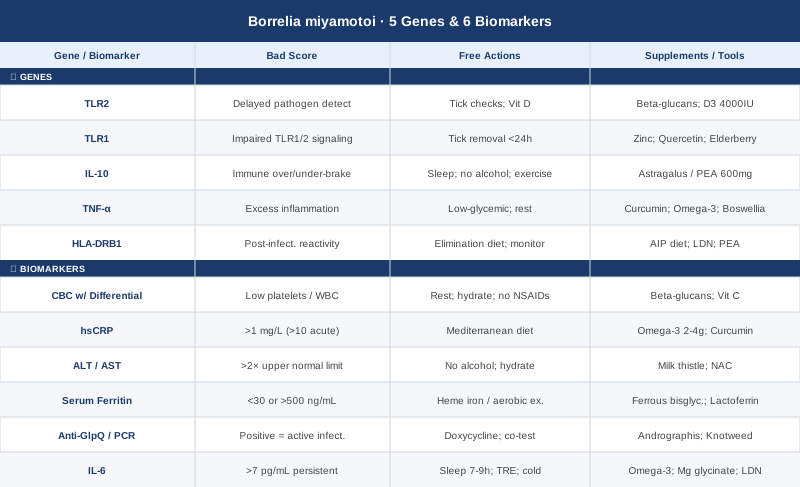
6 Biomarkers to Track in Borrelia Miyamotoi Disease
Borrelia miyamotoi infection triggers a cascade of measurable biological changes across the immune system, liver, and blood. The six biomarkers below represent the most clinically meaningful signals across different phases of the illness: acute infection, active immune response, organ stress, and post-infectious recovery. Tracking these over time gives both the patient and clinician a data-driven picture of what is happening and whether treatment is working. Some are standard tests available anywhere; others require specialized tick-borne disease laboratories.
1. Complete Blood Count with Differential
Why it matters: Borrelia miyamotoi reliably disrupts blood cell production and turnover. Thrombocytopenia (low platelet count) and leukopenia (low white blood cell count) are among the most consistent laboratory findings in confirmed cases. In documented case series from the northeastern United States, most acutely infected individuals showed one or both of these abnormalities (Gugliotta et al., NEJM 2013). These findings are not unique to B. miyamotoi — other tick-borne infections like anaplasmosis and ehrlichiosis share them — but their presence in the right clinical context is a strong signal that something tick-borne is driving the illness. Lymphopenia within the differential can point toward the systemic immune redirection occurring during active infection.
How to measure it: A complete blood count with differential is ordered at virtually every clinic and hospital. Cost: $10–$40 with insurance, $25–$80 without. Focus specifically on platelet count (normal: 150,000–400,000/μL), total white blood cell count (normal: 4,000–11,000/μL), and the lymphocyte and neutrophil percentages within the differential. Repeat at days 7 and 14 of antibiotic treatment, then at 4–6 weeks post-treatment.
If the score is bad, the plan without supplements: If platelets are low or WBC is suppressed during acute illness, the priority is confirmed diagnosis and antibiotic treatment — doxycycline 100 mg twice daily for 14 days is the standard of care. Rest, adequate hydration (2–3 liters/day), and avoiding NSAIDs (which further impair platelet function) are critical practical steps. Avoid strenuous exercise while platelet counts are low. Counts typically normalize within two weeks of appropriate antibiotic therapy in immunocompetent individuals.
If the score is bad, the plan with supplements or equipment: Once antibiotic treatment is complete and infection is cleared, supporting immune recalibration is reasonable. If leukopenia persists post-treatment — a warning sign of ongoing immune suppression — medicinal mushroom beta-glucans (from reishi or lion's mane, 500–1,000 mg/day) have immunomodulatory properties supported by human studies. Vitamin C (1,000 mg/day) supports platelet membrane integrity. Cycle: 4–6 weeks on, reassess with repeat CBC. Quercetin (500 mg twice daily) has some platelet-supportive activity, though primarily in vitro data. Side effects are minimal at these doses; quercetin may interact with warfarin or cyclosporine.
2. C-Reactive Protein — High-Sensitivity
Why it matters: CRP is the liver's primary acute-phase protein — it rises sharply in response to IL-6 and other pro-inflammatory cytokines. In B. miyamotoi disease, CRP elevates during the acute febrile phase and should begin falling measurably within days of effective antibiotic treatment. It serves as a real-time proxy for systemic inflammation, making it particularly useful for tracking treatment response when pathogen-specific testing is not easily repeatable. Persistently elevated CRP at two to six weeks post-treatment is a meaningful clinical signal that warrants investigation — either incomplete infection clearance, a co-infection, or post-infectious immune dysregulation.
How to measure it: High-sensitivity CRP (hsCRP) is available at virtually all clinical laboratories. Cost: $15–$50 without insurance. Optimal baseline range: below 1.0 mg/L. During active B. miyamotoi infection, values above 10 mg/L are common; severe cases can exceed 50 mg/L. Track the trajectory, not just the absolute number — a falling CRP confirms treatment response; a stagnant or rising one does not.
If the score is bad, the plan without supplements: During active infection, elevated CRP is expected — focus on treatment. If CRP remains elevated after antibiotic completion, evaluate for tick-borne co-infections (Anaplasma, Babesia, and Ehrlichia all circulate in the same tick populations and may be untreated). Anti-inflammatory dietary principles have demonstrated measurable CRP-lowering effects: Mediterranean eating patterns reduce hsCRP by 15–25% over 8–12 weeks in clinical studies. Reducing refined carbohydrates and eliminating industrial seed oils (linoleic-acid-dominant vegetable oils) are the highest-leverage dietary changes.
If the score is bad, the plan with supplements or equipment: Omega-3 fatty acids (EPA/DHA combined, 2–4 g/day from triglyceride-form fish oil) reliably reduce hsCRP by 20–30% in chronically elevated individuals; take with meals to minimize GI side effects. Curcumin with piperine (500–1,000 mg standardized curcumin, 5 mg piperine) has demonstrated CRP-lowering effects in multiple randomized controlled trials; take with a fat-containing meal for absorption. Cycle: 12 weeks on, then reassess. Side effects: mild GI discomfort at higher curcumin doses; minor blood-thinning effect relevant for those on anticoagulants. Red and near-infrared light therapy (660 nm + 850 nm panel, 10–20 minutes daily over the chest or abdomen) has emerging human evidence for reducing systemic inflammatory markers including CRP, acting via mitochondrial and anti-inflammatory cellular signaling.
3. ALT and AST — Liver Enzymes
Why it matters: Hepatic involvement is well-documented in Borrelia miyamotoi disease. Elevated alanine aminotransferase (ALT) and aspartate aminotransferase (AST) appear in a substantial proportion of acute cases, reflecting both direct hepatocellular stress from the infection and immune-mediated inflammatory damage. Doxycycline, the primary antibiotic treatment, is hepatically metabolized and can itself cause mild transaminase elevation in a subset of patients. Distinguishing infection-driven from drug-driven liver enzyme changes requires baseline measurement before or early in treatment and serial tracking throughout recovery.
How to measure it: ALT and AST are included in any basic or comprehensive metabolic panel. Cost: $20–$60 without insurance as standalone, or included in a broader panel. Normal range: ALT 7–56 U/L, AST 10–40 U/L. Elevations of 2–3 times the upper limit of normal during active B. miyamotoi infection are common and typically resolve with antibiotic treatment. Values above 5x normal warrant closer monitoring and evaluation for other hepatic drivers.
If the score is bad, the plan without supplements: Eliminate hepatotoxic inputs immediately: alcohol completely, acetaminophen reduced to the minimum necessary dose, and supplements with known hepatic burden (high-dose niacin, kava, comfrey) discontinued. Adequate hydration (2–3 liters of water daily) supports hepatic clearance. Recheck liver enzymes at 2 and 6 weeks post-treatment. Most cases normalize within 4–6 weeks of clearing the infection.
If the score is bad, the plan with supplements or equipment: Milk thistle (silymarin standardized extract, 140 mg three times daily) has demonstrated hepatoprotective and liver-regenerating effects in multiple clinical trials involving drug-related and infectious liver stress. Cycle: 6–8 weeks, then reassess ALT/AST. N-acetylcysteine (NAC, 600 mg twice daily) supports glutathione synthesis, the liver's primary antioxidant defense; well-tolerated, though it may cause mild GI upset on an empty stomach. Alpha-lipoic acid (300–600 mg/day) is a hepatoprotective antioxidant used in clinical hepatology for transaminase reduction. Avoid high-dose vitamin A supplementation and iron supplementation while liver enzymes are elevated — both are hepatotoxic at excess doses and can compound the problem.
4. Serum Ferritin
Why it matters: Ferritin is simultaneously an iron storage protein and an acute-phase reactant — it rises during infection and inflammation regardless of actual iron stores. In active B. miyamotoi disease, elevated ferritin signals systemic immune activation and cross-validates the broader inflammatory picture alongside CRP and IL-6. However, chronically elevated ferritin (above 500 ng/mL) in the post-infectious phase can indicate a state of immune dysregulation sometimes associated with macrophage activation, which drives its own symptom burden. Conversely, chronically low ferritin (below 30 ng/mL) is common in post-infection fatigue patients and impairs cognitive function, energy production, and immune competence independent of hemoglobin levels — a factor that most standard labs overlook because hemoglobin may still appear normal.
How to measure it: Ferritin is available as a standalone test or as part of a complete iron panel. Cost: $20–$50 without insurance. During acute illness, expect transient elevation regardless of iron status. Optimal functional range outside of active infection: 50–150 ng/mL for women, 100–200 ng/mL for men — these are ranges commonly recommended by precision medicine physicians including Peter Attia based on functional outcomes data, not just pathology thresholds.
If the score is bad, the plan without supplements: If acutely high: this is expected during infection and should not prompt iron restriction unless values are extreme (above 1,000 ng/mL). Focus on clearing the infection. If persistently high post-treatment: regular moderate aerobic exercise (30–45 minutes, 4–5 days per week) modestly lowers ferritin over weeks to months through multiple pathways. If low post-infection: dietary heme iron (red meat, organ meats, clams, oysters, sardines) is the most bioavailable form. Pair with vitamin C-rich foods at the same meal to enhance absorption. Cook in cast iron cookware for a modest but meaningful daily iron contribution.
If the score is bad, the plan with supplements or equipment: For low ferritin: ferrous bisglycinate (25–50 mg elemental iron/day) is substantially better tolerated than ferrous sulfate, causing fewer GI side effects while achieving comparable or better absorption. Take with vitamin C, separate from coffee, tea, and calcium. Recheck iron studies at 8–12 weeks. For persistently high ferritin with ongoing inflammation: lactoferrin (250–500 mg/day) modulates iron metabolism and has shown ferritin-lowering effects in clinical studies. Quercetin and curcumin have mild iron-chelating properties at higher doses; use with caution and monitor ferritin if iron stores are not confirmed as elevated.
5. Borrelia Miyamotoi-Specific Serology — Anti-GlpQ and PCR
Why it matters: The standard Lyme disease two-tier test (ELISA followed by Western blot for B. burgdorferi) does not reliably detect Borrelia miyamotoi. The organisms are in different groups — B. miyamotoi belongs to the relapsing fever Borreliae, not the Lyme group — and their antigenic profiles differ substantially. The most validated serological marker for B. miyamotoi is anti-GlpQ antibody — directed against glycerophosphodiester phosphodiesterase, a protein expressed by relapsing fever Borreliae but not Lyme burgdorferi. Anti-GlpQ IgM rises within the first 1–2 weeks of illness; IgG develops over subsequent weeks and persists longer. PCR testing of whole blood is the most sensitive method during the acute febrile phase when spirochetemia is at its peak.
How to measure it: Anti-GlpQ serology is not yet available at standard commercial labs. Specialized tick-borne disease reference laboratories including IGeneX (California) offer validated B. miyamotoi panels. Cost: $150–$400 out of pocket depending on panel scope. PCR testing is most sensitive during the first 3–5 days of the acute febrile illness when bacterial load is highest. Sensitivity of PCR drops significantly if tested after fever breaks or after antibiotic initiation. State public health labs in endemic states (Connecticut, Massachusetts, New York, New Jersey) may offer PCR in acute febrile illness.
If the score is bad, the plan without supplements: A positive anti-GlpQ or PCR result confirms B. miyamotoi and warrants antibiotic treatment: doxycycline 100 mg twice daily for 14 days in most immunocompetent adults. Immunocompromised individuals or those with neurological involvement may require intravenous ceftriaxone — this is particularly important given documented cases of B. miyamotoi meningoencephalitis in immunocompromised patients. Request co-infection testing simultaneously: Anaplasma phagocytophilum, Babesia microti, and Ehrlichia all co-circulate in the same tick vectors and can cause co-infection that standard B. miyamotoi treatment alone will not address.
If the score is bad, the plan with supplements or equipment: During and after antibiotic treatment, supporting immune-mediated clearance of residual spirochetal antigens is a reasonable adjunct strategy. Andrographis paniculata (400 mg standardized extract twice daily) has demonstrated activity against bacterial pathogens including Borrelia species in preclinical research and is used in integrative tick-borne disease protocols. Japanese knotweed (trans-resveratrol 500 mg/day) has in vitro activity against Borrelia. Both should be used as adjuncts alongside antibiotics, never as substitutes. Cycle: 6–8 weeks post-treatment. Side effects: andrographis can cause GI upset; avoid in pregnancy. Retest anti-GlpQ IgG at 3 and 6 months to monitor serological evolution.
6. Interleukin-6 (IL-6)
Why it matters: IL-6 is the master cytokine of the acute-phase response — it drives CRP production, promotes fever, stimulates the liver to produce inflammatory proteins, and coordinates the immune attack on spirochetal pathogens. In B. miyamotoi disease, IL-6 rises sharply during the febrile phase and is believed to drive many of the constitutional symptoms: the bone-deep fatigue, the headache, the altered mentation, the feeling of systemic unwellness. In some patients with post-infectious syndrome, IL-6 and other cytokines (TNF-alpha, IL-1beta) remain chronically elevated at lower levels, contributing to persistent fatigue, cognitive fog, and diffuse pain. Tracking IL-6 alongside CRP — which it directly drives — provides a more complete cytokine picture than CRP alone.
How to measure it: IL-6 is available as a standalone serum test at most major reference laboratories. Cost: $50–$150 without insurance. Normal range: below 7 pg/mL; values above 7–10 pg/mL indicate active cytokine-mediated inflammation. During acute B. miyamotoi infection, levels commonly exceed 50–100 pg/mL. Post-treatment, IL-6 should fall below 10 pg/mL within 4–6 weeks in most recovering patients.
If the score is bad, the plan without supplements: Persistent IL-6 elevation after antibiotic clearance warrants evaluation for incomplete treatment, co-infection, or post-infectious immune dysregulation. Lifestyle levers with documented IL-6-lowering effects: consistent 7–9 hours of sleep (IL-6 rises acutely with sleep deprivation), time-restricted eating within a 10–12 hour window (reduces cytokine production through adipose tissue signaling), and moderate aerobic exercise 4–5 days per week (consistently lowers chronic IL-6 in post-infectious populations when kept below exhaustive intensity). Brief cold exposure — ending showers with 30–60 seconds of cold water — activates norepinephrine release that suppresses IL-6 at the cellular signaling level.
If the score is bad, the plan with supplements or equipment: Omega-3 fatty acids (EPA/DHA 2–4 g/day from triglyceride-form fish oil) reduce IL-6 production in multiple human trials. Magnesium glycinate (300–400 mg at bedtime) suppresses NF-kB signaling, a critical upstream driver of IL-6 gene transcription; this can be used long-term without cycling concerns. Low-dose naltrexone (LDN, 1.5–4.5 mg at night) is an off-label prescription approach that modulates microglial activation and reduces neuroinflammatory cytokines including IL-6; increasingly used in post-infectious and autoimmune clinical contexts. Side effects: vivid dreams in the first 1–2 weeks, which resolve for most users. Photobiomodulation (near-infrared panel at 850 nm, 10–20 minutes daily) has demonstrated IL-6 reduction in human inflammatory condition studies and is mechanistically appropriate for post-infectious cytokine dysregulation.
The biomarker framework provides a measurable, objective window into this illness. Understanding the genetic architecture beneath it takes that picture one level deeper — and explains why different patients need different approaches.
5 Genes That Shape Your Response to Borrelia Miyamotoi
Genetics does not determine whether you will get sick, but it explains a great deal about how your body responds when you do. Why does one person clear a B. miyamotoi infection cleanly while another develops relapsing illness or prolonged post-infectious symptoms? Part of the answer lies in inherited variation in the genes governing pathogen recognition, inflammatory signaling, and immune resolution. The five genes below are the most relevant based on published immunology research on Borrelia species and tick-borne disease immune response broadly. Direct B. miyamotoi genetic association data are limited — much of the evidence is extrapolated from Lyme borreliosis and relapsing fever spirochete research where the immune mechanisms are shared.
1. TLR2 — Toll-Like Receptor 2
What it does: TLR2 is a pattern recognition receptor on innate immune cells — the molecular alarm system that detects bacterial lipoproteins on the Borrelia surface. When TLR2 binds a spirochetal lipoprotein, it triggers NF-kB activation, pro-inflammatory cytokine release, and the coordinated immune attack that begins killing the pathogen. Functional variants in TLR2 that reduce receptor expression or signaling efficiency mean slower early detection of B. miyamotoi, giving the bacteria more time to establish disseminated infection before the immune response mounts.
Common variants: TLR2 Arg753Gln (rs5743708) and TLR2 Pro631His are among the most studied loss-of-function variants. Both reduce TLR2-mediated signaling in response to bacterial lipoproteins in human cell studies. Arg753Gln occurs in approximately 3–8% of European-descent populations and higher frequencies in some other populations. Testing: available through 23andMe raw data analysis or clinical SNP panels.
If the gene is bad, the plan without supplements: Elevated environmental vigilance in tick-endemic areas becomes especially important: full-coverage clothing when outdoors, permethrin-treated gear and footwear, tick checks within 2 hours of returning indoors, and same-day tick removal using fine-tipped tweezers. If you have had a tick attachment and develop any febrile illness within 2–4 weeks, seek evaluation specifically mentioning B. miyamotoi risk — do not assume a standard Lyme test will detect it. You may benefit from a slightly longer antibiotic course; discuss this specifically with your physician in the context of TLR2 variant status.
If the gene is bad, the plan with supplements or equipment: Beta-glucans from purified yeast cell walls (Saccharomyces cerevisiae, 250–500 mg/day of 1,3/1,6-beta-glucan) directly activate innate immune cells through the Dectin-1 receptor pathway — effectively bypassing the TLR2 weakness and stimulating macrophages and natural killer cells through an independent route. Vitamin D3 (4,000–6,000 IU/day if serum 25-OH-D is below 50 ng/mL) has demonstrated upregulation of TLR2 expression in human monocytes in clinical studies. Recheck serum 25-OH-D at 8–12 weeks and adjust dose to maintain 50–70 ng/mL. Side effects at these doses are minimal; monitor calcium if using high-dose D3 long-term without K2 co-supplementation (MK-7, 100–200 mcg/day).
2. TLR1 — Toll-Like Receptor 1
What it does: TLR1 functions as a co-receptor with TLR2, forming a heterodimer complex specifically required for recognition of triacylated bacterial lipoproteins — a key structural feature of Borrelia species. Without functional TLR1/TLR2 cooperation, recognition of Borrelia at the molecular surface is impaired. Studies of Lyme borreliosis have demonstrated that TLR1 variants significantly alter cytokine response profiles and disease course. The most studied variant, rs4833095 (T1805G, Asn248Ser), affects how TLR1/TLR2 complexes respond to spirochetal lipoproteins.
Common variants: The T1805G variant is present in roughly 10–15% of European-descent populations. Research in Lyme disease cohorts has produced somewhat paradoxical findings — some studies associate this variant with altered dissemination risk — reflecting the complex relationship between the intensity of the innate immune alarm and downstream pathogen clearance. In B. miyamotoi, where the spirochete uses similar lipoprotein surface structures, altered TLR1/TLR2 signaling almost certainly modifies the initial immune response trajectory.
If the gene is bad, the plan without supplements: Environmental prevention remains the most reliable primary strategy regardless of TLR1 variant status. Ensure complete tick removal within 24 hours of attachment — the probability of B. miyamotoi transmission rises sharply after 36 hours of attachment. If TLR1 variant testing suggests reduced signaling capacity, functional immune assessment through a clinical immunologist can characterize your actual innate response competence. Inform any physician treating tick-related illness of this variant so they can monitor your response to treatment more closely.
If the gene is bad, the plan with supplements or equipment: Zinc (15–25 mg/day of zinc bisglycinate or zinc picolinate) is a critical cofactor for TLR signaling pathways; even mild deficiency impairs innate immune function. Assess serum zinc and alkaline phosphatase if not already measured. Quercetin (500 mg twice daily) modulates downstream TLR signaling cascades and has demonstrated immunomodulatory effects across multiple innate immune studies. Cycle: 6–8 weeks on, 2 weeks off. Elderberry extract (500 mg standardized to 5% anthocyanins, twice daily during acute infection risk seasons) has demonstrated innate immune activation properties in human trials. Avoid combining quercetin with warfarin or certain antibiotics without physician clearance.
3. IL-10 — Interleukin-10 Promoter Variants
What it does: IL-10 is the immune system's primary anti-inflammatory brake. After mounting an attack on a pathogen, IL-10 signals immune cells to stand down, limiting collateral tissue damage. Promoter variants at positions -1082, -819, and -592 of the IL-10 gene determine how much IL-10 a person produces. Low IL-10 producers may experience more severe inflammatory symptoms but may clear infections more forcefully. High IL-10 producers may dampen their immune response prematurely, potentially allowing spirochetes more time to replicate and disseminate before being cleared. Both directions carry distinct clinical implications.
Common variants: The GCC haplotype at the three promoter positions is associated with high IL-10 production; the ACC haplotype with low production. These are among the most extensively studied cytokine polymorphisms in human infectious disease research. Genotyping is available through clinical cytokine polymorphism panels and raw data from consumer genetic testing with third-party interpretation tools.
If the gene is bad, the plan without supplements: If you are a high IL-10 producer: your risk is prolonged or incomplete infection clearance from premature immune dampening. Prioritize sleep hygiene (both IL-6 and IL-10 are acutely dysregulated by sleep deprivation), avoid alcohol (a potent IL-10 inducer that prematurely dampens immune activation), and engage in regular moderate-intensity exercise, which recalibrates cytokine balance over time. Minimize stress during active infection — cortisol drives IL-10 upregulation, adding to the premature immune dampening problem. If you are a low IL-10 producer: your risk is excessive inflammatory tissue damage. Anti-inflammatory dietary principles, stress reduction, and avoiding immune overstimulation during the acute illness are priorities.
If the gene is bad, the plan with supplements or equipment: For high IL-10 producers (premature dampening): astragalus membranaceus (500 mg standardized extract twice daily) supports sustained innate immune activation without reflexive over-suppression. Ashwagandha (KSM-66, 300 mg twice daily) modulates cortisol, reducing its IL-10-inducing effect. For low IL-10 producers (excessive inflammation): palmitoylethanolamide (PEA, 600 mg twice daily) is an endogenous lipid mediator that restores balanced IL-10/IL-1beta signaling, well-studied in European clinical practice for chronic pain and neuroinflammation. Cycle for both: 8–12 weeks, then reassess with IL-6 and CRP tracking. Side effects are minimal across all three; PEA may rarely cause mild GI discomfort.
4. TNF-alpha — Tumor Necrosis Factor Alpha
What it does: TNF-alpha orchestrates the inflammatory attack on bacterial infection — it kills bacteria-infected cells, recruits immune cells to the infection site, and drives the fever that characterizes acute B. miyamotoi disease. The well-characterized promoter variant at position -308 (rs1800629, G to A substitution) creates what is called the TNF2 allele: carriers produce significantly higher levels of TNF-alpha in response to bacterial triggers. This polymorphism has been associated with more severe inflammatory outcomes in multiple human infectious diseases including bacterial sepsis, malaria, and meningitis. Its specific role in B. miyamotoi disease has not been directly studied, but the mechanism is entirely biologically plausible.
Common variants: TNF -308 G>A (rs1800629) occurs in approximately 15–20% of European-descent populations as heterozygotes. The A allele is dominant in increasing TNF-alpha transcription — meaning even one copy of the variant meaningfully increases TNF-alpha production. Testing available through clinical inflammatory panels or consumer genetic raw data analysis.
If the gene is bad, the plan without supplements: If you carry the TNF2 allele, your risk is greater inflammatory tissue damage during acute infection and potentially a more severe constitutional presentation. During acute illness: avoid NSAIDs that increase intestinal permeability (which amplifies systemic lipopolysaccharide signals that further stimulate TNF-alpha production), prioritize low-glycemic eating, rest rather than exercising through fever. Post-treatment: a Mediterranean dietary pattern consistently lowers chronic TNF-alpha in longitudinal studies. Time-restricted eating (10–12 hour eating window) reduces TNF-alpha through adipose tissue hormonal signaling, independent of caloric restriction.
If the gene is bad, the plan with supplements or equipment: Curcumin with piperine (500–1,000 mg of standardized curcumin daily) is one of the most studied natural inhibitors of NF-kB — the same upstream transcription factor targeted by pharmaceutical TNF-alpha blockers, but with a much gentler systemic effect profile. Omega-3 fatty acids (EPA/DHA 3–4 g/day) reduce TNF-alpha production from macrophages in human trials. Boswellic acids (Boswellia serrata, 300–400 mg three times daily) independently inhibit TNF-alpha and leukotriene synthesis. Cycle: all three for 8–12 weeks, then reassess with hsCRP and IL-6. Side effects: Boswellia occasionally causes GI discomfort; take with food. Curcumin has mild blood-thinning properties; note if combining with anticoagulants.
5. HLA-DRB1 — Major Histocompatibility Complex Class II
What it does: HLA-DRB1 is a highly polymorphic gene on chromosome 6 that determines how effectively your adaptive immune system presents Borrelia-derived peptide antigens to CD4+ T-helper cells. Specific HLA-DRB1 alleles have been strongly associated in multiple studies with persistent arthritis following Lyme borreliosis — a post-infectious autoimmune process where T-cells originally trained to attack Borrelia begin attacking host joint tissue through molecular mimicry. The same mechanism is biologically plausible in post-infectious B. miyamotoi syndrome, particularly given that the two organisms share significant structural similarities.
Common variants: HLA-DRB1*0401, *0101, *0404, and related alleles have been associated with post-Lyme arthritis risk in human genetic studies. Collectively, risk alleles in this group are present in 30–40% of European-descent populations depending on the specific allele. Direct HLA-DRB1 association data for B. miyamotoi specifically are limited, but the spirochetal biology strongly parallels the Lyme arthritis mechanism.
If the gene is bad, the plan without supplements: If you carry an HLA-DRB1 risk allele, your primary concern is the post-infectious phase: immune cells sensitized to Borrelia antigens may continue reacting after the pathogen is cleared. Monitor for joint swelling, pain, and stiffness at 4, 8, and 12 weeks post-treatment. Neurological post-treatment symptoms — cognitive fog, sleep disruption, mood changes — also warrant monitoring in this genetic context. A post-antibiotic elimination diet reducing dietary proteins that share structural similarity with Borrelia antigens (gluten, dairy casein) is a low-risk and mechanistically reasonable measure. Discuss post-treatment monitoring with a physician experienced in tick-borne disease sequelae.
If the gene is bad, the plan with supplements or equipment: The Autoimmune Protocol (AIP) developed by Sarah Ballantyne, PhD, is the most evidence-adjacent dietary framework for HLA-associated post-infectious immune reactivity. It eliminates foods that increase intestinal permeability or provide antigenic triggers (grains, legumes, nightshades, eggs, nuts, dairy, alcohol) while emphasizing nutrient-dense anti-inflammatory whole foods. Implement strict AIP for 30–60 days post-treatment, then systematically reintroduce foods one at a time (one new food every 3–5 days, monitoring symptom return). Palmitoylethanolamide (PEA, 600 mg twice daily) reduces microglial and peripheral immune activation relevant to post-infectious neurological symptoms. Low-dose naltrexone (LDN, 4.5 mg at bedtime, prescription required) has an established off-label track record in post-infectious autoimmune reactivity. Side effects: LDN may cause vivid dreams in the first two weeks, which typically resolve.
With the genetic and biomarker layers mapped, it is worth stepping back to examine what the broader integrative research landscape reveals about managing this class of illness — particularly the post-infectious phase that standard medicine handles least well.
Key Insights from Integrative Tick-Borne Disease Research
The Framework from William Rawls, MD
William Rawls, MD, a physician who himself recovered from chronic tick-borne illness, wrote Unlocking Lyme (2017), which synthesizes a substantial body of published Borrelia microbiology and host immunology in an accessible, clinician-informed format. While not a randomized clinical trial, it represents one of the most evidence-grounded integrative frameworks for the full spectrum of Borrelia biology — including the relapsing fever group to which B. miyamotoi belongs. The following are the ten most impactful insights relevant to B. miyamotoi disease management.
1. Borrelia exists in multiple physical forms. The spirochete can shift between active spirochetal form, cyst (round body) form, and biofilm colonies depending on environmental conditions. Standard doxycycline is most effective against the spirochetal form. Cyst forms and biofilm-embedded bacteria are substantially more resistant to standard antibiotic concentrations — a proposed biological mechanism for treatment-incomplete outcomes and symptom relapse.
2. Host immune status determines outcome more than antibiotic dose alone. People with adequate vitamin D, zinc, and magnesium status, regular sleep, and low chronic stress burden tend to clear Borrelia infections more completely. This is not soft advice — immune competence at the micronutrient and signaling level is mechanistically load-bearing in spirochetal clearance.
3. The microbiome is collateral damage in antibiotic treatment. Doxycycline is a broad-spectrum antibiotic that significantly disrupts gut microbiota composition within the first week. This disruption impairs the gut's immune-regulatory function, increases intestinal permeability, and meaningfully contributes to many post-treatment symptoms. Microbiome repair is not optional — it is a core part of full recovery.
4. Herbal antimicrobials address what antibiotics may miss. Cryptolepis sanguinolenta, Japanese knotweed, cat's claw, and andrographis have demonstrated in vitro activity against Borrelia including biofilm forms. A 2020 study from Johns Hopkins found that several botanical extracts outperformed doxycycline against Borrelia biofilm cultures in laboratory conditions. Human randomized trial data are still limited — this should never substitute for antibiotic treatment but may be a reasonable adjunct under practitioner guidance.
5. Mitochondrial dysfunction drives post-infectious fatigue. The profound fatigue that persists after tick-borne illness reflects mitochondrial energy production impairment — from either direct spirochetal cytotoxic effects or from the inflammatory cascade's collateral damage on mitochondrial membranes. CoQ10 (200–400 mg/day of ubiquinol form), B vitamins (particularly B1, B2, B3), magnesium malate, and D-ribose (5 g twice daily) target this pathway specifically.
6. Nervous system dysregulation is a distinct and treatable phenomenon. Post-infectious neurological symptoms — brain fog, sleep disruption, orthostatic intolerance, dysautonomia — reflect nervous system inflammation and dysregulation rather than ongoing active infection in most cases. Approaches targeting the autonomic nervous system and neuroinflammation (vagal nerve stimulation, HRV biofeedback, low-dose naltrexone) are mechanistically appropriate and distinct from antimicrobial strategies.
7. Sleep is foundational, not optional. Glymphatic clearance of inflammatory debris from the brain, growth hormone normalization, cortisol recalibration, and cytokine resolution — all critical to post-infectious recovery — are sleep-dependent processes. Rawls identifies sleep disruption as both a symptom of B. miyamotoi disease and a perpetuating driver of post-infectious illness when unaddressed.
8. Borrelia miyamotoi requires different thinking than Lyme disease. B. miyamotoi uses VlsE-independent antigenic variation mechanisms — the relapsing fever characteristic — that differ from B. burgdorferi. This means different testing strategies, different serological follow-up timelines, and potentially different post-infectious risks that should not be assumed identical to Lyme disease protocols.
9. Mast cell activation may amplify post-infectious symptoms. Post-infectious mast cell activation syndrome (MCAS) — a hypersensitivity state in which mast cells trigger disproportionate inflammatory responses to ordinary stimuli — is increasingly recognized as a co-occurring condition in tick-borne disease patients. Low-histamine dietary approaches and quercetin (at mast cell-stabilizing doses of 500–1,000 mg/day) are clinically relevant for this subset of patients.
10. Recovery is a multi-variable optimization problem. Toxic exposure, emotional stress burden, dietary inflammatory load, poor sleep, and microbiome disruption collectively impair the immune resolution needed for full recovery. Addressing any single variable in isolation — antibiotics alone, or sleep alone, or supplements alone — produces incomplete results. Rawls frames recovery as requiring simultaneous optimization across multiple biological domains, a framing consistent with the complexity of post-infectious spirochetal disease.
Complementary Approaches That May Support Recovery
These approaches are not substitutes for antibiotic treatment in acute B. miyamotoi disease. They are evidence-supported adjuncts for symptom management, immune recalibration, and post-infectious recovery — most relevant after the acute treatment phase.
Mindfulness Meditation and MBSR
Mindfulness-Based Stress Reduction (MBSR) is an 8-week structured program developed by Jon Kabat-Zinn that trains attentional and stress-regulatory capacity through formal meditation and body-scan practices. Its relevance to B. miyamotoi disease lies in the post-infectious phase: chronic psychological stress drives hypothalamic-pituitary-adrenal axis dysregulation, which perpetuates elevated IL-6 and TNF-alpha — the same cytokines that drive post-treatment symptom burden. MBSR creates measurable autonomic and neuroendocrine changes that have downstream anti-inflammatory effects.
A systematic review published in Brain, Behavior, and Immunity found that mind-body interventions including MBSR produced significant reductions in circulating inflammatory markers including IL-6 and CRP in participants with chronic inflammatory conditions. While no trial has been conducted specifically in B. miyamotoi disease, the HPA axis dysregulation and cytokine elevation it produces are well within the mechanistic scope of what MBSR addresses.
Practical application: the standard MBSR curriculum is available online through the University of Massachusetts Medical School's original recordings, or structured apps such as Insight Timer. Commit to 8 weeks of daily 20–45 minute practice. For patients with significant post-infectious fatigue, seated or supine meditation is more accessible than movement-based forms. Measurable effects on cytokine balance and sleep quality are typically observable by week 6–8 of consistent practice.
Microbiome-Directed Therapies
Antibiotic treatment for B. miyamotoi substantially disrupts the gut microbiome — doxycycline has broad-spectrum activity that reduces Lactobacillus and Bifidobacterium populations by 50–90% within the first week of a course. This disruption impairs the gut's immune-regulatory function, increases intestinal permeability, raises systemic lipopolysaccharide exposure, and directly contributes to the post-treatment fatigue and GI symptoms many patients experience. Targeted microbiome repair is mechanistically the most important nutritional intervention in the post-treatment phase.
Research published in Cell (Suez et al., 2018) demonstrated that microbiome recovery following broad-spectrum antibiotics can take up to 6 months without intervention, and that spontaneous recovery may be incomplete even then. Personalized dietary fiber intake combined with targeted probiotic supplementation accelerated and improved recovery in the intervention group. Strains with demonstrated resilience during and after antibiotic courses include Lactobacillus rhamnosus GG, Saccharomyces boulardii (technically a yeast, not susceptible to antibiotics), and spore-forming probiotics including Bacillus coagulans.
Practical application: take probiotics at least 2 hours separated from each doxycycline dose — spatial separation allows partial preservation of the probiotic dose. Use a high-diversity multi-strain product (minimum 10 distinct strains, 25–50 billion CFU/day). After antibiotic completion: transition to prebiotic fiber emphasis — inulin-rich vegetables (chicory, Jerusalem artichoke, garlic, onion, leeks), resistant starch (cooled and reheated cooked potatoes, slightly underripe bananas), and daily servings of fermented foods (kefir, sauerkraut, kimchi). Continue probiotic supplementation for at least 60 days post-antibiotics.
Breathing-Based Therapies
The autonomic nervous system — the balance between sympathetic and parasympathetic activity — is disrupted both by Borrelia spirochetal infection and by the systemic inflammatory cascade that follows. This manifests as reduced heart rate variability, sleep fragmentation, orthostatic intolerance, and exaggerated stress reactivity. Breathing-based therapies modulate autonomic tone directly through the vagus nerve, creating measurable physiological shifts in heart rate variability, cortisol, and cytokine production without pharmacological intervention.
Slow resonance breathing at 5–6 breaths per minute (approximately 5 seconds inhale, 5 seconds exhale) maximizes baroreceptor-mediated vagal activation and has been demonstrated in human trials to significantly increase HRV and reduce sympathetic tone over 8–12 weeks of consistent practice. Research on the vagal anti-inflammatory reflex — pioneered by Kevin Tracey's group at Feinstein Institutes — demonstrates that vagal activation directly reduces macrophage TNF-alpha and IL-6 production through a neural-to-immune signaling pathway.
Practical application: for immediate acute anxiety reduction, the physiological sigh (a double inhale through the nose followed by a long exhale) achieves rapid parasympathetic shift in 1–3 cycles. For systematic autonomic recalibration: resonance breathing at 5.5 breaths per minute for 20 minutes daily, tracked using an HRV biofeedback device (Garmin, Polar H10, or Elite HRV app). Do this practice consistently in the morning or before sleep for 8–12 weeks. Patients with significant orthostatic symptoms should be evaluated by a cardiologist familiar with dysautonomia before beginning intensive breathing protocols.
The Autoimmune Protocol
The Autoimmune Protocol (AIP), developed and systematically documented by Sarah Ballantyne, PhD in The Paleo Approach (2013), is an elimination dietary framework designed to reduce intestinal permeability, lower dietary antigenic burden, and reset immune reactivity. Its mechanisms are directly relevant to post-infectious B. miyamotoi disease: antibiotic treatment increases intestinal permeability (leaky gut), post-infectious immune sensitization via HLA-DRB1 risk alleles may perpetuate reactivity to food antigens that cross-react with Borrelia proteins, and the high nutrient density of the AIP diet supports the micronutrient-dependent immune recalibration needed for full recovery.
A pilot trial published in Inflammatory Bowel Diseases (Konijeti et al., 2017) found that AIP produced significant reductions in endoscopic disease activity scores and inflammatory biomarkers in IBD patients within 6 weeks of implementation — demonstrating that the dietary mechanism can produce measurable immune and barrier-function changes within a clinically relevant timeframe. The same intestinal permeability and immune dysregulation mechanisms are operative in post-infectious spirochetal disease.
Practical application for post-B. miyamotoi recovery: implement the strict elimination phase for 30–60 days after completing antibiotic treatment. The protocol removes grains, legumes, dairy, eggs, nuts, seeds, nightshades, coffee, alcohol, refined sugars, and seed oils. Focus on nutrient-dense whole foods: organ meats, wild-caught fatty fish, leafy vegetables, root vegetables, bone broth, and coconut products. Systematic food reintroduction begins after the elimination phase — one food every 3–5 days, monitoring symptoms. Work with a registered dietitian familiar with elimination protocols to ensure nutritional adequacy, particularly for iron, calcium, and B12.
Low-Level Laser Therapy — Photobiomodulation
Photobiomodulation (PBM) applies specific wavelengths of red (620–700 nm) and near-infrared (800–1,100 nm) light to stimulate mitochondrial cytochrome c oxidase activity, reduce oxidative stress, and modulate inflammatory cytokine signaling at the cellular level. Its relevance to post-infectious B. miyamotoi disease is primarily in addressing two of the most persistent post-treatment problems: mitochondrial energy production impairment underlying fatigue, and chronic cytokine elevation (IL-6, TNF-alpha) driving neurological symptoms and diffuse pain.
A meta-analysis of PBM in inflammatory conditions documented consistent reductions in TNF-alpha, IL-6, and IL-1beta following repeated PBM treatment protocols. Transcranial PBM — applying near-infrared light to the scalp and forehead — has specifically shown improvements in cognitive function and reduction of neuroinflammatory markers in pilot trials in traumatic brain injury, a condition sharing mechanistic overlap with post-infectious neurological B. miyamotoi syndrome in terms of microglial activation and cytokine-driven cognitive impairment.
Practical application: consumer-grade red light therapy panels combining 660 nm and 850 nm LEDs are available from $150–$400 (several reputable brands with appropriate irradiance specifications). Apply to the chest and abdomen for systemic anti-inflammatory effects: 10–20 minutes, twice daily. For neurological post-infectious symptoms, apply a near-infrared device (850 nm) to the scalp and forehead for 10 minutes daily. Commit to 8–12 weeks of consistent daily use before assessing results — effects are cumulative. Avoid direct eye exposure; all other side effects are minimal at therapeutic irradiance levels.
Conclusion
Borrelia miyamotoi disease sits in a diagnostic gap that fails patients twice: at initial diagnosis, when the wrong serological tests are run, and in the recovery phase, when the absence of a positive test is taken as reassurance that everything is fine. The six biomarkers covered in this article — complete blood count, hsCRP, liver enzymes, ferritin, B. miyamotoi-specific serology, and IL-6 — give you and your clinician an objective, measurable framework for tracking both active illness and the recovery process. The five genetic variants — TLR2, TLR1, IL-10, TNF-alpha, and HLA-DRB1 — explain why your experience of this illness may differ substantially from someone else's and point toward compensatory strategies that are actually calibrated to your biology.
None of this replaces the essential first step: proper diagnosis and antibiotic treatment under qualified medical supervision. But the period surrounding treatment — the preparation, the recovery, and the post-infectious monitoring — is where individual biology matters most, and where an informed approach consistently produces better outcomes than generic guidance.
Your next smart step is taking stock of what you know and what you do not. If you are in a tick-endemic area and have had unexplained fever with tick exposure, request B. miyamotoi-specific testing through a reference laboratory. If you have completed treatment, request the biomarker panel in this article at your next visit and track the trajectory. If you have access to genetic testing, review your TLR2 and TNF-alpha status with a functional medicine physician who understands tick-borne disease. And if post-infectious symptoms persist, the dietary, lifestyle, and complementary approaches described here offer a structured, evidence-informed path — not promises, but the most reasonable next steps available given the current state of the science.
Digestive: Liver & Gallbladder Conditions
Autoimmune: Inflammatory Conditions
Infectious: Bacterial Infections