This article contains AI generated content.
· UpdatedBrucellosis Genes and Biomarkers – 7 Genes and 7 Biomarkers to Track
Introduction
Brucellosis is one of those conditions where standard treatment — a weeks-long course of dual antibiotics — does most of the heavy lifting, yet a surprising number of people still deal with lingering fatigue, joint pain, sweating episodes, and relapse long after their physician has declared them cured. If that sounds familiar, it is not simply bad luck. The biology behind why some people clear Brucella efficiently and others struggle for months or years is increasingly traceable to specific immune-gene variants, measurable inflammatory signals, and metabolic patterns that standard follow-up visits rarely address.
Generic advice — eat well, rest, finish your antibiotics — is accurate but incomplete. Two people with the same Brucella melitensis infection, the same antibiotic regimen, and the same physician can have wildly different outcomes. One recovers fully within three months; the other cycles in and out of fatigue and fever for a year. The difference often lives in genetics that shift how macrophages handle intracellular bacteria, and in biomarkers that tell you whether your body has actually resolved the infection or is still quietly fighting it. Without that information, every intervention is a guess.
This article takes a more granular approach. It does not promise a shortcut or a cure. What it offers is a science-informed map: which biomarkers give you the clearest real-time picture of your disease activity and recovery, which genes influence your personal susceptibility and inflammatory response, and what practical steps — with or without supplements — you can take to improve each data point.
Two complementary angles guide the content here. The first focuses on the seven most clinically relevant biomarkers to track throughout brucellosis treatment and recovery, including what each measures, what a concerning result looks like, and what you can realistically do about it. The second angle covers seven gene variants that population-level research links to brucellosis susceptibility and disease severity, with practical compensation strategies for each. Together, they offer something closer to a personalized roadmap than a one-size-fits-all protocol.
7 Biomarkers to Track Throughout Brucellosis Treatment and Recovery
Monitoring the right biomarkers does two things simultaneously: it tells your care team whether treatment is working, and it gives you early warning if something is off before symptoms become severe. The following seven are the most informative combination currently available for most patients, spanning from basic infection markers to more specialized immune signals.
1. Brucella Serology Panel – Standard Agglutination Test and IgM / IgG ELISA
Why it matters: Serology is the cornerstone of brucellosis diagnosis and treatment monitoring. The Standard Agglutination Test (SAT) detects total antibodies against Brucella smooth lipopolysaccharide, while IgM and IgG ELISA distinguish between active and resolved infection. IgM rises early in acute disease and typically falls within weeks to months of effective treatment. IgG persists longer and, when still rising or failing to decline, suggests ongoing bacterial activity or relapse.
How to measure it: A simple blood draw is sent to any reference laboratory. The SAT gives a titer (e.g., 1:160 or 1:320); a titer of 1:160 or higher is generally considered significant in the right clinical context. ELISA-based IgM/IgG adds specificity. Cost typically ranges from $30 to $90 USD depending on the panel and country. Most infectious disease specialists order this every four to six weeks during active treatment.
If the score is elevated or not declining — the plan without supplements: The most important action is adherence to the full prescribed antibiotic course, which commonly runs six weeks or longer. Partial courses are the leading cause of serology staying elevated. Prioritize sleep of seven to nine hours nightly — sleep is when the adaptive immune system consolidates its antibody response. Reduce alcohol completely during treatment, as it blunts macrophage function and stresses the liver simultaneously.
If the score is elevated — the plan with supplements or equipment: Vitamin D3 optimization has a direct mechanistic pathway here — calcitriol upregulates cathelicidin (LL-37), an antimicrobial peptide active against intracellular bacteria including Brucella. If serum 25(OH)D is below 40 ng/mL, supplementing with 4000–5000 IU vitamin D3 daily with 100 mcg of K2-MK7 is a reasonable support strategy. Cycle: daily for three to six months, then reassess with a blood test. Side effects: rare at these doses, but monitor calcium if above 5000 IU for extended periods. Zinc at 25 mg/day taken with food also supports macrophage-killing capacity. Cycle: 90 days on, 30 days off. Side effects: nausea if taken on empty stomach; copper depletion with long-term use, so add 1–2 mg copper if continuing beyond 90 days.
2. High-Sensitivity C-Reactive Protein (hs-CRP)
Why it matters: hs-CRP is one of the most sensitive and affordable inflammation markers available. In active brucellosis, CRP often rises significantly, reflecting systemic inflammatory response to the bacteria. More importantly, CRP that remains elevated after completing antibiotic treatment is a red flag for either persistent infection, immune dysregulation, or co-occurring inflammatory condition. Peter Attia, who emphasizes hs-CRP as a core cardiovascular and systemic health marker, considers anything above 1.0 mg/L worth addressing.
How to measure it: Routine blood panel at any lab. Make sure the order specifies high-sensitivity CRP, not standard CRP, for the most accurate low-range readings. Cost: $15–$40 USD. Optimal: below 0.5 mg/L. Concerning in brucellosis context: above 5 mg/L during or after treatment.
If the score is elevated — the plan without supplements: Anti-inflammatory dietary shifts produce measurable hs-CRP reductions within four to eight weeks. Focus on increasing fatty fish (salmon, sardines, mackerel) to two to three servings per week, eliminating refined seed oils (canola, soybean, sunflower) from daily cooking, and building meals around vegetables, legumes, nuts, and olive oil. Aerobic exercise at moderate intensity — 150 minutes per week — is independently associated with hs-CRP reduction. Avoid it during acute febrile phases of brucellosis, but resume as symptoms subside.
If the score is elevated — the plan with supplements or equipment: Omega-3 fatty acids (EPA+DHA) at 2–4 grams per day consistently reduce hs-CRP in clinical trials. Use a triglyceride-form fish oil (not ethyl ester) for better absorption. Cycle: daily long-term with a one-month break every six months. Side effects: fishy aftertaste, slight blood-thinning effect (relevant if on anticoagulants). Curcumin with piperine (500–1000 mg curcumin + 5–10 mg piperine daily) is another evidence-backed anti-inflammatory, particularly relevant if joint pain is present. Cycle: continuous up to four months, then reassess. Side effects: mild GI upset in some; avoid high doses with blood-thinning medications.
3. Erythrocyte Sedimentation Rate (ESR)
Why it matters: ESR is a broader, slower-moving inflammation marker than CRP. In brucellosis, it frequently rises in parallel with acute infection and is slower to normalize, making it useful for tracking longer-term recovery. Persistent high ESR after six to twelve weeks of completed treatment may indicate focal complications like spondylodiscitis, sacroiliitis, or endocarditis — all of which require additional evaluation.
How to measure it: Standard lab test, usually included in inflammatory marker panels. Cost: $10–$30. Normal: below 20 mm/h in men, below 30 mm/h in women (age-adjusted). Elevated in active brucellosis: often 40–80 mm/h or higher.
If the score is elevated — the plan without supplements: The primary driver is disease activity itself. Ensuring adequate rest and avoiding immune stressors — poor sleep, high alcohol intake, excessive psychological stress — is the most direct lever. Sauna use, once fever has fully resolved, has an emerging body of evidence supporting immune modulation; two to three sessions per week at 80°C for 15–20 minutes is a reasonable protocol. Always confirm with your physician before using sauna during active infection.
If the score is elevated — the plan with supplements or equipment: The same omega-3 and vitamin D3 strategy relevant to hs-CRP also applies here. Additionally, N-Acetyl Cysteine (NAC) at 600 mg twice daily supports glutathione production and has anti-inflammatory effects. Particularly useful when liver enzymes are also elevated (see below). Cycle: 60–90 days, then a 30-day break. Side effects: mild GI upset, possible rotten egg smell in urine. Contraindicated with nitroglycerin.
4. Complete Blood Count (CBC) with Differential
Why it matters: Brucellosis characteristically affects the blood cell picture in ways a routine CBC captures clearly. Leucopenia (low white blood cell count) and relative lymphocytosis are common in acute brucellosis and reflect how the bacteria modulates the innate immune response. Thrombocytopenia (low platelets) appears in more severe cases. Anemia may develop in prolonged or complicated disease. Each of these patterns gives a different piece of clinical information about where the infection is in its course.
How to measure it: Standard CBC with differential is included in most basic metabolic panels. Cost: $15–$50. Monitor every two to four weeks during active treatment.
If the score is abnormal — the plan without supplements: Leucopenia in brucellosis is typically self-resolving once the bacterial load is controlled by antibiotics. Supporting bone marrow recovery requires adequate protein intake (1.2–1.6 g/kg body weight daily), iron-rich foods if ferritin is low, and folate-rich foods (leafy greens, legumes) to support blood cell production. Avoid excessive exercise during leucopenic phases, as it temporarily further suppresses immune cell counts.
If the score is abnormal — the plan with supplements or equipment: Folate (400–800 mcg/day) and B12 (1000 mcg/day, sublingual or methylcobalamin form) support CBC normalization, especially when antibiotic-related gut changes may impair absorption. Cycle: daily throughout treatment and for three months post-treatment. Side effects: very well tolerated. Iron supplementation is only warranted if serum ferritin and transferrin saturation confirm iron deficiency — unsupervised iron supplementation during active bacterial infection carries theoretical risks since bacteria use iron for growth.
5. Liver Function Tests – ALT, AST, ALP, GGT
Why it matters: Hepatic involvement is common in brucellosis, occurring in a significant proportion of acute cases as hepatitis-like inflammation or, less commonly, granuloma formation. Beyond the infection itself, the standard treatment regimen — typically doxycycline plus rifampicin or streptomycin — can elevate liver enzymes as a side effect. Tracking ALT, AST, alkaline phosphatase (ALP), and GGT during treatment catches drug-induced liver injury before it becomes clinically significant. Thomas Dayspring and other specialists emphasize GGT as a particularly sensitive early marker of liver stress.
How to measure it: Included in comprehensive metabolic panels. Cost: $20–$60. Optimal: ALT below 25 U/L (men), below 22 U/L (women); AST below 22 U/L; GGT below 16 U/L (women) / 24 U/L (men). Check at baseline, then every four weeks during antibiotic treatment.
If the score is elevated — the plan without supplements: Complete alcohol elimination is non-negotiable during this period. Reduce dietary saturated fat and processed sugar. Focus on cruciferous vegetables (broccoli, Brussels sprouts, cauliflower) which support phase II liver detoxification. Adequate hydration — at least 2 liters of water daily — supports toxin clearance. If a specific antibiotic is identified as the likely cause, your physician may need to adjust the regimen.
If the score is elevated — the plan with supplements or equipment: Milk thistle (silymarin) at 420–600 mg/day (standardized to 70–80% silymarin) has multiple randomized trials showing hepatoprotective effects and enzyme normalization. Cycle: daily throughout antibiotic course and 60 days post-treatment. Side effects: mild laxative effect at high doses; rare allergic reaction in those allergic to ragweed family. NAC (600 mg twice daily) supports glutathione synthesis, which is the liver's primary antioxidant. Cycle: 60-day cycles. Alpha-lipoic acid at 300–600 mg/day also enhances glutathione recycling and has clinical evidence for liver enzyme reduction.
6. Procalcitonin (PCT)
Why it matters: Procalcitonin is one of the best available serum markers for distinguishing active bacterial infection from viral illness or non-infectious inflammation. In brucellosis, PCT is typically mildly to moderately elevated (1–5 ng/mL) during acute disease but rarely reaches the very high levels seen in septicemia from gram-negative bacteria. Its real value in brucellosis management is as a treatment response tracker: declining PCT over two to four weeks of antibiotics is a reliable signal that bacterial load is decreasing. Rising or stable PCT despite treatment should prompt evaluation for complications or antibiotic failure.
How to measure it: Requires a specific lab order (not always included in standard panels). Cost: $25–$80. Normal: below 0.1 ng/mL. Elevated: above 0.5 ng/mL suggests active bacterial infection. Check at diagnosis, two weeks into treatment, and at treatment completion.
If the score is elevated — the plan without supplements: At clinically significant PCT elevations, the priority is ensuring antibiotic adequacy — dose, duration, and appropriate drug combination. PCT elevation here is a direct signal to remain closely engaged with your physician rather than a lifestyle marker to self-manage. That said, sleep quality has a direct impact on bacterial clearance: deep NREM sleep drives the cellular repair and cytokine cascades that support pathogen clearance. Prioritizing consistent seven-to-nine-hour sleep windows, cool dark rooms, and consistent sleep/wake times is legitimately supportive.
If the score is elevated — the plan with supplements or equipment: No supplement directly lowers PCT — it is a consequence of bacterial load, not a modifiable inflammatory signal independent of infection control. Vitamin D3 and zinc (at doses described above) support the immune mechanisms that enable bacterial clearance and may indirectly accelerate PCT normalization. Consider tracking PCT alongside serology to get the most complete picture.
7. Serum IL-10 and Cytokine Profile
Why it matters: Interleukin-10 is a paradoxical biomarker in brucellosis. Brucella species are notoriously skilled at manipulating host immunity by inducing high IL-10 production — which suppresses macrophage killing ability and allows intracellular survival. Elevated IL-10 in brucellosis is not a sign of immune competence; it is partly a bacterial immune evasion strategy. Research consistently shows that patients with chronic or relapsing brucellosis have higher IL-10 to IFN-γ ratios than those who clear the infection efficiently. This ratio reflects whether the immune response is tilted toward tolerance (high IL-10) or toward active bacterial killing (high IFN-γ).
How to measure it: Cytokine panels including IL-10, IFN-γ, TNF-α, and IL-6 are available at reference laboratories and specialty immunology labs. Cost: $80–$250 depending on panel breadth. Not available at every clinic — often requires specialist referral. Emerging options include dried blood spot panels from direct-to-consumer labs, though accuracy varies.
If the score is imbalanced — the plan without supplements: Moderately intense exercise (not exhaustive) has consistent evidence for shifting cytokine balance toward a pro-clearing Th1 phenotype, increasing IFN-γ and reducing chronic IL-10 elevation. Aim for 30–45 minutes of moderate aerobic activity — walking, cycling, swimming — five days per week once acute febrile illness has resolved. Chronic psychological stress drives IL-10 dysregulation through cortisol-mediated immune skewing; structured stress reduction (mindfulness, controlled breathing) has measurable cytokine effects within eight weeks.
If the score is imbalanced — the plan with supplements or equipment: Quercetin at 500–1000 mg/day has evidence for immune-modulating effects including partial normalization of cytokine imbalance. Cycle: 60–90 days, then reassess. Side effects: generally well tolerated; mild headache occasionally. Lactobacillus rhamnosus GG and Bifidobacterium longum strains have been shown to modulate TLR-mediated cytokine responses, potentially supporting more balanced IL-10/IFN-γ ratios over time.
The biomarker picture becomes most powerful when you track several of these markers in parallel across the treatment timeline — not just at diagnosis and six weeks later, but in a serial fashion that reveals trend lines. With that foundation established, it helps to look one layer deeper at the genetic factors that shape how your immune system interprets and responds to Brucella from the start.
Genetics and Epigenetics: What Your Immune Genes May Be Telling You About Brucellosis Risk
Not every person who drinks contaminated milk, handles infected livestock, or works in a veterinary setting develops brucellosis. And among those who do, severity, chronicity, and relapse rate vary enormously. Part of this variance comes from bacterial load and strain virulence, but a meaningful portion traces to how individual immune-related gene variants alter the host's ability to detect, contain, and eliminate Brucella. The following seven genes have the strongest published human evidence for influencing brucellosis susceptibility or clinical course.
SLC11A1 (NRAMP1): The Macrophage Iron Gate
What it does: SLC11A1 encodes the Natural Resistance-Associated Macrophage Protein 1, a divalent metal transporter located in the phagosome membrane of macrophages. It depletes the phagosomal compartment of iron and manganese — metals that Brucella and other intracellular pathogens need for survival. Several polymorphisms (notably rs17235416 and rs3731865) reduce transporter expression or function, impairing the macrophage's ability to starve intracellular bacteria. Multiple population studies — particularly in Chinese, Iranian, and Middle Eastern cohorts — show that certain SLC11A1 variants significantly increase brucellosis susceptibility and chronic disease risk.
If the gene is unfavorable — the plan without supplements: Optimize macrophage function through sleep (macrophage replenishment peaks during deep sleep stages), moderate-intensity exercise, and dietary diversity. Avoid excess dietary iron (limit red meat to three or fewer servings per week) — a counterintuitive step, but SLC11A1's job is to remove iron from the phagosome, and systemic iron overload can partially offset this mechanism. Ensure dietary manganese is moderate — found in nuts, seeds, and whole grains.
If the gene is unfavorable — the plan with supplements or equipment: Vitamin D3 upregulates macrophage antimicrobial activity via cathelicidin independently of SLC11A1 — making it a partial compensatory pathway. Target 25(OH)D serum levels of 50–80 ng/mL. Supplement at 4000–5000 IU/day with K2. Cycle: continuous with annual lab monitoring. Side effects: well tolerated; calcium monitoring recommended above 5000 IU. Zinc at 25–30 mg/day supports phagosomal killing activity. Cycle: 90 days on, 30 days off.
TLR2: The First Alarm for Brucella's Outer Coat
What it does: Toll-Like Receptor 2 is a primary pattern recognition receptor for bacterial lipoproteins, including components of Brucella's outer membrane. The rs5743708 variant (Arg753Gln) reduces TLR2 signaling efficiency, meaning the innate immune system is slower to raise the initial alarm when Brucella arrives. This delays neutrophil recruitment, macrophage activation, and cytokine cascade initiation — giving the bacteria a longer window to establish intracellular residence. Studies in brucellosis-endemic regions show rs5743708 carriers have elevated susceptibility and prolonged disease.
If the gene is unfavorable — the plan without supplements: TLR2 function is modulated by the gut microbiome — a diverse, fiber-rich microbiome upregulates TLR2 expression via microbial metabolites (especially short-chain fatty acids from fermentation). A diet high in prebiotic fiber — chicory root, garlic, onions, leeks, artichokes, green bananas — supports microbiome conditions that compensate partially for lower TLR2 receptor efficiency. Minimize chronic alcohol consumption, which directly suppresses TLR2 signaling.
If the gene is unfavorable — the plan with supplements or equipment: Probiotic supplementation with strains documented to upregulate TLR2 signaling — Lactobacillus acidophilus NCFM and Bifidobacterium animalis — taken at 10–20 billion CFU daily. Cycle: continuous during treatment, minimum 90 days post-treatment. Side effects: temporary bloating during the first two weeks. Prebiotic fiber supplements (inulin or FOS at 5–10 g/day) amplify the microbiome effect.
TLR4: The Lipopolysaccharide Reader
What it does: TLR4 is the canonical receptor for lipopolysaccharide (LPS). Brucella has an unusual non-canonical LPS that stimulates TLR4 weakly by design — it is one of the bacteria's central immune evasion tactics. TLR4 variants rs4986790 (Asp299Gly) and rs4986791 (Thr399Ile) are already associated with impaired LPS recognition, meaning carriers have even less innate response to Brucella's subtle LPS signal. Research links these TLR4 polymorphisms to more severe and prolonged brucellosis in exposed individuals.
If the gene is unfavorable — the plan without supplements: Support the complement and TLR-independent recognition pathways that can partially substitute for TLR4 signaling — specifically, ensuring adequate lectin pathway function through normal serum mannose-binding lectin (MBL) levels, supported by zinc and an anti-inflammatory diet. Avoid chronic gut permeability issues that lead to systemic LPS leakage and TLR4 desensitization; this means minimizing highly processed food and alcohol.
If the gene is unfavorable — the plan with supplements or equipment: Omega-3 EPA/DHA (2–4 g/day) modulates TLR4 downstream signaling in ways that can paradoxically improve appropriate acute-phase responses while reducing chronic inflammatory overshoot. Vitamin D3 again provides overlapping benefit. Cycle: as above. Berberine at 500 mg twice daily has emerging evidence for TLR4 pathway modulation and is particularly useful if metabolic or gut health issues co-exist. Cycle: 60-day courses with 30-day breaks. Side effects: GI discomfort; may interact with metformin.
VDR: Your Immune System's Vitamin D Switch
What it does: The Vitamin D Receptor gene carries several well-studied polymorphisms (BsmI, TaqI, FokI, ApaI) that alter receptor sensitivity to calcitriol — the active form of vitamin D. Because calcitriol directly upregulates CAMP (the cathelicidin antimicrobial peptide gene) and DEFB (beta-defensin genes) in macrophages and monocytes, VDR variants that reduce receptor activity impair the innate antimicrobial arsenal. This is particularly relevant for brucellosis, where macrophage-level killing is the primary defense. Studies in endemic populations consistently show VDR variant carriers have higher infection rates and slower recovery.
If the gene is unfavorable — the plan without supplements: Maximize sun exposure to support non-VDR-dependent vitamin D synthesis — but more importantly, combine vitamin D exposure with magnesium-rich nutrition (pumpkin seeds, dark leafy greens, dark chocolate) since magnesium is required for the conversion steps of vitamin D to its active form, and this conversion is partially independent of VDR variants. Regular outdoor activity (UV-B exposure on arms and face, 15–30 minutes daily) remains the cleanest route.
If the gene is unfavorable — the plan with supplements or equipment: VDR-variant carriers typically need higher supplemental vitamin D3 to achieve the same intracellular calcitriol activity. Target serum 25(OH)D at the higher end of the normal range: 60–80 ng/mL rather than 40 ng/mL. This may require 5000–8000 IU/day; monitor with labs at three months. Always pair with magnesium glycinate (300–400 mg/day) and K2-MK7 (150–200 mcg/day). Cycle: continuous with seasonal adjustment. Side effects: hypercalcemia risk at very high doses; lab monitoring removes this risk.
IL10 Gene: The Anti-Inflammatory Dial
What it does: The IL10 promoter polymorphism rs1800896 (-1082 G/A) alters how much IL-10 is produced during immune activation. High-production variants (GG genotype) may over-suppress macrophage activity during Brucella infection, facilitating intracellular persistence. Low-production variants may allow more effective bacterial killing but also carry a higher risk of inflammatory complications. In brucellosis, the high-IL-10 phenotype is consistently associated with chronic relapsing disease, since bacteria exploit the immune-tolerant environment to persist.
If the gene is unfavorable (high IL-10 producer) — the plan without supplements: High-intensity interval training (HIIT) has specific evidence for transiently shifting cytokine balance toward Th1 dominance (more IFN-γ, less regulatory IL-10 relative to infection-fighting immune activation). Two to three HIIT sessions per week — once fever and acute symptoms have fully resolved — is a reasonable protocol. Cold water immersion (contrast showers, cold plunge) also activates norepinephrine-driven Th1 shifts; start with 30-second cold finishes to showers and work up.
If the gene is unfavorable — the plan with supplements or equipment: Quercetin (500–1000 mg/day) has immunomodulatory activity relevant to IL-10/Th1 balance. Reishi mushroom (Ganoderma lucidum) extract at 1.5–3 g/day standardized triterpene content also shows evidence for supporting appropriate Th1 immune responses without inducing inflammatory excess. Cycle: 60-day courses. Side effects: rare; occasional GI sensitivity with reishi. Avoid immunosuppressant combinations.
TNFA: The Inflammation Volume Knob
What it does: The TNF-alpha promoter polymorphism rs1800629 (-308 G/A) is one of the most studied inflammation-susceptibility variants in infectious disease. The A allele is a high-producer variant that drives elevated TNF-alpha during immune activation. In brucellosis, TNF-alpha is essential for granuloma formation and bacterial containment, so moderate elevation is protective. However, the high-producer variant is associated with more severe systemic inflammation, tissue damage (especially hepatic and articular), and the febrile complications that make brucellosis debilitating. Multiple studies link the A allele to severe brucellosis, neurobrucellosis, and osteoarticular complications.
If the gene is unfavorable (high TNF producer) — the plan without supplements: Anti-inflammatory diet is the most direct lifestyle intervention: Mediterranean-pattern eating with high olive oil, fish, colorful vegetables, and legumes has documented TNF-alpha-lowering effects in clinical studies. Eliminate trans fats and refined carbohydrates, which drive TNF production via NF-κB activation. Maintain body weight in healthy range — adipose tissue is a TNF secretor. Adequate sleep (seven to nine hours) regulates the circadian TNF rhythm and prevents the chronic low-grade TNF elevation associated with sleep deprivation.
If the gene is unfavorable — the plan with supplements or equipment: Curcumin-phospholipid complex (500–1000 mg curcumin equivalent daily) inhibits NF-κB — the primary transcription factor driving TNF-alpha expression. Cycle: continuous up to four months, then a 30-day break. Side effects: mild GI upset; avoid with anticoagulants. Omega-3 EPA specifically antagonizes the arachidonic acid pathway upstream of TNF production; 3–4 g/day EPA-enriched fish oil is a useful tool here. Boswellia serrata extract (500 mg, 65% boswellic acids) also inhibits TNF-alpha and is particularly useful when joint complications are present.
NOD2: The Intracellular Surveillance System
What it does: NOD2 (Nucleotide-binding Oligomerization Domain 2) is an intracellular pattern recognition receptor that detects muramyl dipeptide — a conserved bacterial cell wall component — inside macrophages and epithelial cells. When Brucella escapes initial extracellular detection, NOD2 acts as a second line of recognition. Variants rs2066844, rs2066845, and rs2066847 reduce NOD2 sensing capacity, impairing autophagy induction and NF-κB signaling in infected cells. Evidence in analogous intracellular pathogens (including Mycobacterium) consistently shows NOD2 loss-of-function variants increase susceptibility and bacterial persistence.
If the gene is unfavorable — the plan without supplements: Autophagy — the cellular housekeeping process that NOD2 helps trigger in infected cells — is profoundly regulated by fasting duration and meal timing. An 12–16 hour overnight fast (eating within an 8–10 hour window during daylight hours) robustly upregulates autophagy pathways, partially compensating for reduced NOD2-triggered autophagy induction. This is one of the most powerful free interventions for someone with NOD2 variants. Moderate heat stress (sauna, once acute illness resolves) also upregulates heat shock proteins that support intracellular pathogen clearance.
If the gene is unfavorable — the plan with supplements or equipment: Spermidine (found in wheat germ, soybeans, aged cheese; available as supplement at 1–3 mg/day) is the most direct autophagy-inducing nutraceutical with human evidence. Cycle: daily, long-term considered safe. Berberine at 500 mg twice daily also upregulates AMPK and autophagy while having direct antimicrobial properties. Zinc (25 mg/day) specifically supports NOD2's downstream zinc-dependent signaling steps.
Tracking Both Angles: A Practical Summary
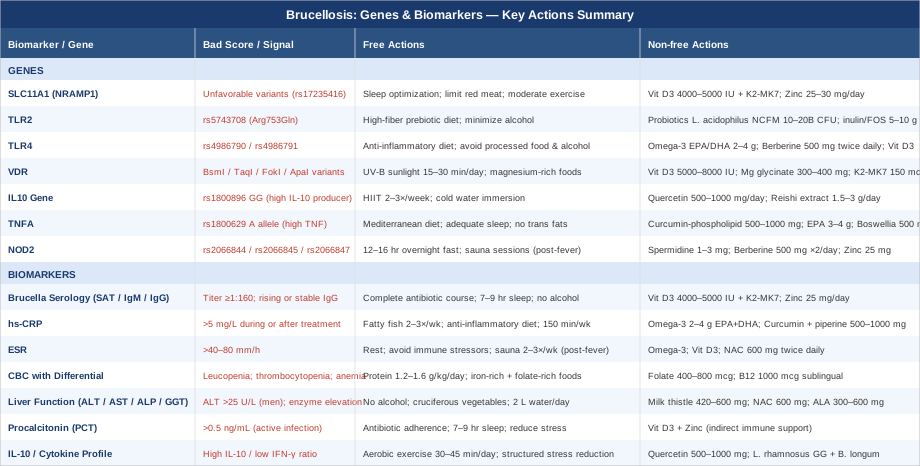
Combining the biomarker and genetic perspectives creates a more complete clinical picture than either approach alone. The SVG summary table above captures the key actions for each gene and biomarker in one view. This integrated approach reflects how researchers like Ali Torkamani at Scripps Research and functional medicine practitioners approach complex infectious diseases — not as isolated pathogen problems, but as interactions between specific bacteria and specific human immune architectures.
What the Huberman Lab Teaches About Immune Optimization for Infectious Disease Recovery
Andrew Huberman's Huberman Lab podcast has produced several episodes relevant to immune function, infection recovery, and inflammation control that cut against the grain of passive, purely pharmaceutical approaches. Below are ten of the most impactful insights from his immune system and stress biology content, as they apply to brucellosis recovery.
1. Sleep Is Immune Therapy
Huberman has cited research showing that even one night of four to six hours sleep reduces natural killer cell activity by 70%. For someone fighting an intracellular bacterial infection, this is not a trivial statistic. During deep NREM sleep, the lymphatic drainage system of the brain (glymphatic system) clears inflammatory waste, and the bone marrow replenishes immune cell populations. Seven to nine hours is not optional — it is the foundational intervention that makes every other immune strategy possible.
2. Cold Exposure Activates Catecholamine-Mediated Immune Shifts
Brief cold water exposure (two to four minutes at 10–15°C) triggers norepinephrine release that drives NK cell mobilization and shifts cytokine balance. Huberman references human studies showing 300% increases in norepinephrine with cold exposure. For brucellosis patients with high-IL-10 genetic profiles, this is a cost-free Th1-supporting tool — best used once acute febrile stages are resolved.
3. Sunlight, Vitamin D, and Immune Priming
Huberman specifically addresses how skin exposure to UV-B radiation does more than produce vitamin D — it directly activates skin-resident T cells and Langerhans cells independent of serum vitamin D levels. Morning sunlight (10–30 minutes on exposed skin) produces systemic immune-priming effects and circadian regulation of cortisol, which secondarily modulates immune tone all day. This is particularly relevant for VDR-variant carriers.
4. Nasal Breathing Filters and Primes the Immune Response
The nasal passages produce nitric oxide — a potent vasodilator and direct antimicrobial agent — during nasal (not mouth) breathing. Huberman discusses how switching to nasal breathing during exercise and sleep measurably alters the immune microenvironment of the airways and reduces systemic inflammatory load. Taping the mouth during sleep (mouth tape) is a practical implementation he references.
5. Psychological Stress Suppresses Th1 and Promotes Th2
Chronic psychological stress drives a sustained cortisol elevation that specifically impairs Th1 cytokine activity (IFN-γ, TNF-α — the cytokines needed to kill intracellular bacteria) while upregulating Th2 and regulatory phenotypes. Huberman cites this as one of the most underappreciated factors in chronic infection persistence. Even 10 minutes of daily physiological sighing (two-part inhale through the nose + slow exhale) measurably reduces cortisol within days.
6. Deliberate Exercise Cycles Immune Cell Trafficking
Each bout of moderate-intensity exercise transiently mobilizes billions of immune cells from bone marrow, spleen, and lymph nodes into circulation — a physiological surveillance sweep. Huberman references work showing this effect occurs within minutes of exercise onset. For brucellosis patients, 30–45 minutes of aerobic activity (once fever has resolved) provides this immune trafficking boost five days per week.
7. Fasting Windows Upregulate Autophagy
Huberman has covered the science of time-restricted eating and autophagy, noting that a 16-hour fast robustly activates autophagy pathways — the cellular process that degrades intracellular pathogens that escape primary immune detection. For NOD2-variant carriers especially, this is a meaningful biological lever. Even a 12-hour overnight fast produces measurable autophagy upregulation compared to constant feeding.
8. Gut Microbiome Shapes Systemic Immune Tone
Huberman has discussed the bidirectional gut-immune axis at length, noting that 70–80% of immune tissue is gut-associated (GALT). A diverse microbiome produces short-chain fatty acids that calibrate TLR sensitivity and regulatory T-cell populations. For brucellosis patients undergoing antibiotic treatment, targeted probiotic and prebiotic reintroduction after or alongside antibiotics is one of the most important immune recovery tools — backed by specific strains with human clinical evidence.
9. Sauna as a Heat-Shock Protein Activator
Huberman has covered Finnish sauna research showing two to three weekly sessions of 15–20 minutes at 80–100°C produce robust heat shock protein upregulation, improved mitochondrial health, and direct stimulation of immune cell activity. Heat shock proteins help tag misfolded intracellular proteins (including those produced by pathogens) for degradation. This appears most useful during recovery phases, not during acute fever.
10. Social Connection and Immune Resilience
One of Huberman's less intuitive but data-backed points: social isolation and loneliness activate inflammatory gene expression programs (NF-κB pathway) while suppressing antiviral/antibacterial gene signatures. For brucellosis patients who are housebound or isolated during treatment, actively maintaining social connection — even by phone or video — appears to have measurable immune effects through the oxytocin and stress regulatory pathways.
Complementary Approaches Worth Considering
The following three modalities have the clearest evidence base and most direct relevance to brucellosis recovery, whether addressing inflammation, antibiotic-related gut disruption, or the fatigue and pain that characterize chronic disease.
Mindfulness Meditation and MBSR
Mindfulness-Based Stress Reduction (MBSR) is an eight-week structured program that combines body scan meditation, mindful movement, and seated meditation practice. Its relevance to brucellosis lies in the well-documented link between psychological stress, cortisol dysregulation, and immune suppression — particularly the Th1/Th2 imbalance that allows intracellular bacteria to persist. Randomized trials show MBSR reduces inflammatory cytokines (IL-6, CRP) and improves NK cell activity within eight weeks. The protocol is eight weeks of weekly two-and-a-half-hour group sessions plus daily 45-minute home practice. For brucellosis patients, this is best started once acute disease is under control and fatigue allows sustained attention. A practical starting point is the free MBSR materials available through UCSD's Mindfulness-Based Professional Training Institute. Evidence is moderate in infectious disease specifically but strong for relevant immune and inflammatory endpoints.
Microbiome-Directed Therapies
Standard brucellosis treatment (doxycycline for six weeks, often combined with rifampicin) significantly disrupts the gut microbiome, reducing Lactobacillus and Bifidobacterium populations and reducing short-chain fatty acid production. This matters because the gut microbiome directly regulates TLR2 expression, immune tolerance, and intestinal barrier integrity — all relevant to infection clearance and preventing inflammatory complications. Multiple meta-analyses confirm that co-administration of probiotics (particularly Lactobacillus rhamnosus GG or Saccharomyces boulardii) during antibiotic treatment reduces antibiotic-associated diarrhea and accelerates microbiome recovery. The practical protocol: take probiotics two to three hours away from antibiotic doses (not simultaneously) during the full antibiotic course, then continue for at least 90 days post-treatment with prebiotic fiber supplementation (5–10 g inulin or FOS daily). Evidence quality is high for GI outcomes; immune-specific effects in brucellosis are extrapolated from mechanism and from infectious disease literature more broadly.
Breathing-Based Therapies
Structured breathing protocols — particularly slow breathing at 4.5–6 breaths per minute — activate the vagus nerve and shift autonomic tone toward parasympathetic dominance. This has measurable effects on inflammatory cytokine profiles: Clinical studies show increased heart rate variability (HRV), reduced IL-6, and improved NK cell function in participants practicing slow breathing protocols for as little as four weeks. For brucellosis patients with fatigue, post-exertional malaise, and elevated inflammatory markers, this is one of the safest and most accessible interventions. The specific protocol is box breathing (4-4-4-4 count) or coherent breathing (5.5-second inhale, 5.5-second exhale) for 15–20 minutes daily. This can be done during rest, during the acute phase when exercise is not yet tolerable, or as a daily recovery practice. Equipment: optional HRV biofeedback device (such as Inner Balance or Polar H10 + Elite HRV app) can help calibrate the practice, but is not required. Use it cautiously if hyperventilation triggers anxiety; slow breathing should feel comfortable and steady.
Conclusion
Brucellosis is not simply a matter of taking antibiotics and waiting. The gap between completing a six-week course and genuinely recovering — clear labs, restored energy, no relapse — depends on a combination of factors most standard protocols do not address: your genetic immune architecture, the biomarker signals that tell you whether your body is actually resolving the infection, and the lifestyle-level inputs that determine how effectively your immune system can do its work.
The seven biomarkers outlined here give you a serial, objective picture of treatment response and inflammation status. The seven genes give you a framework for understanding why your experience may differ from someone else's, and what you can do about unfavorable variants through diet, targeted supplementation, and lifestyle modifications. Together, these layers form a more complete picture than serology alone.
The next smart step is not to self-treat, but to bring this information to a qualified infectious disease specialist — ideally one open to discussing genetic susceptibility testing, regular biomarker panels, and adjunctive support strategies. Order a baseline hs-CRP, CBC, and liver panel if you have not already. Consider asking about your serology trend, not just a single time-point measurement. And start where the evidence is strongest and the cost is lowest: sleep, movement, nutrition, and breathing. The biology of recovery is genuinely within your influence.
Musculoskeletal: Joint Conditions
Digestive: Liver & Gallbladder Conditions
Autoimmune: Inflammatory Conditions
Infectious: Bacterial Infections