This article contains AI generated content.
· UpdatedCampylobacter Reactive Arthritis - 5 Genes And 7 Biomarkers To Track
Introduction
Reactive arthritis following a Campylobacter infection is one of those conditions that tends to confuse even experienced physicians. You had what seemed like a routine bout of food poisoning — cramping, diarrhea, fever — and a few weeks later, your joints started swelling. The connection feels indirect, almost accidental. But the biology behind it is precise: your immune system, trained to fight the bacteria, is now attacking tissues that share molecular features with the original pathogen. Understanding that mechanism is the beginning of understanding your recovery.
The standard advice focuses on managing symptoms: NSAIDs for acute flares, rest when it hurts, and waiting it out. For many people, that works. But for those with specific genetic risk factors, a persistent microbial burden, or a dysregulated immune response, a symptom-management approach consistently falls short. It treats the fire without asking why the fire started, or why it keeps reigniting in some people and not others.
This article doesn't pretend that two people with the same Campylobacter infection will respond the same way. They won't, and that difference is rarely random. Your genes determine whether your immune system sees the infection as a temporary threat or a long-term target. Your biomarkers tell you whether that immune response is still running hot — even after the bacteria are gone. Both perspectives are worth tracking.
The goal here is a cleaner map, not a guaranteed protocol. This article covers the seven most actionable biomarkers for monitoring Campylobacter-triggered reactive arthritis, the five genetic variants most strongly associated with risk and chronicity, and complementary strategies that have real clinical evidence behind them. Better information doesn't guarantee a perfect outcome, but it changes what decisions are available to you.
Summary
This article walks through two parallel tracks for understanding and reversing Campylobacter reactive arthritis. The first is a biomarker-based approach: seven measurable values — ranging from a simple blood test to a specialized stool panel — that can tell you whether active inflammation is still driving your symptoms, whether your gut has healed from the original infection, and whether your diagnosis is even correct. Each biomarker comes with a clear explanation of what it reveals, how to get it tested, and what to do if the result is out of range, including both non-supplement and supplement-based interventions with dosing, cycling, and side effect notes.
The second track is genetic. Five specific gene variants are known to significantly affect who develops reactive arthritis after a Campylobacter infection, who gets the mild six-week version, and who risks a chronic, years-long course. HLA-B27 is the most studied, but TNF-alpha, IL-1, ERAP1, and IL-23R each play a distinct mechanistic role. For each, you'll find what the variant actually does in the body, and what that means for your lifestyle and supplementation strategy.
Beyond lab values and genetics, this article also covers a transformative evidence-based framework from researcher Tom O'Bryan that reframes reactive arthritis as a predictable consequence of gut barrier failure and molecular mimicry — and explains why addressing just the joints, without addressing the gut, leaves the underlying driver untouched. Finally, you'll find four complementary approaches with specific clinical protocols: the Autoimmune Protocol, microbiome-directed therapies, low-level laser therapy, and mindfulness-based stress reduction.
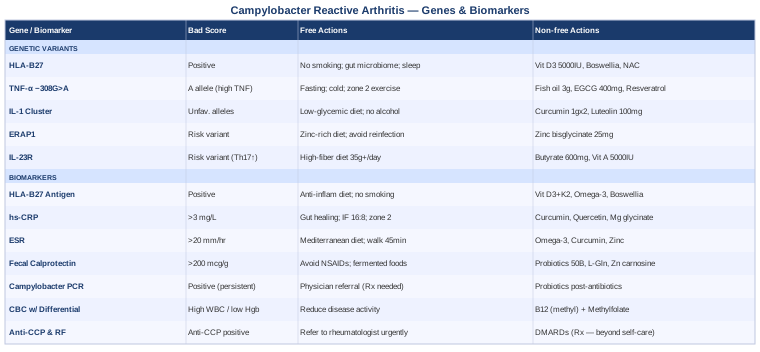
7 Biomarkers to Track for Campylobacter Reactive Arthritis
Most people with reactive arthritis are sent home with a prescription and a general reassurance. Rarely are they handed a monitoring strategy — a set of measurable values that can track whether they're improving, whether the original infection is truly resolved, and whether the inflammatory response has become self-perpetuating. These seven biomarkers fill that gap.
Biomarker 1: HLA-B27 Antigen Typing
HLA-B27 sits at the center of reactive arthritis biology. It's not a blood test that fluctuates — it's a one-time genetic typing that tells you whether you carry the antigen most strongly associated with susceptibility, severity, and the risk of a chronic or progressive course. Among the general population, roughly 6–8% carry HLA-B27. Among people with confirmed reactive arthritis, estimates range from 30 to 70% depending on the study population and the causative pathogen. For Campylobacter specifically, the association is consistent and clinically meaningful.
How to Measure It
A simple blood draw sent to a lab for genetic antigen typing. Cost typically ranges from $100 to $300 in the United States, depending on the lab. It's often covered by insurance when ordered alongside a rheumatology workup. The result comes back as positive or negative and does not need to be repeated. This is a one-time test that becomes part of your permanent clinical picture.
If the Result Is Positive: The Plan Without Supplements
HLA-B27 positivity does not mean you will develop chronic disease — but it does mean you should be more disciplined about the factors that amplify HLA-B27-driven inflammation. An anti-inflammatory dietary pattern (Mediterranean-style or the Autoimmune Protocol, discussed below) meaningfully reduces inflammatory signaling at the joint level. Prioritizing 7–9 hours of sleep consistently lowers systemic cytokine burden. Smoking must be avoided: smoking significantly worsens all HLA-B27-associated spondyloarthropathies and appears to accelerate structural joint damage. Low-impact aerobic exercise (swimming, cycling, walking 30–45 minutes daily) maintains joint mobility and suppresses inflammatory tone without mechanical stress on inflamed joints. Avoid prolonged sitting in flexed positions, which aggravates axial involvement in HLA-B27-positive patients.
If the Result Is Positive: The Plan With Supplements
Vitamin D3 + K2: Vitamin D plays a central role in immune tolerance and regulatory T cell activity. In HLA-B27-positive individuals with inflammatory arthritis, low vitamin D correlates with higher disease activity. Target 2,000–5,000 IU of D3 daily with 100–200 mcg of K2 (MK-7 form). Test your serum 25-OH-D every 3–6 months; target 50–80 ng/mL. No specific cycling needed. Side effects are rare at these doses but monitor calcium if you exceed 5,000 IU long-term.
Omega-3 fatty acids (EPA + DHA): At 2–4 grams combined EPA/DHA daily, fish oil significantly reduces leukotriene B4 and pro-inflammatory prostaglandin production — two pathways heavily implicated in HLA-B27-mediated joint inflammation. Use high-triglyceride-form fish oil for bioavailability. Take with meals. No cycling required; can be continued indefinitely. Monitor for blood thinning if you're on anticoagulants.
Boswellia serrata: A standardized extract (65% boswellic acids) at 300–400 mg three times daily has demonstrated meaningful reduction in joint pain and swelling in inflammatory arthritis. Run 8–12 weeks on, 4 weeks off to prevent tolerance. Side effects are rare but include occasional GI discomfort.
Biomarker 2: High-Sensitivity C-Reactive Protein (hs-CRP)
CRP is produced by the liver in response to IL-6, a cytokine that spikes during active inflammation. Standard CRP tests have limited sensitivity — they're designed to catch major infections or tissue damage. High-sensitivity CRP (hs-CRP) detects lower-grade, chronic inflammation that wouldn't register on a standard test. In active Campylobacter reactive arthritis, hs-CRP typically exceeds 10 mg/L during flares. But what matters more is the trend between flares: persistent low-grade elevation (3–10 mg/L) often signals that immune activation hasn't fully resolved even when joints feel better. This is a critical distinction that most clinicians miss.
How to Measure It
A standard blood draw, often included in broad metabolic panels. If not included, request it specifically as hs-CRP (not standard CRP). Cost: $20–$50 out of pocket. Optimal reference range is below 1 mg/L. Between 1–3 mg/L represents elevated cardiovascular and inflammatory risk. Above 3 mg/L during supposed remission suggests active subclinical inflammation requiring attention. Test every 6–8 weeks during active phases, every 3–4 months during stable periods.
If the Score Is High: The Plan Without Supplements
The single most impactful non-supplement change is gut healing. Because Campylobacter enters through the gut, post-infection intestinal permeability ("leaky gut") allows bacterial lipopolysaccharides (LPS) to continually enter systemic circulation, directly driving CRP elevation. An elimination diet removing processed foods, refined carbohydrates, seed oils, and alcohol for 4–6 weeks produces measurable CRP reductions. Intermittent fasting (16:8 daily window) reduces inflammatory signaling through AMPK activation. High-intensity exercise paradoxically worsens acute CRP but lowers it chronically — prioritize zone 2 aerobic training (walking briskly, light cycling at conversational pace) for 30–45 minutes, 5x per week. Sleep is non-negotiable: sleep deprivation elevates IL-6 and CRP within 24 hours.
If the Score Is High: The Plan With Supplements
Curcumin (with piperine or liposomal form): Curcumin inhibits NF-κB, the master inflammatory switch responsible for CRP production. Use 500–1,000 mg of bioavailable curcumin twice daily with meals. Standard curcumin is poorly absorbed — choose liposomal, phytosome, or piperine-enhanced formulations. Cycle 10 weeks on, 2 weeks off. Side effects at high doses include GI upset; avoid if you have gallbladder issues.
Quercetin: A flavonoid with anti-inflammatory and mast cell-stabilizing properties. At 500 mg twice daily, quercetin reduces pro-inflammatory cytokine expression, including those that trigger hepatic CRP production. Take consistently for 8–12 weeks. No significant cycling required. Generally well tolerated; rare GI sensitivity reported.
Magnesium glycinate: Magnesium deficiency is common in inflammatory states and independently elevates hs-CRP. Supplementing 300–400 mg of magnesium glycinate at night supports sleep, reduces cortisol, and has demonstrated modest CRP-lowering effects. No cycling needed. Side effects are rare at this form and dose; loose stools indicate too high a dose.
Biomarker 3: Erythrocyte Sedimentation Rate (ESR)
ESR measures how quickly red blood cells settle in a tube — they settle faster when inflammatory proteins called acute phase reactants are elevated. Unlike hs-CRP, which responds quickly to inflammation (rising and falling within 6–24 hours), ESR is a slower-moving marker that reflects cumulative inflammatory burden over days to weeks. In Campylobacter reactive arthritis, ESR typically runs 30–80 mm/hr during active phases. Its value is less about pinpointing an acute flare and more about tracking the overall trajectory of the disease: is inflammation trending down over months, or holding steady?
How to Measure It
Included in most standard inflammatory panels. Cost: $15–$30. Normal ranges vary slightly by age and sex — in men under 50, below 15 mm/hr; in women, below 20 mm/hr. Many labs use slightly different reference ranges. Measure alongside hs-CRP for a clearer picture — they complement each other because they respond on different timescales.
If the Score Is High: The Plan Without Supplements
ESR responds best to sustained lifestyle interventions rather than acute changes. A Mediterranean dietary pattern — emphasizing oily fish, olive oil, vegetables, legumes, and minimal processed food — has the strongest evidence base for reducing long-term ESR in inflammatory arthritis conditions. Regular movement is crucial: sedentary behavior independently elevates ESR through reduced blood flow and increased inflammatory protein production. A daily 45-minute walk is enough to produce measurable reductions over 8 weeks in most patients. Alcohol has a direct effect on acute phase reactants — limiting intake to less than 3 drinks per week is advisable.
If the Score Is High: The Plan With Supplements
The omega-3 and curcumin protocols described under hs-CRP apply equally here. Additionally:
Zinc (bisglycinate form): Zinc is essential for regulatory T cell function and directly suppresses overactive inflammatory signaling. In autoimmune and post-infectious inflammatory conditions, zinc is frequently depleted. Use 25–40 mg daily with food (higher doses require copper balance — add 2 mg copper if supplementing above 30 mg zinc for more than 4 weeks). Cycle: 8 weeks on, 2 weeks off. Nausea if taken on an empty stomach; take with meals.
Biomarker 4: Fecal Calprotectin
This is the biomarker most likely to be missing from your current monitoring panel — and arguably one of the most important. Calprotectin is a protein released by neutrophils in the gut lining during intestinal inflammation. When Campylobacter infects the gastrointestinal tract, it causes significant mucosal damage, and calprotectin levels spike. The question that matters for reactive arthritis management is: has that gut inflammation resolved? Persistently elevated fecal calprotectin after apparent clinical recovery from Campylobacter enteritis suggests ongoing gut barrier dysfunction — which continues to drive systemic immune activation and perpetuate joint inflammation even after the bacteria themselves are gone. This is a mechanism that the published literature on reactive arthritis increasingly recognizes as central.
How to Measure It
A home stool collection kit sent to a lab. Many labs now offer this test directly to consumers. Cost: $50–$100 in most markets; sometimes covered by insurance when ordered by a gastroenterologist. Normal: below 50 mcg/g. Borderline: 50–200 mcg/g. Elevated: above 200 mcg/g (suggestive of significant mucosal inflammation). Test 8–12 weeks after acute infection recovery to establish a baseline, then retest every 2–3 months until normalized.
If the Score Is High: The Plan Without Supplements
Gut healing must precede joint healing in Campylobacter reactive arthritis. The most important non-supplement strategy is the elimination of gut irritants: NSAIDs (including ibuprofen and naproxen commonly prescribed for arthritis pain) directly damage the gut lining and elevate calprotectin — this is a cruel irony in reactive arthritis treatment. If NSAIDs are necessary for pain, discuss switching to celecoxib (COX-2 selective) or acetaminophen as alternatives. Fermented foods — yogurt, kefir, kimchi, sauerkraut — introduced gradually at 1–2 servings daily, have demonstrated meaningful reductions in gut inflammatory markers in clinical trials. A low-FODMAP elimination for 4–6 weeks reduces fermentation and bacterial overgrowth that sustains mucosal irritation.
If the Score Is High: The Plan With Supplements
Lactobacillus and Bifidobacterium probiotics: Multi-strain formulations (at least 20–50 billion CFU) taken daily for 12 weeks have demonstrated calprotectin-lowering effects in post-infectious gut inflammation. Specific strains with the most evidence for gut mucosal repair include Lactobacillus rhamnosus GG and Bifidobacterium longum. Take on an empty stomach or with meals — both protocols appear effective. No cycling needed for standard doses. Transient gas or bloating in the first 1–2 weeks is common.
L-glutamine: The primary fuel source for intestinal epithelial cells, L-glutamine supports tight junction repair and reduces gut permeability. 5–10 g daily in divided doses, dissolved in water. Take for 8–12 weeks. Side effects at this dose are rare. Caution in patients with certain cancers (glutamine is also used by tumor cells — discuss with your oncologist if applicable).
Zinc carnosine: A chelated form of zinc with specific affinity for the gut mucosa, zinc carnosine (75 mg twice daily) has demonstrated superior gut lining protection and repair compared to standard zinc in controlled trials. Run 8–12 weeks. Provides both anti-inflammatory and tissue-repair benefits in the GI tract.
Biomarker 5: Campylobacter PCR (Stool)
In most cases, Campylobacter infection resolves within two weeks and is cleared by the immune system. But in a subset of patients — particularly immunocompromised individuals, those with certain gut microbiome compositions, or those treated late or inadequately — persistent shedding can last weeks to months. If you have reactive arthritis and have not had a stool PCR confirming Campylobacter clearance, you don't have a complete clinical picture. The distinction matters because persistent infection requires antibiotic treatment, while post-infectious reactive arthritis (where bacteria are cleared but immune activation persists) does not benefit from antibiotics.
How to Measure It
A stool PCR test, more sensitive than culture alone. Most hospital labs and commercial labs (LabCorp, Quest) offer comprehensive GI pathogen panels that include Campylobacter PCR. Cost: $80–$200 depending on panel breadth. Order 4–6 weeks after symptom onset if not already done. A negative result confirms bacterial clearance and redirects management toward immune modulation rather than antibiotic therapy.
If the Result Is Positive (Persistent Infection)
Antibiotic treatment of confirmed persistent Campylobacter infection is appropriate and may — in some cases — shorten the duration of reactive arthritis. Azithromycin is the preferred first-line treatment where susceptibility allows; fluoroquinolone resistance in Campylobacter has become widespread and must be confirmed by culture sensitivity before using ciprofloxacin. After antibiotic course completion, aggressive probiotic recolonization (see Biomarker 4 above) is essential to prevent secondary dysbiosis and maintain gut barrier integrity. After clearance, retest calprotectin at 8 weeks to confirm mucosal recovery.
Biomarker 6: Complete Blood Count with Differential (CBC)
The CBC is often dismissed as a "basic" test, but the differential — the breakdown of white blood cell subtypes — contains meaningful information for reactive arthritis monitoring. Neutrophilia (elevated neutrophils) during active infection; lymphocyte-to-monocyte ratio as a proxy for immune skewing; mild anemia of chronic inflammation that develops when reactive arthritis becomes prolonged — all of these tell a story about where the immune response currently stands. A CBC every 2–3 months during the active phase is inexpensive and informative.
How to Measure It
Standard blood draw, usually the most affordable test panel available. Cost: $20–$40, often included in standard metabolic panels. The key numbers to watch in reactive arthritis: WBC (total white cell count), neutrophil percentage, lymphocyte count, hemoglobin, and MCV (mean corpuscular volume, which flags nutritional deficiencies that worsen inflammatory burden).
If the Score Is Abnormal: The Plan Without Supplements
Persistent leukocytosis (high WBC) during supposed remission warrants further investigation — it may indicate ongoing infection, secondary bacterial involvement, or steroid side effects if corticosteroids have been used. Anemia of chronic inflammation improves primarily by reducing disease activity through the interventions described under CRP and ESR. Do not supplement iron based on CBC alone without ruling out iron deficiency by ferritin — iron supplementation in true anemia of chronic inflammation does not help and can worsen gut inflammation.
If the Score Is Abnormal: The Plan With Supplements
Vitamin B12 and folate: If MCV is elevated (macrocytosis), check B12 and folate before other interventions. Deficiencies impair immune cell production and worsen inflammatory signaling. B12 (methylcobalamin, 1,000 mcg daily sublingually) and folate (methylfolate 400–800 mcg daily) for 3 months typically correct deficiency states. These can be taken long term without cycling.
Biomarker 7: Anti-CCP Antibodies and Rheumatoid Factor (RF)
This biomarker pair is not about tracking disease activity — it's about making sure you have the right diagnosis. Reactive arthritis and early rheumatoid arthritis can look almost identical clinically, especially in the first few months. Both cause joint swelling, morning stiffness, elevated CRP and ESR. The difference is profound, however, because RA is a distinct autoimmune disease requiring different treatment — including disease-modifying antirheumatic drugs (DMARDs) — that reactive arthritis typically does not need. Anti-CCP antibodies are present in up to 80% of RA cases and are highly specific; they are almost never elevated in reactive arthritis. RF is less specific but adds diagnostic value. A negative anti-CCP makes RA significantly less likely and helps confirm the reactive arthritis diagnosis.
How to Measure It
Blood draw. Anti-CCP (cyclic citrullinated peptide antibody): $50–$120. RF: $15–$40. Often ordered together as a rheumatoid panel. These are single-point diagnostic tests, not repeated monitoring tools — test once to establish the diagnosis and revisit only if clinical presentation changes significantly.
If Both Are Negative (Confirming Reactive Arthritis)
A seronegative picture (negative anti-CCP, negative or low RF) combined with a confirmed recent Campylobacter infection and inflammatory joint involvement points squarely toward reactive arthritis and shifts management toward gut healing, inflammatory suppression, and short-term joint support rather than long-term immunosuppression. This clarifies your entire treatment roadmap and reduces the risk of unnecessary medication exposure.
If Anti-CCP Is Positive
A positive anti-CCP result — even in the context of a recent Campylobacter infection — warrants urgent rheumatology referral to evaluate for rheumatoid arthritis or overlap syndrome. The Campylobacter infection may have been a trigger that unmasked a pre-existing autoimmune tendency. This changes the management entirely and is beyond the scope of self-directed supplementation strategies.
The Genetic Map: 5 Key Variants That Shape Your Risk
Genetics in reactive arthritis is not about determinism. HLA-B27 positive people don't all develop severe disease; HLA-B27 negative people still develop reactive arthritis. But knowing your genetic landscape tells you which biological pathways are running under extra pressure — and which interventions are most likely to relieve that pressure. This section covers the five most studied genetic factors in Campylobacter reactive arthritis.
Gene 1: HLA-B27 — The Primary Susceptibility Antigen
HLA-B27 is a cell surface protein that presents fragments of intracellular proteins to the immune system. In reactive arthritis, the prevailing theory is molecular mimicry: peptides from Campylobacter proteins look similar enough to certain HLA-B27-associated self-peptides that the immune response trained against the bacteria inadvertently attacks joint tissue. A secondary mechanism — the unfolded protein response — proposes that HLA-B27 itself misfolds inside cells under inflammatory stress, triggering ER stress and an amplified inflammatory cascade.
Research consistently confirms HLA-B27 positivity correlates with a more severe initial presentation, longer disease duration, and higher risk of progression to ankylosing spondylitis or chronic undifferentiated spondyloarthropathy (approximately 15–25% of HLA-B27 positive reactive arthritis patients).
If the Gene Is Positive: The Plan Without Supplements
The most impactful lifestyle intervention for HLA-B27-positive individuals is aggressive gut microbiome support. Recent evidence suggests that HLA-B27's disease-triggering effects are strongly modulated by gut microbial composition — germ-free HLA-B27 transgenic rats develop minimal arthritis, a finding that has shifted scientific thinking toward the gut as the primary amplifier of HLA-B27-related pathology. Prioritize dietary fiber diversity (30+ different plant foods per week), fermented foods daily, and avoid unnecessary antibiotics. Eliminate smoking completely. Maintain a consistent sleep-wake cycle to support circadian immune regulation. Avoid mechanical joint overload during flares but maintain daily movement.
If the Gene Is Positive: The Plan With Supplements
Vitamin D3: Directly modulates the immune response to HLA-B27-presented peptides by promoting regulatory T cell activity. 3,000–5,000 IU daily. Monitor 25-OH-D every 3 months. No cycling. Target 60–80 ng/mL serum levels.
Boswellia serrata (AKBA extract, 30% boswellic acids): Inhibits 5-lipoxygenase (5-LOX), the enzyme driving leukotriene production specifically implicated in HLA-B27-mediated spondyloarthropathy. 500 mg twice daily with meals. Cycle 10 weeks on, 4 weeks off. Mild GI side effects possible; avoid with anticoagulants.
N-acetylcysteine (NAC): HLA-B27 misfolding triggers ER stress, which NAC may help buffer by replenishing glutathione. 600–1,200 mg daily in divided doses. 8-week cycles are prudent. Side effects: rare GI discomfort; do not combine with nitroglycerin.
Gene 2: TNF-alpha (-308 G>A Polymorphism)
Tumor necrosis factor-alpha (TNF-α) is one of the most potent pro-inflammatory cytokines in the spondyloarthropathy pathway. The -308 G>A polymorphism (rs1800629, known as the "TNF2" allele) in the TNF gene promoter increases transcription of TNF-alpha by 2–4 fold in response to inflammatory stimuli. Carriers of the A allele at this position consistently demonstrate more severe inflammatory responses to infections, including Campylobacter, and are more likely to develop post-infectious complications. Studies in reactive arthritis patients have found elevated TNF-alpha in synovial fluid and serum, and the -308 AA genotype correlates with longer disease duration and less complete resolution.
If the Gene Is a High Producer: The Plan Without Supplements
Intermittent fasting (16:8 or 5:2 protocols) directly reduces TNF-alpha gene expression through SIRT1 activation. Cold exposure — cold showers 2–3 minutes daily or brief cold water immersion — acutely suppresses TNF-alpha and IL-6 through norepinephrine-mediated anti-inflammatory pathways, a mechanism well-studied by researchers including those in the Wim Hof protocol literature. Zone 2 aerobic exercise consistently lowers chronic TNF-alpha expression — 150+ minutes weekly at moderate intensity (able to hold a conversation) is the minimum effective dose.
If the Gene Is a High Producer: The Plan With Supplements
Fish oil (EPA dominant, 3–4 g daily): EPA competes with arachidonic acid and directly reduces TNF-alpha synthesis. Use triglyceride form for bioavailability. Take with the largest meal. Continue indefinitely; no cycling required. Monitor if on blood thinners.
Green tea extract (EGCG, 400–600 mg daily): EGCG inhibits NF-κB — the transcription factor TNF-alpha activates — and has demonstrated direct TNF-alpha suppression in multiple in vitro and clinical studies. Take with vitamin C to enhance bioavailability. Cycle 8 weeks on, 2 weeks off. Avoid on an empty stomach; contains caffeine (consider decaffeinated EGCG if caffeine-sensitive). Do not combine with certain medications (check for P450 interactions).
Resveratrol: Trans-resveratrol at 250–500 mg daily activates SIRT1 and directly suppresses TNF-alpha via NF-κB inhibition. Take with fat for absorption. 8-week cycles. Rare side effects at standard doses; high doses may have hormonal effects.
Gene 3: IL-1 Gene Cluster (IL-1B and IL-1RN)
Interleukin-1 beta (IL-1β) is the primary cytokine responsible for joint inflammation in reactive arthritis — it drives cartilage degradation, synovial membrane activation, and fever during acute phases. The balance between IL-1β and its natural antagonist, the interleukin-1 receptor antagonist encoded by IL-1RN, determines whether the inflammatory response is controlled or runs unchecked. A VNTR (variable number tandem repeat) polymorphism in intron 2 of IL-1RN affects how much receptor antagonist is produced — certain alleles produce less antagonist, tipping the balance toward unchecked IL-1β activity. Separately, the IL-1B +3953 C>T polymorphism has been associated with higher IL-1β production in various inflammatory conditions.
If the Gene Is Unfavorable: The Plan Without Supplements
Dietary strategies directly modulate IL-1β expression. A low-glycemic, anti-inflammatory diet reduces the post-meal IL-1β spikes that refined carbohydrates provoke through the NLRP3 inflammasome pathway. Ketogenic or low-carbohydrate diets (below 50 g carbohydrate daily) have demonstrated direct NLRP3 inflammasome suppression and IL-1β reduction in emerging research — this may be particularly relevant for IL-1B high producers during acute reactive arthritis flares. Alcohol and fructose directly activate IL-1β through the same inflammasome pathway and should be avoided.
If the Gene Is Unfavorable: The Plan With Supplements
Canakinumab and anakinra are prescription IL-1 blocking medications used in severe refractory reactive arthritis — these represent the pharmaceutical version of targeting this exact pathway. For supplement-based approaches:
Curcumin (phytosome, 1 g twice daily): Directly inhibits the NLRP3 inflammasome, reducing IL-1β maturation and release. Take with food. 10-week cycles. GI sensitivity possible; avoid in gallbladder disease.
Luteolin: A flavone found in celery, parsley, and chamomile that potently suppresses IL-1β and NLRP3 at 100–200 mg daily. Emerging human data; well-tolerated. 8-week cycles as a precaution. Low side effect profile.
Gene 4: ERAP1 (Endoplasmic Reticulum Aminopeptidase 1)
ERAP1 is an enzyme that trims peptides to the correct length for loading onto HLA class I molecules, including HLA-B27. Its importance in reactive arthritis is mechanistic: ERAP1 variants change which peptides get presented to T cells by HLA-B27, potentially creating a set of displayed peptides that more closely mimic Campylobacter antigens and drive a more aggressive autoimmune response. Multiple variants of ERAP1 have been associated with ankylosing spondylitis and related spondyloarthropathies — and critically, these effects appear to be HLA-B27-dependent. ERAP1 variants only seem to increase risk in HLA-B27 positive individuals.
If the Gene Is Unfavorable: The Plan Without Supplements
ERAP1 function is modulated by zinc availability — ERAP1 is a zinc-metalloprotease, and zinc status directly affects its activity. Maintaining optimal zinc through dietary sources (shellfish, red meat, pumpkin seeds) and testing serum zinc supports balanced ERAP1 function. Avoiding recurrent infections that re-stimulate the HLA-B27/ERAP1 antigen presentation pathway is the most practical protective strategy — meaning robust hygiene, safe food handling, and addressing gut microbiome vulnerabilities.
If the Gene Is Unfavorable: The Plan With Supplements
Zinc bisglycinate (25–30 mg daily): Supports ERAP1 catalytic function and immune regulatory balance. Take with food. Add 2 mg copper if using above 25 mg for more than 8 weeks. 8-week cycling as a precaution at higher doses. Nausea if taken on empty stomach.
Gene 5: IL-23R (Interleukin-23 Receptor)
The IL-23/IL-17 axis is the most therapeutically targeted pathway in modern spondyloarthropathy treatment — biologic drugs targeting IL-17A (secukinumab, ixekizumab) and IL-23 (ustekinumab, guselkumab) have transformed outcomes in ankylosing spondylitis and psoriatic arthritis, both of which share pathological features with reactive arthritis. Variants in the IL-23R gene affect receptor signaling downstream of IL-23, influencing how strongly the Th17 cell response (the IL-17-producing arm of the immune system) is amplified after microbial challenge. The R381Q variant (rs11209026) is protective — it blunts IL-23 signaling. Other variants increase Th17 activity and drive more severe mucosal and joint inflammation after gut infection.
If the Gene Is Unfavorable: The Plan Without Supplements
Th17 cells — the cells driven by IL-23R signaling — are directly modulated by the gut microbiome. Short-chain fatty acids (SCFAs) produced by fiber-fermenting bacteria directly suppress Th17 differentiation and promote regulatory T cells. A high-fiber diet (35–40 g of diverse fiber daily), particularly from vegetables, legumes, and whole grains, is the most evidence-supported non-supplement strategy. Conversely, a high-fat, low-fiber Western diet dramatically expands Th17 populations — a finding with direct relevance to anyone with unfavorable IL-23R variants.
If the Gene Is Unfavorable: The Plan With Supplements
Butyrate (tributyrin or sodium butyrate, 600 mg–1 g daily): Directly suppresses Th17 differentiation and promotes Treg activity in the gut-associated immune system. Take with meals. 12-week cycles. Mild GI adjustment in weeks 1–2 is common.
Vitamin A (retinol, 5,000 IU daily from food or supplement): Essential for balancing Th17 and Treg differentiation; deficiency dramatically skews the immune system toward Th17 dominance. Retinol from animal sources (liver, cod liver oil) or beta-carotene conversion. Do not exceed 10,000 IU retinol daily in women of childbearing age. No cycling needed at physiological doses.
What Tom O'Bryan's Research Reveals About Autoimmune Triggers
Tom O'Bryan, a functional medicine clinician and author of The Autoimmune Fix (2016), has spent two decades synthesizing research on why the immune system turns against the body after infections and gut insults. His work doesn't replace rheumatology — but it offers a mechanistic framework that explains Campylobacter reactive arthritis in ways that most standard clinical encounters do not address. The following are the ten most impactful insights from his research and writing, each one directly relevant to this condition.
1. Autoimmunity Begins Years Before Diagnosis
O'Bryan cites research showing that detectable autoimmune antibodies often appear 3–10 years before any clinical diagnosis is made. In reactive arthritis, this suggests that the Campylobacter infection may be the event that breaks tolerance in an immune system already primed toward autoimmune activity. Looking for early immune dysregulation — not just reacting to the acute event — is the first conceptual shift his work demands.
2. Molecular Mimicry Is the Core Mechanism
When Campylobacter proteins are fragmented by the immune system, some peptide sequences closely resemble proteins found in joint cartilage, synovial membranes, and other self-tissues. O'Bryan walks through how antibodies trained to recognize Campylobacter antigens begin cross-reacting with self-tissue — an error of pattern matching that the immune system cannot distinguish on its own. This is why reactive arthritis can persist or recur even after the infection is completely cleared.
3. Gut Permeability Is Not Just a Side Effect — It's the Gateway
O'Bryan argues, citing multiple studies including work by Alessio Fasano (discoverer of zonulin), that a leaky gut barrier is not simply a symptom of illness but the structural condition that allows systemic immune activation to occur and persist. In Campylobacter infection, the pathogen directly damages tight junctions, increasing intestinal permeability. If the barrier is not repaired after infection, this becomes a self-sustaining driver of inflammation.
4. The Three-Hit Model Explains Why Not Everyone Gets Reactive Arthritis
O'Bryan frames autoimmunity around a "three-hit" model: genetic susceptibility (hit 1) + gut permeability (hit 2) + environmental trigger (hit 3). Campylobacter is hit 3. This explains why siblings exposed to the same food poisoning can have entirely different outcomes — the first two hits were only present in one of them. This model shifts focus from "what antibiotic do I take?" to "what were the conditions that made me vulnerable?"
5. Testing Beyond Standard Labs Matters
Standard labs catch acute inflammation. O'Bryan advocates for testing zonulin and anti-zonulin antibodies (markers of intestinal permeability), LPS-binding proteins (which indicate bacterial products crossing the gut barrier), and specific food sensitivity panels that go beyond IgE (standard allergy) testing to include IgG and IgA antibodies. These tests reveal the subclinical picture that CRP and ESR miss.
6. Gluten and the Gut Barrier in Reactive Arthritis
O'Bryan presents evidence that gluten directly triggers zonulin release in all humans (not just those with celiac disease), increasing gut permeability and amplifying immune responses to co-occurring antigens like Campylobacter. He recommends a strict 3-month gluten elimination as a diagnostic therapeutic trial in all patients with inflammatory arthritis of suspected gut-immune origin.
7. Food Sensitivities Sustain the Fire After the Infection Is Gone
Once the gut barrier is damaged by Campylobacter, food proteins that would normally be excluded from systemic circulation enter the bloodstream and trigger additional immune activation. O'Bryan describes patients whose reactive arthritis failed to resolve until specific food triggers — often dairy, eggs, or gluten — were identified and removed. The joint inflammation wasn't being driven by the bacteria anymore; it was being driven by diet-triggered immune responses entering through a compromised gut.
8. 70% of the Immune System Lives in the Gut — and That's the Target
The gut-associated lymphoid tissue (GALT) is not a supporting player in immunity — it is the central staging area for the immune response to microbial challenge. O'Bryan's framework positions gut healing not as an adjunct to reactive arthritis treatment but as its logical primary target. Healing the gut changes the immune system's activation state more profoundly and durably than peripheral anti-inflammatory drugs alone.
9. The Microbiome Determines Immune Tolerance — and Can Be Restored
O'Bryan synthesizes research showing that specific commensal bacteria — particularly butyrate producers like Faecalibacterium prausnitzii and Roseburia intestinalis — actively train regulatory T cells and suppress Th17 dominance. These bacteria are dramatically depleted after Campylobacter infection and antibiotic treatment. Restoring them through dietary fiber, fermented foods, and targeted probiotics is not optional lifestyle advice — it's a direct intervention in immune regulation.
10. You Can Reach Remission Even With HLA-B27 Positivity
Perhaps the most important message from O'Bryan's framework: genetics is not destiny. He documents patients with HLA-B27 positivity, significant gut permeability, and reactive arthritis who achieved sustained remission through comprehensive gut-immune protocols. The gene didn't change; the biological context around it did. This is the core argument for a functional approach alongside conventional rheumatology care.
Complementary Approaches With Clinical Evidence
Beyond biomarkers and genetics, a small number of complementary modalities have accumulated enough clinical evidence in inflammatory arthritis and immune conditions to be worth considering alongside conventional management. These are not alternatives to medical care — they are adjuncts that address specific mechanisms.
The Autoimmune Protocol (AIP)
Developed by researcher and author Sarah Ballantyne, the Autoimmune Protocol is a structured dietary elimination and reintroduction framework designed to reduce gut permeability, calm immune activation, and identify dietary triggers in autoimmune and post-infectious inflammatory conditions. It is directly relevant to Campylobacter reactive arthritis because it addresses both the gut barrier damage caused by Campylobacter and the dietary inputs that perpetuate mucosal immune activation. It is not a generic anti-inflammatory diet — it is a systematically designed gut-healing protocol.
A 2017 pilot study by Konijeti et al. published in Inflammatory Bowel Diseases demonstrated significant clinical improvement in Crohn's disease patients following the AIP — PMID 28858071. While direct RCTs in reactive arthritis have not been published, the mechanistic overlap (gut permeability, dysbiosis, mucosal immune activation) makes the AIP highly plausible as an adjunctive strategy. Ballantyne's framework has been adopted by numerous functional medicine practitioners managing post-infectious inflammatory conditions.
Practically, the AIP elimination phase lasts a minimum of 30–60 days and removes grains, legumes, nightshades, eggs, dairy, nuts, seeds, refined sugars, seed oils, NSAIDs, and alcohol. It then systematically reintroduces each food group every 4–7 days to identify individual triggers. For Campylobacter reactive arthritis, this process is best started after acute joint inflammation has subsided (typically 2–4 weeks post-infection) and maintained for the full elimination phase before drawing conclusions. Work with a registered dietitian familiar with AIP if possible, as adequate nutrient density during elimination requires planning.
Microbiome-Directed Therapies
Because Campylobacter reactive arthritis begins in the gut, microbiome restoration is arguably the most mechanism-aligned complementary strategy available. The Campylobacter infection and any subsequent antibiotic treatment reliably depletes key commensal species — particularly anaerobic butyrate producers that regulate Th17 immune activity. Restoring these species changes the immunological environment in which reactive arthritis either resolves or persists.
A 2021 review in Arthritis Research and Therapy by Zhu et al. examined the gut microbiome in spondyloarthropathy patients and found consistent depletion of Faecalibacterium prausnitzii, Akkermansia muciniphila, and Ruminococcus gnavus alongside dysbiotic expansion of gram-negative pro-inflammatory species — a pattern shared with reactive arthritis. Probiotic interventions using multi-strain Lactobacillus and Bifidobacterium products have demonstrated anti-inflammatory effects in musculoskeletal conditions, though specific Campylobacter reactive arthritis RCTs remain limited.
Practically, start with a high-diversity fermented food protocol (2–3 servings daily of different fermented foods) alongside a multi-strain probiotic (50+ billion CFU). Add prebiotic fiber from diverse vegetables, aiming for 30 different plant species weekly. After 3 months of this foundation, consider testing through a microbiome analysis service (Viome, Genova GI Effects, or similar) to identify specific deficits and target restorative interventions. This is a sustained 6–12 month strategy, not a quick fix, and works synergistically with the AIP approach above.
Low-Level Laser Therapy (LLLT) / Photobiomodulation
Low-level laser therapy applies red and near-infrared light to inflamed tissues, stimulating mitochondrial function, reducing oxidative stress, and suppressing pro-inflammatory cytokine production at the cellular level — including TNF-alpha and IL-1β, the primary drivers of joint inflammation in reactive arthritis. The mechanism is well-characterized and involves cytochrome c oxidase (complex IV) in the mitochondrial respiratory chain, which absorbs photons and converts them to cellular energy and signaling molecules.
A Cochrane review on LLLT in musculoskeletal pain and multiple subsequent meta-analyses have confirmed significant short-term pain reduction and improved joint function in inflammatory arthritis conditions. While Campylobacter-specific reactive arthritis RCTs have not been published, the inflammatory mechanism is directly applicable. A 2018 meta-analysis in Pain Medicine reviewed 22 controlled trials and confirmed pain reduction superior to sham, particularly for knee and small joint involvement.
Practical application: seek a physiotherapist or sports medicine clinic offering LLLT (class IIIb or class IV laser). Typical protocols for acute inflammatory joints run 3–5 sessions per week for 2–4 weeks, with 2–4 joules per point over affected joints. Home devices (red and near-infrared panels, 600–900 nm wavelengths) are available for 100–400 USD and can be used daily on affected joints for 10–20 minutes. Start at lower intensity to assess tolerance. LLLT is generally very well tolerated — avoid direct eye exposure to the laser device.
Mindfulness-Based Stress Reduction (MBSR)
Psychological stress directly activates the HPA axis and sympathetic nervous system, suppressing regulatory immune function while amplifying Th17-driven inflammation — the same pathway central to reactive arthritis pathology. MBSR, the structured 8-week mindfulness program developed by Jon Kabat-Zinn, has been studied specifically in inflammatory arthritis populations with consistent evidence for reduced pain, improved functional capacity, and measurably lower inflammatory markers.
A landmark 2016 study in Brain, Behavior, and Immunity by Rosenkranz et al. demonstrated that MBSR training produced lasting reductions in stress-triggered inflammatory cytokine responses compared to health education controls — PMID 27609422. For reactive arthritis specifically, where stress both triggers flares and perpetuates the immune dysregulation driving joint inflammation, this is not a peripheral intervention — it directly targets a maintenance mechanism.
Practically, enroll in a structured 8-week MBSR program (available in-person through most hospital systems or online through services like the Mindfulness-Based Stress Reduction program at UMass Medical School). The program involves weekly 2.5-hour sessions and daily 45-minute home practice. The evidence base requires full program completion — brief meditation apps without structured training have not demonstrated the same effects. After program completion, 20–30 minutes of daily practice maintains the acquired neurological changes. No side effects. Particularly valuable during the 3–6 month reactive arthritis phase when uncertainty, sleep disruption, and physical limitation create a compounding stress burden.
Yoga
Yoga addresses two distinct challenges in reactive arthritis management simultaneously: maintaining joint range of motion during the inflammatory phase (to prevent functional limitation as inflammation resolves) and reducing systemic inflammatory signaling through parasympathetic activation and cortisol regulation. The combination is particularly relevant because standard medical management often focuses on rest and anti-inflammatories, leaving patients with stiffness and deconditioning as the acute phase resolves.
A 2015 randomized trial by Haaz Moonaz et al., published in Journal of Rheumatology and supported by the PMID 26077682, demonstrated significant improvements in pain, disease activity scores, and quality of life in rheumatoid arthritis patients following 8 weeks of yoga compared to wait-list controls. The anti-inflammatory mechanisms overlap directly with reactive arthritis — reduced cortisol, improved sleep quality, reduced sympathetic tone, and maintained joint mobility all apply.
Practically, choose a gentle or therapeutic yoga style (Hatha, Yin, or Restorative) rather than vigorous styles (Ashtanga, Bikram) during active joint inflammation. Aim for 3–4 sessions per week, 30–45 minutes each. Work with an instructor experienced in arthritis modification — certain poses may need to be avoided during acute flares of specific joints. Online programs specifically designed for arthritis (Yoga with Adriene's arthritis series, or the Arthritis Foundation's certified yoga instructor network) are accessible starting points. Avoid hot yoga environments during active inflammatory phases, as heat can temporarily worsen joint swelling.
Conclusion
Campylobacter reactive arthritis sits at the intersection of infection, genetics, gut biology, and immune regulation — and effective management requires understanding all four. The biomarkers covered here are not academic curiosities; they are practical tools that tell you whether gut inflammation has resolved, whether the original infection has cleared, whether you carry a genetic profile that demands more aggressive preventive strategy, and whether your diagnosis is correct in the first place.
No single test or supplement protocol determines your outcome. But the combination of targeted monitoring, gut-focused intervention, and evidence-based complementary care gives you a substantially clearer picture than waiting for symptoms to resolve on their own. The next smart step is to work with your physician to request the specific labs that are missing from your current workup — starting with hs-CRP, fecal calprotectin, and HLA-B27 if not already tested — and to begin building the dietary and lifestyle foundation that gives your immune system the best conditions for return to tolerance. Small, consistent actions in the right direction are more powerful than any single intervention taken in isolation.
Musculoskeletal: Joint Conditions
Digestive: Intestinal Conditions
Autoimmune: Inflammatory Conditions
Infectious: Bacterial Infections