This article contains AI generated content.
· UpdatedCandida Arthritis - 5 Genes And 6 Biomarkers To Track
Introduction
Candida arthritis sits in an uncomfortable diagnostic middle ground. It is serious enough to require aggressive treatment, yet uncommon enough that many clinicians initially overlook fungal involvement when a patient presents with joint pain, swelling, and elevated inflammatory markers. By the time the diagnosis is confirmed — often after multiple rounds of inconclusive tests or failed antibiotic courses — the infection may already have done considerable damage to the joint architecture.
What makes this condition particularly frustrating is how inconsistently people respond to standard antifungal treatment. Two people with the same organism, the same joint, and the same medication protocol can have wildly different outcomes. One clears the infection within weeks; the other cycles through recurrences over months or years. This is not random variation — it reflects real biological differences in how each person's immune system handles Candida.
Generic advice around Candida — avoid sugar, take probiotics, reduce stress — is not wrong, but it bypasses the questions that matter most: Why is your immune system failing to contain this organism? Where is the breakdown in your antifungal defense? What can be measured, tracked, and addressed specifically? A one-size-fits-all protocol cannot answer these questions.
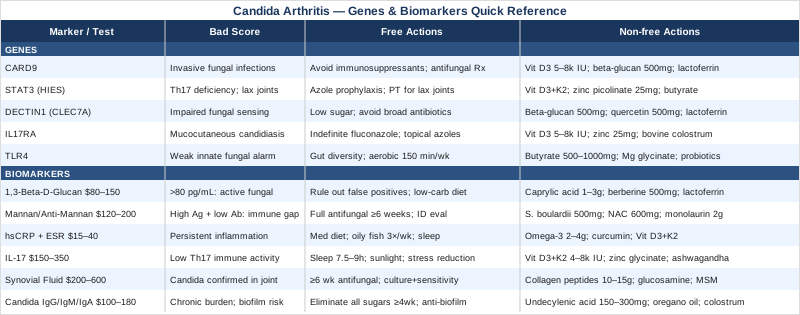
This article is built around two complementary frameworks. The first is biomarker tracking: six measurable signals that can tell you whether infection is active, whether your immune response is proportionate, and whether a treatment course is working. The second is genetic context: five genes that explain much of the individual variability in Candida susceptibility. Together, these approaches give you a much clearer picture of what is actually happening — and a more precise map toward resolution.
Summary
This article covers six key biomarkers for Candida arthritis — including fungal-specific markers like 1,3-beta-D-glucan and mannan/anti-mannan antibodies, and immune markers like IL-17 — explaining why each one matters, how to measure it affordably, and what to do when a result comes back unfavorable. Each biomarker section includes both a protocol without supplements and one with targeted supplementation, with specific dosing, cycling guidance, and side effects.
The genetics section examines five genes — CARD9, STAT3, DECTIN1, IL17RA, and TLR4 — that shape how strongly your immune system recognizes and fights Candida. Knowing your variants here can shift the entire clinical picture from "unexplained recurrent infection" to a solvable immune gap with concrete compensation strategies.
Beyond biomarkers and genetics, the article covers what current research on fungal immunity has revealed about lifestyle factors — including sleep, stress, cold exposure, and light — that most treatment plans overlook entirely. It also includes four evidence-backed complementary approaches selected specifically for their relevance to Candida arthritis.
6 Biomarkers Worth Tracking if You Have Candida Arthritis
Tracking inflammation broadly is useful, but it does not tell you what is driving it. The biomarkers below are chosen because they are either fungal-specific, immune-specific to the Candida defense pathway, or joint-specific — meaning each one adds information that the others cannot provide.
Biomarker 1: 1,3-Beta-D-Glucan (BDG)
Why it matters and what it reveals. Beta-D-glucan is a structural polysaccharide in the Candida cell wall that enters the bloodstream during active fungal infection. Unlike general inflammatory markers, BDG is a direct signal of fungal presence. The Fungitell assay, FDA-cleared for clinical use, uses a cutoff of 80 pg/mL (positive) with a gray zone between 60-79 pg/mL. In Candida arthritis, serial BDG measurements can confirm whether antifungal treatment is producing measurable fungal clearance.
BDG is not Candida-specific — it is elevated in infections with any cell-wall-bearing fungus, including Pneumocystis jirovecii and Aspergillus species. It is also known to produce false positives in patients receiving hemodialysis, beta-lactam antibiotics, albumin infusions, or in post-surgical patients exposed to gauze products. Context always matters when interpreting results.
How to measure it. The Fungitell assay requires a standard blood draw and is available through LabCorp, Quest, and most academic reference labs. Cost: $80–$150 USD. Turnaround is typically 24–48 hours. Repeat testing every 4–6 weeks during treatment provides the most useful trend data.
If the score is bad — plan without supplements. Begin by ruling out false-positive sources. If you are on a beta-lactam antibiotic, the elevation may be pharmacological rather than infectious. Re-test off the offending agent. If the elevation is confirmed as likely infectious, prioritize getting synovial culture results (see Biomarker 5), as BDG elevation without organism identification leaves treatment incomplete. Support the test with a strict low-fermentable-carbohydrate diet (eliminate refined sugars, alcohol, and ultra-processed foods) for the 4–6 weeks surrounding re-testing. Track BDG monthly.
If the score is bad — plan with supplements or equipment. Several compounds have demonstrated antifungal or Candida-burden-reducing properties: - Caprylic acid: 1,000–3,600 mg/day with meals. Disrupts Candida cell membranes. Evidence is largely in vitro; clinical use is common in integrative practice. Cycle 4 weeks on, 2 weeks off. GI upset is the main side effect. - Berberine: 500 mg 2–3 times daily for 8–12 weeks. Both antifungal and anti-inflammatory. Avoid concurrent use with CYP3A4-metabolized medications. Monitor blood glucose if diabetic. - Lactoferrin: 200–400 mg/day. Disrupts Candida biofilm and has iron-sequestration properties that limit fungal growth. Cycle 6-week blocks, reassessing BDG at the end of each.
Biomarker 2: Mannan Antigen and Anti-Mannan Antibodies
Why it matters and what it reveals. Mannan is a Candida-specific cell wall polysaccharide, and the immune response to it — anti-mannan IgG/IgM — is measurable in blood. What makes this panel uniquely valuable is what the combination tells you. Antigen-positive results point to active, ongoing Candida burden. A high anti-mannan antibody titer suggests the immune system has engaged significantly with Candida. When the antigen is high but antibodies are low or absent, this pattern is a red flag for impaired immune response — potentially signaling the genetic immune defects discussed later in this article.
The combined sensitivity of mannan plus anti-mannan for invasive candidiasis reaches approximately 80% when used together, compared to around 40–50% for culture alone in some studies. This makes the combination substantially more useful than either test in isolation.
How to measure it. The Platelia Candida Ag Plus and Ab Plus assays (Bio-Rad) are the reference standard. These are more widely available in European laboratories than in the US, though specialty reference labs can perform them in North America. Cost: $120–$200 for the combined panel.
If the score is bad — plan without supplements. If mannan antigen is elevated but anti-mannan antibodies are very low, this combination warrants immunology referral to rule out primary immunodeficiency before adjusting diet or adding supplements. If both are elevated (active infection with active immune response), the priority is completing a full antifungal course with adequate duration. Many failures in Candida arthritis occur from premature cessation of treatment. The IDSA guidelines for candidiasis recommend a minimum of 6 weeks for Candida osteomyelitis and arthritis.
If the score is bad — plan with supplements or equipment. - Saccharomyces boulardii: 250–500 mg twice daily for 8 weeks. Competes directly with Candida for gut adhesion sites and modulates local IgA production. Well-tolerated. Avoid in severely immunocompromised patients or those with central venous catheters. - N-acetyl cysteine (NAC): 600 mg twice daily. Disrupts Candida biofilm matrix, which protects the organism from both antifungals and immune attack. Cycle 8 weeks on, 2 weeks off. May interact with nitroglycerin. - Monolaurin: 2,000–3,000 mg/day with meals. Disrupts Candida lipid membranes. Generally well-tolerated. No serious drug interactions identified at these doses.
Biomarker 3: High-Sensitivity C-Reactive Protein (hsCRP) and ESR
Why it matters and what it reveals. While CRP and ESR are non-specific, their pattern over time tells a critical story in Candida arthritis. Persistently elevated CRP despite an adequate antifungal course suggests one of three things: the infection has not been controlled (inadequate drug penetration into joint, resistant organism, or undertreated biofilm), secondary immune-mediated joint inflammation has developed, or there is a concomitant inflammatory condition. ESR tends to normalize more slowly than CRP and reflects sustained inflammation including immune complex activity.
The target after successful treatment is CRP below 5 mg/L and ESR within sex-based normal ranges (typically <20 mm/hr in men, <30 mm/hr in women). If CRP normalizes but pain persists, immune-mediated synovitis — a reactive inflammatory state rather than active infection — may be driving symptoms.
How to measure it. Both tests are available at any clinical laboratory. hsCRP is preferred for greater sensitivity. Combined cost: $15–$40. Test monthly during treatment and at 3 and 6 months post-treatment to confirm sustained normalization.
If the score is bad — plan without supplements. First, rule out ongoing infection. If the antifungal course was completed but CRP remains elevated, request repeat imaging (MRI of the joint with gadolinium) to assess for residual synovitis or undrained fluid. Anti-inflammatory dietary changes are high-yield here: Mediterranean-pattern eating with high omega-3 fatty fish (salmon, mackerel, sardines) at least three times per week, and eliminating processed seed oils. Sleep quality is surprisingly powerful — cortisol dysregulation from poor sleep sustains CRP elevation independently of infection status.
If the score is bad — plan with supplements or equipment. - Omega-3 fatty acids (EPA+DHA): 2,000–4,000 mg/day from triglyceride-form fish oil. Reduces IL-6 and TNF-alpha. Take with a fatty meal. Side effects: increased bleeding risk at doses above 4g/day. Cycle ongoing, with a lipid panel every 6 months. - Curcumin (bioavailable form — liposomal or with piperine): 500–1,000 mg/day. Inhibits NF-kB and has documented antifungal properties in vitro. Cycle 8–12 weeks. Contraindicated in active gallbladder disease. - Vitamin D3 + K2: 2,000–5,000 IU/day D3 with 100–200 mcg K2. Low vitamin D is an independent predictor of elevated CRP. Target serum 25-OH-D of 50–70 ng/mL. Recheck levels every 3 months until stable.
Biomarker 4: Interleukin-17 (IL-17)
Why it matters and what it reveals. IL-17 is not a standard biomarker on most panels, but it is arguably the most mechanistically important one in Candida arthritis. Th17 cells are the dominant adaptive immune defenders against Candida, and they exert their action primarily through IL-17A and IL-17F. Human genetic studies have definitively established that the IL-17 axis is non-redundant for mucocutaneous Candida defense — no other cytokine pathway fully compensates when IL-17 signaling is lost, as shown in landmark research published in Science.
Low circulating IL-17 in the context of active Candida infection is an important red flag. It may reflect genetic defects (covered in the genetics section), acquired Th17 suppression from chronic corticosteroid use, micronutrient deficiencies (vitamin D and zinc are both critical for Th17 differentiation), or chronic psychological stress — which drives cortisol elevation that selectively suppresses Th17 polarization.
How to measure it. Serum IL-17A by ELISA, or through a Luminex-based cytokine multiplex panel. Available at specialty reference laboratories and academic medical centers. Cost: $150–$350 for a cytokine panel. Request specifically "IL-17A serum" or a "Th17 cytokine panel."
If the score is bad — plan without supplements. Identify suppressors first: Are you taking systemic corticosteroids? Biologics targeting IL-17 (secukinumab, ixekizumab)? These will mechanically lower IL-17 and cannot be compensated by diet or supplements. If not, focus on sleep: Th17 cell reconstitution occurs primarily during slow-wave sleep phases. Target 7.5–9 hours with consistent sleep timing. Sunlight exposure for 15–20 minutes daily, particularly on the back and arms, drives skin synthesis of vitamin D precursors that enhance Th17 differentiation. Minimize chronic psychological stress — this is not generic advice, but a specific immunological intervention for Th17 support.
If the score is bad — plan with supplements or equipment. - Vitamin D3 with K2: 4,000–8,000 IU/day D3 (with K2 200 mcg). Target serum 25-OH-D 60–70 ng/mL for Th17 support. Recheck every 3 months. Adjust dose based on response. - Zinc glycinate: 20–30 mg/day with food. Essential for T-cell maturation and IL-23 production (which drives Th17 differentiation). Add 1–2 mg copper/day if supplementing above 25 mg/day for longer than 8 weeks to prevent copper depletion. - Ashwagandha (KSM-66 extract): 300–600 mg/day. Reduces cortisol, which may help restore Th17 polarization in chronically stressed individuals. Cycle 8 weeks. Avoid in thyroid conditions without physician oversight. - Reishi mushroom (standardized extract): 1,000–2,000 mg/day. Immunomodulatory. Cycle 4 weeks on, 2 weeks off. Generally well-tolerated.
Biomarker 5: Synovial Fluid Analysis
Why it matters and what it reveals. Synovial fluid analysis is in a different category from the blood biomarkers above — it is the gold standard, not a screening test. No peripheral blood marker can confirm Candida arthritis; only direct examination of joint fluid can do that. Fungal culture of synovial fluid remains the definitive diagnostic step, though culture sensitivity is imperfect (approximately 50–70% in some series), which is why PCR-based testing is increasingly important.
The cellular and biochemical findings in Candida arthritis typically include WBC counts between 10,000–100,000 cells/mm³ with a neutrophil predominance, elevated protein, and reduced glucose. KOH preparation and Gram stain may directly visualize yeast forms, though they are often negative. The critical importance of this test extends beyond diagnosis: culture and sensitivity results guide antifungal selection and identify azole-resistant strains, particularly Nakaseomyces glabrata (formerly C. glabrata), which has substantially higher rates of fluconazole resistance.
How to measure it. Arthrocentesis (joint aspiration) is performed by a rheumatologist or orthopedic surgeon under sterile conditions, typically with ultrasound guidance for smaller joints. Cost: $200–$600 for the procedure; $100–$300 for standard culture and sensitivity; $150–$400 additional for PCR-based fungal testing.
If the score is bad — plan without supplements. A positive Candida culture from synovial fluid requires medical management — this is not a situation where lifestyle modification is the primary intervention. Ensure the treating team has selected an appropriate antifungal based on species and sensitivity data. Duration is critical: IDSA guidelines recommend 6 weeks minimum for Candida osteomyelitis and arthritis, with longer courses if surgical debridement is incomplete. Physical therapy for range of motion should begin only after infection control is confirmed, typically 2–4 weeks into a confirmed treatment response.
If the score is bad — plan with supplements or equipment. Supplements here are post-clearance recovery support, not primary treatment: - Collagen peptides: 10–15 g/day (hydrolyzed type II collagen preferred for joint cartilage). Supports synovial membrane repair after infection-related damage. Ongoing use; reassess at 3 months. - Glucosamine sulfate + chondroitin sulfate: 1,500 mg / 1,200 mg daily. Cartilage matrix support post-infection. Cycle 3 months, then reassess. Avoid if shellfish allergy. - MSM (methylsulfonylmethane): 2,000–4,000 mg/day. Anti-inflammatory and connective tissue support. Generally well-tolerated. Ongoing use alongside other joint support agents.
Biomarker 6: Candida Antibody Panel (IgG, IgM, IgA)
Why it matters and what it reveals. A comprehensive Candida antibody panel provides an immunological timeline — distinguishing acute exposure (elevated IgM), chronic ongoing burden (elevated IgG), and mucosal activity at gut, oral, or respiratory surfaces (elevated IgA). The pattern of elevation is as informative as the absolute values. All three elevated simultaneously suggests systemic, sustained Candida activity. Isolated IgG elevation can reflect past exposure without ongoing infection but may also represent chronic low-grade burden. Most importantly, very low or absent antibodies in a patient with a confirmed Candida infection points directly toward B-cell dysfunction or combined immune deficiency — a clinical red flag requiring immunology evaluation.
This test also indirectly reflects biofilm status: patients with heavy Candida biofilm tend to have persistently elevated IgG because the biofilm-protected organism continuously sheds antigens.
How to measure it. Available through LabCorp and Quest (listed as "Candida Antibodies" panel). Specialty functional medicine labs (like Great Plains Laboratory) offer expanded panels. Cost: $100–$180. Clinical interpretation is essential — antibody positivity alone does not confirm infection.
If the score is bad — plan without supplements. Elevated IgG in the context of ongoing symptoms points toward biofilm as a likely complicating factor. Biofilm protects Candida from both antifungal agents and immune recognition, and standard antifungal courses are designed for planktonic (free-floating) Candida, not biofilm communities. Anti-biofilm dietary strategy: eliminate all dietary sugars, including natural sweeteners and fruit juice, for a minimum of 4 weeks. These reduce Candida's primary substrates for biofilm matrix production.
If the score is bad — plan with supplements or equipment. - Undecylenic acid: 150–300 mg/day. Disrupts the yeast-to-hyphal transition that initiates biofilm formation. Cycle 6–8 weeks. - Oil of oregano (70%+ carvacrol standardization): 150–200 mg/day with meals. Disrupts Candida cell membranes and reduces biofilm. Cycle 2–3 weeks on, 1 week off to minimize disruption to beneficial bacteria. - Colostrum: 1,000–2,000 mg/day. Provides concentrated IgA, lactoferrin, and lysozyme — all with Candida-inhibitory properties at mucosal surfaces. Ongoing use is generally well-tolerated. - Probiotic (Lactobacillus rhamnosus GG + Lactobacillus reuteri): Re-establishes mucosal competitive exclusion against Candida. Take at least 2 hours away from any antifungal medication.
These six biomarkers together form a coherent picture. Start with the most accessible (hsCRP, ESR, Candida antibody panel) and build toward the more specialized tests (IL-17, BDG, synovial fluid) as clinical suspicion warrants.
5 Genes That Shape Candida Susceptibility
Why does one person clear Candida arthritis in 6 weeks while another struggles through recurrences for years? Genetics is not the whole answer, but it explains more of the variance than most people — and most clinicians — realize. The five genes below represent the core antifungal immunity pathway, and variants in any one of them can tilt the balance significantly toward Candida vulnerability.
Gene 1: CARD9 — The Master Antifungal Switch
CARD9 (caspase recruitment domain-containing protein 9) is a cytoplasmic signaling adaptor that sits downstream of the major fungal pattern recognition receptors — Dectin-1, Dectin-2, and Mincle. When these receptors bind Candida cell wall components (beta-glucans, mannans), CARD9 translates that signal into NF-kB activation and the production of Th17-polarizing cytokines (IL-6, IL-23, TNF-alpha). In simple terms: without CARD9, the immune system cannot properly see Candida and cannot mount the Th17 response needed to clear it.
Biallelic (homozygous or compound heterozygous) loss-of-function mutations in CARD9 cause a primary immunodeficiency characterized by recurrent, severe, and often invasive fungal infections. This was first described in a landmark 2009 study, and subsequent work has confirmed that CARD9-deficient patients have a specific and profound susceptibility to Candida of the central nervous system and deep tissues. Heterozygous variants may also modestly reduce antifungal immune function, though the clinical impact is more variable.
If the gene is bad — plan without supplements. CARD9 loss-of-function requires medical management, not lifestyle compensation. Priority steps: pursue clinical genetic testing through an immunologist or clinical geneticist. Avoid all immunosuppressive medications (systemic steroids, TNF-blockers, IL-17 inhibitors) unless medically essential — any suppression of an already impaired system can be catastrophic. Prophylactic antifungal therapy (discussed with an infectious disease specialist) is standard for confirmed biallelic deficiency. Eliminate environmental fungal exposure: avoid construction sites, soil work, composting, and water-damaged buildings. A high-protein, micronutrient-dense diet is the foundational lifestyle support to optimize innate immune function within the limits of what genetics allows.
If the gene is bad — plan with supplements or equipment. No supplement can reconstitute the CARD9 signaling protein — this is a structural immune defect. However, for partial/heterozygous defects, upstream immune priming may provide modest benefit: - Vitamin D3: 5,000–8,000 IU/day (target serum 25-OH-D 60–80 ng/mL). Enhances macrophage and dendritic cell function through CARD9-independent pathways. - Oral beta-1,3/1,6-glucan (Wellmune or equivalent): 500 mg/day. Paradoxically, oral beta-glucan may prime macrophages and NK cells through intestinal Peyer's patches via a CARD9-independent mechanism. Evidence is early but biologically plausible. Cycle 8 weeks. - Lactoferrin: 300–500 mg/day. Iron-chelating, directly antifungal, biofilm-disrupting. Works independently of the CARD9 pathway.
Gene 2: STAT3 — The Th17 Blueprint
STAT3 (signal transducer and activator of transcription 3) is essential for Th17 cell differentiation. It is activated downstream of IL-6 and IL-23 (which CARD9 helps produce) and drives the transcription of RORγt — the master regulator of Th17 identity. Without functional STAT3, naive T cells cannot efficiently become Th17 cells, meaning IL-17 production is severely impaired.
Autosomal dominant loss-of-function mutations in STAT3 cause Hyper-IgE syndrome (HIES), a condition characterized by recurrent bacterial and fungal infections, markedly elevated serum IgE, eczema, and connective tissue abnormalities including joint hypermobility, scoliosis, and failure of deciduous tooth shedding. The joint manifestations of HIES are particularly relevant here: connective tissue dysplasia increases joint vulnerability to infection, while the Th17 deficiency ensures Candida is poorly controlled.
STAT3 variants associated with HIES were characterized in foundational research that reshaped understanding of Th17 immunity in humans.
If the gene is bad — plan without supplements. Confirmed HIES diagnosis (NIH HIES score > 40) typically warrants long-term antifungal prophylaxis — usually fluconazole 100–200 mg/day or itraconazole. This is not an optional lifestyle add-on; it is standard of care for preventing invasive infections. Physical therapy is important for joint hypermobility management and injury prevention. Contact sports and trauma-prone activities significantly increase infection risk in hypermobile HIES joints.
If the gene is bad — plan with supplements or equipment. The goal here is to support alternative Th17-adjacent pathways and protect mucosal surfaces: - Vitamin D3 + K2: 5,000–8,000 IU D3 with 200 mcg K2 daily. Drives cathelicidin and beta-defensin production — innate antifungal peptides that operate independently of Th17. - Zinc picolinate: 25–30 mg/day. Supports IL-12/IL-23 production from dendritic cells, partially activating Th1 responses that compensate for Th17 gaps. - Sodium butyrate: 500–1,000 mg/day. Supports gut epithelial barrier integrity and modulates T-regulatory/Th17 balance at the intestinal level. Ongoing use; minimal side effects.
Gene 3: DECTIN1 (CLEC7A) — The Fungal Sensor
Dectin-1 is the primary cell-surface receptor that recognizes beta-1,3-glucan on the Candida cell wall. It is expressed on macrophages, dendritic cells, and neutrophils, and its activation drives CARD9-dependent signaling. A well-characterized polymorphism, Y238X (rs16910526), introduces a premature stop codon, abolishing surface expression of Dectin-1 on phagocytes. This variant is present in approximately 3–6% of Europeans in the heterozygous form, making it one of the more common clinically relevant genetic risk factors for fungal susceptibility.
Y238X has been associated with increased Candida colonization rates, higher rates of oropharyngeal candidiasis in immunocompromised patients, and invasive fungal infections following stem cell transplantation. Its effect in otherwise immunocompetent individuals is more modest, but in the context of other stressors — antibiotic exposure, high sugar diet, steroid use — it can meaningfully tip the balance.
If the gene is bad — plan without supplements. Prioritize reducing Candida colonization pressure: strict low-sugar diet, judicious antibiotic use (avoid broad-spectrum antibiotics when alternatives exist), and meticulous oral hygiene (mucosal Candida disease most commonly starts at oral and gastrointestinal surfaces). Tight blood glucose management is critical — hyperglycemia directly impairs phagocyte function, and with Dectin-1 already reduced, the combined impairment is compounding.
If the gene is bad — plan with supplements or equipment. - Oral beta-glucan (Wellmune): 250–500 mg/day. Primes macrophages through Dectin-1-independent intestinal pathways. Evidence in immunocompromised populations is more established than in healthy individuals. Cycle 8 weeks. - Quercetin: 500–1,000 mg/day. Reduces Candida adhesion to epithelial cells and has anti-biofilm properties in vitro. Cycle 8 weeks, 2 weeks off. - Lactoferrin: 300–400 mg/day. Antifungal activity independent of Dectin-1 receptor status.
Gene 4: IL17RA — The Door the Key Must Fit
IL-17RA is the receptor through which IL-17A and IL-17F signal at target tissues (skin, mucous membranes, joints, gut epithelium). Autosomal recessive deficiency of IL17RA causes chronic mucocutaneous candidiasis (CMC), a condition defined by persistent, recalcitrant Candida infections at skin, nail, and mucosal surfaces despite treatment. IL17F mutations cause a milder, autosomal dominant form of CMC.
These mutations established definitively — in landmark human genetics research — that IL-17 signaling is non-redundant at mucosal surfaces. No other cytokine can compensate. This has direct relevance to understanding Candida arthritis in patients who also have a history of recurrent mucocutaneous infections, nail fungus, or oral thrush — a pattern that should prompt genetic evaluation.
If the gene is bad — plan without supplements. Confirmed IL17RA deficiency requires indefinite antifungal prophylaxis — typically oral fluconazole 100–200 mg/day. Local antifungal management (nystatin swish-and-swallow, topical azoles) for mucosal disease is an ongoing requirement. Nutritional optimization to maximize innate immunity (IgA production, defensin synthesis) is the primary lifestyle lever.
If the gene is bad — plan with supplements or equipment. Since the IL-17 signaling chain is structurally broken at the receptor level, the focus must shift entirely to innate immune support: - Vitamin D3: 5,000–8,000 IU/day. Drives cathelicidin (LL-37) and human beta-defensin synthesis — antifungal peptides that are fully operative without IL-17. - Zinc: 25 mg/day. Supports neutrophil antifungal killing, which does not require Th17/IL-17 signaling. - Bovine colostrum: 2,000 mg/day. Concentrated source of secretory IgA and lactoferrin for mucosal defense that operates independently of the Th17 axis. Ongoing use.
Gene 5: TLR4 — The Innate Alarm System
Toll-like receptor 4 (TLR4) is best known for recognizing bacterial LPS, but it also responds to Candida phospholipomannan and O-linked mannans. TLR4 activation triggers NF-kB signaling and proinflammatory cytokine production that contributes to both initial antifungal recognition and the joint inflammatory response. Two common polymorphisms — Asp299Gly and Thr399Ile — reduce TLR4 signaling efficiency.
The role of TLR4 variants in Candida arthritis specifically is less well-characterized than the severe immunodeficiency genes above, and the effect size is likely more modest. However, TLR4 polymorphisms are relevant because they contribute to the overall inflammatory tone in the joint and affect how strongly the innate immune system responds to the initial Candida challenge — potentially allowing a larger fungal inoculum to establish before adaptive immunity activates.
If the gene is bad — plan without supplements. Gut microbiome health is the most practical lever here. A healthy gut commensal bacterial community continuously stimulates intestinal TLR4 at low, tonifying levels through commensal LPS exposure, maintaining innate immune readiness. Prioritize gut microbiome diversity through dietary fiber variety and fermented foods. Reduce gut permeability: eliminate alcohol, NSAIDs (when clinically feasible), and ultra-processed foods. Regular moderate aerobic exercise (150–180 min/week) has robust evidence for TLR4-independent innate immune enhancement.
If the gene is bad — plan with supplements or equipment. - Tributyrin or sodium butyrate: 500–1,000 mg/day. Butyrate upregulates TLR4 expression on intestinal epithelial cells and enhances NF-kB signaling quality. Ongoing use with minimal side effects. - Magnesium glycinate: 300–400 mg/day. Supports NF-kB pathway regulation and reduces background inflammatory noise. Ongoing use. - Diverse probiotic (multi-strain Lactobacillus/Bifidobacterium): Continuous low-level TLR4 stimulation from healthy commensal bacteria supports basal innate immune tone. Ongoing use.
Understanding these five genes changes the clinical frame significantly. A person with CARD9 heterozygous variant, Dectin-1 Y238X, and chronically low vitamin D is carrying three converging risk factors — each modest alone, together substantial. Genetic testing through a clinical immunologist or functional genomics panel (such as those offered by Genomics companies testing CARD9/STAT3/DOCK8 immunodeficiency panels) can bring this picture into focus.
What Huberman Lab Research Reveals About Fungal Immunity
The Huberman Lab podcast has, across dozens of episodes, built a detailed and actionable picture of immune regulation that is highly relevant to Candida susceptibility — even if fungal infections are rarely the stated topic. What follows is a synthesis of the 10 most impactful insights from this body of work applied specifically to Candida arthritis and antifungal immune resilience.
1. Sleep Is When Your Immune Army Rebuilds
Huberman has addressed sleep and immunity in multiple episodes, emphasizing that slow-wave sleep is the primary phase when Th17 and Th1 cells reconstitute after daily depletion. Consistently sleeping fewer than 7 hours reduces natural killer (NK) cell activity by up to 70% per published studies. For Candida arthritis patients, this means inadequate sleep is not just a fatigue issue — it is a direct immunological problem that a supplement stack cannot compensate. Priority: consistent sleep timing (same time within 30 minutes daily), dark room, cool temperature (65–68°F / 18–20°C).
2. Cortisol Directly Suppresses Th17 Cells
One of the clearest mechanisms discussed across the stress-physiology episodes: elevated cortisol selectively suppresses Th17 differentiation. This is not metaphorical stress reduction advice — it is the specific mechanism by which chronic psychological or physiological stress impairs the primary antifungal immune arm. A chronically stressed Candida arthritis patient has pharmacologically suppressed Th17 immunity from their own adrenal glands. Targeted stress-reduction interventions — cyclic sighing (physiological sigh), NSDR (non-sleep deep rest), and social engagement — are thus direct antifungal interventions.
3. Morning Sunlight Is an Immune Calibrator
Morning light exposure (10–20 minutes within the first hour of waking) sets cortisol pulse timing, which prevents the chronic baseline cortisol elevation that suppresses Th17 cells. Huberman has discussed this across multiple episodes. Evening light exposure (screens after sunset) disrupts this pattern. For Candida patients, consistent morning sunlight is one of the simplest, highest-leverage daily habits for maintaining immune readiness.
4. Nasal Breathing Produces Nitric Oxide With Direct Antifungal Properties
Nitric oxide (NO) produced in the nasal passages and sinuses has direct antifungal activity against Candida species. Huberman has discussed NO production from nasal breathing in multiple contexts. Mouth breathing bypasses this innate defense. For Candida patients with sinus involvement or oral candidiasis, consistent nasal breathing — including during sleep (mouth taping is discussed with appropriate caution) — has both local and systemic antifungal implications.
5. Cold Exposure Activates NK Cells and Innate Immunity
Brief cold water immersion (1–5 minutes at cold temperature) or cold showers drive sympathetic activation that temporarily increases NK cell circulation and phagocyte activity. Huberman has covered the protocols and timing considerations in detail. NK cells are the first-line responders to fungal pathogens before adaptive immunity can engage. Short, consistent cold exposures (3–5 per week) may modestly enhance innate antifungal surveillance, particularly relevant in patients with genetic Th17 defects where innate immunity carries more of the burden.
6. Intermittent Fasting Drives Immune Cell Recycling
Time-restricted eating (typically a 14–16 hour overnight fast) activates autophagy — the cellular recycling process that clears dysfunctional immune cells and allows fresh, competent replacements to mature. Huberman has discussed autophagy extensively. For Candida arthritis patients with chronically activated but ineffective immune responses, periodic cellular renewal may improve the quality of the immune response, not just the quantity.
7. Zone 2 Aerobic Exercise Is Anti-Inflammatory Without Immune Suppression
High-intensity exercise acutely suppresses immune function for 1–2 hours post-session (the "open window" hypothesis). Zone 2 aerobic exercise (conversational pace, 150–180 min/week), by contrast, reduces chronic inflammatory cytokines without this suppressive window. For Candida arthritis patients managing joint inflammation, this framing clarifies why workout intensity matters as much as workout frequency.
8. Sauna Activates Heat Shock Proteins That Support Immune Cell Survival
Heat shock protein 70 (HSP70), activated by sauna exposure (15–20 minutes at 80°C / 176°F), supports T-cell survival and function. Huberman has discussed sauna protocols in detail. Some HSPs also have direct antifungal properties. Regular sauna use (3–4 times/week) has additional CRP-lowering effects relevant to the inflammatory biomarkers discussed above.
9. Alcohol Is a Direct Th17 Suppressor
Huberman's episodes on alcohol have been unusually direct: even modest alcohol consumption (1–2 drinks per day) chronically suppresses immune function, disrupts sleep architecture, increases gut permeability, and — specifically relevant here — suppresses Th17 cell activity. For Candida arthritis patients with IL-17 deficiency on testing, alcohol consumption is not a lifestyle choice; it is a direct contributor to their immune deficit.
10. Social Connection Has Measurable Immune Effects
Loneliness activates chronic low-grade inflammatory gene expression programs (including NF-kB upregulation). This was discussed by Huberman in episodes on social behavior and health — referencing work by Steve Cole and others. Chronic social isolation maintains a state of low-grade, unfocused inflammation that consumes immune resources without targeting pathogens. For Candida arthritis patients dealing with a chronic, difficult condition, the immune cost of isolation is biologically real and practically addressable.
Complementary Approaches With Evidence for Candida Arthritis
The following four approaches are selected because each has at minimum plausible clinical evidence for either Candida management, antifungal immune support, or arthritis-related inflammation — and several meet a higher bar of actual clinical trial data.
The Autoimmune Protocol (Sarah Ballantyne)
The Autoimmune Protocol (AIP) developed by Dr. Sarah Ballantyne is a structured dietary and lifestyle elimination protocol designed to reduce intestinal permeability, modulate immune reactivity, and lower systemic inflammation. While originally designed for autoimmune conditions, its core mechanisms are directly relevant to Candida arthritis, which frequently involves both direct infection and a secondary immune-mediated joint inflammatory response that persists even after fungal clearance.
The AIP eliminates grains, legumes, nightshades, eggs, nuts, seeds, dairy, refined sugars, and alcohol during an elimination phase (typically 30–90 days), then reintroduces foods systematically. The protocol also emphasizes sleep, stress reduction, and movement. A pilot study published in Inflammatory Bowel Diseases demonstrated significant clinical improvements in patients with IBD following AIP, and its mechanisms — gut barrier restoration, modulation of Th17/T-reg balance — are mechanistically relevant to Candida immune dysregulation.
For Candida arthritis specifically, the AIP's elimination of fermentable sugars and gut-permeabilizing foods removes the primary substrate for Candida growth and the main pathway through which Candida metabolites enter systemic circulation. Realistically, commit to the elimination phase for 30 days minimum, document symptom changes systematically, and reintroduce foods one at a time. Work with a registered dietitian familiar with AIP to prevent nutritional deficiencies during the elimination phase.
Microbiome-Directed Therapies
The gut microbiome is not merely incidental to Candida arthritis — it is the primary reservoir from which disseminated Candida originates in most cases. Antibiotics, high-sugar diets, and gut-permeabilizing substances create the ecological conditions for Candida overgrowth, which then seeds systemic infection via the gut-blood barrier. Microbiome-directed therapy aims to restore a bacterial community that competitively excludes Candida and supports Th17 mucosal immunity.
Clinical evidence for microbiome-directed interventions in Candida is accumulating: a randomized controlled trial demonstrated that Lactobacillus rhamnosus GR-1 and L. reuteri RC-14 significantly reduced Candida vaginal colonization. Fecal microbiota transplant (FMT) has been reported in case series to reduce Candida burden in heavily colonized patients, though this remains investigational.
Practically: begin with high-fiber dietary diversification (aim for 30+ different plant foods per week), add fermented foods (unsweetened yogurt, kefir, kimchi, sauerkraut) daily, and supplement with well-characterized probiotic strains containing L. rhamnosus GG and/or L. reuteri. Introduce dietary changes gradually over 2–4 weeks to minimize GI adjustment symptoms. Advanced microbiome testing (stool metagenomics, such as Viome or uBiome successors) can personalize strain selection.
Mindfulness Meditation and MBSR
Mindfulness-based stress reduction (MBSR), developed by Jon Kabat-Zinn, is an 8-week structured program combining meditation, body scanning, and gentle movement. Its relevance to Candida arthritis is primarily immunological: MBSR has documented effects on reducing cortisol, increasing NK cell activity, and modulating inflammatory cytokine profiles in multiple randomized controlled trials. Given that cortisol directly suppresses Th17 cells (the primary antifungal immune arm), any sustained intervention that reduces chronic cortisol output has direct biological relevance to antifungal immune capacity.
A meta-analysis covering 18 RCTs found that MBSR significantly reduced cortisol and CRP levels in chronically ill populations. The cortisol-reducing effect is particularly relevant for patients who have been on prolonged antifungal therapy with recurrent infections despite treatment — where immune suppression from chronic stress may be perpetuating vulnerability.
The practical standard is the formal 8-week MBSR course (available in-person through hospital-based integrative medicine programs or online through platforms like Palouse Mindfulness, which offers a free structured course). For patients who cannot commit to the full program, 10–20 minutes of diaphragmatic breathing or body scan meditation daily, practiced consistently for 8+ weeks, produces measurable cortisol and inflammatory effects. This is not a one-session intervention; consistency over weeks determines efficacy.
Low-Level Laser Therapy (Photobiomodulation)
Low-level laser therapy (LLLT), also called photobiomodulation (PBM), uses specific wavelengths of red and near-infrared light (typically 630–1,070 nm) to stimulate mitochondrial cytochrome c oxidase, promoting cellular energy production and modulating inflammatory signaling. In joint conditions, PBM has an established evidence base: a Cochrane systematic review of LLLT for rheumatoid arthritis found it significantly reduced pain and morning stiffness. Its specific application to Candida arthritis is less studied, but its ability to reduce synovial inflammation and accelerate tissue repair post-infection is clinically relevant.
Some in vitro research has also demonstrated direct antifungal effects of specific PBM protocols — particularly blue light (405–470 nm) and red light against Candida biofilm, though this evidence is early and predominantly in vitro. For Candida arthritis, the primary clinical application is reducing post-infection joint inflammation and supporting synovial tissue repair.
Practically, PBM for joint application requires a device with adequate power density to penetrate to synovial tissue: class 3B or class 4 lasers, or high-power LED panels (typically 630 nm red + 850 nm near-infrared). Treatment parameters typically used in clinical studies: 4–8 joules/cm² per session, 3 sessions per week, for 8–10 weeks. Home PBM devices (such as those from Joovv, PlatinumLED, or similar) provide this capability at a cost of $300–$1,200 USD. Consult with a rheumatologist before beginning if the infection has not been confirmed cleared.
Moving Forward With What You Now Know
Candida arthritis is not a single, uniform condition — it is the intersection of an opportunistic organism and an immune environment that, for specific and often measurable reasons, failed to contain it. The biomarkers covered here give you a way to make that failure visible and trackable. The genetics section explains why some people face this situation repeatedly despite standard treatment.
The most practical first step is usually the most accessible one: start with hsCRP, ESR, and a Candida antibody panel. These three tests, available through any standard lab, will immediately tell you whether inflammation is active and whether your immune system has been significantly engaged with Candida. From there, targeted testing — BDG, IL-17, mannan/anti-mannan — builds the picture in greater depth.
No supplement protocol, genetic insight, or complementary modality replaces appropriate antifungal treatment guided by an infectious disease specialist. But treatment alone, without understanding the immune context it is happening in, often leaves the underlying vulnerability intact. The goal is to make that vulnerability visible — and then address it methodically, with the right tools, at the right time. Share the biomarker framework in this article with your treating physician or a functional medicine specialist who can order the relevant tests and help interpret results in your specific clinical context.