This article contains AI generated content.
· UpdatedCarcinoid Syndrome Genes and Biomarkers — 5 Genes And 6 Biomarkers To Track
Introduction
Living with carcinoid syndrome often means navigating a long gap between what you feel and what gets measured. The flushing, the unpredictable diarrhea, the abdominal cramping that comes with no clear trigger — these symptoms are real and disruptive, but the standard oncology panel does not always capture what is actually driving them on any given day. Many people with carcinoid syndrome spend years cycling through appointments where their markers look "acceptable" while their quality of life tells a different story.
The problem with generic guidance in this condition is that it lacks resolution. Telling someone to "reduce stress" or "eat a balanced diet" without addressing the specific biochemistry of serotonin overproduction, carcinoid heart disease risk, or hereditary tumor predisposition is a little like describing a country by its timezone. Technically not wrong, but not useful either. Carcinoid syndrome has a precise biochemical fingerprint — and it deserves equally precise monitoring.
That is where specific biomarkers and genetic information change the picture. When you track the right markers over time, you can detect shifts in disease activity before imaging does, identify complications early, and evaluate whether interventions are actually working. When you understand the genetic context, you can determine whether your tumor fits a hereditary pattern, assess family screening needs, and understand why certain pathways may be driving your tumor's behavior.
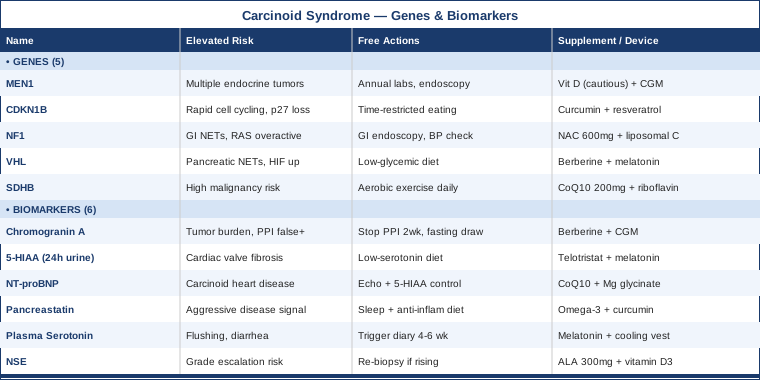
This article takes two approaches to that precision. The first — and most practically actionable — covers the six biomarkers most clinically relevant for carcinoid syndrome monitoring, with a concrete plan for each one when levels run high. The second maps five key genes associated with hereditary neuroendocrine tumor risk, with surveillance and support strategies for each variant. Beyond those, you will find a summary of the most useful insights from one of the more honest books on cancer metabolism, along with five complementary approaches backed by human clinical evidence. Better information does not guarantee better outcomes, but it consistently leads to better decisions — and in a condition this specific, that distinction matters.
Summary
This article covers six clinically validated biomarkers for carcinoid syndrome — Chromogranin A, urinary 5-HIAA, NT-proBNP, pancreastatin, plasma serotonin, and NSE — with costs, testing caveats, and step-by-step plans for high results, both with and without supplements. It then maps five genes linked to hereditary neuroendocrine tumor risk — MEN1, CDKN1B, NF1, VHL, and SDHB — with surveillance protocols and targeted support for each variant. A summary of The Metabolic Approach to Cancer pulls out ten insights specifically relevant to managing NETs that most oncology visits never touch. The article closes with five evidence-backed complementary approaches — including gut-directed hypnotherapy, microbiome strategies, and breathing-based interventions — chosen specifically for their relevance to the symptoms and biology of carcinoid syndrome. If your current monitoring plan feels too broad for a condition this specific, the sections below are designed to close that gap.
6 Biomarkers Worth Tracking in Carcinoid Syndrome
Monitoring carcinoid syndrome well goes beyond annual imaging and a basic bloodwork panel. The right markers can detect disease activity shifts months before a scan shows changes, flag cardiac complications before they become structural, and give you concrete evidence of whether a treatment is making any difference. The six biomarkers below represent the most validated and practically accessible options for people living with carcinoid syndrome — from standard hospital panels to specialty lab tests increasingly used by NET centers.
1. Chromogranin A (CgA)
Chromogranin A is a protein stored in the secretory granules of neuroendocrine cells. When neuroendocrine tumors are active, CgA leaks into the bloodstream in elevated quantities, making it the single most widely used tumor marker in NET and carcinoid syndrome management. It reflects overall tumor burden — the more active the disease, the higher the level tends to run. More importantly, CgA is a longitudinal tool: a falling trend after starting somatostatin analog therapy or after surgical resection signals a response, while a consistent upward drift across multiple measurements — even within what some labs call a normal range — is a pattern worth investigating with your team.
CgA does not diagnose carcinoid syndrome in isolation, and it can be falsely elevated by a range of factors that are extremely common in this patient population. Proton pump inhibitors (PPIs) are among the most significant confounders, capable of elevating CgA by several times the normal value. Research has well-characterized this interference, making it one of the most important preanalytical variables to control before interpreting a result.
How to Measure It
CgA is measured from a fasting blood draw — food intake, especially protein-rich meals, can temporarily elevate levels. Proton pump inhibitors should be withheld for at least two weeks before testing when clinically safe. Renal impairment and inflammatory conditions also elevate CgA non-specifically. Cost: approximately $50–$150 at most hospital labs. Always compare results from the same laboratory and the same assay platform — values are not interchangeable across different testing systems. Monitor every 3–6 months during active management, and track trends rather than individual results.
If the Score Is High: The Plan Without Supplements
Start by ruling out false elevation: review whether PPIs, H2 blockers, or recent food intake could explain the result. If the elevation is confirmed on a clean repeat measurement, correlate with imaging and clinical symptoms — a rising CgA paired with new or growing lesions changes the conversation significantly. For daily habits: consistent sleep architecture supports circadian cortisol regulation, which influences neuroendocrine secretion; reducing acute fasting-refeed cycles lowers stimulus for secretory bursts; and moderating alcohol eliminates a direct trigger for vasoactive amine release. Trending CgA every quarter with a consistent protocol gives your team the data needed to detect meaningful shifts early.
If the Score Is High: The Plan With Supplements or Equipment
No supplement substitutes for medical management of a confirmed CgA elevation. That said, berberine has shown early inhibitory effects on NET cell proliferation in preclinical studies through mTOR pathway suppression — the same pathway targeted by the prescription NET treatment everolimus. Typical dosing studied in metabolic research is 500 mg twice daily with meals, cycled every 8–12 weeks to limit potential effects on gut microbiome composition. Side effects include GI discomfort; drug interactions with CYP3A4-metabolized medications warrant review before starting. A short-term continuous glucose monitor (CGM) can identify postprandial glucose spikes that may be stimulating neuroendocrine secretion, enabling targeted dietary adjustments without guesswork.
2. 24-Hour Urinary 5-HIAA
5-Hydroxyindoleacetic acid (5-HIAA) is the principal breakdown product of serotonin, excreted in urine. In carcinoid syndrome — where the tumor is producing serotonin in excess — urinary 5-HIAA is the most specific functional biomarker available. While CgA reflects tumor mass and overall neuroendocrine activity, 5-HIAA tells you directly how much serotonin the tumor is generating. These are different questions, and both matter.
The long-term consequence of persistently elevated 5-HIAA is carcinoid heart disease — fibrotic changes to the right-sided cardiac valves, particularly the tricuspid and pulmonary valves, caused by chronic serotonin exposure. Patients with consistently elevated 5-HIAA are at significantly higher risk for valve degeneration, making this marker one with direct and serious prognostic implications. Multiple studies have established the 5-HIAA–cardiac risk relationship, supporting its use as a routine monitoring tool.
How to Measure It
The standard method is a 24-hour urine collection, refrigerated throughout. A strict dietary restriction applies for 24–48 hours before and during collection: eliminate bananas, avocados, pineapple, kiwi, tomatoes, eggplant, walnuts, plums, and all alcohol. These foods contain serotonin or high tryptophan loads that directly inflate results. Medications including acetaminophen, certain SSRIs, and guaifenesin-containing cough products may also interfere. Cost: $50–$100 at standard labs. Plasma 5-HIAA assays are in development as a more convenient alternative but are not yet widely available. Establish a consistent dietary protocol before every collection to enable valid trend comparison.
If the Score Is High: The Plan Without Supplements
A low-serotonin dietary approach is the foundational non-pharmacological tool. This is less about eliminating protein than about distributing dietary tryptophan thoughtfully — avoiding large tryptophan loads (turkey, eggs, dairy, legumes) in single meals and eliminating direct serotonin-containing foods. Stress management matters separately: catecholamine release during acute stress can trigger serotonin-mediated flushing and amplify tumor secretion. Keeping a symptom and trigger diary for 4–6 weeks systematically identifies personal flushing triggers — heat, alcohol, spices, exercise intensity, emotional stress — that generic advice invariably misses. Removing confirmed triggers reduces the frequency of 5-HIAA spikes between measurements.
If the Score Is High: The Plan With Supplements or Equipment
The prescription medication telotristat ethyl (Xermelo) is the only approved tryptophan hydroxylase inhibitor for carcinoid syndrome and directly blocks the tumor's serotonin synthesis pathway. It requires oncology or endocrinology oversight and is not a supplement, but it should be discussed with your care team if 5-HIAA remains elevated despite somatostatin analog therapy. For complementary support, low-dose melatonin (0.5–3 mg nightly) is sometimes used in integrative NET practice based on evidence that melatonin modulates serotonin metabolism and may have antiproliferative properties in neuroendocrine tissue — off-label, and worth discussing with your specialist before starting. A heart rate variability (HRV) monitor worn daily gives biofeedback data to identify stress-driven autonomic peaks that correlate with flushing episodes and 5-HIAA elevation.
3. NT-proBNP
N-terminal pro-B-type natriuretic peptide (NT-proBNP) is best known as a heart failure marker, but in carcinoid syndrome it serves a more specific purpose: early detection of carcinoid heart disease, a complication affecting up to 50% of patients with carcinoid syndrome and one of the leading causes of morbidity in this population. Serotonin, when chronically elevated, causes fibrotic plaque formation on the right-sided heart valves. NT-proBNP rises as the right ventricle begins to strain under increasing valve dysfunction, and it can signal that stress before echocardiographic changes become visually apparent.
The practical value of this marker is early-stage detection. Patients with consistently normal NT-proBNP face substantially lower risk of progressing to severe carcinoid heart disease. Those with even mildly elevated levels warrant echocardiographic evaluation and more aggressive 5-HIAA control. Evidence supports NT-proBNP as both a screening and follow-up tool alongside annual echocardiograms.
How to Measure It
NT-proBNP is a standard blood test available at virtually any hospital or reference lab, requiring no fasting. Cost: $30–$80. Importantly, NT-proBNP is elevated by conditions unrelated to carcinoid — general heart failure, renal impairment, obesity, and acute illness — so context always matters when interpreting the result. A mildly elevated NT-proBNP in a carcinoid syndrome patient should always prompt an echocardiogram. For stable patients, testing every 6–12 months is reasonable; quarterly monitoring is appropriate when 5-HIAA is consistently elevated or when clinical symptoms suggest cardiac involvement.
If the Score Is High: The Plan Without Supplements
The most impactful non-pharmacological intervention is controlling the upstream driver: serotonin excess. This means maintaining the strictest possible adherence to dietary and lifestyle 5-HIAA-reduction strategies, optimizing somatostatin analog therapy adherence (missed doses cause serotonin spikes), and minimizing exertional flushing triggers. An elevated NT-proBNP should always trigger an echocardiogram to assess valve morphology and right ventricular function — this is the next diagnostic step, not optional. Establishing cardiology co-management early, before valve disease becomes hemodynamically significant, gives the most therapeutic options.
If the Score Is High: The Plan With Supplements or Equipment
Ubiquinol (CoQ10) at 100–200 mg daily has supportive evidence for right ventricular function and mitochondrial cardiac health. This is not a treatment for carcinoid valve disease, but it may support general cardiac cellular resilience under chronic hemodynamic stress. No cycling is strictly required at these doses, but reviewing with your cardiologist before starting is warranted given the cardiac context. Magnesium glycinate at 200–400 mg nightly supports cardiac rhythm and vasodilation. A home pulse oximeter and blood pressure cuff used consistently at the same time daily can detect early trends in resting heart rate and oxygen saturation that may reflect right-sided cardiac changes before they become symptomatic.
4. Pancreastatin
Pancreastatin is a biologically active peptide fragment derived from the processing of Chromogranin A. In recent years, it has attracted significant attention as a potentially more specific and clinically predictive marker than total CgA in midgut NET management. Unlike CgA, pancreastatin levels are not significantly affected by PPI use or renal impairment — two of the most common confounders in CgA interpretation — making it a cleaner biomarker signal in patients on complex medication regimens.
Several studies have found elevated pancreastatin to be associated with worse overall survival and higher risk of disease progression in midgut NETs, independent of CgA levels. It appears to reflect not only tumor mass but something about tumor aggressiveness and the inflammatory microenvironment in which the tumor operates. Having both CgA and pancreastatin tracked over time adds a diagnostic layer: discordance between the two (elevated pancreastatin with normal CgA) can be an early signal of biologically aggressive behavior. Emerging research positions pancreastatin as a strong complement to standard CgA monitoring in carcinoid syndrome.
How to Measure It
Pancreastatin is not yet universally available at standard hospital labs, but it can be ordered through specialty reference laboratories such as ARUP Laboratories. It requires a fasting blood draw. Cost: approximately $100–$250 as a standalone test. Some NET specialty centers include it in standard monitoring panels. Patients with midgut carcinoid syndrome being monitored for disease progression — particularly those with inconsistent CgA results relative to clinical status — may benefit most from adding pancreastatin to their quarterly or semi-annual labs.
If the Score Is High: The Plan Without Supplements
A high pancreastatin should be correlated with CgA and current imaging. If pancreastatin is elevated while CgA is normal, this discordance itself is meaningful and warrants discussion with your oncologist — it may reflect a tumor variant or metabolic activity not captured by standard markers, and it often justifies accelerating the imaging interval. In daily habits, the same principles that reduce inflammatory tumor microenvironment activity apply: consistent sleep (disrupted sleep increases systemic inflammation), reducing ultra-processed foods and refined sugars, and maintaining stable metabolic markers including fasting insulin and blood glucose.
If the Score Is High: The Plan With Supplements or Equipment
There is limited direct supplement evidence targeting pancreastatin specifically. However, omega-3 fatty acids (1–3 g EPA/DHA daily from high-quality fish oil) have broad anti-inflammatory effects that may reduce tumor microenvironment inflammation — the same environment that appears to drive pancreastatin elevation. Most practitioners suggest 12 weeks on with periodic reassessment; continuous use is generally tolerated at standard doses. Curcumin with piperine (500–1000 mg curcuminoid daily with a fatty meal) has preclinical NET data for mTOR inhibition; key side effects are GI sensitivity and potential interactions with anticoagulant medications. Results should be reviewed alongside oncology management rather than treated as independent interventions.
5. Plasma Serotonin
While urinary 5-HIAA measures cumulative serotonin metabolite excretion over 24 hours, plasma serotonin measures what is actively circulating in the bloodstream at the moment of testing. These two markers complement each other in a clinically useful way: 5-HIAA reflects integrated secretory activity over a full day, while plasma serotonin gives a snapshot of current output. In some patients, plasma serotonin will rise ahead of 5-HIAA trends, providing an earlier signal that tumor secretory activity is increasing.
Chronically elevated circulating serotonin is responsible not only for carcinoid heart disease risk but for many of the most functionally disruptive symptoms of carcinoid syndrome — watery diarrhea, episodic flushing, abdominal cramping, and bronchospasm. Understanding your baseline serotonin level and tracking how it shifts with dietary patterns, stress exposures, and treatment changes gives you a more granular map of day-to-day symptom drivers. Research supports using both markers together for a fuller picture of serotonin pathway activity in NET patients.
How to Measure It
Serotonin can be measured in platelet-rich plasma (more sensitive, reflects stored serotonin in platelets) or platelet-poor plasma (reflects free circulating serotonin). Many labs report whole-blood serotonin. The same dietary restrictions that apply to 5-HIAA collection apply here: avoid serotonin-rich foods for 24 hours before testing. Cost: $40–$100 at most reference labs. Always establish a baseline under consistent conditions — same fasting state, same time of day, same lab — before drawing meaningful conclusions from trend comparisons.
If the Score Is High: The Plan Without Supplements
The dietary approach mirrors the 5-HIAA protocol. Beyond food, systematically identifying personal flushing triggers and removing the most reliable ones is the highest-leverage non-pharmacological step. A detailed exposure diary kept for 4–6 weeks — logging food, temperature, stress events, exercise intensity, alcohol, and emotional state alongside flushing episodes — typically reveals 3–5 consistent individual triggers that generic avoidance lists miss. Cooling strategies during episodes (cooling vest, cold water on wrists) provide symptom relief and may attenuate the autonomic cascade that amplifies serotonin release once a flush has started.
If the Score Is High: The Plan With Supplements or Equipment
Low-dose melatonin (0.5–1 mg nightly, taken at the same time each evening) has been studied in neuroendocrine tissue for its natural role as a serotonin precursor modulator and for antiproliferative evidence in NET cell lines. Keeping the dose low prevents interference with normal circadian rhythm architecture. Myo-inositol at 2–4 g daily has indirect evidence for serotonin receptor modulation with a favorable safety profile and may reduce the receptor hypersensitivity that amplifies symptom episodes. A cooling vest used during periods of higher physical activity provides practical thermostatic control that reduces thermally triggered flushing without requiring medication dose changes.
6. Neuron-Specific Enolase (NSE)
Neuron-specific enolase (NSE) is a glycolytic enzyme expressed in neurons and neuroendocrine cells, and measurable in blood when those cells are under stress or proliferating abnormally. In the NET context, NSE is less specific than CgA or 5-HIAA, but it carries important prognostic information that the other markers cannot provide. NSE levels tend to be substantially higher in poorly differentiated or high-grade neuroendocrine carcinomas compared to well-differentiated carcinoid tumors, making it a marker that is especially sensitive to grade escalation.
The clinical value of NSE in carcinoid syndrome monitoring lies in its role as a grade-change sentinel. A patient with a stable, well-differentiated midgut carcinoid and normal NSE has a different risk profile than one with rising NSE — the latter may indicate tumor grade evolution, a phenomenon that occurs in a subset of long-standing NETs and dramatically changes prognosis and treatment strategy. NSE is also elevated in small cell lung cancer and neuroblastoma, so interpretation always requires clinical context. Published data support NSE as part of comprehensive NET monitoring panels, particularly in patients with longer disease duration.
How to Measure It
NSE is a standard blood test requiring no special preparation. One important technical caveat: hemolysis from a rough blood draw or delayed lab processing falsely elevates NSE results, since red blood cells also contain enolase. A clean draw with prompt processing is essential for reliable results. Cost: $40–$100. Many oncologists include NSE in standard carcinoid monitoring panels; it should follow the same measurement schedule as CgA — every 3–6 months during active management.
If the Score Is High: The Plan Without Supplements
A rising NSE in a patient previously diagnosed with a well-differentiated carcinoid should prompt serious clinical discussion about re-biopsy or functional imaging with 68Ga-DOTATATE PET/CT to reassess tumor grade and somatostatin receptor expression. These conversations need to happen promptly, not at the next scheduled annual review. For metabolic support, maintaining stable blood glucose is particularly relevant: poorly differentiated neuroendocrine cells show greater glycolytic dependency, and reducing their glucose substrate is a theoretically sound metabolic intervention. Moderate-intensity aerobic exercise (sufficient to maintain metabolic health without triggering flushing from sympathetic activation) supports insulin sensitivity and immune surveillance simultaneously.
If the Score Is High: The Plan With Supplements or Equipment
Alpha lipoic acid (ALA) at 300–600 mg daily has some evidence for inhibiting glycolysis in neuroendocrine cell contexts — the metabolic pathway NSE participates in. Side effects are mild at standard doses (occasional GI sensitivity at higher ends); cycling at 8-week intervals is prudent given its strong antioxidant properties that can paradoxically neutralize reactive oxygen species used in some cancer treatment protocols. Vitamin D3 supplemented to a target serum 25(OH)D of 50–80 ng/mL has antiproliferative evidence in neuroendocrine cell lines and low risk of harm within recommended ranges. Always test 25(OH)D before supplementing and monitor quarterly during dose adjustment — hypervitaminosis D is possible at high doses, particularly in patients with impaired renal function.
The biomarker picture gives you the dynamic layer — what your tumor is producing and how it is affecting your body right now. The genetic layer, which follows, adds the structural context: what pathways may be predisposed to dysfunction, and what that means for long-term surveillance and family history.
The Genetic Architecture Behind Carcinoid Syndrome
The majority of carcinoid tumors arise sporadically, but approximately 10–15% occur in the context of a hereditary syndrome — and identifying that context changes everything about surveillance and family planning. Even beyond hereditary cases, the pathways encoded by these five genes illuminate why some neuroendocrine tumors behave aggressively from the start while others remain stable for a decade. Understanding your genetic picture is not about finding something to fear; it is about getting the right monitoring at the right intervals for the right reasons.
1. MEN1 — The Gatekeeper of Neuroendocrine Homeostasis
MEN1 encodes a protein called menin — a tumor suppressor involved in transcriptional regulation, DNA repair, and cell cycle control. Germline mutations in MEN1 cause Multiple Endocrine Neoplasia type 1, an autosomal dominant syndrome characterized by parathyroid tumors (present in about 95% of carriers), pituitary tumors (30–40%), and pancreatic or GI neuroendocrine tumors (30–75%). Type II gastric carcinoids are directly associated with the hypergastrinemia that accompanies MEN1, and can produce classic carcinoid syndrome symptoms.
Penetrance is high: nearly everyone with a germline MEN1 mutation will develop at least one manifestation by age 50, though which organs are affected and at what age varies considerably. MEN1-associated NETs are often multiple rather than solitary, requiring a different surveillance mindset than sporadic carcinoid. Testing is strongly indicated for anyone with carcinoid syndrome who also has a personal or family history of hypercalcemia, kidney stones, or a pituitary adenoma. Established guidelines recommend MEN1 germline testing in this clinical constellation.
If the Gene Has a Variant: The Plan Without Supplements
Surveillance is the cornerstone of MEN1 management. For confirmed germline carriers: annual calcium and intact PTH levels; annual fasting gut hormone panel (gastrin, chromogranin A, insulin, glucagon); upper endoscopy with dedicated duodenal inspection every 1–3 years; annual pituitary MRI and abdominal cross-sectional imaging per institutional protocol. Genetic counseling and cascade testing for first-degree relatives is essential — with 50% transmission risk, early identification before tumors develop gives the greatest surveillance advantage. Adequate hydration and limiting excessive calcium supplementation help manage hyperparathyroidism-driven hypercalcemia while awaiting surgical evaluation.
If the Gene Has a Variant: The Plan With Supplements or Equipment
Vitamin D management in MEN1 requires care: hyperparathyroidism elevates calcium, but MEN1 patients are frequently vitamin D deficient due to altered calcium-PTH homeostasis. Cautious supplementation targeting 40–60 ng/mL with monthly 25(OH)D monitoring during dose adjustment is a reasonable approach. Inositol hexaphosphate (IP6) at 2–4 g daily has early cell-line evidence for inhibiting menin-deficient tumor cell growth and is used in some integrative NET practices, though no human trials exist yet. A continuous glucose monitor (CGM) is particularly useful in MEN1 patients given the coexistence of insulinoma risk (driving hypoglycemia) and gastrinoma risk — real-time glucose data replaces repeated finger-stick monitoring and can detect patterns requiring urgent intervention.
2. CDKN1B — The p27 Cell Cycle Brake
CDKN1B encodes the protein p27 (Kip1), a cyclin-dependent kinase inhibitor that acts as a brake on cell division. When p27 expression is reduced or lost, cells cycle more rapidly than they should. Germline mutations in CDKN1B cause MEN4 — a syndrome clinically resembling MEN1 (parathyroid tumors, pituitary adenomas, pancreatic and GI NETs) but testing negative for MEN1 mutations. MEN4 is significantly less common and less well-characterized than MEN1, but it is a diagnosis that should be pursued in MEN1-negative patients with a MEN1-like clinical picture.
Beyond the hereditary syndrome context, somatic loss of p27 expression is a common finding in sporadic midgut NETs and correlates with higher Ki-67 proliferation index and more aggressive clinical behavior. Tumor immunohistochemistry for p27 is increasingly evaluated as a prognostic marker alongside standard grade and stage assessment. Published data confirm that low p27 expression in NETs correlates with worse outcomes and should influence surveillance intensity.
If the Gene Has a Variant: The Plan Without Supplements
Surveillance for CDKN1B carriers mirrors the MEN1 protocol with some adaptations: pituitary MRI, endoscopic GI NET screening, and a regular hormone panel including gastrin, chromogranin A, and PTH. Given the rarity of MEN4 and the limited clinical database, management at a center with hereditary NET expertise is strongly recommended. From a lifestyle standpoint, dietary practices supporting normal cell cycle kinetics — including time-restricted eating (10–12 hour eating windows) and caloric modulation to avoid chronic mTOR hyperactivation — provide a physiological complement to p27's inhibitory function.
If the Gene Has a Variant: The Plan With Supplements or Equipment
Curcumin with piperine (500–1000 mg curcuminoid daily with a fatty meal) has the strongest preclinical evidence among accessible compounds for upregulating p27 expression — it appears to increase p27 protein stability by reducing proteasomal degradation. Cycling at 8 weeks on, 2 weeks off is prudent; watch for GI sensitivity and interactions with anticoagulants. Resveratrol (100–250 mg daily) has complementary CDK-inhibitory evidence in neuroendocrine cell models, and at these doses its safety profile is favorable. Neither replaces medical management but both may support the cellular environment in which treatment operates. Discuss both with your oncologist before starting, particularly if on cytotoxic or targeted therapy.
3. NF1 — The RAS Pathway Regulator
NF1 (Neurofibromin 1) is one of the largest genes in the human genome, encoding a protein that negatively regulates the RAS-MAPK signaling pathway — a critical growth control cascade. When NF1 is mutated, RAS remains constitutively active, driving cell proliferation, survival, and migration. Germline NF1 mutations cause Neurofibromatosis Type 1 (NF1), one of the most common hereditary conditions at 1 in 3,000 births, and carry a significantly elevated risk of GI neuroendocrine tumors, particularly in the duodenum and periampullary region.
NF1-associated NETs have several features that distinguish them from standard midgut carcinoids: they are more often multifocal and somatostatin-producing rather than serotonin-producing, and they tend to present as incidental findings during surveillance for other NF1 complications. That said, they can occasionally produce classic carcinoid-like symptoms. The RAS pathway involvement also means that MEK inhibitor therapies — used in NF1 for other tumor types — may have theoretical relevance for NF1-associated NETs, an area of current investigation. Published literature confirms the NF1-GI NET association and supports proactive surveillance.
If the Gene Has a Variant: The Plan Without Supplements
NF1 patients with GI symptoms or incidental duodenal findings should have dedicated upper GI endoscopy with duodenal mapping every 2–3 years if no lesions are found, or more frequently if lesions are detected. 68Ga-DOTATATE PET/CT provides whole-body NET mapping and is preferable to anatomical imaging alone for detecting multifocal disease. Blood pressure monitoring is important in NF1 patients independently — elevated hypertension risk from renal artery involvement and possible pheochromocytoma can both mimic and compound carcinoid flushing, making the differential diagnosis more complex. Keeping these managed separately is essential.
If the Gene Has a Variant: The Plan With Supplements or Equipment
The RAS-MAPK pathway is sensitive to oxidative stress regulation. N-acetylcysteine (NAC) at 600 mg twice daily supports glutathione synthesis, has indirect evidence for moderating RAS pathway activity, and has a well-established role in reducing mucosal oxidative damage in the GI tract where NF1-associated NETs arise. Cycling at 6-week intervals is prudent; generally safe short-term with rare adverse effects. Liposomal vitamin C at 1–3 g daily provides complementary antioxidant support through mechanisms that converge on the same pathway. Both should be reviewed with your NF1 specialist given the complexity of managing multiple simultaneous tumor risks.
4. VHL — The Oxygen Sensor and HIF Master Switch
The VHL gene (Von Hippel-Lindau tumor suppressor) functions as the body's cellular oxygen sensor. Under normal oxygen conditions, the VHL protein marks hypoxia-inducible factor (HIF) for degradation. When VHL is mutated or lost, HIF accumulates regardless of actual oxygen levels — driving the cell into a pseudo-hypoxic state characterized by increased angiogenesis, elevated glucose uptake, and strong survival signaling. This makes VHL-mutated tumors highly vascular and metabolically aggressive.
In the NET context, germline VHL mutations cause Von Hippel-Lindau disease, associated with pancreatic NETs in 12–17% of carriers, alongside hemangioblastomas, clear cell renal carcinomas, and pheochromocytomas. VHL-associated pancreatic NETs are often nonfunctional but can occasionally contribute to hormonal syndromes. The angiogenic profile of VHL tumors makes anti-VEGF therapies particularly relevant, which is mechanistically why sunitinib — approved for pancreatic NETs — works partly through VEGF pathway inhibition. Established literature documents VHL-associated pancreatic NET risk and informs surveillance guidelines.
If the Gene Has a Variant: The Plan Without Supplements
VHL germline carriers should follow annual multi-organ surveillance per VHL Alliance guidelines: abdominal MRI for pancreatic and renal lesions, ophthalmologic exam for retinal hemangioblastomas, audiological exam for endolymphatic sac tumors, and blood pressure monitoring for pheochromocytoma. Pancreatic NET surveillance specifically requires CgA, pancreatic polypeptide, and glucagon levels alongside imaging. Dietary support targeting the HIF pathway includes a low-glycemic diet: HIF activation upregulates glucose transporters (GLUT1, GLUT3), so reducing available blood glucose limits the tumor's metabolic advantage without any medication.
If the Gene Has a Variant: The Plan With Supplements or Equipment
Berberine at 500 mg twice daily with meals has evidence for HIF-1α inhibitory activity in the preclinical literature — paralleling the mechanism of everolimus (the prescription mTOR inhibitor approved for pancreatic NETs). Cycle every 8–12 weeks; check for interactions with VHL surveillance medications. Melatonin at higher doses (3–20 mg nightly) has multiple human studies showing HIF-1α suppression — doses above 10 mg require medical oversight. Hyperbaric oxygen therapy (HBOT) at 90-minute sessions 3–5 times weekly has mechanistic rationale in VHL-related pseudo-hypoxic signaling, but it remains experimental for this specific indication and should not be initiated without specialist guidance, given the complexity of managing VHL disease concurrently.
5. SDHB — The Mitochondrial Complex II Component
SDHB (Succinate Dehydrogenase Complex Iron-Sulfur Subunit B) encodes a critical component of mitochondrial complex II — the enzyme that bridges the Krebs cycle to the electron transport chain. When SDHB is mutated, succinate accumulates inside cells. Excess succinate competitively inhibits HIF hydroxylases, causing HIF to accumulate in a pattern almost identical to VHL loss — another pseudo-hypoxic signal driving tumor angiogenesis and proliferation. This metabolic-epigenetic mechanism explains why SDH-mutated tumors are so metabolically aggressive.
SDHB mutations carry the highest malignant potential among SDH subunit variants. The risk of metastatic disease in SDHB-related paraganglioma approaches 30–40%, compared to less than 5% in SDHD or SDHC. Carcinoid-like presentations have been documented in SDHB-related gastric NETs. Any patient with a family history of paraganglioma, pheochromocytoma, or young-onset NET — particularly with associated features like multiple tumors or familial clustering — should be considered for an SDH gene panel. SDH mutation testing is now routinely recommended in hereditary NET genetic workups.
If the Gene Has a Variant: The Plan Without Supplements
SDHB germline carriers require annual biochemical screening including plasma or urine metanephrines (for pheochromocytoma and paraganglioma) and CgA, together with whole-body MRI from skull base to pelvis every 1–2 years. Given the pseudo-hypoxic cellular environment created by succinate accumulation, optimizing mitochondrial health through non-pharmaceutical means becomes a genuine priority: consistent moderate-intensity aerobic exercise (30–45 minutes daily) upregulates mitochondrial biogenesis via PGC-1α; time-restricted eating reduces mitochondrial oxidative stress; and avoiding mitochondrial toxins — including high-dose alcohol, certain antibiotics, and statin-CoQ10 depletion — protects residual complex I and III function.
If the Gene Has a Variant: The Plan With Supplements or Equipment
Ubiquinol (CoQ10) at 200–400 mg daily directly supports mitochondrial complexes I, II, and III and is one of the mechanistically best-supported supplement choices for an SDH variant carrier — compensating partially for complex II disruption. Riboflavin (B2) at 100 mg daily functions as a cofactor for SDH activity and is routinely used in mitochondrial disease management. Alpha-ketoglutarate (AKG) at 1–3 g daily has theoretical rationale for competing with succinate accumulation and limiting its epigenetic effects, though specific human data in SDHB carriers remains limited. All three should be reviewed with the treating specialist before starting, particularly in patients already on cytoreductive treatment.
Having mapped the biochemical and genetic layers, a broader metabolic lens on neuroendocrine tumor biology can add dimensions that standard oncology visits rarely address — and the book below is one of the clearest expressions of that thinking.
The Metabolic Terrain Approach: Ten Insights That Could Reshape How You Manage NETs
The Metabolic Approach to Cancer by Nasha Winters, ND, FABNO, and Jess Higgins Kelley, MNT is not written specifically for carcinoid syndrome, but it synthesizes research from dozens of clinical and preclinical studies into a framework that maps directly onto the biology of neuroendocrine tumors. Its core argument — that cancer exists in a terrain, and that terrain is modifiable — runs directly counter to the "tumor-only" thinking that many patients encounter in standard care. Here are the ten most clinically relevant takeaways for a carcinoid syndrome audience.
1. Cancer Is Not Just a Genetic Event — It Lives in a Terrain
Winters argues that tumor behavior depends as much on the metabolic and immune environment surrounding it as on the mutations within it. For NET patients, this reframes the question from "what are the tumor's mutations?" to "what is the biological environment in which it is allowed to grow?" Optimizing blood glucose, insulin, systemic inflammation, and mitochondrial function may meaningfully affect tumor behavior even when the mutations themselves cannot be changed.
2. Elevated Fasting Insulin May Be More Dangerous Than Glucose
Chronically elevated insulin drives IGF-1 signaling, which activates the PI3K/AKT/mTOR pathway — the exact pathway targeted by everolimus, the approved NET treatment. Winters cites multiple human studies linking fasting hyperinsulinemia to worse cancer outcomes across tumor types. For carcinoid patients, this suggests that tracking fasting insulin (not just fasting glucose) and aiming for the lower range of normal is a form of non-pharmacological mTOR modulation with genuine mechanistic rationale.
3. Melatonin Is Clinically Underutilized in Cancer Biology
The book cites multiple human and translational studies showing melatonin's role in HIF-1α inhibition, VEGF reduction, and serotonin metabolism modulation — all directly relevant to carcinoid syndrome. Winters advocates for restoring circadian melatonin signaling through light discipline (blue light blocking after sunset, a fully dark sleeping environment) before considering exogenous melatonin supplementation. The circadian framework matters: night-shift work and chronic light exposure at night are identified as meaningful cancer risk factors.
4. Tryptophan Management Is a Leverage Point
Winters identifies dietary tryptophan as a substrate that, in excess, directly feeds pathological serotonin production. She references data on distributing protein intake across the day rather than concentrating it, which reduces the single-meal tryptophan load available to enterochromaffin cells. This dietary strategy has direct overlap with the 5-HIAA management protocol described earlier in this article.
5. Vitamin D Below 40 ng/mL Impairs Immune Surveillance
The book presents consistent evidence linking low 25(OH)D to impaired NK cell activity, reduced apoptotic signaling in tumor cells, and poorer cancer outcomes across multiple histological types. For NET patients, maintaining 25(OH)D in the 60–80 ng/mL range is presented as one of the highest-leverage, lowest-risk interventions available — lower in cost than almost any supplement, measurable quarterly, and modifiable through sun exposure plus targeted supplementation.
6. The Gut Microbiome Regulates Serotonin Availability
Approximately 90–95% of total body serotonin is produced in enterochromaffin cells of the gut — the very cells from which carcinoid tumors arise. Winters references emerging data showing that gut microbial communities directly regulate tryptophan metabolism and enterochromaffin cell secretory behavior. Dysbiosis from antibiotics, stress, or an ultra-processed diet disrupts this regulation and may worsen the serotonin dysregulation at the core of carcinoid syndrome.
7. Mitochondrial Function Predicts Treatment Response
Tumors with dysfunctional mitochondria rely more heavily on glycolysis (the Warburg effect) and behave differently toward standard chemotherapy and radiation. Winters advocates for measuring mitochondrial function proxies — including fasting lactate, CoQ10 levels, and organic acid panels — to personalize metabolic support. For carcinoid patients with elevated NSE (a glycolytic enzyme marker), this framework gives additional rationale for mitochondrial optimization strategies.
8. Stress Hormones Directly Activate Tumor Proliferation Pathways
Cortisol and adrenaline increase IGF-1 signaling and suppress NK cell activity — meaning that psychological and physiological stress has a measurable immunosuppressive and pro-proliferative effect. For carcinoid syndrome patients, whose autonomic nervous systems are already hyperactivated by excess vasoactive amines from the tumor, the risk compounds: tumor-driven catecholamine release feeds back into an environment that promotes further tumor growth. This makes stress regulation a biological necessity, not a lifestyle luxury.
9. Regular Metabolic Biomarker Tracking Is the Foundation
The book's practical protocol includes quarterly tracking of HbA1c, fasting insulin, vitamin D, high-sensitivity CRP, homocysteine, and ferritin — a metabolic panel that most oncology visits do not include. For carcinoid syndrome patients, these metabolic markers provide the background context that makes tumor-specific markers (CgA, 5-HIAA) more interpretable. A rising CgA in the setting of high insulin and high CRP tells a different story than the same CgA value with optimal metabolic baseline.
10. The Goal Is Not to Kill the Tumor — It Is to Reclaim the Terrain
Winters' closing framework shifts the objective from purely tumor-targeted thinking to a broader reclamation of metabolic health. For carcinoid syndrome patients who may live with their tumors for decades, this is practically liberating: the goal is not cure in the short term but the sustained maintenance of a physiological environment that makes continued aggressive tumor behavior as difficult as possible. This reframing changes which daily choices feel meaningful and which feel optional.
These metabolic insights complement the biomarker and genetic strategies above. The following section turns to complementary modalities — not as alternatives to medical care, but as evidence-backed tools for managing the symptom burden that no single medication fully addresses.
Complementary Approaches With Evidence for Carcinoid Syndrome
No complementary therapy treats carcinoid syndrome or its underlying tumors. What several approaches can do is meaningfully reduce symptom burden, improve quality of life, and support the physiological systems most disrupted by the condition. The five modalities below each have human clinical evidence — some in carcinoid syndrome or NET directly, others in closely analogous cancer or gut conditions with mechanisms that map directly to carcinoid biology.
Mindfulness-Based Stress Reduction (MBSR)
Carcinoid syndrome creates a uniquely self-amplifying stress biology: the symptoms themselves — flushing, palpitations, unpredictable diarrhea — generate anticipatory anxiety and hypervigilance that activates the sympathetic nervous system, which then directly worsens flushing and abdominal symptoms by triggering further catecholamine release. MBSR provides a structured, rigorously studied tool for interrupting this feedback loop at the nervous system level rather than at the symptom level.
A meta-analysis of 29 randomized controlled trials (n=3,274) found that MBSR significantly reduced anxiety, depression, and fatigue in cancer patients compared to usual care, with effect sizes sustained at 6-month follow-up. In NET patients specifically, quality-of-life impairment from anxiety about unpredictable symptoms is consistently rated among the highest unmet clinical needs. The evidence base for MBSR in oncology settings is among the most robust for any non-pharmacological intervention.
The practical MBSR protocol for carcinoid syndrome: an 8-week structured program (available in person through hospital wellness programs or via validated digital formats). Sessions run 30–60 minutes daily. For patients whose physical symptoms are triggered by exertion, a chair-based or supine practice removes the physical trigger risk while preserving the autonomic benefit. Most patients notice meaningful changes in flushing frequency within 4–6 weeks of consistent practice — not because the tumor changes, but because the threshold for autonomic reactivity rises.
Gut-Directed Hypnotherapy
The GI symptoms of carcinoid syndrome — chronic watery diarrhea, abdominal cramping, urgency — are often incompletely addressed by somatostatin analogs alone, leaving many patients with significant day-to-day functional impairment. Gut-directed hypnotherapy (GDH) targets the brain-gut axis through directed suggestion during a relaxed hypnotic state, reducing visceral hypersensitivity, modulating gut motility, and improving autonomic regulation of intestinal function. While originally developed for IBS, the underlying mechanisms are directly applicable to carcinoid-associated gut dysfunction: both conditions involve pathological serotonin signaling in the enteric nervous system.
The Manchester Protocol — 12 standardized GDH sessions over 3 months, developed by Professor Peter Whorwell — is the most studied framework. Long-term data from Whorwell's group showed 81% of IBS patients reporting sustained improvement at 5-year follow-up. Published trials support the long-term durability of GDH for gut motility disorders with serotonin-mediated pathophysiology, making it a logical extension to carcinoid GI management even without a carcinoid-specific RCT.
GDH requires a therapist trained in gut-directed protocols (searchable through the American Society of Clinical Hypnosis or British Society of Clinical Hypnosis). After an initial course of sessions, most therapists provide self-hypnosis recordings for daily maintenance, reducing long-term cost and time investment. For carcinoid syndrome patients, the most productive focus for GDH sessions is reducing urgency and post-meal cramping rather than pain, and building anticipatory confidence around meals that reduces the anxiety-driven serotonin amplification that precedes eating. Monthly maintenance sessions appear sufficient for sustained benefit in most responders.
Breathing-Based Therapies
Slow, controlled breathing with extended exhalation directly activates the vagus nerve and shifts the autonomic nervous system toward parasympathetic dominance — reducing heart rate, lowering circulating catecholamines, and raising the threshold for flushing episodes. For a condition where sympathetic overactivation from excess vasoactive amines is both a driver and a consequence of symptoms, this represents a zero-cost, immediately accessible intervention that operates at the precise physiological level where carcinoid syndrome does most of its damage.
Diaphragmatic breathing at 6 breaths per minute — sometimes called resonance-frequency breathing or coherent breathing — maximizes heart rate variability (HRV) by synchronizing breathing with the natural baroreceptor reflex cycle. Multiple randomized controlled trials have demonstrated significant HRV increases and autonomic benefit with this protocol specifically, and a 2021 Cochrane review found significant reductions in cancer-related anxiety and fatigue through breathing-based interventions in cancer patients. Supporting evidence is robust for the autonomic pathway and increasingly documented in oncology settings.
Practical implementation: practice coherent breathing (5 counts inhale, 5 counts exhale) twice daily for 10–15 minutes — ideally once in the morning before eating and once in the evening before sleep. During an acute flushing episode, shifting immediately to exhalation-dominant breathing (4 counts inhale, 7 counts exhale) can attenuate the autonomic cascade within 2–3 minutes. A Heartmath Inner Balance sensor provides real-time HRV biofeedback to identify your personal resonance frequency and confirm that the technique is producing measurable autonomic benefit — making the practice more efficient and the results more motivating.
Microbiome-Directed Therapies
The gut microbiome plays a central regulatory role in tryptophan and serotonin metabolism — precisely the biochemistry at the core of carcinoid syndrome. Enterochromaffin cells, the origin cells of carcinoid tumors, are directly regulated by microbial metabolites: specific Clostridia-derived short-chain fatty acids stimulate EC cell serotonin synthesis, while Bifidobacterium and Lactobacillus species appear to modulate the same pathway in a dampening direction. Dysbiosis — whether from antibiotics, chronic stress, or dietary pattern — disrupts this regulation and may amplify the serotonin excess already present from the tumor.
A 2019 review in Nature Reviews Gastroenterology & Hepatology highlighted that gut microbial composition influences both tryptophan availability and EC cell secretory behavior through the microbiota-gut-brain axis. In carcinoid syndrome, antibiotic courses required for surgical procedures or infection management are particularly disruptive and may correlate with worsened GI symptoms in the weeks following treatment. Mechanistic evidence linking microbiome function to enterochromaffin cell serotonin production supports targeted microbiome care in this population.
Practical microbiome support for carcinoid syndrome differs from generic gut health recommendations. Prebiotic fiber (partially hydrolyzed guar gum or green banana resistant starch at 5–10 g daily) selectively feeds Bifidobacteria and beneficial Clostridia species that tend to reduce inflammatory signaling. Spore-based probiotics (Bacillus coagulans, Bacillus subtilis) may be preferable to standard Lactobacillus-heavy formulas in some NET patients, as they are less likely to contribute to histamine production. Fermented foods rich in tryptophan (yogurt, kefir) should be used cautiously given the dietary considerations for 5-HIAA. A food intolerance elimination trial under registered dietitian supervision — particularly targeting FODMAP foods that trigger osmotic diarrhea — often provides more practical symptom relief in the early phase than probiotic supplementation alone.
Music Therapy
Chronic unpredictability is one of the most psychologically burdensome features of carcinoid syndrome — the persistent hypervigilance about when the next flushing or GI episode will arrive, combined with the social limitations imposed by unpredictable symptoms, creates a specific form of illness-related anxiety that standard psychotherapy does not always address well. Music therapy engages the autonomic nervous system, emotional memory, and neuroendocrine regulation simultaneously, producing measurable physiological changes including cortisol reduction, heart rate decrease, and improved sleep architecture — all of which are relevant to the symptom burden of carcinoid syndrome.
A 2021 Cochrane review of music therapy and music medicine in cancer care (29 trials, n=1,472) found significant reductions in anxiety and meaningful improvements in quality of life compared to standard care. Fatigue and pain reduction were also documented. The review represents one of the stronger evidence bases for any non-pharmacological oncology intervention, with effect sizes comparable to pharmacological anxiolytics.
For carcinoid syndrome patients, the most practically accessible format is receptive music therapy: structured listening sessions of 20–30 minutes daily using self-selected music at 60–80 BPM (matching resting heart rate resonance, often classical, ambient, or slow acoustic). Research indicates the greatest autonomic benefit comes from music the listener has personal emotional connection to, at low-to-moderate volume, in a resting position. Board-certified music therapists (MT-BC) provide live interaction and personalized repertoire selection that produces stronger results than passive listening alone in RCTs — available in many cancer centers and oncology wellness programs. Even without formal access, a consistent daily listening practice using a personally meaningful playlist is a low-effort, zero-risk starting point with a meaningful evidence base.
Conclusion
Carcinoid syndrome rewards precision. Tracking six targeted biomarkers — chromogranin A, urinary 5-HIAA, NT-proBNP, pancreastatin, plasma serotonin, and NSE — gives you and your care team a dynamic picture of disease activity and complication risk that standard oncology panels routinely miss. Understanding the genetic context — whether MEN1, CDKN1B, NF1, VHL, or SDHB may be playing a role — adds the structural layer needed for long-term surveillance, family screening, and interpreting why a tumor behaves the way it does.
The practical next step is straightforward: bring this information to your NET specialist or endocrinologist and ask which of these markers you are currently tracking. Discuss adding those that are missing. If you have not been assessed for hereditary neuroendocrine syndromes and have any family history of endocrine or GI tumors, raise that question directly. Small adjustments to monitoring protocols, dietary tryptophan management, autonomic regulation practices, and mitochondrial support can meaningfully change the day-to-day experience of living with carcinoid syndrome — not because any single intervention is transformative, but because precision compounds. Better measurements lead to better decisions, and better decisions, sustained over time, produce better trajectories.
Cancer & Oncology Digestive Endocrine & Metabolic
Cardiovascular: Heart Conditions
Women's Health: Hormonal Conditions