This article contains AI generated content.
· UpdatedCat Scratch Disease Genes And Biomarkers — 5 Genes And 6 Biomarkers To Track
Introduction
Cat scratch disease (CSD) is one of those conditions that rarely gets the attention it deserves. The textbook version — a cat scratch, a swollen lymph node, a few weeks of mild fever, then resolution — describes a real subset of cases. But it doesn't describe the experience of someone who spent six weeks with persistent fatigue, a node that kept swelling, or an elevated liver enzyme that nobody fully explained. If that sounds familiar, the mismatch between what you went through and what the standard description suggests is not in your head.
What the standard description misses is that individual responses to Bartonella henselae — the bacterium behind CSD — vary dramatically based on immune genetics, baseline inflammatory status, and how the host's innate and adaptive systems engage the pathogen. Two people scratched by the same cat can have entirely different courses. That variation is not random. It is shaped by measurable genetic and biochemical factors that can be identified, tracked, and in many cases, addressed.
This article is not about replacing medical care or offering shortcuts. It is about giving you a more precise map. Generic advice — rest, antibiotics if symptomatic, it usually resolves — is not wrong, but it does not tell you why your course went the way it did, or what to watch for. The information here does.
There are two parallel angles covered: six biomarkers that can be measured before, during, and after infection to track what is actually happening in the body; and five genes that shape individual susceptibility and inflammatory intensity. There is also a summary of a podcast episode with deeply relevant immune science, and three complementary approaches with real clinical evidence. Better information consistently leads to better decisions — and in the case of a condition this variable, precision matters.
Summary
This article takes a data-first approach to cat scratch disease — going well beyond "wait and see" to examine what your body is actually doing during and after infection.
The 6 biomarkers section covers: Bartonella henselae serology (IgG/IgM), high-sensitivity CRP, complete blood count with differential, liver enzyme panel (ALT/AST/ALP), interleukin-6, and PCR for Bartonella DNA. For each one, you'll find what it reveals, how to measure it (with cost ranges), what an abnormal result means, and specific protocols — with and without supplements — to bring it back in range.
The 5 genes section covers: TLR2 (the bacterial lipoprotein sensor), TLR4 (the LPS responder), TNF-alpha (the inflammatory intensity dial), IL-10 (the resolution regulator), and NOD2 (the intracellular bacterial sensor). Each gene includes the key variant, its functional consequence in CSD, and a targeted intervention plan.
Beyond the lab data: a breakdown of the Huberman Lab immune optimization episode — with the 10 most actionable insights for anyone dealing with an infectious or post-infectious state — plus three evidence-backed complementary modalities for reducing inflammation, supporting microbiome recovery, and managing lymph node involvement.
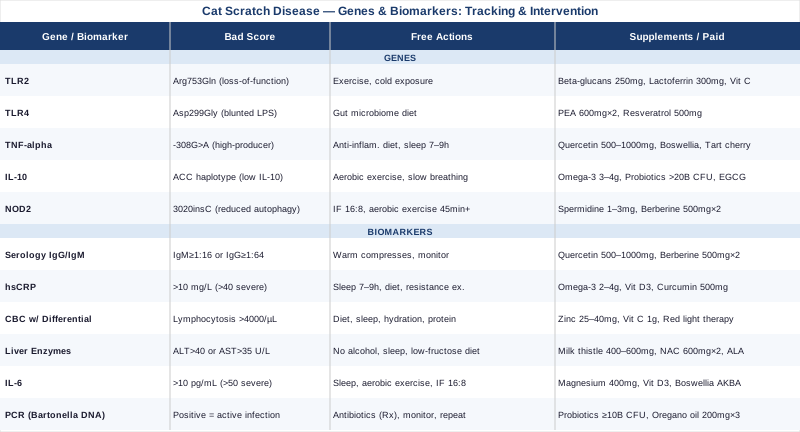
6 Biomarkers Worth Tracking in Cat Scratch Disease
Most clinical approaches to CSD rely on two data points: a compatible history (cat exposure, scratch) and either a positive serology or a lymph node biopsy with characteristic histology. That is enough to diagnose an uncomplicated case. It is not enough to understand disease severity, monitor organ involvement, or confirm resolution in someone with a prolonged or atypical course. The six markers below provide a much fuller picture — together covering diagnosis, systemic inflammation, organ protection, immune activation intensity, and bacterial confirmation.
Biomarker 1 — Bartonella henselae Serology (IgG and IgM)
Why it matters: Serology is the primary confirmatory test for CSD in clinical practice. Two antibody classes are measured: IgM, which rises within the first one to two weeks of infection and signals active or very recent exposure, and IgG, which appears slightly later and can persist for months to years after the infection resolves. IgG positivity alone therefore reflects prior exposure, not necessarily active disease; IgM positivity is the more specific indicator of current or recent infection.
The standard methods are the indirect fluorescent antibody (IFA) assay and ELISA. Sensitivity for IFA-based testing ranges from approximately 84 to 95 percent in confirmed CSD cases, with specificity in the 94 to 97 percent range depending on the titer threshold. A well-documented limitation is seronegative early-phase CSD: testing within the first week of symptom onset can miss the diagnosis because antibodies have not yet developed to detectable levels. Research consistently confirms that repeating serology at 10 to 14 days post-exposure dramatically improves sensitivity if initial results are negative in a high-suspicion case.
How to measure it: Available through LabCorp, Quest Diagnostics, and hospital reference labs. Both IgG and IgM titers should be ordered together, not in isolation. Cost: $80–200 for the combined panel depending on facility and insurance. If the initial test is negative and suspicion remains high, repeat in two to three weeks.
Target interpretation: IgM titer ≥1:16 or IgG titer ≥1:64 is generally considered positive. Rising titers on paired samples drawn two to four weeks apart (fourfold or greater rise) represent the most definitive serological evidence of active infection.
If serology is positive — plan without supplements
Confirm the result with clinical context (lymphadenopathy in a cat-contact drainage region, consistent timeline). Infectious disease consultation is appropriate for anything beyond typical uncomplicated lymphadenopathy. Azithromycin is the first-line antibiotic with randomized trial evidence — the Bass et al. 1998 protocol (500 mg on day one, 250 mg days two through five) showed significantly faster lymph node size reduction versus placebo. Warm compresses applied to swollen nodes for 15 to 20 minutes three times daily help with symptom comfort. Monitor for systemic symptoms (fever lasting more than two weeks, abdominal pain, visual changes) that suggest spread beyond regional nodes. No supplements are needed if the course is uncomplicated.
If serology is positive — plan with supplements
For prolonged or recurrent serological positivity after treatment, immune support becomes more relevant. Quercetin (500–1000 mg/day taken with food) modulates NF-κB signaling and has in vitro activity against intracellular bacterial pathogens. Frequency: daily during active phase, taper to 250 mg maintenance after resolution. Side effects: generally well tolerated; rare mild GI upset. Berberine (500 mg twice daily, with meals) supports AMPK activation and immune modulation with some in vitro evidence relevant to intracellular bacteria. Cycle: 8 weeks on, 2 weeks off. Always disclose supplementation to your prescribing physician, particularly if antibiotics are running concurrently.
Biomarker 2 — High-Sensitivity C-Reactive Protein (hsCRP)
Why it matters: CRP is synthesized by the liver in response to interleukin-6 (IL-6) released during infection and tissue damage. In CSD, CRP is reliably elevated during active disease and normalizes — typically over two to six weeks — as the infection resolves. More importantly, CRP level correlates with disease severity. Higher peak values are documented in hepatosplenic CSD (a more complicated variant involving liver and spleen granulomas) and in patients presenting with prolonged febrile courses.
From a monitoring standpoint, hsCRP provides one of the cleanest signals of whether the inflammatory burden is actually declining — which is not always evident from symptoms alone. This is an insight drawn from the evidence-based medicine framework championed by Peter Attia in his discussion of inflammation tracking: hsCRP is accessible, inexpensive, and integrates input from multiple inflammatory pathways simultaneously, making it the most actionable general inflammation marker available in standard clinical practice.
How to measure it: Universally available at any standard lab. High-sensitivity CRP specifically is preferable — it provides resolution at lower ranges that standard CRP misses. Cost: $15–50. Frequency: at diagnosis baseline, then every two to four weeks until confirmed normalization below 3 mg/L. Can be added to any standard blood draw at minimal additional cost.
Interpretation: In active CSD, values above 10 mg/L are common; values above 40 mg/L suggest more systemic involvement. Normalization below 3 mg/L alongside clinical improvement confirms inflammatory resolution. Persistent elevation after apparent symptom resolution warrants investigation for subclinical organ involvement or co-infection.
If hsCRP remains elevated — plan without supplements
The highest-leverage non-pharmacological intervention is sleep optimization — consistent 7 to 9 hours in a dark, cool room (18–20°C), since IL-6 (the primary CRP driver) follows a circadian rhythm that is amplified by sleep deprivation. Dietary changes with meaningful CRP impact: eliminate ultra-processed foods and refined carbohydrates (pro-inflammatory via AGE production and microbiome disruption), and increase omega-3-rich whole foods (wild salmon, sardines, walnuts). Resistance training three sessions per week has a well-documented CRP-lowering effect over 8 to 12 weeks via anti-inflammatory myokine release. Avoid long-term NSAID use without supervision — it suppresses CRP without addressing the underlying source.
If hsCRP remains elevated — plan with supplements
Omega-3 fatty acids (EPA + DHA combined, 2–4 g/day with meals) are among the most evidence-backed anti-inflammatory interventions available. Duration: indefinite at 2 g maintenance; higher doses (3–4 g) for active inflammatory phases, reviewed at 12 weeks. Vitamin D3 (target serum 25-OH-D: 40–60 ng/mL, typically requiring 3000–5000 IU/day) actively suppresses IL-6 transcription via the vitamin D receptor — pair with K2 (100 mcg MK-7 daily) for safety. Curcumin with piperine (500–1000 mg/day, standardized to 95% curcuminoids) has clinical RCT evidence for CRP reduction. Cycle: 12 weeks on, 4 weeks off; avoid with blood thinners. Sauna (4 sessions per week, 20 minutes at 80°C) has emerging evidence for hsCRP reduction through heat shock protein and HSP70-mediated anti-inflammatory pathways.
Biomarker 3 — Complete Blood Count with Differential
Why it matters: The CBC is one of the most underappreciated tools for understanding what is actually happening immunologically during CSD. The differential — the breakdown of white blood cell subtypes — tells you which arm of the immune system is activated and at what intensity. In CSD, the characteristic pattern is lymphocytosis: elevated lymphocyte count reflecting the T-cell driven adaptive immune response to an intracellular pathogen. Mild eosinophilia is present in some cases. Neutrophilia may appear early in the infectious course or in bacteremic presentations. In prolonged or complicated CSD, mild anemia of chronic disease can develop, and thrombocytopenia (low platelets) has been documented in disseminated cases.
No single CBC result confirms CSD, but the pattern within the context of a compatible presentation is highly informative. Moreover, the CBC is the most cost-effective tool for longitudinal monitoring — confirming that the immune response is normalizing rather than persisting or escalating.
How to measure it: Universally available; typically included within comprehensive metabolic panels. Always request the differential specifically — a total WBC count alone is insufficient. Cost: $20–60; often covered in standard blood work. Frequency: at baseline, then biweekly until normalization in complicated cases.
Interpretation: Lymphocytosis above 4000 cells/µL in the context of CSD is consistent with active adaptive immune engagement. Resolution should normalize the differential over two to six weeks. Persistent lymphopenia (below 1000 cells/µL) is a red flag requiring evaluation for immune compromise or alternative diagnosis.
If CBC is abnormal — plan without supplements
Significant thrombocytopenia (below 100,000/µL) or lymphopenia warrants hematology consultation. For typical lymphocytosis, biweekly CBC monitoring until normalization is sufficient alongside standard CSD treatment. Foundational support for immune cell production: adequate dietary protein (minimum 1.2–1.6 g/kg/day) since lymphocytes are protein-intensive cells; adequate sleep for bone marrow and lymph node regeneration; and hydration. Antibiotic treatment per standard protocol (azithromycin five-day course) remains the primary intervention for active infection driving CBC abnormalities.
If CBC is abnormal — plan with supplements
Zinc (25–40 mg/day with food) is one of the most consistently evidence-supported micronutrients for lymphocyte production and T-cell function. Duration: 4–8 weeks. Critical note: supplemental zinc above 25 mg/day depletes copper — a serum copper and ceruloplasmin check at the 8-week mark is prudent, or use a product including 2 mg copper per 25 mg zinc. Vitamin C (1 g/day, divided doses, buffered form to reduce GI irritation) supports neutrophil function and antioxidant capacity during immune activation. Red light therapy (photobiomodulation, 630–850 nm, applied locally to lymph node regions 8–10 minutes daily) has early evidence for reducing lymph node inflammation and improving local immune cell function — low risk, accessible via consumer devices in the $150–400 range.
Biomarker 4 — Liver Enzyme Panel (ALT, AST, ALP, GGT)
Why it matters: Hepatosplenic cat scratch disease (HCSD) is a clinically distinct and underrecognized variant of CSD affecting a meaningful minority of cases — particularly immunocompetent children and young adults who present with prolonged fever (more than two weeks) as the dominant symptom. In HCSD, Bartonella henselae seeds liver and spleen parenchyma, where it triggers granuloma formation. The result is characteristic hypoechoic nodules on abdominal ultrasound and elevated liver enzymes.
ALT and AST rise with hepatocyte involvement and inflammation; ALP and GGT reflect biliary or cholestatic patterns when bile ducts are affected by periportal granulomas. Even outside frank HCSD, mild transaminase elevations have been documented in a subset of CSD patients presenting with uncomplicated lymphadenopathy. Monitoring these values matters for a second practical reason: some antibiotics used in CSD (notably tetracyclines and macrolides) are hepatically metabolized, and abnormal baseline liver function changes dosing and duration decisions.
How to measure it: Included in the comprehensive metabolic panel (CMP), available at any standard lab. Cost: $30–80 for the full CMP. Should be obtained at diagnosis if fever persists beyond two weeks or if abdominal discomfort is present. ALT and AST together measure hepatocellular damage; ALP and GGT together indicate biliary involvement.
Interpretation: ALT above 40 U/L or AST above 35 U/L in the setting of active CSD with prolonged fever warrants abdominal ultrasound. Multiple hypoechoic hepatic or splenic nodules on ultrasound in this context are characteristic of HCSD and significantly change management toward longer antibiotic courses (often doxycycline-based, 4–6 weeks).
If liver enzymes are elevated — plan without supplements
Eliminate alcohol entirely during any hepatic involvement — even small amounts increase metabolic load on an already inflamed liver. Minimize acetaminophen to below 1 g/day. Prioritize sleep (liver regeneration, glycogen cycling, and clearance of inflammatory metabolites peak during slow-wave sleep). A whole-food diet low in fructose and refined carbohydrates reduces hepatic lipogenesis and inflammatory signaling. Abdominal ultrasound every four to six weeks tracks nodule resolution. Hepatology consultation is appropriate when ALT or AST exceeds three times the upper limit of normal.
If liver enzymes are elevated — plan with supplements
Milk thistle (silymarin) at 400–600 mg/day has multiple controlled trial data demonstrating hepatoprotection during infectious and toxic hepatic insults — it reduces hepatocyte oxidative stress and directly inhibits liver stellate cell activation. Duration: throughout the active phase, plus four weeks post-resolution. Side effects: occasional mild laxative effect; well tolerated overall. N-acetylcysteine (NAC) at 600 mg twice daily supports hepatic glutathione synthesis — the primary intracellular antioxidant protecting hepatocytes during inflammatory challenge. Cycle: 8 weeks on, then reassess via enzyme retesting. Alpha lipoic acid (300 mg/day with food) has synergistic hepatoprotective effects with NAC via redox cycle recycling. These are adjunctive measures — not replacements for antibiotic treatment or physician monitoring.
Biomarker 5 — Interleukin-6 (IL-6)
Why it matters: IL-6 sits at the center of CSD's inflammatory story. It is the cytokine that drives CRP synthesis in the liver, triggers fever, activates acute-phase protein production, and orchestrates the transition from innate to adaptive immunity. In CSD, IL-6 levels correlate with disease severity and duration — elevated values are more consistently observed in patients with prolonged fever, hepatosplenic involvement, or systemic spread. Conversely, monitoring IL-6 during recovery can confirm that the cytokine cascade has resolved even before CRP fully normalizes, providing an earlier signal of true immune quieting.
This is a more advanced marker — not part of routine CSD panels — but it becomes particularly relevant in two specific scenarios: complicated CSD with persistent fever and systemic features, and individuals with genetic variants (discussed in the next section) that predispose to either excessive or insufficient IL-6 production. For those situations, measuring IL-6 converts a vague clinical picture into actionable quantitative data.
How to measure it: Available through specialty reference labs (LabCorp, Quest, Mayo Medical Laboratories). Must be ordered specifically — it is not included in standard panels. Plasma IL-6 provides better stability than serum. Cost: $80–200. Turnaround: 3–5 business days. Normal fasting values in healthy adults: below 3.1 pg/mL. In active CSD, values above 10–20 pg/mL indicate significant systemic inflammatory activation; values above 50 pg/mL suggest complicated or disseminated disease.
If IL-6 is elevated — plan without supplements
Consistent, sufficient sleep is the single most impactful non-pharmacological intervention for IL-6: even one night under 6 hours can elevate IL-6 by 40 to 60 percent through circadian disruption of the HPA axis. Regular moderate aerobic exercise (30 minutes, 5 days/week, 60–70% maximum heart rate) has well-documented IL-6 lowering effects at rest through anti-inflammatory myokine release from skeletal muscle. Reducing visceral adiposity addresses the highest-leverage structural driver — adipose tissue is a major constitutive IL-6 secretor, and even modest reductions in waist circumference produce meaningful drops in baseline IL-6. Intermittent fasting (16:8 protocol) has clinical data for IL-6 reduction via AMPK activation and reduced mTOR signaling.
If IL-6 is elevated — plan with supplements
Magnesium glycinate (400 mg at bedtime) modulates cytokine production via NF-κB inhibition and simultaneously improves sleep quality — addressing IL-6 from two angles simultaneously. Duration: indefinite; adjust for bowel tolerance (may cause loose stools at higher doses). Vitamin D3 (3000–5000 IU/day, targeting 40–60 ng/mL serum 25-OH-D) actively suppresses IL-6 gene transcription via the vitamin D receptor. Pair with K2 (100 mcg MK-7). Boswellia serrata extract (standardized to AKBA, 100–400 mg three times daily) inhibits 5-LOX pathway activity and has RCT evidence for IL-6 reduction. Cycle: 12 weeks on, 4 weeks off. Cold water immersion (10–15°C, 3–5 minutes, three times per week) used during the post-acute recovery phase — not during fever — has emerging evidence for post-inflammatory IL-6 reduction via norepinephrine activation. Avoid in cardiovascular disease or immunosuppression.
Biomarker 6 — PCR for Bartonella henselae DNA
Why it matters: Polymerase chain reaction (PCR) testing detects actual Bartonella henselae DNA in a sample — making it the most specific confirmatory test available. Unlike serology, which reflects immune history (antibodies you have mounted), PCR answers a different question: is the bacterium actively present right now? This distinction matters considerably in three circumstances: early infection before antibodies have developed to detectable levels; immunocompromised patients who may not mount a normal antibody response; and atypical presentations where clinical and serological findings are inconclusive.
A critical technical point: PCR sensitivity varies significantly by sample type. On whole blood, sensitivity is approximately 50–70% because Bartonella bacteremia in CSD tends to be low-level and intermittent. Sensitivity rises to above 85% on lymph node aspirate or excised tissue from an affected node. This means the clinical decision about what sample to send is as important as the decision to order the test.
How to measure it: Requires a lab with specialized Bartonella-specific PCR capability. Mayo Medical Laboratories, University of Washington Clinical Virology Lab, and UCSF Clinical Laboratories offer validated assays. Cost: $120–350. Turnaround: 5–10 business days. The sample type (blood, lymph node aspirate, tissue biopsy) should be determined with the ordering physician based on what is accessible and most likely to be positive.
Interpretation: A positive result is definitive regardless of serological status. A negative result on blood alone does not exclude CSD. Quantitative PCR, where available, can track bacterial burden decline over a treatment course in complicated cases.
If PCR is positive — plan without supplements
A positive PCR confirms active infection and supports immediate antibiotic therapy. For immunocompetent adults with typical CSD, azithromycin per the standard 5-day protocol is first-line. For immunocompromised patients, disseminated disease, or CNS involvement, longer-course therapy (doxycycline 100 mg twice daily plus rifampin 300 mg twice daily, 4–6 weeks) is typically recommended based on infectious disease guidelines. In uncomplicated PCR-positive CSD, repeat PCR 4 to 6 weeks after completing antibiotics can confirm bacterial clearance — a relevant step in cases where symptoms were prolonged or unusual.
If PCR is positive — plan with supplements
Probiotics (multi-strain, minimum 10 billion CFU/day, including Lactobacillus rhamnosus GG and Saccharomyces boulardii) should begin on the same day as any antibiotic, taken 2 hours apart from the antibiotic dose, to protect microbiome integrity during treatment. Continue for 4–6 weeks post-antibiotic. Oregano oil (carvacrol-standardized extract, 200 mg three times daily with meals) has demonstrated in vitro bacteriostatic activity against intracellular bacterial pathogens including Bartonella species, though direct human CSD data is absent. Use only as an adjunct — never as a replacement for antibiotics in active confirmed infection. Cycle: 4–6 weeks. Side effects: GI irritation without food; potential CYP3A4 interactions requiring physician disclosure.
The six biomarkers above give you and your physician a multi-angle picture — from definitive bacterial confirmation to organ involvement to systemic inflammatory burden to immune activation pattern. Together they cover every major dimension of CSD pathology in measurable, actionable form. With that foundation established, the next layer of understanding is genetic: why do some individuals experience more severe disease in the first place?
5 Genes That Shape Your Response to Cat Scratch Disease
Genetics research specifically focused on CSD susceptibility is not yet as developed as for more common diseases, but the broader science of innate immunity genetics — particularly toll-like receptors, cytokine regulatory genes, and intracellular bacterial sensing — provides a strong translational framework. Bartonella henselae is an obligate intracellular pathogen: it resides within host cells, making the machinery for intracellular bacterial recognition the most relevant genetic terrain to examine. These five genes represent the current best-supported knowledge.
Gene 1 — TLR2: The First Alarm Triggered by Bartonella
What it does: Toll-like receptor 2 (TLR2) is a pattern recognition receptor expressed on macrophages, monocytes, and dendritic cells. It detects bacterial lipoproteins — the molecular flag carried by Bartonella henselae on its surface. When TLR2 binds a bacterial lipoprotein, it triggers NF-κB signaling, driving rapid production of TNF-alpha, IL-1β, IL-6, and IL-12 — the cytokines that initiate the innate immune response and begin containing bacterial spread.
Key variant: TLR2 Arg753Gln (rs5743708) is a well-characterized loss-of-function variant that blunts TLR2 signaling in response to bacterial lipoproteins. Carriers show measurably reduced cytokine production when macrophages encounter TLR2 ligands in controlled experiments. In the context of CSD, this may translate to slower initial bacterial recognition — effectively giving Bartonella more time to establish an intracellular niche before the adaptive immune system engages. The variant is present in roughly 3–5% of European populations. Multiple studies have linked this variant to increased susceptibility or more severe courses of bacterial infections requiring TLR2 recognition.
Evidence quality: Functional data on TLR2 753Gln is robust in cell culture and human macrophage studies. CSD-specific human genetic data does not yet exist; the inference is mechanistic and well-grounded rather than directly observed.
If TLR2 variant is present — plan without supplements
The practical implication is heightened vigilance rather than panic. At the first signs of CSD (lymph node swelling within a cat-contact drainage region), prompt evaluation rather than watchful waiting is more appropriate for TLR2 loss-of-function carriers. Regular moderate-intensity exercise (5 days/week) has been shown to activate "trained immunity" — epigenetic reprogramming of innate immune cells that partially compensates for reduced receptor function. Daily cold exposure (cold showers, 2–3 minutes, ending cold) activates sympathetic innate immune cell mobilization through a TLR-independent pathway. Avoid immunosuppressive medications (high-dose systemic corticosteroids) without confirmed infection clearance.
If TLR2 variant is present — plan with supplements
Beta-glucans (oat-derived, 250–500 mg/day) activate innate immune pattern recognition via Dectin-1 and Complement Receptor 3, pathways that work in parallel with TLR2 and can partially compensate for reduced TLR2 output. Duration: continuous is generally safe; most clinical evidence comes from 8 to 12-week trials. Vitamin C (1 g/day in split doses) enhances macrophage function and phagocytic capacity independently of TLR2 signaling. Lactoferrin (300 mg/day) has been shown in several studies to upregulate TLR2 receptor expression on monocytes — a direct compensatory mechanism — and also has direct antimicrobial properties against intracellular pathogens. Cycle: 12 weeks, then reassess.
Gene 2 — TLR4: The LPS Sensor and Its Role in CSD Severity
What it does: Toll-like receptor 4 (TLR4) is best known for detecting lipopolysaccharide (LPS), the structural component of gram-negative bacterial outer membranes. Bartonella henselae carries an atypical, structurally modified LPS with considerably lower immunostimulatory potency than classical gram-negative LPS — but TLR4 still contributes to the systemic inflammatory picture, particularly in more severe or disseminated CSD presentations.
Key variant: TLR4 Asp299Gly (rs4986790) reduces TLR4 signaling efficiency in response to LPS stimulation. This variant creates a context-dependent tradeoff: carriers show blunted peak inflammatory responses to gram-negative bacterial LPS, which in some situations means impaired early bacterial containment, but in others means reduced immunopathological damage. In CSD specifically — where dangerous inflammatory complications (hepatosplenic granulomas, Parinaud oculoglandular syndrome, neuroretinitis) are driven partly by the magnitude of the inflammatory response — a partially blunted TLR4 response from Asp299Gly might reduce complication risk while potentially allowing slightly longer bacterial persistence.
If TLR4 variant is present — plan without supplements
The TLR4 299Gly variant in the CSD context requires monitoring for a prolonged but clinically quiet infection — elevated biomarkers without dramatic symptoms that could mask ongoing bacterial activity. Standard antibiotic protocols apply. Dietary emphasis on gut microbiome support is directly relevant: gut-derived LPS is the primary daily activator of systemic TLR4 tone, and reducing gut permeability (via fermented foods, prebiotic fiber, avoiding excessive alcohol) lowers background TLR4 activation that can otherwise mask or confuse the infection-specific signal.
If TLR4 variant is present — plan with supplements
Palmitoylethanolamide (PEA) (600 mg twice daily) modulates TLR4-mediated inflammatory signaling through peroxisome proliferator-activated receptor alpha (PPARα) and the endocannabinoid system, and has controlled trial data in inflammatory and post-infectious conditions. Cycle: 8–12 weeks. Resveratrol (500 mg/day, micronized or liposomal form for bioavailability) has shown TLR4 signaling modulatory effects and broad anti-inflammatory activity. Side effects: mild GI disturbance in some individuals; avoid at high doses in pregnancy. Both are adjunctive and do not replace standard infection management.
Gene 3 — TNF: The Inflammatory Intensity Dial
What it does: Tumor necrosis factor alpha (TNF-α) is among the most powerful pro-inflammatory cytokines in the innate immune arsenal. During CSD, TNF-α drives fever, amplifies lymph node swelling, mediates tissue remodeling, and — critically — orchestrates granuloma formation, the pathological hallmark of CSD. Granulomas are organized structures of macrophages and lymphocytes that wall off and contain intracellular bacteria. Without sufficient TNF-α, granulomas cannot form effectively, and bacterial containment fails. Too much TNF-α, however, produces excessive immunopathology: prolonged fever, extensive lymphadenopathy, and greater risk of liver granuloma development.
Key variant: TNF -308G>A (rs1800629) is one of the best-characterized cytokine promoter polymorphisms. The A allele is a high-producer variant — it increases TNF-α transcription in response to immune stimulation. High-TNF producers (GA or AA genotype) may experience more intense lymph node swelling and higher fever during CSD, but also form more robust granulomas and potentially achieve faster bacterial containment. Low-TNF producers may have the opposite profile: milder acute symptoms but potentially less effective bacterial walling-off and greater risk of subclinical systemic spread. The -308G>A variant has been studied in relation to severity across multiple infectious diseases with significant findings in gram-negative and intracellular bacterial contexts.
If TNF high-producer variant is present — plan without supplements
High-TNF producers should anticipate more symptomatic CSD courses and prioritize management of the inflammatory experience: anti-inflammatory dietary patterns (Mediterranean — rich in olive oil, fish, vegetables, and low in refined carbohydrates), 7 to 9 hours of quality sleep, and structured stress reduction. Short-term NSAIDs (ibuprofen 400 mg every 6–8 hours with food, 3–5 days) can manage fever and discomfort while not completely suppressing the febrile response needed for bacterial killing. Avoid fully suppressing fever below 38°C unless it persists beyond 4 days or exceeds 40°C.
If TNF high-producer variant is present — plan with supplements
Quercetin (500–1000 mg/day with meals) directly inhibits NF-κB nuclear translocation and TNF-α promoter transcription. Cycle: 8 weeks on, 2 weeks off; well tolerated. Boswellia serrata (AKBA-standardized, 400 mg three times daily) has randomized trial evidence for TNF-α reduction in inflammatory conditions. Cycle: 12 weeks. Tart cherry extract (480 mg concentrated extract standardized to anthocyanins) reduces circulating TNF-α and has clinical evidence in acute inflammatory states. Duration: 4–6 weeks during active disease. Side effects for all three: mild GI effects possible if taken without food; generally well tolerated.
Gene 4 — IL10: The Resolution Regulator
What it does: Interleukin-10 is the principal anti-inflammatory cytokine of the adaptive immune system. It downregulates TNF-α, IL-6, and IL-12 production; suppresses antigen presentation; and is essential for resolving the inflammatory response once Bartonella henselae has been cleared. The balance between pro-inflammatory cytokines (TNF-α, IL-6) and IL-10 determines whether CSD follows an acute-then-resolves trajectory or a prolonged inflammatory course. Individuals producing insufficient IL-10 cannot adequately brake the inflammatory response — leading to sustained symptoms, prolonged lymphadenopathy, and ongoing tissue stress even after bacterial clearance.
Key variants: The IL10 promoter region contains three linked single-nucleotide polymorphisms — -1082G>A, -819C>T, and -592C>A — that define haplotypes stratified as high (GCC), intermediate, or low (ACC) IL-10 producers. The low-producer ACC haplotype is associated with impaired anti-inflammatory regulation across multiple infectious disease contexts. In CSD, low IL-10 production likely translates to more prolonged symptomatic resolution and potentially more tissue-level inflammatory damage even after successful antibiotic treatment.
If IL-10 low-producer variant is present — plan without supplements
Low IL-10 producers should place exceptional emphasis on the lifestyle behaviors most directly linked to IL-10 upregulation. Consistent aerobic exercise (30–45 minutes at moderate intensity, 5 days/week) is one of the most potent IL-10 inducers known — skeletal muscle produces IL-10 as a myokine during sustained activity, directly shifting the cytokine balance toward resolution. Sleep quality (7–8 hours) supports regulatory T-cell (Treg) activity, the primary cellular source of IL-10 in the adaptive immune system. Vagal nerve activation — via slow diaphragmatic breathing (5-second inhale, 6-second exhale, 5 minutes three times daily) — activates the cholinergic anti-inflammatory pathway, which directly stimulates IL-10 production through the alpha-7 nicotinic acetylcholine receptor on macrophages. This is a zero-cost, always-available intervention with specific mechanistic grounding.
If IL-10 low-producer variant is present — plan with supplements
Omega-3 fatty acids (EPA + DHA, 3–4 g/day) upregulate IL-10 through specialized pro-resolving mediators (SPMs — resolvins and protectins) derived from EPA and DHA. This is among the most evidence-backed interventions for IL-10-deficient inflammatory states. Duration: continuous at 2 g maintenance; 3–4 g during active inflammatory phases. Multi-strain probiotics — particularly Lactobacillus rhamnosus and Bifidobacterium longum — are consistent IL-10 inducers through gut-associated lymphoid tissue (GALT) activation. Dose: above 20 billion CFU/day, multi-strain. Cycle: 3 months on, reassess with inflammatory biomarker recheck. EGCG (green tea extract) (400–500 mg/day, decaffeinated extract, standardized to 50% EGCG) has controlled evidence for IL-10 induction in inflammatory states. Side effects: potential hepatotoxicity at very high doses — stay within the 400–600 mg/day range and avoid combined use with hepatotoxic agents.
Gene 5 — NOD2: The Intracellular Bacterial Sensor
What it does: NOD2 (Nucleotide-Binding Oligomerization Domain-Containing Protein 2) is an intracellular pattern recognition receptor expressed predominantly in macrophages, dendritic cells, and intestinal epithelial cells. Unlike TLR2 and TLR4, which survey the cell surface for external bacterial signals, NOD2 operates inside the cell — detecting bacterial muramyl dipeptide (MDP), a component of peptidoglycan, after bacterial invasion. Since Bartonella henselae resides within membrane-bound vacuoles inside host cells, the intracellular sensing machinery is directly relevant to how effectively these bacteria are recognized and eliminated.
NOD2 activation triggers two critical responses: NF-κB-dependent cytokine production and autophagy — the cellular self-digestion process that specifically targets intracellular pathogens for degradation. Cells with impaired NOD2 function show reduced autophagic clearance of intracellular bacteria, potentially allowing Bartonella to persist longer within macrophage vacuoles.
Key variants: Multiple NOD2/CARD15 variants (including rs2066847 — the 3020insC frameshift — and rs2066845) have been functionally characterized as loss-of-function mutations that impair bacterial peptidoglycan sensing and reduce autophagy-mediated clearance. These variants are well-studied in Crohn's disease, but their immunological relevance extends to any intracellular bacterial pathogen context.
If NOD2 variant is present — plan without supplements
The most targeted non-pharmacological intervention is supporting autophagy through known physiological activators. Intermittent fasting (16:8 protocol: 16 hours without caloric intake, 8-hour eating window) is a potent, reproducible autophagy inducer through AMPK activation and mTOR suppression — the primary regulatory switch for autophagic flux in immune cells. Prolonged moderate aerobic exercise (45+ minutes continuously) activates autophagy in macrophages and lymphocytes via a separate AMPK-mediated pathway. A diet low in refined carbohydrates and high-fructose corn syrup keeps mTOR suppressed between meals — avoiding chronic mTOR activation is as important as periodic AMPK activation for autophagic capacity. Both interventions together are synergistic and accessible without any supplementation.
If NOD2 variant is present — plan with supplements
Spermidine (1–3 mg/day from wheat germ extract, or increased dietary intake via fermented cheeses, peas, mushrooms, and green peas) is a natural polyamine and potent autophagy inducer. Human clinical evidence from 12-week to 6-month trials shows measurable autophagic flux increases at food-based doses. Side effects: minimal at food-based doses; avoid very high supplemental doses without physician guidance. Berberine (500 mg twice daily with meals) activates AMPK directly and has additional direct antimicrobial evidence against intracellular pathogens. Cycle: 8 weeks on, 2 weeks off; may lower blood glucose — monitor if diabetic. Rapamycin (low-dose, 1–2 mg once weekly) is emerging in longevity medicine specifically as an autophagy inducer via mTOR inhibition, but requires physician supervision and is not appropriate during active infection where the immune response needs full capacity. Flag to your physician only as a post-clearance consideration if NOD2 variant is confirmed.
The genetic picture adds a durable dimension to CSD understanding — one that applies beyond this single infection to your overall immune architecture. Knowing which receptors and cytokines run suboptimally in your system allows for targeted rather than generic intervention. The next section brings in a different angle: synthesizing the immune optimization science from one of the most research-dense sources in public health communication.
The Immune System Podcast That Changes How You Think About Infection
The Huberman Lab podcast episode "How to Prevent and Treat Colds and Flu" from the Huberman Lab catalog (Season 2022, widely cited for its integration of immunology research) draws together findings from neuroimmunology, behavioral science, and infection biology to describe mechanism-based ways to support immune function. While not specific to CSD, every concept it covers applies directly to the inflammatory, bacterial, and post-infectious dynamics described throughout this article.
Here are the ten most impactful insights from that episode, reframed for someone navigating or recovering from cat scratch disease.
1. The Two-Layer Immune System Means Timing Is Everything
The innate immune system (fast, non-specific, TLR2/TLR4 driven) and adaptive immune system (slow, highly specific, antibody and T-cell driven) work sequentially. How well the innate layer performs in the first 24 to 72 hours determines whether CSD becomes a minor regional event or requires adaptive immune escalation. Every intervention targeting TLR2, TLR4, and NOD2 described earlier is about strengthening the first layer before the second one has to work harder.
2. Sleep Deprivation Is Immunosuppression — Not a Metaphor
A single night of sleep below 6 hours reduces NK (natural killer) cell activity by up to 70 percent in controlled studies. Regulatory T-cell activity — the primary IL-10 source — is directly dependent on circadian rhythm integrity. One week of 6-hour nights measurably suppresses the antibody response to bacterial antigens. In CSD recovery, sleep quality is not optional; it is a first-tier intervention.
3. Exercise Has a Dose-Dependent Immune Effect
Moderate aerobic exercise (30–60 minutes at conversational pace) mobilizes NK cells, increases lymphocyte circulation, and elevates IL-10 post-exercise. Intense prolonged exercise above this threshold temporarily suppresses mucosal immunity. During active CSD, staying in the moderate zone — movement without depletion — is the physiologically correct approach.
4. Fever Is a Calibrated Defense — Threshold for Suppression Matters
Fever accelerates bacterial killing via direct thermal mechanisms and simultaneously enhances antigen presentation through heat shock protein activation. Reflexive antipyretic use at every fever above 37.5°C likely extends CSD resolution. The relevant threshold for suppression is sustained fever above 39.5°C or fever persisting beyond four to five days — not the first appearance of any elevation.
5. Nasal Breathing Is the First Antimicrobial Filter
Nasal epithelium produces nitric oxide at concentrations with documented bactericidal and virucidal activity. Mouth breathing bypasses this entirely. Habitual nasal breathing — including during sleep (mouth tape if necessary) — is a zero-cost, always-available antimicrobial intervention that is particularly relevant during any active bacterial infectious period.
6. The Gut Microbiome Is Upstream of Cytokine Production
Roughly 70% of the body's immune cells reside in gut-associated lymphoid tissue (GALT). The cytokine milieu — including the IL-10 to TNF-α balance central to CSD resolution — is directly shaped by microbiome composition. Every antibiotic course disrupts this. Proactive microbiome support during and after treatment is not supplementary; it is core to the immune recovery arc.
7. Cold Exposure Activates Innate Immune Mobilization
Deliberate cold water exposure (10–15°C, 2–5 minutes) elevates norepinephrine 200–300% and mobilizes innate immune cells into peripheral circulation through catecholamine-driven mechanisms. Used during the post-acute recovery phase (not during fever), it supports the trained immunity processes relevant to TLR2-deficient individuals described in the genetics section.
8. Stress Is the Most Overlooked Immune Suppressor
Chronic psychological stress sustains cortisol elevation, which directly suppresses IL-2 (T-cell growth factor), inhibits lymphocyte proliferation, and reduces NK cell cytotoxicity. The HPA-immune axis is bidirectional and clinically relevant: unresolved psychological stress during CSD recovery measurably extends the inflammatory resolution phase. Stress reduction is not a soft add-on; it has the same biochemical importance as sleep.
9. Sunlight Has Immune Effects Independent of Vitamin D
UV exposure on skin activates regulatory T cells through a vitamin-D-independent pathway involving urocanic acid photoisomerization. Sensible daily sun exposure (15–20 minutes on exposed skin, avoiding burn) contributes to Treg activation and IL-10 upregulation through a mechanism entirely separate from the vitamin D receptor pathway discussed in the biomarker section. These effects stack, not substitute.
10. Trained Immunity Is Buildable — Not Fixed at Birth
Trained immunity — the epigenetic reprogramming of innate immune cells (macrophages, NK cells) through prior exposures, exercise, and specific compounds — is a real and clinically documented phenomenon. Beta-glucans, vitamin D, omega-3 fatty acids, and regular moderate exercise all contribute to building a more responsive baseline innate immune state. For individuals with TLR2 loss-of-function variants, this is not just general advice — it is the primary mechanism by which reduced receptor function can be partially compensated over time.
The immune optimization framework from this episode reinforces rather than replaces the biomarker and genetic tools discussed above. The following section adds three more evidence-grounded approaches that have specific clinical relevance to the inflammatory and post-infectious dynamics of CSD.
Complementary Approaches With Clinical Evidence for CSD
The three modalities below were selected specifically for mechanistic relevance and evidence quality in infectious or inflammatory disease contexts — not as general wellness padding. Each has at least one clinical study with immune or inflammatory endpoints directly applicable to what happens in CSD.
Mindfulness Meditation and MBSR
Mindfulness-Based Stress Reduction (MBSR) is an 8-week structured program integrating sitting meditation, body scan, and gentle yoga. Its relevance to CSD is grounded in the direct relationship between HPA axis dysregulation, cortisol, and immune cytokine balance. Prolonged or complicated CSD courses are frequently accompanied by fatigue, anxiety, and disrupted sleep — states that sustain HPA axis activation and chronically elevate pro-inflammatory cytokines including IL-6 and TNF-α, thereby extending the very inflammatory state driving symptoms.
Multiple randomized controlled trials have demonstrated that an 8-week MBSR program produces significant reductions in circulating IL-6 and CRP, improvements in NK cell activity, and enhanced regulatory T-cell function in populations with chronic immune activation. The mechanism includes both direct HPA axis downregulation and vagal nerve activation — the cholinergic anti-inflammatory pathway that directly stimulates IL-10 production from macrophages. While no CSD-specific MBSR trials exist, the cytokine targets are precisely those elevated in CSD.
Practically: begin with 10–15 minutes of guided sitting meditation daily using applications such as Insight Timer or Waking Up; or commit to the formal 8-week MBSR program through a qualified instructor for structured systemic support. During active fever phases, avoid extended breath retention techniques. Focus on diaphragmatic breathing (5-second inhale, 6-second exhale through nose) as the most mechanistically direct technique. A consistent 8 to 12-week commitment is required before measurable changes in inflammatory biomarkers appear — this is not an acute intervention but a structural shift in HPA-immune regulation.
Microbiome-Directed Therapies
The gut-immune relationship is not metaphorical in the context of CSD. Gut-associated lymphoid tissue houses the largest concentration of immune cells in the body, and microbiome composition directly shapes cytokine production patterns — including the IL-10 to TNF-α ratio central to CSD resolution and the strength of the adaptive antibody response measured by Bartonella serology. CSD management almost always involves at least one course of antibiotics, and antibiotics reliably disrupt microbiome diversity and reduce populations of IL-10-producing Lactobacillus and Bifidobacterium species.
A meta-analysis of probiotic supplementation concurrent with antibiotic courses found that multi-strain probiotics significantly reduced antibiotic-associated microbiome disruption, preserved secretory IgA levels (a key mucosal immune parameter), and shortened post-antibiotic recovery time for gut immune function normalization. The most effective strains for these outcomes: Lactobacillus rhamnosus GG (studied extensively in antibiotic contexts), Saccharomyces boulardii (yeast-based, therefore not killed by antibiotics), and Bifidobacterium longum (specifically associated with IL-10 upregulation).
Practically: begin probiotic supplementation on the same day antibiotic treatment starts, taken two hours after (not with) each antibiotic dose to maximize bacterial survival. Dose: minimum 10–20 billion CFU/day, multi-strain. Continue for four to six weeks after antibiotic completion — the microbiome takes considerably longer to recover than the infection to clear. Support with prebiotic dietary fiber (leeks, garlic, asparagus, green banana, oats) to feed the beneficial species being restored. Avoid the dietary pattern that most damages microbiome recovery: high refined sugar, low fiber, excessive alcohol. Evidence is strongest for concurrent use with antibiotics; starting after completion of treatment is better than not starting at all.
Low-Level Laser Therapy and Photobiomodulation
Photobiomodulation (PBM) uses red and near-infrared light (typically 630–850 nm wavelengths) to stimulate mitochondrial cytochrome c oxidase, increase cellular ATP production, reduce reactive oxygen species, and modulate local inflammatory cytokine production. In the context of CSD, the primary relevant application is the management of painful, enlarged lymph nodes — the defining clinical feature — and systemic anti-inflammatory support during recovery.
Controlled studies and systematic reviews in photomedicine have found that PBM applied to inflamed lymph node regions reduces local TNF-α and IL-1β production, decreases pain and swelling, and improves tissue healing in lymphatic and inflammatory conditions. The mechanism — mitochondrial activation reducing oxidative stress in immune cells — is directly applicable to the macrophage-rich granulomatous lymph nodes characteristic of CSD. While no CSD-specific PBM trial has been published, the mechanistic and evidence base from closely analogous inflammatory lymph node conditions is substantial.
Practically: a red or near-infrared LED panel (630–660 nm for red, 810–850 nm for near-infrared) applied to the affected lymph node region for 8 to 12 minutes per session, four to five days per week, is a reasonable entry protocol. Consumer-grade devices appropriate for this use are available in the $150–450 range (targeted handheld or small panel devices). This modality is best applied as an adjunct during the recovery phase — after confirming antibiotic treatment is in progress for active CSD, not as a substitute for it. No significant adverse effects are documented at standard parameters. Avoid prolonged direct eye exposure to near-infrared wavelengths. Individuals with photosensitizing medications should consult their physician before use.
Conclusion
Cat scratch disease may resolve without much intervention in most cases — but for those who need more than reassurance, or who want to understand why their course went the way it did, the biomarker and genetic framework in this article provides a genuinely useful starting point.
The six biomarkers — serology, hsCRP, CBC with differential, liver enzymes, IL-6, and PCR — give a structured, measurable view of diagnosis, severity, organ involvement, and recovery progress. The five genes — TLR2, TLR4, TNF, IL-10, and NOD2 — explain individual variation in a way that points directly to targeted rather than generic interventions.
The most practical next step: at your next medical appointment, request a full inflammatory baseline (CRP, CBC, CMP) if you are currently managing or recovering from CSD. If diagnosis is uncertain, ask specifically about serology confirmation and whether PCR on lymph node aspirate is appropriate given your timeline. If you are interested in your genetic profile, a comprehensive SNP panel through a CLIA-certified lab can identify variants in all five genes discussed here. Bring your findings as the beginning of a conversation, not a diagnosis. Working with a physician who integrates functional medicine alongside conventional infectious disease management gives you the best of both frameworks.
More precise information consistently leads to better decisions — and in a condition this variable, precision is where the leverage is.
Digestive: Liver & Gallbladder Conditions
Autoimmune: Inflammatory Conditions
Infectious: Bacterial Infections