This article contains AI generated content.
· UpdatedCerebral Palsy Genes And Biomarkers: 5 Genes And 7 Biomarkers To Track
Cerebral palsy affects approximately 17 million people worldwide, making it the most common cause of physical disability in childhood. Yet for most families and clinicians, management tends to center on symptom control — physiotherapy, antispasticity medications, surgical procedures — with relatively little attention to the biological signals that drive individual variation in outcomes.
What makes this frustrating is that two people with identical CP diagnoses can have profoundly different root causes, inflammatory profiles, and genetic architectures. Generic treatment plans ignore this reality entirely. When the biological profile of a person with CP is better understood, targeted interventions — from specific nutritional strategies to precision rehabilitation approaches — become genuinely possible.
This article takes a different approach. Rather than repeating standard management advice, it focuses on what can actually be measured and what those measurements can reveal. Biomarkers — quantifiable signals in the blood — and identified gene variants offer a more complete picture than clinical diagnosis alone. Neither will undo structural brain changes. But both can meaningfully guide interventions that reduce secondary complications, support neuroplasticity, and improve quality of life over time.
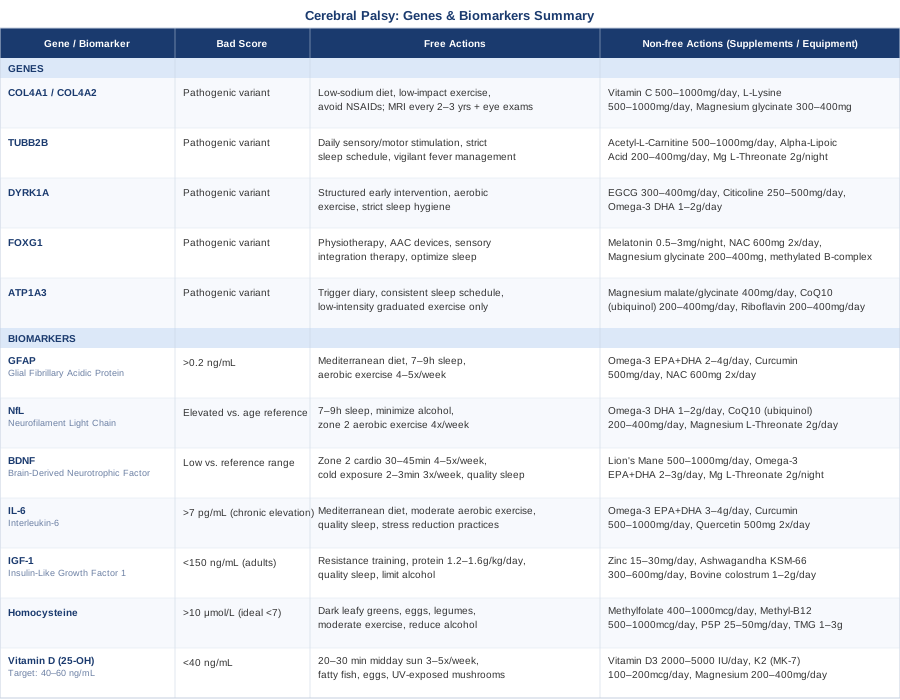
The sections below cover 7 of the most clinically relevant biomarkers in detail, each with a practical action plan for improving them. A companion genetics section explores the 5 gene variants with the clearest implications for affected individuals and their families. Together, these frameworks give caregivers and adults with CP a more precise roadmap than generic lifestyle advice — not a cure, but a sharper set of tools.
7 Biomarkers to Track If You or Your Child Has Cerebral Palsy
Tracking biomarkers is not about searching for a cure. It is about understanding the biological environment in which the nervous system is operating — and adjusting that environment as precisely as possible. The following biomarkers are among the most informative for people with CP, reflecting perspectives from neurologists, rehabilitation specialists, and clinicians focused on long-term neurological health, including the frameworks popularized by Peter Attia, Thomas Dayspring, and researchers in pediatric neurorehabilitation.
Biomarker 1: GFAP (Glial Fibrillary Acidic Protein)
Why it matters: GFAP is a structural protein released by astrocytes — the brain's primary support cells — when they are under stress or damaged. Elevated blood GFAP levels are a direct signal of ongoing glial injury and neuroinflammation, both of which are relevant in cerebral palsy regardless of etiology. Research in neonatal neurology has consistently linked elevated GFAP with more severe brain injury in perinatal cases, and in older individuals, chronically elevated GFAP reflects a continued inflammatory burden on the central nervous system.
How to measure it: GFAP is measured via a blood test, increasingly available through specialty neurology labs and functional medicine panels. Some hospital systems now include it in neurological injury assessment protocols. Cost typically ranges from $80 to $200 USD depending on provider and region.
If the score is bad, the plan without supplements: Chronic GFAP elevation is tightly linked to neuroinflammation driven by diet, sleep disruption, and metabolic stress. The most impactful free interventions are a Mediterranean-style anti-inflammatory diet (emphasizing extra virgin olive oil, oily fish, vegetables, legumes, and minimal ultra-processed foods), 7–9 hours of quality sleep per night, and moderate aerobic exercise 4–5 times per week. These directly dampen the glial inflammatory response over time and cost nothing beyond commitment.
If the score is bad, the plan with supplements or equipment: - Omega-3 fatty acids (EPA + DHA): 2–4g daily with meals. Long-term use, no cycling required. Well-documented anti-inflammatory effects on astrocyte and microglial activation. Monitor for bleeding risk if the person is on anticoagulants; stay at or below 3g/day in that case. - Curcumin (with piperine or liposomal form): 500mg/day. Cycle 6–8 weeks on, 1 week off. Acts via NF-κB pathway inhibition to reduce neuroinflammatory signaling. Side effects: mild GI discomfort; avoid in gallbladder disease or with blood thinners without medical guidance. - NAC (N-Acetylcysteine): 600mg twice daily. Reduces neuroinflammation and oxidative stress simultaneously. Cycle 8 weeks on, 4 weeks off. Side effects: nausea on an empty stomach; rare bronchospasm in sensitive individuals — always take with food.
Biomarker 2: Neurofilament Light Chain (NfL)
Why it matters: Neurofilament Light chain is a structural component of the axonal cytoskeleton. When neurons are damaged or under chronic stress, NfL leaks into the bloodstream in proportion to the degree of axonal injury. Elevated serum NfL is now recognized as one of the most sensitive markers of active neurodegeneration across a wide range of neurological conditions. For people with CP, tracking NfL over time can reveal whether ongoing axonal stress is present — signaling the need for more active neuroprotective measures — or whether the nervous system is in a relatively stable state.
How to measure it: NfL is measured using a highly sensitive blood assay (Simoa platform), available through specialty neurology, research-affiliated, and functional medicine labs. Cost ranges from $150 to $350 USD. Not universally available in standard clinical labs yet, but access is rapidly expanding through direct-to-consumer neurology panels.
If the score is bad, the plan without supplements: The most powerful free interventions for reducing axonal stress are eliminating metabolic and inflammatory triggers: prioritize 7–9 hours of consolidated sleep (glymphatic clearance — the brain's waste removal system — peaks during deep sleep and directly clears the NfL precursors that accumulate with neural damage), minimize alcohol, engage in zone 2 aerobic exercise 4 times per week (30–45 minutes), and maintain a healthy body weight to reduce systemic inflammation that feeds back to axonal damage.
If the score is bad, the plan with supplements or equipment: - Omega-3 DHA (high-DHA formulation): 1–2g DHA daily. Supports axonal membrane integrity and reduces neuroinflammatory signaling. Continuous use. Side effects: see GFAP section above. - CoQ10 (ubiquinol form): 200–400mg daily with a fat-containing meal. The ubiquinol form is significantly better absorbed than ubiquinone. Supports mitochondrial function in axons — critical since axonal degeneration is often driven by energy failure. Continuous use. Side effects: mild GI discomfort; may slightly lower blood pressure. - Magnesium L-Threonate: 2g daily at bedtime (delivering approximately 144mg elemental magnesium). Crosses the blood-brain barrier more effectively than other forms. Directly supports synaptic density and may slow axonal stress progression. Continuous. Side effects: mild initial drowsiness; loose stools if dose is increased too quickly.
Biomarker 3: BDNF (Brain-Derived Neurotrophic Factor)
Why it matters: BDNF is arguably the most important molecule in the brain's capacity for repair and adaptation. It supports neuronal survival, promotes synaptic growth, and is the master signal for motor learning — the precise process that all rehabilitation in cerebral palsy depends on. Low BDNF is consistently associated with reduced rehabilitation response, worse motor outcomes, and increased risk of comorbid depression. Critically, BDNF is not fixed — it responds dramatically to lifestyle inputs, making it one of the most modifiable neurological targets available.
How to measure it: Serum BDNF can be ordered through functional medicine labs and some specialty panels. Cost is typically $60 to $150 USD. Note that serum BDNF reflects peripheral production and correlates imperfectly with brain BDNF, but the trend over time remains clinically informative. Retest every 3–6 months when actively intervening.
If the score is bad, the plan without supplements: Aerobic exercise is the single most potent known BDNF booster — the research on this is exceptionally consistent. Zone 2 cardio (sustained moderate intensity where you can still hold a conversation) for 30–45 minutes, performed 4–5 times per week, produces measurable serum BDNF increases. For people with CP who cannot perform vigorous exercise, adapted aquatic therapy, upper-body ergometry, or wheelchair-based aerobic circuits are effective alternatives. Cold exposure (2–3 minutes of cold water or cold shower, 3 times per week) also elevates BDNF via norepinephrine release. Quality overnight sleep is essential — BDNF synthesis peaks during consolidated sleep, meaning sleep deprivation directly suppresses BDNF.
If the score is bad, the plan with supplements or equipment: - Lion's Mane mushroom extract: 500–1000mg daily (standardized for hericenones and erinacines). Stimulates Nerve Growth Factor (NGF) and supports BDNF indirectly. Generally safe for continuous use. Side effects: very rare; occasional GI sensitivity in some individuals. - Omega-3 EPA + DHA: 2–3g daily. DHA is incorporated into brain cell membranes and actively supports BDNF receptor signaling. Continuous. See above for precautions. - Magnesium L-Threonate: 2g nightly. Supports synaptic plasticity mechanisms downstream of BDNF activation. Continuous. Mild initial sedation. - Pterostilbene or blueberry anthocyanin extract: 50mg pterostilbene or 500mg blueberry extract daily. Polyphenols with documented BDNF-supporting and antioxidant effects. Cycle 8 weeks on, 4 weeks off. Generally well tolerated; rarely causes GI sensitivity.
Biomarker 4: IL-6 (Interleukin-6)
Why it matters: IL-6 is a central inflammatory cytokine. While brief spikes after exercise are normal and even beneficial, chronically elevated IL-6 is a reliable marker of systemic and central neuroinflammation. In cerebral palsy, elevated perinatal IL-6 has been associated in research literature with greater white matter injury. In older individuals with CP, chronic IL-6 elevation correlates with fatigue, musculoskeletal pain, accelerated neurological aging, and reduced quality of life. It is one of the most useful gauges of overall inflammatory burden and responds well to intervention.
How to measure it: IL-6 is measured by a standard blood panel (often bundled with CRP and TNF-alpha in inflammatory marker panels). Cost is $30 to $80 USD, widely available through hospital and commercial labs. Worth retesting every 3–6 months when making lifestyle or dietary changes.
If the score is bad, the plan without supplements: The Mediterranean diet has among the strongest evidence for reducing chronic IL-6 of any dietary pattern. Specific targets: increase extra virgin olive oil (2–3 tablespoons per day), oily fish three times per week, colorful vegetables daily, and dramatically reduce refined carbohydrates and ultra-processed foods. Regular moderate aerobic exercise lowers basal IL-6 over time even though it transiently increases it during sessions. Sleep deprivation is one of the most potent acute drivers of IL-6 elevation — correcting sleep quality is not optional. Stress reduction practices (meditation, breathing protocols) also demonstrably lower basal IL-6.
If the score is bad, the plan with supplements or equipment: - Omega-3 (EPA + DHA): 3–4g daily. Multiple meta-analyses confirm IL-6 suppression with consistent omega-3 supplementation. Continuous. Anticoagulant caution applies above 3g. - Curcumin with piperine: 500–1000mg/day. Cycle 6–8 weeks on, 1 week off. Consistent anti-IL-6 effects via NF-κB and STAT3 pathway inhibition. Avoid with blood thinners. - Quercetin: 500mg twice daily with food. Natural flavonoid with reliable IL-6 reducing properties across multiple human trials. Cycle 4–6 weeks on, 2 weeks off. Side effects: generally mild; rare headache; take with food for best absorption. - Vitamin D3 + K2: See Biomarker 7 below — vitamin D deficiency is one of the strongest independent drivers of elevated IL-6 and directly compounds inflammatory burden in CP.
Biomarker 5: IGF-1 (Insulin-Like Growth Factor 1)
Why it matters: IGF-1 is a critical growth and repair factor with substantial neuroprotective properties. It promotes neuronal survival, supports myelination, and facilitates synaptic repair following injury. Children and adults with cerebral palsy often have lower IGF-1 levels than neurotypical peers — in part due to reduced physical activity, nutritional insufficiency, and disrupted growth hormone signaling. Optimal IGF-1 is associated with better motor recovery trajectories and reduced long-term neurodegeneration risk. Peter Attia recommends targeting the upper quartile of the age-adjusted reference range.
How to measure it: IGF-1 is a standard blood test available at most labs. Cost is $40 to $100 USD. Optimal adult range is typically 150–250 ng/mL; children require age-specific reference ranges. Retest every 3–6 months when actively working to optimize.
If the score is bad, the plan without supplements: Resistance training is the most effective natural stimulus for IGF-1 — even adapted, chair-based resistance exercises or aquatic resistance work in people with CP. Adequate protein intake is essential: target 1.2–1.6g per kilogram of body weight per day, emphasizing complete proteins (eggs, fish, lean meat, or well-combined plant proteins). Quality sleep — particularly the deep slow-wave stages — is when growth hormone is released in pulsatile bursts, driving IGF-1 production. Minimizing alcohol and avoiding prolonged fasting (beyond 16 hours) preserves IGF-1 levels.
If the score is bad, the plan with supplements or equipment: - Zinc (picolinate or bisglycinate form): 15–30mg/day with food. Zinc is a required cofactor for IGF-1 synthesis. At doses above 30mg long-term, balance with 1–2mg copper daily to prevent deficiency. No cycling required at physiological doses. Side effects: nausea on empty stomach. - Ashwagandha (KSM-66 extract): 300–600mg/day. Well-supported adaptogen shown to support the GH/IGF-1 axis. Cycle 8 weeks on, 4 weeks off. Side effects: occasional drowsiness; consult a physician if thyroid conditions are present. - Magnesium glycinate: 200–400mg nightly. Supports deep sleep quality and GH pulsatility. Continuous. Loose stools at high doses. - Bovine colostrum: 1–2g daily. Contains growth factors and IGF-1 precursors. Generally well tolerated. Cycle 8–12 weeks. Side effects: mild GI discomfort initially; not suitable if dairy allergy is present.
Biomarker 6: Homocysteine
Why it matters: Elevated homocysteine is a direct marker of methylation pathway dysfunction involving folate and B12 metabolism. It is an established risk factor for vascular endothelial damage, white matter lesions, and neuroinflammation. In CP cases with periventricular leukomalacia or vascular etiologies, elevated homocysteine may compound existing neurological vulnerability. The MTHFR gene variant — common in 10–15% of the general population — impairs folate conversion and raises homocysteine independent of dietary intake. The target level is below 10 μmol/L, ideally below 7.
How to measure it: Standard blood test, widely available through virtually any lab. Cost is $20 to $60 USD. Often included in cardiovascular risk panels. Should be tested at baseline and at 3-month intervals when correcting a deficiency.
If the score is bad, the plan without supplements: Increase dietary B-vitamin density: dark leafy greens (spinach, kale, arugula), eggs (rich in choline and B12), legumes (folate-dense), and lean protein. Reduce excessive red meat — its high methionine content can drive homocysteine upward. Regular moderate exercise lowers homocysteine through multiple mechanisms. Reduce alcohol, which impairs both B12 absorption and methylation enzyme activity. Adequate hydration is also relevant — homocysteine concentrates when urine is chronically concentrated.
If the score is bad, the plan with supplements or equipment: Homocysteine is one of the most responsive biomarkers to targeted nutritional supplementation — improvements are often dramatic within 8–12 weeks: - Methylfolate (5-MTHF form): 400–1000mcg/day. Critically, use the methylated form — not folic acid — particularly if an MTHFR variant is present (folic acid will not convert properly). Continuous. Side effects: rare; some methylation-sensitive individuals report mood changes at higher doses — start low. - Methylcobalamin (active B12): 500–1000mcg/day sublingually or via lozenge. Dramatically superior to cyanocobalamin for methylation support. Continuous. Side effects: extremely rare at physiological doses. - Pyridoxal-5-Phosphate (P5P, active B6): 25–50mg/day. The active form is better utilized than pyridoxine HCl. Do not exceed 100mg long-term — risk of peripheral neuropathy at high chronic doses. No cycling required at lower doses. - Betaine (TMG — Trimethylglycine): 1–3g/day with food. Donates methyl groups directly to the re-methylation pathway, lowering homocysteine independently of the folate cycle — useful when MTHFR function is impaired. Continuous. Side effects: fishy body odor possible at higher doses; GI discomfort in some.
Biomarker 7: Vitamin D (25-OH Vitamin D)
Why it matters: Vitamin D functions as a neuroactive steroid hormone with receptors distributed throughout the brain, including areas governing motor function, immune regulation, and neuroinflammation. Vitamin D insufficiency in children with CP is extremely common — studies in rehabilitation populations regularly find rates of deficiency above 60%. Low vitamin D in CP is associated with increased spasticity, bone fragility, fatigue, elevated IL-6, and reduced functional outcomes. The research on adequate vitamin D and better neurological trajectories is among the strongest available for any single nutrient in this population. Target: 40–60 ng/mL (100–150 nmol/L).
How to measure it: The 25-OH Vitamin D blood test is standard and widely available. Cost is $25 to $60 USD. Should be tested at least twice annually — at the end of summer and end of winter — in people with CP, given how dramatically levels fluctuate with season and mobility limitations affecting sun exposure.
If the score is bad, the plan without supplements: Sunlight remains the most natural source: 20–30 minutes of midday sun with arms and legs exposed, 3–5 times per week. Skin tone matters significantly — darker skin requires meaningfully longer exposure for equivalent synthesis. Dietary contributions from fatty fish (salmon, sardines, mackerel), egg yolks, and UV-exposed mushrooms are real but generally insufficient to reach therapeutic levels without sun exposure or supplementation.
If the score is bad, the plan with supplements or equipment: - Vitamin D3 (cholecalciferol): 2000–5000 IU/day (dose calibrated to baseline levels and body weight — heavier individuals require more). Retest every 3 months until stable. Do not exceed 10,000 IU/day without regular testing. Continuous use once target is reached. - Vitamin K2 (MK-7 form): 100–200mcg/day, always paired with D3. K2 directs calcium to bone rather than soft tissue — taking high-dose D3 without K2 over months can promote vascular calcification. Continuous. Side effects: rare; avoid high-dose K2 if on warfarin without physician supervision. - Magnesium (glycinate or malate): 200–400mg/day. Required for the enzymatic conversion of vitamin D to its active form. Without adequate magnesium, supplemental D3 may have minimal effect. Take at night. Continuous. Side effects: see above.
The biomarkers covered above tell you what is happening in the body right now. But understanding why certain complications arise — or why a given person with CP follows a particular trajectory — often traces back to genetic architecture. The gene variants below help complete that picture.
What Genetic Research Reveals About Cerebral Palsy: 5 Key Variants
The genetics of CP has been one of the most actively evolving areas in pediatric neurology over the past decade. Research published in major genetics journals has found that single-gene mutations and copy number variants account for a meaningful proportion of CP cases — estimates range from 10% to 30% depending on the population studied and the type of CP. The emerging view is that CP is not one condition with one cause, but a syndrome with diverse biological roots. For some families, identifying a specific genetic etiology changes both the prognosis and the most useful management approach. Early genetic evaluation — particularly whole-exome sequencing — is now recommended in international guidelines when no clear perinatal cause is identified.
Gene 1: COL4A1 and COL4A2 — Collagen, Blood Vessel Walls, and Periventricular Injury
What these genes do: COL4A1 and COL4A2 encode the alpha-1 and alpha-2 chains of type IV collagen, the structural backbone of basement membranes throughout the body — especially in the walls of small blood vessels. Pathogenic variants in these genes weaken these walls, making small cerebral vessels prone to rupture, hemorrhage, and ischemia. The clinical result is often periventricular leukomalacia, porencephaly (cysts from resolved hemorrhages), or hemiplegic CP. COL4A1/COL4A2 mutations are now recognized as an important and underdiagnosed genetic cause of CP.
If the gene variant is present, the plan without supplements: Strict blood pressure management is the cornerstone non-pharmacological intervention. This means a low-sodium diet (below 1500mg sodium per day), regular low-impact aerobic exercise (swimming and cycling preferred over contact sports given hemorrhage risk), absolute avoidance of NSAIDs and aspirin unless prescribed by a physician aware of the diagnosis, and adequate daily hydration. Protective monitoring is equally important: periodic ophthalmologic examination for retinal vascular changes (a sensitive early marker), and brain MRI every 2–3 years to track any evolving changes.
If the gene variant is present, the plan with supplements or equipment: - Vitamin C: 500–1000mg/day split into two doses. Collagen synthesis absolutely requires vitamin C as a cofactor — it is not optional. Continuous. Side effects: GI upset above 2g; increase slowly. Divide doses to improve tolerance. - L-Lysine: 500–1000mg/day away from other large amino acids for best absorption. An essential amino acid that is rate-limiting for collagen cross-linking. Continuous. Side effects: rare at these doses. - Magnesium glycinate: 300–400mg/day. Supports vascular smooth muscle relaxation and provides a mild blood pressure-stabilizing effect. Continuous. - Important caution: Avoid high-dose omega-3 above 2g/day in confirmed COL4A1/COL4A2 variant carriers — the anticoagulant effect of higher doses increases the already-elevated hemorrhage risk.
Gene 2: TUBB2B — Neuronal Migration and Cortical Malformation
What this gene does: TUBB2B encodes beta-tubulin 2B, a core component of microtubules that are essential for the migration of neurons from their birthplace to their final positions during fetal brain development. Mutations impair this migration process, leading to cortical malformations including simplified gyri, pachygyria, and lissencephaly. These structural changes present clinically as cerebral palsy, typically accompanied by epilepsy and variable intellectual disability.
If the gene variant is present, the plan without supplements: Since the structural cortical malformation is established at birth, all practical management focuses on maximizing neuroplasticity within the existing architecture. This means consistent daily enriched sensory and motor stimulation (occupational therapy, physiotherapy, music-based motor programs), strict circadian rhythm maintenance (consistent sleep-wake schedule, morning bright light exposure to anchor the circadian clock), and vigilant fever management — hyperthermia disrupts residual microtubule function, which is particularly consequential when TUBB2B function is already compromised. Epilepsy management in close partnership with a neurologist is essential.
If the gene variant is present, the plan with supplements or equipment: - Acetyl-L-Carnitine (ALCAR): 500–1000mg/day in the morning. Supports neuronal energy metabolism and has shown neuroprotective effects in cortical neuron models. Cycle 8 weeks on, 4 weeks off. Side effects: overstimulation if taken late in the day; occasional mild GI effects. - Alpha-Lipoic Acid (R-ALA form preferred): 200–400mg/day with food. A potent antioxidant that crosses the blood-brain barrier and reduces oxidative stress in metabolically vulnerable neurons. Cycle 8–12 weeks on, 4 weeks off. Side effects: can lower blood glucose — take with food; potential thyroid interaction at high chronic doses. - Magnesium L-Threonate: 2g/day at bedtime. The most brain-penetrant magnesium form; supports synaptic density and plasticity in the remaining functional cortical networks. Continuous.
Gene 3: DYRK1A — Neurogenesis, Brain Size, and Cognitive Development
What this gene does: DYRK1A (Dual-Specificity Tyrosine-regulated Kinase 1A) is a master regulator of neurogenesis — the production and differentiation of new neurons during development. Haploinsufficiency (loss of one functional copy) causes a recognizable syndrome: microcephaly, intellectual disability, feeding difficulties in infancy, epilepsy, and CP-like motor impairment. DYRK1A is also relevant in the opposite direction — in Down syndrome (trisomy 21), three copies of DYRK1A lead to overexpression, which is the target of some of the most promising Down syndrome clinical trials. Most evidence for DYRK1A-specific interventions comes from these parallel research programs.
If the gene variant is present, the plan without supplements: Cognitive and motor stimulation is the primary modifiable lever. Structured early intervention programs, applied behavioral analysis where appropriate, music therapy (see complementary approaches below), speech and language therapy, and formal learning programs adapted to the child's functional capacity. Aerobic exercise is important here specifically because it increases neurogenesis via BDNF — one of the few ways to partially compensate for reduced neurogenic capacity. Sleep hygiene is critical: DYRK1A is involved in circadian clock regulation, and sleep disruption worsens cognitive function measurably.
If the gene variant is present, the plan with supplements or equipment: - EGCG (Epigallocatechin Gallate from green tea): 300–400mg/day of standardized extract (minimum 50% EGCG). EGCG is a natural DYRK1A inhibitor and is the most studied non-pharmaceutical modulator in clinical trials for trisomy 21 — the mechanistic rationale for DYRK1A haploinsufficiency is different, but the pathway relevance is established. Cycle 8 weeks on, 4 weeks off due to potential hepatotoxicity with long-term high-dose use. Take with food. Side effects: nausea on empty stomach; monitor liver enzymes every 3 months during use; avoid with known liver conditions. - Citicoline (CDP-Choline): 250–500mg/day. Supports acetylcholine neurotransmission and neuroplasticity mechanisms. Cycle 8 weeks on, 4 weeks off. Side effects: rare insomnia if taken late in the day. - Omega-3 DHA: 1–2g/day. Supports synaptic membrane integrity in neurons regulated by DYRK1A-dependent pathways. Continuous.
Gene 4: FOXG1 — Forebrain Development and Dyskinetic Motor Features
What this gene does: FOXG1 is a transcription factor that is indispensable for the formation and long-term maintenance of the forebrain. Pathogenic FOXG1 mutations cause FOXG1 syndrome: profound intellectual disability, stereotypic hand movements, severely limited voluntary motor control, hyperkinetic and dyskinetic movements — features that closely mirror dyskinetic CP and are frequently classified within CP registries. Epilepsy and marked sleep disturbance are almost universal. FOXG1 syndrome is increasingly recognized as a distinct entity but overlaps substantially with the CP clinical spectrum.
If the gene variant is present, the plan without supplements: Given the severity of FOXG1 syndrome, management is inherently multidisciplinary. Physiotherapy focused on maintaining range of motion and preventing contractures, augmentative and alternative communication (AAC) devices to support non-verbal expression, sensory integration therapy adapted to hypersensitivity profiles, and close neurological monitoring for seizure activity. Optimizing sleep is arguably the highest-priority intervention in this variant: sleep disruption in FOXG1 syndrome is severe and directly worsens behavioral, motor, and seizure outcomes.
If the gene variant is present, the plan with supplements or equipment: - Melatonin: 0.5–3mg at bedtime. Sleep disruption is nearly universal in FOXG1 syndrome; low-dose melatonin is considered first-line and is generally safe for long-term use in this population. Start at 0.5mg and titrate up slowly. Continuous at the lowest effective dose. Side effects: morning grogginess; avoid doses above 3mg without specialist guidance. - NAC (N-Acetylcysteine): 600mg twice daily. Reduces oxidative stress in neurons with compromised FOXG1 function. Cycle 8 weeks on, 4 weeks off. Take with food. - Magnesium glycinate: 200–400mg nightly. Supports muscle relaxation and sleep quality, particularly relevant for reducing nocturnal spasticity and dyskinesia. Continuous. - Methylated B-complex (methylfolate + methylcobalamin): One dose daily in the morning. Supports methylation pathways critical for neurotransmitter synthesis. Continuous. Side effects: rare mood sensitivity at high doses in methylation-sensitive individuals.
Gene 5: ATP1A3 — Sodium-Potassium ATPase and Episodic Motor Dysfunction
What this gene does: ATP1A3 encodes the alpha-3 subunit of the sodium-potassium ATPase pump — the enzyme responsible for maintaining the electrochemical gradient across neuronal membranes that is essential for normal nerve firing. Pathogenic mutations cause Alternating Hemiplegia of Childhood (AHC): episodic, triggered attacks of hemiplegia or quadriplegia often presenting in the first year of life, frequently accompanied by dystonia, nystagmus, and encephalopathy. CAPOS syndrome and RECA syndrome are allelic variants. These conditions are frequently misdiagnosed as CP, ataxic CP, or dyskinetic CP in early childhood before the episodic pattern is recognized.
If the gene variant is present, the plan without supplements: Trigger identification and avoidance is the most practical and immediately impactful management strategy available. Common triggers include emotional distress, physical exertion, fever, heat exposure, water immersion (bathing and swimming), certain foods, and abrupt transitions between sleep and waking. Maintaining a detailed trigger diary is essential. A regular, consistent sleep schedule significantly reduces baseline neurological instability. Low-intensity, graduated physical activity is safer than high-intensity intervals, which frequently provoke attacks.
If the gene variant is present, the plan with supplements or equipment: Note that flunarizine (a calcium channel blocker) is the primary pharmacological treatment for AHC and must be managed by a neurologist — it is not available over the counter in most countries. - Magnesium malate or glycinate: 400mg/day. May reduce episode frequency through neuronal membrane stabilization. Continuous. Side effects: loose stools at high doses; start low and increase gradually. - CoQ10 (ubiquinol): 200–400mg daily with a fat-containing meal. The ATP1A3 mutation creates a fundamental energy deficit in neurons — CoQ10 supports mitochondrial ATP synthesis, directly relevant to the underlying mechanism. Continuous. Side effects: mild GI upset; modest blood pressure reduction. - Riboflavin (Vitamin B2): 200–400mg/day. Used in mitochondrial energy support protocols; may improve ATP synthesis efficiency in neurons affected by ATPase dysfunction. Continuous. Side effects: harmless bright yellow urine (riboflavinuria); rare mild GI effects.
Building on both the biomarker and genetic frameworks above, some of the most actionable guidance for maximizing neuroplasticity comes from translational neuroscience research. The work synthesized in the Huberman Lab podcast is directly applicable to anyone working to improve functional outcomes in CP.
10 Key Insights on Neuroplasticity and Brain Repair (From the Huberman Lab)
The Huberman Lab podcast has produced an extensive body of content translating peer-reviewed neuroscience into practical protocols. The episodes on BDNF, motor learning, neuromodulators, and brain repair are among the most directly relevant to CP rehabilitation. The following are the ten most impactful insights from that work.
1. BDNF Is the Master Switch for Neuroplasticity
BDNF is not just one of many growth factors — it is the primary molecular signal that gates whether the brain can rewire. Without sufficient BDNF in the system during a therapy session, neurons go through the motions without creating durable structural change. Raising BDNF before rehabilitation — through aerobic exercise, cold exposure, or targeted supplementation — is one of the highest-leverage strategies for anyone in CP rehabilitation, regardless of age or severity.
2. Aerobic Exercise Before Therapy Amplifies the Plasticity Window
A consistent finding across the motor learning literature is that 20–30 minutes of moderate aerobic activity immediately before a skill-learning or rehabilitation session elevates BDNF, dopamine, and norepinephrine simultaneously. All three enhance synaptic plasticity and motor learning. For people with CP, pairing physiotherapy with a preceding aerobic warm-up — even adapted aerobics — is not just good practice, it is mechanistically justified.
3. Dopamine Is the Motor Learning Molecule
Dopamine is structurally required for motor learning and procedural memory consolidation — not just motivation. Many individuals with CP have reduced dopaminergic tone due to basal ganglia involvement. Strategies that naturally support dopamine — adequate dietary tyrosine (found in eggs, fish, and legumes), morning sunlight exposure, and the deliberate acknowledgment of small therapeutic wins — make rehabilitation sessions measurably more neurologically productive.
4. Sleep Is Where Therapy Gains Become Permanent
Motor gains made during rehabilitation are not consolidated during the session — they are locked in during sleep, particularly during slow-wave sleep and REM. Poor sleep in a child or adult with CP does not just cause fatigue. It directly prevents the neurological consolidation that turns therapy practice into lasting motor improvement. Addressing sleep is, in this literal sense, a rehabilitation intervention.
5. Cold Exposure Primes the Nervous System for Learning
Brief cold water immersion or cold showers (1–3 minutes) dramatically increase norepinephrine (by 200–300%) and moderately increase BDNF. Huberman recommends cold exposure as a powerful way to prime the nervous system for a high-plasticity state before training. Important contraindication for CP: cold immersion is a known trigger for ATP1A3-related episodes — check the genetics section above before using this tool.
6. The Plasticity Window Is Triggered by Error, Not Comfort
Neuroplasticity is not triggered by repetition of what is already mastered. It is triggered by moments of near-success combined with error — the cognitive and motor state just before a skill is achieved. This means comfortable repetition builds endurance, not new circuitry. Rehabilitation that stays within a child's current competence produces far less plasticity than calibrated challenge that sits at the edge of ability.
7. Acetylcholine Tags the Circuits Worth Keeping
During moments of high focused attention, acetylcholine release marks which neurons are active, effectively flagging them for overnight consolidation. Supporting acetylcholine through dietary choline sources (eggs, organ meats) or supplementation (citicoline, alpha-GPC) may enhance the brain's capacity to tag and retain the motor patterns being rehearsed in therapy. This connects directly to the DYRK1A intervention strategy discussed above.
8. NSDR (Non-Sleep Deep Rest) Accelerates Consolidation
Yoga nidra-based NSDR — a 20-minute guided protocol performed immediately after a learning session — measurably accelerates skill consolidation in the motor learning literature. Multiple studies referenced by Huberman show that NSDR post-session outperforms passive rest. It requires no equipment, has essentially no side effects, and is accessible to most people with CP in adapted forms.
9. DHA Is a Structural Requirement for Every New Synapse
Huberman consistently highlights DHA (docosahexaenoic acid) as foundational for any plasticity-dependent process. Every new synapse formed during rehabilitation incorporates DHA into its membrane. When DHA is low, the raw material for structural neuroplasticity is simply not available. This directly connects omega-3 optimization — covered in the biomarkers above — to rehabilitation outcomes.
10. The Window for Plasticity Is Open Longer Than Previously Believed
A consistent theme across Huberman's neuroplasticity content is that the scientific consensus has shifted substantially: the brain retains significant plasticity across the full lifespan, not just during critical developmental windows. For adults with CP who have been told their functional potential is fixed, this is directly relevant. Neuroplasticity in adulthood requires more effort and more precise conditions than in childhood — but it is not absent. The tools described across this article are applicable at any age.
The neuroscience above provides a framework for maximizing the impact of rehabilitation. Several specific therapeutic modalities have enough clinical evidence in CP to deserve mention alongside the biomarker and genetics work.
Complementary Approaches With Clinical Evidence in Cerebral Palsy
Music Therapy and Rhythmic Auditory Stimulation
Music therapy in CP is not general music exposure — it is a structured clinical intervention that uses rhythmic auditory stimulation (RAS) to engage motor systems through an alternative pathway. The motor cortex and basal ganglia synchronize naturally to external rhythmic cues. In CP, where direct corticospinal pathways are disrupted, this rhythmic entrainment can bypass damaged circuits and recruit alternative motor networks. Multiple controlled studies have documented improvements in gait velocity, stride symmetry, and upper limb coordination using RAS protocols.
The most evidence-supported protocol involves a trained music therapist (MT-BC credentialed) using live drumming or metronome matched to the individual's natural gait cadence, then gradually adjusting tempo to shape more symmetric and efficient movement. Sessions are typically 30–45 minutes, 2–3 times per week over 8–12 weeks. For upper limb work, rhythmically timed reaching tasks paired with music have shown improvements in movement smoothness and timing accuracy.
Practical implementation means seeking a music therapist affiliated with a pediatric rehabilitation center. Evidence quality is moderate — multiple RCTs exist but sample sizes are generally small. The approach is safe, well-tolerated, and often highly motivating for children, which itself has therapeutic value.
Massage Therapy for Spasticity and Rehabilitation Readiness
Massage therapy in CP targets the physiological conditions that make rehabilitation more effective: reducing spasticity, improving range of motion, decreasing musculoskeletal pain, and activating the parasympathetic nervous system to reduce tone before active therapy sessions. Even temporary reductions in spasticity create windows where motor learning can proceed with less resistance from hyperactive stretch reflexes. Systematic reviews have found consistent evidence for spasticity reduction and range of motion improvements in spastic CP following structured massage protocols.
The most studied protocol combines slow stroke back massage with targeted myofascial release of affected limb musculature. A typical course involves 30-minute sessions, twice weekly for 6–8 weeks, performed by a licensed therapist with neurological rehabilitation experience. Each session works proximal to distal, beginning with the trunk and progressing to the affected limbs. Passive stretching is incorporated at the end of each session while muscles remain relaxed from massage.
Parents and caregivers can be trained in basic limb massage techniques by a physiotherapist for daily home practice between formal sessions. Evidence supports this as a useful adjunct, though it does not replace skilled physiotherapy. Combining massage immediately before a physiotherapy session — to reduce tone and prepare the motor system — is the most evidence-aligned way to integrate both approaches.
EMG Biofeedback for Motor Control
EMG biofeedback makes the invisible visible: it provides real-time information about muscle activation that people with CP cannot perceive through normal proprioception. By displaying muscle activity on a screen as the person attempts to move, it enables voluntary modulation of spasticity and isolated muscle control that would otherwise be inaccessible. Multiple RCTs support EMG biofeedback for improving upper limb function, reducing co-contraction, and improving gait parameters in CP. It is particularly well-supported for hemiplegic upper limb rehabilitation.
The standard clinical protocol involves surface EMG electrodes placed on the target muscle group (wrist extensors, ankle dorsiflexors, or hip abductors depending on the rehabilitation goal). Sessions are 30–40 minutes, 3 times per week for 8–12 weeks. The patient works to activate or selectively relax the target muscle in response to the visual and auditory feedback signal, under the guidance of a physiotherapist trained in biofeedback. Threshold targets are adjusted session by session as control improves.
Practical implementation requires clinical setup initially. Consumer-grade biofeedback devices are increasingly available for home use to supplement clinical sessions, but initial goal-setting and electrode placement guidance from a trained clinician is essential. This approach works best when combined with task-specific training — biofeedback alone is less effective than biofeedback paired with a functional motor goal (reaching, grasping, stepping).
Mindfulness Meditation and MBSR for Pain and Quality of Life
Pain, fatigue, and psychological distress are highly prevalent secondary conditions in CP and are frequently undertreated in the focus on motor rehabilitation. Mindfulness-Based Stress Reduction (MBSR) addresses these dimensions directly. Research in adolescents and young adults with CP has found that adapted MBSR programs significantly reduce pain interference, improve self-efficacy, and lower anxiety scores — without any of the risks of pharmacological pain management.
The standard MBSR program (8 weeks, one group session per week of 45–90 minutes, daily home practice of 10–20 minutes) has been adapted for CP populations with modifications for motor accessibility: seated and lying-down practices replace standing yoga elements, and body scan meditation replaces movement-based sequences. For younger children or those with significant cognitive involvement, simplified versions using visual focus tools (breathing objects, visual timers) can be effective.
Entry points for families include group MBSR programs through rehabilitation hospitals and online platforms for caregivers. Evidence in CP specifically remains preliminary — most studies are small pilot trials — but the safety profile is excellent, the potential benefit for pain and caregiver burden is real, and the approach complements motor rehabilitation rather than competing with it.
Low-Level Laser Therapy (Photobiomodulation)
Photobiomodulation (PBM) uses near-infrared and red light to stimulate cytochrome c oxidase — a key enzyme in the mitochondrial electron transport chain — increasing cellular ATP production, reducing oxidative stress, and modulating local inflammation. In neurological rehabilitation contexts, PBM applied to muscle groups or along the spine has been investigated for reducing spasticity and improving motor function. In CP specifically, a controlled study published in Lasers in Medical Science found improvements in muscle tone and motor function scores in children with spastic CP following 8 weeks of PBM treatment compared to sham.
The clinical protocol from published studies uses a class 3B or 4 laser device (or high-power LED panel) at wavelengths between 630–850nm, applied to spastic lower limb muscle groups or the lumbar spine for 10–20 minutes per session, 3 times per week for 8–12 weeks. Total energy delivery per session is typically in the range of 4–10 J/cm² per treatment point.
Consumer-grade red-light therapy panels offer a more accessible entry point than clinical laser devices, though the evidence is specifically from clinical devices. Costs range from $300 to $700 for quality LED panels to several thousand for clinical-grade lasers. PBM is generally very safe — main contraindications are direct application over malignant tissue and use in individuals with photosensitivity disorders. Given the preliminary nature of CP-specific evidence, this is best positioned as an adjunct to standard rehabilitation rather than a standalone treatment.
Conclusion
Cerebral palsy is irreversible at the structural level — but the biology surrounding it is far from static. The 7 biomarkers covered here — GFAP, NfL, BDNF, IL-6, IGF-1, homocysteine, and vitamin D — are measurable, modifiable targets that directly influence neuroinflammation, neuroprotective capacity, and rehabilitation response. The 5 gene variants — COL4A1/COL4A2, TUBB2B, DYRK1A, FOXG1, and ATP1A3 — help explain why two people with clinically identical presentations can have profoundly different underlying needs.
The most practical next step is not to pursue every intervention simultaneously. Start with the accessible biomarkers: vitamin D, homocysteine, IGF-1, and IL-6 can all be ordered through standard labs at modest cost. From there, acting precisely on what is actually out of range — rather than taking a generic supplement stack — is both more effective and more sustainable. If genetic testing has not been performed and there is no clear perinatal cause for the CP, a conversation with a neurologist or clinical geneticist about whole-exome sequencing is well worth pursuing.
Complementary approaches like music therapy, massage, and biofeedback are most valuable when integrated thoughtfully with a structured physiotherapy program — not as replacements for it, but as tools that improve the conditions under which motor learning occurs. Better information leads to sharper decisions. That is the whole point.
Neurological: Brain Conditions Movement Disorders Epilepsy & Seizures
Mental Health: Neurodevelopmental Conditions
Autoimmune: Inflammatory Conditions