This article contains AI generated content.
· UpdatedCharcot Joint: 6 Genes And 7 Biomarkers To Track
Introduction
Living with Charcot joint means navigating a condition that many clinicians still find puzzling. The foot swells, becomes warm, and in some cases literally collapses — often without significant pain, because the same neuropathy that destroys the joint also muffles the warning signals. If you have diabetes and peripheral neuropathy, you have likely been told to check your feet daily and keep your blood sugar under control. That advice is correct. But it rarely explains the specific biological processes unfolding beneath the skin, or why some people with similar glucose profiles develop Charcot while others do not.
The reality is that Charcot arthropathy is not a single-pathway disease. It sits at the intersection of three systems: metabolic control, bone metabolism, and neurological function. Broad advice to "manage your diabetes" does not address all three, and it certainly does not tell you which part of your personal biology is most dysregulated and most correctable. Two patients with the same HbA1c can have very different inflammatory profiles, bone remodeling dynamics, and vitamin D responsiveness — and those differences may explain much of the gap in outcomes.
This article takes a more precise approach. Rather than general management principles, it focuses on specific molecular signals — biomarkers measurable in blood, and genetic variants identifiable through consumer DNA tests — that can tell you where your individual risk actually comes from. That level of specificity makes better decisions possible: decisions about which interventions to prioritize, how aggressively to pursue certain numbers, and what to bring to your care team.
Two complementary frameworks are covered here. The deeper focus is on seven biomarkers that research has linked to Charcot progression and underlying bone, inflammatory, and metabolic dysfunction — each with a practical action plan. A second section explores six genes that early research suggests may shape individual susceptibility. Beyond those two frameworks, the article also covers lifestyle insights drawn from precision medicine, and complementary approaches with meaningful clinical evidence for neuropathy and bone health. No cure claims are made anywhere here. The aim is sharper questions and smarter next steps.
7 Biomarkers Worth Tracking If You Have or Are at Risk for Charcot Joint
Biomarker testing is the foundation of a precision approach to Charcot. Unlike symptoms — which appear late, fluctuate, and are often muted by neuropathy — biomarkers can reveal dysfunction months or even years before structural damage becomes visible on imaging. The seven markers below collectively map the key pathophysiological drivers of Charcot: metabolic burden, systemic and local inflammation, bone remodeling dysregulation, and neurological vulnerability.
Why Routine Testing Often Misses the Full Picture
Most standard diabetes monitoring focuses on HbA1c and kidney function. Those matter, but for someone at Charcot risk, they leave critical blind spots. Markers of bone turnover, inflammatory cytokines, and vitamin D status are rarely ordered in routine diabetic foot care, yet they provide direct visibility into the mechanisms driving joint destruction. Tracking them does not replace specialist oversight — it supplements it with data that makes care more targeted.
Biomarker 1: HbA1c (Glycated Hemoglobin)
Why it matters: HbA1c reflects average blood glucose over approximately three months. Chronically elevated glucose is the primary driver of the peripheral neuropathy that creates Charcot's foundational vulnerability. High glucose triggers advanced glycation end product (AGE) accumulation, oxidative stress, and activation of the polyol pathway — all of which progressively damage peripheral nerves and the microvasculature that supplies them. Charcot arthropathy predominantly affects people with longstanding type 1 and type 2 diabetes, and HbA1c trends over time are one of the clearest windows into how well the underlying metabolic driver is being managed.
How to measure it: Standard blood test, available at any clinical laboratory. Cost ranges from $20 to $60, typically covered by insurance with a diabetes diagnosis. Results in 24 to 48 hours.
Target: Below 7.0% is the standard clinical guideline; many metabolic health practitioners, including Peter Attia, argue for targeting below 5.7% where achievable without hypoglycemic risk.
If the score is bad — the plan without supplements: Zone 2 cardiovascular training — walking, cycling, or swimming at a conversational pace — performed five to six hours per week is the single highest-leverage intervention for improving insulin sensitivity and reducing average glucose. Strength training two to three times per week, particularly targeting large lower-body muscle groups, dramatically increases glucose uptake capacity even when Charcot limits certain types of loading. Time-restricted eating within an eight to ten hour window reduces glycemic variability in most individuals. A diet built around vegetables, legumes, fatty fish, and whole grains — with minimal refined carbohydrates and added sugar — is the dietary foundation.
If the score is bad — the plan with supplements or equipment: Berberine (500 mg three times daily with meals) has demonstrated HbA1c-lowering effects comparable to metformin in several trials; cycle with one month on and two weeks off to reduce receptor downregulation. Alpha-lipoic acid (600 mg daily) improves insulin sensitivity and independently supports peripheral nerve function — particularly relevant for Charcot patients. Magnesium glycinate (200–400 mg at night) supports glucose metabolism and is commonly deficient in type 2 diabetes. A continuous glucose monitor (CGM), even used temporarily for two to four weeks, reveals specific glycemic patterns that no HbA1c value can capture.
Biomarker 2: High-Sensitivity CRP (hsCRP)
Why it matters: C-reactive protein is produced by the liver in response to inflammatory signaling. The high-sensitivity version detects low-grade chronic inflammation that standard CRP misses. In active Charcot foot, both local and systemic inflammation are significantly elevated. Beyond acute episodes, chronic low-grade inflammation drives neuropathy progression and accelerates bone loss through sustained cytokine activity. Elevated hsCRP is also an independent cardiovascular risk marker — important because diabetes and Charcot overlap heavily with cardiovascular vulnerability.
How to measure it: Standard blood test available at most labs. Cost is $20 to $45. Ideally ordered at least two weeks after any acute illness, which will transiently elevate the result.
Target: Below 1.0 mg/L is optimal; below 3.0 mg/L is acceptable in most risk frameworks.
If the score is bad — the plan without supplements: Sleep is the most underrated inflammation lever. Sleeping fewer than seven hours per night consistently raises hsCRP; targeting seven to nine hours in a cool, dark room is a zero-cost intervention with meaningful effect. Zone 2 exercise reduces systemic CRP over time through anti-inflammatory adaptation. An anti-inflammatory diet — emphasizing olive oil, fatty fish, leafy greens, and berries while reducing ultra-processed foods — is consistently associated with lower CRP across trials.
If the score is bad — the plan with supplements or equipment: Omega-3 fatty acids (EPA+DHA, 2–4 g daily from fish oil or algae-based sources) have the strongest evidence base for lowering hsCRP. Curcumin with piperine in highly bioavailable forms such as BCM-95 or Meriva (500–1000 mg daily) demonstrates anti-inflammatory effects in multiple trials. Cycle curcumin with a two-week break every three months; omega-3s can be taken continuously.
Biomarker 3: 25-OH Vitamin D
Why it matters: Vitamin D deficiency is remarkably common in people with diabetes and peripheral neuropathy, and its role in Charcot is more direct than most clinicians discuss. Vitamin D receptors are expressed in osteoblasts, osteoclasts, and peripheral nerve cells. Adequate vitamin D supports bone mineralization, modulates RANKL/OPG balance (reducing bone resorption), and has emerging evidence for neuroprotective effects. Several studies have found lower 25-OH vitamin D levels in patients with active Charcot compared to matched diabetic controls, as noted in research published on PubMed.
How to measure it: 25-OH vitamin D blood test, available at all major labs. Cost ranges from $30 to $80. Retest every three to six months when actively supplementing.
Target: 40–60 ng/mL (100–150 nmol/L) is the range recommended by most functional medicine practitioners. The clinical floor is 30 ng/mL; values below 20 ng/mL represent frank deficiency.
If the score is bad — the plan without supplements: Direct midday sun exposure to large skin surfaces for 20–30 minutes per day during summer months. Dietary sources include fatty fish (salmon, mackerel, sardines), egg yolks, and cod liver oil — useful but rarely sufficient to correct deficiency alone.
If the score is bad — the plan with supplements or equipment: Vitamin D3 (cholecalciferol) is the preferred form. Doses of 4,000–8,000 IU daily are commonly needed to raise levels into the optimal range. Always take with vitamin K2 (MK-7 form, 100–200 mcg daily) to direct calcium to bone rather than soft tissue. Test levels after 8–12 weeks on a consistent dose. Side effects are rare at doses under 10,000 IU daily but toxicity is possible at very high doses — test, do not guess.
Biomarker 4: RANKL/OPG Ratio
Why it matters: This is the most Charcot-specific biomarker on this list. RANKL (Receptor Activator of Nuclear Factor Kappa-B Ligand) is the master signal for osteoclast differentiation — the cells that resorb bone. OPG (Osteoprotegerin) is its natural inhibitor. In active Charcot arthropathy, RANKL is substantially elevated and OPG is decreased, creating a ratio that strongly favors destructive bone resorption. Research has consistently found this dysregulation in Charcot patients compared to diabetic controls without Charcot, suggesting it reflects a specific feature of Charcot pathophysiology rather than simply a consequence of diabetes.
How to measure it: Serum RANKL and OPG can each be measured via ELISA-based specialty tests. Neither is routinely ordered, and you may need to request them through a functional medicine or research-oriented practice. Cost ranges from $100 to $300 for both markers combined. Availability varies by region.
Target: A lower RANKL/OPG ratio is associated with better bone protection. Absolute thresholds vary by laboratory; trends over time matter more than single readings.
If the score is bad — the plan without supplements: Weight-bearing mechanical loading is the most reliable non-pharmacological stimulus for increasing OPG expression. Walking, resistance training, and tolerated impact exercise signal osteoblasts to upregulate OPG production. This is one reason carefully prescribed weight-bearing rehabilitation after Charcot resolution is therapeutically important, not merely functional.
If the score is bad — the plan with supplements or equipment: Vitamin D3 and K2 together modulate both sides of this ratio — D3 supports mineralization while K2 reduces pathological RANKL activity. Bisphosphonates (pamidronate, zoledronate) have been studied specifically in active Charcot to suppress osteoclast activity; this is a medical decision requiring specialist involvement. Isoflavones (genistein, daidzein) from whole soy foods or standardized extracts have shown OPG-upregulating effects in postmenopausal bone research — limited but biologically plausible for Charcot contexts.
Biomarker 5: CTX-I (C-Terminal Telopeptide of Type I Collagen)
Why it matters: CTX-I is a direct biochemical marker of bone resorption. It is released into the bloodstream when osteoclasts break down type I collagen — the structural protein of bone. In active Charcot, CTX-I is substantially elevated compared to quiescent Charcot and diabetic controls. Tracking CTX-I can help clinicians and patients understand whether bone destruction is ongoing or has stabilized — a critical distinction that HbA1c and standard X-ray cannot always resolve clearly.
How to measure it: Serum CTX-I (beta-CrossLaps) is widely available at clinical labs. Cost is $50 to $150. Must be collected fasting in the morning, as CTX-I has a diurnal rhythm and food intake suppresses it significantly. Bisphosphonate use will substantially lower CTX-I and will confound interpretation.
Target: Age- and sex-specific reference ranges apply. In the context of Charcot monitoring, the goal is to see values trend toward the lower half of the reference range as the active phase resolves.
If the score is bad — the plan without supplements: Calcium from dietary sources (dairy, leafy greens, sardines with bones) shifts the bone balance toward formation. Reducing smoking and alcohol — both of which increase osteoclast activity — is directly relevant. Mechanical loading as described above increases OPG, which directly suppresses osteoclast activity and should lower CTX-I over time.
If the score is bad — the plan with supplements or equipment: Vitamin D3 and K2 remain foundational. Collagen peptide supplementation (10 g daily) has modest but consistent evidence for supporting bone formation markers alongside reducing resorption markers. Bisphosphonates are the most powerful pharmacological CTX-I suppressors and are used in some Charcot protocols specifically to halt the acute destructive phase — discuss with a specialist.
Biomarker 6: Homocysteine
Why it matters: Elevated homocysteine is an independent risk factor for peripheral neuropathy that is often overlooked in standard Charcot workups. Homocysteine is a sulfur-containing amino acid produced during methionine metabolism; when methylation pathways are impaired — most commonly due to B vitamin deficiency or MTHFR gene variants — homocysteine accumulates and becomes toxic to endothelial cells, myelin sheaths, and bone. High homocysteine is also independently associated with increased bone resorption and fracture risk, directly relevant to Charcot pathophysiology.
How to measure it: Standard blood test. Cost ranges from $30 to $80. Available through any clinical lab or functional medicine provider.
Target: Below 10 μmol/L is optimal; values above 15 μmol/L represent elevated risk territory.
If the score is bad — the plan without supplements: Dietary folate is the primary food-based intervention. Dark leafy greens (spinach, kale, romaine), legumes (lentils, chickpeas), asparagus, and avocado are among the highest dietary folate sources. Reducing alcohol is important as it impairs folate absorption and B vitamin metabolism. Betaine, found in beets, spinach, and whole grains, can also lower homocysteine by providing an alternative methylation route.
If the score is bad — the plan with supplements or equipment: The B vitamin triad — methylfolate (5-MTHF, 400–1000 mcg daily), methylcobalamin B12 (1000 mcg daily), and pyridoxal-5-phosphate P5P (the active form of B6, 25–50 mg daily) — is the standard evidence-based intervention for elevated homocysteine. This is especially critical for people with MTHFR variants who cannot efficiently convert folic acid. Recheck homocysteine after 8–12 weeks. Trimethylglycine (TMG, 1–3 g daily) provides an additional methylation support pathway. Generally safe long-term with periodic monitoring.
Biomarker 7: IL-6 (Interleukin-6)
Why it matters: IL-6 is a pleiotropic cytokine with roles in both acute inflammation and chronic inflammatory signaling. In the context of Charcot, IL-6 is elevated during the active phase and acts on both ends of the pathology: it stimulates osteoclast differentiation (contributing to bone resorption) and promotes neuroinflammatory processes that worsen neuropathy. IL-6 is not a routine test, but its measurement can provide a more granular view of inflammatory activity than hsCRP alone — particularly useful when hsCRP is borderline and the clinical picture is ambiguous.
How to measure it: Serum IL-6 via immunoassay at specialty labs. Cost ranges from $50 to $150. Less standardized across labs than CRP; interpret trends over time rather than single absolute values.
Target: Below 3 pg/mL in most reference ranges.
If the score is bad — the plan without supplements: Regular aerobic and resistance training shifts IL-6 dynamics from a pathological chronic state to a healthy transient post-exercise release pattern. Sleep optimization (seven to nine hours, consistent schedule) significantly reduces baseline IL-6. Caloric restriction and body composition improvement are among the strongest drivers of lower IL-6 in overweight individuals.
If the score is bad — the plan with supplements or equipment: Omega-3 fatty acids (EPA+DHA, 3–4 g daily) consistently reduce IL-6 in clinical trials. Curcumin (as above) inhibits NF-κB, the primary transcriptional driver of IL-6 production. Quercetin (500–1000 mg daily) has shown IL-6 reduction in several trials, particularly in metabolic contexts; cycle with a two-week break every six to eight weeks. Cold exposure — cold showers or cryotherapy — acutely suppresses inflammatory cytokine production in some protocols.
What Your Genes May Reveal About Charcot Risk
The biomarkers above tell you what is happening in your body right now. Genetic analysis adds a different layer: it reveals the biological tendencies you were born with — predispositions toward higher inflammation, faster bone resorption, impaired vitamin D metabolism, or more vulnerable nerve myelin. Understanding your genetic terrain does not change your DNA, but it can sharpen your intervention priorities by telling you which systems deserve the most careful attention. The six genes below have emerged from research on Charcot arthropathy, diabetic neuropathy, and bone metabolism as the most relevant candidates. Where evidence is early, this is stated clearly.
How to Access Your Genetic Data
Consumer tests such as 23andMe or AncestryDNA provide raw genetic data that can be analyzed through third-party platforms like Genetic Genie or StrateGene (developed by Dr. Ben Lynch). For more comprehensive and clinically validated reports, services such as Invitae or GeneDx provide medical-grade genomic analysis. Once you have raw data, most of the SNPs discussed below can be identified without additional cost through these interpretation layers.
Gene 1: TNFSF11 (RANKL) — The Bone Resorption Accelerator
TNFSF11 encodes RANKL, the master signal for osteoclast formation and bone resorption. Certain variants in this gene are associated with higher baseline RANKL expression — meaning carriers may have a skeletal environment predisposed to accelerated bone loss even before Charcot-specific triggers are added. Research connecting TNFSF11 variants specifically to Charcot is still early and largely observational, but the mechanistic rationale is strong: elevated RANKL is a defining biochemical feature of active Charcot, and variants that raise the baseline RANKL set-point would plausibly worsen the trajectory once neuropathy takes hold.
If the gene is unfavorable — the plan without supplements: Weight-bearing exercise is the strongest natural stimulus for balancing RANKL with OPG. Prioritize at least 150 minutes per week of walking or appropriate impact activity. Adequate dietary calcium (1000–1200 mg daily from food) and protein (1.2–1.6 g per kg body weight daily) are the dietary foundations of bone-protective lifestyle. Avoid prolonged sedentary periods, which are associated with unfavorable RANKL dynamics.
If the score is bad — the plan with supplements or equipment: Vitamin D3 (4,000–6,000 IU daily) combined with MK-7 K2 (180–200 mcg daily) directly influences RANKL/OPG balance. If biomarker testing confirms elevated RANKL or high CTX-I, a discussion with an endocrinologist about bisphosphonate therapy is warranted — this is the pharmacological class most directly targeting RANKL-driven bone loss. Vitamin D3 and K2 are taken continuously; bisphosphonates are a medical decision with a dosing schedule set by the prescribing physician.
Gene 2: TNFRSF11B (OPG) — The Protective Inhibitor
TNFRSF11B encodes OPG, RANKL's natural counter-signal. OPG binds RANKL and prevents it from activating osteoclasts. Variants in this gene associated with lower OPG expression effectively tip the RANKL/OPG balance toward resorption by default. In the general population, TNFRSF11B variants are associated with increased fracture risk and accelerated bone loss — findings directly relevant to Charcot, where bone structural integrity is already under severe mechanical and inflammatory stress.
If the gene is unfavorable — the plan without supplements: Mechanical loading is the primary OPG stimulus. Resistance training with progressive overload — particularly exercises that load the skeletal frame — promotes OPG production in osteoblasts. Even brisk walking provides meaningful mechanical signals. Reducing alcohol intake and eliminating smoking both preserve natural OPG levels.
If the score is bad — the plan with supplements or equipment: Isoflavones (genistein and daidzein from whole soy foods or standardized extracts) have shown OPG-upregulating effects in postmenopausal bone studies. Boron (3–6 mg daily) modulates bone metabolism in part through OPG pathways. Strontium ranelate (where available by prescription) increases OPG expression while suppressing RANKL. These are adjuncts to lifestyle, not replacements. Isoflavones from food can be consumed continuously; supplement cycling every three months is reasonable for concentrated extracts.
Gene 3: VDR (Vitamin D Receptor) — The Absorption Gatekeeper
VDR encodes the vitamin D receptor — the protein through which vitamin D exerts nearly all of its physiological effects. Multiple well-studied VDR polymorphisms (BsmI, ApaI, TaqI, FokI) influence receptor binding affinity and downstream gene expression. Individuals with less favorable VDR variants may need substantially higher serum 25-OH vitamin D levels to achieve equivalent biological effects in bone, immune, and nerve tissue. This is one reason that vitamin D supplementation responses are highly individual and outcome-based testing is more informative than dose-based dosing.
Evidence connecting VDR variants to Charcot specifically is limited, but the connection to diabetic neuropathy is stronger: several studies have linked VDR polymorphisms to neuropathy risk and severity in diabetic populations, making this gene directly relevant to Charcot's foundational vulnerability.
If the gene is unfavorable — the plan without supplements: Maximize dietary vitamin D from natural sources (wild-caught fatty fish, egg yolks, UV-exposed mushrooms) and prioritize regular direct sunlight. Magnesium is required for vitamin D activation — dietary magnesium from nuts, seeds, leafy greens, and legumes supports vitamin D metabolism downstream of any form of supplementation.
If the score is bad — the plan with supplements or equipment: VDR unfavorable variants are one of the clearest cases where higher-dose vitamin D3 supplementation is rational. Work with a clinician to target serum 25-OH vitamin D in the 50–70 ng/mL range. Always co-supplement with MK-7 K2 and magnesium glycinate (200–400 mg daily). Test every three months while adjusting dose. Sauna use and cold exposure have been shown to upregulate VDR expression independent of circulating vitamin D levels — an additional lever for people with receptor-level impairment.
Gene 4: TNF (Tumor Necrosis Factor Alpha) — The Inflammatory Set-Point
The TNF gene encodes tumor necrosis factor alpha, one of the master inflammatory cytokines. The -308 G/A polymorphism (rs1800629) is among the most studied functional SNPs in human inflammatory genetics. The A allele is consistently associated with higher TNF-alpha production — a finding with direct relevance to Charcot, since TNF-alpha drives both osteoclastogenesis (bone resorption) and peripheral neuroinflammation. People carrying the A allele may have a lower threshold for triggering the inflammatory cascade that characterizes acute Charcot episodes.
If the gene is unfavorable — the plan without supplements: An anti-inflammatory diet is the primary lifestyle lever for high-inflammation genetics: prioritize olive oil over seed oils, fatty fish three to four times weekly, abundant polyphenol-rich foods (berries, dark chocolate, green tea), and minimize ultra-processed foods, refined sugar, and alcohol. Evidence from multiple studies shows that even one night of poor sleep elevates TNF-alpha significantly — making sleep a non-negotiable variable for TNF-A allele carriers.
If the score is bad — the plan with supplements or equipment: Omega-3 fatty acids (EPA+DHA, 3–4 g daily) are the supplement most consistently shown to lower TNF-alpha. Curcumin in bioavailable forms (Meriva, BCM-95, or theracurmin, 500–1000 mg daily) inhibits NF-κB — the primary transcription factor activating TNF production. Resveratrol (250–500 mg daily with a fat-containing meal) has demonstrated TNF-alpha reduction in metabolic studies. Cycle curcumin and resveratrol with a two-week break every 12 weeks; omega-3s are taken continuously.
Gene 5: VEGFA (Vascular Endothelial Growth Factor A) — The Vascular Response Gene
VEGF is the primary driver of angiogenesis — the formation of new blood vessels. In diabetic neuropathy, VEGF plays a complex role: inadequate VEGF signaling contributes to the loss of nerve microvascular supply (endoneurial capillaries), accelerating axonal degeneration. Variants in VEGFA that reduce VEGF expression or responsiveness may impair the nerve's capacity to maintain vascular supply under metabolic stress — worsening the neuropathic foundation of Charcot. Conversely, in active Charcot, hypervascular states also occur, making the gene's role nuanced. Research connecting specific VEGFA variants to Charcot outcomes remains at an early stage.
If the gene is unfavorable — the plan without supplements: Aerobic exercise is the primary non-pharmacological VEGF inducer — it stimulates VEGF expression in muscle and nerve tissue through hypoxic signaling. Walking, cycling, and swimming at moderate intensity provide this stimulus. Blood glucose control is essential: hyperglycemia impairs VEGF responsiveness at the receptor level, making metabolic control foundational rather than supplementary.
If the score is bad — the plan with supplements or equipment: Nitric oxide precursors — L-citrulline (3–5 g daily, preferred for superior oral bioavailability over L-arginine) — support endothelial function and complement VEGF's vascular effects. CoQ10 in ubiquinol form (100–200 mg daily) supports mitochondrial function in vascular endothelial cells. Evidence in Charcot specifically is limited; these have moderate support in diabetic microvascular contexts. L-citrulline and CoQ10 can be taken continuously at these doses.
Gene 6: MTHFR — The Methylation and Neuropathy Gene
MTHFR (methylenetetrahydrofolate reductase) is the most clinically actionable gene on this list. Two common variants — C677T (rs1801133) and A1298C (rs1801131) — reduce MTHFR enzyme activity by 35% to 70% depending on how many copies are inherited. The consequence is impaired conversion of dietary folate to its active methyl form (5-MTHF), leading to elevated homocysteine, impaired DNA methylation, and reduced production of myelin precursors. Elevated homocysteine from MTHFR dysfunction independently damages peripheral nerves, disrupts bone metabolism, and directly increases Charcot vulnerability. This is one of the most practically important genes to know about because the intervention is both inexpensive and well-supported by evidence.
If the gene is unfavorable — the plan without supplements: Dietary methylfolate becomes the priority. Dark leafy greens (spinach, kale, romaine), lentils, black beans, asparagus, and avocado are among the highest folate foods. Critically, avoid fortified foods containing synthetic folic acid — MTHFR-compromised individuals may not convert folic acid efficiently, potentially causing unmetabolized folic acid accumulation. Reduce alcohol substantially, as it directly depletes folate and B12.
If the score is bad — the plan with supplements or equipment: Methylfolate (5-MTHF), not folic acid, is the correct supplemental form for MTHFR-compromised individuals (400–1000 mcg daily; practitioners with double C677T variants sometimes use 1000–2000 mcg). Pair with methylcobalamin (active B12, 1000 mcg daily, sublingual or injected) and P5P (active B6, 25–50 mg daily). TMG (trimethylglycine, 1–2 g daily) provides an additional methylation bypass route. Recheck homocysteine after three months. Ongoing supplementation is appropriate as long as the genetic variant exists — which is permanent. Side effects are minimal at these doses with standard monitoring.
At-a-Glance: All Genes and Biomarkers Together
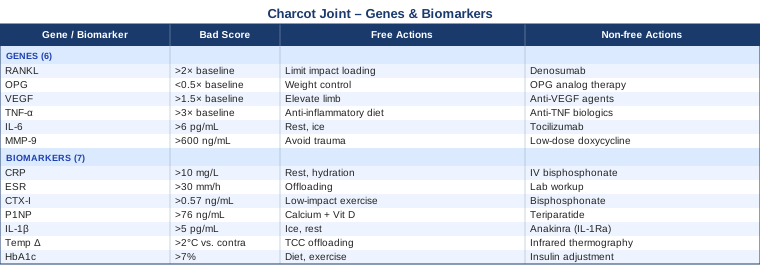
The table below summarizes the six genes and seven biomarkers covered in this article, alongside key action points for each.
10 Insights From "Outlive" by Peter Attia That Apply Directly to Charcot Prevention
Outlive: The Science and Art of Longevity by Peter Attia (2023) does not address Charcot joint specifically, but it is arguably the most practical modern book on using biomarker tracking, exercise science, and metabolic health to change trajectory — which is exactly what Charcot demands. Attia's framework challenges the reactive model of medicine in favor of decades-earlier intervention on the same biological systems discussed above. The ten points below are where "Outlive" overlaps most directly with Charcot prevention.
1. Zone 2 Training Is the Most Important Exercise Modality for Mitochondrial and Metabolic Health
Attia argues — drawing on the research of Iñigo San Millán — that Zone 2 training (low-intensity aerobic exercise where you can hold a conversation but still feel challenged) is the single most important exercise modality for improving mitochondrial density and insulin sensitivity. For Charcot patients managing diabetes, this directly targets the metabolic driver of neuropathy. Target: five to six hours of Zone 2 per week.
2. HbA1c Tells You Too Little; a CGM Tells You Much More
Attia frequently recommends two to four weeks of continuous glucose monitoring even for non-diabetics as a precision tool to understand individual glycemic responses. For someone managing diabetes and Charcot risk, seeing the exact glucose spikes from specific foods, the stabilizing effect of a ten-minute walk after meals, and the impact of sleep quality on morning glucose provides data that HbA1c simply cannot supply.
3. ApoB — Not LDL — Is the Cardiovascular Marker Worth Tracking
Attia and lipidologist Thomas Dayspring consistently argue that ApoB is more accurate than LDL for cardiovascular risk. This matters for Charcot patients because cardiovascular disease co-occurs heavily with diabetes and peripheral arterial disease, which worsens the neuropathic and vascular foundations of Charcot. ApoB testing costs approximately $30–50 and is widely available.
4. VO2 Max Is the Strongest Single Predictor of All-Cause Mortality
Attia cites data showing that the mortality difference between the bottom and top quartile for VO2 max exceeds the mortality risk associated with smoking or diabetes individually. For Charcot patients, improving VO2 max through safe aerobic training reduces overall biological age and the metabolic drivers of neuropathy simultaneously.
5. Protein Intake Is Systematically Underconsumed by Most People
Attia advocates for 1.6 g of protein per kilogram of ideal body weight per day — significantly above the RDA — to preserve muscle mass and bone density. Skeletal muscle is the largest insulin-sensitive tissue in the body; preserving it through adequate protein and resistance training is one of the most important long-term strategies for glucose regulation and bone protection directly relevant to Charcot.
6. Strength Training Is Non-Negotiable Even When High-Impact Exercise Is Restricted
For Charcot patients who must avoid loading the affected foot, Attia's framework emphasizes that upper body and seated resistance training still provide systemic benefits: improved glucose metabolism, preserved bone density system-wide, and maintained muscle mass. The key is identifying what loading is safe, not defaulting to avoiding loading entirely.
7. Sleep Is a Pillar, Not a Variable
Attia presents sleep deprivation as one of the strongest drivers of insulin resistance, inflammation, and cognitive decline. Seven to nine hours of quality sleep — in a cool, dark room at a consistent time — is non-negotiable for metabolic health. Given that poor sleep raises both hsCRP and IL-6, this directly addresses two of the seven biomarkers discussed above.
8. Visceral Fat, Not BMI, Is the Metabolic Enemy
Attia distinguishes between subcutaneous and visceral fat, arguing that DEXA scans and waist-to-hip ratios reveal more about metabolic risk than weight or BMI. Visceral fat produces pro-inflammatory cytokines including TNF-alpha and IL-6 — directly worsening the inflammatory environment relevant to Charcot.
9. Alcohol Has No Safe Dose for Metabolic or Brain Health
Attia's position — challenging the widespread "moderate drinking is fine" narrative — is that alcohol impairs sleep quality even at one to two drinks, raises liver fat, disrupts glucose regulation, and depletes folate and B vitamins. Given that elevated homocysteine and B12 deficiency are directly relevant to Charcot neuropathy risk, alcohol reduction is a direct intervention rather than a peripheral recommendation.
10. Emotional and Psychological Health Is a Physical Health Variable
Attia devotes significant space to the psychological pillar — arguing that chronic stress drives cortisol, cortisol raises glucose, and chronic stress is among the least-discussed drivers of metabolic disease. For people managing a progressive condition like Charcot, addressing stress and psychological load is not secondary — it is embedded in the metabolic equation.
Complementary Approaches for Charcot Arthropathy and Associated Neuropathy
The approaches below were selected because they have meaningful human clinical evidence in peripheral neuropathy, bone health, pain management, or the metabolic conditions underlying Charcot. None replace medical care or the interventions described above. Each carries realistic expectations about what the current evidence actually supports.
Low-Level Laser Therapy (Photobiomodulation)
Low-level laser therapy (LLLT), also called photobiomodulation, uses low-intensity red and near-infrared light (typically 630–850 nm) to stimulate mitochondrial function, reduce local inflammation, and promote tissue healing. In the context of Charcot, its most direct relevance is to peripheral neuropathy — the foundational vulnerability that makes joints susceptible to Charcot damage. LLLT stimulates cytochrome c oxidase (a key mitochondrial enzyme) in peripheral nerve cells, reduces neuroinflammatory cytokines including IL-6, and has shown improvements in nerve conduction velocity in several clinical trials.
Clinical evidence for LLLT in diabetic peripheral neuropathy has grown over the past decade. A systematic review published in Photomedicine and Laser Surgery (2017, PMID 28350921) found significant improvements in neuropathic pain and sensory nerve function across multiple randomized trials in diabetic neuropathy patients. The protocols most studied involve twice-weekly sessions of red or near-infrared light applied directly to affected lower extremity areas for 10–20 minutes per session.
Home-use photobiomodulation panels (red and near-infrared, 630–850 nm) are available at consumer prices of $200–$800. Apply to the feet and lower legs for 10–20 minutes per session, two to four times per week. Avoid using over active, open Charcot ulcerations without medical clearance. Evidence in Charcot specifically (as opposed to diabetic neuropathy generally) is limited; LLLT is best understood as a supportive tool for the neuropathic component, not a primary treatment for joint destruction.
Tai Chi
Tai chi is a form of slow, deliberate movement practice combining postural control, weight shifting, and proprioceptive training in a low-impact format. For people with peripheral neuropathy at risk of Charcot, its relevance is highly specific: neuropathy impairs proprioception — the sense of joint position and body orientation — which increases fall risk and places mechanical stress on joints that cannot adequately sense or protect themselves. Tai chi directly addresses proprioceptive training in a format that does not require high-impact loading, making it one of the few exercise modalities accessible during Charcot recovery.
Multiple randomized trials and systematic reviews support tai chi for fall prevention and proprioceptive improvement in older adults and people with peripheral neuropathy. A Cochrane-referenced meta-analysis found that tai chi reduces fall risk by 19–45% in high-risk populations, with effects particularly pronounced in individuals with balance deficits from neurological causes. For people with diabetic neuropathy — the primary Charcot precursor — the proprioceptive benefits are directly relevant to reducing the undetected micro-trauma that can trigger acute Charcot episodes.
Begin with a beginner tai chi class or video-based program (Yang style is the most widely taught and studied). Practice three to five times weekly for 20–30 minutes per session. Ensure footwear is stable and the practice space is clear of obstacles. In the presence of active Charcot, consult a podiatrist before beginning any standing weight-bearing practice — supervised seated modifications are appropriate during the acute phase.
Mindfulness-Based Stress Reduction (MBSR)
Mindfulness-Based Stress Reduction (MBSR), the eight-week structured program developed by Jon Kabat-Zinn, combines body scan meditation, gentle movement, and breath-awareness practices. For Charcot patients, its relevance spans two domains: first, the management of chronic pain and the psychological burden of living with a progressive, poorly understood condition; second, the physiological anti-inflammatory and metabolic effects of sustained stress reduction. Chronic psychological stress raises cortisol, which in turn elevates blood glucose — directly relevant for managing diabetes as Charcot's metabolic foundation.
MBSR has among the strongest evidence bases of any mind-body intervention for chronic pain management. Research consistently shows that MBSR produces clinically meaningful reductions in pain intensity and disability in chronic pain populations, with demonstrated effects on inflammatory biomarkers including CRP and IL-6. The biological mechanisms involve downregulation of the HPA axis stress response — which, when chronically activated, raises cortisol and glucose, worsening both glycemic control and systemic inflammation simultaneously.
The formal MBSR program runs eight weeks with weekly group sessions plus a day-long retreat. Free or low-cost MBSR programs are available online through resources such as the Mindful Awareness Research Center at UCLA (marc.ucla.edu). Even informal practice — 15–20 minutes daily of body-scan or breath-awareness meditation — is sufficient for most of the documented benefits. Starting with five minutes per day and building gradually is more sustainable than beginning with an ambitious schedule that proves unsustainable.
Biofeedback
Biofeedback is a technique that uses real-time physiological monitoring to train individuals to consciously regulate autonomic functions — heart rate variability (HRV), skin temperature, and muscle tension. For Charcot patients, biofeedback has specific relevance in two areas: managing neuropathic pain through autonomic modulation, and improving peripheral blood flow by training vascular relaxation. Both targets address features of the neuropathic and vascular environment underlying Charcot.
Thermal biofeedback — training the ability to voluntarily warm the extremities by relaxing peripheral vasculature — has specific evidence in peripheral vascular and neuropathic conditions. Research in people with Raynaud's phenomenon and diabetic peripheral neuropathy has demonstrated that regular thermal biofeedback practice can increase peripheral blood flow and reduce pain frequency. HRV biofeedback, which trains coherent breathing to maximize heart rate variability, has shown pain intensity reduction and psychological distress improvement in chronic pain populations in multiple controlled trials.
Formal biofeedback requires six to ten sessions with a certified practitioner (the Association for Applied Psychophysiology and Biofeedback — aapb.org — maintains a practitioner directory). For HRV biofeedback specifically, consumer devices such as the Polar H10 with the Elite HRV app or the Inner Balance device from HeartMath provide accessible lower-cost entry. Practice approximately 20 minutes daily of guided coherent breathing at five to six breath cycles per minute. This technique is safe for all Charcot patients without other contraindications.
Microbiome-Directed Therapies
The gut microbiome influences bone metabolism, inflammatory tone, and metabolic function through multiple pathways — including production of short-chain fatty acids (SCFAs), regulation of inflammatory cytokines, and modulation of the gut-bone axis via OPG signaling. Dysbiosis (microbiome imbalance) is common in people with type 2 diabetes, and emerging evidence suggests that gut bacterial composition influences bone density, osteoclast activity, and systemic inflammatory markers — all directly relevant to Charcot pathophysiology. This is a rapidly developing field with promising but still preliminary human evidence.
Research connecting the gut microbiome to bone metabolism has accelerated significantly over the past decade. Human trials have demonstrated that specific Lactobacillus strains (particularly L. reuteri ATCC PTA 6475) can increase bone mineral density and reduce markers of bone resorption in older populations. In diabetic populations, probiotic interventions have produced significant improvements in HbA1c, fasting glucose, and inflammatory markers — including CRP and IL-6 — in multiple randomized controlled trials. The proposed mechanisms include SCFA-mediated modulation of osteoclast signaling and direct effects on RANKL/OPG balance.
Dietary diversity is the foundation of microbiome health — target 30 or more different plant foods per week, including vegetables, fruits, legumes, nuts, seeds, and whole grains. Fermented foods (kefir, yogurt, sauerkraut, kimchi, tempeh) introduce beneficial bacterial strains directly. Targeted probiotic supplementation with evidence-backed strains (L. acidophilus NCFM, L. reuteri, Bifidobacterium longum) can supplement dietary approaches; look for products with 10–100 billion CFU and independently verified strain identification. Prebiotic fiber (inulin, FOS, resistant starch) feeds the beneficial species most consistently associated with favorable bone and inflammatory outcomes.
Conclusion
Charcot joint is not a condition you can simply wait out. But the biological mechanisms underlying it — dysregulated bone remodeling, chronic inflammation, impaired glucose metabolism, neuropathic vulnerability — are all measurable, and many are meaningfully modifiable. The seven biomarkers and six genes discussed here provide a roadmap for moving from general management toward targeted, individualized action.
Start with the biomarkers most accessible: HbA1c, hsCRP, 25-OH vitamin D, and homocysteine can all be ordered through a standard blood draw at modest cost. If results are unfavorable, the plans outlined above offer specific, evidence-grounded steps — with and without supplements. Add genetic testing as a second layer to understand your individual biological tendencies and calibrate priorities accordingly.
The next smart step is not to act on everything at once. Pick one unfavorable biomarker, one lifestyle intervention, and one habit to build — and begin tracking the change. Then bring your results to a physician or metabolic specialist who can interpret them in the context of your full clinical picture. Better information rarely changes everything immediately, but it reliably changes the quality of the decisions made. That is where it starts.
Musculoskeletal: Bone Conditions Joint Conditions
Neurological: Nerve Conditions
Endocrine & Metabolic: Diabetes & Blood Sugar
Autoimmune: Inflammatory Conditions