This article contains AI generated content.
· UpdatedCharcot-Marie-Tooth Disease: 8 Genes and 6 Biomarkers to Track
Introduction
Living with Charcot-Marie-Tooth disease means navigating a condition that most clinicians see only a handful of times in their careers. The classic advice — physical therapy, orthotics, watch for falls — is not wrong, but it stops well short of what current science now makes possible. If you have spent years being told there is nothing to do beyond managing symptoms, this article is worth reading carefully.
CMT is not one disease. It is a family of more than 100 genetically distinct disorders, each driven by a specific mutation affecting myelin, axons, or mitochondria in peripheral nerves. That distinction matters enormously. Two patients with the same clinical presentation may have completely different genetic root causes and therefore benefit from very different interventions. Generic lifestyle advice rarely accounts for this.
What follows takes a more precise approach. It starts with the genetics — the specific mutations most commonly found in CMT patients — and for each one outlines what goes wrong at the cellular level and what can realistically be done about it, with and without supplements. It then covers the biomarkers that can reveal how aggressively the disease is progressing and which lifestyle or nutritional levers are currently under-optimized. Neither genetics nor biomarkers are crystal balls, but together they provide a much sharper map than symptom tracking alone.
Better information genuinely leads to better decisions. Understanding whether your CMT is driven by PMP22 duplication versus MFN2 mutation versus SH3TC2 changes everything about how you should prioritize mitochondrial support, antioxidant loading, or balance training. The goal here is not to promise a cure but to give you a framework precise enough to be worth acting on.
The Genetics Behind CMT: What Your Mutations Actually Mean
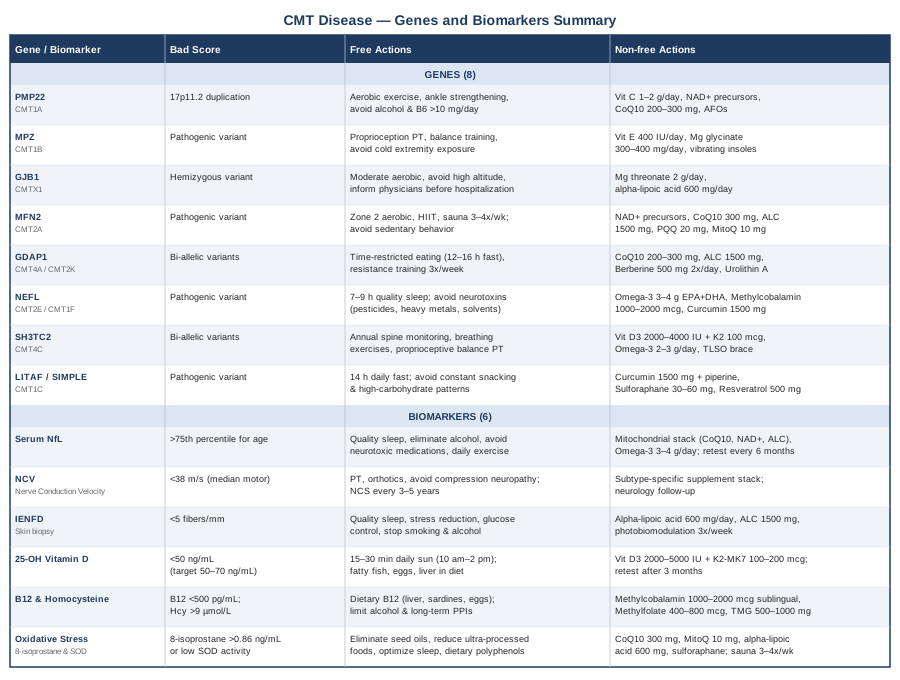
Because CMT is fundamentally a genetic disease, understanding the specific mutation driving your condition is the single most important piece of information you can have. Genetic testing has become more accessible and affordable in the last decade, and a confirmed gene result changes the conversation with your neurologist from reactive to strategic. The eight genes below account for the large majority of diagnosed CMT cases worldwide.
1. PMP22 — Duplication Driving CMT1A
What this gene does: The PMP22 gene encodes peripheral myelin protein 22, a structural component of the myelin sheath that wraps motor and sensory nerves. In most CMT1A cases, the gene is not mutated — it is duplicated. You carry three copies instead of two, producing roughly 50% more protein than normal. This excess disrupts Schwann cell function and leads to abnormal myelin that slows nerve conduction over time.
CMT1A is by far the most common form of CMT, accounting for roughly 60–70% of all CMT1 diagnoses. Onset typically begins in the first or second decade of life with distal muscle weakness, reduced deep tendon reflexes, and the characteristic high-arched foot (pes cavus).
If the gene result is abnormal — plan without supplements: The most consistently supported intervention for PMP22 duplication is moderate aerobic exercise. Studies in mouse models and human observational data suggest that regular exercise slows functional decline by promoting compensatory axonal sprouting and maintaining muscle mass around weakened joints. Cycling or swimming are preferred over running, which places excessive demand on already-compromised foot and ankle mechanics. Aim for 30–45 minutes, 4–5 times per week, at moderate intensity (roughly 60–70% of maximum heart rate). Dedicated ankle strengthening (theraband exercises, calf raises on a step) performed daily helps delay the need for ankle-foot orthoses. Avoid all alcohol (directly neurotoxic), avoid high-dose pyridoxine or vitamin B6 above 10 mg daily (paradoxically causes sensory neuropathy), and confirm with your neurologist before starting any new medications — vincristine, taxanes, and certain fluoroquinolone antibiotics are known to worsen CMT neuropathy.
If the gene result is abnormal — plan with supplements and equipment: Vitamin C (ascorbic acid) was the subject of multiple randomized controlled trials in CMT1A based on the mechanism that ascorbic acid reduces PMP22 expression in Schwann cells. The Phase 2 trial results were promising, but Phase 3 trials at doses of 1.5–4 g/day failed to show clear benefit by their primary endpoints. A cautious trial of 1–2 g/day remains low-risk for most people and may still have some value, particularly in younger patients with active disease. Cycle 3 months on, reassess, 1 month off. Monitor for kidney stone risk if predisposed. NAD+ precursors (NMN 500 mg or NR 300 mg daily) support mitochondrial energy production in Schwann cells, which have high metabolic demands during myelin maintenance — take continuously, reassess every 6 months. Coenzyme Q10 at 200–300 mg with a fat-containing meal provides mitochondrial antioxidant support. Ankle-foot orthoses (AFOs), custom-molded to your gait pattern, are among the highest-impact non-pharmacological tools available and substantially reduce fall risk.
2. MPZ (Myelin Protein Zero) — CMT1B
What this gene does: MPZ encodes myelin protein zero, the most abundant protein in peripheral myelin. Unlike PMP22, MPZ mutations cause disease through either haploinsufficiency (not enough functional protein) or dominant-negative effects (the mutant protein actively poisons normal myelin assembly). This distinction matters clinically: dominant-negative MPZ mutations often cause a more severe, early-onset neuropathy compared to CMT1A.
If the gene result is abnormal — plan without supplements: Physical therapy with a focus on proprioception is especially important here because MPZ mutations frequently impair large-fiber sensory function, degrading the body's positional awareness more than pure motor function. Balance board training, tandem walking exercises, and sensory substitution techniques (using vision to compensate for reduced proprioception) should be performed daily in short 15-minute sessions. Avoid extreme cold exposure to the extremities, as demyelinating neuropathies are disproportionately worsened by cold.
If the gene result is abnormal — plan with supplements and equipment: Vitamin E (mixed tocopherols, 400 IU/day) provides membrane-level antioxidant protection in Schwann cells. Take continuously with fat, reassess annually. Magnesium glycinate at 300–400 mg before bed supports peripheral nerve excitability and sleep quality, both relevant for neuropathic symptom management. Vibrating insoles or sensory stimulation devices that augment plantar feedback have shown promise in small studies on sensory neuropathy and are worth considering if proprioceptive loss is a major symptom.
3. GJB1 (Connexin 32) — CMTX1
What this gene does: GJB1 encodes connexin 32, a gap junction protein that allows the inner and outer loops of Schwann cell myelin to communicate. Without functional Cx32, Schwann cells cannot properly maintain myelin integrity or respond to signals from the axon. CMTX1 is X-linked, meaning males are typically more severely affected while female carriers show mild or variable symptoms. Importantly, some CMTX1 patients experience transient episodes of CNS dysfunction (confusion, weakness) during metabolic stress such as fever or altitude changes — a feature unique to this subtype.
If the gene result is abnormal — plan without supplements: Aerobic conditioning remains important, but moderate intensity is critical — avoid high-altitude environments and extreme metabolic stress that can trigger transient CNS episodes in susceptible individuals. Inform treating physicians about CMTX1 before any surgery or hospitalization to ensure appropriate monitoring. Track any episodes of acute neurological changes and report them to a neurologist experienced in CMT.
If the gene result is abnormal — plan with supplements and equipment: Magnesium threonate (2 g/day) crosses the blood-brain barrier more effectively than other forms and may support CNS gap junction function. Cycle 3 months on, 1 month off; generally well-tolerated. Alpha-lipoic acid at 600 mg/day acts as a mitochondrial antioxidant and has been used in other demyelinating neuropathies; evidence is extrapolated, not CMT-specific, but the risk profile is low. Avoid supplements containing more than 10 mg of B6 per serving — this warning applies across all CMT subtypes but is worth reinforcing here.
4. MFN2 (Mitofusin 2) — CMT2A
What this gene does: MFN2 encodes mitofusin 2, a protein anchored to the outer mitochondrial membrane that governs mitochondrial fusion. Healthy mitochondria constantly fuse and split to maintain quality control; MFN2 loss disrupts this balance, leading to fragmented, dysfunctional mitochondria particularly in long peripheral axons, which depend entirely on mitochondrial transport over distances up to a meter. CMT2A is the most common axonal form of CMT and can include optic nerve involvement in some variants.
If the gene result is abnormal — plan without supplements: Mitochondrial biogenesis — the process of building new, healthy mitochondria — is powerfully stimulated by exercise, particularly intervals. Zone 2 aerobic exercise (conversational pace, 45 minutes, 4–5x per week) trains mitochondrial efficiency. Weekly high-intensity interval training (HIIT) sessions of short duration (4–8 one-minute intervals) trigger PGC-1α, the master regulator of mitochondrial biogenesis. Heat stress from sauna (15–20 minutes at 80°C, 3–4x per week) also activates heat shock proteins that support mitochondrial quality control. Sedentary behavior is particularly harmful in CMT2A because it accelerates mitochondrial fragmentation in axons.
If the gene result is abnormal — plan with supplements and equipment: This is the subtype most likely to benefit from mitochondria-targeted supplementation. NAD+ precursors (NMN 500–1000 mg or NR 500 mg) activate sirtuins, which deacetylate and activate MFN2 — a mechanistically direct target. Take daily in the morning; cycle 3 months on, 1 month off. CoQ10 (300 mg with fat) is essential for mitochondrial electron transport chain function; daily use is appropriate and well-tolerated. Acetyl-L-carnitine (1500 mg/day in divided doses) facilitates fatty acid entry into mitochondria and has human trial data supporting its use in peripheral axonal neuropathy. Pyrroloquinoline quinone (PQQ, 20 mg/day) stimulates mitochondrial biogenesis through a PGC-1α pathway distinct from exercise — combine with CoQ10 for synergistic effect. MitoQ (10 mg/day) is a mitochondria-targeted antioxidant with better mitochondrial uptake than standard CoQ10; more expensive but mechanistically compelling for CMT2A.
5. GDAP1 — CMT4A and CMT2K
What this gene does: GDAP1 encodes ganglioside-induced differentiation protein 1, which localizes to the outer mitochondrial membrane and regulates mitochondrial fission. Autosomal recessive mutations cause either the demyelinating CMT4A or the axonal CMT2K form depending on the nature of the specific variant. Like MFN2, the disease mechanism is mitochondrial — but here the problem is excessive fusion and impaired removal of damaged mitochondria rather than impaired fusion per se.
If the gene result is abnormal — plan without supplements: Encourage mitophagy — the cellular process of clearing damaged mitochondria — through periodic fasting. A 12–16 hour daily fasting window (time-restricted eating) activates autophagy pathways and helps clear dysfunctional mitochondria. Resistance training is important alongside aerobic exercise for GDAP1 mutations, because maintaining muscle mass reduces the metabolic burden on weakened nerve-muscle connections. Three sessions per week at moderate loads (compound movements: squats, rows, presses adapted for foot/ankle weakness) is appropriate.
If the gene result is abnormal — plan with supplements and equipment: CoQ10 (200–300 mg/day), acetyl-L-carnitine (1500 mg/day), and a mitochondria-targeted antioxidant form an appropriate stack. Berberine (500 mg twice daily with meals) activates AMPK and supports mitophagy — relevant for GDAP1-driven mitochondrial accumulation defects. Cycle 8 weeks on, 2 weeks off. Monitor for GI intolerance and mild hypoglycemia. Urolithin A (500–1000 mg/day), produced by gut bacteria from pomegranate metabolites, directly stimulates mitophagy and is now available as a supplement; early human trials have shown safety and mitophagy activation in skeletal muscle.
6. NEFL (Neurofilament Light Chain) — CMT2E and CMT1F
What this gene does: NEFL encodes the light subunit of neurofilament, the structural protein that maintains axonal diameter and supports the internal scaffold of long axons. Mutations in NEFL disrupt neurofilament assembly, leading to protein aggregates within axons that impair axonal transport. This is one of the reasons serum NfL (discussed in the biomarkers section) is elevated in active CMT disease — it leaks from damaged axons into the bloodstream. CMT2E and CMT1F are relatively rare but tend to have early childhood onset.
If the gene result is abnormal — plan without supplements: Prioritize sleep quality above almost everything else for NEFL mutations. The glymphatic system — active primarily during slow-wave sleep — clears protein aggregates from the nervous system. Seven to nine hours of quality sleep, dark and cool environment, consistent sleep-wake timing, and avoidance of alcohol and late eating all directly support this process. Exposure to environmental neurotoxins (pesticides, heavy metals, solvents) should be minimized because they further stress axonal transport systems already under strain.
If the gene result is abnormal — plan with supplements and equipment: Omega-3 fatty acids (3–4 g EPA+DHA/day from high-quality fish oil) reduce neuroinflammation and support axonal membrane integrity. Daily use; monitor for blood-thinning effects if on anticoagulants. Methylcobalamin (B12 as methyl form, 1000–2000 mcg/day sublingually) supports neurofilament synthesis and axonal transport. Avoid cyanocobalamin form. Curcumin with piperine (1500 mg curcumin, 10 mg piperine/day) inhibits neurofilament aggregate formation in experimental models through proteasome activation; take with fat for absorption. Cycle 3 months on, 1 month off.
7. SH3TC2 — CMT4C
What this gene does: SH3TC2 is the most common cause of autosomal recessive CMT in European populations. Its protein product localizes to the perinuclear recycling compartment of Schwann cells and is required for proper myelin membrane trafficking. CMT4C has a distinctive clinical profile: in addition to peripheral neuropathy, patients frequently develop scoliosis (spinal curvature) and cranial nerve involvement, making it one of the more multisystem CMT subtypes.
If the gene result is abnormal — plan without supplements: Annual spine monitoring is essential — mild scoliosis can progress silently and requires early orthopedic intervention when detected. Breathing exercises and thoracic mobility work help prevent respiratory compromise in cases with significant scoliosis. Balance training with proprioceptive challenges (single-leg stance on unstable surfaces) should be incorporated three to five times weekly to compensate for combined sensory and motor deficits.
If the gene result is abnormal — plan with supplements and equipment: Vitamin D3 (2000–4000 IU/day with K2, 100 mcg) supports both bone density in scoliosis-prone patients and has emerging evidence for Schwann cell function and myelin gene regulation. Target serum 25-OH vitamin D of 50–70 ng/mL; test every 6 months. Omega-3 (2–3 g EPA+DHA/day) addresses neuroinflammation. A custom thoracolumbar orthosis (TLSO brace) fitted by an orthotist is appropriate if scoliosis exceeds 20 degrees Cobb angle — this is the clearest equipment-based intervention for CMT4C.
8. LITAF/SIMPLE — CMT1C
What this gene does: LITAF (lipopolysaccharide-induced TNF-alpha factor, also known as SIMPLE) encodes a protein involved in endosomal sorting and the ubiquitin-proteasome degradation pathway in Schwann cells. Mutations disrupt the cell's ability to break down damaged proteins, leading to intracellular protein accumulation that impairs myelin maintenance. CMT1C is clinically similar to CMT1A but genetically distinct and less common.
If the gene result is abnormal — plan without supplements: Caloric restriction and intermittent fasting activate autophagy and the ubiquitin-proteasome system, which are directly relevant to LITAF dysfunction. A 14-hour daily fast provides meaningful autophagy activation without the risks of more aggressive protocols. Avoid dietary patterns that chronically suppress autophagy: constant snacking, high-carbohydrate diets with persistent insulin elevation.
If the gene result is abnormal — plan with supplements and equipment: Curcumin (1500 mg/day with piperine and fat) activates proteasome function and reduces accumulation of ubiquitinated protein aggregates in cell models. Cycle 3 months on, 1 month off. Sulforaphane from broccoli sprout extract (30–60 mg/day) activates Nrf2, which upregulates proteasome activity and antioxidant defenses in Schwann cells. Daily use; well-tolerated. Resveratrol (500 mg/day with fat) supports sirtuin-mediated protein quality control pathways. Avoid taking alongside anticoagulants without physician oversight.
6 Biomarkers Worth Tracking in Charcot-Marie-Tooth Disease
Genetic results tell you the root cause; biomarkers tell you the current state of the disease and whether your interventions are working. Most CMT patients are never offered comprehensive biomarker testing, but the following six measures can together reveal nerve damage activity, nutritional status, and oxidative stress load — all of which are modifiable.
1. Serum Neurofilament Light Chain (NfL)
Why it matters: NfL is a structural protein released into the bloodstream when axons are actively damaged. In CMT, particularly axonal subtypes like CMT2A (MFN2), elevated serum NfL signals ongoing nerve fiber loss. Longitudinal NfL tracking is emerging as the most sensitive blood biomarker available for monitoring disease progression and treatment response in CMT.
How to measure it: Serum NfL is measured via a high-sensitivity immunoassay (Simoa or electrochemiluminescence platforms). It is available through specialty neurological biomarker labs and increasingly through academic medical centers. Cost ranges from $150–$400 depending on the laboratory. Levels are age-dependent; optimal ranges are still being established for CMT specifically, but values above the 75th percentile for age-matched controls suggest active axonal injury.
If the score is elevated — plan without supplements: The most impactful free interventions are those that reduce axonal stress: consistent quality sleep (supports glymphatic clearance and axonal repair), elimination of alcohol, avoidance of known neurotoxic medications, and daily moderate exercise adapted to functional capacity.
If the score is elevated — plan with supplements and equipment: For axonal CMT subtypes, the mitochondrial stack described under MFN2 (CoQ10, NAD+ precursors, acetyl-L-carnitine) is most directly targeted. Omega-3 supplementation at 3–4 g/day reduces neuroinflammatory signaling that contributes to ongoing axonal loss. Re-test NfL every 6 months to assess trajectory.
2. Nerve Conduction Velocity (NCV)
Why it matters: Nerve conduction studies (NCS) remain the gold standard for characterizing CMT type and tracking disease stage. In demyelinating CMT (CMT1), median motor NCV below 38 m/s is a diagnostic criterion. Serial NCV testing every 3–5 years allows detection of meaningful changes. Interestingly, NCV tends to stabilize in CMT1A after adolescence, making it a less sensitive change biomarker than NfL in adults, but it remains essential for diagnosis and subtype classification.
How to measure it: Performed by a neurologist or neurophysiologist using surface electrodes. Cost ranges from $300–$700 and is typically covered by insurance with a neurological referral. Both motor and sensory studies should be performed; sural nerve sensory response is often absent even in mild cases.
If the score is declining: NCV cannot be meaningfully improved in established CMT, but rate of change matters. The plan without supplements focuses on protecting functional reserve: aggressive physical therapy, orthotics, and avoidance of compressive neuropathy (crossing legs, prolonged kneeling). With supplements: the PMP22-targeted or axonal-targeted stack depending on genetic subtype.
3. Intraepidermal Nerve Fiber Density (IENFD)
Why it matters: IENFD measures the density of small unmyelinated nerve fibers in the skin — the very fibers responsible for pain, temperature sensation, and autonomic function. In CMT, particularly axonal subtypes, IENFD correlates with small fiber involvement and quality-of-life impact. It can detect subtle disease progression before it appears on conventional NCS, which only measures large fiber function.
How to measure it: A 3-mm skin punch biopsy, typically from the lateral calf, is sent for immunofluorescence analysis. Available at specialty neurology centers and academic hospitals. Cost ranges from $400–$900; insurance coverage varies. Normal IENFD in adults is roughly 8–12 fibers/mm; values below 5 fibers/mm indicate significant small fiber loss.
If the score is low — plan without supplements: Small fiber regeneration is slow but measurable over 6–12 months with optimal management. Sleep quality, stress reduction, and glucose control (avoid glycemic spikes) all protect small fiber density. Smoking cessation and alcohol elimination show the clearest benefit in most neuropathy research.
If the score is low — plan with supplements and equipment: Alpha-lipoic acid (600 mg/day) has the strongest human evidence for small fiber neuropathy improvement, with multiple randomized trials showing IENFD recovery over 12 months in diabetic neuropathy. While evidence in CMT specifically is extrapolated, the mechanism (antioxidant protection of small fibers) is directly relevant. Acetyl-L-carnitine (1500 mg/day) supports small fiber repair. Infrared photobiomodulation devices applied to the feet and calves 3x weekly have shown IENFD improvement in small studies (see complementary section).
4. Serum 25-OH Vitamin D
Why it matters: Vitamin D receptors are expressed throughout the peripheral nervous system, and deficiency directly impairs Schwann cell function, myelin gene expression, and nerve growth factor signaling. CMT patients are at elevated risk of deficiency due to reduced outdoor mobility and, in SH3TC2/CMT4C patients, scoliosis-related respiratory compromise limiting sun exposure. Multiple studies in peripheral neuropathy populations show inverse correlations between vitamin D levels and neuropathy severity.
How to measure it: Standard blood test, typically $30–$80. Optimal range for neurological health is 50–70 ng/mL (125–175 nmol/L) — higher than the floor conventionally called "sufficient" (20 ng/mL). Test twice yearly.
If the score is low — plan without supplements: Daily outdoor sun exposure of 15–30 minutes between 10 am and 2 pm on large skin surface areas (arms and legs) produces 1000–3000 IU/day in most climates. Dietary sources (fatty fish, eggs, liver) contribute modestly.
If the score is low — plan with supplements and equipment: Vitamin D3 (2000–5000 IU/day with 100–200 mcg K2-MK7) is the standard correction protocol. Retest after 3 months and adjust dose to achieve 50–70 ng/mL. D3 with K2 ensures calcium is directed to bone rather than arteries. At high doses (>5000 IU/day), monitor serum calcium. This is among the lowest-risk, highest-benefit interventions for CMT patients across subtypes.
5. Serum B12 and Homocysteine
Why it matters: Vitamin B12 is essential for myelin synthesis and axonal integrity. Deficiency can cause a neuropathy that is clinically indistinguishable from CMT and, when superimposed on CMT, can dramatically accelerate functional decline. Homocysteine is an inflammatory amino acid that rises when B12, B9 (folate), and B6 metabolism are suboptimal; elevated homocysteine is independently toxic to peripheral nerves and small vessels. Testing both together gives a complete picture of this pathway.
How to measure it: Standard blood panel, typically $30–$60 combined. Optimal B12: 500–1000 pg/mL (many labs flag 200 pg/mL as "normal" — far too low for a CMT patient). Optimal homocysteine: below 9 µmol/L. Note: conventional B6 supplementation above 10 mg/day is contraindicated in CMT even though it lowers homocysteine, because excess pyridoxine causes its own sensory neuropathy. Use B12 and methylfolate to address elevated homocysteine instead.
If the score is suboptimal — plan without supplements: Prioritize dietary B12 (sardines, liver, eggs, meat) and folate (leafy greens). Minimize alcohol, which depletes both. Avoid proton pump inhibitors long-term if possible — they impair B12 absorption significantly.
If the score is suboptimal — plan with supplements and equipment: Methylcobalamin B12 (1000–2000 mcg/day sublingual) is the preferred form — more bioavailable and neurologically active than cyanocobalamin. If homocysteine is elevated, add methylfolate (400–800 mcg/day). Trimethylglycine (betaine, 500–1000 mg/day) lowers homocysteine through an independent pathway and is well-tolerated.
6. Oxidative Stress Markers (8-isoprostane, Superoxide Dismutase)
Why it matters: Mitochondrial dysfunction — central to CMT2A, GDAP1, and to some degree all CMT subtypes — generates excess reactive oxygen species that damage myelin and axons. Measuring oxidative stress directly through plasma 8-isoprostane (a lipid peroxidation marker) or erythrocyte superoxide dismutase (SOD) activity gives a functional readout of antioxidant capacity versus oxidative load. These markers are less commonly ordered but are highly relevant for CMT patients considering antioxidant supplementation strategies.
How to measure it: Plasma 8-isoprostane via ELISA is available through specialty labs (Life Extension, Vibrant America, some academic hospitals): $150–$300. SOD activity is available through similar channels. Elevated 8-isoprostane (above 0.86 ng/mL) or reduced SOD activity below reference suggests meaningful oxidative stress burden.
If the score is suboptimal — plan without supplements: Eliminate processed seed oils (high in omega-6 linoleic acid, which oxidizes readily), reduce ultra-processed food intake, optimize sleep (oxidative stress measurably rises with sleep deprivation), and increase dietary polyphenols (berries, dark chocolate, green tea, extra-virgin olive oil daily).
If the score is suboptimal — plan with supplements and equipment: CoQ10 (200–300 mg/day), MitoQ (10 mg/day), NAD+ precursors, alpha-lipoic acid (600 mg/day), and sulforaphane from broccoli sprouts (30–60 mg/day) form a comprehensive oxidative stress reduction stack. Do not layer all simultaneously — start with CoQ10 and omega-3, then add others over 3–4 months. Retest oxidative markers after 6 months. Sauna (infrared or traditional, 3–4x/week at appropriate intensity) upregulates endogenous antioxidant enzymes, including SOD and glutathione peroxidase.
What Research on Mitochondria and Myelin May Change for CMT Patients
One of the most impactful frameworks for CMT patients that rarely makes it into the clinic is the Wahls Protocol, developed by Dr. Terry Wahls — a physician with progressive multiple sclerosis who used a targeted nutritional approach to recover significant function, documented in peer-reviewed literature. While the condition studied is MS rather than CMT, the mechanistic overlap is substantial: both involve myelin compromise, mitochondrial energy failure in nerve cells, and inflammatory damage to the nervous system. The principles translate with precision.
Here are the ten most impactful findings from this framework that are directly relevant to CMT management:
1. Mitochondria Fail First
Before axons die in hereditary neuropathies, their mitochondria fail. The cell body of a long motor neuron must fuel an axon stretching up to a meter, and that demands extraordinary mitochondrial density and efficiency. This is not a metaphor — mitochondria are the proximate cause of nerve fiber retraction in conditions like CMT2A (MFN2 mutation), and addressing mitochondrial function is a legitimate therapeutic target, not an afterthought.
2. Nine Cups of Vegetables and Fruits Per Day — Specifically Targeted
Wahls recommends three cups each of leafy greens (kale, chard, spinach), sulfur-rich vegetables (cabbage, onion, garlic, broccoli), and deeply colored fruits/vegetables (beets, berries, peppers). This specific composition provides the B vitamins, iodine, sulfur compounds, and antioxidant polyphenols that myelin and mitochondria require — not as a supplement but as a food matrix that achieves better bioavailability.
3. Sulfur Metabolism Is Central to Myelin Health
Sulfur-containing amino acids (methionine, cysteine) and glutathione are required for myelin synthesis and antioxidant defense in Schwann cells. Most CMT patients are not eating anywhere near enough sulfur-rich vegetables. Garlic, onion, leeks, cabbage, broccoli — these should be daily staples, not occasional additions.
4. Omega-3 to Omega-6 Ratio Determines Neuroinflammatory Tone
The modern Western diet runs a roughly 15:1 omega-6 to omega-3 ratio. Optimal neurological function requires approximately 4:1 or lower. CMT patients eating a standard diet are running a neuroinflammatory baseline that compounds genetic nerve damage. Eliminating seed oils and supplementing EPA+DHA at 3–4 g/day can shift this ratio measurably within 12 weeks.
5. Iodine and Selenium Are Required for Myelin Gene Expression
Thyroid hormones — dependent on iodine and selenium — directly regulate myelin basic protein gene expression. Subclinical hypothyroidism (common and underdiagnosed) can functionally worsen demyelinating neuropathy. CMT patients should have comprehensive thyroid panels (TSH, free T3, free T4, reverse T3) alongside their standard workup.
6. B Vitamins as Cofactors, Not Supplements
The entire electron transport chain in mitochondria runs on B vitamin-dependent coenzymes (thiamine, riboflavin, niacin). B12 and folate are required for myelin synthesis. Rather than relying on isolated supplements, obtaining these through food (liver once weekly, eggs daily, leafy greens, seafood) creates the full cofactor matrix that supplements alone cannot replicate. The exception: methylcobalamin supplementation remains appropriate given the difficulty of meeting therapeutic levels through diet alone.
7. Eliminating Gluten and Dairy Reduces Neurological Antibody Load
In a subset of patients with neuropathy (including CMT overlap phenotypes), dietary proteins from gluten and dairy trigger antigliadin or antimyelin antibodies. Wahls' protocol removes both for 3 months as a diagnostic-therapeutic trial. This is not a universal recommendation but is worth a structured elimination trial if inflammatory markers are elevated or if disease severity is disproportionate to genetic findings.
8. Protein Quality Determines Axonal Repair Capacity
Long axons need continuous cytoskeletal protein synthesis. Adequate protein at 1.6–2.2 g/kg body weight daily, emphasizing complete amino acid profiles (animal protein, egg, or complementary plant combinations), directly supports the raw material for neurofilament production. Protein deficiency is surprisingly common in CMT patients who have lost appetite due to fatigue or reduced activity.
9. Exercise Activates BDNF — the Most Powerful Nerve Growth Factor Available Without Prescription
Brain-derived neurotrophic factor (BDNF) promotes survival and regeneration of peripheral motor neurons and Schwann cells. It is dose-dependently elevated by aerobic exercise, with the strongest effect from moderate-intensity exercise sustained for more than 20 minutes. For CMT patients, a daily 30-minute walk or equivalent is not just physical therapy — it is the most consistent BDNF stimulus available without a prescription.
10. Sleep Is When Myelin Repair Happens — Protect It Structurally
The glymphatic system active during slow-wave sleep clears protein aggregates from axons and the CNS. Myelin turnover and repair processes are concentrated in the sleep period. CMT patients who sleep poorly are not simply more fatigued — they are actively losing the most efficient myelin repair window available. Sleep hygiene is therefore a tier-one intervention, not a soft lifestyle recommendation.
Complementary Approaches With Evidence Behind Them
Several non-pharmacological modalities have meaningful human evidence supporting their use in CMT or closely related peripheral neuropathy populations. The three below have the clearest rationale and the best-supported protocols.
Biofeedback and Balance Training
Balance impairment is among the most disabling aspects of CMT, driven by proprioceptive loss and distal muscle weakness. Biofeedback uses real-time sensory signals — visual, auditory, or vibrotactile — to provide CMT patients with the positional information their damaged sensory fibers can no longer deliver reliably. This substitution allows the brain to learn compensatory balance strategies even when peripheral afferent input is reduced.
A randomized controlled trial published in Gait and Posture found that balance biofeedback training in hereditary peripheral neuropathy patients produced significant improvements in postural stability measures and reduced sway velocity compared to conventional physiotherapy alone. The protocol involved augmented somatosensory feedback delivered through vibrotactile signals to the trunk during standing and walking tasks over 6 weeks.
For CMT patients, biofeedback balance training is most practical as part of a structured physiotherapy program or via commercially available balance platforms with visual feedback (Nintendo Wii Balance Board, Biodex Balance System). Three sessions per week of 20–30 minutes over 8–12 weeks represents a reasonable starting protocol. Progress to single-leg and eyes-closed challenges as tolerance allows. The limitation is that gains require ongoing practice to maintain — treat it as a lifelong exercise modality, not a course of treatment.
Tai Chi
Tai chi combines slow, controlled movement with continuous weight shifting and postural adjustment — precisely the demands that challenge and train the balance systems most compromised in CMT. Its low-impact nature makes it accessible even when foot drop or distal weakness limits other exercise options. Importantly, tai chi emphasizes whole-body coordination and visual-vestibular integration, both of which compensate for reduced proprioceptive feedback from the feet.
A randomized controlled trial in patients with peripheral neuropathy (including hereditary subtypes) found that 12 weeks of Yang-style tai chi (three 45-minute sessions per week) produced significant improvements in Berg Balance Scale scores, timed up-and-go performance, and self-reported balance confidence compared to a control group. Falls frequency was also reduced in the tai chi group over the follow-up period. The effect sizes were moderate but clinically meaningful for a population at high fall risk.
For CMT patients, beginners should start with seated tai chi or modified standing forms that allow support from a chair or wall until baseline confidence is established. A structured group class (8–16 weeks) provides the benefit of instructor correction, which is important for learning proper weight-shifting mechanics. Ongoing practice of 20–30 minutes daily maintains the gains; intermittent practice loses them. Evidence is most consistent for CMT1 subtypes with significant sensory involvement but is reasonably generalizable.
Photobiomodulation (Low-Level Laser Therapy)
Photobiomodulation (PBM) uses red and near-infrared light (wavelengths 600–1100 nm) to stimulate mitochondrial cytochrome c oxidase, increase ATP production, reduce oxidative stress, and promote nerve growth factor signaling. For peripheral neuropathy, the most relevant proposed mechanisms are improved axonal mitochondrial function, anti-inflammatory effects in Schwann cells, and stimulation of nerve fiber regeneration. Given the mitochondrial dysfunction central to multiple CMT subtypes, PBM has a mechanistically direct rationale.
A systematic review and meta-analysis examining photobiomodulation for peripheral neuropathy (including diabetic and idiopathic subtypes) found that transcutaneous PBM significantly improved intraepidermal nerve fiber density, pain scores, and vibration detection thresholds compared to sham treatment. While CMT-specific trials are limited, the nerve regeneration mechanism is not diagnosis-dependent — it operates at the level of axonal mitochondria and Schwann cell biology.
For CMT patients, a practical protocol involves applying a near-infrared device (wavelength 810–850 nm, continuous wave or pulsed) to the dorsal and plantar feet and lower calves, 10–15 minutes per site, three to four times per week. Consumer-grade FDA-cleared PBM devices for home use range from $150–$600 and deliver therapeutic power densities when used at close contact. Evidence is strongest for small fiber loss (IENFD) rather than large fiber NCV changes. Expect to assess effect after 3 months of consistent use, ideally with repeat IENFD testing if baseline biopsy was performed. PBM has an excellent safety profile and no known interactions with CMT-relevant medications.
Conclusion
Charcot-Marie-Tooth disease is genetically complex but not analytically impenetrable. Knowing which of the eight major genes is involved changes the logic of every intervention — from how you exercise and what you eat, to which supplements have mechanistic relevance versus which are noise. Tracking the six biomarkers described here provides ongoing feedback on whether nerve damage is active, whether nutritional gaps exist, and whether the interventions you have chosen are actually shifting the needle.
The clearest next step is genetic testing if you have not yet had it, and a baseline panel of serum NfL, vitamin D, and B12/homocysteine if you have. These are low-cost, high-information actions that put you in a much stronger position for every conversation with your neurologist. Pair those results with the lifestyle and supplementation framework outlined here, and work through changes deliberately rather than all at once. Better information, applied consistently, remains the most dependable path forward.
Musculoskeletal: Muscle Conditions Spine Conditions
Neurological: Nerve Conditions Movement Disorders