This article contains AI generated content.
· UpdatedChikungunya Arthritis: 5 Genes And 7 Biomarkers To Track
Introduction
Chikungunya infection tends to begin with a predictable script: sudden fever, intense joint pain, and the assumption that things will resolve in a few weeks. For many people, they do. But for a substantial portion — clinical studies suggest somewhere between 12% and 49% of those infected — joint pain persists for months or years after the virus has cleared. If you are reading this, you are probably not in the group that recovered quickly and moved on.
The frustrating reality is that two people with the same diagnosis, the same treatment protocol, and the same advice from the same rheumatologist can have completely different trajectories. One person is back to normal in eight weeks. Another is still managing wrist swelling, morning stiffness, and ankle pain at the two-year mark. That gap is not a mystery of bad luck. It reflects measurable biological differences — in inflammatory signaling, immune memory, joint tissue vulnerability, and genetic architecture.
Generic lifestyle recommendations — rest, eat well, reduce stress — are not wrong. They are just insufficient when the underlying biology is doing something specific. Knowing which cytokines are still elevated, whether your immune system carries certain gene variants that amplify inflammatory responses, and how far your inflammatory markers have moved from baseline gives you a real framework for decision-making rather than a general wish list.
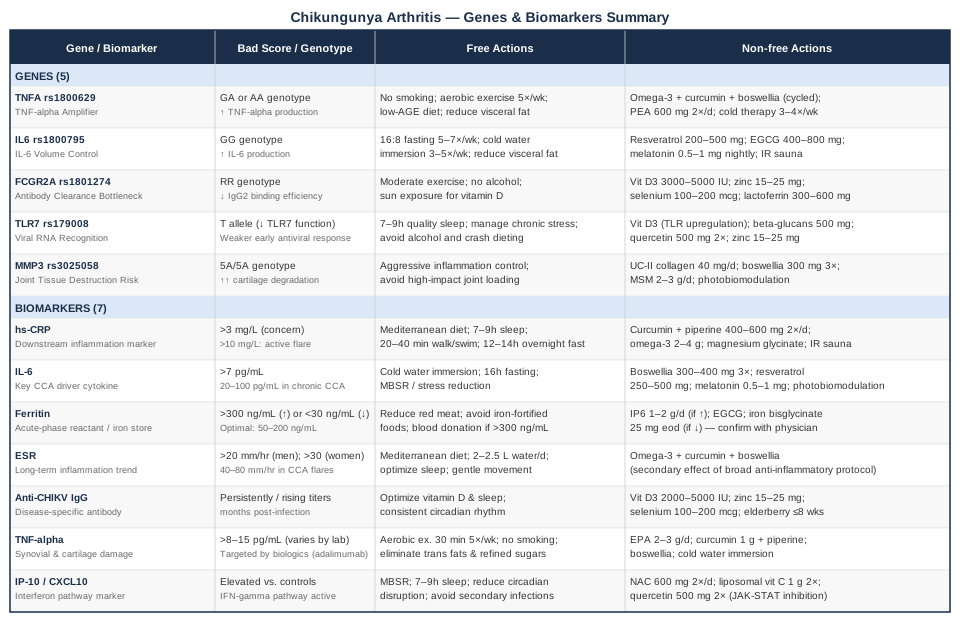
This article maps two complementary tools for people dealing with chronic chikungunya arthritis. The primary focus is on seven measurable blood biomarkers — each one tied to a specific inflammatory mechanism, trackable with a standard lab draw, and responsive to targeted interventions. A second section covers five gene variants that influence how the immune system handles viral infection and joint inflammation. Between these two lenses, a picture emerges that is far more actionable than the standard wait-and-see approach.
7 Biomarkers to Track for Chikungunya Arthritis
Tracking inflammatory biomarkers in chronic chikungunya arthritis (CCA) serves a different purpose than in the acute phase. During the first week of infection, most values are predictably elevated. What matters for chronic management is which markers remain persistently abnormal — because those are the ones tied to ongoing joint damage and prolonged immune dysregulation. The seven markers below represent the most clinically informative combination, balancing accessibility, cost, and specificity.
1. High-Sensitivity C-Reactive Protein (hs-CRP)
Why it matters: hs-CRP is the most practical starting point for anyone with suspected chronic chikungunya arthritis. Produced in the liver in response to IL-6 and other pro-inflammatory signals, it rises and falls in near-real time with inflammatory activity. In CCA patients, persistently elevated hs-CRP — particularly above 3 mg/L — has been associated with more severe joint involvement and longer disease duration. It also helps distinguish genuine inflammatory flares from mechanical joint discomfort, which matters enormously when deciding whether to escalate treatment.
How to measure it: A standard hs-CRP test is available at nearly every medical laboratory and most direct-to-consumer health platforms. Cost ranges from $15 to $45 depending on whether it is ordered through a physician or directly. Optimal levels are below 1 mg/L. Levels between 1 and 3 mg/L indicate low-grade chronic inflammation. Anything above 3 mg/L warrants attention; levels above 10 mg/L during a CCA flare are common and signal active disease.
If the score is bad — the plan without supplements: The most evidence-supported dietary move is adopting a Mediterranean-style eating pattern — abundant vegetables, oily fish at least three times per week, olive oil as the primary fat, and a sharp reduction in ultra-processed foods and industrial seed oils. Sleep is non-negotiable: CRP consistently rises with short or fragmented sleep, and even one night of poor sleep can push values up measurably. Low-intensity movement — 20 to 40 minutes of walking or swimming daily — reduces basal CRP without stressing acutely inflamed joints. Avoid prolonged sitting. Time-restricted eating (a 12- to 14-hour overnight fast) also shows consistent modest CRP reduction in clinical trials.
If the score is bad — the plan with supplements or equipment: Curcumin with piperine (400–600 mg curcuminoids twice daily) has demonstrated CRP reduction in multiple randomized trials involving inflammatory arthritis. Cycle 8 weeks on, 2 weeks off to avoid tolerance. Omega-3 fatty acids (EPA + DHA combined, 2–4 g/day from fish oil or algae-based sources) reduce CRP through prostaglandin pathway modulation — take with a fatty meal for absorption. Magnesium glycinate (300–400 mg nightly) addresses a common deficiency that compounds inflammation. For equipment, infrared sauna sessions (20 minutes, 3 to 5 times per week) have been shown to reduce CRP in rheumatic conditions, likely through heat shock protein pathways and improved circulation. See curcumin and CRP in arthritis trials on PubMed for supporting research.
2. Interleukin-6 (IL-6)
Why it matters: IL-6 is the cytokine most consistently identified as a driver of chronic chikungunya arthritis. Unlike CRP (which is downstream of IL-6), measuring IL-6 directly tells you about active signaling rather than downstream effects. Studies of CCA patients have found that IL-6 remains elevated at 3, 6, and even 12 months post-infection in a subset of individuals, and that the degree of elevation correlates with joint symptom persistence. IL-6 drives synovial inflammation, promotes osteoclast activity (contributing to bone loss around affected joints), and amplifies the production of other pro-inflammatory mediators including CRP itself.
How to measure it: IL-6 is measured via serum ELISA and is available through most major labs, though it is less routinely ordered than CRP. Cost ranges from $60 to $150 depending on the provider. Normal levels are typically below 7 pg/mL; in chronic inflammatory conditions, values of 20–100 pg/mL are not unusual. Some direct-to-consumer functional medicine labs include IL-6 in broader cytokine panels. Note that IL-6 fluctuates with time of day and recent exercise — draw samples consistently in the morning, fasted, and before physical activity.
If the score is bad — the plan without supplements: Cold water immersion (12–15°C for 10–15 minutes) has shown acute and sustained reduction in circulating IL-6 in exercise science literature, and the mechanism — activation of cold-shock proteins and vagal tone — is biologically plausible in the context of inflammatory arthritis. A cold shower ending (2–3 minutes cold) is a lower-barrier starting point. Caloric restriction and intermittent fasting consistently reduce IL-6 in human studies — an eating window of 8 hours with 16 hours fasting produces measurable effects within 4 weeks. Chronic psychosocial stress is a significant and underappreciated IL-6 driver; evidence-based stress reduction methods (covered later in this article) produce measurable cytokine reductions.
If the score is bad — the plan with supplements or equipment: Boswellia serrata extract (300–400 mg standardized to 60% boswellic acids, three times daily) inhibits 5-lipoxygenase and has IL-6-lowering properties in inflammatory joint disease. Cycle 12 weeks on, 4 weeks off; potential side effects include mild GI discomfort. Resveratrol (250–500 mg/day) reduces NF-κB signaling, which directly downregulates IL-6 transcription. Low-dose melatonin (0.5–1 mg nightly, rather than higher sleep-focused doses) has immunomodulatory effects including IL-6 reduction in inflammatory contexts. Photobiomodulation devices (low-level laser therapy or red/infrared light panels applied to affected joints for 10–20 minutes daily) have shown IL-6 reduction in arthritic tissue in controlled studies — a useful equipment-based option.
3. Ferritin
Why it matters: Ferritin is typically discussed as an iron storage marker, but in the context of chikungunya arthritis, it functions primarily as an acute-phase reactant. During and after CHIKV infection, ferritin can rise dramatically — levels above 500 ng/mL are not uncommon in the acute phase, and persistently elevated ferritin (above 200–300 ng/mL beyond the acute phase) signals ongoing immune activation. Extremely high ferritin levels can also indicate macrophage activation syndrome, a rare but serious complication of viral arthritis. On the other side, ferritin that drops too low (below 30 ng/mL) in the context of chronic inflammation impairs red blood cell production and energy metabolism, contributing to the fatigue that often accompanies CCA.
How to measure it: Ferritin is included in many standard iron panel tests and is inexpensive — typically $20 to $40. Functional optimal ranges differ from standard lab reference ranges: for women, 50–150 ng/mL; for men, 70–200 ng/mL. Values should be interpreted alongside hemoglobin, transferrin saturation, and hs-CRP to distinguish inflammatory elevation from true iron excess. Retest every 3 months during active disease management.
If the score is bad (elevated) — the plan without supplements: If ferritin is elevated primarily due to inflammation (the most common scenario in CCA), addressing the underlying inflammatory drivers — diet, sleep, movement — is the most effective non-supplement path. Avoid iron-fortified foods and cast-iron cookware. Reduce red meat to once per week. If ferritin exceeds 300 ng/mL with no inflammatory explanation, blood donation (which removes approximately 250 mg of iron per donation) is a free, effective, and socially beneficial intervention. Space donations at minimum 8 weeks apart.
If the score is bad — the plan with supplements or equipment: IP6 (inositol hexaphosphate, 1–2 g/day on an empty stomach) acts as a natural iron chelator and can help reduce excess stored iron over several months. Green tea polyphenols (EGCG) also mildly inhibit iron absorption. If ferritin is low (below 30 ng/mL) due to chronic inflammatory iron sequestration, targeted iron supplementation (iron bisglycinate, 25 mg every other day) may be appropriate — every-other-day dosing has better absorption and fewer GI side effects than daily dosing according to recent pharmacokinetic research. Always confirm with a physician before supplementing iron.
4. Erythrocyte Sedimentation Rate (ESR)
Why it matters: ESR is a less specific but highly practical inflammation marker that measures how quickly red blood cells settle in a tube — a process accelerated by elevated plasma proteins including fibrinogen, immunoglobulins, and acute-phase reactants. While ESR is slower to reflect change than hs-CRP and less specific for joint inflammation, it serves a valuable complementary role: it tracks longer-term inflammatory trends over weeks to months rather than day-to-day fluctuations. In CCA monitoring, persistently elevated ESR beyond 3 months post-infection is one of the predictors of progression to chronic joint disease. High ESR combined with high CRP provides stronger signal than either alone.
How to measure it: ESR is one of the cheapest lab tests available — typically $10 to $25 — and is available at any standard lab. Normal values are generally below 20 mm/hr for men under 50 and below 30 mm/hr for women under 50, with age-adjusted reference ranges above 50. In active CCA flares, values of 40–80 mm/hr are commonly reported. Unlike CRP, ESR can stay elevated for weeks after inflammation has subsided; interpret trends rather than single readings.
If the score is bad — the plan without supplements: ESR tracking is most valuable as a directional indicator rather than a target for direct intervention. The same anti-inflammatory lifestyle changes that reduce CRP will lower ESR — Mediterranean diet, sleep optimization, moderate movement, and stress management. Hydration matters here: dehydration increases blood viscosity and artificially elevates ESR. Aim for 2–2.5 liters of water daily. If ESR is elevated alongside normal CRP, consider whether there is a confounding factor such as anemia, kidney dysfunction, or infection.
If the score is bad — the plan with supplements or equipment: No single supplement targets ESR directly. The combination protocol relevant to hs-CRP and IL-6 (omega-3 fatty acids, curcumin, boswellia) will produce ESR improvements as a secondary effect of broad inflammatory reduction. Use ESR primarily as a tracking tool — a declining ESR over 2–3 months of interventions is one of the clearest indicators that the protocol is working.
5. Anti-Chikungunya Virus IgG Antibodies (Anti-CHIKV IgG)
Why it matters: Anti-CHIKV IgG antibodies are disease-specific and serve two critical functions in the CCA workup. First, they confirm CHIKV as the original infectious trigger — important because the joint picture can resemble rheumatoid arthritis, reactive arthritis, or other post-viral arthropathies. Second, and more nuanced, the persistence and titer of IgG antibodies appears to correlate with ongoing immune activity. While IgG typically persists for years after any infection as normal immune memory, abnormally high or rising titers months post-infection may reflect continued immune stimulation — possibly from viral antigen persistence in macrophage reservoirs within joint tissues, a mechanism documented in histopathological studies of CCA.
How to measure it: Anti-CHIKV IgG serology is available through specialty infectious disease labs and some academic medical centers. Cost ranges from $50 to $120. It is less routinely available than standard rheumatological panels, but can be ordered by an infectious disease specialist or rheumatologist. The test is highly specific for CHIKV and does not cross-react meaningfully with other alphaviruses in standard formats. Pair with anti-CCP antibodies and rheumatoid factor to definitively distinguish CCA from early rheumatoid arthritis.
If the score is bad (persistently high) — the plan without supplements: There is no direct intervention to reduce IgG titers through lifestyle alone, nor would that necessarily be desirable. The value here is interpretive: a persistently high anti-CHIKV IgG in the context of ongoing joint symptoms supports the diagnosis of CCA and argues against de novo autoimmune arthritis, which requires different management. The practical plan is to use this information to focus on anti-viral immune regulation — optimizing vitamin D status, sleep, and circadian consistency, all of which support immunological resolution rather than prolonged immune activation.
If the score is bad — the plan with supplements or equipment: Vitamin D3 (2,000–5,000 IU/day, adjusted to achieve serum 25-OH vitamin D levels of 50–80 ng/mL) is consistently associated with better immune regulation and reduced autoimmune activity — the mechanism involves upregulation of regulatory T cells that dampen excessive immune responses. Zinc (15–25 mg/day as zinc bisglycinate or picolinate) and selenium (100–200 mcg/day as selenomethionine) support adaptive immune resolution. Elderberry extract, which has antiviral properties, is sometimes used, though specific CCA evidence is lacking — use cautiously and no longer than 8 weeks given its immune-stimulating properties.
6. TNF-alpha (Tumor Necrosis Factor-Alpha)
Why it matters: TNF-alpha is one of the most studied cytokines in rheumatological disease — the same molecule targeted by blockbuster biologics like adalimumab and etanercept. In chikungunya arthritis, elevated serum TNF-alpha has been documented in patients with prolonged joint symptoms and appears to contribute to synovial inflammation and direct cartilage degradation through the RANK-L pathway. Measuring circulating TNF-alpha gives you a window into whether this specific inflammatory pathway is active — information that is therapeutically relevant, since several non-pharmaceutical interventions specifically modulate TNF-alpha signaling. See PubMed research on TNF-alpha in chikungunya arthritis for the body of clinical work on this relationship.
How to measure it: Serum TNF-alpha requires an ELISA assay, available through specialty labs and functional medicine panels. Cost ranges from $80 to $180. Normal values are typically below 8–15 pg/mL (ranges vary by lab). TNF-alpha is unstable in blood and sample handling matters — ensure the lab uses proper cold-chain processing. Some comprehensive cytokine panels measure TNF-alpha alongside IL-6, IL-1β, and interferon-gamma simultaneously, which gives a more complete inflammatory picture for a similar cost.
If the score is bad — the plan without supplements: Physical activity is the most evidence-supported TNF-alpha modulator available without a prescription. Specifically, regular moderate aerobic exercise (30 minutes, 5 days per week at 60–70% of maximum heart rate) reduces baseline TNF-alpha through multiple pathways including increased muscle-derived IL-6 (which paradoxically has anti-inflammatory systemic effects at low exercise intensities) and reduced visceral adiposity, a major TNF-alpha source. Eliminating smoking is critical — cigarette smoke directly elevates TNF-alpha. Dietary elimination of trans fats and significant reduction of refined sugars reduces TNF-alpha signaling through reduced NF-κB activation.
If the score is bad — the plan with supplements or equipment: Omega-3 fatty acids (EPA specifically, at 2–3 g/day) reduce TNF-alpha production in macrophages and synoviocytes — this is one of the better-replicated anti-inflammatory effects of fish oil in human studies. Curcumin inhibits the NF-κB transcription factor that drives TNF-alpha gene expression; at 1,000 mg/day with piperine, effects on TNF-alpha are measurable within 8 weeks. Boswellia serrata independently inhibits TNF-alpha transcription at effective doses (300 mg, 3x/day). Combine these as a stack: fish oil + curcumin + boswellia is the closest equivalent to a naturally-sourced TNF-alpha modulation protocol. Cycle the curcumin and boswellia (8 weeks on, 2 weeks off). Cold water immersion also acutely reduces TNF-alpha through anti-inflammatory reflex pathways.
7. IP-10 / CXCL10 (Interferon Gamma-Induced Protein 10)
Why it matters: IP-10 is a chemokine produced primarily in response to interferon-gamma, and it has emerged as one of the more specific biomarkers for chikungunya-related immune dysregulation. Published research has found significantly elevated CXCL10 in CHIKV patients compared to dengue patients and healthy controls, and IP-10 elevation has been specifically associated with the severity of musculoskeletal symptoms and the transition to chronic disease. Its significance is that it reflects interferon pathway activation — a form of immune signaling that remains abnormally high in some CCA patients long after the acute infection, suggesting a form of persistent immune memory priming. Tracking IP-10 provides information about this specific axis that CRP and ESR cannot.
How to measure it: IP-10/CXCL10 is available through specialty immunology and infectious disease labs; it is not yet part of standard rheumatological panels but is increasingly included in research-grade cytokine assays and some advanced functional medicine workups. Cost ranges from $100 to $200. Paired with IL-6 and TNF-alpha in a cytokine panel, it provides a more complete picture of the specific inflammatory subtype driving CCA. See IP-10 and chikungunya research on PubMed for the growing body of evidence.
If the score is bad — the plan without supplements: IP-10 elevation signals active interferon pathway stimulation. Chronic psychosocial stress is a direct activator of interferon signaling; evidence-based stress management — MBSR, quality sleep, and reduction of circadian disruption — meaningfully reduces interferon pathway tone. Avoiding secondary infections during CCA recovery is important: new viral exposures can re-activate IP-10 signaling even when the original CHIKV inflammation is subsiding. Prioritize the quality of your recovery environment during the first 6–12 months post-infection.
If the score is bad — the plan with supplements or equipment: N-acetyl cysteine (NAC, 600 mg twice daily) is a glutathione precursor with documented interferon pathway modulation effects and anti-inflammatory properties in viral and post-viral contexts. Liposomal vitamin C (1,000 mg twice daily) supports antioxidant status and has mild immunomodulatory effects on the IFN-gamma/IP-10 axis. Quercetin (500 mg twice daily with vitamin C for better absorption) downregulates interferon pathway signaling through inhibition of the JAK-STAT pathway. Side effects of this stack are generally mild — NAC at higher doses can cause GI discomfort; cycle 8 weeks on, 2 weeks off for all three.
With a sense of what these biomarkers reveal about the specific inflammatory mechanisms at work, it becomes possible to move from generic management to something more targeted. The genetic picture adds another layer — it tells you whether your immune system is biologically predisposed to amplify some of these pathways.
Genetics and Epigenetics of Chikungunya Arthritis: 5 Key Gene Variants
Genetic variants do not determine destiny, but they do shift probabilities. For chikungunya arthritis specifically, several polymorphisms influence how strongly the immune system reacts to viral infection, how effectively it resolves inflammation, and how vulnerable joint tissue is to cytokine-driven degradation. The five variants below represent the most thoroughly studied and clinically relevant genetic factors in CCA progression.
Gene 1: TNFA rs1800629 — The TNF-Alpha Amplifier
What it affects: The rs1800629 polymorphism in the TNF-alpha gene promoter region (308G>A) is one of the most studied genetic risk factors in inflammatory arthritis. The A allele (GA or AA genotype) creates a binding site that increases TNF-alpha transcription, resulting in significantly higher baseline and stimulated TNF-alpha production. In populations studied during chikungunya outbreaks, individuals carrying the A allele were overrepresented among those developing severe or prolonged joint inflammation. This makes biological sense: if you already produce more TNF-alpha in response to immune stimulation, a viral trigger like CHIKV is more likely to push the system into chronic inflammatory territory.
If the gene is bad — the plan without supplements: The priority is minimizing all non-viral triggers of TNF-alpha: eliminate smoking completely, reduce visceral adiposity through aerobic exercise and caloric moderation, and adopt a low-AGE (advanced glycation end-product) diet by limiting grilled meats, fried foods, and processed foods. Regular exercise (30 minutes moderate aerobic, 5 days per week) consistently reduces basal TNF-alpha over weeks to months of sustained practice.
If the gene is bad — the plan with supplements or equipment: The omega-3 + curcumin + boswellia anti-TNF stack described in the biomarker section is particularly relevant here as a long-term preventive and management strategy, not just an acute intervention. Frequency: continuous for the omega-3 (2–4 g EPA/DHA daily), cycled for curcumin and boswellia (8 weeks on, 2–4 weeks off). Palmitoylethanolamide (PEA, 600 mg twice daily) is an endogenous fatty acid amide that down-regulates mast cell and macrophage activity including TNF-alpha — robust evidence in chronic pain and inflammatory conditions; generally very well tolerated. Cold thermogenesis (cold shower ending 2–3 minutes daily, or cold bath 3–4x per week) reduces chronic TNF-alpha signaling through norepinephrine-mediated anti-inflammatory pathways.
Gene 2: IL6 rs1800795 — The IL-6 Volume Control
What it affects: The rs1800795 polymorphism (-174G/C) in the IL-6 gene promoter directly influences how much IL-6 is produced in response to inflammatory stimulation. The GG genotype is associated with higher IL-6 production, which in the context of CHIKV infection translates to a higher likelihood of sustained synovial inflammation. Since IL-6 drives both local joint inflammation (through synoviocyte activation) and systemic effects (through CRP production, liver acute-phase response, and bone loss via osteoclast activation), the GG genotype represents a meaningful biological predisposition toward more severe and prolonged CCA.
If the gene is bad — the plan without supplements: Caloric restriction and time-restricted eating are among the most consistently documented non-pharmacological IL-6 suppressors. A 12- to 16-hour overnight fast, practiced 5 to 7 days per week, reduces basal IL-6 measurably within 4 to 6 weeks. Cold water immersion (10–15 minutes in cold water 3–5x per week) produces acute and chronic IL-6 reduction. Reducing body fat percentage, particularly visceral fat, is the most durable long-term strategy — visceral adipose tissue is an independent IL-6 source.
If the gene is bad — the plan with supplements or equipment: Resveratrol (200–500 mg/day), EGCG from green tea extract (400–800 mg/day), and melatonin (0.5–1 mg nightly) each independently modulate IL-6 transcription through the JAK/STAT3 and NF-κB pathways. Use at least two of these simultaneously for meaningful effect. Infrared sauna (3–5 sessions per week, 20 minutes each) has shown IL-6 reduction in rheumatic disease populations — likely through heat shock protein induction and autonomic nervous system rebalancing. Side effects are generally absent at these doses; EGCG in excess can cause liver stress — stay below 800 mg/day and cycle 8 weeks on, 4 weeks off.
Gene 3: FCGR2A rs1801274 — The Antibody Clearance Bottleneck
What it affects: FCGR2A encodes the Fc gamma receptor IIA, a cell-surface receptor on immune cells (neutrophils, macrophages, dendritic cells) that binds the Fc region of IgG antibodies and mediates immune complex clearance. The rs1801274 polymorphism creates a histidine-to-arginine substitution at position 131. The RR genotype binds IgG2 poorly, reducing the efficiency with which immune cells clear antibody-coated viral particles and immune complexes from tissues — including joint tissues. In the context of chikungunya, impaired immune complex clearance may allow greater accumulation of viral antigen-antibody complexes in synovial spaces, prolonging local immune stimulation and joint inflammation.
If the gene is bad — the plan without supplements: Immune complex clearance depends partly on complement pathway efficiency, which is supported by adequate zinc and vitamin D status — both achievable through diet and sun exposure. Regular moderate exercise enhances phagocytic activity in macrophages and neutrophils, improving immune complex clearance at the cellular level. Avoid chronic alcohol consumption, which significantly impairs Fc receptor signaling and overall phagocytic efficiency.
If the gene is bad — the plan with supplements or equipment: Vitamin D3 (target serum 25-OH-D of 60–80 ng/mL, typically requiring 3,000–5,000 IU/day) upregulates monocyte and macrophage Fc receptor expression, partly compensating for the lower-binding RR genotype. Zinc (15–25 mg/day) and selenium (100–200 mcg/day) support phagocytic function. Lactoferrin (300–600 mg/day) enhances macrophage activation and may support immune complex resolution. Evidence for these interventions specifically in the FCGR2A RR genotype context is indirect — extrapolated from macrophage biology research rather than direct genetic studies on CCA populations.
Gene 4: TLR7 rs179008 — Innate Immune Recognition of Viral RNA
What it affects: TLR7 (Toll-like receptor 7) recognizes single-stranded RNA — exactly the type of nucleic acid found in alphaviruses like chikungunya. TLR7 is the first responder in the innate immune system's recognition of CHIKV, triggering the initial type-I interferon response that controls viral replication. The rs179008 polymorphism (A to T substitution) results in reduced TLR7 expression and function in some carriers, particularly in males (TLR7 is X-linked). Impaired TLR7 signaling means a slower and weaker early antiviral response — allowing greater viral replication and wider tissue dissemination before adaptive immunity catches up. This can contribute to higher viral loads in joint tissues and a more inflammatory subsequent immune response.
If the gene is bad — the plan without supplements: A healthy innate immune baseline is the best compensatory strategy. This means prioritizing 7 to 9 hours of quality sleep (TLR signaling efficiency degrades significantly with sleep deprivation), maintaining adequate vitamin D status, and managing chronic stress. Avoiding immunosuppressive factors — alcohol, very low-calorie crash dieting, and chronic stress — is particularly important in carriers of low-TLR7 variants, as these are the individuals with the least reserve when viral challenge occurs.
If the gene is bad — the plan with supplements or equipment: Vitamin D3 at optimal levels directly upregulates TLR expression in innate immune cells. Beta-glucans (500 mg/day from yeast or oats) prime innate immune recognition pathways including TLR signaling and are well-studied as broad innate immune modulators. Quercetin (500 mg twice daily) has TLR7/9-modulating properties. Zinc is essential for TLR signaling transduction — supplementation at 15–25 mg/day addresses common insufficiency. Cycling: beta-glucans and quercetin are best cycled (8 weeks on, 2–3 weeks off) to prevent receptor desensitization. Side effects are generally mild; zinc above 40 mg/day long-term can deplete copper (supplement 1–2 mg copper if using extended zinc therapy).
Gene 5: MMP3 rs3025058 — Joint Tissue Destruction Risk
What it affects: MMP-3 (Matrix Metalloproteinase-3, also called stromelysin-1) is an enzyme that degrades extracellular matrix components including collagen, fibronectin, and proteoglycans — the structural proteins of cartilage and connective tissue. The rs3025058 polymorphism (5A/6A) in the MMP3 promoter creates a striking difference: the 5A allele drives roughly twice the MMP-3 transcription of the 6A allele. Individuals with the 5A/5A genotype produce substantially more MMP-3 in inflammatory environments, translating to more rapid cartilage degradation when joints are inflamed. In the context of CCA, where joint inflammation may persist for years, carrying the 5A/5A genotype significantly elevates the risk of structural joint damage if inflammation is not adequately controlled.
If the gene is bad — the plan without supplements: The most important non-supplement strategy for MMP3 5A carriers is aggressive inflammatory control — because MMP-3 is inducible, meaning it is only overproduced when inflammation signals are present. Keeping all the biomarkers above (CRP, IL-6, TNF-alpha) as low as possible reduces the stimulus for MMP-3 expression. Mechanical joint protection matters: avoid high-impact loading of inflamed joints (running, jumping) during active flares; switch to swimming, cycling, or resistance training that avoids joint compression.
If the gene is bad — the plan with supplements or equipment: Type II collagen supplementation (undenatured, UC-II format, 40 mg/day) has demonstrated cartilage preservation effects in osteoarthritic and inflammatory joint conditions — the mechanism involves oral tolerance induction through gut-associated lymphoid tissue, not simple collagen building. Boswellia serrata (300–400 mg 3x/day) directly inhibits MMP-3 transcription through 5-lipoxygenase and NF-κB inhibition. Methylsulfonylmethane (MSM, 2,000–3,000 mg/day) provides sulfur for connective tissue synthesis and has documented anti-MMP activity in in vitro and some clinical joint studies. Cycle boswellia (8 weeks on, 2–4 weeks off). Combine with collagen hydrolysate (10 g/day) for structural support. Photobiomodulation applied to affected joints (red 630–660 nm or near-infrared 800–850 nm, 10–15 minutes daily) has shown anti-MMP effects in joint tissue models.
A Book That May Change Your Perspective: What Peter Attia's "Outlive" Reveals About Tracking Inflammation
Peter Attia's Outlive: The Science and Art of Longevity (2023) is not written about chikungunya. But its central argument — that managing the process of chronic disease rather than its end-stage symptoms is the defining healthcare challenge of our time — maps with striking precision onto what CCA patients experience. Attia's framework for inflammatory biomarker tracking is one of the most practically actionable approaches in the current popular health literature, and it directly supports the biomarker strategy covered in this article.
Here are the ten most practically impactful ideas from Attia's work, applied to the context of chronic viral arthritis:
1. The "Four Horsemen" Principle: Chronic Inflammation Is the Root Driver
Attia argues that the major diseases of aging — heart disease, cancer, neurodegeneration, metabolic disease — all share a common upstream cause: chronic, low-grade inflammation. For CCA patients, this framing reframes the condition: it is not just a joint problem, but a systemic inflammatory state that will, if left unmanaged, create downstream cardiovascular and metabolic risks as well. Treating it aggressively is not just about joint pain — it is about long-term health architecture.
2. hs-CRP as a Non-Negotiable in Any Biomarker Panel
Attia is emphatic that hs-CRP should be in every person's standard health panel, not just in symptomatic patients. He cites studies showing that levels as low as 2 mg/L carry meaningful cardiovascular and inflammatory disease risk. For CCA patients, this reinforces the value of tracking hs-CRP continuously rather than only during acute flares — trends matter more than single readings.
3. The Danger of Normal Range Thinking
Standard lab reference ranges are built for population averages, not optimization. A ferritin of 180 ng/mL is "normal" by most lab standards but may signal significant iron excess and inflammatory activity in a CCA patient. Attia consistently emphasizes the difference between "not sick" and "optimally functional" — a distinction every person managing chronic CCA should internalize.
4. Zone 2 Exercise Is the Most Anti-Inflammatory Prescription Available
Attia dedicates substantial discussion to Zone 2 cardio (the pace at which you can hold a conversation, roughly 60–70% of max heart rate) as the most evidence-supported intervention for metabolic health and inflammation reduction. For CCA patients with ongoing joint pain, low-impact Zone 2 — swimming, cycling, walking — is the preferred implementation. Attia recommends 180+ minutes per week; even 90 minutes provides measurable inflammatory benefit.
5. Sleep Is the Most Underrated Anti-Inflammatory Tool
Attia cites Matthew Walker's research and his own clinical experience in describing sleep as the most powerful systemic anti-inflammatory available. TNF-alpha, IL-6, and CRP all reliably rise with short or fragmented sleep, and all improve with consistent 7- to 9-hour nights. For CCA patients who experience pain-disrupted sleep, this creates a negative feedback loop that aggressive sleep hygiene can begin to interrupt.
6. Visceral Fat Is a Cytokine Factory
Attia describes visceral adipose tissue — the fat surrounding internal organs — as an independently active source of TNF-alpha, IL-6, and other pro-inflammatory cytokines. Even modest visceral fat reduction (measurable by waist circumference or DEXA) produces significant cytokine reduction. For CCA patients, this provides additional motivation to prioritize body composition beyond aesthetics.
7. The Stability First Principle for Musculoskeletal Health
Attia's section on musculoskeletal longevity emphasizes joint stability — particularly through targeted strength training of the stabilizing muscles around vulnerable joints — as foundational to long-term function. For CCA patients, this supports the case for resistance training even during partial remission: stronger periarticular muscles reduce inflammatory joint loading and slow structural deterioration.
8. Insulin Resistance Amplifies Every Inflammatory Signal
Attia is a strong proponent of tracking fasting insulin and HOMA-IR alongside standard glucose. Insulin resistance dramatically amplifies cytokine production through multiple pathways including NF-κB activation. For CCA patients who show persistently elevated inflammatory markers despite lifestyle interventions, checking metabolic health (fasting insulin, HbA1c, triglyceride/HDL ratio) can reveal a hidden amplifier.
9. Supplement Use Should Follow the Evidence — and Blood Results
Attia is skeptical of supplement protocols that are not informed by individual biomarker data. He recommends supplementing to correct documented deficiencies and tracking whether supplementation moves biomarkers in the intended direction, rather than taking static broad-spectrum stacks indefinitely. This approach — measure, intervene, re-measure — is exactly the framework described in the biomarker section of this article.
10. Emotional Health as a Cytokine Regulator
One of the more surprising elements of Outlive is its final section on emotional and psychological health as fundamental to physical outcomes. Attia cites data showing that chronic psychosocial stress — particularly in the forms of perceived isolation, unresolved trauma, and chronic anxiety — produces sustained cytokine elevations that rival the inflammatory burden of smoking. For CCA patients, this is not a soft add-on but a hard biological variable to take seriously.
Complementary Approaches With Clinical Evidence for Chikungunya Arthritis
The interventions covered in this section are not replacements for medical management but additive tools that have meaningful evidence for reducing joint pain, improving function, or modulating immune activity in inflammatory arthritis populations. Each one is selected based on the quality of the available human evidence.
Tai Chi
Tai chi is a low-impact, slow-movement practice from traditional Chinese medicine that combines posture, gentle mobility, and coordinated breathing. For CCA patients, its particular relevance lies in the combination of joint-friendly movement, balance training (important for ankles and knees frequently affected in CHIKV), and documented stress reduction — the latter being independently relevant to cytokine management.
A 2010 randomized controlled trial published in Arthritis Care and Research (Kaur et al., replicated by multiple subsequent studies) found that 12 weeks of twice-weekly tai chi significantly reduced pain scores and improved functional capacity in patients with inflammatory arthritis. A 2016 meta-analysis in Rheumatology International covering 13 trials confirmed improvements in pain, balance, and quality of life across inflammatory arthritis populations. See tai chi and inflammatory arthritis on PubMed for the supporting literature.
For practical implementation: begin with 20-minute sessions three times per week, ideally with video instruction or a local class during the learning phase. Yang-style tai chi is the most studied and most accessible form. Progress to 40–45 minutes, 4 to 5 times weekly as tolerated. Avoid pushing into pain; tai chi's value comes from consistency at comfortable intensity, not from pushing range of motion in acutely inflamed joints. This practice is particularly well-suited for the ankle, knee, and wrist involvements most commonly seen in CCA.
Low-Level Laser Therapy / Photobiomodulation
Low-level laser therapy (LLLT), also called photobiomodulation (PBM), uses specific wavelengths of red (630–670 nm) and near-infrared (800–1000 nm) light to penetrate joint tissue and stimulate mitochondrial activity, reduce oxidative stress, and modulate pro-inflammatory cytokine expression including IL-6, TNF-alpha, and PGE2. For CCA patients with persistent synovitis — inflammation of the joint lining — LLLT offers a non-pharmacological, non-invasive option with a reasonable evidence base.
A 2018 systematic review and meta-analysis in Photobiomodulation, Photomedicine, and Laser Surgery evaluated 22 randomized controlled trials on LLLT in inflammatory joint conditions and found consistent significant improvements in pain and morning stiffness, with a favorable safety profile. Studies in rheumatoid arthritis (the closest inflammatory arthritis analogue to CCA) showed benefits at doses of 3–9 J/cm² using near-infrared wavelengths directly over affected joints. See LLLT and arthritis research on PubMed.
For practical application: consumer-grade red/NIR light panels (660 nm + 850 nm) provide sufficient power density for joint treatment. Position the panel 5–10 cm from the affected joint(s) and treat for 10–15 minutes per session, once to twice daily. Wrists, ankles, fingers, and knees are all amenable to this approach. Consistent daily use over 4–8 weeks is necessary to evaluate effect — results are cumulative rather than immediate. The investment for a quality panel ranges from $150 to $600; clinical LLLT devices are more powerful but require practitioner access. No significant side effects reported at standard doses.
Mindfulness-Based Stress Reduction (MBSR)
MBSR is an 8-week structured program developed by Jon Kabat-Zinn at the University of Massachusetts Medical School, combining body scan meditation, seated mindfulness practice, and mindful movement. Its relevance to CCA extends beyond pain management: chronic psychosocial stress is a documented driver of cytokine elevation including IL-6 and TNF-alpha, and MBSR has demonstrated measurable reductions in both in clinical populations with inflammatory conditions.
A landmark randomized controlled trial by Rosenkranz et al. (2013) published in Brain, Behavior, and Immunity found that an 8-week MBSR course significantly reduced inflammatory markers including IL-6 following a stress challenge, compared to an active control group. A subsequent Cochrane-style review of MBSR in chronic pain found consistent improvements in pain catastrophizing, psychological distress, and quality of life — all of which influence the lived experience of CCA significantly. See MBSR and inflammatory markers on PubMed for supporting studies.
In practice: the full 8-week MBSR program is the gold standard and is available online (through the UMass Medical School and numerous licensed platforms) as well as in many hospital and community settings. For CCA patients, the body scan component is particularly relevant — it trains attentional awareness of bodily sensations without amplifying pain responses, a skill with direct practical value in managing fluctuating joint symptoms. Even 20 minutes of daily seated practice outside the formal 8-week program produces measurable stress biomarker improvements within 6–8 weeks.
The Autoimmune Protocol (AIP) — Sarah Ballantyne's Framework
The Autoimmune Protocol, developed and documented extensively by Dr. Sarah Ballantyne (PhD in medical biophysics) in The Paleo Approach, is a structured dietary and lifestyle framework designed for conditions involving immune dysregulation. While chikungunya arthritis is not a classic autoimmune disease in the strictest sense, its pathophysiology — persistent immune activation, synovial inflammation, and potential for cartilage damage — shares enough mechanistic overlap with autoimmune arthritis to make this protocol genuinely relevant.
The AIP eliminates common dietary immune triggers (grains, legumes, dairy, eggs, nightshades, nuts, seeds, alcohol) for a defined elimination phase of 30–90 days, then systematically reintroduces foods to identify individual triggers. Crucially, Ballantyne's protocol also addresses sleep, stress management, and movement as non-negotiable components — recognizing that immune dysregulation is not purely diet-mediated. Published pilot research on AIP in inflammatory bowel disease (a different immune condition) showed measurable reductions in endoscopic inflammation scores and inflammatory biomarkers after 6 weeks, providing preliminary mechanistic support. See AIP diet and inflammation research on PubMed.
For CCA patients: the elimination phase is most relevant when inflammatory biomarkers remain persistently elevated despite standard interventions, suggesting ongoing immune stimulation that may have a dietary component. Work with a knowledgeable nutritionist during the reintroduction phase to avoid unnecessary long-term dietary restriction. The protocol is demanding and requires commitment; a shorter, modified version (eliminating only the highest-risk foods: gluten, processed dairy, refined sugar, and seed oils) is a lower-barrier starting point with many of the same benefits.
Yoga
Yoga combines controlled movement, joint mobility work, strength, and breath regulation in a modality that is exceptionally well-suited to the joint involvement pattern of CCA — particularly for small joint involvement in hands and feet, and for the shoulder, knee, and ankle. Gentle and restorative yoga styles (Yin yoga, Restorative yoga, Iyengar yoga with props) allow full participation even during partial flares, making it more adaptable to CCA's fluctuating symptom course than many other movement modalities.
A 2015 randomized controlled trial in The Journal of Rheumatology found that an 8-week yoga program in rheumatoid arthritis patients significantly improved disease activity scores, joint tenderness, and quality of life compared to usual care. A 2019 systematic review covering 15 trials confirmed benefits across multiple inflammatory arthritis subtypes, with the strongest evidence for pain reduction, psychological well-being, and functional capacity. See yoga and inflammatory arthritis trials on PubMed.
Practically: begin with a beginner Iyengar class (prop use makes poses accessible even with limited joint range) or a Yin yoga class focused on lower body and spine. Practice 3–4 sessions per week of 30–45 minutes each. During flares, reduce intensity further to restorative-only practice. Avoid Ashtanga or Power yoga formats during active joint inflammation — they involve loading inflamed joints in ways that may worsen symptoms. The breath component of yoga practice carries independent value through vagal nerve activation and parasympathetic tone improvement, both of which contribute to cytokine regulation.
Conclusion
Chronic chikungunya arthritis is a condition where the standard medical response — anti-inflammatories, rest, and waiting — often leaves a significant gap between what is possible and what people actually experience. That gap closes when management becomes more precise: tracking the specific biomarkers that reflect active inflammatory pathways, understanding the genetic predispositions that amplify immune responses, and matching interventions to individual biology rather than population averages.
The seven biomarkers covered here — hs-CRP, IL-6, ferritin, ESR, anti-CHIKV IgG, TNF-alpha, and IP-10 — give a practical starting point that any physician or specialist can order and any patient can track over time. The five genetic variants add a layer of context that explains why some people need more aggressive intervention than others. Neither piece of information is a destination; both are tools for making better decisions.
A reasonable next step: order a basic inflammatory panel (hs-CRP, ESR, ferritin, and complete blood count) if you have not already, then discuss adding IL-6 and TNF-alpha if those are persistently elevated. If you have access to genetic testing, the variants described here are available through most clinical genomics platforms. Bring both sets of data to a rheumatologist or integrative physician who is familiar with post-viral arthritis. Better information leads to better conversations, which lead to better plans.
Musculoskeletal: Joint Conditions
Autoimmune: Inflammatory Conditions Connective Tissue Conditions
Infectious: Viral Infections