This article contains AI generated content.
· UpdatedCholesterol Crystal Arthropathy — 5 Genes And 6 Biomarkers To Track
Introduction
You have swollen joints. Synovial fluid analysis comes back with an unexpected finding: cholesterol crystals. Your physician mentions hyperlipidemia, runs a standard lipid panel, and you leave with results that look almost normal. The inflammation returns. The joint pain persists. And the advice — eat better, maybe consider a statin — feels disconnected from what your body is actually doing.
Cholesterol crystal arthropathy occupies a narrow but consequential space where lipid metabolism and joint biology collide. It is underdiagnosed partly because it mimics gout and calcium pyrophosphate deposition disease, and partly because the mechanisms linking systemic lipid particle overload to synovial crystal formation are not yet widely understood in clinical practice. What research increasingly confirms is that a standard lipid panel is an incomplete picture. Two individuals with identical LDL-C values can have vastly different particle numbers, inflammatory loads, and genetic backgrounds — all of which shape whether and how cholesterol crystals accumulate in joint tissue.
This article does not offer a one-size-fits-all protocol. Instead, it focuses on the specific biomarkers and genetic variants that define your individual risk profile and, wherever the evidence supports it, gives you concrete ways to act on what those measurements reveal. The distinction matters: someone with elevated Lp(a) driven by an LPA gene variant needs a very different conversation than someone whose primary driver is insulin resistance generating small dense LDL particles. Identifying which mechanism is dominant is what makes actionable guidance possible.
You will find two core strategies below. The first covers six biomarkers that go beyond what standard panels typically measure, along with specific targets and action plans for each. The second covers five genes with well-characterized roles in cholesterol metabolism and what to do if your variant profile is unfavorable. Beyond these, you will find a summary of some of the most paradigm-shifting thinking in modern lipid biology, along with evidence-based complementary approaches for managing both the joint and metabolic dimensions of this condition. Better information does not guarantee better outcomes, but it creates the conditions for better decisions.
Summary
Cholesterol crystal arthropathy arises when cholesterol crystals form within joint spaces, triggering an inflammatory response that standard arthritis workups sometimes misattribute. The condition is driven by lipid dysregulation — but the specific type of dysregulation matters enormously, and a basic cholesterol number rarely tells you which type you are dealing with.
What this article covers:
— 6 actionable biomarkers: ApoB, LDL-P, Lp(a), hsCRP, TG:HDL ratio, and fasting insulin — each with target ranges, measurement costs, and specific intervention plans for when the number is unfavorable, with and without supplements.
— 5 genetic variants: APOE, PCSK9, LPA, ABCA1, and CETP — explaining why two people eating the same diet can have completely different lipid outcomes, and what compensatory strategies exist for each bad variant.
— 10 paradigm-shifting insights from Peter Attia's approach to lipid biology, including why the number your doctor tracks may be the least important one, and what the most reliable predictor of long-term risk actually is.
— 5 evidence-based complementary approaches — from microbiome strategies and tai chi to low-level laser therapy — that target both the joint inflammation and the metabolic roots of this condition.
If you have cholesterol crystal arthropathy and feel like the standard advice hasn't resolved the problem, it's likely because the standard tests haven't yet identified the right lever. This article shows you which levers actually exist.
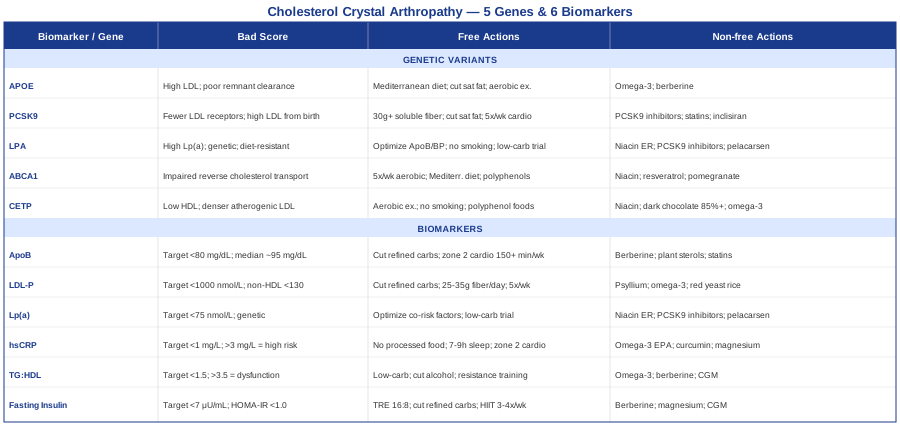
6 Biomarkers to Track for Cholesterol Crystal Arthropathy
The following six biomarkers were selected based on their mechanistic relevance to lipid-driven joint inflammation, their availability through standard or direct-to-consumer testing, and the quality of evidence supporting their use in conditions involving cholesterol dysregulation. Each reveals a different aspect of the underlying biology, and each has a distinct set of interventions when results fall outside the optimal range.
Biomarker 1: Apolipoprotein B (ApoB)
Why it matters and what it reveals
ApoB is the structural protein present on the surface of every atherogenic lipoprotein particle — each LDL, VLDL, IDL, and Lp(a) molecule carries exactly one ApoB molecule. This means ApoB is a direct count of the total number of harmful circulating particles, regardless of how much cholesterol each one contains. Allan Sniderman at McGill University has argued for decades that ApoB is the most accurate predictor of cardiovascular and metabolic lipid risk, precisely because particle number — not cholesterol content per particle — determines how often these particles interact with arterial walls and tissue membranes.
For cholesterol crystal arthropathy specifically, the hypothesis connecting systemic lipid burden to synovial crystal precipitation points toward particle abundance as a key variable. Elevated ApoB in the context of joint inflammation may reflect a state of chronic lipid overload extending beyond the vasculature into peripheral tissue compartments, including the synovial environment.
How to measure it
ApoB is measured from a fasting blood draw (8–10 hours). It is available through most reference labs and many direct-to-consumer services. Cost range: $20–$60 without insurance. Results are reported in mg/dL. Ask specifically for ApoB — many standard lipid panels do not include it by default.
Optimal target: Below 80 mg/dL for individuals with metabolic or cardiovascular risk factors. Below 60 mg/dL for those with established disease or high genetic risk. For reference, the median in Western populations is approximately 90–100 mg/dL.
If the score is bad — the plan without supplements
- Replace refined carbohydrates and added sugars with whole food sources; this reduces hepatic VLDL production, which directly lowers ApoB - Increase zone 2 aerobic exercise to 150+ minutes per week; improves lipid clearance and insulin sensitivity, reducing VLDL output - Eliminate trans fats entirely and replace excess saturated fat with monounsaturated sources (olive oil, avocado) - Time-restricted eating (16:8 intermittent fasting) shows modest ApoB reductions in several human trials by reducing fasting insulin and VLDL secretion - Address excess visceral adiposity; fat around the organs is a primary driver of excess VLDL and elevated ApoB independent of diet
If the score is bad — the plan with supplements or equipment
- Berberine: 500 mg twice daily with meals. Acts partly via PCSK9 inhibition, reducing LDL receptor degradation and improving clearance. Protocol: 8 weeks on, 2 weeks off. Side effects: GI discomfort at initiation; interaction with metformin possible. - Plant sterols/stanols: 2g/day via fortified foods or supplements. Competitively inhibit intestinal cholesterol absorption, reducing ApoB by 5–10%. Take with main meals. Generally well-tolerated; long-term continuous use is safe. - Extended-release niacin: 500–1000 mg/day, only under medical supervision. Reduces hepatic VLDL secretion, directly lowering ApoB. Side effects: Flushing, hepatotoxicity at higher doses, elevated blood glucose — requires monitoring. - Statins (prescription): The most evidence-dense intervention for ApoB reduction, with 20–55% lowering depending on type and dose. Appropriate for high-risk individuals; discuss with your physician.
Biomarker 2: LDL Particle Number (LDL-P)
Why it matters and what it reveals
LDL-C — the number on most standard panels — measures how much cholesterol is carried inside LDL particles. LDL-P measures how many LDL particles are present in total. Thomas Dayspring, one of the foremost lipidologists in the United States, has extensively documented the clinical significance of this gap: a patient can carry a seemingly acceptable LDL-C of 95 mg/dL while also carrying 2,200 nmol/L of LDL particles — a level associated with substantially elevated risk.
The relevance to cholesterol crystal arthropathy is mechanistic: high particle counts increase the probability of cholesterol reaching and accumulating in peripheral tissues beyond the vasculature, including the synovial membrane. Small dense LDL particles in particular are more prone to oxidation and have been associated with greater tissue infiltration and local inflammatory activation.
How to measure it
LDL-P is measured via NMR LipoProfile (nuclear magnetic resonance spectroscopy). In the United States, this is available through LabCorp's NMR Liposciences panel. Cost: $80–$150 without insurance. An accessible proxy on standard panels is non-HDL cholesterol (Total Cholesterol minus HDL-C), which correlates reasonably well with ApoB and particle burden.
Optimal targets: LDL-P below 1000 nmol/L for low-risk individuals; below 700 nmol/L for those with established disease. Non-HDL cholesterol below 130 mg/dL serves as a practical proxy.
If the score is bad — the plan without supplements
- Eliminate refined carbohydrates as a priority; these drive small dense LDL production through excess hepatic VLDL synthesis - Increase soluble dietary fiber to 25–35g/day from whole food sources; fiber binds bile acids and reduces LDL particle recycling through enterohepatic circulation - Exercise frequency matters more than intensity for LDL-P reduction; four to five sessions per week is consistently superior to two high-intensity sessions - Optimize sleep duration and quality; even acute sleep restriction shifts LDL particles toward a smaller, denser, and more numerous phenotype
If the score is bad — the plan with supplements or equipment
- Psyllium husk: 5–10g in water twice daily before meals. One of the most well-evidenced soluble fibers for LDL reduction. No cycling needed; safe for long-term use. Side effects: Initial bloating, resolves within 1–2 weeks. - Red yeast rice: 600–1200 mg/day. Contains naturally occurring HMG-CoA reductase inhibitors. Effective but highly variable in potency by brand — medical supervision is warranted. Side effects: Muscle pain (same risk profile as low-dose statin). Do not combine with statin therapy. - Omega-3 fatty acids (EPA+DHA): 2–4g/day of combined EPA and DHA. Reduces VLDL synthesis and shifts LDL toward larger, less dense particles. Side effects: Blood thinning at doses above 3g/day; consider timing relative to surgery. No cycling required.
Biomarker 3: Lipoprotein(a) — Lp(a)
Why it matters and what it reveals
Lp(a) is a genetically determined lipoprotein that carries both ApoB and a unique protein called apo(a), encoded by the LPA gene. Approximately 20% of the global population has clinically elevated Lp(a), and levels are roughly 90% determined by genetics — largely unresponsive to diet or exercise. Elevated Lp(a) above 50 mg/dL (125 nmol/L) is an independent risk factor for cardiovascular disease, aortic stenosis, and systemic inflammation through its oxidized phospholipid component.
For cholesterol crystal arthropathy, Lp(a) is relevant in two ways: it contributes to total atherogenic particle burden (remember, each Lp(a) particle carries one ApoB), and its oxidized phospholipid component specifically activates inflammatory pathways that may amplify synovial inflammatory responses. The European Atherosclerosis Society and Allan Sniderman have both advocated for universal one-time Lp(a) screening in all adults.
How to measure it
A specific Lp(a) blood test — distinct from the standard lipid panel — is required. Cost: $30–$80 direct-to-consumer. Request results in nmol/L rather than mg/dL for accuracy, as the conversion between units varies by assay. This test needs to be done only once in most individuals, as levels remain stable across a lifetime.
Optimal targets: Below 75 nmol/L (approximately 30 mg/dL) is considered low risk. Above 125 nmol/L (50 mg/dL) warrants close monitoring and aggressive management of co-existing risk factors.
If the score is bad — the plan without supplements
Lifestyle interventions have limited direct impact on Lp(a), which is what makes the genetics section below so important. However, mitigating the damage it causes is achievable: - Aggressively lower all other atherogenic risk factors: keep ApoB below 80 mg/dL, blood pressure below 120/80, avoid smoking entirely - A low-carbohydrate or Mediterranean diet may modestly reduce Lp(a) by 5–15% in some individuals — the response is genotype-dependent - Prioritize systemic inflammation reduction (see hsCRP biomarker); Lp(a)'s oxidized phospholipid component drives inflammation that inflammation further amplifies
If the score is bad — the plan with supplements or equipment
- Extended-release niacin: 1–2g/day under medical supervision. The most consistently effective intervention for Lp(a) reduction, lowering levels by 20–30%. Requires liver enzyme monitoring and glucose tracking. Cycle: continuous under physician guidance. - PCSK9 inhibitors (prescription): Evolocumab and alirocumab reduce Lp(a) by approximately 25–30% as a secondary benefit alongside dramatic LDL lowering. Indicated in high-risk patients with elevated Lp(a) and cardiovascular risk. - Pelacarsen (investigational): An RNA-targeting antisense therapy directly addressing LPA gene expression. Phase 2 trials have shown 70–80% Lp(a) reductions. Not yet widely approved but represents the frontier of Lp(a)-specific treatment. - High-dose omega-3 fatty acids: Some evidence for modest Lp(a) reduction at 4g EPA+DHA/day. Side effects: Increased bleeding time at high doses — consider in context of anticoagulant use.
Biomarker 4: High-Sensitivity C-Reactive Protein (hsCRP)
Why it matters and what it reveals
hsCRP is a liver-produced acute phase protein that rises in response to systemic inflammatory signaling, primarily interleukin-6. It does not identify the source of inflammation, but in the context of cholesterol crystal arthropathy it serves two diagnostic functions: it reflects active joint inflammatory activity during flares, and it captures background metabolic inflammation — driven by insulin resistance, visceral fat, or dysbiosis — that maintains the permissive environment for crystal-related damage.
The landmark JUPITER trial (Ridker et al., NEJM 2008) demonstrated that individuals with normal LDL-C but elevated hsCRP above 2 mg/L derived significant benefit from statin therapy — challenging the idea that lipid particle numbers alone determine inflammatory risk. The synergy between elevated ApoB and elevated hsCRP is precisely the combination that characterizes high-risk lipid-driven tissue disease.
How to measure it
hsCRP is a standard blood test available at virtually any lab. Cost: $10–$40. It should be measured during a clinically stable period — not during acute illness, recent injury, or active flare — as these events transiently elevate CRP independent of chronic inflammation. Measure at least twice, several weeks apart, if initial results are borderline.
Optimal targets: Below 1.0 mg/L is low risk. 1.0–3.0 mg/L is intermediate. Above 3.0 mg/L signals elevated systemic inflammation requiring investigation.
If the score is bad — the plan without supplements
- Remove ultra-processed foods; these are among the most consistent dietary drivers of chronically elevated hsCRP through advanced glycation end products and oxidative stress - Prioritize sleep quality and duration (seven to nine hours); even one night of sleep restriction below six hours acutely elevates hsCRP - Sustained zone 2 aerobic exercise reduces hsCRP over 8–12 weeks more reliably than any supplement - Address excess adiposity; visceral fat tissue secretes IL-6 continuously, which drives hepatic CRP production regardless of diet - Moderate or eliminate alcohol; even regular moderate intake sustains measurable low-level systemic inflammation
If the score is bad — the plan with supplements or equipment
- Omega-3 fatty acids (EPA): 2–4g EPA/day has demonstrated hsCRP reductions in multiple RCTs. Pure EPA preparations (such as icosapentaenoic acid) may have an advantage over combined EPA+DHA for anti-inflammatory effects. No cycling required. Side effects: Bleeding risk at doses above 3g/day. - Curcumin with piperine: 500–1000 mg curcumin combined with 5–10 mg piperine daily. Multiple controlled trials support hsCRP reduction at this dose. Protocol: 12 weeks on, 2 weeks off. Side effects: Avoid high doses with anticoagulant therapy; rare GI discomfort. - Magnesium glycinate: 300–400 mg/day. Magnesium deficiency — extremely common — independently elevates inflammatory markers. Repleting to sufficiency reliably reduces hsCRP in deficient individuals. Well-tolerated; no cycling required. - Low-dose aspirin: Under physician guidance for appropriate cardiovascular risk profiles. May reduce hsCRP through COX-inhibition. Not without risk — GI bleeding and interaction considerations apply.
Biomarker 5: Triglyceride-to-HDL Ratio (TG:HDL)
Why it matters and what it reveals
The TG:HDL ratio is one of the most accessible proxies for insulin resistance and small dense LDL burden available on a standard lipid panel — at no additional cost. A high ratio reflects a metabolic state of elevated VLDL production (driving both high triglycerides and low HDL) combined with hepatic overproduction of atherogenic particles. This pattern — sometimes called atherogenic dyslipidemia — is the lipid signature most directly connected to chronic lipid accumulation in peripheral tissues.
For cholesterol crystal arthropathy, the TG:HDL ratio reveals whether insulin resistance is a root driver. When it is, addressing that root cause tends to improve ApoB, LDL-P, and hsCRP simultaneously — making it arguably the highest-leverage single number on a standard panel.
How to measure it
Divide your fasting triglycerides (mg/dL) by your HDL-C (mg/dL). The calculation requires no additional testing — these values appear on any standard lipid panel. Cost: $0 (derived from existing panel). Ensure triglycerides are measured fasting for accuracy.
Optimal targets: Below 2.0 is favorable; below 1.5 is optimal. Above 3.5 in mg/dL units (above 1.5 in mmol/L) signals significant metabolic dysfunction.
If the score is bad — the plan without supplements
- Reduce carbohydrate intake, particularly refined sugars and starches; hepatic de novo lipogenesis from excess carbohydrate is the primary driver of elevated triglycerides - Eliminate alcohol entirely for 8–12 weeks; alcohol raises triglycerides substantially even at modest intake levels - Implement resistance training combined with aerobic exercise; resistance training specifically increases glucose uptake by skeletal muscle, reducing insulin demand and hepatic VLDL secretion - A low-carbohydrate or ketogenic dietary approach normalizes TG:HDL within 4–8 weeks in insulin-resistant individuals — this is one of the most predictable and rapid dietary interventions available - Maintain consistent meal timing; irregular eating and late-night eating worsen hepatic lipid metabolism
If the score is bad — the plan with supplements or equipment
- Omega-3 fatty acids (EPA+DHA): 3–4g/day reduces fasting triglycerides by 20–50% in hypertriglyceridemia. This is the single most robustly evidenced supplement intervention for triglyceride lowering. No cycling required. Side effects: Increased bleeding time at high doses. - Berberine: 500 mg twice daily with meals. Activates AMPK, reducing hepatic VLDL output and improving insulin sensitivity. Protocol: 8 weeks on, 2 weeks off. Side effects: GI discomfort, potential interaction with metformin. - Myo-inositol: 2–4g/day. Improves insulin receptor signaling, particularly in individuals with metabolic syndrome or polycystic ovary syndrome. Well-tolerated; no cycling required. - Continuous glucose monitor (CGM): Wearing a CGM sensor for two to four weeks provides granular data on which specific foods spike your glucose and downstream triglycerides. The behavioral feedback this generates often produces dietary changes that no protocol document can replicate. Cost: $75–$150 per sensor.
Biomarker 6: Fasting Insulin and HOMA-IR
Why it matters and what it reveals
Fasting insulin is among the most clinically underutilized biomarkers in standard medicine. It reveals insulin resistance years — sometimes decades — before blood glucose rises enough to trigger a diabetes diagnosis. And insulin resistance, when present, almost always produces the atherogenic dyslipidemia pattern: elevated triglycerides, low HDL, small dense LDL, and elevated ApoB. Treating insulin resistance therefore improves the entire lipid profile simultaneously, which is why this biomarker has disproportionate leverage relative to its low cost.
HOMA-IR (Homeostatic Model Assessment of Insulin Resistance) combines fasting insulin and fasting glucose into a single composite score that is more stable than either measure alone. For cholesterol crystal arthropathy, chronically elevated insulin accelerates lipid dysregulation through multiple pathways simultaneously — making it an important mechanistic root to address.
How to measure it
Order fasting insulin alongside your standard fasting glucose. The fasting insulin test is often not included by default. Cost: $15–$40 for fasting insulin add-on. Calculate HOMA-IR using the formula: (fasting insulin [μU/mL] × fasting glucose [mg/dL]) / 405.
Optimal targets: Fasting insulin below 5–7 μU/mL. HOMA-IR below 1.0 is ideal; above 2.5 indicates meaningful insulin resistance. Above 3.5 is clinically significant.
If the score is bad — the plan without supplements
- Time-restricted eating (16:8 or 18:6 protocol) consistently reduces fasting insulin in human trials by extending the post-absorptive fasting period - Replace dietary refined carbohydrates with whole food proteins and fats, reducing insulin demand at every meal - High-intensity interval training (HIIT) or heavy resistance training three to four times per week improves cellular insulin sensitivity within 72 hours in controlled studies - Accumulate daily walking (8,000–10,000 steps) as a background metabolic intervention; sedentary behavior worsens fasting insulin independent of structured exercise - Prioritize seven to nine hours of quality sleep; even one week of sleep restriction to six hours significantly raises HOMA-IR in metabolically healthy adults
If the score is bad — the plan with supplements or equipment
- Berberine: 500 mg three times daily with meals. Activates AMPK similarly to metformin, improving hepatic and peripheral insulin sensitivity. Multiple RCTs support this mechanism. Protocol: 8 weeks on, 2 weeks off. Side effects: Mild GI discomfort, reduce dose if persistent. - Magnesium glycinate or malate: 300–400 mg/day. Magnesium deficiency impairs insulin receptor function; deficiency is highly prevalent. Repleting it improves HOMA-IR in deficient individuals. Well-tolerated; no cycling required. - Zinc with copper: 15–25 mg zinc/day with 1–2 mg copper to prevent copper depletion. Zinc plays a structural role in insulin secretion and receptor signaling; deficiency worsens insulin resistance. Do not exceed 40 mg zinc/day. - CGM (continuous glucose monitor): Provides real-time feedback on postprandial glucose excursions, allowing precise dietary adjustment. Behavioral evidence shows CGM use improves dietary choices and reduces insulin response in both diabetic and non-diabetic users. Cost: $75–$150 per sensor.
With the six biomarkers mapped out, it becomes clear that the biology of cholesterol crystal arthropathy is not a single-line problem. The genetics section below explains why some individuals reach these unfavorable biomarker states regardless of how careful they are with diet and exercise.
How Your Genes Shape Cholesterol Crystal Risk
Biomarkers show you where your lipid metabolism is today. Genetics explain why it ended up there — and why some interventions work well for certain people while producing almost no effect in others. The five genes below are among the most well-characterized contributors to the lipid phenotypes associated with cholesterol crystal arthropathy. Each can be identified through consumer genetic testing (23andMe, AncestryDNA, or whole genome sequencing) or clinical lipid disorder panels.
Gene 1: APOE
What this gene does
The APOE gene encodes apolipoprotein E, a protein critical to the clearance of chylomicron remnants, VLDL remnants, and IDL from circulation. The three main variants — APOE2, APOE3, and APOE4 — produce meaningfully different lipid profiles. APOE4 impairs remnant clearance and increases dietary cholesterol absorption, resulting in higher LDL-C and ApoB compared to APOE3/3. APOE2/2 homozygotes can develop Type III hyperlipidemia — an accumulation of IDL and VLDL remnants that is a specific risk for peripheral lipid deposition.
Approximately 25% of the general population carries at least one APOE4 allele. Ali Torkamani's research on polygenic cardiovascular risk scoring identifies APOE as one of the highest-impact single variants in metabolic medicine, relevant to both cardiovascular disease and cholesterol tissue deposition.
If the gene is bad — the plan without supplements
For APOE4 carriers, saturated fat raises LDL-C more dramatically than in APOE3/3 individuals — this genotype-specific response means that a Mediterranean-style dietary pattern outperforms a high saturated-fat diet in ways that go beyond generic advice. Practical adjustments: - Adopt an olive oil-based fat intake; replace butter and coconut oil with EVOO and avocado - Minimize dietary cholesterol intake (organ meats, shellfish in large amounts) as APOE4 carriers absorb and retain more dietary cholesterol - Prioritize consistent aerobic exercise to improve remnant clearance - Monitor ApoB and LDL-P every six months rather than annually
For APOE2/2 homozygotes with dyslipidemia, weight management is critical — obesity dramatically amplifies the IDL accumulation phenotype.
If the gene is bad — the plan with supplements or equipment
- Omega-3 fatty acids (EPA+DHA): 2–3g/day is particularly beneficial for APOE4 carriers, reducing VLDL and remnant lipoprotein burden. No cycling required. - Berberine: PCSK9 inhibition via berberine may be disproportionately beneficial in APOE4 carriers who tend to have higher PCSK9 activity. 500 mg twice daily, 8 weeks on/2 weeks off. - ApoE-informed dietary testing: Some functional medicine practitioners now offer APOE-stratified dietary protocols — the lipid response to a Mediterranean versus ketogenic diet can vary substantially by APOE genotype, making personal testing more useful than population-level advice.
Gene 2: PCSK9
What this gene does
PCSK9 encodes a protein that tags LDL receptors on liver cells for degradation. When PCSK9 activity is excessive, fewer LDL receptors are available, and atherogenic particles remain in circulation longer. Gain-of-function PCSK9 variants cause a familial hypercholesterolemia-like phenotype with dramatically elevated LDL-C from birth — regardless of diet. Loss-of-function variants do the opposite: individuals carrying them have lifelong very low LDL-C and substantially reduced cardiovascular risk, providing some of the most compelling genetic evidence that ApoB and LDL-C causally drive lipid deposition disease.
For cholesterol crystal arthropathy, a gain-of-function PCSK9 variant represents a significant risk multiplier: it guarantees persistently high atherogenic particle numbers regardless of dietary or lifestyle optimization.
If the gene is bad — the plan without supplements
Gain-of-function PCSK9 variants cannot be adequately managed through lifestyle alone, but lifestyle still modifies the risk meaningfully: - Maximize dietary soluble fiber intake (30–40g/day), which slows cholesterol recycling through bile acid sequestration - Reduce saturated fat to below 7% of total caloric intake - Five sessions of aerobic exercise per week improves LDL receptor activity modestly but consistently - Pursue a formal familial hypercholesterolemia evaluation with a lipid specialist to quantify causal risk and discuss treatment thresholds
If the gene is bad — the plan with supplements or equipment
- PCSK9 inhibitors (prescription): Evolocumab (Repatha) and alirocumab (Praluent) directly block PCSK9 protein. Administered via injection every two weeks or monthly. LDL-C reductions of 50–60%. Side effects: Injection site reactions; very rare myopathy. - Inclisiran (prescription): An siRNA therapy that reduces PCSK9 gene expression in liver cells. Twice-yearly injection. Highly effective in gain-of-function variant carriers. - Statin therapy (prescription): Standard of care and often the first-line treatment. Reduces LDL-C by 30–55% and, importantly, upregulates LDL receptor expression — partially compensating for PCSK9's degradation effect. - Berberine: A modest natural PCSK9 inhibitor via a post-transcriptional mechanism. Useful as an adjunct, not a primary treatment for significant gain-of-function variants.
Gene 3: LPA
What this gene does
The LPA gene encodes apo(a), the defining structural component of Lp(a). The number of kringle IV type 2 repeat sequences within LPA largely determines how much apo(a) is produced — shorter isoforms generate more protein and thus higher circulating Lp(a). This is highly heritable, highly stable across a lifetime, and largely unresponsive to diet and exercise interventions. It is, in the language of Ali Torkamani's risk stratification work, one of the most consequential single-gene determinants of lipid disease risk that current medicine underestimates.
If the gene is bad — the plan without supplements
Because direct Lp(a) lowering through lifestyle is limited, the strategic response shifts to residual risk reduction: - Aggressively optimize all modifiable co-risk factors: keep ApoB below 80 mg/dL, blood pressure below 120/80, avoid tobacco absolutely - Low-carbohydrate dietary patterns may modestly reduce Lp(a) by 5–15% in some carriers — the response is genotype-dependent and worth testing over a 12-week structured trial - Reduce overall systemic inflammation through the hsCRP interventions outlined above; Lp(a)'s oxidized phospholipid component drives more damage in an already-inflamed tissue environment
If the gene is bad — the plan with supplements or equipment
- Extended-release niacin: 1–2g/day under physician supervision remains the most consistently effective intervention for direct Lp(a) reduction (20–30%). Requires liver enzyme and glucose monitoring. - PCSK9 inhibitors (prescription): Secondary benefit of approximately 25% Lp(a) reduction in high-burden carriers. - Pelacarsen (in Phase 3 trials as of 2025): The most promising LPA-specific therapy, showing 70–80% reductions in Phase 2 data. Keep tracking availability through your physician. - Low-dose aspirin (under medical guidance): May partially counter the pro-thrombotic effects of high Lp(a) in appropriate cardiovascular risk profiles.
Gene 4: ABCA1
What this gene does
ABCA1 encodes an ATP-binding cassette transporter responsible for the initial step in reverse cholesterol transport (RCT): moving intracellular cholesterol from peripheral cells to nascent HDL particles for eventual hepatic clearance. Loss-of-function ABCA1 variants reduce RCT efficiency — meaning cholesterol that enters peripheral tissues, including joint tissues and synovial membranes, is cleared more slowly. The severe form (Tangier disease) results in near-zero HDL-C; common polymorphisms produce more subtle but still clinically meaningful impairments.
For cholesterol crystal arthropathy, impaired ABCA1 function is a plausible direct contributor: cholesterol that enters the synovial environment through lipid-rich plasma filtration may accumulate if the cellular machinery for removing it is underperforming.
If the gene is bad — the plan without supplements
- Aerobic exercise is the most consistently validated upregulator of ABCA1 expression in human studies; five sessions per week of moderate-to-vigorous cardio - Mediterranean dietary patterns — particularly olive oil polyphenols — have shown ABCA1 upregulation in cell models - Polyphenol-rich whole foods (berries, dark chocolate, pomegranate) activate nuclear receptors that regulate ABCA1 transcription - Gradual weight loss in overweight individuals substantially improves ABCA1 function and HDL particle composition
If the gene is bad — the plan with supplements or equipment
- Niacin (extended-release): Raises HDL-C more powerfully than any other currently available agent, compensating downstream for impaired ABCA1-mediated HDL loading. 500–2000 mg/day under supervision. - Resveratrol: 150–500 mg/day. Has demonstrated ABCA1 transcriptional upregulation in human cell models via SIRT1 activation. Evidence remains largely preclinical for cardiovascular endpoints. Generally safe; no cycling required. - Pomegranate extract: 500 mg standardized extract/day. Some evidence for improved RCT in early human trials. Safe for most individuals and easily combined with other interventions. - HIIT-based exercise protocol: High-intensity interval training three times per week has the most consistent evidence for raising functionally active HDL particles. Twenty to twenty-five minute sessions are sufficient.
Gene 5: CETP
What this gene does
CETP encodes cholesteryl ester transfer protein, which mediates the exchange of cholesterol esters from HDL to LDL and VLDL particles. High CETP activity drains HDL of its cholesterol cargo and enriches LDL with cholesterol ester — creating denser, more atherogenic LDL particles while simultaneously lowering HDL-C. The common TaqIB and I405V polymorphisms in CETP are associated with variations in HDL-C levels that explain a portion of why some individuals have persistently low HDL-C despite excellent lifestyle habits.
If the gene is bad — the plan without supplements
- Consistent aerobic exercise is the most reliable non-pharmacological raiser of HDL-C and modifier of CETP-related particle dynamics - Avoid smoking, which depresses HDL-C through oxidative damage to HDL particles independent of CETP status - Polyphenol-rich foods (dark berries, green tea) modulate CETP activity modestly in observational data - Dietary pattern consistency matters more than specific food choices; Mediterranean adherence score consistently correlates with better HDL-C regardless of CETP genotype
If the gene is bad — the plan with supplements or equipment
- CETP inhibitors (investigational): Anacetrapib showed meaningful cardiovascular benefit — primarily by reducing non-HDL-C rather than simply raising HDL-C — in the REVEAL trial. Not currently available in most markets but actively being evaluated. - Niacin: Inhibits CETP activity at therapeutic doses while also raising HDL-C. Best evidence-to-effect ratio for CETP-related HDL dysfunction. - Dark chocolate (85%+): 10–15g/day. Small but reproducible CETP inhibition noted in human studies. A reasonable daily addition with favorable risk-benefit at this dose. - Omega-3 fatty acids: 2–3g EPA+DHA/day favorably modulates LDL particle size distribution downstream of CETP activity.
The genetic picture, taken together, explains why two people with apparently similar lifestyles can arrive at such different lipid states. It also explains why personalized supplement and pharmaceutical strategies are more likely to succeed than population-level prescriptions. With both biomarkers and genetics in view, the expert thinking below adds the conceptual framework that ties them together.
10 Things Peter Attia's Approach to Lipid Biology Reveals About Cholesterol
Peter Attia's appearances on the Andrew Huberman Lab podcast — particularly the extended episode titled "Understanding Cholesterol & Preventing Cardiovascular Disease" — along with the research framework laid out in his book Outlive (2023), represent some of the most accessible yet scientifically dense treatments of lipid biology available outside academic literature. The following ten insights are the most practically important for anyone dealing with cholesterol-related conditions.
1. LDL-C Is the Wrong Metric to Center
LDL-C measures the quantity of cholesterol inside LDL particles — not how many particles are present. Attia, drawing on Sniderman and Dayspring's work, argues that LDL-C is a flawed proxy because particle size and number vary enormously between individuals. Someone with small dense LDL can have a "normal" LDL-C while carrying twice the particle count of someone with larger, less numerous particles.
2. ApoB Is the Number That Actually Matters
Attia considers ApoB the single most important lipid biomarker in clinical practice. Every atherogenic particle carries exactly one ApoB molecule, so ApoB directly counts your total atherogenic burden with no ambiguity about particle size or composition. He advocates loudly for ApoB to replace or supplement LDL-C in routine screening — yet most clinical guidelines have not yet caught up.
3. The Statin Debate Is Usually Framed the Wrong Way
Reflexive statin prescription and reflexive statin avoidance are both wrong, according to Attia. Statins are among the most evidence-supported medications in existence for individuals at elevated baseline cardiovascular risk — but their absolute risk reduction varies enormously by individual baseline. Risk calculators should determine threshold decisions, not ideology in either direction.
4. Inflammation and Lipid Particles Are Synergistic Risks
The relationship between high ApoB and elevated hsCRP is multiplicative, not additive. Atherogenic particles in the presence of inflamed endothelium or inflamed joint tissue cause more damage than the same particle burden in a low-inflammation environment. This is why treating inflammation (through lifestyle, sleep, and targeted supplements) matters even when it does not lower lipid numbers directly.
5. Insulin Resistance Is the Root Most Often Missed
Attia considers insulin resistance the most common and underappreciated driver of atherogenic dyslipidemia. The specific triad of high TG, low HDL, and elevated small dense LDL is almost always insulin-resistance-driven — not fat-driven. Identifying and treating insulin resistance through fasting insulin and HOMA-IR testing is therefore upstream of most lipid interventions.
6. Lp(a) Is the Most Dangerous Undiagnosed Risk Factor
Attia describes Lp(a) as the most important cardiovascular risk factor that most people have never heard of and most physicians never test. It affects roughly one in five people at clinically relevant levels. It is almost entirely genetic. And it contributes risk independent of all other biomarkers. He recommends universal one-time Lp(a) testing for every adult.
7. Dietary Fat and Cholesterol Response Is Genotype-Dependent
Saturated fat raises LDL-C substantially in APOE4 carriers and in individuals with certain gut microbiome compositions — and has minimal effect in others. This explains why population-level dietary fat guidelines produce wildly variable individual results. Tracking your personal lipid response to dietary changes (via ApoB and LDL-P) is more useful than following any single dietary doctrine.
8. Sleep Is an Underappreciated Lipid Intervention
Attia notes that even short-term sleep restriction — reducing from eight to six hours for one week — raises fasting insulin and shifts LDL toward smaller, denser particles measurably. This mechanism is rarely mentioned in lipid management discussions, yet it represents a modifiable lever that requires no prescription and no cost.
9. Zone 2 Cardio Works Differently Than Diet for Lipids
Zone 2 aerobic exercise — the intensity at which you can sustain conversation but are working meaningfully — primarily improves mitochondrial efficiency, VLDL clearance, and insulin sensitivity. These changes shift the entire lipid profile favorably through a different mechanism than dietary modification. Attia recommends 150–180 minutes per week as a foundational metabolic intervention for anyone with lipid concerns.
10. Cumulative ApoB Exposure Is What Actually Kills
Attia frames lipid management as a decades-long project, not a short-term number-correction exercise. The total lifetime exposure to atherogenic particles — measured cumulatively — is what determines tissue-level lipid deposition. Starting lower ApoB interventions earlier, even modestly, produces compounding risk reduction over time in a way that aggressive late-stage intervention cannot fully reverse.
Complementary Approaches Worth Considering
The following modalities have meaningful evidence supporting their relevance to either lipid metabolism, joint inflammation, or both — the two biological dimensions of cholesterol crystal arthropathy. None should replace medical management of underlying lipid disorders, but each offers a reasonably low-risk addition to a broader strategy.
Microbiome-Directed Therapies
The gut microbiome plays a direct and underappreciated role in cholesterol metabolism. Specific bacterial populations regulate bile acid pools, intestinal cholesterol absorption, and hepatic lipoprotein production — meaning that microbiome dysbiosis can persistently worsen lipid biomarkers regardless of diet and exercise compliance. For cholesterol crystal arthropathy, improving microbial composition addresses a systemic cholesterol regulatory layer that standard lipid interventions often do not reach.
The probiotic strain Lactobacillus reuteri NCIMB 30242 has been studied specifically for cholesterol reduction in a randomized controlled trial demonstrating LDL-C reductions of approximately 9% compared to placebo, with concomitant reductions in hsCRP. Prebiotic dietary interventions using inulin-type fructans and resistant starches consistently shift microbiome composition toward Bacteroidetes species associated with improved bile acid metabolism and lower LDL-P. These mechanisms are distinct from and additive to direct lipid-lowering interventions.
A practical protocol involves increasing prebiotic fiber intake to 10–15g/day through chicory root, garlic, green bananas, and cooked-and-cooled potatoes, while adding a targeted probiotic containing L. reuteri NCIMB 30242. Antibiotic overuse — which disrupts cholesterol-modulating microbiome communities — should be minimized wherever clinically appropriate. Evidence for direct joint benefits of microbiome intervention in cholesterol crystal arthropathy specifically is limited; the rationale here is primarily through lipid metabolism improvement.
Tai Chi
Tai chi is a low-impact, slow-movement martial art practice that combines deliberate postural sequencing with controlled breathing and attentional focus. For cholesterol crystal arthropathy, it is relevant on two distinct levels: as a gentle joint-loading exercise that maintains range of motion and reduces synovial inflammation without mechanical stress, and as a metabolic intervention with documented effects on lipid markers in at-risk populations.
A systematic review and meta-analysis examining tai chi's effect on cardiovascular risk factors found significant reductions in triglycerides, LDL-C, and blood pressure alongside HDL-C improvement across multiple controlled trials. A landmark randomized controlled trial by Wang et al. published in the Annals of Internal Medicine (2010) demonstrated that tai chi practice significantly outperformed standard physical therapy for pain, stiffness, and physical function in knee osteoarthritis — a condition that frequently co-occurs with cholesterol crystal deposition in joint spaces.
A structured beginner program (Yang style is the most accessible for new practitioners) practiced three times per week for 45–60 minutes is a practical starting point. Many hospital wellness programs, community centers, and online platforms offer guided instruction. Results in both joint symptoms and lipid markers typically emerge after 8–12 weeks of consistent practice. It is low-risk even for individuals with significant joint involvement, though very acute flares warrant temporary rest from weight-bearing exercises.
Mindfulness Meditation and MBSR
Mindfulness-Based Stress Reduction (MBSR) is an 8-week structured program combining sitting meditation, body scan techniques, and gentle movement. Its relevance to cholesterol crystal arthropathy is mechanistic: chronic psychological stress chronically elevates cortisol, which drives insulin resistance and downstream atherogenic dyslipidemia. Reducing the cortisol burden directly improves insulin sensitivity, which improves TG:HDL ratio, reduces small dense LDL, and lowers hsCRP — all central biomarkers for this condition.
The meta-analysis by Goyal et al. published in JAMA Internal Medicine (2014) found moderate evidence supporting mindfulness programs for pain, anxiety, and depression across multiple conditions. More relevant to lipid biology, stress reduction interventions have demonstrated modest but reproducible improvements in fasting insulin and cortisol in controlled settings — mechanisms that directly downstream affect the atherogenic dyslipidemia pattern.
The most accessible entry point is 10 minutes of daily guided meditation using an app such as Insight Timer or a free MBSR course. The full eight-week MBSR program (available through many hospital systems and online) is the standard studied protocol and provides deeper skill development. Realistic expectations are important: MBSR will not normalize an elevated ApoB on its own, but as part of a broader metabolic strategy it addresses a pathway that medication cannot easily reach.
Low-Level Laser Therapy (Photobiomodulation)
Low-level laser therapy (LLLT), also called photobiomodulation, delivers specific wavelengths of light (typically 630–1000 nm) to tissue, stimulating mitochondrial energy production and modulating local inflammatory cytokine release. For cholesterol crystal arthropathy, LLLT targets the joint inflammatory environment directly — reducing local IL-1β, prostaglandin E2, and TNF-α signaling that crystal deposits trigger — rather than addressing the systemic lipid cause. This makes it a symptomatic but not mechanistically comprehensive intervention.
A Cochrane systematic review on LLLT for knee pain found significant short-term pain reduction and functional improvement compared to sham treatment in osteoarthritis populations. The anti-inflammatory mechanisms observed — reduced prostaglandin and pro-inflammatory cytokine expression in treated tissue — are broadly applicable across crystal-induced arthropathies, including cholesterol crystal disease. Wavelengths in the 830–904 nm range with energy doses of 3–9 J/cm² per point represent the most evidenced parameters.
Professional application at a physical therapy or sports medicine clinic is preferred for initial treatment to ensure appropriate anatomical targeting. A typical protocol involves 10–15 sessions of 15–20 minutes over three to four weeks. Home devices (such as Joovv panels or handheld red-light therapy devices) are available for ongoing maintenance but should be used following initial professional guidance. LLLT should be treated as adjunctive to lipid management, not as a substitute for addressing the root metabolic cause of crystal formation.
Chinese Herbal Medicine
Several Chinese herbal agents have documented, mechanistically characterized lipid-modifying and anti-inflammatory effects relevant to cholesterol crystal arthropathy. Red yeast rice, berberine (discussed extensively in the biomarker sections above), and Dan Shen (Salvia miltiorrhiza) are the most clinically studied. These represent a spectrum from well-evidenced to emerging, but all have pharmacologically active constituents with demonstrated lipid or inflammatory effects in human studies.
Red yeast rice contains naturally occurring monacolin K — an HMG-CoA reductase inhibitor with the same mechanism as lovastatin — and has shown meaningful LDL-C reductions in multiple controlled trials. Dan Shen contains tanshinones and salvianolic acids with anti-inflammatory, antiplatelet, and lipid-modifying properties documented in smaller human trials. Berberine, while also discussed in Western functional medicine contexts, originates from traditional Chinese medicine formulations and has the deepest modern clinical evidence base of the three.
Consultation with a licensed Traditional Chinese Medicine practitioner is strongly recommended before initiating herbal formulations, as product quality, active constituent concentration, and herb-drug interactions vary significantly by manufacturer and combination. Red yeast rice (600–1200 mg/day) carries the same interaction precautions as low-dose statin therapy and should not be combined with pharmaceutical statins. Berberine at 500 mg twice to three times daily remains the most accessible, well-characterized, and independently used option for individuals wanting to explore this approach.
Conclusion
Cholesterol crystal arthropathy sits at an intersection that conventional medicine is still learning to navigate: where circulating lipid particle abundance meets joint tissue biology. Standard lipid panels and standard joint care often address each side of that intersection in isolation, which is why many patients leave consultations with a diagnosis but without a complete action plan.
The six biomarkers covered in this article — ApoB, LDL-P, Lp(a), hsCRP, TG:HDL ratio, and fasting insulin — give a far more complete picture of what is driving lipid dysregulation than a single cholesterol number. The five genetic variants — APOE, PCSK9, LPA, ABCA1, and CETP — explain why that dysregulation persists in some people regardless of how much effort they put into lifestyle change, and point toward the specific interventions that are most likely to move the needle for their biology specifically.
The most actionable next step depends on where you currently are. If ApoB and Lp(a) have never been tested, requesting both from your physician is the single highest-leverage starting point — these tests are inexpensive, widely available, and routinely overlooked. If your biomarkers are already measured and unfavorable, the intervention plans in this article give you a structured place to begin, whether through lifestyle adjustments, targeted supplements, or a physician-guided pharmacological conversation. If genetic testing interests you, consumer platforms make it accessible and the variants above are all detectable.
Whatever your entry point, working with a lipid-literate clinician — ideally someone familiar with advanced particle testing — will help you interpret your full profile in context. The science underlying cholesterol crystal arthropathy's metabolic roots is some of the most well-developed in modern medicine. Better measurements lead to better conversations, and better conversations lead to better decisions.
Cardiovascular Endocrine & Metabolic
Musculoskeletal: Joint Conditions
Endocrine & Metabolic: Metabolic Syndrome
Autoimmune: Inflammatory Conditions