This article contains AI generated content.
· UpdatedChronic Recurrent Multifocal Osteomyelitis: 6 Genes And 7 Biomarkers To Track
Introduction
If you or your child has been diagnosed with chronic recurrent multifocal osteomyelitis, you already know how disorienting the path to diagnosis can be. Most people spend months, sometimes years, being told it might be an infection, or possibly cancer, before anyone lands on the right answer. And once the diagnosis is confirmed, the treatment conversation often starts and ends with NSAIDs or, in more severe cases, biologics — without much explanation of why the immune system is attacking bone in the first place, or what might make one person's disease more aggressive than another's.
CRMO is an autoinflammatory bone disorder, meaning it originates from dysregulation of the innate immune system rather than an adaptive immune response or an external pathogen. This distinction matters because it shifts the question from "what is attacking the body?" to "what is preventing the body from shutting inflammation off?" That question has answers — and those answers are increasingly specific to individual biology.
The frustrating reality is that standard care rarely looks at those specifics. A CRP test tells you inflammation is elevated, but not why it stays elevated or what is amplifying it. Generic lifestyle advice — eat better, reduce stress — is not wrong, but it is too broad to be reliably useful for a rare autoinflammatory condition with a strong genetic component. Some patients with CRMO have measurably low IL-10 (an anti-inflammatory cytokine); others carry variants in the FBLIM1 or IL1RN genes that directly reduce the body's ability to self-regulate bone inflammation. These are not philosophical differences — they change which interventions are most likely to help.
This article works through two complementary lenses. The primary section identifies seven measurable biomarkers that track disease activity and immune tone in CRMO, with practical guidance on what to do if any of them are abnormal. The genetics section follows, covering six genes with documented relevance to CRMO — including what variants may affect and how to compensate. A curated podcast summary and evidence-anchored complementary therapies round out the picture. No miracles here, just a more useful map.
Summary
What's inside this article: Seven biomarkers that go well beyond standard CRP testing — including serum calprotectin (S100A8/A9), IL-10, and TNF-α — with exact cost ranges, measurement methods, and concrete action plans for each abnormal result. Six genes tied to CRMO susceptibility and severity, from LPIN2 (linked to the severe Majeed syndrome subtype) to IL23R and MEFV — with supplement and non-supplement strategies for each variant. A breakdown of the most relevant Huberman Lab content on vagal anti-inflammatory signaling and why it is unusually applicable to innate immune diseases like CRMO. And four complementary approaches with actual clinical evidence, including Sarah Ballantyne's Autoimmune Protocol, photobiomodulation for bone inflammation, microbiome-directed therapy, and mindfulness-based stress reduction. If you have been managing CRMO with basic inflammation markers and generic advice, this article offers substantially more to work with.
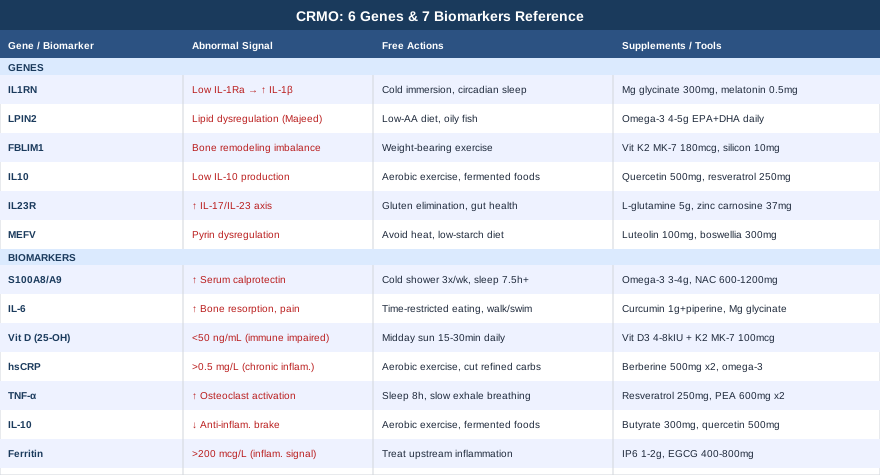
7 Biomarkers to Track in Chronic Recurrent Multifocal Osteomyelitis
Standard blood panels offer a partial picture of what is happening in CRMO. ESR and CRP remain useful baselines, but they cannot distinguish between an infection, a tumor, and an autoinflammatory flare — and they cannot tell you which part of the immune cascade is driving inflammation in a given individual. The seven biomarkers below were chosen for their specific relevance to CRMO's pathophysiology: innate immune dysregulation, impaired cytokine self-regulation, and bone-destructive signaling. Tracking them together gives a meaningful picture that routine bloodwork simply does not provide.
Biomarker 1: S100A8/A9 — Serum Calprotectin
Why it matters for CRMO
S100A8 and S100A9 are calcium-binding proteins released primarily by neutrophils and monocytes during active inflammation. Together they form the calprotectin complex, which has emerged as one of the most disease-relevant biomarkers in CRMO and related autoinflammatory bone conditions. Research published in peer-reviewed rheumatology journals has found that serum calprotectin correlates with active bone lesion burden in CNO/CRMO patients more sensitively than CRP alone. Elevated levels suggest that innate immune cells are actively recruited to bone tissue — the exact pathological mechanism in CRMO. It also responds faster to treatment changes than ESR, making it a useful monitoring tool rather than just a diagnostic one.
How to measure it
Serum calprotectin is measured through a standard blood draw. Not all commercial labs offer it routinely; it may require a specialized immunology panel or a lab that processes pediatric rheumatology panels. Cost ranges from approximately $80 to $200 depending on the lab and whether it is ordered as a standalone or bundled test. In some countries, it is covered under inflammatory disease monitoring if a rheumatologist orders it. Fecal calprotectin, a different test, reflects gut inflammation specifically and should not be substituted.
If the score is elevated — the plan without supplements
Prioritize cold exposure (cold showers or brief cold water immersion, 2–3 minutes, 3–4 times per week) which has been shown to shift neutrophil and monocyte activation profiles. Avoid ultra-processed foods and refined carbohydrates in the week around a flare — these acutely elevate S100A8/A9 by priming monocyte reactivity. Prioritize sleep duration above 7.5 hours: sleep deprivation directly upregulates the S100A8/A9 pathway. Moderate aerobic exercise (20–30 minutes, heart rate 60–70% maximum) performed consistently without overtraining tends to reduce resting calprotectin over 8–12 weeks.
[BOLD]If the score is elevated — the plan with supplements or equipment[/TITLE]
Omega-3 fatty acids (EPA + DHA, 3–4g per day of combined EPA/DHA from fish oil or algal oil) reduce neutrophil priming and S100A8/A9 release — this is one of the most replicated anti-inflammatory supplement effects. Take with fat-containing meals. Cycle: 3 months on, 1 month off or use continuously at a lower dose (2g) after an initial loading period. N-acetylcysteine (NAC, 600–1200mg per day) reduces oxidative burst in neutrophils, lowering S100A8/A9 activation. Side effects are generally mild (nausea if taken on empty stomach). Photobiomodulation devices (670nm or 850nm wavelength, applied to affected bone regions 3 times per week, 10–15 minutes per session) show emerging evidence for reducing local S100A8/S100A9-driven inflammation.
Biomarker 2: IL-6 (Interleukin-6)
Why it matters for CRMO
Interleukin-6 is a central cytokine in CRMO's inflammatory cascade. It drives acute-phase protein production (including CRP and fibrinogen), stimulates osteoclast differentiation — the cells responsible for bone resorption — and amplifies pain signaling. In CRMO patients with high lesion burden or frequent relapses, IL-6 is often persistently elevated even between clinical flares. This is particularly important because IL-6 can promote bone loss independent of pain symptoms, meaning a patient who "feels fine" between flares may still have active subclinical bone destruction if IL-6 remains high.
How to measure it
IL-6 is measured via a serum blood test using ELISA or multiplex cytokine assay. Cost ranges from $80 to $220. Results can vary significantly based on time of day (IL-6 peaks in early morning) and recent physical stress, so testing conditions should be standardized. Order alongside CRP to contextualize: CRP is largely IL-6-driven, so if CRP is elevated but IL-6 is normal, reconsider the sample timing.
If the score is elevated — the plan without supplements
Time-restricted eating (eating within an 8–10 hour window) has demonstrated consistent reductions in IL-6 in multiple trials involving inflammatory conditions. Avoid eating within 2–3 hours of bedtime — late-night eating spikes IL-6 through circadian immune disruption. High-intensity exercise should be limited during active flares, as it temporarily elevates IL-6; instead, low-to-moderate activity (walking, swimming, cycling) suppresses baseline IL-6 when practiced consistently.
If the score is elevated — the plan with supplements or equipment
Curcumin with piperine (500–1000mg curcumin, standardized to 95% curcuminoids, with 10–20mg piperine for absorption, twice daily with meals) is one of the most studied natural IL-6 inhibitors. Cycle 6–8 weeks on, 2 weeks off to avoid GI adaptation. Magnesium glycinate (200–400mg at night) supports IL-6 reduction indirectly by improving sleep quality and reducing cortisol reactivity — relevant because cortisol dysregulation amplifies IL-6 in autoinflammatory contexts. Monitor for loose stools at higher doses.
Biomarker 3: Vitamin D (25-OH)
Why it matters for CRMO
Vitamin D is not just a bone health nutrient — it is a master regulator of innate immune signaling. The vitamin D receptor (VDR) is expressed on nearly every immune cell type, and active 1,25-OH vitamin D directly suppresses pro-inflammatory cytokines including IL-6, IL-17, and TNF-α while upregulating IL-10. In autoinflammatory conditions, vitamin D deficiency is extremely common and is associated with more frequent flares and higher inflammatory burden. Several studies in pediatric CNO/CRMO cohorts have documented mean vitamin D levels well below optimal ranges, and correction of deficiency has been associated with reduced relapse frequency in some patients.
How to measure it
Measured as 25-hydroxyvitamin D via standard blood test. Cost: $30–$80. Optimal range for inflammatory disease management is generally considered 50–80 ng/mL (125–200 nmol/L) — significantly higher than the 20 ng/mL threshold used to define sufficiency in general population guidelines. Test twice per year, once in late winter (likely lowest) and once in early fall (likely highest).
If the score is low — the plan without supplements
Daily outdoor midday sun exposure targeting the arms and legs for 15–30 minutes (depending on skin tone and latitude) can generate 2,000–10,000 IU of vitamin D3. For those in northern latitudes or with limited sun exposure, this approach has real seasonal limits. Dietary sources (fatty fish, egg yolks, fortified foods) contribute modestly but rarely achieve therapeutic levels in deficient individuals. Prioritize consistent sleep, as poor sleep impairs VDR expression independently of vitamin D levels.
If the score is low — the plan with supplements or equipment
Vitamin D3 supplementation at 4,000–8,000 IU per day is appropriate for correcting deficiency, always co-administered with vitamin K2 (MK-7, 100–200mcg per day) to prevent calcium misdeposition. Re-test after 3 months to titrate dose. Magnesium is required to convert vitamin D to its active form — without adequate magnesium, supplementing vitamin D may not raise 25-OH levels meaningfully. Vitamin D lamps (UVB, 311nm) are a practical alternative for dark-winter regions. Side effects of over-supplementation include hypercalcemia (rare below 10,000 IU/day in adults) — monitor levels if exceeding 5,000 IU.
Biomarker 4: High-Sensitivity CRP (hsCRP)
Why it matters for CRMO
C-reactive protein remains the most accessible acute-phase marker and provides a reliable snapshot of systemic inflammation. In CRMO, CRP may be normal during quiescent periods and dramatically elevated during active flares — but it is most useful when tracked longitudinally rather than interpreted in isolation. A baseline CRP obtained during confirmed remission gives a personal reference point. Any subsequent deviation from that baseline — even within the "normal" range — can signal subclinical reactivation. High-sensitivity CRP (hsCRP) captures low-grade chronic inflammation that standard CRP testing may miss.
How to measure it
Ordered as hsCRP via standard blood draw. Cost: $10–$40. Optimal level is below 0.5 mg/L for autoinflammatory monitoring purposes (general population cutoffs of 1–3 mg/L are too permissive here). Always note that CRP can be transiently elevated after physical exertion, illness, or vaccination — avoid testing within 72 hours of these events.
If the score is elevated — the plan without supplements
Consistent moderate aerobic exercise lowers hsCRP by 15–25% over 12 weeks in inflammatory conditions. Eliminating sugar-sweetened beverages and reducing refined carbohydrate load are among the fastest dietary interventions to reduce hsCRP. Both changes work within 4–6 weeks. Stress reduction is also directly relevant: chronic psychological stress is an independent predictor of hsCRP elevation via HPA axis and sympathetic nervous system activation.
If the score is elevated — the plan with supplements or equipment
Berberine (500mg, twice daily with meals) reduces hsCRP through multiple mechanisms including AMPK activation and gut microbiome modulation. Cycle 8–12 weeks on, 4 weeks off. Avoid concurrent use with blood thinners or immunosuppressants without medical supervision. High-dose omega-3 (as described under S100A8/A9) also reliably reduces hsCRP. Infrared sauna sessions (3–4 per week, 20 minutes at 60–65°C) have shown modest but consistent hsCRP reductions in small trials involving chronic inflammatory conditions.
Biomarker 5: TNF-α (Tumor Necrosis Factor-alpha)
Why it matters for CRMO
TNF-α is a central driver of bone destruction in CRMO. It activates osteoclasts, suppresses osteoblast function, and amplifies the local inflammatory environment in bone lesions. Its relevance extends beyond monitoring: persistently elevated TNF-α is a strong indicator that anti-TNF biologics (etanercept, adalimumab) — already used in refractory CRMO cases — may be appropriate. Conversely, patients with normal TNF-α despite clinical flares may be driven more by IL-1 or IL-6 pathways, suggesting different biologic targets. This cytokine therefore serves both as a disease activity marker and a treatment-selection guide.
How to measure it
Serum TNF-α is measured by ELISA or cytokine multiplex panel. Cost: $90–$250. Results should always be interpreted alongside clinical symptoms — low serum TNF-α does not rule out high local bone tissue TNF-α, as serum levels may not perfectly mirror tissue concentrations during contained lesions.
If the score is elevated — the plan without supplements
Sleep optimization is the most evidence-consistent lifestyle lever for TNF-α. Sleep deprivation of even one night raises TNF-α measurably. Prioritize 8 hours of sleep with consistent circadian timing. Elimination of trans fats and reduction of arachidonic acid-rich foods (certain vegetable oils, factory-farmed animal products) reduces TNF-α substrate availability. Breathing exercises using slow exhale-extended patterns (such as a 4-second inhale, 8-second exhale) activate the vagal anti-inflammatory reflex, which suppresses TNF-α through the cholinergic anti-inflammatory pathway.
If the score is elevated — the plan with supplements or equipment
Resveratrol (250–500mg per day as trans-resveratrol, taken with a fat-containing meal) inhibits NF-κB, the primary transcription factor for TNF-α production. Cycle 3 months on, 1 month off. Evidence quality is moderate; human studies show effects primarily in metabolic and inflammatory contexts. Palmitoylethanolamide (PEA, 600mg twice daily) modulates mast cell and macrophage activity upstream of TNF-α production; it has shown benefits in several inflammatory pain conditions and is very well tolerated. For refractory cases with persistently elevated TNF-α, discussion with a rheumatologist about anti-TNF biologic therapy becomes medically appropriate.
Biomarker 6: IL-10 (Interleukin-10)
Why it matters for CRMO
IL-10 is the primary counter-regulatory cytokine in innate immune inflammation. Its job is to terminate the inflammatory cascade once a threat has been addressed. In CRMO, impaired IL-10 signaling is believed to be a central pathogenic mechanism — the immune system activates normally, but the off-switch doesn't engage as it should. Mouse models of CRMO develop the disease specifically through IL-10 pathway disruption, and human genetic studies have identified IL-10 variants that reduce cytokine output in CRMO patients. Measuring serum IL-10 tells you whether the anti-inflammatory counterweight is working.
How to measure it
Serum IL-10 via ELISA or cytokine multiplex panel. Cost: $100–$200. IL-10 has a short half-life and very low serum concentrations in healthy individuals (often 0–5 pg/mL), which makes testing technically demanding. Results need to be interpreted by a clinician familiar with cytokine reference ranges. Low IL-10 in the context of elevated pro-inflammatory markers is the most informative finding.
If the score is low — the plan without supplements
Regular moderate aerobic exercise is one of the most consistent inducers of endogenous IL-10 — it upregulates IL-10 in a dose-response relationship up to moderate intensity, then diminishes at high intensity. Probiotic-rich fermented foods (yogurt, kefir, kimchi, sauerkraut, consumed daily) support gut microbiome diversity, which in turn supports IL-10 production through butyrate and short-chain fatty acid signaling. Mind-body practices including meditation and slow breathing (discussed in Strategy 4) also increase vagal tone, which directly stimulates IL-10 release.
If the score is low — the plan with supplements or equipment
Butyrate supplementation (sodium butyrate or tributyrin, 300–600mg per day) supports colonocyte health and intestinal IL-10 induction through HDAC inhibition. Take with meals. Probiotic strains Lactobacillus rhamnosus GG and Bifidobacterium longum BB536 have the most evidence for IL-10 upregulation among available commercial strains. Use for at least 8 weeks to observe effect. Quercetin (500–1000mg per day) may support IL-10 induction while simultaneously suppressing IL-6 and TNF-α — a useful combination for autoinflammatory conditions. Cycle 6–8 weeks on, 2 weeks off; generally well tolerated.
Biomarker 7: Ferritin
Why it matters for CRMO
Ferritin is an acute-phase reactant — it rises dramatically during systemic inflammation and serves as a proxy for macrophage and monocyte activation. In CRMO, ferritin provides a low-cost, widely available signal of inflammatory activity that complements cytokine testing. Very high ferritin (above 500 mcg/L in the context of CRMO) may suggest a more aggressive inflammatory phenotype or possible overlap with macrophage activation syndrome — a serious complication requiring immediate medical attention. Ferritin also reflects iron status: low ferritin with normal or elevated inflammatory markers can indicate iron deficiency concurrent with active disease, which compounds fatigue.
How to measure it
Standard blood test, widely available. Cost: $15–$50. Optimal range interpretation requires context: ferritin between 12 and 150 mcg/L is generally considered normal, but in inflammatory disease, any value above 200–300 mcg/L warrants attention as an inflammation signal rather than iron excess. Always measure alongside transferrin saturation and CBC to distinguish iron overload from inflammation-driven ferritin elevation.
If the score is elevated — the plan without supplements
Address the upstream inflammation rather than treating the ferritin directly. Consistent application of the anti-inflammatory lifestyle measures described throughout this section (sleep, aerobic exercise, dietary changes) will typically lower ferritin as inflammation resolves. Avoid iron supplementation when ferritin is elevated — adding iron to an inflamed system can accelerate oxidative stress and worsen tissue damage.
If the score is elevated — the plan with supplements or equipment
IP6 (inositol hexaphosphate, 1–2g per day on an empty stomach) chelates excess iron in the GI tract and has shown ferritin-lowering effects in studies involving elevated iron stores. Use short cycles of 4–6 weeks with monitoring. Green tea (EGCG extract, 400–800mg per day) also has mild iron-chelating properties and NF-κB suppression effects relevant to reducing inflammation-driven ferritin elevation. Ensure adequate hydration and avoid taking alongside meals with iron-rich foods. Regular blood donation — for eligible adults — is the most efficient way to reduce ferritin when elevated due to iron overload rather than inflammation.
6 Genes That Shape Your CRMO Risk and Severity
Genetics does not determine fate in CRMO — but it does shape the terrain. Understanding which gene variants are at play helps explain why two patients with the same diagnosis can have very different disease courses, and why a treatment that works brilliantly for one person produces no response in another. The six genes below have meaningful human evidence for their role in CRMO or closely related autoinflammatory bone conditions. Where genetic testing options exist, they are noted.
Gene 1: IL1RN — Interleukin-1 Receptor Antagonist
What this gene does
IL1RN encodes the interleukin-1 receptor antagonist (IL-1Ra), a naturally occurring protein that competes with IL-1β and IL-1α at the IL-1 receptor. Its job is to block IL-1 signaling when inflammation needs to be dialed down. Variants in IL1RN that reduce IL-1Ra expression or function leave the IL-1 pathway chronically over-activated — contributing directly to bone inflammation. Deficiency of IL-1Ra (DIRA) is a monogenic autoinflammatory condition that produces a CRMO-like bone phenotype; milder IL1RN variants below the DIRA threshold are associated with increased CRMO susceptibility and more aggressive disease.
If the gene variant is present — the plan without supplements
Dietary patterns that reduce IL-1β substrate are the most accessible lever. This means minimizing saturated fats from inflammatory sources (processed meats, refined oils) which activate NLRP3 inflammasome and amplify IL-1β production. Cold water immersion (2–3 minutes, 3 times per week) has been shown to reduce NLRP3 activation, thereby reducing the IL-1β that IL-1Ra must counter. Regular sleep at consistent times maintains CLOCK gene rhythms that regulate IL-1Ra expression — circadian disruption measurably lowers IL-1Ra production.
If the gene variant is present — the plan with supplements or equipment
Anakinra (IL-1Ra recombinant protein) is the direct pharmaceutical compensation for IL1RN deficiency — it is an approved biologic for DIRA and increasingly used in refractory CRMO. This is a medical decision, not a self-managed one. On the supplement side, magnesium (300–400mg glycinate or malate nightly) and melatonin (0.5–1mg at bedtime) both upregulate IL-1Ra expression through circadian signaling. Avoid melatonin above 1mg to prevent morning grogginess and tolerance. Cryotherapy devices (whole-body or localized cryochamber) reduce systemic NLRP3/IL-1β activation more effectively than cold showers and may be considered for patients with confirmed aggressive IL1RN variants.
Gene 2: LPIN2 — Lipin-2
What this gene does
LPIN2 encodes lipin-2, a phosphatidic acid phosphatase involved in lipid metabolism and innate immune regulation. Biallelic loss-of-function mutations in LPIN2 cause Majeed syndrome — a severe, early-onset CRMO variant characterized by bone inflammation, microcytic anemia, and skin manifestations (Sweet syndrome or congenital dyserythropoietic anemia). Majeed syndrome is rare but important because it represents the most genetically characterized subform of CRMO. Heterozygous LPIN2 variants with partial function loss may contribute to milder CRMO presentations, though this association is less definitively established. Genetic testing for LPIN2 is indicated in children with very early-onset severe CRMO combined with anemia.
If the gene variant is present — the plan without supplements
Lipin-2 dysfunction impairs lipid signaling in macrophages, increasing pro-inflammatory prostaglandin and leukotriene production. A low-arachidonic acid diet (reducing factory-farmed meat, egg yolks, and high-linoleic acid vegetable oils) reduces the substrate available for these pathways. Increasing dietary long-chain omega-3s from oily fish shifts the lipid mediator balance toward resolvins and protectins — lipid molecules that actively resolve inflammation rather than just suppressing it.
If the gene variant is present — the plan with supplements or equipment
High-dose omega-3 supplementation (4–5g EPA+DHA per day) is particularly relevant here given LPIN2's role in lipid metabolism — it directly addresses the upstream lipid imbalance. Specialized pro-resolving mediator (SPM) supplements (resolvins and protectins derived from omega-3s) are available from select clinical suppliers and represent the next step beyond standard fish oil for lipid mediator imbalance. For confirmed Majeed syndrome, anakinra and IL-1 inhibitor therapy is the standard of care and should be managed by a pediatric rheumatologist.
Gene 3: FBLIM1 — Filamin Binding LIM Protein 1
What this gene does
FBLIM1 was identified as a CRMO susceptibility locus through genome-wide association study approaches in CNO/CRMO patient cohorts. The protein it encodes plays a role in cytoskeletal regulation and integrin signaling in cells including osteoclasts and macrophages. Variants in FBLIM1 may alter the balance between bone formation and bone resorption at inflammatory lesion sites, contributing to impaired lesion resolution. This is a moderately characterized gene in CRMO — the association is supported by genetic evidence but the exact functional mechanism is still being clarified in research settings.
If the gene variant is present — the plan without supplements
Given FBLIM1's role in bone remodeling balance, strategies that support osteoblast activity are relevant. Weight-bearing exercise (walking, bodyweight resistance training adapted to symptom levels) provides mechanical loading signals that stimulate osteoblast differentiation and bone formation, counteracting the osteoclast-dominant environment at lesion sites. Dietary calcium and phosphorus adequacy supports bone matrix reconstruction as lesions resolve.
If the gene variant is present — the plan with supplements or equipment
Vitamin K2 (MK-7 form, 180–360mcg per day) activates osteocalcin and matrix Gla protein — two proteins that direct calcium into bone rather than soft tissue. This is particularly relevant when bone remodeling is dysregulated. Silicon (as orthosilicic acid, 10–25mg per day) supports collagen synthesis in bone matrix and may assist lesion healing. Strontium ranelate, used in some European countries for osteoporosis, both suppresses osteoclasts and stimulates osteoblasts — a dual mechanism relevant to FBLIM1-driven bone remodeling imbalance, though this requires physician supervision.
Gene 4: IL10 — Interleukin-10
What this gene does
The IL10 gene encodes interleukin-10, the master anti-inflammatory cytokine covered in the biomarker section above. Several single nucleotide polymorphisms (SNPs) in the IL10 promoter region — notably rs1800896, rs1800871, and rs1800872 — have been associated with reduced IL-10 transcription and increased susceptibility to inflammatory conditions including autoinflammatory bone diseases. These are among the most widely studied cytokine SNPs and are available through consumer genetic testing platforms (23andMe, Ancestry) under the relevant rsIDs, or through clinical cytokine gene panels. Low IL-10 producers have a measurably less effective inflammatory brake, making them prone to sustained innate immune activation.
If the gene variant is present — the plan without supplements
This is one of the most actionable genes in the list because several lifestyle interventions specifically upregulate IL-10. Moderate aerobic exercise (four or more sessions per week, 30 minutes per session, non-exhaustive effort) is the most replicated IL-10 inducer. Fermented food intake (daily probiotic-rich foods) drives butyrate production in the colon, which signals IL-10 release via intestinal immune cells. Fasting (16–18 hours of food abstinence, two to three times per week) activates autophagy pathways that reduce NLRP3 activity and allow IL-10 to function more effectively.
If the gene variant is present — the plan with supplements or equipment
Quercetin (500–1000mg per day in two divided doses) upregulates IL-10 at the transcriptional level and simultaneously suppresses NF-κB — a well-suited supplement for IL10 low-producer variants. Take with meals. Resveratrol (as above, 250–500mg per day) has similar dual IL-10-inducing and NF-κB-suppressing properties. Both can be cycled together: 8 weeks on, 2 weeks off. Probiotic supplementation with IL-10-inducing strains (Lactobacillus reuteri, Bifidobacterium longum) is a low-risk, long-term supportive strategy for low IL10 genotypes.
Gene 5: IL23R — Interleukin-23 Receptor
What this gene does
IL23R encodes the receptor for interleukin-23, a cytokine that drives the Th17 immune pathway — strongly associated with inflammatory bone diseases, psoriasis, inflammatory bowel disease, and ankylosing spondylitis. Many CRMO patients have concurrent or sequential diagnoses in this cluster, and IL23R variants have been implicated in this broader inflammatory spectrum. The IL-17 pathway downstream of IL-23 promotes osteoclast activation and bone destruction, making IL23R a relevant gene for patients with CRMO who also have skin, gut, or axial skeletal involvement.
If the gene variant is present — the plan without supplements
Reducing dietary triggers that activate the IL-23/IL-17 axis is the most evidence-backed lifestyle intervention. Gluten and specific components of highly processed foods have been shown to stimulate intestinal IL-23 production in genetically susceptible individuals. An elimination trial of gluten (4–6 weeks) is a reasonable first step to assess whether it affects symptom frequency. Gut barrier integrity is directly upstream of IL-23 activation — addressing intestinal permeability through dietary diversity, fermented foods, and sleep adequacy addresses the IL23R variant at its root trigger level.
If the gene variant is present — the plan with supplements or equipment
L-glutamine (5–10g per day) supports intestinal epithelial repair and reduces gut-driven IL-23 activation. Zinc carnosine (37–75mg zinc carnosine per day, equating to approximately 8–16mg elemental zinc) specifically supports stomach and intestinal mucosal integrity. Saccharomyces boulardii (probiotic yeast, 500–1000mg per day) reduces intestinal inflammation and has evidence for normalizing immune responses in inflammatory conditions downstream of gut dysbiosis. Biologics targeting IL-23 (guselkumab, risankizumab) are approved for related conditions and may be considered for CRMO with confirmed IL23R variant and concurrent psoriasis or IBD — a specialist conversation.
Gene 6: MEFV — Mediterranean Fever Gene
What this gene does
MEFV encodes pyrin, a protein involved in innate immune regulation and inflammasome control. Biallelic mutations cause familial Mediterranean fever (FMF); heterozygous MEFV variants have been increasingly associated with autoinflammatory overlap syndromes, and some CRMO patients carry MEFV variants that are thought to lower the threshold for innate immune activation. In these patients, CRMO may co-occur with recurrent fever episodes, serositis, or elevated SAA (serum amyloid A), pointing toward a shared MEFV-mediated dysregulation. MEFV testing is available as part of autoinflammatory gene panels.
If the gene variant is present — the plan without supplements
Thermal stress management is particularly relevant for MEFV-variant individuals — heat exposure (fevers, hot environments, overexertion in heat) can trigger pyrin inflammasome activation. Planning activity in cooler conditions and managing body temperature during illnesses may reduce triggering frequency. A low-starch, low-sugar dietary pattern has shown anecdotal benefit in FMF-adjacent conditions by reducing IL-1β substrate load.
If the gene variant is present — the plan with supplements or equipment
Colchicine is the standard pharmaceutical treatment for FMF and works by inhibiting pyrin inflammasome assembly — for confirmed MEFV variant carriers with CRMO overlap features, this may be a relevant medical discussion. On the supplement side, luteolin (100–200mg per day) has shown NLRP3 and pyrin inflammasome-suppressing activity in cell and animal studies; human evidence is limited but safety is good. Boswellia serrata extract (300–500mg, standardized to AKBA content, twice daily) inhibits leukotriene synthesis downstream of pyrin activation and has clinical evidence for reducing joint and musculoskeletal inflammation. Cycle 3 months on, 1 month off; generally well tolerated.
What the Huberman Lab Teaches About Autoinflammatory Conditions
Andrew Huberman has dedicated significant attention to the nervous system's role in modulating immunity — and for conditions like CRMO where innate immune dysregulation is the central problem, several of his episodes offer unusually applicable insights. The most directly relevant material concerns the cholinergic anti-inflammatory pathway and the role of vagal tone in suppressing cytokine production — content Huberman has discussed across his episodes on stress, the gut-brain axis, and immune regulation.
10 Key Takeaways Relevant to CRMO
1. The vagus nerve is an anti-inflammatory organ. Huberman explains how acetylcholine released by the vagus nerve directly inhibits macrophage TNF-α, IL-1β, and IL-6 production. For CRMO patients, this is directly relevant: vagal tone is a trainable, modifiable biological variable.
2. Physiological sighing is the fastest vagal activation tool. A double inhale through the nose followed by a long exhale through the mouth activates the parasympathetic nervous system within two to three breaths. This is the most immediately accessible anti-inflammatory breathing technique — applicable during flares, before sleep, or when stress spikes.
3. Cold exposure recruits the sympathetic system first, then produces a prolonged parasympathetic rebound. This rebound effect is why regular cold exposure reduces resting cytokine levels over time — it creates a consistent vagal training stimulus. Huberman recommends 2–3 minutes of cold water immersion or cold showers, three to four times per week.
4. Gut microbiome composition directly affects vagal signaling — and therefore inflammatory tone. Low microbial diversity is associated with reduced vagal output and higher inflammatory cytokine baseline. This is a mechanistic explanation for why diet-microbiome interventions (fermented foods, fiber diversity) consistently reduce systemic inflammation even in bone-targeted diseases.
5. Sleep is the most underrated immune modulator. During deep sleep, anti-inflammatory cytokines peak, tissue repair occurs, and the immune system calibrates its next-day response. Chronic sleep restriction of even 60–90 minutes per night increases TNF-α and IL-6 measurably within one week. CRMO patients should treat sleep as a primary intervention, not a passive outcome.
6. Exercise timing interacts with cortisol rhythms. Morning exercise amplifies the naturally high cortisol peak (which has anti-inflammatory properties when acute and pulsatile), while late-night exercise disrupts the cortisol decline needed for immune repair. For inflammatory conditions, morning-to-midday exercise windows are preferable.
7. Chronic stress chronically elevates IL-6. Huberman discusses how the HPA axis, when persistently activated by psychological stressors, converts what should be a short anti-inflammatory cortisol spike into a pro-inflammatory sustained state. In CRMO, where IL-6 already drives bone destruction, unmanaged chronic stress is adding fuel to the fire.
8. The gut-brain axis communicates bidirectionally through the vagus nerve. CRMO patients with concurrent gut symptoms (common in the psoriasis-IBD-CRMO disease spectrum) may have compromised vagal input to both the immune system and the gut simultaneously. Addressing gut health is not separate from addressing bone inflammation — it is part of the same circuit.
9. Social connection activates the same vagal pathways as breathing exercises and cold exposure. Oxytocin release from positive social interaction increases vagal tone and suppresses inflammatory cytokines. For pediatric CRMO patients especially, social isolation during flares compounds the inflammatory burden — Huberman's research synthesis suggests this is physiologically mediated, not just psychological.
10. Supplement stacking matters less than baseline consistency. Huberman consistently emphasizes that light exposure, sleep timing, consistent exercise, and stress management produce larger and more durable anti-inflammatory effects than any supplement stack. This is particularly relevant for CRMO — the supplements described in this article are additive supports on top of a consistent foundation, not replacements for it.
Complementary Approaches Worth Considering
The following four approaches were selected based on the strength of their evidence specifically for autoinflammatory or musculoskeletal inflammatory conditions. Each has documented human-trial support. None replaces medical care, but all have meaningful potential to support it.
The Autoimmune Protocol — Sarah Ballantyne
Sarah Ballantyne's Autoimmune Protocol (AIP), detailed in her book The Paleo Approach, is a structured dietary and lifestyle intervention designed specifically for autoimmune and autoinflammatory conditions. Its core mechanism is intestinal barrier restoration and immune regulation through food-based inputs. The AIP removes dietary antigens that trigger innate immune activation (grains, legumes, nightshades, eggs, dairy, industrial seed oils, food additives) while emphasizing nutrient density, diverse plant fibers, and anti-inflammatory fats. For CRMO specifically, the protocol is relevant because gut dysbiosis and intestinal permeability are believed to contribute to the persistent innate immune activation that drives bone inflammation — particularly in patients with IL23R or MEFV variants.
The specific protocol involves a 30–90 day elimination phase followed by a systematic reintroduction phase. A 2017 pilot study published in Inflammatory Bowel Diseases found that the AIP produced clinical remission in five of eleven active Crohn's disease patients and reduced inflammatory markers across the group — providing the closest human trial evidence applicable to CRMO-adjacent inflammatory conditions. Subsequent observational data from practitioner-led AIP cohorts have documented improvements in fatigue, pain, and inflammatory markers in mixed autoinflammatory patient groups.
For CRMO patients, the protocol is best approached with guidance from a registered dietitian familiar with elimination diets, given the nutritional complexity of managing it in children (who represent a significant proportion of CRMO patients). The reintroduction phase is as important as the elimination phase — it identifies which specific foods are personal triggers rather than applying a permanent blanket restriction. Realistic expectations: improvements in gut symptoms and fatigue often appear within 4–6 weeks; effects on bone inflammation markers may take 3–6 months of consistent adherence.
Mindfulness-Based Stress Reduction (MBSR)
Mindfulness-based stress reduction, the structured 8-week program developed by Jon Kabat-Zinn, combines body scan meditation, sitting meditation, and mindful movement in a protocol specifically studied for chronic pain and inflammatory conditions. Its relevance to CRMO goes beyond pain management — stress-induced activation of the HPA axis directly amplifies IL-6, TNF-α, and IL-1β, all of which are central to CRMO's bone-destructive cycle. MBSR addresses this upstream by reducing amygdala reactivity and normalizing cortisol responses to stressors.
A landmark randomized controlled trial by Carlson et al. and subsequent work by David Creswell at Carnegie Mellon demonstrated that MBSR reduces NF-κB activity — the master switch for pro-inflammatory cytokine transcription — in participants with chronic stress. In a pediatric pain context, a 2020 systematic review in Pediatric Rheumatology found that mindfulness interventions consistently reduced pain intensity and emotional distress in children with chronic musculoskeletal conditions, though CRMO-specific trials are limited.
For CRMO patients, a formal MBSR course (available in person or online via the University of Massachusetts Mindfulness Center and equivalent programs) is preferable to informal app-based meditation, as the structured 8-week format produces larger and more durable effects. A realistic starting point for younger or severely fatigued patients is 10 minutes of body scan practice daily, building toward 30-minute sessions. Integrating brief physiological sighing (as described in the Huberman section) around perceived stressors provides a rapid-onset complement to the slower-building MBSR effects.
Low-Level Laser Therapy / Photobiomodulation
Photobiomodulation (PBM) uses red and near-infrared light (630–850nm wavelengths) to stimulate mitochondrial function in tissues and modulate local inflammatory processes. Its relevance to CRMO is specific: multiple studies have found PBM reduces pro-inflammatory cytokine production in macrophages and promotes bone repair by stimulating osteoblast activity. This maps directly onto CRMO's pathology — macrophage-driven lesion formation and impaired bone healing. A 2015 review in the Journal of Photochemistry and Photobiology documented PBM's consistent effects on reducing TNF-α and IL-6 in musculoskeletal tissue models.
The most relevant protocol for CRMO is low-level laser or LED device application at 850nm near-infrared, 10–15 minutes per session, 3–4 times per week, applied over the anatomical sites of known or suspected bone lesions (typically metaphyses of long bones, clavicle, pelvis, spine). Power density should be in the range of 30–100 mW/cm² for musculoskeletal penetration. Devices such as Joovv, Mito Red Light, or clinical-grade therapeutic lasers (class 3B or 4) are appropriate; consumer LED panels targeting the same wavelengths are a cost-accessible alternative. A systematic review on PBM for bone healing in Lasers in Medical Science found accelerated bone regeneration markers in multiple trials.
The practical application for CRMO requires coordination with the treating rheumatologist to identify active lesion sites (confirmed by MRI or bone scan) and apply PBM targeting accordingly. This is not a stand-alone treatment but a valuable adjunct — particularly useful during recovery phases when lesions are resolving and tissue repair is the goal. No significant adverse effects have been documented at appropriate dosing; contraindications include active malignancy (rule out before application), open wounds, and direct eye exposure without protective goggles.
Microbiome-Directed Therapies
The gut-bone axis is an increasingly recognized pathway in inflammatory bone diseases. Gut dysbiosis — imbalanced microbial communities in the intestine — activates innate immune cells that subsequently traffic to bone tissue, amplifying inflammation at lesion sites. In CRMO, the frequent co-occurrence with inflammatory bowel disease and psoriasis points to a shared gut-immune dysregulation underlying the disease cluster. Microbiome-directed therapies aim to restore microbial diversity and intestinal barrier function, thereby reducing the gut-driven component of systemic innate immune activation.
Human evidence for microbiome intervention in autoinflammatory bone conditions specifically is limited but growing. A 2021 study in Frontiers in Immunology linked reduced gut microbial diversity with more severe bone erosion in inflammatory arthritis, providing mechanistic support for targeting the microbiome in bone-destructive inflammatory conditions. Specific interventions with the most evidence include high-fiber dietary diversity (targeting 30+ different plant foods per week, as studied in the American Gut Project), daily fermented food consumption (2–3 servings of kimchi, sauerkraut, kefir, or yogurt, as demonstrated in a 2021 Cell paper showing measurable increases in microbial diversity and reductions in inflammatory proteins), and targeted probiotic supplementation.
The practical implementation for CRMO patients begins with dietary diversity (the easiest and most impactful intervention), followed by daily fermented food introduction over 4–6 weeks to minimize digestive adjustment symptoms. Probiotic supplementation should use multi-strain products containing Lactobacillus and Bifidobacterium species alongside at least one strain with IL-10-inducing evidence (L. reuteri, B. longum). In patients with confirmed small intestinal bacterial overgrowth (SIBO) — which can paradoxically worsen with standard probiotics — gut-directed testing (breath testing) should precede supplementation. Fecal microbiota transplantation (FMT) is not currently indicated for CRMO outside of research settings.
Conclusion
CRMO is a condition where standard care gives you a diagnosis and a first-line treatment, but often not much insight into why your particular version of it behaves as it does. The biomarkers and genes covered in this article are tools for building that insight — not to replace medical care, but to make the conversations with your care team more precise and productive.
The most important practical step you can take from this article is to review the seven biomarkers with your rheumatologist and establish baseline measurements across the full panel. If any are outside optimal range, work through the prioritized intervention lists, starting with the non-supplement strategies first. Genetic testing — through a clinical autoinflammatory gene panel or consumer genomics cross-referenced with the rsIDs noted above — adds a longer-term layer of personalization. The complementary approaches, particularly the Autoimmune Protocol and consistent vagal tone training, are low-risk, high-value foundational efforts that support everything else.
Better information genuinely leads to better decisions here. Take the next step that is within reach.