This article contains AI generated content.
· UpdatedChronic Venous Insufficiency - 5 Genes And 6 Biomarkers To Track
Introduction
If you have ever felt the persistent, heavy ache of lower extremity swelling, skin changes, or structural vein dilation, you know that chronic venous insufficiency is far more than a cosmetic concern. It is a daily physical burden that can drain your energy and limit your mobility. Too often, patients are met with generalized clinical advice that focuses solely on managing the final stages of the disease—instructions to simply wear compression stockings and elevate their legs. While these measures offer symptomatic relief, they fail to address the underlying physiological mechanisms driving the condition.
Generic health protocols often treat venous disease as a simple mechanical failure of the valves, ignoring the complex biological pathways that govern vascular health. Chronic venous insufficiency is a progressive, inflammatory, and systemic vascular remodeling process that is deeply influenced by your genetic blueprint and reflected in circulating biomarkers. By taking a deeper, molecular-level approach, we can begin to understand why the vein walls weaken and how the surrounding tissue reacts to chronic high pressure.
This article offers a science-aware, comprehensive guide to the genetics and biomarkers that define your vascular health. We move past the surface-level recommendations to examine the specific genetic variables and trackable blood markers that govern vessel wall integrity, extracellular matrix remodeling, and microvascular oxygenation. Identifying these markers allows you to work with your healthcare provider to construct a personalized, targeted protocol designed to support your circulatory system.
There is grounded hope in understanding your unique biochemistry. By tracking the right biological markers and recognizing your genetic predispositions, you can make highly informed decisions that directly support your veins. The strategies outlined below will help you identify the specific drivers of your condition, empowering you to choose targeted lifestyle modifications, dietary changes, and clinical tools to actively promote venous recovery.
Summary
This article provides an in-depth, science-based exploration of chronic venous insufficiency (CVI) by analyzing the underlying genetic factors and trackable biomarkers that dictate vascular health. Rather than relying on generic advice, we detail 6 specific biomarkers to monitor—including the Fibrinogen-to-Albumin Ratio (FAR), plasma homocysteine, and Matrix Metalloproteinase-9 (MMP-9)—along with 5 key genes (such as MTHFR, FOXC2, and HFE) that influence your susceptibility to venous pooling and tissue degradation. Furthermore, we summarize the 10 most impactful circulation protocols inspired by modern neuroscience and cardiovascular research, followed by 4 complementary modalities supported by clinical trials. Use this roadmap to understand your unique vascular profile and design a targeted recovery plan.
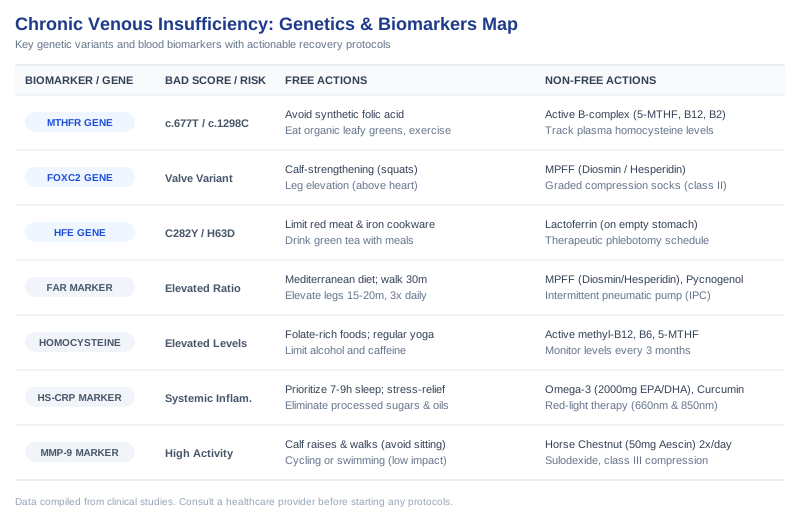
While having a visual map of these pathways is helpful, actively tracking these values in your blood is the key to designing an effective, personalized intervention. Let us explore the primary biomarkers you should monitor to assess and manage the progression of venous disease.
Biomarkers of Venous Health: 6 Critical Markers to Track
To manage chronic venous insufficiency effectively, you must look beyond external physical symptoms and monitor what is occurring within your blood vessels. Circulating biomarkers provide a clear, real-time window into the level of inflammation, tissue remodeling, and oxidative stress affecting your veins. By tracking these six key markers, you and your physician can objectively measure the severity of the condition and evaluate how well your treatment plan is working.
1. Fibrinogen-to-Albumin Ratio (FAR)
The Fibrinogen-to-Albumin Ratio (FAR) has emerged as a sensitive, independent indicator of both the clinical class and the progression of chronic venous insufficiency. Fibrinogen is a major pro-inflammatory protein and clotting factor that rises in response to vascular stress. In contrast, albumin is a negative acute-phase reactant that reflects nutritional status and helps maintain vascular oncotic pressure. When the ratio between these two proteins is elevated, it signals a systemic inflammatory state and an increased risk of blood pooling and microvascular damage.
According to a clinical study by Oguz Karahan et al. (2016), the fibrinogen-to-albumin ratio serves as an independent, highly sensitive, and specific predictor of disease severity. The researchers found that FAR was significantly elevated in patients with advanced clinical classes of venous insufficiency, outperforming individual measurements of fibrinogen or albumin alone.
How to measure it
This marker is calculated by dividing your total plasma fibrinogen level by your serum albumin level. Both tests are widely available through standard clinical laboratory panels. The cost for a combined fibrinogen activity test and a basic metabolic panel (which includes albumin) typically ranges between $40 and $100.
If the score is bad, the plan without supplements
If your FAR is elevated, focus on a strict anti-inflammatory lifestyle to lower systemic fibrinogen and support albumin production. Follow a Mediterranean-style diet rich in leafy green vegetables, wild-caught fish, and olive oil, while eliminating processed sugars and trans fats. Engage in moderate, low-impact exercise—such as brisk walking for 30 minutes, 5 days a week—to promote healthy blood flow and stimulate natural anti-inflammatory cytokines. Additionally, perform lower-limb elevation (raising the legs above the heart for 15 to 20 minutes, three times daily) and wear class II graded compression stockings (20–30 mmHg) to prevent venous stasis, which triggers localized inflammatory responses.
If the score is bad, the plan with supplements or equipment
To target an elevated FAR with supplements, prioritize micronized purified flavonoid fraction (MPFF), typically consisting of 90% Diosmin and 10% Hesperidin. Take 1,000 mg daily for a 3-month cycle, followed by a 1-month break. Diosmin helps reduce leukocyte adhesion and capillary hyperpermeability, which are key drivers of elevated fibrinogen. Potential side effects include mild gastrointestinal discomfort. You may also introduce Pycnogenol (French maritime pine bark extract) at 100 to 150 mg daily to improve microcirculation. For home therapy, utilize an intermittent pneumatic compression (IPC) pump for 30 to 45 minutes daily to mechanically clear pooled blood and reduce local tissue congestion.
2. Plasma Homocysteine
Homocysteine is an amino acid produced during the metabolism of methionine. Elevated levels of plasma homocysteine (hyperhomocysteinemia) damage the delicate inner lining of the blood vessels (the endothelium), impair the production of nitric oxide, and promote local blood clotting. In patients with chronic venous insufficiency, high homocysteine levels exacerbate endothelial dysfunction, making the vein walls more vulnerable to structural stretching and permanent valve failure.
How to measure it
Fasting plasma homocysteine is measured via a simple blood draw. It is standard practice to fast for 10 to 12 hours before the test to ensure accurate results. The cost range for a standalone homocysteine test is typically between $30 and $70.
If the score is bad, the plan without supplements
To manage homocysteine levels through lifestyle, optimize your diet by increasing your intake of natural food sources of folate, vitamin B12, and vitamin B6. These include dark leafy greens, cruciferous vegetables, grass-fed beef, and pasture-raised eggs. Limit your consumption of alcohol and caffeinated beverages, both of which can interfere with B-vitamin absorption and elevate homocysteine. Regular physical activity, particularly structured yoga classes (which have been shown to support healthy homocysteine metabolism), should be practiced 3 to 4 times per week.
If the score is bad, the plan with supplements or equipment
If your homocysteine score is elevated, supplement with active, methylated forms of B vitamins to support the methylation cycle. Take a daily formula containing L-methylfolate (5-MTHF) at 800 mcg, methylcobalamin (B12) at 1,000 mcg, and Pyridoxal 5'-phosphate (B6) at 50 mg. These active forms bypass common genetic conversion blocks. Monitor your blood levels every 3 months. Potential side effects of methylated vitamins include mild anxiety, irritability, or sleep disturbances; if these occur, reduce the dosage by half.
3. High-Sensitivity C-Reactive Protein (hs-CRP)
High-Sensitivity C-Reactive Protein (hs-CRP) is a classic blood marker that measures low-grade, systemic inflammation. In chronic venous insufficiency, the prolonged pooling of blood in the lower extremities causes mechanical shear stress on the vein walls. This stress activates the endothelial cells, attracting white blood cells that infiltrate and damage the delicate venous valves. A high hs-CRP score indicates that this inflammatory cycle is active, contributing to the progressive breakdown of vascular tissue.
How to measure it
The hs-CRP test is a standard, highly sensitive blood test that can be ordered by any primary care physician. The cost is highly affordable, typically ranging from $20 to $50.
If the score is bad, the plan without supplements
To lower systemic inflammation and reduce hs-CRP, prioritize deep sleep and stress management. Aim for 7 to 9 hours of quality sleep nightly, as sleep deprivation directly elevates inflammatory markers. Practice daily stress-reduction techniques such as mindfulness meditation or progressive muscle relaxation for 15 to 20 minutes. Eliminate highly processed foods, refined carbohydrates, and industrial seed oils from your diet, replacing them with whole, single-ingredient foods that are naturally rich in antioxidants.
If the score is bad, the plan with supplements or equipment
A targeted supplemental approach to lower hs-CRP includes high-potency omega-3 fatty acids containing at least 2,000 mg of combined EPA and DHA daily. Omega-3s help resolve active inflammation by yielding specialized pro-resolving mediators. Side effects include a mild blood-thinning effect; consult your physician if you take prescription anticoagulants. Additionally, take 500 mg of curcumin phytosome (standardized to ensure high bioavailability) twice daily. To support local vascular tissue, you can use a home red-light therapy panel (emitting 660 nm and 850 nm wavelengths) positioned 6 to 12 inches from the lower legs for 15 minutes daily.
4. Matrix Metalloproteinase-9 (MMP-9)
Matrix Metalloproteinases (MMPs) are enzymes responsible for remodeling the extracellular matrix of the blood vessel walls. MMP-9, in particular, targets and degrades collagen and elastic fibers, which provide structural strength and elasticity to the veins. When MMP-9 levels are pathologically elevated, the breakdown of these structural proteins causes the vein walls to stretch, widen, and lose their ability to support upward blood flow, leading to varicose veins and valve failure.
How to measure it
MMP-9 is measured via a plasma ELISA (enzyme-linked immunosorbent assay) test. While less common than basic metabolic panels, it is available through advanced cardiovascular and specialty laboratories. The cost range is typically between $80 and $150.
If the score is bad, the plan without supplements
To counteract high MMP-9 activity, you must minimize venous pooling, which mechanically triggers the release of these destructive enzymes. Avoid standing or sitting in one position for more than 30 minutes. If your job requires prolonged sitting, perform calf raises and heel-to-toe rolls (15 to 20 repetitions every hour) to engage the calf muscle pump and clear stagnant blood. Implement a routine of low-impact cardiovascular exercise, such as cycling or swimming, which keeps the venous blood moving without placing excessive impact on the lower extremities.
If the score is bad, the plan with supplements or equipment
To inhibit excess MMP-9, take Horse Chestnut Seed Extract (standardized to 50 mg of Aescin) twice daily. Aescin has been shown to reduce capillary permeability and inhibit the enzymatic degradation of the extracellular matrix. Cycle this supplement by taking it for 8 weeks, followed by a 2-week break. Side effects may include mild nausea or gastrointestinal irritation. Under clinical supervision, the prescription medication Sulodexide (a purified mix of glycosaminoglycans) may be recommended to stabilize the vessel wall matrix. Utilize a compression wrapping system or class III stockings (30–40 mmHg) during active working hours.
5. Vascular Endothelial Growth Factor (VEGF)
Vascular Endothelial Growth Factor (VEGF) is a signaling protein that stimulates the growth of new blood vessels (angiogenesis). In chronic venous insufficiency, the stagnant pool of oxygen-depleted blood in the lower legs creates localized tissue hypoxia. In response, the body releases excess VEGF to stimulate new capillary growth. However, these new microvessels are often fragile, disorganized, and highly permeable, allowing fluid and red blood cells to leak into the surrounding skin, which causes chronic swelling and hyperpigmentation.
How to measure it
Serum VEGF levels are measured using a standard ELISA blood test. This test is typically ordered by vascular specialists or functional medicine practitioners. The cost range for a serum VEGF test is between $90 and $180.
If the score is bad, the plan without supplements
To regulate VEGF, you must address the local tissue hypoxia that drives its overproduction. Elevate your legs above the level of your heart for 20 minutes, 3 to 4 times a day, to facilitate venous drainage and allow oxygenated arterial blood to supply the lower extremity tissues. Practice skin-moisturizing protocols using barrier creams (such as zinc oxide) to maintain skin integrity and prevent the breakdown that often accompanies chronic edema.
If the score is bad, the plan with supplements or equipment
To stabilize microvascular walls and modulate VEGF-induced permeability, supplement with standardized Grape Seed Extract at 150 to 300 mg daily. The oligomeric proanthocyanidins (OPCs) in grape seed extract strengthen collagen structures and reduce vascular leakage. Take grape seed extract consistently for 12 weeks, followed by a 4-week break; side effects are rare but can include mild headaches. You may also employ a home sequential pneumatic compression sleeve system, using it for 30 minutes in the evening to reduce fluid buildup.
6. Serum Iron and Ferritin
Under chronic venous pressure, red blood cells leak out of the capillaries and enter the skin tissue of the lower legs. As these cells rupture, they release iron, which is stored locally as hemosiderin, causing the characteristic dark brown staining of the skin. This local iron deposition triggers intense oxidative stress and tissue damage, eventually leading to skin hardening (lipodermatosclerosis) and non-healing venous leg ulcers. High systemic iron stores (reflected by serum iron and ferritin) can exacerbate this localized toxicity.
How to measure it
A complete iron panel, including serum iron, ferritin, and transferrin saturation, is performed via a routine blood draw. It is recommended to take this test in the morning after an overnight fast. The cost range is highly affordable, usually between $30 and $60.
If the score is bad, the plan without supplements
If your systemic iron and ferritin scores are elevated, take steps to reduce dietary iron absorption. Limit your consumption of heme-rich red meat and avoid iron-fortified cereals or grain products. Drink green or black tea with meals, as the natural polyphenols bind to non-heme iron and inhibit its absorption. If medically cleared by your physician, participate in therapeutic phlebotomy or regular blood donation (2 to 3 times per year) to safely reduce elevated ferritin levels.
If the score is bad, the plan with supplements or equipment
To help regulate iron transport and prevent tissue damage, take Lactoferrin at 100 to 200 mg daily on an empty stomach. Lactoferrin is an iron-binding glycoprotein that helps balance iron levels in the body and prevents free iron from causing oxidative damage. For local skin protection, apply a thick layer of medical-grade zinc oxide cream to areas of skin discoloration to soothe inflammation and support the skin barrier. Utilize multi-layer compression bandages under the supervision of a vascular specialist if skin breakdown is present.
While tracking these biomarkers allows you to monitor current disease activity, your genetic background determines how your body constructs and maintains its vascular system. Let us look at the genetic factors that influence your baseline risk for venous disease.
Genetics and Epigenetics: 5 Key Genes Influencing Venous Remodeling
Your DNA provides the baseline instructions for the strength of your blood vessels, the development of your venous valves, and the way your body processes key nutrients and proteins. Genetic variations, also known as polymorphisms, can make you more susceptible to chronic venous disease by altering the structural integrity of your veins or impairing your inflammatory defenses. Understanding these five key genes helps you identify your biological vulnerabilities so you can take proactive steps to support your vascular health.
1. MTHFR (Methylenetetrahydrofolate Reductase)
The MTHFR gene provides instructions for making an enzyme that is critical for the methylation cycle and the processing of folate. Two common polymorphisms, c.677C>T and c.1298A>C, can reduce the activity of this enzyme. When the enzyme is less active, the body cannot efficiently convert homocysteine into methionine, leading to elevated homocysteine levels that damage the vascular endothelium.
A study published in Blood Coagulation & Fibrinolysis (2015) investigated the morphological progression of primary varicose veins in patients carrying these MTHFR variants. The researchers discovered that the c.677C>T variant was significantly associated with the trunk phenotype of primary varicose veins, while the c.1298A>C variant was strongly linked to the perforator phenotype and congestive complications (CVI classes C3–C6).
If the gene is bad, the plan without supplements
If you carry MTHFR polymorphisms, avoid food products fortified with synthetic folic acid, such as processed white flours and cereals. Synthetic folic acid can accumulate in the blood and block the receptors needed for natural, active folate. Instead, focus on a diet rich in natural folates found in dark leafy greens (spinach, kale, romaine), asparagus, and broccoli. Engage in regular cardiovascular exercise to promote nitric oxide production, which helps protect the endothelial lining from homocysteine-induced damage.
If the gene is bad, the plan with supplements or equipment
To support a sluggish MTHFR enzyme, supplement with active L-methylfolate (5-MTHF) at 800 mcg daily, combined with methylcobalamin (active B12) at 1,000 mcg. Additionally, take 20 to 50 mg of Riboflavin (vitamin B2) daily, as B2 is a vital cofactor that helps the MTHFR enzyme function. Monitor your homocysteine levels every 3 to 6 months to ensure they fall within the optimal range (under 9 umol/L). If side effects like mild anxiety or hyperactivity occur, try reducing the methylfolate dose or switching to non-methylated forms of B12, such as adenosylcobalamin.
2. FOXC2 (Forkhead Box C2)
The FOXC2 gene encodes a key transcription factor that regulates the early development and maintenance of the lymphatic and venous systems. It is particularly essential for the proper formation of venous valves. Mutations or variations in the FOXC2 gene lead to primary valve failure, allowing blood to flow backward (reflux) under the force of gravity, causing venous hypertension and pooling.
A study in Circulation (2007) evaluated individuals with FOXC2 mutations and found a strong, direct association with primary venous valve failure in the lower limbs. The researchers demonstrated that these genetic variations impair the structural development of the valves, leading to early-onset superficial and deep venous reflux.
If the gene is bad, the plan without supplements
Because a FOXC2 variation directly affects the physical structure of your venous valves, lifestyle habits must focus on mechanical support to prevent blood from pooling. Avoid standing or sitting still for long periods. If you work a desk job, set a timer to walk for 5 minutes every hour. Engage in calf-strengthening exercises—such as calf raises and slow, controlled squats—to build a strong muscle pump that can push blood upward despite compromised valves. Always wear graded compression stockings during long trips or prolonged standing.
If the gene is bad, the plan with supplements or equipment
To compensate for structural valve weakness, take micronized purified flavonoid fraction (MPFF) at 1,000 mg daily to improve venous wall tone and reduce microvascular inflammation. Alternatively, supplement with Horse Chestnut Seed Extract (standardized to 50 mg of Aescin) twice daily to support capillary wall resistance. Utilize a medical-grade leg elevation wedge pillow to sleep with your feet slightly elevated above the level of your heart, reducing the gravitational load on your veins overnight.
3. HFE (Homeostatic Iron Regulator)
The HFE gene plays a vital role in regulating how the body stores and transports iron. Certain mutations in this gene, such as C282Y and H63D, are associated with hereditary hemochromatosis, a condition characterized by iron overload. In patients with chronic venous insufficiency, carrying an HFE mutation significantly increases the risk of developing painful, slow-healing venous leg ulcers due to the body's inability to safely process the iron that leaks into the tissues of the lower extremities.
A clinical study published in the Journal of Vascular Surgery (2005) demonstrated that the hemochromatosis C282Y gene mutation increases the risk of venous leg ulceration by approximately seven times (odds ratio of 6.69) in patients with primary chronic venous disease. The study highlighted that the mutation leads to local iron accumulation, which triggers chronic inflammation and skin breakdown.
If the gene is bad, the plan without supplements
If you carry HFE mutations, work to minimize systemic iron accumulation. Avoid eating large amounts of red meat and steer clear of cast-iron cookware. Do not consume foods high in vitamin C at the same time as iron-containing foods, as vitamin C enhances iron absorption. Drink green tea with your meals to help block iron uptake. If your ferritin levels are elevated, consult your doctor about starting a regular schedule of therapeutic phlebotomy (blood removal) to lower your systemic iron stores.
If the gene is bad, the plan with supplements or equipment
To protect your tissues from free iron, supplement with Lactoferrin at 100 mg daily, taken on an empty stomach. Lactoferrin helps bind free iron in the digestive tract and tissues, preventing it from generating destructive free radicals. Avoid taking iron supplements or multi-vitamins containing iron. To protect the skin of your lower legs from iron-induced breakdown, apply a zinc oxide barrier ointment daily and use medical-grade, multi-layer compression wraps to manage any active leg swelling.
4. COL3A1 and COL1A1 (Collagen Genes)
The COL3A1 and COL1A1 genes provide instructions for making type III and type I collagen, respectively. These collagens are the primary structural proteins that give the vein walls their strength, stability, and elasticity. Variations in these genes can alter the ratio of type III to type I collagen in the vessel walls. A decrease in type III collagen weakens the connective tissue, making the veins more prone to dilation, stretching, and permanent deformation.
If the gene is bad, the plan without supplements
To support collagen synthesis and protect your veins, eat a diet rich in vitamin C and amino acids, which are the building blocks of collagen. Include foods like citrus fruits, bell peppers, bone broth, and wild-caught fish in your meals. Avoid smoking and second-hand smoke, as nicotine degrades collagen and weakens blood vessels. Perform progressive resistance training, such as light weightlifting, to stimulate the body's natural collagen production in connective tissues.
If the gene is bad, the plan with supplements or equipment
To support collagen production in the vein walls, take Gotu Kola (Centella asiatica) extract at 60 mg twice daily. Gotu Kola stimulates the synthesis of collagen and glycosaminoglycans in the blood vessel walls, helping to improve their structural integrity. Take Gotu Kola for an 8-week cycle, followed by a 2-week break; side effects are generally mild but can include stomach upset. You can also supplement with 500 mg of Vitamin C daily to support collagen synthesis.
5. VEGFA (Vascular Endothelial Growth Factor A)
The VEGFA gene controls the expression of Vascular Endothelial Growth Factor A, which regulates blood vessel growth and capillary permeability. Certain genetic variations in VEGFA can lead to an overproduction of the protein when tissue oxygen levels are low. In patients with venous insufficiency, this overproduction leads to the growth of weak, leaky capillaries that allow fluid to escape into the surrounding tissues, worsening chronic swelling and skin inflammation.
If the gene is bad, the plan without supplements
To regulate VEGFA activity, prevent the tissue hypoxia that triggers its release. Utilize a structured walking routine to keep blood moving and ensure a steady supply of oxygen to your lower limbs. Practice regular leg elevation during rest periods and avoid wearing tight, restrictive clothing around your waist or thighs, which can impede blood return and increase pressure in the lower legs.
If the gene is bad, the plan with supplements or equipment
To help stabilize capillary membranes and reduce leakage caused by VEGF, supplement with Red Vine Leaf Extract (AS 195) at 360 to 720 mg daily. Red vine leaf extract contains protective flavonoids that help seal leaky vessel walls. Take it consistently for 6 to 12 weeks, followed by a 3-week break. Side effects are rare but may include mild digestive upset. Utilize class II graded compression stockings to physically support the capillaries and prevent fluid from leaking into the surrounding tissue.
Understanding your genetics helps you identify the specific structural and chemical challenges your body faces. To complement these insights, let us explore science-based circulation protocols designed to optimize blood flow throughout your vascular system.
Science-Based Circulation Protocols: Insights from the Huberman Lab Podcast
Understanding your genetic baseline and biomarkers is a vital step, but managing chronic venous insufficiency also requires implementing daily, science-based protocols to optimize your circulation. Modern neuroscience and cardiovascular physiology offer practical, actionable strategies to improve blood flow, strengthen blood vessels, and manage fluid balance in the lower extremities. Below are ten impactful protocols that can help support your vascular system.
1. Commit to Zone 2 Cardiovascular Training
Zone 2 cardiovascular training is steady-state exercise performed at an intensity where you can comfortably maintain a conversation (approximately 60% to 70% of your maximum heart rate). This type of exercise is highly effective for building capillary density in the skeletal muscles, which improves oxygen delivery and venous return. Regular Zone 2 training also strengthens the heart's left ventricle, increasing stroke volume so the heart can pump more blood with each beat. For optimal vascular health, aim for 150 to 200 minutes of Zone 2 exercise per week, divided into sessions of 30 to 60 minutes.
2. Utilize Deliberate Heat Exposure with Caution
Deliberate heat exposure, such as using a Finnish sauna (80°C to 100°C) for 15 to 20 minutes, increases your heart rate and causes widespread vasodilation (the widening of blood vessels) to help dissipate heat. This process helps improve microcirculation and endothelial function. However, because heat causes veins to relax and expand, prolonged heat exposure can worsen venous pooling in patients with chronic venous insufficiency. To use this protocol safely, always follow a sauna session with a cold shower or cold water plunge to stimulate vasoconstriction and help push pooled blood back to the core.
3. Optimize the Nitric Oxide Pathway
Nitric oxide (NO) is a crucial signaling molecule that relaxes the smooth muscle cells lining your blood vessels, helping to maintain healthy blood pressure and flow. To support your body's natural nitric oxide production, include nitrate-rich foods in your diet, such as beets, arugula, spinach, and celery. You can also supplement with L-citrulline (3 to 5 grams daily), which the body converts into L-arginine to produce nitric oxide. Bypassing synthetic ingredients and relying on dietary nitrates helps support vascular flexibility without causing unwanted side effects.
4. Implement Glabrous Skin Cooling
The palms of your hands, the soles of your feet, and the upper face contain unique vascular structures called arteriovenous anastomoses. These areas, known as glabrous skin surfaces, are highly efficient at heat exchange. Applying cool (not freezing) water to these surfaces can quickly help cool your core body temperature and trigger a systemic vascular response. In patients with venous pooling, cooling the feet and palms helps stimulate vasoconstriction in the superficial veins, assisting the return of blood to the central circulation.
5. Support Endothelial Health with Aged Garlic Extract
Aged Garlic Extract (AGE) has been clinically shown to support cardiovascular health by improving endothelial function and reducing blood viscosity. The active organsulfur compounds in aged garlic extract help increase the production of nitric oxide and reduce oxidative stress in the blood vessels. Taking 600 to 1,200 mg of Aged Garlic Extract daily can help support microvascular flow and reduce the sluggish pooling of blood in the lower extremities.
6. Strengthen Veins with Grape Seed Extract
Grape Seed Extract is highly rich in oligomeric proanthocyanidins (OPCs), which are powerful antioxidants that bind to collagen and elastin in the blood vessel walls. This binding action helps protect the structural integrity of the veins and reduces capillary permeability. Taking 150 to 300 mg of standardized Grape Seed Extract daily can help reduce lower-limb swelling, heaviness, and pain by strengthening the physical structure of the vein walls and preventing fluid leakage.
7. Practice the Physiological Sigh
The physiological sigh is a simple breathing pattern characterized by a double inhalation through the nose (one deep breath followed immediately by a quick sniff to fully inflate the lungs) and a long, slow exhalation through the mouth. Performing 3 to 5 physiological sighs in a row helps activate the parasympathetic nervous system, lowering your heart rate and reducing stress-induced vascular tension. This practice helps maintain a calm, relaxed vascular state, which supports healthy blood flow.
8. Use Deliberate Cold Exposure for Vascular Exercise
Deliberate cold exposure, such as taking a cold shower (10°C to 15°C) for 2 to 3 minutes, triggers a rapid release of norepinephrine. This hormone causes the smooth muscle lining of your blood vessels to contract, pushing blood away from the skin and toward your internal organs. This process serves as a workout for the smooth muscle cells in your veins, helping to improve their contractile strength and tone over time, which supports better venous return.
9. Maintain Proper Hydration and Electrolyte Balance
Dehydration causes your blood volume to drop and your blood viscosity to increase, making it harder for your circulatory system to pump blood back up from your lower limbs. To keep your blood flowing smoothly, drink adequate water throughout the day and include key electrolytes—sodium, potassium, and magnesium. Proper hydration keeps your blood at an optimal viscosity, reducing the strain on your venous valves.
10. Activate the Calf Muscle Pump
The calf muscles are often referred to as the "second heart" because their contraction compresses the deep veins of the lower legs, forcing blood upward past the venous valves. To keep this pump active, incorporate movement breaks into your day, especially if you sit or stand for long periods. Performing simple exercises like calf raises, ankle circles, or taking a short 5-minute walk every hour helps prevent blood from pooling and supports healthy venous circulation.
These science-based protocols provide a strong foundation for managing your circulation. To further enhance your venous recovery, you can also incorporate complementary therapies that have been validated in clinical trials.
Complementary and Alternative Modalities for Venous Support
While standard medical treatments and daily circulation protocols are critical, incorporating targeted complementary therapies can provide additional support for chronic venous insufficiency. Several alternative modalities have been evaluated in clinical studies, showing clear benefits for venous flow, symptom reduction, and quality of life. Below are four evidence-based approaches to consider.
Yoga
Yoga is a mind-body practice that combines physical postures, controlled breathing, and focused relaxation. It is a highly relevant therapy for chronic venous insufficiency because many traditional postures involve elevating the legs, which uses gravity to help drain pooled blood from the lower extremities. Additionally, the gentle, rhythmic contraction of the leg muscles during yoga helps stimulate the calf muscle pump without placing high-impact stress on the veins.
A randomized controlled trial published in the Journal of Integrative and Complementary Medicine (2024) evaluated a 12-week yoga intervention in industrial workers who stood for long periods. The researchers found that the yoga group experienced significant reductions in plasma homocysteine levels (a marker of vascular inflammation) and showed clear improvements in their Venous Clinical Severity Scores (VCSS) compared to the control group.
To apply this practice safely, focus on gentle, restorative yoga classes that emphasize leg elevation, such as Viparita Karani (Legs-Up-the-Wall pose). Practice for 20 to 30 minutes, 3 to 4 times per week. Avoid holding strenuous, standing poses for too long, as prolonged static standing can increase pressure in the lower legs. Always consult your doctor before beginning a new physical routine, especially if you have severe venous reflux.
Massage Therapy
Massage therapy, specifically manual lymphatic drainage (MLD), is a gentle technique designed to encourage the movement of lymphatic fluid and venous blood out of congested tissues. MLD is highly relevant for chronic venous insufficiency because chronic venous hypertension often compromises lymphatic function, leading to a combination of fluid retention and tissue swelling in the lower legs.
A clinical study indexed as PMID: 23989970 used duplex ultrasound to evaluate the effects of MLD on lower-limb circulation. The researchers demonstrated that performing specific Leduc method maneuvers (specifically the "call-up" and "reabsorption" techniques) significantly increased the volume and velocity of blood flow in both the deep femoral vein and the superficial great saphenous vein in patients with chronic venous disease.
To implement this therapy, work with a certified lymphatic therapist who is trained in the Leduc or Vodder methods of manual lymphatic drainage. Schedule sessions 1 to 2 times per week during periods of increased swelling. Avoid deep, heavy-pressure massage on the lower legs, as this can damage fragile superficial veins. Do not receive massage if you have an active skin infection, deep vein thrombosis (DVT), or unhealed ulcers.
Breathing-Based Therapies
Breathing-based therapies, particularly diaphragmatic deep breathing, utilize the movement of the diaphragm to alter pressures within the chest and abdominal cavities. This practice is relevant for venous health because the diaphragm acts as a respiratory pump; when you breathe deeply, the changes in pressure help draw venous blood upward from the lower extremities toward the heart.
A classic physiological study published as PMID: 2135043 investigated how breathing patterns affect blood flow in the lower limbs. The study demonstrated that while the downward movement of the diaphragm during inspiration temporarily slows femoral venous flow due to a brief rise in abdominal pressure, the subsequent expiratory phase triggers a significant, rapid resurgence of blood flow, helping to prevent venous stasis.
To apply this protocol, practice slow, diaphragmatic breathing daily. Lie on your back with your knees slightly bent, place one hand on your chest and the other on your abdomen, and breathe in deeply through your nose, allowing your abdomen to rise while keeping your chest relatively still. Exhale slowly through pursed lips. Practice this for 10 minutes twice daily, particularly after periods of prolonged standing or sitting.
Low-Level Laser Therapy / Photobiomodulation
Low-level laser therapy (LLLT), also known as photobiomodulation, uses specific wavelengths of light (typically in the red and near-infrared spectrum) to stimulate cellular energy production and support tissue repair. This therapy is investigated as a supportive treatment for advanced venous insufficiency, particularly for promoting the healing of chronic venous leg ulcers.
According to a clinical review published as PMID: 22409748, the current scientific evidence regarding the use of low-level laser therapy for healing venous ulcers is mixed, with some studies showing positive trends in tissue regeneration and others finding no significant difference compared to standard wound care. The authors emphasized that while LLLT is a promising supportive therapy, it should not replace established treatments like compression therapy.
If you choose to explore photobiomodulation, use it strictly as an adjunctive therapy alongside standard medical care. Under the guidance of a healthcare professional, apply a clinical red/near-infrared light device (emitting 660 nm and 850 nm wavelengths) to the affected lower leg area for 10 to 15 minutes, 3 times per week. Monitor the skin closely for any sensitivity or irritation, and do not apply the light directly over active skin infections or open wounds without clinical approval.
Summary of Next Steps and Vascular Health Action Plan
Managing chronic venous insufficiency requires moving beyond temporary symptomatic relief and addressing the underlying biological drivers of the disease. By tracking key biomarkers like the Fibrinogen-to-Albumin Ratio, plasma homocysteine, and Matrix Metalloproteinase-9, you can monitor tissue remodeling and inflammation in real time. Understanding your genetic baseline—including variants in the MTHFR, FOXC2, and HFE genes—allows you to identify your structural and metabolic vulnerabilities and customize your care accordingly.
To support your veins, combine these insights with daily circulation protocols, such as committing to regular Zone 2 cardiovascular exercise, optimizing your nitric oxide levels, and practicing diaphragmatic breathing. Consider incorporating complementary therapies like manual lymphatic drainage or restorative yoga to help manage swelling and improve blood flow. The next smart step is to review these genetic factors and biomarkers with a qualified vascular specialist or primary care provider to build a comprehensive, personalized recovery plan.