This article contains AI generated content.
· UpdatedCirrhotic Arthropathy: 5 Genes and 7 Biomarkers to Track
Introduction
If you are living with liver cirrhosis and dealing with persistent joint pain, swelling, or stiffness that nobody seems to take seriously, you are not alone in that frustration. Most clinical conversations about cirrhosis center on portal hypertension, varices, and liver function scores — and joint symptoms get relegated to a footnote, or attributed to aging, or lumped together with general inflammation. Yet cirrhotic arthropathy is a real, documented, and mechanistically specific complication that affects a meaningful proportion of people with advanced liver disease, with distinct patterns depending on the underlying cause of the cirrhosis.
Generic advice — eat an anti-inflammatory diet, move more, reduce stress — is rarely wrong, but it is rarely sufficient either. The biology behind joint involvement in cirrhosis is precise enough that knowing which mechanism is most active in your specific case determines which interventions actually matter. Iron overload, uric acid accumulation, autoimmune cross-reactivity, protein deficiency, and inflammatory cytokine dysregulation each call for different responses. Treating the wrong one, or treating all of them vaguely, tends to produce vague results.
This article does not promise a cure, and it does not substitute for working with qualified physicians. What it does is offer a more useful map. The two core strategies here are complementary: a biomarker panel that gives you concrete, measurable signals about the active mechanisms in your body, and a genetics-informed lens that helps explain why your body is responding the way it is.
Better information leads to better decisions — not overnight, but measurably, over time. The frameworks below, from biomarker tracking to genetic variants to complementary modalities with real clinical evidence, are starting points for more targeted conversations with your care team and more purposeful choices in your daily life.
Summary
Cirrhotic arthropathy sits at the intersection of liver disease, immune dysregulation, and metabolic disruption — and it rarely responds to generic arthritis management because the drivers are highly specific. This article tracks 7 key biomarkers that reveal which mechanism is most active: ferritin and transferrin saturation (iron overload), hs-CRP (systemic inflammation), serum uric acid (crystal arthropathy), albumin (synthetic failure and sarcopenia), alkaline phosphatase (hepatic bone disease), IL-6 (inflammatory signaling), and anti-CCP antibodies (autoimmune overlap). For each, you'll find why it matters, how to measure it affordably, and what to do — with and without supplements — if the result is poor.
The genetics section covers 5 high-impact variants — HFE (C282Y/H63D), PNPLA3 (I148M), TNF-alpha (-308G>A), IL6 (-174G>C), and HLA-DRB1/HLA-B27 — and what each implies for your risk level, disease trajectory, and practical management options. Beyond biomarkers and genetics, the article distills the 10 most actionable insights from Peter Attia's longevity framework as applied to liver and joint health, and evaluates which complementary modalities — tai chi, microbiome-directed therapy, photobiomodulation, MBSR, and breathing-based therapy — have real clinical evidence for this condition. The conclusion points toward the single most useful next step, wherever you are in this process.
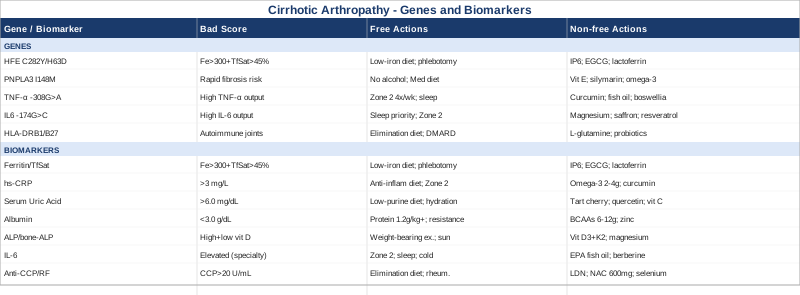
7 Biomarkers Worth Tracking in Cirrhotic Arthropathy
Tracking the right numbers changes the clinical conversation. Instead of managing joint pain as a vague complication of liver disease, a targeted biomarker panel gives you a working hypothesis about the active mechanism — and that hypothesis points toward specific, testable interventions. The seven markers below are chosen because each reflects a distinct biological pathway linking the liver to the joints, and each has actionable implications when the result is abnormal.
1. Ferritin and Transferrin Saturation
Why it matters: Ferritin is an iron storage protein, and elevated ferritin is among the most common lab findings in liver cirrhosis regardless of etiology. In the joint context, high ferritin signals two distinct problems: iron depositing directly in synovial tissue — as seen classically in hereditary hemochromatosis — where it generates reactive oxygen species through Fenton chemistry that degrades cartilage; or acute-phase inflammation, which causes the liver to overproduce ferritin as a response protein independent of actual iron burden. Transferrin saturation — the fraction of transferrin actively carrying iron — distinguishes these two scenarios. A transferrin saturation consistently above 45% combined with elevated ferritin strongly suggests true iron overload. Iron-mediated arthropathy preferentially affects the second and third metacarpophalangeal (MCP) joints — the index and middle finger knuckles — producing a characteristic grip impairment.
How to measure it: Standard serum ferritin is included in most iron panels and costs $30–$80 without insurance. Pair it with serum iron and TIBC (total iron-binding capacity) to calculate transferrin saturation — the combined panel is similarly priced. For definitive iron quantification when overload is suspected, liver iron concentration via MRI ($300–$800) eliminates ambiguity. Measure ferritin every 3–6 months when actively monitoring, and note that inflammation itself elevates ferritin — context matters.
If the score is bad, the plan without supplements: Low-iron diet is the dietary foundation — reducing red meat, organ meats, fortified cereals, and iron-enriched foods. Avoid vitamin C supplementation with iron-containing meals, as ascorbic acid dramatically enhances non-heme iron absorption. Avoid cooking in cast iron. If true iron overload is confirmed and cirrhosis is compensated, therapeutic phlebotomy (controlled blood removal of approximately 500ml per session) remains the most effective and established medical intervention. Phlebotomy is performed by a physician, typically weekly or biweekly until ferritin falls below 50 ng/mL, then quarterly for maintenance. It is contraindicated in decompensated cirrhosis due to coagulation and hemodynamic instability — clarify your liver status with your hepatologist first.
If the score is bad, the plan with supplements or equipment: IP6 (inositol hexaphosphate, 1–2g with meals) binds iron in the gut and modestly reduces absorption — human data for hemochromatosis specifically is limited, use with physician awareness. EGCG from green tea (400mg standardized extract) has iron-chelating properties demonstrated in cell and animal studies. Lactoferrin (300–600mg daily) is a naturally occurring iron-binding protein with a good safety profile that may reduce intestinal iron uptake. None of these replace phlebotomy when true overload is confirmed. Use dietary strategies continuously; for supplemental IP6 or EGCG, reassess every 3 months based on ferritin trends.
2. High-Sensitivity C-Reactive Protein (hs-CRP)
Why it matters: Systemic inflammation is a defining feature of cirrhosis, sustained by bacterial translocation from a permeable gut, endotoxemia, and immune activation. hs-CRP is a direct readout of this inflammatory state and correlates with both liver disease progression and musculoskeletal symptoms. In cirrhotic arthropathy, persistently elevated hs-CRP (above 3 mg/L, and especially above 10 mg/L) signals ongoing synovial inflammation that will not resolve through rest alone. Peter Attia consistently cites hs-CRP as one of his core tracking biomarkers for cardiovascular and metabolic risk — in liver disease, the same signal extends into joint territory with equal importance.
How to measure it: hs-CRP is a standard test available through any reference lab ($15–$50). The critical distinction is high-sensitivity CRP — the standard CRP test lacks resolution for low-grade chronic inflammation. Measure fasting and at a consistent time of day for reproducibility. Retest every 3 months when optimizing interventions.
If the score is bad, the plan without supplements: Anti-inflammatory diet is the structural foundation — eliminating refined carbohydrates, industrial seed oils, and alcohol entirely (the latter being particularly critical in cirrhosis). Sleep optimization is one of the most underestimated levers: hs-CRP rises measurably with even one night of disrupted sleep. Zone 2 aerobic exercise — conversational pace, 30–45 minutes per session, 4–5 times weekly — is one of the most effective non-pharmacological reducers of hs-CRP when practiced consistently over weeks. Exercise tolerance must be scaled to cirrhosis severity; even 20-minute walks produce meaningful benefit in the majority of compensated patients.
If the score is bad, the plan with supplements or equipment: Omega-3 fatty acids (EPA+DHA, 2–4g daily with food) have robust multi-trial evidence for hs-CRP reduction. Curcumin — combined with piperine for meaningful bioavailability — at 500–1000mg daily has demonstrated hs-CRP reductions in multiple human RCTs and meta-analyses; the BCM-95 or Meriva forms absorb significantly better than standard curcumin powder. Caution: both omega-3s and curcumin affect platelet function, which is clinically significant in cirrhosis patients who may already have coagulopathy — discuss with your hepatologist before initiating. No cycling needed for omega-3s at standard doses; monitor INR and platelet function when adding curcumin.
3. Serum Uric Acid
Why it matters: Gout — driven by monosodium urate crystal deposition in joint fluid — is significantly more prevalent in people with liver disease. Cirrhosis is an independent risk factor for hyperuricemia through multiple mechanisms: impaired renal uric acid excretion (worsened in hepatorenal syndrome), common use of thiazide and loop diuretics which both raise uric acid, and a diet high in purines among those consuming alcohol. Crystal arthropathy in the cirrhotic context presents additional management challenges because standard gout medications each carry relevant risks: NSAIDs are contraindicated or require extreme caution in cirrhosis, colchicine requires dose adjustment with impaired renal and hepatic function, and allopurinol has hepatotoxicity potential that demands monitoring.
How to measure it: Serum uric acid is a standard chemistry item, typically $10–$30. Target values: below 6.0 mg/dL for gout prevention; below 5.0 mg/dL for active gout management and crystal resolution. Measure fasting for consistency and repeat every 3–6 months when intervening.
If the score is bad, the plan without supplements: Reducing dietary purines is the primary lever — limiting red meat, organ meats, shellfish, and eliminating beer (which combines purine content with fructose and ethanol, all of which raise uric acid through separate pathways). Fructose is a frequently overlooked driver: high-fructose corn syrup in processed foods and fruit juice increases de novo uric acid synthesis through AMP deaminase activation. Adequate hydration (minimum 2L daily) supports renal excretion. Cherry consumption — fresh tart cherries or concentrated cherry juice — has modest but consistent human data for reducing both uric acid levels and gout flare frequency.
If the score is bad, the plan with supplements or equipment: Tart cherry concentrate (30mL daily or equivalent in capsule form) has been studied in controlled trials showing reduction in gout attack frequency; Zhang et al. (2012) found cherry intake associated with 35% lower risk of recurrent gout attacks in a prospective study (Arthritis and Rheumatism). Quercetin (500mg twice daily) inhibits xanthine oxidase — the enzyme responsible for uric acid production — through a mechanism similar to allopurinol but without hepatotoxicity concerns; cycle 8 weeks on, 2 weeks off as a precaution. Vitamin C (500mg daily) modestly increases renal uric acid clearance and has a strong safety profile. In medically supervised cases where uric acid remains persistently elevated despite lifestyle changes, febuxostat is generally preferred over allopurinol in patients with liver disease — a physician-directed decision.
4. Albumin
Why it matters: Serum albumin is the most fundamental biomarker of liver synthetic function — it is produced exclusively by the liver — and in cirrhosis, hypoalbuminemia (low albumin) is simultaneously a marker of disease severity and a direct driver of musculoskeletal deterioration. Low albumin correlates with sarcopenia (muscle wasting), which removes the structural support that muscles provide to joints, increases mechanical joint loading during movement, and impairs the tissue repair capacity needed for cartilage maintenance. It also reflects the protein availability that the immune system and joint structures depend on. Albumin forms one component of the MELD-Na score used for transplant prioritization, but its relevance to joint health is almost never discussed in that clinical context.
How to measure it: Serum albumin is a component of the comprehensive metabolic panel (CMP), one of the most routinely ordered lab panels ($20–$60). Normal range is 3.5–5.0 g/dL in most reference ranges; in cirrhosis, values below 3.0 g/dL indicate significant synthetic impairment. Test at minimum quarterly, and note that acute illness and hospitalization reduce albumin rapidly through both decreased synthesis and increased volume of distribution.
If the score is bad, the plan without supplements: Dietary protein adequacy is the primary modifiable lever — current cirrhosis nutritional guidelines recommend 1.2–1.5g of protein per kilogram of body weight daily in compensated cirrhosis. Distribution matters as much as total quantity: spreading intake across 4–6 smaller meals maximizes muscle protein synthesis efficiency better than two or three large protein loads. A late-evening snack combining complex carbohydrates and protein (e.g., whole grain crackers with nut butter or a small protein drink) is specifically recommended in European cirrhosis guidelines to prevent the accelerated overnight catabolism characteristic of cirrhosis. Resistance training, even light upper-body and leg work, directly stimulates albumin synthesis through anabolic signaling.
If the score is bad, the plan with supplements or equipment: Branched-chain amino acid (BCAA) supplementation — leucine, isoleucine, and valine, 6–12g daily in divided doses with meals — has specific evidence in the cirrhosis context for improving muscle mass and albumin levels, including benefit demonstrated in randomized controlled trials (Marchesini et al., published in Hepatology). Zinc supplementation (25–50mg elemental zinc daily) is relevant because zinc deficiency is common in cirrhosis and zinc is a cofactor for hepatic albumin synthesis; correction of deficiency reliably supports synthetic function. Side effects of BCAAs at these doses are minimal; they are safe for long-term continuous use. Zinc above 40mg daily long-term can impair copper absorption — pair with 1–2mg copper or cycle periodically.
5. Alkaline Phosphatase (ALP) and Bone-Specific ALP
Why it matters: Alkaline phosphatase is elevated in many liver diseases, but the critical question in cirrhotic arthropathy is whether the elevation reflects liver-origin enzyme versus bone-origin enzyme — because the distinction carries completely different implications for joint and bone health. Hepatic osteodystrophy — bone disease in the context of chronic liver disease — encompasses both osteoporosis (reduced bone mass) and osteomalacia (defective bone mineralization from vitamin D deficiency). Both conditions increase fracture risk, impair joint structural support, and contribute directly to pain and functional limitation. The mechanisms are specific: impaired bile acid production reduces fat-soluble vitamin D absorption; reduced liver hydroxylation capacity impairs vitamin D activation; calcium metabolism is disrupted through multiple pathways.
How to measure it: Standard ALP is part of the CMP ($20–$60). Bone-specific ALP (bsALP) is a separate isoenzyme test available through reference labs ($50–$120) that specifically reflects bone turnover independent of liver enzyme contribution. DEXA scan for bone mineral density is the gold standard for diagnosing hepatic osteodystrophy and fracture risk stratification ($100–$300, often insurance-covered in documented cirrhosis). Measure bsALP and 25-OH vitamin D together for a complete picture.
If the score is bad, the plan without supplements: Weight-bearing exercise — walking, step training, light resistance work — is the most effective non-pharmacological intervention for maintaining bone mineral density; impact-based loading directly stimulates osteoblast activity. Adequate sun exposure (15–20 minutes of direct midday sun on skin without sunscreen, when feasible) supports endogenous vitamin D synthesis. Eliminating any remaining alcohol is non-negotiable: alcohol directly suppresses osteoblasts and accelerates bone resorption through mechanisms independent of liver disease progression.
If the score is bad, the plan with supplements or equipment: Vitamin D3 (2000–5000 IU daily) with cofactor K2 MK-7 (100–200mcg) — K2 directs calcium into bone matrix rather than arterial tissue. Target a 25-OH vitamin D level of 50–70 ng/mL, monitored quarterly. Calcium from whole food sources is preferred over supplements in this population (supplement calcium has been associated with cardiovascular risk signals in some large studies). Magnesium glycinate (200–400mg nightly) is commonly deficient in cirrhosis and is required as a cofactor for vitamin D conversion and bone mineralization — it is also well-tolerated and has additional sleep and muscle relaxation benefits. In medically confirmed osteoporosis, bisphosphonate therapy may be appropriate — physician decision based on bone density and fracture history.
6. Interleukin-6 (IL-6)
Why it matters: IL-6 is a pro-inflammatory cytokine that sits at the center of both liver-driven systemic inflammation and direct joint inflammation in cirrhotic arthropathy. The diseased liver is a major source of dysregulated IL-6 output, and elevated IL-6 drives several interacting downstream effects that are directly relevant to joints: it stimulates hs-CRP production (explaining why this biomarker is elevated in cirrhosis even without infection), it suppresses albumin synthesis (linking hepatic protein deficiency to inflammation), it promotes synovial inflammation through the JAK-STAT pathway, and it drives iron sequestration from tissues — partly explaining the pattern of anemia and metabolic disruption. Elevated IL-6 is independently associated with worse musculoskeletal outcomes in chronic liver disease.
How to measure it: Serum IL-6 is not part of standard panels — it requires a specialty order through reference labs such as LabCorp or Quest ($80–$200). High-sensitivity assays are preferred. Measure fasting and at a consistent time of day, as IL-6 shows meaningful circadian variation and acute elevations from exercise or illness should not be conflated with baseline inflammatory status. Interpret alongside hs-CRP for a more complete inflammatory picture.
If the score is bad, the plan without supplements: Consistent moderate aerobic exercise is the most impactful non-pharmacological IL-6 modifier: while IL-6 transiently rises during exercise (as muscle-signaling myokine), chronic regular aerobic training reliably lowers baseline systemic IL-6 over weeks of practice. Sleep 7–9 hours in a dark, cool room — IL-6 gene expression is tightly regulated by the circadian clock and disrupted sleep amplifies its transcription. Structured stress reduction practices reduce IL-6 through HPA axis modulation — covered further in the mindfulness section below. Cold water immersion (2–3 minutes in water at approximately 15°C, 3x per week) has emerging evidence for modulating inflammatory cytokine balance, though specific IL-6 data in cirrhosis is not established.
If the score is bad, the plan with supplements or equipment: EPA-dominant fish oil (3–4g daily) has demonstrated IL-6 suppression across multiple human trials through its competition with arachidonic acid in inflammatory eicosanoid synthesis. Magnesium glycinate (400mg nightly) addresses a common deficiency in cirrhosis that directly exacerbates NF-κB-mediated cytokine production including IL-6. Berberine (500mg twice daily with meals) has shown cytokine-reducing effects in human studies, additionally supports liver function and insulin sensitivity — cycle 8 weeks on, 2 weeks off and be aware of CYP3A4 interactions with medications metabolized by that pathway. Resveratrol (500mg daily of trans-resveratrol form with food) inhibits IL-6 promoter activity in mechanistic studies; limited direct joint outcome data but a reasonable safety profile. Pharmaceutical IL-6 inhibitors (tocilizumab, sarilumab) exist for severe autoimmune inflammatory arthritis but require specialist evaluation and are not standard in cirrhotic arthropathy.
7. Anti-CCP Antibodies and Rheumatoid Factor
Why it matters: Not all joint pain in cirrhosis originates from the cirrhosis itself, and that distinction matters enormously for treatment. Autoimmune hepatitis and primary biliary cholangitis — both of which progress to cirrhosis — carry elevated rates of coexisting autoimmune arthritis that closely resembles rheumatoid arthritis in presentation. Anti-CCP (anti-cyclic citrullinated peptide) antibodies are the most specific biomarker for rheumatoid arthritis and can be elevated in liver disease-associated autoimmune joint involvement. Rheumatoid factor (RF) is elevated in hepatitis C-associated cryoglobulinemia, which produces its own distinct joint and vascular involvement. Testing these markers provides diagnostic precision that changes everything: it determines whether joint involvement is inflammatory-autoimmune versus metabolic-structural, and these two mechanisms require completely different management approaches.
How to measure it: Anti-CCP antibody panel ($80–$150) paired with RF ($20–$40) and, if autoimmune hepatitis or PBC is in the picture, a full ANA/ENA panel ($100–$250) to characterize the autoimmune profile. Best ordered in consultation with a rheumatologist or hepatologist familiar with overlap syndromes. Positive anti-CCP above 20 U/mL carries high specificity for RA-spectrum disease regardless of liver background.
If the score is bad, the plan without supplements: When anti-CCP positivity is confirmed and RA-overlap is the clinical picture, the management framework shifts explicitly toward rheumatology-guided care. Standard DMARD therapy (methotrexate) carries hepatotoxicity risk in cirrhosis and requires either significant dose modification or avoidance depending on liver reserve — this is a physician decision. Hydroxychloroquine is generally considered safer hepatically and is often the preferred initial DMARD when liver function is compromised. An elimination-style anti-inflammatory diet — removing common dietary antigens including gluten, dairy, nightshades, and processed foods (parallel to the AIP protocol discussed below) — is strongly warranted as an adjunct and has a plausible mechanistic basis in reducing the antigenic stimulation that drives autoimmune joint attack.
If the score is bad, the plan with supplements or equipment: Low-dose naltrexone (LDN, 1.5–4.5mg nightly) has growing practitioner-level use in autoimmune conditions through its toll-like receptor modulation effects — evidence is limited but the safety profile in liver disease is better than most immunomodulators; emerging rather than established. N-acetylcysteine (NAC, 600mg twice daily) supports glutathione synthesis with both hepatoprotective and antioxidant activity relevant to autoimmune inflammation. Selenium (200mcg daily as selenomethionine) has RCT evidence in autoimmune thyroiditis and may be relevant in autoimmune liver disease — it is commonly deficient in cirrhosis. Reassess all supplementation at 3-month intervals with biomarker rechecks.
The Genetic Side: 5 Variants That Shape Your Risk
Genetics does not determine outcomes, but it sets the terrain. For cirrhotic arthropathy, the variants below influence how efficiently your body absorbs and handles iron, how aggressively your liver progresses toward fibrosis, how strongly your immune system amplifies inflammatory signaling, and whether your joints face additional autoimmune pressure layered on top of metabolic strain. These variants can be identified through clinical genetic testing or consumer genomics platforms (23andMe, AncestryDNA) with raw data analysis through third-party tools.
HFE Gene: C282Y and H63D — The Iron Overload Variants
What it does: The HFE gene encodes a protein that regulates hepcidin — the master hormone of iron homeostasis. The C282Y variant, when inherited as two copies (homozygous), is the primary genetic cause of hereditary hemochromatosis: a condition of progressive iron overabsorption that deposits iron in the liver (causing cirrhosis), pancreas (causing diabetes), heart, and joints (causing the distinctive arthropathy). The H63D variant is milder but remains clinically meaningful, particularly in compound heterozygotes (one C282Y + one H63D allele).
Why it matters for joints: Iron deposits within the synovial membrane generate hydroxyl radicals through the Fenton reaction, directly degrading cartilage and synovial tissue independent of inflammatory pathways. The index and middle MCP joints are classically affected first, followed by knees, hips, and ankles. The arthropathy can precede awareness of cirrhosis by years. C282Y homozygosity is estimated to affect approximately 1 in 300 people of Northern European ancestry — it is underdiagnosed.
If the gene is bad, the plan without supplements: Adopt a strict low-iron dietary pattern (see Ferritin section). Initiate regular ferritin and transferrin saturation monitoring every 3–6 months. If you are C282Y homozygous or compound heterozygous and ferritin is above 200 ng/mL (women) or 300 ng/mL (men), work with a hematologist or hepatologist about therapeutic phlebotomy scheduling. Occupational therapy assessment for hand joint protection — ergonomic modifications, grip aids — can significantly reduce mechanical deterioration of MCP joints. Avoid supplemental iron entirely, including in multivitamins.
If the score is bad, the plan with supplements or equipment: Dietary iron chelation through IP6 (1–2g with iron-containing meals), green tea EGCG extract (400mg), and calcium supplementation with meals (which inhibits iron absorption in the gut) all provide modest reduction in iron uptake. These are supportive adjuncts, not alternatives to phlebotomy when iron overload is confirmed. Use dietary strategies continuously; supplement chelators can be reassessed every 3 months alongside ferritin trends.
PNPLA3 rs738409 (I148M) — The Liver Fibrosis Accelerant
What it does: The PNPLA3 I148M variant (G allele at rs738409) is the most robustly replicated genetic risk factor for non-alcoholic fatty liver disease, alcoholic liver disease progression, and fibrosis acceleration. Carriers of one or two G alleles accumulate hepatic fat more readily and progress to fibrosis and cirrhosis more rapidly than non-carriers. Romeo et al. (2008) established this in a landmark genome-wide association study, and it has been replicated across dozens of independent cohorts since.
Why it matters for joints: PNPLA3 does not directly damage joints — it accelerates the trajectory toward cirrhosis, which is what creates the conditions for arthropathy. G allele carriers, particularly G/G homozygotes, tend to reach cirrhotic-stage disease at a younger age and on lower cumulative alcohol or caloric exposure. This means the joint complications associated with cirrhosis may emerge earlier in life, in people who might otherwise not appear to be "high risk" based on lifestyle alone.
If the gene is bad, the plan without supplements: Complete alcohol elimination is the single most impactful behavioral change for G/G homozygotes — the interaction between PNPLA3 genotype and alcohol exposure is multiplicative rather than additive. Reduction of dietary fructose and refined carbohydrates is second in importance, as these substrates specifically drive the hepatic de novo lipogenesis that PNPLA3 dysfunction impairs. Mediterranean dietary pattern — olive oil, vegetables, fish, legumes, limited processed food — has demonstrated benefit in NAFLD specifically. Time-restricted eating (16:8 schedule) has shown hepatic fat reduction independent of caloric intake in controlled studies.
If the score is bad, the plan with supplements or equipment: Vitamin E (400–800 IU daily of natural alpha-tocopherol) has specific RCT evidence for histological improvement in non-alcoholic steatohepatitis — the Sanyal et al. (2010) PIVENS trial demonstrated meaningful benefit. Important caveat: high-dose vitamin E long-term has been associated with prostate cancer risk in one large trial — use the conservative end of the dosing range and monitor annually. Silymarin/milk thistle (140mg three times daily) has a strong hepatoprotective safety record and modest evidence for fibrosis modulation. Omega-3 fatty acids (3–4g EPA/DHA daily) reduce hepatic triglyceride accumulation. No cycling needed for vitamin E or omega-3s at standard doses; reassess annually.
TNF-Alpha -308G>A (rs1800629) — Amplified Inflammatory Response
What it does: The A allele at position -308 of the TNF-alpha promoter increases transcriptional activity of the TNF-alpha gene, resulting in higher baseline and stimulated TNF-alpha production. TNF-alpha is a central inflammatory cytokine: in liver disease, it promotes hepatocyte apoptosis and fibrosis; in joints, it drives synovial inflammation, cartilage breakdown, and the autocrine-paracrine loops that maintain chronic synovitis. A allele carriers thus face amplified inflammatory signaling in both liver and joint tissue simultaneously, creating a particularly unfavorable combination in cirrhotic arthropathy.
If the gene is bad, the plan without supplements: Anti-inflammatory lifestyle intensity should be increased for A allele carriers — not as an optional enhancement but as a structural requirement. Consistent aerobic exercise (Zone 2, 4x/week) directly suppresses NF-κB, the transcription factor through which TNF-alpha signals downstream — this mechanism has been demonstrated in multiple human exercise studies. Sleep optimization takes on additional importance, as sleep deprivation specifically increases TNF-alpha promoter activity. Complete alcohol elimination and resolution of metabolic syndrome features (central adiposity, insulin resistance) are high-leverage priorities.
If the score is bad, the plan with supplements or equipment: Curcumin (1000mg daily in a bioavailable form such as BCM-95 or Meriva) specifically inhibits NF-κB nuclear translocation, blocking a significant portion of TNF-alpha's downstream effects. EPA-dominant fish oil (3–4g daily) competes with arachidonic acid in eicosanoid synthesis, reducing both TNF-alpha production and its downstream prostaglandin effects. Boswellia serrata extract (300mg standardized to AKBA, three times daily) inhibits 5-lipoxygenase — a complementary inflammatory pathway — with human trial evidence in inflammatory joint conditions. Cycle boswellia 8 weeks on, 2 weeks off; continuous use for curcumin and fish oil is appropriate at standard doses.
IL6 -174G>C (rs1800795) — Elevated Interleukin-6 Production
What it does: The G allele at this promoter position increases baseline IL-6 gene transcription. In a healthy individual, this produces modestly higher circulating IL-6; in cirrhosis, where the liver already generates excess IL-6 as part of its disease state, this variant stacks genetic amplification onto disease-driven overproduction. The result is substantially higher baseline IL-6, which drives faster synovial inflammation, more pronounced muscle wasting (through muscle protein catabolism), more aggressive albumin suppression, and greater iron sequestration — each of which feeds back negatively into joint health.
If the gene is bad, the plan without supplements: Sleep management should be treated as a primary medical intervention for G allele carriers — IL-6 promoter activity is highest during circadian disruption, and the consequences in this genetic context are greater than in the general population. Regular zone 2 cardio exercise (30+ minutes, 4–5x/week) consistently down-regulates baseline IL-6 expression over 6–8 weeks of practice. Formalized stress reduction — mindfulness practice, breath-based vagal activation — reduces IL-6 through HPA axis modulation with demonstrated effect sizes in human RCTs.
If the score is bad, the plan with supplements or equipment: Magnesium glycinate (400mg nightly) corrects a deficiency that is virtually universal in cirrhosis and that directly amplifies NF-κB and IL-6 signaling — correction consistently reduces inflammatory markers in those who are deficient. Saffron extract (30mg daily standardized to safranal and crocin) showed meaningful IL-6 reduction in a human RCT for an inflammatory condition, with minimal side effects and a good safety profile in liver disease. Resveratrol (500mg daily, trans-form with food) inhibits IL-6 promoter activity in mechanistic models — clinical joint outcome evidence is limited, but its broad safety profile makes it a reasonable addition. Cycle resveratrol 12 weeks on, 4 weeks off; use magnesium continuously.
HLA-DRB1 Shared Epitope / HLA-B27 — Autoimmune Joint Vulnerability
What it does: HLA (human leukocyte antigen) gene variants determine how the immune system presents antigens and distinguishes self from non-self. HLA-DRB1 shared epitope (SE) alleles are the strongest established genetic risk factor for seropositive rheumatoid arthritis, and these same alleles are relevant to the autoimmune liver disease-associated joint involvement that occurs in autoimmune hepatitis and primary biliary cholangitis. HLA-B27 is associated with spondyloarthropathies — ankylosing spondylitis, reactive arthritis — which can co-occur with inflammatory bowel disease and overlapping hepatic inflammation. In the context of autoimmune-origin cirrhosis, HLA typing explains why some patients develop a destructive inflammatory joint disease beyond what liver disease alone would predict.
If the gene is bad, the plan without supplements: Gut permeability reduction is the most impactful mechanical intervention for HLA-driven autoimmune joint disease: the gut-joint-liver axis runs through a permeable intestinal barrier that allows bacterial antigens to activate HLA-presented immune responses against joint tissue through molecular mimicry. An elimination-style autoimmune protocol diet (see Strategy 4) directly reduces this antigenic drive. Physician-guided DMARD therapy (hydroxychloroquine preferred over methotrexate in liver disease) may be appropriate when joint damage is progressive.
If the score is bad, the plan with supplements or equipment: L-glutamine (5g twice daily between meals) is the primary fuel for enterocytes and supports intestinal barrier integrity, reducing antigenic leakage. Colostrum (bovine, 1–2g daily) contains immunoglobulins and growth factors that support mucosal repair — evidence is emerging rather than definitive. Lactobacillus and Bifidobacterium-rich probiotic formulations (minimum 25 billion CFU daily) have demonstrated inflammatory marker reduction in autoimmune conditions by competing with pathogenic bacteria that generate autoimmune-triggering antigens. Physician oversight is strongly recommended before initiating any supplement protocol in an HLA-confirmed autoimmune scenario, as the treatment approach intersects with disease-modifying therapy decisions.
What Peter Attia's Outlive Framework Teaches About Liver, Joints, and Longevity
Peter Attia's 2023 book Outlive: The Science and Art of Longevity is not specifically about cirrhotic arthropathy, but it offers a framework for thinking about biomarker tracking and chronic disease management that translates directly into how one should approach the condition. The following ten points — drawn from Attia's framework and cross-applied to the liver-joint context — represent some of the most immediately actionable implications.
1. Treat the Upstream Cause, Not Just the Number
Attia's foundational argument is that treating a bad biomarker with a drug — without addressing the mechanism producing it — is poor medicine. In cirrhotic arthropathy, this means interrogating why ferritin is high, why albumin is low, why IL-6 is elevated. Each bad number is a signal about a specific upstream dysfunction, not a disease in itself. The value of the biomarker panel in this article is not the numbers themselves — it is the mechanistic story they tell.
2. ApoB Over Total Cholesterol — and What This Means in Liver Disease
Attia's strong emphasis on ApoB as the central cardiovascular biomarker matters here because liver disease dramatically disrupts lipid metabolism. Cirrhosis often produces paradoxically low total cholesterol while inflammatory cardiovascular risk remains high. ApoB tracking provides a more honest signal than standard lipid panels in this population — and the metabolic picture that produces elevated ApoB (insulin resistance, visceral adiposity) overlaps substantially with the drivers of cirrhotic arthropathy.
3. Zone 2 Exercise Is the Most Underused Metabolic Intervention
Attia returns to zone 2 aerobic exercise — conversational pace, 45–60 minutes per session, 4 times weekly — throughout Outlive as the single most important metabolic and anti-inflammatory intervention available without a prescription. In compensated cirrhosis, exercise tolerance is reduced but exercise is not contraindicated — and even modified walking programs produce measurable reductions in liver stiffness, hs-CRP, and muscle mass maintenance over 8–12 weeks.
4. Muscle Is a Longevity Organ
Sarcopenia — muscle wasting — is treated in Outlive not as a cosmetic concern but as a core driver of metabolic disease, insulin resistance, and structural fragility. In cirrhosis, muscle loss is simultaneously a marker of disease severity and a driver of joint deterioration. Preserving or rebuilding muscle mass is among the highest-leverage interventions available, through both dietary protein adequacy and progressive resistance training scaled to functional capacity.
5. Sleep Is a Quantifiable Intervention, Not a Soft Variable
Attia frames sleep quality as a primary metabolic determinant rather than a secondary wellness consideration. For joint inflammation driven by IL-6 and hs-CRP — both of which are tightly regulated by the circadian clock — sleep disruption is not merely suboptimal; it is mechanistically inflammatory. Heart rate variability (HRV) via wearable devices (Oura Ring, Garmin, Whoop) provides a practical daily readout of autonomic recovery and sleep quality without requiring additional lab draws.
6. Insulin Resistance Amplifies Every Inflammatory Pathway
Attia dedicates substantial attention to hyperinsulinemia as a driver of systemic inflammation through NF-κB activation and downstream cytokine production. In the cirrhosis context, insulin resistance is extremely common — the liver normally plays a central role in glucose clearance. Time-restricted eating (16:8 window), low-glycemic dietary patterns, and resistance training all address insulin sensitivity directly, and the downstream effect on IL-6, hs-CRP, and joint inflammation is mechanistically direct.
7. Build a Personalized Lab Panel Beyond Standard Check-ups
Attia's repeated observation is that standard annual blood work misses most of the markers that actually predict long-term health trajectory. The panel described in this article — ferritin, transferrin saturation, hs-CRP, uric acid, albumin, bsALP, IL-6, anti-CCP — is not available from a single standard panel. Constructing a personalized protocol, ideally in partnership with a functional medicine physician or a metabolically engaged hepatologist, is the path to meaningful monitoring.
8. The Centenarian Decathlon: Define Your Physical Goals
Attia's "centenarian decathlon" concept — identifying the specific physical activities you want to maintain in late life and working backward to build the necessary capacity — provides a practical frame for joint health in cirrhosis. Defining specific goals (walking 20 minutes without pain, maintaining hand grip strength for daily tasks, climbing stairs unassisted) creates measurable targets that make intervention success or failure visible rather than vague.
9. Continuous Glucose Monitoring as a Real-Time Dietary Feedback Tool
CGM devices (Dexcom G7, FreeStyle Libre) are not only for diabetics. In cirrhosis with associated insulin resistance, a two-week CGM period provides real-time feedback about which foods produce inflammatory glucose spikes. This information permanently changes dietary decision-making in ways that general advice cannot — it makes abstract recommendations concrete and personal.
10. Emotional Regulation Is Metabolic Medicine
Attia is direct in Outlive about the metabolic cost of chronic psychological stress and emotional dysregulation: cortisol elevation, downstream glucose volatility, and amplified inflammatory cytokine signaling. Structured stress reduction — mindfulness-based stress reduction, therapy addressing illness-related distress, breath-based autonomic regulation — is not a soft adjunct in this framework. It is a quantifiable intervention with measurable downstream effects on the biomarkers that drive joint inflammation.
Complementary Approaches with Meaningful Clinical Evidence
The following modalities were selected because they have human clinical evidence that is meaningfully applicable to the mechanisms active in cirrhotic arthropathy. They work alongside — not instead of — the biomarker optimization and lifestyle approaches described above.
Tai Chi: Joint Mobility and Fall Prevention in Liver Disease
Tai chi is a slow, continuous, low-impact movement practice that gently loads joints through full range of motion while incorporating balance training and mindful body awareness. Its relevance to cirrhotic arthropathy is threefold: it improves joint mobility without the injury risk of high-impact exercise, it reduces fall risk (critical in cirrhosis patients with potential coagulopathy and balance impairment), and its meditative component produces measurable reductions in cortisol and inflammatory markers.
A systematic review by Yan et al. (2015) in Arthritis Care and Research found that tai chi significantly reduced pain and improved physical function in patients with arthritis, with benefits appearing within 8–12 weeks of consistent practice across multiple randomized trials. Tai chi has also been evaluated specifically as a rehabilitation modality in liver disease populations, with favorable safety outcomes.
Begin with 20-minute sessions three times per week — a structured class setting is strongly preferred for initial weeks to ensure form is correct and joint stress is appropriate. Chair-based tai chi modifications exist for those with significant balance impairment or fatigue. Progress gradually: cirrhosis often reduces exercise tolerance and extends recovery time, so warm-up periods should be longer than for healthy populations. Avoid sessions within 2 hours of a heavy meal.
Microbiome-Directed Therapies: The Gut-Liver-Joint Axis
The gut microbiome in cirrhosis is profoundly altered — dysbiosis drives bacterial translocation, endotoxemia, and the systemic inflammatory cascade through the gut-liver axis. This same cascade reaches the joints: bacterial products (lipopolysaccharides, peptidoglycans) that cross a permeable intestinal barrier activate innate immune receptors in synovial tissue, amplifying local inflammation. Microbiome-directed therapies — targeted probiotics, prebiotic fibers, and fermented foods — represent a mechanistically compelling approach to reducing this source of joint-directed inflammatory load.
A randomized controlled trial published in Hepatology (Bajaj et al., 2014) demonstrated that multi-strain probiotic supplementation in cirrhotic patients reduced serum endotoxin levels and systemic inflammatory markers, with associated improvements in cognitive and functional outcomes — suggesting downstream reduction in the inflammatory burden that reaches joints. Fermented foods (plain kefir, kimchi, sauerkraut) combine live microbial strains with prebiotic substrates that feed beneficial gut bacteria.
Practical protocol: introduce one fermented food serving daily (beginning small to avoid bloating) and add a multi-strain probiotic (containing Lactobacillus acidophilus, Bifidobacterium longum, and Bifidobacterium lactis, minimum 10–25 billion CFU) with breakfast. Prebiotic fiber — partially hydrolyzed guar gum or acacia fiber, 5g daily, increased gradually — feeds the beneficial strains between doses. Discuss with your hepatologist before initiating in decompensated cirrhosis, where immune function is significantly impaired and the risk-benefit calculation changes.
Low-Level Laser Therapy and Photobiomodulation: Reducing Synovial Inflammation Locally
Photobiomodulation (PBM) uses specific wavelengths of red and near-infrared light (600–1100nm) to stimulate mitochondrial cytochrome c oxidase in target tissue, reduce local prostaglandin production, and promote tissue repair. Applied to inflamed joints, PBM reduces synovial edema, supports cartilage metabolism, and improves local circulation — without interacting with liver metabolism or coagulation pathways. This makes it particularly relevant for cirrhosis patients who cannot safely use NSAIDs, COX-2 inhibitors, or high-dose analgesics.
A Cochrane review on low-level laser therapy for rheumatoid arthritis found significant pain reduction and functional improvement compared to sham treatment, and subsequent trials in osteoarthritis of the knee and hand have confirmed meaningful benefits. The evidence base is moderate rather than definitive, but the safety profile in liver disease is exceptional, with no systemic absorption or hepatic metabolism.
Practical application: a 830nm near-infrared or 660nm red light device (handheld therapeutic laser or panel) applied to affected joints for 8–12 minutes per session, 3–5 times weekly. Home-use red light panels from reputable manufacturers (Joovv, Mito Red, PlatinumLED) provide appropriate irradiance at a one-time cost of $200–$800. Treat consistently for at least 6 weeks before evaluating response. Avoid direct eye exposure. PBM is a supportive intervention — its value is greatest when the underlying drivers (iron overload, uric acid, inflammation) are being addressed simultaneously.
Mindfulness Meditation and MBSR: Chronic Pain Modulation and Cytokine Reduction
Mindfulness-based stress reduction (MBSR) — the structured 8-week program developed by Jon Kabat-Zinn at the University of Massachusetts — has one of the strongest evidence bases in non-pharmacological pain management. In cirrhotic arthropathy, where pain is often chronic, multifactorial, and undertreated (due to analgesic restrictions in liver disease), MBSR provides a genuinely useful tool: it does not require hepatic metabolism, it addresses the psychological burden of chronic illness, and it produces measurable changes in inflammatory biomarkers.
A systematic review and meta-analysis (Hilton et al., 2016, published in Annals of Behavioral Medicine) evaluated 38 randomized controlled trials of mindfulness meditation for chronic pain and found significant reductions in pain intensity, depression, and quality of life interference. Separate analyses have demonstrated modest but consistent reductions in hs-CRP and IL-6 in stressed populations following MBSR.
Accessible starting points include the Insight Timer app (free), the UCLA Mindful app, or the online MBSR course offered through the University of Massachusetts Medical School. Begin with 10-minute daily body scan meditations focused on joint and body awareness. Build toward 30 minutes daily over 4–6 weeks. The formal 8-week group program, when available locally, is the most studied format and offers accountability. Meaningful pain modulation differences are typically measurable at 8 weeks, with peak benefit at 3–6 months of consistent daily practice.
Breathing-Based Therapies: Vagal Activation and the Anti-Inflammatory Reflex
Controlled breathing practices — diaphragmatic breathing, slow-paced breathing at 5–6 cycles per minute, extended exhale breathing — activate the vagus nerve and shift autonomic balance toward parasympathetic dominance. Vagal activation directly suppresses inflammatory cytokine production through the cholinergic anti-inflammatory pathway: acetylcholine released by vagal terminals inhibits macrophage TNF-alpha and IL-6 synthesis. This mechanism was characterized in detail by Kevin Tracey and has been replicated across multiple human studies. In cirrhosis, where inflammatory tone is persistently elevated, vagal breathing represents an accessible, free, and mechanistically grounded intervention.
Human trials using device-guided slow breathing (including the RESPeRATE device and comparable biofeedback approaches) have demonstrated significant reductions in blood pressure and inflammatory markers in hypertensive and stressed populations. The extended exhale phase is specifically important for vagal activation: an exhale-to-inhale ratio of approximately 2:1 consistently produces greater parasympathetic shift than equal-duration breathing.
Practical protocol: practice two 5-minute slow breathing sessions daily — inhale for 5 seconds, exhale for 8–10 seconds — before meals and at bedtime. Free apps (Breathwrk, Othership) guide the rhythm effectively. The cyclic sighing technique (double inhale through the nose followed by a long slow exhale through the mouth, repeated for 5 minutes) has shown the fastest acute stress reduction in a recent Stanford human trial and requires no equipment. Progressive muscle relaxation combined with this breathing pattern amplifies the relaxation effect and is particularly relevant for joint pain management at night.
Conclusion
Cirrhotic arthropathy is not random, and it is not simply an unavoidable consequence of liver disease. It reflects specific mechanisms — iron overload, inflammatory cytokine dysregulation, crystal arthropathy, protein deficiency, bone disease, autoimmune overlap — each driven by identifiable and partially modifiable factors. The seven biomarkers in this article give you and your clinical team a concrete way to identify which mechanisms are most active in your case. The five gene variants provide context for why your particular body is responding as it does. Together, they support more targeted decisions rather than generic management.
No single supplement, dietary change, or complementary therapy reverses this condition in isolation. What changes outcomes is consistent, informed action across multiple fronts — tracking the right numbers, addressing the identified mechanisms, working with physicians who engage with this level of complexity, and applying evidence-based complementary approaches where the evidence is genuine.
The most useful next step is concrete: identify which of these biomarkers you have never had measured, and bring a targeted lab request to your next hepatology appointment. If genetic testing has not been considered, the HFE variant alone — if confirmed as C282Y homozygous — changes the entire management trajectory for joint health in ways that make it worth pursuing. And if the clinical picture involves autoimmune liver disease, requesting a rheumatology consultation specifically familiar with overlap syndromes is a warranted and productive step.
Endocrine & Metabolic Autoimmune
Musculoskeletal: Bone Conditions Joint Conditions
Digestive: Liver & Gallbladder Conditions
Autoimmune: Inflammatory Conditions