This article contains AI generated content.
· UpdatedClear-Cell Chondrosarcoma Genes Biomarkers - 6 Genes And 7 Biomarkers To Track
Introduction
A diagnosis of clear-cell chondrosarcoma lands differently than most. It is rare enough that many oncologists have seen only a handful of cases in their careers, and the information available to patients is often generic, borrowed from broader chondrosarcoma literature, or outdated by a decade. If you have been told to "wait and watch" after surgery, or if you are trying to understand what is actually happening at the cellular level, that ambiguity can be exhausting.
The challenge with a tumor this uncommon is that clinical guidance has to extrapolate. Clear-cell chondrosarcoma behaves differently from conventional chondrosarcoma — it tends to be lower grade, it occupies the ends of long bones rather than the shaft, and its molecular fingerprint is distinct. Generic bone cancer advice frequently misses those distinctions. A treatment or monitoring strategy designed for high-grade conventional chondrosarcoma may be poorly suited to this subtype.
This article takes a more targeted approach. Rather than summarizing what is already on every oncology patient website, it focuses on two evidence-anchored lenses: the specific biomarkers that can help track disease status, inflammation, and bone health over time, and the genetic factors increasingly understood to drive clear-cell chondrosarcoma behavior. These are not cure strategies. They are information tools that allow you and your care team to make better-informed decisions.
Better information does not guarantee better outcomes, but it reduces the feeling of flying blind. What follows covers seven blood and tissue biomarkers worth discussing with your oncologist, six genes increasingly implicated in this tumor's biology, a summary of one of the most thought-provoking books challenging conventional cancer thinking, and a selection of complementary approaches with genuine clinical evidence in cancer care. Each of these offers a different angle on a problem that deserves more than one angle.
Summary
This article focuses on clear-cell chondrosarcoma, one of the rarest and least understood bone tumor subtypes. The primary section covers 7 biomarkers — from bone-specific alkaline phosphatase to the cartilage degradation marker CTX-II — explaining what each reveals, how to measure it affordably, and what actionable steps may move each number in the right direction, both with and without supplementation. A genetics section then examines 6 key genes including IDH1/IDH2, TP53, CDKN2A, ATRX, SOX9, and COL2A1, and what each may mean for someone navigating this diagnosis. Further sections cover the metabolic theory of cancer through Dr. Jason Fung's The Cancer Code, and three complementary approaches — mindfulness-based stress reduction, qigong, and low-level laser therapy — selected for their clinical evidence in oncology and bone health contexts. Evidence is graded honestly throughout: where data is strong, it is stated as such; where it is preliminary or extrapolated from related tumors, that is clearly noted.
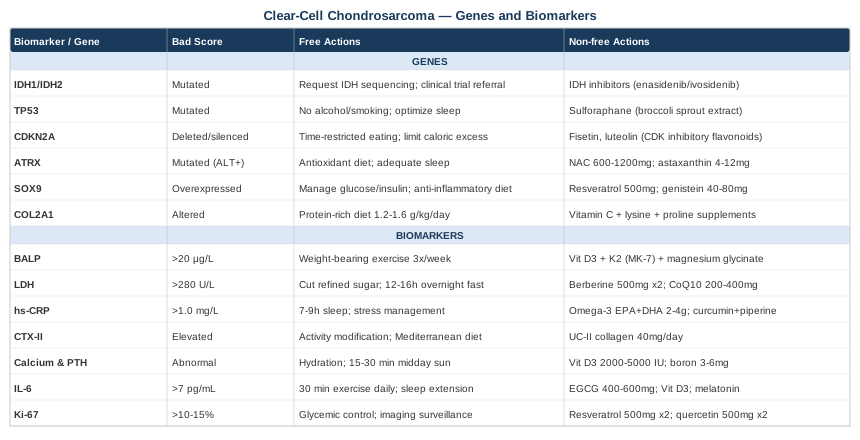
7 Biomarkers Worth Tracking in Clear-Cell Chondrosarcoma
Because clear-cell chondrosarcoma is predominantly treated with surgery, post-operative monitoring becomes the long game. Imaging — CT, MRI, bone scan — is the primary surveillance tool, but it only shows structural change once it has already occurred. Biomarkers occupy the upstream position: they can signal metabolic shifts, inflammatory changes, and bone remodeling activity before a lesion becomes radiologically apparent. None of the following biomarkers are specific to clear-cell chondrosarcoma alone. They are drawn from the broader bone tumor literature, cartilage biology, and oncology monitoring practice, and they are worth tracking in combination rather than in isolation.
Biomarker 1: Bone-Specific Alkaline Phosphatase (BALP)
Why it matters. Alkaline phosphatase (ALP) is an enzyme produced by osteoblasts during bone formation. The bone-specific isoform (BALP) isolates skeletal activity from liver contributions, making it a more precise signal in oncology monitoring. In bone tumors, elevated BALP reflects active bone remodeling — either from the tumor itself stimulating osteoblasts, or from the body's repair response around a lesion. Clear-cell chondrosarcoma is notable for producing woven bone trabeculae as part of its histological signature, making bone turnover tracking particularly relevant.
How to measure it. Standard serum ALP is part of most comprehensive metabolic panels (CMP), costing approximately $10–30 in the U.S. The bone-specific isoform (BALP) requires a separate, specialty test and typically costs $60–150 through commercial labs such as Quest or LabCorp. Optimal range is generally below 20 µg/L for BALP in adults; standard ALP upper normal is approximately 120 U/L depending on the lab.
If BALP is elevated — plan without supplements. The first step is ruling out liver-origin elevation by requesting a liver function panel and GGT simultaneously. If the liver is clear, evaluate calcium and PTH to understand the broader bone metabolism picture. Weight-bearing physical activity has been shown in multiple studies to modulate bone turnover favorably — a 2017 review in Bone confirmed that progressive resistance exercise reduces markers of pathological bone resorption in cancer patients. Frequency: at minimum three sessions per week, cleared by your oncology team based on current bone integrity.
If BALP is elevated — plan with supplements or equipment. Vitamin D3 (1,000–4,000 IU daily, adjusted to serum 25-OH-D levels targeting 40–60 ng/mL) and vitamin K2 (MK-7 form, 100–200 mcg daily) work synergistically to direct calcium into bone rather than soft tissue. Magnesium glycinate (200–400 mg nightly) supports phosphatase regulation. These are generally safe adjuncts but should be confirmed with your oncologist, particularly if you are on any anticoagulants (K2 can interact with warfarin). Cycle: continuous with quarterly blood reassessment.
Biomarker 2: Lactate Dehydrogenase (LDH)
Why it matters. LDH is a broad-spectrum marker of cell turnover and metabolic activity. In oncology, elevated LDH is associated with higher tumor burden, accelerated glycolysis (the Warburg effect), and poorer prognosis across multiple cancer types. While not specific to chondrosarcoma, LDH provides a rough barometric reading of overall tumor metabolic activity. A rising LDH on serial testing, particularly without another obvious explanation, warrants closer imaging follow-up.
How to measure it. LDH is included in most basic metabolic panels. Cost: approximately $15–35. Normal range is typically 140–280 U/L, though lab-specific ranges vary. More important than a single reading is the trend across multiple time points.
If LDH is elevated — plan without supplements. Confirm that no acute muscle injury, hemolysis, or infection is driving the elevation. In cancer surveillance, a rising LDH without another explanation warrants an imaging review. Metabolically, reducing dietary refined sugar and ultra-processed carbohydrates — which feed the glycolytic pathway cancer cells exploit — is a meaningful and low-risk lifestyle intervention. Research published in CA: A Cancer Journal for Clinicians supports dietary glycemic control as part of integrative oncology care. Time-restricted eating (a 12–16 hour overnight fast) may also modulate LDH by limiting systemic insulin signaling.
If LDH is elevated — plan with supplements or equipment. Berberine (500 mg twice daily with meals) has demonstrated mTOR and glycolysis-inhibiting effects in preclinical studies, though human cancer data remains early. CoQ10 (200–400 mg daily with a fatty meal) supports mitochondrial efficiency and may counteract the metabolic shift toward fermentative glycolysis. Side effects of berberine include GI discomfort; cycling (8 weeks on, 2 weeks off) is commonly recommended. Always disclose to your oncologist before starting.
Biomarker 3: High-Sensitivity C-Reactive Protein (hs-CRP)
Why it matters. Chronic low-grade inflammation is now recognized as a promoter of tumor microenvironment activity. CRP — especially the high-sensitivity version — is the most accessible surrogate for systemic inflammatory state. In bone tumor patients, elevated hs-CRP has been associated with accelerated disease progression and reduced treatment response across the sarcoma literature. It is also a marker of surgical recovery quality and of how the body is managing the post-resection inflammatory cascade.
How to measure it. High-sensitivity CRP (hs-CRP) is a distinct test from standard CRP. Cost: $15–50. Target: below 1.0 mg/L is associated with lowest cardiovascular and cancer-related inflammatory risk, per the cardiovascular and oncology literature both. Between 1.0–3.0 mg/L is moderate elevation; above 3.0 mg/L indicates significant ongoing inflammation.
If hs-CRP is elevated — plan without supplements. Sleep is the most underestimated anti-inflammatory intervention available. Research published in Sleep demonstrates that less than 6 hours of sleep per night significantly increases CRP independent of other variables. Targeting 7–9 hours with a consistent sleep-wake schedule, managing psychological stress through structured approaches (discussed in the complementary section), and reducing processed food intake — particularly trans fats and refined carbohydrates — are the most evidence-consistent lifestyle levers.
If hs-CRP is elevated — plan with supplements or equipment. Omega-3 fatty acids (EPA + DHA combined: 2,000–4,000 mg daily with food) have the strongest human evidence for lowering hs-CRP in both cardiovascular and cancer populations. A meta-analysis in Nutrients confirmed consistent hs-CRP reductions with omega-3 supplementation. Curcumin with piperine (500 mg curcumin with 5 mg piperine, twice daily) also demonstrates anti-inflammatory effects; note that curcumin may interact with certain chemotherapy agents — check before starting. Frequency: continuous; reassess every 8–12 weeks.
Biomarker 4: CTX-II (C-Telopeptide of Type II Collagen)
Why it matters. This is the most cartilage-specific biomarker on this list. CTX-II is a degradation fragment of type II collagen — the structural protein that defines hyaline cartilage, the tissue from which chondrosarcoma originates. When cartilage is actively being broken down — whether by the tumor, by the body's enzymatic response, or by local inflammation — CTX-II fragments are released into urine and blood. Elevated CTX-II in a chondrosarcoma context may reflect active cartilaginous matrix turnover and is one of the few biomarkers with direct biological rationale for this tumor type.
How to measure it. CTX-II is measured in a second-void morning urine sample, normalized to creatinine. It is not available at standard labs and typically requires specialty ordering through rheumatology or orthopedic oncology channels. Cost: approximately $80–180. A blood version (serum CTX-II) is available in some research contexts. This biomarker is more established in osteoarthritis research than in chondrosarcoma specifically — there are no validated chondrosarcoma-specific cutoffs yet, and its clinical use here is extrapolated from cartilage disease biology.
If CTX-II is elevated — plan without supplements. Reducing mechanical stress on affected joints through activity modification is the first step — your orthopedic oncologist should guide this based on current bone and tissue integrity. Avoiding high-impact activity that loads the affected area is standard. Anti-inflammatory dietary adjustments (Mediterranean dietary pattern) reduce pro-inflammatory matrix metalloproteinase (MMP) activity that drives type II collagen degradation.
If CTX-II is elevated — plan with supplements or equipment. Undenatured type II collagen (UC-II, 40 mg daily on an empty stomach) has demonstrated cartilage-protective effects in human arthritis studies through oral tolerization mechanisms. A randomized controlled trial in the International Journal of Medical Sciences found significant CTX-II reduction with UC-II supplementation in osteoarthritis. While evidence in chondrosarcoma does not exist, the mechanism is shared at the collagen biology level. Discuss this with your oncologist before starting, as cartilage-modulating agents in a tumor context require careful consideration.
Biomarker 5: Serum Calcium and Parathyroid Hormone (PTH)
Why it matters. Bone tumors — both primary and metastatic — can disrupt calcium homeostasis. Hypercalcemia of malignancy, while more common in carcinomas with widespread bone metastases, can occur in primary bone tumors with extensive osteoclastic activity. Tracking serum calcium alongside PTH (and PTHrP if hypercalcemia is confirmed) gives a picture of whether the tumor is actively destabilizing bone mineral regulation. For clear-cell chondrosarcoma patients post-resection, ensuring calcium and PTH remain within normal range is also relevant to bone healing and reconstruction integrity.
How to measure it. Serum calcium is part of every CMP panel ($10–30). Intact PTH requires a separate draw ($30–80). Corrected calcium (adjusting for albumin level) is more meaningful than raw calcium in cancer patients who may have low albumin. Normal corrected calcium: 8.6–10.2 mg/dL; intact PTH: 15–65 pg/mL.
If calcium or PTH is abnormal — plan without supplements. Hypercalcemia in a cancer context requires prompt medical evaluation — it is not a self-managed condition. Ensure adequate hydration (which promotes renal calcium excretion), and report any symptoms of hypercalcemia (excessive thirst, confusion, fatigue, nausea) to your oncologist immediately. For mildly low PTH with normal calcium, maximizing sun exposure (15–30 minutes of midday sun on uncovered skin) naturally supports the vitamin D-PTH axis.
If calcium or PTH is abnormal — plan with supplements or equipment. For patients with confirmed vitamin D insufficiency (25-OH-D below 30 ng/mL), supplementation of 2,000–5,000 IU D3 daily is standard practice in integrative oncology. Avoid high-dose calcium supplements if calcium is already trending high; instead, prioritize dietary calcium from food sources. Boron (3–6 mg daily) supports calcium retention and PTH regulation in some research, though evidence in oncology is limited.
Biomarker 6: Interleukin-6 (IL-6)
Why it matters. IL-6 is one of the most important cytokines in the tumor microenvironment. It promotes tumor cell survival, suppresses anti-tumor immune responses, drives the acute-phase response (including elevating CRP and fibrinogen), and activates STAT3 — a transcription factor that is constitutively active in many malignancies. Elevated IL-6 in sarcoma patients has been associated with resistance to treatment and poorer outcomes. In bone tumors specifically, IL-6 also activates osteoclastogenesis, the process by which bone is broken down, creating a self-reinforcing cycle of bone destruction and tumor growth.
How to measure it. IL-6 is a specialty blood test, typically ordered through immunology or oncology labs. Cost: $80–300 depending on the lab and location. It is not routinely included in standard oncology panels in most countries, so it may require an explicit request to your team. Normal serum IL-6: below 7 pg/mL in most reference ranges; cancer patients may run chronically above this threshold.
If IL-6 is elevated — plan without supplements. Exercise is the most potent non-pharmacological IL-6 modulator known. The relationship is nuanced: acute exercise transiently spikes IL-6 from contracting muscle (this is anti-inflammatory in context), while chronic moderate exercise consistently reduces resting IL-6 levels. A structured walking or low-impact resistance program, 30 minutes on most days, has demonstrated significant IL-6 reductions in cancer survivor populations. Sleep extension and stress reduction (see complementary approaches below) also meaningfully reduce IL-6 baseline levels.
If IL-6 is elevated — plan with supplements or equipment. EGCG (epigallocatechin gallate from green tea extract, 400–600 mg standardized extract daily) has demonstrated IL-6 suppression in multiple human studies. Vitamin D3 at optimal serum levels (40–60 ng/mL) also directly suppresses IL-6 gene transcription. Melatonin (0.5–5 mg, 30 minutes before sleep) has immune-modulating and IL-6-suppressing effects confirmed in cancer research. Note: high-dose melatonin may interfere with some chemotherapy protocols — confirm with your oncologist.
Biomarker 7: Ki-67 Proliferation Index (Tissue-Based)
Why it matters. Ki-67 is not a blood test — it is a protein assessed by immunohistochemistry from the tumor biopsy specimen. It marks the percentage of cells actively dividing at the time of resection. In conventional chondrosarcoma, Ki-67 correlates closely with tumor grade and prognosis. For clear-cell chondrosarcoma — which is generally considered low-grade — Ki-67 indices are typically low (below 5%), which is part of what distinguishes it from dedifferentiated chondrosarcoma at the other end of the spectrum. However, if your pathology report shows an unexpectedly elevated Ki-67, that information changes the monitoring and treatment conversation.
How to measure it. Ki-67 is assessed at the time of surgical pathology. If your original pathology report does not include it, slides from the resection specimen can be sent for immunohistochemical staining at a reference pathology lab. Cost is typically included in surgical pathology fees or can be added for $100–300. Ask your pathologist specifically for Ki-67 by immunohistochemistry if not already reported.
If Ki-67 is unexpectedly elevated — plan without supplements. A Ki-67 above 10–15% in a tumor otherwise classified as clear-cell chondrosarcoma warrants second opinion pathology review to confirm grade and subtype classification. This information should trigger a more aggressive imaging surveillance schedule and a review of resection margins. At the lifestyle level, all interventions that reduce proliferative signaling — glycemic control, sleep, reducing IGF-1 through time-restricted eating — become higher priority.
If Ki-67 is elevated — plan with supplements or equipment. Resveratrol (500 mg twice daily with a fatty meal) has demonstrated anti-proliferative effects through multiple pathways including SIRT1 activation and mTOR inhibition, with preliminary human data in cancer contexts. Quercetin (500 mg twice daily) has shown synergistic effects with resveratrol in cell-cycle arrest studies. Evidence in chondrosarcoma specifically is preclinical only — these are adjuncts for discussion with your integrative oncology team, not replacements for surveillance or treatment.
Moving from what can be tracked in blood and tissue to what may be happening at the DNA level adds another layer of understanding — particularly for those considering genetic counseling, tumor molecular profiling, or targeted therapy trials.
The Genetic Landscape of Clear-Cell Chondrosarcoma
One of the challenges in clear-cell chondrosarcoma research is that its rarity has made large genomic studies nearly impossible. What is known comes primarily from case series, small cohort studies, and inference from broader chondrosarcoma molecular biology. The following six genes represent the most frequently implicated and most clinically relevant targets identified to date. Where evidence is extrapolated, it is labeled as such.
Gene 1: IDH1 and IDH2
What these genes do. Isocitrate dehydrogenase 1 and 2 are metabolic enzymes that normally convert isocitrate to alpha-ketoglutarate in the citric acid cycle. Mutated IDH1/IDH2 instead produce 2-hydroxyglutarate (2-HG), an oncometabolite that disrupts epigenetic regulation, blocks cellular differentiation, and promotes tumor development.
Relevance to clear-cell chondrosarcoma. This is a critical distinction: IDH1/IDH2 mutations are found in approximately 50–56% of conventional chondrosarcomas and dedifferentiated chondrosarcomas. However, multiple studies have confirmed that clear-cell chondrosarcoma has a significantly lower IDH mutation rate — likely below 10–15%. This means clear-cell chondrosarcoma is molecularly distinct at this level, which has implications for targeted therapy eligibility (IDH inhibitors like enasidenib and ivosidenib are only useful where IDH mutations are present). Tumor molecular profiling at the time of resection should include IDH1/IDH2 sequencing.
If IDH1/IDH2 are mutated — plan. Request IDH mutation testing from your pathology specimen if not already done. If a mutation is confirmed, discuss eligibility for IDH inhibitor clinical trials with a sarcoma specialist. Metabolically, 2-HG accumulation impairs alpha-ketoglutarate-dependent dioxygenases; supporting alpha-ketoglutarate through vitamin C (1,000–3,000 mg daily divided), which serves as a cofactor for these enzymes, has theoretical basis but no clinical trial evidence in this specific context.
Gene 2: TP53
What this gene does. TP53 encodes p53, the most important tumor suppressor protein in human biology. It monitors DNA damage, halts cell cycle progression when errors are detected, and initiates apoptosis when damage is irreparable. Loss of TP53 function removes one of cancer's primary brake systems.
Relevance to clear-cell chondrosarcoma. TP53 mutations are more common in dedifferentiated chondrosarcoma (the highest-grade variant) and are associated with tumor progression. In clear-cell chondrosarcoma specifically, TP53 alterations are not a defining feature, but they have been reported in cases that show unexpected local aggressiveness or late recurrence. TP53 status from tumor profiling adds prognostic nuance and may affect eligibility for certain clinical trials.
If TP53 is mutated — plan without supplements. TP53 loss cannot be directly "corrected" at the lifestyle level. However, behaviors that reduce DNA damage and oxidative stress — avoiding alcohol, avoiding smoking, optimizing sleep (when p53 activity peaks for DNA surveillance), and limiting prolonged UV exposure — reduce the burden on p53-independent repair pathways. Exercise has also been shown to upregulate p53-independent tumor suppressor pathways.
If TP53 is mutated — plan with supplements or equipment. Sulforaphane (from broccoli sprout extract, standardized to 10–20 mg sulforaphane daily) activates Nrf2 and NQO1 pathways, supporting antioxidant defense independent of p53. Research published in Cancer Prevention Research supports its role in reducing oxidative DNA damage in humans. This is an adjunct only; discuss with your oncologist, particularly if concurrent systemic therapy is being considered.
Gene 3: CDKN2A (p16INK4a)
What this gene does. CDKN2A encodes p16INK4a, a cell cycle inhibitor that blocks CDK4/6 from phosphorylating Rb and driving cells into division. Loss of CDKN2A — through deletion, methylation, or mutation — removes a critical brake on the G1-S cell cycle checkpoint.
Relevance to clear-cell chondrosarcoma. CDKN2A deletion has been reported across multiple chondrosarcoma subtypes and is one of the more consistent molecular alterations in the broader family. Its specific prevalence in clear-cell chondrosarcoma is not well quantified in published series, but given its frequency in related bone tumors, tumor profiling should include it. CDKN2A loss could theoretically influence eligibility for CDK4/6 inhibitor trials (palbociclib, ribociclib), which are being studied in bone sarcomas.
If CDKN2A is deleted or silenced — plan without supplements. Prioritize reducing IGF-1 signaling, which amplifies CDK4/6 activity downstream of CDKN2A loss. This is achieved most consistently through time-restricted eating (a 16-hour overnight fast reduces overnight IGF-1 pulses) and avoiding chronic caloric excess. Resistance exercise paradoxically supports healthy IGF-1 pulsatility while reducing its chronically elevated baseline in sedentary individuals.
If CDKN2A is deleted or silenced — plan with supplements or equipment. Fisetin (100–200 mg daily) and luteolin (100–200 mg daily) have shown CDK inhibitory effects in cancer cell lines, though human evidence is limited. These flavonoids are available as supplements and have favorable safety profiles. Senolytic cycling protocols (dasatinib and quercetin, typically used in longevity research) are being investigated in cancer biology but should only be considered within a clinical trial framework given the evidence gap.
Gene 4: ATRX
What this gene does. ATRX is a chromatin remodeling gene involved in telomere maintenance. When ATRX is mutated or lost, cells can activate an alternative pathway to extend telomeres — the Alternative Lengthening of Telomeres (ALT) mechanism. ALT-positive tumors bypass normal replicative senescence, effectively allowing unlimited cell division.
Relevance to clear-cell chondrosarcoma. ATRX mutations and ALT activity have been identified in several sarcoma subtypes and are increasingly recognized in chondrosarcomas. ALT-positive tumors have distinct biology — they are often associated with longer telomeres, specific chromosomal instability patterns, and potentially different sensitivity to certain therapeutic agents. ATRX status is now routinely included in comprehensive sarcoma molecular profiling panels.
If ATRX is mutated (ALT-positive) — plan without supplements. Reducing overall cellular oxidative stress is particularly relevant in ALT-positive tumors because reactive oxygen species at telomeres drive the ALT mechanism's DNA damage response. This means prioritizing antioxidant-rich food patterns (Mediterranean diet), adequate sleep (oxidative stress peaks during sleep deprivation), and avoiding sources of environmental oxidative load including smoking and excessive alcohol.
If ATRX is mutated (ALT-positive) — plan with supplements or equipment. NAC (N-acetyl cysteine, 600–1200 mg daily) supports glutathione synthesis, the primary intracellular antioxidant buffer. Astaxanthin (4–12 mg daily with a fat-containing meal) provides potent lipid-soluble antioxidant protection with a favorable safety profile. Both are adjuncts. Note that high-dose antioxidants during active chemotherapy or radiation remain debated — timing matters and coordination with your oncology team is essential.
Gene 5: SOX9
What this gene does. SOX9 is the master transcription factor governing chondrogenic differentiation — it is the molecular switch that tells stem cells to become cartilage cells. In normal development, SOX9 drives the entire chondrogenesis program. In chondrosarcoma, SOX9 overexpression is a defining feature, reflecting the tumor's cartilaginous identity and driving continued production of type II collagen and aggrecan, the proteins that make up cartilage matrix.
Relevance to clear-cell chondrosarcoma. SOX9 overexpression is essentially universal in chondrosarcomas, including the clear-cell variant, and can be assessed by immunohistochemistry on the tumor specimen. Beyond its diagnostic utility, SOX9 drives the anabolic cartilage program that fuels the tumor's matrix production and, by extension, creates the environment in which the tumor grows. SOX9 is also under investigation as a potential therapeutic target, though no approved SOX9-directed therapies exist yet.
If SOX9 is overexpressed — plan without supplements. The best non-pharmacological approach to downstream consequences of SOX9 overexpression is optimizing the systemic environment that either supports or limits cartilaginous matrix production. This means managing glucose and insulin (which activate IGF-1, a known activator of SOX9 downstream targets), and maintaining anti-inflammatory dietary and lifestyle practices.
If SOX9 is overexpressed — plan with supplements or equipment. Resveratrol has shown preliminary evidence of downregulating SOX9 activity in cartilage cell research. Genistein (soy isoflavone, 40–80 mg daily) has also demonstrated effects on chondrogenic transcription factor activity in cell studies, though human evidence in chondrosarcoma is absent. These remain speculative adjuncts at this evidence level.
Gene 6: COL2A1 and the Collagen Pathway
What this gene does. COL2A1 encodes the alpha-1 chain of type II collagen, the structural scaffold of hyaline cartilage. In normal cartilage, COL2A1 expression is tightly regulated by SOX9. In chondrosarcoma, COL2A1 mutations and copy number changes alter the collagen matrix architecture, contributing to tumor invasiveness and resistance to therapy.
Relevance to clear-cell chondrosarcoma. COL2A1 mutations have been identified in conventional chondrosarcoma genomic studies and are part of the chondrosarcoma mutational landscape. In the clear-cell variant, the dense woven bone matrix intermixed with cartilage lacunae reflects a complex COL2A1 and collagen type I (COL1A1) interplay. Collagen pathway alterations may influence how the tumor responds to the physical and biochemical environment around it.
If COL2A1 alterations are identified — plan without supplements. Ensuring adequate dietary amino acid availability — particularly glycine, proline, and hydroxyproline, the structural amino acids of all collagens — supports normal connective tissue maintenance throughout the body without directly "feeding" the tumor. Bone broth, collagen-rich foods, and overall protein adequacy (at least 1.2–1.6 g/kg body weight daily) support normal tissue repair post-surgery.
If COL2A1 alterations are identified — plan with supplements or equipment. Vitamin C (500–1000 mg daily) is a required cofactor for collagen hydroxylation (both in normal tissue repair and, potentially, in whatever collagen synthesis the tumor is generating). Lysine and proline (500 mg each, 2x daily) as targeted amino acids support normal fibroblast and connective tissue collagen formation. The oncological implications of collagen pathway supplementation in a chondrosarcoma context are not established — flag this discussion with your specialist.
What The Cancer Code by Dr. Jason Fung Reveals About Bone Tumors
The Cancer Code (2020) by Dr. Jason Fung is one of the most accessible and research-anchored books challenging standard cancer thinking. While it does not address clear-cell chondrosarcoma specifically, its metabolic framework applies to solid tumors broadly and offers perspectives that oncologists rarely discuss in a 20-minute clinic appointment. Below are the ten most impactful ideas from the book.
1. Cancer Is an Evolutionary Process, Not Simply a Genetic Disease
Fung argues that cancer is best understood as cells reverting to ancestral survival programs — growth at any cost — rather than simply a collection of genetic mutations. This reframes how we think about the genetic alterations discussed above: they are not the disease, they are the tracks that a cellular "escape" runs on.
2. The Warburg Effect Is Cancer's Core Metabolic Signature
Nobel laureate Otto Warburg identified that cancer cells preferentially ferment glucose to lactate even in the presence of oxygen — a less efficient but faster energy pathway. This is why LDH (a glycolysis product) matters as a biomarker, and why reducing systemic glucose availability through dietary means has a mechanistic (not just theoretical) rationale.
3. Insulin and IGF-1 Are the Growth Signal Amplifiers
Fung details how chronically elevated insulin — driven by high-carbohydrate diets, obesity, and sedentary behavior — activates IGF-1, which in turn stimulates the PI3K/mTOR pathway that cancer cells exploit for growth and survival. This is not cancer-specific; it is a general oncology consideration with implications for how patients structure their diet.
4. Fasting Reduces Cancer Proliferation Signals Distinctly
When glucose and insulin fall during an extended fast, cancer cells — which cannot easily switch to fat oxidation — become metabolically stressed. Normal cells adapt through ketosis; cancer cells cannot as effectively. Fung summarizes human pilot data on fasting in cancer patients showing reduced chemotherapy side effects and improved tumor response, though he is careful to note that evidence is still early.
5. The Tumor Microenvironment Is as Important as the Tumor Itself
Cancer does not grow in isolation. The surrounding inflammatory, fibrotic, and immunological environment determines whether a cancer cell thrives or is contained. This is why IL-6, CRP, and systemic inflammation management — tracked through the biomarkers above — matter not just for general health but specifically for the oncological environment.
6. Sugar Is Not Just "Empty Calories" in Cancer Patients
Fung presents evidence that dietary sucrose and fructose are disproportionately problematic in cancer contexts because fructose is processed almost exclusively by the liver into lipids and activates de novo lipogenesis pathways that support tumor membrane synthesis. This is more specific than the general "sugar is bad" claim — the mechanism matters.
7. Metformin's Anti-Cancer Properties May Exceed Its Diabetes Application
Metformin inhibits Complex I of the mitochondrial electron transport chain, reducing mitochondrial glucose use and indirectly lowering insulin levels. Epidemiological studies consistently show that diabetic patients on metformin have lower cancer incidence than those on other drugs. Whether this translates to therapeutic benefit in non-diabetic cancer patients is an active research question, and some oncologists now prescribe it off-label in this context.
8. Obesity Creates a Chronic Cancer-Promoting Environment
Adipose tissue — particularly visceral fat — secretes pro-inflammatory cytokines including IL-6, TNF-alpha, and leptin, all of which promote tumor growth. Fung's data shows that even modest (5–10%) body weight reduction in overweight cancer patients significantly reduces circulating inflammatory markers. This is one of the highest-leverage interventions available without a prescription.
9. Time-Restricted Eating Differs from Caloric Restriction
The book distinguishes between eating less (caloric restriction, which tends to lower metabolism and is unsustainable) and eating within a defined window (time-restricted eating, which activates autophagy, lowers insulin, and supports circadian metabolic rhythm). A 12–16 hour overnight fast is the practical entry point; longer fasts (24–72 hours) show stronger anti-cancer metabolic signals in early human data but require medical supervision in cancer patients.
10. The Goal Is to Restore Metabolic Flexibility, Not to Starve the Patient
Fung closes with a balanced framework: the point is not aggressive restriction but restoring the metabolic variability — between fed and fasted states, between glucose and fat as fuels — that cancer cells cannot tolerate. For a post-surgical chondrosarcoma patient focused on recovery and recurrence prevention, this translates to a practical dietary and activity approach rather than a clinical intervention.
Complementary Approaches with Meaningful Evidence in Bone Cancer Care
The following three modalities were selected because they have human clinical evidence specifically in oncology or musculoskeletal contexts, and they align with the physiology of clear-cell chondrosarcoma — a bone and cartilage tumor with significant implications for physical function, pain, and post-surgical recovery. None replace standard care; all are most effective as adjuncts within a well-communicated care plan.
Mindfulness-Based Stress Reduction (MBSR)
MBSR is an 8-week structured program developed by Dr. Jon Kabat-Zinn that combines mindfulness meditation, body scan practices, and gentle yoga. Its relevance in clear-cell chondrosarcoma care extends beyond general wellbeing: chronic psychological stress directly elevates cortisol and IL-6, both of which promote the inflammatory microenvironment discussed above. A rare bone tumor diagnosis creates significant psychological burden, and this stress biology has measurable downstream consequences.
The evidence base in oncology is substantial. A 2019 meta-analysis in Psycho-Oncology reviewing 29 randomized controlled trials found that MBSR significantly reduced anxiety, depression, fatigue, and pain in cancer patients, with secondary reductions in inflammatory biomarkers including CRP. The program has been validated across tumor types and stages.
For a clear-cell chondrosarcoma patient, MBSR is most practically accessed through oncology-partnered programs at cancer centers, or through digital platforms offering the full 8-week curriculum (Palouse Mindfulness offers the complete program freely online). Commitment is 45 minutes of formal practice daily during the 8-week program, dropping to maintenance practice of 20–30 minutes daily afterward. Side effects are minimal; some patients with prior trauma should work with a trauma-informed instructor.
Qigong
Qigong is a traditional Chinese movement practice combining slow, coordinated movement, breath control, and meditative focus. Unlike high-intensity exercise, qigong can be practiced safely by post-surgical patients with limited mobility or bone integrity concerns — which is particularly relevant for clear-cell chondrosarcoma patients who have undergone proximal femur or humerus resection and reconstruction. It directly addresses range of motion, neuromuscular coordination, and the psychological dimensions of living with a bone tumor.
Human clinical evidence in oncology has grown substantially. A systematic review published in the Journal of Cancer Survivorship found that qigong practice in cancer patients reduced fatigue, improved sleep quality, and lowered inflammatory marker levels compared to controls. A randomized controlled trial in breast cancer patients showed measurable cortisol and CRP reductions after 10 weeks of practice — biomarkers directly relevant to the monitoring plan above.
For practical application in clear-cell chondrosarcoma, start with a seated or standing qigong protocol under the guidance of a certified instructor familiar with oncology patients. Sessions of 20–30 minutes, 5 days per week, represent the frequency used in most clinical studies. Avoid any poses that load the affected bone until cleared by your surgical team. The Eight Brocades (Ba Duan Jin) is the most studied qigong form in cancer research and is widely available through instructional video.
Low-Level Laser Therapy (LLLT) / Photobiomodulation
Photobiomodulation (PBM) uses specific wavelengths of red and near-infrared light (typically 630–1000 nm) to stimulate cellular mitochondrial activity, reduce local inflammation, and promote tissue repair. In the context of clear-cell chondrosarcoma, its most relevant application is post-surgical: supporting soft tissue and bone healing around the resection site, managing scar tissue formation, and reducing post-operative pain and lymphedema.
Human evidence supporting PBM in post-surgical oncology contexts is growing. A randomized controlled trial published in Supportive Care in Cancer demonstrated significant reductions in post-surgical pain and wound healing time in cancer patients treated with PBM compared to sham devices. In musculoskeletal applications, PBM has also been shown to support bone remodeling by activating osteoblast activity — a potentially relevant mechanism given the bone reconstruction context of chondrosarcoma surgery.
Practically, PBM can be administered by physical therapists, sports medicine physicians, or oncology rehabilitation specialists using devices cleared for soft tissue use. Avoid direct application over any area of known active tumor residual or unresected disease. Sessions typically run 8–20 minutes, 3–5 times per week for 4–8 weeks post-surgically. Home devices (class 2 laser or LED panels) are available but should only be used after professional assessment and with oncologist knowledge. Side effects are minimal when protocols are followed correctly; direct eye exposure must always be avoided.
Conclusion
Clear-cell chondrosarcoma is rare enough that navigating it requires active engagement — with your surgical oncologist, your pathologist, and your own ongoing monitoring. The biomarkers covered here give you a vocabulary for that engagement: seven measurements that can track inflammatory state, bone metabolism, cartilage turnover, and tumor biology over time. The genetic factors add a second layer of context, explaining some of the molecular drivers that distinguish this tumor from others in the chondrosarcoma family. Neither replaces imaging surveillance, but both make you a more informed participant in your own care.
The metabolic and complementary strategies covered in this article — dietary structure, stress reduction, qigong, and photobiomodulation — are not presented as alternatives to surgery or surveillance. They are the non-pharmacological levers that most oncology appointments do not have time to discuss, and they are supported by enough evidence to be worth raising with your care team.
The most useful next step is usually the simplest one: request a copy of your full pathology report and surgical notes if you do not have them, identify which of the seven biomarkers have not yet been checked, and bring a specific list to your next oncology appointment. Better questions lead to better conversations, and better conversations lead to better decisions.
Musculoskeletal: Bone Conditions Joint Conditions
Autoimmune: Inflammatory Conditions Connective Tissue Conditions
Cancer & Oncology: Bone Cancer