This article contains AI generated content.
· UpdatedClostridial Myonecrosis - 5 Genes And 6 Biomarkers To Track
Introduction
When you or someone you care about faces the risk or recovery phases of a severe, deep-tissue condition like clostridial myonecrosis, the clinical terms can feel overwhelming and distant. It is easy to feel lost in a sea of sterile medical literature, wondering how abstract concepts of anaerobic bacterial invasion translate to your immediate health, tissue integrity, and peace of mind. The rapid progression of necrotizing soft-tissue infections is frightening, and the fear of sudden vascular collapse or loss of tissue can leave you feeling powerless.
Most generic health advice is simply too broad to be of any real use here. Telling a person at risk of tissue ischemia to eat a balanced diet or stay active fails to address the underlying physiological vulnerabilities that allow anaerobic pathogens to thrive. These infections do not occur in a vacuum; they require specific cellular environments characterized by low oxygen tension, compromised immune defenses, and microvascular decay. Standard guidelines often miss the subclinical indicators that signal when tissues are crossing the threshold from healthy respiration into hypoxic danger.
This article takes a deeper, more rigorous, and science-aware approach. By shifting the focus toward specific genetic predispositions and measurable cellular markers, we can map the exact landscape of your body's microcirculation and innate immunity. We move past generalities to examine the precise physiological switches that determine whether your muscle tissues can resist anaerobic bacterial colonization, neutralize destructive bacterial toxins, and heal effectively.
Grounded hope comes from precision. Armed with accurate data, you and your medical team can make highly targeted decisions to support your vascular health and immune resilience. In the following sections, we will explore six critical biomarkers to monitor your tissue oxygenation and muscle integrity, five genetic factors that influence your baseline risk, and clinical insights from hyperbaric medicine and therapeutic breathing. Each of these strategies is designed to shed light on how to keep your tissues robustly oxygenated and protected.
Summary
This comprehensive guide breaks down the biological framework behind tissue oxygenation and immune defenses, specifically in relation to clostridial myonecrosis risk. You will discover the six vital biomarkers—ranging from transcutaneous oxygen tension to creatine kinase—that reveal the real-time state of your muscle tissue and capillary perfusion. Additionally, we examine five key genes, including Toll-like receptor 2 and hypoxia-inducible factor 1-alpha, which govern your genetic susceptibility to anaerobic pathogens. The article also provides actionable protocols, details hyperbaric oxygen insights, and evaluates alternative modalities such as photobiomodulation and breathing therapies to help you optimize your vascular health.
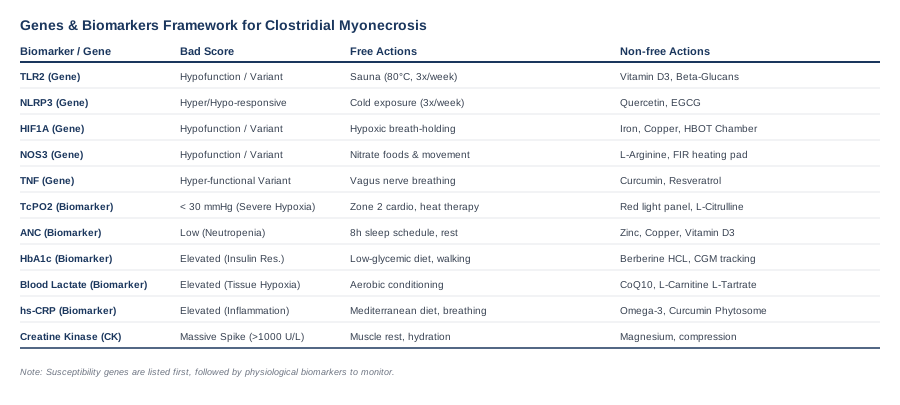
Between monitoring your body's physiological indicators and understanding your genetic blueprint, you can build a highly proactive defense. Let us begin by examining the six primary biomarkers that offer direct insight into your tissue perfusion and muscular health.
Six Biomarkers to Monitor for Muscle Tissue Integrity and Hypoxia Defense
To effectively counter the threat of clostridial myonecrosis, we must focus on the physiological parameters that the causative bacteria, Clostridium perfringens, exploit. As obligate anaerobes, these bacteria require an environment devoid of oxygen to germinate from spores, multiply, and release their destructive toxins. Therefore, tracking biomarkers related to tissue oxygenation, microvascular health, inflammatory status, and muscle damage is our primary line of defense. The following six biomarkers represent the most scientifically validated indicators to monitor.
1. Transcutaneous Oxygen Tension (TcPO2)
Why it matters: Transcutaneous oxygen tension measures the local partial pressure of oxygen in the skin and underlying tissues. Because clostridial spores rely on local tissue hypoxia to germinate and initiate myonecrosis, maintaining optimal tissue oxygen tension is the single most important physiological barrier against infection. If local oxygen levels drop below a critical threshold, the anaerobic niche is established.
What it may reveal: Low TcPO2 levels reveal subclinical peripheral arterial disease, microvascular dysfunction, or localized tissue ischemia. Levels below 30 mmHg indicate severe hypoxia, where tissue healing is severely compromised and anaerobic bacteria can easily thrive.
How measurement is done (with cost range): This non-invasive test uses heated electrochemical sensors placed on the skin's surface to measure oxygen diffusion from the capillaries. It is typically performed in vascular clinics or wound care centers. The cost range is generally between $150 and $350 per session.
What may improve it: Improving systemic arterial flow, enhancing microvascular capillary density, and utilizing hyperbaric or topical oxygen applications.
If the score is bad, the plan without supplements: Engage in structured cardiovascular exercise, specifically Zone 2 cardio (such as brisk walking or cycling at a conversational pace), for 30 to 45 minutes daily. This stimulates angiogenesis and increases capillary density. Additionally, implement localized heat therapy (warm compresses or infrared sauna sessions) for 15 to 20 minutes, 3 to 4 times a week, to induce microvascular vasodilation. Frequency/Cycling: Perform Zone 2 exercise 5 days a week; heat therapy can be cycled 3 weeks on, 1 week off. Side effects: Mild muscle fatigue or temporary localized redness from heat exposure.
If the score is bad, the plan with supplements or equipment: Use a home-use photobiomodulation (red/near-infrared light) panel. Apply it directly to vulnerable limb areas for 10 to 15 minutes per session, 4 times a week. Supplement with L-citrulline at a dose of 3 to 5 grams daily to support nitric oxide production and enhance blood flow. Frequency/Cycling: Take L-citrulline daily for 8 weeks, followed by a 2-week break. Apply photobiomodulation continuously. Side effects: L-citrulline may cause mild gastrointestinal upset or a temporary drop in blood pressure.
2. Absolute Neutrophil Count (ANC)
Why it matters: Neutrophils are the host's primary innate immune cells responsible for phagocytosing bacteria and releasing neutralizers against bacterial toxins. Severe neutropenia is a classic predisposing factor for spontaneous gas gangrene, particularly that caused by Clostridium septicum, allowing the pathogen to translocate from the gut and invade muscle tissue without any preceding trauma.
What it may reveal: An abnormally low ANC indicates immunocompromise, neutropenia, or myelosuppression, which severely limits the body's ability to halt a clostridial invasion.
How measurement is done (with cost range): Done via a standard Complete Blood Count (CBC) with differential, which measures the concentration of neutrophils in a blood sample. The cost range is $20 to $60.
What may improve it: Addressing underlying nutritional deficiencies (such as vitamin B12, folate, copper, and zinc) and reducing chronic systemic stressors that suppress bone marrow function.
If the score is bad, the plan without supplements: Prioritize deep recovery sleep by maintaining a strict 8-hour sleep schedule, ensuring sleep occurs in a completely dark, cool room to optimize bone marrow release of immune cells. Limit high-intensity, exhaustive training sessions, which can temporarily deplete circulating white blood cells. Frequency/Cycling: Maintain consistent sleep hygiene daily; avoid overtraining cycles. Side effects: None.
If the score is bad, the plan with supplements or equipment: Supplement with Zinc Bisglycinate (15 to 30 mg daily) combined with Copper Sebacate (1 to 2 mg daily) to prevent zinc-induced copper deficiency, which can cause neutropenia. Additionally, use Vitamin D3 (2,000 to 5,000 IU daily) to support myeloid differentiation. Frequency/Cycling: Cycle Zinc/Copper for 12 weeks, then pause for 4 weeks. Take Vitamin D3 daily, adjusting dose based on biannual blood testing. Side effects: Zinc may cause mild nausea if taken on an empty stomach; copper must be balanced to avoid toxicity.
3. Hemoglobin A1c (HbA1c)
Why it matters: HbA1c measures the percentage of glycated hemoglobin, reflecting average blood glucose levels over the past three months. Chronic hyperglycemia damages the endothelial lining of microvessels, leading to diabetic neuropathy and peripheral arterial disease. This microvascular decay creates ischemic, poorly oxygenated muscle tissue zones that are highly susceptible to anaerobic infections.
What it may reveal: Elevated HbA1c reveals insulin resistance, prediabetes, or poorly controlled diabetes mellitus, all of which are major risk factors for spontaneous myonecrosis.
How measurement is done (with cost range): A standard venous blood draw or finger-prick test. The cost range is $20 to $70.
What may improve it: Improving insulin sensitivity through dietary carbohydrate restriction, weight management, and muscular contraction.
If the score is bad, the plan without supplements: Implement a low-glycemic, whole-foods diet emphasizing fibrous vegetables, lean proteins, and healthy fats while eliminating refined carbohydrates and added sugars. Perform 15 minutes of light walking immediately after each major meal to stimulate glucose uptake via insulin-independent pathways. Frequency/Cycling: Follow dietary modifications continuously as a permanent lifestyle change. Side effects: Temporary sugar cravings or mild fatigue during the initial transition phase.
If the score is bad, the plan with supplements or equipment: Supplement with Berberine HCL at a dose of 500 mg, taken 20 to 30 minutes before your two largest carbohydrate-containing meals. Use a Continuous Glucose Monitor (CGM) to track real-time glycemic excursions and identify foods that trigger vascular-damaging blood sugar spikes. Frequency/Cycling: Cycle Berberine for 8 weeks on, followed by 2 weeks off to protect gut microbiota diversity. Side effects: Berberine can cause constipation, cramping, or flatulence in sensitive individuals.
4. Blood Lactate
Why it matters: Lactate is produced during anaerobic glycolysis when cells lack sufficient oxygen to run mitochondrial oxidative phosphorylation. Rising systemic or localized lactate levels are a direct physiological signal of tissue hypoperfusion and cellular hypoxia. In the context of potential soft-tissue infections, early elevation of lactate can warn of subclinical systemic sepsis or tissue decay.
What it may reveal: Elevated baseline lactate reveals systemic tissue hypoxia, mitochondrial dysfunction, or early hypovolemic/septic shock before blood pressure drops.
How measurement is done (with cost range): Measured using a handheld lactate meter with a finger-prick blood drop, or via venous blood gas analysis. The cost range is $30 to $90.
What may improve it: Improving mitochondrial density, enhancing aerobic clearance capacity, and restoring adequate tissue perfusion and oxygen delivery.
If the score is bad, the plan without supplements: Incorporate progressive aerobic conditioning to build mitochondrial capacity. Focus on low-intensity, steady-state exercise (such as swimming or brisk walking) to train skeletal muscles to clear lactate more efficiently. Avoid prolonged static positions that compromise peripheral venous return. Frequency/Cycling: Perform aerobic conditioning 3 to 4 times a week for 30 minutes. Side effects: Mild, temporary physical fatigue.
If the score is bad, the plan with supplements or equipment: Supplement with Coenzyme Q10 (Ubiquinol) at 100 to 200 mg daily to optimize the mitochondrial electron transport chain. Combine this with L-Carnitine L-Tartrate (1 to 2 grams daily) to facilitate the transport of fatty acids into mitochondria for aerobic energy production. Frequency/Cycling: Take CoQ10 and L-Carnitine daily for 12 weeks, followed by a 3-week wash-out period. Side effects: L-Carnitine may cause mild diarrhea or fishy body odor at high doses.
5. High-Sensitivity C-Reactive Protein (hs-CRP)
Why it matters: hs-CRP is a biomarker of systemic inflammation synthesized by the liver. Chronic, low-grade systemic inflammation damages vascular endothelium, promotes capillary leakage, and impairs the body's coordinated immune response. In a highly inflammatory state, the host is less capable of locally containing a clostridial infection, raising the risk of rapid systemic spread.
What it may reveal: Elevated hs-CRP levels indicate systemic vascular inflammation, active infections, or metabolic stress.
How measurement is done (with cost range): A standard venous blood draw. The cost range is $30 to $80.
What may improve it: Resolving chronic inflammatory triggers, reducing visceral fat, and supporting antioxidant pathways.
If the score is bad, the plan without supplements: Adopt a Mediterranean-style dietary pattern rich in wild-caught fish, extra virgin olive oil, and polyphenolic vegetables. Practice daily stress reduction, such as 15 minutes of slow, paced breathing (6 breaths per minute) to stimulate parasympathetic tone and downregulate inflammatory cytokine synthesis. Frequency/Cycling: Practice dietary modifications and breathing protocols daily. Side effects: None.
If the score is bad, the plan with supplements or equipment: Supplement with High-Dose Omega-3 Fatty Acids (providing 2 to 3 grams of combined EPA and DHA daily) to resolve active inflammatory signaling pathways. Combine with Curcumin Phytosome (500 mg twice daily) to inhibit NF-kB activation. Frequency/Cycling: Take Omega-3 and Curcumin daily for 12 weeks, then retest hs-CRP levels. Side effects: Omega-3 may cause mild blood thinning or fishy aftertaste; curcumin can cause mild digestive upset.
6. Creatine Kinase (CK / CPK)
Why it matters: Creatine kinase is an enzyme found inside skeletal muscle cells. When muscle tissue undergoes necrosis, lysis, or severe physical trauma, the muscle cell membranes rupture, releasing CK into the bloodstream. In clostridial myonecrosis, bacterial alpha-toxin directly degrades cell membranes, causing an explosive rise in serum CK.
What it may reveal: A massive spike in CK indicates acute skeletal muscle destruction (rhabdomyolysis or active myonecrosis), requiring emergency medical evaluation. Mild elevations point to chronic muscle stress or eccentric exercise damage.
How measurement is done (with cost range): Venous blood draw analyzing serum creatine kinase levels. The cost range is $25 to $65.
What may improve it: Preventing extreme mechanical tissue damage, maintaining cellular hydration, and protecting muscle membranes from ischemic lysis.
If the score is bad, the plan without supplements: If CK is extremely elevated (above 1,000 U/L) without intense exercise, seek immediate emergency medical care. For mild-to-moderate elevations due to physical strain, implement absolute muscular rest, elevate the affected limbs, and consume large amounts of pure water (3 to 4 liters daily) to ensure renal clearance of muscle breakdown products. Frequency/Cycling: Rest for 3 to 7 days or until serum levels return to baseline. Side effects: None.
If the score is bad, the plan with supplements or equipment: For non-emergency recovery, supplement with Magnesium Glycinate (300 to 400 mg daily) to support muscle membrane stability and intracellular ATP production. Use compression garments (equipment) on the affected limbs to improve venous return and reduce localized swelling. Frequency/Cycling: Take magnesium daily; wear compression garments during the day for 3 to 5 days during recovery. Side effects: High doses of magnesium can cause loose stools.
Understanding these physiological biomarkers is critical, but they represent only half of the picture. To truly understand why some individuals are more susceptible to tissue ischemia and poor immune clearance, we must look at our genetic blueprint.
Five Genes and Epigenetic Factors Governing Necrotizing Infection Risk
While environmental factors and clinical comorbidities (like diabetes or physical trauma) are the primary triggers for clostridial myonecrosis, host genetic variations shape how our bodies respond to these threats. Specific polymorphisms in genes controlling innate immunity, inflammasome activation, hypoxic survival, vascular tone, and cytokine signaling dictate our baseline susceptibility. Compensating for these genetic weaknesses allows us to strengthen our defense against tissue decay.
1. TLR2 (Toll-Like Receptor 2 Gene)
What it affects and how it may be compensated for: The TLR2 gene encodes a transmembrane receptor that recognizes pathogen-associated molecular patterns, specifically the peptidoglycan and lipoteichoic acids present in the cell walls of Gram-positive bacteria like Clostridium perfringens. TLR2 activation triggers the initial signaling cascade that recruits neutrophils to the site of infection. Variants that cause TLR2 hypofunction delay the body's recognition of clostridial invasion, allowing the bacteria to multiply unchecked during the critical early hours. We can compensate for this by upregulating alternative pathogen-recognition pathways and supporting the overall structural integrity of the skin and mucosal barriers.
Human evidence: Research has demonstrated that genetic polymorphisms in the TLR receptor family are associated with increased susceptibility to severe Gram-positive infections and rapid progression of necrotizing fasciitis. A review on the clinical management of gas gangrene and clostridial toxins can be found in the comprehensive literature: Clostridial Myonecrosis Pathophysiology.
If the gene is bad, the plan without supplements: Expose yourself to regular, brief heat stress via Finnish sauna sessions (15 to 20 minutes at 80°C, 3 times a week). Heat shock proteins (HSPs) induced by sauna exposure can act as endogenous ligands that prime immune cells and bolster innate defenses. Frequency/Cycling: Conduct sauna sessions 3 times a week, ensuring adequate hydration. Side effects: Temporary dehydration or heat fatigue.
If the score is bad, the plan with supplements or equipment: Supplement with Vitamin D3 (5,000 IU daily) to directly upregulate the expression of TLR2 receptors on monocytes, alongside Beta-Glucans (250 to 500 mg daily) to prime innate immune surveillance. Frequency/Cycling: Take Beta-Glucans daily for 4 weeks on, 2 weeks off. Take Vitamin D3 continuously. Side effects: Beta-glucans may cause mild bloating.
2. NLRP3 (NLR Family Pyrin Domain Containing 3 Gene)
What it affects and how it may be compensated for: NLRP3 encodes the core scaffolding protein of the NLRP3 inflammasome. This intracellular sensor detects cell membrane damage caused by C. perfringens toxins, particularly perfringolysin O (PFO) and alpha-toxin. Once activated, the NLRP3 inflammasome triggers caspase-1 activation, leading to the release of highly inflammatory cytokines (IL-1β and IL-18) and cell death (pyroptosis). Hypofunctional variants fail to initiate early immune containment, while hyper-responsive variants trigger a systemic cytokine storm that accelerates shock. We can compensate by modulating NLRP3 activity using natural anti-inflammatory compounds and cold-exposure protocols that steady the inflammatory response.
Human evidence: Research shows that NLRP3 signaling is heavily involved in the host immune response to clostridial toxins, and deficiencies in this pathway lead to higher bacterial loads and muscle destruction in experimental models, as described in the general review: Gas Gangrene Review.
If the gene is bad, the plan without supplements: Practice deliberate cold exposure, such as cold showers or cold plunges (11°C to 15°C for 2 to 3 minutes, 3 times a week). Cold exposure activates the sympathetic nervous system and releases norepinephrine, which acts to downregulate excessive NLRP3 inflammasome activation. Frequency/Cycling: Perform cold therapy 3 times a week post-exercise. Side effects: Transient cold shock response, localized shivering.
If the score is bad, the plan with supplements or equipment: Supplement with Quercetin Phytosome (500 mg twice daily) or EGCG (Green Tea Extract, 400 mg daily), both of which act as natural NLRP3 inhibitors to prevent hyper-inflammatory tissue destruction. Frequency/Cycling: Cycle Quercetin for 8 weeks, followed by a 2-week break. Side effects: EGCG can cause mild stomach upset if taken on an empty stomach.
3. HIF1A (Hypoxia-Inducible Factor 1-Alpha Gene)
What it affects and how it may be compensated for: HIF1A acts as the master transcriptional regulator of the mammalian response to oxygen deprivation. When tissue oxygen levels drop, HIF-1α stabilizes, moves to the nucleus, and activates genes involved in glycolysis, erythropoietin production, and vascular endothelial growth factor (VEGF) synthesis to stimulate blood vessel growth. If your HIF1A gene has hypofunctional polymorphisms, your cells cannot adapt to ischemic states, resulting in rapid tissue death and creating a large anaerobic zone for clostridial spores. We can compensate by using mild, transient hypoxic conditioning to force HIF-1α stabilization and encourage vascular remodeling.
Human evidence: HIF1A is a key factor in survival during ischemia-reperfusion injuries and peripheral arterial diseases, where compromised vascular supply limits tissue oxygenation.
If the gene is bad, the plan without supplements: Perform Intermittent Hypoxic Training via controlled breath-holding exercises (such as the Buteyko or Pranayama methods) for 10 minutes daily. This creates short, safe drops in blood oxygen levels, forcing cell survival pathways to adapt and upregulating vascular growth factors. Frequency/Cycling: Practice breath-holding sessions daily, preferably in the morning on an empty stomach. Side effects: Mild, temporary lightheadedness.
If the score is bad, the plan with supplements or equipment: Supplement with Iron Bisglycinate (18 to 25 mg daily, only if blood ferritin levels are low) and Copper Glycinate (1 to 2 mg daily) to support hemoglobin synthesis. Use an at-home hyperbaric oxygen chamber if accessible (equipment) under medical guidance. Frequency/Cycling: Supplement with iron/copper for 6 weeks, retest ferritin levels, and adjust. Side effects: Iron may cause constipation or dark stools.
4. NOS3 (Endothelial Nitric Oxide Synthase Gene)
What it affects and how it may be compensated for: NOS3 encodes the endothelial enzyme (eNOS) that synthesizes nitric oxide (NO) in the vascular lining. Nitric oxide relaxes vascular smooth muscle, causing vasodilation and maintaining baseline microvascular blood flow to peripheral tissues. Polymorphisms that reduce eNOS activity result in chronic microvascular constriction and poor tissue perfusion. If clostridial toxins begin to damage tissues, the lack of nitric oxide prevents the protective vasodilation needed to deliver oxygen and immune cells to the affected muscle. We can compensate by consuming dietary nitrates and engaging in exercise that stimulates shear stress on vessel walls.
Human evidence: Reduced NOS3 activity is strongly linked to peripheral arterial disease, endothelial dysfunction, and impaired diabetic wound healing.
If the gene is bad, the plan without supplements: Incorporate high-nitrate foods into your daily diet, consuming at least 150 grams of cooked beets, arugula, or spinach. Pair this with daily physical movement to generate mechanical shear stress on your blood vessels, which naturally stimulates endothelial nitric oxide production. Frequency/Cycling: Consume nitrate-rich foods daily; maintain consistent physical activity. Side effects: Beets may temporarily color urine or stools pink/red.
If the score is bad, the plan with supplements or equipment: Supplement with L-Arginine (1 to 2 grams, 3 times daily) or Beetroot Extract Powder (5 to 10 grams daily). Use a far-infrared heating pad (equipment) on major muscle groups for 30 minutes daily to promote local blood flow. Frequency/Cycling: Use L-arginine daily for 6 weeks, then cycle off for 2 weeks. Side effects: L-arginine can cause abdominal pain or diarrhea in high doses, and may trigger herpes simplex outbreaks in predisposed individuals.
5. TNF (Tumor Necrosis Factor Gene)
What it affects and how it may be compensated for: The TNF gene encodes tumor necrosis factor-alpha (TNF-α), a potent cytokine that drives acute inflammation. Exposure to C. perfringens alpha-toxin triggers an immediate, massive release of TNF-α. While local inflammation helps recruit immune cells, hyper-functional genetic variants (-308G>A) cause an excessive TNF response. This results in systemic capillary leakage, rapid drop in blood pressure, and septic shock, which accelerates tissue necrosis by cutting off blood supply. We can compensate by stimulating the vagus nerve and supplementing with natural TNF inhibitors.
Human evidence: Genetic variations that increase TNF expression are associated with higher mortality rates in severe sepsis and necrotizing soft-tissue infections.
If the gene is bad, the plan without supplements: Engage in vagus nerve stimulation techniques, such as deep diaphragmatic breathing with an exhalation that is twice as long as the inhalation (e.g., inhale for 4 seconds, exhale for 8 seconds) for 15 minutes twice daily. This activates the cholinergic anti-inflammatory pathway, which directly suppresses TNF-alpha release. Frequency/Cycling: Practice vagal breathing daily. Side effects: Deep relaxation, temporary sleepiness.
If the score is bad, the plan with supplements or equipment: Supplement with Curcumin Phytosome (500 mg twice daily) and Resveratrol (250 mg daily) to block the NF-kB pathway that drives TNF gene transcription. Frequency/Cycling: Take supplements daily for 12 weeks, followed by a 4-week break. Side effects: Resveratrol may cause mild digestive upset in high doses.
By combining genetic insights with biomarker monitoring, you can construct a highly personalized health regimen. To further optimize your approach, we look to the clinical protocols developed in hyperbaric medicine and oxygen conditioning.
The Oxygenation Protocols: Insights from Hyperbaric Medicine and Hypoxic Conditioning
To understand how to protect your tissues from anaerobic pathogens, we can draw valuable lessons from hyperbaric medicine. The clinical protocols used to treat gas gangrene provide a clear blueprint for using oxygen to manage tissue hypoxia. The following ten principles offer key strategies for optimizing oxygen delivery, mitochondrial health, and tissue perfusion.
Hyperbaric Oxygen is the Definitive Adjunct for Anaerobic Infections
In clinical hyperbaric oxygen therapy (HBOT), patients breathe 100% oxygen at pressures between 2.0 and 2.5 atmospheres absolute (ATA). This pressure forces oxygen to dissolve directly into the blood plasma, bypassing the need for hemoglobin transport. Under these conditions, tissue oxygen levels rise to over 1,000 mmHg. This high concentration is bactericidal to anaerobic bacteria, halting their growth and preventing them from spreading.Toxin Neutralization via High-Pressure Oxygenation
The tissue destruction in clostridial myonecrosis is driven by bacterial toxins, particularly the alpha-toxin. Studies show that maintaining tissue oxygen levels above 250 mmHg inactivates the bacterial genes responsible for producing these toxins. While hyperbaric therapy does not destroy existing toxins, it stops the bacteria from producing new ones. This allows the body's natural clearance systems to catch up and manage the infection.Neovascularization in Devitalized Tissue
Repeated exposure to high-pressure oxygen stimulates angiogenesis, the growth of new capillaries into damaged or hypoxic tissues. The large differences in oxygen levels created by hyperbaric therapy (switching between high oxygen during treatment and normal oxygen afterward) act as a signal that triggers cells to release vascular endothelial growth factor (VEGF). This helps restore permanent blood flow to vulnerable tissues.Synergistic Action with Bactericidal Antibiotics
Hypoxic tissues have lower metabolic activity, which reduces the effectiveness of many antibiotics. Raising tissue oxygen levels back to normal or hyperbaric ranges restores cellular metabolism, allowing antibiotics like penicillin and clindamycin to work more effectively. This synergistic effect is key to successfully managing severe soft-tissue infections.Enhancing Neutrophil Oxidative Killing Power
Neutrophils rely on oxygen to produce the reactive oxygen species (ROS) needed to kill invading pathogens. In hypoxic tissues, neutrophils lack the oxygen required for this "oxidative burst," rendering them ineffective. Correcting tissue hypoxia ensures that neutrophils have the necessary resources to clear bacteria and protect damaged muscle groups.Reversing Cellular Hypoxia and Mitigating Edema
When tissues are damaged, local swelling (edema) compresses capillaries, further cutting off blood flow and worsening hypoxia. Hyperbaric oxygen causes direct vasoconstriction of healthy blood vessels, which reduces swelling by up to 20%. Crucially, because oxygen is dissolved in the plasma, tissues receive more oxygen even as overall blood flow is slightly reduced, breaking the cycle of swelling and hypoxia.Stem Cell Mobilization from Bone Marrow
High-pressure oxygenation stimulates the release of nitric oxide in the bone marrow, which triggers the mobilization of stem cells into the bloodstream. These stem cells travel to damaged or ischemic tissues, where they assist in microvascular repair and muscle regeneration. This mechanism highlights the systemic regenerative effects of optimizing oxygen delivery.The Role of Intermittent Hypoxic-Hyperoxic Training (IHHT)
Outside of clinical hyperbaric chambers, you can support tissue adaptation using Intermittent Hypoxic-Hyperoxic Training (IHHT). This protocol involves breathing air with reduced oxygen levels (9% to 15%) for brief periods, followed by air with elevated oxygen (30% to 40%). These controlled shifts trigger mitochondrial repair, improve oxygen delivery, and support vascular resilience.Carbon Dioxide as the Perfusion Key (The Bohr Effect)
Proper oxygen delivery relies on carbon dioxide. According to the Bohr effect, red blood cells release oxygen more readily in the presence of carbon dioxide. Overbreathing (hyperventilation) exhales too much carbon dioxide, causing blood vessels to constrict and preventing oxygen from reaching tissues. Learning to breathe slowly and maintain healthy carbon dioxide levels is essential for keeping tissues well-oxygenated.Nitric Oxide Synthesis and Microvascular Restoration
Maintaining healthy levels of nitric oxide is key to keeping microvessels dilated and ensuring steady blood flow. You can support nitric oxide production by eating foods rich in nitrates and using targeted light therapy. This keeps your capillary networks open, helping to prevent the hypoxic conditions that anaerobic pathogens exploit.By understanding the physics of oxygen delivery and capillary flow, you can choose lifestyle practices that support tissue health. Let us examine how to apply these concepts using specific complementary therapies.
Complementary and Alternative Modalities with Human Clinical Evidence
Complementing conventional medical care with evidence-based alternative therapies can help improve tissue perfusion, manage inflammation, and support immune function. The following four modalities have been selected for their scientific support and relevance to vascular and cellular health.
Breathing-Based Therapies
Breathing-based therapies, such as the Buteyko method or slow pranayama, focus on hypoventilation to increase carbon dioxide levels in the blood. This triggers the Bohr effect, causing red blood cells to release oxygen more easily into surrounding tissues. Improved tissue oxygenation helps prevent the hypoxic conditions that allow anaerobic bacteria to grow.A randomized clinical study has shown that structured breathing protocols can improve peripheral tissue oxygenation and microvascular blood flow: Breathing and Microvascular Flow. The study highlights how controlled breathing helps regulate tissue perfusion.
To apply this, practice slow diaphragmatic breathing daily. Inhale through your nose for 4 seconds, then exhale slowly through your nose for 6 seconds. Perform this for 10 to 15 minutes twice a day to improve carbon dioxide tolerance and support peripheral blood flow. Do not practice this during acute respiratory issues or active infections.
Low-Level Laser Therapy / Photobiomodulation
Low-level laser therapy (LLLT) or photobiomodulation (PBM) uses specific wavelengths of red (660 nm) and near-infrared (850 nm) light to stimulate cells. The light is absorbed by mitochondria, which increases ATP production, stimulates nitric oxide release, and improves blood flow to the treated area. This enhanced circulation helps keep tissues oxygenated and brings immune cells to vulnerable regions.A comprehensive review outlines how photobiomodulation supports tissue repair, reduces inflammation, and stimulates capillary growth: Photobiomodulation and Tissue Repair. This clinical data supports its use for improving vascular health in compromised tissues.
To use this therapy, apply a home-use photobiomodulation panel to the target muscle groups from a distance of 6 to 12 inches. Conduct 10 to 12-minute sessions 3 to 4 times a week. Ensure the device delivers an energy density of 2 to 10 J/cm². Never apply light therapy to active wounds or suspected gas gangrene, which require immediate emergency medical care.
Microbiome-Directed Therapies
The gut microbiome plays a key role in regulating systemic immune function, including the production and mobilization of neutrophils. In cases of spontaneous clostridial myonecrosis (often caused by Clostridium septicum), bacteria can translocate from the colon into the bloodstream. Supporting gut barrier integrity and maintaining a healthy microbiome helps prevent these pathogens from entering systemic circulation.A clinical review details how gut-derived short-chain fatty acids (SCFAs), such as butyrate, help regulate neutrophil production and protect the intestinal lining: Microbiota and Neutrophil Homeostasis. This highlights the link between gut health and systemic immune defense.
To support your microbiome, consume at least 30 grams of diverse fermentable fibers (such as chicory root, garlic, and leeks) daily, and include a serving of fermented foods (like kefir or sauerkraut) in your meals. If you are at higher risk for gut issues, consider a high-quality probiotic containing Lactobacillus and Bifidobacterium strains. Avoid high-dose probiotics if you are severely immunocompromised or neutropenic without consulting your physician.
Mindfulness Meditation / MBSR
Mindfulness-Based Stress Reduction (MBSR) helps lower chronic psychological stress, which can trigger the sympathetic nervous system and cause peripheral blood vessels to constrict. By reducing stress, mindfulness helps restore normal blood flow to the limbs. It also downregures pro-inflammatory cytokines like TNF-alpha, helping to manage systemic inflammation.A systematic review of randomized controlled trials shows that mindfulness meditation can lower levels of inflammatory cytokines, including IL-6 and TNF-alpha, and support balanced immune function: Mindfulness and Immune Biomarkers. This provides clinical evidence for its role in reducing systemic inflammation.
To practice this, dedicate 20 minutes daily to a guided mindfulness meditation, focusing on a body scan or breath awareness. Sit in a comfortable position, close your eyes, and observe physical sensations without judgment. This helps lower stress-induced vasoconstriction and supports healthy circulation. Use mindfulness as a supportive lifestyle practice alongside conventional medical care.
Conclusion
Protecting tissue health and defending against clostridial myonecrosis requires a proactive, science-supported approach. By tracking key biomarkers like transcutaneous oxygen tension, neutrophils, and creatine kinase, you can monitor your body's oxygenation and immune defenses in real time. Understanding your genetic profile (such as variations in TLR2, NLRP3, and HIF1A) allows you to tailor your lifestyle, supplements, and exercise to support your vascular health.
The next step is to work with your healthcare team to check your baseline biomarkers, review your vascular risk factors, and implement targeted habits to support your microcirculation. Keeping your tissues well-oxygenated and maintaining robust immune defenses are your best strategies for long-term health and resilience.