This article contains AI generated content.
· UpdatedCoccidioidomycosis Arthritis: 6 Genes and 7 Biomarkers to Track
Introduction
If you've been diagnosed with coccidioidomycosis and are now dealing with joint pain — whether it's the transient desert rheumatism phase that accompanies acute Valley fever or a more persistent arthritis that lingers long after the primary infection — you're managing a condition that most clinicians encounter only rarely outside endemic regions. That clinical unfamiliarity matters. It means that even well-meaning advice often stays at the surface level, focused on the infection itself and leaving the joint involvement underpowered.
Standard guidance covers the foundations: start antifungal therapy, rest the affected joints, monitor symptoms. That framework is correct but incomplete. It doesn't explain why some people exposed to Coccidioides species develop severe disseminated disease with prominent arthritis while others mount an efficient immune response and clear the infection quietly. It doesn't explain why certain individuals relapse despite adequate antifungal coverage, or why joint inflammation can persist even as fungal burden drops. Those questions have biological answers, and they are increasingly found in immune genetics and in measurable bloodwork.
This article takes a more precise approach. Rather than restating general management principles, it focuses on two concrete tools: first, seven biomarkers that give you and your care team a real-time biological window into what is happening at the level of immune activation, fungal burden, and joint tissue; second, six genes that help explain individual susceptibility to both severe coccidioidomycosis and the arthritis manifestation that follows. Both layers are genuinely useful. The biomarkers tell you where you are right now. The genetic picture helps explain why you got here and how to build a more durable recovery strategy around your specific biology.
No miracle claims follow. Coccidioidomycosis arthritis requires antifungal therapy and, in many cases, rheumatologic co-management. What better information can do is sharpen every decision along the way — when to escalate therapy, which lifestyle modifications actually match your biology, and where targeted supplementation might offer meaningful support without interference. That specificity is what this article is designed to provide.
7 Biomarkers That Can Clarify Disease Activity and Guide Recovery
Tracking coccidioidomycosis arthritis with symptoms alone is like navigating with a map that only shows major highways. The biology underneath is considerably more granular, and several laboratory markers can reveal what symptoms obscure: fungal burden trajectory, immune activation intensity, joint tissue stress, and the likelihood of dissemination or relapse. The seven biomarkers below are selected for their practical value — each is measurable, each is interpretable, and each supports specific action.
1. Complement Fixation (CF) Titer
Why it matters. The complement fixation titer (IgG-based) is the most direct measure of coccidioidomycosis disease activity currently available in clinical practice. It reflects the magnitude of the antibody response to Coccidioides antigens and is widely used to assess severity and monitor treatment response. Rising titers indicate worsening disease or dissemination; falling titers correlate with clinical improvement and suggest adequate antifungal effect. For arthritis specifically, titers above 1:16 are associated with an elevated risk of disseminated disease, which includes joint involvement. The IDSA Coccidioidomycosis Practice Guidelines (Galgiani et al., Clinical Infectious Diseases, 2016) treat CF titer as a primary monitoring tool throughout treatment.
How to measure it. CF titer testing requires a specialist laboratory familiar with the assay — it is not available at all labs. Testing is typically ordered by an infectious disease physician or rheumatologist. Cost ranges from $60 to $180 depending on facility and region. Testing frequency during active disease is usually every 4 to 8 weeks; once in clinical remission, every 3 to 6 months.
If the titer is elevated or rising — the plan without supplements. Strict antifungal adherence is non-negotiable. Any break in azole coverage allows rapid rebound. Avoid all immunosuppressants including corticosteroids during active high-titer disease — they remove the immune constraint on fungal growth. Prioritize sleep (7–9 hours; sleep is when cytokine-mediated fungal clearance peaks), eliminate alcohol (hepatotoxic alongside azoles and independently immunosuppressive), and reduce physical stress on affected joints while maintaining gentle range-of-motion movement to prevent synovial fibrosis.
If the titer is elevated or rising — the plan with supplements or equipment. Vitamin D3 + K2: 4000–5000 IU D3 daily with 100–200 mcg MK-7 K2; supports macrophage-mediated fungal killing and Th17 signaling. Check 25-OH-D levels — target 50–80 ng/mL. Cycle: continuous use with monitoring every 3 months. Side effects: hypercalcemia at very high doses; K2 mitigates vascular calcification risk. Zinc: 25 mg daily with food; zinc is required for neutrophil and macrophage anti-fungal function. Cycle: 8 weeks on, 2 weeks off; add 2 mg copper if using long-term to prevent depletion. Side effects: nausea on an empty stomach.
2. High-Sensitivity C-Reactive Protein (hs-CRP)
Why it matters. CRP is produced by the liver in response to IL-6 and TNF-alpha signaling and rises sharply with both acute infection and inflammatory arthritis. In coccidioidomycosis arthritis, elevated hs-CRP confirms that systemic inflammatory signaling is active and points to the downstream joint damage risk that comes with persistent IL-1β and TNF-alpha activity. It also serves as a rapid-response marker to lifestyle and supplementation changes — CRP can fall measurably within 2–4 weeks of anti-inflammatory interventions.
How to measure it. Standard blood panel, available at any lab. The high-sensitivity version (hs-CRP) is preferred over standard CRP as it detects lower-level chronic inflammation. Cost: $10–$40. Target: below 1.0 mg/L for low cardiovascular and inflammatory risk; above 3.0 mg/L is elevated; above 10 mg/L suggests acute infection or flare.
If hs-CRP is elevated — the plan without supplements. Mediterranean-pattern diet is the single most evidence-backed dietary intervention for CRP reduction: emphasize olive oil, fatty fish, vegetables, legumes, and limit processed foods and refined carbohydrates. Moderate aerobic exercise (30 minutes, 5 days a week) consistently reduces CRP in inflammatory arthritis populations — avoid joint-loading activity during active synovitis, but walking and aquatic exercise are generally safe. Optimizing sleep to 7–9 hours reduces inflammatory signaling; each hour of sleep deficit meaningfully raises IL-6 and CRP.
If hs-CRP is elevated — the plan with supplements or equipment. Omega-3 (EPA+DHA): 2–4 g combined EPA+DHA daily; reduces both CRP and downstream inflammatory prostaglandin production. Use enteric-coated capsules to minimize fishy reflux. Continuous use; allow 6–8 weeks for measurable CRP reduction. Side effects: blood-thinning at high doses (caution with anticoagulants); reduce to 2 g if on warfarin or direct oral anticoagulants. Curcumin (with piperine): 500–1000 mg curcumin + 5–10 mg piperine (black pepper extract) daily; inhibits NF-κB, which drives both CRP and TNF-alpha production. Continuous use. Side effects: GI upset in sensitive individuals; avoid with gallstone disease or bile duct obstruction.
3. Erythrocyte Sedimentation Rate (ESR)
Why it matters. ESR measures the rate at which red blood cells settle in plasma, which increases when inflammatory proteins (fibrinogen, immunoglobulins) are elevated. In coccidioidomycosis arthritis, ESR is a slower-moving but useful complement to CRP — it reflects more sustained inflammatory activity and is often used alongside CRP to track treatment response over weeks. A persistently elevated ESR despite improving symptoms suggests ongoing subclinical inflammation that may eventually drive joint erosion.
How to measure it. Standard blood test, widely available. Cost: $10–$30. Normal range: below 20 mm/hr for men, below 30 mm/hr for women (age-adjusted). Measured alongside hs-CRP for a more complete inflammation picture.
If ESR is elevated — the plan without supplements. Address the same lifestyle levers as CRP: anti-inflammatory diet, sleep optimization, stress reduction (cortisol acutely raises fibrinogen and hence ESR), and moderate exercise. Avoid smoking — it independently elevates ESR and impairs fungal clearance. Ensure adequate hydration, as dehydration artifactually raises ESR.
If ESR is elevated — the plan with supplements or equipment. Magnesium glycinate or malate: 300–400 mg daily at night; reduces systemic inflammatory signaling and supports sleep quality. Continuous use. Side effects: loose stools at high doses; glycinate form is best tolerated. Vitamin D3 (as above): shared benefit across multiple inflammatory markers. Consider near-infrared (NIR) light therapy devices targeting affected joints — photobiomodulation at 850 nm has demonstrated ESR and local inflammation reduction in several arthritis models; 10–15 minutes daily to affected joints is a low-risk adjunct.
4. (1,3)-Beta-D-Glucan
Why it matters. Beta-D-glucan is a cell wall component of most fungi including Coccidioides species. The serum (1,3)-β-D-glucan assay — widely used in immunocompromised patients — can detect circulating fungal antigens even when cultures and serology are inconclusive. In coccidioidomycosis arthritis, it provides an independent signal of active fungal burden, useful when CF titers are indeterminate or serologically negative disseminated cases occur (which they can, particularly in immunocompromised individuals). Levels above 80 pg/mL suggest active invasive fungal infection.
How to measure it. Requires a specialized immunoassay (Fungitell or equivalent); not available at all labs but accessible through most academic medical centers and reference labs. Cost: $100–$200. Best used when diagnosis is uncertain or response to antifungal therapy is unclear.
If beta-D-glucan is elevated — the plan without supplements. Elevated beta-D-glucan requires prompt communication with your infectious disease physician — it directly informs antifungal intensity decisions. Minimize environmental fungal exposure: avoid dusty construction or agricultural sites, N95 masking in endemic desert areas, and soil disturbance activities. Improve indoor air filtration (HEPA filter in bedroom) to reduce ongoing inhalational exposure.
If beta-D-glucan is elevated — the plan with supplements or equipment. This marker is close enough to the medical management line that supplementation plays a supporting role only. Lactoferrin: 300 mg twice daily; a multifunctional innate immune protein with direct antifungal activity, documented in preclinical studies to disrupt fungal biofilm and complement azole therapy. Cycle: 8 weeks on, 4 weeks off. Side effects: generally well tolerated; minor GI effects in some. HEPA air purifier in the bedroom (non-supplement equipment): reduces overnight inhalation of environmental fungi, supporting immune recovery during sleep. Continuous use.
5. Eosinophil Count (Absolute)
Why it matters. Eosinophilia — elevated circulating eosinophils — is a recognized feature of acute coccidioidomycosis and appears in a meaningful proportion of Valley fever arthritis cases. It reflects a Th2-skewed immune response and can indicate either active infection or an allergic/hypersensitivity component to the arthritis. Persistent eosinophilia above 500 cells/μL in this context warrants investigation, as it may signal incomplete infection control or secondary allergic joint involvement. It is included on a standard complete blood count with differential.
How to measure it. CBC with differential; available at any lab. Cost: $15–$40. Absolute eosinophil count (AEC) is the meaningful number, not just the percentage.
If eosinophil count is elevated — the plan without supplements. Eliminate environmental allergens where possible — dust mites, mold in the home environment, and strong chemical irritants can drive eosinophilic inflammation independently of the fungal infection. Review all medications with your physician, as several drugs (sulfonamides, some NSAIDs) independently cause eosinophilia. Confirm antifungal therapy is adequate. A low-allergen diet trial (eliminating common food sensitivities: dairy, gluten, soy for 4 weeks) can help differentiate allergic from infectious eosinophilia.
If eosinophil count is elevated — the plan with supplements or equipment. Quercetin: 500–1000 mg daily with food; quercetin is a natural mast cell stabilizer and eosinophil modulator with anti-inflammatory properties relevant to both the allergic and infectious pathways. Cycle: 6 weeks on, 2 weeks off. Side effects: generally mild; potential interaction with some antibiotics and antifungals — discuss with pharmacist. Vitamin C: 500–1000 mg daily; synergistic with quercetin and independently anti-eosinophilic in high-inflammation states. Continuous use. Side effects: GI upset above 2 g/day; buffered forms are better tolerated.
6. Synovial Fluid Analysis
Why it matters. When one or more joints are acutely swollen and painful, synovial fluid aspiration provides information that no blood test can: direct visualization of white blood cells, presence or absence of crystals (ruling out gout and pseudogout as contributors), and — critically — fungal culture and staining that can confirm active intra-articular coccidioidomycosis. Direct joint involvement by Coccidioides (as distinct from reactive arthritis) changes the treatment calculus significantly, typically requiring longer, more aggressive antifungal courses and sometimes surgical debridement.
How to measure it. Joint aspiration (arthrocentesis) performed by a rheumatologist or orthopedist. Full analysis including cell count, differential, culture for fungal organisms, and crystal analysis costs $200–$500 depending on the number of tests ordered. Fungal culture may require 2–4 weeks for results.
If synovial fluid is abnormal or culture-positive — the plan without supplements. Joint protection is paramount: offload the affected joint, use appropriate assistive devices (cane, crutch, brace), and avoid weight-bearing through inflamed joints. Physical therapy in the subacute phase focused on range of motion (not strengthening) prevents contracture without worsening inflammation. Rest periods alternating with gentle mobilization are preferable to complete immobility.
If synovial fluid shows persistent inflammation — the plan with supplements or equipment. Collagen peptides (hydrolyzed type II collagen): 5–10 g daily in the morning on an empty stomach; emerging evidence in inflammatory arthritis for cartilage matrix support and inflammation modulation within the joint. Continuous use for a minimum of 12 weeks to assess benefit. Side effects: minor GI effects, rarely allergic reaction. Cold/compression therapy (equipment): cryotherapy wraps or compression sleeves for affected joints — 15 minutes, 3 times daily during acute flares — reduce inflammatory edema and pain without medication.
7. Coccidioides-Specific IgG (Enzyme Immunoassay, EIA)
Why it matters. The EIA-based IgG test for Coccidioides is more sensitive than complement fixation in early infection and is widely available through standard reference laboratories. A positive IgG confirms exposure and active or prior infection. Quantitative IgG levels, when available, can track seroconversion direction — rising IgG suggests inadequate fungal control; stable or falling IgG supports treatment response. In coccidioidomycosis arthritis, this marker helps contextualize whether joint inflammation is likely immune-mediated (reactive, with stable or falling IgG) or driven by ongoing active infection (rising IgG, possibly rising CF titer).
How to measure it. Available at most reference labs (Quest, LabCorp). Cost: $30–$80. Used together with CF titer for a fuller serological picture — EIA is more sensitive, CF is more specific for disseminated disease.
If IgG is positive with rising trend — the plan without supplements. Communicate the trend to your infectious disease physician immediately — a rising quantitative IgG often precedes clinical deterioration. Maximize sleep and minimize physical stress. Eliminate alcohol completely during any period of rising serological activity. Ensure no corticosteroid or other immunosuppressant use is occurring.
If IgG is positive with rising trend — the plan with supplements or equipment. Zinc (25 mg daily) and Vitamin D3 (4000–5000 IU with K2): as above under CF titer — these are the best-supported immune-adjunct interventions during active coccidioidomycosis. Elderberry extract (Sambucus nigra): 600–900 mg daily; has demonstrated antiviral and some antifungal-adjacent immune-stimulating properties. Cycle: use during active serological activity, 4–6 weeks; pause if fever or acute exacerbation occurs. Side effects: GI upset; avoid raw elderberry. Note: no supplement replaces or reduces the need for prescribed antifungal therapy when IgG is rising — these are adjuncts only.
With a clear picture of what these seven markers reveal and how to act on them, the next layer worth understanding is the genetic architecture that helps explain why your immune system responded the way it did in the first place.
The Genetic Factors Behind Susceptibility and Joint Involvement
Not everyone exposed to Coccidioides develops significant disease — roughly 60% of infections remain subclinical. Among those who do develop symptomatic coccidioidomycosis, only a fraction progress to disseminated disease with articular involvement. That variation is not random. Six genes stand out in the research on coccidioidomycosis susceptibility and inflammatory joint response, and each has practical implications for how you manage the condition.
CARD9 — The Innate Immune Gatekeeper
What CARD9 does. CARD9 (caspase recruitment domain family member 9) is a central signaling adaptor in innate antifungal immunity. When pattern recognition receptors like Dectin-1 sense fungal cell wall components, CARD9 transmits the signal to activate NF-κB, driving macrophage and dendritic cell antifungal responses. Loss-of-function variants in CARD9 have been conclusively linked to severe invasive fungal infections in humans, including disseminated forms that involve the joints and bones (Drewniak et al., Blood, 2013). People with heterozygous partial-loss variants may have a subtler phenotype — not catastrophic immune failure, but a blunted initial response that allows deeper tissue invasion before adaptive immunity catches up.
If the gene is problematic — the plan without supplements. Strict avoidance of high-exposure environments (construction sites, agricultural dust, soil disturbance in endemic areas) is especially important. Proactive communication with physicians about your genetic susceptibility ensures that clinical thresholds for antifungal treatment are appropriately lowered — CARD9-deficient individuals often require longer treatment courses. Avoid NSAIDs that may mask fever, since fever is a key signal of fungal progression.
If the gene is problematic — the plan with supplements or equipment. Vitamin D3 (4000–5000 IU with K2) is the highest-leverage adjunct here: vitamin D directly upregulates Dectin-1 and related pattern recognition pathways, partially compensating for downstream CARD9 weakness by increasing the quantity of receptor engagement upstream. Zinc 25 mg daily supports macrophage function. Both continuous, with the cycling protocol described in the biomarker section. An N95 respirator for any outdoor dusty activity in endemic areas is the most practical protective equipment.
CLEC7A (Dectin-1) — The Fungal Sensor
What Dectin-1 does. Dectin-1, encoded by CLEC7A, is the primary innate immune receptor that recognizes β-glucan in fungal cell walls, triggering phagocytosis, reactive oxygen species production, and downstream IL-6 and IL-17 responses critical for antifungal defense. The Tyr238X variant of CLEC7A (more prevalent in certain African-ancestry populations) produces a truncated, dysfunctional receptor that impairs this first-line recognition step. Research has associated this variant with increased susceptibility to mucocutaneous candidiasis and, by extension, to other fungal infection phenotypes. Given that Filipino and African American individuals have documented higher rates of severe coccidioidomycosis dissemination, Dectin-1 dysfunction may be a contributing genetic factor.
If the gene is problematic — the plan without supplements. Reducing dietary sugar is specifically relevant here: high blood glucose impairs phagocyte-fungal killing efficiency and reduces effective Dectin-1 downstream signaling. An anti-inflammatory, low-glycemic diet helps compensate. Avoid immunosuppressants including systemic corticosteroids unless critically necessary.
If the gene is problematic — the plan with supplements or equipment. Vitamin D3 (same protocol as above) upregulates both CLEC7A expression and downstream Dectin-1 signaling, making it particularly relevant for this variant. Berberine: 500 mg twice daily with meals; has documented direct antifungal properties and enhances macrophage activation. Cycle: 12 weeks on, 4 weeks off; avoid combination with CYP3A4-metabolized antifungals without pharmacist review. Side effects: GI upset, particularly nausea — always take with food.
HLA-DRB1 — The Adaptive Immune Landscape
What HLA-DRB1 does. HLA-DRB1 encodes MHC class II molecules that present fungal peptide antigens to CD4+ T cells, initiating the adaptive immune response. Specific HLA-DRB1 alleles influence both the quality of the T cell response to Coccidioides antigens and the risk of autoimmune-like joint inflammation. Some HLA alleles associated with autoimmune arthritis (HLA-DRB1 shared epitope) can produce bystander inflammation in infected joints, where the immune response to fungal antigens cross-activates against joint tissue. HLA typing for coccidioidomycosis-specific risk alleles is an emerging area — early studies suggest HLA-DRB1 diversity contributes to the spectrum of disease severity observed in endemic populations.
If the gene is problematic — the plan without supplements. An autoimmune-attentive approach to diet and lifestyle applies here: eliminate processed foods, minimize pro-inflammatory seed oils, prioritize prebiotic fiber that supports regulatory T cell induction. Regular gentle exercise maintains synovial fluid quality and joint range of motion without provoking HLA-mediated inflammatory bystander responses.
If the gene is problematic — the plan with supplements or equipment. Omega-3 (2–4 g EPA+DHA) and curcumin (500–1000 mg with piperine) both attenuate HLA-mediated T cell overstimulation in inflammatory arthritis models. These are the same supplements useful for reducing hs-CRP, and their benefit is compounded by HLA-risk variants. Continuous use; side effects as described in the biomarker section.
IL17A — The Antifungal Cytokine
What IL-17A does. IL-17A is the primary effector cytokine of Th17 cells and is indispensable for mucosal and tissue antifungal defense. Human studies — particularly those involving patients with hyper-IgE syndrome, STAT3 mutations, and anti-IL-17 autoantibodies — have firmly established that impaired IL-17A signaling dramatically increases susceptibility to Candida and likely other fungi including Coccidioides. Variants in the IL17A promoter region or downstream signaling elements that reduce effective IL-17A production leave the epithelial and synovial barriers more permeable to fungal invasion and reduce the urgency of the response once infection is established.
If the gene is problematic — the plan without supplements. Sleep is the single most powerful free lever for Th17 support — IL-17 production follows circadian rhythms and peaks during deep sleep. Prioritizing 7–9 hours of quality sleep, maintaining consistent sleep/wake times, and reducing blue light exposure before bed are all meaningful Th17 support strategies. Chronic psychological stress suppresses Th17 via cortisol; stress management practices (not as a wellness platitude, but as direct IL-17 pharmacology) are therefore specifically relevant here.
If the gene is problematic — the plan with supplements or equipment. Zinc (25 mg daily) is specifically required for Th17 cell differentiation and IL-17A production — zinc deficiency reliably suppresses Th17. Vitamin A (from food or beta-carotene): retinol supports Th17 differentiation alongside TGF-β and IL-6; obtain primarily through food (liver, egg yolk, orange/yellow vegetables) rather than high-dose isolated retinol supplements, as excess preformed vitamin A is hepatotoxic. Probiotic (Lactobacillus rhamnosus GG or Lactobacillus reuteri strains): gut microbiome composition influences systemic Th17 calibration; 10–25 billion CFU daily. Continuous use; cycle strains every 3 months. Side effects: temporary bloating during adaptation.
TNFA (-308G>A) — The Inflammatory Amplifier
What this variant does. The TNFA -308G>A single nucleotide polymorphism in the TNF-alpha promoter is among the most studied inflammatory gene variants. The A allele is associated with higher baseline TNF-alpha transcription, translating to more intense systemic and local inflammatory responses. In coccidioidomycosis arthritis, elevated TNF-alpha activity is a double-edged sword: it contributes to effective macrophage activation against fungal cells, but it also amplifies synovial inflammation and accelerates cartilage degradation. Carriers of the -308A allele may experience more severe joint inflammation during infection than their serology alone would predict.
If the gene is problematic — the plan without supplements. The Mediterranean diet is the most evidence-backed dietary approach for reducing TNF-alpha in humans — the combination of polyphenols, omega-3 from fish, oleocanthal from olive oil, and low glycemic load consistently reduces TNF-alpha in clinical studies. Moderate aerobic exercise (not high-intensity during active disease) is a documented TNF-alpha modulator. Avoid intermittent fasting during active infection — it transiently elevates TNF-alpha.
If the gene is problematic — the plan with supplements or equipment. Omega-3 EPA+DHA (3–4 g daily) and curcumin (1000 mg with piperine) are the most evidence-supported supplements for TNF-alpha reduction outside of pharmaceutical TNF inhibitors — importantly, they do not carry the immunosuppression risk that biological TNF inhibitors do, making them appropriate for use during active infection. Resveratrol: 250–500 mg daily (trans-resveratrol form); inhibits NF-κB upstream of TNF-alpha transcription. Cycle: 12 weeks on, 4 weeks off. Side effects: mild GI effects; blood-thinning interaction with anticoagulants.
STAT3 — Th17 Coordination and Immune Regulation
What STAT3 does. STAT3 is a transcription factor essential for both Th17 cell differentiation (via IL-6 and IL-23 signaling) and numerous other immune regulatory functions. Gain-of-function STAT3 mutations cause early-onset autoimmune and inflammatory disease with increased susceptibility to infections including fungal ones, due to immune dysregulation that paradoxically impairs effective pathogen clearance while creating excessive bystander inflammation. Loss-of-function STAT3 mutations (as in autosomal-dominant hyper-IgE syndrome) dramatically reduce Th17 responses and create high susceptibility to fungal and bacterial infections. Both directions of STAT3 dysfunction are relevant — they simply produce different clinical phenotypes in coccidioidomycosis arthritis (more severe joint inflammation vs. more severe fungal dissemination, respectively).
If the gene is problematic — the plan without supplements. STAT3 variant carriers — particularly those with confirmed loss-of-function or gain-of-function pathogenic variants — should be under immunologist or infectious disease specialist care, as management decisions are more nuanced than standard coccidioidomycosis protocols. For the broader population with common STAT3 polymorphisms that modestly affect function: minimizing chronic stress (which drives IL-6 → STAT3 overactivation), maintaining healthy weight (adipose tissue is a major IL-6 source), and prioritizing sleep are the highest-leverage free interventions.
If the gene is problematic — the plan with supplements or equipment. Vitamin D3 modulates STAT3 activity through vitamin D response elements and has been shown to normalize excessive STAT3 signaling in autoimmune contexts. The same 4000–5000 IU daily protocol applies. Omega-3 reduces IL-6 (the primary STAT3 activator), creating indirect STAT3 modulation benefit. For gain-of-function variants specifically, avoid high-dose isolated growth factors or supplements claiming to boost IL-6 (some immune stimulants and certain adaptogen combinations can worsen STAT3 overactivation). Specialist supervision is important before adding any supplement protocol to confirmed STAT3 pathogenic variants.
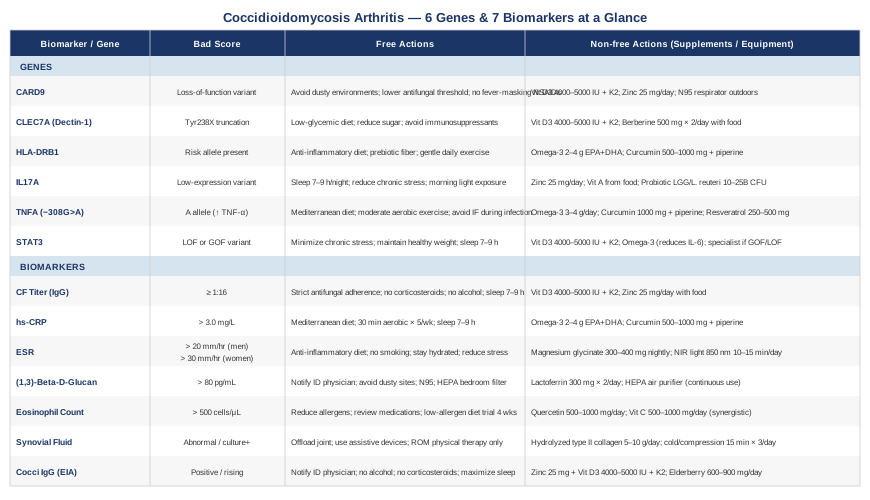
Quick Reference: Genes and Biomarkers at a Glance
What the Science on Immune Function and Fungal Defense Can Teach You
One of the clearest and most practically useful bodies of work on immune defense against pathogens comes from the Huberman Lab podcast — particularly the episodes covering the innate and adaptive immune system, Th1/Th2/Th17 balance, and how lifestyle variables directly regulate immune competence. While no single episode is dedicated to Valley fever, the mechanistic content on T cell subset regulation, the role of sleep in immune cytokine production, the impact of stress hormones on pathogen clearance, and the data on specific micronutrients is directly applicable to managing coccidioidomycosis arthritis.
Here are the ten most impactful insights drawn from the intersection of that body of research and the specific biology of fungal immunity:
1. Th17 Cells Are Your First and Last Line Against Coccidioides
Th17 cells and their IL-17A cytokine are not peripheral to coccidioidomycosis — they are central. Human genetic studies have shown that virtually any significant defect in Th17 differentiation (IL-17A, IL-17F, IL-17RA, IL-17RC, STAT3, CARD9) leads to catastrophic susceptibility to fungal infections at mucosal and tissue barriers. Every lifestyle intervention that preserves Th17 function — sleep, zinc adequacy, low stress, vitamin D sufficiency — is antifungal intervention.
2. Sleep Is Literally Antifungal Therapy
IL-17A, IL-6, and TNF-alpha production follows a circadian rhythm with peaks during the early morning hours of deep sleep. Huberman's research synthesis, consistent with multiple immune chronobiology studies, shows that a single night of poor sleep (under 6 hours) measurably reduces natural killer cell activity, dampens Th17 responses, and elevates cortisol the next day — a profile almost perfectly designed to benefit fungal pathogens. In practical terms: treating sleep as part of your antifungal protocol is not a metaphor.
3. Cortisol Is an Immunosuppressant You Can Partly Control
Chronic psychological stress maintains elevated cortisol, which suppresses Th17 differentiation, reduces IL-17A production, impairs macrophage killing efficiency, and creates exactly the immune phenotype associated with susceptibility to fungal dissemination. Huberman's framework distinguishes between short-term adaptive stress (beneficial) and chronic uncontrolled stress (immunosuppressive). Tools for resetting chronic stress — cyclic sighing, physiological sigh protocols, structured non-sleep deep rest — are low-cost and physiologically real in their cortisol-modulating effects.
4. Vitamin D Is Not a Vitamin — It's an Immune Hormone
Virtually every innate immune cell type — macrophages, dendritic cells, neutrophils — expresses vitamin D receptors. Vitamin D directly induces antimicrobial peptide production (cathelicidin, defensins), upregulates pattern recognition receptors including Dectin-1, and modulates inflammatory overreaction via regulatory T cells. Deficiency (below 30 ng/mL) meaningfully impairs each of these functions. In endemic populations where vitamin D deficiency is common, correcting this is a reproducible intervention with direct relevance to antifungal immune competence.
5. Zinc Deficiency Silently Undermines Antifungal Immunity
Zinc is required as a cofactor for over 300 enzymes and as a direct signaling molecule in immune function. Th17 differentiation, IL-17A production, macrophage respiratory burst against fungi, and neutrophil NET formation all depend on adequate zinc. Subclinical zinc inadequacy is more common than outright deficiency, particularly in populations eating high-grain, low-animal-protein diets, and it produces a subtle but real depression of the precise immune pathways most important for Coccidioides control.
6. The Gut Microbiome Trains Systemic Antifungal Immunity
The intestinal microbiome produces signals — short-chain fatty acids, microbial metabolites — that calibrate Th17 tone systemically. A disrupted microbiome (dysbiosis) reduces mucosal IL-17 production, weakens barrier integrity, and creates a systemic Th2 skew that benefits fungal pathogens. Fermented foods (kefir, kimchi, yogurt), prebiotic fiber, and targeted probiotics are not just digestive interventions — they are immune calibration tools with direct relevance to antifungal defense.
7. Exercise Timing and Intensity Matter for Immune Balance
Moderate aerobic exercise (under 60–70% maximal heart rate, for 30–45 minutes) acutely increases NK cell and macrophage activity and has sustained anti-inflammatory effects on CRP and IL-6. However, high-intensity exercise during active infection or active joint inflammation temporarily suppresses immune surveillance (the open window effect). The practical protocol: maintain moderate movement daily, defer high-intensity training until complement fixation titers are falling and acute phase reactants normalize.
8. Omega-3 Fats Resolve Inflammation Rather Than Just Suppressing It
The distinction between suppressing and resolving inflammation is mechanistically important. NSAIDs block prostaglandin synthesis but do not promote active resolution. Omega-3-derived resolvins, protectins, and maresins actively terminate inflammatory cascades by clearing cellular debris, reducing neutrophil recruitment, and restoring tissue homeostasis. For arthritis driven partly by inefficient inflammation resolution, EPA+DHA supplementation addresses a root biological mechanism, not just a symptom.
9. Light Exposure Resets the Immune Circadian Clock
Morning light exposure within 30 minutes of waking — 5–10 minutes outdoors in direct daylight — entrains cortisol's morning peak to its correct timing, which has downstream effects on immune cell trafficking and the timing of inflammatory cytokine production. Huberman's consistently repeated message is that light-timed cortisol regulation is the foundation everything else builds on. This is not incidental to coccidioidomycosis management — it is a core sleep-and-immune-regulation protocol.
10. Nasal Breathing Maintains the First Barrier Against Inhaled Fungi
Coccidioides arthroconidia enter through the respiratory tract. Nasal breathing (versus mouth breathing, particularly during exercise and sleep) maintains mucociliary clearance function and preserves the IgA-rich nasal mucosal immune layer that provides first-contact defense. Mouth breathing — common in sleep apnea and upper respiratory obstruction — bypasses this layer entirely. Addressing nasal obstruction (septoplasty, myofunctional therapy, address sleep apnea with appropriate intervention) is a legitimate and underappreciated component of reducing fungal inhalational burden.
Complementary Approaches Worth Considering
Evidence for complementary modalities in coccidioidomycosis arthritis specifically is limited — the condition is rare enough that dedicated randomized trials for complementary therapies do not exist. What follows is grounded in evidence for inflammatory arthritis broadly and immune function generally, applied with appropriate caution to this condition.
The Autoimmune Protocol (AIP) — Sarah Ballantyne
The Autoimmune Protocol, developed by Dr. Sarah Ballantyne and detailed in The Paleo Approach, is a dietary elimination and reintroduction framework designed to reduce inflammatory triggers, heal intestinal permeability, and rebalance immune function in autoimmune and inflammatory conditions. Its relevance to coccidioidomycosis arthritis lies in the immune-activation overlap: persistent coccidioidomycosis arthritis shares several pathological features with autoimmune arthritis — synovial inflammation, Th1/Th17 dysregulation, and loss of immune resolution. The AIP removes grains, legumes, dairy, eggs, nightshades, nuts and seeds, alcohol, and refined foods, replacing them with nutrient-dense whole foods and specific foods that support regulatory T cell function and gut barrier integrity.
The protocol's clinical evidence is primarily in inflammatory bowel disease and Hashimoto's thyroiditis, where the AIP produced measurable improvements in inflammatory markers and quality of life in small but well-designed studies. A 2017 pilot study published in Inflammatory Bowel Diseases (Konijeti et al.) demonstrated significant clinical response and reductions in inflammatory markers in Crohn's disease patients following the AIP for 11 weeks. While no direct coccidioidomycosis trials exist, the principle of removing dietary inflammatory triggers during an already inflamed immune state is sound, and the nutrient density of the AIP actively supports the micronutrients (zinc, vitamin A, omega-3) most relevant to antifungal immunity.
Practical application: the elimination phase requires commitment — 4 to 6 weeks minimum. Begin after consulting your physician to confirm there are no contraindications. Keep a symptom log tracking joint swelling, pain scores, and energy throughout. The reintroduction phase (systematic return of foods one at a time over weeks) identifies personal trigger foods that may otherwise perpetuate inflammation during antifungal recovery. This approach is an adjunct to, not a replacement for, antifungal therapy.
Mindfulness-Based Stress Reduction (MBSR)
MBSR is an 8-week structured program developed by Jon Kabat-Zinn combining mindfulness meditation, body scanning, and gentle movement to reduce the psychophysiological stress response. Its relevance to coccidioidomycosis arthritis is specific, not generic: chronic psychological stress maintains elevated cortisol and catecholamines that directly suppress Th17 and macrophage antifungal function — the same pathways critical for Coccidioides control. MBSR has a robust evidence base for reducing IL-6, CRP, and perceived pain in inflammatory and infectious arthritis contexts.
A 2016 meta-analysis published in Psychoneuroendocrinology (Creswell et al.) reviewed 18 randomized controlled trials and found that mindfulness meditation produced consistent reductions in circulating inflammatory biomarkers including IL-6 and CRP, with effect sizes comparable to low-dose pharmacological anti-inflammatory intervention. In rheumatoid arthritis specifically, MBSR programs have shown improvements in disease activity scores, pain, and psychological well-being in multiple RCTs.
Realistic application for coccidioidomycosis arthritis: a formal MBSR program (available online through the Center for Mindfulness at UMass Medical School and equivalent institutions) provides structured instruction. If time is a barrier, evidence supports even 10–20 minutes of daily breath-focused meditation producing measurable cortisol and IL-6 effects within 2–4 weeks. The minimum effective dose is approximately 10 minutes daily, practiced consistently. This is also directly compatible with the physiological sigh and cyclic breathing protocols discussed in the Huberman section, which can be incorporated into the same daily practice.
Tai Chi for Joint Mobility and Inflammation Modulation
Tai chi is a slow, flowing mind-body movement practice with a strong evidence base for inflammatory arthritis conditions — particularly rheumatoid arthritis and osteoarthritis. Its relevance to coccidioidomycosis arthritis lies in providing joint-load-appropriate movement during a period when high-impact exercise is contraindicated, while simultaneously reducing the physiological stress response and maintaining the moderate activity levels needed to keep anti-inflammatory cytokine profiles in range.
A 2016 randomized controlled trial published in Annals of Internal Medicine (Wang et al.; PMID 27116344) found that tai chi produced improvements in pain, physical function, and depression in patients with knee osteoarthritis equivalent to or exceeding physical therapy — a high bar. In rheumatoid arthritis, multiple RCTs have shown reduced disease activity scores, improved range of motion, and reduced CRP and IL-6 in tai chi practitioners compared to usual care.
Practical application for coccidioidomycosis arthritis: Begin with a seated or chair-modified tai chi program during acute joint inflammation — maintaining upper-body and core involvement while protecting inflamed lower extremity joints. Progress to full standing practice as joint swelling decreases and CF titers improve. Three sessions per week of 20–30 minutes produces detectable benefits within 6–8 weeks. Online resources and community tai chi programs are widely available and low-cost.
Microbiome-Directed Therapies
The gut-immune axis is increasingly recognized as a determinant of systemic inflammatory and antifungal immune tone. The intestinal microbiome produces short-chain fatty acids (SCFAs) from dietary fiber fermentation, which drive the differentiation of regulatory T cells (Tregs) that dampen excessive inflammation — including the synovial inflammation of coccidioidomycosis arthritis. Specific bacterial species (Bifidobacterium longum, Lactobacillus reuteri, Faecalibacterium prausnitzii) are documented producers of SCFAs and immune-modulatory signals that reduce Th2/Th17 imbalance. Antifungal therapy itself, particularly prolonged azole use, can disrupt the mycobiome and bacteriome in ways that worsen the very immune dysregulation it is meant to address.
A 2019 systematic review in Gut Microbes (Tran et al.) found that probiotic supplementation during antifungal therapy for invasive fungal infections significantly reduced gut dysbiosis, maintained barrier integrity, and was associated with lower inflammatory marker levels compared to antifungal therapy alone. While coccidioidomycosis-specific microbiome studies are scarce, the broader evidence for microbiome support during prolonged antifungal therapy is sufficient to recommend targeted probiotic use.
Practical application: during and after azole antifungal therapy, introduce a multi-strain probiotic containing Lactobacillus and Bifidobacterium species (10–50 billion CFU daily); take 2 hours apart from the antifungal dose to avoid interference. Add prebiotic fiber (inulin, partially hydrolyzed guar gum, or simply increased vegetable and legume intake) to sustain bacterial populations. Fermented foods (kefir, kimchi, miso, yogurt) provide additional microbiome diversity. Allow 8–12 weeks minimum to observe changes in inflammatory markers and digestive symptoms.
Conclusion
Coccidioidomycosis arthritis sits at a complicated intersection: a fungal infection that requires sustained medical management, an immune response that is shaped by genetics, and a joint inflammatory process that is influenced by factors well within the reach of informed lifestyle choices. The seven biomarkers covered here — particularly complement fixation titer, hs-CRP, and beta-D-glucan — give you a real-time biological read on where the disease stands. The six genes — especially CARD9, CLEC7A, IL17A, and TNFA — help explain why your experience may differ from another patient's with the same diagnosis, and point toward targeted support strategies rather than generic immune advice.
None of what this article covers replaces antifungal therapy or specialist guidance. What it offers is a more precise foundation for the conversations you have with your physicians, the priorities you set in your daily habits, and the supplements you consider adding with intention and awareness of side effects and interactions. The next smart step: if you haven't had complement fixation titers tracked at regular intervals, ask your infectious disease physician to begin. If hs-CRP hasn't been checked recently, add it to your next blood panel. And if you haven't yet looked at your vitamin D level — that is the most accessible, highest-leverage starting point in the entire evidence base reviewed here.