This article contains AI generated content.
· UpdatedComplex Regional Pain Syndrome — 5 Genes And 6 Biomarkers To Track
Introduction
If you have been living with Complex Regional Pain Syndrome, you already know how inadequate most explanations feel. The burning, the swelling, the hypersensitivity to touch or temperature — and the frustrating reality that many clinicians have little to offer beyond a combination of medications, physical therapy, and a cautious prognosis. CRPS is not a simple condition, and it does not respond well to simple answers.
What makes it particularly difficult is that it looks different in nearly every person who has it. Two patients with the same diagnosis may have opposite temperature patterns in the affected limb, wildly different responses to the same treatment, and entirely distinct histories leading to onset. This variability is not random noise — it reflects genuine biological heterogeneity in immune function, pain processing genetics, autonomic regulation, and inflammatory signaling that standard protocols are not built to address individually.
Generic chronic pain advice — exercise more, reduce stress, try this medication — is not wrong, but it is incomplete. Without knowing which inflammatory pathways are most active, how your nervous system is genetically wired to process pain, or whether an autoimmune component is driving your symptoms, the guesswork involved in treatment is enormous. Better information about your own biology can meaningfully narrow that guesswork.
This article takes two specific angles toward that goal. The first — and most immediately actionable — examines six key biomarkers that are directly connected to CRPS pathophysiology, explaining what each one reveals, how to measure it at reasonable cost, and what practical steps may help bring it back into range. The second angle explores five genes with documented relevance to pain sensitivity, immune dysregulation, and neuroinflammation in CRPS, offering a precision lens for people who have access to genetic data. Neither approach offers certainty, but both offer the kind of grounded, specific information that leads to better decisions.
6 Biomarkers to Track If You Have CRPS
Most CRPS patients have never had their inflammatory cytokines measured, their HPA axis assessed, or their autonomic function objectively quantified. Yet these are the biological systems at the center of the condition. The six biomarkers below give you a practical window into each of them — starting with what is most affordable and accessible, and moving toward more specialized markers that can reveal mechanisms standard panels miss entirely.
Biomarker 1: High-Sensitivity C-Reactive Protein (hs-CRP)
Why it matters
CRP is a protein produced by the liver in response to inflammatory signaling, and the high-sensitivity version detects low-grade, chronic inflammation — the kind that persists silently in many CRPS patients long after the initial injury. Neuroinflammation is a central mechanism in CRPS; hs-CRP does not isolate it specifically, but it functions as a reliable, affordable gauge of systemic inflammatory burden. Elevated hs-CRP is associated with higher pain intensity in chronic pain populations and with slower recovery trajectories. hs-CRP and chronic pain on PubMed
How to measure it
hs-CRP is a standard blood test available through any primary care physician, functional medicine lab, or direct-to-consumer service. Cost: $10–$40. Optimal levels are below 0.5 mg/L. Levels above 1 mg/L indicate meaningful chronic inflammation; above 3 mg/L signals elevated risk and warrants investigation. Test fasting and at a consistent time of day.
If the score is high: the plan without supplements
A Mediterranean-pattern diet — emphasizing oily fish, colorful vegetables, olive oil, legumes, and whole grains while minimizing ultra-processed food and refined carbohydrates — consistently reduces hs-CRP across multiple large trials. Sleep quality matters equally; even partial sleep restriction raises CRP within days. Prioritize 7–9 hours of uninterrupted sleep as a non-negotiable first step. Structured daily movement, even gentle walking for 20–30 minutes, contributes to CRP reduction over weeks. Slow exhalation breathing (4-count inhale, 6-count exhale) practiced for 10 minutes daily activates parasympathetic tone and reduces the cortisol-driven inflammatory cascade.
If the score is high: the plan with supplements or equipment
Omega-3 fatty acids (EPA/DHA) at 2–4g per day have the strongest evidence for reducing hs-CRP in the context of chronic systemic inflammation. Use molecularly distilled fish oil or algae-based omega-3. Cycle: 12 weeks continuous, then retest. Side effects: mild fishy aftertaste, blood-thinning effect at high doses — caution with anticoagulants. Curcumin with piperine (500–1000mg curcumin, taken with food) reduces CRP in multiple randomized trials; take for 8–12 weeks, then retest. Cold water exposure (brief cold showers, 30–90 seconds at the end of a shower, 3–4 times weekly) has emerging anti-inflammatory evidence — apply cautiously and avoid to affected CRPS limbs where temperature sensitivity is active.
Biomarker 2: Interleukin-6 (IL-6)
Why it matters
IL-6 is a pro-inflammatory cytokine with a particularly direct role in CRPS pathophysiology. It has been found at elevated levels in skin biopsies, serum, and cerebrospinal fluid of CRPS patients. IL-6 sensitizes peripheral pain receptors, drives central sensitization, and sustains the neuroinflammatory state that keeps CRPS pain cycles active. Unlike hs-CRP, which reflects general inflammation, IL-6 is more specifically tied to the neuroimmune axis — making it a more targeted CRPS biomarker. IL-6 and CRPS research on PubMed
How to measure it
IL-6 is available through functional medicine labs and specialty panels, though it is less commonly ordered than CRP. Cost: $30–$80. Test fasting, at a consistent time of day (IL-6 fluctuates with stress and recent exercise). Levels persistently above 3–5 pg/mL in a fasting state are worth addressing in the context of chronic pain. Reference ranges vary by lab.
If the score is high: the plan without supplements
Low-impact aerobic movement (swimming, cycling in a pain-free range, water therapy) is one of the most consistent lifestyle reducers of IL-6 over 4–8 weeks. Graded motor imagery (imagining controlled movement of the affected limb in stages) and mirror visual feedback, both used in CRPS rehabilitation, may help modulate the neuroimmune response driving IL-6 elevation. Sleep optimization remains central — sleep deprivation acutely elevates IL-6 and maintains central sensitization.
If the score is high: the plan with supplements or equipment
Magnesium glycinate (300–400mg at night, ongoing) reduces IL-6 in multiple trials, particularly when deficiency is present — which is common in chronic pain populations. Retest after 12 weeks. Side effects: loose stools at high doses (reduce dose if needed). Low-level laser therapy (photobiomodulation at 830–850nm) applied to areas of inflammation has demonstrated cytokine-modulating effects including IL-6 reduction in clinical studies, with a good safety profile when applied by a trained provider. Avoid hyperalgesic skin areas without professional guidance.
Biomarker 3: TNF-α (Tumor Necrosis Factor-Alpha)
Why it matters
TNF-α is one of the primary orchestrators of the inflammatory response and has a well-documented role in CRPS. It is released by macrophages, mast cells, and neurons themselves in response to tissue injury and immune activation. Elevated TNF-α sensitizes peripheral nociceptors, contributes to allodynia (pain from normally non-painful touch), and sustains the chronic inflammatory state that characterizes established CRPS. Some researchers have proposed TNF-α as a potential diagnostic biomarker for CRPS type I, given its consistent elevation in clinical samples. TNF-alpha and CRPS on PubMed
How to measure it
TNF-α is measured via serum or plasma through specialized or functional medicine panels. Cost: $40–$100. Normal levels are typically very low (below 8 pg/mL in most labs), and even modest persistent elevation is clinically significant in a chronic pain context. Collect fasting, in the morning.
If the score is high: the plan without supplements
Reducing visceral adipose tissue through a caloric deficit and consistent movement lowers the primary cellular source of circulating TNF-α. An elimination-style anti-inflammatory reset (removing gluten, dairy, alcohol, and ultra-processed food for 4–6 weeks) can meaningfully reduce TNF-α-driven systemic inflammation. Vagus nerve activation through slow extended-exhalation breathing (4-count inhale, 6-count exhale) engages the cholinergic anti-inflammatory reflex — a documented pathway for reducing TNF-α signaling. Practice for 20 minutes daily.
If the score is high: the plan with supplements or equipment
Palmitoylethanolamide (PEA) at 600mg twice daily modulates mast cell activity — mast cells are the primary peripheral source of TNF-α — and has documented analgesic and anti-inflammatory effects in neuropathic pain. Use for 8–12 weeks and retest. Safety profile is excellent; no significant side effects at standard doses. Boswellia serrata (standardized to 65% boswellic acids, 300–400mg twice daily) inhibits TNF-α-driven inflammation in multiple clinical trials. Cycle: 12 weeks on, 4 weeks off. Side effects: occasional mild GI upset. A portable transcutaneous vagus nerve stimulator (tVNS ear device) applied to the auricular vagal branch is an emerging non-pharmacological option for activating the anti-inflammatory cholinergic reflex — safe for home use after initial guidance from a provider.
Biomarker 4: Cortisol and DHEA-S (HPA Axis Function)
Why it matters
The hypothalamic-pituitary-adrenal (HPA) axis governs the body's stress response, and its dysregulation is a recognized feature of CRPS. Studies have documented both hypercortisolism and hypocortisolism depending on disease chronicity, suggesting that the stress axis goes through phases of activation and eventual exhaustion. DHEA-S (dehydroepiandrosterone sulfate) is the primary adrenal androgen that buffers cortisol's inflammatory effects. A low DHEA-S to cortisol ratio indicates that the system is chronically activated without adequate buffering — which impairs immune regulation and maintains central sensitization. HPA axis and chronic pain on PubMed
How to measure it
The most informative assessment uses a four-point salivary cortisol curve (morning, midday, afternoon, evening) paired with serum or salivary DHEA-S. Comprehensive functional medicine panels (DUTCH, Genova Diagnostics) provide this. Cost: $100–$250. A more affordable option is standard serum cortisol (morning) plus serum DHEA-S ($30–$60 combined), which gives an adequate initial picture. Optimal morning cortisol: 15–20 mcg/dL. Optimal DHEA-S: age-adjusted, generally 200–350 mcg/dL in adults.
If the score is dysregulated: the plan without supplements
Morning light exposure within 30 minutes of waking (10–20 minutes of outdoor light without sunglasses) is among the most well-evidenced behavioral interventions for normalizing the cortisol awakening response. Consistent sleep and wake times — even on weekends — anchor the HPA circadian rhythm. Trauma-focused psychotherapy (EMDR has a documented evidence base) addresses the neural patterns driving chronic HPA dysregulation, particularly relevant in CRPS where psychological trauma is often part of the history. Reducing chronic stressors and scheduled relaxation (even 10–15 minutes of quiet time midday) meaningfully lowers the total cortisol load.
If the score is dysregulated: the plan with supplements or equipment
Ashwagandha KSM-66 extract (300mg twice daily) is the best-studied adaptogen for HPA axis regulation, with multiple RCTs showing cortisol reduction in chronically stressed populations. Use for 8 weeks, pause for 4 weeks. Avoid if hypothyroid without monitoring. Phosphatidylserine (300–400mg daily) blunts excessive cortisol response, particularly useful when cortisol trends high-normal. Take for 6–8 weeks, then retest. Red light therapy (660–850nm, 10–20 minutes daily applied to the lower back/adrenal region) is exploratory but increasingly used in integrative practice for adrenal support — low risk, worth considering alongside other strategies.
Biomarker 5: Heart Rate Variability and Autonomic Markers
Why it matters
Autonomic nervous system dysfunction is one of the most consistent features of CRPS. Sympathetic hyperactivity produces the characteristic skin temperature asymmetry, color changes, and sweating abnormalities of the condition — and also sensitizes peripheral pain receptors directly. Heart rate variability (HRV) is the most practical non-invasive proxy for autonomic balance. Low HRV indicates sympathetic dominance and reduced parasympathetic resilience — a pattern that correlates with higher pain intensity and poorer recovery in chronic pain conditions. HRV and sympathetic dysregulation in CRPS on PubMed
How to measure it
HRV is best tracked as a morning resting baseline using consumer wearables (Polar H10 chest strap paired with Elite HRV app, Garmin devices, Oura Ring, or Whoop). Cost: $80–$350 depending on device. Track daily over 4–8 weeks and focus on trends rather than single readings. For plasma catecholamines (norepinephrine, epinephrine) through a laboratory, cost is $80–$150 and requires 20 minutes of lying still before blood draw. Consistently low HRV below your personal baseline is the most actionable signal for most people.
If the score is poor: the plan without supplements
Resonance frequency breathing (5–6 breaths per minute — approximately 5-second inhale, 5-second exhale) practiced for 20 minutes daily is one of the most effective and evidence-supported interventions for shifting autonomic balance toward parasympathetic dominance. Even 4 weeks of consistent practice shows measurable HRV improvement. Graded physical activity paced carefully to avoid pain flares builds autonomic flexibility over time. Cold shower exposure (brief, 30–60 seconds at the end of a shower) activates the diving reflex, acutely increasing parasympathetic tone.
If the score is poor: the plan with supplements or equipment
Magnesium glycinate (400mg at night) modulates sympathetic tone and supports vagal activity. L-theanine (200mg, taken 1–2 times daily) reduces sympathetic arousal without sedation — useful during periods of elevated HPA activation. HRV biofeedback devices (HeartMath Inner Balance Coherence Plus, $120–$200) provide guided breathing with real-time feedback, shown in controlled trials to improve autonomic balance in chronic pain populations. Use daily for 6–8 weeks as a structured course. Transcutaneous vagus nerve stimulators (GammaCore, Nurosym, or similar) applied to the ear are gaining clinical evidence for autonomic modulation in pain conditions; discuss with a neurologist or pain specialist for access.
Biomarker 6: Autoantibodies Against Adrenergic Receptors
Why it matters
One of the most significant research developments in CRPS over the past decade is the identification of functional autoantibodies — particularly against β1 and β2 adrenergic receptors and muscarinic receptors — in a meaningful subset of patients. These antibodies activate or dysregulate the receptors they bind, potentially explaining the sympathetic-sensory coupling and autonomic dysfunction seen in many CRPS cases. Their presence suggests that for some patients, CRPS has an autoimmune dimension that conventional treatment does not address. This marker is advanced but increasingly available and clinically meaningful. CRPS autoantibodies research on PubMed
How to measure it
Standard labs do not typically offer this test. Specialized options include CellTrend GmbH (Germany), which has published validated assays for adrenergic receptor autoantibodies, and select academic medical centers. Requires physician ordering. Cost: $150–$300. This is a second-tier investigation for patients who have not responded to standard approaches and want to identify an immune-mediated mechanism.
If autoantibodies are elevated: the plan without supplements
An anti-inflammatory lifestyle forms the foundation: Mediterranean diet, quality sleep, gut microbiome support, and stress management reduce the overall immune activation that sustains autoantibody production. Avoiding known immune triggers — intercurrent infections, excessive alcohol, severe sleep deprivation — is important. Low-dose naltrexone (LDN, 1.5–4.5mg at night) has been used off-label in autoimmune conditions and works partly through glial cell modulation and immune regulation; discuss with a knowledgeable physician as a first pharmacological option.
If autoantibodies are elevated: the plan with supplements or equipment
Vitamin D3 with K2 (5000 IU D3 daily, targeting serum 25-OH-D of 50–70 ng/mL) has immune-modulatory effects on T-regulatory cells directly relevant to autoimmune conditions. Retest serum levels after 3 months. Omega-3 fatty acids at therapeutic doses (3–4g EPA/DHA daily) reduce the inflammatory signaling that sustains autoantibody production. Intravenous immunoglobulin (IVIG) has been used in case series and small trials of CRPS patients with documented autoimmune features — results are promising but evidence is still limited; this requires specialist care and is reserved for refractory cases.
Understanding these biomarkers is most powerful when combined with the genetic context that explains why your biology is configured the way it is.
5 Genes That Shape Your CRPS Biology
Genetic testing through services like 23andMe or Ancestry — combined with interpretation through tools like Genetic Lifehacks or Promethease — gives access to your personal variants in the genes below. None of these variants is deterministic. They shift probabilities and biological thresholds, not outcomes. But knowing your variants tells you which systems to support most actively.
Gene 1: COMT (Val158Met) — Pain Sensitivity and Catecholamine Clearance
What this gene does
COMT encodes the enzyme catechol-O-methyltransferase, responsible for breaking down dopamine, epinephrine, and norepinephrine. The Val158Met variant (rs4680) produces three functional genotypes: Val/Val (high enzyme activity, faster catecholamine clearance), Val/Met (intermediate), and Met/Met (low activity, slower clearance). Met/Met individuals have higher circulating catecholamines, lower pain thresholds, and are more prone to central sensitization — a finding documented in multiple human imaging and pain challenge studies. In CRPS, where catecholamine dysregulation is a core mechanism, a Met/Met genotype may lower the threshold for onset and amplify the pain response. COMT and pain sensitivity on PubMed
If the gene is bad: the plan without supplements
Limit caffeine, which stresses catecholamine clearance pathways already running at reduced capacity. Manage psychological stressors that chronically drive catecholamine output. Aerobic exercise at low-to-moderate intensity (not exhaustive), practiced consistently, gradually upregulates compensating pathways and improves catecholamine metabolism. Avoid prolonged cold stress if it triggers sympathetic surges — thermal exposure should be graded and tolerated.
If the gene is bad: the plan with supplements or equipment
SAMe (S-adenosylmethionine, 400mg in the morning) provides the methyl group that COMT requires to function — directly supporting the enzyme's activity. Cycle: 8 weeks on, 4 weeks off. Side effects: mild GI symptoms, potential mood activation; avoid in bipolar disorder. Magnesium (a COMT cofactor) and B vitamins (B2, B6, methylfolate) support the methyl cycle upstream of COMT. Avoid high-dose catechin supplements (green tea extracts at therapeutic doses can paradoxically stress COMT in Met/Met individuals).
Gene 2: TNF-α Promoter −308G/A — Your Inflammatory Set Point
What this gene does
The TNF-α −308G/A polymorphism (rs1800629) affects the promoter region controlling TNF-α gene expression. The A allele is associated with higher TNF-α production in response to inflammatory signals — meaning the same immune trigger produces a larger inflammatory response in A carriers. Given TNF-α's central role in CRPS neuroinflammation and peripheral sensitization, carrying the A allele may set a lower threshold for sustained inflammatory pain. Evidence linking this specific variant to CRPS is early-stage but biologically coherent with the broader TNF-α research base. TNF promoter polymorphism and chronic pain on PubMed
If the gene is bad: the plan without supplements
An anti-inflammatory lifestyle is non-negotiable for A allele carriers. Mediterranean-pattern diet, fiber-rich foods for gut microbiome support (gut dysbiosis is a TNF-α stimulator), consistent moderate exercise, and active stress management through breath-based or mindfulness practices. Reducing visceral fat through diet and movement lowers the primary cellular source of circulating TNF-α.
If the gene is bad: the plan with supplements or equipment
PEA at 600mg twice daily and Boswellia serrata (as above) are first-line anti-inflammatory supplement options for high-production TNF genotypes. Infrared sauna (3–4 sessions per week, 20 minutes at 50–60°C) is recognized for reducing systemic inflammatory markers including TNF-α in multiple clinical studies — reasonable safety profile for most individuals not in an acute CRPS flare. Low-dose naltrexone (physician-supervised) is a practical option when TNF-α-driven neuroinflammation is clinically significant.
Gene 3: HLA-B and HLA-A — Immune Identity and Autoimmune Risk
What this gene does
Human Leukocyte Antigen (HLA) genes control how the immune system distinguishes self from non-self. Specific HLA alleles (including HLA-B62 and certain HLA-A variants) have been reported at higher frequencies in CRPS patients in European cohort studies, aligning with the growing body of evidence that CRPS has an autoimmune dimension in a meaningful proportion of cases. HLA typing is also relevant for predicting response to immune-modulating therapies and for identifying patients likely to carry adrenergic receptor autoantibodies. HLA and CRPS on PubMed
If the gene is bad: the plan without supplements
Gut microbiome health is central to HLA-related immune regulation. A fiber-rich, diverse diet with fermented foods (kefir, sauerkraut, kimchi) supports T-regulatory cell development through short-chain fatty acid production. Oral health maintenance (treating periodontal inflammation) reduces a significant chronic immune trigger. Avoiding overuse of antibiotics preserves the microbiome diversity that modulates HLA-related immune pathways.
If the gene is bad: the plan with supplements or equipment
Vitamin D3/K2 (5000 IU daily, with serum monitoring) enhances T-regulatory cell activity — the branch of immunity that prevents HLA-mediated self-attack. Zinc (15–25mg daily, balanced with 1–2mg copper to prevent depletion) supports immune homeostasis. Evidence-backed probiotic strains including Lactobacillus rhamnosus GG and Bifidobacterium longum support Treg development relevant to HLA-mediated immune balance. Use for 12 weeks, then assess.
Gene 4: SCN9A — Sodium Channel Nav1.7 and Pain Threshold
What this gene does
SCN9A encodes Nav1.7, the voltage-gated sodium channel that controls the firing threshold of pain-sensing neurons. The extremes of SCN9A dysfunction are well known — complete gain-of-function variants cause extreme pain conditions, while loss-of-function produces complete pain insensitivity. More subtle SCN9A variants exist on a spectrum and may influence how readily pain neurons fire in response to inflammatory signaling. In CRPS, where peripheral and central sensitization are hallmark features, a gain-of-function-adjacent SCN9A variant may amplify the allodynia and hyperalgesia characteristic of the condition. SCN9A pain channel variants on PubMed
If the gene is bad: the plan without supplements
Reducing central and peripheral sensitization is the primary therapeutic goal. Pain neuroscience education (learning that pain does not equal damage, and that the nervous system can be retrained) reduces catastrophizing and threat perception — both of which amplify Nav1.7-mediated firing. Graded motor imagery and mirror visual feedback programs, available through structured online resources and pain clinics, directly address the cortical dysregulation that sustains this sensitization. Regular low-to-moderate aerobic exercise stimulates endogenous analgesic pathways that modulate sodium channel excitability.
If the gene is bad: the plan with supplements or equipment
Alpha-lipoic acid (600mg daily) has documented sodium channel-stabilizing and neuroprotective effects in peripheral neuropathy studies. Use for 12 weeks, reassess symptom severity. Side effects are minimal; occasional GI sensitivity at high doses. Topical lidocaine (4% patches, available by prescription) directly stabilizes sodium channels at the peripheral level — discuss with your physician as a local pain management tool. Low-dose mexiletine (oral sodium channel stabilizer) is used off-label at specialized pain centers for channelopathy-pattern pain — a physician-supervised option for refractory cases.
Gene 5: OPRM1 (A118G) — Opioid Receptor Sensitivity and Endogenous Pain Control
What this gene does
OPRM1 encodes the mu-opioid receptor, the primary target of the body's endogenous pain-relieving peptides (endorphins, enkephalins). The A118G variant (rs1799971) reduces receptor sensitivity, meaning G allele carriers experience less pain relief from natural opioid signaling. In CRPS, where central sensitization progressively erodes the body's pain-gating mechanisms, a reduced-sensitivity opioid receptor compounds the deficit — amplifying pain and reducing the efficacy of endogenous and exogenous analgesic approaches. OPRM1 and chronic pain on PubMed
If the gene is bad: the plan without supplements
Behaviors that enhance endogenous opioid tone are the central strategy. Sustained aerobic exercise — even gentle walking or swimming — reliably triggers endorphin release and, over weeks to months, upregulates opioid receptor density, partially compensating for reduced baseline sensitivity. Brief cold exposure activates the endogenous opioid system via central pathways. Social connection, laughter, and engagement in meaningful activity all engage opioid signaling through limbic pathways — not trivial in CRPS, where social withdrawal is common and worsens outcomes.
If the gene is bad: the plan with supplements or equipment
Low-dose naltrexone (LDN, 1.5–4.5mg at night) is the most clinically relevant pharmacological option. By transiently blocking opioid receptors nightly, LDN triggers rebound upregulation of receptor sensitivity and endogenous opioid production — a documented mechanism with a growing clinical evidence base in chronic pain and autoimmune conditions. Requires physician prescription. Never combine with full-dose opioid pain medications. Deep sleep is a primary driver of endogenous opioid production — optimizing sleep architecture through consistent schedules, darkness, and temperature (18–20°C bedroom) supports opioid tone independently of any supplement.
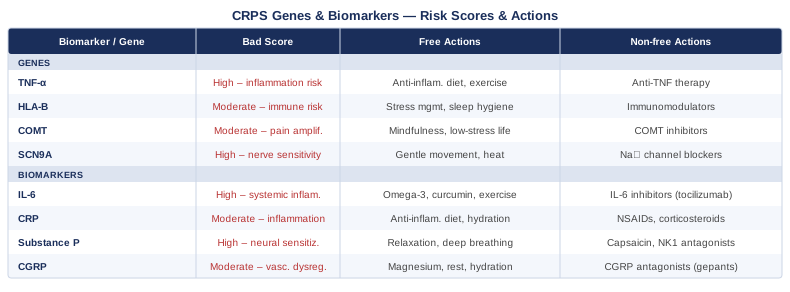
Summary: Genes and Biomarkers at a Glance
The table below consolidates the genes and biomarkers covered in this article, with their risk indicators and key action strategies — both free and supplemented.
What the Book "Explain Pain" Reveals That Most Doctors Won't Tell You
Explain Pain by Dr. David Butler and Professor Lorimer Moseley — both internationally recognized pain neuroscientists — has become one of the most important texts in modern pain rehabilitation. It is directly cited in CRPS clinical guidelines and forms the theoretical backbone of pain neuroscience education (PNE), one of the few interventions with solid evidence in CRPS. What follows are the ten most clinically important ideas from the book, each one offering a different lens on why CRPS behaves as it does — and what to do about it.
1. Pain Is a Brain Output, Not a Tissue Signal
The foundational shift in the book is this: pain is not located in a body part. It is produced by the brain as a protective response when it concludes that action is needed. In CRPS, where pain often grossly exceeds any detectable tissue injury, this reframe is not abstract — it is the starting point for understanding why the condition persists long after the initial trigger has resolved.
2. Sensitization Is Not the Same as Damage
Moseley draws a sharp distinction between nociception (danger signals from tissue sensors) and pain (the brain's interpretation). In CRPS, the alarm system has been sensitized — it fires at signals that would not normally trigger it. This is not evidence of ongoing tissue destruction. It is evidence that the nervous system has been recalibrated toward threat. That recalibration can, with the right approach, go in the opposite direction.
3. Threat Perception Drives Pain More Than Injury Severity
Multiple studies cited in the book demonstrate that perceived threat — not injury magnitude — is the strongest predictor of pain intensity. In CRPS, fear of movement (kinesiophobia), catastrophic thinking about the future of the limb, and hypervigilance to sensations all amplify the pain signal. This is not psychological weakness — it is a neurobiological feedback loop. Reducing threat perception is a legitimate and measurable therapeutic target.
4. The Immune and Nervous Systems Communicate Bidirectionally
Butler and Moseley elaborate on how cytokines — including IL-6 and TNF-α — function as signals in both directions between the immune system and the brain. This bidirectional communication means that reducing systemic inflammation through diet, supplements, or lifestyle is not just a peripheral action. It changes the input signals reaching the central nervous system and reduces central sensitization.
5. Cortical Maps Distort in CRPS — and Can Be Restored
Moseley's own research demonstrates that the brain's representation of the affected limb in the primary somatosensory cortex becomes distorted in CRPS patients — shrunk, blurred, or dissociated from normal sensory input. This cortical reorganization is measurable. Restoring it through graded motor imagery, sensory discrimination training, and mirror visual feedback is one of the most CRPS-specific and evidence-backed therapeutic approaches available.
6. Movement Re-Education Is Neurological Work
Graded motor imagery (GMI) — which progresses from imagining movement, to observing it in a mirror, to actually performing it — emerged from the neuroscience described in this book. Randomized controlled trials in CRPS show that GMI reduces pain and improves function, validating the idea that changing how the brain represents and predicts movement is a clinical intervention, not just exercise.
7. Context and Meaning Change Pain Biology
The same nociceptive input produces radically different pain depending on context. A paper cut feels different on stage during a performance than in an anxious, isolated moment. For CRPS patients, consciously shifting the meaning attached to sensations — from "danger signal requiring protection" to "sensation that can be observed" — is a learnable skill that demonstrably alters the neurobiological pain response over time.
8. Sleep Deprivation Dramatically Increases Sensitization
The book cites research showing that even one night of partial sleep deprivation significantly increases pain sensitivity in healthy subjects, via both inflammatory cytokine elevation and central sensitization mechanisms. For CRPS patients already living with heightened sensitization, chronic poor sleep compounds the problem in measurable ways. Treating sleep is treating CRPS biology — not a peripheral comfort measure.
9. Psychological Comorbidities Share Neural Circuitry With Pain
Anxiety, depression, and post-traumatic stress are not separate complications layered on top of CRPS — they share neural infrastructure with pain processing. The amygdala, anterior cingulate cortex, and prefrontal cortex are all involved in both chronic pain and emotional regulation. Treating these concurrently — through trauma-focused therapy, EMDR, or MBSR — is not an add-on. It is part of the neurobiological treatment of CRPS.
10. Neuroplasticity Works in Both Directions — and Recovery Takes Time
The most practically hopeful message in the book: the nervous system that learned to be hyperprotective can unlearn it. Neuroplasticity is not a one-way street toward damage. With graded exposure, pain neuroscience education, consistent sensory re-education, and biological support for inflammation and autonomic regulation, the direction of change can reverse. Progress in CRPS rehabilitation is measured in months, not weeks — and that timeline is not pessimistic. It is realistic.
Complementary Approaches With Clinical Evidence for CRPS
Alongside biomarker optimization and genetic awareness, several non-pharmacological modalities have meaningful clinical support for chronic pain and CRPS specifically. The following approaches are selected for evidence quality and practical relevance — not popularity.
Mindfulness Meditation and MBSR
Mindfulness-Based Stress Reduction (MBSR) is an 8-week structured program combining sitting meditation, body scanning, and gentle movement, developed by Jon Kabat-Zinn at the University of Massachusetts. For CRPS, its relevance covers multiple converging mechanisms: reducing inflammatory cytokine output (IL-6, cortisol), improving HRV, lowering pain catastrophizing, and supporting prefrontal cortex regulation of amygdala-driven threat responses — all directly implicated in the CRPS pain cycle.
A randomized controlled trial published in JAMA Internal Medicine found that MBSR significantly reduced pain intensity and improved functional outcomes in chronic low back pain compared to usual care. A Cochrane review of mindfulness-based interventions in chronic pain found moderate evidence for reductions in pain catastrophizing — a primary driver of pain amplification in CRPS. MBSR and chronic pain trials on PubMed
Practically, begin with 10 minutes of body scan meditation daily, available free through apps like Insight Timer or the UMass MBSR online program. Increase to 30–45 minutes over 4–6 weeks. For CRPS, the body scan component — directing gentle, nonjudgmental attention to different body regions including the affected limb — doubles as a form of sensory discrimination training, consistent with the cortical map restoration approach in graded motor imagery.
Clinical Hypnosis
Clinical hypnosis modulates how the brain interprets and responds to sensory input — through focused attention and suggestion that alters activity in the anterior cingulate cortex and primary somatosensory cortex, the same regions dysregulated in CRPS. Unlike relaxation techniques, hypnosis specifically targets the top-down modulation of pain perception, engaging the descending pain inhibitory pathway that CRPS patients often have reduced access to.
A well-cited meta-analysis by Montgomery et al. found that hypnosis produced clinically meaningful pain relief in a substantial proportion of chronic pain patients, with effects exceeding those of relaxation alone. Neuroimaging studies have confirmed that hypnotic suggestions for analgesia produce measurable changes in cortical pain processing — not merely subjective reporting differences. A Cochrane review of hypnosis in chronic pain found significant pain reduction with an excellent safety profile across multiple pain conditions. Clinical hypnosis and pain meta-analysis on PubMed
For CRPS, seek a licensed clinical psychologist or certified hypnotherapist with experience in chronic pain. A standard course involves 6–10 sessions of 45–60 minutes. The protocol should include glove anesthesia techniques, imagery of the affected limb as warm, comfortable, and functional, and suggestions for reducing sympathetic arousal. Recorded self-hypnosis for daily practice between sessions significantly extends the therapeutic effect.
Biofeedback
Biofeedback provides real-time physiological data — skin temperature, galvanic skin response, heart rate, muscle tension — and trains patients to voluntarily regulate processes that are normally automatic. In CRPS, thermal biofeedback is directly relevant: the sympathetically mediated skin temperature asymmetry is a measurable, targetable physiological parameter. Patients learn to increase blood flow to a cold affected limb through attentional and mental strategies — demonstrably altering sympathetic outflow.
Multiple case series and controlled studies have demonstrated that thermal biofeedback reduces pain and improves temperature regulation in CRPS type I. The American Psychological Association considers biofeedback an empirically supported intervention for several chronic pain conditions. HRV biofeedback adds another dimension — improving the autonomic balance that underlies many CRPS autonomic symptoms. Biofeedback and CRPS on PubMed
For practical application, initial sessions with a trained biofeedback practitioner are important to calibrate the approach to your specific pattern of dysfunction. After learning the core skill, HRV biofeedback at home (HeartMath Inner Balance Coherence Plus device, $120–$200) is accessible and evidence-supported. Commit to 20 minutes of daily practice for at least 6 weeks before evaluating results — the learning curve is real but the skill, once acquired, is portable and self-reinforcing.
Guided Imagery
Guided imagery uses deliberately constructed mental imagery to influence physiological states — including pain, immune function, and autonomic tone. For CRPS, it overlaps directly with the graded motor imagery approach: imagining the affected limb moving freely and comfortably engages the same motor and sensory cortical maps involved in actual movement, without requiring physical performance that might trigger flares. The mechanism is top-down modulation of the descending pain inhibitory system.
A study published in Pain Medicine found that patients who practiced guided imagery for 6 weeks reported significant reductions in pain intensity and pain-related anxiety compared to wait-list controls. Neuroimaging studies support the finding that vivid mental imagery activates sensory and motor cortices, providing cortical input to reorganized maps without peripheral threat. Guided imagery and chronic pain on PubMed
For CRPS, use audio-guided sessions of 15–20 minutes daily (free resources on Insight Timer or downloadable through academic pain center websites). Effective imagery involves vividly picturing the affected limb as warm, relaxed, and moving with ease — not ignoring pain, but gently redirecting the brain's narrative. Combine with resonance frequency breathing at the beginning of each session to prime parasympathetic tone.
Low-Level Laser Therapy (Photobiomodulation)
Low-level laser therapy (LLLT), also called photobiomodulation (PBM), applies specific wavelengths of red or near-infrared light (typically 630–850nm) to tissue, stimulating mitochondrial function via cytochrome c oxidase, reducing oxidative stress, and modulating inflammatory cytokines — including IL-6 and TNF-α. In CRPS, where neuroinflammation, mitochondrial dysfunction, and cytokine-driven sensitization are all implicated, LLLT has both theoretical and early clinical support.
A systematic review of LLLT in neuropathic pain conditions found significant pain reduction at wavelengths of 830nm and doses of 4–8 J/cm², with the strongest effects in peripheral nerve and musculoskeletal pain. Case series and small trials in CRPS report reduced pain scores and improved sensory thresholds following LLLT application to the affected region. Evidence specific to CRPS remains limited and requires confirmation in larger trials, but the safety profile is good and the biological rationale is sound. Photobiomodulation and neuropathic pain on PubMed
Practically, LLLT for CRPS is best initiated with a physiotherapist or pain specialist trained in the modality, who can calibrate wavelength, dose, and application site appropriately. A course of 8–12 clinical sessions is a reasonable starting point. Consumer near-infrared devices (Joovv, PlatinumLED) exist for home use but should only be applied to CRPS-affected tissue under professional guidance, avoiding hyperalgesic areas. Prioritize 830–850nm near-infrared over visible red light alone for deeper penetration.
Conclusion
CRPS is not a condition that responds well to waiting, guessing, or applying the same protocols that work for general chronic pain. It is a condition where the specifics matter — which inflammatory pathways are active, how the autonomic nervous system is balanced, whether an autoimmune component is present, and how your genetic wiring shapes the sensitivity of your pain and immune response.
The six biomarkers covered here — hs-CRP, IL-6, TNF-α, cortisol and DHEA-S, HRV and autonomic markers, and adrenergic autoantibodies — give you an objective, measurable map of your current biology. The five genes — COMT, TNF-α promoter, HLA, SCN9A, and OPRM1 — help explain why that map looks the way it does. Together with the neuroscience-grounded insights from pain research and the complementary approaches outlined above, they form a multi-layered toolkit that is genuinely more precise than standard-of-care advice.
The smart next step is not to implement everything at once. Start with what is most accessible: a basic inflammatory panel (hs-CRP, IL-6 if available), daily HRV tracking with a wearable, and two or three targeted lifestyle changes — anti-inflammatory diet, sleep optimization, and resonance breathing. Recheck your numbers at 8–12 weeks. Add supplements methodically, one at a time, so you can attribute any changes accurately. Then bring your findings to a physician familiar with functional or integrative medicine, and use this information to have a more specific, productive conversation about your next steps.
Mental Health Endocrine & Metabolic
Mental Health: Trauma & Stress Disorders
Endocrine & Metabolic: Adrenal Conditions
Autoimmune: Inflammatory Conditions