This article contains AI generated content.
· UpdatedCryoglobulinemia: 8 Genes And 7 Biomarkers To Track
Introduction
For many people, the path to a cryoglobulinemia diagnosis is long and indirect. The symptoms — joint pain, persistent fatigue, skin purpura that worsens in cold weather, tingling in the hands or feet, occasional kidney changes — often surface years before the underlying condition is identified. And even after the diagnosis, the explanations can feel frustratingly vague. The condition is rare enough that many primary care physicians have seen only a handful of cases, and the management advice patients receive tends to reflect that uncertainty.
Part of the difficulty is that cryoglobulinemia is not a uniform disease. The three recognized types differ substantially in their causes and mechanisms. Type I is driven by a monoclonal immunoglobulin, usually from an underlying B cell disorder. Types II and III involve mixed cryoglobulins and are most commonly triggered by chronic hepatitis C, though systemic autoimmune diseases — particularly Sjögren's syndrome and lupus — can also be the culprit. What makes one patient respond quickly to treatment while another remains active after years of management often comes down to factors that standard protocols do not account for: specific genetic variants, particular biomarker patterns, or upstream triggers that have not been fully identified or addressed.
This article takes a targeted approach to that problem. Rather than offering broad anti-inflammatory advice, it focuses on the specific data points — both laboratory biomarkers and genetic variants — that shed light on why cryoglobulinemia behaves the way it does in an individual. Most of these tests can be ordered through any standard clinical lab. But understanding what they mean, and what can be done when they are abnormal, changes how you participate in your own care.
The research base for this condition has grown substantially over the past decade. The success of direct-acting antivirals in resolving HCV-associated cryoglobulinemia, the identification of BAFF as a central B cell survival factor in disease persistence, and expanding knowledge of complement genetics have all sharpened the clinical picture. This article organizes those findings around two practical frameworks — biomarkers you can track at every clinic visit, and genetic variants that explain susceptibility and treatment response — alongside evidence-based complementary strategies that have shown meaningful benefit in autoimmune and immune-complex disease contexts.
Summary
The seven biomarkers covered here — cryocrit, C4 complement, rheumatoid factor, high-sensitivity CRP, HCV viral load, urinary protein-to-creatinine ratio, and serum free light chains — together form a monitoring panel that tracks disease activity, organ involvement, and treatment response far more precisely than routine lab work alone. The eight genetic entries — HLA-DRB1, BAFF (TNFSF13B), PTPN22, IL10, FCGR2A/FCGR3A, MBL2, BCL2, and IRF4 — explain much of why cryoglobulinemia develops, how aggressively it progresses, and why responses to treatment vary so widely between individuals. Beyond the lab work, this article distills 10 immune regulation insights from leading research that most conventional rheumatology appointments never touch, followed by four complementary approaches — led by the Autoimmune Protocol — that have meaningful clinical support. The goal throughout is practical: sharper questions, better lab interpretation, and more informed conversations with your care team.
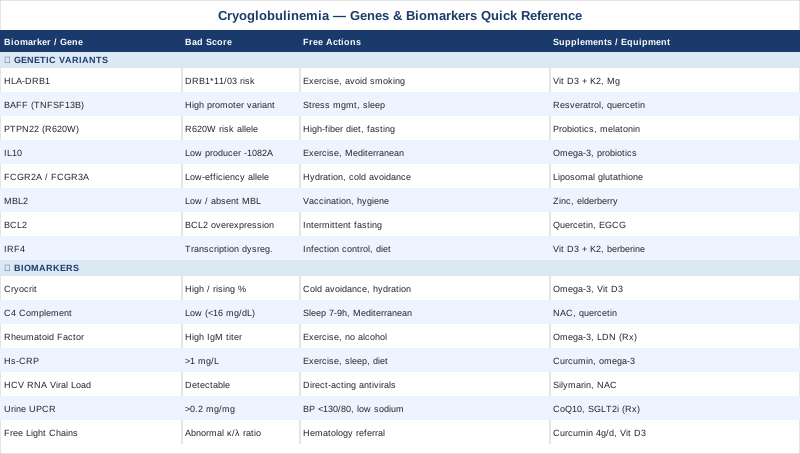
7 Biomarkers That Reveal What Is Actually Happening in Your Cryoglobulinemia
Standard clinical monitoring in cryoglobulinemia often covers only the basics: a complete blood count, metabolic panel, and perhaps a complement level at each visit. That is a starting point, not a complete picture. The seven biomarkers below represent the most informative data points for tracking disease activity, identifying organ involvement early, and evaluating treatment response over time. Each one tells a specific part of the story that the others cannot.
1. Cryocrit: The Most Direct Window Into Disease Burden
Why It Matters
The cryocrit is the only available biomarker that actually quantifies the cryoglobulins themselves. After blood is collected at 37°C, cooled at 4°C for 72 hours, and centrifuged, the volume of precipitate expressed as a percentage of total serum is the cryocrit. A normal result is zero or undetectable. Even low values (1–2%) can be associated with active vasculitis, while some patients with cryocrits above 10% remain relatively asymptomatic. The critical variable is the trend across visits. A rising cryocrit signals active disease progression or inadequate treatment response regardless of how the patient feels at any given moment. Studies have consistently shown that higher cryocrit correlates with greater risk of renal involvement and peripheral neuropathy. Research on cryocrit as a prognostic marker in cryoglobulinemia
How to Measure It
The test requires careful pre-analytical handling — blood must be drawn and transported at body temperature, centrifuged warm, and then stored cold. Many standard labs are not equipped for this protocol; academic medical centers and specialty reference labs handle it correctly. Cost ranges from $80 to $200, often bundled with cryoglobulin characterization by immunofixation. A standalone positive/negative result is far less useful than a quantitative cryocrit paired with immunofixation electrophoresis, which identifies both the quantity and the immunoglobulin class of the cryoglobulin present.
If the Score Is High — What You Can Do Without Supplements
A high or rising cryocrit first calls for revisiting whether the underlying trigger is being adequately treated. In HCV-associated disease, this means confirming antiviral efficacy. In hematologic conditions, it means reviewing B cell-directed management. From a daily standpoint, strict temperature regulation is the single most immediately actionable intervention: cold exposure triggers cryoglobulin precipitation in peripheral vessels, which is the direct mechanism behind digit ischemia, skin ulcers, and some neurological symptoms. Thermal base layers, heated gloves, warm water for handwashing, and avoidance of cold environments are not optional comforts — they are disease management tools. Consistent hydration also helps support blood viscosity management.
If the Score Is High — The Plan With Supplements or Equipment
No supplement directly reduces cryoglobulin production, and this is worth stating clearly. However, omega-3 fatty acids (EPA+DHA, 2–4g/day with a fat-containing meal) support endothelial function and reduce pro-inflammatory eicosanoid production relevant to the vasculitic component. Cycle with a 2–3 week break every 3 months. Vitamin D3 (2,000–4,000 IU/day alongside 100 mcg K2) supports immune regulation; check serum 25-OH vitamin D first and target 50–70 ng/mL. For cold sensitivity, portable far-infrared warming devices for the hands and feet are a practical investment that addresses the precipitation mechanism directly.
2. C4 Complement: The Immune Complex Consumption Signal
Why It Matters
C4 complement is perhaps the most consistently abnormal routine biomarker in active mixed cryoglobulinemia. When cryoglobulins form immune complexes and deposit in tissues, they activate the classical complement pathway, consuming C4 in the process. Chronically low C4 therefore signals ongoing immune complex disease — even when other markers appear relatively stable. In over 80% of active type II mixed cryoglobulinemia cases, C4 is suppressed below the normal range (approximately 16–47 mg/dL). Levels below 10 mg/dL are particularly concerning. Importantly, C4 tends to rise toward normal as treatment takes effect, making it a useful response marker alongside the cryocrit.
How to Measure It
C4 is a standard complement test available at all clinical labs, typically ordered alongside C3 as a complement panel. Cost: $30–$80 for C4 alone, $60–$120 for a full panel. The value lies in serial measurement rather than any single reading. If C4 is low while C3 remains normal, the classical pathway is primarily involved — which is the pattern typical of immune complex disease. If both C3 and C4 are low, systemic lupus or another complement-depleting condition may be simultaneously active.
If the Score Is Low — What You Can Do Without Supplements
Persistently low C4 is a signal to evaluate treatment adequacy for the underlying disease driver. From a lifestyle standpoint, sleep optimization (7–9 hours consistently) matters because complement synthesis is partly governed by circadian rhythms — chronic sleep restriction reliably lowers complement protein levels in inflammatory conditions. Mediterranean dietary patterns reduce the systemic inflammatory burden that drives continuous complement consumption. Avoiding alcohol is particularly important in HCV-associated disease.
If the Score Is Low — The Plan With Supplements or Equipment
N-acetylcysteine (NAC, 600 mg twice daily with food) has antioxidant and anti-inflammatory properties that may support complement system efficiency; use 5 days on, 2 days off to minimize tolerance effects. Quercetin (500 mg/day with food) has early evidence for complement-modulating properties in inflammatory disease contexts. Infrared sauna use (15–20 minutes, 2–3 sessions per week) has been proposed for immune regulation support — with the added practical advantage that warmth prevents the cold-triggered precipitation that characterizes cryoglobulinemia.
3. Rheumatoid Factor: A Direct Readout of B Cell Dysregulation
Why It Matters
Despite its name, rheumatoid factor is directly relevant to cryoglobulinemia pathophysiology. In type II mixed cryoglobulinemia, the monoclonal cryoglobulin component is almost universally an IgM with RF activity — meaning it binds the Fc portion of IgG and forms the immune complexes that drive vasculitis. High-titer RF in this context is not incidental; it reflects the same expanded B cell clone producing cryoglobulins. A persistently rising RF despite treatment is a meaningful red flag that warrants reassessment of the entire management approach. Studies on IgM-RF in mixed cryoglobulinemia
How to Measure It
Quantitative RF IgM is more informative than a simple positive/negative result. Standard labs offer this for $20–$50. In monitoring cryoglobulinemia, what matters is the trend across visits. Anti-CCP antibodies — commonly ordered alongside RF in rheumatoid arthritis workups — are not particularly meaningful in this context; the quantitative RF level itself is the relevant signal.
If the Score Is High — What You Can Do Without Supplements
High RF in cryoglobulinemia primarily calls for adequate targeting of the B cell clone producing it. Complete alcohol elimination is important in HCV-associated disease since alcohol accelerates hepatic fibrosis and amplifies HCV-related B cell stimulation. Regular moderate aerobic exercise (150 minutes per week, adapted to joint and vasculitis tolerance) has been associated with reduced B cell hyperactivation in several autoimmune conditions. Sleep consistency — maintaining a regular sleep-wake cycle — helps regulate the circadian modulation of B cell activity.
If the Score Is High — The Plan With Supplements or Equipment
EPA+DHA omega-3s (2–3g/day) have been shown to modestly reduce IgM production in some autoimmune disease research. Low-dose naltrexone (LDN, 1.5–4.5 mg nightly) has accumulating evidence across multiple autoimmune conditions for modulating pathological B cell activity — this is an off-label prescription medication requiring physician supervision. Transient sleep disruption in the first 2 weeks is the most common side effect and typically resolves. A 3-month trial with repeat labs before reassessment is a reasonable approach.
4. High-Sensitivity CRP and ESR: Tracking the Inflammatory Load
Why It Matters
C-reactive protein (particularly high-sensitivity CRP) and erythrocyte sedimentation rate serve a practical monitoring function in cryoglobulinemia, though each requires contextual interpretation. Elevated hs-CRP during apparent remission may indicate a smoldering inflammatory process not yet visible in more specific tests. ESR interpretation is nuanced in this condition: cryoglobulins themselves influence red blood cell rouleaux formation, which can elevate ESR independently of underlying inflammation. Still, tracking both longitudinally helps identify flares and treatment responses. Peter Attia's longevity framework consistently identifies hs-CRP as one of the most accessible and informative inflammation biomarkers available, with an optimal target below 1 mg/L — a standard worth applying here.
How to Measure It
Both tests are widely available at standard labs. Cost: $20–$45 combined. High-sensitivity CRP (hs-CRP) specifically — as opposed to standard CRP — is worth requesting for its greater sensitivity at lower concentration ranges. These should be checked at baseline and at each follow-up visit. A sudden rise in hs-CRP without obvious clinical explanation warrants investigation, as it may precede a visible flare by days to weeks.
If the Score Is Elevated — What You Can Do Without Supplements
The lifestyle intervention with the strongest evidence for hs-CRP reduction is consistent moderate aerobic exercise — 30–45 minutes most days, adapted to current tolerance. This can reduce hs-CRP by 20–30% over 8–12 weeks. Mediterranean dietary pattern (high olive oil, oily fish, vegetables, legumes; low refined carbohydrates and sugar) produces measurable CRP reductions within 6–8 weeks in inflammatory conditions. Sleep (7–9 hours with consistent timing) is equally important — CRP rises reliably with even partial, short-term sleep restriction.
If the Score Is Elevated — The Plan With Supplements or Equipment
Curcumin in a bioavailable form (theracurmin or liposomal, 500–1,000 mg/day) has demonstrated CRP-lowering effects in multiple randomized controlled trials. Take with food and black pepper extract (piperine) if not already in a lipid-based formulation. Cycle 8 weeks on, 2 weeks off. Omega-3s (EPA+DHA, 2–4g/day) — allow 3 months of continuous use before retesting. Magnesium glycinate (300–400 mg in the evening) supports sleep quality and has anti-inflammatory properties with good long-term tolerability. Photobiomodulation (red light therapy, 630–850nm wavelength, 10–20 minutes daily) has emerging data for reducing systemic inflammatory markers in small clinical studies.
5. HCV RNA Viral Load: The Upstream Trigger That Changes Everything
Why It Matters
For the approximately 70–90% of mixed cryoglobulinemia cases where hepatitis C is the primary driver, viral load is not just another biomarker — it is the single most important number in the clinical picture. HCV infects and chronically stimulates B lymphocytes, driving polyclonal and eventually monoclonal B cell expansion. The resulting immunoglobulins form the immune complexes that precipitate as cryoglobulins and deposit in vessel walls. Achieving sustained virologic response (SVR) — defined as undetectable HCV RNA 12 weeks after completing antiviral therapy — results in complete or substantial cryoglobulinemia remission in the majority of patients. This is the clearest example of true disease reversal available in any cryoglobulinemia subtype. Studies on DAA treatment and cryoglobulinemia remission
How to Measure It
HCV RNA is measured by quantitative PCR, available through any hepatology clinic or reference laboratory. Cost: $100–$250. If cryoglobulinemia has been diagnosed and HCV status has not been recently confirmed by PCR, this is the most urgent single test to run. HCV antibody tests confirm past exposure but not active infection — RNA PCR is required to confirm current viral replication. Even patients who previously tested HCV-antibody negative may warrant repeat testing if cryoglobulinemia type is undetermined.
If HCV Is Detected — What You Can Do Without Supplements
The primary intervention is modern direct-acting antiviral therapy. Regimens such as sofosbuvir/velpatasvir achieve SVR in over 95% of patients regardless of genotype, with an 8–12 week treatment course and a side effect profile far better than older interferon-based regimens. During treatment, complete alcohol abstinence is non-negotiable — alcohol accelerates hepatic fibrosis and may impair treatment efficacy. Temperature protection remains important throughout treatment since cryoglobulinemia vasculitis can persist for 6–18 months after viral clearance as the immune system normalizes.
If HCV Is Detected — The Plan With Supplements or Equipment
Silymarin (milk thistle, 140–210 mg three times daily) has hepatoprotective evidence from randomized trials in chronic liver disease including HCV patients, and is a reasonable hepatic support during antiviral treatment. NAC (600 mg twice daily) supports glutathione production and liver detoxification pathways. Avoid potentially hepatotoxic supplements during active antiviral treatment: high-dose vitamin A (above 10,000 IU/day), kava, large amounts of green tea extract, and proprietary herbal blends of uncertain composition. Heated gloves and temperature-appropriate clothing remain practically essential throughout.
6. Urinary Protein-to-Creatinine Ratio: Protecting the Kidneys Before Damage Accumulates
Why It Matters
Renal involvement in cryoglobulinemia — specifically membranoproliferative glomerulonephritis caused by immune complex deposition in glomerular capillaries — is one of the most serious long-term complications and a major determinant of prognosis. The clinical problem is that early renal involvement is often completely silent: there may be no symptoms until significant damage has accumulated. The urinary protein-to-creatinine ratio (UPCR) is the most sensitive early indicator of glomerular injury available through routine testing. A UPCR above 0.2 mg/mg is abnormal; above 0.5 mg/mg indicates significant proteinuria that warrants nephrology input. Research on renal involvement and proteinuria in cryoglobulinemia
How to Measure It
A spot urine sample is sufficient — no 24-hour urine collection is needed. Cost: $30–$70. This should be measured at every clinical visit in cryoglobulinemia patients, particularly those with type II disease. Serum creatinine and estimated GFR should be measured simultaneously. The combination of rising proteinuria, falling GFR, and depressed C4 complement in a cryoglobulinemia patient represents a clinical emergency requiring urgent nephrology consultation.
If the Score Is Elevated — What You Can Do Without Supplements
Proteinuria in cryoglobulinemia demands attention to both the underlying disease driver and blood pressure. Blood pressure control below 130/80 mmHg is critical — hypertension accelerates glomerular damage in any proteinuric kidney disease. ACE inhibitors or ARBs are typically preferred in this context. Sodium restriction below 2g/day reduces fluid retention and blood pressure. Moderate protein intake (0.8g/kg/day, not high-protein diets) reduces glomerular filtration burden during active renal disease. Vigorous exercise should be moderated during active renal flares since heavy exertion can transiently worsen proteinuria.
If the Score Is Elevated — The Plan With Supplements or Equipment
Coenzyme Q10 (100–200 mg/day with a fat-containing meal) supports mitochondrial function in renal tubular cells and has shown benefit in some nephropathy trial data — ongoing use is well tolerated. SGLT2 inhibitors (a prescription medication class, not a supplement) have demonstrated remarkable renoprotective effects in proteinuric kidney disease independent of diabetes — this is worth a specific conversation with a nephrologist. A validated home blood pressure monitor with daily morning and evening readings is an essential tracking tool during any period of active renal involvement.
7. Serum Free Light Chains and Immunofixation: Ruling Out the Malignant Driver
Why It Matters
Type I cryoglobulinemia is caused by a single monoclonal immunoglobulin produced by a B cell clone that may range from premalignant (MGUS — monoclonal gammopathy of undetermined significance) to frankly malignant (multiple myeloma, Waldenström's macroglobulinemia, chronic lymphocytic leukemia). If the underlying clonal disorder is not identified, no amount of symptomatic management will address the root cause. Serum free light chains (kappa and lambda, with kappa/lambda ratio) and immunofixation electrophoresis (IFE) are the two most sensitive tests for detecting and characterizing a monoclonal component. Abnormal free light chain ratios can also appear in type II disease where a partial monoclonal component exists.
How to Measure It
Serum protein electrophoresis (SPEP) is a common first screen, but immunofixation electrophoresis is more sensitive for identifying the specific immunoglobulin class and light chain type. Together with serum free light chains, these three tests form the standard myeloma screening panel. Cost: $100–$350 depending on the combination ordered. These should be checked at initial cryoglobulinemia diagnosis and reassessed annually — or more frequently if the disease behaves unexpectedly — to monitor for clonal evolution over time.
If a Monoclonal Component Is Found — What You Can Do Without Supplements
A confirmed monoclonal immunoglobulin requires hematology referral for full staging, including bone marrow evaluation if indicated. If the finding is MGUS — the most common and most benign scenario — management is watchful waiting with structured annual surveillance. Lifestyle factors that support immune surveillance broadly include regular aerobic exercise (associated with lower myeloma risk in observational studies), maintaining healthy body weight (obesity is an independent risk factor for MGUS progression), and anti-inflammatory dietary patterns.
If a Monoclonal Component Is Found — The Plan With Supplements or Equipment
In MGUS specifically, curcumin at 4g/day has been evaluated in a randomized trial at MD Anderson Cancer Center demonstrating a significant reduction in the monoclonal protein spike compared to placebo — one of the few randomized supplement data points in this specific population. Golombick et al., Cancer 2009 — curcumin and MGUS Do not use curcumin alongside anticoagulant medications without physician supervision. Vitamin D3 (3,000–5,000 IU/day) — low vitamin D is associated with higher rates of MGUS progression in observational studies; supplementing to reach 50–70 ng/mL carries minimal risk and plausible biological rationale.
The biomarker picture answers what is happening and how severe it is. Genetics answers a different question: why this happened at all, and why it behaves the way it does in a given individual. Both layers of information are worth understanding.
The Genetic Architecture of Cryoglobulinemia: 8 Variants That Shape Risk and Response
Genetic predisposition in cryoglobulinemia is an emerging field, and most findings come from European cohort studies of modest size. Unlike single-gene disorders, cryoglobulinemia susceptibility involves multiple variants each contributing modest individual effects — a polygenic pattern typical of autoimmune and immune-complex diseases. The variants below are the most consistently reported and biologically plausible contributors. Genetic testing is available through specialized panels, though clinical utility varies and results should always be interpreted in clinical context, not in isolation.
1. HLA-DRB1: The Antigen Presentation Gateway
Specific HLA-DRB1 alleles — particularly DRB1*11 and DRB1*03 — have been associated with susceptibility to HCV-associated cryoglobulinemia in European cohorts. HLA-DRB1 encodes part of the MHC class II molecule that presents viral antigens to CD4+ T helper cells. Certain alleles appear to favor a sustained, self-perpetuating immune response to HCV-derived peptides, increasing the likelihood that B cell dysregulation will follow chronic infection. Evidence also suggests that particular HLA-DRB1 alleles correlate with more prominent renal involvement in affected individuals.
If the Gene Is Unfavorable — The Plan Without Supplements
HLA alleles are fixed and cannot be modified. The relevant response is ensuring complete treatment of any HCV infection, since persistent antigen exposure is the engine driving HLA-associated immune dysregulation. Structured aerobic exercise (150 min/week) improves T regulatory cell capacity and is one of the few lifestyle interventions with consistent immune modulation evidence. Avoiding smoking and chronic respiratory infections reduces the overall antigen burden placed on an already-primed immune system.
If the Gene Is Unfavorable — The Plan With Supplements or Equipment
Vitamin D3 (3,000–5,000 IU/day with K2, 100–200 mcg) directly modulates MHC class II expression and supports T regulatory cell function — target serum 25-OH vitamin D at 50–70 ng/mL. This is among the most evidence-backed nutritional interventions for HLA-associated autoimmune risk. Magnesium glycinate (300 mg/day) supports immune cell signaling and is frequently depleted in people with chronic inflammatory conditions.
2. TNFSF13B (BAFF): The B Cell Survival Gene
BAFF (B cell activating factor), encoded by TNFSF13B, is critical to B cell survival, proliferation, and differentiation into antibody-secreting plasma cells. A functional insertion/deletion variant in the BAFF gene promoter increases transcription, leading to higher circulating BAFF. Elevated BAFF is consistently documented in cryoglobulinemia — particularly in HCV-associated and Sjögren's-related cases — where it supports the survival of autoreactive B cell clones that produce cryoglobulins. Research establishing BAFF as a central pathogenic mediator in cryoglobulinemia is part of why belimumab (a BAFF antagonist) has been investigated as a treatment option in refractory cases. BAFF research in cryoglobulinemia pathogenesis
If the Gene Is Unfavorable — The Plan Without Supplements
Chronic psychological stress increases BAFF production through cortisol-mediated pathways. Formal stress reduction practices — particularly mindfulness-based stress reduction — are directly relevant. Consistent aerobic exercise has been shown to lower BAFF levels in some inflammatory disease research. Sleep 7–9 hours nightly: BAFF follows a diurnal pattern, and chronic sleep disruption elevates baseline BAFF in autoimmune-prone individuals.
If the Gene Is Unfavorable — The Plan With Supplements or Equipment
Resveratrol (500 mg/day) has shown BAFF-modulating effects in in vitro autoimmune research — human evidence is limited but safety is good; cycle 3 months on, 1 month off. Quercetin (500 mg/day) has overlapping mechanisms. For patients with Sjögren's-related cryoglobulinemia where BAFF elevation is particularly prominent, hydroxychloroquine (a prescription medication) has shown modest BAFF-lowering effects and is worth discussing with a rheumatologist.
3. PTPN22 (R620W): One of the Strongest Autoimmunity Risk Variants
The PTPN22 R620W variant (rs2476601) is one of the most replicated genetic risk factors for autoimmunity across multiple conditions — type 1 diabetes, rheumatoid arthritis, lupus, and Graves' disease among them. It encodes a phosphatase that regulates T cell receptor signaling threshold. The W620 risk allele reduces the protein's interaction with the signaling molecule CSK, resulting in a lower threshold for T cell activation. In cryoglobulinemia, this translates into a broader failure of immune tolerance that makes autoreactive B cells more likely to persist and produce cryoglobulins.
If the Gene Is Unfavorable — The Plan Without Supplements
Interventions that support regulatory immune tolerance broadly include: high dietary fiber intake from diverse plant sources (supports gut microbiome diversity and regulatory T cell induction), time-restricted eating within a 10–12 hour window (promotes autophagy and immune homeostasis), and consistent low-to-moderate intensity daily exercise. Avoiding unnecessary antibiotic courses that disrupt gut microbiome is particularly relevant for PTPN22 variant carriers whose immune regulation is already fragile.
If the Gene Is Unfavorable — The Plan With Supplements or Equipment
Multi-strain probiotics (Lactobacillus rhamnosus GG, Bifidobacterium longum, paired with prebiotic fibers such as inulin and FOS) support regulatory T cell induction through the gut-immune axis — 30–90 day cycles with dietary maintenance between courses. Low-dose melatonin (0.5–1 mg, 30 min before bed) has T regulatory cell-promoting effects beyond sleep improvement in early research — use the lowest effective dose and avoid high-dose melatonin, which can have paradoxical immune effects.
4. IL10: The Anti-Inflammatory Braking System
IL-10 is a key anti-inflammatory cytokine produced primarily by regulatory B cells, Th2 cells, and macrophages. Promoter variants in the IL10 gene — particularly the -1082A/G polymorphism — affect how much IL-10 an individual produces. Low IL-10 producers may have a harder time dampening the immune response driving cryoglobulin production and immune complex tissue deposition. This is particularly relevant in HCV infection, where the balance between pro-inflammatory and anti-inflammatory cytokines influences how aggressively disease progresses toward cryoglobulinemia.
If the Gene Is Unfavorable — The Plan Without Supplements
IL-10 production is modifiable through lifestyle. Aerobic exercise (30–45 min moderate intensity) transiently increases IL-10 after each session — this is one of the key mechanisms behind exercise's anti-inflammatory effects and accumulates meaningful benefit with consistency. A Mediterranean dietary pattern rich in omega-3 fatty acids and diverse polyphenols consistently supports IL-10 production in intervention studies. Adequate and consistent sleep is essential since IL-10 production follows circadian regulation and declines with sleep restriction.
If the Gene Is Unfavorable — The Plan With Supplements or Equipment
Omega-3 fatty acids (EPA+DHA, 3–4g/day) support IL-10 upregulation — one of the more mechanistically established effects of fish oil in inflammatory disease. Probiotic supplementation (Lactobacillus species) has shown mucosal IL-10 induction in controlled trials. Infrared sauna (2–3 sessions per week, 15–20 min) has been associated with modest IL-10 increases in small inflammatory disease studies — the warmth benefit also addresses the cold-sensitivity issue directly.
5. FCGR2A and FCGR3A: The Immune Complex Clearance Variants
FCGR2A (H131R variant) and FCGR3A (V158F variant) encode Fc gamma receptors on macrophages, neutrophils, and NK cells that mediate the binding and clearance of antibody-coated targets, including immune complexes. In cryoglobulinemia, efficient immune complex clearance is central to limiting tissue damage — complexes that persist in circulation have more opportunity to precipitate in cold-exposed vessels and deposit in glomerular capillaries. Individuals with less efficient FCGR variants clear immune complexes more slowly, potentially allowing greater tissue deposition even when total cryoglobulin levels are modest. Research on FCGR variants and immune complex clearance
If the Gene Is Unfavorable — The Plan Without Supplements
The practical implication is to minimize the burden on an already less efficient clearance system by reducing upstream immune complex formation — which means treating the primary disease driver as completely as possible. Vigorous hydration supports renal immune complex filtration. Cold avoidance is especially critical for FCGR variant carriers since precipitation increases the local concentration of immune complexes in cooled peripheral tissues precisely where clearance is already slowest. Regular aerobic exercise has been shown to upregulate Fc receptor expression on circulating monocytes, potentially partly compensating for variant-associated inefficiency.
If the Gene Is Unfavorable — The Plan With Supplements or Equipment
Liposomal glutathione (200–400 mg/day) supports macrophage phagocytic function and antioxidant capacity — cycle 8 weeks on, 2 weeks off. Spermidine (found naturally in wheat germ; supplements at 5–10 mg/day) is being investigated for its effects on macrophage autophagy and phagocytic renewal — very early research but with a favorable safety profile.
6. MBL2: The Lectin Pathway Complement Gene
MBL2 encodes mannose-binding lectin, which activates complement through the lectin pathway upon recognizing carbohydrate patterns on microbial or altered-self surfaces. Variants in MBL2 result in very low or absent circulating MBL, found in approximately 5–10% of the general population. Low MBL may impair clearance of certain pathogens including HCV and reduce the efficiency of immune complex opsonization. Whether MBL2 variants specifically alter cryoglobulinemia susceptibility or severity requires further study, but the biological plausibility is strong given complement's central role in disease pathology and the consistent observation that complement depletion correlates with disease severity.
If the Gene Is Unfavorable — The Plan Without Supplements
MBL deficiency cannot be directly corrected. The practical implication is heightened vigilance around infection prevention: influenza and pneumococcal vaccination are particularly relevant since MBL-deficient individuals are somewhat more susceptible to encapsulated bacteria and respiratory viruses. Minimizing recurrent viral illnesses that could re-stimulate B cell expansion reduces the risk of disease flares. Good hand hygiene and avoidance of crowded indoor environments during respiratory virus season are practical starting points.
If the Gene Is Unfavorable — The Plan With Supplements or Equipment
Zinc (8–11 mg/day from food or supplementation) is required for MBL expression — deficiency measurably reduces circulating MBL and is common in chronic inflammatory conditions. Elderberry extract (standardized, 4–8 weeks during cold season) has antiviral evidence in respiratory infections and may reduce the frequency of viral illnesses that could trigger immune flares. Bovine colostrum contains lectin-like immunomodulatory proteins studied for innate immune support — evidence is preliminary but safety is well established.
7. BCL2: When B Cell Apoptosis Fails
BCL2 encodes an anti-apoptotic protein that prevents programmed B cell death. The t(14;18) chromosomal translocation — which places BCL2 under immunoglobulin promoter control — is the defining molecular event of follicular lymphoma, a known cause of type I cryoglobulinemia. Even in non-malignant settings, BCL2 variants may promote prolonged B cell survival and the persistence of autoreactive clones producing cryoglobulins. The clinical success of rituximab (anti-CD20 B cell depletion therapy) in type II cryoglobulinemia is partly a pharmacological workaround for this failure of normal B cell apoptosis — it forces the cell death that BCL2 overexpression is preventing.
If the Gene Is Unfavorable — The Plan Without Supplements
Intermittent fasting (16:8 daily or periodic 24-hour fasts) promotes systemic autophagy, which may reduce the survival advantage of BCL2-overexpressing clones through alternative cell death pathways. Regular aerobic exercise supports immune surveillance and apoptotic cell clearance through multiple mechanisms. Minimizing chronic low-grade infections that provide ongoing survival signals to B cell clones — through vaccination and general infection hygiene — reduces the antigenic stimulus that BCL2-overexpressing cells exploit.
If the Gene Is Unfavorable — The Plan With Supplements or Equipment
Quercetin (500–1,000 mg/day) is a flavonoid with documented pro-apoptotic effects in B cell lines in preclinical studies, partly through BCL2 pathway modulation. EGCG from green tea extract (400–800 mg/day standardized) has overlapping pro-apoptotic mechanisms in B cell research. Both should be cycled at 8 weeks on, 2–3 weeks off. Avoid in pregnancy. Neither replaces medical management of any underlying lymphoproliferative disease — they are supportive measures alongside, not substitutes for, hematology-directed care.
8. IRF4: Driving Abnormal Immunoglobulin Production
IRF4 (Interferon Regulatory Factor 4) is a transcription factor that controls B cell differentiation into plasma cells and regulates immunoglobulin class switching. Specific IRF4 variants have been associated with multiple myeloma susceptibility and with altered regulation of immunoglobulin production. In cryoglobulinemia, dysregulated IRF4 activity may contribute to excessive or aberrant immunoglobulin production that feeds the cryoglobulin pool. IRF4 dosage also influences the immunoglobulin isotype produced — a mechanism relevant to understanding which immunoglobulin class predominates in different cryoglobulinemia subtypes.
If the Gene Is Unfavorable — The Plan Without Supplements
IRF4 expression is regulated by cytokine signals (particularly IL-4 and IL-21) and by antigen receptor activation. Reducing chronic immune stimulation through infection control, anti-inflammatory diet, and stress management may indirectly modulate IRF4-driven plasma cell differentiation. Vitamin D has been shown to negatively regulate IRF4 expression in some immune cell contexts, providing a mechanistic link between vitamin D status and plasma cell activity.
If the Gene Is Unfavorable — The Plan With Supplements or Equipment
Vitamin D3 (3,000–5,000 IU/day with K2) — the evidence for vitamin D's regulatory effect on IRF4 expression in immune cells provides a specific mechanistic rationale beyond the general immune modulation benefit. Berberine (500 mg twice daily with meals) has shown B cell regulatory effects in autoimmune research through NF-κB and related transcription factor pathways — cycle 3 months on, 1 month off; note potential interactions with some medications and contraindication in pregnancy.
Understanding both biomarkers and genetics gives a far clearer picture of individual disease biology. What follows draws on a broader body of immune regulation research to suggest how that picture can inform daily decisions.
10 Immune Regulation Insights That Most Rheumatology Appointments Never Cover
The Huberman Lab podcast has become one of the most scientifically rigorous lay science resources on human biology, regularly featuring immunologists, rheumatologists, and clinical researchers discussing the mechanics of immune regulation, inflammation, and disease. For someone managing cryoglobulinemia — an immune-complex vasculitis driven by B cell dysregulation — the content on stress biology, sleep architecture, gut-immune connections, and autonomic regulation is directly applicable. What follows synthesizes 10 of the most actionable insights from this research base, framed around what is specifically relevant to immune-complex disease.
1. Chronic Stress Is a Direct and Measurable Immune Disruptor
Chronic psychological stress elevates cortisol and catecholamines in patterns that shift the immune system away from adaptive regulatory function and toward pro-inflammatory innate dominance. The regulatory T cells that normally suppress autoreactive immune activity are chronically undermined by sustained stress hormone exposure. Research covered extensively in Huberman Lab immune episodes confirms that even mild chronic stress — the kind that does not feel dramatic — produces measurable changes in lymphocyte ratios and cytokine profiles directly relevant to autoimmune and immune-complex disease activity. This is not soft wellness observation; it is neuroimmunology with quantifiable clinical correlates.
2. Sleep Is When Immune Memory Is Consolidated
Slow-wave sleep is the phase during which immunological memory consolidates and immune surveillance operates most efficiently. Research from Jan Born's lab and others consistently shows that restricting sleep below 6 hours nightly for as little as one week produces significant suppression of T cell-mediated immune regulation and measurable increases in pro-inflammatory cytokines. For cryoglobulinemia patients where T cell dysregulation is already part of the pathology, chronically inadequate sleep is a compounding immunological factor — not a lifestyle nuance. Targeting 7–9 hours with a consistent wake time is a biological intervention with dose-response characteristics.
3. The Vagus Nerve Runs a Direct Anti-Inflammatory Circuit
The vagal nerve carries anti-inflammatory signals from the brainstem to peripheral organs via the cholinergic anti-inflammatory pathway established in Kevin Tracey's landmark research. Vagal tone — the degree to which the vagus is actively modulating peripheral inflammation — is measurable through heart rate variability (HRV). Higher HRV correlates inversely with systemic inflammatory markers including CRP across a broad range of conditions. This is the mechanism behind why slow diaphragmatic breathing, yoga, and brief cold face immersion reduce inflammation — they all increase vagal tone. Supporting this pathway through daily breathing practice is a mechanistically sound, zero-cost anti-inflammatory intervention.
4. Exercise Trains Immune Surveillance — But the Dose Matters
Moderate-intensity aerobic exercise mobilizes NK cells, increases cytotoxic T lymphocyte activity, raises IL-10, and reduces basal CRP and BAFF when practiced consistently. However, overtraining suppresses immune function for 24–72 hours after each high-intensity session — the "open window" effect well established in exercise immunology. For cryoglobulinemia patients, moderate exercise (perceived exertion 5–7 out of 10) for 30–45 minutes, 4–5 days per week, provides the immune benefit without the suppressive effect. High-intensity interval training during active vasculitis is contraindicated.
5. Cold Exposure Is Specifically Contraindicated in This Condition
Cold water immersion and cold shower protocols that Huberman has discussed extensively for their dopaminergic and metabolic benefits carry a direct warning for cryoglobulinemia patients: cold triggers cryoglobulin precipitation in peripheral vessels and can precipitate digit ischemia, vasculitic skin lesions, and acute neurological symptoms. This is one of the clearest cases where a widely promoted protocol is specifically contraindicated for a particular condition. Patients should be aware of this and explicitly discuss it with any practitioner recommending cold exposure therapy.
6. Sauna Use Offers the Immune Benefits Without the Precipitation Risk
Regular sauna use (15–20 minutes at 80–100°C, 3–4 sessions per week) has been associated with reductions in hs-CRP, elevation of IL-10, and improvements in HRV in Nordic cohort studies. The heat shock proteins induced by sauna have documented roles in immune regulation and cellular repair. For cryoglobulinemia specifically, sauna has an additional advantage over cold exposure: warmth prevents cryoglobulin precipitation rather than triggering it. Infrared sauna (lower temperatures, deeper tissue penetration) is a gentler starting point for patients who find traditional high-temperature sauna uncomfortable.
7. Morning Light Anchors the Immune Circadian Rhythm
Immune cell activity is under circadian control — inflammatory cytokines peak in the early morning, regulatory T cell activity peaks in the afternoon, and complement synthesis follows its own diurnal pattern. Morning light exposure (10–20 minutes of outdoor light within the first hour of waking) anchors the circadian clock that governs all of these rhythms. Research on circadian immune regulation confirms that misaligned light timing — common in shift workers and those with irregular schedules — produces measurable immune dysregulation. A consistent morning light routine is a free, daily immune regulatory tool.
8. The Gut Microbiome Directly Instructs T Cell Phenotype
Approximately 70% of immune cells are located in or near the gut mucosa, and the composition of the gut microbiome directly instructs the differentiation of naive T cells toward regulatory versus effector phenotypes. Research from the Sonnenburg and Honda labs demonstrates that high dietary fiber diversity and fermented food consumption measurably shift the immune phenotype toward greater regulatory T cell abundance. For a PTPN22 or HLA risk allele carrier with compromised T cell regulation, dietary support of the gut microbiome is not supplementary — it is foundational infrastructure for immune regulation.
9. Nasal Breathing Modifies the Immune Environment of the Upper Airways
Nasal breathing filters air through nasal mucosa rich in immune tissue, produces nitric oxide with antiviral and vasodilatory properties, and stimulates the olfactory nerve with downstream vagal effects. Research discussed extensively in Huberman's content on respiration confirms that habitual mouth breathing bypasses these defenses. For a cryoglobulinemia patient with HCV-associated disease, reducing the frequency of recurrent respiratory infections that can trigger immune flares is a relevant downstream benefit. Nasal breathing during exercise and sleep (managed with nasal strips if needed) is a practical, no-cost intervention.
10. Social Connection Has Quantifiable Immune Effects
Research on social isolation and immunity demonstrates that isolated individuals have higher circulating inflammatory cytokines, lower NK cell activity, and impaired T cell function compared to socially connected individuals. The mechanism operates through the autonomic nervous system and neuroendocrine pathways — this is not simply about mental health but about measurable immunological output. For patients managing a chronic, unpredictable disease, the social dimension of care — peer support, connection, and reduced isolation — has genuine biological relevance, not just psychological value.
These insights from immune regulation research connect directly to the complementary clinical approaches that follow, each of which has meaningful evidence in autoimmune and immune-complex disease contexts.
Complementary Approaches With Meaningful Evidence for Immune-Complex Disease
For a condition like cryoglobulinemia — which sits at the intersection of autoimmunity, vasculitis, and immune complex pathology — some complementary modalities have genuine clinical evidence behind them. The four below were selected because their mechanisms are relevant to this specific pathology and because at least some human clinical evidence supports their use in comparable conditions.
The Autoimmune Protocol: A Structured Dietary Reset for Immune Regulation
The Autoimmune Protocol (AIP), developed by Dr. Sarah Ballantyne and detailed in The Paleo Approach, is a structured elimination and reintroduction dietary framework grounded in immunological and gut biology research. The AIP rationale for cryoglobulinemia is that removing gut permeability-promoting foods — grains, legumes, dairy, nightshades, eggs, nuts, seed oils, and alcohol — while prioritizing nutrient density may support the immune regulatory environment that helps contain autoreactive B cell clones. The protocol also emphasizes foods that specifically support regulatory T cell induction (diverse plant fiber, fermented vegetables, omega-3-rich seafood) and micronutrient repletion. Evidence comes primarily from autoimmune thyroid disease and inflammatory bowel disease trials, but the mechanisms are broadly applicable to immune-complex conditions where gut permeability and T cell regulation are relevant variables.
A 2017 randomized pilot study by Konijeti et al. in Inflammatory Bowel Diseases demonstrated that the AIP diet significantly reduced endoscopic and clinical measures of Crohn's disease and ulcerative colitis activity within 6 weeks. Konijeti et al., Inflammatory Bowel Diseases 2017 — AIP diet in IBD The elimination phase lasts 30–90 days, removing gluten, dairy, eggs, legumes, nightshades, nuts, seeds, alcohol, and seed oils. Reintroduction proceeds systematically over several months, one food group at a time, to identify individual triggers. Bone broth, organ meats, fermented vegetables, and diverse plant fiber are emphasized throughout.
For cryoglobulinemia patients, the AIP is best approached as a short-term diagnostic and therapeutic experiment rather than permanent restriction. The 30-day elimination phase is the meaningful test — if inflammatory markers trend downward and complement levels improve, that is actionable clinical information. Practical considerations include ensuring adequate protein intake when eggs, legumes, and dairy are removed (increase fish, poultry, and organ meats accordingly) and managing the social demands of a highly restrictive diet during an already challenging period. Ballantyne's framework consistently emphasizes that reintroduction — not permanent elimination — is the goal, and that food variety itself supports the gut microbiome diversity that underlies immune regulation.
Mindfulness-Based Stress Reduction: Modulating the Immune-Stress Axis
MBSR is an 8-week structured program developed by Jon Kabat-Zinn at the University of Massachusetts Medical School that trains formal meditation, body scan, and mindful movement. Its relevance to cryoglobulinemia lies in the neuroimmune axis: chronic psychological stress elevates cortisol and pro-inflammatory cytokines, reduces T regulatory cell activity, and increases BAFF — all directly relevant to cryoglobulinemia pathophysiology. MBSR is one of the most extensively studied mind-body interventions in medicine, with over a thousand published clinical studies across conditions including autoimmune disease, chronic pain, and cancer.
A 2016 systematic review by Black and Slavich in Annals of the New York Academy of Sciences examining 20 randomized controlled trials of mindfulness meditation found consistent evidence for reductions in pro-inflammatory cytokines including IL-6 and CRP, and improvements in immune cell profiles relevant to autoimmune conditions. Black and Slavich, Ann NY Acad Sci 2016 — mindfulness and immune parameters The standard MBSR format is 8 weekly 2.5-hour sessions, a one-day retreat, and daily home practice of approximately 45 minutes. Online certified programs have shown comparable benefit for most populations, though in-person cohorts add the social connection variable discussed above.
For cryoglobulinemia patients, body scan practice (30 minutes lying still with sequential attention to body regions) specifically activates the parasympathetic nervous system and improves HRV — the same pathway that reduces macrophage-derived TNF-alpha and IL-6 through the cholinergic anti-inflammatory mechanism. Patients experiencing cold sensitivity, pain, or disease-related anxiety may also find MBSR valuable as a pain modulation tool, since mindfulness practice reduces the suffering dimension of chronic pain without pharmacological intervention.
Microbiome-Directed Therapies: Rebuilding Immune Regulation From the Gut
The gut microbiome produces short-chain fatty acids, modulates bile acid metabolism, instructs dendritic cell maturation, and governs much of the mucosal immune environment. In autoimmune diseases broadly, dysbiosis — a shift away from microbiome diversity and richness — has been documented consistently and appears in some research to precede disease onset rather than result from it. For cryoglobulinemia, the specific connection runs through regulatory T cell induction: butyrate-producing bacteria (particularly Faecalibacterium prausnitzii and Akkermansia muciniphila) are essential for colonic regulatory T cell expansion, and their depletion creates an immune permissive environment for autoreactive B cell persistence.
A landmark 2021 randomized controlled trial by Wastyk et al. published in Cell directly compared high-fiber versus high-fermented food diets over 10 weeks in healthy adults. The high-fermented food group (yogurt, kefir, kimchi, sauerkraut, kombucha — 6 servings per day) showed a significant increase in microbiome diversity alongside a notable decrease in 19 inflammatory proteins including IL-6 and IL-12p70, markers directly relevant to autoimmune vasculitis. Wastyk et al., Cell 2021 — fermented foods and immune regulation This is clinical evidence for a specific and actionable dietary protocol — not generic "eat more fermented foods" advice.
Practically: incorporate 1–2 servings of live-culture fermented foods daily (unpasteurized sauerkraut, kimchi, water kefir, or high-quality plain yogurt), increase dietary fiber diversity aiming for 30 or more different plant foods per week (variety matters more than total gram count for microbiome richness), and consider a targeted probiotic for 4–8 weeks including Lactobacillus rhamnosus, Bifidobacterium longum, and prebiotic fibers (inulin, FOS). For patients on immunosuppressive medications, discuss probiotic use with a physician since guidelines vary by clinical context and specific medication class.
Breathing-Based Therapies: Activating the Anti-Inflammatory Nerve
Slow, controlled breathing practices — including resonance frequency breathing (approximately 6 breaths per minute), 4-7-8 breathing, and diaphragmatic breathing — directly stimulate the vagus nerve and shift autonomic balance toward parasympathetic dominance. The cholinergic anti-inflammatory pathway, rigorously established by Kevin Tracey's laboratory at the Feinstein Institutes, demonstrates that vagal stimulation suppresses macrophage production of TNF-alpha, IL-6, and other pro-inflammatory cytokines. This explains why heart rate variability — a measurable index of vagal tone — correlates inversely with systemic inflammation across autoimmune vasculitic conditions.
Research by Lehrer and colleagues in Applied Psychophysiology and Biofeedback demonstrated that resonance frequency breathing (at approximately 0.1 Hz, roughly 6 breaths per minute) significantly increased HRV and produced downstream effects on inflammatory markers in patients with inflammatory and cardiovascular conditions. Research on resonance breathing and inflammatory markers The protocol: 20 minutes daily of 5-second nasal inhale and 5-second exhale, ideally tracked with a biofeedback device (Polar H10 chest strap paired with an HRV app) to confirm the resonance frequency for your specific respiratory system. Individual resonance points vary and biofeedback removes the guesswork.
For cryoglobulinemia patients, the practical value of this intervention is that it requires no prescription, no equipment beyond a timer, and carries no side effects. A daily 20-minute resonance breathing session is a mechanistically sound anti-inflammatory intervention that addresses the vagal anti-inflammatory pathway discussed above. HRV biofeedback (using validated chest strap monitors with apps such as Elite HRV or SweetBeat) personalizes the breathing rate to each individual's actual resonance frequency — this personalization meaningfully improves outcomes compared to generic breathing instruction, and tracking HRV over weeks also provides a practical window into whether other interventions (sleep, exercise, diet) are moving the inflammatory baseline in the right direction.
Conclusion
Cryoglobulinemia is a condition that rewards precision. Unlike many chronic diseases where monitoring is passive and options are limited, this one offers multiple specific, measurable entry points for understanding and influencing what is happening. The seven biomarkers covered here — from cryocrit to serum free light chains — tell a coherent story about disease activity, organ involvement, and treatment response. The eight genetic variants explain much of why the condition develops and why it behaves differently in different individuals. Together, they provide the kind of specific information that makes clinical conversations more productive and management decisions better grounded.
The lifestyle and complementary interventions described throughout — temperature management, anti-inflammatory diet, sleep, moderate exercise, stress reduction, gut microbiome support, and breathing practices — are not alternatives to medical treatment. They are the biology-based supporting architecture that can meaningfully change the inflammatory environment in which the disease operates. For HCV-associated disease, antiviral therapy achieving sustained virologic response remains the single most powerful intervention available. For non-infectious cryoglobulinemia, appropriate immunomodulation is the foundation. Everything else adds up around that core.
The most useful next step is not to act on everything at once. Start with the biomarkers your current care team may not yet be monitoring — particularly C4 complement, quantitative RF, urinary protein-to-creatinine ratio, and HCV RNA if not recently confirmed by PCR. Bring those results to a rheumatologist, hepatologist, or hematologist who can contextualize them fully. Layer in one or two lifestyle interventions with clear mechanisms and give them 8–12 weeks before assessing impact. Precision and consistency work better than intensity alone, and any step toward more specific clinical information is a meaningful step forward.
Cardiovascular: Vascular Conditions
Digestive: Liver & Gallbladder Conditions
Autoimmune: Inflammatory Conditions
Infectious: Viral Infections
Urological: Kidney Conditions