This article contains AI generated content.
· UpdatedCryopyrin-Associated Periodic Syndrome Genes and Biomarkers — 5 Genes And 7 Biomarkers To Track
Introduction
Cryopyrin-Associated Periodic Syndrome, most often abbreviated to CAPS, belongs to a category of conditions that are genuinely difficult to navigate without precise information. The symptom picture — recurrent fever, an urticarial rash that isn't quite hives, joint pain, fatigue, and systemic inflammation that seems to arise from nowhere — overlaps with dozens of other diagnoses. Most people with CAPS spend years moving between specialists before a clear picture emerges, if it ever does. That delay is not just frustrating. In some forms of CAPS, inadequately controlled inflammation silently deposits amyloid protein in the kidneys, and that accumulation has consequences that are very hard to reverse once established.
What separates CAPS from many other chronic inflammatory conditions is how precisely its biology is understood. It is not an autoimmune disease in the classic sense, where the immune system mistakes self for foreign. It is an autoinflammatory disease — meaning the inflammatory machinery itself is constitutively overactive, not misdirected by adaptive immune errors. The central mechanism is a molecular complex called the NLRP3 inflammasome, and in the vast majority of CAPS cases, the problem traces back to specific mutations in a single gene. This makes CAPS one of the most tractable inflammatory conditions from a genetics perspective — but generic anti-inflammatory lifestyle advice, designed for the far more common and mechanistically different conditions like rheumatoid arthritis or lupus, often misses the target entirely.
This article takes a different approach. It starts with the genes — specifically the five most clinically relevant genetic factors in CAPS, what each one does when it is functioning normally, what changes when it carries a pathogenic or high-risk variant, and what practical steps can be taken with and without supplementation to address those downstream effects. It then moves to biomarkers, covering the seven laboratory values that matter most for monitoring disease activity, tracking treatment response, and detecting the early warning signs of long-term complications. Beyond genes and biomarkers, it brings in current research on inflammasome biology, complementary approaches with meaningful human evidence, and a realistic summary of what the science actually supports.
The goal of all of this is not to replace medical care — prescription IL-1 inhibitor therapy has transformed outcomes for CAPS patients and remains the cornerstone of treatment. The goal is to give anyone managing this condition, or supporting someone who is, a more complete and actionable picture than most clinical encounters allow time to provide. Better information, used intelligently, leads to better decisions.
Summary
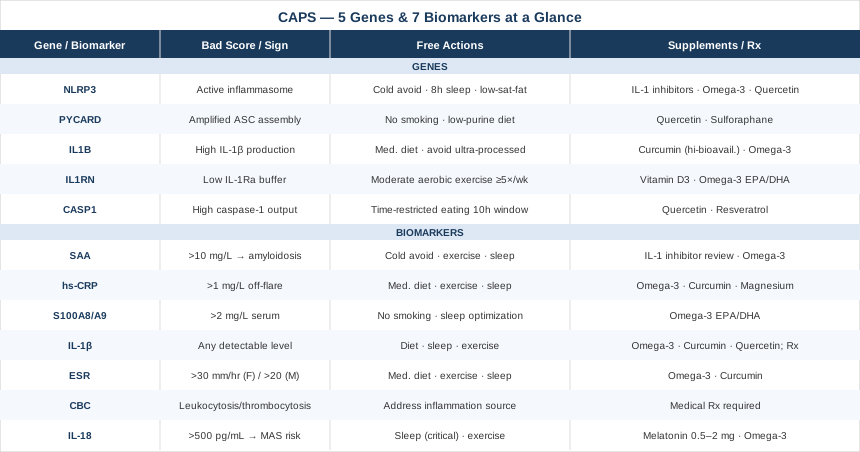
This article covers 5 key genes central to CAPS — NLRP3 (the gene that defines the disease), PYCARD, IL1B, IL1RN, and CASP1 — explaining what each one does, how specific variants affect disease severity, and what targeted plans look like with and without supplementation for each one. It then breaks down 7 biomarkers essential for ongoing monitoring, from serum amyloid A (the single most important marker for kidney protection) to IL-18 (an underused but highly informative measure of macrophage activation risk). Beyond the genetics and lab work, the article summarizes the 10 most impactful research findings on inflammasome biology — drawn from the deep science Huberman Lab episodes have covered on immune regulation — that directly challenge the advice most people with CAPS receive. Finally, it presents three evidence-based complementary approaches, including the Autoimmune Protocol from Sarah Ballantyne, that have meaningful human support for reducing inflammatory burden in autoinflammatory conditions. This is structured to move from molecular biology to practical, daily action.
The Genetics Behind CAPS: 5 Genes That Shape the Disease
For most chronic inflammatory conditions, genetics offers probabilistic insight — elevated risk, not certainty. CAPS is different. In the majority of confirmed cases, the disease is directly caused by a gain-of-function mutation in a single gene. Knowing which mutation is present is not just a diagnostic formality; it predicts disease severity, organ risk, and informs treatment decisions in ways that matter significantly for long-term outcomes.
CAPS sits on a clinical spectrum. At the milder end, Familial Cold Autoinflammatory Syndrome (FCAS) presents as cold-triggered flares that are unpleasant but rarely cause permanent organ damage. In the middle sits Muckle-Wells Syndrome (MWS), which carries meaningful risk of progressive sensorineural hearing loss and the most dangerous long-term complication of CAPS — AA amyloidosis of the kidney. At the most severe end, Neonatal-Onset Multisystem Inflammatory Disease (NOMID, also called CINCA) involves continuous systemic inflammation from birth, with central nervous system involvement, chronic meningitis, and significant developmental consequences if untreated.
The specific mutation in the NLRP3 gene, and the variants in the modifier genes below, largely determine where any given individual falls on that spectrum.
Gene 1: NLRP3 — The Core Driver
NLRP3 (Nucleotide-Binding Oligomerization Domain, Leucine-Rich Repeat and Pyrin Domain-Containing Protein 3) encodes cryopyrin, the sensor component of the NLRP3 inflammasome. In healthy individuals, the inflammasome is an emergency signaling complex. It detects genuine danger signals — pathogen products, crystalline particles, metabolic alarmins — and responds by activating caspase-1, which cleaves the precursor forms of interleukin-1 beta (IL-1β) and interleukin-18 (IL-18) into their mature, bioactive, and extremely potent inflammatory forms. When the danger signal resolves, the complex disassembles.
In CAPS, gain-of-function mutations in NLRP3 mean the inflammasome either does not require a trigger at all or responds to stimuli so minimal they would be ignored in a healthy individual. More than 130 pathogenic variants have been identified, most concentrated in exon 3, which encodes the NACHT domain responsible for oligomerization. The landmark 2001 study by Hoffman and colleagues first identified NLRP3 (then called CIAS1) mutations as the cause of both FCAS and Muckle-Wells Syndrome, establishing the genetic foundation for what is now precision-targeted treatment.
Mutation position predicts phenotype with reasonable accuracy. Variants like p.Arg262Trp and p.Val200Met cluster at the FCAS end. Mutations like p.Thr348Met and p.Ala439Val are more associated with Muckle-Wells. Severe NOMID/CINCA is caused by mutations that more completely disable the regulatory constraints on inflammasome activation. Knowing where on this map a specific mutation falls shapes the entire clinical strategy.
If the NLRP3 variant is identified: The plan without supplements
For FCAS variants, cold avoidance is the single most impactful environmental intervention. Specific triggers vary by individual — cold air, cold water, air conditioning — and identifying them through a symptom diary is the first practical step. For all CAPS variants, reducing dietary NLRP3 activators matters: high-saturated-fat meals, particularly those rich in palmitate (found in processed foods, some dairy, and fatty meats), directly activate the NLRP3 inflammasome through lipotoxic mechanisms. A whole-food, plant-forward diet with controlled saturated fat is both evidence-supported and mechanistically relevant.
Sleep is not optional for anyone with an NLRP3 mutation. Human studies demonstrate that restricting sleep to six hours or less dramatically increases IL-1β production the following day — meaning chronic sleep deprivation is not just unhealthy for a CAPS patient, it is a direct disease trigger. Seven to nine hours of consistent, quality sleep, with stable timing, is one of the highest-leverage biological levers available. Regular moderate-intensity exercise (30–45 minutes, 4–5 days per week) supports autophagy and reduces circulating free fatty acids, both of which downregulate baseline NLRP3 activity. High-intensity training during active flares is contraindicated.
If the NLRP3 variant is identified: The plan with supplements
Medical management through prescription IL-1 inhibitors (anakinra, canakinumab, rilonacept) is the cornerstone of CAPS treatment for confirmed pathogenic NLRP3 variants and should be guided by a rheumatologist experienced in autoinflammatory diseases. Supplemental strategies work as adjuncts, not replacements.
Omega-3 fatty acids (EPA + DHA): 2–3g combined daily. EPA has demonstrated direct NLRP3 inhibitory effects in human cell models, partly through conversion to pro-resolving mediators and interference with arachidonic acid pathways. Use continuously; no cycling required. Monitor if on anticoagulants.
Quercetin: 500–1000mg daily with food. Quercetin inhibits NLRP3 inflammasome assembly specifically at the level of ASC speck formation — a mechanism that is directly relevant in CAPS. Preclinical evidence is strong; human trials in autoinflammatory disease are limited but consistent with this mechanism. Generally safe; theoretical interaction with cyclosporine exists.
Vitamin D3 with K2: Target serum 25(OH)D between 50 and 70 ng/mL. Vitamin D modulates inflammasome activity and supports expression of IL-1 receptor antagonist. Dose to bloodwork; monitor calcium at supplemental doses above 4000 IU daily.
Melatonin: 0.5–2mg nightly, starting at the lower end. Multiple human studies demonstrate IL-1β and IL-18 suppression at physiological (low) melatonin doses. Start at 0.5mg; side effects at higher doses include morning grogginess. Not a substitute for prescription therapy.
Gene 2: PYCARD (ASC) — The Inflammasome Assembler
PYCARD encodes ASC (Apoptosis-associated Speck-like protein containing a CARD), the critical adapter protein that bridges the NLRP3 sensor to caspase-1. When the inflammasome activates, ASC proteins form a large oligomeric complex called the ASC speck — a visible, physical structure inside the cell that concentrates caspase-1 and drives its activation. Without ASC, efficient IL-1β and IL-18 processing cannot occur.
While PYCARD mutations do not cause CAPS directly, variants in this gene function as amplifiers. The rs2925979 variant in PYCARD has been associated with altered inflammasome sensitivity across multiple inflammatory diseases. In the context of a pre-existing NLRP3 mutation, a high-sensitivity PYCARD variant may contribute to a more severe phenotype than the NLRP3 variant alone predicts — a combinatorial effect that is not yet routinely screened in standard clinical panels.
If a PYCARD variant is identified: Plans with and without supplements
Without supplements: The primary approach is minimizing co-stimulatory inflammasome signals that engage the ASC-dependent pathway alongside NLRP3. These include crystalline stimuli (urate crystals from high-purine diets, cholesterol crystals from high-saturated-fat diets), oxidative stress, and environmental particulates. Smoking is a potent ASC activator through both particulate and oxidative mechanisms and should be completely avoided.
With supplements: The quercetin protocol above acts specifically at the ASC speck formation step and is directly relevant here. Sulforaphane (from broccoli sprouts — approximately 50–100g of sprouts daily — or supplemental sulforaphane at 30–60mg standardized): sulforaphane activates NRF2, which has been shown in preclinical models to reduce ASC oligomerization and suppress subsequent IL-1β release. Broccoli sprouts can be consumed daily without restriction; for supplements, cycling 5 days on and 2 days off is a reasonable precautionary protocol. Mild digestive adjustment is common in the first week.
Gene 3: IL1B — The Cytokine Amplifier
IL1B encodes interleukin-1 beta itself — the primary downstream effector of NLRP3 inflammasome activation and the main driver of CAPS systemic inflammation. Two polymorphisms in this gene are the most clinically studied: rs16944 (-511C/T) and rs1143634 (+3954C/T). High-producer genotypes at these positions amplify IL-1β transcriptional output in response to any given level of upstream activation.
In the context of CAPS, someone carrying both a pathogenic NLRP3 variant and a high-producer IL1B polymorphism may experience more severe or more frequent symptoms than the NLRP3 mutation alone predicts. This combinatorial genetic profile is not yet part of routine clinical testing but is worth discussing with a specialist in autoinflammatory genetics, particularly in cases where disease severity does not match the expected severity of the identified NLRP3 variant.
If IL1B shows a high-producer variant: Plans with and without supplements
Without supplements: The Mediterranean dietary pattern specifically and consistently reduces IL-1β production in human clinical trials. The active elements are not simply "eating vegetables" — they are the polyphenols in extra-virgin olive oil (particularly oleocanthal) that inhibit IL-1β transcription, the EPA and DHA from fatty fish that shift eicosanoid production toward anti-inflammatory resolvins, and the fiber that feeds butyrate-producing gut bacteria (butyrate being a direct inhibitor of NLRP3-dependent IL-1β release). Adherence matters more than perfection. Eliminating ultra-processed foods is as important as adding beneficial foods: advanced glycation end-products (AGEs) from processed food are direct IL-1β inducers.
With supplements: Curcumin as a high-bioavailability formulation (phospholipid complex, nanoparticle, or micellar form): 500–1000mg daily. Multiple randomized controlled trials across inflammatory conditions have demonstrated meaningful IL-1β reduction. Standard curcumin powder has very poor bioavailability — the formulation matters significantly. Continuous use is acceptable; some practitioners recommend a 4-week break every 3 months as a precaution, though the evidence for this cycling is limited. Generally very safe; mild anticoagulant effect at high doses.
Gene 4: IL1RN — The Natural Brake
IL1RN encodes interleukin-1 receptor antagonist (IL-1Ra), the body's primary endogenous buffer against IL-1β signaling. IL-1Ra occupies the IL-1 receptor without triggering downstream signaling — it is a natural competitive inhibitor. The therapeutic version of this protein, anakinra, is a recombinant IL-1Ra and the original IL-1 blocking treatment for CAPS.
The most studied polymorphism in IL1RN is an 86-base-pair variable number tandem repeat (VNTR) in intron 2. Allele 2 carriers (the IL1RN*2 allele) produce less IL-1Ra, leaving IL-1β relatively unopposed at the receptor level. In the CAPS context, this means the same amount of IL-1β released by the inflammasome produces a larger net inflammatory effect. This polymorphism has been associated across dozens of studies with increased severity of diverse inflammatory and autoimmune conditions.
If IL1RN shows the low-producer variant: Plans with and without supplements
Without supplements: Regular moderate-intensity exercise is one of the most direct ways to upregulate endogenous IL-1Ra. Human trials have shown that a single session of moderate aerobic exercise significantly elevates circulating IL-1Ra for hours afterward — this is a direct functional compensation for the IL1RN*2 genetic shortfall. Frequency of 5 or more moderate sessions per week appears necessary to maintain the benefit; intensity matters less than consistency. Swimming and cycling are well tolerated during periods of joint involvement.
With supplements: Vitamin D3: beyond its general anti-inflammatory role, vitamin D specifically enhances IL-1Ra transcription through vitamin D response elements in the IL1RN promoter region — a direct mechanistic link. Targeting serum 25(OH)D to 50–70 ng/mL is the goal. Omega-3 EPA/DHA: EPA in particular has been shown in human monocyte studies to enhance IL-1Ra production while reducing IL-1β output — a dual effect that is especially relevant for IL1RN*2 carriers. The 2–3g EPA+DHA daily protocol applies here as well.
Gene 5: CASP1 — The Executioner Enzyme
CASP1 encodes caspase-1, the enzyme that sits at the terminal step of the NLRP3 inflammasome cascade. When the inflammasome assembles and ASC recruits caspase-1, the resulting enzymatic complex cleaves both pro-IL-1β and pro-IL-18 into their mature, bioactive forms. Caspase-1 also drives pyroptosis — a lytic, inflammatory form of cell death that amplifies the inflammatory signal by releasing cellular contents into the surrounding tissue.
Variants in CASP1 that increase enzymatic efficiency amplify the downstream output of any level of upstream NLRP3 activation. In patients with CAPS symptoms who test negative for known NLRP3 mutations, CASP1 variants are increasingly being identified in research-level sequencing as contributing factors — either alone or in combination with subthreshold NLRP3 variants. CASP1 remains underscreened in standard clinical panels, but this is changing as whole-exome and whole-genome sequencing becomes more accessible.
If CASP1 shows a high-activity variant: Plans with and without supplements
Without supplements: Time-restricted eating — confining meals to a 10-hour window (for example, 7am to 5pm) without caloric restriction — promotes autophagy and activates SIRT1, both of which negatively regulate caspase-1 activity. A 12-week human trial in healthy adults using a similar eating window demonstrated significant reductions in IL-1β, IL-6, and TNF-α without any dietary changes. For a CASP1 high-activity variant, this is one of the most mechanistically targeted lifestyle interventions available. Start with 12 hours and narrow gradually to 10 hours over 2–3 weeks.
With supplements: Quercetin (as above) shows direct caspase-1 inhibitory activity in cell culture studies. Trans-resveratrol: 250–500mg daily. Resveratrol activates SIRT1 (sirtuin-1), which deacetylates and inhibits the NLRP3-caspase-1 axis. Human bioavailability of resveratrol is variable; formulations combined with piperine or in liposomal form improve absorption meaningfully. Cycle: 5 weeks on, 1 week off as a precautionary protocol. Possible interactions with blood thinners and some medications metabolized by CYP450 enzymes; check with prescribing physician.
Understanding the genetics is the foundation, but genes only tell part of the story. To know how active the inflammatory process is right now — and whether treatment is adequately controlling it — laboratory biomarkers are essential. The following seven measures provide the most actionable picture of CAPS disease status.
7 Biomarkers to Track for CAPS Disease Activity
For CAPS specifically, biomarker monitoring is not just a health optimization exercise — it is a clinical necessity. The most dangerous complication of undertreated CAPS, AA amyloidosis, progresses silently. Kidney function can decline significantly before symptoms become apparent. The markers below collectively capture current inflammatory activity, treatment response, and early warning signals for long-term organ risk.
Biomarker 1: Serum Amyloid A (SAA)
Serum amyloid A is the single most critical biomarker to track in CAPS. It is an acute-phase protein produced by the liver in direct response to IL-1β and IL-6 signaling. In inflammatory conditions, SAA rises faster than CRP and falls faster, making it more dynamically reflective of actual disease activity rather than the hepatic lag that makes CRP interpretation sometimes ambiguous.
The clinical urgency around SAA in CAPS is specific: when SAA remains elevated above 10 mg/L chronically — even at levels that don't produce dramatic symptoms — amyloid A protein deposits progressively in the kidney, and eventually in other organs. AA amyloidosis is irreversible once established and is the primary cause of serious long-term morbidity in inadequately treated Muckle-Wells Syndrome. Many patients with smoldering CAPS feel "well enough" at SAA levels that are damaging their kidneys. This disconnect is why SAA monitoring cannot be replaced by symptom tracking alone.
How to measure it
Blood draw, with processing at a laboratory that runs SAA specifically — it is not part of standard inflammatory panels at all labs. Request it explicitly, or work with a CAPS specialist center that includes it routinely. Cost: approximately $50–$150 depending on country and insurance context. Target: below 10 mg/L consistently. In well-controlled CAPS on appropriate IL-1 inhibitor therapy, SAA should normalize to near-normal levels. Monitor every 3 months in actively managed or recently changed-treatment patients; every 6 months when stable and well-controlled.
If the score is bad: The plan without supplements
Persistently elevated SAA in a CAPS patient is a signal requiring medical escalation — specifically a review of whether IL-1 inhibitor dose, dosing frequency, or choice of agent is adequate. Lifestyle contributions that reduce hepatic IL-6 drive (and thus SAA production) include caloric moderation, regular moderate exercise, and optimized sleep. For FCAS variants, rigorous cold avoidance directly reduces the IL-1β stimulus driving SAA elevation. These are important supports but cannot substitute for appropriate medical treatment when SAA remains elevated.
If the score is bad: The plan with supplements
Anti-inflammatory supplementation — omega-3 EPA/DHA at 2–3g daily, bioavailable curcumin at 500–1000mg daily — reduces SAA modestly in general inflammatory populations. In CAPS specifically, these serve as adjuncts that may reduce the background inflammatory tone between flares. They do not provide sufficient IL-1β suppression to normalize SAA when the NLRP3 gain-of-function is the primary driver. Use them alongside medical management, not instead of it.
Biomarker 2: High-Sensitivity CRP (hs-CRP)
High-sensitivity CRP is universally elevated during CAPS flares and is the most accessible routine inflammation marker. While it is less sensitive and somewhat less specific than SAA for CAPS disease activity, its near-universal availability and low cost make it indispensable for tracking inflammatory state between SAA measurements.
During active CAPS flares, hs-CRP values of 50–200 mg/L are common. In well-controlled disease, hs-CRP should fall to below 5 mg/L, and ideally below 1 mg/L over time. Trending hs-CRP over months is often more informative than any single measurement.
How to measure it
Standard blood panel, available at virtually any laboratory. Cost: $15–$50. The high-sensitivity assay (hs-CRP) is preferred over standard CRP because it can detect low-level persistent inflammation that standard assays miss. Target: below 1 mg/L when not in a flare; consistently elevated hs-CRP even between apparent flares warrants investigation of subclinical ongoing disease activity.
If the score is bad: The plan without supplements
Structured adherence to a Mediterranean-pattern diet reduces hs-CRP by 30–50% in clinical trials involving inflammatory populations. Consistent moderate exercise, 7–9 hours of sleep, and avoidance of smoking and chronic alcohol use each contribute independently. Reducing ultra-processed food intake is often more impactful than adding specific "anti-inflammatory foods" — the two approaches together are substantially additive.
If the score is bad: The plan with supplements
Omega-3 EPA/DHA (2–3g daily): meta-analyses across inflammatory conditions confirm meaningful hs-CRP reduction at this dose. Curcumin (high-bioavailability form, 500mg daily): multiple human RCTs confirm hs-CRP reduction. Magnesium glycinate or malate (300–400mg daily): low magnesium status is independently associated with elevated CRP; supplementation in deficient individuals reduces hs-CRP. Magnesium also supports sleep quality, providing a second mechanism for CRP reduction. Side effects: loose stools at higher doses; start at 200mg and titrate.
Biomarker 3: S100A8/A9 (Serum Calprotectin)
S100A8/A9, also called serum calprotectin, is a calcium-binding protein released by activated neutrophils and monocytes — the exact cells whose activation is driven by NLRP3 inflammasome dysregulation. This makes it a more specific marker of innate immune activation than CRP, which is a downstream hepatic response influenced by multiple upstream signals including IL-6 from non-immune sources.
European autoinflammatory disease centers have increasingly incorporated serum calprotectin into monitoring panels for CAPS and related conditions. Data from autoinflammatory disease cohorts show that calprotectin can remain elevated even when CRP has partially normalized, capturing residual smoldering inflammation that may not be apparent from the more commonly measured markers. This matters for the goal of preventing silent SAA-driven amyloidosis — visible disease suppression is not the same as complete biochemical control.
How to measure it
Serum calprotectin (S100A8/A9) test, available at specialized or university-affiliated laboratories. Important distinction: fecal calprotectin measures the same protein in stool and reflects gut mucosal inflammation — it is a different measurement for a different purpose. Serum calprotectin is what is relevant for CAPS monitoring. Cost: $80–$200. Reference ranges vary by lab; in healthy adults, typically below 2 mg/L in serum. Ask your treating center whether they include this in their autoinflammatory monitoring panel.
If the score is bad: Plans with and without supplements
Without supplements: Elevated serum calprotectin in treated CAPS indicates persistent neutrophil and monocyte activation, typically signaling that IL-1 inhibitor therapy is not fully suppressing the upstream inflammasome signal. Medical review is the appropriate response. Lifestyle measures that directly reduce neutrophil activation include eliminating smoking, reducing dietary AGEs, and optimizing sleep. With supplements: The omega-3 EPA/DHA protocol is the most directly relevant adjunct — EPA-derived resolvins specifically modulate neutrophil activation and promote resolution of inflammation at the cellular level where calprotectin is generated.
Biomarker 4: Interleukin-1 Beta (IL-1β)
IL-1β is the primary pathogenic cytokine driving CAPS, so measuring it directly seems like the obvious monitoring approach. In practice, this is significantly more complicated than it sounds: serum IL-1β levels are often below the detection limit of standard assays even in clinically active CAPS, because IL-1β acts locally in tissues and at concentrations that do not reliably accumulate in the circulation. A "normal" serum IL-1β does not rule out an overactive inflammasome.
The more informative approach — available at specialized centers and used primarily in research settings — is the ex vivo whole blood stimulation assay, where patient blood is exposed to a standardized inflammasome-activating stimulus and the resulting IL-1β output is measured. This tests the functional capacity of the patient's inflammasome and provides a much more accurate picture of NLRP3 gain-of-function than circulating IL-1β levels.
How to measure it
Standard serum IL-1β ELISA: $100–$300, available at specialized labs, but limited practical value due to poor sensitivity in CAPS. Ex vivo stimulation assays: primarily in research or specialized clinical centers; cost is variable and institutional. For routine monitoring, SAA and hs-CRP provide better clinical signal than serum IL-1β. IL-1β measurement is most useful in research contexts, diagnostic workup at specialized centers, or cases where there is diagnostic uncertainty.
If the score is bad: Plans with and without supplements
Any detectable IL-1β elevation in a patient with confirmed CAPS on treatment should be reviewed medically — it may indicate inadequate inhibitor dosing or frequency. Supplement-based approaches (omega-3, curcumin, quercetin, melatonin) operate at the margins; they do not provide the degree of IL-1β suppression achievable with prescription IL-1 inhibitors in a condition where the upstream problem is a constitutively active inflammasome.
Biomarker 5: Erythrocyte Sedimentation Rate (ESR)
ESR is one of the oldest laboratory inflammation markers and, while slower and less specific than hs-CRP, remains useful in CAPS monitoring for two reasons: it is universally affordable and widely available, and it provides a different kinetic window on inflammation — ESR changes more slowly than CRP, which means it can capture chronic inflammatory burden that acute-sensitive markers might normalize more quickly.
In active CAPS, ESR is commonly elevated to 50–100 mm/hr or above. In well-controlled disease, it should fall below 20–30 mm/hr. Trends over months are more informative than single measurements.
How to measure it
Standard blood test, available at virtually any clinical laboratory. Cost: $10–$30. Run alongside hs-CRP at regular monitoring visits rather than as a replacement. Normal range: below 20 mm/hr in adult men, below 30 mm/hr in adult women, with age-related adjustments (some authorities use upper limit = age ÷ 2 for men and [age + 10] ÷ 2 for women).
If the score is bad: Plans with and without supplements
Without supplements: ESR normalization in CAPS follows reduction of IL-1β and IL-6 signaling — the same interventions that address CRP and SAA will trend ESR downward. The Mediterranean diet, consistent moderate exercise, and sleep optimization all contribute. With supplements: The omega-3 and curcumin combination is the best-supported supplement-based approach to ESR reduction across inflammatory conditions. Expect modest, gradual improvement as an adjunct to medical treatment; ESR alone returning to normal in a treated CAPS patient is a reassuring sign of adequate disease control, not an independent target.
Biomarker 6: Complete Blood Count (CBC) with Differential
CBC with differential is inexpensive and universally available, yet its contribution to CAPS monitoring is often underutilized. The characteristic findings during active CAPS include: leukocytosis (WBC above 10,000 cells/μL), reflecting the mobilizing effect of IL-1β and IL-6 on bone marrow; neutrophilia (elevated neutrophil percentage), reflecting the primary cellular driver of NLRP3-dependent inflammation; and thrombocytosis (elevated platelet count), which can reach striking levels during severe CAPS and contributes to thrombotic risk if sustained. Anemia of chronic disease is also common in undertreated CAPS and reflects the same sustained IL-1β and IL-6 signaling.
How to measure it
Standard complete blood count with differential, included in most routine laboratory panels. Cost: $20–$50. Should be run at every clinical visit for CAPS patients. In a well-controlled patient on adequate IL-1 inhibitor therapy, WBC, neutrophil count, and platelets should all normalize. Persistent leukocytosis or thrombocytosis in a treated patient indicates ongoing inflammatory activity and warrants re-evaluation.
If the score is bad: Plans with and without supplements
Without supplements: CBC abnormalities in CAPS are downstream consequences of cytokine-driven bone marrow signaling and normalize as underlying inflammation is controlled. No isolated lifestyle intervention corrects leukocytosis or thrombocytosis in a CAPS patient without addressing the underlying inflammasome overactivation. With supplements: As above, the primary supplements (omega-3, curcumin) contribute to background inflammatory tone reduction but are insufficient alone for CBC normalization in active CAPS.
Biomarker 7: Interleukin-18 (IL-18)
IL-18 is the second major cytokine processed by the NLRP3-caspase-1 axis. While IL-1β drives most of the canonical CAPS symptoms — fever, rash, joint pain — IL-18 occupies a distinct and important niche. It is a potent inducer of IFN-γ and plays a central role in the activation of natural killer cells and macrophages. High circulating IL-18 is the most recognized biomarker for macrophage activation syndrome (MAS), a rare but potentially life-threatening complication of CAPS characterized by an uncontrolled cytokine cascade with features overlapping cytokine storm.
Monitoring IL-18 provides information that other markers do not: it captures the risk trajectory toward MAS, complements the IL-1β picture (since some CAPS variants or patients may have relatively higher IL-18 than IL-1β expression), and responds differently than IL-1β to various interventions.
How to measure it
Specialty or research laboratory assay; not universally included in standard clinical monitoring. Cost: $150–$400. Normal serum IL-18 in healthy adults is typically below 200–250 pg/mL; markedly elevated levels (above 500–1000 pg/mL) in autoinflammatory disease signal elevated MAS risk. Ask specifically about IL-18 monitoring at your treating center — its inclusion in CAPS panels varies significantly between institutions.
If the score is bad: Plans with and without supplements
Without supplements: A significantly elevated IL-18 in a CAPS patient should be treated as an urgent medical signal requiring prompt clinical review. Sleep is the most potent lifestyle lever for IL-18 specifically — severe sleep deprivation produces IL-18 elevations that can be measured within days, and sleep restoration reduces them. Consistent sleep hygiene has a direct, measurable impact on this marker. With supplements: Melatonin at physiological doses (0.5–2mg nightly) has shown consistent IL-18 suppression in multiple human studies, including contexts involving activated caspase-1 signaling. This is one of the clearest mechanistic rationales for melatonin in any CAPS-relevant context. Omega-3 EPA/DHA also modulates IL-18 production. These are adjuncts to, not replacements for, medical management of elevated IL-18 in CAPS.
With both genetics and biomarkers mapped, the next layer of insight comes from the broader science of inflammasome regulation — research that often challenges the generic clinical advice most CAPS patients encounter.
10 Research Insights on Inflammasome Biology That Challenge Standard Advice
The Huberman Lab podcast has produced among the most rigorously cited lay summaries of immune regulation, inflammation biology, and lifestyle-based modulation of the innate immune system. The following ten insights — drawn from the immune system, inflammation, and lifestyle optimization episodes — are directly relevant to anyone managing CAPS and represent findings that are rarely communicated in standard clinical consultations.
1. Sleep Is a Direct Inflammasome Regulator, Not Just General Health Advice
A well-replicated human finding: restricting sleep to under six hours for even a few consecutive nights significantly increases circulating IL-1β and IL-18 the following day. For someone with an already overactive NLRP3 system, chronic short sleep is not merely unhealthy — it is a pharmacological dose of inflammasome activating signal delivered nightly. Prioritizing sleep architecture (consistent bedtime and wake time, dark and cool environment, no blue light in the 90 minutes before sleep) is the highest-leverage biological intervention available without a prescription for CAPS management.
2. Morning Light Entrains Cortisol Rhythms That Directly Affect Inflammasome Activity
Consistent morning sunlight exposure within one hour of waking (10–30 minutes outdoors, no sunglasses) anchors the cortisol morning pulse to the correct phase of the circadian clock. Dysregulated cortisol — particularly elevated nighttime cortisol from disrupted circadian rhythms — is a co-activator of the NLRP3 inflammasome through glucocorticoid receptor-mediated sensitization of innate immune cells. This is free, has no meaningful side effects, and is supported by strong mechanistic and human chronobiology data.
3. High-Saturated-Fat Meals Are Acute NLRP3 Triggers, Not Just Long-Term Risks
Palmitate — the saturated fatty acid found in processed foods, palm oil, and some dairy — directly activates the NLRP3 inflammasome through multiple mechanisms including ceramide production and mitochondrial reactive oxygen species generation. This effect is documented in healthy human volunteers within hours of a high-palmitate meal. For someone with a gain-of-function NLRP3 mutation, this dietary trigger is not a theoretical concern — it likely contributes to post-meal flare patterns that are often not recognized as diet-related.
4. The Gut Barrier Is a Direct Line to the Inflammasome
When intestinal permeability is increased — by chronic NSAID use, excessive alcohol, antibiotic disruption of the microbiome, or chronic stress — bacterial lipopolysaccharide (LPS) enters circulation and activates the NLRP3 inflammasome through TLR4 signaling. This means gut health is not a separate concern for CAPS patients; it is a direct upstream variable in their disease biology. Fiber intake, fermented food inclusion, and avoidance of gut barrier disruptors are mechanistically relevant interventions.
5. Moderate Exercise Is the Best-Documented Non-Pharmaceutical IL-1Ra Booster
During moderate aerobic exercise, skeletal muscles release IL-6 as a myokine — a signaling role entirely distinct from pathological IL-6 elevation in systemic inflammation. This exercise-derived IL-6 specifically stimulates liver production of IL-1Ra, the body's natural IL-1β buffer. For someone with an IL1RN low-producer variant, consistent moderate exercise provides measurable compensation for the genetic shortfall in IL-1Ra output. Intensity matters: the IL-1Ra-boosting signal comes from moderate exertion, not from occasional intense training.
6. Cold Exposure Is Specifically Contraindicated in FCAS — Despite Its Mainstream Popularity
Cold water immersion, cold showers, and outdoor cold exposure have received substantial mainstream coverage for their general anti-inflammatory effects in healthy individuals. For anyone on the FCAS end of the CAPS spectrum, these are direct disease triggers. Cold-triggered flares are defining in FCAS. Even for MWS patients, caution is warranted: individual cold sensitivity varies, and cold exposure should be tested conservatively if attempted at all. The uncritical adoption of cold exposure protocols from general wellness contexts can cause significant harm in FCAS/MWS.
7. Time-Restricted Eating Reduces Basal Inflammasome Activity in Human Trials
A 12-week randomized trial in healthy middle-aged adults using a 10-hour eating window (without caloric restriction) demonstrated statistically significant reductions in circulating IL-1β, IL-6, and TNF-α. The mechanism involves enhanced autophagy (which degrades inflammasome components), SIRT1 activation (which deacetylates and inhibits NLRP3), and mTOR suppression (which reduces overall innate immune priming). This is one of the most mechanistically direct lifestyle interventions for CAPS-relevant biology.
8. Nasal Breathing Has Measurable Immunomodulatory Effects
Nitric oxide (NO) produced in the nasal sinuses during nasal breathing has direct antiviral, antibacterial, and anti-inflammatory effects. Chronic mouth breathing — common in people with nasal obstruction, poor sleep posture, or habitual patterns — bypasses this production and is associated with elevated systemic inflammatory markers. Training nasal breathing during rest and light exercise is low-cost and supported by human physiology data. Nasal tape (mouth taping during sleep) is increasingly recommended for chronic mouth breathers, though evidence for CAPS-specific outcomes is absent.
9. Social Isolation Activates the Same Inflammatory Pathways as Physical Injury
Multiple human studies demonstrate that loneliness and perceived social isolation reliably increase IL-1β, IL-6, and CRP — the same cytokines most relevant in CAPS. The mechanism involves threat appraisal systems that prime innate immune readiness. For a condition driven by a constitutively active inflammasome, the social environment is a biological variable, not a soft consideration. Social connection, community engagement, and peer support networks (including CAPS patient groups, which exist internationally) are measurable anti-inflammatory interventions.
10. Heat Exposure (Sauna) Activates Heat Shock Proteins That Regulate Inflammasome Disassembly
Heat shock proteins (HSPs), upregulated during sauna use and fever-range hyperthermia, have several documented roles in inflammasome regulation — including promoting the disassembly of assembled NLRP3 complexes and reducing caspase-1 activity. This is mechanistically the opposite effect from cold in FCAS. While no CAPS-specific sauna trial exists and individual responses vary, sauna use (dry or far-infrared, starting with low temperatures and short sessions) may be better tolerated than cold exposure in most CAPS subtypes and has a more favorable theoretical basis. Individual testing with medical oversight is the appropriate approach.
These research-based insights provide context for why lifestyle interventions can meaningfully support — though never replace — medical management in CAPS. The following complementary approaches bring additional evidence-backed options for reducing inflammatory burden and improving quality of life.
Complementary Approaches with Evidence for Autoinflammatory Conditions
CAPS requires medical management. That baseline is not negotiable for anyone with a confirmed pathogenic variant driving meaningful systemic inflammation. What the following approaches offer is adjunctive support — reducing flare frequency, managing pain and fatigue, supporting gut and immune health, and improving quality of life in ways that do not interfere with, and may meaningfully enhance, the effects of medical treatment.
The Autoimmune Protocol from Sarah Ballantyne
Sarah Ballantyne's Autoimmune Protocol (AIP), detailed in The Paleo Approach, was developed specifically for conditions where gut barrier disruption and innate immune dysregulation drive pathology. CAPS is technically classified as autoinflammatory rather than autoimmune, but the shared biology is substantial: both categories involve dysregulated innate immune signaling, chronic cytokine elevation, gut-immune crosstalk, and the same downstream inflammation that the AIP targets.
The protocol eliminates the dietary categories most consistently linked to increased intestinal permeability and innate immune activation: grains, legumes, nightshades, eggs, dairy, nuts, seeds, processed seed oils, alcohol, and NSAIDs. These are replaced by nutrient-dense animal proteins, organ meats, vegetables, fruits, and bone broth. The elimination phase typically runs 30–90 days, after which foods are reintroduced systematically to identify individual triggers. Human evidence for AIP in CAPS specifically is absent, but observational and small-trial data in Crohn's disease and Hashimoto's thyroiditis show meaningful reductions in inflammatory markers and symptom burden. The mechanistic rationale — removing LPS-provoking dietary triggers and gut-barrier-disrupting compounds while maximizing nutrient density — is directly applicable to CAPS.
Practically: the full AIP elimination phase may be most valuable during periods of poor CAPS control or when inflammatory markers remain elevated despite adequate IL-1 inhibitor therapy, suggesting a dietary trigger component. A permanently modified version that removes the highest-risk categories (gluten, dairy, alcohol, seed oils) is a sustainable long-term approach. Work with a registered dietitian familiar with AIP to ensure nutritional completeness, particularly for bone health (since corticosteroid use is sometimes required in CAPS management and impacts bone density).
Mindfulness-Based Stress Reduction (MBSR)
Psychological stress activates the NLRP3 inflammasome through multiple pathways: glucocorticoid receptor sensitization in innate immune cells, catecholamine-driven NF-κB activation, and disruption of the circadian cortisol rhythm that normally provides anti-inflammatory diurnal suppression. For a condition where the inflammasome is already primed by genetics, chronic psychological stress is a meaningful secondary activator. Additionally, the psychological burden of living with a rare, poorly understood, episodic condition is itself a source of chronic stress that is frequently underaddressed in clinical care.
Mindfulness-Based Stress Reduction (MBSR), the structured 8-week program developed by Jon Kabat-Zinn, has been evaluated in randomized trials in inflammatory conditions. A randomized trial in adults with chronic inflammatory conditions published in Brain, Behavior, and Immunity found that an 8-week MBSR program reduced circulating IL-6 and blunted inflammatory reactivity to stressors compared to active control conditions. No CAPS-specific trial exists, but the IL-6 → SAA → amyloidosis pathway makes this finding directly relevant: any intervention that durably reduces IL-6 output supports SAA normalization and, over time, organ protection.
Practical protocol: complete an 8-week structured MBSR course (available through university medical centers and numerous accredited online programs). The minimum effective dose appears to be 20 minutes of daily mindfulness practice sustained for at least 8 weeks; shorter sessions practiced consistently outperform longer sessions practiced sporadically. The MBSR framework also includes body scan and gentle yoga components that are appropriate for CAPS patients with joint involvement. Side effects are minimal — some individuals experience transient increased anxiety in the first 2 weeks of practice as awareness of physical sensations increases; this typically resolves. This is not a replacement for pharmacological NLRP3 inhibition, but it addresses a dimension of the disease that no medication targets.
Microbiome-Directed Therapies
The relationship between the gut microbiome and the NLRP3 inflammasome has moved from hypothesis to well-established mechanism. Short-chain fatty acids (SCFAs) — particularly butyrate — produced by fermentation of dietary fiber by Roseburia intestinalis, Faecalibacterium prausnitzii, and related bacteria, directly suppress NLRP3 inflammasome assembly through inhibition of the priming signal and reduction of reactive oxygen species in intestinal epithelial and immune cells. Gut dysbiosis — specifically the loss of SCFA-producing bacteria and overgrowth of gram-negative LPS-producing organisms — is thus not just a gut health problem for CAPS patients; it is a direct upstream driver of inflammasome activation.
Multiple human trials support specific microbiome interventions for reducing inflammatory markers. A Stanford University randomized controlled trial (Wastyk et al., 2021, published in Cell) found that a high-fermented-food diet increased microbiome diversity and significantly reduced a panel of 19 inflammatory markers — including proteins in the NLRP3-activating pathway — within 10 weeks, more effectively than a high-fiber diet alone in the short term. The two approaches are complementary over longer timeframes.
Practical protocol: Fiber first — target 30g or more of diverse dietary fiber daily from whole plant sources (not fiber supplements), which sustains the SCFA-producing microbiome over the long term. Add 1–2 servings daily of low-sugar fermented foods: plain kefir, sauerkraut, kimchi, plain yogurt (if dairy tolerated on AIP reintroduction), or fermented vegetables. If using probiotic supplements, strains with the strongest gut barrier and inflammation evidence include Lactobacillus rhamnosus GG and Bifidobacterium longum. Increase dietary fiber gradually — a 2-week adjustment period with digestive discomfort is common if the increase is abrupt. Avoid unnecessary antibiotics, which are the most potent acute disruptors of SCFA-producing bacterial populations. The combination of consistent high-fiber intake, fermented foods, and avoidance of gut barrier disruptors (NSAIDs, alcohol, refined carbohydrates) is the most evidence-grounded strategy for using the microbiome to reduce background NLRP3 activation.
Conclusion
CAPS is rare, but it is not mysterious. The molecular basis is unusually well understood — the NLRP3 inflammasome and the genes that modulate its activity have been studied intensively for over two decades, and that research has translated directly into targeted therapies that genuinely change outcomes. The shift toward precision management — knowing which specific variant is present, monitoring the right biomarkers at the right frequency, and addressing modifiable contributors with targeted lifestyle and supplement strategies — represents the current best practice for this condition.
The most actionable next step depends on where you are in the process. If you have a confirmed CAPS diagnosis, the priority is ensuring SAA is being monitored consistently (at least every 3–6 months), that IL-1 inhibitor therapy is calibrated to normalize it, and that the lifestyle levers with the strongest mechanistic support — sleep, diet, moderate exercise, gut health — are addressed alongside medical management. If you are in the diagnostic workup phase, connecting with a specialist in autoinflammatory diseases (rheumatologist or clinical immunologist with rare disease experience; the Eurofever/Printo network maintains an international directory of CAPS-experienced centers) is the most valuable next step.
Genetic and biomarker data does not replace clinical judgment — it informs it. The goal is not to become your own physician, but to arrive at clinical conversations with better questions and a clearer picture of what your data actually means.
Musculoskeletal: Joint Conditions
Skin: Inflammatory Skin Conditions
Autoimmune: Inflammatory Conditions
Ear, Nose & Throat: Hearing & Balance Conditions
Urological: Kidney Conditions