This article contains AI generated content.
· UpdatedCryptococcal Arthritis: 4 Genes And 6 Biomarkers To Track
Cryptococcal arthritis arrives quietly. Most people go months before the diagnosis is confirmed, cycling through explanations like reactive arthritis, gout, or atypical rheumatoid disease. The fungus responsible, most often Cryptococcus neoformans, is a slow, methodical pathogen that thrives precisely when the immune system is not watching closely enough. If you are managing this diagnosis — or trying to understand why your body allowed it to develop — the usual guidance around joint health and general immunity leaves a significant gap.
What actually matters is understanding the specific biological signals that distinguish fungal-driven joint disease from other conditions. Tracking the wrong markers wastes time and can give false reassurance. Tracking the right ones — the ones tied directly to fungal burden, immune competence, and joint-level inflammation — creates a roadmap for decisions that generic advice simply cannot provide.
This article looks at cryptococcal arthritis from two angles. The first, and more immediately practical, examines six biomarkers that reflect what is happening in real time: how much fungal antigen is circulating, how your immune system is mounting its defense, and how actively your joints are inflamed. The second angle looks at four immune genes that shape vulnerability to this specific pathogen, explaining how each variant may impair defense and what evidence-supported strategies can help compensate.
Neither of these frameworks is a cure. What they offer is the kind of precision that converts vague concern into specific action — and specific action, reviewed regularly with a knowledgeable clinician, leads to meaningfully better outcomes.
Summary
This article covers six biomarkers starting with serum cryptococcal antigen — the single most specific indicator of fungal burden — through CD4 count, inflammatory markers, synovial fluid analysis, beta-D-glucan, and cytokine profiling. For each, you will find why it matters, how to measure it and at what cost, and a two-path action plan for abnormal results: one using lifestyle and behavioral strategies alone, the other adding supplements or equipment with specific doses, cycling guidance, and side effect notes. A second section examines four immune-related genes (TLR4, MBL2, IFNG, IL-17A) that help explain differential susceptibility to cryptococcal disease, with similarly structured action plans. Beyond those two frameworks, the article summarizes 10 key insights from immune optimization research that challenge mainstream clinical thinking, and closes with three complementary approaches — mindfulness-based stress reduction, Chinese herbal medicine, and microbiome-directed therapy — that carry meaningful human evidence for immune support in fungal disease contexts.
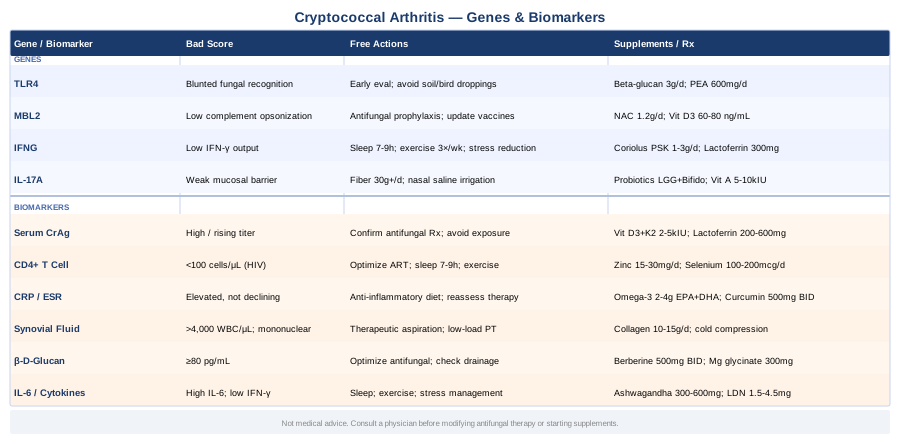
6 Biomarkers to Track in Cryptococcal Arthritis
Monitoring cryptococcal arthritis without the right markers is like navigating without instruments. The six biomarkers below cover fungal burden, immune competence, systemic inflammation, joint-level pathology, and the cytokine balance that determines whether your immune system is holding, failing, or overcorrecting. Together they form a coherent, progressive picture.
Biomarker 1: Serum Cryptococcal Antigen (CrAg)
Why It Matters
Serum CrAg detects glucuronoxylomannan (GXM), the dominant capsular polysaccharide shed by Cryptococcus into the bloodstream. It is the most diagnostically powerful single test available for cryptococcal disease: sensitivity exceeds 99% for meningeal disease and performs strongly in disseminated presentations including joint involvement. In cryptococcal arthritis, a high serum titer signals ongoing systemic fungal presence, while a declining titer under antifungal treatment reflects genuine therapeutic response. Persistently elevated titers after several weeks of therapy should prompt reassessment of drug selection, dosing, or susceptibility testing.
CrAg titers also serve a prognostic function. Higher baseline titers correlate with greater fungal burden and slower clearance. The lateral flow assay (LFA) version has made testing accessible beyond specialized labs, including point-of-care settings. Research on the clinical utility of serum CrAg in disseminated cryptococcal disease, including joint presentations, is summarized in relevant PubMed literature.
How to Measure It
The CrAg lateral flow assay runs on serum, plasma, or urine and costs approximately $10–25 for a qualitative point-of-care strip. Quantitative CrAg testing at hospital labs ranges from $75–200. Quantitative titers (expressed as ratios such as 1:512) allow better tracking of treatment response than qualitative results. Testing is appropriate at baseline, at two weeks into antifungal therapy, and monthly during consolidation and maintenance phases.
If the Score Is Bad: The Plan Without Supplements
A high or rising CrAg titer means fungal burden is significant or not declining. The primary intervention is pharmacological: confirm adequate antifungal therapy (typically amphotericin B-based induction followed by fluconazole consolidation for moderate-to-severe disease), verify therapeutic drug levels, and address any underlying immune suppression. Environmental controls matter more than most clinicians discuss: Cryptococcus concentrates in soil, decaying wood, and areas enriched by bird droppings, particularly pigeon habitats. Avoiding these environments during active disease reduces ongoing inoculum. Testing frequency during treatment should be every two to four weeks to detect trajectory early.
If the Score Is Bad: The Plan With Supplements or Equipment
No supplement replaces antifungal medication in active cryptococcal antigenemia. However, immune support adjuncts carry biological rationale. Vitamin D3 (2,000–5,000 IU/day with vitamin K2 at 100–200 mcg/day) supports macrophage oxidative burst and antifungal killing. Target serum 25-hydroxyvitamin D at 50–80 ng/mL; check at baseline and after three months. No cycling is needed at these doses. Lactoferrin (200–600 mg/day with food) has demonstrated antifungal and macrophage-activating properties in preclinical models; human data specific to cryptococcal disease is limited, but its safety profile is favorable. Inform your treating physician of any additions to your regimen, as interactions with azole antifungals are possible with some immune modulators.
Biomarker 2: CD4+ T Cell Count
Why It Matters
CD4+ T cells orchestrate the adaptive immune response against Cryptococcus. The organism is cleared primarily through Th1-driven macrophage activation — a process that depends on adequate CD4 numbers and function. In HIV-positive individuals, a CD4 count below 100 cells/μL represents the critical threshold below which cryptococcal disease risk rises dramatically. WHO guidelines and major clinical trials use this threshold to trigger pre-emptive CrAg screening and prophylactic antifungal consideration. Even in HIV-negative patients — organ transplant recipients, those on high-dose corticosteroids, or individuals with primary immune deficiencies — functional CD4 deficits carry the same mechanistic significance.
The CD4/CD8 ratio adds context: a ratio below 1.0 signals broader immune dysregulation beyond raw cell count and may indicate higher IRIS risk during treatment. The landmark evidence supporting CD4-based screening protocols in cryptococcal disease is reviewed in published clinical research.
How to Measure It
CD4 count is measured by flow cytometry on a lymphocyte panel. Cost ranges from $50–200, or is often bundled into routine HIV care. For non-HIV patients with cryptococcal arthritis, baseline CD4 assessment at diagnosis, then every three to six months during treatment and recovery, is appropriate. Combined CD4/CD8 ratio testing adds approximately $30–80 to the panel and is worth including for a complete picture.
If the Score Is Bad: The Plan Without Supplements
For HIV-positive patients, a low CD4 count is the clearest indication for optimizing antiretroviral therapy (ART). Critically, ART should be deferred four to six weeks after initiating antifungal therapy to reduce immune reconstitution inflammatory syndrome (IRIS) risk, which can paradoxically worsen joint symptoms. For non-HIV patients, addressing the underlying cause of immune suppression — tapering corticosteroids where medically safe, reviewing immunosuppressant doses post-transplant — is the foundational intervention. Sleep quality warrants direct attention: sustained sleep restriction measurably reduces CD4 counts, and seven to nine hours of quality sleep nightly is a direct immune investment. Regular moderate exercise (three sessions per week at conversational-intensity pace) supports T cell circulation and renewal over weeks to months.
If the Score Is Bad: The Plan With Supplements or Equipment
Zinc (15–30 mg elemental zinc daily, taken away from calcium and iron that compete for absorption) supports T cell maturation; deficiency impairs CD4+ activity measurably. Cycle five days on, two days off to avoid copper depletion; check serum copper every three months if supplementing at the upper end. Selenium (100–200 mcg/day as selenomethionine) supports T cell function and has documented relevance in HIV-related immune monitoring trials; do not exceed 400 mcg/day. Human trial data from micronutrient supplementation in HIV populations shows modest but measurable CD4 support when baseline status is deficient, with effects manifesting over eight to twelve weeks of consistent use.
Biomarker 3: C-Reactive Protein (CRP) and Erythrocyte Sedimentation Rate (ESR)
Why It Matters
CRP and ESR are non-specific inflammatory markers, but they serve a precise monitoring function in cryptococcal arthritis. They reflect the degree of synovial and systemic inflammation and help distinguish active infection from post-infection inflammatory arthritis — which can persist after fungal burden is controlled. The pattern you want to see is a declining CRP alongside a falling CrAg titer: together, they confirm both immunological and inflammatory resolution. A persistently elevated CRP in a patient on apparently adequate antifungal therapy may indicate insufficient treatment, a concurrent bacterial infection, IRIS, or drug toxicity.
In the absence of specific cryptococcal markers, CRP and ESR also help guide physical therapy intensity and return-to-activity timing. An acutely elevated CRP argues for joint protection and low-load movement; a normalized CRP in a clinically improving patient opens the door to progressive rehabilitation.
How to Measure It
High-sensitivity CRP (hsCRP) is preferred for tracking at lower levels and costs $10–40. Standard CRP ($8–25) is adequate for monitoring active inflammation. ESR costs $5–20. Both are available in routine labs without referral. Testing at baseline, two weeks, and monthly during treatment provides a practical trend line. For joint-specific detail, synovial fluid CRP analysis during joint aspiration adds a localized picture that systemic markers cannot provide.
If the Score Is Bad: The Plan Without Supplements
Before acting on elevated CRP and ESR, establish the direction: declining appropriately means stay the course. Persistently elevated or rising values warrant a thorough reassessment — including repeat cultures, imaging for undrained joint collections, and review of antifungal drug trough levels. On the dietary side, an anti-inflammatory food framework — replacing refined carbohydrates, seed oils, and ultra-processed foods with omega-3-rich fish, colorful vegetables, and polyphenol sources — reduces the systemic inflammatory load that amplifies joint-level CRP, without interfering with antifungal therapy.
If the Score Is Bad: The Plan With Supplements or Equipment
Omega-3 fatty acids (2–4 g combined EPA+DHA daily from fish oil or algal oil) have consistent CRP-lowering effects across multiple meta-analyses of joint inflammatory conditions. Take with a meal to reduce GI discomfort; use enteric-coated forms to manage taste. Relevant caution: omega-3s have blood-thinning properties, particularly relevant if you are on antifungal regimens involving azole drugs that also affect platelet function — discuss with your physician. Curcumin with piperine (500–1,000 mg curcumin with 5–10 mg piperine twice daily with food) has documented anti-inflammatory effects in joint disease trials and some in vitro antifungal activity. Well-tolerated in most people; occasional GI sensitivity at higher doses. Avoid in pregnancy and with blood thinners at high doses.
Biomarker 4: Synovial Fluid Analysis
Why It Matters
The synovial fluid in cryptococcal arthritis is both diagnostic and prognostic. It typically shows an inflammatory cellular pattern with white cell counts between 4,000 and 20,000 cells/μL, predominantly mononuclear cells — differentiating it from bacterial septic arthritis, which produces an intense neutrophilic response. India ink preparation of synovial fluid can reveal the characteristic encapsulated yeast, though sensitivity is lower than culture or antigen testing. Fungal culture of synovial fluid remains the gold standard for confirming diagnosis and susceptibility profiling.
Lactate dehydrogenase (LDH) in synovial fluid above 250 U/L and a synovial fluid/serum glucose ratio below 0.5 both support an active infectious process. These indirect markers help when culture results are delayed — Cryptococcus can take two to six weeks to grow on standard fungal culture media. CrAg testing directly on synovial fluid, where available, provides faster confirmation and is increasingly used in specialized centers.
How to Measure It
Synovial fluid is obtained via joint aspiration (arthrocentesis), performed under sterile conditions, often with ultrasound guidance for smaller joints. Full panel analysis including cell count, differential, culture, glucose, LDH, protein, crystal analysis, and fungal staining ranges from $150–600 depending on the tests ordered. CrAg testing on synovial fluid adds approximately $75–150 and significantly accelerates the diagnostic timeline. Repeat aspiration during treatment serves both diagnostic (clearing residual infection) and therapeutic (decompressing inflamed joint spaces) purposes.
If the Score Is Bad: The Plan Without Supplements
An inflammatory synovial fluid pattern in the context of known or suspected cryptococcal arthritis should prompt immediate antifungal therapy initiation or optimization. Therapeutic joint aspiration — draining infected fluid — reduces intra-articular pressure, relieves pain, and removes a fungal reservoir that could seed surrounding tissue. This is a mechanical intervention with clear benefit in septic arthritis and is appropriate here. Physical therapy during the consolidation phase should prioritize range-of-motion and non-weight-bearing work over loading exercises until CRP and synovial fluid white cell counts normalize.
If the Score Is Bad: The Plan With Supplements or Equipment
After active fungal infection is controlled and the inflammatory phase is subsiding, hydrolyzed collagen peptides (10–15 g/day, taken 30–60 minutes before light exercise to direct amino acids toward cartilage repair) support joint tissue recovery. Evidence for collagen supplementation comes primarily from osteoarthritis and post-surgical trials, not cryptococcal disease specifically, but the cartilage damage mechanism from sustained synovial inflammation is shared. Cold compression therapy (15–20 minutes per session, two to three times daily on the affected joint) reduces synovial edema mechanically and provides pain relief without systemic effects. Combine with gentle elevation during rest periods.
Biomarker 5: (1→3)-β-D-Glucan
Why It Matters
(1→3)-β-D-Glucan is a fungal cell wall component present in most pathogenic fungi, including Cryptococcus. Elevated serum levels support active fungal infection and are useful when CrAg results are ambiguous or when simultaneous testing with a less-specific marker adds confidence. β-D-Glucan is less specific than CrAg — it rises with any invasive fungal infection and can produce false positives from certain antibiotics (particularly beta-lactams) or glucan-containing gauze products — but its value lies in supporting evidence and treatment response tracking.
One important limitation: some Cryptococcus neoformans strains produce false-negative β-D-Glucan results due to capsular polysaccharide masking cell wall components. This means a negative result does not rule out cryptococcal disease, and the test should not be used as a standalone diagnostic. Used alongside CrAg, it strengthens confidence in both directions.
How to Measure It
The Fungitell assay is the standard commercial test. Cost ranges from $100–350 per draw. A positive result is typically defined as ≥80 pg/mL; values in the 60–79 pg/mL range are considered indeterminate. Testing at baseline and every two to four weeks during active treatment provides useful parallel tracking alongside CrAg. Discuss timing with your care team if you are receiving any beta-lactam antibiotics, as these reliably cause false-positive Fungitell results.
If the Score Is Bad: The Plan Without Supplements
An elevated β-D-Glucan in active cryptococcal arthritis confirms ongoing fungal activity and supports continued or intensified antifungal therapy. If the value fails to decline after four to six weeks of treatment, this should trigger antifungal drug level assessment, susceptibility retesting, and evaluation of whether joint drainage has been adequate. Environmental exposure review — particularly any contact with high-risk soil environments during treatment — is relevant. Confirm that nutritional status is not compromising antifungal drug absorption; severely malnourished patients can have impaired fluconazole absorption requiring dose adjustments.
If the Score Is Bad: The Plan With Supplements or Equipment
Berberine (500 mg twice daily with food, cycled three weeks on and one week off) has in vitro activity against Cryptococcus neoformans through membrane disruption and some animal data suggesting synergism with fluconazole — though human trials in cryptococcal disease are absent. Important caution: berberine inhibits CYP3A4 and P-glycoprotein, potentially affecting azole antifungal concentrations. This is a conversation to have explicitly with your prescribing physician before adding it. Magnesium glycinate (300–400 mg nightly) supports macrophage function and is commonly depleted in patients on prolonged antifungal therapy, particularly amphotericin B, which causes significant renal magnesium wasting — check serum magnesium regularly and supplement accordingly.
Biomarker 6: IL-6 and Cytokine Profile
Why It Matters
IL-6 is elevated in active infection and drives the acute-phase response. In cryptococcal disease, the relationship between IL-6 and outcome is complex: both excessive and insufficient inflammation carry risk. Too little inflammatory response allows fungal proliferation; too much — particularly when ART is initiated in HIV patients — creates IRIS. Baseline IL-6 and its trajectory during treatment help characterize whether a patient is at higher IRIS risk.
IFN-γ is the single most important anti-cryptococcal cytokine in the profile. It activates macrophages to generate nitric oxide and reactive oxygen species against the fungus. Consistently low IFN-γ in the face of active infection points toward a macrophage activation deficit, which may reflect CD4 collapse, steroid exposure, or underlying genetic low-production variants (addressed in the genetics section). IL-10, an anti-inflammatory cytokine, is often paradoxically elevated in cryptococcal disease and contributes to immune evasion by blunting Th1 responses. An elevated IL-10/IFN-γ ratio is a marker of immune polarization in the wrong direction for fungal clearance.
How to Measure It
A basic IL-6 level costs $50–150. A comprehensive cytokine panel (IL-6, IL-10, IL-17, IFN-γ, TNF-α) costs $200–600 at specialized immunology labs. This is not a routine test in every clinical setting, but in complex presentations — particularly those with IRIS concern, atypical progression, or suspected immune reconstitution problems — it adds diagnostically useful information. Measurement at baseline and at each major treatment transition (induction to consolidation, consolidation to maintenance) is the most informative timing.
If the Score Is Bad: The Plan Without Supplements
An IL-6 spike with clinical worsening after ART initiation is the defining IRIS presentation. Management involves slowing ART escalation, corticosteroids (prednisone approximately 1 mg/kg/day, tapered over two to six weeks under medical supervision) when IRIS is severe, and continuing antifungal coverage. Outside of IRIS, persistently low IFN-γ with active infection is an indication to reassess the underlying immune suppression cause and explore whether adjunct immunomodulatory options are appropriate. Consistently elevated IL-10/IFN-γ ratio is a target for Th1-supporting lifestyle interventions: sleep optimization, moderate exercise, and stress management all shift cytokine balance toward IFN-γ dominance.
If the Score Is Bad: The Plan With Supplements or Equipment
Ashwagandha (KSM-66 extract, 300–600 mg/day, cycled six to eight weeks on and two weeks off) has the most human evidence among adaptogens for cortisol modulation. Chronically elevated cortisol directly suppresses Th1 cytokines including IFN-γ; reducing the cortisol load can meaningfully shift this balance. Rare hepatotoxicity has been reported; liver enzymes should be monitored with long-term use. Low-dose naltrexone (LDN) (1.5–4.5 mg nightly, off-label use) has emerging evidence for immune modulation including upregulation of NK cell activity and Th1 support through transient opioid receptor blockade mechanisms. This is a prescription medication that requires a physician familiar with LDN's immunological applications; it is not appropriate for patients on full opioid therapy.
Moving from what the body signals to what the genome encodes, the following section examines four genes that help explain why cryptococcal arthritis develops at all — and what can be done about each.
4 Genes That Shape Vulnerability to Cryptococcal Disease
Cryptococcal arthritis is not simply a matter of exposure. Two people with similar levels of immune suppression and similar environmental contact can have dramatically different outcomes with Cryptococcus. Part of that difference lives in the genome — specifically in genes governing the innate immune recognition, complement activation, macrophage activation, and mucosal barrier function that form the first layers of defense against this pathogen.
Gene 1: TLR4 — The Frontline Sensor
What This Gene Does
TLR4 (Toll-Like Receptor 4) encodes a pattern recognition receptor on macrophages and dendritic cells that detects microbial surface components including fungal glucuronoxylomannan (GXM). When TLR4 recognizes GXM, it activates NF-κB signaling, drives IL-12 production, and polarizes the immune response toward Th1 — precisely the direction needed to clear Cryptococcus. The D299G (rs4986790) and T399I (rs4986791) polymorphisms reduce co-receptor binding efficiency and blunt downstream inflammatory signaling. Carriers generate attenuated cytokine responses to fungal and gram-negative bacterial ligands, potentially slowing the initial recognition cascade that determines early fungal containment.
Direct evidence for these variants in cryptococcal arthritis specifically is limited; most data comes from studies of gram-negative sepsis, Candida infections, and invasive aspergillosis. The mechanistic case for relevance in cryptococcal disease is strong, given GXM's known TLR4 engagement. For more on TLR4 variants and fungal susceptibility, relevant studies can be found at PubMed search.
If the Gene Is Bad: The Plan Without Supplements
TLR4 variant carriers have a blunted initial recognition response to fungal antigens, meaning their immune system may not generate early warning signals strongly enough to produce obvious clinical signs. The practical adaptation is lowered clinical thresholds: seek evaluation earlier in the course of joint symptoms, advocate for CrAg testing at symptom onset rather than after conventional diagnoses have been excluded, and build a regular monitoring schedule during any period of immune suppression. Environmental controls — avoiding soil work without gloves and N95 mask, staying away from pigeon habitats, avoiding freshly disturbed compost — reduce inoculum below the threshold where blunted TLR4 signaling becomes decisive.
If the Gene Is Bad: The Plan With Supplements or Equipment
Beta-1,3/1,4-glucan from oats (3 g daily from oat bran or supplement form) primes macrophage TLR signaling through mechanisms related to trained innate immunity — epigenetic programming of macrophages toward faster, more effective responses on secondary exposure. This is a documented pathway in human macrophage research, though clinical trials in cryptococcal disease are absent. Palmitoylethanolamide (PEA) (300–600 mg twice daily) amplifies PPAR-α downstream of TLR4, potentially compensating for upstream signaling weakness. Human evidence is primarily in pain and neuroinflammation; no cycling required at these doses.
Gene 2: MBL2 — The Complement Activator
What This Gene Does
MBL2 encodes mannose-binding lectin, a serum protein that binds carbohydrate patterns on fungal surfaces — including mannan structures on Cryptococcus — and activates the lectin complement pathway. MBL opsonizes pathogens for phagocytosis and can initiate direct complement-mediated lysis. Common functional variants at codons 52, 54, and 57 in exon 1 produce structural MBL molecules that fail to form the higher-order oligomers needed for complement activation. Promoter variants further reduce transcription. MBL deficiency, defined as serum MBL below 500 ng/mL, affects approximately 5–10% of the population in a clinically meaningful way.
Multiple studies document increased susceptibility to fungal infections including Candida, Aspergillus, and Cryptococcus in MBL-deficient individuals, particularly when additional immune challenges are present. The effect is most pronounced when MBL deficiency coincides with another immune impairment, reinforcing the concept of combinatorial immune risk. Published research on MBL2 variants and infectious disease susceptibility is reviewed at PubMed.
If the Gene Is Bad: The Plan Without Supplements
MBL deficiency cannot yet be directly corrected outside of experimental recombinant MBL administration. Practical compensations focus on downstream: prophylactic fluconazole during high-risk immune suppression windows (organ transplantation, induction chemotherapy) should be a specific discussion point with your infectious disease specialist once MBL2 status is known. Keeping vaccines current — particularly pneumococcal and influenza vaccines, which reduce the competing immune burden of co-infections during vulnerable periods — is simple and impactful. Avoiding immunosuppressant dose escalation beyond what is clinically required is a meaningful risk reduction step.
If the Gene Is Bad: The Plan With Supplements or Equipment
N-acetylcysteine (NAC) (600 mg twice daily on an empty stomach) supports glutathione-dependent macrophage oxidative burst, partially compensating for the reduced complement opsonization that MBL deficiency creates. No cycling required at these doses; take at least four hours apart from activated charcoal if that is part of any other protocol. Vitamin D3 optimized to 60–80 ng/mL serum 25-OH-D upregulates antimicrobial peptides and has shown partial compensation for innate immune gaps in cellular immunity models. The combination of adequate D3 and NAC addresses two distinct downstream pathways that MBL deficiency leaves partially exposed.
Gene 3: IFNG — The Macrophage Activator
What This Gene Does
IFNG encodes interferon-gamma, the critical Th1 cytokine for anti-cryptococcal macrophage activation. When macrophages receive IFN-γ signaling, they upregulate nitric oxide synthase, generate reactive oxygen species, enhance lysosomal killing capacity, and become dramatically more effective at destroying internalized Cryptococcus. The +874A/T promoter polymorphism directly affects IFN-γ transcription: the T allele drives higher production; homozygous A/A individuals produce meaningfully lower levels. In HIV disease, the collapse of IFN-γ production is one of the mechanisms by which cryptococcal infection becomes uncontrolled. People carrying pre-existing low-production IFNG variants start the disease process at a lower baseline, which compounds other immunosuppressive factors.
Studies examining IFNG variants in cryptococcal meningitis outcomes suggest trends toward worse outcomes in low-producer genotypes, though current studies are limited by sample size. Evidence on the IFNG +874 polymorphism in infectious disease contexts is reviewed at PubMed.
If the Gene Is Bad: The Plan Without Supplements
Sleep quality is the single most powerful non-pharmacological driver of IFN-γ restoration. Seven to nine hours of consolidated sleep produces measurable IFN-γ elevation; even one night of significant restriction drops circulating levels. Moderate exercise (three to four weekly sessions of 30–45 minutes at 60–70% maximum heart rate) consistently upregulates Th1 cytokines over weeks of adherence. Chronic psychological stress drives sustained cortisol elevation, which directly suppresses IFN-γ — stress reduction is therefore not supplementary but mechanistically central for IFNG variant carriers. Reducing alcohol intake (which acutely suppresses IFN-γ within hours of consumption) is straightforward and impactful.
If the Gene Is Bad: The Plan With Supplements or Equipment
Recombinant IFN-γ (interferon gamma-1b) has been studied as adjunct therapy in refractory cryptococcal meningitis in clinical trials, with some evidence of reduced mortality in specific patient populations. This is a prescription medication — not a supplement — and requires an infectious disease or immunology specialist familiar with its use. For non-prescription options, medicinal mushroom extracts — specifically Coriolus versicolor (PSK/PSP, 1–3 g/day) — have documented IFN-γ upregulating effects in human oncology trials, with no direct cryptococcal data. Cycle in three-month blocks as a precaution. Lactoferrin (300 mg twice daily) has IFN-γ-supporting activity in some mucosal immunity trials. Side effects are minimal; discontinue if GI discomfort develops.
Gene 4: IL-17A — The Mucosal Gatekeeper
What This Gene Does
The IL-17 axis governs mucosal and epithelial immunity at the sites where Cryptococcus first enters the body. IL-17A and IL-17F, produced by Th17 cells, drive neutrophil recruitment, stimulate defensin production, and reinforce mucus barrier integrity in the respiratory tract — the primary portal for Cryptococcus inhalation. A common variant in IL17A (rs2275913) affects promoter activity: the GG genotype supports higher IL-17A expression while the AA genotype produces lower levels, potentially allowing greater fungal translocation from respiratory mucosal surfaces into systemic circulation.
Dramatic examples of IL-17 pathway dysfunction — such as STAT3 mutations in hyper-IgE syndrome — produce extreme susceptibility to fungal infections. More common promoter variants produce subtler effects, but they remain relevant in the context of additional immune risk factors. Most existing evidence on IL-17A variants comes from candidiasis susceptibility and inflammatory arthritis studies; cryptococcal arthritis-specific data remains early. Evidence on IL-17 pathway variants and fungal susceptibility can be explored at PubMed.
If the Gene Is Bad: The Plan Without Supplements
Supporting the mucosal barrier at respiratory and gut surfaces is the actionable compensation for low IL-17A expression. Adequate dietary fiber (30+ grams daily from whole food sources) sustains short-chain fatty acid production that directly reinforces mucosal barrier integrity and supports Th17 balance in the gut. Avoiding unnecessary broad-spectrum antibiotics — which disrupt the microbiome and erode mucosal IL-17 production — preserves an important layer of protection. Saline nasal irrigation (once daily with isotonic saline using a neti pot or squeeze bottle) reduces nasal mucosal fungal burden at the primary Cryptococcus entry point — a low-cost, low-risk preventive habit.
If the Gene Is Bad: The Plan With Supplements or Equipment
Probiotics combining Lactobacillus rhamnosus GG and Bifidobacterium longum (at least 10 billion CFU daily with food, cycled two months on and two weeks off) have documented effects on Th17/Treg balance at mucosal surfaces and support secretory IgA production relevant to respiratory immunity. Saccharomyces boulardii (250–500 mg twice daily) is particularly relevant here: it has strong mucosal immune support data and is not susceptible to azole antifungals (fluconazole targets ergosterol-containing fungi; S. boulardii has a different sterol profile), making it safe to use concurrently with antifungal treatment. Vitamin A as retinol palmitate (5,000–10,000 IU daily for eight to twelve weeks during active treatment, then reassess) is essential for mucosal immunity and Th17 cell differentiation. Vitamin A is fat-soluble and accumulates; do not supplement at high doses for extended periods without monitoring retinol levels.
With biomarkers and genetics covered in depth, the next dimension worth examining is immune optimization research itself — specifically, what emerging science suggests about fundamentally improving the immune competence underlying cryptococcal susceptibility.
What Immune Optimization Research Reveals — 10 Things That May Challenge What Your Doctor Said
Andrew Huberman's coverage of immune function across multiple Huberman Lab episodes synthesizes a substantial body of peer-reviewed research into actionable protocols. The lens is mechanistic and biology-first, which makes it particularly relevant to immune-mediated conditions like cryptococcal disease. The following ten insights are drawn from that body of work, with particular relevance to fungal infection vulnerability and immune reconstitution.
1. Sleep Is the Most Potent Immune Intervention Available
During deep NREM sleep, the body releases growth hormone and upregulates T cell trafficking, NK cell activity, and cytokine production — including IFN-γ. Even a single night of less than six hours of sleep produces measurable drops in NK cell numbers and cytokine response. For patients recovering from cryptococcal arthritis or managing immune suppression, sleep is not optional self-care; it is the primary immune maintenance tool. Huberman recommends consistent sleep and wake times, morning light exposure within 30–60 minutes of waking to anchor circadian rhythm, and avoiding light after 10 pm, all of which measurably improve sleep architecture and downstream immune markers.
2. The Gut Microbiome Directly Regulates Th1/Th2/Th17 Balance
Gut microbial diversity correlates with Th17 cell populations at mucosal surfaces, NK cell maturation, and systemic IFN-γ production. Disrupted microbiome composition — common in HIV patients, transplant recipients on antibiotics, and anyone who has received prolonged antifungal therapy — shifts immune balance away from fungal clearance capacity. Fermented foods (one to four servings daily of yogurt, kimchi, kefir, or sauerkraut) have been shown in human randomized trials to increase microbial diversity and reduce systemic inflammatory markers within weeks. This is a direct, food-level intervention with documented immune consequences.
3. Brief Cold Exposure Upregulates NK Cell Activity
Cold water exposure (two to three minutes at 55–60°F, two to three times per week) produces measurable increases in NK cell activity and epinephrine-driven immune mobilization. Huberman frames this not as a discomfort challenge but as a hormetic stimulus — a controlled stress that primes the immune system between exposures. For immunocompromised patients, the threshold for this practice should be discussed with a physician, as circulatory stress from cold can be relevant in certain cardiac profiles. In recovering patients with normalized immune status, it is a compelling low-cost tool.
4. Zone 2 Exercise Is an Immune Amplifier — Overtraining Is an Immune Suppressor
Moderate-intensity aerobic exercise at 60–75% of maximum heart rate (a pace where you can still hold a conversation) consistently elevates circulating immune cell counts, NK cell activity, and anti-inflammatory cytokine production over weeks of consistent practice. However, high-intensity training without adequate recovery produces a transient immune suppression window of 24–72 hours — the "open window" of elevated infection susceptibility. For cryptococcal arthritis patients rebuilding their immune base, three to four sessions of zone 2 weekly is the evidence-supported target, not HIIT.
5. Nasal Breathing Provides Antifungal Protection That Mouth Breathing Does Not
Nitric oxide (NO) produced in the nasal sinuses is a potent antifungal and antiviral agent. It kills inhaled pathogens before they reach the lungs and serves as the first chemical line of defense against inhaled Cryptococcus spores. Mouth breathing bypasses this entirely. Huberman covers nasal breathing extensively — clinical data shows nasal NO is measurably higher than oral cavity NO, and habitually nasal-breathing individuals have lower rates of upper respiratory infections. Taping the mouth closed during sleep (with gentle hypoallergenic tape) is a simple, evidence-adjacent intervention to encourage nasal breathing in those who mouth-breathe nocturnally.
6. Chronic Stress Is the Immune System's Most Underappreciated Suppressant
Sustained cortisol elevation directly suppresses IL-12 and IFN-γ production, reduces NK cell cytotoxicity, and promotes IL-10-driven regulatory polarization — exactly the wrong direction for antifungal immunity. The Huberman Lab work on the stress response emphasizes the cyclic physiological sigh (double inhale through the nose followed by extended exhale through the mouth) as a rapid physiological downregulation tool, activating parasympathetic tone within minutes. This is not a relaxation metaphor; it is a documented respiratory mechanism for reducing cortisol acutely.
7. Social Connection Has a Measurable NK Cell Effect
Huberman references extensive research showing that social isolation reduces NK cell activity and NK cell numbers over weeks to months, independently of other health variables. In individuals managing chronic immune-compromised states, the social dimension of health is often overlooked clinically. Maintaining regular social engagement, whether in-person or remote, carries a measurable immune benefit that is not replaceable by supplements.
8. Sun Exposure Beyond Vitamin D Has Direct Antifungal Immune Effects
UV-B exposure triggers not only vitamin D synthesis but also direct skin immune effects: activating dendritic cells, increasing NK cell precursor populations, and stimulating the production of antimicrobial peptides including defensins. For people with limited sun access, full-spectrum light therapy (10,000 lux SAD lamps, used for 20–30 minutes each morning) can partially substitute for some of these effects, though vitamin D synthesis requires actual UV-B wavelengths not present in standard SAD lamps.
9. The Wim Hof-Type Breathing Protocol Temporarily Elevates Immune Activation Markers
Controlled hyperventilation protocols followed by breath retention (as studied in Wim Hof-trained volunteers in a landmark randomized trial involving endotoxin challenge) produce measurable increases in epinephrine and subsequent anti-inflammatory cytokine shifts. While this research was conducted in healthy volunteers and direct application to cryptococcal disease is absent, the underlying mechanism — using breathing to voluntarily modulate immune activation state — is a genuine area of scientific interest and not simply a wellness trend.
10. Light Exposure Timing Affects Immune Clock-Gating
Many immune functions are circadian: NK cell cytotoxicity, T cell trafficking, and cytokine production all peak at specific times of day governed by the circadian clock. Disrupting the circadian system through irregular light exposure — particularly bright light late in the evening — shifts immune gating and blunts peak immune activity windows. For patients on antifungal regimens, optimizing circadian alignment (morning bright light, reduced artificial light after dusk) represents a zero-cost immune optimization intervention with mechanistic underpinning in multiple human studies.
Complementary Approaches With Meaningful Evidence
The three modalities below were selected because they have genuine human clinical evidence relevant to the immune and joint dimensions of cryptococcal arthritis. For a condition with limited condition-specific CAM data, the focus is on mechanistic relevance and transferable evidence from closely related domains.
Mindfulness-Based Stress Reduction (MBSR)
Mindfulness-Based Stress Reduction is an eight-week structured program developed by Jon Kabat-Zinn involving body scan meditation, mindful movement, and breathing-based awareness practices. Its relevance to cryptococcal arthritis lies in its documented effects on the HPA axis and downstream immune markers. Cortisol suppresses IFN-γ — the most critical anti-cryptococcal cytokine — and chronic stress-driven cortisol elevation is common in patients managing serious infections and immune suppression. Reducing this cortisol burden has direct immunological consequences.
A landmark randomized study by Davidson and colleagues published in Psychosomatic Medicine demonstrated that an eight-week MBSR program significantly increased antibody titers to influenza vaccine compared to controls, suggesting meaningful immune augmentation. Separately, multiple studies have documented increases in NK cell activity and CD4 counts in HIV-positive individuals following MBSR interventions, with effect sizes largest in those with the lowest baseline values.
For cryptococcal arthritis patients, MBSR is most practically accessed through structured courses (offered in many hospital systems and online through credentialed programs), with commitment to daily 20–30 minute practice being the dose that produces documented immune changes. Begin after acute infection is controlled; starting during high-fever acute phases is not appropriate. No adverse effects have been documented at standard doses of this practice.
Chinese Herbal Medicine
Chinese herbal medicine (CHM) encompasses a broad pharmacopoeia of botanical preparations used in Traditional Chinese Medicine, several of which have documented in vitro and some clinical antifungal and immunomodulatory properties relevant to cryptococcal disease. Huang Qi (Astragalus membranaceus) is the most studied single herb for immune modulation in CHM practice: it upregulates NK cell and macrophage activity, supports IFN-γ production, and has documented antifungal activity in cellular models. Ling Zhi (Ganoderma lucidum) triterpenoids have demonstrated inhibitory activity against Cryptococcus neoformans in preclinical studies and support Th1 polarization in human supplementation trials.
A systematic review of CHM for immune modulation in immunocompromised patients found consistent evidence for NK cell and macrophage activation across multiple herbs, with astragalus preparations showing the most consistent results. Relevant clinical trials support astragalus standardized extract (500–1,000 mg/day) as an adjunct immune support tool. Evidence specific to cryptococcal arthritis is absent; most data comes from cancer-adjunct and HIV-support contexts.
For realistic application, use standardized extracts from verified sources with third-party testing, disclose all CHM use to your infectious disease physician (herb-drug interactions with azole antifungals are a real concern), and approach CHM as supportive rather than curative. Some herbal combinations used in TCM preparation can contain hepatotoxic constituents; single-herb standardized extracts are safer for this population.
Microbiome-Directed Therapies
Microbiome-directed therapy — including targeted probiotic supplementation, prebiotic fiber strategies, and fermented food protocols — is directly mechanistically relevant to cryptococcal arthritis through its effects on mucosal immune function and systemic Th1/Th17/Treg balance. The gut microbiome is the primary educator of the mucosal immune system, and dysbiosis — common in immunocompromised patients after prolonged antibiotic and antifungal exposure — reduces the mucosal IL-17 signal and secretory IgA production that form respiratory mucosal barriers against inhaled Cryptococcus.
A randomized trial by Sonnenburg and colleagues, as well as subsequent work published in Cell (2021), demonstrated that high-fiber and high-fermented-food diets each produce measurable changes in immune marker profiles within weeks: fermented food diets particularly reduced systemic IL-6 and increased microbial diversity, while high-fiber diets modulated T cell programming. For patients on azole antifungals, Saccharomyces boulardii (250–500 mg twice daily) is uniquely appropriate because fluconazole does not inhibit this yeast, meaning the immune-supporting probiotic benefit continues uninterrupted during antifungal treatment.
Practically, microbiome support during cryptococcal arthritis treatment should focus on dietary diversity (aim for 30+ distinct plant species per week to maximize microbial diversity), fermented food integration (one to two servings daily of yogurt, kefir, or lacto-fermented vegetables), and targeted probiotic support with strains that have clinical data for mucosal immunity rather than generic high-CFU products with no strain specification. Begin gently — aggressive probiotic introduction in immunocompromised patients can occasionally cause bacteremia, though this risk is extremely low with standard probiotic strains at normal doses.
Conclusion
Cryptococcal arthritis sits at the intersection of fungal biology, immune genetics, and environmental exposure — and understanding it at that level of specificity is what separates meaningful monitoring from generic wellness advice. The six biomarkers covered here — serum CrAg, CD4 count, CRP and ESR, synovial fluid analysis, β-D-Glucan, and cytokine profiling — give you a direct window into fungal burden, immune competence, and inflammatory activity. The four genes — TLR4, MBL2, IFNG, and IL-17A — help explain why some immune systems struggle where others hold, and point toward targeted compensations rather than broad guesses.
None of these frameworks replaces medical care, antifungal therapy, or specialist guidance. What they do is make your conversations with your care team more precise and give you a clear set of biological targets to track. Your next step is to identify which of these markers you have not yet measured, bring this framework to your next clinical appointment, and build a monitoring plan grounded in what your own biology is actually showing. That is where better information becomes better decisions.