This article contains AI generated content.
· UpdatedCutaneous Anthrax - 4 Genes And 6 Biomarkers To Track
When confronting the threat of zoonotic bacterial pathogens, modern clinical medicine typically focuses on direct antimicrobial eradication. However, an increasingly sophisticated body of scientific research suggests that a host's underlying molecular biology, cellular receptors, and inflammatory pathways dictate the severity and progression of the disease. Cutaneous anthrax, caused by the spore-forming bacterium Bacillus anthracis, is the most common clinical presentation of anthrax infection, yet individual susceptibility and recovery rates vary significantly.
Generic health advice and broad immunological guidelines often fail to address the specific cellular gateways and host defense networks that interact with anthrax lethal toxin and edema toxin. Standard protocols overlook the fact that cell-surface receptor density, complement pathway efficiency, and inflammasome sensitivity can differ based on genetic and epigenetic programming. By shifting the focus toward personalized host biology, individuals can understand their biological vulnerabilities and optimize cellular defenses.
This article takes a deep, science-aligned approach to the host factors involved in cutaneous anthrax. Rather than focusing solely on the pathogen, we explore the host genetic markers and serum biomarkers that govern toxin entry and immune clearing. By understanding these mechanisms, readers can make informed decisions about their physiological resilience and discuss targeted optimization plans with healthcare professionals.
Ultimately, grounded hope lies in precise biological data. While acute exposure requires immediate conventional medical therapy, optimizing your cellular biology and tracking specific immunological markers can build a robust foundation for host defense. Below, we outline a comprehensive strategy to analyze key biomarkers, evaluate genetic risk factors, and implement evidence-based lifestyle adjustments.
Summary
This article provides a detailed scientific roadmap for understanding and optimizing host resilience against the cellular insults of Bacillus anthracis. The primary strategy focuses on tracking six critical host biomarkers, ranging from specific toxin receptors to general inflammatory and organ-function indicators, allowing individuals to measure their biological defense baseline. The second strategy outlines four key host susceptibility genes, including the primary toxin receptor gene ANTXR2, explaining how genetic variations influence cellular entry and how epigenetic factors can be modulated.
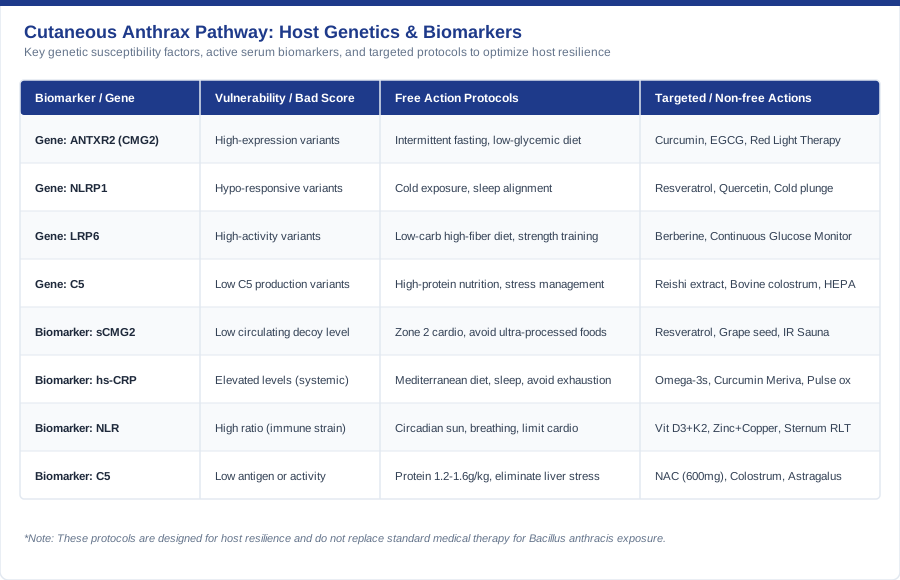
In addition to these diagnostic strategies, we summarize key physiological protocols based on modern immune optimization science and evaluate five complementary mind-body modalities supported by clinical trials. Together, these strategies offer a multi-layered approach to strengthening cellular barriers and systemic immunity. The pathway below illustrates the relationship between host genetic susceptibility, toxin receptor binding, and systemic biomarker cascades.
Host Biomarkers: 6 Key Metrics for Cellular and Immune Defense
To systematically evaluate and optimize host resilience, we must track specific biomarkers that reflect cellular vulnerability, immune mobilization, and organ health. In the context of cutaneous anthrax, these biomarkers reveal how effectively the body can neutralize toxins, clear bacterial loads, and prevent localized skin lesions from progressing into systemic, life-threatening infections.
Biomarker 1: Soluble Capillary Morphogenesis Gene 2 (sCMG2 / sANTXR2)
Capillary Morphogenesis Gene 2 (CMG2), encoded by the ANTXR2 gene, is the primary cell-surface receptor utilized by the protective antigen (PA) component of anthrax toxin to gain entry into host cells. While membrane-bound CMG2 acts as the gateway for toxin internalization, its soluble form (sCMG2) acts as a natural decoy. Soluble CMG2 circulates in the blood, binding to protective antigen before it can attach to cell membranes, thereby neutralizing the toxin's ability to deliver lethal factor and edema factor into the cytosol.
Tracking sCMG2 levels provides insight into your natural circulating decoy load. Higher levels of sCMG2 indicate a robust defense mechanism, whereas low levels of sCMG2 suggest that cell membranes are highly exposed to toxin binding.
How to measure it
Measurement is performed via a specialized enzyme-linked immunosorbent assay (ELISA) targeting soluble human ANTXR2/CMG2 in serum or plasma. Because this is an advanced research-grade marker, it is typically ordered through specialized immunology labs or academic medical centers. The cost range is generally $250 to $500.
If the score is bad, the plan without supplements
If your circulating sCMG2 levels are low, the primary objective is to support vascular endothelial health, as endothelial cells are major sites of CMG2 expression and receptor shedding. Implement a consistent program of moderate-intensity aerobic exercise (Zone 2 cardio, 150 minutes per week) to enhance microvascular circulation and promote healthy endothelial cell turn-over.
Additionally, adopt a dietary framework free of endothelial disruptors, such as ultra-processed foods, industrial seed oils, and high-fructose corn syrup. Emphasize foods rich in nitric oxide precursors, such as beets, leafy green vegetables, and garlic, which help maintain endothelial barrier integrity and support the physiological mechanisms that regulate receptor shedding.
If the score is bad, the plan with supplements or equipment
To support endothelial health and potentially promote the shedding of soluble decoy receptors, implement a targeted supplementation protocol. Take 500 mg of trans-resveratrol daily, paired with 300 mg of grape seed extract, to support microvascular resilience. Additionally, consume 50 mg of sulforaphane (from broccoli seed extract) to activate the Nrf2 pathway, protecting vascular cells from oxidative damage.
Use a far-infrared sauna two to three times per week for 20 minutes per session to stimulate endothelial nitric oxide synthase (eNOS) activity. Cycle the resveratrol and grape seed extract by taking them for 8 weeks, followed by a 2-week break. Side effects of resveratrol may include mild gastrointestinal discomfort; avoid these supplements if you are taking blood-thinning medications.
Biomarker 2: High-Sensitivity C-Reactive Protein (hs-CRP)
C-Reactive Protein (CRP) is an acute-phase reactant synthesized by the liver in response to inflammatory cytokines, particularly interleukin-6 (IL-6). When Bacillus anthracis infects cutaneous tissue, it triggers a localized inflammatory cascade. If the localized immune response fails to contain the pathogen, bacteria and toxins enter the bloodstream, initiating systemic inflammation.
Elevated hs-CRP is a sensitive marker of this systemic escalation. In patients with cutaneous anthrax, monitoring hs-CRP helps distinguish between a localized skin lesion and a spreading, systemic infection that requires aggressive clinical intervention.
How to measure it
Measurement is done through a standard high-sensitivity CRP (hs-CRP) blood test, which is widely available at all clinical diagnostic laboratories. The test is highly affordable, with a typical cost range of $15 to $40.
If the score is bad, the plan without supplements
When hs-CRP is elevated, indicating systemic inflammation, you must reduce physiological stressors that exacerbate inflammatory pathways. Transition to a strict Mediterranean or anti-inflammatory dietary pattern rich in wild-caught fish, extra virgin olive oil, avocados, and low-glycemic berries.
Prioritize sleep hygiene, ensuring 7 to 9 hours of restorative sleep nightly, as sleep deprivation is a major driver of elevated baseline CRP. Avoid high-intensity, exhausting physical exercise, which can temporarily spike inflammatory cytokines; instead, focus on gentle walking, mobility work, and stress-reduction protocols.
If the score is bad, the plan with supplements or equipment
To actively lower systemic inflammation and reduce hs-CRP, supplement with high-dose, high-quality Omega-3 fatty acids, targeting 2,000 to 3,000 mg of active EPA and DHA daily. Pair this with 1,000 mg of bioavailable curcumin phytosome (Meriva) daily, which inhibits the NF-kB pathway.
Use a pulse oximeter daily to monitor systemic oxygenation, ensuring that any inflammatory spike is not accompanied by systemic tissue hypoxia. Take Omega-3s continuously, but cycle the curcumin by taking it for 12 weeks, followed by a 2-week break. Side effects of high-dose curcumin may include mild digestive upset, and both curcumin and Omega-3s can have mild blood-thinning effects.
Biomarker 3: Neutrophil-to-Lymphocyte Ratio (NLR)
The Neutrophil-to-Lymphocyte Ratio (NLR) is a biomarker calculated from a standard complete blood count (CBC). Neutrophils represent the front-line innate immune response recruited to phagocytose bacterial spores and vegetative cells. Lymphocytes are the primary cells of the adaptive immune system, responsible for coordinating targeted antibody responses.
During an active cutaneous anthrax infection, the body rapidly mobilizes neutrophils, while anthrax toxins can cause lymphoid depletion. A high NLR indicates severe acute bacterial infection and potential immune exhaustion, whereas a balanced ratio reflects stable immune homeostasis.
How to measure it
The NLR is calculated by dividing the absolute neutrophil count by the absolute lymphocyte count, both of which are provided in a standard Complete Blood Count (CBC) with differential. The cost range is highly accessible, typically between $10 and $30.
If the score is bad, the plan without supplements
An elevated NLR indicates that the innate immune system is over-activated while the adaptive immune system is strained. To address this balance without supplements, focus on strict circadian alignment. Expose your eyes to natural sunlight within an hour of waking and again at sunset to regulate cortisol rhythms, which directly influence leukocyte trafficking.
Incorporate deep diaphragmatic breathing and progressive muscle relaxation to reduce sympathetic nervous system drive, which helps lower elevated neutrophil counts driven by chronic stress. Avoid strenuous, long-duration cardio, which can temporarily deplete lymphocyte populations.
If the score is bad, the plan with supplements or equipment
To support lymphocyte production and balance the leukocyte ratio, supplement with Vitamin D3 at 5,000 IU daily (paired with 100 mcg of Vitamin K2) to modulate immune cell differentiation. Add 30 mg of zinc bisglycinate (with 2 mg of copper to prevent copper deficiency) to support T-cell maturation.
Use an indoor red light therapy (photobiomodulation) device targeting the sternum and long bones for 10 minutes daily to stimulate healthy bone marrow function. Take Vitamin D3 continuously, but cycle zinc by taking it for 8 weeks, followed by a 2-week break. Side effects of zinc on an empty stomach include temporary nausea; always take it with food.
Biomarker 4: Complement Component 5 (C5)
The complement system is a crucial arm of innate immunity, consisting of a cascade of proteins that opsonize pathogens and recruit immune cells. Complement Component 5 (C5) is cleaved during cascade activation to yield C5a (a potent chemoattractant for neutrophils) and C5b (which initiates the membrane attack complex).
In vivo studies show that complement activation, specifically involving C5, is essential for clearing Bacillus anthracis spores and vegetative cells. Individuals with low C5 levels or functional deficiencies exhibit significantly higher susceptibility to rapid bacterial multiplication and systemic dissemination.
How to measure it
Complement C5 is measured using a quantitative serum C5 antigen test or a functional complement assay (such as CH50). These tests are performed by standard clinical reference laboratories. The cost range is typically $100 to $250.
If the score is bad, the plan without supplements
Because complement proteins are synthesized primarily in the liver, low C5 levels necessitate optimization of hepatic protein synthesis. Consume a clean, protein-adequate diet supplying 1.2 to 1.6 grams of protein per kilogram of body weight, focusing on complete amino acid profiles from organic poultry, wild fish, and grass-fed meats.
Eliminate all liver stressors, including alcohol, acetaminophen, and chemical additives. Engage in regular, moderate-intensity resistance training three times per week, as muscular exercise supports systemic amino acid availability and liver metabolic function.
If the score is bad, the plan with supplements or equipment
To support hepatic complement protein production, supplement with N-Acetyl Cysteine (NAC) at 600 mg twice daily to boost glutathione levels and protect hepatocytes from oxidative stress. Add 5 grams of high-quality bovine colostrum daily to support systemic immunoglobulins and immune protein synthesis.
Additionally, take 500 mg of Astragalus membranaceus extract daily, which has been shown to support complement pathway activity. Cycle the Astragalus by taking it for 8 weeks on, followed by 2 weeks off; NAC and colostrum can be taken continuously. Side effects of NAC may include mild digestive upset, and colostrum should be avoided by individuals with severe dairy allergies.
Biomarker 5: Tumor Necrosis Factor-Alpha (TNF-α)
Tumor Necrosis Factor-Alpha (TNF-α) is a primary pro-inflammatory cytokine released by macrophages upon encountering Bacillus anthracis cell wall components. Early in a cutaneous anthrax infection, TNF-α is crucial for recruiting immune cells to the site of inoculation.
However, as the infection progresses, anthrax lethal toxin enters macrophages and cleaves mitogen-activated protein kinase kinases (MEKs), paralyzing their cellular signaling. This leads to a sudden drop in TNF-α secretion and subsequent macrophage death (pyroptosis). Tracking TNF-α levels helps monitor the functional status of host macrophages and the degree of toxin-induced signaling blockade.
How to measure it
Serum TNF-α is measured using a high-sensitivity multiplex cytokine assay or ELISA, ordered through private lab services or clinical immunologists. The cost range is typically $120 to $300.
If the score is bad, the plan without supplements
Abnormally low or high TNF-α levels indicate macrophage dysfunction or runaway inflammation, respectively. To optimize macrophage function naturally, focus on daily outdoor activity and temperature regulation.
Practice moderate heat therapy, such as taking warm baths or using a traditional sauna, which induces heat shock proteins that stabilize cellular signaling pathways. Maintain a low-glycemic, whole-food diet, as elevated blood glucose levels impair macrophage phagocytic capacity and dysregulate cytokine signaling.
If the score is bad, the plan with supplements or equipment
To modulate TNF-α levels and support macrophage resilience, supplement with 500 mg of high-purity Epigallocatechin Gallate (EGCG) daily, which supports healthy cellular signaling pathways. Combine this with 500 mg of Quercetin (with Bromelain for absorption) to help stabilize mast cells and modulate the cytokine release syndrome associated with bacterial toxins.
Use a home-use cold plunge or take cold showers (2 to 3 minutes at 55 degrees Fahrenheit) to stimulate a controlled release of catecholamines, which naturally modulates cytokine profiles. Cycle Quercetin by taking it for 12 weeks, followed by a 3-week break. Side effects of EGCG include potential liver enzyme elevations at very high doses; do not exceed recommended amounts.
Biomarker 6: Liver Enzymes (ALT/AST) and Kidney Function (Creatinine)
Cutaneous anthrax, though primarily a localized infection, can lead to systemic toxemia. Anthrax lethal toxin is highly cytotoxic and targets major organs, including the liver and kidneys. Elevated liver enzymes (Alanine Aminotransferase/ALT and Aspartate Aminotransferase/AST) and impaired renal metrics (elevated Creatinine, low eGFR) serve as early warning signs of systemic toxin damage and visceral organ stress.
Tracking these markers ensures that subclinical systemic spread is detected before clinical symptoms of shock or organ failure emerge.
How to measure it
ALT, AST, and Creatinine are measured via a standard Comprehensive Metabolic Panel (CMP), which is widely available at any basic clinic or laboratory. The cost range is highly affordable, typically between $20 and $50.
If the score is bad, the plan without supplements
If your liver or kidney markers are elevated, indicating metabolic or toxic stress, you must implement strict organ-supportive protocols. Increase your pure water intake to a minimum of 3 liters daily to facilitate renal clearance of toxins and metabolic byproducts.
Eliminate all processed sugars, trans fats, alcohol, and unnecessary over-the-counter medications that require hepatic clearance. Adopt a diet high in cruciferous vegetables (broccoli, Brussels sprouts, cabbage) to provide organic sulfur compounds that support phase II liver detoxification pathways.
If the score is bad, the plan with supplements or equipment
To support liver and kidney cells, supplement with Milk Thistle (standardized to 80% silymarin) at 150 mg twice daily. Pair this with 300 mg of Alpha-Lipoic Acid (ALA) daily to support mitochondrial health in hepatocytes and renal tubular cells.
Use a high-quality water filtration system (reverse osmosis) at home to ensure you are not introducing trace heavy metals or chemicals that stress the kidneys. Cycle Milk Thistle by taking it for 6 weeks, followed by a 1-week break; ALA can be taken continuously. Side effects of milk thistle include mild laxative effects in rare cases.
Host Genetics: 4 Susceptibility and Resistance Genes
In addition to tracking active serum biomarkers, evaluating your genetic architecture helps identify baseline susceptibility to anthrax toxins. Genomic research, supported by clinical geneticists like Ali Torkamani and health advocates like Gary Brecka, highlights that polymorphisms in specific genes dictate how easily anthrax toxins bind to cell surfaces, translocate into the cytoplasm, and trigger inflammatory cell death.
Gene 1: ANTXR2 (CMG2)
The ANTXR2 gene encodes Capillary Morphogenesis Gene 2, the primary cellular receptor for the Protective Antigen of Bacillus anthracis. Genetic variants that result in a high density of CMG2 receptors on cell surfaces increase the rate of toxin internalization, making tissues highly susceptible to damage. Conversely, specific single nucleotide polymorphisms (SNPs) that lower receptor expression or alter the binding pocket structure confer natural resistance to anthrax toxin entry.
If the gene is bad, the plan without supplements
If you carry high-expression genetic variants of ANTXR2, your strategy must focus on downregulating receptor transcription. Implement periodic intermittent fasting (such as a 16:8 protocol), which downregulates cell-surface receptor expression and enhances autophagy.
Avoid high-glycemic meals that cause rapid insulin spikes, as insulin signaling pathways can upregulate receptor expression on endothelial and epithelial cells. Focus on a diet rich in dietary fiber and healthy fats to maintain stable glucose and insulin baselines.
If the score is bad, the plan with supplements or equipment
To modulate the expression of ANTXR2 epigenetically, supplement with Curcumin (500 mg daily) and EGCG (400 mg daily), both of which act as natural histone acetyltransferase inhibitors and can modulate gene promoter activity.
Use red light therapy (photobiomodulation) on your skin (660 nm and 850 nm wavelengths, 10 minutes daily) to promote cellular healing and bolster extracellular matrix stability, reducing the impact of toxin binding. Cycle Curcumin for 8 weeks on, 2 weeks off. Side effects include minor digestive complaints.
Gene 2: NLRP1
The NLRP1 gene encodes the NLRP1 inflammasome, a multi-protein complex that acts as a cytoplasmic sensor for pathogens and cellular toxins. In rodent models, certain NLRP1 alleles allow macrophages to rapidly detect anthrax lethal factor protease activity, triggering rapid cell death (pyroptosis) that limits bacterial replication and protects the host. In humans, NLRP1 is highly polymorphic; certain variants are associated with altered inflammatory responses and susceptibility to localized skin infections.
If the gene is bad, the plan without supplements
If your genetic profiling reveals a hypo-responsive NLRP1 variant (which leads to delayed detection of pathogens and higher susceptibility to bacterial colonization), you must train your innate immune system using physical stressors.
Incorporate deliberate cold exposure, such as a cold shower or ice bath (2 minutes, three times per week), to stimulate noradrenaline and transiently activate immune cell mobilization. Maintain a consistent sleep schedule to support natural circadian cytokine fluctuations, which compensates for genetic inflammasome delays.
If the score is bad, the plan with supplements or equipment
To support inflammasome activation and immune alertness, supplement with Resveratrol (500 mg daily) and Quercetin (500 mg daily) to modulate the NLRP1/NLRP3 pathway.
Use a deliberate cold plunge tub equipped with temperature control to maintain a safe, consistent 50–55 degrees Fahrenheit exposure. Cycle Quercetin after 12 weeks of continuous use for a 2-week period. Resveratrol may interact with anticoagulant drugs, so consult a physician if you are taking blood thinners.
Gene 3: LRP6
Low-Density Lipoprotein Receptor-Related Protein 6 (LRP6) is a transmembrane receptor protein that participates in the Wnt signaling pathway. LRP6 has also been identified as a functional host co-receptor that interacts with the anthrax toxin receptor complex, assisting in cell entry. Genetic variations that cause overexpression of LRP6 or enhance its binding affinity can accelerate toxin internalization, whereas lower functional expression of LRP6 reduces cellular toxin intake.
If the gene is bad, the plan without supplements
If you have genetic markers indicating high LRP6 activity or expression, focus on dietary strategies that modulate the low-density lipoprotein receptor family. Adopt a low-carbohydrate, high-fiber dietary protocol that stabilizes circulating lipopolysaccharide (LPS) levels, as systemic endotoxins can upregulate co-receptor pathways.
Engage in regular strength training (three times per week) to optimize lipid metabolism and downregulate cellular receptor pathways associated with lipid and lipoprotein transport.
If the score is bad, the plan with supplements or equipment
To modulate LRP6 activity, supplement with 500 mg of Berberine twice daily with meals. Berberine has been shown to modulate LDL receptor family pathways and improve cellular signaling homeostasis.
Use a continuous glucose monitor (CGM) for 2 to 4 weeks to identify and eliminate foods that cause insulin and lipid spikes, helping to stabilize receptor expression. Cycle Berberine by taking it for 8 weeks, followed by a 2-week break. Side effects of Berberine include abdominal cramping; do not take it if you are pregnant or taking oral hypoglycemic medications.
Gene 4: C5 (Complement Component 5)
The C5 gene encodes complement component 5, a key protein in the complement cascade. Genetic variations or mutations that lead to C5 deficiency or reduced functional activity impair the host's ability to form the membrane attack complex and recruit neutrophils. This genetic deficit significantly increases susceptibility to encapsulated bacterial pathogens, including Bacillus anthracis.
If the gene is bad, the plan without supplements
If you have genetic markers indicating low C5 production, avoid severe physical exhaustion and chronic sleep deprivation, which are known to deplete complement proteins.
Focus on high-protein, nutrient-dense nutrition to ensure the liver has the required building blocks for complement protein synthesis. Practice daily stress-management techniques, such as mindfulness, to keep cortisol levels low, as chronic stress can suppress liver protein synthesis.
If the score is bad, the plan with supplements or equipment
To support complement pathway function, supplement with 500 mg of standardized Reishi Mushroom extract daily, which contains beta-glucans that stimulate the complement system. Add 10 grams of bovine colostrum daily to support circulating immunoglobulins and immune system activity.
Use an air purifier with a HEPA filter in your home to reduce airborne particulate matter that can trigger systemic immune distraction. Take colostrum daily, but cycle Reishi mushroom extract (8 weeks on, 2 weeks off). Reishi can have mild anti-platelet effects; monitor bleeding times if taking anticoagulants.
Andrew Huberman's Protocols for Optimizing the Immune System and Cellular Resilience
To complement targeted biomarkers and genetic tracking, implementing broad, science-backed behavioral protocols can help optimize immune readiness. The following ten protocols, popularized by neurobiologist Andrew Huberman, leverage physiological mechanisms to enhance host defense and build cellular resilience.
1. Sleep and Circadian Alignment as the Primary Immune Shield
Consistently obtaining 7 to 9 hours of high-quality sleep is the single most powerful behavioral tool for maintaining immune function. Sleep deprivation suppresses lymphocyte proliferation, reduces natural killer (NK) cell activity, and elevates baseline inflammatory cytokines. Align your circadian rhythm by viewing 10 to 15 minutes of outdoor sunlight within an hour of waking and again in the late afternoon. This protocol regulates the nocturnal release of melatonin, a potent immunomodulator and antioxidant that supports cellular repair.
2. The Wim Hof Breathing Protocol and Adrenaline Spikes
Practicing cyclic hyperventilation followed by a breath retention (the Wim Hof method) stimulates a transient, controlled release of adrenaline (epinephrine). Studies have demonstrated that this acute adrenaline spike activates the sympathetic nervous system, mobilizing neutrophils and lymphocytes while temporarily suppressing the release of pro-inflammatory cytokines like TNF-α and IL-6. Perform three rounds of 30 deep breaths followed by a retention on an empty stomach in the morning to optimize immune surveillance.
3. Deliberate Cold Exposure to Recruit Innate Immune Cells
Exposing the body to cold water (50 to 55 degrees Fahrenheit) for 11 minutes total per week, distributed across 2 to 3 sessions, stimulates the release of norepinephrine. Norepinephrine acts on leukocyte receptors, increasing the circulation of CD8+ T lymphocytes and natural killer cells. This protocol enhances the speed at which the innate immune system detects and responds to localized pathogens, providing a functional shield against cutaneous infections.
4. Light Exposure and Vitamin D Synthesis
Vitamin D is a secosteroid hormone essential for the transcription of antimicrobial peptides, such as cathelicidin, which defend against bacterial pathogens. While supplements are useful, natural synthesis via UVB light exposure is highly efficient. Expose large areas of skin to mid-day sunlight for 10 to 20 minutes daily, depending on skin tone and UV index, without sunscreen. This supports the systemic Vitamin D levels required for macrophage activation and host defense.
5. Gut Microbiome Enrichment with Fermented Foods
The gut microbiome communicates with the systemic immune system via metabolites like short-chain fatty acids (SCFAs). Consuming 2 to 4 servings of fermented foods daily (such as kefir, kimchi, sauerkraut, and kombucha) increases microbial diversity and reduces circulating markers of inflammation. A diverse microbiome primes intestinal and systemic macrophages, ensuring they remain responsive to bacterial challenges.
6. Zinc and Ionophores for Intracellular Pathogen Defense
Zinc is a critical cofactor for DNA synthesis and cell division in rapidly replicating immune cells. To ensure zinc enters cells where it can exert its immunological effects, pair it with natural ionophores like Quercetin or EGCG. Take 30 mg of zinc bisglycinate alongside a cup of green tea (rich in EGCG) or a quercetin supplement daily. This protocol helps maintain intracellular zinc concentrations, supporting lymphocyte maturation and macrophage activity.
7. Deliberate Heat Exposure (Sauna) for Heat Shock Proteins
Using a traditional or infrared sauna at 176 to 200 degrees Fahrenheit for 20 minutes, 3 to 4 times per week, elevates core body temperature and induces heat shock proteins (HSPs). HSPs act as molecular chaperones, stabilizing cellular proteins and preventing denaturation caused by inflammatory stress or toxins. This thermal stress also increases blood flow, facilitating the rapid delivery of immune cells to peripheral tissues, including the skin.
8. Nasociliary Clearance and Breathing Hygiene
Breathing exclusively through the nose filters, warms, and humidifies incoming air, while generating nitric oxide (NO) in the nasal sinuses. Nitric oxide is a potent antimicrobial gas that helps neutralize pathogens before they reach the lower respiratory tract. Maintain strict nasal breathing during rest, sleep, and exercise to support mucosal immunity and prevent airborne pathogens from bypassing the body's primary mechanical barriers.
9. Mitigating Chronic Stress and Cortisol Overload
While acute stress spikes (like cold exposure) are immunostimulatory, chronic elevation of cortisol suppresses immune function. Chronic cortisol exposure degrades the HPA axis, downregumes lymphocyte counts, and increases susceptibility to opportunistic infections. Implement daily behavioral tools, such as the physiological sigh (two deep inhales through the nose followed by a long exhale through the mouth), to rapidly reduce sympathetic arousal and lower circulating cortisol.
10. L-Glutamine Supplementation for Lymphocyte and Macrophage Support
L-Glutamine is an essential amino acid that serves as a primary fuel source for rapidly dividing immune cells, including lymphocytes and macrophages. During times of metabolic or infectious stress, the demand for glutamine can exceed endogenous production. Supplementing with 5 grams of L-Glutamine daily supports gut barrier integrity and provides the energetic substrates required for immune cells to mount an effective defense against bacterial challenges.
Complementary and Alternative Modalities for Cellular and Immune Support
While conventional medical therapies (such as antibiotics) are the mandatory primary treatment for acute cutaneous anthrax, complementary modalities can support host physiological resilience, reduce systemic inflammation, and optimize immune system parameters. Below, we evaluate five complementary modalities.
Mindfulness Meditation / MBSR
Mindfulness-Based Stress Reduction (MBSR) is a structured program that uses mindfulness meditation to modulate the autonomic nervous system and reduce chronic stress. In the context of host defense, chronic stress elevates systemic inflammation and impairs cell-mediated immunity. By reducing sympathetic nervous system activity, mindfulness meditation helps downregulate pro-inflammatory gene expression and supports immune homeostasis.
A clinical trial published in the National Institutes of Health database investigated the effects of mindfulness training on inflammatory markers. The study demonstrated that participants undergoing mindfulness interventions experienced reductions in pro-inflammatory cytokines and improvements in immune cell profiles, confirming the link between meditation and systemic inflammatory modulation.
To apply this modality, practice 20 minutes of daily mindfulness meditation, focusing on non-judgmental awareness of the breath. Sit in a comfortable, quiet space, close your eyes, and return your attention to the sensation of breathing whenever your mind wanders. Use this practice consistently as a supportive lifestyle tool to help maintain a balanced inflammatory response.
Breathing-Based Therapies
Breathing-based therapies, particularly cyclic hyperventilation, influence the endocrine and immune systems by altering blood chemistry and autonomic tone. These protocols induce a temporary respiratory alkalosis and stimulate a controlled release of catecholamines, which modulates the activity of circulating white blood cells.
A landmark randomized controlled trial published in the National Institutes of Health repository examined the effects of voluntary activation of the sympathetic nervous system on the innate immune response. The study showed that subjects trained in specific breathing and cold-exposure techniques could voluntarily release epinephrine, leading to a significant attenuation of the pro-inflammatory cytokine response during an experimental bacterial endotoxin challenge.
To apply this protocol, perform three rounds of cyclic hyperventilation (30 deep, rapid breaths through the mouth or nose, followed by a comfortable breath retention on the exhale, and a 15-second recovery inhale) in a safe, seated position. Practice this breathing exercise daily in the morning, ensuring you never perform it in or near water, or while driving, to avoid safety risks.
Microbiome-Directed Therapies
Microbiome-directed therapies, including the targeted use of probiotics, prebiotics, and fermented foods, aim to optimize the gut-immune axis. The gut microbiota communicates directly with mucosal and systemic macrophages, priming the innate immune system to respond effectively to bacterial threats while preventing runaway inflammatory damage.
A comprehensive review available in the National Institutes of Health archives detailed the role of the gut microbiota in host defense against pathogens. The authors highlighted how a diverse, healthy microbiota supports colonization resistance and stimulates the host immune system, showing that dysbiosis compromises systemic innate immunity and macrophage phagocytic capacity.
To implement this therapy, consume 2 to 4 servings of traditional fermented foods daily, such as unpasteurized sauerkraut, active-culture kefir, and kimchi, to support microbial diversity. Supplement with a high-quality probiotic containing clinically validated strains of Lactobacillus and Bifidobacterium (minimum 20 billion CFUs) daily. Avoid the unnecessary use of antibiotics for minor issues, as they can disrupt the protective gut microbiota.
Progressive Muscle Relaxation
Progressive Muscle Relaxation (PMR) is a somatic stress-management technique that involves systematically tensing and relaxing different muscle groups. This practice stimulates the vagus nerve and activates the parasympathetic nervous system, lowering heart rate, blood pressure, and circulating cortisol levels.
A clinical trial archived in the National Institutes of Health system evaluated the impact of PMR and guided imagery on stress and physiological parameters. The researchers found that regular practice of PMR led to a significant, gradual decrease in salivary cortisol levels and improved markers of autonomic balance compared to control groups.
To apply PMR, dedicate 15 minutes each evening before sleep to a systematic muscle contraction-relaxation sequence. Start at your toes, tensing the muscles for 5 seconds, then releasing the tension completely for 10 seconds while focusing on the sensation of relaxation. Work your way upward through your calves, thighs, abdomen, chest, arms, and face to help lower cortisol and support nocturnal immune recovery.
Qigong
Qigong is a traditional mind-body practice that combines slow, rhythmic movements, diaphragmatic breathing, and focused intention. By reducing sympathetic nervous system output and lowering cortisol, Qigong supports psycho-immune homeostasis and helps maintain healthy immune cell circulation.
A systematic review and meta-analysis published in the National Institutes of Health database evaluated the effects of Tai Chi and Qigong on immune responses. The meta-analysis indicated that these mind-body exercises have a statistically significant, positive effect on increasing levels of specific immune cells (such as lymphocytes), supporting their role as complementary immune-supportive practices.
To incorporate Qigong, practice 15 to 30 minutes of gentle movements daily, focusing on coordinating slow, deep nasal inhales and exhales with physical transitions. Focus on classic, low-impact movements like the "Baduanjin" (Eight Brocades) in a quiet, outdoor setting if possible. Approach Qigong as a supportive exercise to enhance circulation, reduce stress, and promote physical relaxation.
Conclusion
Optimizing host resilience against cutaneous anthrax requires a detailed understanding of cellular receptors, inflammatory pathways, and genetic susceptibilities. By tracking key biomarkers like soluble ANTXR2, hs-CRP, and the neutrophil-to-lymphocyte ratio, and identifying genetic risk factors within the ANTXR2, NLRP1, LRP6, and C5 genes, individuals can design personalized strategies for immune readiness and cellular defense. Implementing evidence-based behavioral protocols, such as circadian sleep alignment and targeted hot/cold therapies, helps build a resilient biological baseline.
Remember that alternative modalities and lifestyle adjustments are designed to support baseline health and cellular resilience; they are not replacements for conventional medical treatments. If you suspect an exposure to Bacillus anthracis or notice an unusual skin lesion, seek immediate medical attention from qualified healthcare professionals. Use the biological insights and tracking strategies detailed in this article as a guide to discuss personalized, science-aware optimization plans with your physician.
Digestive: Liver & Gallbladder Conditions
Autoimmune: Inflammatory Conditions
Urological: Kidney Conditions