This article contains AI generated content.
· UpdatedCytomegalovirus Arthritis: 5 Genes And 6 Biomarkers To Track
Introduction
If you have been dealing with joint pain that your doctors keep linking back to a cytomegalovirus infection, you already know how disorienting that can be. Arthritis triggered or sustained by Cytomegalovirus (CMV) does not fit neatly into the usual rheumatology flowchart. You may have had standard blood panels come back inconclusive, or been told your inflammation is non-specific, while the joint stiffness, fatigue, and flares keep returning on their own unpredictable schedule.
Generic anti-inflammatory advice — rest, NSAIDs, maybe a short steroid course — addresses the symptom, not the mechanism. CMV-related arthritis sits at the intersection of virology, immunology, and joint biology. That intersection is where the real levers are. Understanding whether your immune system is still reacting to an active or latent CMV load, and how your own genetics shape that reaction, can change what you prioritize and what you actually measure over time.
Two layers of information matter most here. The first is biomarkers: measurable signals in your blood, cells, and synovial fluid that tell you what is currently happening. The second is genetics: inherited variants that influence how your immune system responds to CMV, how much inflammation it generates, and how efficiently it can resolve that inflammation. Both layers together give you a far clearer picture than either alone.
This article maps out the six most clinically meaningful biomarkers for CMV-associated arthritis, explains what each reveals and what to do when it is out of range, then walks through five genes with documented relevance to this condition. Practical protocols, supplement considerations, and complementary approaches follow. The goal is not a cure promise — it is better information so you can have better conversations with your clinician and make smarter choices.
Summary
What this article covers:
- 6 key biomarkers to test and track — from CMV viral load and antibody titers to immune cell ratios and ferritin — with cost ranges, what each score means, and what to do if it is off - 5 genes that shape your vulnerability to CMV-driven joint inflammation: HLA-B*27, HLA-DRB1, TNF-α -308 G>A, IL-10 -1082 A>G, and TLR9 — plus actionable plans for each variant, with and without supplements - A summary of the most relevant science on immune function and viral persistence, drawn from researchers who have pushed beyond standard treatment frameworks - Five evidence-backed complementary modalities specifically chosen for CMV-related arthritis, including the autoimmune protocol from Sarah Ballantyne, LLLT, and MBSR - A calm, grounded conclusion that connects the dots and points toward the next practical step
If you have been frustrated by generic arthritis management that ignores the viral component, this article is for you. The goal is clarity and actionability, not information overload.
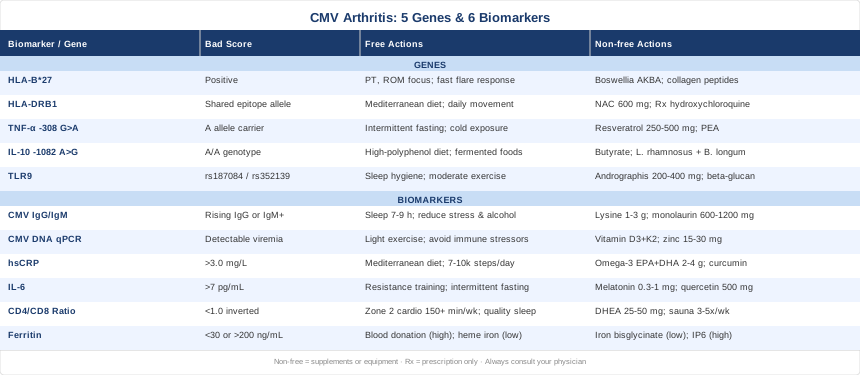
6 Biomarkers to Track When CMV and Arthritis Overlap
Biomarkers are where the abstract becomes concrete. They tell you what is actually happening right now in your immune system and joints. For CMV-associated arthritis, the right panel goes beyond a standard CRP test. Below are the six markers with the strongest clinical relevance, how to test them, and what to do with a bad result — with and without supplements.
1. CMV IgG and IgM Antibody Titers
Why it matters
CMV antibody titers are the first signal that distinguishes CMV-related arthritis from other inflammatory joint diseases. IgM antibodies indicate recent or active primary infection. IgG antibodies indicate past exposure and latent infection. In CMV arthritis, what is most often missed is a rising IgG titer over serial tests — a sign of viral reactivation even in the absence of classical symptoms like fever or lymphadenopathy. A single static IgG result tells you little; the trajectory over 4–8 weeks tells you far more.
A positive CMV IgM with arthritis should prompt immediate infectious disease or rheumatology review, particularly in immunocompromised patients. In immunocompetent adults, reactive arthritis post-CMV infection is well-documented, and IgM positivity during a flare often clinches the diagnosis.
How to measure it
CMV IgG and IgM are standard serology tests, ordered as CMV antibody panel or CMV serology. Cost: $30–$80 in most clinical labs. Available through any standard laboratory, including walk-in panels from large reference labs. Serial testing (two draws 4–6 weeks apart) adds meaningful information and costs roughly $60–$160 total.
If the result is bad, the plan without supplements
If IgM is positive or IgG is rising: prioritize sleep at 7–9 hours (CMV reactivates more readily under sleep debt), reduce high-intensity training temporarily, and minimize immune stressors like alcohol and ultra-processed food. Discuss with your physician whether antiviral therapy (valganciclovir) is indicated — in immunocompetent patients it is usually reserved for severe or persistent cases, but the decision should be individualized. Track symptoms in a daily log correlated with titer results.
If the result is bad, the plan with supplements or equipment
Lysine (1,000–3,000 mg/day in divided doses) has a long history of use against herpesvirus replication by competing with arginine, which herpesviruses require. Human trial data is strongest for HSV-1 and HSV-2, but the mechanism applies across the herpesvirus family including CMV. Cycling: use continuously during active or reactivating phases; reduce to 500 mg/day maintenance once titers stabilize. Side effects at high doses include gastrointestinal discomfort; avoid very high doses with kidney disease.
Monolaurin (600–1,200 mg/day) derived from lauric acid has in-vitro antiviral activity against enveloped viruses including CMV. Evidence is mostly preclinical; use as supportive only, not a substitute for antiviral therapy. Cycle: 4–6 weeks on, 2 weeks off. Side effects are generally mild (GI).
2. CMV DNA via Quantitative PCR
Why it matters
Serology tells you about immune memory. CMV DNA quantitative PCR (qPCR) in whole blood or plasma tells you about active viral replication right now. This is the gold standard for assessing CMV viremia, particularly in patients with immunosuppression (transplant recipients, HIV, those on DMARDs for rheumatoid arthritis). In immunocompetent patients with CMV arthritis, a detectable viral load — even low — during a flare is diagnostically important and changes management. Studies in transplant populations have established that even low-level CMV viremia correlates with inflammatory end-organ damage, and the same principle is increasingly recognized in immunocompetent individuals with persistent symptoms.
How to measure it
Ordered as CMV DNA PCR, quantitative or CMV viral load. Blood draw with results in 24–72 hours. Cost: $100–$250 at reference labs. Some hospital systems include this in standard infectious workup; others require a specialist order. If you are on immunosuppressive drugs for any reason, this test should be part of every arthritis flare workup.
If the result is bad, the plan without supplements
Detectable viremia should be escalated to an infectious disease physician immediately. Non-pharmacological support includes strict avoidance of additional immune stressors (alcohol, poor sleep, caloric restriction). Cold or moderate exercise (walking, gentle cycling) is preferable to high-intensity work while viremia is active. Nasal breathing techniques and diaphragmatic breathing protocols may modestly support immune regulation.
If the result is bad, the plan with supplements or equipment
Vitamin D3 (2,000–5,000 IU/day) with K2 (100–200 mcg MK-7): vitamin D deficiency correlates with impaired viral immunity. Optimize serum 25-OH-D to 40–60 ng/mL before concluding supplementation is insufficient. Recheck 25-OH-D in 8–12 weeks. No cycling needed; adjust dose to serum level. Side effects rare at these doses.
Zinc (15–30 mg elemental zinc/day as zinc glycinate or picolinate): zinc plays a direct role in T-cell function and antiviral responses. Do not exceed 40 mg/day long-term without medical supervision; copper depletion is the primary risk. Cycle: 5 days on, 2 days off for maintenance supplementation.
Photobiomodulation / red light therapy devices: emerging evidence suggests systemic photobiomodulation (630–850 nm, full-body panels or targeted joint devices) may modulate local and systemic inflammation. Use 10–20 minutes daily over affected joints. Covered in more depth in the complementary approaches section.
3. High-Sensitivity C-Reactive Protein (hsCRP)
Why it matters
hsCRP is the most widely tracked systemic inflammatory marker and one of the clearest signals that your immune system is generating significant acute-phase response. In CMV arthritis, hsCRP typically rises during active viral phases and during joint flares. Peter Attia has consistently emphasized tracking hsCRP as a routine longevity biomarker precisely because it captures low-grade chronic inflammation — the same smoldering process that underlies persistent CMV-driven joint pathology. Research on CRP in viral arthritis confirms it rises proportionally to disease activity and responds to successful antiviral or anti-inflammatory intervention.
Optimal range: below 0.5 mg/L (Attia's longevity target). Functional range acceptable: below 1.0 mg/L. Elevated concern: above 3.0 mg/L. Active infection or flare: can exceed 10–100 mg/L.
How to measure it
Ordered as high-sensitivity CRP (not standard CRP, which misses low-grade inflammation). Standard blood draw. Cost: $10–$40. Available at virtually every lab. Include in routine panels every 3–6 months when managing CMV-related inflammation.
If the result is bad, the plan without supplements
Prioritize the Mediterranean dietary pattern: high in polyphenols, olive oil, oily fish, and vegetables. Eliminate trans fats and minimize ultra-processed foods. Aim for 7,000–10,000 steps daily (walking, not sitting, has direct anti-inflammatory effects independent of weight). Prioritize sleep quality — both duration and deep sleep stages correlate inversely with CRP. A regular sleep/wake schedule is more impactful than total hours alone.
If the result is bad, the plan with supplements or equipment
Omega-3 fatty acids (EPA+DHA, 2–4 g/day from high-quality fish oil): Thomas Dayspring and others in lipidology have consistently recognized omega-3s as the best-evidenced natural CRP-lowering intervention. Effect takes 8–12 weeks to manifest. No cycling needed for long-term use at 2 g/day; higher doses (3–4 g/day) benefit from physician guidance regarding bleeding risk. Side effects: fishy aftertaste, possible GI discomfort; enteric-coated forms reduce this.
Curcumin with piperine (500–1,000 mg/day of a phospholipid-complex or liposomal form): well-evidenced for modest CRP reduction in chronic inflammatory states. Cycle: 8 weeks on, 2 weeks off. Side effects: may interact with blood thinners; avoid high doses in pregnancy.
4. Interleukin-6 (IL-6)
Why it matters
IL-6 is one of the most important cytokines in both CMV immune defense and pathological joint inflammation. CMV directly stimulates IL-6 production as part of the viral replication environment; at the same time, excess IL-6 drives synovial inflammation and bone remodeling in the joint. This dual role makes IL-6 a uniquely informative marker in CMV arthritis: elevated IL-6 signals both viral activity and joint-destructive inflammation simultaneously. Pharmaceutical IL-6 blockade (tocilizumab) is now standard in some autoimmune arthritis conditions, which underscores how central this cytokine is to joint pathology.
Optimal: below 1.8 pg/mL in most labs. Elevated concern: above 7 pg/mL during baseline (non-flare) periods.
How to measure it
Ordered as IL-6 (interleukin-6) serum. Not universally included in standard panels; requires specific ordering. Cost: $50–$120 at reference labs. Some advanced primary care and functional medicine practices include it in inflammation panels. Results should be interpreted alongside hsCRP and clinical context — single elevated readings during infection are expected and not concerning on their own.
If the result is bad, the plan without supplements
Reduce visceral adiposity (the primary non-infectious driver of elevated IL-6 outside of active flares): even a 5–10% body weight reduction lowers IL-6 significantly. Time-restricted eating (12–16 hour overnight fasting window) reduces IL-6 independent of caloric restriction in some trials. Resistance training 2–3 times per week has a bidirectional effect: the acute IL-6 spike from muscle contraction is transient and beneficial; the resting IL-6 level falls with regular training.
If the result is bad, the plan with supplements or equipment
Melatonin (0.3–1 mg at bedtime, physiological not pharmacological dose): several human studies demonstrate melatonin's ability to suppress IL-6 via NF-κB pathway inhibition. This dose range matches endogenous secretion and avoids the hangover effect of high-dose melatonin. Side effects minimal at physiological doses. Long-term use is generally considered safe.
Quercetin (500–1,000 mg/day in a phytosome or liposomal form): flavonoid with IL-6 suppressing activity in multiple human trials. Cycle: 8 weeks on, 2 weeks off. Side effects rare at standard doses; may interact with quinolone antibiotics.
5. CD4/CD8 T-Cell Ratio
Why it matters
CMV has a unique and profound effect on T-cell immunology. Chronic CMV infection is responsible for CMV-driven immunosenescence — a progressive filling of the T-cell repertoire with CMV-specific, terminally differentiated T cells that are poor responders to novel antigens. The CD4/CD8 ratio is the clearest clinical proxy for this process. A normal ratio is approximately 1.5–2.5 in healthy adults. In individuals with latent CMV and signs of immune aging, this ratio can drop below 1.0, a pattern sometimes called an inverted CD4/CD8 ratio, and it is strongly associated with chronic inflammatory conditions including CMV-related arthritis.
Rhonda Patrick at FoundMyFitness has discussed CMV's role in immune aging extensively, noting that CMV-seropositive individuals have measurably older immune profiles than CMV-negative peers of the same chronological age. Tracking CD4/CD8 ratio gives a direct window into this process.
How to measure it
Ordered as CD4/CD8 ratio or lymphocyte subset panel. Flow cytometry. Cost: $80–$200 depending on panel breadth. Usually requires an order from a specialist (immunologist, infectious disease, or functional medicine physician). Retest every 6 months when actively managing CMV-related inflammation.
If the result is bad, the plan without supplements
An inverted CD4/CD8 ratio responds most to: sustained aerobic fitness (VO2max training), quality sleep, and reduction of chronic stress. Regular moderate-intensity exercise (zone 2 cardio, 150+ minutes/week) has documented effects on T-cell repertoire maintenance. Intermittent fasting protocols support immune rejuvenation partly via autophagy-mediated clearance of senescent immune cells.
If the result is bad, the plan with supplements or equipment
DHEA (25–50 mg/day for men, 10–25 mg/day for women, physician-supervised): declining DHEA with age is associated with worse CD4/CD8 ratios and poorer viral immunity. DHEA supplementation in older adults has shown modest T-cell rejuvenating effects in human trials. Requires monitoring via DHEA-S serum levels. Not appropriate without baseline testing. Side effects: acne, hair changes at higher doses; hormone-sensitive cancers are a contraindication.
Sauna therapy (Finnish or infrared, 3–5 sessions/week, 15–20 minutes at 80–90°C): heat shock protein induction and the post-sauna parasympathetic response appear to support immune regulation and CMV-specific T-cell function. Infrared sauna devices (home units available from $400–$2,000) allow regular access. Contraindicated with active cardiovascular instability.
6. Ferritin
Why it matters
Ferritin is an acute-phase reactant that rises with inflammation, but it also directly reflects iron stores. In CMV arthritis, ferritin serves two important roles simultaneously: it rises with viral-driven inflammation (making it an indirect inflammatory marker), and it may become chronically elevated due to ongoing immune activation, a pattern associated with macrophage activation syndrome in severe cases. Conversely, very low ferritin — often seen in patients with prolonged inflammation due to poor absorption or anemia of chronic disease — impairs immune function and energy metabolism, prolonging recovery. Allan Sniderman and other lipid/metabolic specialists have highlighted ferritin as an underappreciated cardiometabolic and immune marker, particularly in middle-aged adults.
Optimal range: 30–100 ng/mL for most adults. Elevated concern: above 200 ng/mL (suggests ongoing inflammation or iron overload). Low concern: below 30 ng/mL (suggests functional iron deficiency).
How to measure it
Ordered as serum ferritin. Standard blood test, included in many full panels. Cost: $10–$30. Should be paired with a full iron panel (serum iron, transferrin saturation, TIBC) to interpret accurately. Ferritin alone can be misleading; context matters.
If the result is bad, the plan without supplements
If elevated: address the inflammatory driver (CMV viremia, dietary ultra-processed foods, visceral adiposity). Avoid iron fortification in foods; remove cast-iron cookware during high-inflammation phases. Donate blood every 3–4 months if ferritin is persistently above 150 ng/mL and iron panel supports iron overload — this is one of the few truly free, zero-side-effect interventions for reducing elevated ferritin.
If low: focus on dietary heme iron (red meat, organ meats) paired with vitamin C to enhance non-heme absorption. Avoid calcium, coffee, and tea within 2 hours of iron-rich meals. Cook in cast iron.
If the result is bad, the plan with supplements or equipment
If low ferritin: iron bisglycinate (25–50 mg elemental iron every other day) is better tolerated than ferrous sulfate and has superior absorption. Every-other-day dosing may outperform daily dosing per recent clinical evidence. Side effects: constipation, dark stools. Never self-supplement iron without confirmed deficiency via iron panel — iron overload worsens inflammation.
If elevated ferritin due to inflammation (not overload): IP6 / Inositol hexaphosphate (2–4 g/day on empty stomach) is used by some functional medicine practitioners for iron regulation and has modest evidence for modulating inflammatory ferritin. Cycle: 8–12 weeks. Side effects: GI discomfort at high doses.
The Genetic Layer: 5 Key Genes That May Shape Your CMV Arthritis
Genetics does not determine your outcome, but it shapes the terrain on which CMV infection plays out. If you have done genetic testing (23andMe, AncestryDNA, or a clinical panel), these five variants are worth looking up. If not, the information below still helps you understand the biological mechanisms at work.
HLA-B*27: The Reactive Arthritis Gateway
HLA-B*27 is the most studied genetic risk factor for reactive arthritis — joint inflammation triggered by infection, including viral infections like CMV. Approximately 8% of the general population carries HLA-B*27, but it is found in 60–80% of patients with classic reactive arthritis. In CMV-associated arthritis specifically, HLA-B*27 positivity appears to increase the risk of a more severe and prolonged arthritis course after CMV infection, though the evidence base is smaller than for bacterial triggers.
If the gene is present (bad variant), the plan without supplements: Understand that your immune system has an amplified reactive arthritis tendency. This means stringent attention to preventing CMV reactivation (sleep, stress, avoiding immunosuppression where possible), and fast clinical response to flares rather than watchful waiting. Physical therapy with a range-of-motion focus during remission helps prevent enthesitis, a common HLA-B*27-related complication.
If the gene is present, the plan with supplements or equipment: Boswellia serrata extract (100–400 mg of AKBA-standardized extract, twice daily) has human evidence for reducing IL-1β and joint inflammation in reactive arthritis patterns. Cycle: 12 weeks on, 4 weeks off. Side effects: occasional GI discomfort. Collagen peptides (10 g/day, type II undenatured collagen has specific immune-modulating evidence) may also reduce enthesitis burden over time.
HLA-DRB1: The Shared Epitope and Immune Amplification
HLA-DRB1 shared epitope alleles (particularly DRB1*0401, *0404, *0101) are most famous as risk variants for rheumatoid arthritis, but their relevance extends to any condition involving CD4+ T-cell-mediated joint inflammation. CMV reactive arthritis involves significant CD4+ T-cell activation; HLA-DRB1 shared epitope status shapes how intensely that response occurs. Carrying one shared epitope allele roughly doubles susceptibility to persistent joint inflammation; two alleles increase risk further.
Plan without supplements: Seronegative HLA-DRB1 shared epitope carriers should treat CMV infection flares as a high-priority event for early medical management. Avoid prolonged high arginine states (extremely high protein diets without lysine balance) which may favor viral replication. Anti-inflammatory lifestyle foundations are essential: daily movement, Mediterranean diet, consistent sleep.
Plan with supplements or equipment: Hydroxychloroquine may be considered by your rheumatologist as low-dose prophylaxis in very high-risk HLA-DRB1 carriers with recurrent viral arthritis — discuss this specifically. Non-prescription: NAC (N-acetyl cysteine) 600 mg twice daily supports glutathione production and may dampen the NF-κB-mediated inflammatory cascade activated in HLA-DRB1 carriers. Cycle: 8 weeks on, 2 weeks off. Side effects: occasional GI upset, sulfur odor.
TNF-α -308 G>A: The High-Inflammation Variant
The TNF-α -308 G>A polymorphism (rs1800629, A allele) is associated with significantly higher baseline and stimulated production of tumor necrosis factor-alpha, a master inflammatory cytokine central to synovial inflammation in arthritis. Carriers of the A allele (approximately 15–20% of Europeans) have documented increased susceptibility to more severe and prolonged inflammatory arthritis after viral triggers, including herpesvirus infections. Research on TNF-α -308 G>A and arthritis consistently shows this variant tracks with poorer outcomes in inflammatory joint disease.
Plan without supplements: Anti-TNF lifestyle adjustments carry real weight here. Caloric restriction and intermittent fasting directly downregulate TNF-α production. Obesity strongly amplifies the TNF-α -308 A allele effect; lean body composition is a meaningful modifier. Cold exposure (2–5 minute cold showers or cold immersion 3–5x/week) may transiently reduce TNF-α via cold-shock protein induction — though this remains a supportive measure, not a cure.
Plan with supplements or equipment: Resveratrol (250–500 mg/day of a trans-resveratrol form): documented TNF-α-suppressing activity in human trials at doses above 250 mg. Best taken with a fat-containing meal. Cycle: 12 weeks on, 4 weeks off. Side effects: estrogenic effects at very high doses; avoid in hormone-sensitive conditions at high doses. PEA (palmitoylethanolamide) 300–600 mg twice daily: growing evidence base for modulating mast cell and macrophage activation downstream of TNF-α. Cycle: 3 months continuous is reasonable given the safety profile.
IL-10 -1082 A>G: The Anti-Inflammatory Deficit
IL-10 is the body's primary anti-inflammatory cytokine, providing the immunological brake to runaway inflammation. The IL-10 -1082 A>G polymorphism (rs1800896, A/A genotype) is associated with lower IL-10 production — meaning carriers of this variant have a weaker natural brake on inflammation. In the context of CMV arthritis, insufficient IL-10 signaling allows inflammatory cascades to run longer and harder than in high IL-10 producers. Several studies have linked the IL-10 -1082 A allele to worse outcomes in inflammatory and autoimmune joint disease.
Plan without supplements: For low IL-10 producers, preventing the inflammatory trigger from becoming established in the first place is the clearest strategy. Prioritize CMV titer monitoring and rapid response to rising titers. Anti-inflammatory dietary patterns (especially high polyphenol intake, olive oil, fermented foods) directly support IL-10 production from gut-associated immune cells.
Plan with supplements or equipment: Butyrate (as sodium butyrate 600–1,200 mg/day, or via prebiotic dietary support): short-chain fatty acids, particularly butyrate, are among the most potent natural inducers of regulatory T-cell IL-10 production. Consider dietary approach first (resistant starch: green banana flour, cooked-and-cooled potatoes, oats). Supplement cycling: 12 weeks, reassess. Side effects: minimal at standard doses.
Probiotics with Lactobacillus rhamnosus and Bifidobacterium longum strains: these specific strains have the strongest human evidence for inducing mucosal IL-10 and regulatory T-cell activity. Choose products with guaranteed CFU at expiry, not manufacture. Continuous use rather than cycling. Side effects rare; start slowly in sensitive individuals.
TLR9: Viral Recognition at the First Gate
TLR9 (Toll-like receptor 9) is an innate immune receptor that detects CMV DNA inside cells, triggering the initial antiviral alarm. Polymorphisms in TLR9 (particularly rs187084 and rs352139) have been linked to altered CMV immune responses — some variants reduce the initial antiviral signal, allowing CMV to establish replication more efficiently; others produce a hyperinflammatory response. The clinical consequence is that TLR9 variants at both extremes (too low or too high signaling) are associated with more complicated CMV-related illness.
Plan without supplements: Lifestyle support for TLR9 function centers on maintaining mitochondrial health (mitochondria are key sites of innate immune signaling) and avoiding factors that degrade innate immunity: chronic sleep debt, high alcohol intake, chronic psychological stress, and severe caloric restriction. Regular moderate exercise upregulates TLR-mediated antiviral responses.
Plan with supplements or equipment: Andrographis paniculata extract (andrographolide, 200–400 mg/day standardized extract): has documented antiviral and TLR-pathway modulating effects in human studies on viral respiratory illness, with mechanistic data extending to herpesvirus biology. Cycle: 3–4 weeks on during active or reactivating viral phases, 2–3 weeks off. Side effects: potential hypotensive effect at high doses; discontinue 2 weeks before surgery.
Beta-glucan (250–500 mg/day from oat or yeast-derived sources): well-documented innate immune training activity via Dectin-1 and NF-κB pathways that interface with TLR signaling. Continuous use is supported by safety data. Side effects: very rare; GI in sensitive individuals.
What the Science on Viral Immunity Keeps Coming Back To
There is no single book or podcast that perfectly covers CMV arthritis, but Rhonda Patrick's FoundMyFitness platform comes closest among public science communicators. Her body of work on CMV and immune aging — drawing on research from Michael Gleeson and others studying athlete immunosuppression, plus foundational epidemiological data from the InCHIANTI study — contains several insights that directly apply here.
1. CMV Shapes Your Immune Age More Than Any Other Latent Virus
CMV-seropositive individuals over 65 have measurably accelerated immune aging: contracted T-cell diversity, lower vaccine responsiveness, and elevated inflammatory markers. This is not abstract — it correlates with real-world health outcomes. If you are seropositive with active joint symptoms, tracking immune age (via CD4/CD8 ratio and inflammaging markers) is worthwhile.
2. Sauna Use Has Specific Anti-CMV Data
Repeated sauna use (Finnish or infrared) correlates with reduced CMV-related immune decline in epidemiological data from Finnish cohort studies. The mechanism involves heat shock protein induction, which inhibits herpesvirus replication pathways. Three to five sessions per week appears to be the threshold for meaningful effect.
3. Exercise Volume Matters More Than Exercise Intensity for Viral Immunity
High-intensity exercise acutely suppresses NK cell function (an important CMV-killing cell type) for 3–24 hours post-session — the so-called open window of increased viral vulnerability. Zone 2 cardio (conversational pace, 150+ minutes/week) maintains and even improves NK cell numbers and function without generating the post-exercise immunosuppressive window. This directly informs training choices during CMV-active phases.
4. Sleep Is the Single Most Potent Non-Pharmacological CMV Suppressor
CMV reactivates most readily under sleep restriction. Studies in oncology populations show that even mild chronic sleep restriction (6 hours vs. 8 hours) significantly increases CMV reactivation events. Addressing sleep architecture — including treating sleep apnea, which dramatically disrupts immune cycling — may do more for CMV latency than any supplement.
5. Omega-3 Status Is Consistently Low in Patients with Persistent Post-Viral Arthritis
Patrick's synthesis of omega-3 index data across inflammatory conditions consistently shows that patients with post-viral and autoimmune inflammatory arthritis have omega-3 indices below 4% (the danger zone) far more often than healthy comparators. Optimizing to an omega-3 index above 8% — achievable with 2–4 g EPA+DHA daily — is one of the most impactful, evidence-backed interventions across all the conditions discussed here.
6. Vitamin D Insufficiency Predicts CMV Reactivation Risk
Multiple epidemiological datasets, including data cited by Patrick, show that 25-OH-D levels below 30 ng/mL independently predict higher CMV reactivation frequency. The target for viral immunity is 40–60 ng/mL, not just the conventional sufficiency cutoff of 20 ng/mL.
7. Chronic Psychological Stress Directly Upregulates CMV IE Gene Expression
Immediate early (IE) gene expression is the first step in CMV reactivation from latency. Cortisol — chronically elevated in psychological stress — directly binds promoter regions of CMV IE genes. This is not a metaphor for "stress is bad." It is a molecular explanation for why mind-body interventions, addressed below, have a legitimate place in CMV management.
8. The Gut Microbiome Is a Critical CMV Immune Regulator
CMV actively infects gastrointestinal mucosal cells and disrupts epithelial barrier function. A compromised gut microbiome (low butyrate-producing bacteria, increased intestinal permeability) impairs the mucosal immune surveillance that normally constrains CMV replication. Supporting the gut microbiome via prebiotic fiber, fermented foods, and targeted probiotic strains directly supports CMV latency maintenance.
9. Caloric Excess and Metabolic Dysfunction Worsen CMV Arthritis Outcomes
Adipose tissue is a reservoir of inflammatory cytokines and also directly supports CMV viral replication in adipose-associated macrophages. Metabolic health — specifically insulin sensitivity and low visceral adiposity — correlates with better immune control of CMV. This is not about weight stigma; it is about metabolic function as an immune determinant.
10. Polyphenol-Rich Diets Suppress Multiple CMV Reactivation Pathways
Compounds including resveratrol, quercetin, EGCG (green tea catechins), and luteolin have in vitro and some in vivo evidence for directly inhibiting CMV replication at multiple stages. A dietary approach rich in these compounds — deeply pigmented berries, dark leafy greens, green tea, extra-virgin olive oil — is supported by plausible mechanism even where large randomized trials are still lacking.
Complementary Approaches Worth Considering
The approaches below have meaningful human evidence for at least one relevant mechanism in CMV-related arthritis: inflammation reduction, joint pain relief, or immune modulation. They are supportive additions, not replacements for medical care.
The Autoimmune Protocol (Sarah Ballantyne)
CMV arthritis shares mechanistic features with autoimmune arthritis — immune dysregulation, molecular mimicry between viral peptides and joint proteins, and T-cell-mediated joint pathology. Sarah Ballantyne's Autoimmune Protocol (AIP), described in her book The Paleo Approach, is a structured dietary and lifestyle elimination protocol specifically designed to address intestinal permeability, gut dysbiosis, and the immune dysregulation pathways that underlie autoimmune and post-viral joint conditions.
The core AIP elimination phase removes grains, legumes, dairy, eggs, nightshades, nuts, seeds, and refined sugars for a minimum of 30–90 days, then systematically reintroduces foods to identify individual triggers. The protocol extends beyond diet to address sleep, stress, circadian rhythm, and movement. Human observational studies in inflammatory bowel disease and autoimmune thyroiditis have shown meaningful reductions in inflammatory markers and symptom burden. While a dedicated randomized trial for CMV arthritis does not yet exist, the mechanistic overlap with autoimmune joint disease is substantial.
Practically: approach the elimination phase with clinical oversight, particularly if you are managing nutritional needs alongside antiviral therapy. Track symptoms, inflammatory markers (hsCRP, IL-6), and energy week by week during the elimination phase. The reintroduction phase is as important as the elimination — the goal is not indefinite restriction but personalized identification of triggers.
Mindfulness-Based Stress Reduction (MBSR)
As noted above, psychological stress directly activates CMV immediate-early gene expression via glucocorticoid signaling. MBSR is an 8-week standardized program developed by Jon Kabat-Zinn at the University of Massachusetts that combines body-scan meditation, sitting meditation, and mindful movement to reduce cortisol and inflammatory signaling. It is not relaxation for its own sake — it is a documented biological intervention.
Multiple randomized controlled trials have demonstrated MBSR's ability to reduce IL-6, hsCRP, and cortisol in populations with chronic inflammatory conditions. A landmark study by Irwin and colleagues specifically examined MBSR's effects on herpesvirus latency (varicella zoster, a close CMV relative), finding that MBSR practice reduced viral reactivation markers compared to health education controls.
Practically: the full MBSR program is available through the original UMASS program online, numerous apps (Insight Timer, Ten Percent Happier), and in-person classes in most cities. Start with the 8-week structured course rather than informal meditation; the protocol has the evidence base, not the concept of meditation in general. Daily practice of 30–45 minutes is associated with biological effect; 10–15 minutes shows attenuated but still measurable results.
Tai Chi
Tai chi is a low-impact Chinese movement practice that combines slow, deliberate joint movement with breathing regulation and meditative focus. Its relevance to CMV arthritis is dual: it directly addresses joint mobility and pain in inflammatory arthritis patterns, and its stress-reducing effects overlap with MBSR in reducing cortisol-mediated CMV reactivation.
Systematic reviews and randomized trials in rheumatoid arthritis and osteoarthritis consistently show tai chi reduces pain scores, improves functional mobility, and reduces inflammatory markers including CRP. A 2020 meta-analysis across 26 randomized controlled trials confirmed significant improvement in disease activity scores and quality of life in inflammatory arthritis populations. Evidence specific to viral reactive arthritis is limited but the mechanistic pathway is clear.
Practically: 3–5 sessions per week of 20–45 minutes each. Yang-style short form is the most studied. Classes at community centers, YMCAs, and online platforms are widely accessible. The entry barrier is low and the injury risk is minimal — appropriate for individuals in the middle of a flare with modified range of motion.
Low-Level Laser Therapy (LLLT) and Photobiomodulation
Photobiomodulation (PBM) using red and near-infrared light (630–850 nm) at therapeutic fluence levels has a substantial evidence base for reducing joint inflammation and pain in arthritis. The mechanism involves mitochondrial cytochrome c oxidase stimulation, which increases ATP production, reduces oxidative stress, and modulates NF-κB-driven inflammatory gene expression. In the specific context of CMV arthritis, PBM's NF-κB suppression is particularly relevant because NF-κB is a central driver of both viral replication and synovial inflammation.
A 2009 Cochrane review and subsequent meta-analyses of LLLT in inflammatory arthritis found significant reductions in pain, morning stiffness, and local inflammation compared to sham, with effect sizes comparable to NSAIDs in some trials and without the gastrointestinal side effects.
Practically: clinical LLLT devices are available through physiotherapy, rheumatology, and sports medicine clinics (typically $50–$100/session). Home near-infrared panels from reputable manufacturers (Joovv, Mito Red) start at approximately $300–$700 and allow daily 10–20 minute sessions over affected joints. Evidence supports daily application during active inflammation phases; maintenance of 3x/week during remission. No significant side effects at therapeutic parameters; avoid direct eye exposure.
Microbiome-Directed Therapies
The gut-immune axis is central to CMV pathobiology. CMV infects intestinal epithelial cells and mucosal immune cells directly, and the composition of the gut microbiome strongly influences the mucosal immune surveillance that normally contains CMV replication. A microbiome depleted in butyrate-producing bacteria (Faecalibacterium prausnitzii, Roseburia intestinalis) has impaired regulatory T-cell (Treg) function and reduced IL-10 production — both critical for resolving CMV-driven inflammation.
Research connecting gut dysbiosis to herpesvirus immune control is expanding, with growing evidence that microbiome diversity predicts better outcomes in viral infections. Human studies on prebiotic supplementation in inflammatory conditions show consistent improvements in butyrate production and mucosal immune markers.
Practically: the most evidence-supported microbiome intervention is dietary — high fiber intake (30+ grams/day from diverse plant sources), regular fermented food consumption (kefir, kimchi, sauerkraut: 1–3 servings daily), and resistant starch intake. Probiotic supplementation with clinically validated strains (L. rhamnosus GG, B. longum) is a reasonable adjunct; choose third-party verified products. Avoid unnecessary antibiotics and acid-suppressing medications where clinically appropriate. Fecal microbiome transplant (FMT) remains experimental for viral immunity indications outside of clinical trials.
Conclusion
CMV-associated arthritis is a condition that sits between disciplines — too viral for standard rheumatology, too inflammatory for standard infectious disease management. That gap is where most patients get stuck. What changes the picture is precise, layered information: knowing your CMV antibody trajectory and viral load status, tracking the inflammatory markers that respond to CMV activity (hsCRP, IL-6, ferritin), understanding how your CD4/CD8 ratio reflects immune aging driven by this specific virus, and recognizing the genetic variants that make your immune system louder or quieter in response.
None of this replaces clinical care. But it dramatically improves the quality of the conversations you can have with your clinician, and it gives you concrete, measurable targets to work toward in the months between appointments. The next smart step is to request the relevant biomarker panel — starting with CMV serology, hsCRP, IL-6, and ferritin if you have not already — and to bring the results into a dialogue with a physician who understands the viral-inflammatory interface. From there, the path becomes specific to you.