This article contains AI generated content.
· UpdatedDeficiency of Adenosine Deaminase 2 — 3 Genes And 6 Biomarkers To Track
Introduction
Living with DADA2 — Deficiency of Adenosine Deaminase 2 — sits at an uncomfortable intersection: it is rare enough to be consistently misunderstood, yet severe enough to cause strokes in children, vascular damage across decades, and immune collapse that resembles several diseases at once. For many people affected, the path from first symptom to correct diagnosis runs through years of incomplete answers, dismissed lab results, and treatments designed for far more common conditions. Knowing precisely what you are dealing with is the first step toward managing it well.
Generic inflammation advice — eat cleaner, sleep more, reduce stress — applies to nearly everyone and helps almost no one in a specific enough way for a condition like this. DADA2 is not a lifestyle disease. It is driven by mutations in a single gene that disrupts a key enzyme, creates a pro-inflammatory state the body cannot self-regulate, and requires targeted medical management. At the same time, what happens around that genetic core — the supporting genes, the measurable biomarkers, and the lifestyle inputs — shapes how the disease actually behaves and how much cumulative damage accumulates over time.
This article approaches DADA2 from two directions that specialists rarely have time to explain in depth during clinic visits: the genetic architecture that drives the condition, and the biomarkers that track its behavior in real time. Neither replaces the guidance of a rheumatologist or clinical immunologist with DADA2 experience. But together, they offer a clearer map than most patients ever receive.
Better information does not guarantee better outcomes, but it consistently leads to better questions, better monitoring, and earlier course corrections. What follows covers three clinically relevant genetic factors — starting with the causative ADA2 gene and extending to modifier genes that most patients have never had discussed with them — then moves to six key biomarkers used by leading specialists to track disease activity and treatment response. The article closes with insights from the most evidence-dense health podcast on immune modulation, plus three complementary approaches with actual human clinical data.
Summary
DADA2 is caused by biallelic mutations in the ADA2 gene and is characterized by systemic vasculitis, recurrent strokes, immune deficiency, and cytopenias. This article breaks down three genetic factors that directly shape how the disease presents and progresses — including two modifier genes that most patients have never had discussed at their appointments — and maps out six biomarkers that specialist clinicians use to track disease activity, treatment response, and complication risk. For each genetic variant and each biomarker, you will find practical intervention plans: what to do without supplements, and what targeted support looks like when supplementation is appropriate. Beyond the genetics and biomarkers, the article covers what one of the most cited podcasts on human physiology has said about immune inflammation and cytokine control, along with three complementary approaches that have real evidence behind them for inflammatory and autoimmune conditions.
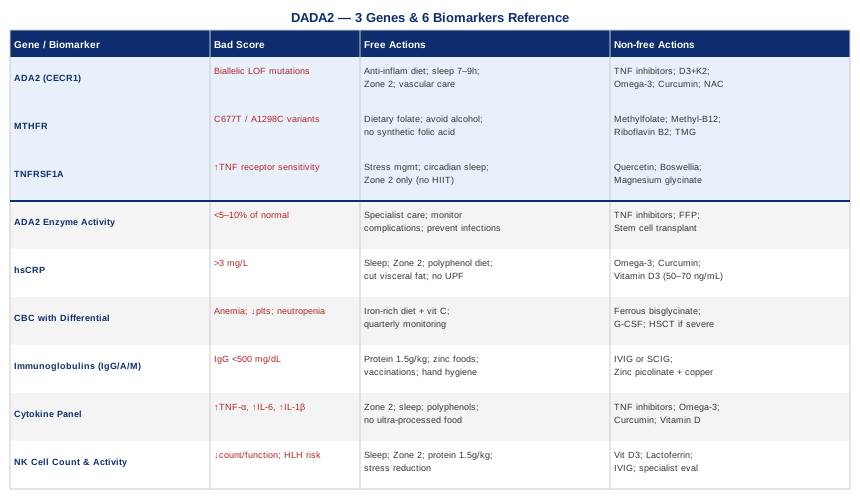
3 Genetic Factors at the Root of DADA2
Most rare genetic diseases are described as if genetics is destiny — mutate the wrong gene and the outcome is fixed. DADA2 is more nuanced. The ADA2 gene is genuinely the center of the disease, but two categories of modifier genes regularly shape how severe the phenotype becomes, which complications appear first, and how effectively the body responds to treatment. Understanding all three layers is what separates an informed patient — and an informed clinician — from one who only sees the diagnosis code.
This section is structured around the approach that genomics researchers like Ali Torkamani (a leading precision medicine scientist at Scripps Research) and functional medicine clinicians have applied to rare inflammatory diseases: identify the causative gene, understand how its dysfunction ripples through related biochemical pathways, and address the modifiable elements of those pathways with specificity.
Gene 1: ADA2 (Formerly CECR1) — The Causative Gene
ADA2 (Adenosine Deaminase 2, formerly known as CECR1 — Cat Eye Syndrome Critical Region Gene 1) sits on chromosome 22q11.1. It encodes the extracellular enzyme adenosine deaminase 2, which catalyzes the conversion of adenosine to inosine in the extracellular space. This might sound like a minor biochemical housekeeping function. In practice, ADA2 also plays a critical role in monocyte and macrophage differentiation — pushing monocytes toward the M2 (repair-oriented) phenotype rather than the M1 (pro-inflammatory) phenotype — and in maintaining the structural integrity of blood vessel walls through support of endothelial progenitor cell function.
When both copies of ADA2 carry loss-of-function mutations (the disease follows an autosomal recessive inheritance pattern), enzyme activity drops significantly or disappears entirely. The consequences cascade. Endothelial cells in small and medium blood vessels lose structural support. Monocytes veer toward pro-inflammatory M1 polarization. TNF-alpha rises. Neutrophil-mediated vascular damage accumulates unchecked. The clinical result is small and medium vessel vasculitis, livedo racemosa, polyarteritis nodosa, recurrent ischemic strokes (particularly in childhood), cytopenias (low red cells, platelets, or neutrophils), and varying degrees of antibody deficiency.
Over sixty pathogenic mutations have been identified in ADA2. These include missense mutations (single amino acid substitutions that destabilize the protein structure), nonsense mutations (premature stop codons), frameshift mutations from small insertions or deletions, and splice-site mutations. Commonly studied pathogenic variants — including p.Gly47Arg (enriched in certain Middle Eastern populations), p.Tyr453Cys, and p.Arg169Gln — show variable degrees of residual enzyme activity. In general, mutations that leave some residual ADA2 activity tend to correlate with milder phenotypes, while complete loss-of-function mutations are associated with more severe vascular and hematologic involvement. The NIH Genetic and Rare Diseases Information Center (rarediseases.info.nih.gov) maintains regularly updated clinical guidance for DADA2.
If the ADA2 Gene Is Mutated: Plan without Supplements
The ADA2 mutation itself cannot currently be reversed through any lifestyle intervention. What can be addressed is the biological environment in which the mutation operates — and that environment meaningfully affects disease activity.
Infection Prevention. Infections — particularly viral respiratory infections — are a documented trigger for DADA2 flares and stroke events. Staying current on vaccinations (with immunologist guidance, as live vaccines may be contraindicated in immunodeficient patients), practicing rigorous hand hygiene, and proactively avoiding close contact during illness seasons are not optional extras here. They are disease management tools. Frequency: continuous, year-round practice.
Anti-Inflammatory Diet Pattern. A Mediterranean-style dietary pattern — high in extra-virgin olive oil, oily fish, vegetables, legumes, and whole grains — has consistent evidence for reducing circulating inflammatory markers including TNF-alpha and IL-6. Eliminating ultra-processed foods, refined carbohydrates, and industrially produced seed oils (which activate TLR4 receptors and stimulate NF-κB) removes direct fuel from the inflammatory cascade that DADA2 perpetuates. This is a continuous lifestyle foundation, not a temporary intervention. No cycling required.
Sleep Architecture. Deep (slow-wave) sleep is when the immune system performs its primary restorative cycle. Consistently achieving 7–9 hours of sleep per night, maintaining a fixed sleep and wake schedule, and addressing sleep-disordered breathing (which independently elevates TNF and IL-6) directly reduces the background inflammatory load that amplifies DADA2 activity. A single night of fewer than six hours of sleep measurably doubles circulating TNF-alpha in controlled studies — a number that matters when TNF is already pathologically elevated.
Vascular Load Reduction. Given that DADA2 already places severe stress on blood vessel walls, additional vascular risk factors — hypertension, smoking, sedentary behavior, excess visceral adiposity — become disproportionately dangerous. Regular moderate-intensity aerobic exercise (zone 2 cardio: 150 minutes per week of walking, swimming, or cycling at a conversational pace) supports vascular health and lowers NF-κB activity without generating the pro-inflammatory cytokine spike associated with extreme exertion.
If the ADA2 Gene Is Mutated: Plan with Supplements and Supportive Tools
No supplement replaces medical management of DADA2. In most cases, TNF inhibitors — most commonly etanercept or adalimumab — are the evidence-backed first-line treatment and have shown dramatic efficacy in preventing stroke recurrence and controlling vasculitis. The supplements below target specific biochemical consequences of ADA2 dysfunction. Always discuss these with the physician managing your treatment, particularly when on TNF inhibitor therapy.
Vitamin D3 + K2. ADA2 dysfunction drives monocyte polarization toward the pro-inflammatory M1 phenotype. Vitamin D3 has well-documented effects in shifting monocyte/macrophage balance toward M2 and reducing pro-inflammatory cytokine secretion. Dose: 2,000–4,000 IU of D3 daily, combined with 100–200 mcg of K2 (as MK-7) to support appropriate calcium metabolism. Frequency: daily, continuous. Side effects: rare at these doses; toxicity risk rises significantly above 10,000 IU/day. Monitor serum 25(OH)D levels every 3–6 months; target range: 50–70 ng/mL.
Omega-3 Fatty Acids (EPA + DHA). High-dose fish oil reduces TNF-alpha, IL-6, and NF-κB activity — all of which are pathologically elevated in active DADA2. Evidence supports 2–4g per day of combined EPA+DHA. Frequency: daily with meals, no cycling. Side effects: blood-thinning effects at high doses (clinically relevant if on anticoagulants), GI upset in some individuals. Choose a third-party tested, low-oxidation brand (IFOS or equivalent certification).
Curcumin (High-Bioavailability Formulation). Curcumin directly suppresses NF-κB and TNF-alpha production. Standard curcumin powder has poor oral bioavailability; use phospholipid complexes (Meriva, BCM-95) or nanoparticle formulations to achieve clinically meaningful absorption. Dose: 500–1,000 mg daily. Side effects: mild GI discomfort in some; potential interaction with anticoagulants. Frequency: daily, continuous. No cycling required for long-term use.
N-Acetylcysteine (NAC). Oxidative stress contributes significantly to endothelial injury in DADA2. NAC is a direct precursor to glutathione — the body's primary intracellular antioxidant — and has been studied for its role in reducing vascular oxidative damage and supporting immune function. Dose: 600–1,200 mg daily. Side effects: mild GI upset; avoid in patients with kidney stones. Frequency: daily. Not typically cycled.
Red Light Therapy (Photobiomodulation). This is a supportive tool rather than a medical intervention. Full-body LED panels delivering 630–850 nm wavelengths applied for 10–20 minutes, 3–5 times per week, have emerging evidence for reducing systemic inflammatory markers and supporting endothelial function. Side effects are minimal. This should never replace medical management but represents a low-risk adjunct to reduce daily inflammatory burden.
Gene 2: MTHFR — The Methylation Modifier
The MTHFR gene (Methylenetetrahydrofolate Reductase) encodes an enzyme essential for folate metabolism and the critical conversion of homocysteine to methionine. MTHFR variants — particularly C677T (rs1801133) and A1298C (rs1801131) — are among the most common functional variants in the human genome, affecting 40–60% of people to varying degrees depending on ethnicity. The MTHFR gene and its clinical implications have been studied extensively in cardiovascular and inflammatory disease research.
In the general population, MTHFR variants are a manageable background concern in most contexts. In DADA2, they become clinically significant through a specific compounding mechanism. DADA2 creates substantial vascular inflammation and structural damage to blood vessel endothelium. Elevated homocysteine — a direct biochemical consequence of impaired methylation from MTHFR variants — independently increases the risk of stroke, thrombosis, and accelerated vascular injury. For a patient who already carries vascular fragility from DADA2, running chronically elevated homocysteine on top of it compounds risk in ways that are not simply additive.
MTHFR status is identifiable through a standard add-on to most genetic or cardiovascular risk panels. Importantly, functional status — how well the enzyme is actually working — is better assessed through homocysteine blood levels than through the genetic variant alone, since dietary B vitamin intake modulates the variant's real-world impact substantially.
If MTHFR Is Compromised: Plan without Supplements
Prioritize Dietary Folate. Natural food sources of folate — dark leafy greens (spinach, arugula, kale), lentils, chickpeas, asparagus, and liver — provide naturally occurring 5-methyltetrahydrofolate (5-MTHF), the active form that bypasses the defective MTHFR conversion step entirely. This is the dietary foundation. Frequency: aim for at least one serving of leafy greens daily and legumes four to five times per week, continuous.
Eliminate Synthetic Folic Acid. Unmetabolized folic acid from fortified foods and most cheap B-complex supplements can block the folate receptor and worsen the functional picture in MTHFR variants. Read food labels and supplement labels; avoid products listing folic acid as the folate source. This is a permanent dietary adjustment, not a cycle.
Minimize Alcohol. Alcohol depletes both folate and B12 and directly impairs homocysteine clearance. Even moderate regular consumption worsens methylation deficiency in MTHFR-variant individuals. The practical target is minimal to no alcohol — particularly relevant given DADA2's existing vascular risk profile.
If MTHFR Is Compromised: Plan with Supplements
Methylfolate (5-MTHF). The active, bioavailable form of folate that requires no MTHFR conversion. Brands providing Quatrefolic or Metafolin formulations are commonly available. Starting dose: 400–800 mcg daily; individuals with the homozygous C677T variant may require more under medical supervision. Frequency: daily, continuous. Side effects: over-methylation (irritability, anxiety, insomnia) in susceptible individuals — start at the lower end and increase gradually. Not cycled in most protocols.
Methylcobalamin (Methyl-B12). Works synergistically with methylfolate in the homocysteine-to-methionine conversion. Dose: 500–1,000 mcg daily. Frequency: daily, continuous. Side effects: minimal at these doses; occasionally causes vivid dreams or mild insomnia, particularly at higher doses. Not cycled.
Riboflavin (Vitamin B2). A direct cofactor for the MTHFR enzyme itself. 100 mg/day has been shown to independently lower homocysteine in individuals with the C677T variant, even without other B vitamin changes, through support of whatever residual enzyme activity remains. Side effects: turns urine bright yellow — harmless but startling. Frequency: daily, continuous.
Betaine (Trimethylglycine, TMG). Provides an alternative methylation pathway for homocysteine reduction through the BHMT enzyme, entirely bypassing MTHFR. Particularly useful when methylfolate causes over-methylation symptoms. Dose: 500–1,000 mg daily with food. Side effects: fishy body odor at high doses, mild GI discomfort. No cycling required.
The homocysteine biomarker (covered in the next section) is the most direct measurement of whether this protocol is working. Optimal target: below 10 µmol/L; ideally 7–8 µmol/L for anyone with known vascular disease.
Gene 3: TNFRSF1A and TNF Pathway Variants
The third genetic layer in DADA2 involves the regulation of TNF signaling itself. TNFRSF1A encodes the TNF Receptor Superfamily Member 1A — also called TNFR1 — the primary cell-surface receptor through which TNF-alpha triggers its inflammatory cascade. Gain-of-function mutations in TNFRSF1A cause a distinct condition called TRAPS (TNF Receptor-Associated Periodic Syndrome), but lower-penetrance variants in this gene — and in related regulatory genes like TNFAIP3 (encoding A20, a key negative regulator of NF-κB) — can shift the threshold at which the TNF pathway fires in any individual.
This matters specifically for DADA2 because TNF-alpha is the dominant cytokine driving vascular damage in this disease, and it is also the target of the most effective current treatment. A patient whose TNFRSF1A variants predispose to heightened TNF receptor sensitivity carries a compounding burden: the DADA2-driven TNF elevation landing on a genetically sensitized receptor system. Clinicians managing patients with this combination often observe more severe vasculitis presentation, more pronounced febrile episodes, and a pattern that requires careful dose optimization of TNF inhibitor therapy to achieve adequate suppression.
If TNF Pathway Genes Are Compromised: Plan without Supplements
Structured Stress Regulation. Psychological stress directly activates NF-κB and drives TNF production through HPA axis and sympathetic nervous system pathways. In a patient with DADA2 and TNF pathway variants, chronic unmanaged stress can meaningfully worsen measurable disease activity. A consistent daily practice — not vague wellness intentions, but a structured protocol (covered in the complementary approaches section) — is worth treating as a clinical intervention.
Circadian Alignment. TNF-alpha expression follows a circadian rhythm, peaking in the early morning hours. Circadian disruption — irregular sleep schedules, night shift work, sustained artificial light exposure after sunset — amplifies this daily peak. Maintaining consistent sleep and wake times and reducing bright light after 9 PM attenuates the daily inflammatory surge. This is a structural lifestyle change, not a supplement.
Exercise Intensity Calibration. Moderate aerobic exercise suppresses NF-κB and TNF-alpha production over time. High-intensity exercise, however, generates a temporary but significant pro-inflammatory cytokine spike. For someone carrying both DADA2 and TNF pathway sensitivity, the risk-benefit calculation for intense exercise shifts meaningfully. Zone 2 cardio (conversational pace, 60–70% of maximum heart rate) provides the sustained anti-inflammatory benefit without the acute TNF spike that high-intensity intervals would generate.
If TNF Pathway Genes Are Compromised: Plan with Supplements
Quercetin. A plant-derived flavonoid with documented NF-κB inhibition and TNF-alpha suppression in human inflammatory studies. Use a high-absorption formulation (Quercefit or similar). Dose: 500–1,000 mg daily. Frequency: daily, continuous. Side effects: generally well-tolerated; theoretical interaction with thyroid medication absorption — take at a separate time from thyroid medications. No cycling required. Combining with vitamin C (500 mg) enhances bioavailability.
Boswellia Serrata (Standardized to AKBA). Inhibits 5-lipoxygenase (5-LOX) and suppresses NF-κB, reducing the pro-inflammatory leukotriene production that amplifies TNF-mediated vascular damage. Dose: 100–400 mg of extract standardized to at least 30% AKBA, twice daily. Side effects: mild GI discomfort in some. Generally no cycling required. Multiple randomized trials in inflammatory arthritis have confirmed anti-inflammatory efficacy.
Magnesium Glycinate. Magnesium deficiency — common in chronic inflammatory states due to urinary magnesium wasting — directly increases NF-κB activity and amplifies TNF production. Magnesium glycinate provides high bioavailability with minimal GI side effects. Dose: 300–400 mg elemental magnesium at night. Side effects: loose stool at high doses; glycinate form minimizes this risk. Frequency: daily, continuous. No cycling required.
All supplementation should be reviewed with the treating physician, especially during active TNF inhibitor therapy. Some anti-inflammatory supplements share mechanisms with immunosuppressive medications and require coordination rather than parallel independent use.
Understanding the genetic architecture explains why DADA2 behaves as it does. But genetics is largely fixed. What changes day to day — and what responds to treatment — shows up in biomarkers. The next section covers the six most useful measurements for tracking this disease as it actually unfolds.
6 Biomarkers That Tell You What DADA2 Is Doing Right Now
Biomarkers in DADA2 serve two functions that symptom tracking alone cannot. They catch subclinical disease activity before it causes irreversible damage, and they tell you whether the treatment is actually working. The six below draw from the clinical practice of autoinflammatory disease specialists as well as the precision medicine framework that clinicians like Peter Attia and Thomas Dayspring have applied to vascular and inflammatory disease monitoring.
Biomarker 1: ADA2 Enzyme Activity
Why it matters. ADA2 enzyme activity is the most disease-specific measurement available for DADA2 — the direct biological confirmation that the genetic mutation is functionally significant, not just present. Values are typically below 5–10% of the normal reference range in affected individuals. Serial measurements over time confirm whether any residual activity is stable or declining.
How to Measure It
Serum ADA2 enzyme activity assay, available at specialized academic medical centers and select reference laboratories. Not a standard commercial panel test. Cost range: $200–$500 USD depending on the laboratory and country. Turnaround is typically 1–3 weeks. In the United States, centers with established autoinflammatory disease programs (including the NIH Undiagnosed Diseases Program) can perform this test and provide clinical interpretation.
If the Score Is Low: Plan without Supplements
Enzyme activity in DADA2 cannot be meaningfully improved through diet or lifestyle — the genetic defect is the source. The practical response to confirmed low activity is: ensure specialist care with someone experienced in DADA2 is in place, evaluate for TNF inhibitor initiation, and establish a monitoring schedule for the known complications (stroke, cytopenia, immunodeficiency) at intervals aligned with disease severity.
If the Score Is Low: Plan with Medical Treatment
The established medical interventions are TNF inhibitor therapy (etanercept and adalimumab are most commonly used, and in most case series have dramatically reduced stroke recurrence and controlled vasculitis), fresh frozen plasma (FFP) infusions to temporarily supply exogenous functional ADA2 enzyme in acute settings, and hematopoietic stem cell transplantation for severe cases with bone marrow failure or refractory hematologic disease. These are medical decisions managed by specialist teams — this is not the domain of supplementation.
Biomarker 2: High-Sensitivity CRP (hsCRP)
Why it matters. High-sensitivity C-reactive protein is produced by the liver in response to IL-6 signaling and is a sensitive, widely available marker of active systemic inflammation. In DADA2, hsCRP rises during active disease — vasculitis flares, fever episodes, cytopenia crises — and falls with effective treatment. Peter Attia considers hsCRP below 0.5 mg/L to be the ideal target for long-term vascular health; in the context of active DADA2, values above 3 mg/L warrant clinical attention, and persistent elevation despite treatment suggests inadequate disease control.
How to Measure It
Standard blood draw, fasting or non-fasting (high-fat meals can transiently elevate CRP). Cost: $10–$50 at most commercial laboratories. Available at any standard lab or hospital system. Results typically within 24–48 hours. For trend tracking — which is more informative than a single data point — measure at consistent intervals (quarterly for stable treated patients; monthly during active disease or medication adjustments).
If the Score Is High: Plan without Supplements
Audit the lifestyle factors that independently drive hsCRP: sleep quality (a single night of poor sleep measurably raises CRP by morning), excess visceral adipose tissue (adipose tissue secretes IL-6 directly), sedentary behavior, sugar and refined carbohydrate intake, smoking, and chronic psychological stress. Addressing all of these simultaneously produces the most reliable and sustained reduction in background CRP levels.
If the Score Is High: Plan with Supplements or Equipment
Omega-3 fatty acids (2–4g EPA+DHA daily) have the strongest supplement evidence for hsCRP reduction, particularly combined with the dietary changes above. Curcumin (500–1,000 mg, phospholipid-complex formulation) is a well-supported adjunct. Normalizing serum 25(OH)D to the 50–70 ng/mL range also reduces CRP through macrophage modulation. None of these replace medical management when CRP is elevated due to an active DADA2 flare requiring TNF inhibitor adjustment.
Biomarker 3: Complete Blood Count with Differential (CBC with Diff)
Why it matters. DADA2 directly affects blood cell production in the bone marrow. Anemia (low red cells), thrombocytopenia (low platelets), neutropenia (low neutrophils), and in some patients, pure red cell aplasia are direct indicators of disease activity and bone marrow involvement. A full CBC with differential catches these changes early — before they become clinically symptomatic. Thomas Dayspring consistently emphasizes that a complete CBC with differential, not a basic count alone, is the appropriate minimum for evaluating any patient with a systemic inflammatory condition.
How to Measure It
Standard blood draw. Universally available; cost: $15–$40 at most commercial laboratories. Frequency should match disease phase: quarterly for stable patients on established treatment, monthly during active disease or medication changes, and immediately whenever new symptoms suggest a hematologic complication.
If the Score Is Abnormal: Plan without Supplements
Mild, stable cytopenias may be monitored with watchful observation while the underlying DADA2 inflammation is addressed by medical treatment. Iron deficiency (common in chronic inflammatory states due to hepcidin-mediated iron sequestration) compounds anemia and is addressable through dietary means: red meat, liver, shellfish, and legumes with a vitamin C source eaten together to enhance non-heme iron absorption.
If the Score Is Abnormal: Plan with Supplements or Medical Treatment
For iron-deficiency anemia confirmed by ferritin and transferrin saturation: ferrous bisglycinate (a gentle, high-absorption form of iron) at 25–50 mg elemental iron daily, taken with vitamin C on an empty stomach if tolerated. Frequency: daily; recheck CBC and iron studies at 6–8 weeks. Side effects: GI discomfort, constipation — take with food if needed, at the cost of somewhat reduced absorption. Significant neutropenia, thrombocytopenia, or pure red cell aplasia may require G-CSF therapy, immunosuppressive treatment adjustment, or evaluation for hematopoietic stem cell transplantation — decisions made within specialist care.
Biomarker 4: Immunoglobulin Levels (IgG, IgA, IgM)
Why it matters. A meaningful proportion of DADA2 patients develop hypogammaglobulinemia — reduced circulating immunoglobulin levels — due to impaired B lymphocyte function. Low IgG in particular creates vulnerability to bacterial and viral infections, which in turn trigger DADA2 flares, creating a self-reinforcing inflammatory cycle. Monitoring immunoglobulin levels identifies this complication before a pattern of repeated serious infections establishes itself. Clinical thresholds: IgG below 500 mg/dL warrants attention; below 200 mg/dL is severe hypogammaglobulinemia and typically meets criteria for immunoglobulin replacement therapy.
How to Measure It
Quantitative immunoglobulins panel (serum protein electrophoresis with nephelometric quantification). Standard blood draw. Cost: $50–$150 at most commercial laboratories. Frequency: annually for stable DADA2 patients; more frequently if there is any history of recurrent infections or a downward trend in previous measurements.
If the Score Is Low: Plan without Supplements
Reduce infection exposure burden: stay current on indicated vaccinations (with specialist guidance), practice rigorous hand hygiene, and avoid known sick contacts proactively. Optimize nutritional protein intake (1.4–1.6g/kg/day) — adequate protein is the raw material for antibody synthesis. Zinc and vitamin D are both required for B cell function and antibody production; dietary sources of zinc (oysters, red meat, pumpkin seeds) and consistent sunlight exposure or D3 supplementation should be part of the daily baseline.
If the Score Is Low: Plan with Supplements or Medical Treatment
Clinically significant hypogammaglobulinemia (IgG below 400–500 mg/dL with documented recurrent infections) typically warrants intravenous immunoglobulin (IVIG) or subcutaneous immunoglobulin (SCIG) replacement — a medical treatment managed by an immunologist. Supplementary support: zinc picolinate at 15–30 mg/day (not exceeding 40 mg/day long-term without copper supplementation — zinc competes with copper absorption; cycle with 1–2 mg copper for every 15 mg zinc supplemented beyond dietary intake). Side effects of zinc supplementation: GI upset; take with food. No cycling required for immune-support doses when copper is co-supplemented.
Biomarker 5: Cytokine Panel (TNF-alpha, IL-6, IL-1β)
Why it matters. TNF-alpha is the dominant driver of vascular damage in DADA2 and the target of the disease's most effective treatment. IL-6 is a key downstream amplifier of systemic inflammation. IL-1β contributes to fever episodes and the acute-phase response. Together, a cytokine panel provides a direct window into active disease biology — more specific than CRP and more mechanistically informative than symptoms alone. During treatment with TNF inhibitors, monitoring cytokine levels (and anti-drug antibody development) helps determine whether therapeutic drug levels are being maintained and whether the mechanism is functioning as intended.
How to Measure It
Cytokine panels are not universally available at standard commercial laboratories. Specialty reference laboratories (ARUP Laboratories, Mayo Medical Laboratories) offer serum cytokine quantification. Cost: $100–$400 depending on the number of cytokines included in the panel. Some academic autoinflammatory disease centers offer more comprehensive panels within clinical or research protocols. Important: cytokine levels fluctuate through the day and with acute intercurrent illness — results are most interpretable when collected at a consistent time of day (typically morning) and when the patient is at their baseline, not in the middle of an acute infection.
If the Score Is High: Plan without Supplements
Zone 2 aerobic exercise sustained over 4–8 weeks consistently suppresses TNF and IL-6 through multiple mechanisms including PPAR-gamma activation and myokine signaling. Sleep optimization is one of the highest-leverage single inputs — TNF rises sharply with sleep deprivation. Dietary polyphenol density (berries, extra-virgin olive oil, green tea, dark chocolate) provides cumulative NF-κB suppression. Elimination of ultra-processed foods directly removes a major TLR4 activator. These are not substitutes for medical management when cytokines are elevated from active DADA2 — they are the biological context that makes medical management more or less effective.
If the Score Is High: Plan with Supplements or Medical Treatment
Medical management (TNF inhibitor therapy) is the primary tool for cytokine control in DADA2 — this cannot be overstated. Supplementary biological support for the TNF/NF-κB pathway: omega-3 fatty acids suppress TNF and IL-6 through PPAR-gamma and NF-κB inhibition (2–4g EPA+DHA daily); curcumin directly blocks NF-κB at the transcriptional level; vitamin D at optimal levels reduces macrophage-derived pro-inflammatory cytokine secretion. Discuss all three with the treating physician to ensure no interactions with TNF inhibitor therapy exist in your specific clinical context.
Biomarker 6: NK Cell Count and Functional Activity
Why it matters. Natural killer (NK) cells are front-line components of innate immune surveillance, responsible for identifying and eliminating virally infected cells and abnormal cells without prior sensitization. In DADA2, NK cell numbers and functional activity are frequently reduced or dysregulated — creating gaps in viral immune surveillance that both increase infection risk and contribute to flare triggering. There is also a critical monitoring reason: NK cell dysfunction in DADA2 can overlap with the presentation of hemophagocytic lymphohistiocytosis (HLH), a dangerous hyperinflammatory syndrome that requires rapid recognition and treatment. Tracking NK cell health provides early warning for this potentially life-threatening complication.
How to Measure It
Flow cytometry lymphocyte subset panel, which quantifies NK cells (defined as CD56+/CD3− by immunophenotyping), T cells, and B cells. Available at most hospital laboratories and major reference laboratories. Cost: $80–$200 for a basic lymphocyte subset panel. NK cell functional testing (degranulation assay, NK cytotoxicity assay) is more specialized and typically available only at academic immunology centers. Cost: $200–$500+. Timing: check annually in stable patients; check immediately if there is clinical concern about an HLH-like presentation.
If the Score Is Low: Plan without Supplements
NK cell functional activity is among the most sleep-sensitive measures of immune health — NK cytotoxicity drops significantly after a single night of poor sleep, and recovers with sleep restoration. Moderate exercise (walking or cycling at zone 2 intensity consistently) supports NK cell count and function over weeks. Chronic psychological stress suppresses NK activity through cortisol-mediated mechanisms — structured stress reduction directly addresses this. Adequate protein intake (1.4–1.6g/kg/day) provides the amino acid substrate for immune cell synthesis and cytokine production.
If the Score Is Low: Plan with Supplements or Medical Treatment
Vitamin D3 normalization (targeting 50–70 ng/mL serum) consistently improves NK cell activity in vitamin D-deficient individuals — dose as described in the ADA2 gene section above. Lactoferrin, an iron-binding glycoprotein found naturally in colostrum and breast milk, has evidence for supporting NK cell functional activity and innate immune response; dose: 100–300 mg daily, taken on an empty stomach. Side effects: minimal; occasional GI sensitivity. Clinically significant NK deficiency that places the patient at risk for HLH or severe viral infections warrants specialist evaluation for IVIG and immune reconstitution planning within the treating immunology team.
From the biomarker and genetic picture, a consistent theme emerges: DADA2 is biologically tractable — not curable through lifestyle, but meaningfully modifiable through layered, precise interventions applied consistently. What one of the most evidence-dense podcasts in the health science space has contributed to understanding the inflammatory biology underlying conditions like this is worth examining directly.
The Huberman Lab on Inflammation and Immune Modulation: 10 Insights That Matter for DADA2
The Huberman Lab podcast, hosted by Andrew Huberman (a neuroscientist at Stanford University School of Medicine), has produced some of the most rigorously cited, protocol-level content on immune function and systemic inflammation available in the public health science space. Across multiple episodes — including extended conversations with clinical immunologists, cytokine researchers, and disease specialists — a consistent framework for understanding and modulating the inflammatory state has emerged. While no episode addresses DADA2 specifically (the disease's rarity precludes that), the underlying mechanisms that Huberman and his guests consistently return to are directly relevant to the biology described throughout this article.
1. Sleep Is the Most Powerful Anti-Inflammatory Tool Available
Controlled sleep deprivation studies cited across multiple episodes consistently show that fewer than six hours of sleep doubles circulating TNF-alpha and raises IL-6 by more than 50%. For DADA2, where TNF is already pathologically elevated as part of the core disease process, chronic poor sleep is not merely suboptimal — it is a disease accelerant. The practical minimum floor for immune function is 7 hours; 8–9 hours is the range where NK cell activity, cytokine regulation, and inflammatory marker suppression are maximized.
2. Morning Light Regulates the Anti-Inflammatory Cortisol Pulse
The cortisol awakening response — triggered by bright light entering the retina within the first 30–60 minutes of waking — produces a cortisol peak that functions as an anti-inflammatory signal for the day ahead. This is distinct from the chronic stress cortisol that drives inflammation. Disrupting this pulse through late waking or light avoidance leaves immune regulation less calibrated. Getting 10–15 minutes of direct outdoor light in the morning costs nothing and provides a measurable effect on daily inflammatory regulation.
3. The Gut Microbiome Directly Shapes Systemic Cytokine Levels
Huberman regularly cites research showing that short-chain fatty acid-producing gut bacteria — fed by dietary fiber — directly suppress NF-κB and maintain regulatory T cell populations that counterbalance inflammatory signaling. A 2021 Stanford randomized trial (Wastyk et al., published in Cell) demonstrated that a high-fermented-food diet increased microbiome diversity and significantly lowered IL-6 and other inflammatory proteins within 10 weeks. For DADA2 patients, who carry a chronically elevated inflammatory baseline, gut dysbiosis is an amplifier of the existing pathology that can be addressed through diet.
4. Social Connection Produces Measurable Anti-Inflammatory Biology
Genuine social connection — not social media interaction, but meaningful in-person relationships — is associated with lower IL-6, lower CRP, and enhanced NK cell activity in population studies Huberman cites. Social isolation, conversely, activates NF-κB gene expression pathways through mechanisms involving loneliness-associated neural circuits. Patients managing a rare chronic disease like DADA2 are statistically at elevated risk of social isolation. This represents a modifiable biological lever, not a soft psychological observation.
5. Zone 2 Cardio Is the Most Evidence-Backed Lifestyle Intervention for Systemic Inflammation
Sustained moderate-intensity aerobic exercise (zone 2: 60–70% of maximum heart rate for 30–45 minutes, three to five times per week) consistently suppresses NF-κB activity, reduces circulating TNF and IL-6, and improves insulin sensitivity over 4–8 weeks of consistent practice. Huberman and Peter Attia both emphasize this as more robustly supported than any single dietary supplement or dietary pattern — the anti-inflammatory effect of regular zone 2 cardio is one of the most replicated findings in exercise physiology.
6. Cold Exposure Raises Anti-Inflammatory Norepinephrine — With Caveats
Brief cold immersion or cold showers (10–15°C, 2–5 minutes) acutely elevates norepinephrine by 200–300%, which has direct anti-inflammatory downstream effects through alpha-2 adrenergic receptor signaling. Regular cold exposure — three to four times per week — consistently reduces background inflammatory markers in healthy individuals across controlled studies Huberman cites. However, in DADA2, given the established vascular fragility and risk of vascular complications, cold exposure protocols should not be started without discussion with the treating physician.
7. Ultra-Processed Foods Directly Activate NF-κB Through Multiple Pathways
The mechanism is specific, not vague: AGEs (advanced glycation end products) from high-temperature processing, oxidized seed oils that activate TLR4 (the same receptor that responds to bacterial endotoxin), emulsifiers that disrupt gut tight junctions and increase intestinal permeability, and excess fructose that drives hepatic de novo lipogenesis and hepatic inflammation. Eliminating these foods is not a generic wellness recommendation — it is a mechanistic decision to stop providing fuel to the NF-κB pathway already overactivated by DADA2.
8. Chronic Stress Breaks TNF Regulation Through Glucocorticoid Receptor Resistance
Acute stress raises cortisol, which is anti-inflammatory. Chronic unrelenting stress leads to glucocorticoid receptor resistance — immune cells stop responding to cortisol's anti-inflammatory signaling. The result is a paradox: cortisol remains elevated, but its ability to suppress TNF and IL-6 is lost. Huberman cites multiple randomized controlled studies showing that MBSR (mindfulness-based stress reduction) measurably reduces IL-6 and TNF within 8 weeks of regular practice by restoring appropriate HPA axis regulation.
9. Protein Intake Is Non-Negotiable for Immune Cell Production
The immune system requires consistent protein to produce cytokines, antibodies, complement proteins, and immune effector cells. Huberman, drawing on research he has discussed with multiple clinical scientists, cites 1.6g of protein per kilogram of body weight per day as an optimal target for immune system support. In patients with DADA2 who also develop hypogammaglobulinemia, inadequate dietary protein directly limits the body's ability to produce the antibodies it is already struggling to generate. Restrictive anti-inflammatory diets that are not protein-controlled can inadvertently worsen immune competence.
10. Trend Data Over Time Outperforms Single Measurements in All Meaningful Ways
A consistent theme across Huberman's extended conversations with Peter Attia and Thomas Dayspring is the inadequacy of single biomarker data points compared to longitudinal trend data. A hsCRP of 3.2 mg/L is less actionable than knowing it was 1.1 mg/L six months ago and 2.3 mg/L three months ago — a consistent upward trend that demands investigation and likely treatment adjustment. Establishing a comprehensive biomarker baseline and measuring the same panel at regular intervals is more clinically informative for DADA2 than any individual value, however precisely measured.
Medical management and the biological framework above address DADA2 from the inside. The following complementary approaches engage with some of the same mechanisms from additional, evidence-grounded directions.
Complementary Approaches with Meaningful Evidence
The Autoimmune Protocol (Sarah Ballantyne's AIP Framework)
The Autoimmune Protocol (AIP), developed by Dr. Sarah Ballantyne (PhD, cellular and molecular biology, author of The Paleo Approach), is a structured dietary and lifestyle elimination protocol designed to reduce intestinal permeability, lower dietary inflammatory triggers, and modulate immune activation. While DADA2 is defined by a genetic mutation rather than gut dysbiosis as its primary cause, the protocol addresses a critical secondary driver: many DADA2 patients carry significant gut-mediated immune dysregulation that amplifies the baseline inflammatory state through intestinal permeability and microbiome disruption.
The AIP involves two phases. The elimination phase (6–8 weeks) removes grains, legumes, dairy, eggs, nightshades, nuts, seeds, seed-based spices, and all processed foods. The lifestyle component — which Ballantyne considers as important as the dietary element — includes sleep prioritization, stress reduction, moderate movement, and meaningful social connection. The reintroduction phase systematically tests individual food categories to identify personal triggers rather than maintaining permanent restriction. A 2017 pilot randomized study by Konijeti et al., published in Inflammatory Bowel Diseases, demonstrated that an AIP-based dietary intervention produced significant clinical remission rates in patients with active inflammatory bowel disease — a different condition but one sharing gut-mediated inflammatory pathways with DADA2.
For DADA2 patients, practical implementation requires care: work with a registered dietitian during the elimination phase to maintain adequate caloric intake, protein (which must not be allowed to drop during this phase), and nutritional completeness. Attempting the elimination phase during an active disease flare requiring acute medical management is not advisable. Coordinate with the treating rheumatologist to ensure that dietary changes do not interfere with medication monitoring labs. The reintroduction phase — slower and more individualized than the elimination — is what generates the most long-term value.
Mindfulness-Based Stress Reduction (MBSR)
MBSR is an 8-week structured program developed by Dr. Jon Kabat-Zinn at the University of Massachusetts Medical Center. It consists of weekly group sessions (2.5 hours each), a one-day mindfulness retreat, and daily home practice (45–60 minutes). The core practices include body scan meditation, seated mindfulness, and mindful movement. For inflammatory conditions, MBSR is relevant because it measurably reduces NF-κB gene expression and circulating IL-6 — mechanisms that are directly implicated in DADA2 pathophysiology.
A meta-analysis by Bower and Lamkin published in Brain, Behavior, and Immunity reviewed controlled studies of mind-body interventions and documented consistent reductions in NF-κB pathway activation and pro-inflammatory cytokine production across multiple inflammatory conditions. A separate study by Black and Slavich (2016, also in Brain, Behavior, and Immunity) demonstrated that MBSR reduced CRP, IL-6, and NF-κB activity in randomized controlled conditions in otherwise healthy individuals. While neither study included DADA2 patients specifically, the mechanism — reducing TNF and IL-6 through stress pathway modulation — is directly applicable.
Realistic implementation: enroll in a formal 8-week MBSR course, available in most cities and through the UMASS Center for Mindfulness (which offers online formats). Daily home practice of 20–45 minutes is the minimum for measurable cytokine effects. The evidence supports MBSR as a continuous practice, not a short-term course — patients who maintain daily practice for six or more months show the most sustained biomarker improvements. The primary barrier is time commitment. The secondary consideration for patients with complex medical histories is that MBSR occasionally surfaces emotional distress — having appropriate psychological support available before beginning the course is advisable.
Microbiome-Directed Therapies
The gut microbiome is an increasingly well-characterized regulator of systemic inflammatory tone. In autoinflammatory conditions including DADA2, dysbiosis — disruption of the gut microbial ecosystem — sustains and amplifies baseline inflammation through multiple routes: increased intestinal permeability allowing bacterial lipopolysaccharide to activate TLR4 receptors systemically, reduced short-chain fatty acid (SCFA) production that normally maintains NF-κB suppression and supports regulatory T cell populations, and disrupted gut-brain axis signaling that affects inflammatory regulation through vagal pathways.
The most evidence-supported microbiome interventions combine dietary approaches. Fermented foods (kefir, kimchi, sauerkraut, kombucha, plain yogurt with live cultures) and high-fiber intake (targeting 35+ grams per day from diverse plant sources) represent the strongest nutritional tools available. The 2021 randomized trial by Wastyk et al. published in Cell found that a high-fermented-food diet produced greater microbiome diversity and significantly lower IL-6, IL-12, and other inflammatory proteins compared to a high-fiber diet alone over 10 weeks in adult participants. Probiotic supplementation with Lactobacillus rhamnosus GG and Bifidobacterium longum-containing formulations has the most evidence for modulating NF-κB activity and reducing systemic inflammatory markers, though direct evidence in DADA2 specifically remains mechanistic rather than disease-specific.
DADA2 patients on TNF inhibitor therapy should confirm with their treating physician before initiating probiotic supplements, as immunosuppressed patients may have different risk profiles for certain probiotic strains. Build toward the 35g fiber target gradually over 4–6 weeks to minimize GI discomfort during adaptation. A practical daily structure: kefir or live-culture yogurt at breakfast, a fermented vegetable condiment at one meal, and a minimum of four to five servings of varied vegetables daily. Prebiotic fiber sources — onions, garlic, leeks, asparagus, chicory root — specifically feed the SCFA-producing bacteria whose products suppress NF-κB at the mucosal level. Measurable effects on inflammatory biomarkers typically appear at 6–10 weeks of consistent implementation.
Conclusion
DADA2 sits at the intersection of rare genetics and complex inflammatory biology, but complexity does not mean unmanageable. The ADA2 gene is the starting point — and the MTHFR and TNFRSF1A modifier genes, the tracked biomarkers, and the daily lifestyle inputs together determine how much room the disease has to do damage over time. Understanding which genetic variants may be compounding your vascular and inflammatory risk gives your clinical team specific targets. Tracking hsCRP, cytokines, immunoglobulins, NK cells, and enzyme activity consistently means the team is not waiting for a clinical crisis to recalibrate treatment.
None of what this article describes replaces a rheumatologist or clinical immunologist with DADA2 experience. Medical management — particularly TNF inhibitor therapy, IVIG when indicated, and specialist monitoring for stroke and hematologic complications — is the primary layer of care. What this article offers is the layer of understanding that makes that medical management more effective: knowing which genes to assess, which numbers to measure, and which evidence-grounded lifestyle and complementary approaches actively lower the inflammatory load the disease is running on.
The smart next step is specific. Request that your most recent genetic workup include MTHFR status and a homocysteine level. Ask your physician whether your cytokine panel has been run since starting treatment. Look into a formal 8-week MBSR program. Review your daily diet against the anti-inflammatory framework described here. One precise action, taken this week, advances your position further than a general intention to improve. Start there.
Neurological: Brain Conditions
Cardiovascular: Blood Vessel Conditions Vascular Conditions
Autoimmune: Inflammatory Conditions