This article contains AI generated content.
· UpdatedDengue Fever Arthritis: 6 Genes and 7 Biomarkers to Track
Introduction
If you have been through a dengue infection, you already know the pain can be extraordinary. The nickname "breakbone fever" was not coined lightly — the joint and muscle pain during acute dengue ranks among the most intense of any viral illness. What many people do not expect is that for a meaningful subset of dengue survivors, arthritis-like symptoms persist far beyond the fever: swollen joints, morning stiffness, tenderness that flares without warning, sometimes lasting weeks or even months. This is post-dengue arthritis, and it is both underrecognized and undertreated in routine clinical practice.
Generic advice offers little traction here. Rest, hydrate, take an anti-inflammatory, wait it out — these recommendations are not wrong, but they do not explain why some people develop prolonged joint inflammation while others recover in days. They do not point to which markers are worth tracking, whether your immune gene variants make you more vulnerable to a sustained reaction, or what targeted interventions might actually shorten recovery. At a time when dengue is expanding into new geographies and affecting tens of millions each year, closing that information gap matters.
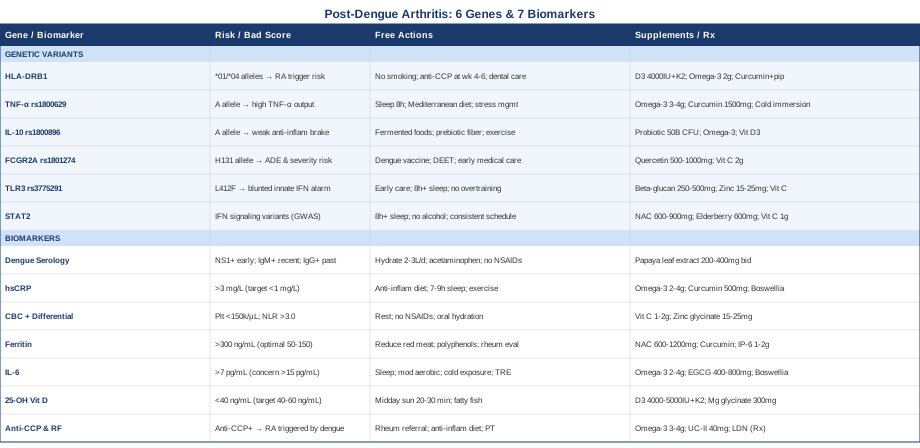
This article takes a more precise approach. Two frameworks guide it. The first covers seven measurable biomarkers — lab values that reveal the state of your immune response and joint inflammation in real time, with specific plans for when results fall outside the healthy range. The second examines six genetic variants that help explain individual differences in dengue severity and post-infectious arthritis risk, with evidence-based strategies for managing each. Both frameworks are built on human evidence, and both translate into practical steps.
The goal here is grounded hope. Not a cure, and no miracle protocol — but a clearer picture of what is happening in your body and what you can influence. Better data leads to better decisions, and in a condition where individual biology matters enormously, that difference is not trivial.
Summary
Post-dengue arthritis affects a significant percentage of dengue survivors and can last for months, yet it rarely receives the targeted management it warrants. This article maps out two frameworks for understanding it. The seven biomarkers covered include two that are rarely ordered in standard post-dengue follow-up but may be among the most informative: a cytokine marker directly linked to joint destruction and an antibody test that can distinguish simple reactive arthritis from a triggered autoimmune process requiring a completely different treatment path. The six genetic variants explored explain why the same dengue infection looks so different from person to person — with specific supplement, lifestyle, and monitoring plans for each risk allele. Beyond biomarkers and genetics, you will find a synthesis of research insights that challenge the conventional wait-and-see approach, four evidence-based complementary modalities with clinical data behind them, and practical dose ranges, cycling protocols, and side effect profiles throughout.
7 Biomarkers to Monitor When Dengue Meets Your Joints
Tracking the right numbers is the difference between guessing and knowing. Post-dengue arthritis involves a cascade of immune events — viral clearance, cytokine surges, molecular mimicry, and sometimes a transition toward chronic inflammatory arthritis. Each stage has measurable correlates. The seven biomarkers below offer a layered picture of what is happening, from confirming the dengue diagnosis to monitoring whether inflammation is resolving or entrenching. For each, you will find guidance on what to do when results fall outside the healthy range — with and without supplementation.
Biomarker 1: Dengue Serology — NS1 Antigen, IgM, and IgG
The first step in attributing joint pain to dengue is confirming the infection with precision. This matters more than it might seem, because dengue arthritis overlaps clinically with chikungunya, Zika, rheumatoid arthritis flare, and reactive arthritis from other triggers. Three markers tell the diagnostic story: NS1 antigen, dengue IgM, and dengue IgG.
NS1 is a viral protein secreted by dengue virus from day one of illness, peaking around days three to five. It is the best early-phase marker. Dengue IgM antibodies appear from day three to five and remain elevated for two to three months, marking recent primary infection. Dengue IgG appears slightly later and persists for years, indicating past exposure or a secondary infection with a different serotype. This distinction carries real clinical weight: secondary dengue infections drive a more intense cytokine response through antibody-dependent enhancement, and they are associated with higher risk of severe disease and more prolonged post-infectious joint inflammation. Research on dengue serology and diagnostic staging is extensive and underpins WHO diagnostic guidelines.
How to measure: NS1 rapid tests are available at most clinics in dengue-endemic regions, costing $10–50. Combined NS1 plus IgM/IgG ELISA panels typically run $30–80. WHO recommends NS1 testing in the first five days of illness, with serology from day five onward.
If the result is abnormal — without supplements: During active NS1-positive dengue, the priority is strict supportive care. Aggressive oral hydration (2–3 liters per day), acetaminophen for fever and pain — not NSAIDs (aspirin and ibuprofen increase hemorrhagic risk in dengue by impairing platelet function). Rest and daily platelet count monitoring. Avoid overexertion, which amplifies cytokine release.
If the result is abnormal — with supplements or equipment: Papaya leaf extract has been evaluated in several randomized trials for its ability to support platelet count recovery during acute dengue. A published RCT found statistically significant platelet recovery with standardized papaya leaf extract. Dose: 200–400 mg standardized extract or 5–10 mL of fresh leaf juice twice daily during acute illness. This is an adjunct, not a substitute for medical care. Side effects: generally mild GI discomfort. Discontinue once platelet count normalizes.
Biomarker 2: High-Sensitivity C-Reactive Protein (hsCRP)
Once the acute dengue phase passes, high-sensitivity CRP becomes the primary window into the inflammatory state that is driving joint pain. CRP is a liver-produced acute-phase reactant that rises within hours of tissue injury or immune activation. The high-sensitivity version of the test detects concentrations as low as 0.1 mg/L — standard CRP panels miss the low-grade inflammation relevant to post-viral arthritis.
In post-dengue arthritis, hsCRP typically remains elevated above 3 mg/L and can hold there for weeks to months. This matters because sustained CRP elevation correlates with joint damage progression in inflammatory arthritis of all types, and because it is a modifiable marker you can track longitudinally to assess whether your interventions are working. Peter Attia's framework targets hsCRP below 1.0 mg/L for long-term health. In post-dengue arthritis, values above 10 mg/L warrant closer clinical investigation.
How to measure: Standard lab test at virtually any clinical lab. Cost: $15–40. Always specify high-sensitivity CRP — standard panels are insufficiently sensitive. Recheck every four to six weeks during active recovery to track trajectory.
If the score is bad — without supplements: The most evidence-backed lifestyle approach to hsCRP reduction: a Mediterranean-pattern anti-inflammatory diet (emphasis on olive oil, fatty fish, colorful vegetables, polyphenol-rich foods; elimination of ultra-processed foods and refined seed oils); sleep optimization to seven to nine hours per night (poor sleep independently raises CRP by mechanisms unrelated to diet); moderate aerobic exercise at 30–45 minutes, five days per week, avoiding overtraining during the post-dengue recovery window; and consistent stress management through daily breathwork, walking, or similar practice.
If the score is bad — with supplements or equipment: - Omega-3 fatty acids (EPA + DHA): 2–4 g/day from fish oil or algae oil. Daily, continuously. Allow eight to twelve weeks for measurable CRP reduction. Side effects: fishy reflux (use enteric-coated, take with meals); blood thinning at doses above 4 g/day; mild GI discomfort. Optional cycling: three months on, one month off. - Curcumin with piperine: 500–1000 mg curcumin daily with 5–10 mg piperine (black pepper extract) for bioavailability. Take with a fatty meal. Side effects: GI discomfort in some; caution with anticoagulants at high doses. Cycle eight to twelve weeks, then reassess. - Boswellia serrata (AKBA-standardized, >30%): 300–500 mg three times daily. Well-documented anti-inflammatory action specifically for joint tissue. Side effects: mild GI upset; rare skin rash. Cycle eight to twelve weeks.
Biomarker 3: Complete Blood Count (CBC) with Differential
The CBC is the most important routine test both during active dengue and in the recovery period. Three components deserve specific attention for dengue arthritis.
Platelet count: thrombocytopenia (below 150,000/µL) is the hallmark of dengue fever and a direct severity marker. Severe drops below 20,000/µL indicate hemorrhagic risk requiring hospital monitoring. Platelet normalization during recovery signals that the acute viral phase is resolving and that joint-protective activity can be cautiously reintroduced. Neutrophil-to-lymphocyte ratio (NLR): calculated by dividing absolute neutrophil count by absolute lymphocyte count, an NLR above 3.0 during post-dengue recovery suggests persistent systemic immune activation. Persistent lymphopenia weeks after recovery may indicate immune exhaustion. Hematocrit: rising hematocrit during acute illness indicates plasma leakage and increased severity risk. Tracking the trend matters more than any single value. Research on CBC parameters in dengue prognosis consistently identifies these three components as the most predictive.
How to measure: Standard CBC at any clinical lab. Cost: $15–40. Daily during acute dengue; every two to four weeks during post-dengue arthritis recovery.
If the score is bad — without supplements: With platelet count below 50,000/µL: strict rest, no contact sports or activities with fall risk, no NSAIDs or aspirin, aggressive oral hydration, and medical monitoring for hemorrhagic signs. With persistent high NLR after dengue resolution: rule out secondary infection, prioritize anti-inflammatory diet, and optimize sleep (lymphocyte production is sleep-dependent).
If the score is bad — with supplements or equipment: - Vitamin C: 1–2 g/day during recovery, supporting platelet function, immune cell production, and vascular integrity. Well-tolerated; loose stools at very high doses (above 3 g/day). Reduce to 500 mg/day maintenance after normalization. - Zinc glycinate: 15–25 mg/day. Supports lymphocyte function and viral clearance. Maximum three months continuous use (copper depletion risk at higher doses or longer duration). Take with food; avoid on an empty stomach.
Biomarker 4: Ferritin
Ferritin is known primarily as a marker of iron stores, but it is also a potent acute-phase reactant and a direct marker of macrophage activation. In dengue fever, ferritin levels spike dramatically — often to 500–2000 ng/mL or higher during acute illness. Critically, ferritin that remains persistently elevated after the fever resolves can indicate macrophage activation syndrome (MAS) or an evolving hyperferritinemic inflammatory condition — both of which are associated with ongoing joint inflammation and require specific evaluation.
Optimal long-term ferritin: 50–150 ng/mL for men and post-menopausal women. Ferritin above 300 ng/mL at four or more weeks after dengue recovery warrants rheumatology evaluation to rule out adult-onset Still's disease, which can be triggered by or mimic post-dengue arthritis. Research on ferritin as a dengue severity and macrophage activation marker supports its use as a key recovery tracking tool.
How to measure: Standard lab test. Cost: $15–40. Measure at weeks four and eight after dengue recovery to confirm normalization.
If the score is bad — without supplements: Address the underlying inflammation first — persistently elevated ferritin usually reflects ongoing immune activation more than true iron overload. Reduce red meat and iron-fortified processed foods. Increase polyphenol-rich foods (green tea, pomegranate, berries), which can mildly modulate iron absorption. Request full rheumatology evaluation if ferritin remains above 500 ng/mL beyond week six of recovery.
If the score is bad — with supplements or equipment: - N-acetyl cysteine (NAC): 600–1200 mg/day. Supports glutathione production and reduces macrophage-driven oxidative stress. Cycle: four to eight weeks on, two to four weeks off. Side effects: GI discomfort; rare bronchospasm in asthmatics; avoid with active nitroglycerin use (hypotension risk). - Curcumin at the doses noted above: documented modulation of NF-κB and macrophage activation pathways relevant to hyperferritinemia. - IP-6 (inositol hexaphosphate): 1–2 g on an empty stomach, away from meals. Mild iron-chelating effect for overload states. Not a substitute for medical evaluation at very high ferritin levels. Side effects: generally mild.
Biomarker 5: Interleukin-6 (IL-6)
IL-6 is perhaps the most direct measure of the inflammatory driver behind post-dengue arthritis. It is a cytokine produced by immune cells, fibroblasts, and synovial tissue during both viral infection and joint inflammation. It drives CRP production, stimulates osteoclast activity (contributing to bone and cartilage damage), and maintains the chronic inflammatory state that keeps post-dengue arthritis from resolving.
During acute severe dengue, IL-6 concentrations can reach ten to fifty times normal levels. More importantly for joint recovery: IL-6 that remains elevated during the post-viral phase predicts prolonged joint symptoms and slower return to full function. Research linking IL-6 to dengue arthritis pathology consistently identifies it as a central mediator. Normal reference: less than 7 pg/mL. Values above 15–20 pg/mL during the post-viral phase warrant targeted intervention.
How to measure: Requires a specialized lab — not all standard panels include IL-6. Cost: $50–150 depending on lab. Multiplex cytokine panels including IL-6, TNF-α, IL-1β, and IL-10 together are available through functional medicine labs and offer a more complete picture. Best measured at weeks four to six after acute dengue.
If the score is bad — without supplements: Sleep quantity and quality is the highest-leverage non-pharmacological IL-6 intervention — IL-6 rises sharply with even one night of sleep deprivation and remains elevated with chronic restriction. Moderate aerobic exercise (three to five days per week, submaximal intensity) reduces resting IL-6 chronically, while overtraining elevates it — the distinction matters. Deliberate cold exposure (cold shower or immersion at 10–15°C for two to five minutes) acutely suppresses several pro-inflammatory cytokines including IL-6; best used as a daily practice during recovery, not during the acute febrile phase. Time-restricted eating and consistent fasting periods reduce resting cytokine levels.
If the score is bad — with supplements or equipment: - Omega-3 fatty acids at 2–4 g EPA/DHA/day: reduces IL-6 through prostaglandin E3 and resolvin pathways. Daily, eight to twelve weeks before assessing change. - EGCG (green tea extract): 400–800 mg/day standardized to >45% EGCG. Inhibits NF-κB, the transcription factor driving IL-6 gene expression. Take with food — empty stomach causes nausea. Cycle: eight weeks on, four weeks off. Side effects: caffeine sensitivity at high doses; hepatotoxicity risk above 1000 mg EGCG/day — stay below that threshold. - Boswellia serrata per dosing above: AKBA directly inhibits 5-lipoxygenase and NF-κB, reducing IL-6 and other pro-inflammatory mediators. Best combined with curcumin for additive effect.
Biomarker 6: 25-Hydroxyvitamin D (25-OH-D)
Vitamin D deficiency is common in dengue-endemic tropical and subtropical regions — paradoxically, because sun avoidance for mosquito protection, heavy clothing, and high melanin content in populations of African, South Asian, and Southeast Asian descent all reduce cutaneous vitamin D synthesis. This has real consequences for dengue arthritis because vitamin D is not simply a bone mineral: it is a steroid hormone that directly regulates hundreds of immune genes, modulates cytokine production, and is expressed in synovial tissue where it limits inflammatory amplification.
Studies from dengue-endemic countries have found that vitamin D deficiency (below 20 ng/mL) is associated with more severe dengue presentations, higher inflammatory cytokine levels, and longer recovery trajectories. Research on vitamin D and dengue outcomes has grown substantially and the mechanistic rationale is strong. Peter Attia's recommended optimal range: 40–60 ng/mL. Standard medical deficiency cutoff is below 20 ng/mL; insufficiency is 20–29 ng/mL. Most dengue arthritis patients benefit from targeting the upper half of the normal range.
How to measure: 25-OH-D blood test, widely available. Cost: $30–60. Measure at baseline and recheck after eight to twelve weeks of supplementation to calibrate dose.
If the score is bad — without supplements: Strategic sun exposure: twenty to thirty minutes of midday sun on large skin surface areas (arms, legs, back) daily when feasible. Midday is essential — morning and evening sun angles are insufficient for UVB-driven vitamin D synthesis at most latitudes. Dietary sources (fatty fish, egg yolks, UV-exposed mushrooms) contribute meaningfully but rarely correct a clinical deficiency alone.
If the score is bad — with supplements or equipment: - Vitamin D3 with K2: for levels below 30 ng/mL, 4000–5000 IU/day of vitamin D3 paired with 100–200 mcg of K2 (MK-7 form, which has the longest half-life). K2 directs calcium to bones rather than arteries, addressing the cardiovascular concern with high-dose D3. Daily, continuously. Recheck at eight to twelve weeks. Maintenance dose once in the 40–60 ng/mL range: 2000–3000 IU/day. Side effects: hypercalcemia at chronically excessive doses (above 10,000 IU/day); generally well tolerated at 4000–5000 IU. - Magnesium glycinate as essential cofactor: 300–400 mg/day in the evening (also supports sleep). Magnesium is required for vitamin D activation and is independently deficient in many people. Side effects: loose stools at high doses — glycinate and malate forms are better tolerated than oxide.
Biomarker 7: Anti-CCP Antibodies and Rheumatoid Factor (RF)
This biomarker pair serves a specific and clinically critical function: distinguishing reactive arthritis triggered by dengue — which typically resolves over three to six months — from dengue-triggered autoimmune arthritis (rheumatoid arthritis), which requires disease-modifying treatment to prevent joint destruction. This distinction has major implications for management and long-term outcome, yet it is frequently missed or delayed in post-dengue clinical follow-up.
There is documented evidence that viral infections including dengue can act as triggers for rheumatoid arthritis in genetically susceptible individuals, primarily through molecular mimicry — where immune cells trained against dengue viral proteins begin cross-reacting with joint-specific autoantigens, particularly citrullinated proteins. Anti-CCP antibodies are highly specific for RA (specificity exceeding 90%). A positive anti-CCP in someone with post-dengue joint pain persisting beyond ten to twelve weeks strongly suggests that dengue has triggered or unmasked RA rather than simple reactive arthritis. RF adds context when combined with anti-CCP and clinical presentation, though it is less specific alone. Research on post-dengue autoimmune arthritis and serological markers supports this testing approach in persistent cases.
How to measure: Standard serology panel. Cost: $30–80 for anti-CCP; $15–30 for RF. Best ordered at week six to eight if post-dengue arthritis is not resolving on its expected trajectory.
If the score is bad — without supplements: If anti-CCP is positive, rheumatology referral is the priority — this changes the clinical picture fundamentally. Begin an anti-inflammatory diet immediately. Document the joint involvement pattern (symmetric versus asymmetric, which joints, morning stiffness duration). Physical therapy to preserve range of motion while disease-modifying treatment is being initiated. Avoid long-term NSAIDs as a sole strategy — they do not modify the underlying disease course.
If the score is bad — with supplements or equipment: - Omega-3 fatty acids at therapeutic dose (3–4 g EPA/DHA daily): multiple meta-analyses demonstrate meaningful reductions in RA disease activity scores with omega-3 supplementation alongside standard care. Daily, continuous use (cycling not required for long-term RA management). Effect detectable at twelve or more weeks. - Type II undenatured collagen (UC-II): 40 mg/day on an empty stomach. Works through an oral tolerance mechanism to reduce immune reactivity to native joint collagen. Evidence is strongest in osteoarthritis, but the oral tolerance mechanism is biologically plausible for early autoimmune arthritis. Side effects: minimal; mild GI effects in some. - Low-dose naltrexone (LDN) — prescription required: 1.5–4.5 mg at bedtime. Emerging evidence for autoimmune inflammatory conditions. Reduces microglial and macrophage pro-inflammatory activation. Must be initiated through a prescribing physician; discuss within the context of the rheumatology evaluation. Side effects: vivid dreams in the first two weeks; rare sleep disruption.
With the biomarker picture established, it becomes easier to understand why some individuals are more vulnerable from the start. The next framework — genetic variants — provides the underlying biological explanation for those differences and opens up another layer of prevention and management.
6 Genetic Variants That May Shape Your Dengue Arthritis Response
Carrying a genetic risk variant is not a diagnosis or a destiny. These variants shift probabilities and biological tendencies — they explain why the same dengue exposure can cause minimal joint symptoms in one person and months of arthritis in another. The six genes below have all been studied in the context of dengue severity, immune activation, or post-infectious arthritis, with varying levels of human evidence. Direct-to-consumer genomic testing (23andMe, AncestryDNA) provides raw data that can be queried for many of these variants using tools like Promethease or SelfDecode.
Gene 1: HLA-DRB1 — Reactive Arthritis and Autoimmune Susceptibility
The human leukocyte antigen system is the genetic backbone of adaptive immunity. HLA-DRB1 alleles determine how your immune cells present foreign peptides (including dengue viral fragments) to T cells, and they are the strongest known genetic predictor of reactive and autoimmune arthritis risk following infectious triggers.
The shared epitope alleles (HLA-DRB1*01 and *04) are the classic rheumatoid arthritis risk variants. In individuals carrying these alleles, dengue infection is hypothesized to carry a higher risk of triggering post-viral autoimmune arthritis through molecular mimicry — where T cells activated against dengue peptides cross-react with citrullinated joint proteins. Other HLA variants (HLA-B*07, HLA-B*15) have been associated with dengue severity itself in Southeast Asian and Latin American cohorts. Research on HLA associations in dengue-related joint disease supports this framework, though the magnitude of risk is still being characterized.
If the gene has a risk allele — without supplements: Prioritize early anti-CCP testing if post-dengue joint pain persists beyond four to six weeks — catching triggered RA early significantly improves disease outcomes. Avoid smoking, which has one of the strongest known gene-environment interactions in rheumatology: smoking roughly doubles RA risk in HLA shared-epitope carriers. Maintain rigorous oral hygiene — periodontal pathogens (particularly Porphyromonas gingivalis) are documented triggers for citrullination-driven RA in genetically susceptible individuals. Preventive dental visits are not a trivial recommendation in this context.
If the gene has a risk allele — with supplements or equipment: - Vitamin D3 + K2: 4000 IU/day D3 with 200 mcg MK-7. HLA-associated autoimmune risk is modulated by vitamin D through its effect on regulatory T-cell differentiation. Long-term, continuous protocol with monitoring every six months. - Omega-3 fatty acids at 2 g EPA/DHA/day as long-term prevention: some epidemiological evidence for reduced RA conversion in high-risk individuals. Daily continuous use. - Curcumin + piperine at doses above: particularly relevant for HLA risk given curcumin's documented effects on NF-κB and citrullinated protein presentation in synovial tissue.
Gene 2: TNF-α rs1800629 — The High-Inflammation Promoter Variant
Tumor necrosis factor alpha is a central cytokine in both dengue pathogenesis and inflammatory arthritis. The rs1800629 A allele (the TNF2 allele, a G-to-A substitution at position -308 in the TNF-α gene promoter) is associated with significantly higher TNF-α production in response to immune stimulation. Carriers produce more TNF-α per unit of immune activation than non-carriers.
This has two consequences for dengue arthritis. During acute infection, high TNF-α correlates with hemorrhagic complications and more intense systemic inflammation. During the post-viral arthritis phase, elevated TNF-α drives synovial inflammation, stimulates matrix metalloproteinases that degrade joint cartilage, and sustains the cycle of joint destruction. Studies examining the TNF -308 polymorphism in dengue from Latin American and Southeast Asian cohorts support its association with dengue severity. The A allele frequency is approximately 10–15% in European ancestry populations and 3–5% in East Asian populations.
If the gene has a risk allele — without supplements: Sleep optimization has disproportionate importance here: TNF-α production spikes with sleep deprivation, and this genetic variant amplifies the response. Daily stress management practice (breathwork, meditation, time in nature) is meaningful — chronic HPA axis dysregulation ultimately amplifies pro-inflammatory TNF-α signaling. Mediterranean dietary pattern consistently reduces resting TNF-α levels across intervention studies. Avoid chronic infections through vaccination, hygiene, and dental health.
If the gene has a risk allele — with supplements or equipment: - Omega-3 fatty acids at the higher range (3–4 g EPA/DHA/day) for high TNF-α producers. Daily, continuous. Allow twelve weeks to see inflammatory marker changes. - Curcumin + piperine: 1000–1500 mg curcumin/day in divided doses. Curcumin is among the most extensively studied natural NF-κB inhibitors, directly upstream of TNF-α transcription. Cycle: eight to twelve weeks on, four weeks off. - Boswellia serrata (AKBA) at 500 mg three times daily. AKBA inhibits 5-lipoxygenase upstream of TNF-α signaling; best combined with curcumin for additive effect on this pathway. - Deliberate cold immersion (equipment: ice bath, cold plunge, or consistent cold shower): 10–14°C for ten to fifteen minutes, three to five times per week. Research consistently shows cold exposure reduces pro-inflammatory cytokine expression including TNF-α. This is a powerful and underutilized tool for TNF-α genetic high producers. Avoid during acute dengue febrile phase.
Gene 3: IL-10 rs1800896 — The Impaired Anti-Inflammatory Brake
Interleukin-10 is the counter-regulatory cytokine that limits and resolves the inflammatory cascade. Where TNF-α and IL-6 drive inflammation forward, IL-10 applies the brake. The rs1800896 A allele at the IL-10 gene promoter reduces baseline IL-10 production — meaning carriers have a weaker capacity to resolve the inflammatory response once it begins.
The consequences for dengue arthritis are direct: impaired IL-10 function allows the inflammatory cytokine cascade to run longer and stronger after dengue infection, which may explain prolonged post-infectious arthritis in carriers of this variant. Studies linking IL-10 polymorphisms to dengue severity have found that low-IL-10 genotypes associate with more severe outcomes including dengue shock and hemorrhagic fever. The arthritis connection is through the same impaired resolution mechanism.
If the gene has a risk allele — without supplements: Gut health optimization is the most important modifiable factor here — the gut microbiome is the largest regulator of IL-10 and regulatory T-cell production in the body. Fermented foods (yogurt, kefir, kimchi, sauerkraut), prebiotic-rich plant foods (leeks, garlic, chicory, asparagus), and high-fiber diverse plant-based intake all support IL-10-producing regulatory T cells. Regular moderate exercise consistently up-regulates IL-10 and regulatory immune function; overtraining has the opposite effect. Sleep remains critical — regulatory immune function is sleep-dependent.
If the gene has a risk allele — with supplements or equipment: - Multi-strain probiotic including Lactobacillus reuteri, Bifidobacterium longum, and Lactobacillus plantarum: these strains have the most consistent evidence for boosting IL-10 and Treg activity. 10–50 billion CFU/day, with food. Cycle: eight weeks on, then reassess; continuous use is reasonable. Side effects: initial gas or bloating, which typically resolves within two weeks. - Omega-3 fatty acids at standard dose: EPA/DHA also up-regulate IL-10 through resolvin pathways. Daily. - Vitamin D3 as noted: directly promotes Treg differentiation and IL-10 gene expression. Critical cofactor for IL-10 low producers.
Gene 4: FCGR2A rs1801274 — Antibody Enhancement and Secondary Dengue Risk
This variant affects Fc gamma receptor IIA (FcγRIIA), the surface receptor on immune cells that binds to IgG antibodies. The H131 allele (histidine at position 131) versus R131 (arginine) changes how efficiently macrophages and other immune cells bind dengue-antibody complexes. This is most relevant to antibody-dependent enhancement (ADE) — the mechanism by which pre-existing antibodies from a previous dengue serotype infection, rather than neutralizing a new serotype, actually facilitate viral entry into macrophages during secondary infection, amplifying the inflammatory cascade.
Studies from Thailand, Brazil, and Singapore have found associations between FCGR2A genotype and dengue severity, particularly for secondary infections. The FCGR2A-dengue literature supports this as a genuine severity modifier. For post-dengue arthritis, the connection is through severity amplification: more intense cytokine storm during dengue → greater joint tissue exposure → longer post-infectious inflammatory response.
If the gene has a risk allele — without supplements: Dengue vaccination where available is the highest-impact intervention for this genetic profile. Qdenga (approved in multiple countries) and Dengvaxia (for seropositive individuals) reduce secondary dengue risk and the ADE cascade significantly. This is a medical priority, not a supplemental recommendation. Mosquito protection remains essential — DEET (>20% concentration), permethrin-treated clothing, and elimination of standing water. Seek medical care early at first suspicion of dengue if you are known to have had a previous dengue infection — severity curves with FCGR2A risk can be steep.
If the gene has a risk allele — with supplements or equipment: - Quercetin with bromelain: 500–1000 mg quercetin with 100–200 mg bromelain (for absorption) daily. Quercetin has in vitro evidence for anti-dengue viral activity and reduction of the macrophage activation cascade relevant to ADE. Daily during dengue season; cycle eight weeks on, four weeks off during lower-risk periods. Side effects: mild headache initially; rare GI discomfort; avoid in pregnancy. - Vitamin C at 2 g/day during endemic-exposure periods: supports macrophage regulation and vascular integrity. Daily; well-tolerated at this dose.
Gene 5: TLR3 rs3775291 — Blunted Innate Antiviral Alarm
Toll-like receptor 3 (TLR3) is part of the innate immune pattern-recognition machinery. It detects double-stranded RNA produced during dengue replication and triggers the initial interferon-alpha/beta antiviral response — the body's first rapid-response alarm against viral invasion. The rs3775291 variant (leucine to phenylalanine substitution at position 412) impairs TLR3 function, reducing the efficiency and speed of this initial response.
Carriers mount a weaker early interferon alarm, allowing dengue more time to replicate before adaptive immunity catches up. This translates to greater viral load, a more intense compensatory adaptive immune response, and more tissue damage — all of which can prolong the post-infectious joint inflammatory response. Research on TLR3 and dengue is still developing, with predominantly in vitro and small cohort data to date — evidence is mechanistically plausible but should be interpreted with appropriate uncertainty.
If the gene has a risk allele — without supplements: Seek medical assessment early when dengue is suspected — the window before severe disease develops may be narrower with impaired innate immunity. Avoid overtraining and chronic psychological stress, both of which further suppress innate immune function. Sleep eight or more hours during any active illness — TLR3 expression and interferon production are both sleep-dependent and partially recover with rest.
If the gene has a risk allele — with supplements or equipment: - Beta-glucan (oat or yeast-derived): 250–500 mg/day. Primes innate immune cells (macrophages, natural killer cells, dendritic cells) for faster pattern-recognition responses. Evidence for improved immune preparedness in viral infection contexts. Daily, continuous use reasonable. Side effects: minimal. - Zinc glycinate: 15–25 mg/day per dosing above. Zinc is required for TLR3 expression and interferon signal transduction. Maximum three months continuous. - Vitamin C: 1–2 g/day during endemic season. Supports interferon production and NK cell activity. Daily. Reduce to 500 mg/day off-season.
Gene 6: STAT2 — Interferon Signaling Efficiency
Signal transducer and activator of transcription 2 (STAT2) is a key downstream effector in the interferon signaling pathway. After TLR3 or other pattern recognition receptors detect dengue RNA and trigger interferon release, STAT2 carries that signal into the cell nucleus and activates the antiviral gene expression program that puts cells into protective mode. Variants impairing STAT2 function mean cells are slower to mobilize their full antiviral response.
Genome-wide association studies in dengue cohorts have identified the interferon signaling pathway — including STAT2 and related genes like STAT1, IRF3, and MX1 — as among the most significant genetic determinants of dengue severity. Impaired STAT2 function allows greater viral replication, which then triggers a compensatory excessive adaptive immune response that is the hallmark of severe dengue and its complications, including prolonged joint inflammation. Evidence for specific actionable STAT2 variants is still emerging; interpret in conjunction with a physician or genetic counselor.
If the gene has a risk allele — without supplements: Sleep is the primary intervention: interferon signaling genes including STAT2 are among the most sleep-responsive in the human transcriptome. Chronic sleep restriction reduces measured interferon response capacity by 30–50%; STAT2 variants compound this deficit. Reduce alcohol, which directly suppresses interferon pathway activity at moderate consumption levels. Maintain consistent sleep-wake schedules — STAT2-mediated antiviral responses show strong circadian regulation.
If the gene has a risk allele — with supplements or equipment: - NAC (N-acetyl cysteine): 600–900 mg/day. Glutathione precursor that supports interferon pathway signal transduction. Cycle: four to eight weeks on, two to four weeks off. Side effects: GI discomfort; rare bronchospasm. - Elderberry extract (Sambucus nigra): 600 mg/day standardized extract. Clinical evidence for interferon-stimulating and antiviral activity, primarily studied in influenza. Use during dengue endemic season. Avoid during active autoimmune flares (potential over-stimulation). Cycle seasonally. Side effects: minimal at standard doses. - Vitamin C at 1 g/day: synergistic with NAC for interferon support.
Understanding the genetic landscape behind your immune response provides important context for why certain biomarkers are elevated and why certain people recover more slowly. The research community has also produced a growing body of practical insights that challenge the conventional approach to post-viral arthritis recovery — and these insights deserve attention of their own.
10 Research Insights That May Change How You Approach Dengue Arthritis Recovery
The Huberman Lab podcast — particularly episodes covering immune function, inflammation biology, and post-illness recovery — presents much of the following science in an accessible and actionable format. These insights span basic immunology, lifestyle medicine, and emerging research on post-viral syndromes. Several of them directly challenge the default clinical approach of passive rest and standard pain management.
1. Sleep Is an Active Immune Treatment, Not Passive Recovery
The view of sleep as merely "rest" is increasingly obsolete. During sleep, the immune system performs active maintenance functions: lymphocyte proliferation, cytokine balance recalibration, and clearance of cellular debris from inflamed tissues. Studies using total sleep deprivation show that even a single night of missed sleep elevates CRP and IL-6 comparably to low-grade chronic infection. For post-dengue arthritis patients, sleep duration and architecture are not soft recommendations — they are as mechanistically relevant as any supplement protocol. Targeting eight to nine hours with consistent timing and dark, cool sleeping conditions should be treated as a primary intervention, not a background variable.
2. The Cytokine Storm Has a Biological Off-Switch — and You Can Activate It
Inflammation does not simply "fade away" on its own — it is actively terminated by specialized lipid mediators called specialized pro-resolving mediators (SPMs), including resolvins, protectins, and maresins. These compounds are produced from EPA and DHA (the omega-3 fatty acids in fish oil) and are the mechanism behind omega-3's anti-inflammatory effects. Insufficient omega-3 status means the resolution phase of inflammation is incomplete and prolonged — the body lacks the biological instructions to turn off the cytokine cascade. This is why omega-3 supplementation is not just anti-inflammatory but specifically pro-resolving: it provides the building blocks for the biological signal that ends the inflammatory response. For post-dengue arthritis, this mechanism is particularly relevant.
3. Fever Is a Physiological Tool — Suppressing It Indiscriminately Has Consequences
There is growing research suggesting that moderate fever serves important antiviral functions: it accelerates immune cell activity, impairs viral replication directly through temperature effects, and stimulates heat shock proteins that support cellular repair. Aggressively suppressing fever with antipyretics during dengue — especially in the first 48 hours — may extend viral replication time and ultimately worsen inflammatory burden, including joint symptoms. The nuanced approach: use acetaminophen to prevent hyperpyrexia (above 39.5°C) and manage extreme discomfort, but not to eliminate every fever response. This is an evolving area that warrants patient-physician discussion rather than self-management.
4. The Gut Microbiome May Be the Most Underrated Variable in Dengue Recovery
Emerging research from Southeast Asian and South American cohorts shows that dengue infection significantly disrupts gut microbiome composition — reducing Lactobacillus and Bifidobacterium abundance, increasing pro-inflammatory species, and compromising gut barrier integrity. This gut dysbiosis has two consequences for joint health: it reduces IL-10 and regulatory T-cell production (the anti-inflammatory brake described in the IL-10 gene section), and it increases systemic lipopolysaccharide (LPS) translocation, which amplifies the systemic inflammatory response. Post-dengue microbiome restoration through fermented foods, prebiotic fiber, and targeted probiotics is under-recognized as a recovery strategy with joint-health implications. Research on dengue and gut microbiome disruption supports this connection.
5. Cold Exposure Has Documented Anti-Inflammatory Mechanisms Beyond the Placebo Effect
Deliberate cold water immersion (10–15°C for five to ten minutes) reproducibly reduces pro-inflammatory cytokine expression, increases norepinephrine (which has anti-inflammatory signaling properties), and activates cold shock proteins that promote tissue repair. A 2021 study showed that regular cold immersion reduces circulating IL-6 and TNF-α levels across several weeks of practice. For post-dengue arthritis specifically, implementing cold exposure after the acute febrile phase resolves — when fever-generating immune activity has stabilized — provides a non-pharmacological tool for cytokine suppression with a known physiological mechanism. Cold showers are sufficient; ice bath immersion is more potent but not required.
6. Moderate Exercise Accelerates Recovery; Overtraining Extends It
The evidence is consistent: moderate-intensity aerobic exercise (60–70% of maximum heart rate, 30–45 minutes, four to five days per week) reduces systemic inflammatory markers including CRP and IL-6 over six to twelve weeks. The mechanism involves increased IL-6 from muscle tissue (a different, anti-inflammatory IL-6 signal than the macrophage-derived IL-6 that drives arthritis), which stimulates IL-10 production and resolves inflammation. Overtraining has the opposite effect — sustained high-intensity exercise raises cortisol and maintains elevated inflammatory cytokines. For post-dengue arthritis, the prescription is clear: gentle reintroduction of movement (walking, gentle cycling, swimming) as soon as the febrile phase resolves, increasing to moderate intensity progressively. Avoid complete inactivity, which prolongs joint stiffness and inflammatory persistence.
7. Vitamin D Acts as an Immune Conductor, Not Just a Bone Nutrient
Vitamin D receptor (VDR) is expressed on virtually every immune cell type, including T cells, B cells, natural killer cells, macrophages, and dendritic cells. When vitamin D binds VDR, it modulates the transcription of genes involved in cytokine production, pathogen recognition, and regulatory T-cell differentiation. Research has found that VDR-deficient mice mount hyperinflammatory responses to viral infections and have impaired resolution. In human studies, vitamin D sufficiency (above 40 ng/mL) is consistently associated with lower baseline inflammatory markers and better post-infection recovery trajectories. For post-dengue arthritis, achieving and maintaining vitamin D sufficiency is among the highest-value interventions with the strongest mechanistic rationale and the most modifiable risk profile.
8. Chronic Stress Is a Direct Pathway to Prolonged Arthritis
The HPA axis response to psychological stress involves cortisol secretion, which has complex biphasic effects on inflammation: acutely anti-inflammatory, but chronically immunosuppressive in ways that paradoxically allow low-grade inflammation to persist. Chronic psychological stress reduces the sensitivity of immune cells to cortisol's anti-inflammatory signaling (glucocorticoid resistance), meaning high cortisol stops suppressing inflammation effectively. Multiple cohort studies have found that post-illness stress levels predict recovery trajectory for arthritis more strongly than many biomarkers. For post-dengue arthritis patients, addressing sleep, stress appraisal, and social support is not soft medicine — it has documented mechanistic impact on cytokine levels and recovery speed.
9. Early Joint Mobilization Outperforms Prolonged Rest
Orthopedic and rheumatology research consistently shows that joint immobilization during inflammatory arthritis — whether from dengue, injury, or autoimmune disease — promotes synovial thickening, cartilage atrophy, and fibrosis that worsens long-term outcomes. In contrast, gentle range-of-motion movement through the pain-free range promotes synovial fluid circulation, cartilage nutrition, and anti-adhesion signaling. The clinical implication for post-dengue arthritis: begin gentle joint mobility work (non-weight-bearing if needed initially) as soon as the acute febrile phase resolves. Full rest should be brief. Gentle yoga, water-based movement, and non-impact mobility routines are well-suited to this phase.
10. Molecular Mimicry Is Real and May Require Dietary Attention in Susceptible Individuals
Molecular mimicry — the mechanism by which immune responses against a pathogen cross-react with host tissue — is a documented driver of post-infectious arthritis, including after dengue. Dengue viral envelope proteins share structural similarities with certain human proteins expressed in joint tissue, which can cause dengue-trained T cells and antibodies to attack the synovium. Research has found that certain dietary proteins, particularly gluten and some legume lectins, can exacerbate molecular mimicry in genetically susceptible individuals by presenting cross-reactive epitopes to activated T cells. For HLA-DRB1 shared epitope carriers with persistent post-dengue arthritis, a trial elimination of major cross-reactive foods (gluten, primarily) for eight to twelve weeks is a rational and low-risk intervention that goes beyond what most clinicians suggest.
The research framework above points toward a multifaceted approach to post-dengue arthritis recovery. Several complementary modalities have accumulated enough clinical evidence to be worth examining in this specific context.
Evidence-Based Complementary Approaches for Post-Dengue Joint Recovery
The modalities below were selected specifically because they have meaningful human clinical evidence for inflammatory joint conditions and, in some cases, for post-viral recovery directly. Each is practical, low-risk, and additive to the biomarker and lifestyle framework already described.
Yoga
Yoga's value for inflammatory arthritis lies in its combination of gentle joint mobilization, controlled breathing (which modulates the autonomic nervous system and reduces systemic cytokine levels), and documented stress reduction. For post-dengue arthritis specifically, the post-acute recovery period is a well-matched phase for yoga practice: the joints need movement but not load, and the neuroimmune benefit is documented.
A 2019 meta-analysis published in Rheumatology International examining yoga for rheumatoid arthritis and other inflammatory arthritides found significant improvements in pain scores, joint mobility, and inflammatory markers (including CRP) compared to controls. Several RCTs within the review confirmed that consistent practice three to five times per week over eight to twelve weeks produced these benefits.
Practical protocol: begin with a restorative or gentle Hatha yoga practice of 30–45 minutes, three times per week, within two weeks of acute dengue resolution. Focus on range-of-motion sequences rather than strength-building initially (warrior poses, lunges, and high-impact sequences should be deferred until platelet counts normalize and joint tenderness substantially reduces). Progress to a more active Vinyasa or Ashtanga practice at six to eight weeks if tolerated. Online resources or a studio instructor familiar with therapeutic yoga are both appropriate access points.
Mindfulness Meditation and MBSR
Mindfulness-based stress reduction (MBSR) has a well-established evidence base for chronic inflammatory pain conditions, including arthritis. Its mechanisms operate through the HPA axis: consistent mindfulness practice reduces cortisol reactivity, improves glucocorticoid receptor sensitivity (reversing the stress-driven inflammatory amplification described earlier), and directly reduces circulating IL-6 in randomized trials. For post-dengue arthritis patients managing the psychological burden of a prolonged recovery, this double benefit — pain management and inflammation reduction — makes MBSR one of the higher-value complementary approaches.
A 2016 randomized controlled trial published in Annals of Internal Medicine on MBSR for chronic pain found significant reductions in pain intensity and functional limitation compared to both usual care and active control. Meta-analyses specific to inflammatory arthritis confirm that MBSR produces small-to-moderate reductions in disease activity measures and inflammatory markers. MBSR research in inflammatory arthritis is robust enough to support clinical recommendation alongside standard care.
Practical protocol: the standard MBSR program is eight weeks of weekly group classes plus daily home practice of 30–45 minutes. Full programs are available online for self-directed participation. For those unable to commit to a full program, a daily 20-minute body scan practice — downloadable from multiple evidence-based apps — has shown benefit in pain RCTs. Begin during the post-acute phase; consistency over six to eight weeks is the key variable.
Low-Level Laser Therapy (LLLT) and Photobiomodulation
Low-level laser therapy delivers photons at wavelengths of 630–1000 nm to targeted tissue, stimulating mitochondrial cytochrome c oxidase activity, increasing cellular ATP production, modulating local cytokine production, and reducing oxidative stress in inflamed tissue. For inflammatory arthritis of the joints — including reactive arthritis — LLLT has accumulated a clinically meaningful evidence base.
A Cochrane systematic review on LLLT for rheumatoid arthritis found statistically significant reductions in pain, morning stiffness, and grip strength compared to sham laser, with an effect size considered clinically meaningful. LLLT for inflammatory joint conditions is one of the better-supported physical medicine interventions. The Ottawa Protocol — a standardized LLLT application sequence for knee arthritis — provides a practical reference framework. Evidence for post-dengue arthritis specifically is limited; the data extrapolates from inflammatory arthritis broadly.
Practical protocol: LLLT is available through physiotherapy clinics, sports medicine practices, and some chiropractic offices. Consumer-grade red and near-infrared light devices (630–850 nm) are also available for home use ($100–400 for quality devices). For joint-specific application, target the affected joint directly for 10–15 minutes per session, three to five times per week for four to six weeks. Look for devices with combined red (630–670 nm) and near-infrared (830–850 nm) wavelengths — the combination penetrates more effectively to deep joint tissue. No known serious side effects at standard power levels; avoid direct eye exposure to the laser/LED beam.
Chinese Herbal Medicine
Several Chinese herbal compounds have been clinically studied for both dengue fever management and for inflammatory arthritis, making them relevant to the intersection of the two. Andrographis paniculata (known in Chinese herbal medicine as chuan xin lian) has the strongest evidence for antiviral and anti-inflammatory activity relevant to dengue. Multiple clinical trials in dengue-endemic countries have found standardized Andrographis extract to reduce fever duration, inflammatory marker levels, and recovery time compared to placebo. Tripterygium wilfordii Hook F (thunder god vine) has RCT evidence for inflammatory arthritis including RA, though its toxicity profile requires careful medical supervision.
A 2017 randomized trial published in a peer-reviewed tropical medicine journal confirmed that Andrographis extract significantly reduced dengue fever duration and platelet count recovery time compared to placebo. Research on Andrographis and dengue fever is more consistent than for most herbal interventions in this space. For the arthritis component, Andrographis has documented NF-κB inhibition and IL-6 reduction in both in vitro and human studies.
Practical protocol: standardized Andrographis extract 400–600 mg/day (standardized to >30% andrographolide content) for four to six weeks during the acute and early post-acute phase. Available as capsule supplements from verified manufacturers. Side effects: GI discomfort, reduced fertility at high doses (relevant consideration for anyone planning pregnancy); avoid in pregnancy. For Tripterygium wilfordii — given its toxicity profile (liver toxicity, reproductive toxicity at higher doses) — use only under supervision of a trained practitioner.
Microbiome-Directed Therapies
The gut-immune axis is one of the most clinically relevant but underaddressed aspects of dengue recovery. Dengue infection substantially disrupts gut microbiome composition — reducing protective species, damaging the intestinal epithelium, and elevating circulating microbial-derived inflammatory signals. This gut dysbiosis likely contributes to the persistence of systemic inflammation and joint involvement through both IL-10 reduction and LPS-mediated inflammatory amplification.
Microbiome-directed interventions — primarily probiotics, prebiotics, and fermented foods — have documented effects on inflammatory cytokine levels relevant to arthritis. A 2022 meta-analysis in Annals of the Rheumatic Diseases found that probiotic supplementation in inflammatory arthritis patients significantly reduced CRP and disease activity scores. For post-dengue arthritis, restoring gut microbiome composition after viral disruption offers a mechanistic pathway to resolving persistent inflammation. Research on microbiome interventions and inflammatory arthritis supports this approach.
Practical protocol: implement a multi-pronged gut restoration approach starting two weeks after acute dengue resolution. Daily intake of two to three servings of fermented foods (yogurt, kefir, kimchi, kombucha). High-fiber plant diversity: aim for 30 or more distinct plant species per week (spices, herbs, and vegetables all count). Targeted probiotic supplement including Lactobacillus reuteri, Bifidobacterium longum, and Lactobacillus plantarum at 20–50 billion CFU/day for eight weeks. Avoid antibiotics unless strictly necessary during recovery (they reset the microbiome restoration to zero). Maintain this protocol for twelve weeks post-dengue for optimal recovery of microbiome diversity.
Conclusion
Post-dengue arthritis is not a monolithic condition with a single treatment path. It is a biologically variable response to viral exposure, shaped by your cytokine genetics, your micronutrient status, the integrity of your gut immune axis, and the efficiency of your inflammation-resolution machinery. The seven biomarkers and six genetic variants covered here provide a framework that is more actionable than generic advice and more personalized than a one-size-fits-all protocol.
The clearest takeaways: get your hsCRP, vitamin D, and ferritin measured if you have lingering joint symptoms after dengue — these three alone will tell you significant things about your inflammatory state. Order anti-CCP serology at week six to eight if the arthritis is not clearly resolving, because the distinction between reactive and autoimmune arthritis is clinically decisive. Optimize sleep first, before anything else. And if your recovery is slower than expected, consider that your genetics — particularly TNF-α, IL-10, and HLA-DRB1 variants — may be working against you in ways that targeted supplementation and lifestyle strategies can meaningfully offset.
The smart next step is to work with a clinician who can order these tests and interpret them in your specific context. Bring this framework to that conversation. Precise questions lead to better investigations, and better investigations lead to the kind of personalized guidance that generic post-dengue advice simply cannot deliver.