This article contains AI generated content.
· UpdatedDesmoid Tumor of Knee Region — 6 Genes and 7 Biomarkers to Track
Introduction
Being told you have a desmoid tumor in or around your knee is disorienting in a very specific way. These tumors are not classic cancers, they do not spread through the bloodstream, yet they can invade local tissue aggressively enough to threaten function and quality of life. The information available to most patients sits somewhere between vague reassurance and alarming surgical case reports, leaving very little practical middle ground. If you have been searching for something more precise, this article is written for you.
The knee-region desmoid is a subset of what oncologists call extra-abdominal aggressive fibromatosis. Unlike abdominal desmoids, which carry a strong association with familial adenomatous polyposis, extra-abdominal tumors more often arise from spontaneous mutations in a single signaling gene called CTNNB1. The mutation type, the hormonal environment, the local inflammatory state, and individual connective tissue biology all influence whether a desmoid grows, stabilizes, or — in a meaningful proportion of cases — spontaneously regresses. Generic advice about "watching and waiting" or immediate surgery rarely accounts for any of these individual variables.
What has changed in recent years is the quality of molecular information available at diagnosis. Specific mutation subtypes now carry prognostic weight. Imaging biomarkers have improved. Targeted systemic therapies like sorafenib have been validated in randomized trials. Hormonal modulation strategies have a track record spanning decades. This is not a condition where you are passive. It is one where understanding the underlying biology can directly shape decisions about surveillance intervals, treatment timing, and lifestyle modifications that support a less favorable molecular environment for tumor growth.
The sections below address two parallel angles. The first maps the most informative biomarkers you can track longitudinally — including how to measure each, what an abnormal result means, and what evidence-based steps exist with or without supplements. The second covers the key genetic factors shaping tumor behavior, with similarly practical guidance. Beyond those, a book summary and complementary modality section round out a genuinely usable toolkit. The goal is simple: better information leads to better conversations with your care team and better decisions for your own biology.
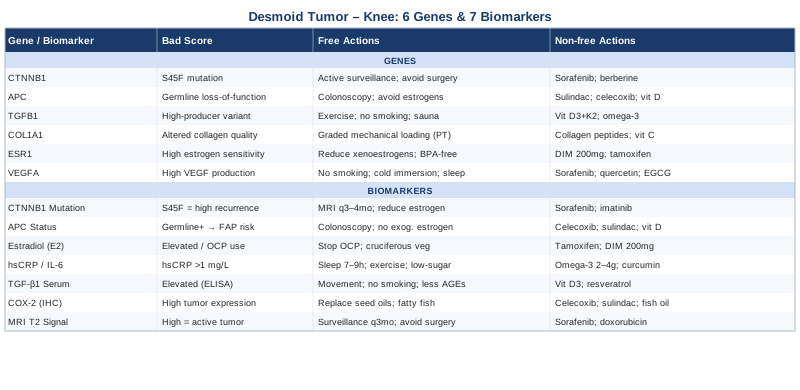
7 Biomarkers That Matter for Desmoid Tumor of the Knee Region
Biomarkers for desmoid tumors serve two distinct purposes. The first is diagnosis and prognosis — understanding what kind of tumor you have, how it is likely to behave, and which treatment pathways are rational. The second is longitudinal monitoring — tracking whether the biological environment is shifting toward stability or progression, independent of imaging alone. The seven biomarkers below represent the most clinically meaningful combination of genomic, serological, hormonal, and imaging markers currently available.
Biomarker 1: CTNNB1 Mutation Type
Why it matters: The CTNNB1 gene encodes beta-catenin, the central effector of the Wnt signaling pathway. In sporadic desmoid tumors, somatic mutations in CTNNB1 are present in approximately 85% of cases. Critically, the specific amino acid substitution determines recurrence risk after surgery. The S45F mutation carries substantially higher local recurrence rates compared to the T41A mutation, while S45P occupies intermediate risk. This is not academic: the mutation type is now a formal input into surgical decision-making at major sarcoma centers. Studies published by groups including the French Sarcoma Group have confirmed this prognostic stratification in surgical cohorts. More recently, active surveillance protocols have incorporated mutation type as a criterion for safe observation versus earlier intervention.
How to measure it: Tissue biopsy with targeted next-generation sequencing (NGS) or Sanger sequencing of CTNNB1 exon 3. Cost typically ranges from $200 to $600 depending on whether it is a standalone test or part of a broader tumor panel. This is a one-time genomic test done on the biopsy specimen, not a serial blood test. Some centers now use liquid biopsy (circulating tumor DNA) but sensitivity remains lower for desmoid tumors than for carcinomas.
If the mutation type is high-risk (S45F), the plan without supplements: Favor non-operative management as the first strategy unless the tumor is causing neurovascular compromise. High-risk mutation type suggests higher recurrence even after clean resection, which shifts the risk-benefit calculation away from surgery for stable or slow-growing tumors. Prioritize MRI surveillance every 3–4 months initially. Engage with a sarcoma multidisciplinary team experienced with desmoid-specific mutation profiling. Reduce pro-proliferative hormonal exposures (see estradiol biomarker below). Document any functional changes meticulously.
If the mutation type is high-risk, the plan with supplements or intervention: Sorafenib (a multikinase inhibitor targeting VEGFR, PDGFR, and Raf kinases) demonstrated significant progression-free survival benefit in a randomized controlled trial for advanced and refractory desmoid tumors. It requires prescription and oncology supervision. Imatinib (targeting PDGFR-β and c-Kit) has secondary evidence. Sulindac (an NSAID with anti-Wnt activity) combined with testolactone or tamoxifen has an older evidence base particularly for FAP-associated desmoids. These are not supplements — they are medications — but their evidence is stronger than most natural interventions for this specific pathway.
Biomarker 2: APC Mutation Status and Gardner Syndrome Screening
Why it matters: Germline mutations in the APC tumor suppressor gene cause familial adenomatous polyposis (FAP), and 10–20% of FAP patients develop desmoid tumors — most often intra-abdominal but occasionally extra-abdominal including in the extremities. If your desmoid tumor at the knee is APC-germline driven rather than sporadic CTNNB1-mutant, the management implications are profound: you and your first-degree relatives need colorectal cancer surveillance, other family members should be tested, and the systemic tumor biology differs. Missing this diagnosis carries serious downstream risk.
How to measure it: Germline genetic testing via blood or saliva using a multigene panel that includes APC. Cost ranges from $250 to $500 through commercial labs such as Invitae, GeneDx, or Ambry. Many insurance plans now cover hereditary cancer panels when criteria are met. Clinical criteria that warrant testing include a personal or family history of colorectal polyps, a younger age at desmoid diagnosis, or desmoids with mesenteric involvement.
If APC mutation is found, the plan without supplements: Establish care with a hereditary GI cancer specialist immediately. Begin annual colonoscopy with polypectomy. Refer first-degree relatives for testing. Avoid surgical trauma to the abdomen where possible, as mesenteric desmoids can be triggered by surgical stress in APC mutation carriers. Avoid estrogen-containing contraceptives, which may stimulate tumor growth via the Wnt pathway.
If APC mutation is found, the plan with supplements or equipment: Celecoxib (a COX-2 inhibitor) combined with chemoprevention protocols for FAP has the strongest evidence for reducing polyp burden and has been studied in FAP-associated desmoids. Sulindac, a non-selective NSAID, is frequently used as a secondary agent. Vitamin D supplementation targeting 25(OH)D levels above 50 ng/mL has plausible anti-Wnt mechanisms and low risk. Frequency: continuous COX-2 inhibitor use under physician supervision; vitamin D 2000–5000 IU daily year-round. Side effects of long-term NSAIDs include cardiovascular and GI risk — monitoring renal function and blood pressure is essential.
Biomarker 3: Estradiol and Sex Hormone Panel
Why it matters: Desmoid tumors disproportionately affect women, and there is a well-documented association with pregnancy, exogenous estrogen use, and premenopausal hormonal environments. Estrogen stimulates fibroblast proliferation partly through cross-talk with the Wnt/beta-catenin pathway. Tumor regression after menopause or after discontinuing hormonal contraception has been observed clinically. This is why anti-estrogenic strategies — tamoxifen, raloxifene, aromatase inhibitors — have been used as systemic treatments for desmoid tumors for over three decades.
How to measure it: Standard serum estradiol (E2), total testosterone, sex hormone-binding globulin (SHBG), and follicle-stimulating hormone (FSH). Cost: $60–$150 as a standard hormone panel. Best drawn on day 2–5 of the menstrual cycle in premenopausal women for baseline assessment.
If estradiol is elevated or hormonal exposure is ongoing, the plan without supplements: Discontinue combined oral contraceptives and discuss progestin-only or non-hormonal contraceptive alternatives with your gynecologist and oncologist together. Reduce dietary sources associated with systemic estrogen elevation: minimize alcohol (direct aromatase stimulator), prioritize cruciferous vegetables (indole-3-carbinol supports estrogen metabolism), maintain a healthy body weight (adipose tissue is the main peripheral aromatase source in postmenopausal individuals). Regular physical activity reduces circulating estrogens independently of weight.
If estradiol is high and lifestyle changes are insufficient, the plan with supplements or medication: Tamoxifen (a selective estrogen receptor modulator, SERM) at 20–40 mg/day is the most studied anti-hormonal agent for desmoid tumors and is used both as monotherapy and in combination. DIM (diindolylmethane, derived from cruciferous vegetables) at 200–400 mg/day promotes 2-hydroxy estrogen metabolism over the more proliferative 16-alpha pathway — evidence is indirect for desmoid tumors but mechanistically plausible and low-risk. Cycling: DIM can be taken continuously. Tamoxifen requires physician oversight; standard practice is continuous dosing with annual monitoring of uterine health and lipid panel. Side effects include hot flashes, mood changes, and a small increased risk of uterine cancer and thrombosis with tamoxifen.
Biomarker 4: Inflammatory Panel — High-Sensitivity CRP and IL-6
Why it matters: Chronic low-grade inflammation is not a cause of desmoid tumors in the way it is for some epithelial cancers, but the inflammatory tumor microenvironment matters for local disease behavior. Macrophage infiltration, cytokine signaling, and COX-2-driven prostaglandin production create a microenvironment that sustains fibroblast proliferation. Patients with elevated systemic inflammation often have more aggressive local behavior. High-sensitivity CRP (hsCRP) and IL-6 are the most actionable serum markers of this state.
How to measure it: hsCRP via standard blood test, cost $15–$40. IL-6 requires a slightly more specialized assay, $50–$100. Peter Attia recommends tracking hsCRP serially as one of the most cost-effective cardiovascular and metabolic markers; for desmoid patients, the same serial approach is useful for detecting inflammatory flares that may precede imaging-detectable progression.
If hsCRP is elevated (above 1 mg/L chronically), the plan without supplements: Address the root inflammatory drivers: optimize sleep (7–9 hours with consistent timing), reduce refined carbohydrates and ultra-processed oils (particularly omega-6-heavy seed oils), implement regular moderate aerobic exercise (150–200 minutes per week), and manage psychological stress through validated approaches. Each of these has documented hsCRP-lowering effects in human trials independent of pharmaceutical intervention.
If hsCRP remains elevated despite lifestyle, the plan with supplements: Omega-3 fatty acids (EPA+DHA combined 2–4 g/day) reduce IL-6 and CRP in multiple meta-analyses. Dosing is continuous; cycling is not needed. Curcumin with piperine (500–1000 mg/day of a high-bioavailability formulation) has anti-inflammatory effects via NF-κB inhibition. Magnesium glycinate (300–400 mg/day) addresses a common deficiency state that elevates CRP. Side effects of high-dose omega-3s include mild GI upset and theoretical bleeding risk at doses above 4 g/day; check with your physician if anticoagulants are being used.
Biomarker 5: TGF-β1 Serum Level
Why it matters: Transforming growth factor beta-1 (TGF-β1) is a central mediator of fibroblast activation and extracellular matrix deposition — the two biological processes that define desmoid tumor tissue. Elevated TGF-β1 creates a microenvironment that favors fibrosis, myofibroblast persistence, and resistance to apoptosis. While TGF-β1 is not yet a routine clinical biomarker for desmoid tumors specifically, its role in desmoid fibromatosis biology has been documented in preclinical studies, and serum levels can be measured as a proxy for systemic fibrotic drive.
How to measure it: ELISA-based serum or plasma TGF-β1, available through specialty labs. Cost: $80–$200. Total TGF-β1 (reflecting stored platelet form) must be distinguished from active TGF-β1. This is an emerging-use biomarker rather than a standard one — interpret with a functional medicine or integrative oncology specialist familiar with its limitations.
If TGF-β1 is elevated, the plan without supplements: Reduce sedentary behavior — low-intensity movement throughout the day significantly reduces systemic TGF-β1 signaling compared to prolonged sitting. Eliminate smoking if present (direct TGF-β1 upregulator). Minimize dietary advanced glycation end-products (AGEs), found predominantly in dry-heat cooked processed foods.
If TGF-β1 is elevated and not responsive to lifestyle alone, the plan with supplements: Pirfenidone and nintedanib are pharmaceutical TGF-β1 pathway inhibitors used in pulmonary fibrosis — they are relevant mechanistically to desmoid biology but are not standard-of-care for desmoid tumors and require specialist use. For supplemental approaches: vitamin D3 (targeting serum 25-OH-D above 50 ng/mL) inhibits TGF-β signaling in fibroblasts in cell studies. Resveratrol (500–1000 mg/day with fat-containing food for absorption) has TGF-β antagonist activity in fibrotic models. Cycling: both can be used continuously at these doses. Side effects are low at these ranges; high-dose resveratrol above 2g/day has GI tolerability issues.
Biomarker 6: COX-2 Tissue Expression
Why it matters: Cyclooxygenase-2 (COX-2) overexpression is documented in desmoid tumors and drives prostaglandin E2 production, which stimulates local fibroblast proliferation and creates an immunosuppressive microenvironment. COX-2 status in the biopsy specimen is not routinely reported at all centers but is a meaningful prognostic and therapeutic-targeting biomarker. Patients with high COX-2 expression represent the subgroup most likely to respond to COX-2 inhibitory strategies.
How to measure it: Immunohistochemistry (IHC) for COX-2 on the tumor biopsy specimen. Request this specifically from your pathologist — it may not be in the standard sarcoma panel at your institution. Cost: $100–$250 as an add-on stain. It is a one-time assessment at initial biopsy or at re-biopsy if behavior changes.
If COX-2 expression is high, the plan without supplements: Prioritize dietary approaches that lower prostaglandin E2 production: reduce dietary omega-6 linoleic acid (the primary substrate for PGE2 synthesis) by replacing seed oils with olive oil and animal fats; increase dietary EPA from fatty fish (EPA directly competes with arachidonic acid for COX-2 substrates). The Mediterranean dietary pattern has indirect relevance here.
If COX-2 expression is high, the plan with supplements or medication: Celecoxib (200–400 mg/day, prescription) is the most targeted intervention — a selective COX-2 inhibitor with the strongest evidence base in FAP-associated desmoids and reasonable use in sporadic high-COX-2 tumors. Sulindac (150 mg twice daily) is a non-selective alternative with a longer track record in desmoid disease specifically. Frequency: continuous with quarterly renal function and blood pressure monitoring. Side effects: cardiovascular risk with long-term selective COX-2 inhibitors; discuss risk stratification with your physician. Fish oil at high doses (3–4 g EPA+DHA/day) serves as a natural COX-2 substrate competitor and can be safely combined with dietary changes.
Biomarker 7: MRI T2 Signal Ratio
Why it matters: MRI is the imaging gold standard for desmoid tumors, and within MRI, the T2 signal intensity relative to surrounding muscle has emerged as a meaningful biological biomarker. High T2 signal indicates high water content, cellular proliferation, and inflammatory activity — an "active" tumor phase associated with rapid growth or early treatment response. Low T2 signal with hypointense fibrous tissue indicates a quiescent or regressing tumor. Serial T2 signal quantification is increasingly used to distinguish active disease from stable scarring without requiring interval growth for clinical decision-making.
How to measure it: Standard MRI with and without contrast (gadolinium); request quantitative T2 signal ratio analysis at institutions with dedicated soft tissue tumor imaging protocols. Standard MRI of the knee/thigh with soft tissue protocol: $800–$2000 depending on country and insurance. The T2/muscle signal ratio is a calculation done by the radiologist; specify this need when ordering or requesting the read. Dynamic contrast-enhanced MRI (DCE-MRI) adds more granular perfusion data and is used at academic sarcoma centers.
If T2 signal is high (active tumor phase), the plan without supplements: This finding typically warrants escalation of surveillance frequency to every 3 months with comparison to prior scans. Avoid surgical intervention during an active inflammatory phase if functionally tolerable — inflammatory-phase tumors often show partial spontaneous regression if managed conservatively. Strict monitoring of functional symptoms (range of motion, strength, pain with weight-bearing) is as important as imaging in the knee region.
If T2 signal remains high despite observation, the plan with intervention: An active T2 signal pattern in a symptomatic or progressively growing desmoid shifts the treatment decision toward systemic therapy. Sorafenib remains first-line in this context based on randomized trial data. Doxorubicin-based chemotherapy regimens are a second-line option for rapidly progressive disease. Low-dose interferon-alpha has historical data in desmoid management with a better long-term toxicity profile than chemotherapy, though response rates are lower.
The Genetic Architecture of Desmoid Tumors at the Knee
Understanding the genes that drive desmoid tumor development is not merely academic — specific variants predict tumor behavior, guide family screening decisions, and increasingly identify rational drug targets. The six genes below represent the most clinically relevant genetic factors for patients with desmoid fibromatosis of the knee region.
Gene 1: CTNNB1 — The Master Switch of Desmoid Biology
CTNNB1 encodes beta-catenin, the principal transcriptional activator of the Wnt signaling pathway. In normal tissue, beta-catenin is continuously tagged for degradation by a "destruction complex" that includes APC, AXIN, and GSK3β. Somatic point mutations in CTNNB1 at codons 41 or 45 render beta-catenin resistant to phosphorylation and degradation, causing its nuclear accumulation and constitutive activation of pro-proliferative target genes including cyclin D1 and c-Myc. The specific variant matters: T41A correlates with lower recurrence risk post-resection; S45F correlates with higher recurrence and more aggressive local behavior.
If the gene variant is high-risk (S45F), the plan without supplements: Avoid primary surgical management for stable tumors. A high-risk CTNNB1 variant combined with active surveillance is now a widely endorsed approach at specialized centers. Prioritize functional monitoring over size monitoring. Avoid pregnancy while tumor is active — estrogen/progesterone exposure potently amplifies Wnt pathway output in CTNNB1-mutant fibroblasts. Exercise at moderate intensity; high-intensity exercise that causes local tissue microtrauma near the knee region desmoid should be discussed with your surgeon.
If the gene variant is high-risk, the plan with supplements or equipment: Ivermectin has shown preclinical anti-Wnt activity in cell lines — this is early-stage research with no clinical trial data in desmoid tumors; not a standard recommendation but an area of ongoing investigation. Resveratrol and berberine both have preclinical evidence for Wnt pathway inhibition; berberine 500 mg twice daily can be cautiously considered as a low-risk adjunct. Cycling: 8 weeks on, 2 weeks off for berberine to limit potential GI adaptation. Side effects include GI upset; contraindicated in pregnancy.
Gene 2: APC — The Gatekeeper for Familial Risk
APC (adenomatous polyposis coli) encodes the scaffold protein at the center of the beta-catenin destruction complex. Germline loss-of-function mutations cause FAP, and a subset of FAP patients develop desmoid tumors — particularly those with APC mutations in the region between codons 1310 and 2011. The APC genotype predicts desmoid risk within FAP families: mutations at codon 1444 carry among the highest desmoid risk. For individuals with extra-abdominal desmoids who have not had FAP diagnosed, germline APC testing should be considered a baseline step.
If a germline APC mutation is found, the plan without supplements: Colorectal cancer surveillance becomes the medical priority alongside desmoid monitoring. Prophylactic colectomy timing is a nuanced decision made with a hereditary GI specialist. Within desmoid management: avoid surgical procedures to the abdominal region where feasible, as post-operative mesenteric desmoids are a known complication in APC mutation carriers. Physical training avoiding repetitive abdominal wall stress is prudent.
If a germline APC mutation is found, the plan with supplements or medication: Sulindac 150 mg twice daily has the strongest long-term evidence in FAP-associated disease, including some desmoid regression data. Celecoxib is an alternative or combination partner. Both require physician management and regular GI and cardiovascular monitoring. Vitamin D to high-normal serum levels (50–70 ng/mL) is a low-risk parallel intervention that modulates APC-pathway-adjacent transcription.
Gene 3: TGFB1 — The Fibrotic Amplifier
TGFB1 encodes TGF-β1, the dominant cytokine driving connective tissue fibroblast activation. While TGFB1 is rarely mutated in desmoid tumors per se, specific germline polymorphisms in its promoter region (particularly the -509C>T and codon 10 Leu>Pro variants) are associated with differential TGF-β1 production capacity. Individuals with high-producer TGFB1 variants may generate a more fibrosis-permissive microenvironment around connective tissue tumors, and these variants have been studied in the context of fibrotic disease broadly. Direct evidence specific to desmoid tumors and these SNPs is limited; this is an area where genome-wide association data are still accumulating.
If TGFB1 high-producer variants are present, the plan without supplements: Prioritize the dietary and lifestyle changes described under Biomarker 5 above. Resistance exercise, paradoxically, can reduce systemic TGF-β1 signaling in the long run when performed at moderate intensity; avoid local trauma to the tumor region. Sauna use (3–4 times per week, 15–20 minutes at 80–90°C) has early evidence for reducing systemic pro-fibrotic cytokines and may have peripheral relevance here.
If TGFB1 variants are high-risk, the plan with supplements: Vitamin D3 + K2 (5000 IU D3 + 100 mcg K2 MK-7 daily) targets TGF-β1 signaling at the transcriptional level. Omega-3 EPA+DHA at 3–4 g/day. Cycling: continuous for both. Side effects: vitamin D toxicity is possible above serum levels of 100 ng/mL; monitor annually.
Gene 4: COL1A1 — Structural Vulnerability in Connective Tissue
COL1A1 encodes the alpha-1 chain of type I collagen, the dominant structural protein of the tumor stroma in desmoid fibromatosis. Germline variants in COL1A1 affect collagen cross-linking, matrix organization, and local tissue stiffness — factors that influence the mechanical environment in which connective tissue tumors develop. While no COL1A1 variant is specifically linked to desmoid tumor initiation, certain Sp1-binding-site polymorphisms affecting COL1A1 expression have been studied in connective tissue disorders. Evidence for this gene in desmoid tumor specifically is mechanistically plausible but lacks direct clinical validation.
If COL1A1 variants suggest altered collagen quality, the plan without supplements: Focus on collagen quality through loading patterns: graded mechanical loading (progressive physical therapy, not rest) improves collagen organization in connective tissue. This is particularly relevant for the knee region where mechanical rehabilitation after surgery or during surveillance is unavoidable.
If COL1A1 variants are relevant, the plan with supplements: Hydrolyzed collagen peptides (10–15 g/day taken with 50–100 mg vitamin C, timed 30–60 minutes before loading exercise) has strong evidence for improving collagen synthesis in tendon and ligament models. Vitamin C at 1000 mg/day supports hydroxylation of proline and lysine residues essential for collagen cross-linking. Cycling: continuous at these doses. Side effects: minimal; high-dose vitamin C above 2 g/day may cause GI issues in some individuals.
Gene 5: ESR1 — The Estrogen Receptor Connection
ESR1 encodes estrogen receptor alpha (ERα), and germline variants in this gene affect how fibroblasts and stromal cells respond to estrogen signaling. Given the clear epidemiological relationship between estrogen exposure and desmoid tumor behavior, ESR1 variant status represents a biologically coherent individual risk modifier. Certain ESR1 PvuII and XbaI polymorphisms have been associated with differential fibroblast proliferation responses to estrogen. Direct desmoid-specific ESR1 variant data are limited, but the mechanistic chain from ESR1 → fibroblast proliferation → Wnt pathway amplification is well-established.
If ESR1 variants suggest high estrogen sensitivity, the plan without supplements: All of the hormonal reduction strategies described under Biomarker 3 apply here with added relevance. Monitoring exogenous estrogen exposure becomes a priority: scrutinize skincare and household products for estrogenic compounds (parabens, BPA, phthalates); use glass or stainless steel water containers; prioritize organic produce for the highest-pesticide items.
If ESR1 variants are high-risk, the plan with supplements: DIM and I3C from cruciferous vegetables support the 2-hydroxy estrogen pathway, reducing the relative proportion of 4- and 16-hydroxy metabolites that have more agonist activity at ERα. DIM 200–300 mg/day, continuous use, taken with food. Tamoxifen or raloxifene via prescription is the pharmaceutical analog for high-risk cases. Side effects of DIM: generally well tolerated; occasional headache at high doses; avoid in pregnancy.
Gene 6: VEGFA — Angiogenesis and Tumor Vascular Support
VEGFA encodes vascular endothelial growth factor A, the primary driver of tumor neovascularization. In desmoid tumors, VEGFA overexpression supports the vascular network that sustains tumor growth, and VEGF pathway inhibition is one of the mechanisms of sorafenib's efficacy in these tumors. Certain germline VEGFA promoter polymorphisms (particularly -2578C>A and -460C>T) influence baseline VEGF production and may affect how avidly a desmoid tumor recruits a vascular supply.
If VEGFA variants suggest high VEGF production, the plan without supplements: Avoid pro-angiogenic exposures: eliminate smoking definitively (potent VEGF upregulator), limit hypoxic conditions that stimulate HIF-1α (VEGF's transcriptional regulator), maintain adequate sleep (chronic sleep deprivation upregulates VEGF). Cold water immersion 3–4 times per week at 10–15°C for 3–5 minutes has evidence for reducing systemic VEGF signaling.
If VEGFA variants are high-producing, the plan with supplements or medication: Sorafenib (prescription, VEGFR-targeting multikinase inhibitor) directly addresses this pathway and is the only agent with RCT evidence in desmoid tumors. For non-pharmaceutical approaches: quercetin (500–1000 mg/day with food) has VEGF-inhibitory activity in preclinical studies; evidence is indirect but risk is low. EGCG from green tea extract (400–800 mg/day standardized) similarly has anti-angiogenic properties studied in multiple tumor types. Cycling for both: 8–10 weeks on, 2 weeks off is a reasonable precautionary approach. Side effects: quercetin may interact with CYP3A4-metabolized medications; EGCG at high doses has mild GI effects.
What "The Cancer Code" by Dr. Jason Fung Reveals About Wnt Signaling and Fibroblast Proliferation
The Cancer Code (2020) by nephrologist and metabolic researcher Dr. Jason Fung approaches cancer biology through the lens of evolutionary biology and cellular metabolism rather than somatic mutation alone. The book does not address desmoid tumors specifically, but its detailed treatment of the Wnt/β-catenin signaling pathway — the same pathway mutated in over 85% of sporadic desmoid tumors — makes several of its insights directly applicable. The following ten points summarize the most relevant concepts from the book for anyone managing a desmoid tumor.
Insulin as a Growth Pathway Amplifier
Fung documents insulin's role as a potent activator of the PI3K/mTOR cascade, which operates in parallel with and reinforces Wnt/β-catenin signaling. Chronically elevated insulin creates a permissive growth environment for cells that already harbor constitutively active beta-catenin. Reducing dietary glycemic load, intermittent fasting, and maintaining lean body mass are not vague wellness advice in this context — they are targeted interventions against a biologically identified growth amplifier.
The Hyperinsulinemia-Proliferation Link
The book synthesizes epidemiological and mechanistic data showing that insulin resistance — even without overt diabetes — correlates with worse outcomes across multiple tumor types. In the context of a CTNNB1-mutant desmoid, the practical implication is that optimizing insulin sensitivity is a rational parallel strategy to pharmaceutical management. Fasting glucose below 90 mg/dL and fasting insulin below 8 μIU/mL are the targets Fung advocates for tumor-biology-relevant metabolic optimization.
The Wnt Pathway as a Developmental Relic
Fung frames aberrant Wnt signaling not as a random malfunction but as the reactivation of a fetal developmental program. This framing explains why desmoid tumors behave as they do — they are essentially fibroblasts executing a wound-repair and tissue-growth program without the off-switch that normal tissue repair includes. Understanding this helps contextualize why anti-Wnt strategies need to be sustained rather than episodic.
The Soil Versus the Seed
One of the book's central metaphors is that tumor biology depends as much on the microenvironment (the soil) as on the tumor cell itself (the seed). For desmoid tumors, this translates directly: the inflammatory, hormonal, and metabolic environment determines whether a CTNNB1-mutant fibroblast clone remains dormant or expands. All of the biomarker and lifestyle interventions described in this article are, fundamentally, soil modification.
Fasting as a Wnt Pathway Brake
Fung cites multiple studies showing that fasting significantly reduces Wnt pathway output by lowering insulin, IGF-1, and mTOR activity simultaneously. Time-restricted eating (16:8 or 18:6 patterns) is his most accessible recommendation. For desmoid patients, this represents a low-cost, high-leverage metabolic intervention with a plausible mechanism and an excellent safety profile in otherwise healthy adults.
Chronic Inflammation as a Permissive State
The book treats chronic inflammation not as a secondary finding but as a primary enabling condition for abnormal proliferation. Fung synthesizes data showing that elevated IL-6, TNF-α, and NF-κB signaling each create pro-growth environments independent of somatic mutation. This is directly relevant to the CRP/IL-6 biomarker tracking described earlier.
The Obesity-Fibroblast Proliferation Connection
Adipose tissue is a source of circulating estrogens, pro-inflammatory cytokines, and leptin — all of which have fibroblast-stimulating activity. Fung's data on the tumor-promoting effects of excess adiposity reinforces why body composition optimization is a meaningful clinical target, not a cosmetic recommendation, for desmoid patients.
Sleep Deprivation Activates Growth Pathways
Sleep restriction of even moderate degree (6 hours/night vs. 8) significantly elevates IGF-1, insulin, and inflammatory cytokines in controlled human studies. Fung frames sleep optimization — consistent timing, darkness, temperature — as a biologically serious intervention for anyone managing a condition with Wnt pathway involvement.
Sugar and the Warburg-Adjacent Signaling Cascade
While the Warburg effect (preferential glycolysis even in oxygen) is more central to epithelial cancers than to desmoid fibromatosis, Fung's evidence on fructose-driven VLDL production and hepatic insulin resistance creating systemic pro-growth conditions is relevant. Eliminating added fructose from the diet (sugary drinks, fruit juices, high-fructose corn syrup) is one of his most evidence-backed dietary recommendations.
The Medication-Lifestyle Interaction
One of the book's clinically important messages is that pharmaceutical interventions against growth pathways are significantly more effective when the underlying metabolic environment is optimized first. For desmoid patients on sorafenib, imatinib, or anti-hormonal therapies, the background metabolic state modulates drug efficacy. This is not alternative medicine thinking — it is mechanistically coherent and increasingly acknowledged in precision oncology discussions.
Complementary Approaches with Clinical Evidence
The modalities below have the most meaningful human evidence for applications relevant to desmoid tumor management — primarily quality of life, pain, inflammation, and immune regulation. None are replacements for evidence-based tumor-directed therapy.
Mindfulness-Based Stress Reduction (MBSR)
MBSR is an 8-week structured program combining mindfulness meditation, body scanning, and gentle yoga developed by Jon Kabat-Zinn and now extensively studied in oncology populations. For desmoid tumor patients, psychological distress during the surveillance-vs-treatment uncertainty period is well-documented and undertreated. Chronic psychological stress elevates cortisol and catecholamines, both of which upregulate inflammatory cytokines including IL-6 and TNF-α — the same mediators that support the pro-growth microenvironment.
A meta-analysis of MBSR in cancer patients published in the Journal of Clinical Oncology confirmed significant reductions in anxiety, depression, and fatigue, with moderate improvements in inflammatory biomarkers including CRP. The evidence base is strongest for quality of life outcomes rather than direct tumor biology endpoints, but these are not trivial for a condition that often involves years of active monitoring.
For desmoid tumor patients in the knee region who face ongoing physical limitation and surveillance anxiety, a formal MBSR program (available in-person at most major medical centers and online via programs like Palouse Mindfulness) is a practical starting point. Frequency: 8-week structured course with daily 20–45 minute home practice; continuing informal practice afterward. Caution: MBSR is generally low-risk but not a substitute for medical management, and it is most effective when combined with appropriate tumor-directed treatment.
Low-Level Laser Therapy (Photobiomodulation)
Low-level laser therapy (LLLT), also called photobiomodulation (PBM), applies specific wavelengths of light (typically 600–1000 nm) to biological tissue to modulate cellular energy production via cytochrome c oxidase, reduce oxidative stress, and decrease pro-inflammatory cytokine signaling. In the context of connective tissue pathology, PBM has documented anti-fibrotic effects in multiple cell and animal models, including reduction of TGF-β1-driven fibroblast activation.
A human study on post-surgical fibrosis and scar tissue demonstrated that PBM reduced collagen deposition and improved functional outcomes compared to sham treatment. Evidence specifically in desmoid tumor tissue does not yet exist, but the anti-fibrotic mechanism is directly relevant to the TGF-β1 overexpression that characterizes desmoid stroma.
For practical application in the knee region: near-infrared devices (850 nm, 100–500 mW/cm²) applied to the peri-tumoral tissue 3–5 times per week for 10–15 minutes per session. Commercially available Class 2 devices (Joovv, PlatinumLED) allow home use. Caution: do not apply directly over an active or rapidly growing tumor without oncology team approval; the anti-inflammatory application is most appropriate for surrounding tissues and during a stable observation phase. Cost: $300–$800 for a quality home device. Side effects: minimal at recommended power levels; avoid eyes without appropriate shielding.
Breathing-Based Therapies
Slow, coherent breathing at approximately 5–6 breaths per minute activates cardiac vagal tone (measurable as heart rate variability), reduces sympathetic nervous system dominance, and acutely lowers cortisol and inflammatory signaling. For patients with chronic conditions involving surveillance anxiety and pain, breathing-based interventions represent a uniquely low-cost, high-availability tool with a strong neurobiological mechanism.
A randomized controlled trial on paced breathing in chronic pain populations — closely related to the persistent musculoskeletal pain common in knee-region desmoid patients — demonstrated significant reductions in pain intensity and pain catastrophizing compared to wait-list control. The mechanism involves both top-down cortical pain modulation and bottom-up reduction of sympathetically mediated inflammation.
For desmoid patients: the 4-7-8 breathing pattern (inhale 4 counts, hold 7, exhale 8) or box breathing (4-4-4-4) practiced for 10 minutes twice daily addresses both pain management and the inflammatory consequences of chronic stress. Apps including Insight Timer and Wim Hof Method (used cautiously — hyperventilation protocols are distinct and require different precautions) support structured practice. Frequency: twice daily indefinitely; no cycling needed. Side effects: lightheadedness with breath-holding protocols in some individuals — start conservatively.
Massage Therapy
Therapeutic massage reduces cortisol, increases parasympathetic tone, and has documented short-term reductions in substance P and IL-6 in musculoskeletal pain populations. For patients with a desmoid tumor in the knee region, the surrounding musculature frequently develops secondary tension, altered movement patterns, and lymphatic compromise — all of which contribute to pain and functional limitation independent of the tumor itself.
A systematic review of massage therapy in cancer care confirmed significant short-term pain reduction, anxiety reduction, and quality of life improvement across multiple tumor types and locations. Evidence specific to desmoid tumors is absent, but the peripheral musculoskeletal effects are generalizable.
Critical application caution for desmoid tumors: massage should never be applied directly to the tumor mass or to tissue overlying it. All work should focus on the quadriceps, hamstrings, calf, and hip musculature — the compensatory muscles that bear abnormal load during altered gait patterns. Lymphatic drainage massage by a certified manual lymph drainage therapist is particularly appropriate if there is any post-surgical lymphedema. Frequency: 1–2 sessions per week during periods of high pain or functional limitation; monthly maintenance. Cost: $60–$150 per session depending on practitioner and location.
Microbiome-Directed Therapies
The gut microbiome influences systemic immune regulation, estrogen metabolism, and inflammatory cytokine profiles in ways that are mechanistically relevant to desmoid tumor biology. Specifically, certain gut bacterial populations (the "estrobolome") regulate the enterohepatic recirculation of estrogen through β-glucuronidase enzyme activity, directly affecting systemic estrogen levels. Dysbiotic microbiome states have been associated with elevated inflammatory cytokines including TNF-α and IL-6.
A growing body of research connects microbiome diversity with reduced systemic inflammatory burden. While no trials have directly examined microbiome interventions in desmoid tumor patients, the downstream effects on estrogen availability and inflammatory tone are both relevant to the biology of these tumors.
Practical application: a Mediterranean-pattern diet with high diversity of fiber sources (30+ different plant foods per week) is the most evidence-based microbiome intervention available. Specifically for the estrobolome: flaxseed (1–2 tablespoons ground daily) provides lignans that modulate β-glucuronidase activity and support estrogen metabolism toward less proliferative pathways. Probiotic supplementation with strains including Lactobacillus acidophilus and Bifidobacterium longum at 10–50 billion CFU/day can support microbiome diversity but is less powerful than dietary diversity alone. Frequency: dietary changes are continuous and have the strongest evidence; probiotic cycling (3 months on, 1 month off) is a reasonable precautionary approach. Side effects: generally minimal; introductory GI adjustment with high-fiber increases.
Conclusion
Desmoid tumors of the knee region are genuinely complex conditions — but they are not opaque ones. The biology has been mapped with increasing precision, the key molecular drivers are identifiable at diagnosis, and the longitudinal biomarkers exist to track the environment in which these tumors either advance or stabilize. The gap between what a specialist visit can cover in 15 minutes and what the available science actually offers is large, and closing that gap is ultimately your job as an informed patient.
The most useful immediate steps: request CTNNB1 mutation typing on your biopsy if it has not been done, discuss germline APC testing if any family history of colorectal polyps exists, and ask your radiologist for a structured T2 signal assessment at your next MRI. From there, the inflammatory and hormonal biomarkers tracked serially over time give you a biologically grounded dashboard that no symptom diary alone can provide.
Work with a multidisciplinary team that includes a sarcoma oncologist, a geneticist if hereditary risk is present, and ideally a functional or integrative medicine physician comfortable interpreting these markers in parallel with standard oncology management. The information in this article supports that conversation — it does not replace it.
Cancer & Oncology Endocrine & Metabolic
Musculoskeletal: Joint Conditions
Autoimmune: Inflammatory Conditions Connective Tissue Conditions