This article contains AI generated content.
· UpdatedDown Syndrome Genes and Biomarkers — 6 Genes And 7 Biomarkers To Track
Introduction
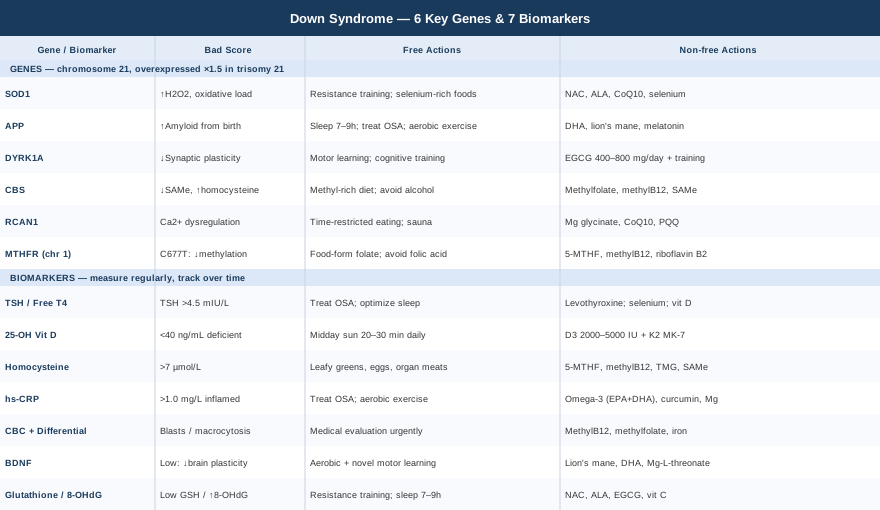
If your child, sibling, or someone you care for has Down syndrome, you are probably familiar with the routine of annual checkups, therapy appointments, and a general list of things to watch for. That guidance is not wrong — it is just incomplete. The gap between "watch for thyroid disease" and actually understanding what is driving thyroid dysfunction, why it is so common, and what to do about the underlying mechanisms is where most families and many clinicians currently sit.
Down syndrome is not caused by a broken single gene. It is caused by trisomy 21 — an extra copy of chromosome 21 — which means that every gene on that chromosome is overexpressed by approximately 50%. That is more than 500 genes shifted simultaneously. The downstream effects are systemic: altered oxidative stress handling, disrupted methylation chemistry, chronic immune activation, impaired neuroplasticity, and an elevated lifelong risk of Alzheimer's disease. Generic health advice was not designed with this complexity in mind, and it shows.
What this article does is take a different approach. It focuses on what can actually be measured and, in many cases, meaningfully improved: the specific biomarkers that provide the clearest window into how trisomy 21 is expressing itself metabolically and neurologically; the key genes on chromosome 21 that drive the most significant downstream effects; what cutting-edge Alzheimer's research reveals about protecting the DS brain long-term; and a selection of complementary approaches that have real human clinical data behind them.
None of this is about curing a chromosomal condition — that framing belongs to science fiction. What it is about is using better data to make sharper decisions. Knowing which biomarkers to track, what to do when they are off, and which evidence-backed interventions are worth prioritizing can meaningfully change health trajectories. That is the frame this article operates in.
7 Biomarkers That Reveal What Is Actually Happening
Lab tests are chronically underused in Down syndrome management beyond the basics. The challenge is not access — most of these markers are available through standard blood draws. The challenge is knowing which ones carry the most signal, what the numbers mean specifically in the context of trisomy 21, and what to do when results fall outside optimal ranges. These seven represent the clearest return on information per dollar spent.
1. TSH and Free T4: The Thyroid Panel That Deserves More Than Annual Attention
Thyroid dysfunction is the single most common endocrine condition in Down syndrome. Depending on age group, 15% to 40% of people with trisomy 21 are affected. The pattern is predominantly hypothyroidism — driven by autoimmune thyroiditis (Hashimoto's) in older children and adults, and by congenital hypothyroidism in newborns. The problem is not that clinicians do not know to screen for it. The problem is that the signs — fatigue, weight changes, cognitive dulling, reduced energy — can blend invisibly into the existing clinical picture of DS, leading to delayed or missed diagnoses.
How to measure it
A complete thyroid panel includes TSH, Free T4, Free T3, and TPO antibodies (thyroid peroxidase, to detect autoimmune activity early). Cost: $40–$100 out of pocket, often covered under preventive care. Current consensus guidelines recommend screening at birth, at 6 months, and annually thereafter throughout life. A TSH above 4.5 mIU/L with low-normal or low Free T4 confirms hypothyroidism. TSH alone is insufficient for full picture: some individuals have normal TSH with impaired T4-to-T3 conversion, which only appears when Free T3 is measured.
If the score is bad, the plan without supplements
The behavioral foundation starts with sleep quality — cortisol dysregulation from poor or disrupted sleep suppresses TSH production. Since obstructive sleep apnea (OSA) affects up to 50–80% of individuals with DS and directly disrupts sleep architecture, treating OSA — through adenotonsillectomy in children, CPAP in adults, or positional devices — can have a meaningful downstream effect on thyroid function. Reducing dietary goitrogens (large amounts of raw cruciferous vegetables, unfermented soy) limits additional thyroid suppression. Cold water exposure (brief cool showers, 2–3 minutes, 3–4 days/week) mildly supports thyroid activity through thermogenic signaling, though evidence for this is limited.
If the score is bad, the plan with supplements or equipment
When TSH remains persistently elevated above 5–6 mIU/L with symptoms, the standard treatment is levothyroxine — a prescription medication, not a supplement — managed by an endocrinologist with 6-to-8 week recheck intervals until stable. Alongside medical treatment, selenium (100–200 mcg/day as selenomethionine) has been shown in randomized trials to reduce TPO antibody levels in Hashimoto's thyroiditis, suggesting a meaningful anti-autoimmune effect. Selenium is also the cofactor for the enzyme that converts T4 to active T3. Vitamin D optimization (see below) is co-essential, since vitamin D deficiency independently worsens autoimmune thyroid disease. Selenium at these doses does not require cycling; monitor thyroid labs every 3 months until stable.
2. 25-OH Vitamin D: The Deficiency That Is Almost Universal
Vitamin D deficiency in Down syndrome is not an occasional finding — it is the baseline state without deliberate correction. Published studies report deficiency rates of 50% to 80% across pediatric and adult DS populations. Contributing factors include reduced outdoor activity, obesity (which sequesters vitamin D in adipose tissue), limited sun exposure, and possibly altered hepatic and renal metabolism. The consequences extend well beyond bone health: vitamin D is a pleiotropic hormone that regulates innate immune function, modulates inflammatory cytokine production, and plays an established role in neurodevelopment and neuroplasticity.
How to measure it
Serum 25-hydroxyvitamin D (25-OH D3) is the standard test. Cost: $40–$80 out of pocket. The optimal functional range is 40–60 ng/mL (100–150 nmol/L). The conventional "sufficient" threshold of 20 ng/mL represents the floor below which frank deficiency begins — not the target. Test twice per year (late winter and late summer) to capture seasonal variation, particularly in northern latitudes. Children with DS should be tested starting in infancy and annually thereafter.
If the score is bad, the plan without supplements
Daily outdoor midday sun exposure — 20 to 30 minutes with arms and legs uncovered, no sunscreen, during peak UV hours — is the most effective natural source. This is only viable at latitudes below approximately 40°N during summer months. In winter, or for individuals with limited mobility or severe light sensitivity, dietary sources (fatty fish, egg yolks, fortified foods) provide minor additional input. Physical activity outdoors compounds the benefit through both sun exposure time and indirect metabolic effects.
If the score is bad, the plan with supplements or equipment
Vitamin D3 supplementation at 2,000–5,000 IU/day, paired with vitamin K2 (100–200 mcg MK-7 form) to direct calcium into bone rather than soft tissue, is the evidence-based standard. Recheck levels at 3 months to confirm adequacy. For individuals with malabsorption issues — celiac disease is more prevalent in DS and impairs fat-soluble vitamin absorption — a narrowband UVB lamp (311 nm, 5–10 minutes 3x/week on skin) can substitute or supplement oral intake. Vitamin D toxicity is extremely rare at doses below 10,000 IU/day with regular monitoring; the main risk is hypercalcemia, which appears only with prolonged megadosing without bloodwork tracking.
3. Homocysteine: The Methylation Signal That Connects to Alzheimer's Risk
Homocysteine is a sulfur-containing amino acid that accumulates when the methylation cycle is disrupted. In Down syndrome, two forces converge on this marker. The CBS gene on chromosome 21 (cystathionine beta-synthase) is overexpressed, shunting homocysteine into the transsulfuration pathway rather than recycling it through the methylation cycle. Simultaneously, MTHFR polymorphisms — present in roughly 40–50% of the general population — further impair the remethylation step. The net effect is reduced production of SAMe (S-adenosylmethionine), the body's universal methyl donor for DNA methylation, neurotransmitter synthesis, and gene expression regulation. Elevated homocysteine is also an independent risk factor for Alzheimer's disease — which is deeply relevant given that adults with DS have near-universal amyloid accumulation by their 40s.
How to measure it
A fasting plasma homocysteine test costs $30–$60. The functional optimal target is below 7–8 µmol/L; conventional labs flag above 12 as high, but Thomas Dayspring's cardiovascular risk framework treats anything above 9 as worth addressing. Adding methylmalonic acid (MMA) clarifies B12 functional status independently of homocysteine. MTHFR genotyping is a one-time test (~$100–$150) that reveals whether C677T or A1298C variants are present and directly guides supplementation strategy.
If the score is bad, the plan without supplements
The dietary strategy prioritizes methyl donor foods: leafy greens (folate), eggs (choline and betaine), legumes, and organ meats (B12 and natural folate). Critically, foods fortified with folic acid — the synthetic form — should be limited in individuals with MTHFR variants, as unmetabolized folic acid accumulates and interferes with natural folate receptor function. Alcohol depletes B12 and folate rapidly and should be eliminated or minimized. Regular aerobic exercise improves insulin sensitivity, which supports methionine cycle efficiency indirectly.
If the score is bad, the plan with supplements or equipment
The targeted approach combines 5-MTHF (methylfolate) (400–800 mcg/day — the bioactive form that bypasses MTHFR entirely), methylcobalamin (B12, 500–1000 mcg sublingual daily), and TMG/betaine (500–1000 mg/day) as an alternative methyl donor. SAMe supplementation (200–400 mg/day on an empty stomach) directly replenishes the depleted methyl pool; start low as SAMe can cause mild agitation at higher doses. Cycling SAMe (5 days on, 2 days off) is reasonable for long-term use. Riboflavin (B2) at 10–20 mg/day acts as a key cofactor for MTHFR and has been shown in trials to lower homocysteine specifically in C677T homozygous individuals — an underappreciated, low-cost intervention. Recheck plasma homocysteine every 3 months until stable.
4. hs-CRP: Reading the Inflammatory Load
Chronic low-grade inflammation is a consistent biological feature of Down syndrome. Trisomy 21 overexpresses multiple immune-regulating genes, including those governing cytokine production, and many individuals with DS maintain a persistently elevated inflammatory baseline. High-sensitivity CRP (hs-CRP) is the most widely available inflammatory biomarker in routine medicine. Chronically elevated hs-CRP correlates with accelerated cognitive aging, metabolic dysfunction, and worsened cardiovascular health — all outcomes that matter significantly in DS as individuals move into adulthood.
How to measure it
hs-CRP is a standard blood test costing $20–$40, included in many preventive panels. The optimal target is below 1.0 mg/L; above 3.0 mg/L is clinically meaningful. Test only in the absence of acute illness, which temporarily elevates values and creates false signals. For a more sensitive picture, interleukin-6 (IL-6) can be added through specialty labs at $80–$150 — IL-6 is upstream of CRP and captures inflammatory signaling earlier. Peter Attia's longevity framework recommends hs-CRP as part of annual metabolic monitoring given its predictive power for long-term cardiovascular and cognitive risk.
If the score is bad, the plan without supplements
Sleep apnea treatment is the single most impactful anti-inflammatory step available for the DS population, given its extremely high prevalence. Addressing OSA consistently reduces inflammatory cytokines across sleep medicine studies. Regular moderate aerobic exercise (30 minutes, 4–5 days/week) has robust anti-inflammatory effects — not through suppression of the immune system, but through improved insulin sensitivity, reduced visceral adiposity, and increased anti-inflammatory IL-10 production. Removing ultra-processed foods and refined carbohydrates from the diet lowers insulin and reduces postprandial inflammatory signaling.
If the score is bad, the plan with supplements or equipment
Omega-3 fatty acids (EPA+DHA combined, 2–4 g/day from a high-quality triglyceride-form fish oil) carry the strongest evidence for reducing hs-CRP and IL-6 across multiple populations and conditions. Curcumin (500–1000 mg/day with piperine for absorption) has demonstrated anti-inflammatory effects in multiple RCTs. Magnesium glycinate (200–400 mg/day at bedtime) reduces inflammatory cytokines and simultaneously supports sleep quality — a two-for-one relevant to this population. Avoid high-dose single antioxidants such as isolated alpha-tocopherol, which has shown paradoxical effects in some trials. Recheck hs-CRP at 3 months following any dietary or supplemental intervention.
5. CBC With Differential: The Non-Negotiable Annual Baseline
No other test on this list carries the same surveillance urgency as the complete blood count with differential. Children with Down syndrome have a 10–20x higher risk of leukemia compared to the general pediatric population, specifically acute lymphoblastic leukemia (ALL) and acute megakaryoblastic leukemia (AMKL). Additionally, transient myeloproliferative disorder (TMD) occurs in up to 10% of DS newborns — a clonal blood disorder that typically resolves spontaneously but requires close monitoring since a subset progresses to leukemia. Separately, macrocytic anemia (enlarged red blood cells) appears more frequently in DS as a signal of B12 or folate deficiency.
How to measure it
A CBC with differential costs $20–$40 and is typically included in any comprehensive metabolic panel. Key values to review: hemoglobin and hematocrit (anemia detection), MCV (mean corpuscular volume) — elevated MCV points toward B12 or folate deficiency — and the white cell differential with particular attention to lymphocyte and monocyte counts and any presence of blast cells. Annual testing is the consensus standard in all major DS health guidelines. Any unexplained thrombocytopenia, lymphocytosis, elevated blasts, or persistent unexplained anemia warrants urgent hematology referral — not a wait-and-see approach.
If the score is bad, the plan without supplements
Abnormal CBC findings in Down syndrome — particularly anything suggestive of leukoproliferative changes — require prompt medical evaluation first. This is not a self-managed marker. For mild macrocytic anemia with elevated MCV, review dietary B12 and folate intake before initiating supplements. Hemoglobin low without macrocytosis should prompt separate ferritin and iron saturation testing to distinguish iron-deficiency from other causes. Always retest after any acute illness resolves, as infections transiently distort white cell counts.
If the score is bad, the plan with supplements or equipment
For confirmed macrocytic anemia from B12 or folate deficiency: methylcobalamin (1000 mcg sublingual/day) and methylfolate (800 mcg/day) — preferring methylated forms given the CBS and MTHFR considerations already discussed. For iron-deficiency anemia: ferrous bisglycinate (25–50 mg elemental iron/day with food) is significantly gentler on the gastrointestinal tract than ferrous sulfate, reducing the constipation and cramping that often disrupts compliance. Recheck CBC, ferritin, and reticulocyte count after 8–12 weeks to confirm hematologic response.
6. BDNF: The Brain Plasticity Marker Worth Tracking
Brain-derived neurotrophic factor (BDNF) is a protein that supports neuronal survival, dendritic growth, and long-term potentiation — the synaptic mechanism underlying learning and memory consolidation. In Down syndrome, serum BDNF is consistently reported below typical population levels, and the deficit appears to deepen with age, particularly in adults who develop Alzheimer's pathology. BDNF is also one of the most modifiable biomarkers in existence: its levels respond reliably to behavioral and nutritional interventions, making it a useful target and a genuine readout of neuroplasticity investment.
How to measure it
Serum BDNF (fasting, with standardized sample handling) is available through specialty and functional medicine labs. Cost: $150–$300, rarely covered by insurance. There is no universally standardized reference range, but lower-quartile values are consistently associated with worse cognitive outcomes in aging and neurodegenerative disease research. This marker is most useful as a longitudinal tracking tool — measuring at baseline, then retesting 6 months after implementing behavioral changes to quantify response. Functional practitioners following Peter Attia-style longevity protocols increasingly include this in annual cognitive health panels.
If the score is bad, the plan without supplements
Aerobic exercise is the most potent known BDNF stimulator in humans. A single moderate-intensity session (20–30 minutes of brisk walking or cycling at 60–70% max heart rate) acutely elevates serum BDNF, and consistent training over weeks raises baseline levels. Five days per week at this intensity is sufficient. Novel motor learning — activities that require new coordination patterns, such as dance, swimming, adaptive martial arts, or music instrument training — stimulates BDNF through activity-dependent neuroplasticity. Social engagement and cognitive challenge both appear to contribute independently.
If the score is bad, the plan with supplements or equipment
Lion's mane mushroom extract (Hericium erinaceus, 500–1000 mg/day of standardized extract) stimulates nerve growth factor (NGF) synthesis and has shown cognitive benefits in RCTs in older adults with mild cognitive impairment; evidence in DS specifically is limited but mechanistically plausible. DHA omega-3 (1–2 g/day) directly supports BDNF receptor signaling pathways in the brain. Magnesium L-threonate (2000 mg/day) is the only magnesium form shown to significantly cross the blood-brain barrier and has demonstrated improvements in synaptic density in animal models. Low-level photobiomodulation (red and near-infrared light applied transcranially, 810–830 nm, 10–15 minutes daily) has emerging evidence for increasing BDNF in brain tissue in early human pilot studies — purpose-built headsets are commercially available. None of these require cycling at standard doses; retest BDNF at 6 months.
7. Glutathione and 8-OHdG: The Oxidative Stress Readout
This may be the most underappreciated biomarker pair in Down syndrome. SOD1, encoded on chromosome 21, exists in three copies in trisomy 21. SOD1 catalyzes the conversion of superoxide radicals into hydrogen peroxide (H₂O₂). In typical biology, that H₂O₂ is quickly neutralized by catalase and glutathione peroxidase. But when SOD1 is constitutively overactive, H₂O₂ production outpaces clearance capacity, and oxidative damage to DNA, proteins, and mitochondrial membranes accumulates. The downstream biomarkers are measurable: elevated 8-OHdG (a marker of oxidative DNA damage detectable in urine) and depleted intracellular glutathione (the primary cellular antioxidant).
How to measure it
Urinary 8-OHdG is available through specialty labs such as Genova Diagnostics or Great Plains Laboratory; cost: $100–$200. Red blood cell glutathione (the intracellular compartment, which matters more than plasma glutathione) costs $80–$150 at functional labs. These are not available through most conventional labs and require a practitioner order. Bundled oxidative stress panels at functional labs often include both, along with lipid peroxidation markers (F2-isoprostanes), for better context at $150–$250 total.
If the score is bad, the plan without supplements
Oxidative stress in DS has an intrinsic component (SOD1 overexpression) that cannot be eliminated behaviorally — but the total oxidative burden can be meaningfully reduced. Eliminating fried foods, refined sugar, and trans fats from the diet removes the largest external sources of lipid oxidation. Resistance training — 2 to 3 sessions per week — upregulates endogenous catalase and glutathione peroxidase activity over weeks, directly addressing the H₂O₂ clearance bottleneck. Seven to nine hours of uninterrupted sleep allows cellular repair systems (including base excision repair that corrects 8-OHdG lesions) to operate at full capacity. Reducing environmental exposures (secondhand smoke, pesticide residues, heavy metals) lowers the background oxidative load further.
If the score is bad, the plan with supplements or equipment
N-acetylcysteine (NAC) (600–1200 mg/day) is the most direct glutathione precursor with strong mechanistic and clinical support; it is the most important starting point here. Alpha-lipoic acid (ALA) (300–600 mg/day) recycles both glutathione and vitamin C within the cell, creating a cascade of antioxidant regeneration — it has been studied specifically in the context of DS oxidative stress in animal models with promising results. Vitamin C (500–1000 mg/day) and vitamin E as mixed tocopherols (200–400 IU/day) complement the system; avoid high-dose isolated alpha-tocopherol. EGCG from green tea extract (400–800 mg/day) has a dual role here: antioxidant support and DYRK1A inhibition (detailed in the genetics section below). The TESDAD randomized controlled trial, published in Molecular Nutrition and Food Research, demonstrated cognitive improvements in adults with DS receiving EGCG combined with cognitive training over 12 months — the most rigorous human RCT data available for any supplement in this population. See TESDAD trial research on PubMed. NAC at therapeutic doses should be cycled (5 days on, 2 off) to prevent feedback inhibition of the glutathione synthesis pathway. Retest oxidative markers at 3–6 months.
Having mapped these seven biomarkers, the picture that emerges points consistently to underlying genetic mechanisms that can be understood more precisely. The section below examines the six genes most responsible for the physiological patterns described above.
What Chromosome 21 Actually Reveals: 6 Key Genes
The biomarker picture above is a downstream reflection of what is happening at the genetic level. Understanding the specific genes involved — not as abstract science, but as levers that connect to measurable outcomes — makes the interventions more rational and more predictable. These six genes represent the strongest current intersection of evidence, clinical relevance, and actionable biology.
SOD1: When the Antioxidant System Creates Its Own Bottleneck
SOD1 (superoxide dismutase 1) on chromosome 21 encodes the primary cytoplasmic antioxidant enzyme. Three copies mean SOD1 activity is roughly 50% elevated. The resulting excess hydrogen peroxide accumulation when downstream clearance enzymes cannot keep pace is the mechanistic root of the oxidative stress picture described in the biomarker section above.
If the gene is bad, the plan without supplements
The behavioral strategy targets catalase and glutathione peroxidase upregulation — the H₂O₂ clearance enzymes. Resistance training is well-documented to upregulate both. Adequate dietary selenium (from Brazil nuts, fish, eggs) supports glutathione peroxidase activity directly since both GPx and catalase are selenium-dependent metalloenzymes. Reducing the overall pro-oxidant load through dietary quality and sleep optimization reduces how much H₂O₂ needs to be cleared.
If the gene is bad, the plan with supplements or equipment
NAC, ALA, and EGCG directly address the H₂O₂ clearance bottleneck as described in the biomarker section. Selenium (100–200 mcg/day as selenomethionine) is the cofactor for both glutathione peroxidase and catalase — a targeted micronutrient intervention with a clear mechanistic rationale. Coenzyme Q10 (100–300 mg/day, ubiquinol form) supports mitochondrial antioxidant defense and reduces mitochondrial electron leakage, which is a secondary source of superoxide production. Selenium at standard doses does not require cycling; recheck urinary 8-OHdG at 3–6 months.
APP: The Alzheimer's Blueprint Embedded from Birth
APP (amyloid precursor protein) on chromosome 21 is among the most consequential genes in the DS context. Three copies produce chronically elevated levels of amyloid-beta peptides from birth. By age 40, virtually all adults with Down syndrome have Alzheimer's-type amyloid plaques and neurofibrillary tangles visible on imaging or at autopsy. Clinical Alzheimer's disease develops in approximately 30% of people with DS by age 50 and over 50% by their 60s. This is not a failure of care — it is the result of a 50% increase in APP expression running uninterrupted for decades.
If the gene is bad, the plan without supplements
The behavioral evidence from Alzheimer's prevention science applies directly here. Sleep quality — specifically 7–9 hours of uninterrupted sleep — is essential because amyloid clearance in the brain occurs primarily during sleep via the glymphatic system. Sleep apnea, which severely disrupts this clearance, is therefore a major amplifier of amyloid accumulation in DS and should be treated aggressively. Regular aerobic exercise increases BDNF (see above), reduces neuroinflammation, and has shown amyloid-lowering effects in multiple animal model studies. Sustained cognitive engagement throughout life builds cognitive reserve — the ability to tolerate pathological burden before clinical symptoms appear.
If the gene is bad, the plan with supplements or equipment
No supplement overrides APP triplication. However, several nutrients reduce amyloid-related pathology in human research: DHA omega-3 (2 g/day) has shown amyloid-attenuating effects in early Alzheimer's trials. Lion's mane extract reduces amyloid-induced neurodegeneration in animal models and has human evidence for cognitive protection. Low-dose melatonin (0.5–1 mg at bedtime) enhances glymphatic clearance during sleep and has demonstrated neuroprotective properties across multiple neurodegenerative disease models. Low doses are preferred to avoid receptor downregulation; cycling 5 days on, 2 days off is reasonable for long-term use.
DYRK1A: The Kinase That Can Be Targeted
DYRK1A (dual-specificity tyrosine phosphorylation-regulated kinase 1A) is a gene on chromosome 21 whose overexpression is considered a primary driver of the cognitive profile in DS. It regulates neuronal differentiation, synapse formation, cell cycle control, and hippocampal neurogenesis. When overexpressed, it impairs synaptic plasticity and reduces the formation of new neurons in the hippocampus. Importantly, DYRK1A is inhibitable — it can be pharmacologically targeted — which has made it the leading focus of pharmaceutical research in DS.
If the gene is bad, the plan without supplements
Motor learning activities — particularly those that combine aerobic demand with novel coordination, such as adaptive dance, swimming, or sports — activate hippocampal neurogenesis through pathways that partially counteract DYRK1A overexpression. Structured cognitive training, especially when paired with physical activity, has synergistic effects on hippocampal function. Animal model studies show that environmental enrichment (novelty, social stimulation, physical challenge) consistently rescues hippocampal deficits associated with DYRK1A overexpression.
If the gene is bad, the plan with supplements or equipment
EGCG (epigallocatechin gallate) is the most studied natural DYRK1A inhibitor. The TESDAD randomized controlled trial tested EGCG at 9 mg/kg/day in adults with Down syndrome alongside standardized cognitive training for 12 months. Results showed statistically significant improvements in inhibitory control and visual spatial memory — and the effect was specifically stronger when EGCG was combined with cognitive training, not used in isolation. This interaction detail matters: supplementation without behavioral activation appears less effective. The practical supplemental dose is 400–800 mg/day of standardized green tea extract (45–60% EGCG standardization). High doses above 1000 mg/day can cause liver enzyme elevation; stay within the evidence-supported range and cycle with 1 week off every 8 weeks. Monitor liver enzymes (ALT, AST) at 3-month intervals during use.
CBS: How Trisomy 21 Disrupts the Methylation Cycle
CBS (cystathionine beta-synthase), overexpressed by approximately 1.5x in DS, sits at a critical junction in the methionine cycle. Its overactivity diverts homocysteine into the transsulfuration pathway — producing cysteine and ultimately contributing to glutathione — instead of allowing homocysteine to be remethylated to methionine. The cost: depleted SAMe, the methyl donor required for DNA methylation, neurotransmitter synthesis, and countless other biochemical reactions. This is the genetic explanation behind the methylation-related findings seen in the homocysteine biomarker section.
If the gene is bad, the plan without supplements
Prioritize methyl-rich dietary foods: eggs, beets, leafy greens, organ meats, and legumes. The goal is to supply raw material to the methylation cycle from the dietary side. Avoid folic acid supplementation in favor of food-form folate. Reduce alcohol, which strips B vitamins rapidly. Regular exercise supports insulin sensitivity, which indirectly supports methionine cycle efficiency.
If the gene is bad, the plan with supplements or equipment
The targeted protocol: methylfolate (400–800 mcg/day), methylcobalamin (1000 mcg sublingual), TMG/betaine (500–1000 mg/day), and SAMe (200–400 mg/day on an empty stomach) to directly replenish the depleted methyl pool. Start SAMe at the lower end and titrate up gradually to minimize risk of mild agitation. Track plasma homocysteine to confirm that methylation is improving without overcorrecting. These supplements have no specific cycling requirements at standard doses; monitor at 3-month intervals.
RCAN1: Calcium Signaling and the Neurodegeneration Connection
RCAN1 (Regulator of Calcineurin 1) on chromosome 21 acts as a brake on calcineurin, a calcium-activated phosphatase involved in immune regulation, cardiac hypertrophy, and neuronal function. When RCAN1 is overexpressed, calcium signaling in neurons is dysregulated, mitochondrial function is impaired, and vulnerability to tau pathology increases. RCAN1 overexpression also contributes to cardiac muscle dysfunction — relevant given that congenital heart defects occur in approximately 40–50% of DS births.
If the gene is bad, the plan without supplements
Time-restricted eating (10–12 hour feeding window) activates mitophagy — the cellular quality-control process that removes dysfunctional mitochondria — and is a practical entry point with no cost. Aerobic exercise enhances mitochondrial biogenesis and improves calcium handling in both cardiac and skeletal muscle. Sauna sessions (15–20 minutes at 170–185°F, 3x/week) activate heat shock proteins that protect against mitochondrial stress and have shown cardiovascular benefits in prospective studies — where medically appropriate.
If the gene is bad, the plan with supplements or equipment
Magnesium glycinate (200–400 mg/day) supports cellular calcium-magnesium balance directly relevant to calcineurin activity. CoQ10 ubiquinol (100–300 mg/day) is the primary mitochondrial antioxidant and electron transport chain cofactor. PQQ (pyrroloquinoline quinone) (10–20 mg/day) stimulates mitochondrial biogenesis through PGC-1α activation. All are well-tolerated at standard doses without cycling requirements. For individuals with known congenital heart defects, cardiac function should be monitored through regular echocardiography alongside any supplemental protocol.
MTHFR: The Common Polymorphism That Compounds the Methylation Deficit
MTHFR is not on chromosome 21 — it encodes methylenetetrahydrofolate reductase on chromosome 1. But in the context of Down syndrome, a concurrent MTHFR polymorphism dramatically amplifies the CBS-driven methylation deficit already present. Approximately 40–60% of the general population carries at least one copy of the C677T variant, which reduces MTHFR enzyme activity by 30–65%. When CBS is also overexpressed, the combined effect on SAMe production and homocysteine metabolism can be significantly greater than either factor alone.
If the gene is bad, the plan without supplements
The key dietary shift is from folic acid (synthetic, requires MTHFR processing) to natural food-form folate: dark leafy greens, lentils, asparagus, avocado, and liver. Avoiding fortified foods containing folic acid is specifically important for homozygous C677T carriers, where unmetabolized folic acid blocks folate receptors and worsens the net folate status. This is a counterintuitive point that many standard nutrition recommendations miss.
If the gene is bad, the plan with supplements or equipment
5-MTHF (methylfolate) at 400–1000 mcg/day bypasses the MTHFR enzyme entirely. Pair with methylcobalamin since the two are interdependent in the homocysteine remethylation step. Add riboflavin (B2) at 10–40 mg/day — B2 is the MTHFR enzyme cofactor, and clinical trials have shown it independently lowers homocysteine in C677T homozygous individuals. This is one of the most cost-effective interventions in this space and frequently overlooked. Recheck homocysteine and MMA at 3-month intervals initially.
The genetic picture above — particularly the APP overexpression and its Alzheimer's implications — connects directly to a body of research that has changed how many neurologists think about brain aging. That research offers surprisingly applicable guidance for long-term brain health in Down syndrome.
What "The End of Alzheimer's Program" Reveals About Brain Health in Down Syndrome
The End of Alzheimer's Program by Dale Bredesen, MD, published in 2020 (follow-up to his 2017 original), presents the ReCODE protocol — a systems-medicine framework for reversing early Alzheimer's disease through simultaneous optimization of metabolic, hormonal, inflammatory, and nutritional factors. It draws on peer-reviewed research across neurology, endocrinology, and functional medicine, and has been applied in clinical settings with documented reversals of early cognitive decline.
Its relevance to Down syndrome is direct and significant. Because APP triplication creates near-universal Alzheimer's pathology in adults with DS by their 40s, the question of what factors accelerate or decelerate the progression from amyloid accumulation to clinical dementia is of central importance. Bredesen's framework — particularly its identification of modifiable contributors to Alzheimer's — maps precisely onto the biomarker and genetic territory already covered in this article. Here are the ten insights with the most direct implications for Down syndrome.
1. Alzheimer's Is a Metabolic Disease, Not Just a Plaque Disease
Bredesen's central argument — which has gained significant traction in the neurology research community — is that Alzheimer's represents the brain's protective response to multiple insults: inflammation, metabolic dysfunction, hormonal insufficiency, and nutritional deficiency. Amyloid is not the disease; it is a response. In DS, the baseline amyloid load is elevated by APP triplication, but whether and when it becomes clinical Alzheimer's is strongly influenced by these same modifiable factors.
2. Insulin Resistance Accelerates Amyloid Accumulation
The brain is profoundly insulin-sensitive, and insulin resistance — the impaired ability to respond to insulin signaling — dramatically accelerates amyloid deposition. Bredesen documents this as "type 3 diabetes" in the brain. People with Down syndrome have elevated obesity risk and a higher-than-average prevalence of insulin resistance, making metabolic health monitoring — fasting glucose, HbA1c, fasting insulin — a legitimate extension of the brain health tracking framework.
3. Sleep Apnea Is Not a Comfort Issue — It Is a Brain Health Crisis
Bredesen emphasizes sleep as the primary amyloid clearance window. The glymphatic system, which flushes amyloid and tau from the brain, operates almost exclusively during deep sleep. Obstructive sleep apnea fragments deep sleep and effectively shuts down glymphatic clearance. In Down syndrome, where OSA prevalence is 50–80% and amyloid accumulation is already baseline-elevated, untreated sleep apnea is among the most modifiable risk factors for Alzheimer's progression.
4. Homocysteine Above 9 µmol/L Predicts Cognitive Decline
Bredesen lists elevated homocysteine as one of the most reliably predictive biochemical markers for Alzheimer's risk — and its correction as one of the most responsive interventions. B12, methylfolate, and TMG consistently lower homocysteine. In DS, where CBS overexpression and MTHFR polymorphisms already compromise methylation, keeping homocysteine below 7 µmol/L is a direct brain-protective strategy aligned with the biomarker guidance above.
5. Thyroid Optimization Is Brain Optimization
Bredesen's protocol identifies subclinical hypothyroidism as a frequent and underappreciated contributor to cognitive decline — even when TSH is within the "normal" conventional range. His target for TSH is 1.0–2.0 mIU/L, not the conventional ceiling of 4.5. For DS, where autoimmune thyroid disease is endemic, the implication is that conventional "normal" thyroid function may still be suboptimal for brain health, and that pushing toward functional optimization — not just avoiding frank hypothyroidism — matters.
6. Vitamin D Below 40 ng/mL Is a Cognitive Risk Factor
Bredesen's protocol treats vitamin D as a neuroactive steroid, not just a bone-health nutrient. His optimal cognitive range is 50–80 ng/mL, significantly above conventional targets. Vitamin D receptors are expressed throughout the brain, modulating neurotrophin signaling and reducing neuroinflammation. Given the near-universal vitamin D deficiency in DS combined with the Alzheimer's risk from APP triplication, the case for pushing toward mid-range sufficiency in this population is compelling.
7. Omega-3 DHA Is the Primary Structural Fatty Acid for the Brain
DHA constitutes approximately 15% of the fatty acid content of the cerebral cortex. Bredesen's protocol consistently identifies low omega-3 index as a contributing factor to cognitive vulnerability. The omega-3 index (EPA+DHA as a percentage of red blood cell fatty acids) is a more stable long-term marker than serum omega-3 levels, and his target is above 8%. This can be tested at specialty labs and, along with the interventional guidance already described, represents a straightforward brain-supportive priority.
8. Aerobic Exercise Is the Closest Thing to a Disease-Modifying Intervention
Across Bredesen's protocol and the broader Alzheimer's prevention literature, aerobic exercise stands as the most consistently effective single intervention for reducing amyloid burden, increasing BDNF, improving insulin sensitivity, and improving sleep quality. In DS populations, regular exercise is often underemphasized relative to its therapeutic weight. The recommendation — 30+ minutes of moderate aerobic activity, 5 days/week — translates directly into every domain of this article's framework.
9. Early Intervention Closes a Window That Later Closes for Good
One of the most important clinical observations in Bredesen's work is that the ReCODE protocol shows much stronger results when applied in early or preclinical stages of cognitive decline than after significant neuronal loss has occurred. In DS, the implication is stark: the biomarker and genetic interventions described in this article are most impactful when implemented in childhood and young adulthood — before the amyloid burden has accumulated to clinical threshold. This reframes the conversation from reactive management to proactive investment.
10. Treating One Factor Is Not Enough — Simultaneous Optimization Is the Strategy
Bredesen's core methodological contribution is the multi-factor simultaneous approach: no single intervention is sufficient, but addressing multiple moderate contributors in parallel produces compounding, clinically meaningful effects. This mirrors precisely what the biomarker and genetics sections above describe — no single supplement or lifestyle change is a substitute for tracking and optimizing across the full metabolic, inflammatory, methylation, and neurotrophic picture.
Evidence-Based Complementary Approaches Worth Considering
Beyond biomarkers and genetics, several complementary modalities have accumulated human clinical evidence specifically relevant to Down syndrome — not as replacements for medical care, but as meaningful additions to a comprehensive approach. The three below have the strongest evidence-to-condition match.
Music Therapy
Music therapy is one of the oldest and most studied complementary interventions in developmental neurology. For Down syndrome specifically, it engages multiple overlapping systems simultaneously: motor sequencing, social cognition, language processing, emotional regulation, and hippocampal memory consolidation. Structured music therapy — typically 30–60 minutes per session, combining vocal production, rhythm, and movement — is not passive listening; it is active neurological training.
A systematic review published in the Journal of Intellectual Disability Research examined music therapy studies across developmental disabilities including DS and found consistent improvements in communication, social interaction, motor skills, and emotional expression — with the strongest effect sizes in studies using active musical participation rather than passive exposure. The American Music Therapy Association has published clinical standards specifically for developmental disabilities that guide program design.
In practice, the most accessible form is adaptive group music therapy with a certified music therapist (MT-BC credential), offered in educational and clinical settings 1–2 times per week. Many school-based programs include it. For individuals outside school systems, private sessions or music therapy-based community programs can be sought directly. The evidence base is moderate-to-strong for communication and social outcomes, and the side-effect profile is effectively zero — making it a high-value addition to any holistic DS support plan.
Microbiome-Directed Therapies
Gut health in Down syndrome has begun receiving serious scientific attention only recently. Research published between 2019 and 2023 has documented significant gut microbiome dysbiosis in DS populations — specifically reduced diversity, lower Lactobacillus and Bifidobacterium populations, and higher proportions of pro-inflammatory species — compared to neurotypical controls. This matters because gut microbiome composition directly influences systemic inflammation, immune regulation, and, through the gut-brain axis, neurotransmitter availability and cognitive function.
A study published in Scientific Reports (2020) characterized the gut microbiome in children with DS and identified dysbiotic patterns that correlated with immune dysregulation markers — providing direct mechanistic rationale for microbiome-targeted intervention. Earlier microbiome research in neurodevelopmental conditions has established proof-of-concept for probiotic intervention improving both GI symptoms and behavioral outcomes. Gut hypotonia in DS (reduced gut motility) further contributes to dysbiosis by altering transit time and fermentation conditions.
Practically, a starting protocol includes multi-strain probiotics with Lactobacillus and Bifidobacterium species (minimum 10 billion CFU/day, refrigerated for viability), daily prebiotic fiber from whole plant foods (onions, garlic, leeks, apples, oats), and removal of dietary emulsifiers and food dyes linked to gut barrier disruption. For cases with significant GI symptoms, stool microbiome testing through specialty labs (Genova, Viome) can guide more targeted probiotic selection. Evidence in DS specifically is still early-stage; results should be interpreted cautiously, but the safety profile of high-quality probiotics is excellent.
Breathing-Based Therapies
Respiratory issues are among the most prevalent physical health concerns in Down syndrome: upper airway hypotonia, narrow palate anatomy, enlarged adenoids and tonsils, and obstructive sleep apnea all compromise breathing mechanics. Breathing-based therapies — from Buteyko breathing retraining to diaphragmatic training and nasal breathing exercises — address the functional side of this picture by retaining proper breathing mechanics, improving CO₂ tolerance, and supporting sleep quality.
Research in OSA and pediatric populations (including children with hypotonia-related respiratory issues) has consistently shown that nasal breathing training and myofunctional therapy — exercises targeting the muscles of the tongue, jaw, and throat — can reduce airway collapsibility, decrease OSA severity, and improve sleep quality. A meta-analysis in the Journal of Clinical Sleep Medicine (2015) found that myofunctional therapy reduced OSA severity by approximately 50% in adults and 62% in children — reductions meaningful enough to reduce or eliminate CPAP dependence in some cases.
For DS, a protocol combining nasal breathing retraining (consistent nasal breathing during waking hours, mouth taping during sleep for those who can tolerate it), diaphragmatic breathing exercises (5–10 minutes morning and evening), and orofacial myofunctional therapy with a certified practitioner (typically 20–30 weekly sessions) addresses multiple respiratory vulnerabilities simultaneously. Side effects are minimal; the primary caution is ensuring that any breathing intervention is reviewed by the managing pulmonologist or ENT, especially in individuals with active OSA or cardiovascular conditions.
Conclusion
Down syndrome is a complex biological reality that does not yield to simple answers — but it is far more responsive to targeted, evidence-based action than standard health messaging suggests. The seven biomarkers covered here provide a genuine window into thyroid function, methylation status, inflammatory burden, neuroplasticity, and oxidative stress — all measurable, all partially modifiable. The six genes give a mechanistic framework for why those biomarkers behave the way they do in trisomy 21, and what can be done about them with and without supplementation. The broader Alzheimer's research context reframes the long-term brain health conversation as one that is best started decades before symptoms appear.
The next smart step is not doing everything at once. It is picking the highest-priority marker — thyroid function and vitamin D are the two lowest-hanging fruits — getting a current baseline, and working with a physician or functional medicine practitioner who is familiar with Down syndrome-specific physiology. Better data, consistently tracked, leads to better decisions. That is where sustainable progress begins.
Neurological: Memory & Cognitive Conditions
Mental Health: Neurodevelopmental Conditions
Endocrine & Metabolic: Thyroid Conditions
Autoimmune: Inflammatory Conditions
Cancer & Oncology: Blood Cancer