This article contains AI generated content.
· UpdatedDrug-Induced Lupus Genes and Biomarkers — 7 Biomarkers and 5 Genes to Track
Introduction
Drug-induced lupus sits in one of the most frustrating diagnostic blind spots in modern medicine. You take a medication in good faith — for heart rhythm, blood pressure, tuberculosis prophylaxis, or a bacterial infection — and months or years later develop fatigue, joint pain, pleuritis, and a rash that seems to come from nowhere. By the time the connection between the drug and the symptoms is made, many patients have already been through extensive testing, received wrong diagnoses, or started treatments for a condition they may not actually have. The lag between first exposure and first symptom is one of the primary reasons drug-induced lupus remains systematically underrecognized.
The standard guidance once the drug is identified is straightforward: stop it and monitor. For many people, that is enough. But for others, symptoms persist well beyond drug withdrawal, autoantibodies remain elevated for months or years, and the immune dysregulation outlasts the original chemical trigger by a wide margin. At this point, the generic advice — "it should resolve on its own" — leaves a real gap for anyone wanting to understand what is actually happening in their immune system and what can meaningfully be done about it.
What separates the person who develops drug-induced lupus from someone on the same medication who never does? The answer is substantially genetic. How efficiently an individual metabolizes and detoxifies certain drug compounds, which HLA alleles govern their antigen presentation, how well their T cells maintain epigenetic silencing of immune genes — these factors collectively determine susceptibility. Understanding them does not reverse what has already happened, but it provides a practical map for future medical decisions and targeted recovery strategies.
This article takes two main approaches. The first — and most immediately actionable — covers the seven biomarkers that matter most in drug-induced lupus: what each one reveals, how to measure it, what it costs, and what can realistically be done if a result is abnormal, with and without supplements. The second approach maps the five genes most strongly linked to DIL susceptibility, explaining both what the research shows and how to act on that information. Additional sections bring in a book that reframes genetic risk in a practical way, and three complementary approaches with meaningful clinical evidence for autoimmune conditions.
Summary
This article covers 7 biomarkers for monitoring drug-induced lupus — including anti-histone antibodies (the closest thing to a signature test for the condition), ANA with pattern, anti-dsDNA as a critical negative differentiator, complement C3/C4, complete blood count, inflammatory markers, and kidney function. For every marker, you will find measurement costs, what the result means, and concrete action plans with and without supplements. The 5 genes section explains why drug-induced lupus develops in some people and not others — covering NAT2 slow acetylation, HLA-DR4/DR2 immune presentation, DNMT1-linked DNA methylation disruption, CYP2D6 drug metabolism, and IRF5 interferon signaling — each with targeted lifestyle and supplement strategies. Beyond the genetics and biomarkers, the article looks at what Ben Lynch's work on "dirty genes" reveals about optimizing these pathways, followed by three evidence-supported complementary approaches including the Autoimmune Protocol. If you have been managing drug-induced lupus with only the advice to stop the medication and wait, this article offers a more complete and actionable framework.
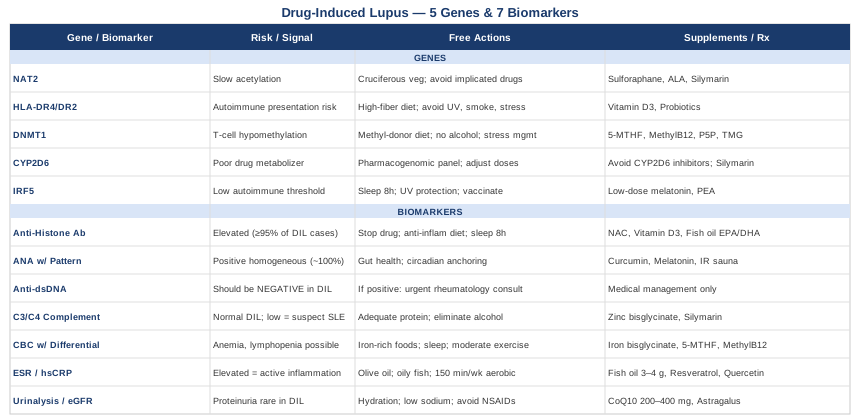
7 Key Biomarkers to Monitor in Drug-Induced Lupus
Monitoring the right laboratory markers in drug-induced lupus accomplishes three things simultaneously: it confirms the diagnosis, it differentiates drug-induced lupus from idiopathic systemic lupus erythematosus (SLE) — which requires a very different management approach — and it tracks whether the immune system is genuinely resolving after the causative drug is stopped. The seven biomarkers below are chosen based on specificity for the condition, clinical availability, cost, and the degree to which they can guide real decisions.
1. Anti-Histone Antibodies — The Signature Test
Why it matters: Anti-histone antibodies are present in approximately 95% of drug-induced lupus cases caused by procainamide and hydralazine, the two most studied causative agents, and in roughly 50–70% of cases from other implicated drugs. This makes them the most specific serological test available for the condition. By contrast, only 50–70% of idiopathic SLE patients test positive for anti-histone antibodies, which means a high titer in the context of drug exposure and lupus-like symptoms carries real diagnostic weight. Serial testing after drug discontinuation also serves as a recovery gauge — titers typically decline over six to twelve months, with the pace varying by drug and duration of exposure. Human studies confirming this pattern have been consistent for decades.
How to measure it: ELISA-based serum assay, ordered as "anti-histone antibodies" through any major clinical laboratory. No fasting required. Cost range: $60–$150 out of pocket; frequently covered when ordered in the context of a documented autoimmune workup.
If the score is bad — plan without supplements: The foundational intervention is medically supervised withdrawal of the offending drug. Alongside this, adopting a whole-food, low-inflammatory diet meaningfully reduces immune activation burden: emphasize vegetables, legumes, quality proteins, and cold-water fatty fish while eliminating refined carbohydrates, vegetable seed oils, ultra-processed foods, and excess alcohol. Consistent, restorative sleep of seven to nine hours per night is essential — sleep deprivation amplifies T-cell-mediated autoimmunity through well-documented circadian-immune pathways. Light, daily physical activity such as walking, stretching, and swimming maintains circulation without pro-inflammatory exercise stress.
If the score is bad — plan with supplements or equipment: N-acetylcysteine (NAC) at 600–1200 mg/day supports glutathione synthesis and assists hepatic detoxification of reactive drug metabolites; take with food and cycle five days on, two days off to avoid potential platelet effects with sustained use. Vitamin D3 at 2000–4000 IU daily, adjusted to maintain serum 25-OH-D between 50–70 ng/mL, modulates T-regulatory cell activity and has documented relevance to autoimmune tolerance. Fish oil (EPA/DHA) at 2–3 g/day provides anti-inflammatory fatty acid substrate that reduces the cytokine environment sustaining anti-histone responses; take with a fat-containing meal for optimal absorption.
2. ANA with Pattern and Titer — Confirming and Tracking the Diagnosis
Why it matters: Antinuclear antibodies (ANA) are positive in virtually 100% of active drug-induced lupus cases, making a clearly negative ANA at 1:160 or above nearly sufficient on its own to rule out the diagnosis. Equally important is the pattern: DIL typically produces a homogeneous (diffuse) nuclear pattern, reflecting antibodies against histones and chromatin rather than dsDNA or other nuclear antigens. Low-positive ANAs at 1:40 or 1:80 are common in healthy individuals — particularly as people age — and should not be interpreted as pathological without supporting symptoms and clinical context. Serial ANA titers over months after drug withdrawal provide one of the clearest windows into immune resolution; a declining titer indicates genuine de-escalation.
How to measure it: Indirect immunofluorescence (IIF) on HEp-2 cells is the gold standard. Most modern laboratory reports include both titer and pattern. Cost range: $30–$100. Widely available and typically among the first tests ordered when DIL is clinically suspected.
If the score is bad — plan without supplements: Beyond drug withdrawal, reducing ongoing immune provocation is the key lever. This includes addressing gut permeability — a silent amplifier of ANA production in autoimmune conditions — through a fiber-rich, low-lectin diet and reduction of gut-disruptive agents such as antibiotics and NSAIDs. Circadian anchoring through consistent morning light exposure and fixed sleep and wake times supports immune regulatory cell cycling. For some patients, structured food sensitivity elimination (particularly gluten and dairy over eight to twelve weeks) produces measurable ANA reductions, though individual response varies.
If the score is bad — plan with supplements or equipment: Curcumin with piperine at 500–1000 mg/day inhibits NF-κB, a central driver of ANA-associated immune activation; take with fat for best absorption and cycle six weeks on, two weeks off due to limited long-term data on sustained high doses. Low-dose melatonin at 0.5–2 mg at bedtime supports T-regulatory cell activity and circadian immune calibration — keep doses low, as doses above 5 mg may paradoxically activate certain immune pathways in susceptible individuals. Infrared sauna sessions three to four times per week at 45–55°C for 20 minutes support hepatic detoxification and may reduce systemic inflammatory load; avoid during active flares or febrile episodes.
3. Anti-dsDNA — A Critical Differentiator That Should Be Negative
Why it matters: Anti-double-stranded DNA antibodies are characteristically absent in drug-induced lupus and typically elevated in idiopathic SLE. This single distinction carries enormous clinical weight. In practice, a positive anti-dsDNA test in someone on a DIL-associated drug is a signal that either the drug has unmasked true underlying SLE in a genetically susceptible person, or the diagnosis of DIL is incorrect. Anti-dsDNA also correlates tightly with renal activity in SLE, which connects to the important observation that kidney involvement is uncommon in DIL — the anti-dsDNA/immune complex/glomerulonephritis axis that drives lupus nephritis is largely absent in the drug-induced variant.
How to measure it: ELISA or Crithidia luciliae immunofluorescence assay. Cost range: $40–$120. Typically ordered as part of a lupus antibody panel alongside ANA and anti-histone antibodies; no special preparation required.
If the result is unexpectedly positive: This warrants immediate rheumatology consultation. The management approach changes substantially — drug discontinuation remains appropriate, but a rheumatologist must evaluate whether true SLE is present and whether immunosuppressive therapy is indicated. No supplement strategy specifically addresses anti-dsDNA elevation. The focus shifts to medical management while maintaining the anti-inflammatory lifestyle framework described throughout this article.
4. Complement C3 and C4 — Confirming the Differential
Why it matters: Complement proteins are synthesized in the liver and form part of the innate immune defense. In idiopathic SLE, C3 and C4 are classically low because immune complexes deposit in tissues and consume complement through continuous activation. In drug-induced lupus, complement levels are typically normal or near-normal, because the immune complex deposition that drives complement consumption in true SLE is largely absent. Together with negative anti-dsDNA and positive anti-histone antibodies, normal complement levels complete the diagnostic picture that reliably separates DIL from SLE in most cases.
How to measure it: Serum C3 and C4 ordered as a pair. Reference ranges: C3 approximately 90–180 mg/dL; C4 approximately 16–47 mg/dL (lab-specific). Cost range: $30–$80 for both combined. Frequently included in standard rheumatology panels.
If the score is bad — plan without supplements: Low complement in suspected DIL is unusual and should trigger diagnostic reconsideration rather than a supplement protocol in the first instance. If genuinely low complement is confirmed in the context of DIL, supporting hepatic synthesis matters: ensure adequate dietary protein (at least 1.0 g/kg/day), reduce alcohol intake entirely, and minimize hepatotoxic drug exposures. Complement proteins are made in the liver, so hepatic health directly governs their production.
If the score is bad — plan with supplements or equipment: Zinc bisglycinate at 15–25 mg/day supports complement synthesis pathways and general immune enzyme function; take in the evening with food and cycle six to eight weeks on with periodic monitoring (zinc competes with copper at higher sustained doses). Silymarin (milk thistle extract) at 140–420 mg/day standardized to silymarin content supports hepatocyte function and may indirectly support complement production; generally well-tolerated at these doses without a strict cycling requirement.
5. Complete Blood Count (CBC) with Differential
Why it matters: Drug-induced lupus can cause autoimmune hemolytic anemia, leukopenia — particularly lymphopenia — and less commonly thrombocytopenia. A complete blood count with differential is a low-cost, high-yield screening tool that detects these abnormalities early. If hemolytic anemia is suspected, a direct Coombs test should be added to confirm the autoimmune mechanism: a positive result indicates the immune system is tagging its own red blood cells for destruction. The CBC also serves as a longitudinal tracker — blood count normalization within months of drug cessation is expected, and persistent abnormalities after six months warrant further evaluation.
How to measure it: Standard CBC with differential is one of the most routine and accessible lab panels available. Cost range: $15–$50. Direct Coombs test if clinically indicated adds $20–$60. No fasting required.
If the score is bad — plan without supplements: For anemia, dietary strategy focuses on iron-rich foods (grass-fed beef, lamb, dark leafy greens, lentils, tofu) combined with vitamin C-rich foods at the same meal to enhance non-heme iron absorption. For leukopenia, optimizing sleep is the most impactful intervention — white blood cell production is tightly regulated by circadian biology. Moderate aerobic activity is preferable to high-intensity training during active hematological abnormalities, as intense exercise can transiently suppress lymphocyte counts.
If the score is bad — plan with supplements or equipment: Iron bisglycinate at 25–50 mg/day taken with 250 mg vitamin C enhances absorption if iron-deficiency anemia is confirmed — never supplement iron without confirmed deficiency, as excess iron is pro-oxidant and can worsen immune dysregulation. Methylfolate (5-MTHF) at 400–800 mcg/day supports red blood cell maturation and is better tolerated than folic acid for individuals with MTHFR variants. Methylcobalamin (B12) at 1000 mcg/day sublingually supports hematopoiesis and is frequently deficient in patients on multiple medications; well-tolerated and inexpensive to address.
6. ESR and High-Sensitivity CRP — Tracking the Inflammatory Load
Why it matters: Erythrocyte sedimentation rate (ESR) and C-reactive protein (CRP) are non-specific but practically valuable indices of systemic inflammatory burden. Both are typically elevated during active drug-induced lupus. Their behavior offers useful context: in lupus-spectrum conditions, ESR tends to rise disproportionately relative to CRP compared to bacterial infections, where CRP spikes sharply. High-sensitivity CRP (hsCRP) is the preferred form for chronic monitoring because it captures low-grade persistent inflammation that standard CRP assays often miss. Serial measurements over months post-drug withdrawal provide a low-cost, accessible way to confirm that the inflammatory process is genuinely resolving.
How to measure it: Both tests are widely available at any clinical laboratory. Cost range: $20–$60 for both together. hsCRP is the preferred CRP form for non-acute monitoring. No fasting is required, though a recent acute infection can transiently elevate CRP in a way that is unrelated to DIL activity.
If the score is bad — plan without supplements: Dietary anti-inflammatory strategies have the strongest behavioral evidence for CRP and ESR reduction. The specific changes with the most consistent data: replacing refined seed oils with extra-virgin olive oil, increasing polyphenol intake through colorful vegetables and berries, reducing added sugar below 25 g/day, and eating cold-water fish (salmon, sardines, mackerel) at least three times per week. Randomized clinical trials consistently show CRP reductions with dietary omega-3 increases. Structured moderate aerobic exercise at 150 minutes per week is independently associated with 20–35% CRP reductions in published meta-analyses.
If the score is bad — plan with supplements or equipment: Pharmaceutical-grade fish oil (EPA/DHA) at 3–4 g/day has the strongest evidence of any single supplement for CRP reduction; take with a fat-containing meal and monitor for platelet effects at the higher dose range. Resveratrol at 250–500 mg/day shows anti-inflammatory effects in human trials via SIRT1 and NF-κB inhibition; cycle eight weeks on, four weeks off due to limited long-term safety data at sustained doses. Quercetin at 500–1000 mg/day shows modest CRP-lowering in human studies; generally well-tolerated, cycle six weeks on, two weeks off.
7. Urinalysis and Kidney Function — Ruling Out What Shouldn't Be There
Why it matters: One of the most clinically important distinctions between drug-induced lupus and idiopathic SLE is the absence of significant kidney involvement in DIL. In true SLE, lupus nephritis affects up to 50% of patients and is a major driver of long-term morbidity. In drug-induced lupus, glomerulonephritis is uncommon — the anti-dsDNA/immune complex/complement-consuming cascade that drives lupus nephritis is largely absent. That said, monitoring kidney function remains important: the drugs associated with DIL can be nephrotoxic themselves, patients often self-medicate with NSAIDs during symptom flares (which reduce renal blood flow), and confirming the absence of renal involvement is essential for fully establishing the diagnosis.
How to measure it: Standard urinalysis with microscopy (checking for proteinuria, red blood cell casts, white cell casts) plus serum creatinine and calculated eGFR. Cost range: urinalysis $20–$50; basic metabolic panel including creatinine $20–$50. Both should be part of routine monitoring for any confirmed or suspected autoimmune condition.
If the score is bad — plan without supplements: Adequate hydration (two to three liters of water daily) reduces tubular concentration of drug metabolites and supports glomerular filtration. Reducing dietary sodium to 1500–2000 mg/day decreases intraglomerular pressure. Limiting NSAIDs and any other nephrotoxic over-the-counter agents under physician guidance is critical. A plant-forward diet with moderated animal protein reduces glomerular hyperfiltration and has a reasonable evidence base in early renal function decline.
If the score is bad — plan with supplements or equipment: Coenzyme Q10 (CoQ10) at 200–400 mg/day shows renoprotective effects in some human clinical trials and is particularly relevant for patients on statins, which reliably deplete CoQ10; take with a fat-containing meal, no cycling required. Astragalus membranaceus standardized extract at 500–1500 mg/day has human clinical data for renal protection in autoimmune contexts; cycle six weeks on, two weeks off; avoid in those on immunosuppressive medications without specific physician guidance.
Having a clear picture of your current biomarker status tells you where your immune system is right now. Understanding the genetic underpinnings of why drug-induced lupus developed in the first place opens a different but equally practical dimension — one that can guide future medication choices, dosing decisions, and preventive strategies long before the syndrome has a chance to reappear.
5 Genes That Explain Why DIL Develops in Some People and Not Others
Drug-induced lupus does not develop at random. The same drug, the same dose, in two different patients: one develops the syndrome after eighteen months and the other never does. This difference is substantially genetic — encoded in how each person's body processes chemical compounds, presents antigens to immune cells, and maintains the epigenetic controls that keep immune genes silenced. The five genes below are the most relevant to DIL susceptibility based on current human evidence.
Gene 1: NAT2 — The Acetylation Bottleneck
What it does: NAT2 encodes N-acetyltransferase 2, an enzyme responsible for chemically acetylating a range of drugs and environmental toxins, including procainamide, hydralazine, isoniazid, dapsone, and sulfonamides. Individuals carrying NAT2 variants that reduce enzymatic efficiency — known as slow acetylators — allow drug molecules to accumulate as reactive intermediates that can modify histone proteins, trigger immune sensitization, and ultimately produce the DIL syndrome. Slow acetylator status affects roughly 40–70% of people of European and North American descent, making this the single most clinically relevant pharmacogenomic factor for drug-induced lupus. The human evidence is strong and consistent: slow acetylators on procainamide develop DIL at significantly higher rates and with shorter latency than rapid acetylators.
If the gene variant is unfavorable — plan without supplements: The most high-impact non-pharmacological strategy is informed drug selection. If you are a confirmed slow acetylator and require a medication from the DIL-associated list, discussing alternative agents with your prescriber before starting therapy is a meaningful risk reduction. For unavoidable exposures (isoniazid for tuberculosis prophylaxis, for example), NAT2 genotyping can inform dosing schedule decisions. At the dietary level, cruciferous vegetables — broccoli, Brussels sprouts, cauliflower, kale — activate the Nrf2/NQO1 pathway and upregulate complementary phase 2 detoxification enzymes that partially compensate for reduced NAT2 activity.
If the gene variant is unfavorable — plan with supplements: Sulforaphane from broccoli sprout concentrate at 10–40 mg/day is the best-characterized Nrf2 activator and upregulates phase 2 detox enzymes through the KEAP1-NRF2 axis; cycle five days on, two days off; take with food, as raw sulforaphane can cause GI sensitivity. Alpha-lipoic acid (ALA) at 300–600 mg/day supports mitochondrial detoxification and antioxidant recycling that complements NAT2-dependent acetylation; avoid in individuals with thiamine deficiency, as ALA can deplete it. Milk thistle (silymarin) at 140–420 mg/day standardized extract supports hepatic clearance of reactive acetylation byproducts. Always disclose supplements to prescribing physicians, particularly when taking hepatically-metabolized medications.
Gene 2: HLA-DR4 and HLA-DR2 (HLA-DRB1 Alleles) — The Immune Presentation Gateway
What it does: Human leukocyte antigen genes determine how the immune system presents peptide fragments — including drug-modified protein fragments — to T cells. Specific HLA-DRB1 alleles encoding the DR4 and DR2 surface molecules are significantly overrepresented in patients who develop DIL from procainamide and hydralazine. These alleles increase the efficiency with which reactive drug metabolites or modified histone fragments are displayed to autoreactive T cells, triggering an immune cascade that eventually produces the clinical syndrome. HLA type is part of comprehensive pharmacogenomic panels but is less routinely tested for DIL specifically; its primary clinical value is predictive rather than therapeutic.
If the gene variant is unfavorable — plan without supplements: HLA alleles themselves are not modifiable, but the immune environment in which they operate can be substantially influenced. Gut microbiome diversity exerts regulatory pressure on T-cell skewing — toward immune tolerance or autoimmunity — through both direct metabolite signaling and indirect epithelial barrier integrity. A diverse, high-fiber diet supporting Bacteroidetes and Firmicutes balance is the most accessible immune environment intervention. Minimizing environmental immune co-stimulants — cigarette smoke, excessive UV exposure, and chronic psychological stress — reduces the background signal that HLA-DR4/DR2 T cells need to become autoreactive.
If the gene variant is unfavorable — plan with supplements: Vitamin D3 dosed to maintain serum 25-OH-D between 50–80 ng/mL exerts documented modulatory effects on T-regulatory cells and is consistently depleted in lupus-spectrum autoimmune presentations; recheck levels every three months when supplementing. Probiotic formulations containing Lactobacillus rhamnosus GG and Bifidobacterium longum at 10–50 billion CFU/day show T-regulatory cell-enhancing effects in human trials involving autoimmune conditions; cycle eight weeks on, four weeks off.
Gene 3: DNMT1 — DNA Methylation and the Epigenetic Trigger
What it does: DNA methylation — the enzymatic addition of methyl groups to cytosine residues in specific gene promoters — is a key epigenetic mechanism for silencing immune activation genes in T cells. Reduced DNA methylation in T cells is a hallmark of lupus pathophysiology. Critically, two of the most frequently implicated DIL drugs — procainamide and hydralazine — directly inhibit DNMT1, the maintenance methyltransferase responsible for preserving methylation patterns during cell division. When DNMT1 activity is suppressed, T cells undergo global hypomethylation, reactivating immune genes that were normally silenced, including LFA-1 (ITGAL) and perforin (PRF1). This is one of the central mechanistic bridges between drug exposure and immune activation. Expanding human research on this pathway suggests that supporting methylation capacity may be genuinely protective for susceptible individuals.
If the gene variant is unfavorable — plan without supplements: Methylation capacity depends heavily on dietary methyl donors: methionine from quality animal proteins and legumes, choline from eggs and liver, and B vitamins from diverse whole plant foods. A whole-food diet rich in dark leafy greens, legumes, and eggs provides the folate, B6, B12, and riboflavin that serve as cofactors for DNMT1. Alcohol significantly depletes B vitamins and impairs methylation at multiple steps — reducing or eliminating intake has direct relevance here. Chronic psychological stress increases cortisol, which disrupts epigenetic enzyme activity; structured stress management is therefore a legitimate methylation support strategy.
If the gene variant is unfavorable — plan with supplements: A targeted methylation support stack: 5-MTHF (methylfolate) at 400–800 mcg/day, methylcobalamin (B12) at 1000 mcg/day, pyridoxal-5-phosphate (P5P, active B6) at 25–50 mg/day, and betaine (trimethylglycine, TMG) at 500–1000 mg/day. This combination directly supports the methionine cycle and maintains DNMT1 cofactor availability. Use methylated forms rather than folic acid and cyanocobalamin, particularly in individuals with MTHFR variants. Monitor homocysteine levels every three to six months as a practical proxy for overall methylation efficiency.
Gene 4: CYP2D6 — The Broader Drug Metabolism Picture
What it does: CYP2D6 is a cytochrome P450 enzyme responsible for metabolizing a substantial fraction of commonly prescribed drugs, including some antiarrhythmics, antidepressants, antipsychotics, and beta-blockers. Variants that reduce CYP2D6 enzymatic activity — poor metabolizer status, affecting roughly 5–10% of people of Northern European descent — lead to elevated plasma drug levels and prolonged tissue exposure, increasing the chance of reactive metabolite formation and immune sensitization. While NAT2 is the dominant pharmacogenomic player for the classic DIL drugs, CYP2D6 poor metabolizer status extends susceptibility risk to a broader range of medications that can trigger drug-induced autoimmune responses.
If the gene variant is unfavorable — plan without supplements: CYP2D6 status should actively inform prescribing decisions. Poor metabolizers frequently require dose reductions for CYP2D6-substrate drugs to avoid supratherapeutic plasma levels. Pharmacogenomic testing through services such as Genomind, GeneSight, or hospital-based pharmacogenomics programs can formally characterize CYP2D6 status and generate a prescribing report to share with your physician — this is one of the highest-yield clinical applications of genetic testing available today.
If the gene variant is unfavorable — plan with supplements: Several natural compounds are known CYP2D6 inhibitors at high concentrations — including certain furanocoumarins (from grapefruit) and high-dose polyphenol supplements — and should be avoided or used cautiously in confirmed poor metabolizers, as they can compound drug accumulation and toxicity. Supporting overall hepatic health through silymarin, adequate dietary protein, and minimizing acetaminophen overuse reduces general metabolic burden. No supplement directly corrects or reverses CYP2D6 poor metabolizer genotype — the practical value here lies entirely in avoidance of compounding inhibitors.
Gene 5: IRF5 — Interferon Signaling and Autoimmune Threshold
What it does: IRF5 encodes interferon regulatory factor 5, a transcription factor that drives type I interferon production, pro-inflammatory cytokine expression, and B-cell differentiation toward antibody-producing plasma cells. Variants in IRF5 are among the most consistently replicated genetic risk loci for idiopathic SLE across multiple large genome-wide association studies, and they appear to lower the threshold at which chemical or environmental triggers can initiate a sustained autoimmune response. In the context of drug-induced lupus, IRF5 variants likely reduce the dose or duration of drug exposure required to produce the syndrome. The direct evidence linking IRF5 specifically to DIL is at an earlier stage than NAT2 or HLA associations, but the mechanistic rationale is well-established.
If the gene variant is unfavorable — plan without supplements: Reducing the volume of interferon-stimulating inputs is the relevant strategy here. Minimize viral exposures through consistent hand hygiene and maintaining current vaccinations; keep UV radiation exposure managed through protective clothing and timed outdoor activity (UV activates the cGAS-STING pathway and drives type I interferon production). Prioritize sleep — even partial sleep deprivation of four to six hours per night markedly upregulates interferon signaling. A diet low in saturated and omega-6 fats reduces pro-inflammatory cytokine levels upstream of IRF5 activation.
If the gene variant is unfavorable — plan with supplements: Hydroxychloroquine (a prescription medication, not a supplement) is the first-line therapeutic used in DIL when symptoms persist after drug withdrawal, and it works in part by interfering with type I interferon induction pathways — discuss eligibility with a rheumatologist if symptoms are prolonged. Among non-prescription options, low-dose melatonin at 0.5–1 mg at bedtime has been shown in small human trials to modulate interferon signaling; keep doses minimal. Palmitoylethanolamide (PEA) at 600–1200 mg/day has anti-neuroinflammatory and immune-regulatory properties with a favorable safety profile; evidence specific to IRF5-driven immune dysregulation is early but the mechanism is coherent and side effects are minimal.
Understanding these five genetic factors helps explain the biology behind individual susceptibility. The next step is translating that understanding into a practical recovery framework — and no single resource does this more accessibly than Ben Lynch's work on what he calls "dirty genes."
10 Things Ben Lynch's "Dirty Genes" Reveals About DIL Risk and Recovery
Dirty Genes by Ben Lynch, ND, published in 2018, synthesizes pharmacogenomics and functional medicine into a practical guide for individuals with genetic variants that affect how their bodies process drugs, chemicals, hormones, and nutrients. Several of the genes most relevant to drug-induced lupus — including NAT2, the methylation pathway linked to DNMT1, and broader detoxification networks — are among the primary subjects Lynch addresses. What follows are the ten most impactful ideas from the book for anyone managing or trying to prevent DIL.
1. A "Dirty" Gene Is One That Is Expressing Badly — Not One That Is Permanently Broken
Lynch distinguishes sharply between a gene with a single nucleotide polymorphism (SNP) — a permanent sequence variation — and a gene that is poorly expressed due to environmental conditions. Most of what people experience as "genetic fate" is actually gene expression, which is responsive to diet, sleep, stress, and chemical exposure. This reframe is clinically important: even a confirmed slow NAT2 acetylator can improve their overall detoxification capacity by optimizing the environment in which that gene operates.
2. NAT2 Is One of the Eight Genes Lynch Profiles in Detail
Lynch dedicates substantial coverage to NAT2 and slow acetylation. He explains how slow acetylators accumulate reactive drug metabolites and environmental chemicals — including tobacco smoke compounds and food preservatives — at higher rates than rapid acetylators. His practical guidance centers on reducing the total burden of acetylation-dependent chemicals rather than trying to "fix" the gene itself. This includes dietary changes, targeted supplementation, and specific avoidance strategies for common household chemicals.
3. The "Soak and Scrub" Protocol Comes Before Genetic Targeting
Lynch introduces a foundational concept he calls "soak and scrub" — addressing the lifestyle and environmental inputs that dirty all genes before targeting any specific gene with supplements. This hierarchy matters enormously in drug-induced lupus: adding NAC or sulforaphane on top of a poor-sleep, high-stress, ultra-processed-food lifestyle provides marginal benefit at best. The gene-specific interventions in this article are most effective when built on this foundational layer.
4. MTHFR and Methylation Deficiency Amplify Every Other Genetic Vulnerability
Lynch dedicates significant attention to MTHFR variants (C677T and A1298C), which reduce the ability to produce active folate and support methylation across the entire body. Impaired methylation affects not just DNMT1 function — directly relevant to DIL — but also histamine clearance, detoxification, neurotransmitter balance, and cardiovascular risk. His recommendation: test MTHFR status, use methylated B vitamins as described in the genetics section above, and recheck homocysteine as the functional downstream marker.
5. The COMT Gene Affects Inflammatory Cytokine Sensitivity
COMT (catechol-O-methyltransferase) breaks down catecholamines and estrogens, and its variants influence inflammatory signaling through dopamine and estrogen metabolite pathways. Lynch explains that COMT slow variants — present in roughly 25% of the population — increase sensitivity to both physical and chemical stressors in a way that amplifies immune reactivity. In individuals with DIL and known COMT slow variants, stress management becomes a biological imperative, not just a lifestyle suggestion.
6. NOS3 Variants Drive Oxidative Stress That Compounds Drug Toxicity
The NOS3 gene (endothelial nitric oxide synthase) influences how efficiently nitric oxide is produced in blood vessel walls. Lynch explains that NOS3 variants lead to uncoupled NOS that produces superoxide rather than nitric oxide — generating a background of oxidative stress that worsens the toxicity of reactive drug metabolites. For slow NAT2 acetylators who also carry NOS3 variants, the reactive metabolite burden is substantially higher, offering a partial explanation for why some individuals develop DIL more severely than others.
7. The Gut Microbiome "Reads" Your Genes and Can Partially Compensate
Lynch discusses the bidirectional relationship between gut microbiome composition and epigenetic gene expression. Specific bacterial species — particularly butyrate-producing strains — supply methyl groups and short-chain fatty acids that directly influence DNA methylation and NQO1 activity. In practical terms, this means that rebuilding a diverse, fiber-fed gut microbiome is not just a general health measure but a direct lever on several of the genetic vulnerabilities most relevant to DIL.
8. Supplements Can Backfire With Certain Dirty Genes
One of Lynch's most counterintuitive insights is that some supplements can worsen outcomes in specific genetic contexts. High-dose folic acid (as opposed to methylfolate) can block the MTHFR enzyme in those with variants. High-dose zinc without copper monitoring can precipitate copper deficiency with immune consequences. High-dose NAC in some individuals can paradoxically increase oxidative stress at the mitochondrial level. The principle: test before supplementing, start low, and monitor downstream markers rather than assuming more is better.
9. Testing Your Genes: What to Order and How to Interpret It
Lynch recommends against relying solely on raw 23andMe or AncestryDNA data and instead advocates for working with a knowledgeable practitioner who can interpret variants in the context of clinical symptoms and functional lab markers. Key tests he recommends include: NAT2 genotyping (available through specialized pharmacogenomics labs), MTHFR testing (available through most clinical labs, cost $50–$150), and a functional methylation marker panel (homocysteine, methyl B12, active folate). This combination provides actionable information rather than a list of variants without context.
10. High Susceptibility Plus the Right Environment Equals No Disease
Perhaps Lynch's most important message is that genetic risk is conditional, not absolute. He cites multiple examples of individuals with high-risk gene combinations who remain healthy because they maintain a clean chemical environment, strong methylation support, and low inflammatory burden. Conversely, individuals with lower-risk genetics who accumulate enough environmental, chemical, and dietary stressors can develop the same conditions. For drug-induced lupus specifically, this reframe is empowering: the genetic factors involved are real, but they are not a sentence.
Complementary Approaches with Clinical Support
The strategies below are selected because they have meaningful human clinical evidence specifically for autoimmune or inflammatory conditions, align well with the biological mechanisms relevant to drug-induced lupus, and carry low risk when applied thoughtfully.
The Autoimmune Protocol (AIP) — Sarah Ballantyne's Research-Based Framework
The Autoimmune Protocol, developed and comprehensively documented by Sarah Ballantyne, PhD, in The Paleo Approach, is a structured elimination and reintroduction dietary framework designed to reduce intestinal permeability, lower systemic inflammation, and modulate the gut-immune axis. It removes grains, legumes, dairy, eggs, nightshades, nuts, seeds, refined oils, alcohol, and food additives in its elimination phase, then systematically reintroduces foods to identify individual triggers. In the context of drug-induced lupus — an autoimmune condition with clear immune dysregulation — the AIP addresses the gut permeability and dysbiosis that are now recognized as contributing factors to autoimmune perpetuation even after the initial trigger (the drug) has been removed. A 2017 clinical study published in Inflammatory Bowel Diseases documented symptomatic remission in Crohn's disease and ulcerative colitis patients using the AIP, providing the first human trial evidence; ongoing research is extending this to other autoimmune conditions.
The core protocol spans a minimum of 30–90 days in elimination phase, during which the diet consists of meat, fish, vegetables (excluding nightshades), non-seed herbs, bone broth, fermented foods, and coconut products. The reintroduction phase is methodical: one food group added at a time over three to five days while monitoring symptoms. Ballantyne's framework is not calorie-restrictive but does require planning and is not well-suited to periods of acute illness or significant nutritional deficiency.
For someone managing drug-induced lupus, the AIP works best as a structured medium-term intervention (90–180 days) following drug withdrawal, when the goal is to reduce the background immune activation that may perpetuate symptoms. It is not a replacement for medical management or biomarker monitoring, but it addresses a layer of immune driving that pharmaceutical management alone does not reach. Ballantyne's resources at The Paleo Mom provide detailed protocols and the most current research summaries.
Mindfulness-Based Stress Reduction (MBSR) — The Neuroimmune Angle
Mindfulness-Based Stress Reduction, the structured eight-week program developed by Jon Kabat-Zinn at the University of Massachusetts, addresses the well-documented neuroimmune interface between psychological stress and autoimmune activity. In lupus-spectrum conditions, psychological stress is a recognized trigger for immune flares, in part through hypothalamic-pituitary-adrenal axis dysregulation and pro-inflammatory cytokine upregulation. Chronic stress also suppresses T-regulatory cell activity — the very cells responsible for maintaining immune tolerance — making it directly relevant to DIL pathophysiology. A 2018 randomized controlled trial found that an MBSR intervention in lupus patients significantly reduced perceived stress, fatigue, and inflammatory marker levels compared to a waitlist control group.
The standard MBSR protocol involves eight weekly group sessions of approximately 2.5 hours each, a one-day retreat, and daily home practice of 45 minutes using body scan, sitting meditation, and mindful movement. Participants report the most benefit when home practice is maintained consistently for the full eight weeks rather than attended passively as classes alone. The neurobiological mechanism involves reduction of cortisol reactivity, improved vagal tone, and measurable changes in amygdala-prefrontal connectivity — all of which reduce the sympathetic drive that amplifies inflammatory gene expression.
For someone recovering from drug-induced lupus, MBSR is most practical when structured through a certified instructor — many programs now run online — and when treated as a genuine daily practice rather than an occasional relaxation tool. The evidence does not support MBSR as a replacement for medical management, but it addresses a genuine neuroimmune driver that biomarker testing and pharmacogenomics alone do not cover. Cost ranges from free (apps, guided recordings) to $300–$500 for a full certified instructor-led program.
Microbiome-Directed Therapies — Feeding the Gut-Immune Axis
The gut microbiome is increasingly understood as a central regulator of systemic immune function. Dysbiosis — an imbalance in gut microbial composition — is documented in idiopathic SLE and appears to be present in other autoimmune conditions, likely both contributing to and resulting from immune dysregulation. In drug-induced lupus, the causative medications themselves can disrupt the microbiome: antibiotics, cardiovascular drugs, and anti-inflammatory agents all alter gut flora in ways that may compound immune dysregulation. Microbiome-directed therapies focus on restoring the gut microbial balance through targeted dietary intervention, pre- and probiotic use, and fermented food inclusion. A growing body of human research links specific microbiome signatures to autoimmune flare risk, and intervention studies using dietary fiber and probiotics show modulation of the inflammatory cytokine environment relevant to lupus-spectrum conditions.
The most evidence-supported microbiome intervention is dietary fiber diversity — consuming at least 30 different plant foods per week, emphasizing prebiotic fibers (inulin from chicory and garlic, pectin from apples, resistant starch from cooked-cooled rice and legumes) that selectively feed butyrate-producing bacteria. Supplemental probiotics with the best human evidence for immune regulation include multi-strain formulations containing L. rhamnosus GG, B. longum, and L. casei at 10–50 billion CFU/day. Fermented foods — yogurt (if dairy-tolerant), kefir, kimchi, sauerkraut, tempeh — add live microbial diversity and have independent anti-inflammatory properties.
For practical application in DIL recovery, a reasonable protocol involves maximizing dietary plant diversity as the foundation, adding a quality multi-strain probiotic for eight to twelve weeks post-drug withdrawal, and incorporating one or two fermented foods daily where tolerated. Avoid starting aggressive high-fiber interventions during active inflammatory flares, when gut permeability may make rapid microbiome shifts poorly tolerated. The AIP and microbiome support strategies described here are highly complementary and can be implemented concurrently.
Conclusion
Drug-induced lupus is reversible in most cases, but reversal is rarely instantaneous, and understanding what is happening beneath the surface — in your immune cells, your liver, your gut, and your DNA — transforms the recovery process from passive waiting into active, informed management. The seven biomarkers covered here give you the laboratory language to confirm the diagnosis, differentiate it from idiopathic lupus, and track resolution over time. The five genes explain the why behind individual susceptibility and open targeted strategies that remain useful long after the immediate episode has passed.
The most important next step is practical: get the core biomarker panel (anti-histone antibodies, ANA with pattern, anti-dsDNA, complement C3/C4, CBC, hsCRP, and urinalysis) and bring the results to a rheumatologist familiar with drug-induced lupus. If you have access to pharmacogenomic testing, NAT2 status in particular is high-yield information for anyone who may need to take implicated drug classes in the future. Build the foundational lifestyle layer — sleep, whole-food diet, stress management, movement — before adding targeted supplements. Discuss every supplement with your supervising physician, particularly if you remain on any medications. Better information does not replace medical partnership, but it makes that partnership more precise.
Digestive: Liver & Gallbladder Conditions
Autoimmune: Inflammatory Conditions Connective Tissue Conditions
Urological: Kidney Conditions