This article contains AI generated content.
· UpdatedDrug Reaction with Eosinophilia and Systemic Symptoms — 5 Genes and 6 Biomarkers to Track
Introduction
DRESS syndrome is one of the most misunderstood and potentially life-threatening adverse drug reactions a person can experience. Unlike a simple rash or hives, DRESS involves a cascade of immune events that can damage multiple organs simultaneously — and it can take two to eight weeks to fully develop after starting a new medication. That delay is precisely what makes it so dangerous: by the time the connection between the drug and the symptoms becomes clear, significant immune activation has already occurred, often with measurable organ involvement.
Many people who receive a DRESS diagnosis feel blindsided. They were prescribed a medication for a legitimate condition, followed their doctor's instructions, and then found themselves hospitalized with a swollen face, spreading rash, elevated liver enzymes, and a fever that would not quit. The frustrating truth is that standard pre-prescription screening does not routinely include the genetic tests that could identify who is most at risk. That gap between available science and clinical practice leaves many patients exposed to reactions that, in some cases, could have been foreseen and prevented.
What makes the landscape more complex — and ultimately more hopeful — is that DRESS is not entirely unpredictable. Decades of research have identified specific genetic variants, particularly within the HLA system, that dramatically increase susceptibility to DRESS from specific drugs. Alongside these genetic insights, a set of key biomarkers can track whether the condition is worsening, stabilizing, or producing new complications — including autoimmune thyroiditis that can emerge silently months after the acute phase has resolved.
This article explores two parallel paths. The primary path covers six critical biomarkers for tracking DRESS activity and recovery, with actionable plans for each. The second path examines five key genes that shape individual susceptibility, and what can be done when those genes are working against you. Both approaches lead to the same destination: better information, and better decisions because of it.
Summary
This article breaks down DRESS syndrome across four actionable lenses. First, six critical biomarkers — eosinophil count, liver enzymes, kidney function markers, IL-5, HHV-6 viral activity, and thyroid antibodies — are examined in depth, with specific measurement costs, interpretation guidance, and both supplement-free and supplement-supported intervention plans for each. Second, five genes are explored that determine who is most vulnerable to DRESS from specific drugs, including the HLA variants that have already changed prescribing guidelines in multiple countries. Third, ten research-backed insights from immunology and pharmacogenomics are distilled to reveal what the field now understands about DRESS that has not yet reached most clinical conversations. Finally, complementary approaches — including the Autoimmune Protocol and mindfulness-based stress reduction — are assessed for their realistic role during recovery. The combination of tracking the right numbers, understanding your genetic profile, and supporting immune regulation through lifestyle creates a far clearer picture than any single approach alone.
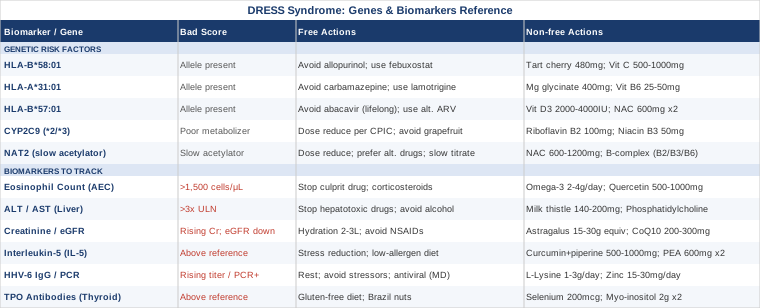
6 Biomarkers to Track When Living With or Recovering From DRESS
Understanding what is happening inside the body during DRESS requires more than a clinical diagnosis. The six biomarkers below offer a window into different aspects of the immune reaction, organ damage, viral reactivation, and late-stage complications. Tracking them systematically — before, during, and after the acute phase — gives both patients and clinicians the information needed to make timely decisions rather than reactive ones.
1. Absolute Eosinophil Count (AEC)
Why it matters: Eosinophilia — an elevated count of eosinophils, a type of white blood cell — is one of the defining features of DRESS and appears in the syndrome's very name. The eosinophil count directly reflects the degree of immune activation and correlates with the risk of organ damage, particularly to the heart (eosinophilic myocarditis), lungs, and gastrointestinal tract. An absolute eosinophil count (AEC) above 1,500 cells/μL is considered elevated; in severe DRESS, counts can exceed 10,000 cells/μL. Serial measurements capture whether the immune storm is intensifying or beginning to resolve, and they are one of the best real-time proxies for treatment response.
How to measure it: The AEC is derived from a standard complete blood count (CBC) with differential, which costs approximately $15–$40 in the United States without insurance. It is typically included in routine hospital panels. During the acute DRESS phase, measurements every 48–72 hours provide the most useful data. After discharge, weekly monitoring during corticosteroid tapering is appropriate to catch any rebound eosinophilia before it becomes clinically significant.
If the eosinophil count is high, the plan without supplements
Stopping the culprit drug immediately is the single most important intervention — eosinophil counts should begin to decline within one to two weeks of drug cessation, though this is not guaranteed without additional treatment. Systemic corticosteroids, prescribed and monitored by a physician, are the standard-of-care intervention for severe or persistent eosinophilia in DRESS. Diet plays a supporting role: avoiding foods associated with eosinophilic inflammation (particularly highly processed foods, artificial food dyes, and excessive red meat) may help reduce baseline eosinophil burden during recovery. Adequate sleep — seven to nine hours per night — is not optional during this phase; sleep deprivation directly elevates eosinophil-promoting cytokines.
If the eosinophil count is high, the plan with supplements or equipment
Omega-3 fatty acids (EPA/DHA): at doses of 2–4 g/day of combined EPA and DHA, omega-3 fatty acids shift the balance of inflammatory mediators in a direction that reduces eosinophil survival. EPA in particular competes with arachidonic acid and suppresses the production of eicosanoids that promote eosinophil activation. This should be cycled for 8–12 weeks, with a 4-week break to reassess labs. Side effects are mild — primarily GI upset and a slight increase in bleeding time. Do not combine with anticoagulant therapy without medical supervision.
Quercetin: 500–1000 mg/day has shown eosinophil-modulating properties in studies of allergic inflammation. It inhibits IL-5 signaling — the key cytokine that drives eosinophil production and survival. Cycle for 8 weeks on, 4 weeks off. Generally well-tolerated; mild headache has been reported at the upper end of this dose range.
2. ALT and AST (Liver Enzymes)
Why it matters: Hepatic involvement occurs in over 80% of DRESS cases and is one of the leading causes of DRESS-related mortality. Elevated alanine aminotransferase (ALT) and aspartate aminotransferase (AST) indicate liver cell damage. The degree of elevation — mild (less than 3× normal), moderate (3–10× normal), or severe (greater than 10× normal) — determines the urgency of the clinical response. ALT is more liver-specific; AST elevations can also reflect cardiac or muscle involvement. Critically, some patients develop autoimmune hepatitis weeks to months after the acute DRESS episode resolves, making ongoing monitoring essential even after apparent recovery.
How to measure it: ALT and AST are part of a standard comprehensive metabolic panel (CMP), costing $15–$50. During the acute DRESS phase, liver enzymes should be measured every 3–5 days. During recovery, monthly monitoring for at least six months captures the window during which late-onset autoimmune hepatitis most commonly appears. Establishing a baseline before starting any high-risk medication is also recommended, as it enables earlier detection of enzyme rises.
If liver enzymes are elevated, the plan without supplements
Immediate cessation of all potentially hepatotoxic drugs — including over-the-counter NSAIDs like ibuprofen — is essential. Alcohol should be avoided completely during the acute phase and for at least six months after. Physical rest and adequate hydration (2–3 liters of water daily) support hepatic recovery. A diet rich in cruciferous vegetables (broccoli, cauliflower, Brussels sprouts) supports Phase I and Phase II liver detoxification pathways through induction of glutathione S-transferase enzymes.
If liver enzymes are elevated, the plan with supplements or equipment
Milk thistle (Silymarin): at 140–200 mg of standardized silymarin extract three times daily, milk thistle has demonstrated hepatoprotective effects in multiple human trials. It inhibits lipid peroxidation and stabilizes hepatocyte membranes against oxidative damage. Cycle for 12 weeks on, 4 weeks off. Safe profile; rare mild GI side effects. Do not self-administer without physician oversight when AST or ALT exceeds 10× the upper limit of normal — that level requires medical evaluation.
Phosphatidylcholine: 1–2 g/day may support liver membrane repair. Evidence in DRESS-specific hepatitis is limited, but phosphatidylcholine is used clinically in inflammatory liver conditions more broadly. Cycle for 8 weeks on, 4 weeks off.
3. Creatinine and eGFR (Kidney Function)
Why it matters: Renal involvement in DRESS — typically presenting as acute interstitial nephritis — occurs in 10–30% of cases and can be one of the dominant clinical problems even when skin findings are relatively mild. Creatinine is a waste product cleared by the kidneys; elevated creatinine and reduced estimated glomerular filtration rate (eGFR) signal impaired kidney function. Left undetected, renal DRESS can progress to permanent nephron damage. Serial creatinine monitoring captures the trajectory of kidney function and determines whether improvement is occurring or whether additional intervention is required.
How to measure it: Creatinine and eGFR are included in the standard CMP ($15–$50). Urinalysis with microscopy ($15–$30) adds important information by detecting white blood cell casts, which are a hallmark of active interstitial nephritis and are diagnostically significant. Daily creatinine monitoring is standard during hospitalization; weekly testing is appropriate during outpatient recovery for at least the first month. Any worsening trend warrants urgent nephrology consultation.
If kidney function is impaired, the plan without supplements
Adequate hydration (2–3 liters of water daily, unless a physician has restricted fluids) is the most immediately actionable lifestyle intervention. All nephrotoxic agents — NSAIDs, aminoglycoside antibiotics, and contrast dyes — must be avoided during the recovery period. A low-sodium diet (under 2,300 mg/day) reduces kidney workload. If creatinine is rising despite drug cessation, nephrology consultation is urgent — corticosteroids are used to treat acute interstitial nephritis when confirmed by biopsy or strong clinical criteria.
If kidney function is impaired, the plan with supplements or equipment
Astragalus membranaceus: studied in clinical trials for proteinuric kidney conditions, standardized astragalus extract at 15–30 g of dried root equivalent per day showed meaningful reductions in proteinuria in human trials. Evidence in DRESS-specific nephritis is limited, but the mechanism — reducing oxidative stress and glomerular inflammation — is plausible during recovery. Cycle for 12 weeks; monitor kidney function labs concurrently. Avoid if on immunosuppressant therapy, as astragalus is an immune modulator.
Ubiquinol (CoQ10): 200–300 mg/day has shown renal tubular cell-protective effects in oxidative stress models. Cycle for 8–12 weeks. Well-tolerated; may modestly reduce the efficacy of warfarin at high doses — monitor if on anticoagulants.
4. Interleukin-5 (IL-5)
Why it matters: IL-5 is the primary cytokine responsible for eosinophil production, activation, and survival. In DRESS, IL-5 is produced in excess by activated T helper type 2 (Th2) cells and group 2 innate lymphoid cells (ILC2s). Measuring IL-5 provides a more upstream view of the inflammatory cascade than eosinophil count alone — it can predict whether eosinophilia is likely to persist or recur even after apparent clinical improvement. Persistently elevated IL-5 also correlates with the risk of eosinophilic organ infiltration in cardiac and pulmonary tissue, which can develop insidiously. This biomarker is particularly useful in cases where the eosinophil count has normalized under corticosteroid suppression but the underlying Th2 drive remains active.
How to measure it: IL-5 is measured via a serum cytokine panel or dedicated ELISA, available through specialty immunology laboratories. Cost ranges from $80–$250 depending on the lab and whether a broader cytokine panel is ordered. It is not included in standard care in most centers but is increasingly used in academic settings for monitoring severe or refractory DRESS. Testing at diagnosis and at 4 weeks provides the most useful comparative data.
If IL-5 is elevated, the plan without supplements
Stress reduction is clinically relevant because cortisol dysregulation from chronic psychological stress indirectly promotes Th2 cytokine production — including IL-5. A low-allergen diet during the acute DRESS recovery period (eliminating common food triggers such as shellfish, tree nuts, and artificial food dyes) may reduce additional Th2 stimulation from dietary antigens. Sleep optimization (seven to nine hours in a dark, cool environment) supports the natural decline of Th2 cytokine tone, as IL-5 production peaks during nighttime immune activity.
If IL-5 is elevated, the plan with supplements or equipment
Curcumin (with piperine): curcumin inhibits NF-κB and reduces Th2 cytokine production, including IL-5, in human studies of allergic and inflammatory conditions. At 500–1000 mg of a high-bioavailability curcumin formulation (BCM-95 or similar) twice daily, combined with 5 mg piperine to enhance absorption, it may meaningfully modulate IL-5 over time. Cycle for 12 weeks, then reassess labs. Caution: curcumin has anticoagulant properties and increases bleeding risk in combination with antiplatelet drugs. Not for use as a replacement for physician-directed therapy.
Palmitoylethanolamide (PEA): 600 mg twice daily has demonstrated mast cell-stabilizing and anti-inflammatory properties in multiple human trials, including in eosinophil-related conditions. Well-tolerated with a clean safety profile. Cycle for 8 weeks. Safe to combine with omega-3s.
5. HHV-6 IgG Antibody Titer and DNA (PCR)
Why it matters: One of the most important and consistently underappreciated aspects of DRESS is the reactivation of Human Herpesvirus 6 (HHV-6) during the immune storm. HHV-6 reactivation occurs in the majority of DRESS cases and is not merely a coincidental finding — it appears to amplify the severity of the reaction through immune cross-reactivity, where T cells primed against the drug metabolite also react against viral antigens, and vice versa. More critically, persistent HHV-6 activity after the acute phase has been directly linked to the development of late-stage autoimmune complications including autoimmune thyroiditis, type 1 diabetes-like syndromes, and systemic lupus-like disease. Tracking HHV-6 provides prognostic information that eosinophil counts alone cannot offer.
How to measure it: Serum HHV-6 IgG antibody titers (a rising titer suggests active reactivation) cost $40–$120. Whole blood or plasma HHV-6 DNA by PCR ($100–$250) is more sensitive for detecting active viral replication. Testing at the time of diagnosis, at four weeks, and at three months post-diagnosis captures the typical timeline of viral reactivation and resolution. A persistently elevated or rising PCR titer at the three-month mark should prompt specialist consultation.
If HHV-6 is reactivated, the plan without supplements
Antiviral therapy (ganciclovir or foscarnet, under physician supervision) is used in severe cases of HHV-6-driven DRESS, particularly when neurological or cardiac involvement is present. Beyond antivirals, rest and avoidance of additional immune stressors — new medications, significant physical exertion, sleep deprivation — are paramount during the period of active viral replication. Excessive corticosteroid immunosuppression, while necessary for controlling the immune reaction, should be tapered carefully to avoid prolonging viral reactivation by suppressing the T cell responses needed to control HHV-6.
If HHV-6 is reactivated, the plan with supplements or equipment
L-Lysine: 1–3 g/day has antiviral properties particularly relevant to herpesvirus reactivation. It works by competing with arginine, which herpesviruses require for replication. Cycle for 12 weeks during periods of active viral reactivation. Concurrently avoid arginine-rich foods (nuts, seeds, chocolate) in excess. Well-tolerated at this dose range.
Zinc (as zinc picolinate or zinc bisglycinate): 15–30 mg/day supports antiviral immune function, specifically NK cell and CD8+ T cell activity relevant to herpesvirus control. Cycle for 8 weeks. Take with food to avoid nausea. Long-term zinc supplementation requires copper co-supplementation (1–2 mg/day) to prevent copper deficiency.
6. Thyroid Peroxidase Antibodies (TPO-Ab)
Why it matters: Among the most consequential long-term complications of DRESS is the development of autoimmune thyroid disease — typically Hashimoto's thyroiditis — which can emerge two to six months after the acute DRESS episode resolves. The mechanism involves T cell cross-reactivity triggered by the drug-HHV-6-immune storm triad, leading to self-reactive immune cells that target the thyroid gland. Many patients and physicians miss this connection, attributing persistent fatigue, cold intolerance, weight changes, or mood disturbances to the general aftermath of hospitalization rather than to a new autoimmune process that is measurable, identifiable, and treatable. Elevated TPO-Ab is the earliest detectable signal of this complication.
How to measure it: TPO antibodies are measured via a standard blood draw; the standalone test costs $30–$80. A full thyroid panel — TSH, free T4, free T3, TPO-Ab, and thyroglobulin antibody — provides the most complete picture and costs $80–$200. Testing at three months, six months, and twelve months post-DRESS diagnosis is a reasonable monitoring protocol given the known timing window of this complication. Any result above the laboratory's reference range warrants follow-up even if TSH remains normal, as antibody elevation typically precedes functional thyroid disruption by months.
If TPO-Ab is elevated, the plan without supplements
A gluten-free diet carries the strongest dietary evidence for reducing TPO antibody levels over time in people with Hashimoto's thyroiditis. A systematic review of human trials showed meaningful reductions in TPO-Ab after six months on a strict gluten-free diet in individuals with both thyroid autoimmunity and confirmed gluten sensitivity. Selenium-rich foods — particularly Brazil nuts (one to two per day provides the recommended daily selenium amount) — support thyroid enzyme function and immune regulation relevant to antibody reduction. Stress management should be treated as a clinical priority, not an afterthought: HPA axis dysregulation directly worsens autoimmune thyroid disease activity.
If TPO-Ab is elevated, the plan with supplements or equipment
Selenium (as selenomethionine): 200 mcg/day has been shown in multiple randomized controlled trials to reduce TPO-Ab titers over 6–12 months. This is among the best-supported supplement-based interventions for thyroid autoimmunity and represents a meaningful, evidence-backed option for post-DRESS thyroid protection. Cycle for six months, then retest TPO-Ab and adjust. Do not exceed 400 mcg/day (the safety ceiling). Brazil nut intake counts toward total daily selenium.
Myo-inositol and D-chiro-inositol (40:1 ratio blend): 2 g twice daily demonstrated reductions in TSH and thyroid antibody levels in a six-month randomized controlled trial in thyroid autoimmunity. Well-tolerated. Can be combined safely with selenium for a synergistic effect.
Moving from biomarker tracking to the genetic layer, the picture of who develops DRESS and why becomes even clearer — and more actionable before a reaction ever occurs.
The Genetic Architecture of DRESS: 5 Genes That Shape Your Risk
Understanding the genetic basis of DRESS transforms the condition from an unpredictable catastrophe into, in many cases, a preventable event. The relationship between specific genetic variants and drug-specific DRESS reactions is one of the strongest pharmacogenomic associations in all of medicine — and several findings have already changed prescribing guidelines in Asia, Europe, and beyond.
1. HLA-B*58:01
What it is: HLA-B*58:01 is an allele of the HLA-B gene, part of the major histocompatibility complex (MHC) Class I system. It is extraordinarily strongly associated with allopurinol-induced DRESS and severe cutaneous adverse reactions (SCARs), including Stevens-Johnson syndrome and toxic epidermal necrolysis. In Han Chinese, Thai, and Korean populations, the prevalence of this allele is 6–8%, and carriers who take allopurinol face a dramatically elevated risk of developing DRESS. In the landmark study by Hung et al. published in the New England Journal of Medicine, HLA-B*58:01 was present in 100% of allopurinol-induced SJS/TEN cases in the Han Chinese cohort studied — a finding that prompted mandatory pre-prescription screening in Taiwan and recommendations in several other Asian countries. The study can be reviewed at PubMed PMID 15930416.
If this gene is present, the plan without supplements
The primary action is pharmacological avoidance: HLA-B*58:01-positive individuals should generally avoid allopurinol in favor of alternative urate-lowering therapies such as febuxostat, which does not carry the same HLA-associated risk. If allopurinol cannot be avoided in exceptional clinical circumstances, some centers have explored desensitization protocols, though these carry significant risk and must only be attempted under expert allergy/immunology supervision. Dietary purine reduction (limiting organ meats, anchovies, sardines, and fructose-sweetened beverages) reduces uric acid burden and may lessen the need for pharmacological intervention.
If this gene is present, the plan with supplements or equipment
Tart cherry extract: 480 mg of standardized tart cherry concentrate twice daily has demonstrated urate-lowering properties and reduced gout flare frequency in small human trials. This provides a meaningful non-pharmacological contribution to managing the underlying hyperuricemia for which allopurinol is commonly prescribed. Cycle indefinitely at this dose; generally well-tolerated.
Vitamin C: 500–1000 mg/day modestly reduces serum uric acid through increased renal excretion, supported by multiple randomized trials. Low-risk and appropriate for long-term use. Avoid fructose-containing beverages and high-fructose corn syrup entirely — fructose is the single most powerful dietary driver of elevated uric acid and entirely undermines any supplemental urate-lowering effort.
2. HLA-A*31:01
What it is: HLA-A*31:01 is associated with carbamazepine-induced DRESS across multiple ethnic populations, particularly Europeans and Japanese. This allele is different from the Southeast Asian-predominant HLA-B*15:02, which is associated with carbamazepine-induced SJS/TEN in a different demographic. Research published in the New England Journal of Medicine by McCormack et al. (2011) demonstrated that HLA-A*31:01 carriers had a 26% risk of carbamazepine-induced hypersensitivity reactions compared with approximately 5% in non-carriers — a finding that has influenced the carbamazepine label in multiple regulatory jurisdictions. The study is referenced at PubMed PMID 21428765. Carbamazepine is widely used for epilepsy, trigeminal neuralgia, and bipolar disorder, making this allele broadly relevant across clinical contexts.
If this gene is present, the plan without supplements
Alternative anticonvulsants or mood stabilizers should be prioritized where clinically feasible: lamotrigine (with appropriate slow titration to reduce its own independent DRESS risk), valproate, levetiracetam, or oxcarbazepine may be viable alternatives depending on the clinical indication. Neurologist involvement in the prescribing decision is essential. If carbamazepine is deemed medically unavoidable, the absolute minimum effective dose, very slow titration, and close laboratory and clinical monitoring during the initial weeks of therapy are required.
If this gene is present, the plan with supplements or equipment
There are no supplements that modify HLA-A*31:01 expression. The useful parallel intervention is optimizing the immune and inflammatory environment to reduce baseline reactivity: magnesium glycinate (400 mg at night) has proven safety and supports neurological function relevant to the underlying conditions for which carbamazepine is most commonly prescribed (epilepsy, neuropathic pain, mood stabilization). Vitamin B6 (pyridoxine): 25–50 mg/day supports neurotransmitter synthesis and has demonstrated anticonvulsant properties in some forms of epilepsy, potentially reducing seizure burden and the urgency of pharmacological escalation.
3. HLA-B*57:01
What it is: HLA-B*57:01 is the pharmacogenomic marker for abacavir hypersensitivity, which presents as a DRESS-like syndrome and occurs in individuals with HIV receiving abacavir-containing antiretroviral therapy. The association is so strong — with sensitivity approaching 100% in validated cohorts — that prospective HLA-B*57:01 screening before abacavir prescription has been standard of care in many countries since approximately 2008, following the PREDICT-1 trial. This represents one of the most successful examples of pharmacogenomics preventing a dangerous drug reaction at population scale. The PREDICT-1 results are referenced at PubMed PMID 18256392.
If this gene is present, the plan without supplements
HLA-B*57:01-positive individuals must not receive abacavir. Multiple alternative antiretroviral regimens provide equivalent HIV suppression without this risk, and the choice of regimen should be made with an HIV specialist. Critically, if an HLA-B*57:01-positive person inadvertently received abacavir and experienced a reaction, abacavir must never be administered again — rechallenge carries a risk of rapidly fatal anaphylaxis, making this a lifelong avoidance requirement that should be documented in all medical records.
If this gene is present, the plan with supplements or equipment
Supporting immune resilience in the context of HIV management has clear evidence: Vitamin D3 at 2000–4000 IU/day, titrated to achieve a serum 25-OH vitamin D level of 40–60 ng/mL, has demonstrated immune regulatory benefits in HIV-positive individuals. N-acetylcysteine (NAC): 600 mg twice daily supports glutathione production and reduces oxidative stress relevant to both HIV pathogenesis and general immune resilience. Cycle NAC for 12 weeks, then reassess.
4. CYP2C9
What it is: CYP2C9 encodes a cytochrome P450 enzyme responsible for metabolizing a wide range of drugs including phenytoin (a common DRESS-inducing anticonvulsant), NSAIDs, losartan, and warfarin. Poor metabolizer variants — particularly the *2 and *3 alleles — lead to reduced drug clearance, resulting in higher plasma concentrations of the parent drug and longer exposure time. For phenytoin, this increased exposure directly raises the likelihood of drug accumulation sufficient to trigger immune sensitization and DRESS. Approximately 10–15% of Europeans carry at least one reduced-function CYP2C9 allele. The clinical consequence extends beyond DRESS: CYP2C9 poor metabolizers face higher risks of toxicity from any drug processed through this pathway.
If this gene shows poor metabolizer status, the plan without supplements
The key intervention is dose adjustment guided by pharmacogenomic data. CYP2C9 poor metabolizers typically require significantly lower starting and maintenance doses of affected drugs to achieve therapeutic plasma levels without accumulation. Dosing guidelines are published by the Clinical Pharmacogenomics Implementation Consortium (CPIC) at cpicpgx.org and are freely accessible. Carrying documentation of CYP2C9 poor metabolizer status and providing it to every prescribing physician and pharmacist substantially reduces the risk of future drug-related adverse events.
If this gene shows poor metabolizer status, the plan with supplements or equipment
Several commonly used supplements can inhibit CYP2C9 and significantly increase plasma concentrations of co-administered drugs — grapefruit products, St. John's Wort, and high-dose fish oil all affect CYP2C9 substrate metabolism and must be avoided or disclosed to prescribers. Conversely, adequate intake of B vitamins — riboflavin (B2, 100 mg/day) and niacin (B3, 50 mg/day) — supports overall cytochrome P450 cofactor availability. These support general metabolic function rather than specifically correcting the CYP2C9 variant.
5. NAT2 (N-acetyltransferase 2)
What it is: NAT2 encodes the enzyme N-acetyltransferase 2, which is central to the metabolism of aromatic amines and hydrazines. Drugs metabolized via NAT2 include sulfonamide antibiotics (trimethoprim-sulfamethoxazole), dapsone, isoniazid, and hydralazine — all of which are documented DRESS-inducing drugs. NAT2 "slow acetylator" polymorphisms are found in approximately 50–60% of Europeans and Americans, making this the most common pharmacogenomic variant relevant to DRESS. Slow acetylators accumulate reactive drug metabolites that can covalently bind to proteins, creating neoantigens that trigger immune sensitization and, in susceptible individuals, DRESS. The NAT2 slow acetylator phenotype has been specifically associated with dapsone-induced DRESS in HIV-positive patients and sulfonamide hypersensitivity more broadly.
If this gene shows slow acetylator status, the plan without supplements
Slow NAT2 acetylators who require dapsone, trimethoprim-sulfamethoxazole, or isoniazid should discuss dose reduction with their treating physician — lower doses produce fewer reactive metabolites and carry a reduced DRESS risk at equivalent therapeutic effect for some indications. Where clinical alternatives exist — such as atovaquone instead of dapsone for Pneumocystis pneumonia prophylaxis — these should be strongly considered. All high-risk drug exposures should be approached with slow dose titration and heightened early monitoring for cutaneous and systemic symptoms.
If this gene shows slow acetylator status, the plan with supplements or equipment
N-acetylcysteine (NAC): 600–1200 mg/day provides glutathione precursor support and may help scavenge reactive drug metabolites before they trigger immune sensitization — the exact proximate mechanism of NAT2-related DRESS. While clinical evidence specific to DRESS prevention in NAT2 slow acetylators is limited, the mechanistic rationale is well-established. Cycle for 8 weeks on, 4 weeks off during periods of exposure to at-risk medications. B-complex supplementation (B2, B3, and B6) supports acetylation-adjacent metabolic processes and general Phase II liver detoxification.
What Recent Research Reveals About DRESS That Most Physicians Haven't Discussed
The scientific understanding of DRESS has advanced rapidly in the past decade, revealing a condition far more mechanistically rich — and far more preventable — than it once appeared. The following ten insights represent some of the most impactful findings from recent immunology and pharmacogenomics research, many of which have not yet filtered into standard clinical practice.
1. DRESS is not a single disease
DRESS is best understood as a spectrum of overlapping drug hypersensitivity syndromes, each with mechanistically distinct immune profiles depending on the culprit drug and the individual's genetics. Cytotoxic CD8+ T cells dominate in some cases; Th2-driven eosinophilic inflammation dominates in others. This heterogeneity explains why corticosteroid dosing, tapering schedules, and adjunctive treatments produce such variable outcomes across patients who appear clinically similar.
2. HHV-6 reactivation is an amplifier, not a bystander
Early research treated HHV-6 reactivation in DRESS as an epiphenomenon — a side effect of immune dysregulation. More recent mechanistic work demonstrates that HHV-6 actively amplifies the DRESS reaction through molecular mimicry and cross-reactive T cell responses. Its persistence beyond the acute phase is now recognized as a predictor of late-stage autoimmune complications, representing a clinically actionable signal that is still underutilized.
3. The RegiSCAR scoring system changed the diagnostic landscape
Before the RegiSCAR group published its validated diagnostic scoring system, DRESS was frequently missed or diagnosed late. The system — incorporating skin rash pattern, internal organ involvement, lymphadenopathy, eosinophilia, and atypical lymphocytes — provides probability-based diagnosis that has standardized both research enrollment and clinical decision-making. A score of five or higher indicates probable or definite DRESS and should trigger immediate specialist involvement.
4. Corticosteroids are necessary but mechanistically complicated
Corticosteroids remain the backbone of DRESS treatment, but their role is more nuanced than previously assumed. Excessive or prolonged corticosteroid use may paradoxically extend HHV-6 reactivation by suppressing the T cell responses needed to control viral activity. Some researchers now advocate for shorter courses with adjunctive antivirals in cases with high HHV-6 viral loads. This tension between immunosuppression (needed for the drug reaction) and immune competence (needed for viral control) is an area of active clinical investigation.
5. Late autoimmune complications are common and consistently under-recognized
Studies following DRESS patients for one to five years post-recovery have found a striking incidence of new-onset autoimmune diseases. Thyroiditis is most common (occurring in up to 30% of patients in some series), followed by type 1 diabetes-like syndromes and systemic lupus-like disease. These late complications are directly linked to the viral reactivation cascade of the acute phase and represent the immunological long tail of surviving severe DRESS.
6. Drug-specific mechanisms may require drug-specific treatment
The optimal treatment strategy for allopurinol-induced DRESS may mechanistically differ from vancomycin-induced DRESS. Different culprit drugs generate different reactive metabolites, which bind to different proteins, which activate different T cell subsets. This understanding argues for personalized treatment protocols — a direction the field is moving toward, though clinical implementation remains in its early stages.
7. Asian populations face disproportionate pharmacogenomic risk
The high prevalence of HLA-B*58:01 in East and Southeast Asian populations (up to 8% in Han Chinese, compared with less than 1% in Europeans) combined with widespread allopurinol use in these regions creates a significant public health inequity. Mandatory pre-prescription screening is now standard in Taiwan and several other Asian countries, but global implementation remains inconsistent — leaving many at-risk individuals unscreened.
8. Biomarker-guided corticosteroid tapering reduces relapse
Several case series and small controlled trials suggest that tapering corticosteroids based on biomarker trends — specifically eosinophil count, liver enzyme trajectories, and HHV-6 viral load — rather than on fixed time schedules, significantly reduces DRESS relapse rates. This argues for a more individualized, laboratory-driven approach to managing the withdrawal of immunosuppressive therapy, rather than the default of predetermined tapering calendars.
9. Pharmacogenomic panels are increasingly accessible and affordable
Direct-to-consumer pharmacogenomic testing from providers including Invitae, Genomind, and GeneSight now includes CYP2C9, NAT2, and in some cases HLA typing. The cost of a comprehensive panel has dropped from several thousand dollars to $200–$500 for clinical panels. For patients with a personal or family history of severe drug reactions, proactive genotyping before starting new high-risk medications represents a concrete, available risk reduction strategy.
10. DRESS is frequently confused with other conditions, causing dangerous delays
Lymphoma, acute viral infections (including EBV and CMV), and other drug eruptions can mimic DRESS. The average diagnostic delay from symptom onset to correct diagnosis is two to six weeks — a window during which continued drug exposure and untreated organ inflammation cause preventable damage. Any patient with fever, rash, and eosinophilia following recent drug initiation should receive immediate dermatology and allergy/immunology consultation. Early diagnosis is not a diagnostic formality — it is a survival factor.
Complementary Approaches That May Support DRESS Recovery
These approaches are not alternatives to the medical management that DRESS requires — they are adjuncts to the recovery phase, where lifestyle and integrative strategies have the most evidence and the least risk. None should be started during the acute hospitalization without physician awareness.
Mindfulness Meditation and MBSR
DRESS places an enormous physiological and psychological burden on the body. The acute hospitalization, the abrupt loss of a previously prescribed medication, and the uncertainty of a potentially protracted recovery all activate the stress response — and chronic stress, via HPA axis dysregulation, perpetuates Th2-skewed immune responses that are already overactivated in DRESS. Mindfulness-Based Stress Reduction (MBSR) addresses this directly by modulating the autonomic nervous system and reducing cortisol reactivity.
A randomized controlled trial published in Psychosomatic Medicine demonstrated that an 8-week MBSR program produced significant reductions in inflammatory biomarkers including IL-6 and CRP in patients with chronic inflammatory conditions. While DRESS-specific MBSR data does not exist, the mechanism — reducing Th2-promoting stress-driven cytokines — is highly plausible in the post-DRESS recovery context.
The standard protocol is an 8-week MBSR program, available in-person through medical centers or via validated free online curricula such as Palouse Mindfulness. During the acute recovery phase, brief body scan meditations of five to ten minutes are realistic starting points. As recovery progresses, formal 45-minute sitting practices and the gentle yoga component of the full MBSR curriculum can be incorporated. Consistency over months, not intensity in any single session, drives the immunological benefits.
The Autoimmune Protocol (AIP) From Sarah Ballantyne
DRESS shares key immunological features with autoimmune conditions: aberrant T cell activation, cytokine storm, and — through the HHV-6 pathway — the subsequent emergence of true autoimmune diseases in a meaningful subset of patients. The Autoimmune Protocol (AIP), developed by research scientist Dr. Sarah Ballantyne and detailed in her book The Paleo Approach, is a structured dietary and lifestyle intervention designed to reduce immune activation through gut barrier restoration, microbiome optimization, and elimination of foods that contain compounds associated with immune overstimulation.
The protocol has been studied in a pilot RCT in inflammatory bowel disease, published in Inflammatory Bowel Diseases (2017), which found significant clinical and endoscopic remission rates after six weeks on the AIP diet in patients with Crohn's disease and ulcerative colitis. The immune mechanisms — reduced intestinal permeability, decreased translocation of immune-activating antigens, and reduced systemic Th2 burden — overlap directly with what is relevant in DRESS recovery, particularly given the established gut-immune axis connection.
The AIP elimination phase removes grains, legumes, dairy, eggs, nightshades, nuts, seeds, alcohol, and refined sugars for a minimum of 30–60 days, followed by systematic food reintroductions one at a time. This is a demanding protocol best introduced during the recovery phase (not acute hospitalization) with support from a registered dietitian familiar with the AIP framework. The reintroduction phase is as important as the elimination phase: the clinical goal is identifying individual food triggers, not indefinite restriction.
Microbiome-Directed Therapies
Emerging research has identified the gut microbiome as a significant modulator of drug hypersensitivity reactions. The composition of gut bacterial communities influences how drugs and their metabolites are processed in the GI tract — some bacteria perform reductive biotransformation reactions that can either detoxify or further activate reactive drug metabolites relevant to DRESS pathogenesis. Gut dysbiosis also impairs immune regulatory networks, particularly the production of short-chain fatty acids by fermentative bacteria that support regulatory T cell populations.
Animal models and early human studies of drug hypersensitivity have begun identifying microbiome signatures associated with adverse drug reactions. While the field remains early-stage for DRESS specifically, the downstream connection between gut dysbiosis, systemic immune dysregulation, and inflammatory conditions is mechanistically well-established across a broader body of literature.
The most practical microbiome-directed intervention during DRESS recovery is dietary: increasing fiber diversity (targeting 30 or more different plant foods per week), incorporating fermented foods (unsweetened kefir, kimchi, sauerkraut) during recovery, and considering a multi-strain probiotic formulation (at least 5 diverse strains at 25–50 billion CFU/day). A probiotic should not be initiated during the acute DRESS phase while immunosuppression is at its highest; four to six weeks post-discharge, as corticosteroids are being tapered, is a more appropriate starting window.
Low-Level Laser Therapy and Photobiomodulation
DRESS frequently leaves significant post-inflammatory skin changes — hyperpigmentation, textural abnormalities, and in severe cases, areas of slow recovery from widespread epidermal involvement. Low-level laser therapy (LLLT), also called photobiomodulation, uses specific wavelengths of red and near-infrared light (typically 630–850 nm) to stimulate mitochondrial function in skin cells, reduce local inflammation, and accelerate tissue repair through cytochrome c oxidase activation.
Clinical evidence for LLLT in wound healing and post-inflammatory skin conditions includes multiple randomized controlled trials. A systematic review in Photomedicine and Laser Surgery found significant improvements in wound healing time and skin barrier function following LLLT across various dermatological applications. DRESS-specific data is absent from the literature, but the mechanism — supporting epidermal regeneration and reducing local pro-inflammatory cytokine production — is directly relevant to post-DRESS skin recovery.
For practical application, a consumer-grade LED photobiomodulation panel delivering 660 nm (red) and 850 nm (near-infrared) light at an irradiance of at least 30 mW/cm² can be used over affected skin areas for 10–20 minutes per session, three to five times per week. This is appropriate during the recovery phase once active skin eruption has resolved — typically two to four weeks after drug cessation and initiation of corticosteroid treatment. Side effects are minimal; avoid application over areas of active infection or significantly compromised skin integrity.
Conclusion
DRESS syndrome sits at the intersection of genetics, pharmacology, and immunology in a way that makes it both alarming and, increasingly, navigable. The genetic markers that predict susceptibility — particularly HLA-B*58:01, HLA-A*31:01, and HLA-B*57:01 — are among the most actionable findings in all of pharmacogenomics, and testing for them before prescribing high-risk drugs is a practical, increasingly affordable step that can prevent a life-threatening reaction. The six biomarkers reviewed here — from eosinophil count and liver enzymes to HHV-6 viral load and thyroid antibodies — provide a real-time map of immune system activity, enabling more precise, individualized management rather than fixed-protocol responses.
Recovery from DRESS extends well beyond the hospital discharge. Late autoimmune complications require sustained surveillance — assuming that a normalized eosinophil count means the story is over is a common and consequential mistake. The complementary approaches outlined here — MBSR, the Autoimmune Protocol, microbiome support, and photobiomodulation — address dimensions of immune regulation and tissue repair that standard medical treatment does not routinely cover.
The most productive next step depends on where you are in the DRESS journey. If you are in recovery, request a 3-, 6-, and 12-month post-DRESS monitoring panel from your physician that includes thyroid antibodies and HHV-6 titers alongside routine labs. If you have a personal or family history of severe drug reactions, discuss a pharmacogenomic panel with your physician or pharmacist before starting any new high-risk medication. And if persistent fatigue, cold intolerance, or mood changes continue well after your acute episode, raise the possibility of late-onset autoimmune thyroiditis — it is common after DRESS, detectable with a simple blood test, and entirely treatable.
Digestive: Liver & Gallbladder Conditions
Skin: Inflammatory Skin Conditions
Endocrine & Metabolic: Thyroid Conditions
Autoimmune: Inflammatory Conditions
Infectious: Viral Infections
Urological: Kidney Conditions