This article contains AI generated content.
· UpdatedEchinococcosis Genes and Biomarkers — 5 Genes and 7 Biomarkers to Track
Introduction
Echinococcosis is one of those diagnoses that arrives quietly, often on an imaging scan ordered for something else entirely. Caused by the larval stage of Echinococcus tapeworms, the disease can establish itself silently in the liver, lungs, or other organs for months or years before generating any noticeable signal. For many patients, the discovery comes as a genuine shock — and then begins the harder work of understanding what the diagnosis actually means for daily life, long-term health, and treatment decisions that may stretch over years.
The standard clinical framework focuses on imaging, surgical or percutaneous intervention, and antiparasitic medication, primarily albendazole. These remain the right tools and should not be bypassed. But for people navigating long-term treatment and monitoring, that framework often leaves a frustrating gap. Imaging tells you the size and location of cysts at a single moment in time. It does not tell you what your immune system is doing between appointments, whether the liver is tolerating the drugs well, or why some people with documented exposure never develop disease at all while others face progressive complications.
The answer to that last question increasingly lies in two interconnected domains: measurable blood biomarkers and genetic immune variants. Blood-based markers — from serology to liver enzymes to cytokine profiles — provide a real-time window into immune activity, organ stress, and disease dynamics that imaging cannot replicate. Specific polymorphisms in immune-regulatory genes help explain why individuals respond so differently to the same parasite, and they point toward personalized strategies for supporting the immune landscape in which treatment takes place.
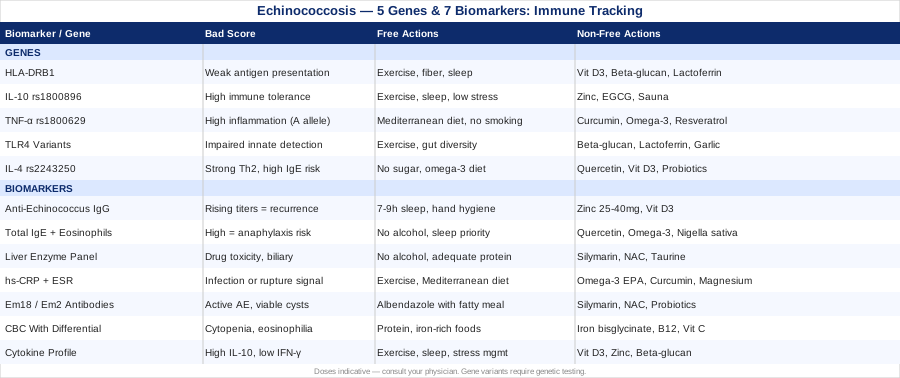
This article takes that more precise approach. It maps the seven most clinically useful biomarkers to track, explains what each reveals and what to do when it is out of range, and covers five key genetic variants with practical compensation strategies. It also summarizes a deeply researched book on immune science and parasitic infection, and reviews integrative approaches with genuine human evidence. No promises of cures — but a substantially clearer map of what to measure, what it means, and what intelligent next steps look like.
Summary
This article identifies 7 actionable biomarkers for echinococcosis monitoring — Anti-Echinococcus IgG antibodies, total IgE and eosinophil count, liver enzyme panel, hs-CRP and ESR, the specialized Em18/Em2 antigen tests for alveolar disease, complete blood count, and cytokine profiling — each with detailed guidance on how to measure it, what poor results mean clinically, and how to address them with or without supplements. You will find not just what to track but what the numbers are actually telling you about your immune system's relationship to the parasite.
Beyond biomarkers, the article covers 5 genetic variants (HLA-DRB1, IL-10 rs1800896, TNF-α rs1800629, TLR4 variants, and IL-4 rs2243250) that shape immune susceptibility and disease trajectory, each paired with a realistic compensation plan. A summary of Matt Richtel's immunology research book adds context that mainstream echinococcosis care rarely provides, and five integrative approaches with clinical evidence close the picture. Whether you are newly diagnosed, in long-term treatment, or simply living in an endemic region, the information here is designed to help you make better-informed decisions — not to replace your medical team, but to make you a more effective participant in your own care.
7 Biomarkers to Track for Echinococcosis
Imaging remains indispensable in echinococcosis management, but it captures structure, not biology. Blood-based biomarkers reveal what is happening in your immune system, liver, and inflammatory environment between scans — whether the immune system is gaining ground, whether cysts are metabolically active, whether the liver is under drug-induced stress. The seven markers below represent the most clinically useful panel currently available, spanning inexpensive routine tests to specialized assays reserved for referral centers.
1. Anti-Echinococcus IgG Antibodies
Why it matters: Serological testing for anti-Echinococcus IgG is the foundational non-invasive test for both cystic echinococcosis (CE) and alveolar echinococcosis (AE). These antibodies represent the adaptive immune system's learned response to the parasite's antigens. In CE, ELISA sensitivity ranges from 85% to 98% depending on cyst viability, species, and location. Hepatic cysts typically produce higher antibody titers than pulmonary or unusual-site cysts. In AE, sensitivity approaches 97%. False negatives are possible with calcified or inactive cysts, which generate minimal antigenic stimulation.
What it may reveal: Rising IgG titers after treatment can indicate inadequate cyst inactivation or early recurrence. Falling titers are encouraging, though antibody levels can persist for months to years even after successful treatment — making serial trend tracking far more valuable than a single measurement. Testing both IgG and IgM simultaneously can help distinguish recent from long-established infection and provides better baseline context before treatment. This test is reviewed in detail in the Brunetti et al. 2010 WHO-IWGE expert consensus, which remains the foundational clinical reference for echinococcosis diagnosis and treatment.
How to measure it
ELISA is the standard method, available through most hospital microbiology labs and many commercial labs. Immunoblot (Western blot) serves as a confirmatory test for equivocal ELISA results. Cost range: $50–$150 depending on lab and panel. Serology must always be interpreted alongside imaging — a positive result alone does not confirm active or progressive disease.
If the score is bad, the plan without supplements
Persistently elevated or rising titers warrant imaging review and infectious disease consultation as the first priority. Beyond medical management, preventing reinfection is critical: rigorous handwashing after contact with soil or dogs in endemic regions, thorough washing of vegetables and fruits, ensuring dogs in endemic households are not fed raw offal, and maintaining hygiene protocols with young children in high-exposure environments. Sleep optimization (7–9 hours consistently) and moderate daily exercise are the most evidence-backed non-pharmacological methods for maintaining adaptive immune function during active treatment.
If the score is bad, the plan with supplements or equipment
No supplement directly lowers IgG titers — falling titers reflect treatment success, not supplementation. The goal is supporting immune competence during active infection. Zinc (25–40 mg/day) is critical for T-cell function and adaptive immune response quality; low serum zinc is associated with impaired antibody responses and should be corrected if deficient. Cycle 3–6 months, then recheck both zinc and copper levels (high-dose zinc depletes copper — consider 2 mg copper supplementation if using zinc for more than 3 months). Vitamin D3 (2000–4000 IU/day) is worth measuring and correcting if serum 25(OH)D is below 40 ng/mL; deficiency is independently associated with impaired adaptive and innate immunity. Retest at 12 weeks and adjust dose accordingly.
2. Total IgE and Absolute Eosinophil Count
Why it matters: Total serum IgE is frequently elevated in echinococcosis, reflecting the Th2-dominated immune response that characterizes helminth infections broadly. High IgE is both a disease activity marker and a safety signal: markedly elevated levels — particularly above 1000 kU/L — indicate heightened anaphylactic risk if a cyst ruptures or leaks. The absolute eosinophil count (AEC), a standard component of the complete blood count differential, tells a complementary story. Eosinophils are recruited by IL-5 and IgE-mediated signaling in anti-helminth immunity, and marked eosinophilia above 1500 cells/µL can indicate cyst leakage or rupture — a medical emergency.
What it may reveal: Monitoring both IgE and eosinophil count together gives a more complete picture of disease activity and anaphylaxis risk than either marker alone. Resolution of eosinophilia and a downward IgE trend are encouraging signs during and after treatment. A sudden spike in eosinophils — especially combined with abdominal symptoms — is a clinical red flag requiring urgent evaluation and imaging.
How to measure it
Total IgE is measured by FEIA or ELISA from a standard blood draw; available at most clinical labs. Cost: $30–$80. Eosinophil count is part of a standard CBC with differential, cost $20–$50 as a standalone. Normal adult IgE is generally below 150 kU/L; values above 500 kU/L in the context of known or suspected echinococcosis deserve close attention. Normal eosinophil count is 100–500 cells/µL; mild eosinophilia is 500–1500; moderate is 1500–5000.
If the score is bad, the plan without supplements
With markedly elevated IgE and active cysts, discuss anaphylaxis emergency planning with your physician — some situations warrant carrying an epinephrine autoinjector (EpiPen). Lifestyle measures focus on reducing the immune Th2 burden: consistent sleep prioritization, eliminating alcohol (which compounds Th2 skewing), reducing ultra-processed food intake, and considering elimination of common food allergens for 4–6 weeks to assess contribution to IgE elevation. In regions where multiple parasitic infections coexist, it is worth ruling out concurrent helminth infections that could compound eosinophilia independently.
If the score is bad, the plan with supplements or equipment
Quercetin (500 mg twice daily) has shown mast cell-stabilizing and Th2-modulating properties in human and in vitro studies relevant to IgE-driven conditions. Cycle: 8 weeks on, 4 weeks off; minimal side effects at this dose. Omega-3 fatty acids (EPA+DHA, 2–3 g/day) shift immune balance away from exaggerated Th2 and inflammatory responses; 12-week sustained trials show consistent effects on the IgE-driven inflammatory axis. Nigella sativa (black seed) extract (500 mg twice daily or 2 mL oil twice daily) has shown modest antiparasitic and anti-Th2 effects in small clinical studies of helminth-related conditions; cycle 8 weeks and monitor for GI tolerance.
3. Liver Enzyme Panel (ALT, AST, ALP, GGT)
Why it matters: The liver is the primary site of echinococcosis in approximately 70% of CE cases. Monitoring liver enzymes throughout the disease course — and critically during albendazole treatment — provides an ongoing picture of hepatic integrity. Albendazole itself carries hepatotoxic risk in some patients, particularly during prolonged or high-dose regimens, making a baseline panel before starting treatment and serial monitoring throughout it standard of care rather than optional.
What it may reveal: Elevated ALP and GGT typically reflect biliary involvement — a cyst impinging on or communicating with bile ducts. ALT and AST elevations suggest hepatocellular stress, which can arise from cyst expansion, secondary bacterial cyst infection, drug toxicity, or cyst rupture into the biliary system. Isolated GGT elevation is also an early marker of glutathione depletion under oxidative stress — relevant both to disease burden and to the pharmacological load of prolonged antiparasitic treatment.
How to measure it
Standard liver function panel from a blood draw; widely available at any clinical lab. Cost: $25–$70 for a basic panel. A full metabolic panel including bilirubin, albumin, and prothrombin time adds useful context when biliary or significant hepatic involvement is suspected, at $50–$120. Baseline testing before albendazole initiation, then monitoring every 4–8 weeks during active treatment, is standard practice at experienced centers.
If the score is bad, the plan without supplements
Significant enzyme elevation during albendazole treatment typically requires dose reduction or temporary treatment interruption — standard clinical management that should be coordinated with your treating physician. Independent lifestyle measures: complete alcohol elimination during treatment (no partial compliance), maintaining adequate protein intake to support hepatic regeneration (0.8–1.2 g/kg body weight daily), avoiding unnecessary OTC medications metabolized hepatically (including high-dose acetaminophen), and reviewing all supplements and herbal products with your physician for potential interactions with albendazole's cytochrome P450 metabolism pathway.
If the score is bad, the plan with supplements or equipment
Silymarin (milk thistle, 280–420 mg/day in divided doses) has robust human evidence for hepatoprotection during drug-induced liver stress. It is commonly co-prescribed alongside hepatotoxic antiparasitic treatments in European hepatology and infectious disease practice. Cycle throughout the active treatment period; discontinue 4 weeks after treatment ends. Rare side effects — mild GI discomfort is most common. N-acetylcysteine (NAC, 600–1200 mg/day) replenishes glutathione and supports hepatic antioxidant defenses, particularly relevant when GGT is elevated (a reliable glutathione depletion signal). Cycle: 8–12 weeks; well-tolerated in most patients. Taurine (500–1000 mg/day) supports bile acid conjugation and hepatic detoxification when biliary stress is present; minimal side effects.
4. High-Sensitivity C-Reactive Protein and ESR
Why it matters: Neither hs-CRP nor ESR is specific to echinococcosis, but both are highly useful as sentinel markers for secondary complications — particularly bacterial superinfection of a cyst, which can transform stable, manageable disease into a medical emergency involving fever, sepsis risk, and biliary compromise. Both markers also rise with cyst rupture, secondary spillage into the peritoneum, and the acute phase of immune response to newly established infection.
What it may reveal: A rising hs-CRP during a period of otherwise stable imaging should prompt clinical investigation for secondary cyst infection, rupture, or biliary communication before these changes are structurally visible. Normalized CRP after treatment is a reassuring indicator of reduced systemic inflammatory burden, though it should always be interpreted alongside serological and imaging findings in context.
How to measure it
hs-CRP (high-sensitivity CRP) is preferred over standard CRP for subclinical inflammation detection; available at most clinical labs. Cost: $15–$40. ESR costs $15–$30. Both are frequently included in comprehensive panels. A target hs-CRP of below 1 mg/L reflects good metabolic and immunological health; values above 3 mg/L in the context of active echinococcosis management warrant clinical interpretation.
If the score is bad, the plan without supplements
Elevated hs-CRP demands clinical investigation to exclude secondary infection before attributing it to general inflammatory burden. Once complications are excluded, evidence-backed lifestyle anti-inflammatory interventions include: consistent moderate-intensity aerobic exercise (30–45 minutes, 5 days/week — one of the strongest non-pharmacological reducers of hs-CRP), a Mediterranean-style dietary pattern, 7–9 hours of quality sleep (poor sleep is among the most potent independent predictors of elevated hs-CRP), systematic stress management, and complete alcohol avoidance during active treatment.
If the score is bad, the plan with supplements or equipment
EPA-dominant omega-3 (2–4 g/day) is one of the most consistently evidence-supported anti-inflammatory interventions for hs-CRP reduction, with robust human data including in Peter Attia's clinical cardiovascular framework. Cycle: 12 weeks, retest, continue if improving. Curcumin (1–1.5 g/day with 20 mg piperine for bioavailability) reduces NF-κB-driven inflammation in multiple human trials and has demonstrated hs-CRP-lowering effects in meta-analyses of inflammatory conditions. Cycle: 12 weeks; mild GI discomfort in some; caution with anticoagulant medications. Magnesium glycinate (300–400 mg at night) has anti-inflammatory effects particularly in deficiency states common in chronic disease and additionally supports sleep quality, which independently reduces CRP over time.
5. Em18 and Em2-Specific Antibody Tests
Why it matters: These specialized serological assays are specifically relevant to alveolar echinococcosis (AE), the more aggressive and potentially fatal form caused by Echinococcus multilocularis. Em18-ELISA and Em2plus-ELISA achieve sensitivity above 90% and specificity above 95% for AE — substantially higher than standard IgG ELISA for this specific form — and they are used both for initial diagnosis and for long-term post-treatment surveillance. Their clinical utility is addressed in the comprehensive echinococcosis disease burden review by Kern et al. (2017) in Advances in Parasitology.
What it may reveal: Em18 antibody levels correlate with parasite viability and metabolic activity — declining titers over 12–24 months of albendazole treatment are a strong indicator of effective disease control. Persistent or rising titers despite treatment signal active parasitic growth and may prompt treatment reassessment. Em18 is also the reference test for detecting recurrence after surgical resection and is uniquely suited to monitoring disease in the absence of structural changes visible on imaging.
How to measure it
Available through specialized parasitology reference laboratories, WHO Collaborating Centres for echinococcosis (including centers in Besançon, France; Innsbruck, Austria; and Beijing, China), and university hospitals in endemic regions. Not routinely available at general clinical labs. Cost range: $100–$250. In EU countries and parts of Asia, national reference systems may cover these tests for confirmed AE patients.
If the score is bad, the plan without supplements
Persistently elevated Em18 titers require continuous albendazole under specialist supervision — often indefinitely for non-resectable AE. The WHO-IWGE PNM staging classification (covering lesion location, neighboring organ involvement, and metastatic status) should guide treatment decisions. Patient self-management priorities: medication adherence (albendazole bioavailability improves significantly when taken with a fat-containing meal — this is clinically significant, not optional), minimizing concurrent hepatic burden, and maintaining regular specialist follow-up every 6–12 months with serial serological monitoring.
If the score is bad, the plan with supplements or equipment
The primary supplementation priority during long-term AE management is supporting hepatic tolerance of extended albendazole therapy. Silymarin (280–420 mg/day) and NAC (600 mg twice daily) are the most evidence-supported hepatoprotective options in this context. Multi-strain probiotics (10–30 billion CFU/day) help preserve gut microbiome integrity during prolonged antiparasitic treatment, especially when antibiotics are co-administered for secondary infections. Cycle probiotics continuously during active treatment periods, reassess after completion.
6. Complete Blood Count With Differential
Why it matters: A complete blood count (CBC) with differential is not glamorous, but it is among the most affordable and underutilized tools for longitudinal echinococcosis monitoring. Beyond eosinophil count, the CBC captures hemoglobin and hematocrit (relevant with splenic involvement or hemorrhage), platelet count (relevant in advanced hepatic disease with portal hypertension), lymphocyte and neutrophil ratios, and any white blood cell differential shift suggesting secondary infection. It also captures drug-induced cytopenias from prolonged albendazole, which are underreported but clinically important.
What it may reveal: Thrombocytopenia in advanced hepatic echinococcosis can signal portal hypertension before clinical symptoms appear. Neutrophilia suggests secondary bacterial infection. Lymphopenia may occur during prolonged or intensive albendazole treatment and reflects general immune compromise. Anemia in active disease can stem from cyst-related pressure on hepatic blood supply, nutritional deficiencies common in chronic illness, or drug effects.
How to measure it
Standard blood draw, available at any clinical lab. Cost: $20–$50 for a CBC with differential. Should be obtained at diagnosis baseline and monitored every 4–8 weeks during albendazole treatment. Trends across multiple measurements are more informative than any single data point — the direction of change matters as much as the absolute value.
If the score is bad, the plan without supplements
Abnormal CBC findings require clinical evaluation before attributing to disease or drug effects. Structural complications such as portal hypertension or secondary infection must be ruled out. Baseline nutritional support includes adequate protein and iron-rich food intake for red cell production, consistent hydration, avoidance of alcohol, and treatment of nutritional deficiencies identified on concurrent testing. A full nutritional panel alongside the CBC is worth requesting if CBC abnormalities are unexplained.
If the score is bad, the plan with supplements or equipment
Iron bisglycinate (25–50 mg/day if ferritin is low or anemia is present) — significantly gentler on the GI tract than ferrous sulfate, with comparable absorption; retest ferritin every 8–12 weeks and adjust. Methylcobalamin B12 (500–1000 mcg/day) and methylfolate (400–800 mcg/day) if macrocytic changes appear or levels are below optimal range. Vitamin C (500 mg with iron-containing meals) improves non-heme iron absorption and supports neutrophil function; low risk, high practical value in the setting of chronic disease-associated anemia.
7. Cytokine Profile (IL-10, IFN-γ, IL-4, TNF-α)
Why it matters: Echinococcus parasites are immunological sophisticates. They actively manipulate host immunity to avoid clearance — primarily by inducing Foxp3+ regulatory T cells, driving IL-10 production, and establishing a Th2-biased environment that allows long-term coexistence with the host. Whether your immune system is in a tolerogenic state (high IL-10, low IFN-γ, Th2-dominated) or an active anti-parasitic state (elevated IFN-γ, Th1-Treg balance) has direct implications for disease progression and treatment response.
What it may reveal: A cytokine profile showing high IL-10 with suppressed IFN-γ indicates immune tolerance — a pattern associated with parasite survival and cyst viability. Elevated IFN-γ alongside balanced IL-10 suggests more active Th1-mediated immunity. This panel is currently more accessible at university hospitals and advanced immunology labs than at routine clinics, but is increasingly integrated into precision medicine protocols at echinococcosis referral centers for patients who are not showing clear imaging or serological responses to treatment.
How to measure it
Serum or plasma cytokines measured by multiplex immunoassay (Luminex platform) or individual ELISA. Available at university hospitals, research immunology labs, and some advanced commercial labs. Cost: $200–$500 depending on panel breadth. Some functional medicine practitioners include cytokine panels in comprehensive immune assessments at cost ranges of $300–$600.
If the score is bad, the plan without supplements
A tolerogenic profile (high IL-10, low IFN-γ) responds most clearly to lifestyle interventions that restore Th1 immune tone. Regular aerobic exercise is one of the most robust documented inducers of IFN-γ production in human studies — 30–45 minutes of moderate activity daily is the minimum threshold. Sleep deprivation specifically suppresses IFN-γ and Th1 responses, so sleep quality optimization is not a secondary recommendation here; it is mechanistically central. Chronic psychological stress maintains elevated cortisol, which directly drives IL-10 production from macrophages. Managing these three lifestyle levers before adding supplements makes the supplement strategy more effective, not less necessary.
If the score is bad, the plan with supplements or equipment
Vitamin D3 (4000 IU/day if deficient) modulates Th1/Th2 balance and supports IFN-γ production; recheck serum 25(OH)D at 12 weeks. Zinc (25 mg/day) supports T-cell effector function and Th1 cytokine production — cycle 3 months on, 1 month off with copper monitoring. Medicinal mushroom beta-glucan preparations (500–1000 mg/day standardized) — including AHCC, reishi extract, or shiitake extract — have shown immunomodulatory effects including IFN-γ induction in human trials of immune-compromised populations; 12-week cycles with cytokine retesting are a reasonable framework. Minimal side effects at standard doses.
5 Key Gene Variants Behind Immune Susceptibility to Echinococcosis
The progression of echinococcosis is not random. While parasite exposure, sanitation access, and quality of care all matter significantly, a growing body of genetic research shows that specific polymorphisms in immune-regulatory genes influence whether larvae encounter effective immunity or a tolerogenic environment that allows cyst establishment. Understanding your genetic terrain does not change it — but it informs what you can do to compensate strategically. The evidence for the following five variants comes from studies in endemic populations across Central Asia, China, the Middle East, and Europe.
HLA-DRB1 — The Antigen-Presentation Gateway
What it does: The HLA-DRB1 gene encodes a critical component of the MHC class II molecule, responsible for presenting parasite antigens to CD4+ T cells and activating the adaptive immune response. Several HLA-DRB1 alleles have been associated with stronger protective immunity in CE populations studied in Iran, Turkey, and China — notably HLA-DRB1*11 in multiple studies. Others correlate with higher susceptibility, possibly because they present Echinococcus antigens less efficiently, creating a delayed or weaker T-cell recognition response during early larval establishment.
The implication is that susceptibility-associated HLA-DRB1 alleles may contribute to a slower adaptive immune response during the early larval stage — precisely the window when immune containment is most feasible. This influence is probabilistic and early-stage, but it helps explain why infection outcomes are so variable even within the same household or community of exposure.
If the gene is unfavorable, the plan without supplements
HLA type is fixed, but its practical downstream impact depends heavily on the conditions in which antigen presentation occurs. A diverse gut microbiome enhances dendritic cell maturation and MHC-II presentation efficiency — this means 30+ grams of fiber daily from diverse plant sources, regular fermented food consumption, and minimal antibiotic use except when clinically necessary. Consistent aerobic exercise improves dendritic cell trafficking and T-cell activation dynamics. Adequate and regular sleep directly affects T-cell priming quality and speed.
If the gene is unfavorable, the plan with supplements or equipment
Vitamin D3 (2000–5000 IU/day based on serum levels) directly influences dendritic cell function and MHC-II-mediated antigen presentation, making it one of the most biologically relevant supplements for individuals with HLA-impacted immune responses. Beta-glucan supplements (500–1000 mg/day from Saccharomyces cerevisiae or 1,3/1,6 beta-glucan) activate dendritic cells via dectin-1, improving the quality of T-cell activation events that depend on effective antigen presentation; cycle 8–12 weeks. Lactoferrin (200–400 mg/day) has shown evidence for enhancing innate immune priming in a way that compensates for slower adaptive responses; minimal side effects.
IL-10 rs1800896 — The Immune Tolerance Switch
What it does: IL-10 is the master anti-inflammatory cytokine and a principal mechanism by which Echinococcus parasites suppress host immunity. The rs1800896 polymorphism at position -1082 in the IL-10 promoter regulates transcription levels. The GG genotype drives higher IL-10 production — which the parasite can exploit for immune evasion by reducing both Th1 and Th2 effector responses. The AA genotype is associated with lower IL-10, theoretically supporting a more active anti-parasitic immune response, though potentially also more tissue-damaging inflammatory activity around cyst walls.
Genetic association studies in CE-endemic populations in Central Asia and the Middle East have found that IL-10 -1082 genotype frequencies differ significantly between patients with calcified (likely immune-controlled) cysts, active progressing disease, and healthy seropositive controls — pointing to a genuine influence on disease trajectory beyond initial susceptibility alone.
If the gene is unfavorable (GG genotype — high IL-10 tendency), the plan without supplements
High IL-10 genetic tendency benefits most from lifestyle interventions that counterbalance immune tolerance. Regular aerobic exercise is consistently associated with IFN-γ upregulation and reduced IL-10 dominance in chronic infection contexts. Protecting sleep quality is mechanistically important — disrupted sleep chronically drives IL-10 upregulation from macrophages. Sustained psychological stress activates cortisol, which directly stimulates IL-10 production via glucocorticoid-responsive elements in the IL-10 promoter. Addressing all three simultaneously is more effective than any single intervention.
If the gene is unfavorable, the plan with supplements or equipment
Zinc (25–40 mg/day) suppresses IL-10 overproduction while supporting effector T-cell function; cycle 3 months with copper monitoring. EGCG from green tea extract (400–600 mg/day standardized to 45–60% EGCG) has shown IL-10 modulating properties in human studies of autoimmune and chronic inflammatory conditions; cycle 8 weeks, take with food to minimize GI upset. Regular sauna use (3–4 sessions/week, 15–20 minutes at 80–90°C) has emerging human evidence for cytokine balance shifts including reduced IL-10/IFN-γ ratio in chronic inflammatory states; practical for those with facility access.
TNF-α rs1800629 — The Inflammatory Thermostat
What it does: Tumor necrosis factor-alpha drives the acute innate inflammatory response to pathogens. The -308 G/A polymorphism (rs1800629) in the TNF-α promoter significantly influences both baseline and stimulated TNF-α production. The A allele (TNF2) is associated with higher TNF-α output — a double-edged sword in echinococcosis: higher TNF-α may improve early parasite killing but also increases risk of excessive inflammatory tissue damage around cyst walls, more intense systemic inflammatory burden, and potentially worse outcomes if secondary infection or rupture occurs.
Studies in CE-endemic populations in Turkey, Iran, and Central Asia have found the TNF2 allele at higher frequency in patients with complicated or symptomatic CE compared to those with incidentally found, asymptomatic, stable cysts — suggesting this variant contributes to the severity of disease expression rather than susceptibility to initial infection.
If the gene is unfavorable (AA or GA genotype), the plan without supplements
A high TNF-α genetic tendency calls for rigorous anti-inflammatory lifestyle foundations: strict Mediterranean dietary pattern (olive oil, oily fish, vegetables, legumes, minimal refined carbohydrates and sugar), complete smoking cessation (smoking potently amplifies TNF-α-driven inflammation via NF-κB activation), management of obesity if present (adipose tissue is a significant endogenous TNF-α source), and consistent moderate exercise — noting that exhaustive high-intensity exercise transiently spikes TNF-α in high-producer genotypes and should be modulated accordingly.
If the gene is unfavorable, the plan with supplements or equipment
Curcumin (1–1.5 g/day with 20 mg piperine) is among the most studied natural TNF-α modulators, with robust human data showing reduced serum TNF-α at these doses; cycle 12 weeks, 4 weeks off. Omega-3 (EPA+DHA, 3–4 g/day) consistently reduces TNF-α in human inflammatory studies; additive effect when combined with curcumin. Resveratrol (500 mg/day) inhibits NF-κB, the primary transcription factor driving TNF-α gene expression; growing human evidence at this dose, cycle 8 weeks, caution with anticoagulant medications.
TLR4 Variants — The Innate Immune Sentinel
What it does: Toll-like receptor 4 (TLR4) is a pattern recognition receptor of the innate immune system that detects microbial signals. More recent research has established that TLR4 also recognizes Echinococcus-derived glycolipid antigens, positioning it as part of the early innate surveillance for this parasite. Common TLR4 hypofunctional polymorphisms (Asp299Gly and Thr399Ile) reduce TLR4 signaling capacity — potentially impairing the early innate alarm response that would otherwise limit larval establishment in newly infected tissue.
Evidence is still largely from animal models and limited human cohort studies, but TLR4 hypofunction is a mechanistically plausible contributor to initial parasite establishment. The critical biological window is early — during the first weeks after exposure, when innate immune containment can determine whether cysts form at all or whether the larvae are eliminated before they establish a structural presence.
If the gene is unfavorable, the plan without supplements
Reduced TLR4 signaling capacity benefits most from broad innate immune maintenance: consistent moderate exercise (which upregulates TLR4 surface expression on monocytes and dendritic cells), gut microbiome diversity (since gut epithelial TLR4 is central to systemic innate immune tone), and avoidance of habits that chronically suppress innate immunity — chronic alcohol use, chronic sleep deprivation, and sustained elevated cortisol all downregulate TLR4 signaling.
If the gene is unfavorable, the plan with supplements or equipment
Beta-1,3/1,6 glucan from Saccharomyces cerevisiae (500–1000 mg/day) is among the most rigorously studied innate immune activators in human clinical trials, working through dectin-1 and complementary innate pathways to compensate for reduced TLR4 activity; cycle 8–12 weeks, well-tolerated. Lactoferrin (200–400 mg/day) has shown TLR4-adjacent innate immune activation in human studies. Standardized garlic extract (allicin-rich, 600–1200 mg/day) activates innate immune signaling pathways including TLR4-related cascades and has direct antiparasitic activity in animal models; cycle 8 weeks, monitor GI tolerance.
IL-4 rs2243250 — The Th2 Driver
What it does: IL-4 is the master driver of Th2 immune polarization — the immune axis responsible for IgE production, mast cell activation, eosinophil recruitment, and the characteristic helminth immune response pattern. The -590 C/T polymorphism (rs2243250) in the IL-4 promoter influences transcription levels, with the T allele driving higher IL-4 expression. This leads to stronger Th2 responses — higher IgE, more pronounced eosinophilia, and greater anaphylaxis risk if a cyst ruptures or leaks.
There is a genuine paradox here: stronger Th2 responses may recruit eosinophils to the infection site, but Echinococcus is also highly adapted to survive in Th2-biased environments, exploiting the tolerogenic signals generated by IL-4 itself. Higher IL-4 expression may therefore contribute to chronic cyst stability rather than clearance — the immune system remains activated but in a non-killing mode, providing the parasite with a relatively comfortable immunological niche.
If the gene is unfavorable (TT genotype — high IL-4 expression), the plan without supplements
A strong Th2 genetic tendency increases anaphylaxis risk in the setting of cyst leakage or rupture — patients with known active cysts, markedly elevated IgE above 500 kU/L, and high eosinophilia should discuss an emergency anaphylaxis plan with their physician, including whether an epinephrine autoinjector is warranted. Dietary strategies to reduce Th2 polarization include eliminating refined sugar and highly processed foods (both directly drive Th2 immune skewing), increasing whole food polyphenols and fiber, and optimizing omega-3 intake, all of which shift immune balance toward more effective anti-parasitic responses.
If the gene is unfavorable, the plan with supplements or equipment
Quercetin (500–1000 mg/day) inhibits Th2 cytokine production including IL-4 and IL-5, mast cell degranulation, and IgE-mediated signaling — directly relevant for IL-4 high expressors. Cycle 8 weeks on, 4 weeks off. Vitamin D3 (3000–4000 IU/day if deficient) shifts immune balance from Th2 toward Th1/Treg, directly counterbalancing the high IL-4 genetic tendency; recheck serum levels at 12 weeks. Multi-strain probiotics containing Lactobacillus rhamnosus GG and Bifidobacterium longum have shown Th2-to-Th1 balance-shifting effects in allergy and helminth infection research contexts; 12-week continuous cycles are a reasonable starting protocol.
Rethinking Immunity in Echinococcosis: Insights From An Elegant Defense
"An Elegant Defense: The Extraordinary New Science of the Immune System" by Matt Richtel (2019) is one of the most rigorously researched lay books on how the immune system actually functions — drawing on the work of leading immunologists to challenge clinical assumptions that have calcified into dogma. While the book covers autoimmunity and cancer immunology at length, its core framework — that immune health is a matter of calibration, not raw power, and that pathogens actively co-evolve with host immunity — reshapes how you think about echinococcosis at every level.
Ten insights from the research Richtel synthesizes that apply directly to how you approach this condition:
The Immune System Is Always Negotiating, Not Just Fighting
One of Richtel's central findings is that healthy immunity is not characterized by maximum activity — it is characterized by precise calibration. The immune system at rest is running thousands of concurrent tolerance decisions, deciding what to ignore and what to attack. Echinococcus parasites exploit this negotiation mechanism with extraordinary sophistication, inserting themselves into tolerance networks rather than triggering alarm cascades. This is not a failure of your immune system — it is the parasite succeeding at an ancient biological negotiation.
Regulatory T Cells Are Both Shield and Liability
Richtel explores in depth how Foxp3+ regulatory T cells (Tregs) are among the immune system's most important regulatory mechanisms — preventing autoimmunity, calming inflammatory responses, and maintaining tissue tolerance. The research covered in the book also documents that many pathogens, including helminths, actively expand Tregs as an immune evasion strategy. In echinococcosis, Treg induction is a documented mechanism of parasite survival. Interventions that modestly reduce Treg dominance — aerobic exercise, zinc, vitamin D, adequate sleep — are not workarounds; they target a real biological exploit.
Sleep Is an Immunological Requirement, Not a Lifestyle Preference
Richtel's synthesis of sleep immunology research is unambiguous: NK cell activity drops by more than 70% after a single night of disrupted sleep. IFN-γ production and Th1 cytokine profiles shift measurably within 48 hours of sleep deprivation. For anyone managing echinococcosis long-term, this means that irregular or insufficient sleep is not just a wellness concern — it is a direct biological impairment to the exact immune functions needed to maintain anti-parasitic activity and treatment efficacy.
Chronic Stress Specifically Disarms T-Cell Effectiveness
The book's review of psychoneuroimmunology research documents how sustained cortisol elevation — the hallmark of chronic psychological stress — selectively impairs T-cell proliferation, reduces T-cell receptor signaling sensitivity, and shifts cytokine balance toward IL-10 and away from IFN-γ. Given that the cytokine profile most conducive to immune evasion by Echinococcus is precisely a high IL-10/low IFN-γ state, chronic stress is not a background concern — it is a mechanistically specific vulnerability for this disease.
The Gut Microbiome Is the Immune System's Training Ground
A substantial portion of Richtel's immune science framework addresses the gut-immune axis: the gut microbiome is where approximately 70% of the immune system physically resides, and microbiome composition determines the default tone and reactivity of both innate and adaptive immune responses. Research covered in the book shows that parasitic infections alter microbiome composition in ways that further facilitate immune tolerance. This bidirectional relationship — parasite reshapes microbiome, dysbiotic microbiome reinforces tolerogenic immunity — is why microbiome-directed interventions are not peripheral to echinococcosis management.
Vitamin D Deficiency Consistently Compounds Infectious Disease Severity
Richtel's survey of vitamin D immunology research echoes the pattern seen across infectious disease literature: vitamin D3 is not a supplement in the conventional sense — it is a steroid hormone that regulates over 200 immune genes, including genes controlling innate immune activation, Th1/Th2 balance, and Treg induction. Deficiency (below 30 ng/mL) does not simply make the immune system "weaker" — it specifically impairs the calibration between tolerance and effector responses in exactly the ways that benefit chronic parasite survival.
Zinc Deficiency Rewires Immune Priorities
Among the micronutrient research the book synthesizes, zinc emerges as the most directly immune-regulatory. Zinc is required for T-cell differentiation, IL-2 signaling, NK cell function, and the function of thymulin — a thymic hormone essential for T-cell maturation. Low serum zinc does not just reduce immune "strength"; it specifically shifts the immune profile toward tolerance and impairs the exact T-cell effector functions needed to maintain pressure on established parasitic infection.
Immune Exhaustion Is Real and Underrecognized in Chronic Infection
Richtel covers research on T-cell exhaustion — a state where prolonged antigen stimulation causes T cells to lose effector function, upregulate inhibitory receptors, and become biologically unresponsive. In chronic echinococcosis, where the immune system is in sustained low-level contact with parasite antigens for years, T-cell exhaustion is a genuine risk that is rarely discussed in clinical echinococcosis management. Interventions that support T-cell fitness — exercise, adequate sleep, zinc, and managing the inflammatory load — help prevent or reverse this state.
Immune Calibration Can Be Shifted Without Pharmaceuticals
A recurring theme throughout the book is that the immune system responds measurably to lifestyle inputs — not because lifestyle makes you "generally healthier" in a vague sense, but because specific biological levers (exercise, sleep, nutrition, stress) directly alter gene transcription, cytokine production, and immune cell trafficking in documented, measurable ways. Richtel's synthesis makes the case that the gap between pharmaceutical and non-pharmaceutical immune modulation is much narrower than conventional medicine typically acknowledges.
The Parasite's Evolutionary Advantage Is Exploiting Normal Tolerance
Perhaps the most practically reorienting insight in the book is that pathogens like Echinococcus did not evolve to overpower immunity — they evolved to make hosts tolerate them. The immune system's sophistication is both its greatest asset and its greatest vulnerability. Understanding this inversion — that the question is not "why can't my immune system fight this?" but "what conditions allow the parasite to remain within the tolerance threshold?" — reframes every biomarker, every gene variant, and every intervention discussed in this article as part of a coherent biological strategy, not a collection of isolated tactics.
Integrative Approaches With Human Clinical Evidence
The following modalities are not alternatives to albendazole, surgery, or specialist monitoring. They are approaches with documented human evidence that may support immune function, hepatic health, treatment tolerance, or psychological resilience in the context of echinococcosis management. Each is presented with the most specific available evidence and a realistic assessment of practical applicability.
Mindfulness-Based Stress Reduction (MBSR)
Mindfulness-based stress reduction is an 8-week structured program combining mindfulness meditation, body scan practice, and gentle yoga movement. For people living with echinococcosis — a condition requiring long-term treatment, periodic monitoring, and the psychological weight of knowing an active parasitic infection is present — the psychoneuroimmunological effects of sustained mindfulness practice are directly relevant. Chronic psychological stress elevates cortisol, suppresses IFN-γ production, and upregulates IL-10: exactly the cytokine pattern that facilitates parasitic immune evasion. Addressing this mechanism is not a soft adjunct — it is a biologically specific intervention.
A randomized controlled trial published in Brain, Behavior, and Immunity (Davidson et al., 2003) documented that MBSR significantly increased antibody titers and improved NK cell activity in participants under chronic stress compared to controls, alongside measurable reductions in inflammatory markers. While no clinical trial has specifically examined MBSR in echinococcosis, the documented effects on cortisol, IL-10, IFN-γ, and NK activity are mechanistically matched to the immune vulnerabilities documented throughout this article.
For practical application: the standard 8-week MBSR protocol involves 45 minutes of daily practice and one longer retreat day. Validated digital programs and app-based guided meditation protocols (Insight Timer, Waking Up, Calm) deliver measurable improvements in stress biomarkers comparable to in-person delivery in recent randomized comparisons. For individuals on long-term albendazole treatment with treatment-related anxiety or sleep disruption, beginning MBSR simultaneously with medication can measurably improve treatment tolerance and immune biomarker trajectories over the treatment course.
Microbiome-Directed Therapies
The gut microbiome is not peripheral to echinococcosis — it is a central modulator of the systemic immune tone that determines how the host responds to the parasite. Helminth infections, including echinococcosis, alter gut microbiome composition in directions that favor immune tolerance and Th2 dominance, creating a self-reinforcing cycle: the parasite reshapes the microbiome, the dysbiotic microbiome reinforces the tolerogenic cytokine environment, and the parasite is thereby better protected from immune clearance.
A systematic review in Frontiers in Immunology (2020) documented bidirectional relationships between helminth infection, gut microbiome shifts, and T-cell polarization in human subjects, providing mechanistic justification for microbiome-directed approaches as an adjunct to antiparasitic treatment. Multi-strain probiotic interventions containing Lactobacillus rhamnosus and Bifidobacterium longum have demonstrated immune-modulatory effects including Th2-to-Th1 balance shifts in helminth infection models and allergy research.
For practical implementation: start with the dietary microbiome foundation — 30+ grams of fiber daily from diverse plant sources (aim for 30 different plant foods per week), regular fermented foods (yogurt, kefir, kimchi, sauerkraut), and minimal ultra-processed food intake. Add a multi-strain probiotic (10–30 billion CFU/day, refrigerated for viability) during active treatment, particularly if antibiotics are co-prescribed. Prebiotic fiber supplementation (inulin or FOS, 5–10 g/day) can further support beneficial microbial shifts. Adjust dose if bloating occurs — start low and titrate up over 2–3 weeks.
Chinese Herbal Medicine
Several compounds in traditional Chinese medicine have been studied specifically for activity against Echinococcus. Berberine, matrine (from Sophora flavescens), and compounds from Artemisia species have demonstrated in vitro and in vivo activity against Echinococcus cyst walls and protoscoleces, with mechanisms including disruption of the cyst's external laminated layer and interference with parasite energy metabolism — pathways distinct from but potentially complementary to albendazole's tubulin-targeting mechanism.
A study published in Parasitology Research documented that berberine-containing adjunctive herbal preparations used alongside conventional antiparasitic treatment in patients with hepatic CE showed measurable reductions in cyst viability markers compared to controls on conventional treatment alone. While evidence remains preliminary and study populations are small, the biologically distinct mechanism of action creates a rational basis for additive rather than duplicative effects with albendazole therapy.
For practical application: Chinese herbal protocols for echinococcosis should be undertaken exclusively under the supervision of a qualified TCM practitioner with experience in infectious and parasitic conditions, working in coordination with your treating physician or hepatologist. Self-prescribing herbal antiparasitic compounds alongside albendazole without medical guidance carries genuine risks of pharmacokinetic interactions and cumulative hepatic load. In major endemic regions — China and Kazakhstan particularly — integrative approaches combining TCM adjuncts with conventional antiparasitic therapy are increasingly formalized within specialist hospital protocols.
Breathing-Based Therapies
Slow, paced breathing — techniques including diaphragmatic breathing, resonance frequency breathing (approximately 5–6 breaths per minute), and 4-7-8 breathing — activates vagus nerve afferents and shifts autonomic tone toward parasympathetic dominance. This physiological shift has direct immune effects: it reduces circulating catecholamines and cortisol, lowers TNF-α and IL-6 production, and restores heart rate variability (HRV) — a measurable marker of vagal tone and immune-autonomic balance.
A randomized controlled trial by Busch et al. found that slow breathing practice (5 breaths/minute, 20 minutes daily) significantly reduced salivary cortisol and IL-6 in chronically stressed participants compared to controls. In echinococcosis management, where elevated cortisol and its downstream suppression of IFN-γ and NK cell function represent a genuine immune vulnerability during long-term disease, regular breathing practice provides a biologically coherent and practically accessible counter-mechanism.
For practical application: begin with 10–20 minutes of diaphragmatic breathing daily — inhale for 4 counts, exhale for 6–8 counts. Breathing apps (Breathwrk, Calm's breathing tools) provide paced guidance that ensures correct rate without distraction. The critical variable is consistency rather than intensity — daily 10-minute practice at a fixed time (before sleep is particularly effective given cortisol timing) produces measurable HRV and cortisol improvements within 4–6 weeks. This modality has no contraindications in the context of standard echinococcosis treatment and complements MBSR practice if both are used.
Ayurvedic Herbal and Lifestyle Approaches
Several Ayurvedic herbs have human clinical evidence directly relevant to echinococcosis management goals. Withania somnifera (ashwagandha) has documented adaptogenic, anti-inflammatory, and immunomodulatory effects in randomized trials, reducing cortisol, IL-6, and CRP while improving NK cell activity — effects directly aligned with the cytokine and inflammatory biomarker targets discussed throughout this article. Curcuma longa (turmeric/curcumin) — covered extensively in the biomarker sections — is a cornerstone Ayurvedic anti-inflammatory agent with perhaps the broadest human evidence base of any plant-derived immunomodulator.
A 2019 randomized trial published in Medicine (Chandrasekhar et al.) found that ashwagandha root extract (600 mg/day) significantly reduced CRP, IL-6, and perceived stress scores versus placebo over 60 days in chronically stressed adults. These effects map directly onto the inflammatory biomarker improvement goals — hs-CRP reduction, IL-10/IFN-γ balance restoration — that are central to immune-supportive echinococcosis management.
For practical application: in the context of active echinococcosis management, the most evidence-supported Ayurvedic interventions are curcumin (already detailed in the biomarker sections, with established hepatoprotective and anti-TNF-α effects), ashwagandha (300–600 mg/day of standardized root extract, taken in the evening to leverage cortisol-lowering timing), and Ayurvedic dietary principles that align with a Mediterranean anti-inflammatory pattern. Before adding any herbal preparation to an existing medication regimen — particularly one including albendazole — review with your physician or clinical pharmacist for cytochrome P450 interaction potential.
Conclusion
Echinococcosis management does not have to be a passive waiting game between imaging appointments. The seven biomarkers outlined in this article offer a real-time biological picture of what your immune system, liver, and inflammatory environment are doing — information that is both affordable and actionable. The five genetic variants explain, at least in part, why outcomes differ so significantly between individuals with similar exposure, and they point toward targeted compensation strategies that go well beyond generic wellness advice. The immunology research summarized here shows that the biological levers relevant to this condition are not locked — they respond to specific, documented inputs.
The most intelligent next step depends on where you are in your care journey. If you are newly diagnosed, establishing baseline biomarkers before starting treatment is a high-leverage early move. If you are in long-term treatment, serial monitoring of liver enzymes, serology, and inflammatory markers can tell you more about treatment response than annual imaging alone. If you carry known genetic risk factors or are in an endemic region, understanding your immune terrain helps you prioritize the most biologically relevant interventions. In all cases: work with a specialist who is willing to engage with the full picture, track what can be tracked, and act on what is modifiable.