This article contains AI generated content.
· UpdatedEcthyma Genes and Biomarkers: 5 Genes and 6 Biomarkers to Track
Introduction
Ecthyma is one of those conditions that tends to get dismissed once the lesions are treated. A deep bacterial ulceration, often on the legs or feet, caused by Streptococcus pyogenes or Staphylococcus aureus — you get antibiotics, you heal (eventually), and that is supposed to be the end of it. But for people who develop ecthyma repeatedly, or whose wounds take weeks to close and leave behind significant scarring, the question of why rarely gets asked in a clinical setting.
Why does one person develop a punched-out skin ulcer from a minor insect bite while another, in identical environmental conditions, heals without issue? Why do some individuals suffer recurrences while others never see a second episode? The answer is not simply hygiene or luck. It involves the integrity of your skin barrier, the responsiveness of your innate immune system, your nutritional status, your metabolic health, and — less often discussed — the specific genetic variants you carry that shape all of the above.
Standard treatment targets the pathogen. That is necessary but not sufficient. The more complete approach asks what made the infection take hold in the first place and what is slowing recovery. Those answers live in measurable data — in biomarkers you can test today and genetic factors you can screen for and, in many cases, meaningfully address.
This article takes two angles on that deeper question. The first is a practical biomarker framework: six specific values that reveal your metabolic, immune, and nutritional readiness to resist and recover from ecthyma. The second is a genetics-informed view of five gene variants that influence your skin barrier and antimicrobial defenses. Neither approach promises a cure. Both offer something more useful: a clearer picture of where the problem actually lives, and what you can do about it.
Summary
If you are dealing with ecthyma — whether it is a first episode that is healing slowly or a pattern of recurrence you cannot seem to break — this article maps the biology behind your vulnerability with unusual precision. The 6 biomarkers covered here — HbA1c, 25-OH vitamin D, serum zinc, high-sensitivity CRP, complete blood count with differential, and serum albumin — each tell a different part of the story about why bacterial skin infections take hold and why healing stalls. Every biomarker comes with a concrete action plan, with and without supplements. The genetics section then examines five specific gene variants — FLG, TLR2, DEFB1, IL1B, and MBL2 — that shape how well your skin defends itself at a molecular level, with practical protocols for each risk variant. Beyond that, the article includes a synthesis of immune optimization research drawn from leading clinicians and researchers, plus a review of four complementary approaches — including photobiomodulation and microbiome-directed therapy — with real clinical evidence. If you want to understand your ecthyma risk at a level most practitioners never discuss, this is where to start.
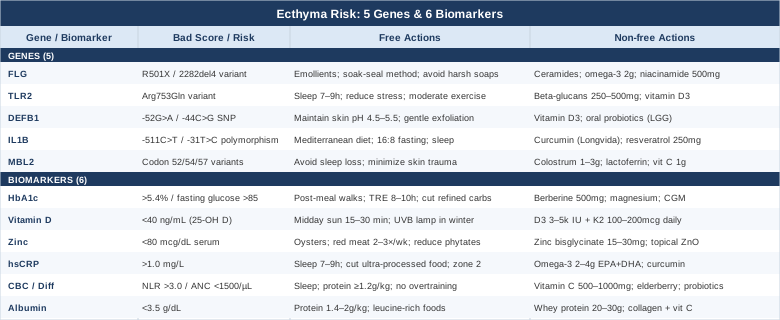
6 Biomarkers to Track If You Are Dealing With Ecthyma
Most infectious skin conditions are treated at the surface level — literally. But the biology that determines whether an infection progresses into a deep ulcer, whether it heals cleanly, and whether it comes back, is almost entirely systemic. These six biomarkers cut through that systemic picture. They are not exhaustive, but they are the most actionable and evidence-grounded for ecthyma specifically.
1. HbA1c and Fasting Blood Glucose: The Metabolic Gate to Healing
Why it matters
Elevated blood glucose is one of the most well-established risk factors for impaired wound healing and susceptibility to bacterial skin infections. In people with poorly controlled diabetes or even subclinical insulin resistance, the skin microenvironment changes in multiple ways: glucose feeds bacterial growth, glycosylation impairs neutrophil function, and capillary damage reduces oxygen delivery to tissues. Ecthyma, with its deep dermal ulceration, is particularly sensitive to these changes. People with diabetes are significantly overrepresented in ecthyma case series, and healing trajectories are measurably longer when glucose is dysregulated.
HbA1c reflects average blood glucose over the prior two to three months. Fasting glucose gives a real-time snapshot. Together, they tell you whether metabolic dysfunction is silently undermining your skin's defenses. This is not only relevant for diagnosed diabetics — mild insulin resistance, prediabetes, and even reactive hypoglycemia can all impair immune function in ways that create a window for bacterial invasion.
How to measure it
Both tests are available through any standard blood panel ordered by a physician. HbA1c runs approximately $15–$40 out of pocket; fasting glucose is often included in a basic metabolic panel ($25–$80). Many direct-to-consumer lab services (such as Labcorp or Quest via ordering platforms) offer these without a physician referral. Optimal HbA1c is below 5.4%. Fasting glucose optimal range is 70–85 mg/dL according to practitioners like Peter Attia, who considers values above 90 worth investigating in a longevity context.
If the score is bad: the plan without supplements
The most effective non-supplement intervention for elevated HbA1c is structured walking after meals — even 10 minutes post-meal significantly blunts the glucose spike. Time-restricted eating (an 8–10 hour eating window) reduces average daily insulin exposure without caloric restriction. Replacing refined carbohydrates with fibrous whole foods and eliminating liquid calories are foundational. Sleep optimization is critical: a single night of poor sleep is sufficient to meaningfully raise fasting glucose the following morning. Frequency: daily, indefinitely. These are lifestyle interventions, not cycling protocols.
If the score is bad: the plan with supplements or equipment
Berberine (500 mg, two to three times daily with meals) has demonstrated glucose-lowering effects comparable to low-dose metformin in several trials, including a 2009 randomized controlled trial published in Metabolism. It should be cycled — 8 weeks on, 2–4 weeks off — as it can disrupt the gut microbiome with long-term continuous use. Magnesium glycinate (200–400 mg daily) improves insulin sensitivity in deficient individuals. A continuous glucose monitor (CGM) such as Libre or Dexterity, worn for one to two weeks, provides remarkably granular data about which specific foods and behaviors are spiking your glucose — this is the most powerful diagnostic tool available for personalizing dietary change, and it requires no prescription in most countries.
Side effects of berberine: gastrointestinal upset at high doses, potential drug interactions with medications metabolized by CYP enzymes. Do not combine with metformin without medical supervision.
2. 25-Hydroxyvitamin D: Your Skin's First Antimicrobial Line
Why it matters
Vitamin D does far more than regulate calcium. In the skin, it directly upregulates the production of cathelicidin (LL-37) and beta-defensins — antimicrobial peptides that form a chemical barrier against pathogens including Staphylococcus aureus and Streptococcus pyogenes, the primary organisms responsible for ecthyma. Research published in the Journal of Investigative Dermatology demonstrated that vitamin D receptor signaling in keratinocytes is essential for cathelicidin induction in response to bacterial invasion.
Deficiency is extraordinarily common — estimates suggest 40–50% of the general population in northern latitudes have serum levels below functional thresholds. In the context of ecthyma, low vitamin D creates a specific vulnerability: reduced capacity to mount an immediate chemical defense at the skin surface, meaning bacteria that would normally be neutralized before they can penetrate deeply are instead able to establish infection.
How to measure it
Serum 25-hydroxyvitamin D (25-OH D) is the standard test. Cost ranges from $30–$80 out of pocket. Peter Attia and other longevity-focused clinicians typically target 40–60 ng/mL (100–150 nmol/L) as optimal — significantly above the "sufficient" threshold of 20 ng/mL used in conventional medicine. Testing is ideally done in late winter to capture the seasonal nadir.
If the score is bad: the plan without supplements
The most effective non-supplemental strategy is consistent midday sun exposure — 15–30 minutes of direct skin exposure (arms and legs, without sunscreen) around solar noon. This is highly latitude- and season-dependent. In practice, without supplementation, it is extremely difficult to maintain optimal vitamin D levels year-round in most climates above 35 degrees latitude. Using a UVB lamp (such as a Sperti or similar medical-grade device, 3–5 minutes, three times per week) can partially compensate in winter months.
If the score is bad: the plan with supplements or equipment
Vitamin D3 supplementation with K2 co-administration is the standard protocol. Dosing depends on baseline levels, but 3,000–5,000 IU of D3 daily with 100–200 mcg of MK-7 (K2) is a typical starting point for most adults with deficiency. For severe deficiency (below 20 ng/mL), 8,000–10,000 IU short-term under medical guidance may be indicated. Retest after 8–12 weeks to calibrate. D3 is fat-soluble; take with the largest meal of the day. Side effects of excess: rare but includes hypercalcemia at sustained megadoses; monitoring calcium alongside vitamin D is prudent above 6,000 IU daily.
3. Serum Zinc: The Wound Healer Most People Are Running Low On
Why it matters
Zinc is required for every stage of wound healing — from initial hemostasis and inflammatory cell recruitment through epithelial regeneration and collagen synthesis. It is also essential for the activity of neutrophils, natural killer cells, and T-lymphocytes. In the context of ecthyma specifically, zinc's role is doubly important: it limits bacterial virulence directly (zinc is bacteriostatic in certain concentrations) and it accelerates the epithelial repair that closes ulcerated lesions.
Subclinical zinc deficiency is far more common than clinically diagnosed deficiency, particularly in elderly populations, those with inflammatory bowel disease, vegetarians, and heavy alcohol consumers. A review in Wound Repair and Regeneration documented significantly slower healing rates in zinc-deficient patients, with repletion producing measurable improvement in wound closure timelines.
How to measure it
Serum zinc (also called plasma zinc) is the standard test, running $30–$60 out of pocket. Interpretation requires some context: serum levels do not always reflect tissue zinc status, and testing should ideally be done fasting in the morning. Optimal range is generally cited as 80–120 mcg/dL. Alkaline phosphatase on a standard metabolic panel can serve as an indirect indicator — persistently low alkaline phosphatase (below 50 U/L) is a soft signal of zinc insufficiency.
If the score is bad: the plan without supplements
Dietary zinc is highest in oysters (by far), red meat, poultry, and legumes. Increasing red meat to two to three servings per week, consuming oysters regularly, and reducing phytate-rich foods (unsoaked legumes, high-bran products) that block zinc absorption are effective first steps. Soaking and sprouting legumes before cooking reduces phytate content by 30–50%. Frequency: dietary change is ongoing, with reassessment at three months.
If the score is bad: the plan with supplements or equipment
Zinc bisglycinate or zinc picolinate (15–30 mg elemental zinc daily with food) are the most bioavailable forms. Do not exceed 40 mg daily without monitoring, as excess zinc competitively inhibits copper absorption — leading to a secondary copper deficiency with neurological consequences. Cycling: 8 weeks on, assess, then adjust. If supplementing long-term, copper co-supplementation (1–2 mg of copper bisglycinate daily) is advisable. Topical zinc oxide applied to active lesions has direct antimicrobial and wound-supportive properties and is low-risk.
4. High-Sensitivity CRP: Reading Your Inflammatory Baseline
Why it matters
C-reactive protein (CRP) is produced by the liver in response to interleukin-6 (IL-6) signaling, and high-sensitivity CRP (hsCRP) detects even low-grade chronic inflammation that standard CRP testing misses. In the context of ecthyma, chronic systemic inflammation is relevant for two reasons: it reflects ongoing immune dysregulation that may impair targeted responses to localized infections, and elevated baseline inflammation is consistently associated with impaired wound healing.
Thomas Dayspring and Peter Attia both consider hsCRP one of the most useful cardiovascular and metabolic health markers — but its relevance extends clearly to immune function. A chronically elevated hsCRP (above 1.0 mg/L, and especially above 3.0 mg/L) suggests the immune system is already engaged elsewhere, potentially leaving fewer resources for managing a new bacterial insult at the skin level.
How to measure it
hsCRP is a widely available blood test, typically $15–$50 out of pocket. It should not be tested during or immediately after any acute illness, as it will spike dramatically and meaninglessly. Aim for a quiet baseline period — at least two weeks from any infection or significant physical stress. Optimal: below 0.5 mg/L. Borderline concern: 1.0–3.0 mg/L. High concern: above 3.0 mg/L.
If the score is bad: the plan without supplements
Sleep quality is the single most powerful modifiable driver of hsCRP. Consistently getting 7–9 hours of restorative sleep typically lowers hsCRP measurably within weeks. Eliminating ultra-processed foods, especially refined seed oils and high-fructose corn syrup, reduces the substrate for inflammatory signaling. Regular moderate exercise (150+ minutes per week of zone 2 cardio) lowers hsCRP over time. Stress reduction — specifically through lowering chronic cortisol — is equally important.
If the score is bad: the plan with supplements or equipment
Omega-3 fatty acids (EPA and DHA, 2–4 grams per day of combined EPA+DHA from fish oil or algae-derived sources) have robust evidence for lowering hsCRP and systemic inflammation. Curcumin with piperine (500–1,000 mg of a bioavailable formulation such as Longvida or Meriva, daily) has shown consistent anti-inflammatory effects in randomized trials. Cycling: omega-3 is safe long-term; curcumin can be continuous for 12 weeks, then reassessed. Avoid high-dose fish oil (above 4 g EPA+DHA) if on anticoagulant therapy due to potential bleeding risk.
5. Complete Blood Count With Differential: Your Immune Army's Readout
Why it matters
The complete blood count (CBC) with differential is arguably the most overlooked immune assessment tool available at low cost. For ecthyma specifically, the most relevant values are: absolute neutrophil count (neutrophils are the primary responders to bacterial skin infections), lymphocyte count (adaptive immunity), and the neutrophil-to-lymphocyte ratio (NLR) — a marker of immune balance that has predictive value for infection severity and healing outcomes.
Low neutrophil counts (below 1,500/μL) significantly impair the body's ability to contain bacterial infections. Conversely, a chronically elevated NLR (above 3.0 in a non-acute setting) suggests chronic stress on the immune system. Both patterns create conditions where ecthyma is harder to prevent and harder to resolve.
How to measure it
CBC with differential is one of the most affordable standard tests, typically $10–$40. It is routinely included in annual wellness panels. The differential breaks down white blood cell subtypes — this detail matters and should be specifically requested if ordering independently. Key values: absolute neutrophil count (ANC) ideally 2,000–7,000/μL; NLR below 2.0 at baseline.
If the score is bad: the plan without supplements
Chronically elevated NLR and suppressed lymphocytes often reflect poor sleep, chronic psychological stress, or excessive caloric restriction. Normalizing sleep is first priority. Returning to adequate protein intake (1.2–2.0 g/kg of body weight daily) is critical for immune cell production. Reducing overtraining if you exercise intensively — overtraining significantly suppresses immune function, a phenomenon well-documented in endurance athletes.
If the score is bad: the plan with supplements or equipment
Vitamin C (500–1,000 mg per day) directly supports neutrophil function, chemotaxis, and oxidative burst capacity. Elderberry extract (sambucus nigra, 300–600 mg standardized extract) has shown cytokine-modulating effects in small randomized trials. Probiotics (specifically Lactobacillus rhamnosus GG and Bifidobacterium longum) have demonstrated measurable effects on immune cell distribution and function. Cycling: vitamin C is safe continuously; elderberry use is best cycled — 4 weeks on, 2 weeks off.
6. Serum Albumin: The Nutritional Foundation of Skin Repair
Why it matters
Albumin is the most abundant protein in blood plasma, and its serum level is one of the most sensitive indicators of overall nutritional status and protein adequacy. For wound healing, albumin is essential: it maintains oncotic pressure (keeping fluid in the vascular space and preventing edema at wound sites), transports zinc and other micronutrients, and reflects whether the body has adequate protein substrate for tissue repair.
Serum albumin below 3.5 g/dL is associated with significantly impaired wound healing in multiple surgical and dermatology contexts. Even values in the lower-normal range (3.5–3.8 g/dL) in the setting of active infection or wound healing suggest that protein availability may be a limiting factor. This is especially relevant in elderly patients, those with chronic illness, or anyone with reduced dietary protein intake.
How to measure it
Serum albumin is typically included in a comprehensive metabolic panel (CMP), which runs $25–$80 out of pocket. Optimal levels are generally 4.0–5.0 g/dL. Values below 3.5 g/dL are clinically significant; values below 4.0 g/dL in the context of healing wounds warrant dietary attention.
If the score is bad: the plan without supplements
Increasing total dietary protein to at least 1.4–2.0 g/kg per day is the foundation. For healing individuals, protein needs are elevated — the metabolic cost of tissue repair is substantial. Leucine-rich protein sources (eggs, meat, fish, dairy) stimulate albumin synthesis most effectively. Reducing caloric restriction and ensuring adequate total calorie intake is equally important — albumin cannot be synthesized adequately in a significant caloric deficit.
If the score is bad: the plan with supplements or equipment
Whey protein isolate (20–30 g per serving, one to two times daily if dietary intake is insufficient) is highly bioavailable and leucine-dense. Collagen peptides (10–20 g daily with vitamin C) provide glycine and proline substrates directly relevant to skin and connective tissue repair. Essential amino acid (EAA) blends are an alternative for those avoiding dairy. These are safe for long-term use when total daily protein is tracked.
The biomarker picture points clearly in one direction: ecthyma susceptibility and healing capacity are not random — they are shaped by measurable, modifiable factors. Understanding your genetic profile adds another layer of precision to that picture.
The Genetic Layer: 5 Gene Variants That Shape Your Ecthyma Risk
Genetic variants do not cause ecthyma — a bacterium does. But they determine the terrain in which that infection either takes hold or gets rapidly repelled. The five genes below represent the most clinically relevant and evidence-supported genetic factors for skin barrier integrity and innate immune competence against the pathogens responsible for ecthyma.
FLG (Filaggrin): The Skin Barrier Gene
What it affects
Filaggrin is a structural protein essential for forming the skin's outermost protective layer. Loss-of-function mutations in the FLG gene (notably R501X and 2282del4, among others) lead to a compromised epidermal barrier — skin that is more permeable to bacteria, allergens, and moisture loss. Individuals with FLG mutations have measurably thinner corneal layers and reduced natural moisturizing factors. This creates a direct portal for bacterial entry, and it explains why FLG mutation carriers have significantly higher rates of eczema, impetigo, and related bacterial skin infections.
The original landmark study identifying FLG mutations as a major risk factor for atopic dermatitis was published by Palmer et al. in Nature Genetics (2006), and subsequent research has confirmed that these mutations create generalized skin barrier vulnerability beyond eczema.
If the gene is bad: the plan without supplements
The most important non-supplement strategy for FLG mutation carriers is aggressive, consistent skin moisturization. Using thick emollients (petrolatum-based balms, ceramide-rich creams) applied immediately after bathing — the "soak and seal" method — measurably reduces transepidermal water loss and bacterial colonization. Avoiding harsh soaps and detergents that strip the acid mantle is essential. Frequency: twice daily, indefinitely. Temperature and humidity control (avoiding extreme dryness) matters — humidifiers in dry climates are a practical tool.
If the gene is bad: the plan with supplements or equipment
Ceramide-containing moisturizers directly replenish skin barrier lipids. Omega-3 fatty acids (EPA+DHA, 2–3 g/day) reduce skin permeability and inflammatory cytokine signaling in the skin. Niacinamide (topical 4–5% or oral 500 mg daily) upregulates ceramide synthesis in keratinocytes. Cycling: omega-3 is safe continuously; oral niacinamide can be used continuously at this dose, with monitoring for liver enzymes at very high doses. Side effects of niacinamide: flushing is rare at 500 mg (as opposed to niacin), making it well-tolerated for most.
TLR2 (Toll-Like Receptor 2): Your Bacterial Alarm System
What it affects
Toll-like receptors are pattern recognition molecules of the innate immune system. TLR2 specifically recognizes cell wall components of gram-positive bacteria — including Staphylococcus aureus and Streptococcus pyogenes, the primary ecthyma pathogens. Variants in TLR2 that reduce its expression or signaling capacity blunt the initial immune alarm triggered when these bacteria contact skin cells, delaying neutrophil recruitment and cytokine production.
Evidence from human genetic studies suggests that TLR2 variants (including Arg753Gln) are associated with increased susceptibility to staphylococcal infections. The early delay in immune recognition allows bacteria more time to penetrate from the superficial epidermis into the dermis — precisely the progression that defines ecthyma versus superficial impetigo.
If the gene is bad: the plan without supplements
Sleep optimization is the most powerful non-supplement driver of TLR signaling competence — chronic sleep deprivation directly downregulates innate immune receptor expression. Reducing chronic stress (which suppresses TLR2 signaling via glucocorticoid pathways) through structured stress management is a legitimate, evidence-based intervention. Regular low-to-moderate exercise upregulates TLR2 expression on monocytes.
If the gene is bad: the plan with supplements or equipment
Beta-glucans (from oats or Saccharomyces cerevisiae, 250–500 mg daily) upregulate innate immune pattern recognition, including TLR signaling pathways. Vitamin D (as covered in the biomarker section) synergizes with TLR2 to produce cathelicidin — this connection makes vitamin D optimization especially critical for TLR2 variant carriers. Cycling: beta-glucans are safe for continuous use; use for 12 weeks, then reassess. Side effects: well-tolerated; rarely causes digestive discomfort at higher doses.
DEFB1 (Beta-Defensin 1): The Antimicrobial Peptide Gene
What it affects
Beta-defensins are small antimicrobial peptides produced by keratinocytes and immune cells that directly kill or inhibit bacteria at the skin surface. DEFB1 encodes beta-defensin-1, which is constitutively expressed in skin — it is always present, acting as a baseline chemical barrier. Polymorphisms in the DEFB1 promoter region (particularly -52G>A and -44C>G) reduce its baseline expression, lowering the chemical barrier at the skin surface.
This is particularly relevant for ecthyma because reduced beta-defensin-1 expression means that S. aureus colonization on skin is less well-controlled from the start. The evidence is clearest from studies of atopic dermatitis and HIV-associated skin infections, where DEFB1 variants correlate with bacterial skin complications.
If the gene is bad: the plan without supplements
Keeping skin clean without disrupting the acid mantle (optimal skin pH is 4.5–5.5) supports the environment in which defensins function most effectively. Avoiding antibacterial soaps that eliminate beneficial commensal bacteria (which competitively exclude pathogens) is important. Regular gentle exfoliation (enzymatic, not abrasive) promotes keratinocyte renewal and may support defensin production in active cells.
If the gene is bad: the plan with supplements or equipment
Vitamin D3 (as above) directly upregulates the expression of cathelicidin and beta-defensins through the vitamin D receptor on keratinocytes — this is one of the strongest evidence-based connections between a supplement and enhanced antimicrobial peptide production. Probiotics applied topically (Roseomonas mucosa, being studied in early trials for eczema/skin barrier conditions) or taken orally (Lactobacillus rhamnosus GG) may modulate defensin induction via the gut-skin axis. Evidence for the probiotic angle is early but promising.
IL1B (Interleukin-1 Beta): The Inflammatory Response Calibrator
What it affects
Interleukin-1 beta is a central pro-inflammatory cytokine released by macrophages and keratinocytes in response to bacterial detection. IL1B variants (notably the -511C>T and -31T>C promoter polymorphisms) affect baseline and inducible IL-1β production. Both overproduction and underproduction are problematic: insufficient IL-1β slows immune mobilization at infection sites, while overproduction drives excessive tissue damage and scarring — both of which are relevant in ecthyma's characteristic deep ulceration and scar formation.
If the gene is bad: the plan without supplements
Anti-inflammatory dietary patterns — specifically Mediterranean-style eating rich in polyphenols, omega-3s, and fiber — measurably reduce baseline IL-1β production. Intermittent fasting (16:8 eating window) has been shown to reduce NLRP3 inflammasome activation, which is the primary driver of IL-1β processing. Adequate sleep is essential — even one night of sleep deprivation markedly elevates IL-1β in plasma.
If the gene is bad: the plan with supplements or equipment
Curcumin with bioavailability enhancers (Longvida or Meriva formulations, 400–800 mg daily) directly inhibits IL-1β production via NF-κB pathway modulation. Resveratrol (250–500 mg, trans-resveratrol) has demonstrated NLRP3 inflammasome suppression in human studies. Cycling: 8–12 weeks on, 4 weeks off for both; curcumin interacts with blood thinners and some chemotherapy agents — consult a physician if on medication.
MBL2 (Mannose-Binding Lectin): The Complement Cascade Initiator
What it affects
Mannose-binding lectin (MBL) is a pattern recognition protein of the innate immune system that activates the complement cascade upon binding to sugar patterns on bacterial surfaces. MBL2 variants (codons 52, 54, and 57) significantly reduce circulating MBL levels, impairing this rapid early defense against encapsulated and gram-positive bacteria. Individuals with MBL2 variants in the homozygous or compound heterozygous state may have near-undetectable MBL levels and are more susceptible to recurrent bacterial infections — including skin infections — particularly in childhood and during periods of immunosuppression.
Evidence for MBL2 and increased bacterial infection susceptibility comes from multiple observational studies. While gene therapy for MBL is not available, the functional impact is partially compensable.
If the gene is bad: the plan without supplements
Avoiding immunosuppressive behaviors — chronic sleep deprivation, excessive alcohol, overtraining, severe caloric restriction — is the most impactful non-supplement intervention. Since MBL deficiency creates a gap in complement activation, supporting adaptive immunity (via consistent exercise, sleep, and nutrition) provides partial functional compensation. Minimizing skin trauma (insect bites, scratches) that provide bacterial entry points is important, since the first-line chemical defense may be weaker.
If the gene is bad: the plan with supplements or equipment
Colostrum (bovine colostrum, 1–3 g daily) contains immunoglobulins and lactoferrin that partially compensate for reduced complement activity at mucosal and epithelial surfaces. Lactoferrin alone (200–300 mg daily) has demonstrated direct antimicrobial activity against S. aureus in human studies. Vitamin C (500–1,000 mg daily) supports neutrophil function, partially substituting for complement-mediated bacterial killing. Cycling: lactoferrin can be used continuously; colostrum ideally 12 weeks on, then reassess. Generally well-tolerated; those with dairy allergies should avoid bovine colostrum.
With both the biomarker and genetic profiles in hand, it is worth turning to one broader framework that ties immune optimization together and applies directly to what you have just read.
What Immune Optimization Research Reveals About Skin Defense
Peter Attia's framework in Outlive: The Science and Art of Longevity extends far beyond cardiovascular disease — his approach to tracking and intervening on systemic inflammation, metabolic function, and nutritional adequacy maps almost precisely onto the biomarker-driven framework most relevant to ecthyma. Below are the ten most actionable insights from this body of work as they apply to bacterial skin infection susceptibility and wound healing.
1. Insulin Resistance Is Invisible Until It Isn't
Attia argues that HbA1c alone misses early insulin resistance. HOMA-IR (calculated from fasting glucose and fasting insulin) is a more sensitive early marker. A HOMA-IR above 1.5 indicates developing insulin resistance years before HbA1c rises. For ecthyma, this matters because even early-stage insulin resistance impairs neutrophil and macrophage function in ways that create subclinical immune vulnerability.
2. Zone 2 Cardio Is the Most Underutilized Metabolic Medicine
Consistent aerobic exercise at low-to-moderate intensity (roughly 60–70% of max heart rate, conversational pace) for 150–180 minutes per week is one of the most potent interventions for lowering hsCRP, improving insulin sensitivity, and supporting immune cell trafficking. Attia considers Zone 2 training non-negotiable for metabolic health.
3. Protein Is Chronically Underconsumed, Especially With Age
The conventional RDA for protein (0.8 g/kg body weight) is a minimum to avoid deficiency, not an optimal intake for repair, immune function, or muscle preservation. Attia targets 1.6–2.2 g/kg per day — significantly higher. Given that albumin synthesis and wound healing are protein-dependent, this has direct relevance to ecthyma recovery.
4. Sleep Debt Is Immune Debt
The research is consistent: sleeping fewer than 7 hours per night chronically elevates IL-6, CRP, and cortisol while suppressing natural killer cell activity and neutrophil function. Attia frames sleep as the highest-leverage recovery and immune maintenance tool available. Sleep hygiene (consistent schedule, dark and cool room, no alcohol within three hours of bed) outperforms most supplements in measurable impact on immune markers.
5. VO2 Max Predicts Immune Resilience
High aerobic fitness, reflected in VO2 max, is one of the strongest predictors of long-term health outcomes — and immune resilience specifically. Individuals in the top quartile for VO2 max have measurably better-regulated immune responses to infection. Improving VO2 max requires both Zone 2 training and weekly high-intensity intervals (one to two sessions).
6. Omega-3 Index Should Be Measured, Not Estimated
Attia advocates directly measuring the omega-3 index (EPA+DHA as a percentage of red blood cell fatty acids) rather than assuming dietary or supplement adequacy. An index below 8% is suboptimal. This is distinct from standard lipid panels and requires a specialty test (available from OmegaQuant, approximately $50 out of pocket). High omega-3 index is associated with lower CRP and better inflammatory resolution.
7. Visceral Fat Is the Hidden Inflammatory Driver
Subcutaneous fat is metabolically inert. Visceral fat — fat stored around organs — is metabolically active and releases pro-inflammatory cytokines continuously. It cannot be measured by scale or BMI; DEXA scan or waist-to-height ratio are better proxies. Reducing visceral fat through exercise and caloric moderation is among the most effective ways to lower baseline hsCRP and IL-6.
8. Muscle Mass Is an Immune Reservoir
Skeletal muscle serves as a glutamine reservoir. Glutamine is the primary fuel for rapidly dividing immune cells including lymphocytes. During acute infection, muscle glutamine is mobilized to support the immune response — which is why individuals with low muscle mass (sarcopenia) mount weaker immune responses and heal more slowly. Resistance training two to three times per week is therefore not optional for immune competence.
9. Continuous Glucose Monitoring Changes Behavior in Ways Nothing Else Can
Wearing a CGM for two to four weeks reveals glucose responses to specific foods, stress, sleep deprivation, and exercise in ways that averages cannot. Attia considers this among the most impactful diagnostic interventions available — not for diabetics, but for anyone wanting to understand their metabolic health at a granular level. The behavioral change that follows accurate real-time feedback consistently surpasses what dietary advice alone produces.
10. The Four Pillars Are Non-Negotiable Before Supplements
Attia's framework identifies exercise, sleep, nutrition (adequate protein and minimally processed foods), and stress management as the four essential foundations. No supplement compensates meaningfully for serious deficits in any of these. In the context of ecthyma, this translates directly: no zinc supplement overcomes chronic sleep deprivation, and no omega-3 works well in a high-sugar, sedentary context.
Complementary and Alternative Approaches With Clinical Evidence
Several non-pharmaceutical modalities have meaningful human clinical evidence relevant to bacterial skin infections, wound healing, or the immune and metabolic factors that shape ecthyma susceptibility. The four below represent the strongest matches.
Photobiomodulation (Low-Level Laser Therapy)
Photobiomodulation (PBM) uses specific wavelengths of red or near-infrared light to stimulate cellular energy production via cytochrome c oxidase in mitochondria. It has accumulated substantial clinical evidence for wound healing — accelerating tissue repair, reducing inflammation, and stimulating angiogenesis at ulcer sites. For ecthyma specifically, PBM is relevant both for accelerating resolution of active ulcers and reducing scarring in the healing phase.
A systematic review published in Photomedicine and Laser Surgery (2014) covering multiple randomized controlled trials concluded that low-level laser therapy significantly accelerates wound healing compared to sham treatment, with effect sizes that are clinically meaningful in chronic and deep wounds.
In practice: devices delivering 630–850 nm wavelengths (red and near-infrared) at 10–50 mW/cm² for 5–10 minutes per session, applied directly over healing lesions, are the standard protocol. Consumer-grade panels (such as Joovv, RedRush, or similar) can approximate clinical settings. Use daily or every other day during active healing. Avoid direct use over open infected wounds before bacterial load is under control. Side effects: minimal at standard doses; avoid direct eye exposure.
Microbiome-Directed Therapies
The skin hosts a complex microbiome — a community of commensal bacteria that compete with pathogens, modulate immune signaling, and reinforce the chemical barrier. Dysbiosis of the skin microbiome (particularly overgrowth of S. aureus at the expense of Staphylococcus epidermidis) is directly relevant to bacterial skin infection susceptibility. Gut microbiome composition also influences systemic immune regulation through the gut-skin axis.
Human clinical evidence supports both oral probiotics and specific topical approaches. A 2021 randomized trial published in Nature Medicine demonstrated that topical application of Roseomonas mucosa reduced S. aureus colonization and improved skin barrier function in atopic dermatitis — a condition sharing many pathophysiological features with recurrent bacterial skin infections.
Practically: oral probiotics containing Lactobacillus rhamnosus GG and Bifidobacterium longum (taken daily with or after meals) represent the most evidence-backed systemic approach. Topically, diluted apple cider vinegar rinses (1:10 with water) lower skin pH toward the optimal 4.5–5.5 range, creating an inhospitable environment for S. aureus. Avoid antibiotic use for non-bacterial conditions, as it disrupts both gut and skin microbiomes. These approaches are low-risk and adjunctive, not replacements for antibiotic treatment of active ecthyma.
Chinese Herbal Medicine
Traditional Chinese medicine (TCM) has a documented history of use in bacterial and inflammatory skin conditions, and several specific formulas have entered clinical research for skin infections and wound healing. Huang Qi (Astragalus membranaceus) and Huang Lian (Coptis chinensis) — the latter containing berberine — have both demonstrated antimicrobial and immune-modulating activity in in vitro and early human studies.
A 2017 review in the Journal of Ethnopharmacology summarized clinical evidence for TCM in inflammatory skin disorders, noting that multi-herb formulas targeting heat-toxin pathology (the TCM category most analogous to bacterial skin infection) have demonstrated clinical improvement in several small randomized trials.
Practically: Chinese herbal medicine is most safely accessed through a licensed practitioner of TCM who can prescribe a tailored formula. Self-prescribing from combination products is less precise. Common formulas for bacterial skin conditions include Long Dan Xie Gan Tang and Wu Wei Xiao Du Yin — but selection depends on individual presentation. Treatment typically runs 4–8 weeks. Important caveat: some Chinese herbal products have documented adulteration and hepatotoxic risks — use only products tested by third-party labs for heavy metals and authenticity.
Mindfulness Meditation and Stress Reduction (MBSR)
Chronic psychological stress is a direct immunosuppressant. Elevated cortisol impairs neutrophil function, suppresses TLR signaling, and reduces skin barrier competence — all of which are directly relevant to ecthyma susceptibility and healing. Mindfulness-Based Stress Reduction (MBSR) is an 8-week structured program with robust clinical evidence for reducing cortisol, CRP, and subjective stress in diverse patient populations.
A 2016 randomized trial in Psychoneuroendocrinology demonstrated that MBSR significantly reduced CRP and interleukin-6 in a general adult population compared to an active control group — effects that are directly relevant to the immune and inflammatory biomarkers covered in this article.
In practice: the standard MBSR protocol involves 8 weekly 2.5-hour group sessions plus daily home practice (20–40 minutes). It is available through hospitals, universities, and via validated online programs (Palouse Mindfulness offers a free structured online version). For those who find formal meditation inaccessible, five to ten minutes of slow diaphragmatic breathing (4-second inhale, 6-second exhale) twice daily has demonstrated measurable cortisol reduction effects in randomized studies. No side effects; the main barrier is consistency.
Conclusion
Ecthyma is a bacterial infection, but vulnerability to it — and the speed of recovery — is shaped by factors that standard treatment rarely addresses. Your metabolic health, your vitamin D status, your zinc levels, your inflammatory baseline, your immune competence, and your nutritional foundation all determine whether a minor wound becomes a deep ulcer and how quickly that ulcer heals. The genetic factors covered here — FLG, TLR2, DEFB1, IL1B, and MBL2 — tell you which of those systems deserves the most attention for your biology specifically.
The clearest next steps are also the most practical: get your HbA1c, vitamin D, and zinc tested if you have not recently done so. Look at your sleep and protein intake honestly. If you have access to genetic testing, understanding your filaggrin and TLR2 status adds meaningful precision to your prevention strategy. None of this replaces appropriate medical care for an active infection — but it does give you a framework for preventing the next one and improving the odds that your skin heals cleanly when it does.
Infectious Skin Endocrine & Metabolic
Skin: Infectious Skin Conditions
Endocrine & Metabolic: Diabetes & Blood Sugar
Autoimmune: Inflammatory Conditions
Infectious: Bacterial Infections