This article contains AI generated content.
· UpdatedEhrlichiosis — 5 Genes and 6 Biomarkers to Track
Introduction
Ehrlichiosis is a tick-borne bacterial infection that, in the textbook version, follows a clean arc: bite, symptoms, doxycycline, recovery. For many people, that is exactly what happens. But for a significant minority, the story is messier — persistent fatigue that stretches for months, cognitive fog that lingers past the point where lab tests say everything is normal, or a course of illness that turns serious fast while a neighbor with the same diagnosis barely noticed a thing.
The standard explanation offered for this variability is usually unhelpful. "Everyone is different" is true but not actionable. What's rarely discussed is that the gap between a smooth recovery and a difficult one often has concrete biological underpinnings — specific immune genes that shape how aggressively the body responds to Ehrlichia chaffeensis, and specific blood markers that reveal in real time where the infection is hitting hardest and whether treatment is actually working.
Generic advice — drink water, rest, finish your antibiotics — is not wrong. It's just insufficient. It doesn't tell you whether your platelet count is heading toward a dangerous threshold, whether your ferritin is approaching a level that warrants immediate medical escalation, or whether a genetic variant in your TLR4 receptor may explain why your innate immune response was slower off the mark than it should have been.
This article takes a more specific approach. It covers six biomarkers that directly track the mechanisms through which ehrlichiosis damages the body — useful for anyone in the acute phase, the recovery phase, or trying to understand a difficult case. It also covers five immune genes that shape host susceptibility and severity, with practical plans for each. Better information doesn't guarantee a better outcome, but it consistently leads to better decisions.
Summary
- 6 key biomarkers: WBC/lymphocyte count, platelet count, AST/ALT liver enzymes, ferritin, high-sensitivity CRP, and serum sodium — each one maps to a distinct biological pathway that ehrlichiosis disrupts - Ferritin above 500 μg/L is a red flag: extreme elevation can precede hemophagocytic lymphohistiocytosis (HLH), a life-threatening complication that is frequently missed in ehrlichiosis patients - 5 immune genes — TLR4, TNFA, IL10, CD14, and FCGR2A — explain why two people respond so differently to the same infection, and each one has a specific compensatory plan - The TLR4 Asp299Gly polymorphism may blunt your first-line bacterial alarm; beta-glucan and andrographis work through alternative innate immune pathways - A framework from integrative tick-borne disease physician Richard Horowitz maps 10 overlooked reasons why some patients don't recover — and directly challenges the "treated, therefore cured" assumption - Three evidence-backed complementary strategies — microbiome restoration after doxycycline, MBSR for immune-neuroendocrine regulation, and targeted Chinese botanicals — address biological systems that antibiotics alone cannot reset
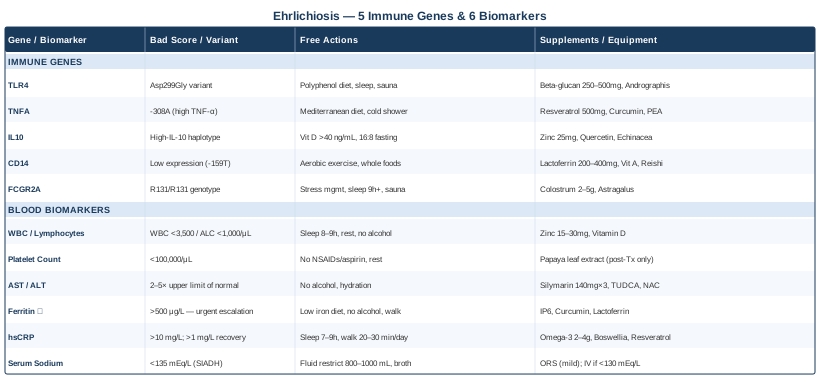
6 Biomarkers That Reveal How Your Body Is Handling Ehrlichiosis
Most people diagnosed with ehrlichiosis receive a positive or negative result, sometimes a PCR number, and a prescription. The blood work that was drawn to arrive at that diagnosis contains far more information than just the diagnosis itself — information that can tell you whether treatment is working, whether complications are developing, and whether what looks like recovery actually is recovery. The six markers below track six distinct dimensions of ehrlichial pathology. Together they form a monitoring dashboard that any patient, in conversation with their clinician, can use to navigate the infection more precisely.
1. WBC and Absolute Lymphocyte Count — The Immune Suppression Signal
Why it matters: Leukopenia — an abnormally low total white blood cell count — is one of the clinical hallmarks of human monocytic ehrlichiosis (HME), appearing in approximately 60–70% of confirmed cases. More diagnostically specific is lymphopenia, a reduction in circulating lymphocytes that reflects E. chaffeensis's direct interference with immune cell signaling. The bacterium infects monocytes and actively suppresses their normal inflammatory cascade, creating a paradoxical state in which the immune system is both activated and functionally impaired.
What it may reveal: A WBC below 3,500 cells/μL or an absolute lymphocyte count below 1,000/μL in a symptomatic patient with tick exposure should raise clinical suspicion for ehrlichiosis even before PCR results return. During treatment, normalization of WBC is one of the most reliable proxies for treatment response. WBC that remains low or continues to fall after 48–72 hours of appropriate doxycycline dosing warrants urgent reassessment for treatment failure, co-infection, or early complications.
How to measure it: A standard CBC with differential includes total WBC and the lymphocyte subset count. Cost ranges from approximately $15–45 at most commercial labs. No fasting is required. The differential component is critical — request it specifically if ordering outside of an emergency setting, as total WBC alone misses the lymphocyte subset information.
If the score is bad, the plan without supplements: The primary intervention is appropriate antibiotic treatment at the correct dose. Beyond pharmacology, reducing physiological stress on the immune system — consistent sleep of 8–9 hours, limiting vigorous exercise, eliminating alcohol — supports immune cell reconstitution. Recheck CBC at days 5–7 of treatment to confirm recovery trajectory. Any downward trend during treatment is a clinical urgency.
If the score is bad, the plan with supplements or equipment: Zinc (15–30 mg/day, taken for 4–6 weeks post-treatment with food to avoid nausea, then cycled off) supports lymphocyte production and T-cell differentiation. Vitamin D, adjusted to achieve serum levels above 40 ng/mL (typically 2,000–4,000 IU/day), modulates innate immune activity. Elderberry and andrographolide have in-vitro immunomodulatory activity but are more appropriate in the post-treatment recovery phase — avoid aggressive immune stimulants during acute infection, as they can amplify unhelpful inflammatory pathways.
2. Platelet Count — Tracking Coagulation Risk
Why it matters: Thrombocytopenia — a low platelet count — is present in 60–90% of ehrlichiosis cases, making it one of the most consistent laboratory abnormalities in the disease. The mechanism is multifactorial: direct platelet destruction by immune-mediated processes triggered by ehrlichial infection, suppression of platelet production in the bone marrow, and splenic sequestration. While severe bleeding complications are uncommon in otherwise healthy adults, profound thrombocytopenia is one of the markers associated with ICU admission and disease severity.
What it may reveal: A platelet count below 100,000/μL is clinically significant. Below 50,000/μL generally warrants close inpatient monitoring. The trajectory during treatment is as important as the absolute number: platelets should begin recovering within 3–5 days of appropriate doxycycline therapy. Platelets that fail to recover — particularly when combined with rising ferritin and persistent fever — may signal the early development of hemophagocytic lymphohistiocytosis (HLH), one of the most serious complications of ehrlichiosis.
How to measure it: Platelet count is part of any standard CBC with no additional cost when ordered alongside WBC. In moderate-to-severe cases, repeat CBC every 48–72 hours during active treatment provides a real-time recovery curve.
If the score is bad, the plan without supplements: Platelet recovery follows antibiotic response — the most important intervention is ensuring treatment is working. Until platelets recover, avoid all substances that further impair platelet function: NSAIDs including ibuprofen, aspirin, high-dose fish oil, high-dose vitamin E, and alcohol. Avoid activities with fall or injury risk. Physical rest, not just activity modification, is appropriate during the acute phase.
If the score is bad, the plan with supplements or equipment: During the post-treatment recovery phase only (not during active antibiotic treatment), papaya leaf extract (100–200 mg/day standardized extract for 5–7 days maximum) has shown preliminary evidence for platelet recovery support in thrombocytopenic conditions, primarily from dengue fever studies. This evidence does not directly transfer to ehrlichiosis but the mechanism — upregulation of platelet precursor cells — is potentially relevant. Do not combine with anticoagulants. Recheck platelets before stopping or extending use.
3. AST and ALT — Your Liver Under Siege
Why it matters: Elevated liver transaminases appear in approximately 80–90% of symptomatic ehrlichiosis cases, making this one of the most consistent and diagnostically important laboratory patterns in the disease. The pathology is dual: E. chaffeensis causes direct hepatocyte injury, and the systemic inflammatory response — particularly macrophage activation and cytokine release — adds immune-mediated hepatic stress. Histologically, ehrlichiosis can cause focal hepatic necrosis and granuloma formation. Transaminase elevations are typically 2–5 times the upper limit of normal, though they can rise dramatically in severe disease.
What it may reveal: The AST/ALT ratio carries additional information: a ratio above 2:1 suggests either greater hepatic involvement or concurrent skeletal muscle damage (myositis, which also occurs in ehrlichiosis). The trajectory matters critically — transaminases that continue rising during treatment, rather than plateauing or declining, raise concern for treatment inadequacy or an unrecognized co-infection with Anaplasma, Babesia, or Rickettsia. Normalization typically takes 2–4 weeks post-treatment completion.
How to measure it: AST and ALT are included in any comprehensive metabolic panel (CMP), costing approximately $25–80 depending on whether it is ordered in hospital or through an outpatient reference lab. Alkaline phosphatase is worth tracking alongside them — it is elevated in approximately half of ehrlichiosis cases and tends to normalize more slowly than AST/ALT. Retesting at 2 and 4 weeks post-treatment is appropriate to confirm full normalization.
If the score is bad, the plan without supplements: Complete alcohol elimination until transaminases normalize — alcohol at any dose adds metabolic stress to an already inflamed liver. Reduce dietary saturated fat and processed food burden. Maintain adequate hydration to support hepatic clearance. Avoid unnecessary medications that rely on hepatic CYP3A4 metabolism during recovery — this includes many common OTC cold and allergy preparations.
If the score is bad, the plan with supplements or equipment: Milk thistle extract (silymarin, 140–210 mg three times daily with meals) has multiple randomized clinical trials supporting its hepatoprotective activity and transaminase-lowering effects; use for 6–8 weeks cycling off after normalization. TUDCA (tauroursodeoxycholic acid, 250–500 mg/day) is a more potent option for significant hepatic inflammation, reducing endoplasmic reticulum stress in hepatocytes directly. NAC (N-acetylcysteine, 600 mg twice daily) replenishes hepatic glutathione, which is depleted under inflammatory conditions. All three are appropriate during the recovery phase and are generally well tolerated.
4. Ferritin — The Hidden Red Flag
Why it matters: Ferritin is an acute-phase protein that rises with inflammation — so a moderate elevation during ehrlichiosis is expected and unremarkable on its own. The danger zone is when it doesn't stay moderate. A ferritin level above 500 μg/L in an ehrlichiosis patient demands immediate clinical attention. A ferritin above 10,000 μg/L meets one of the diagnostic criteria for hemophagocytic lymphohistiocytosis (HLH) — a life-threatening hyperinflammatory syndrome in which activated macrophages begin destroying blood cells rather than pathogens. HLH is a recognized and underdiagnosed complication of ehrlichiosis, with documented case series showing mortality rates above 20% when diagnosis is delayed.
What it may reveal: The clinical pattern to recognize is a patient who initially improves on doxycycline but then deteriorates — developing worsening cytopenias, spiking fevers, and escalating ferritin. This "two-hit" pattern is a cardinal sign of developing HLH and constitutes a medical emergency. Beyond the HLH threshold, persistently elevated ferritin (above 300 μg/L) weeks after treatment completion can indicate ongoing macrophage activation, unresolved co-infection, or iron dysregulation — all of which contribute to post-ehrlichiosis fatigue.
How to measure it: Ferritin is not part of standard metabolic panels and must be requested specifically. Standalone ferritin tests cost approximately $25–80 at reference labs. In any ehrlichiosis patient not recovering as expected, or showing clinical deterioration after initial improvement, ferritin should be the first additional test ordered. No fasting required.
If the score is bad, the plan without supplements: Ferritin above 1,000–2,000 μg/L is not a self-management situation — it requires urgent specialist evaluation, not lifestyle modification. For moderately elevated ferritin during recovery (100–500 μg/L), a temporarily reduced iron intake (limiting red meat and iron-fortified cereals), elimination of alcohol (which upregulates hepcidin and disrupts iron metabolism), and gentle daily walking (which supports ferritin clearance via metabolic demand) are the primary strategies.
If the score is bad, the plan with supplements or equipment: IP6 (inositol hexaphosphate, 1–2 g/day taken on an empty stomach) chelates excess iron and has clinical evidence for reducing ferritin in iron overload states; discontinue if baseline iron studies show deficiency. Curcumin (500–1,000 mg/day with piperine) inhibits NF-kB-driven ferritin synthesis and has anti-inflammatory activity directly relevant to macrophage activation. Lactoferrin (200–300 mg/day) modulates iron transport and has immunoregulatory properties that may dampen the macrophage hyperactivation pattern. All three are appropriate in the post-treatment recovery phase; cycle off after ferritin normalizes.
5. High-Sensitivity CRP — Gauging Systemic Inflammation
Why it matters: C-reactive protein (CRP) is produced by the liver in direct response to IL-6 signaling, making it one of the most direct available proxies for systemic inflammatory burden. During active ehrlichiosis, CRP rises significantly — typically above 10 mg/L in symptomatic patients. But the clinically important moment is the recovery phase. Persistently elevated high-sensitivity CRP (hsCRP above 1.0 mg/L) weeks or months after treatment is a signal that the inflammatory cascade has not fully resolved, which is likely driving the ongoing fatigue, cognitive difficulties, and musculoskeletal pain that many post-ehrlichiosis patients report but cannot get investigated.
What it may reveal: An hsCRP above 10 mg/L indicates active systemic infection or major inflammatory event. The target range advocated by preventive medicine specialists including Peter Attia is below 0.5 mg/L for optimal cardiovascular and immune health. Values between 1 and 3 mg/L — technically "elevated but not alarming" — represent unresolved low-grade inflammation that compounds every biological system involved in recovery. This marker can also help distinguish ehrlichiosis from viral illnesses, which typically produce smaller CRP elevations, and from Lyme disease, which also has a more modest CRP signature.
How to measure it: High-sensitivity CRP (hsCRP) must be ordered specifically — standard CRP lacks sensitivity at the clinically relevant lower range. Cost is approximately $25–60 at commercial labs. Track at 4, 8, and 12 weeks post-treatment to characterize the inflammatory trajectory over time.
If the score is bad, the plan without supplements: Sleep quality is the single most evidence-supported lifestyle variable for reducing hsCRP — 7–9 hours of restorative sleep consistently lowers IL-6 production, which drives CRP synthesis. Eliminating refined sugars and trans fats removes the dietary drivers of CRP. A daily 20–30 minute moderate-intensity walk has shown 30–40% CRP reductions in controlled trials, through its direct anti-inflammatory effect on vascular endothelium and cytokine regulation.
If the score is bad, the plan with supplements or equipment: High-dose omega-3 fatty acids (EPA + DHA combined, 2–4 g/day with food to reduce GI discomfort) are among the best-evidenced CRP-lowering interventions available; reduce to 1–2 g/day maintenance after normalization. Boswellia serrata (400–800 mg/day) is particularly relevant in the post-infection context for its 5-LOX pathway inhibition, which selectively targets the inflammatory mediators most active in tick-borne disease recovery. Resveratrol (500 mg/day) activates SIRT1 and suppresses NF-kB-driven CRP production. These three compounds have complementary mechanisms and can be combined.
6. Serum Sodium — The Often-Missed Metabolic Marker
Why it matters: Hyponatremia — low serum sodium — occurs in approximately 50% of ehrlichiosis patients and remains one of the most underrecognized clinical features of the disease. It results from syndrome of inappropriate antidiuretic hormone secretion (SIADH) triggered by central nervous system involvement or pulmonary pathology, compounded by the systemic stress response. While it often resolves with antibiotic treatment, profound hyponatremia (below 130 mEq/L) can cause neurological symptoms — confusion, headache, lethargy, and in severe cases seizures — that are sometimes misattributed to direct neurological ehrlichiosis.
What it may reveal: Serum sodium below 135 mEq/L in an ehrlichiosis patient warrants assessment for SIADH and careful fluid management decisions. Values below 130 mEq/L in a symptomatic patient may be directly contributing to neurological symptoms and represent an indication for hospitalization in most clinical contexts. Sodium normalization alongside platelet and WBC recovery constitutes a reassuring triple recovery signal — when all three are trending in the right direction, clinical trajectory is generally favorable.
How to measure it: Serum sodium is included in any basic metabolic panel (BMP) or comprehensive metabolic panel at no extra cost. Monitoring frequency depends on severity: mild hyponatremia (130–135 mEq/L) can be rechecked at days 3–5 of treatment; significant hyponatremia requires more frequent assessment. The key practical point is to ensure the electrolytes panel is ordered, not just the CBC, when monitoring ehrlichiosis — the two tests together cost less than $100 and provide vastly more information than either alone.
If the score is bad, the plan without supplements: Mild hyponatremia in ehrlichiosis is primarily treated by correcting the infection. Counterintuitively, excessive water intake worsens hyponatremia by diluting serum sodium further — fluid restriction (typically 800–1,000 mL/day) is often indicated. Moderate intake of sodium-containing foods such as broth is appropriate. Avoid vigorous exercise that drives heavy sweat sodium losses.
If the score is bad, the plan with supplements or equipment: For mild hyponatremia in the outpatient recovery setting, oral rehydration salts (ORS formulations containing 45–75 mEq/L sodium, available at pharmacies for under $10) are more appropriate than commercial sports drinks, which contain inadequate sodium concentrations. Sodium below 130 mEq/L requires IV management — this is not a supplement situation. Ensure any physician managing the fluid balance is explicitly aware of ehrlichiosis as the context, as management differs from other causes of SIADH.
Building a clear picture of where ehrlichiosis is hitting the body — across immune suppression, hepatic stress, coagulation, inflammation, iron metabolism, and electrolyte balance — gives both patients and clinicians far more to work with than a positive PCR and a prescription alone. These six markers don't require specialist access; they're available through any primary care provider.
The Genetic Layer: Why Two People Respond So Differently to the Same Infection
Ehrlichiosis is caused by a bacterium, so it might seem like the outcome should be determined primarily by the pathogen and the treatment. But the clinical reality consistently tells a different story. Two patients bitten by the same tick, receiving the same antibiotic at the same dose, can have dramatically different trajectories — one recovering within a week, the other developing serious complications or enduring months of post-treatment symptoms. Much of this variation is not random. It reflects measurable differences in immune gene architecture.
The following five genes are among the most relevant for understanding individual susceptibility and severity in ehrlichiosis. They span the innate immune recognition system, the inflammatory amplification axis, the anti-inflammatory brake, and the antibody-dependent killing pathway. For each, there are specific strategies — lifestyle-based and supplement-based — that may partially compensate for unfavorable variants.
TLR4 — The Front-Line Pathogen Sensor
Toll-like receptor 4 (TLR4) is one of the primary pattern recognition receptors of innate immunity. It detects bacterial surface structures and triggers the macrophage activation cascade that is the first organized defense against gram-negative bacterial infections. E. chaffeensis, as an intracellular gram-negative pathogen, engages TLR4 signaling — and the strength of that engagement depends significantly on which TLR4 variants the host carries.
Two well-characterized TLR4 polymorphisms — Asp299Gly and Thr399Ile — reduce receptor sensitivity and produce blunted innate immune responses to bacterial triggers. A landmark human genetics study (Arbour et al., Nature Genetics, 2000) established that carriers of these variants show significantly lower lipopolysaccharide-induced cytokine production — meaning a slower and weaker initial alarm signal when bacteria are detected. In ehrlichiosis, this may allow earlier bacterial proliferation before the adaptive immune response engages.
If the gene is unfavorable, the plan without supplements: A polyphenol-rich diet (berries, olive oil, cruciferous vegetables, green tea) upregulates innate immune efficiency through NRF2 pathway activation, partially compensating for reduced TLR4 signaling. Chronic sleep deprivation significantly suppresses TLR4 expression — protecting sleep duration during tick season and post-infection is directly relevant. Sauna exposure (3–4 sessions per week, 15–20 minutes each) activates heat shock proteins that support macrophage priming through TLR4-adjacent pathways.
If the gene is unfavorable, the plan with supplements or equipment: Beta-glucan from oat or baker's yeast (250–500 mg/day) primes macrophages through dectin-1 and other non-TLR4 receptors, effectively bypassing the deficient TLR4 pathway to achieve macrophage readiness. Multiple human trials support its efficacy for innate immune priming. Andrographis paniculata (200–400 mg/day, standardized to andrographolide 10%, used seasonally during spring and fall tick season with a 4-week-off cycle) activates NF-kB through alternative pathways. GI discomfort is the main reported side effect at doses above 400 mg/day; do not combine with anticoagulants.
TNFA — The Inflammatory Amplifier
Tumor necrosis factor alpha (TNF-α) is a central cytokine in macrophage-driven immune responses to intracellular pathogens. E. chaffeensis triggers TNF-α production, and the gene promoter region carries several SNPs that substantially influence how much TNF-α a person produces in response to bacterial stimulation. The -308A variant (rs1800629) is consistently associated with higher TNF-α output, while the more common -308G produces a more modulated response.
High TNF-α production can be protective — it drives macrophage killing and early bacterial containment. But it simultaneously increases the risk of immunopathology in severe disease, contributing to cytokine storm patterns, tissue damage, and the macrophage hyperactivation that precedes HLH. A foundational human genetics study (McGuire et al., Nature, 1994) established the clinical importance of TNFA -308A in modifying disease severity for another intracellular pathogen — Plasmodium falciparum — demonstrating a principle that extends across intracellular infection contexts.
If the gene is unfavorable (high TNF-α producer), the plan without supplements: Prioritize consistent anti-inflammatory dietary patterns — Mediterranean-style eating, with high olive oil, fish, and vegetable intake, durably reduces baseline TNF-α signaling. Eliminate high-glycemic foods during the recovery phase; glycemic spikes drive advanced glycation end products (AGEs) that potentiate TNF-α through RAGE receptors. Moderate aerobic exercise and brief cold water exposure (30–90 second cold showers) activate vagal tone, which has a documented TNF-α-suppressing effect through the inflammatory reflex.
If the gene is unfavorable, the plan with supplements or equipment: Resveratrol (500 mg/day) and curcumin (1,000 mg/day with piperine for absorption) both selectively dampen excessive TNF-α signaling through NF-kB and AP-1 inhibition; their complementary mechanisms make them useful together. Palmitoylethanolamide (PEA, 600 mg twice daily) is a clinically underused endocannabinoid-adjacent compound with direct anti-inflammatory properties that do not involve immunosuppression — particularly relevant for high TNF-α producers. Use 8–12 week cycles with equal-length breaks to avoid tolerance.
IL10 — The Immune Brake
Interleukin-10 is the body's primary anti-inflammatory cytokine — the counterbalance to TNF-α and IL-6 that prevents the immune response from destroying healthy tissue. E. chaffeensis has been shown in research models to actively exploit IL-10 signaling: by inducing excessive IL-10 production in infected monocytes, the bacterium creates an immunosuppressive microenvironment that impairs macrophage killing and allows intracellular survival and replication. This represents a sophisticated immune evasion strategy.
The IL-10 gene promoter carries haplotype-defining polymorphisms at positions -1082, -819, and -592 that determine high, intermediate, or low IL-10 production. People with high-production IL-10 genotypes may be more permissive hosts for ehrlichial infection, while low-production genotypes may produce excessive inflammatory collateral damage during the immune response.
If the gene favors high IL-10 (permissive host), the plan without supplements: Ensuring vitamin D status above 40 ng/mL is a key immune regulatory intervention — vitamin D modulates IL-10 through VDR signaling to prevent the immunosuppressive extreme. Time-restricted eating (16:8 intermittent fasting) has been shown to restore cytokine balance by cycling between pro- and anti-inflammatory states rather than maintaining chronic high IL-10. Ensuring full doxycycline dose adherence is particularly important for high-IL-10 producers — immune clearance of the pathogen may be slower, making antibiotic completeness more consequential.
If the gene favors high IL-10, the plan with supplements or equipment: Zinc (25 mg/day on a 5-days-on, 2-days-off cycle) down-regulates excessive IL-10 in macrophages and T-regulatory cells. Quercetin (500 mg/day) has documented IL-10 modulating properties and enhances zinc uptake by acting as a zinc ionophore — a useful combination. Echinacea purpurea (400 mg/day for 2–3 week courses during and immediately post-infection, not for chronic use) stimulates pro-inflammatory macrophage activity that counterbalances high-IL-10-driven immunosuppression.
CD14 — The Bacterial Signal Amplifier
CD14 is a co-receptor protein that dramatically amplifies TLR4 signaling in response to bacterial lipopolysaccharide. It exists as both a membrane-bound protein on monocytes and macrophages and as soluble circulating sCD14. The C/T polymorphism at position -159 in the CD14 promoter (rs2569190) significantly affects expression levels: the T allele drives higher soluble CD14 production and stronger monocyte activation responses.
Since E. chaffeensis specifically targets monocytes as its intracellular niche, CD14 expression levels directly influence the quality of macrophage detection and response to the invading bacteria. People with reduced CD14 expression may have a slower and less effective macrophage-mediated response during the critical first 24–48 hours of infection.
If the gene is unfavorable (low CD14 expression), the plan without supplements: Moderate aerobic exercise — 30 minutes at 60–70% maximum heart rate, three to four times per week — is one of the most robustly demonstrated methods for increasing circulating monocyte counts and upregulating CD14 expression through direct immune-exercise physiology. This is not general wellness advice; it reflects a specific, documented mechanism. Avoiding ultra-processed food is equally concrete — dietary endotoxin from processed food chronically desensitizes monocyte TLR4/CD14 signaling through repeated low-level stimulation.
If the gene is unfavorable, the plan with supplements or equipment: Lactoferrin (200–400 mg/day) directly modulates monocyte activity and supports macrophage polarization toward a more effective antimicrobial phenotype; it also has preliminary direct activity against intracellular pathogens. Vitamin A from mixed carotenoid sources (beta-carotene 3,000–5,000 IU/day from food or mixed supplements, avoiding isolated high-dose retinol) is essential for monocyte differentiation and CD14 expression maintenance. Reishi mushroom extract (500 mg/day standardized to polysaccharides) supports macrophage differentiation through TLR-independent beta-glucan receptors, providing a complementary signaling channel.
FCGR2A — The Antibody-Dependent Killing Pathway
Fc gamma receptor IIA (FcγRIIA), encoded by FCGR2A, is a receptor on macrophages and neutrophils that binds the Fc region of IgG antibodies, enabling antibody-dependent cellular phagocytosis of opsonized pathogens. The H131R polymorphism (rs1801274) is one of the most extensively studied immune receptor variants: the R131 allele binds IgG2 subclasses less effectively, impairing macrophage-mediated clearance of antibody-coated bacteria.
While ehrlichiosis primary clearance is primarily cell-mediated rather than antibody-dependent, the adaptive immune response during recovery — and resistance to reinfection — relies on effective FcγRIIA-mediated killing. People with the R131/R131 genotype may clear residual bacterial reservoirs more slowly and may mount weaker protective immunity after first infection.
If the gene is unfavorable (R131/R131 genotype), the plan without supplements: The adaptive immune response — the arm most affected by FcγRIIA variants — is disproportionately sensitive to cortisol suppression. Active stress management is not general wellness padding; it directly preserves the T-cell and B-cell function needed to generate effective post-infection immunity. Sleep extension during recovery (targeting 9+ hours), temperature cycling (sauna followed by cold), and social connection have all shown measurable effects on adaptive immune capacity in controlled studies.
If the gene is unfavorable, the plan with supplements or equipment: IgG-rich bovine colostrum (2–5 g/day for the first 4 weeks post-treatment) provides exogenous IgG that engages Fc receptors and may partially compensate for reduced FcγRIIA binding efficiency through sheer concentration effect. Astragalus membranaceus (500–1,000 mg/day standardized extract for 8-week cycles) has documented NK cell and macrophage activation activity through non-Fc pathways, supporting parallel pathogen-killing mechanisms. These are recovery phase interventions; the acute phase requires antibiotic treatment as the primary lever.
A Book That Reframes How Tick-Borne Diseases Are Treated
Richard Horowitz, MD, is a practicing internist who has treated over 13,000 patients with tick-borne diseases over three decades. His book How Can I Get Better? An Action Plan for Treating Resistant Lyme and Chronic Disease (2017) is built around a diagnostic framework he calls MSIDS — Multiple Systemic Infectious Disease Syndrome — which maps 16 overlapping reasons why patients fail to recover from tick-borne infections after standard treatment. Although primarily framed through Lyme disease, ehrlichiosis frequently co-occurs with Lyme, and the MSIDS model applies directly to anyone who remains symptomatic beyond the expected recovery window.
This book is worth reading precisely because it confronts the assumption — widespread in standard care — that treating the identified pathogen is equivalent to restoring health. The following ten insights from Horowitz's framework are the most clinically impactful.
Co-infection Is the Rule, Not the Exception
A lone star tick carrying E. chaffeensis may simultaneously carry Borrelia, Babesia, Bartonella, or Anaplasma species. Horowitz documents that a large proportion of treatment failures occur because clinicians treat one identified pathogen while co-infecting organisms continue driving symptoms unchecked. Standard ehrlichiosis PCR panels do not screen for these; targeted co-infection testing is warranted in anyone not recovering on expected timelines.
Immune Dysfunction Outlasts the Infection
Bacterial clearance does not automatically reset the immune system. Horowitz documents how tick-borne pathogens including Ehrlichia leave behind persistent cytokine dysregulation, autoimmune cross-reactivity, and macrophage exhaustion that continues driving symptoms long after PCR tests show negative results. These are measurable biological states, not explanations of last resort.
The Mitochondrial Cost of Infection
Post-infectious fatigue that does not respond to rest is often mitochondrial in origin. Ehrlichial infection and the resulting inflammatory cascade consume NAD+, disrupt electron transport chain efficiency, and deplete CoQ10 and carnitine. Horowitz includes targeted mitochondrial support as a clinical priority in his recovery protocols — not supplementation optional.
Doxycycline Destroys the Gut — Rebuilding It Is Part of Treatment
Doxycycline causes significant and sometimes lasting gut microbiome disruption. Horowitz documents how this disruption independently perpetuates systemic inflammation, increases intestinal permeability, and worsens fatigue and cognitive symptoms — effects that continue well beyond the antibiotic course. Microbiome restoration belongs in the treatment plan from day one of post-treatment recovery.
Heavy Metal Burden Affects Recovery Speed
Tick-borne infection appears to exacerbate sensitivity to accumulated environmental toxins and heavy metals. Horowitz notes that patients with higher mercury or lead burdens have consistently longer recovery trajectories, possibly because metals impair immune clearance enzymes and compete with zinc, selenium, and manganese as immune cofactors.
HPA Axis Disruption Is a Clinical Finding, Not a Side Effect
Chronic infection and inflammatory states suppress the hypothalamic-pituitary-adrenal axis. Horowitz documents cortisol dysregulation, thyroid suppression, and sex hormone imbalances as common findings in prolonged tick-borne disease — not coincidental, but mechanistically driven by the inflammatory cytokine load. Treating these endocrine disruptions as part of the recovery protocol, not after everything else fails, changes outcomes.
Neurological Involvement Is Underdiagnosed and Under-investigated
E. chaffeensis can cross the blood-brain barrier and produce direct neurological injury. Horowitz argues that subtle cognitive symptoms — word-finding difficulty, working memory impairment, processing speed reduction — in post-treatment patients deserve neurological investigation, not reassurance. Objective neuroinflammatory findings can be documented with SPECT imaging and specific CSF markers.
Sleep Architecture Is Broken, Not Just Disrupted
A disproportionate number of Horowitz's tick-borne disease patients have underlying sleep disorders — undiagnosed sleep apnea, alpha-wave intrusion into deep sleep stages, and circadian rhythm dysregulation — that amplify every other symptom. He advocates formal polysomnography and aggressive treatment of sleep pathology early in the recovery process, not as a last resort.
Monotherapy Always Falls Short in Complex Cases
Horowitz's MSIDS model explicitly argues that single-target treatment approaches — one antibiotic, one supplement, one lifestyle change — consistently fail in complex tick-borne disease because the pathology operates across too many interconnected systems simultaneously. The patients who recover are those whose clinicians address multiple overlapping drivers in parallel.
Standard Antibiotic Courses May Be Insufficient in Specific Patients
The standard doxycycline regimen for ehrlichiosis (100 mg twice daily for 7–14 days) is appropriate for uncomplicated cases. Horowitz documents cases where longer courses, different dosing strategies, or combination regimens with doxycycline were required — particularly in co-infected patients or those with immunogenetic variants affecting pathogen clearance. This challenges the assumption that completing the standard course is always equivalent to achieving adequate treatment.
Complementary Approaches Supported by Evidence
Standard medical care for ehrlichiosis centers on doxycycline — appropriately, as it is effective and time-sensitive. But recovery involves biological systems that antibiotics alone cannot reset. The three approaches below address the post-treatment phase specifically: gut microbiome restoration, immune-neuroendocrine regulation, and targeted botanical support. Each has meaningful human evidence and a realistic application protocol.
Microbiome-Directed Therapies
Doxycycline is a broad-spectrum tetracycline that does not spare gut bacteria — it causes substantial and sometimes lasting disruption to gut microbial diversity, reducing populations of keystone commensals including Bifidobacterium and Lactobacillus species, while allowing opportunistic organisms to expand. This disruption independently drives systemic inflammation, increases intestinal permeability, and impairs the gut-immune crosstalk that regulates cytokine tone throughout the body. For ehrlichiosis patients experiencing prolonged fatigue, cognitive symptoms, or GI complaints post-treatment, microbiome disruption is a documented and addressable contributing factor.
A landmark randomized study published in Cell (Suez et al., 2018) demonstrated that standard commercial probiotics given after antibiotics actually delayed natural microbiome reconstitution compared to no intervention — a finding that should reframe the reflexive "take probiotics after antibiotics" advice. The study identified that spore-forming bacterial strains, which survive the hostile post-antibiotic gut environment far better than conventional Lactobacillus formulations, offer more reliable microbiome support. Probiotic timing, strain specificity, and the foundation of dietary fermentable fiber all matter substantially.
Begin microbiome restoration 48–72 hours after completing the doxycycline course. Start with fermented foods — plain yogurt with live cultures, kefir, naturally fermented sauerkraut — as the dietary foundation rather than commercial supplements. If supplementing, choose a spore-based probiotic (containing Bacillus coagulans, Bacillus subtilis, or Bacillus clausii, 1–2 capsules daily with meals) for the first 4–6 weeks. Pair with a prebiotic fiber source such as partially hydrolyzed guar gum (5 g/day stirred into water or smoothies). Strictly avoid sugar, alcohol, and ultra-processed carbohydrates during this phase — they selectively favor the dysbiotic species that expanded during antibiotic treatment.
Mindfulness Meditation and MBSR
Mindfulness-Based Stress Reduction (MBSR), the 8-week structured program developed by Jon Kabat-Zinn at UMass Medical School, combines body scan meditation, breath awareness, and mindful movement. Its relevance to ehrlichiosis recovery lies not in stress management as a soft concept but in the immune-neuroendocrine axis as a hard biological reality. Post-infection states — especially when recovery is slow or uncertain — chronically activate the hypothalamic-pituitary-adrenal axis, driving elevated cortisol that suppresses NK cell activity, impairs macrophage phagocytosis, reduces lymphocyte proliferation, and sustains the very inflammatory cytokine patterns driving post-infectious symptoms.
A randomized controlled trial published in Psychosomatic Medicine (Davidson et al., 2003, PMID 12960553) demonstrated that 8 weeks of MBSR in previously healthy adults produced measurable increases in antibody titers to influenza vaccine alongside significant shifts in prefrontal brain activation — providing objective evidence that MBSR modulates immune function, not just subjective wellbeing. Subsequent meta-analyses confirm that MBSR reduces circulating IL-6 and CRP by 15–30% in populations with chronic inflammatory conditions, effects consistent with the post-ehrlichiosis inflammatory profile.
The most accessible entry point is the free curriculum materials available through the UMass Center for Mindfulness, or through Insight Timer's structured MBSR track. The core practice requires 20–45 minutes daily for 8 weeks — a real commitment, but one with documented dose-response data. For ehrlichiosis recovery specifically, body scan practices are the most relevant technique: they activate parasympathetic tone through interoceptive awareness, directly reducing the IL-6 and cortisol elevation that perpetuates post-infectious inflammation. Effects accumulate over weeks; short-term practice produces limited benefit.
Chinese Herbal Medicine
Traditional Chinese medicine classifies acute febrile bacterial infections under "warm pathogen diseases" — a category that has historically guided the use of specific antimicrobial and immunomodulatory herbal formulas. Several of these herbs have been studied in contemporary clinical trials for their effects on immune activation, bacterial clearance, and post-infectious fatigue. Andrographis paniculata, Astragalus membranaceus (Huang Qi), and Artemisia annua carry the strongest evidence base and the most direct relevance to the biological pathology of tick-borne bacterial infections.
A double-blind randomized trial by Gabrielian et al. (Phytomedicine, 2002) evaluated Andrographis-based formulas in acute infections and demonstrated statistically significant reductions in fever duration and symptom severity versus placebo. For ehrlichiosis specifically, in-vitro research has shown that andrographolide — the principal bioactive compound in Andrographis — has activity against intracellular bacterial pathogens through NF-kB pathway inhibition and macrophage activation support, though direct ehrlichiosis human trials remain limited. Astragalus has a more developed Western evidence base for post-infection immune reconstitution, with multiple randomized trials demonstrating improved NK cell activity and T-cell recovery in populations with infection-related immune depletion.
In the post-treatment recovery phase (not during active doxycycline treatment, as pharmacokinetic interactions are possible), a 6-week course of Astragalus root extract (500–1,000 mg/day standardized to polysaccharides) is a pragmatic, evidence-aligned choice for immune support and fatigue reduction. Andrographis (200–400 mg/day standardized to 10% andrographolide) is more relevant during and immediately post-infection for its anti-inflammatory and potential antimicrobial activity. Avoid Andrographis during pregnancy. Both herbs should be disclosed to any prescribing physician, particularly if other medications are in use.
Conclusion
Ehrlichiosis is manageable — but it's not always simple. The six biomarkers covered here give you a concrete, trackable map of how the infection is affecting your body: immune suppression through WBC and lymphocyte count, coagulation risk through platelets, hepatic stress through AST and ALT, the hidden escalation risk through ferritin, systemic inflammatory burden through hsCRP, and the underrecognized metabolic signal through serum sodium. Together they tell a more complete story than the diagnosis alone.
The five immune genes add explanatory power: they don't determine outcomes, but they shift individual probabilities and point toward specific compensatory strategies — many of which are accessible and actionable without specialist access. The MSIDS framework from Horowitz and the complementary approaches reviewed here extend that picture further, addressing the post-treatment systems that antibiotics cannot reach.
If you take one practical step from this article, make it this: if you have been diagnosed with ehrlichiosis, or are supporting someone who has, request a CMP, CBC with differential, and standalone ferritin test. Review those numbers carefully — and compare them at 2, 4, and 8 weeks post-treatment. That trajectory is far more informative than any single-point result. Discuss what you find with a clinician comfortable with tick-borne disease complexity, and use the genetic and complement information here to ask better questions in that conversation.
Digestive: Liver & Gallbladder Conditions
Autoimmune: Inflammatory Conditions
Infectious: Bacterial Infections