This article contains AI generated content.
· UpdatedEnteropathic Arthritis: 6 Genes And 7 Biomarkers To Track
Introduction
Enteropathic arthritis sits at one of the most frustrating intersections in medicine: the gut and the joints are both inflamed, the connection between them is real, yet most clinical protocols treat each organ in isolation. If you have been diagnosed with Crohn's disease or ulcerative colitis and also experience joint pain, swelling, or stiffness, you are not dealing with two separate bad-luck events. You are living with a systemic inflammatory condition that happens to express itself in two places at once — and the drivers often share the same genetic and molecular roots.
The challenge with generic advice here is that enteropathic arthritis is not a single entity. It spans peripheral arthritis, axial inflammation, and enthesopathy, and its activity does not always mirror bowel flares. A rheumatologist may focus on joint scores while a gastroenterologist monitors intestinal markers, leaving the underlying immune dysregulation unaddressed. Blood panels that look "acceptable" can still reflect chronic low-grade inflammation that silently damages cartilage and gut mucosa over years.
This article takes a different approach. Instead of summarizing broad treatment categories, it focuses on the specific biological signals that matter most: the biomarkers you can measure, the genes that shape your baseline risk, and the practical steps linked to each. Knowing your numbers gives you a real handle on what is driving your condition and how far it has progressed. Knowing your genetic predispositions tells you which pathways may need the most support and where lifestyle or supplementation is most likely to make a difference.
Better information does not guarantee better outcomes, but it dramatically improves the quality of your decisions. The sections that follow walk through seven actionable biomarkers, six key genes, a summary of the most relevant evidence-based listening on the gut-immune axis, and complementary modalities with genuine clinical backing for this condition.
7 Biomarkers to Track in Enteropathic Arthritis
Biomarkers give you a live readout of how your immune system, gut barrier, and inflammatory pathways are behaving right now. For enteropathic arthritis, the right panel can distinguish active gut inflammation from joint-driven disease, identify nutritional deficiencies that amplify immune dysregulation, and track whether interventions are actually working. The following seven markers offer the best combination of clinical evidence, affordability, and practical actionability.
1. High-Sensitivity C-Reactive Protein (hs-CRP)
Why it matters: CRP is the canonical acute-phase marker for systemic inflammation. In enteropathic arthritis, elevated CRP correlates with both bowel disease activity and peripheral joint inflammation. High-sensitivity CRP (hs-CRP) detects subclinical inflammation that standard CRP misses, making it more valuable for monitoring ongoing disease even during apparent remission. Peter Attia and most preventive medicine physicians use hs-CRP as one of the first inflammation screening tools because it is cheap, standardized, and immediately actionable.
What it may reveal: Values above 1 mg/L suggest low-grade systemic inflammation; above 3 mg/L indicates meaningful inflammatory activity. In enteropathic arthritis specifically, CRP often correlates with the axial and peripheral joint components more reliably than with gut flares alone.
How to measure it: Standard venous blood draw, ordered as "hs-CRP." Cost: $15–40 in most US labs, often covered by insurance. Results typically available within 24–48 hours.
If the score is bad, the plan without supplements
A persistently elevated hs-CRP above 2 mg/L warrants a dietary audit first. The most impactful free change is eliminating ultra-processed foods and refined seed oils (soybean, canola, corn oil), which drive arachidonic acid metabolism and amplify COX-2-mediated inflammation. Time-restricted eating (eating within a 10-hour window) has been shown in several trials to reduce CRP independently of caloric intake. Cold-water immersion (2–3 minutes at under 15°C, three times per week) activates anti-inflammatory cold-shock proteins and repeatedly demonstrates CRP reduction in human studies. Daily walking above 7,000 steps consistently lowers hs-CRP across populations.
If the score is bad, the plan with supplements or equipment
Omega-3 fatty acids (EPA + DHA): 2–4 g/day of combined EPA/DHA from high-quality fish oil or algal oil. Effect on CRP is dose-dependent; most trials show meaningful reduction at 3 g/day. No significant cycling required; monitor for mild blood thinning effects if on anticoagulants. Curcumin with piperine: 500–1000 mg BCM-95 or Meriva formulation twice daily with food; cycle 8 weeks on, 2 weeks off. Evidence for CRP reduction in inflammatory arthritis is consistent across multiple RCTs. Photobiomodulation (red light therapy): 660–850 nm at 20–40 mW/cm², 10–15 minutes daily over joints and abdomen; reduces local and systemic inflammation markers in clinical trials.
2. Fecal Calprotectin
Why it matters: Calprotectin is a calcium-binding protein released by neutrophils during intestinal inflammation. It is the most sensitive and specific non-invasive marker of mucosal inflammation in IBD, and it directly reflects the gut component of enteropathic arthritis. Critically, joint disease can remain active even when calprotectin normalizes — so tracking both CRP and fecal calprotectin simultaneously reveals whether the dominant driver at any given moment is intestinal or extra-intestinal.
What it may reveal: Values below 50 µg/g are generally considered normal. Between 50–200 µg/g suggests mild inflammation requiring monitoring. Above 200 µg/g indicates active mucosal inflammation, and above 500 µg/g strongly correlates with moderate-to-severe IBD activity.
How to measure it: Home stool collection kit sent to a lab. Cost: $70–150 out-of-pocket; increasingly covered by insurance when IBD is documented. Several companies now offer direct-to-consumer testing. Results in 3–7 days.
If the score is bad, the plan without supplements
The most evidence-based free intervention for elevated fecal calprotectin is an exclusion diet followed by structured reintroduction. The specific carbohydrate diet (SCD) and Mediterranean-DASH Intervention for Neurodegenerative Delay (MIND)-style dietary patterns have both shown calprotectin reduction in IBD cohorts. Stress management is mechanistically important here: corticotropin-releasing factor increases intestinal permeability and mucosal inflammation directly. Gut-directed hypnotherapy (see Strategy 4) has shown calprotectin reduction in clinical trials. Sleep duration below 6 hours is independently associated with elevated gut inflammation markers — fixing sleep is not optional.
If the score is bad, the plan with supplements or equipment
VSL#3 or high-dose multi-strain probiotics: 450 billion CFU/day in divided doses; used for 12–16 weeks, then re-evaluate. The evidence base for VSL#3 in ulcerative colitis is strong; Crohn's evidence is more limited. Butyrate (tributyrin or sodium butyrate): 600 mg–1.2 g/day; butyrate feeds colonocytes and reduces mucosal NF-κB signaling. Several human trials show fecal calprotectin reduction with butyrate supplementation in IBD. L-glutamine: 5–10 g/day in divided doses, known to support enterocyte integrity and reduce tight-junction permeability; cycle 8 weeks on, 2 weeks off.
3. Erythrocyte Sedimentation Rate (ESR)
Why it matters: ESR is older and less specific than CRP, but it captures a different dimension of inflammation — one that changes more slowly and reflects sustained immune activation rather than acute spikes. In axial enteropathic arthritis, ESR often correlates more closely with spinal disease activity than CRP does. The combination of CRP and ESR together provides better discrimination than either alone.
What it may reveal: Normal values vary by age and sex (roughly under 20 mm/hr for men, under 30 mm/hr for women, adjusted upward slightly with age). Persistently elevated ESR in the 30–60 mm/hr range during apparent remission is a red flag for undertreated axial involvement.
How to measure it: Venous blood draw, $10–25, almost always covered by insurance. Ordered together with CRP for maximum value.
If the score is bad, the plan without supplements
The same anti-inflammatory dietary framework that reduces CRP also lowers ESR over weeks to months. Aerobic exercise at moderate intensity (zone 2 cardio, 150–200 minutes/week) consistently reduces ESR in rheumatic disease populations. Avoiding smoking is non-negotiable: smoking elevates fibrinogen and accelerates ESR independently of underlying disease.
If the score is bad, the plan with supplements or equipment
Serrapeptase or bromelain: Proteolytic enzymes taken on an empty stomach (serrapeptase 40,000–120,000 IU/day; bromelain 500 mg 2–3x/day) reduce fibrinogen and acute-phase proteins; evidence is moderate from RCTs in rheumatic conditions. Cycle 6 weeks on, 2 weeks off. Niacinamide (vitamin B3): 500 mg twice daily; reduces ESR and CRP in some autoimmune contexts through PARP-1 inhibition. Avoid high doses (above 3 g/day) due to liver strain.
4. 25-OH Vitamin D
Why it matters: Vitamin D is not merely a bone mineral — it is a potent immunomodulator. Vitamin D receptors (VDR) are expressed on virtually every immune cell, and vitamin D signaling directly suppresses Th17 differentiation and TNF-α production, the two main inflammatory axes driving enteropathic arthritis. Multiple observational studies show that IBD patients with axial arthritis have significantly lower 25-OH vitamin D levels than controls, and deficiency is associated with more severe disease activity. Peter Attia consistently identifies vitamin D as one of the highest-value, lowest-cost interventions in inflammatory disease management.
What it may reveal: Optimal range for immune function in inflammatory conditions: 50–80 ng/mL (125–200 nmol/L). Most IBD patients cluster between 15–30 ng/mL, meaning deficiency is the rule rather than the exception in this population.
How to measure it: Blood test ordered as "25-hydroxyvitamin D" or "25(OH)D." Cost: $30–60 out-of-pocket; often covered by insurance with IBD or inflammatory arthritis diagnosis.
If the score is bad, the plan without supplements
Midday sun exposure — 15–30 minutes of direct skin exposure at latitudes below 35° — can generate 10,000–20,000 IU of vitamin D3. In northern climates or during winter months, this is insufficient and supplementation becomes necessary. Note that IBD patients may have impaired fat-soluble vitamin absorption, particularly if significant ileal disease is present.
If the score is bad, the plan with supplements or equipment
Vitamin D3 + K2: Start at 4,000–6,000 IU/day of D3 paired with 100–200 µg of MK-7 (vitamin K2) to direct calcium appropriately. Retest at 8–12 weeks; adjust dose to reach 50–70 ng/mL. Once at target, maintenance is typically 2,000–4,000 IU/day depending on sun exposure. Magnesium glycinate: 200–400 mg/day — required cofactor for vitamin D conversion enzymes. Many IBD patients are also magnesium-depleted.
5. Zonulin (Intestinal Permeability Marker)
Why it matters: Zonulin is a protein that regulates tight-junction opening in the intestinal epithelium. Elevated zonulin indicates increased intestinal permeability ("leaky gut"), which allows bacterial antigens including lipopolysaccharide (LPS) to translocate into the systemic circulation. In enteropathic arthritis, this translocation is one of the hypothesized mechanisms by which gut inflammation triggers joint inflammation — antigens from the gut reach synovial tissue and activate resident immune cells. Alessio Fasano's research group at Harvard has extensively characterized zonulin as a master regulator of intestinal permeability and systemic immune activation.
What it may reveal: Elevated serum or stool zonulin (above laboratory-specific reference ranges, typically above 107 ng/mL in serum) reflects active disruption of the gut barrier. This may explain persistent joint symptoms even when bowel symptoms are quiescent.
How to measure it: Available as serum or stool test through specialty functional medicine labs (Cyrex, Vibrant Wellness, Diagnostic Solutions). Cost: $80–200, rarely covered by insurance. Interpretation requires some clinical context.
If the score is bad, the plan without supplements
The most evidence-supported free intervention for tight-junction integrity is gluten elimination in genetically susceptible individuals — zonulin release is directly triggered by gliadin peptides regardless of celiac disease status. Eliminating NSAIDs where possible also reduces gut permeability, as NSAIDs are well-documented disruptors of the mucosal barrier. Cold thermogenesis and intermittent fasting both promote autophagy in enterocytes, accelerating tight-junction repair.
If the score is bad, the plan with supplements or equipment
L-glutamine: 10–15 g/day divided across meals for at least 8 weeks; strong evidence for enterocyte fuel and tight-junction restoration. Zinc carnosine: 75 mg twice daily; human RCT data supports its role in reducing gut permeability and protecting the mucosal layer. Colostrum or bovine IgG: 1–3 g/day with meals; contains growth factors that directly stimulate tight-junction protein expression. Cycle 12 weeks on, 4 weeks off.
6. Omega-3 Index (EPA + DHA % of Red Blood Cell Membrane)
Why it matters: The omega-3 index measures how much EPA and DHA are incorporated into your red blood cell membranes, reflecting actual cellular availability — not just recent dietary intake. Since EPA and DHA competitively inhibit arachidonic acid-derived pro-inflammatory eicosanoids (the prostaglandins and leukotrienes that amplify both gut and joint inflammation), a low omega-3 index means your inflammatory response operates with less restraint. Thomas Dayspring and William Harris, the researcher who developed the omega-3 index, both identify values below 4% as a significant cardiovascular and inflammatory risk factor. Most Western populations score between 4–6%; an optimal target for inflammatory conditions is 8–12%.
How to measure it: Fingerprick blood spot test mailed to a lab. OmegaQuant is the most validated laboratory. Cost: $50–100 direct-to-consumer, no prescription required.
If the score is bad, the plan without supplements
Consuming 2–3 servings per week of cold-water fatty fish (wild salmon, sardines, mackerel, herring) meaningfully raises the omega-3 index over 8–12 weeks. Simultaneously reducing linoleic acid intake from seed oils lowers competitive omega-6 levels and shifts the balance favorably without adding omega-3.
If the score is bad, the plan with supplements or equipment
High-EPA fish oil: For enteropathic arthritis, an EPA-dominant formulation (at least 1.5 g EPA per serving) is preferred over a balanced EPA/DHA formulation, as EPA has stronger prostaglandin-modifying effects. Target 2–4 g EPA/day. Retest the omega-3 index at 3 months. No cycling needed for long-term supplementation; monitor for anticoagulant interactions.
7. Homocysteine
Why it matters: Homocysteine is an amino acid that accumulates when methylation pathways are impaired — typically due to deficiencies in B12, B6, or folate, or genetic variants in MTHFR. In the context of enteropathic arthritis, homocysteine matters for two reasons: first, IBD causes malabsorption of precisely these B vitamins; second, elevated homocysteine independently drives endothelial inflammation and cardiovascular risk, which is already elevated in patients with chronic inflammatory arthritis. Thomas Dayspring and the cardiovascular medicine community consistently flag homocysteine above 10 µmol/L as an actionable finding.
How to measure it: Standard venous blood draw, $30–50, frequently covered with cardiovascular risk assessment. Optimal range: below 7–8 µmol/L; concerning above 12 µmol/L.
If the score is bad, the plan without supplements
Dietary sources of B12 (meat, fish, eggs, dairy), B6 (poultry, potatoes, bananas), and folate (leafy greens, legumes) should be optimized first. In patients with ileal Crohn's disease, B12 absorption may be permanently impaired if the terminal ileum is damaged or resected — in these cases, injectable or sublingual B12 becomes necessary regardless of dietary intake.
If the score is bad, the plan with supplements or equipment
Methylated B-complex: Choose a formulation containing methylfolate (5-MTHF, 400–800 µg), methylcobalamin (500–1000 µg B12), and pyridoxal-5-phosphate (P5P, the active form of B6, 25–50 mg). This bypasses MTHFR conversion defects. Betaine (TMG): 1.5–3 g/day provides an alternative methyl donor for homocysteine remethylation; particularly useful when folate pathway is compromised. No cycling required; retest at 8–12 weeks.
With these seven biomarkers tracked together, you move from guessing to measuring — and that fundamentally changes how you can respond to a condition as complex as enteropathic arthritis.
The Genetic Layer: 6 Key Genes in Enteropathic Arthritis
Understanding your biomarkers tells you where you are today. Understanding your genetic predispositions tells you why your immune system is organized the way it is, and which upstream pathways may need the most support. The following six genes have the strongest evidence base for enteropathic arthritis and related spondyloarthropathies.
HLA-B27
What it does: HLA-B27 is the most well-known genetic risk factor for spondyloarthropathies. It encodes a cell-surface protein involved in antigen presentation to CD8+ T cells. Approximately 50–75% of patients with enteropathic arthritis involving the spine carry HLA-B27, compared to around 8% of the general white European population. The exact mechanism is still debated — misfolded protein theory, arthritogenic peptide theory, and molecular mimicry with gut bacteria are all active areas of research.
If the gene is bad, the plan without supplements
HLA-B27 positivity does not determine destiny — the majority of carriers never develop spondyloarthritis. The modifiable risk factors are well-established: gut microbiome diversity reduces the probability of bacterial antigen cross-reactivity; avoiding smoking (which nearly doubles spondyloarthritis progression risk); maintaining spinal mobility through daily movement prevents the ankylosis that HLA-B27 can predispose to. Specific postural exercises (cervical retraction, thoracic extension, prone lying) are standard in physiotherapy guidelines for HLA-B27-positive patients.
If the score is bad, the plan with supplements or equipment
Probiotic strains specifically targeting the gut-joint axis have preliminary evidence: Akkermansia muciniphila supplementation (available as a commercial supplement) reduces gut permeability and has been associated with lower inflammatory tone in early trials. Daily use of a whole-body vibration platform (10–15 minutes at 25–40 Hz) has shown benefit for spinal bone density and mobility in ankylosing spondylitis patients in small RCTs.
TNF-α (TNFA rs1800629)
What it does: The TNF-α gene promoter polymorphism at position -308 (the A allele of rs1800629) is associated with significantly higher basal TNF-α production. Since TNF-α is one of the central drivers of both intestinal and joint inflammation in enteropathic arthritis — and the target of the most effective biologic therapies — this variant is clinically meaningful. Individuals carrying the A allele may have a more aggressive inflammatory phenotype.
If the gene is bad, the plan without supplements
Dietary patterns that reduce NF-κB signaling (the main transcription factor upstream of TNF production) are well-supported. These include: elimination of trans fats and refined sugar, adoption of a Mediterranean-style dietary pattern, and intermittent fasting (which reduces NF-κB activation through AMPK and SIRT1 pathways). Cold exposure (ice bath or cold shower, 3–5 minutes, daily) robustly suppresses TNF-α production through norepinephrine-mediated mechanisms, as extensively discussed by Rhonda Patrick and Andrew Huberman.
If the gene is bad, the plan with supplements or equipment
Boswellia serrata (AKBA extract): 200–400 mg of AKBA standardized extract twice daily; directly inhibits 5-lipoxygenase and reduces TNF-α production. Multiple RCTs in inflammatory bowel disease and arthritis show benefit. Cycle 8 weeks on, 2–3 weeks off. PEA (palmitoylethanolamide): 600 mg twice daily; modulates mast cell degranulation and microglial TNF production; evidence from human trials in neuropathic and inflammatory pain. PEMF (pulsed electromagnetic field therapy): 10–30 minutes daily at 10–50 Hz specifically suppresses TNF-α in synovial tissue; FDA-cleared devices for joint pain are available for home use.
IL-23R (rs11209026)
What it does: The IL-23 receptor gene variant rs11209026 (the A allele) is actually protective — it reduces IL-23 signaling. Conversely, the common G/G genotype confers susceptibility to IBD and spondyloarthritis by maintaining stronger Th17 differentiation. IL-23 is the master regulator of Th17 cells, which produce IL-17 — the cytokine driving much of the enthesitis, periosteal inflammation, and gut mucosal damage seen in enteropathic arthritis.
If the gene is bad, the plan without supplements
Short-chain fatty acids, produced by fermentation of dietary fiber by the gut microbiome, directly suppress Th17 differentiation and promote regulatory T cells. Increasing fermentable fiber (inulin, pectin, arabinoxylan from vegetables and legumes) is the most evidence-based dietary intervention for modulating the IL-23/Th17 axis. Sunlight and vitamin D (covered above) also directly suppress IL-23 receptor signaling.
If the gene is bad, the plan with supplements or equipment
Resveratrol: 250–500 mg/day of a high-bioavailability form (pterostilbene or micronized resveratrol); inhibits IL-23-driven Th17 differentiation in human immune cell studies. Take with a fat-containing meal; cycle 8 weeks on, 2 weeks off. Fermented foods + specific probiotics: Daily consumption of kefir, kimchi, or natto combined with a probiotic containing Lactobacillus reuteri strains (which produce indole compounds that suppress IL-22 and Th17 activity).
NOD2/CARD15
What it does: NOD2 is an intracellular receptor for muramyl dipeptide (MDP), a fragment of bacterial cell walls. Variants in NOD2 (including R702W, G908R, and 1007fs) are the strongest known genetic risk factors for Crohn's disease specifically. Impaired NOD2 function leads to defective bacterial sensing, altered Paneth cell function, and dysregulated intestinal immune responses. Approximately 15–25% of Crohn's patients carry at least one NOD2 variant, and carriers have a significantly higher risk of fibrostenosing disease and ileal involvement — the phenotype most associated with enteropathic arthritis.
If the gene is bad, the plan without supplements
Maintaining microbiome diversity is the most actionable free strategy. NOD2 dysfunction impairs the ability to clear specific bacterial species from the gut epithelium; a diverse microbiome reduces the dominance of any single pathobiont. Eating 30+ different plant foods per week is associated with significantly higher microbiome diversity. Avoiding unnecessary antibiotics — which have their own legitimate uses — is important because each course further reduces diversity and may be especially harmful in NOD2-variant carriers.
If the gene is bad, the plan with supplements or equipment
Postbiotics (heat-inactivated bacteria): Products containing heat-killed Lactobacillus plantarum or L. acidophilus activate NOD2-independent TLR pathways and may compensate partially for impaired NOD2 sensing. Mucosal support stack: Zinc carnosine (75 mg twice daily) + L-glutamine (10 g/day) + deglycyrrhizinated licorice (DGL, 400 mg before meals) provides a three-layer approach to mucosal integrity that does not depend on NOD2 function.
PTPN22 (rs2476601)
What it does: The PTPN22 gene encodes a protein tyrosine phosphatase that regulates T-cell and B-cell activation thresholds. The W620 variant (rs2476601) is a gain-of-function mutation that lowers the activation threshold for autoreactive lymphocytes. It is one of the most replicated genetic risk factors across multiple autoimmune conditions including rheumatoid arthritis, Crohn's disease, and psoriatic arthritis — all of which overlap clinically with enteropathic arthritis.
If the gene is bad, the plan without supplements
Because PTPN22 affects lymphocyte activation broadly, interventions that reduce total immune stimulation are most relevant. This means minimizing unnecessary antigen exposure: addressing subclinical infections (H. pylori, Epstein-Barr reactivation), reducing gut permeability to limit LPS translocation, and using the most tolerogenic dietary pattern possible during flares (low-residue, low-antigen elemental-style diet during high disease activity).
If the gene is bad, the plan with supplements or equipment
Low-dose naltrexone (LDN): 1.5–4.5 mg/night (prescription required); modulates TLR4 signaling and has shown benefit in Crohn's disease in a published pilot RCT. LDN's immunomodulatory effect is thought to be particularly relevant for genetically driven dysregulated lymphocyte activity. Melatonin at physiological doses: 0.3–1 mg at bedtime (not the supraphysiological 5–10 mg doses commonly sold); modulates Th1/Th2 balance and has anti-inflammatory gut effects in multiple human studies.
STAT3
What it does: STAT3 (Signal Transducer and Activator of Transcription 3) is a transcription factor activated downstream of multiple cytokines including IL-6, IL-10, and IL-23. In enteropathic arthritis, STAT3 variants associated with increased signaling amplify Th17 differentiation and contribute to both mucosal and synovial inflammation. STAT3 is also a convergence point for many of the inflammatory cytokine pathways that biologic therapies target.
If the gene is bad, the plan without supplements
Exercise is one of the most potent natural STAT3 modulators: moderate aerobic exercise acutely activates STAT3 anti-inflammatory signaling in muscle, but chronic sedentary behavior leads to chronic pro-inflammatory STAT3 activation in immune cells and adipose tissue. The distinction matters — moving your body regularly rebalances STAT3 activity. Caloric restriction and time-restricted feeding both reduce IL-6 production (a main STAT3 activator) from visceral adipose tissue.
If the gene is bad, the plan with supplements or equipment
Berberine: 500 mg 2–3x daily with meals; inhibits STAT3 phosphorylation and has anti-inflammatory gut effects with a growing RCT base in IBD. Cycle 8 weeks on, 2–4 weeks off due to effects on gut microbiome composition. EGCG (green tea extract): 400–800 mg/day of a standardized extract; inhibits STAT3 activation and has anti-proliferative effects on autoreactive immune cells. Take in the morning; avoid before bed due to mild stimulant effect.
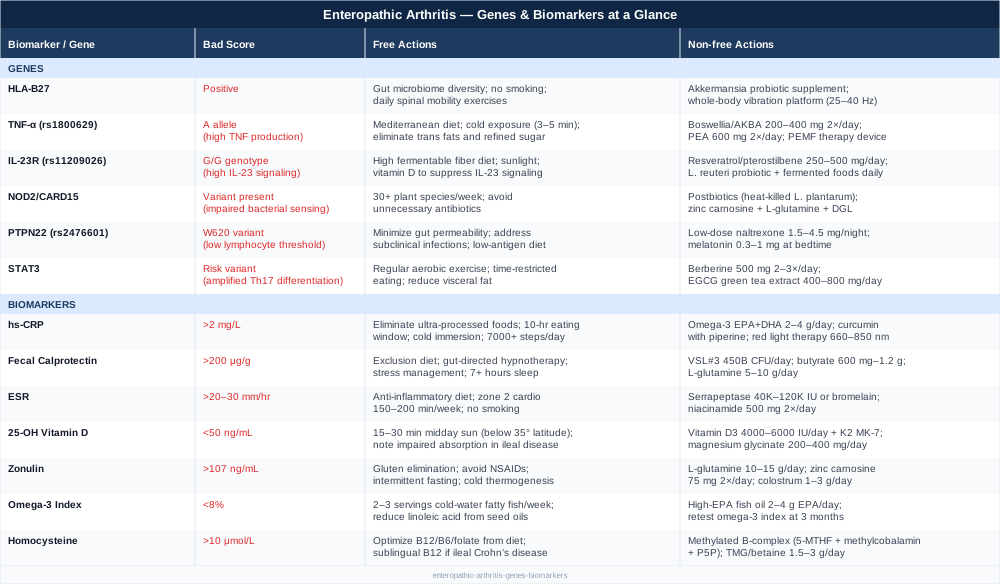
Summary Table: Genes and Biomarkers at a Glance
What the Gut-Joint Axis Research Is Teaching Us: Key Insights from Emerging Science
One of the most intellectually provocative areas in current gastroenterology and rheumatology sits at the intersection of the microbiome, intestinal permeability, and systemic immune activation. Several researchers and communicators have synthesized this field in ways that genuinely challenge the dominant disease management paradigm.
1. The Gut Is Not Just a Digestive Tube
The intestinal epithelium contains roughly 70% of the body's immune tissue. The Autoimmune Fix by Tom O'Bryan, a widely cited functional medicine text with extensive academic references, frames autoimmune and inflammatory conditions — including IBD-related arthritis — as downstream consequences of a chronically compromised gut barrier. The key insight: joint inflammation may be the secondary event, not the primary one. Addressing only joints while ignoring gut permeability is, in O'Bryan's framing, treating the smoke while ignoring the fire.
2. Intestinal Permeability Can Be Modified
Alessio Fasano's research group at Harvard has established that increased intestinal permeability is not just a bystander finding in IBD — it can precede clinical disease by years and is itself a therapeutic target. Zonulin-modulating interventions (including larazotide acetate in clinical trials) have shown that closing tight junctions reduces systemic inflammatory markers. This reframes gut permeability from a descriptive finding to an actionable biomarker — which is why it is included in this article's primary biomarker list.
3. The Microbiome Directly Programs Synovial Immunity
Animal studies have established that germ-free mice do not develop arthritis even when genetically predisposed. Human studies now show that specific microbiome signatures — including overrepresentation of Ruminococcus gnavus and depletion of Faecalibacterium prausnitzii — are associated with spondyloarthritis activity. F. prausnitzii is a butyrate producer; its depletion reduces colonocyte fuel and tight-junction integrity simultaneously, creating a direct mechanistic link between microbiome composition and gut-joint inflammation.
4. TNF Blockers Work Backward from the Joint, Not Forward from the Cause
This is one of the more challenging insights for patients who are already on biologic therapy. TNF inhibitors are effective and often necessary — but they do not address the gut permeability, microbiome dysbiosis, or nutritional deficiencies that drive immune activation upstream. This is why many patients on biologics experience a "secondary loss of response" over years: the biological driver is never addressed. Tracking the biomarkers above while on biologics can identify whether upstream drivers are being managed.
5. Vitamin D Deficiency Is Nearly Universal in This Population
Multiple cross-sectional studies confirm that patients with IBD and associated arthropathy are significantly more vitamin D-deficient than IBD patients without joint involvement. The mechanism involves both reduced sun exposure (due to disease-related activity limitations), malabsorption in the terminal ileum, and the high metabolic demand of chronic inflammation on vitamin D catabolism. This is not a coincidental finding — it represents one of the highest-yield, lowest-cost intervention targets in this condition.
6. Omega-3 Status Shapes the Inflammatory Threshold
A 2018 meta-analysis covering over 20 randomized trials found that omega-3 supplementation reduced joint tenderness, morning stiffness, and NSAID use in inflammatory arthritis. The effect size was modest but consistent. For enteropathic arthritis specifically, the EPA/DHA content of cell membranes determines whether arachidonic acid-derived eicosanoids dominate the local inflammatory response — making the omega-3 index not just a cardiovascular marker but a direct determinant of inflammatory phenotype.
7. Axial Disease Responds Differently Than Peripheral Disease
This is often under-appreciated: in enteropathic arthritis, peripheral joint disease tends to correlate with bowel disease activity and responds to bowel-targeted therapies. Axial disease (sacroiliitis, spondylitis) often runs an independent course and may require different management. HLA-B27 status and IL-23 pathway genetics are more relevant to axial disease, while NOD2 variants and gut permeability markers are more predictive of peripheral arthritis activity. Understanding which type predominates informs which biomarkers to prioritize.
8. Homocysteine and Cardiovascular Risk Are Overlooked in IBD
The 2-to-3-fold increase in cardiovascular risk seen in chronic inflammatory arthritis populations is well-documented. Yet most IBD and arthritis monitoring panels omit homocysteine, methylation status, and lipid particle metrics. Thomas Dayspring's work on residual cardiovascular risk emphasizes that chronic inflammation — regardless of source — accelerates atherogenesis through endothelial dysfunction and lipoprotein oxidation. Homocysteine is both a marker of this process and a modifiable risk factor through B-vitamin correction.
9. Cold Exposure Has Direct Anti-Inflammatory Mechanistic Support
Beyond its popular-science framing, cold thermogenesis has a specific and well-characterized mechanism: immersion in cold water (under 15°C) triggers a 200–300% spike in norepinephrine, which directly suppresses NF-κB — the master switch for TNF-α, IL-6, and IL-1β production. This is not vague "stress adaptation"; it is a measurable molecular event that has been replicated in multiple human studies. For patients who are physically able, cold exposure offers a meaningful, zero-cost anti-inflammatory intervention.
10. The Gut-Brain-Joint Axis Means Stress Management Is Not Optional
Corticotropin-releasing factor (CRF), released during psychological stress, directly increases intestinal permeability through mast cell activation at the gut mucosa. This means psychological stress is not just a symptom trigger — it is a direct upstream driver of the gut permeability that feeds joint inflammation. Interventions that reduce HPA axis reactivity (mindfulness, gut-directed hypnotherapy, breathwork) have direct mechanistic relevance to enteropathic arthritis, not merely symptomatic value.
Complementary Approaches With Clinical Evidence
Several non-pharmacological modalities have meaningful human clinical evidence for the specific components of enteropathic arthritis — addressing gut-joint inflammation, immune regulation, or pain and mobility. The following four have the strongest combined evidence base.
Gut-Directed Hypnotherapy
Gut-directed hypnotherapy is a structured psychological intervention in which a trained therapist uses hypnotic suggestions specifically targeting gastrointestinal function — reducing visceral hypersensitivity, normalizing gut motility, and modulating the gut-brain axis. It is relevant to enteropathic arthritis because the gut component is often driven by both inflammatory and neuro-functional factors, and chronic stress perpetuates both.
The most rigorous human evidence comes from the Manchester protocol developed by Peter Whorwell's group at Salford Royal Hospital. A large controlled trial published in Lancet demonstrated that gut-directed hypnotherapy produced significant and sustained improvement in IBD symptoms in refractory ulcerative colitis patients. A subsequent study found that improvements in gut inflammation markers — including fecal calprotectin — accompanied clinical symptom improvement, suggesting the effect is not purely psychological.
For enteropathic arthritis specifically, gut-directed hypnotherapy is most applicable when bowel symptoms are prominent, when stress is a clear trigger for flares, or when standard treatments produce incomplete response. A typical course involves 12 weekly sessions of 45–60 minutes. Recordings for home practice are available; app-based programs such as Nerva have been studied in IBS with promising results and represent a more accessible starting point. Evidence in pure arthritis management is limited — this modality targets the gut driver, not the joint directly.
Mindfulness Meditation / MBSR
Mindfulness-Based Stress Reduction (MBSR) is an 8-week structured program developed by Jon Kabat-Zinn that combines body scan, breath awareness, and mindful movement. Its relevance to enteropathic arthritis runs through multiple pathways: it reduces HPA axis reactivity (lowering CRF-driven gut permeability), reduces perceived pain intensity through central sensitization mechanisms, and has shown direct effects on inflammatory biomarkers.
A notable randomized controlled trial by Rosenkranz et al. (2013) demonstrated that MBSR training reduced CRP and inflammatory cytokines in patients with IBD and showed that participants experienced significantly fewer and less severe disease flares compared to controls over 12 months. A meta-analysis of MBSR in inflammatory conditions published in Brain, Behavior, and Immunity confirmed significant reductions in IL-6 and CRP across multiple studies.
The practical implementation for enteropathic arthritis patients is straightforward: 8-week MBSR programs are available in-person at most major hospital systems and online through platforms such as Palouse Mindfulness (free) and the MBSR-certified app-based programs. Minimum effective dose appears to be 20–30 minutes of daily practice; formal body scan and sitting meditation are more effective than passive mindfulness apps for biomarker outcomes. Start with 10 minutes daily and build gradually — evidence for fatigue management in inflammatory conditions also supports even shorter practice durations.
Microbiome-Directed Therapies
Microbiome-directed therapies encompass targeted dietary interventions, specific probiotic strains, fecal microbiota transplantation (FMT), and prebiotic strategies aimed at reshaping the gut bacterial community to reduce pathobionts and restore tolerogenic species. In enteropathic arthritis, the gut microbiome is one of the most mechanistically direct therapeutic targets given its role in antigen presentation, tight-junction regulation, and Th17/Treg balance.
Human evidence is strongest for FMT in ulcerative colitis: multiple randomized trials, including those from Paramsothy et al. published in The Lancet (2017), have confirmed that multi-donor FMT achieves remission in UC patients at rates significantly above placebo. Smaller studies have examined the effect on associated arthropathy with early encouraging results. For practical daily use, studies from the Sonnenburg lab at Stanford (published 2021 in Cell) showed that a high-fermented-food diet (kefir, kimchi, kombucha, yogurt, etc.) consistently increased microbiome diversity and decreased inflammatory cytokines across 77 participants in a controlled crossover trial — with effect sizes comparable to probiotic supplementation.
For patients with enteropathic arthritis, a practical microbiome-directed strategy includes: daily consumption of 2–4 servings of fermented foods, 30+ plant species per week for prebiotic fiber diversity, and a targeted probiotic containing Lactobacillus reuteri ATCC PTA 6475 and Akkermansia muciniphila where available. FMT should currently be considered a specialist intervention (available in clinical trials) rather than a routine option. Monitor fecal calprotectin to assess gut response over 8–12 weeks.
The Autoimmune Protocol (AIP) From Sarah Ballantyne
The Autoimmune Protocol, developed by Sarah Ballantyne (PhD immunologist and author of The Paleo Approach), is a structured elimination and reintroduction dietary protocol designed for autoimmune and inflammatory conditions. It begins with a comprehensive elimination phase removing grains, legumes, dairy, eggs, nightshades, nuts, seeds, and processed foods — all potential immune triggers — followed by a systematic reintroduction phase to identify individual tolerances. Its direct relevance to enteropathic arthritis is high, given that this condition is driven by immune-mediated gut and joint inflammation.
A published pilot study by Konijeti et al. (2017) examined the AIP in patients with active inflammatory bowel disease and found that 73% of participants achieved clinical remission by week 6. Endoscopic findings also improved, and inflammatory markers including CRP and fecal calprotectin trended down — notable for a dietary intervention. While a dedicated RCT for enteropathic arthritis has not yet been published, the mechanistic rationale and the IBD evidence base are compelling.
To apply AIP for enteropathic arthritis: commit to the full elimination phase for a minimum of 4–6 weeks before beginning reintroduction. This requires meal planning but does not require caloric restriction. Ballantyne's The Paleo Approach and her AIP website provide detailed protocols including food lists, recipe guidance, and a structured reintroduction timeline. Track biomarkers (CRP, fecal calprotectin, joint symptom scores) through the elimination and reintroduction phases to identify your specific immune triggers. The reintroduction phase is as important as elimination — it identifies which foods are genuinely problematic versus those that were eliminated unnecessarily.
Conclusion
Enteropathic arthritis is a condition that punishes a fragmented approach. When the gut and joints are treated as separate problems, the underlying immune drivers — shaped by genetics, gut permeability, microbiome composition, and nutritional status — continue unchallenged. The seven biomarkers in this article give you a measurable map of where your inflammation is coming from and how your body is currently equipped to manage it. The six genes tell you which upstream pathways carry the most risk and where lifestyle and targeted intervention have the greatest potential leverage.
None of this replaces rheumatological and gastroenterological care. Biologics, immunosuppressants, and anti-inflammatory medications remain essential tools for many patients. But knowing your hs-CRP, fecal calprotectin, vitamin D, omega-3 index, zonulin, homocysteine, and ESR — and understanding what each number means — makes you a far more informed participant in your own care.
The most practical next step is to request or order the most affordable biomarkers first: hs-CRP, ESR, 25-OH vitamin D, and homocysteine. These four tests collectively cost under $120 in most settings and will immediately show where the largest opportunities lie. Bring the results to a rheumatologist or integrative physician who is familiar with the gut-joint axis, and build your intervention strategy from what the numbers actually show rather than from generic advice.
Musculoskeletal: Joint Conditions Spine Conditions
Digestive: Intestinal Conditions
Autoimmune: Inflammatory Conditions Autoimmune Digestive Conditions