This article contains AI generated content.
· UpdatedErysipelas — 5 Genes And 6 Biomarkers To Track
Introduction
If you have had erysipelas once, you already know how disorienting it is — the sudden onset of redness, swelling, and fever that arrives without warning and often without a clear explanation. If you have had it more than once, you have probably started wondering why it keeps coming back while others never experience it at all. That question deserves a better answer than "you just got unlucky" or "take the antibiotics and rest."
The standard medical approach to erysipelas is reasonably effective at treating an active episode. Antibiotics work, rest helps, and most people recover within two weeks. But the conversation often stops there. What drove the susceptibility in the first place? Why does the infection recur in 30 to 50 percent of cases within three years? These questions rarely get addressed in a ten-minute appointment, and the answers are starting to emerge from research in genetics, immunology, and metabolic medicine.
Generic prevention advice — lose weight, treat skin breaks, keep legs elevated — is not wrong, but it treats everyone the same. Some people carry gene variants that impair their skin barrier or blunt their innate immune response to streptococcal bacteria. Others have metabolic profiles that silently undermine wound healing and immune surveillance. Knowing which category you fall into changes what you should actually prioritize.
This article covers two angles that make that more precise picture possible. The first is a practical guide to the biomarkers most worth tracking: measurable numbers in your blood that reflect your current immune status, metabolic risk, and tissue health — each one offering a specific lever to pull if the result is poor. The second is a look at the genes that increase susceptibility to erysipelas and recurrence, with concrete steps based on what each variant actually affects. Neither is a cure. But better information consistently leads to better decisions.
Summary
This article examines erysipelas — a recurring bacterial skin infection — through two lenses that most physicians never discuss with patients. The primary section identifies 6 key biomarkers worth tracking: CRP, neutrophil count, HbA1c, albumin, procalcitonin, and D-dimer. Each one is explained in terms of what it reveals, how to test it affordably, and what to do if the result is poor — both with and without supplements. The genetics section then covers 5 gene variants — including FLG, TLR2, VEGFR3, TNF-α, and MBL2 — that influence skin barrier integrity, immune response strength, and lymphedema susceptibility, with actionable plans for each. The article also includes a summary of a landmark Huberman Lab episode on immune optimization and five evidence-backed complementary approaches including manual lymphatic drainage massage and low-level laser therapy for lymphedema management.
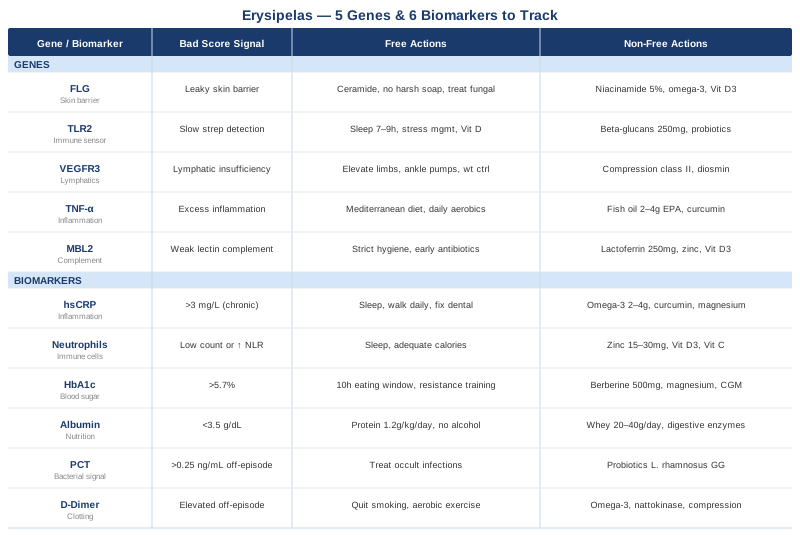
6 Biomarkers to Track If You Have Erysipelas or Want to Prevent Recurrence
Biomarkers are not just numbers for sick people. They are signals that reflect what is happening in your body right now — before a problem becomes a crisis. For erysipelas, a small set of well-chosen biomarkers can tell you whether your immune system is primed to fight streptococcal infection, whether your metabolism is silently increasing your risk of recurrence, and whether your tissues are getting what they need to stay intact. The six below are the ones most worth understanding and monitoring.
1. High-Sensitivity CRP (hsCRP)
Why it matters: C-reactive protein is produced by the liver in response to inflammation and tissue damage. In an active episode of erysipelas, CRP rises sharply — often above 50 to 100 mg/L — and its trajectory under treatment is one of the best indicators of whether antibiotics are working. But hsCRP is also valuable between episodes. A chronically elevated low-grade hsCRP (above 1–3 mg/L) indicates persistent background inflammation that weakens immune surveillance and is associated with higher recurrence risk. Research published through NCBI and reviewed in the StatPearls erysipelas entry confirms CRP as a standard severity and monitoring marker.
How to measure it: A standard CRP test is available at most labs for $10–30. High-sensitivity CRP (hsCRP), which detects chronic low-grade inflammation, is slightly more expensive ($20–50) but offers more nuance between episodes. No fasting required.
If the score is poor — plan without supplements: Chronic elevation of hsCRP is often driven by visceral fat, poor sleep, physical inactivity, or an unresolved low-grade infection such as periodontal disease or tinea pedis. Address each of these directly: aim for 7–9 hours of sleep, reduce ultra-processed foods, walk 30–45 minutes daily, and treat any skin fungal infection or dental issue. These interventions can lower hsCRP by 30 to 50 percent within 12 weeks in lifestyle studies.
If the score is poor — plan with supplements or equipment: Peter Attia and Thomas Dayspring both point to omega-3 fatty acids as one of the most reliable lifestyle-accessible interventions for reducing hsCRP. EPA/DHA at 2–4g/day (triglyceride form preferred) can lower hsCRP meaningfully. Cycle every 12 weeks with a 4-week break if desired; monitor for blood-thinning effects if on anticoagulants. Curcumin with piperine (500mg/day with food) has modest CRP-lowering effects based on several meta-analyses. Magnesium glycinate (200–400mg/night) also supports CRP reduction via its role in immune regulation.
2. WBC with Differential — Neutrophil Count and Ratio
Why it matters: Neutrophils are the frontline immune cells that engulf and destroy bacteria like Streptococcus pyogenes. Their absolute count and their ratio to lymphocytes (the neutrophil-to-lymphocyte ratio, or NLR) give a picture of immune balance that a total white blood cell count alone cannot. A high NLR (above 3–4 outside of an acute episode) suggests chronic inflammatory stress. Neutropenia — an abnormally low neutrophil count — dramatically increases erysipelas risk and severity. Poor neutrophil function, which can be seen even with normal counts in diabetes or zinc deficiency, impairs the body's first line of defense against streptococcal skin invasion.
How to measure it: A complete blood count (CBC) with differential is one of the most affordable tests available, costing $15–40. The NLR is calculated from the results — it is rarely flagged automatically but is easy to compute. Fasting is not required.
If the score is poor — plan without supplements: If neutrophil counts are low or the NLR is chronically elevated, the priority is identifying the driver: chronic stress, sleep deprivation, viral burden, autoimmune disease, or nutritional deficiency. Consistently poor sleep alone can suppress neutrophil production. Establish sleep regularity, reduce chronic stressors where possible, and ensure adequate caloric intake — severe caloric restriction depresses immune cell production.
If the score is poor — plan with supplements or equipment: Zinc (15–30mg elemental zinc daily, no more than 8 weeks continuously without a break to prevent copper depletion) is one of the most evidence-backed nutrients for neutrophil function. Vitamin D3 (2000–5000 IU/day depending on baseline 25-OH-D levels) also modulates neutrophil behavior. Vitamin C at 500–1000mg/day supports neutrophil activity and skin collagen integrity. Cycling zinc every 8 weeks on, 4 weeks off is a sensible approach.
3. HbA1c and Fasting Glucose
Why it matters: Diabetes and pre-diabetes are among the most powerful independent risk factors for erysipelas and for recurrence. Chronically elevated glucose impairs neutrophil chemotaxis and phagocytosis, thickens the skin's vascular supply, slows wound healing, and creates a microenvironment that streptococcal bacteria exploit effectively. HbA1c reflects average blood glucose over the past 2–3 months and is far more informative than a single fasting glucose reading alone. A value above 5.7% indicates pre-diabetes; above 6.5% indicates diabetes. Many recurrent erysipelas patients turn out to have undiagnosed impaired glucose regulation.
How to measure it: HbA1c costs $15–40 at most commercial labs. Fasting glucose can be done at the same visit for another $10–20. Peter Attia emphasizes that the optimal target for metabolic health is HbA1c below 5.3%, not just below 5.7% — a distinction worth noting.
If the score is poor — plan without supplements: Time-restricted eating (eating within a 10-hour window) combined with resistance training 3 times per week is one of the most effective combinations for lowering HbA1c. Walking for 10–15 minutes after each meal blunts postprandial glucose spikes and has direct, measurable effects on HbA1c over 12 weeks. Reducing refined carbohydrates and ultra-processed foods is foundational.
If the score is poor — plan with supplements or equipment: Berberine (500mg twice daily with meals) has multiple meta-analyses showing HbA1c reduction comparable to low-dose metformin in pre-diabetes. Cycle 8 weeks on, 4 weeks off to protect gut flora and prevent tolerance. Magnesium (200–400mg/day) improves insulin sensitivity in magnesium-deficient individuals. A continuous glucose monitor (CGM) used for 2–4 weeks at a time is now affordable ($35–70 per sensor, available without prescription in many countries) and can reveal exactly which foods or habits are spiking your glucose — a significant behavioral education tool.
4. Albumin and Prealbumin
Why it matters: Albumin is the main transport protein in blood and a reliable marker of overall nutritional status and liver function. Hypoalbuminemia (serum albumin below 3.5 g/dL) is consistently associated with worse outcomes in erysipelas, slower healing, and higher recurrence rates. Lymphedema — the single strongest risk factor for recurrent erysipelas — is partly perpetuated by low oncotic pressure from poor protein status. Prealbumin (also called transthyretin) has a much shorter half-life than albumin and reflects nutritional status over the past 2–3 weeks, making it a more sensitive marker of recent changes.
How to measure it: Albumin is part of a comprehensive metabolic panel (CMP), typically $20–50. Prealbumin is sometimes ordered separately; it costs $30–60. Both require a blood draw; no fasting needed for albumin.
If the score is poor — plan without supplements: Low albumin is rarely purely about protein intake in isolation — it is often driven by chronic inflammation (which suppresses albumin synthesis), poor gut absorption, or liver stress. Ensure adequate protein intake (1.2–1.6g per kg of body weight per day), minimize alcohol, and address any identified gut issues. In the context of active erysipelas, albumin drops transiently due to the acute phase response and typically recovers with resolution of infection.
If the score is poor — plan with supplements or equipment: If gut absorption is the limiting factor, digestive enzymes with meals (lipase/protease/amylase) can improve nutrient extraction. For individuals recovering from frequent infections with chronically low albumin, whey protein 20–40g/day (if tolerated) is one of the most bioavailable protein sources for restoring albumin levels. Essential amino acid supplementation (EAA blends) is an alternative. Compression garments for the affected limb help manage lymphedema indirectly — by reducing fluid accumulation, they improve local tissue nutrition, which in turn supports albumin-dependent repair.
5. Procalcitonin (PCT)
Why it matters: Procalcitonin is produced in response to bacterial infections specifically (rather than viral infections or sterile inflammation) and rises faster and more specifically than CRP. In the context of erysipelas, it helps differentiate bacterial skin infection from mimickers, and its rate of decline under antibiotic treatment is a reliable indicator of clinical response. Emerging research suggests PCT-guided antibiotic protocols can shorten treatment duration without compromising outcomes — important given the risk of antibiotic resistance and microbiome disruption with repeated erysipelas treatment.
How to measure it: PCT is available at most hospital labs and many commercial labs for $30–80. It is most valuable during an active infection episode rather than as a routine monitoring tool between episodes.
If the score is poor — plan without supplements: A persistently elevated PCT between episodes (above 0.25 ng/mL) warrants investigation for an occult bacterial source — dental abscesses, urinary tract infection, or skin flora disruption from tinea pedis. Treating the underlying bacterial source is the intervention.
If the score is poor — plan with supplements or equipment: Probiotic supplementation — specifically strains with evidence for reducing bacterial colonization of compromised skin (such as Lactobacillus rhamnosus GG and Bifidobacterium longum) — may reduce the bacterial burden that drives PCT elevation. Take 10–50 billion CFU with food; evidence suggests 8–12 weeks as a minimum trial period. Cycle with periodic breaks every 3 months.
6. D-Dimer and Fibrinogen
Why it matters: D-dimer is a fibrin degradation product released when clots break down. In erysipelas, it serves a dual role: ruling out deep vein thrombosis (DVT), which can mimic or complicate the condition, and reflecting the degree of systemic coagulation activation during infection. Chronically elevated D-dimer between episodes may signal ongoing micro-coagulation in lymphedematous tissue, contributing to fibrosis and the cycle of recurrence. Fibrinogen, the precursor to fibrin, is both a coagulation factor and an acute-phase reactant — chronically elevated fibrinogen is an independent cardiovascular and infection-recurrence risk marker, noted by Allan Sniderman and Thomas Dayspring in their risk stratification work.
How to measure it: D-dimer costs $30–80 and is typically ordered during an acute episode. Fibrinogen is part of some extended lipid panels or coagulation panels — $20–60. Thomas Dayspring recommends fibrinogen as part of a complete cardiovascular risk assessment but it is equally informative for chronic inflammatory conditions.
If the score is poor — plan without supplements: High fibrinogen between episodes is almost always driven by smoking, sedentary behavior, obesity, or chronic inflammation. Stopping smoking is the single most effective intervention — fibrinogen normalizes significantly within 6–12 months of cessation. Aerobic exercise at moderate intensity (30 minutes, five days per week) reliably lowers fibrinogen over 8–12 weeks.
If the score is poor — plan with supplements or equipment: Omega-3 fatty acids (EPA/DHA, 2–4g/day) reduce fibrinogen and D-dimer in multiple randomized controlled trials. Nattokinase (100–200mg once daily on an empty stomach) has emerging evidence for fibrinolytic activity; do not combine with prescription anticoagulants without medical supervision; cycle 6 weeks on, 2 weeks off. Compression therapy for the affected limb reduces local fibrin deposition in lymphedematous tissue — clinical evidence for compression reducing erysipelas recurrence is now strong enough that most European guidelines recommend it as standard care.
The Genetic Side of Erysipelas: 5 Variants That Raise Susceptibility
Not everyone who gets a small skin break develops erysipelas. Not everyone with lymphedema gets recurrent episodes. Genetics plays a real role — not as destiny, but as a background that shapes your individual risk level. These five variants are the most relevant ones currently identified, with notes on what each affects and what can be done about it.
FLG — The Skin Barrier Gene
What it affects: Filaggrin (encoded by the FLG gene) is a structural protein essential to the skin's outer barrier. Loss-of-function variants — carried by approximately 8–10% of European-ancestry individuals — cause a leaky, poorly hydrated skin barrier that allows streptococcal bacteria to penetrate more easily. These variants are better known for their link to eczema and atopic dermatitis, but impaired barrier function is a direct entry mechanism for the bacteria that cause erysipelas.
If the gene is bad — plan without supplements: Maximize barrier repair through non-negotiable skincare: moisturize with ceramide-rich emollients twice daily (morning and after bathing), avoid harsh soaps on affected skin, treat any tinea pedis aggressively as a fungal breach creates a secondary portal. Keep nails trimmed to prevent micro-abrasion. Protective footwear in communal areas is non-negotiable.
If the gene is bad — plan with supplements or equipment: Topical niacinamide (4–5% concentration) stimulates ceramide production and has randomized controlled evidence for improving FLG-related barrier defects. Oral essential fatty acids (omega-6 GLA from evening primrose oil, 1g/day, or omega-3 DHA/EPA) support cell membrane integrity systemically. Vitamin D3 (2000–4000 IU/day) upregulates antimicrobial peptide production in the skin — an important compensatory mechanism when the physical barrier is genetically weakened.
TLR2 — The Bacterial Sensor Gene
What it affects: Toll-like receptor 2 (TLR2) is an innate immune sensor that specifically recognizes components of gram-positive bacteria, including the streptococcal bacteria most often responsible for erysipelas. The TLR2 Arg677Trp variant (rs5743708) is associated with impaired recognition of streptococcal surface proteins, meaning the immune system responds more slowly and less forcefully to early bacterial invasion. Studies in recurrent bacterial skin infections have identified this variant as a susceptibility factor. Evidence from foundational TLR2 research published in Nature established the broader relevance of this receptor in gram-positive bacterial defense.
If the gene is bad — plan without supplements: Since TLR2 function is upstream of the entire early immune response, compensation strategies focus on ensuring the downstream elements are as strong as possible. Prioritize sleep — TLR2 signaling is impaired by even one night of poor sleep in controlled studies. Reduce chronic stress, which suppresses TLR2 expression via glucocorticoid pathways. Maintain robust vitamin D levels (serum 25-OH-D above 50 ng/mL), since vitamin D receptor activation upregulates compensatory antimicrobial peptides.
If the gene is bad — plan with supplements or equipment: Beta-glucans (from Saccharomyces cerevisiae, 250–500mg/day) activate macrophages and NK cells through TLR2-independent pathways, providing a compensatory route. Elderberry extract has modest evidence for stimulating innate immune pathways non-specifically. Probiotics — particularly Lactobacillus rhamnosus strains — stimulate TLR2 in gut epithelium and may modulate systemic innate immune tone. Cycle beta-glucans 8 weeks on, 4 weeks off.
VEGFR3 / FLT4 — The Lymphedema Predisposition Gene
What it affects: The VEGFR3 gene (encoding vascular endothelial growth factor receptor 3, also called FLT4) is critical for lymphatic vessel development and maintenance. Mutations cause Milroy disease — a primary hereditary lymphedema — and milder variants are associated with subclinical lymphatic insufficiency that only becomes apparent after a trigger (infection, pregnancy, surgery). Since lymphedema is the single strongest risk factor for recurrent erysipelas, identifying a genetic predisposition to lymphatic insufficiency is clinically significant. FOXC2 mutations similarly cause lymphedema-distichiasis syndrome, and carriers are at elevated erysipelas risk.
If the gene is bad — plan without supplements: Proactive lymphatic management is the most important intervention. Maintain ideal body weight (excess adipose tissue compresses lymphatic capillaries). Elevate affected limbs during rest. Practice daily gentle ankle pumps and calf muscle exercises to stimulate lymphatic return. Avoid heat exposure to affected limbs (hot baths, saunas) as heat increases lymphatic load.
If the gene is bad — plan with supplements or equipment: Compression stockings (class II, 20–30 mmHg for mild cases, class III for more established lymphedema) are the most evidence-based intervention — they reduce recurrence of erysipelas by 50–70% in lymphedema patients in several European studies. Manual lymphatic drainage massage (see complementary section below) 1–2 times per week is the established adjunct. Diosmin and hesperidin (flavonoid complex, 450mg/50mg twice daily for 3–6 months) have randomized evidence for reducing lymphedema volume and improving lymphatic vessel tone; they are widely used in European phlebology practice.
TNF-α — The Inflammatory Tone Gene
What it affects: The TNF-α promoter variant -308G/A (rs1800629) increases transcription of tumor necrosis factor-alpha, a pro-inflammatory cytokine. Carriers of the A allele produce more TNF-α in response to infection — which can paradoxically worsen tissue damage during erysipelas episodes even while attempting to fight the bacteria. This genetic variant is associated with higher fever, more extensive skin involvement, and potentially longer recovery. It may also contribute to the post-infection fibrosis that worsens lymphedema over repeated episodes.
If the gene is bad — plan without supplements: Anti-inflammatory lifestyle practices are directly relevant: regular aerobic exercise (which reduces baseline TNF-α), Mediterranean-style diet (high in anti-inflammatory polyphenols and omega-3s), and stress reduction (chronic stress elevates TNF-α via sympathetic nervous system activation).
If the gene is bad — plan with supplements or equipment: Fish oil at 2–4g EPA/DHA per day is one of the most studied TNF-α inhibitors available over the counter — EPA specifically blocks TNF-α at the transcription level. Curcumin (500mg/day, bioavailable form with piperine) inhibits NF-κB, the upstream transcription factor controlling TNF-α expression. Green tea extract (EGCG, 400–800mg/day standardized extract, cycle 8 weeks on 4 weeks off due to liver concerns at higher doses) has TNF-α modulating activity in several human studies. Do not combine multiple TNF-modulating supplements without tracking liver enzymes.
MBL2 — The Innate Immunity Lectin Gene
What it affects: Mannose-binding lectin (MBL), encoded by the MBL2 gene, is a component of the lectin pathway of complement activation — one of the first innate immune mechanisms to recognize and opsonize bacteria for destruction. Multiple MBL2 variants (notably codon 54 and codon 57 mutations) result in structurally deficient MBL protein that cannot bind bacterial surfaces effectively. MBL deficiency is extremely common — approximately 10–15% of the general population are low producers — and it is associated with recurrent bacterial and fungal infections. In the context of erysipelas, MBL deficiency means streptococcal bacteria are less efficiently tagged for destruction in the first critical hours of infection.
If the gene is bad — plan without supplements: MBL cannot be directly upregulated by lifestyle changes, since the variants affect protein structure rather than expression levels. Compensation therefore focuses entirely on other arms of innate immunity. The TLR2 strategies above apply here too. Strict skin hygiene, early treatment of any skin break (antiseptic wash, barrier cream), and early antibiotic intervention at the first sign of cellulitis (lower threshold for seeking treatment) are the pragmatic behavioral strategies.
If the gene is bad — plan with supplements or equipment: Lactoferrin (200–300mg/day) — a glycoprotein naturally present in breast milk and mucous secretions — has broad-spectrum innate antimicrobial activity and partially compensates for MBL deficiency by binding directly to bacterial surfaces. Zinc and selenium (selenium 100–200mcg/day as selenomethionine) support the alternative complement pathways that can compensate when the lectin pathway is weak. Vitamin D3 upregulates defensins and cathelicidins — antimicrobial peptides — that provide parallel protection.
The Huberman Lab Episode on Immune Function That Changes How You Think About Skin Infections
The Huberman Lab podcast has produced several episodes on immune optimization that are directly relevant to anyone dealing with recurrent bacterial infections like erysipelas. The episodes featuring Dr. Rhonda Patrick and the standalone series on immune function offer ten principles worth highlighting, because they challenge the passive framing of "just treat the infection when it happens."
1. Sleep Is the Master Immune Regulator
Consistent sleep of 7–9 hours dramatically alters innate immune cell output — NK cells, neutrophils, and macrophages all decline with even moderate sleep restriction. This is not a minor adjustment; it is foundational.
2. Morning Sunlight and Vitamin D Are Not Redundant
Morning sunlight exposure (10–20 minutes within 30 minutes of waking) sets the circadian rhythm in immune cells independently of the vitamin D pathway from UVB. Both matter, and neither replaces the other.
3. Nasal Breathing Matters for Immune Defense
Nasal passages filter, humidify, and sterilize incoming air. Mouth breathing bypasses this — chronic nasal congestion or habitual mouth breathing increases upper respiratory pathogen load and can increase systemic immune burden.
4. Cold Exposure Mobilizes NK Cells
Brief cold water immersion (1–3 minutes at 10–15°C) reliably increases natural killer cell counts in blood within minutes. NK cells are also relevant in bacterial infection surveillance. This is now supported by several controlled human studies.
5. Chronic Psychological Stress Suppresses Innate Immunity Through Cortisol
Sustained cortisol elevation directly suppresses neutrophil chemotaxis and TLR expression. Stress management is not a soft recommendation — it has measurable effects on the exact immune mechanisms most relevant to erysipelas defense.
6. Exercise Frequency Matters More Than Intensity for Immune Function
Daily moderate exercise (brisk walking, cycling, swimming) consistently outperforms infrequent high-intensity training for immune surveillance. Overtraining actually suppresses immunity — a relevant caution for athletes who have recurrent skin infections.
7. The Gut-Immune Axis Is Real and Modifiable
Approximately 70% of immune cell priming occurs in gut-associated lymphoid tissue (GALT). Diverse fiber intake (30+ different plant foods per week) is the most evidence-backed dietary approach to maintaining this system.
8. Omega-3 to Omega-6 Ratio Shapes Inflammatory Tone
The typical Western diet omega-6:omega-3 ratio of 15:1 to 20:1 chronically upregulates inflammatory signaling. A target ratio closer to 4:1 — achieved by increasing fatty fish, reducing seed oils, and supplementing omega-3s if needed — directly affects TNF-α and CRP levels.
9. Lymphatic Flow Is Exercise-Dependent
Unlike the cardiovascular system, the lymphatic system has no dedicated pump. It depends entirely on muscular movement, breathing, and hydration. This is particularly important for erysipelas patients with underlying lymphedema — regular daily movement is lymphatic medicine.
10. Sauna Use Has Documented Immune-Modulating Effects
Regular sauna use (4 sessions per week, 20 minutes each at 80°C) increases white blood cell counts and heat shock proteins in multiple Finnish cohort studies. Important caveat: during an active erysipelas episode or when lymphedema is present in the affected limb, heat should be avoided as it increases lymphatic load and may worsen swelling.
Complementary Approaches with Clinical Evidence
Standard antibiotic treatment remains the backbone of erysipelas management. These complementary approaches are not alternatives to medical care — they are adjuncts that address the underlying vulnerabilities that standard treatment does not target.
Manual Lymphatic Drainage Massage
Manual lymphatic drainage (MLD) is a specialized massage technique developed by Emil Vodder that uses light, rhythmic strokes to stimulate lymphatic vessel contraction and reroute lymphatic fluid away from congested areas. Since lymphedema is the single most powerful risk factor for recurrent erysipelas, anything that meaningfully reduces lymphedema volume directly reduces erysipelas risk. MLD is not a general-purpose massage — it requires specific hand pressure and sequence to be effective.
A Cochrane review on physical therapies for lymphedema found that complex decongestive therapy — which includes MLD as a core component — is the most effective non-surgical treatment for reducing limb volume in lymphedema. Multiple European trials have specifically linked MLD-based lymphedema programs with a statistically significant reduction in erysipelas recurrence rates.
Practically, MLD should be performed by a certified lymphedema therapist, typically twice weekly during active lymphedema management and once weekly for maintenance. At-home self-drainage techniques can be learned from a certified therapist and practiced daily in 15–20 minute sessions. Compression garments should be worn after sessions to maintain the gains. Do not use MLD during an active erysipelas episode, as it may spread infection.
Low-Level Laser Therapy / Photobiomodulation
Low-level laser therapy (LLLT), also called photobiomodulation, uses specific wavelengths of red and near-infrared light (typically 630–1000nm) to stimulate cellular energy production in mitochondria and reduce inflammation. For lymphedema — the primary recurrence driver for erysipelas — there is now a meaningful body of evidence suggesting that LLLT can reduce limb volume and improve lymphatic vessel function, likely by stimulating lymphangiogenesis and reducing fibrotic changes in the tissue.
A randomized controlled trial published in Cancer (2003) by Carati et al. demonstrated that two courses of low-level laser therapy produced a significant and sustained reduction in arm volume in breast cancer-related lymphedema compared to sham treatment — one of the more rigorous trials in this field.
For practical application, LLLT devices with 630–850nm wavelengths are now available for home use ($100–600 for consumer devices; medical-grade devices cost significantly more). Sessions of 10–20 minutes over the affected limb, 3–5 times per week, for 8–12 weeks are the typical protocol in clinical studies. Evidence is better established for upper limb lymphedema (post-breast cancer) than for lower limb lymphedema typical of erysipelas patients, but the mechanism is the same. Always use during remission, never on actively infected skin.
Breathing-Based Therapies for Lymphatic Flow
Diaphragmatic breathing directly drives lymphatic return through the thoracic duct — the body's main lymphatic drainage vessel. Each diaphragmatic breath creates a pressure differential that draws lymph upward and returns it to venous circulation. Shallow chest breathing, which is the default in most sedentary, stressed individuals, largely eliminates this pumping action. This is not a minor detail — the thoracic duct processes the majority of the body's lymphatic load each day.
The clinical evidence here is largely mechanistic rather than from large RCTs, but diaphragmatic breathing training is part of standard lymphedema rehabilitation protocols in European guidelines. A study in Lymphology (2017) confirmed that diaphragmatic breathing exercises produce measurable reductions in lymphedema volume when combined with other physical therapies.
Practically: practice 10 minutes of slow diaphragmatic breathing twice daily (4 seconds in, 2 seconds hold, 6 seconds out). Do this lying down with a hand on the abdomen to confirm belly — not chest — expansion. Yoga-based pranayama practices (particularly nadi shodhana alternating nostril breathing) incorporate this principle and have been practiced systematically in respiratory studies. This costs nothing, takes 10 minutes, and can be started immediately.
Microbiome-Directed Therapies
The skin microbiome is not simply a passive resident community — it actively competes with pathogenic bacteria for adhesion sites and produces bacteriocins that inhibit Streptococcus pyogenes colonization. Disruption of skin and gut microbiome diversity, often from repeated antibiotic courses (which are unavoidable in recurrent erysipelas), creates an ecological vacuum that increases susceptibility to the next infection. This circular pattern is increasingly recognized in dermatology and infectious disease research.
A study in Nature Medicine on the skin microbiome and infection susceptibility demonstrated that Staphylococcus epidermidis colonization produces bacteriocins that reduce pathogenic streptococcal binding to skin epithelium. Gut microbiome diversity has also been directly linked to skin immune function through the gut-skin axis in multiple human cohort studies.
After each antibiotic course for erysipelas, a structured microbiome recovery protocol makes sense: probiotic supplementation with multi-strain preparations for at least 8 weeks (Lactobacillus rhamnosus GG, Bifidobacterium longum, L. plantarum) alongside prebiotic fiber (inulin, resistant starch from cooled cooked potatoes or green banana flour, 10–20g/day) to feed the recovering flora. Fermented foods (unsweetened kefir, kimchi, sauerkraut) consumed daily provide additional strain diversity. Topical probiotic skin applications are experimental but increasingly studied for skin barrier restoration.
Mindfulness Meditation / MBSR
Chronic psychological stress measurably suppresses the innate immune response through glucocorticoid-mediated suppression of TLR signaling, NK cell activity, and neutrophil chemotaxis — the exact mechanisms most relevant to erysipelas defense. Mindfulness-Based Stress Reduction (MBSR) — the structured 8-week protocol developed by Jon Kabat-Zinn — has accumulated substantial clinical evidence for reducing both subjective stress and objective immune markers.
A randomized controlled trial published in Psychosomatic Medicine (2003) by Davidson et al. demonstrated that MBSR training produced measurable increases in antibody response and changes in brain electrical activity patterns associated with positive emotional states — one of the most rigorous immune outcome studies in mindfulness research.
The MBSR protocol is 8 weeks of weekly 2.5-hour group sessions with daily 45-minute home practice. It is available in many cities and online. For those who want a lower barrier to entry, 10–20 minutes of daily mindfulness meditation (apps such as the one designed around MBSR principles) practiced consistently for 8 weeks produces measurable cortisol reduction in multiple studies. This is not a replacement for sleep, exercise, or nutrition — it is the behavioral layer that stabilizes all of the other interventions.
Conclusion
Erysipelas is not random, even when it feels that way. The six biomarkers discussed here — CRP, neutrophil count, HbA1c, albumin, procalcitonin, and D-dimer — offer a precise map of where your immune and metabolic defenses currently stand. The five genetic variants — FLG, TLR2, VEGFR3, TNF-α, and MBL2 — explain some of the underlying architecture that makes certain people more vulnerable than others. Neither category is destiny, but both are information, and information changes what you can do.
The next smart step is not to implement everything at once. It is to choose the most relevant starting point for your situation: if you have had two or more episodes, ordering a CBC with differential, hsCRP, and HbA1c is a logical and affordable first move. If you have lymphedema, compression therapy and MLD are your highest-leverage interventions. If you have a family history of lymphedema or eczema, skin barrier support and proactive monitoring are worth prioritizing.
Discuss any findings and planned interventions with a physician or dermatologist who takes metabolic and immune health seriously. The goal is not to avoid medical care — it is to arrive at that conversation better informed, with real numbers and a clearer picture of your individual risk.
Infectious Skin Endocrine & Metabolic
Endocrine & Metabolic: Diabetes & Blood Sugar
Autoimmune: Inflammatory Conditions