This article contains AI generated content.
· UpdatedErythema Multiforme Genes And Biomarkers – 5 Genes And 7 Biomarkers To Track
Introduction
Erythema multiforme is one of those conditions that feels almost arbitrary — a sudden outbreak of target-shaped lesions that arrives without clear warning, resolves, and then returns again months later. For many people, the experience of living with recurrent EM is defined by uncertainty: not knowing when the next flare will come, not knowing what to avoid, and receiving very little beyond generic reassurance from most medical encounters.
The standard advice — reduce stress, avoid known triggers, consider antivirals — is not wrong, but it is incomplete. Erythema multiforme is not a monolithic disease. It is an immune-mediated reaction with multiple possible drivers: viral reactivation, drug hypersensitivity, immune dysregulation, or some combination of all three. What drives EM in one person can be entirely different from what drives it in another, and a treatment plan built on population-level averages will often miss the specifics that matter most for any individual case.
This article takes a different approach. Rather than offering broad lifestyle recommendations, it focuses on what can be measured and acted upon at a biological level. Two complementary frameworks are covered here. The first examines seven specific biomarkers — measurable blood markers that illuminate what is happening in your immune system, your viral status, and your inflammatory burden in ways that are directly actionable. The second looks at five genetic variants that influence EM susceptibility — and critically, explains what can be done about each one whether or not you have access to genetic testing.
Neither approach promises a cure. Erythema multiforme is complex, and the science in some areas is still emerging. But better information consistently leads to better decisions. Understanding why your immune system behaves the way it does, and which levers are most likely to make a difference for your specific biology, is a meaningful form of progress — and that is what this article is built to offer.
Summary
This article investigates erythema multiforme through two precision lenses: measurable biomarkers and genetic risk factors.
- 7 biomarkers to track: HSV serology, complete blood count, hsCRP, vitamin D, TNF-α, IL-17, and complement C3/C4 — each reveals a different aspect of what is driving your EM, with a concrete action plan for when results are off. - 5 genes to understand: HLA-DQB1*0301, HLA-B*44, TNF-α rs1800629, IL-10 rs1800896, and IRF3/IRF7 — these explain susceptibility patterns and guide targeted interventions, with or without a genetic test. - Supplement protocols with specifics: For each biomarker and gene, step-by-step plans are provided — with and without supplements — including dosing, cycling strategies, and side effect notes. - A science-based lifestyle framework: Ten insights drawn from research reviewed by Andrew Huberman on sleep, cold exposure, breathing, omega-3, and gut health — all directly relevant to the immune mechanisms driving EM. - Complementary approaches: An autoimmune dietary framework, mindfulness-based stress reduction, photobiomodulation, microbiome therapies, and breathing techniques — reviewed for their specific relevance to EM, with honest notes on evidence quality. - Why most EM management misses the upstream causes: The gut-immune axis and the stress-viral reactivation loop are where recurrent EM is often sustained — and the strategies here are built to address both.
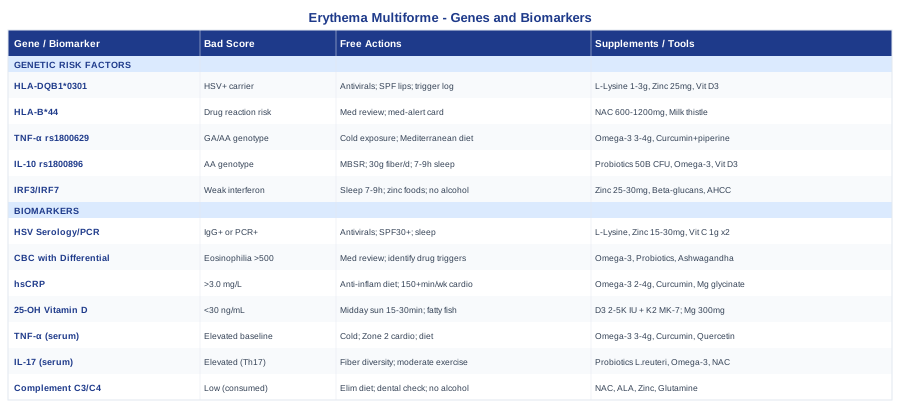
7 Biomarkers That Reveal What Is Driving Your Erythema Multiforme
Not all biomarkers are equally useful for every condition. In erythema multiforme, the most valuable markers are those that illuminate the specific immune pathways and triggers driving your particular pattern of disease. The seven below were selected because they are measurable, meaningful, and actionable — not just informative in theory, but capable of pointing toward specific changes that can reduce the frequency and severity of flares. They cover the viral trigger dimension, the inflammatory cytokine dimension, the immune resolution dimension, and the systemic immune competence dimension of this condition.
Biomarker 1: HSV Serology and PCR
Why it matters: Herpes simplex virus infection is the single most common identified trigger for erythema multiforme, accounting for more than 50% of recurrent EM cases across multiple studies. This form — called herpes-associated erythema multiforme (HAEM) — does not require a visible cold sore to occur. Even subclinical HSV reactivation deposits viral DNA fragments in skin keratinocytes. The CD8+ T-cell immune response to those fragments is what generates the characteristic target lesions. If you have recurrent EM but have never been formally tested for HSV, this is the first marker to investigate. Published research on HSV-associated EM at PubMed.
How to measure it: HSV-1 and HSV-2 IgG and IgM antibodies via standard blood draw ($40–$120 out of pocket). During a flare, a PCR swab from a fresh lesion can identify HSV DNA directly ($80–$200). Many direct-to-consumer lab services include HSV antibody testing without a physician order.
If the score is bad — plan without supplements: The cornerstone intervention is discussing continuous antiviral suppressive therapy with your physician. Acyclovir 400mg twice daily or valacyclovir 500mg once daily are the standard regimens and have strong clinical evidence for reducing HAEM flare frequency. Beyond antivirals, identify your personal reactivation triggers — UV light exposure, psychological or physical stress, febrile illness, hormonal shifts, and nutritional deficiencies (particularly zinc, iron, and B12) are the most common. Daily SPF 30+ lip balm and zinc-based broad-spectrum sunscreen are often underestimated in their impact. Consistent sleep is equally important: even two nights of partial sleep restriction measurably increases HSV reactivation rates through immune suppression.
If the score is bad — plan with supplements or equipment: L-Lysine (1,000–3,000mg/day in divided doses with meals) competes with arginine, an amino acid essential for HSV replication. Multiple small human trials support its use for reducing outbreak frequency; evidence is strongest at doses of 1,000mg or more daily. Cycling strategy: increase dose during high-stress periods or winter months; reduce to 500–1,000mg/day during lower-risk periods. Side effects: generally safe; high doses may cause GI discomfort; avoid sustained very high doses without monitoring dietary lysine-to-arginine balance. Zinc bisglycinate or picolinate at 15–30mg elemental zinc per day supports antiviral T-cell function and skin barrier integrity — always pair with 1–2mg copper to prevent depletion. Vitamin C (500–1,000mg twice daily) supports interferon-gamma production critical for controlling viral reactivation.
Biomarker 2: Complete Blood Count with Differential
Why it matters: A CBC with differential is inexpensive, widely available, and offers multiple EM-relevant signals simultaneously. Eosinophilia (eosinophils above 500/μL) is a hallmark of drug-induced hypersensitivity and may indicate a medication rather than a virus is the primary driver. An elevated or abnormal lymphocyte count — particularly CD8+ cytotoxic T lymphocytes — reflects active cell-mediated immune engagement, while lymphopenia can signal immune exhaustion or severe systemic involvement. This marker is most useful for distinguishing between the main EM subtypes.
How to measure it: Standard blood draw ordered through your physician or direct-to-consumer lab. Cost: $20–$60. Included in most annual wellness panels.
If the score is bad — plan without supplements: Eosinophilia demands a systematic medication review. Sulfonamide antibiotics, NSAIDs (especially ibuprofen and naproxen), anticonvulsants (carbamazepine, phenobarbital, lamotrigine), and allopurinol are the most common drug triggers for EM with eosinophilia. A medication diary correlated with flare timing is often more revealing than any test. A pharmacist-assisted review of all current and recent medications — including supplements and herbal products — is worthwhile if drug-induced EM is suspected.
If the score is bad — plan with supplements or equipment: Omega-3 fatty acids (EPA+DHA, 2–4g/day as triglyceride-form fish oil) have documented effects on eosinophilic inflammation. High-potency probiotics, particularly Lactobacillus rhamnosus GG and Bifidobacterium longum, have modest but consistent evidence for reducing eosinophilia in allergic and hypersensitivity conditions. For lymphocyte optimization: prioritize 7–9 hours of sleep per night — lymphocyte counts and function are acutely sensitive to sleep restriction. Ashwagandha (KSM-66 extract, 300–600mg/day) has documented effects on immune cell counts in chronically stressed individuals; cycle 8–12 weeks on with a 4-week break.
Biomarker 3: hsCRP (High-Sensitivity C-Reactive Protein)
Why it matters: hsCRP is produced by the liver in response to IL-6 and TNF-α — two cytokines directly involved in EM pathogenesis. While CRP is not EM-specific, it provides a continuous readout of systemic inflammatory burden and is one of the most actionable markers to track over time in any immune-mediated condition. Optimal level: below 1.0 mg/L. Borderline risk: 1.0–3.0 mg/L. High risk: above 3.0 mg/L. Clinicians including Peter Attia routinely use hsCRP alongside other inflammatory markers as a core panel for assessing immune burden and tracking the impact of lifestyle changes. Measure it when symptom-free, as any active flare will temporarily elevate CRP and confound interpretation.
How to measure it: Standard blood draw. Cost: $15–$50 at most commercial labs. Can be ordered directly through many online lab services.
If the score is bad — plan without supplements: Eliminating ultra-processed foods, reducing refined carbohydrates and seed oils high in omega-6 fatty acids, and adopting a Mediterranean-style diet are the most powerful dietary interventions for reducing CRP. Regular aerobic exercise (150+ minutes per week at moderate intensity) and resistance training (2–3 sessions per week) consistently reduce resting CRP in human trials over 8–12 weeks. Sleep optimization is equally critical: CRP rises in a dose-dependent manner with insufficient sleep. Investigate hidden infection sources — dental, sinus, or gastrointestinal — which can sustain chronically elevated CRP without obvious symptoms.
If the score is bad — plan with supplements or equipment: Omega-3 (EPA+DHA, 2–4g/day in triglyceride form) is the highest-evidence supplement for CRP reduction, with consistent effects across multiple meta-analyses. Curcumin with piperine (500–1,000mg curcumin + 5mg piperine, twice daily) reduces NF-κB activation driving CRP production — use piperine-enhanced or phospholipid-bound formulations for meaningful absorption. Magnesium glycinate (300–400mg before bed) reduces CRP through metabolic pathways and simultaneously improves sleep quality. Berberine (500mg twice daily with meals) activates AMPK pathways that suppress inflammatory gene expression; cycle 8–12 weeks on with a 4-week break. Side effects: curcumin and omega-3 together have mild anticoagulant effects at high combined doses — discuss with your physician if taking blood thinners.
Biomarker 4: 25-OH Vitamin D
Why it matters: Vitamin D functions more like a hormone than a classical vitamin. The vitamin D receptor (VDR) is expressed on virtually every immune cell relevant to EM: CD8+ T cells, dendritic cells, macrophages, and keratinocytes themselves. Low vitamin D is associated with more frequent HSV reactivation events, impaired skin barrier function, heightened Th1 and Th17 inflammatory responses, and slower resolution of immune-mediated skin conditions. The optimal functional range for immune benefit is generally considered 50–70 ng/mL (125–175 nmol/L). Many people with recurrent inflammatory skin conditions measure below 30 ng/mL, and this deficiency often goes uncorrected because it requires a specific test that is not always included in standard panels.
How to measure it: 25-hydroxyvitamin D blood test. Cost: $30–$80 at commercial labs. Retest every 3–6 months when actively optimizing levels.
If the score is bad — plan without supplements: Midday sun exposure with arms and legs exposed (the window when UVB reaches skin at adequate angles, typically 10am–2pm) for 15–30 minutes can meaningfully raise vitamin D levels in lighter-skinned individuals. However, given that UV exposure is a known HSV reactivation trigger, this should be used carefully — brief, targeted exposures rather than prolonged sessions, never during an active flare. Fatty fish, egg yolks, and fortified dairy contribute modestly but rarely correct significant deficiency on their own. Vitamin D and immune regulation research at PubMed.
If the score is bad — plan with supplements or equipment: Vitamin D3 + K2 is the standard optimization protocol: D3 at 2,000–5,000 IU/day (adjusted based on blood test results), always paired with vitamin K2 in the MK-7 form (100–200mcg/day) to direct calcium into bones rather than arteries. Magnesium (300–400mg/day) is required for vitamin D activation — supplementing D3 without adequate magnesium significantly reduces its conversion to the active hormonal form. Retest after 3 months to adjust dose; toxicity risk is low but real above 10,000 IU/day sustained long-term, so monitoring is important when supplementing above 4,000 IU/day.
Biomarker 5: TNF-α (Tumor Necrosis Factor-Alpha)
Why it matters: TNF-α is the most directly implicated cytokine in erythema multiforme pathogenesis. It is elevated in both HSV-associated and drug-induced EM lesions, and its primary action in EM is driving keratinocyte apoptosis — the programmed cell death of skin cells that creates the target lesion appearance. Serum TNF-α measurement between flares gives a useful baseline for your systemic inflammatory tendency. This marker is particularly important if you carry the TNF-α promoter genetic variant discussed in the genetics section, as your baseline production may be constitutively elevated. TNF-α and EM research at PubMed.
How to measure it: Serum TNF-α via ELISA through specialty labs. Cost: $100–$350. Available through functional medicine physicians and some rheumatology practices. Cytokine panels from integrative labs can include TNF-α alongside multiple other inflammatory markers.
If the score is bad — plan without supplements: Dietary modification is foundational: replace refined carbohydrates, seed oils, and ultra-processed foods with polyphenol-rich whole foods (berries, pomegranate, dark leafy greens, olive oil, fatty fish). Cold exposure — cold showers or cold water immersion (2–5 minutes, 3–5x/week) — generates a sustained norepinephrine release that measurably downregulates TNF-α production in human studies; start with 30-second cold finishes to a warm shower and build gradually. Regular moderate aerobic exercise reduces resting TNF-α over 8–12 weeks. Reducing excess visceral adiposity matters substantially here: adipose tissue is itself a major source of TNF-α in metabolically unhealthy individuals, amplifying the inflammatory baseline.
If the score is bad — plan with supplements or equipment: Omega-3 (EPA+DHA, 3–4g/day in a high-EPA formulation) has the strongest evidence base for TNF-α reduction among supplements. Curcumin with piperine (1,500mg/day) inhibits NF-κB, the primary transcription factor driving TNF-α gene expression — bioavailability is critical, so use piperine-enhanced, phospholipid-bound, or nanoformulated versions only. Quercetin (500–1,000mg/day with bromelain) inhibits TNF-α release from mast cells and macrophages; cycle 8 weeks on, 4 weeks off. Resveratrol (250–500mg/day with a fatty meal) provides synergistic NF-κB inhibition with omega-3. Note: this combination has mild collective anticoagulant effects at high doses — monitor with your physician if on any blood-thinning medications.
Biomarker 6: IL-17 (Interleukin-17)
Why it matters: IL-17 is produced by Th17 T cells and has been detected at elevated levels in EM lesion biopsies, particularly in the active border zones of target lesions. Th17 cells are central to both antimicrobial defense and the self-amplifying skin inflammation seen in immune-mediated conditions. Elevated systemic IL-17 suggests an overactive Th17 response that perpetuates rather than resolves skin inflammation. IL-17 is the specific target of major biologic drugs used in psoriasis (secukinumab, ixekizumab), which underlines its mechanistic relevance in immune-driven skin disease more broadly.
How to measure it: Serum IL-17 via cytokine panel through specialty labs. Cost: $150–$400. Less commonly ordered in standard dermatology or primary care; more accessible through integrative or functional medicine practitioners who use comprehensive cytokine panels.
If the score is bad — plan without supplements: Dietary fiber diversity is directly relevant: butyrate and other short-chain fatty acids produced from fermented dietary fiber suppress Th17 polarization while promoting regulatory T cell (Treg) differentiation. Prioritize diverse prebiotic fibers — onions, garlic, leeks, chicory, green banana, cooked and cooled potato. Reduce high-glycemic foods and refined sugar, which promote Th17 activity. Regular moderate aerobic exercise consistently reduces Th17-driven inflammation in human studies; avoid overtraining, which paradoxically increases IL-17.
If the score is bad — plan with supplements or equipment: High-potency probiotics with Lactobacillus reuteri DSM 17938 and Bifidobacterium longum BB536 have the most consistent human evidence for shifting the Th17/Treg balance toward a less inflammatory state — use 50 billion CFU/day minimum for at least 3 months. Omega-3 (EPA+DHA, 3g/day): EPA in particular has documented IL-17-reducing properties via its effects on arachidonic acid metabolism and resolution pathway lipid mediators. Vitamin D3 (optimized to 50–70 ng/mL) directly suppresses Th17 differentiation through VDR signaling on immune progenitor cells. NAC (N-acetyl cysteine, 600–1,200mg/day) reduces oxidative stress that drives Th17 polarization; cycle 8 weeks on, 2 weeks off to avoid potential glutathione adaptation effects.
Biomarker 7: Complement C3 and C4
Why it matters: The complement system is a cascade of innate immune proteins that amplifies inflammatory responses and coordinates immune complex clearance. In erythema multiforme, immune complex deposition and complement activation at the dermal-epidermal junction contribute to tissue damage. Low C3 or C4 indicates consumption — the proteins are being actively used up in immune reactions. C4 is particularly worth measuring because C4A and C4B gene copy number variations, located within the HLA genetic region, influence both complement activity levels and overall autoimmune susceptibility — making this biomarker a useful indirect read on the genetic dimension of EM vulnerability.
How to measure it: Standard complement panel (C3, C4, and optionally CH50 for total hemolytic complement activity) via blood draw. Cost: $50–$150. Commonly ordered in rheumatology workups for immune-mediated conditions.
If the score is bad — plan without supplements: Identify and eliminate potential immune complex drivers: chronic low-grade infections — dental, subclinical sinus infections, or gut dysbiosis — are common overlooked sources of sustained complement activation. A structured elimination diet (removing the top 8 common allergens for 4–6 weeks) can reveal food antigen-driven immune complex formation. Reduce alcohol intake, which activates complement through multiple independent pathways. Address gut permeability: a leaky gut allows bacterial lipopolysaccharides (LPS) into circulation, directly activating complement cascades and sustaining skin inflammation.
If the score is bad — plan with supplements or equipment: NAC (600–1,200mg twice daily) is an antioxidant precursor to glutathione that reduces complement-mediated oxidative damage to skin tissue. Alpha-lipoic acid (300–600mg/day) reduces complement-driven inflammation and improves cellular antioxidant capacity. Zinc (15–30mg/day elemental) supports complement protein synthesis and regulatory balance within the cascade. Glutamine (5g/day in powder form) supports intestinal barrier integrity, reducing LPS translocation that drives complement activation — particularly relevant if gut dysbiosis is suspected. Evidence for direct complement modulation through supplements is more limited than for cytokine-based approaches; treat these as adjunct measures within a broader inflammatory reduction strategy.
Building on this biomarker picture, the following section moves to the genetic dimension — examining why some people are inherently more prone to these patterns in the first place, and what can be done about each vulnerability.
The Genetic Architecture of Erythema Multiforme: 5 Key Variants
Genetic testing is not mandatory for managing erythema multiforme effectively. But understanding the key genetic factors involved — even without personal test results — can reframe the condition in clarifying ways. These five variants influence how strongly your immune system responds to HSV, how efficiently it tolerates certain medications, how much inflammatory cytokine it produces at baseline, and how quickly it can resolve inflammatory cascades once they start. For each, concrete steps are available with or without genetic data.
HLA-DQB1*0301 — The HSV-Associated EM Variant
What it is: HLA genes encode the proteins that present antigen fragments to T cells, directing the immune system's recognition of threats and self-tissue alike. The HLA-DQB1*0301 allele (part of the HLA-DQ3 serotype) is significantly overrepresented in patients with herpes-associated recurrent erythema multiforme compared to HSV-positive individuals who do not develop EM. This variant appears to produce particularly strong CD8+ T-cell responses to HSV-derived peptide fragments encountered in skin tissue — meaning the immune reaction that generates target lesions is disproportionately intense in carriers. Research by Schofield and colleagues established this HLA association and it remains one of the most replicated genetic risk factors for recurrent HAEM identified to date. HLA and erythema multiforme research at PubMed.
If the gene is bad — the plan without supplements: Continuous antiviral suppressive therapy — acyclovir 400mg twice daily or valacyclovir 500mg once daily — is the most impactful intervention available and should be the first conversation with your dermatologist or physician. Beyond pharmacological suppression, build a comprehensive flare trigger map: document every EM episode alongside potential preceding events (UV exposure, stress, illness, disrupted sleep, dietary changes, alcohol) for 3–6 months. This reveals your specific HSV reactivation pattern and allows precise behavioral modification. Daily UV protection on the lips and face should be non-negotiable — UV-triggered reactivation at perioral sites is one of the most consistent and avoidable triggers in this population.
If the gene is bad — the plan with supplements or equipment: L-Lysine (1,000–3,000mg/day) remains the most evidence-backed supplement for HSV suppression. Zinc (25mg elemental zinc/day with 1–2mg copper) supports antiviral T-cell function and the skin barrier. Vitamin D3 optimized to 50–70 ng/mL directly modulates antigen presentation processes downstream of HLA. Lactoferrin (200–300mg/day) has demonstrated antiviral properties that may reduce HSV burden complementary to pharmaceutical antivirals. Red light therapy (photobiomodulation at 630–670nm) applied to HSV-prone areas has emerging evidence for reducing reactivation frequency via local immune modulation — 5–10 minute applications, 3x/week; avoid during active lesions. Cycling: L-lysine can be used continuously at maintenance dose; increase during known high-risk periods.
HLA-B*44 — The Drug-Induced EM Variant
What it is: HLA-B*44 subtypes (particularly HLA-B*4402 and HLA-B*4403) are associated with drug-induced cutaneous hypersensitivity reactions, including drug-induced erythema multiforme and related severe cutaneous adverse reactions (SCARs). This is mechanistically distinct from HSV-associated EM — these HLA variants affect how drug metabolites are displayed to cytotoxic T cells, triggering a skin-targeted inflammatory response. Common culprit drug classes include sulfonamide antibiotics, NSAIDs, anticonvulsants (especially carbamazepine and lamotrigine), and allopurinol. The specific susceptible drug and severity depend on the HLA-B*44 subtype and additional pharmacogenomic co-factors.
If the gene is bad — the plan without supplements: Pharmacogenomic awareness is the primary intervention here, outweighing everything else. Create a documented medication risk profile with your pharmacist — a formal list of drug classes with known associations with HLA-B*44-related reactions. Carry this in a medical alert card, digital health record, or medic-alert bracelet, and ensure every new healthcare provider is informed before prescribing. For pain and fever management, acetaminophen (paracetamol) is generally a safer alternative to NSAIDs for this profile. Before starting any new medication, explicitly ask about cutaneous hypersensitivity risk and request a full prescriber review of alternatives. When a higher-risk medication is genuinely necessary, use the lowest effective dose for the shortest possible duration with a clear monitoring plan.
If the gene is bad — the plan with supplements or equipment: NAC (600–1,200mg/day) supports glutathione synthesis — the primary intracellular antioxidant responsible for neutralizing reactive drug metabolites before they can form the hapten-protein complexes that trigger T-cell activation in drug hypersensitivity. This does not eliminate risk but may modulate severity in cases where exposure is unavoidable. Milk thistle (silymarin, 140–420mg/day) supports hepatic drug metabolism and detoxification; cycle 8–12 weeks with periodic breaks. Critically: for this genetic variant, behavioral and pharmacogenomic precautions carry far more protective weight than any supplement. Do not substitute supplement use for rigorous medication vigilance.
TNF-α Promoter rs1800629 — The High-Inflammation Variant
What it is: This single nucleotide polymorphism (SNP) in the promoter region of the TNF-α gene determines how strongly the gene responds to immune activation signals. Carriers of the A allele at this position (GA or AA genotype) consistently produce significantly higher levels of TNF-α in response to the same stimulus compared to GG carriers. Since TNF-α is the primary cytokine driving keratinocyte apoptosis in EM lesions, carriers may experience more severe reactions from equivalent trigger exposures — larger lesions, more widespread involvement, slower resolution, and a greater tendency toward mucosal involvement. This SNP is available through consumer genetic testing platforms. TNF-α promoter polymorphisms and inflammatory skin disease at PubMed.
If the gene is bad — the plan without supplements: Anti-inflammatory dietary patterns are foundational for this genotype: a Mediterranean diet or autoimmune elimination protocol emphasizing polyphenol-rich vegetables, olive oil, fatty fish, and elimination of ultra-processed foods can meaningfully reduce baseline TNF-α expression over months of consistent adherence. Cold exposure (2–5 minutes daily in cold water or a cold shower) generates sustained norepinephrine release that directly downregulates TNF-α — this is one of the strongest natural TNF-α modulators identified in human research. Regular moderate aerobic exercise (30–45 minutes, 5x/week) reduces resting TNF-α over 8–12 weeks. Reducing excess visceral adiposity has an outsized impact for this genotype, as adipose tissue is itself a high TNF-α producer, amplifying the already elevated genetic baseline. Limit alcohol, which directly stimulates TNF-α production through multiple pathways.
If the gene is bad — the plan with supplements or equipment: Omega-3 (EPA+DHA, 3–4g/day in a high-EPA formulation) is the highest-evidence supplement intervention for reducing TNF-α expression; the anti-inflammatory lipid mediators derived from EPA and DHA act directly upstream of TNF-α production pathways. Curcumin with piperine (1,500mg/day) inhibits NF-κB, the master transcription factor for TNF-α — use only bioavailable formulations. Quercetin (500–1,000mg/day with bromelain) inhibits TNF-α release from mast cells and macrophages. Resveratrol (250–500mg/day with fat for absorption) synergizes with omega-3 for NF-κB inhibition. Combined anticoagulant effects at high doses are worth monitoring — discuss with your physician if taking blood-thinning medications or scheduled for surgery.
IL-10 Promoter rs1800896 — The Impaired Resolution Variant
What it is: IL-10 is the immune system's primary anti-inflammatory cytokine — it acts as a brake on inflammatory cascades, signaling other immune cells to stand down once a threat has been addressed. The rs1800896 polymorphism at position -1082 of the IL-10 gene promoter affects transcription factor binding and determines whether an individual is a high, intermediate, or low IL-10 producer in response to immune stimulation. The AA genotype is associated with significantly lower IL-10 output.
For erythema multiforme, the mechanistic consequence is direct: once a flare is triggered, low IL-10 producers have a harder time resolving it. The brake functions poorly, and the inflammatory cascade runs longer and more intensely than it should. Clinically, this may manifest as prolonged lesions, incomplete resolution between episodes, and a greater tendency toward more severe presentations. IL-10 polymorphisms and inflammatory skin disease at PubMed.
If the gene is bad — the plan without supplements: Chronic psychological stress is one of the most powerful suppressors of IL-10 production via cortisol pathway interactions. Stress management is not optional for this genotype — it is a core therapeutic strategy. Mindfulness-based stress reduction, consistent aerobic exercise, adequate social connection, and time in natural environments all have documented effects on cortisol patterns and downstream cytokine balance. Sleep quality is equally critical: deep slow-wave sleep is the physiological state most strongly associated with IL-10 production and immune regulatory activity. Evaluate for sleep apnea if sleep quality remains consistently poor despite good hygiene practices. Diverse dietary fiber — 30+ grams per day from varied plant sources — supports IL-10 production through butyrate and short-chain fatty acid pathways in gut immune cells.
If the gene is bad — the plan with supplements or equipment: Lactobacillus reuteri DSM 17938 and Bifidobacterium longum BB536 have specific human evidence for stimulating IL-10 production — use high-potency multi-strain probiotics at 50 billion CFU/day minimum for at least 3 months for a meaningful effect. Omega-3 (EPA+DHA, 2–3g/day): the resolvin and protectin lipid mediators derived from EPA and DHA directly stimulate regulatory T cell (Treg) activity, the primary cellular source of IL-10. Vitamin D3 optimized to 50–70 ng/mL activates VDR signaling on Treg cells, directly promoting IL-10 expression. Bovine colostrum (1–2g/day) has modest evidence for immune modulation including IL-10 enhancement in gut-immune contexts; treat as an adjunct rather than a primary intervention.
IRF3 and IRF7 — The Antiviral Response Variants
What they are: Interferon regulatory factors 3 and 7 (IRF3 and IRF7) are master transcription factors that orchestrate the type I interferon response — the immune system's fastest antiviral mechanism. When pattern recognition receptors detect HSV DNA or RNA inside cells, they activate IRF3 and IRF7, which drive the production of interferon-alpha and interferon-beta, alerting neighboring cells and recruiting immune defenders. Genetic variants that reduce IRF3 or IRF7 function blunt this first-line response, allowing HSV to replicate more extensively during reactivation events. The downstream consequence for EM-susceptible individuals — especially those also carrying HLA-DQB1*0301 — is a larger antigen burden in skin tissue, a stronger CD8+ T-cell response to it, and more severe or more frequent EM episodes. This is an emerging area of research for EM specifically, but the mechanistic logic is well-supported by human immunological studies. IRF3/IRF7 and antiviral immunity at PubMed.
If the gene is bad — the plan without supplements: Sleep is the single highest-leverage behavioral intervention for this genotype. IRF3 and IRF7 signaling is directly upregulated during deep sleep — measurable reductions in interferon response to viral challenge have been documented after a single night of sleep restriction. Sleep is not incidental recovery; it is the primary antiviral production window for this pathway. Zinc-rich foods (oysters, red meat, pumpkin seeds, hemp seeds) provide required cofactors for IRF3 protein function. Reduce or eliminate alcohol, which directly inhibits IRF3 and IRF7 activation in multiple experimental models. Avoid unnecessary corticosteroid use, which broadly suppresses innate antiviral signaling. Manage blood glucose — hyperglycemia independently impairs innate antiviral immunity.
If the gene is bad — the plan with supplements or equipment: Zinc (25–30mg elemental zinc/day) is a required structural cofactor for IRF3 protein function; sustained inadequacy in zinc measurably impairs antiviral interferon signaling. Always pair with 1–2mg copper long-term to prevent depletion. Vitamin D3 (optimized to 50–70 ng/mL) supports IRF expression and type I interferon production through VDR-mediated pathways. Beta-glucans from medicinal mushrooms (lion's mane, reishi, shiitake — standardized extracts, 500–1,000mg/day) prime upstream pattern recognition receptor signaling that activates IRF3; evidence is from human immunological studies on innate immunity priming rather than EM-specific trials. AHCC (Active Hexose Correlated Compound from shiitake mushroom, 3g/day on an empty stomach) has shown enhanced NK cell activity and antiviral interferon responses in human trials; cycle 3–4 months on, 1–2 months off. Treat this category as a complement to other interventions rather than a standalone solution.
Having examined both what can be measured and what your genetics may be contributing, the following section draws these threads together within a broader research-grounded lifestyle framework.
What the Huberman Lab Research Framework Suggests for Immune Skin Conditions
Andrew Huberman, a Stanford neurobiology professor, has built one of the most rigorously referenced science communication platforms in health, with a particular focus on how foundational behaviors — sleep, light exposure, stress regulation, cold and heat, nutrition, and gut health — affect immune function and inflammatory status. While no single episode addresses erythema multiforme directly, multiple episodes engage with the precise biological mechanisms most relevant to EM susceptibility and recurrence. What follows synthesizes the most applicable insights from that research framework.
1. Sleep Is the Master Immune Regulator
Consistent, high-quality sleep in the 7–9 hour range is the single most impactful behavior for immune function across virtually every pathway relevant to EM. During deep slow-wave sleep, the immune system conducts its primary maintenance: IL-10 production increases, inflammatory cytokines including TNF-α and IL-17 are downregulated, and antiviral interferon pathways including IRF3/IRF7 are upregulated. Huberman emphasizes anchoring sleep to a consistent schedule tied to natural light cues — this is directly linked to immune cell trafficking through circadian mechanisms. Even two consecutive nights of disrupted sleep produce measurable increases in inflammatory cytokines and reductions in antiviral interferon response.
2. Morning Light Anchors Circadian Immune Function
Getting 5–10 minutes of natural outdoor light within the first hour of waking sets the circadian rhythm, cortisol timing pattern, and downstream immune cell trafficking for the entire day. This simple behavior — consistently overlooked in clinical settings — has cascading effects on sleep quality, cortisol regulation, and inflammatory cytokine balance. Consistent morning light exposure reduces the chronic low-grade cortisol dysregulation associated with IL-10 suppression and HSV reactivation vulnerability.
3. Cold Exposure Reduces TNF-α
Brief deliberate cold exposure (cold showers or cold water immersion for 2–5 minutes, performed 3–5x/week) generates a sustained norepinephrine release — reported at 300–400% above baseline in some human protocols. Norepinephrine is a potent downregulator of TNF-α and other proinflammatory cytokines via adrenergic receptor signaling on immune cells. Practical protocol: start with 30 seconds of cold at the end of a warm shower; build to 2–3 minutes of full cold over several weeks. Timing: morning or early afternoon; late-evening cold exposure may interfere with sleep onset.
4. Stress Reduction Protocols That Interrupt HSV Reactivation
The physiological sigh — a double inhale through the nose followed by a long, slow exhale through the mouth — activates parasympathetic tone within seconds and is the fastest-acting real-time stress tool in Huberman's framework. For EM specifically, real-time stress reduction matters because the HPA axis directly modulates HSV latency: cortisol spikes from acute stress events are among the most reliable HSV reactivation triggers identified in human studies. Combining this technique with longer NSDR (non-sleep deep rest) sessions or yoga nidra for deeper nervous system downregulation creates a practical two-tier stress buffer directly relevant to HSV suppression and inflammatory cytokine management.
5. Omega-3 as the Foundation Supplement
Huberman consistently identifies omega-3 fatty acids (EPA+DHA) as among the most evidence-backed supplements for reducing inflammation, improving cell membrane function, and supporting immune regulation. The specific mechanism for EM: EPA and DHA are precursors to resolvin and protectin lipid mediators that directly promote inflammation resolution — addressing the precise pathway that is impaired in low IL-10 producers and in those with high TNF-α genetic variants. His recommended dose range aligns with what appears in the biomarker sections: 2–4g/day of combined EPA+DHA in triglyceride form. This is the supplement with the strongest cost-to-evidence ratio for most immune-driven inflammatory conditions.
6. Heat Exposure and Heat Shock Proteins
Regular sauna use (20 minutes, 3–4x/week at 80–100°C) activates heat shock proteins (HSPs) and has been associated with reductions in inflammatory markers including CRP and IL-6 in human observational and interventional studies. Heat shock proteins play roles in immune regulation and cellular stress response that complement the immune effects of cold exposure. For EM management, sauna use can complement cold exposure as part of a thermal cycling protocol — though it should be avoided during active flares, where additional heat may worsen existing skin irritation.
7. Zone 2 Cardio Sustainably Reduces Inflammatory Burden
Zone 2 aerobic exercise — sustained moderate-intensity cardio at a pace where conversation is possible (roughly 60–70% of maximum heart rate) for 45–60 minutes — is one of Huberman's most consistently recommended health behaviors. Its specific relevance to EM: regular Zone 2 exercise reduces resting TNF-α, CRP, and IL-17 over 8–12 weeks while simultaneously improving mitochondrial function and insulin sensitivity, both of which influence immune competence. Target: 150–200 minutes per week of Zone 2 activity for measurable inflammatory benefit.
8. Magnesium Before Sleep
Huberman frequently highlights magnesium glycinate or magnesium threonate (300–400mg, taken 30–60 minutes before bed) for improved sleep quality and nervous system downregulation. For the EM-prone individual, this is doubly relevant: magnesium is required for vitamin D activation, supports IL-10 production pathways, reduces resting CRP, and improves the sleep quality on which multiple immune regulatory processes depend. Prefer glycinate or threonate forms over citrate or oxide, which are more prone to causing GI discomfort at effective doses.
9. Social Connection Has Measurable Immune Consequences
Human research consistently documents that social isolation elevates inflammatory cytokines — including TNF-α and IL-6 — and suppresses antiviral immune function. Conversely, positive social interactions activate parasympathetic pathways and reduce inflammatory signaling through vagal mechanisms. For people managing a visible, recurring skin condition like EM, the psychological burden of flares can create social withdrawal, which in turn worsens the immune environment that drives future flares. Recognizing this bidirectional loop explicitly — and maintaining social connection as part of the therapeutic plan — is more than incidental wellness advice.
10. Gut Health Anchors Systemic Immune Regulation
Huberman's research framework returns consistently to the gut-immune axis as a foundational system for immune competence. The gut microbiome regulates Th17/Treg balance (directly relevant to IL-17 and IL-10 biomarkers discussed above), modulates complement activation, and influences systemic inflammatory tone through short-chain fatty acid production. Practical applications: 2–4 servings of fermented foods daily (kimchi, sauerkraut, kefir, plain yogurt); 30+ grams of diverse dietary fiber per day; probiotic supplementation when diet alone is insufficient; antibiotic courses followed by a structured probiotic protocol to restore microbiome diversity.
The lifestyle framework above sets the biological stage. The following section covers specific clinical and integrative approaches that have meaningful human evidence for immune-mediated and inflammatory skin conditions.
Complementary Approaches With Meaningful Clinical Evidence
The Autoimmune Protocol — Sarah Ballantyne
The Paleo Approach by Sarah Ballantyne — also known as the Autoimmune Protocol (AIP) — is a structured dietary and lifestyle framework designed specifically for immune-mediated inflammatory conditions. Its core framework holds that modern diet patterns, gut dysbiosis, sleep disruption, and chronic stress collectively impair immune regulatory capacity, and that addressing all of these systematically can reduce the frequency and severity of immune-driven flares. Erythema multiforme, as a condition driven by dysregulated T-cell activity and cytokine overproduction, fits meaningfully within the conditions AIP targets. The framework is particularly relevant for individuals in whom dietary triggers or gut-immune dysregulation are suspected contributors.
The AIP elimination phase removes grains, legumes, dairy, eggs, nightshade vegetables, nuts, seeds, refined sugars, alcohol, and NSAIDs — foods and substances that may contribute to intestinal permeability or immune antigen stimulation. This is maintained for 30–90 days before systematic reintroduction. Human clinical trials for AIP have primarily been conducted in inflammatory bowel disease; a pilot study published in Inflammatory Bowel Diseases (2017) showed significant improvements in inflammatory markers and quality of life in Crohn's disease and ulcerative colitis patients, demonstrating that the dietary framework can produce measurable immune modulation. Extrapolation to EM is reasonable but not yet tested in formal EM-specific trials. Ballantyne documents the scientific rationale behind each dietary restriction in extensive detail with primary literature references.
Practically, applying AIP to erythema multiforme involves committing to the elimination phase for at least 60 days while monitoring both skin flares and inflammatory biomarkers (hsCRP, CBC). Reintroductions should be systematic — one food every 5–7 days — to identify individual sensitivities. The lifestyle components (sleep, stress management, gentle movement, social connection) are as important as the dietary changes. This is a significant commitment; working with a registered dietitian experienced in elimination protocols is strongly recommended to ensure nutritional adequacy during the elimination phase.
Mindfulness-Based Stress Reduction (MBSR)
Mindfulness-based stress reduction is an 8-week structured program combining mindfulness meditation, body scan practices, gentle yoga, and group discussion to build sustainable stress resilience. Its relevance to erythema multiforme is mechanistically direct: psychological stress is one of the most well-documented HSV reactivation triggers, and HSV reactivation is the primary driver of recurrent EM in the majority of cases. Reducing the amplitude and duration of the stress-cortisol response — which MBSR demonstrably achieves — directly disrupts one of the primary upstream triggers in the EM cycle.
Multiple human randomized controlled trials have demonstrated that MBSR reduces cortisol, reduces inflammatory markers including CRP and IL-6, and improves immune cell function across various conditions. Studies have also shown that stress management interventions can reduce HSV recurrence frequency and duration, consistent with the known relationship between cortisol surges and viral reactivation. Mindfulness and HSV recurrence research at PubMed. Evidence in EM specifically is extrapolated from these overlapping mechanisms rather than direct EM trials.
MBSR programs are available through hospitals, community health centers, and validated online platforms (Palouse Mindfulness offers a free 8-week online version). The formal program involves approximately 45–60 minutes of daily practice — a genuine time commitment. For those unable to commit to the full program, daily 10–20 minute mindfulness sessions practiced consistently have shown partial benefit in stress marker reduction. Apply this to EM management as a long-term practice rather than a crisis intervention; its immune benefits compound over months of consistent practice.
Low-Level Laser Therapy / Photobiomodulation
Photobiomodulation (PBM) delivers wavelengths of light primarily in the 630–850nm range to tissue, where it is absorbed by mitochondrial chromophores (particularly cytochrome c oxidase) to stimulate cellular energy production, reduce oxidative stress, and modulate inflammatory signaling locally and systemically. In skin contexts, PBM has been studied for wound healing, reduction of local skin inflammation, and accelerated tissue repair. Its relevance to erythema multiforme lies in both its anti-inflammatory effects during flares and its potential for reducing HSV reactivation frequency when applied prophylactically to susceptible skin areas.
Human clinical studies on PBM in inflammatory skin conditions have documented reductions in TNF-α and IL-1β in treated tissue, consistent with its immunomodulatory mechanism. Specific to HSV-related skin conditions, several small human studies have shown that PBM at 630–670nm applied to labial herpes lesions reduced healing time and extended the interval between recurrences. Photobiomodulation and herpes skin conditions at PubMed. Evidence for PBM in EM specifically remains limited and is mostly extrapolated from HSV and inflammatory skin data; treat this as a potentially useful adjunct with a favorable safety profile rather than a proven primary treatment.
LED-based home devices delivering 630–670nm red light and 810–850nm near-infrared light at irradiances of 20–100 mW/cm² are increasingly accessible ($100–$500 for quality panels). Apply for 5–10 minutes to HSV-prone or EM-prone skin areas, 3x/week between flares. Avoid application during active flares with open or weeping lesions. Consult with a dermatologist before starting PBM if you have any history of photosensitivity reactions.
Microbiome-Directed Therapies
The gut-skin axis is a recognized bidirectional communication network in which gut microbiome composition influences systemic immune function, inflammatory cytokine balance, and skin barrier integrity — all directly relevant to erythema multiforme. Dysbiosis reduces the production of short-chain fatty acids like butyrate that suppress Th17 activity and promote IL-10 production. It also increases intestinal permeability, raising circulating LPS and activating complement cascades that contribute to skin inflammation. This makes the gut microbiome a meaningful upstream target in any EM management strategy.
Specific microbiome-directed interventions with evidence in immune skin conditions include probiotic supplementation with Lactobacillus reuteri DSM 17938, Bifidobacterium longum BB536, and L. rhamnosus GG; prebiotic fiber supplementation (inulin, partially hydrolyzed guar gum, resistant starch); and regular consumption of fermented foods. Human studies on probiotics in immune-mediated skin conditions have shown modest but consistent reductions in inflammatory markers. Gut microbiome and skin immunity research at PubMed. Evidence specific to EM is limited; the rationale is strongest through the IL-17, IL-10, and complement pathways documented in the biomarker section.
Practical protocol: use a multi-strain, high-potency probiotic (50 billion CFU/day) for 3–6 months, alongside 25–35 grams per day of diverse dietary fiber from whole plant foods. Consume 2–4 servings of fermented foods daily (plain yogurt, kefir, kimchi, sauerkraut, miso). Where significant dysbiosis is suspected, a comprehensive stool analysis through a functional medicine practitioner can guide more targeted strain selection. Minimize unnecessary antibiotic courses, which profoundly disrupt microbiome diversity; when antibiotics are essential, follow immediately with a structured probiotic protocol.
Breathing-Based Therapies
Controlled breathing practices operate at the intersection of stress physiology and immune regulation through the vagus nerve. Slow diaphragmatic breathing with extended exhalation activates the parasympathetic nervous system, reducing the cortisol and sympathetic tone that drive HSV reactivation and inflammatory cytokine production. Beyond general stress reduction, vagal nerve activation through breathing reduces TNF-α via the cholinergic anti-inflammatory pathway — a circuit in which the vagus nerve directly suppresses macrophage TNF-α production. This gives breathing techniques a specific mechanistic rationale for EM management that extends beyond relaxation.
Research has documented this anti-inflammatory effect of vagal activation. A randomized controlled trial published in Applied Psychophysiology and Biofeedback demonstrated that biofeedback-guided slow breathing exercises significantly improved heart rate variability and reduced inflammatory markers in patients with inflammatory conditions. Coherence breathing — 5-second inhale, 5-second exhale, sustained for 10–20 minutes — consistently demonstrates parasympathetic activation and inflammatory marker reductions in human studies. Breathing and inflammatory marker research at PubMed. Evidence in EM specifically is extrapolated from general inflammatory and stress mechanisms; this remains a low-risk, high-accessibility approach appropriate for most people.
Practically: begin with 10 minutes of 5-5 coherence breathing daily, preferably in the morning or before known stressors. For structured practice, HRV biofeedback devices (HeartMath Inner Balance, Polar H10 with a compatible HRV app) provide real-time feedback on parasympathetic activation and accelerate skill development. Develop the physiological sigh (double nasal inhale + extended oral exhale) as a rapid in-the-moment tool during acute stressors. Building this as a consistent daily habit — not a crisis intervention — produces the most sustained immune benefit.
Conclusion
Erythema multiforme is rarely a single-cause problem, and it is rarely solved by a single intervention. What this article has outlined is a more granular picture of the mechanisms involved — the viral triggers, the genetic predispositions, the cytokine imbalances, and the gut-immune connections that shape how your immune system behaves in this condition.
The most useful next step is not to adopt every strategy simultaneously, but to identify your highest-priority entry point. If you have not yet determined whether HSV is driving your EM, that is where to begin — it is the most actionable finding with the most targeted intervention available. If HSV is confirmed, tracking vitamin D, hsCRP, and TNF-α while optimizing sleep, stress, and diet gives you a coherent, measurable framework for improvement. If you have access to genetic data or want to pursue it, the five variants described here provide a meaningful map of your baseline susceptibility.
Work with a dermatologist, immunologist, or integrative medicine physician who is willing to engage with this level of specificity. The tools to understand erythema multiforme more precisely than most people are told is possible do exist — and using them well, patiently, and systematically, is the most reliable path toward fewer flares and better quality of life.
Skin: Inflammatory Skin Conditions
Autoimmune: Inflammatory Conditions Autoimmune Skin Conditions
Infectious: Viral Infections